

Summer crowds have gone home, school calendars have locked families in place, and cruise lines are quietly repositioning ships to their winter waters. That shuffle opens up a stretch of sailings that can be cheaper, calmer and offer a different kind of appeal than anything on the July schedule.
Some of these voyages only exist in autumn because ships are in transit. Others are timed to harvests, foliage or the first cool weeks after a long hot season.
Canada and New England Foliage Sailings
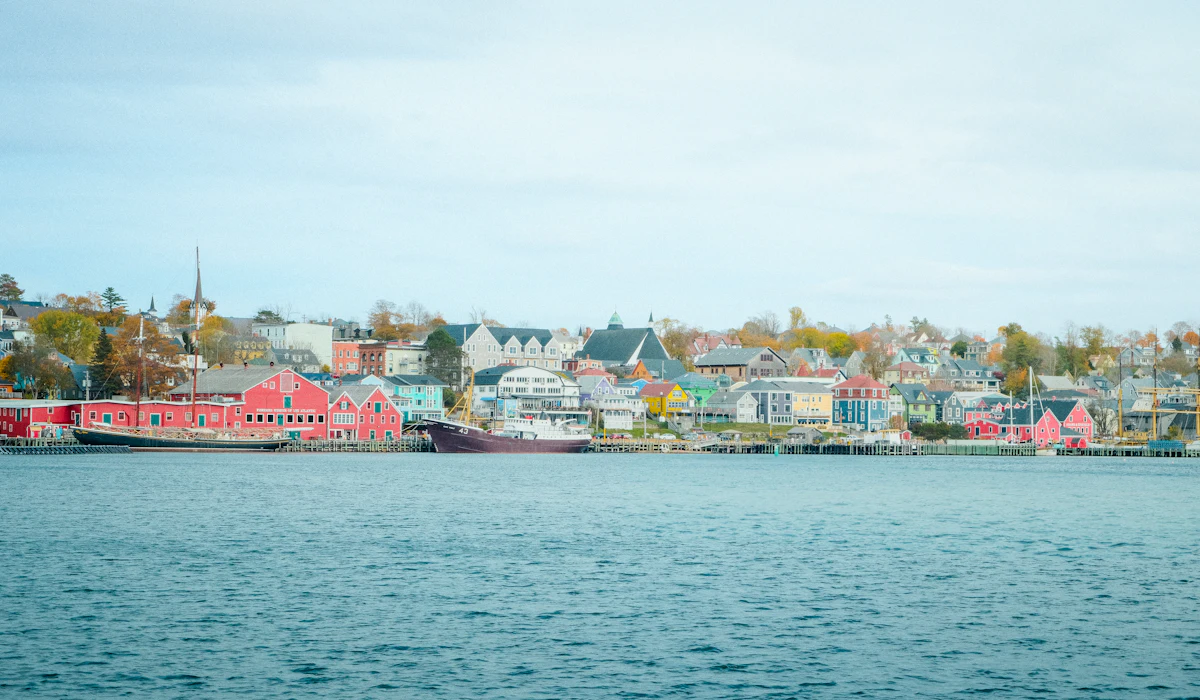
Round trips from Boston and New York typically call at Bar Harbor, Halifax, Saint John and Quebec City, with the season winding down by late October. The draw is simple: red maples along the St.
Lawrence, lobster in every port and evenings cool enough for a jacket on deck. Quebec City makes a dramatic final port, since ships dock below the cliff topped by the Château Frontenac.
Bar Harbor now limits cruise passengers disembarking to 1,000 people a day under a cap local voters approved in 2022, which keeps that stop calmer than it once was. Late-season sailings can trade some peak color for lower fares.
Bermuda Before the Off Season

Sailings from New York and Cape Liberty, New Jersey, keep running into late fall, and October brings ocean temperatures still warm enough for swimming. Ships dock at King’s Wharf in the Royal Naval Dockyard, a former British naval base that now houses shops, a maritime museum and ferry links to Hamilton.
Many itineraries spend two or three nights alongside, which turns the island into a hotel without the hotel bill. Pink sand beaches on the South Shore can be less crowded after Labor Day.
The trade-off is a higher chance of breezy, unsettled weather as the Atlantic shifts toward winter.
Transatlantic Repositioning Crossings
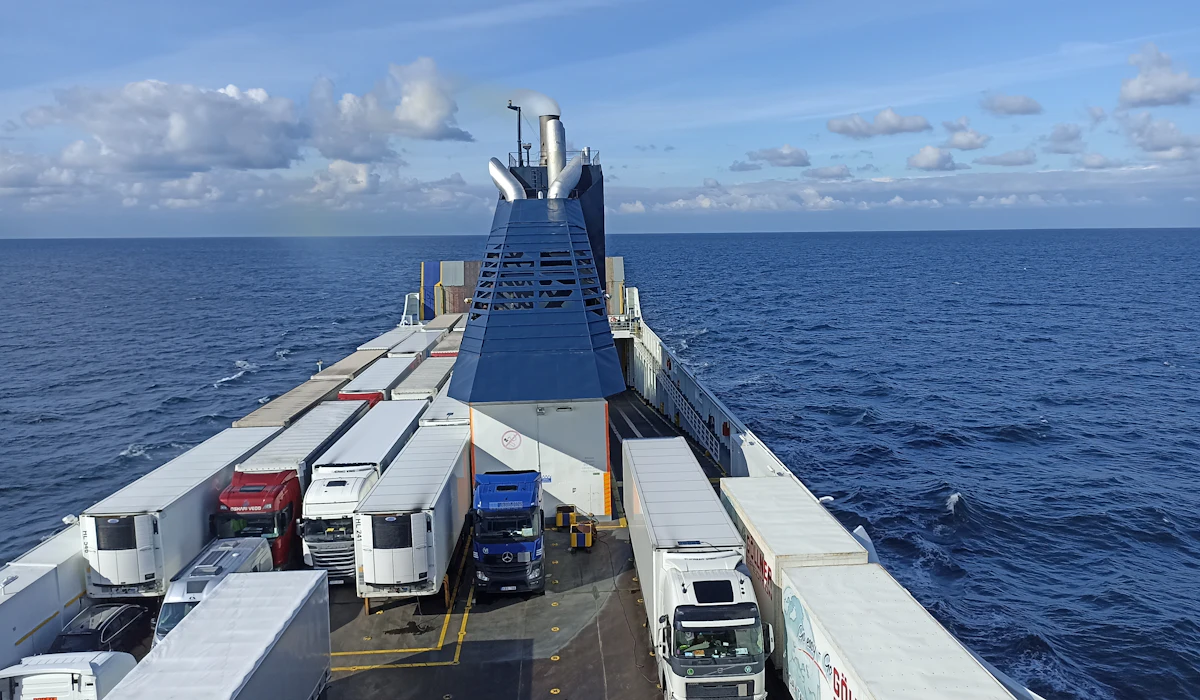
Every fall, many ships leave Europe for winter seasons in Florida and the Caribbean, and the one-way crossings that move them can be priced below comparable regular itineraries. Some routes begin in Barcelona, Rome or Southampton and stop in the Azores or Canary Islands before several consecutive days at sea.
Those sea days suit readers, walkers and anyone who likes an unhurried schedule with lectures and long dinners. Airfare is the catch, since a one-way flight home can cost more than expected.
Comparing the cruise fare with airfare and any required hotel stays is important before booking.
Queen Mary 2 Across the North Atlantic
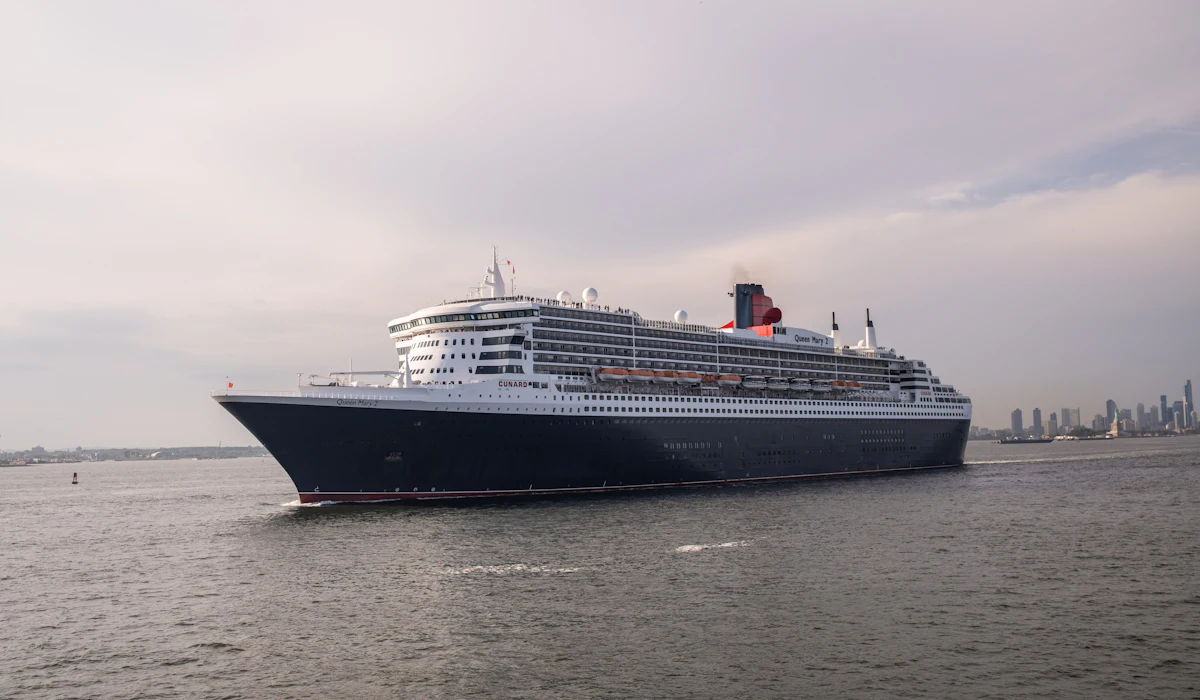
Cunard runs scheduled crossings between Southampton and New York, a seven-night trip that keeps the old liner tradition alive. Queen Mary 2 entered service in 2004 and was built as an ocean liner rather than a standard cruise ship, with a longer, finer hull meant for rough water.
Fall crossings attract travelers who enjoy the ship as much as the destination, including people who simply want a week without ports. The Illuminations theater, a large library and formal gala evenings fill the days.
Westbound crossings often gain an hour on several nights, which turns jet lag into a pleasant series of late mornings.
Hawaii From the West Coast
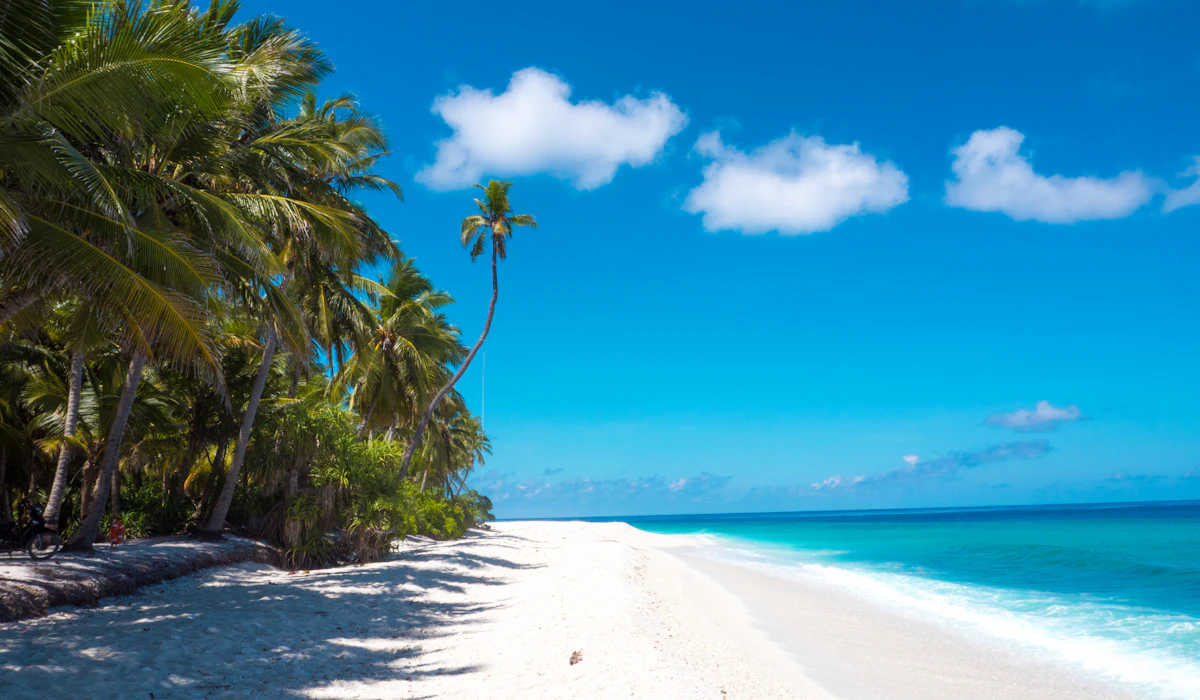
Round-trip Hawaii cruises from Los Angeles and San Francisco usually run 15 or 16 nights, with roughly four sea days each way. Princess Cruises has long operated these sailings, calling at Honolulu, Maui, Kauai and Hilo on the Big Island.
Fall departures avoid both the summer family rush and the holiday price spike in December. The long ocean run tends to attract travelers who enjoy shipboard life rather than tolerate it.
Weather on the crossing can be choppy, and those days at sea are where the voyage either wins or loses a passenger.
Mexican Riviera on a Cooler Calendar
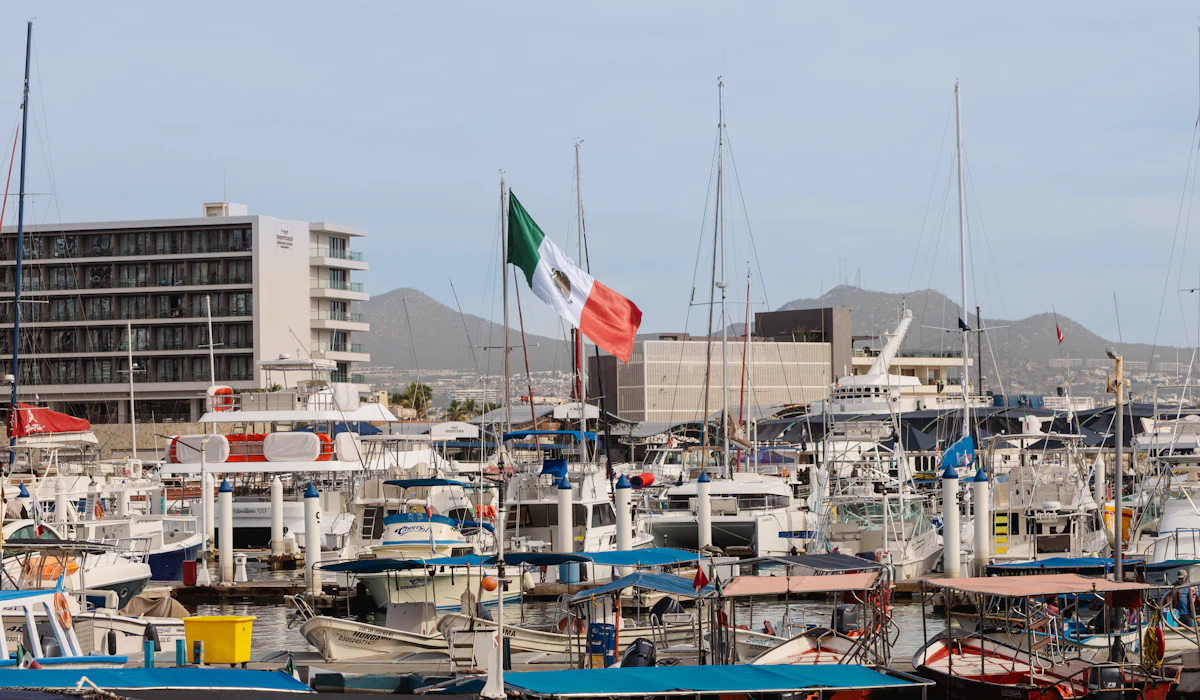
Seven-night sailings from Los Angeles and San Diego typically call at Cabo San Lucas, Mazatlan and Puerto Vallarta. Late fall brings the end of the rainy season along the Pacific coast of Mexico, so humidity drops and skies clear.
Cabo’s rock arch at Land’s End is reachable by water taxi straight from the tender pier. Shorter four- and five-night versions to Ensenada serve as easy first cruises for West Coast travelers.
Fares in October and November can be lower than winter peak pricing, when snowbirds fill the cabins.
Full Panama Canal Transits
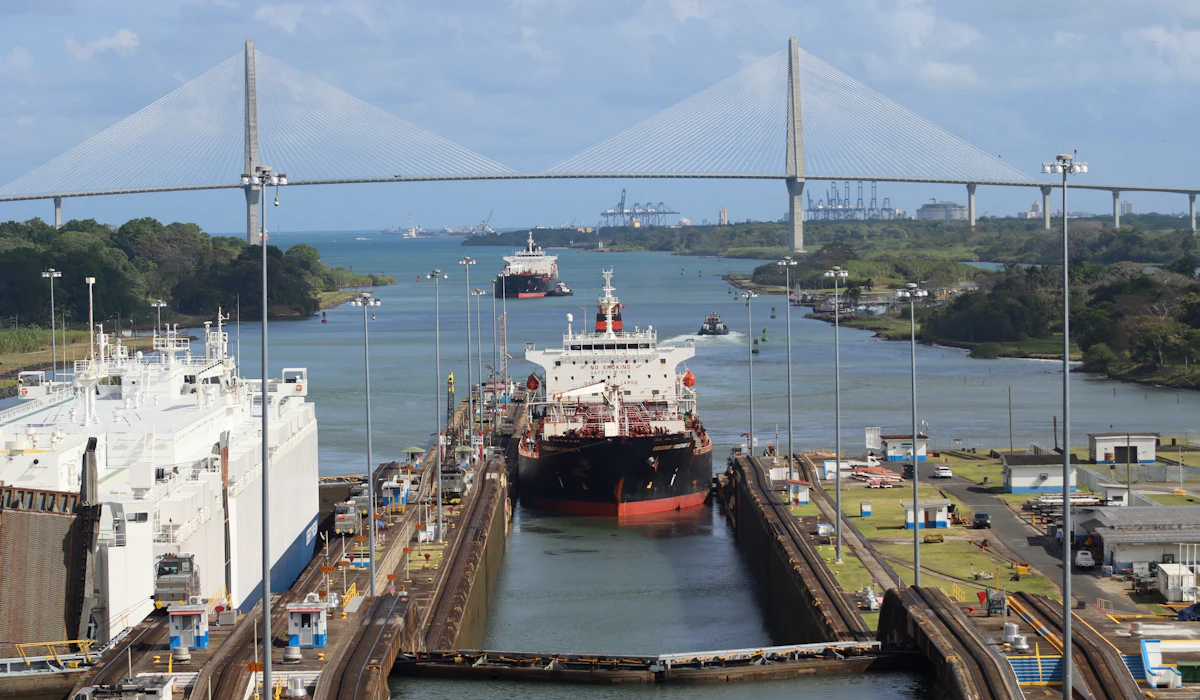
Fall is when many ships move between Alaska, the Pacific coast and the Caribbean, and some of those moves pass through the full Panama Canal. A complete transit takes most of a day, as ships climb about 85 feet through locks to reach Gatun Lake before descending to the other ocean.
Passengers line the bow from early morning to watch the electric locomotives, known as mules, guide ships through the original lock chambers with only a few feet to spare. Partial transits that enter and exit from the Caribbean side are common too.
Only the full version delivers a transit between the Atlantic and Pacific oceans in one trip.
Rhine River During the Grape Harvest
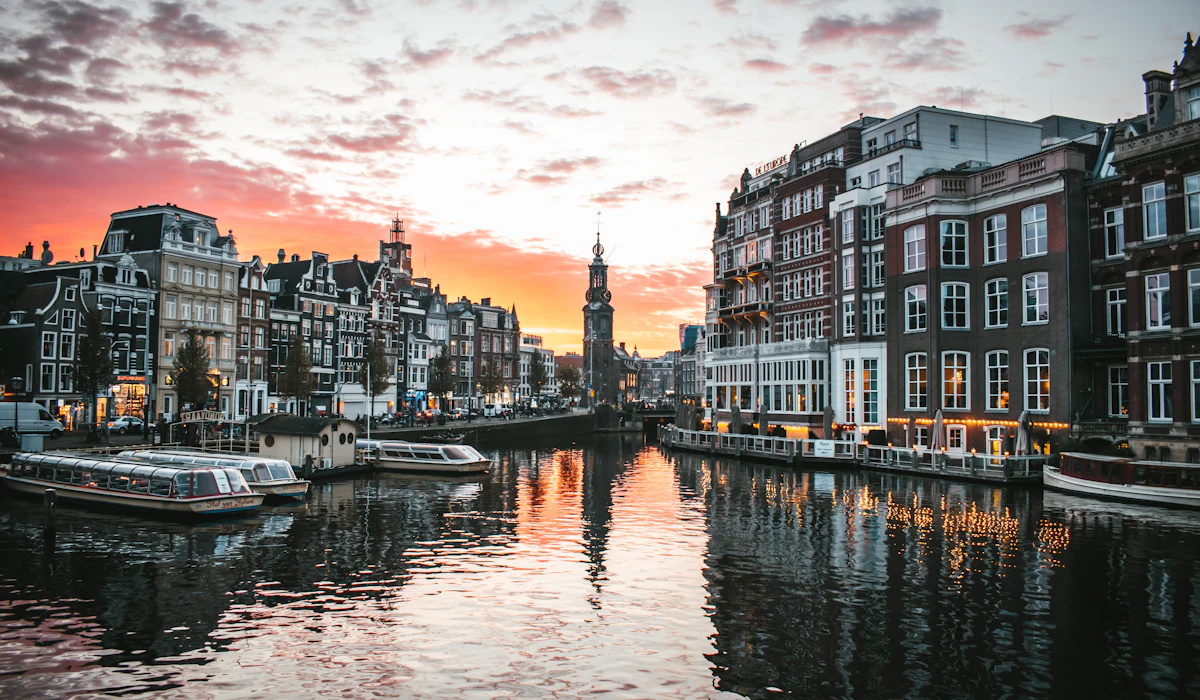
Autumn river cruises between Amsterdam and Basel pass through the Middle Rhine, a UNESCO World Heritage gorge lined with castles and steep Riesling vineyards. In September and October, pickers work the slopes above towns such as Rüdesheim and Bacharach while ships glide past.
Many river lines time wine tastings and harvest dinners to the season. River ships carry far fewer guests than ocean vessels, with many carrying fewer than 200, so docking is quick and towns are a short walk away.
Fall water levels can drop after a dry summer, which occasionally forces a bus transfer around low stretches.
Danube Through the Wachau Valley
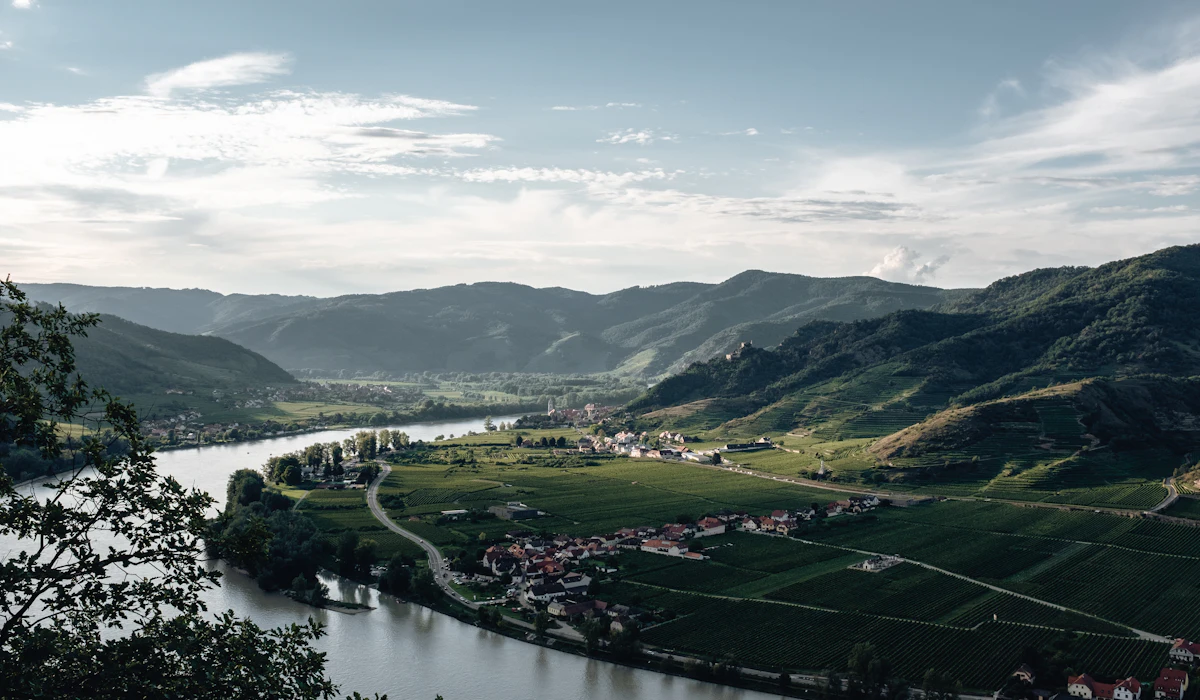
The Wachau, between Melk and Krems in Austria, is among the most photographed river stretches in Europe, with terraced vineyards and apricot orchards turning gold in October. Melk Abbey, a Benedictine monastery on a bluff above the river, is a standard stop with a baroque library that rewards the climb.
Most itineraries continue to Vienna and Budapest, where fall weather favors long walks over sweltering afternoons. Grüner Veltliner from Wachau growers features heavily at onboard tastings.
Late October sailings also can cost less than the summer peak.
Moselle Wine Country
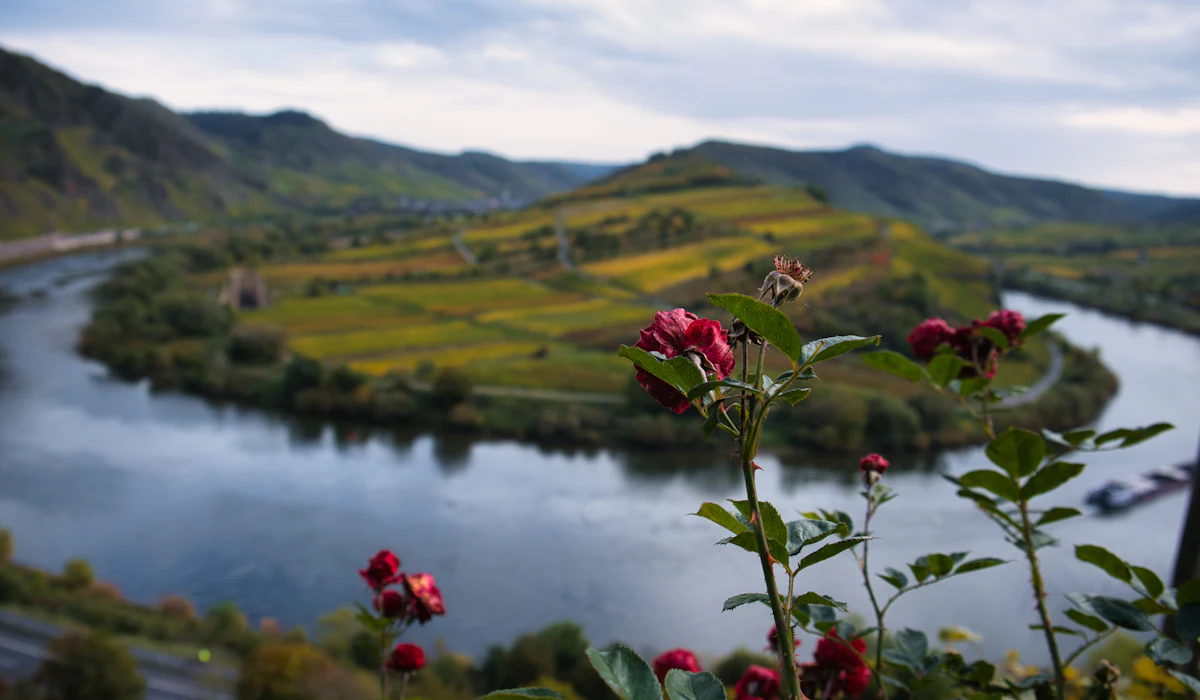
The Moselle loops through Germany between Koblenz and Trier, and its twisting course gives river ships a slow, scenic route past slate-covered hillsides. The Bremmer Calmont, often cited as one of the steepest vineyards in Europe, rises above the river near Bremm.
Towns such as Cochem and Bernkastel-Kues hold wine festivals into early fall, and their half-timbered streets stay busy with harvest traffic. The Moselle is narrower than the Rhine, so many ships pass through locks that make for close-up viewing.
Trier, founded by the Romans, ends most itineraries with the Porta Nigra gate.
Douro Valley Harvest Voyages
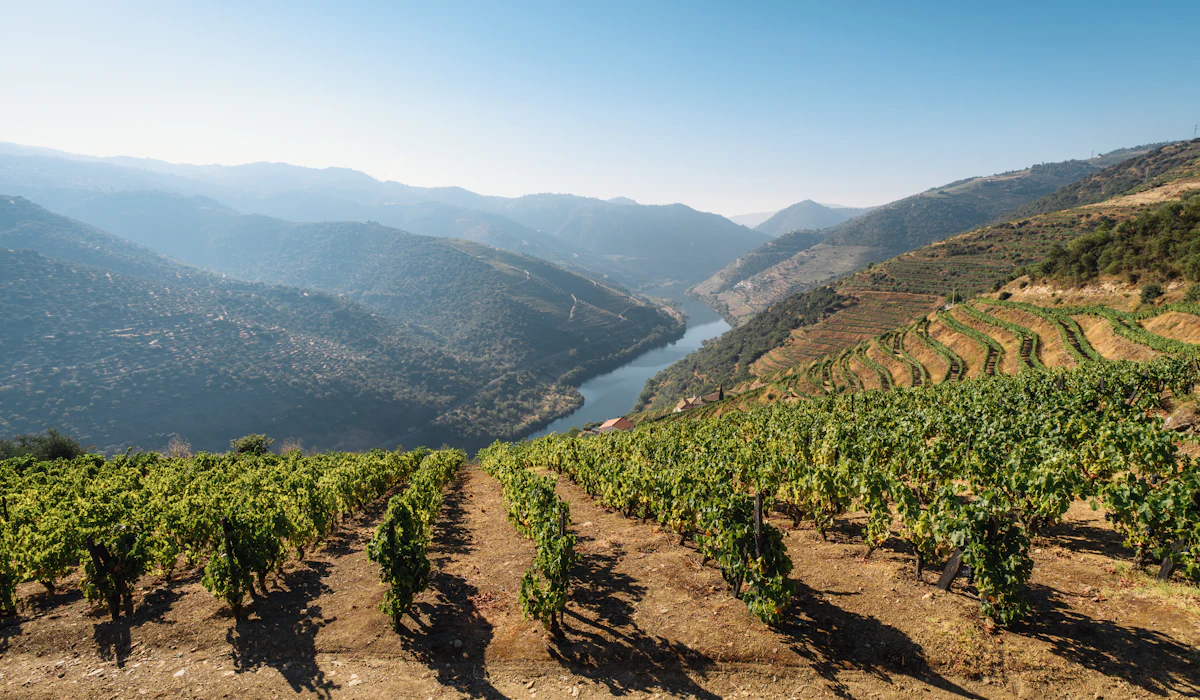
Portugal’s Douro runs east from Porto into the region where port wine grapes are grown, and the harvest typically falls in September and early October. River ships pass through a series of dams, including the Carrapatelo lock, which lifts vessels about 35 meters and ranks among the highest in Europe.
Terraced quintas cover the hillsides, and many itineraries include a visit to an estate where grapes are still crushed by foot. The valley sits deep inland and stays warm into autumn.
Smaller ships are required on this river, so cabins can sell out earlier than on wider waterways.
Seine and Normandy
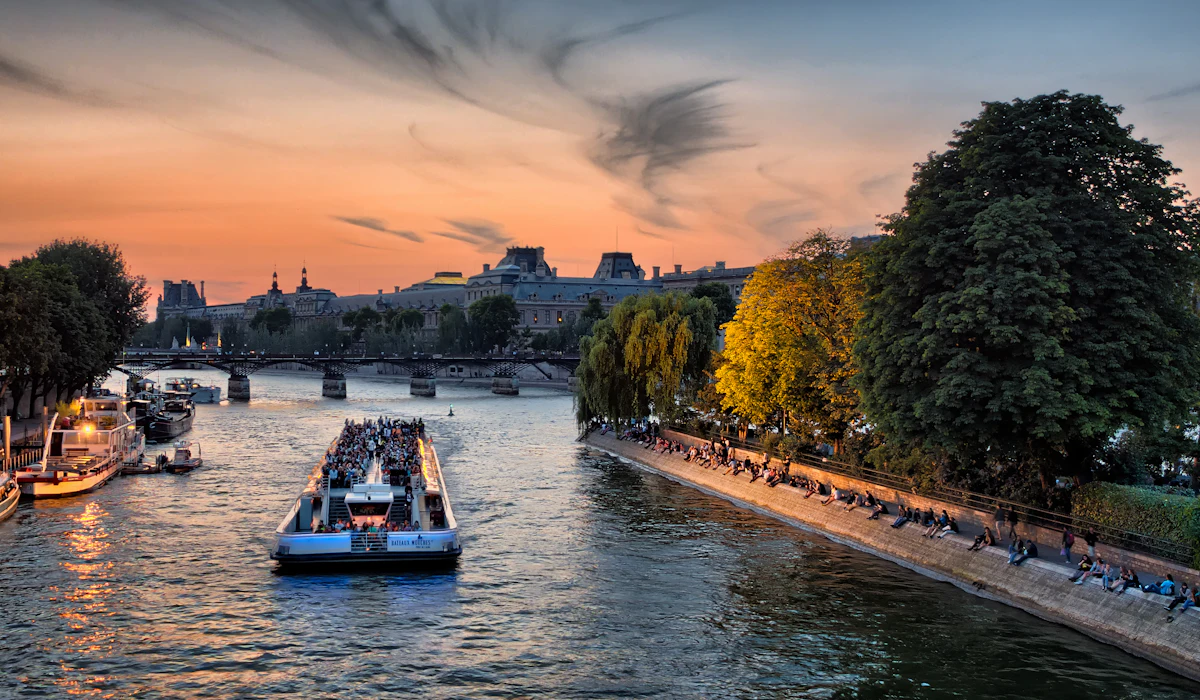
Round trips from Paris follow the Seine through Rouen to the Normandy coast, with time for the D-Day beaches and the 11th-century embroidery displayed in Bayeux. Monet’s house and gardens at Giverny usually stay open through the first day of November, so fall cruises can still include them.
The countryside turns to orchards heavy with apples, and calvados tastings appear on many itineraries. Rouen’s cathedral, painted more than 30 times by Monet, sits a short walk from the dock.
Cool, gray days are common in late fall, but they suit cathedral towns and war memorials well.
Early Christmas Market Sailings

River cruises built around German and Austrian Christmas markets usually begin in November, with many opening by late November, but cabins sell during the fall. Markets in Nuremberg, Vienna, Cologne and Strasbourg typically open at different points in November, and ships dock within walking distance of several.
Mulled wine, gingerbread and handmade ornaments define the experience. Nuremberg’s Christkindlesmarkt traces its history back centuries and draws enormous crowds.
Booking now, before December departures fill, gives a better choice of cabin category and price. Cold evenings are part of the appeal, and the ships make an easy warm retreat between market visits.
Nile Cruises From Luxor to Aswan
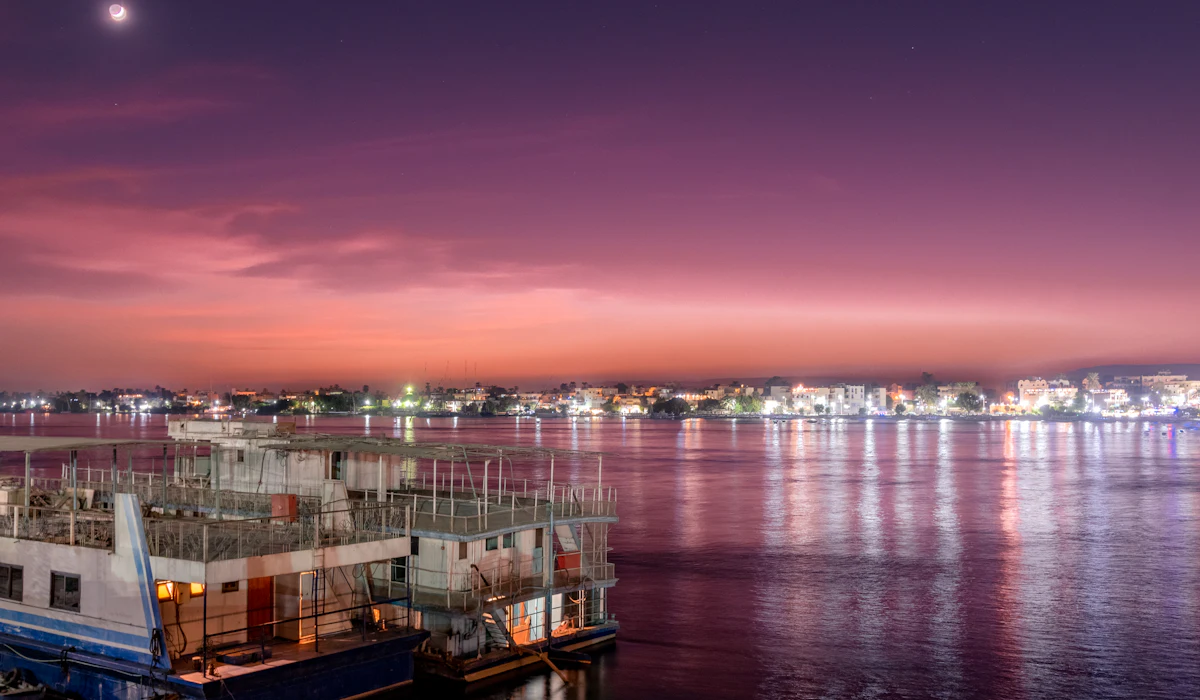
Temperatures along the Nile fall from brutal summer highs to comfortable levels in October and November, which is when this route comes into its more favorable season. Most cruises run between Luxor and Aswan over four to seven nights, stopping at temples in Edfu and Kom Ombo along the way.
Luxor’s West Bank holds the Valley of the Kings, reachable in an early morning before the heat builds. Ships on the Nile are small and low, so the river views are close and constant.
Many travelers pair the voyage with a few nights in Cairo and a visit to the Grand Egyptian Museum.
Greek Islands in Shoulder Season
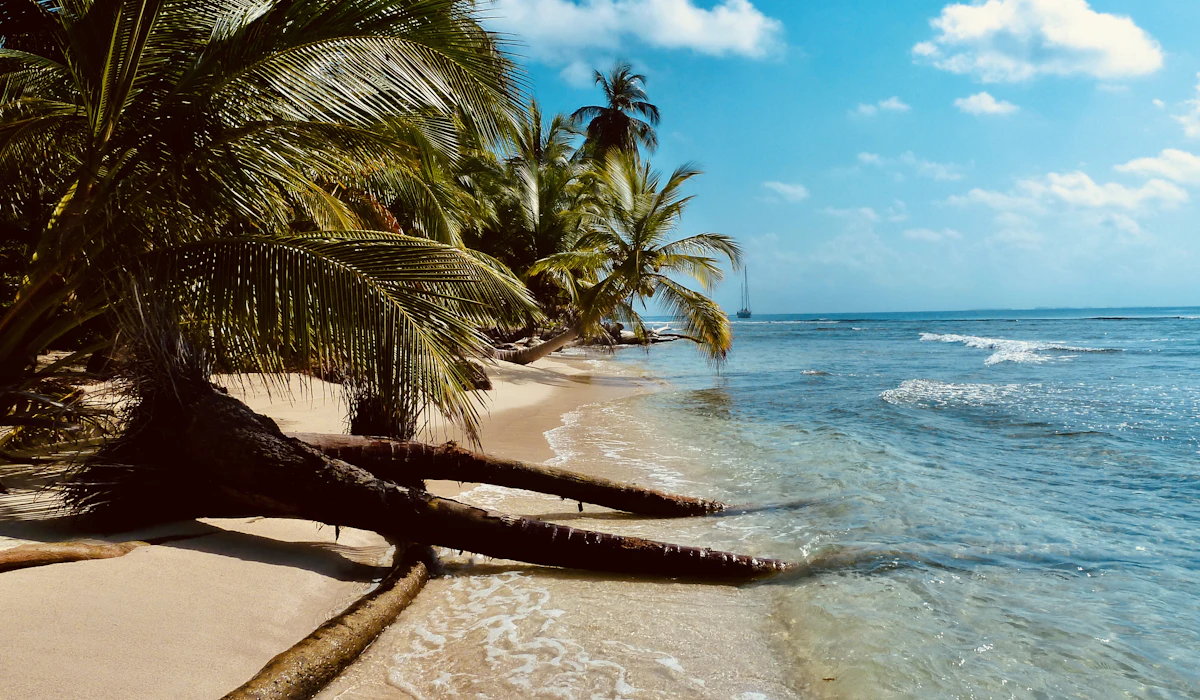
October in the Aegean brings sea temperatures still warm from summer, with far fewer people on the quays. Greece introduced a per-passenger cruise levy in 2025, with reduced rates in October compared with the summer peak, which slightly favors fall travel.
Smaller ports such as Nafplio, Patmos and Syros give a calmer view of island life than the busiest stops. Ferries and some excursions run reduced schedules after mid-October, so itineraries tend to focus on major ports.
A fall sailing often includes a late sunset with no fight for railing space.
Canary Islands Winter Sun
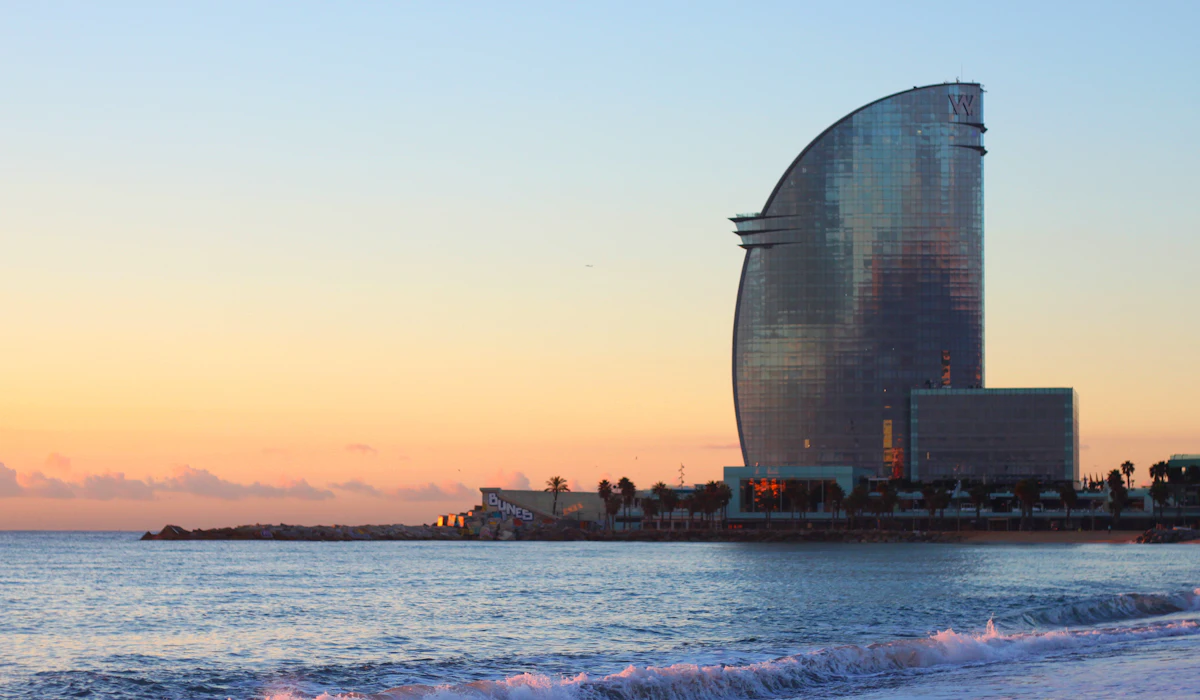
Ships based in Southampton, Barcelona and the Canaries themselves run fall and winter loops through Tenerife, Gran Canaria, Lanzarote and La Palma. The islands sit off the coast of Morocco and stay mild when northern Europe turns cold.
Tenerife’s Mount Teide, at 3,715 meters, is the highest peak in Spain and makes a popular excursion by cable car. Lanzarote’s volcanic landscape includes vineyards planted in black ash pits ringed by stone walls.
British and German travelers are common on these sailings, and English is common aboard. Fall sailings here are less about sunbathing than about volcanic scenery and long walks in mild air.
Japan in Autumn Color
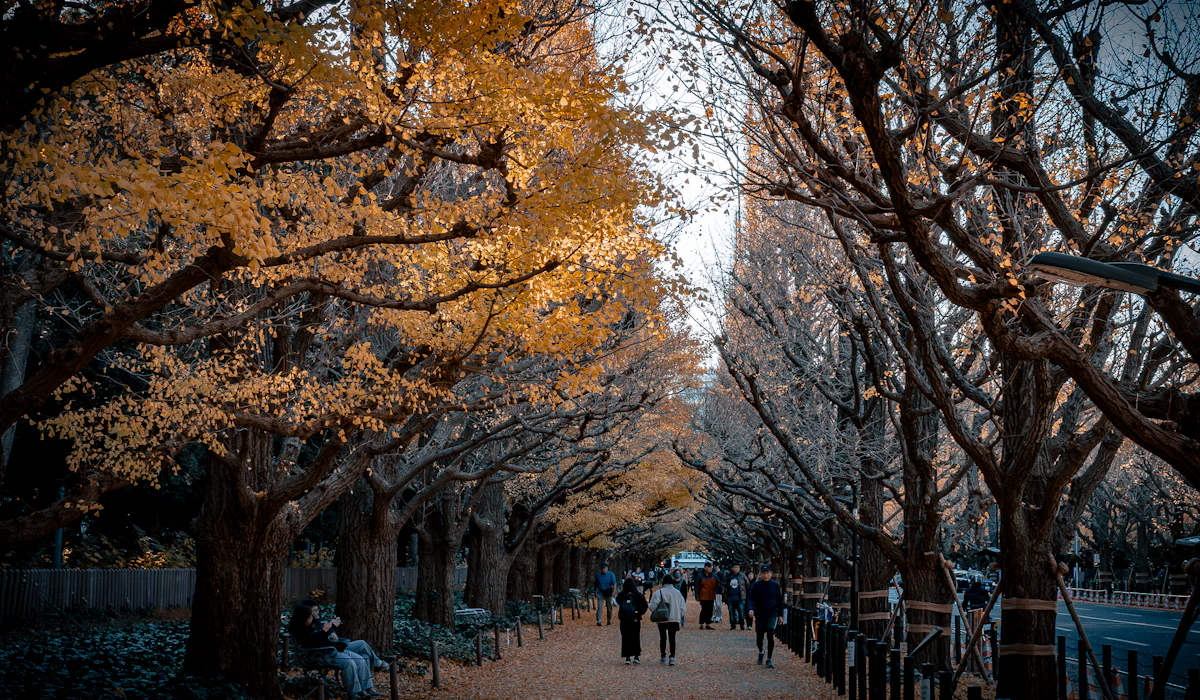
Japan’s fall foliage season progresses from north to south from late September through early December, depending on location, and several lines run round trips from Tokyo’s port of Yokohama during that window. Princess Cruises currently offers Japan sailings from Yokohama and serves Japanese specialties on those voyages.
Typical ports include Aomori, Kanazawa, Kobe and Kagoshima, along with stops in South Korea. Kanazawa’s Kenrokuen garden ranks among the most celebrated landscape gardens in the country and blazes red in November.
Booking early matters, since fall is a popular travel season in Japan.
Australia and New Zealand Spring Sailings
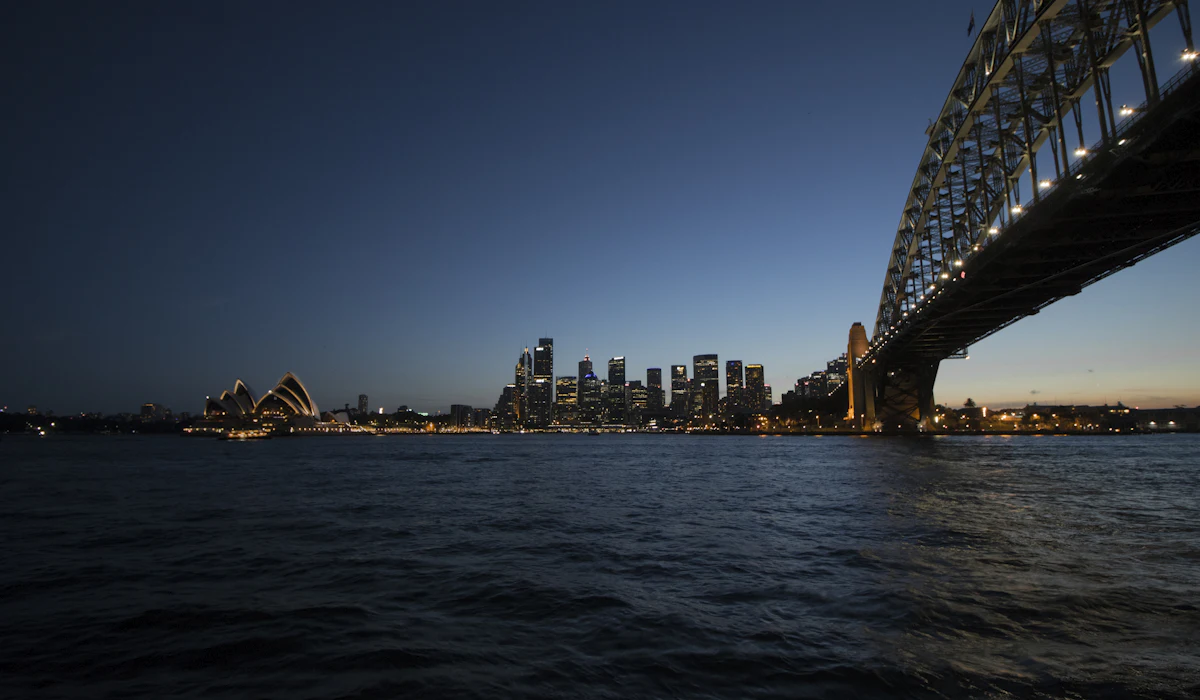
October and November are spring in the Southern Hemisphere, which makes them a sweet spot for New Zealand and Australian itineraries. Many cruises run between Sydney and Auckland or loop around New Zealand’s two main islands.
Fiordland’s scenic cruising through Milford Sound and Doubtful Sound is a highlight, with waterfalls running hard after spring rain. Fares can sit below the December and January summer peak.
Long flights are the cost of entry, and most travelers add a few days on land at each end to recover.
Antarctica at the Opening of the Season
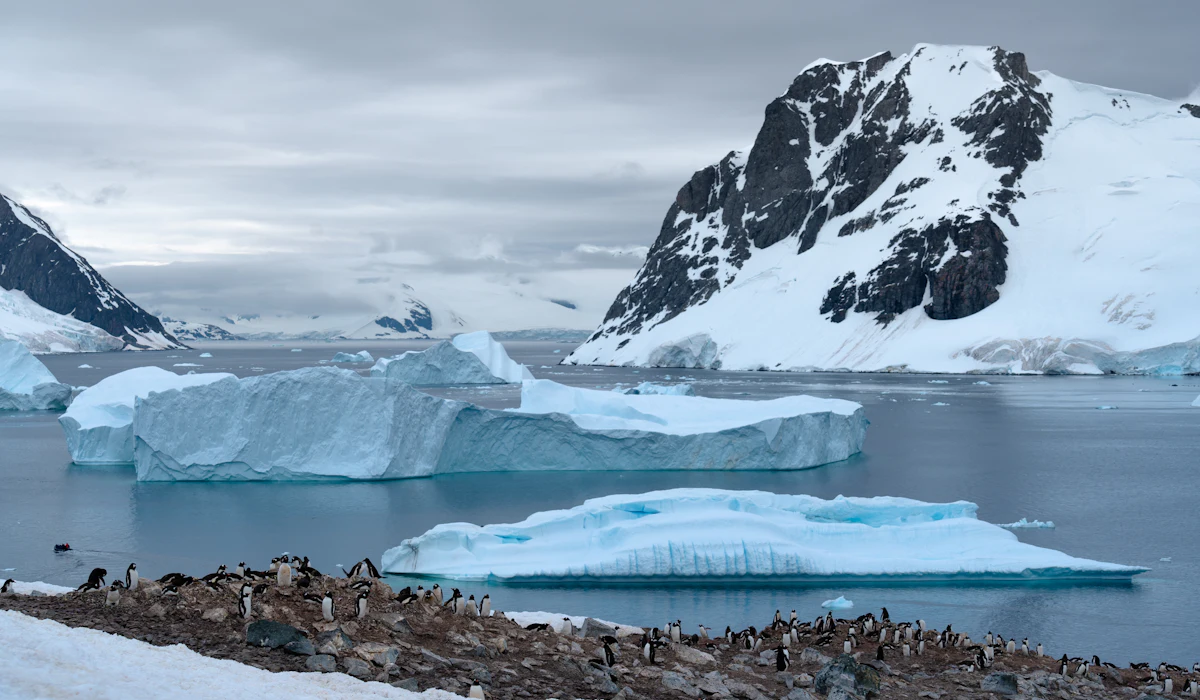
Expedition voyages to the Antarctic Peninsula begin in November, when sea ice retreats and penguins begin nesting. Most trips leave from Ushuaia, Argentina, and cross the Drake Passage, a stretch known for heavy seas.
Members of the International Association of Antarctica Tour Operators follow guidelines that allow no more than 100 visitors ashore at a single site at one time. Early season voyages show pristine snow and courtship behavior, while later ones bring chicks.
Fares are high and cabins sell well in advance, so fall is when serious planners commit.
Galapagos With Small Expedition Ships
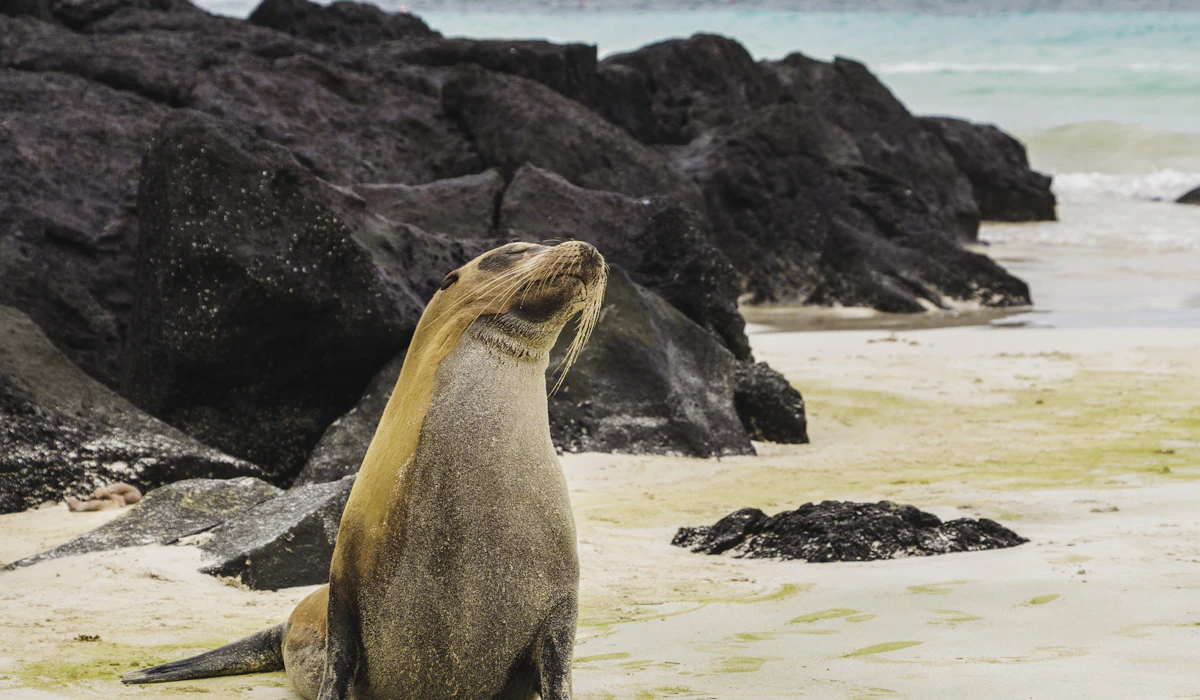
Ecuador limits tourism vessels in the Galápagos to a maximum of 100 passengers, with some sites imposing additional restrictions, which keeps the experience small and controlled. Fall falls in the cool, dry season, when the Humboldt Current brings nutrient-rich water and active marine life.
Sea lions lounge on landing beaches, marine iguanas sun on black lava and naturalist guides lead every shore visit. Itineraries are tightly regulated by Galapagos National Park, so routes rotate between island groups.
Water feels chilly in this season, and most ships provide wet suits for snorkeling. Few places let visitors stand this close to wildlife that shows so little interest in people.
Mississippi River Sternwheelers and Modern River Ships
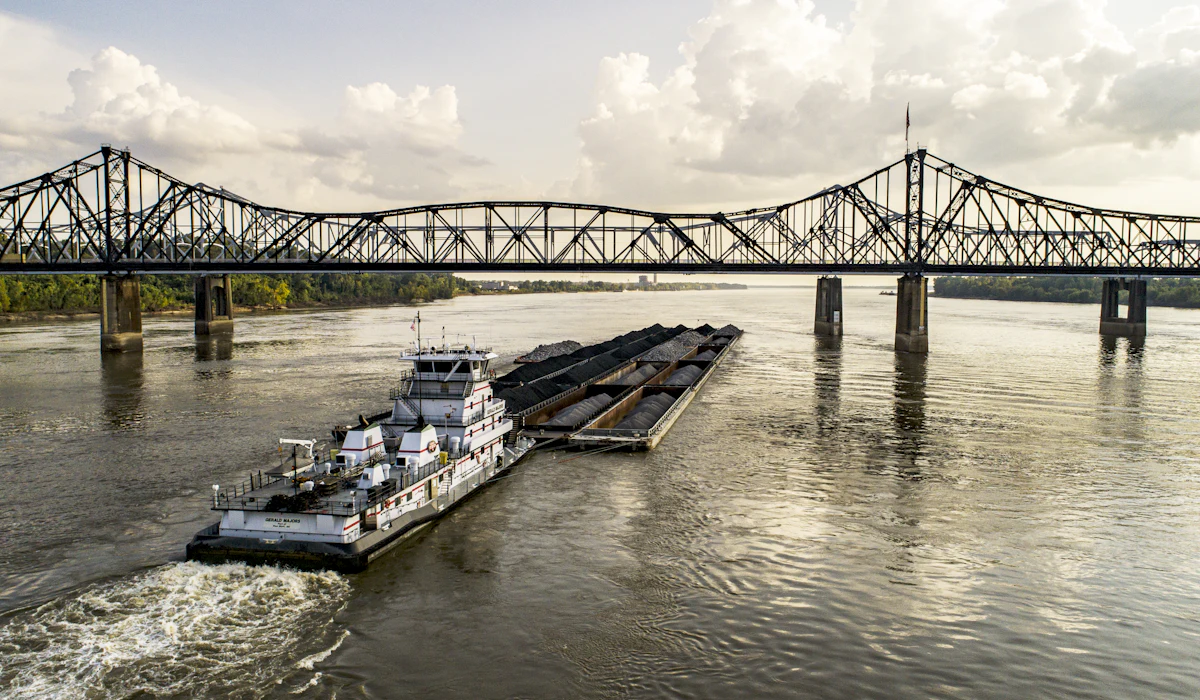
Fall cruises on the Upper Mississippi follow foliage south from St. Paul toward St.
Louis, while Lower Mississippi trips link New Orleans, Natchez and Memphis. American Cruise Lines and Viking both operate river ships on the route, with Viking Mississippi entering service in 2022.
Stops include Civil War battlefields, Mark Twain’s boyhood home in Hannibal and plantation houses along the river road. The Upper river passes through a chain of locks and dams built in the 1930s.
Cabin counts are modest, which keeps the pace unhurried.
Columbia and Snake Rivers
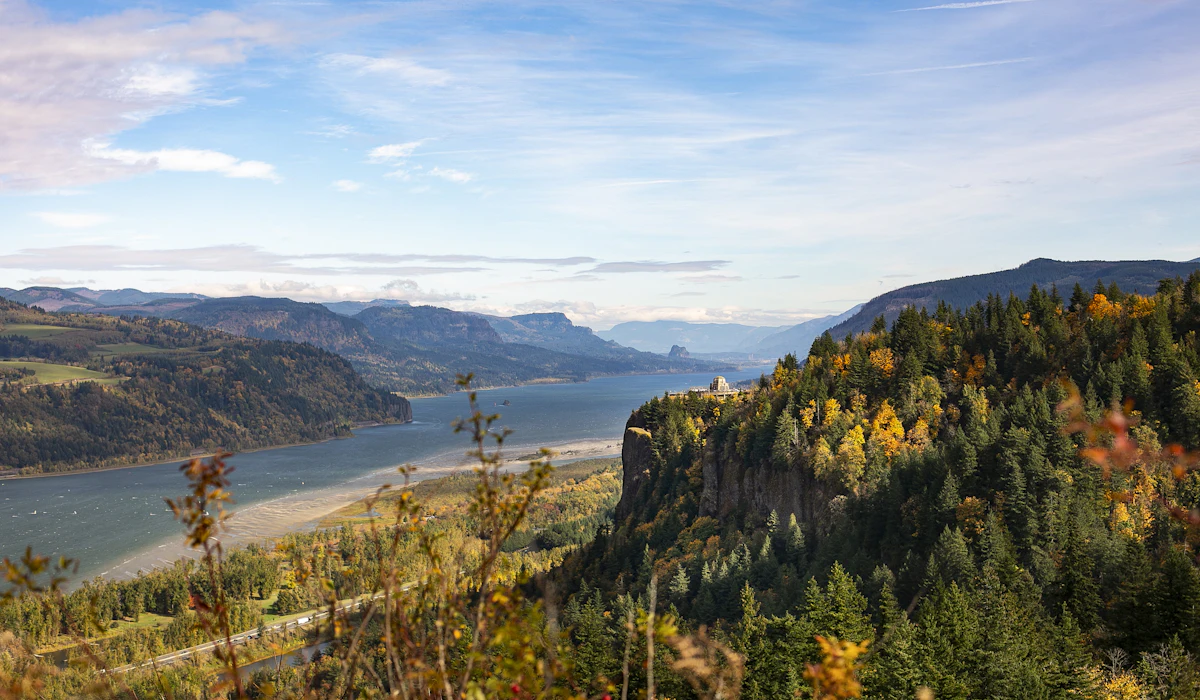
This route follows part of the Lewis and Clark trail, beginning near Portland and running inland to Clarkston, Washington. Ships pass through a chain of eight locks, including Bonneville, as the scenery changes from forested gorge to dry canyon country.
American Cruise Lines, Lindblad Expeditions and UnCruise have all operated on the river. Fall brings harvest season to the Walla Walla and Columbia Valley wine regions, and many stops include winery visits.
Multnomah Falls, near the beginning of the route, can run strongly after autumn rains.
Hudson River Foliage Cruises
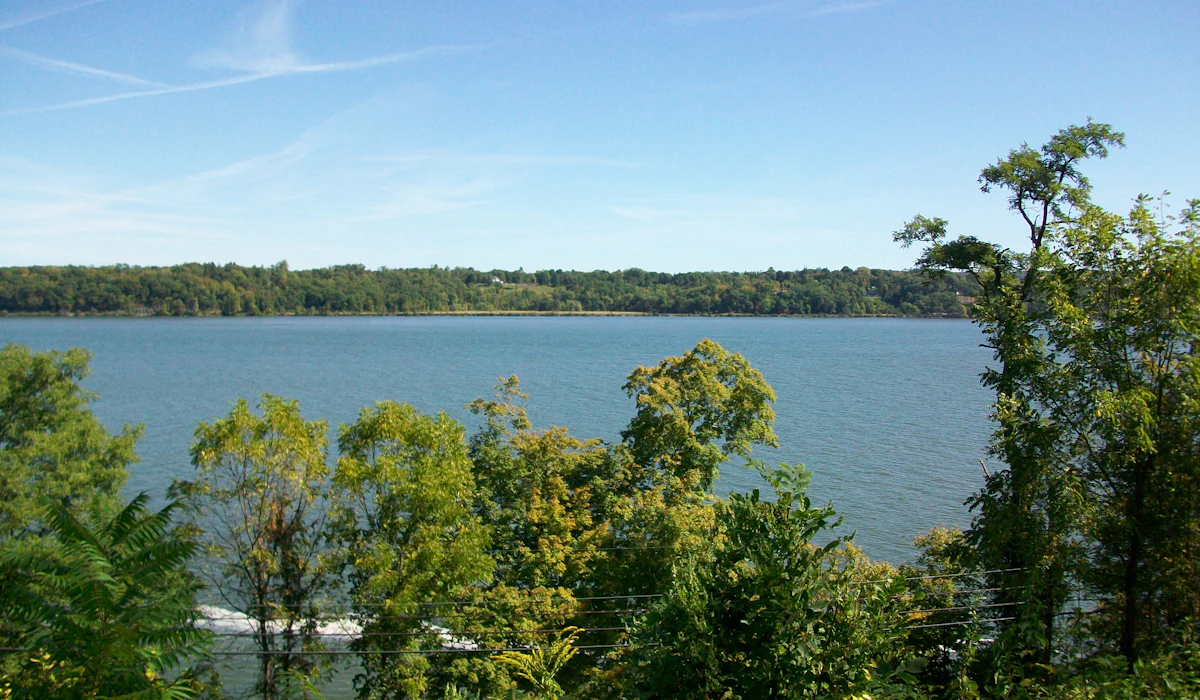
American Cruise Lines runs fall foliage sailings between New York City and Albany, with a reverse itinerary also available. Stops typically include West Point, the Vanderbilt Mansion and the Franklin D.
Roosevelt home at Hyde Park. The Hudson Valley hosted the painters of the Hudson River School, and autumn shows why they kept returning.
Ships are small and American-flagged, with a casual, port-intensive schedule. Seeing Manhattan’s skyline recede on the first evening gives the trip a strong opening.
The return itinerary, sailing south past the Palisades, makes an equally good closing scene.
Chesapeake Bay Coastal Cruises
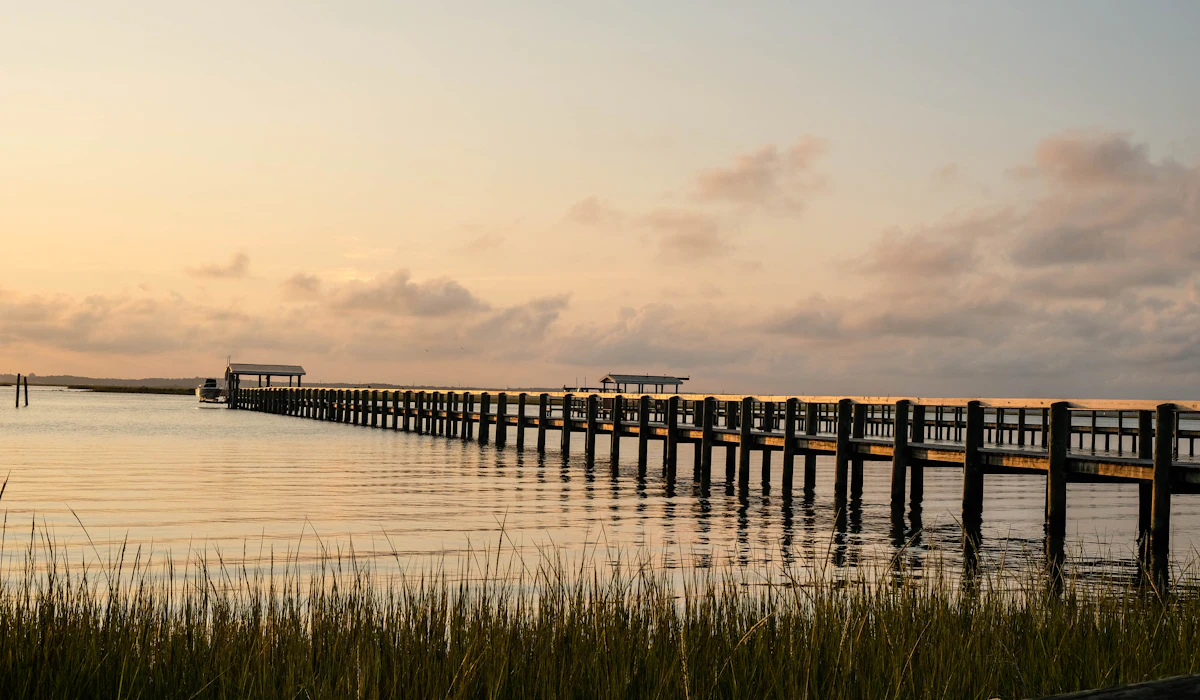
Small-ship itineraries on the Chesapeake include sailings that begin and end in Baltimore, with stops such as Annapolis, St. Michaels and Cambridge in Maryland.
Fall brings oysters back into season and cooler days for walking historic waterfronts. Annapolis is home to the U.S.
Naval Academy, which offers guided tours of the Yard. The Chesapeake Bay Maritime Museum in St.
Michaels holds historic boats and a 19th-century lighthouse. These trips suit travelers who prefer short runs between ports and no open ocean.
Crab cakes appear on menus everywhere, and many travelers treat each stop as a tasting comparison.
Disney Halloween on the High Seas
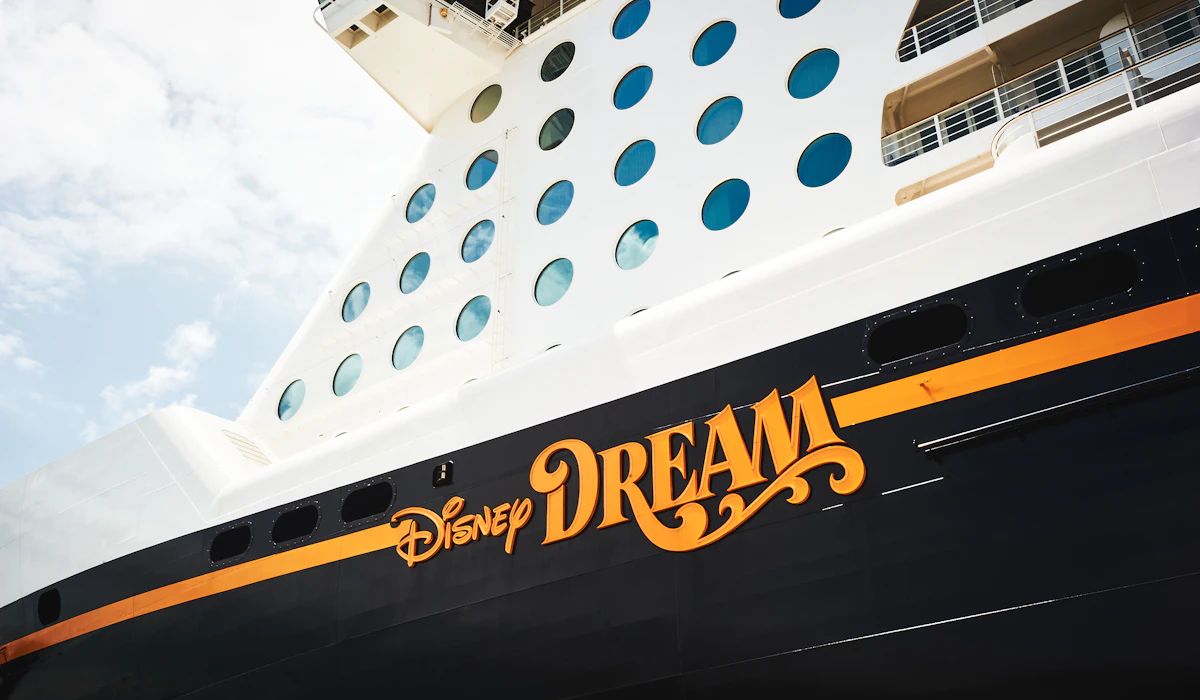
Disney Cruise Line runs Halloween on the High Seas sailings during late September through Halloween. Ships add themed decorations, a costume-friendly party night and character appearances in seasonal outfits.
On some ships, the atrium holds a Pumpkin Tree that lights up during an evening ceremony. The sailings sell heavily to families who can travel around fall breaks.
Adults travel these trips too, often in costumes more elaborate than the children’s. Disney also adds seasonal menu items and themed treats, so the holiday shows up at dinner as well.
Cabins on these dates tend to book well ahead of regular fall sailings.
Bahamas Weekends at Celebration Key
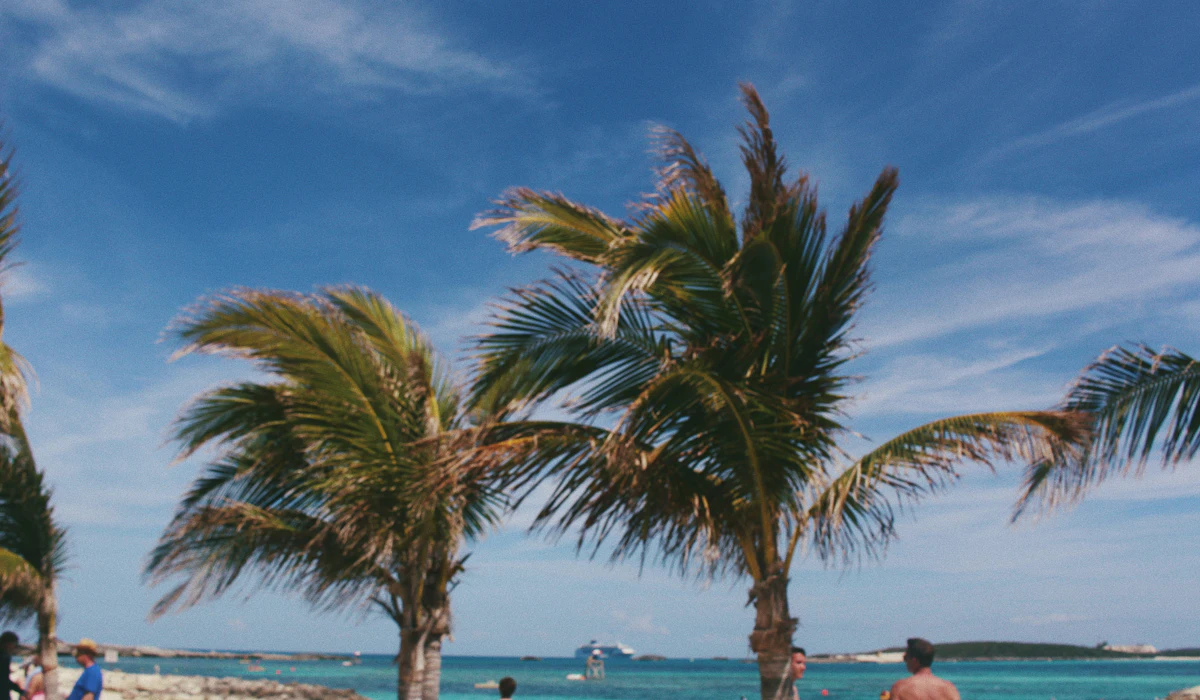
Short three- and four-night cruises from Florida are a reliable fall escape, and Carnival’s Celebration Key on Grand Bahama opened on July 19, 2025 as the line’s newest private destination. The site includes lagoons, a family area and an adults-only beach club.
Other lines rely on their own private islands, including Royal Caribbean’s Perfect Day at CocoCay. Short sailings let travelers test a ship before committing to a longer trip.
Fall prices can drop once school is back in session. Weekend departures fill first, so midweek sailings can offer the better bargains.
Late November Caribbean Before the Holiday Rush
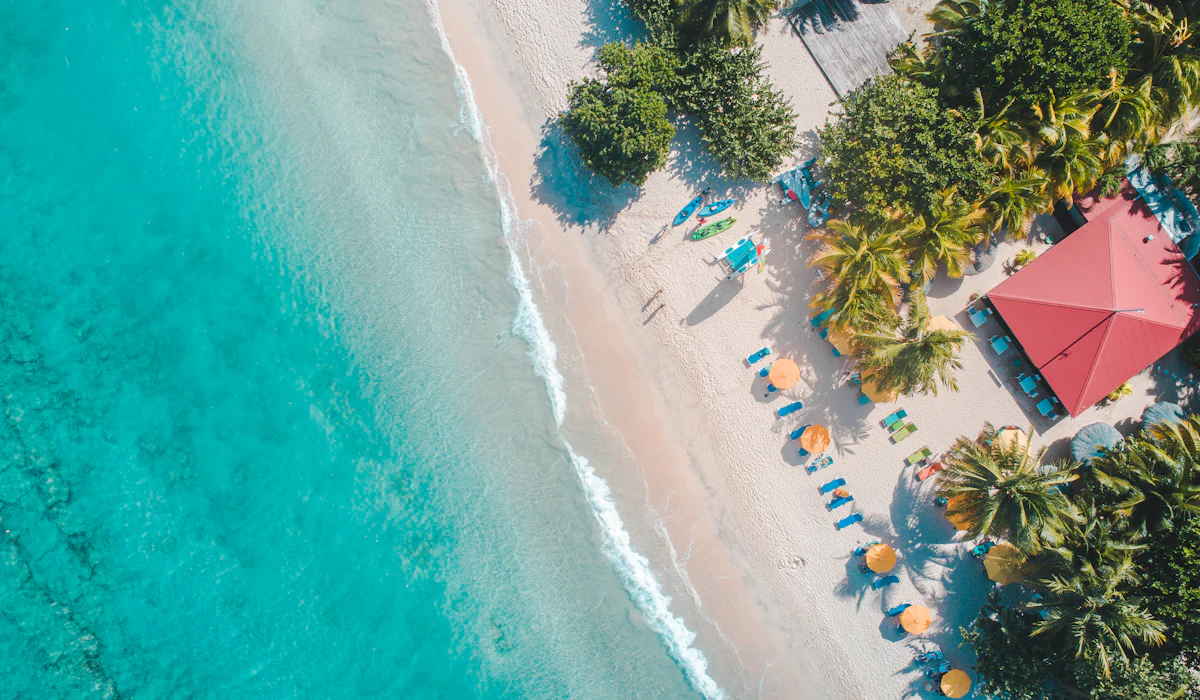
The Atlantic hurricane season officially runs from June 1 through November 30, so late November sailings sit right at its tail. Ships return to the Caribbean in large numbers around this time, which increases choice and can keep prices competitive before December holidays.
Ports such as St. Thomas, St.
Maarten and Barbados have fewer cruise passengers than they will in winter. Thanksgiving week itineraries tend to sell well to multigenerational families.
Weeks before and after the holiday can cost less. Calm seas and long daylight hours make the region an easy sell for anyone leaving a northern November.
Iberian Atlantic Coast Voyages
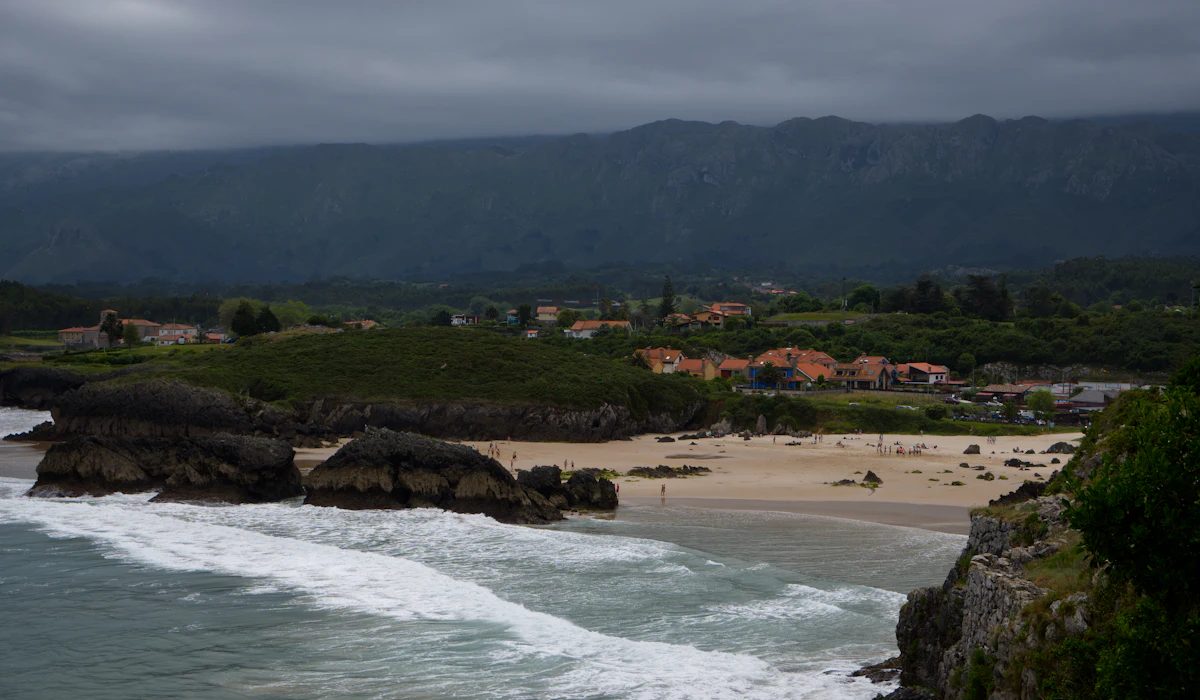
Itineraries between Lisbon and northern Spain call at Porto, Vigo, A Coruña and Bilbao, ports that stay mild well into fall. Bilbao’s Guggenheim Museum, designed by Frank Gehry and opened in 1997, sits within reach of the pier.
Vigo provides access to Santiago de Compostela, the endpoint of the Camino pilgrimage routes. Many repositioning cruises use this coastline as they head south for winter.
Seafood is a central attraction, with octopus, scallops and percebes on menus in nearly every port. Fall weather on this coast can turn wet, but it rarely turns cold.
Bordeaux River Cruises During the Vendange
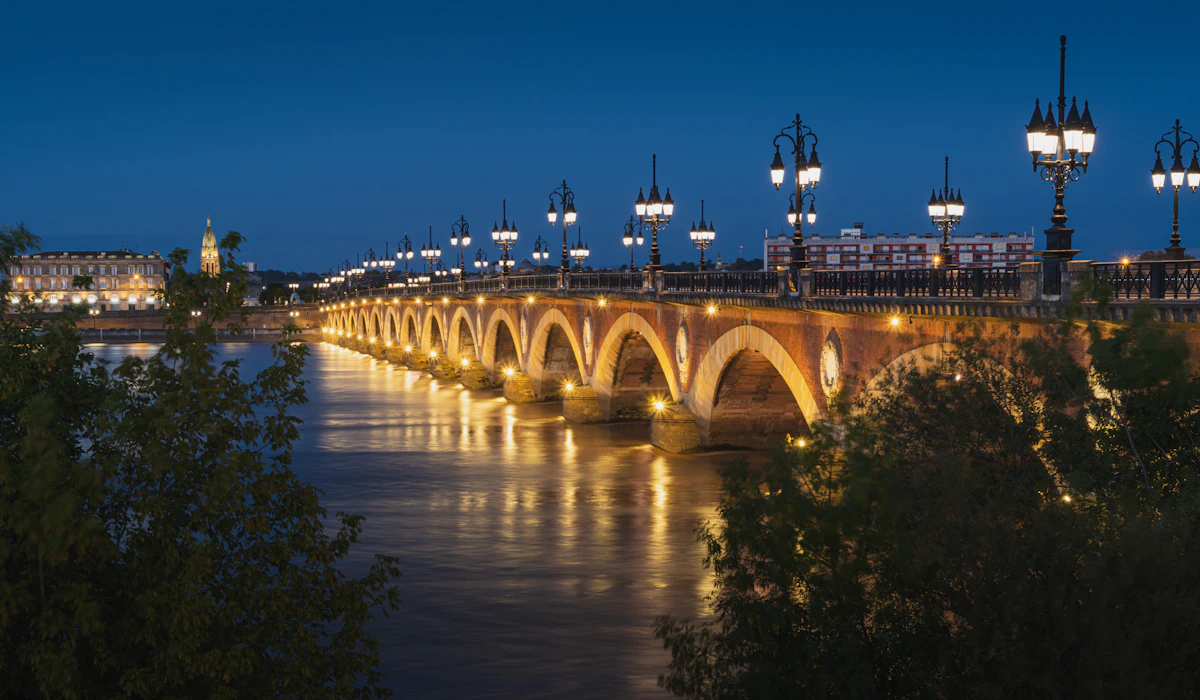
River ships based in Bordeaux sail the Garonne, Dordogne and Gironde estuary through some of the most famous wine country in France. The grape harvest, called the vendange, typically runs from September into October.
Stops include Saint-Émilion, a medieval village listed as a UNESCO World Heritage site in 1999, along with Pauillac in the Médoc. Tidal rivers mean schedules shift with the water, which adds a little unpredictability.
Wine tastings appear almost daily, and many lines include them in the fare. Fall light over the vineyard rows makes even a gray morning look good from the sun deck.
Calendars That Favor Patience

Fall cruising rewards travelers who are willing to sail when most people are back at work or school. Ships still need to reach winter homes, and harvests still happen whether or not anyone books a cabin.
That gap between supply and demand can create opportunities for better fares and calmer decks.
The best fall itineraries tend to be transitional ones, moving between seasons, rivers or oceans. They come with cooler air, smaller crowds and a clear sense that the year is turning.
For many travelers, that turning is reason enough to go.
More from Travel Pug

- Underrated Italian Towns That Beat the Tourist Crowds
- Las Vegas Tourist Traps to Skip
- Prettiest Towns in Every US State
- 18 passport-free countries for Americans
- Signs Your Cruise Is Not Worth The Cost
Like Travel Pug’s content? Follow us on MSN.