

A cruise ship is designed so that spending never feels like spending. A room card replaces a wallet, prices appear without tax lines or cash changing hands, and the bill arrives as a single folio slipped under the door on the final night.
That folio is where many passengers meet the vacation a second time. Some charges bring back good memories.
Others bring back a sales pitch, a sunburned afternoon or a glass of champagne that turned out to be very expensive.
Art Auctions With Free Champagne

Shipboard art auctions, many of which are operated by Park West Gallery, pair complimentary sparkling wine with fast bidding and a cheerful auctioneer. The format rewards impulse, and the paperwork arrives later.
Framing, shipping and insurance can add substantially to a hammer price, and the work usually reaches home after the voyage ends. Buyers who later seek an independent appraisal are sometimes surprised by the gap between the sea price and a land valuation, since resale depends on the edition, the artist’s market and the print’s condition.
Passengers who simply enjoy the event can attend, enjoy the complimentary refreshments and any promotional giveaways, and keep their paddle down.
Professional Photo Packages

Photographers work the gangway, the atrium staircase and every formal night, and by midweek a single cabin can have dozens of portraits waiting on the photo gallery screens. Packages are priced to make the bundle look like a bargain compared with single prints, which can be expensive individually.
The regret tends to come at home, when the package turns out to hold many near-identical frames against the same painted backdrop. Families who want one good portrait usually do better choosing a single favorite shot.
Modern phone cameras have quietly made much of the remaining package less necessary than it once was.
Drink Packages That Never Break Even
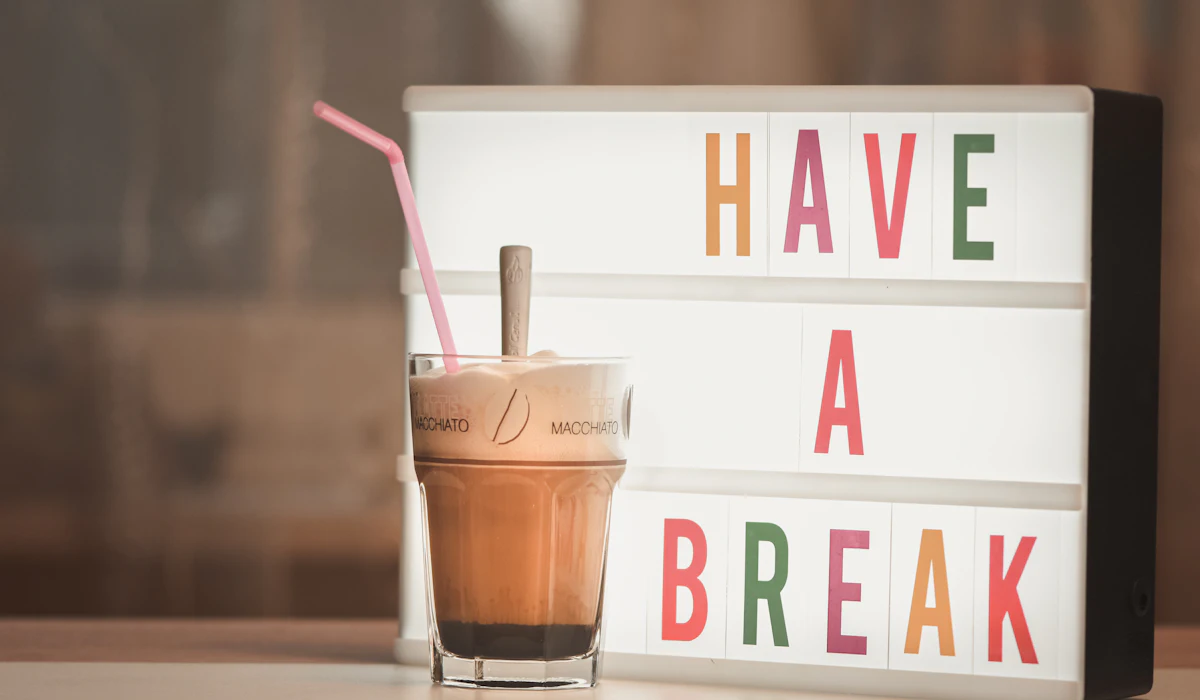
Drink packages can cost tens of dollars per person per day, depending on the cruise line, sailing and package. The math works for passengers who drink steadily from breakfast to bedtime.
It falls apart on port-heavy itineraries, when most of the day is spent ashore and only a cocktail or two gets ordered. Some major lines also require all adults in the same cabin to purchase the same alcoholic package, while policies and exceptions vary.
Tallying a realistic daily drink count before buying settles the question better than any brochure.
Specialty Dining Bundles Bought in Advance
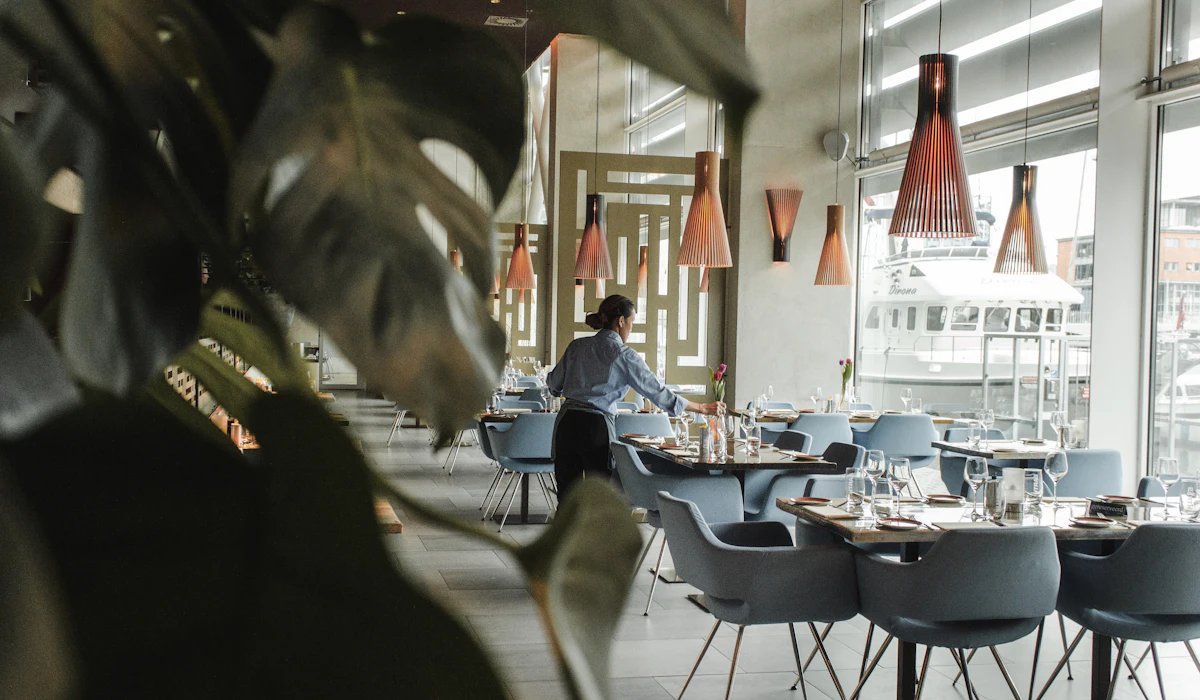
Multi-night dining packages promise steakhouses, sushi counters and Italian trattorias at a discount, and buying them before sailing feels efficient. Many passengers then discover that the main dining room is perfectly good, that prime reservation times sell out early, and that a heavy lunch makes a third tasting menu feel like a chore.
Refund and cancellation rules for unused nights vary by cruise line and package, so the terms matter before purchase. Booking one or two specialty meals a la carte keeps the treat special without locking in a schedule.
Cruisers who book their favorite venue again on a later trip usually learned which one deserved the money.
Sea Day Spa Bookings at Full Price

Spa appointments on sea days fill quickly, which is exactly why discounts may be harder to find during the busiest periods. Port days are the opposite story, with treatment rooms sometimes sitting empty while most passengers are ashore.
Cruise spas commonly promote port-day specials, bundled treatments and reduced prices on some services. Travelers who book a full-price hot stone massage during the most crowded day of the trip may later see a similar treatment promoted at a lower price.
Checking the spa’s daily flyer or the ship’s app before committing tends to reveal the pattern, especially on itineraries with several long port calls.
Skin Care Pitched After a Massage

Many cruise spas are operated by large shipboard spa companies, including OneSpaWorld, and therapists may receive commissions or other sales incentives. That explains the familiar ending to a relaxing massage, when the lights come up and a regimen of serums, creams and supplements appears on the counter.
Individual products can cost well over 100 dollars, and full routines sometimes run into several hundred. A calm and polite refusal is entirely acceptable.
Passengers who want the products can compare the brands and prices at home before deciding whether to buy.
Teeth Whitening Sessions

Many ship spas offer cosmetic teeth-whitening treatments, often promoted with demonstrations and before-and-after photos near the salon. The sessions are generally cosmetic services rather than dental care, and results vary depending on the enamel, existing restorations and the products used.
Temporary sensitivity can occur, and there is no follow-up appointment once the ship docks for good. Prices can approach those of professional whitening on land.
Cruisers who want brighter teeth for photos usually get more predictable results by arranging treatment with their own dentist before departure.
Acupuncture Packages Sold by the Session

Acupuncture has become a regular offering on some large ships, typically presented through an introductory talk in the spa or fitness center. The pitch can recommend a series of sessions over the voyage, which multiplies a single fee into a much larger bill.
Passengers with chronic pain sometimes sign up in hope and later wish they had discussed the treatment with their own health care professional first. Practitioner credentials and services vary from ship to ship.
A single trial session, if any, is the cautious approach, and many travelers find the introductory talk is enough to satisfy curiosity.
Free Seminars That End in a Sales Pitch

Daily planners list complimentary talks on topics like wellness, sleep, nutrition or weight management, usually held in the spa or gym on sea days. Some sessions include information about products or paid treatments.
None of this is necessarily hidden, but the friendly setting can make it hard to say no. Passengers who attend for the advice can leave as soon as the sales portion begins, which is a common and unremarkable thing to do.
Foot Analysis and Custom Insoles
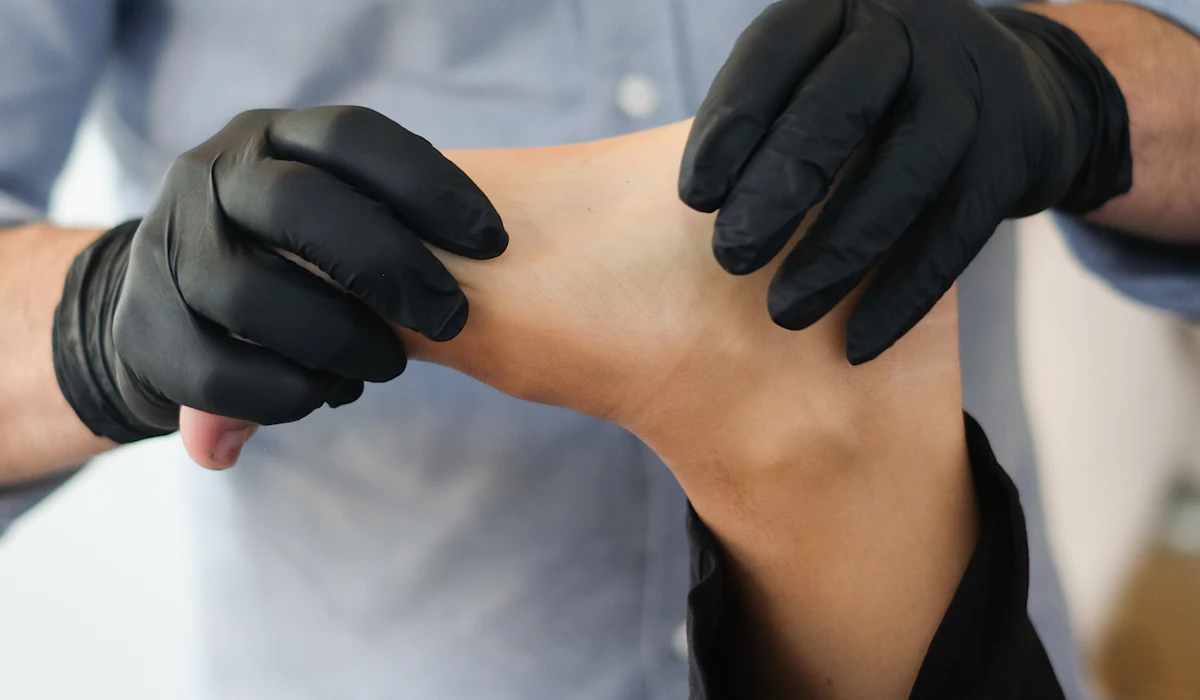
A free foot pressure analysis sounds harmless, and it often appears in spa seminars aimed at passengers who have been walking a lot in port. The analysis may end with a recommendation for orthotic insoles that can cost a few hundred dollars.
Anyone with persistent foot pain or a medical concern should get an evaluation from an appropriate health professional rather than relying on a quick shipboard scan. Comfortable walking shoes, broken in before the trip, solve much of the soreness that prompts the visit.
Insoles bought at sea may also be difficult to adjust or replace once the cruise is over.
Injectables at the Medi-Spa

Some cruise ships or shipboard spas may offer cosmetic procedures such as injectables, depending on the vessel and provider. Prices can be similar to or higher than those at a clinic on land, and the real concern lies in aftercare.
Bruising, swelling or an uneven result may not show until after disembarkation, when the provider is several countries away. Anyone considering an injectable should understand who is performing it, what follow-up is available and what happens if a complication occurs.
Passengers who regret these purchases often regret the logistics as much as the price.
Body Composition Scans at the Gym

Fitness centers on many ships offer body composition analysis, either free or for a modest charge. The readout can lead to recommendations for personal training sessions, nutrition plans or supplements, sometimes presented as a limited-time offer.
A week at sea with rich food is an odd moment to measure progress, and the numbers can be discouraging for no useful reason. Training sessions bought onboard also end the moment the cruise does.
Travelers who want a fitness reset usually get more lasting value from their local gym after the trip.
Paid Fitness Class Bundles

Spin, yoga, Pilates and boot camp classes carry a per-session fee on many lines, although prices and included classes vary by ship and cruise line. Bundles are sold early in the voyage when motivation is at its peak.
By day four, late nights and early port arrivals make a sunrise spin class far less appealing than it looked on embarkation day. The ship’s gym equipment, jogging track and some fitness activities remain free.
Buying classes one at a time, only when the urge actually arrives, keeps the fitness budget aligned with real behavior.
Thermal Suite Passes for the Entire Voyage
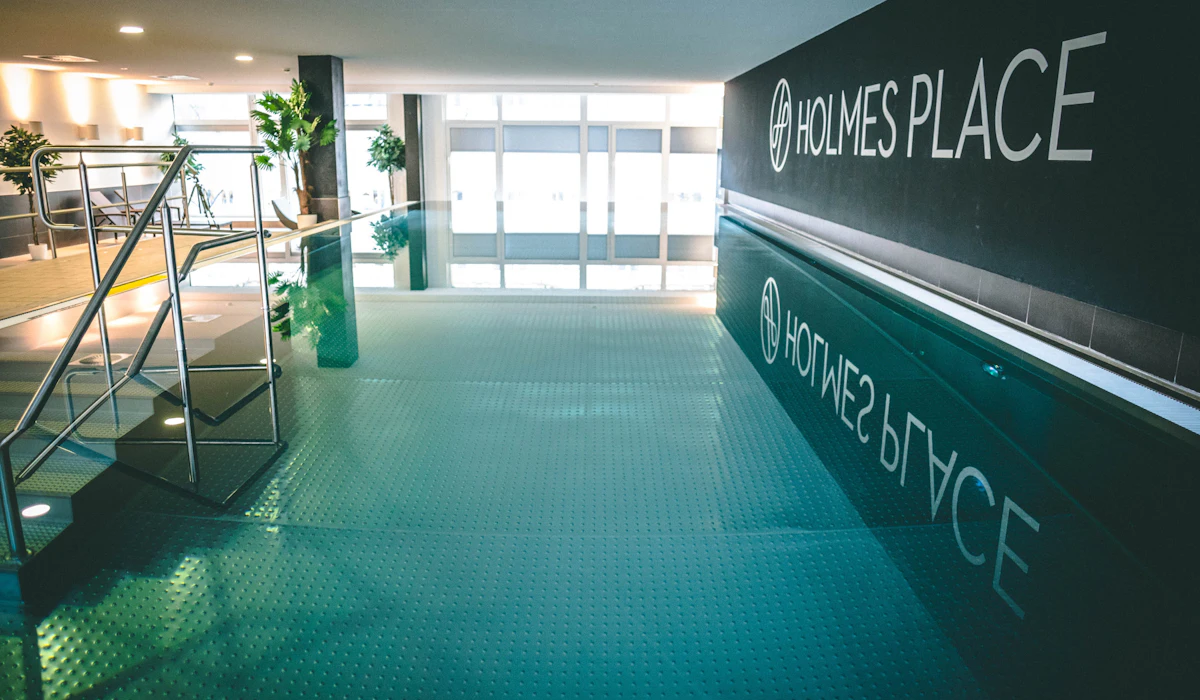
Thermal suites offer heated ceramic loungers, steam rooms and other spa facilities, and voyage-long passes are often limited in number and sold early. The appeal is real, but many passengers find they use the space only a few times on a busy itinerary.
Day passes, where offered, can make more sense for a single sea day of pampering. Availability and pass limits vary by ship, which can add pressure to buy early.
Passengers who check the itinerary first and count actual sea days usually make a calmer decision.
Casino Chips Charged to the Cabin

Ship casinos let players charge casino funds or gambling activity to the cabin account on some ships, which removes the pause that a trip to an ATM would create. Losses become numbers on a folio rather than cash leaving a hand.
Table games and slots carry the same house edge at sea as on land, and late-night sessions after a few drinks rarely improve the odds. Setting a firm spending limit, and sticking to it, keeps gambling as entertainment.
The final bill is where many passengers first see the true size of a fun night.
Bingo Cards Chasing a Free Cruise
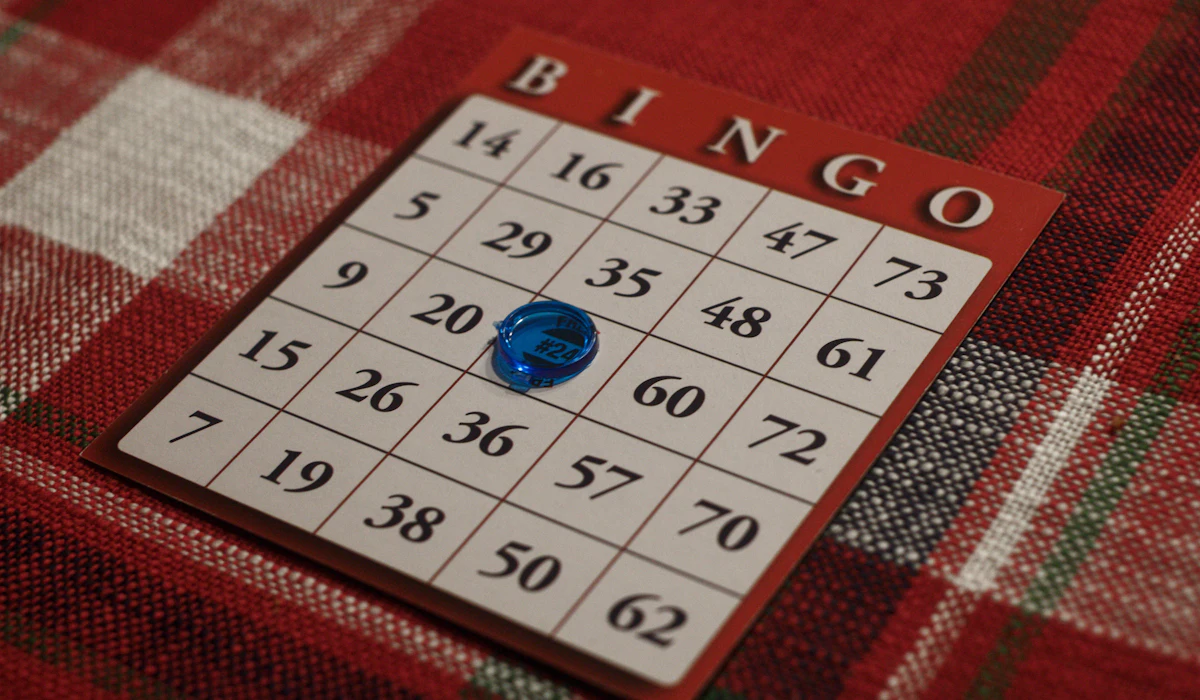
Bingo sessions are a fixture of sea days, and some final or special games advertise large jackpots or cruise-related prizes. Card packs and electronic units can add up quickly, with prices varying by cruise line and game.
Special jackpot games may also have specific winning requirements. The social side is genuinely fun for many passengers.
The regret comes from buying multiple packs every afternoon in pursuit of a prize that may never be won by anyone in the session.
Duty-Free Liquor Bought Onboard

Ship shops sell bottles of liquor at duty-free prices, and the deal looks tempting during the week. The bottles are often held until the end of the cruise rather than handed over immediately, which means they must be packed, carried and checked on the flight home.
Prices are not always lower than at a warehouse store on land, especially for common brands. Glass in a suitcase also adds weight and the risk of breakage.
Shoppers who compare the shelf price with a quick search at home often decide the convenience was the only bargain.
Last-Minute Upgrade Bids
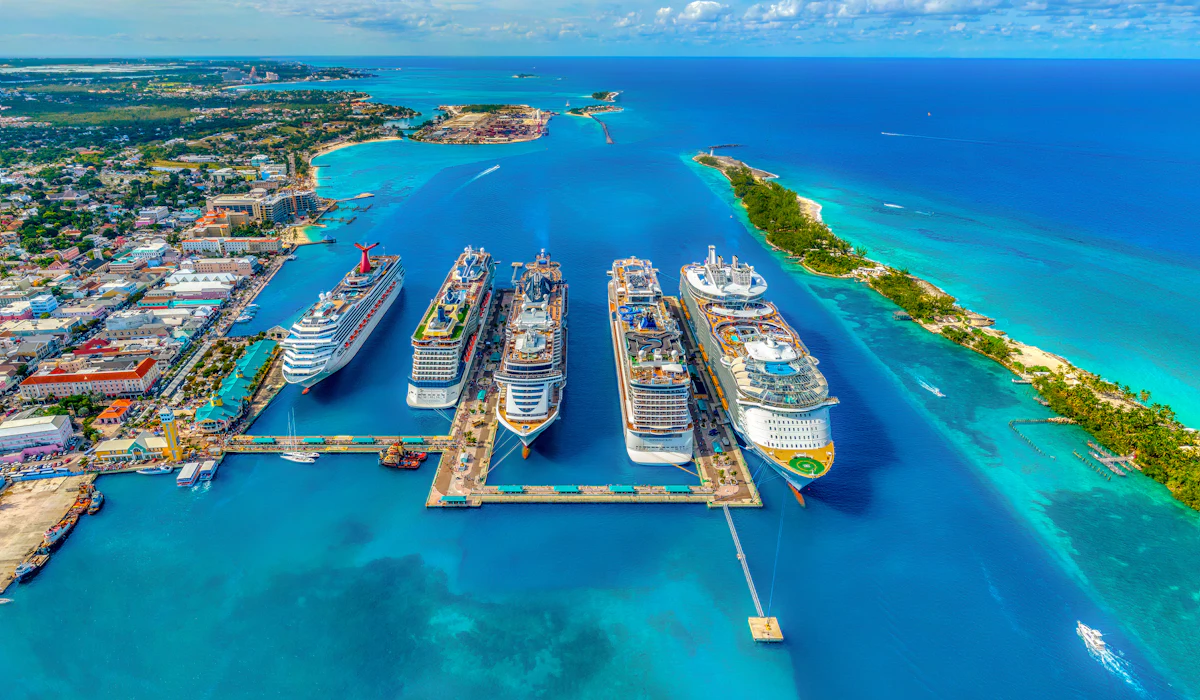
Several lines run bidding programs that let passengers offer a price for a better cabin, with Royal Caribbean’s RoyalUp among the best known. An accepted RoyalUp offer is generally charged promptly and is not simply a refundable deposit, while the upgraded cabin’s location is assigned by the cruise line.
The upgraded cabin may also sit in a less desirable spot, near an elevator bank or over a noisy venue. Some passengers realize too late that a cheaper balcony booked at the outset would have cost less.
Bids work best when the offer reflects what the upgrade is really worth to the bidder.
Private Island Cabanas

Cabanas on private islands such as Royal Caribbean’s Perfect Day at CocoCay can cost hundreds of dollars, and on peak sailings considerably more. They offer shade, a lounge area and attendant service, which can be worth it for a large family.
Regret tends to come from weather, a short call or a schedule that sends the group to the waterpark and beaches all day. Refund policies for weather-related cancellations vary by excursion and provider, so rain alone does not necessarily mean a refund.
Splitting the cost among several cabins, and checking the arrival and departure times first, makes the rental much easier to justify.
Candy Sold by the Pound

Sweet shops on many ships, including Carnival’s Cherry on Top and Royal Caribbean’s Sugar Beach, sell colorful candy by weight. The scoops are generous and the bags are large, so a casual stop can add $20 or more before anyone notices.
Children usually set the pace, and the treats often go home half-eaten in a carry-on. The same candies are sold at far lower prices in grocery and warehouse stores.
Setting a fixed bag size before entering the shop keeps the visit fun without turning it into a recurring charge.
Formal Night Outfits From the Ship Boutique

Forgotten ties, shawls and evening dresses are a classic cause of a hurried trip to the onboard boutique. Selection is limited, sizes run thin by midweek, and prices reflect a captive audience.
Many lines have relaxed dress expectations for formal or dress-up evenings, with Carnival calling its version cruise elegant night and Royal Caribbean using its own varying dress guidance by venue and evening. A pressed shirt and smart trousers may be entirely acceptable in many main dining rooms, depending on the line’s dress guidance.
Packing one versatile outfit before leaving home is far cheaper than an emergency purchase at sea.
Wine by the Bottle at Dinner

Wine lists in ship dining rooms carry markups that can rival a city restaurant, and a nightly bottle adds up quickly across a week. Waiters can store an unfinished bottle for the next evening, where the cruise line permits it, which encourages ordering another fresh one.
Many lines allow passengers to carry a limited number of bottles aboard on embarkation day, subject to rules that vary by line. Couples who enjoy wine at dinner often find that bringing an allowed bottle from home, plus an occasional glass, covers the voyage nicely.
The final folio makes the difference obvious.
Cocktails Served in Souvenir Glasses

The drink of the day often arrives in a branded plastic or glass cup that adds several dollars to the price. Some promotions offer the souvenir version as an optional upgrade or package, and the charge appears on the receipt.
By the end of the week, some cabins hold a small stack of identical cups that never get used at home. Asking for the drink in a standard glass is perfectly normal when that option is available.
Passengers who want one keepsake can buy the cup once and skip the rest.
Arcade Cards Linked to a Parent’s Account
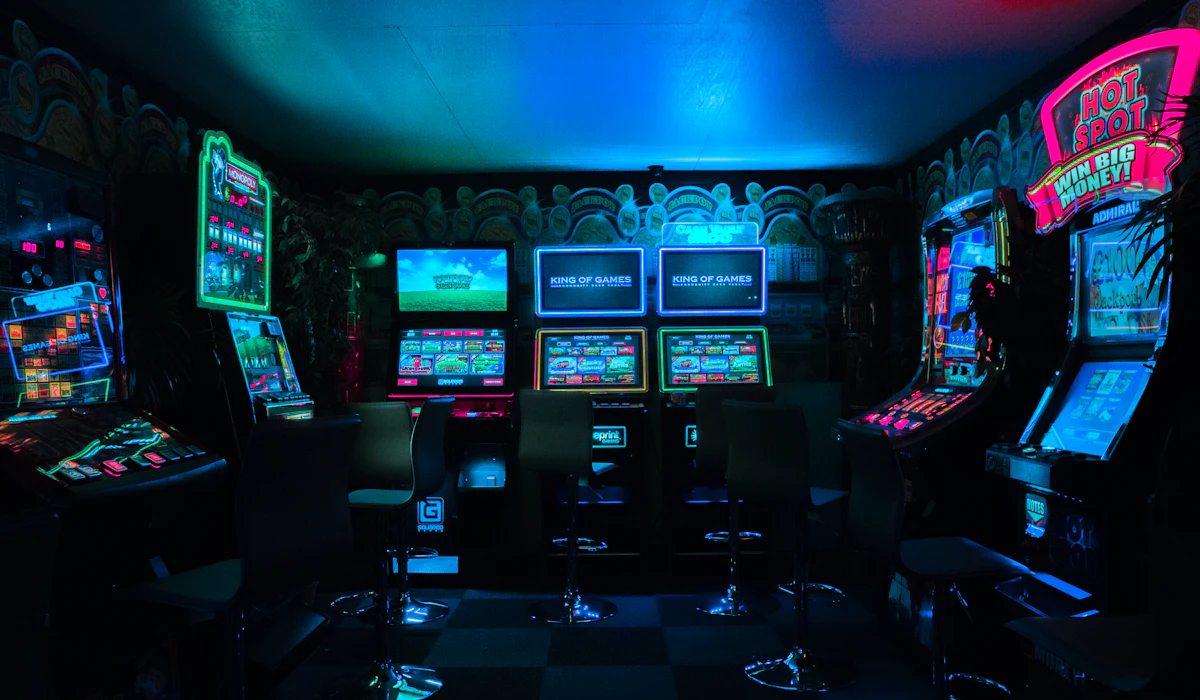
Ship arcades usually run on cards or wristbands tied to a cabin account, and children can swipe repeatedly without seeing a running total. A few dollars per game becomes a significant charge after several days of rainy-afternoon play.
Parents commonly discover the total on the final folio, long after the tickets have been traded for small prizes. Some lines allow parents or guardians to set spending limits or adjust charging privileges for minors.
Asking about those controls on embarkation day is the simplest way to keep arcade time from becoming a budget line.
Salon Blowouts Before Formal Night
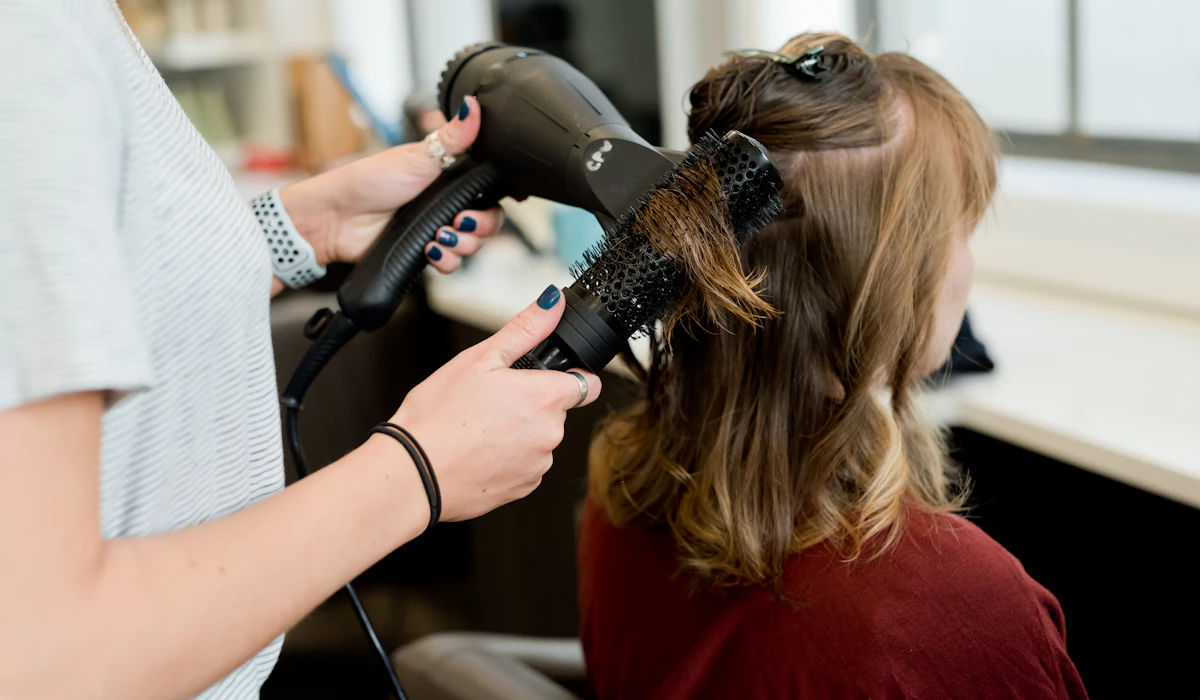
The ship salon is busiest on formal and dress-up nights, and blowouts and updos book quickly. Prices are typically higher than at a neighborhood salon, and humidity on an open deck can undo the style within an hour.
Many passengers head straight from the salon to a sunset photo outside and watch the result wilt. Gratuity policies vary by cruise line and salon operator, so passengers should check the final price before booking.
A simple style done in the cabin, or an appointment on a port day when prices sometimes dip, tends to bring fewer regrets.
Cobranded Credit Cards Opened at Sea
Representatives for cruise line credit cards often set up booths in high-traffic areas, offering onboard credit or bonus points for signing up. The application can result in a hard inquiry on a credit report, depending on the issuer and application process, and some cards carry an annual fee after the first year.
Rewards are often tied to one cruise line, which suits loyal passengers and a few others. The decision is a long-term financial one made in the middle of a vacation.
Travelers who want a co-branded card usually do better comparing options at home with the full terms in front of them.
Regret Usually Arrives With the Final Folio
Most of these purchases share a setting rather than a flaw. They are sold in warm, friendly spaces, on days with no schedule, by staff who may have sales incentives tied to some purchases.
None of them is automatically a bad purchase, and some are genuinely worthwhile for the right passenger.
The difference lies in timing. Decisions made at home, with a budget and a calendar, tend to hold up well at the end of a voyage.
Decisions made between a massage and a second cocktail are the ones that show up on the folio looking unfamiliar.
More from Travel Pug

- Underrated Italian Towns That Beat the Tourist Crowds
- Las Vegas Tourist Traps to Skip
- Prettiest Towns in Every US State
- 18 passport-free countries for Americans
- Signs Your Cruise Is Not Worth The Cost
Like Travel Pug’s content? Follow us on MSN.