

Budget hotels promise that one can afford them, and very often, the entire idea is that.
Buyers choose them as a means of staying within one’s means, a plain room instead of a lavish one, because the per-night rate seems reasonable.
The price quoted seems affordable; the establishment is fine, and one makes a good economic choice by booking.
Then, upon checking in, the cold reality: the bill is nothing like what was shown during the booking process.
Hidden charges have become so ubiquitous in the hotel market that finding them hardly raises an eyebrow any longer.
Once a rare surcharge back in the late 1990s, it has become a full-fledged moneymaker—properties adding fees for everything from parking to merely stepping inside the front door.
Budget hotels are not exempt. Actually, some lean into it more aggressively than their high-end counterparts, employing additional fees to maintain advertised rates artificially low while covering the shortfall elsewhere.
Here’s a breakdown of the charges that can make a budget-friendly hotel room look costly.
Resort and Destination Fees

These charges rank among the most frustrating because they’re nearly impossible to avoid once you’ve booked.
Resort fees supposedly cover amenities like pool access, fitness centers, and Wi-Fi, yet the catch is that you pay them whether you use those services or not.
The fees typically range from $20 to $50 per night. Some properties in tourist-heavy areas like Las Vegas and Hawaii push them as high as $57, though.
Budget hotels have adopted a softer version called ‘destination fees’ or ‘facility fees’—which function identically but sound less resort-like. The fee is added at checkout, often absent from the initial booking price.
What makes this particularly galling is that many budget properties charge these fees for amenities that used to be standard.
A pool that sits empty, a gym with two treadmills, or Wi-Fi that barely loads email suddenly justify an extra $25 per night.
Multiply that across a week-long stay, and the budget-friendly rate that attracted you in the first place evaporates.
Some hotels have gotten creative with the naming, calling them ‘urban fees’ or ‘service charges,’ but the outcome stays the same.
Parking Charges
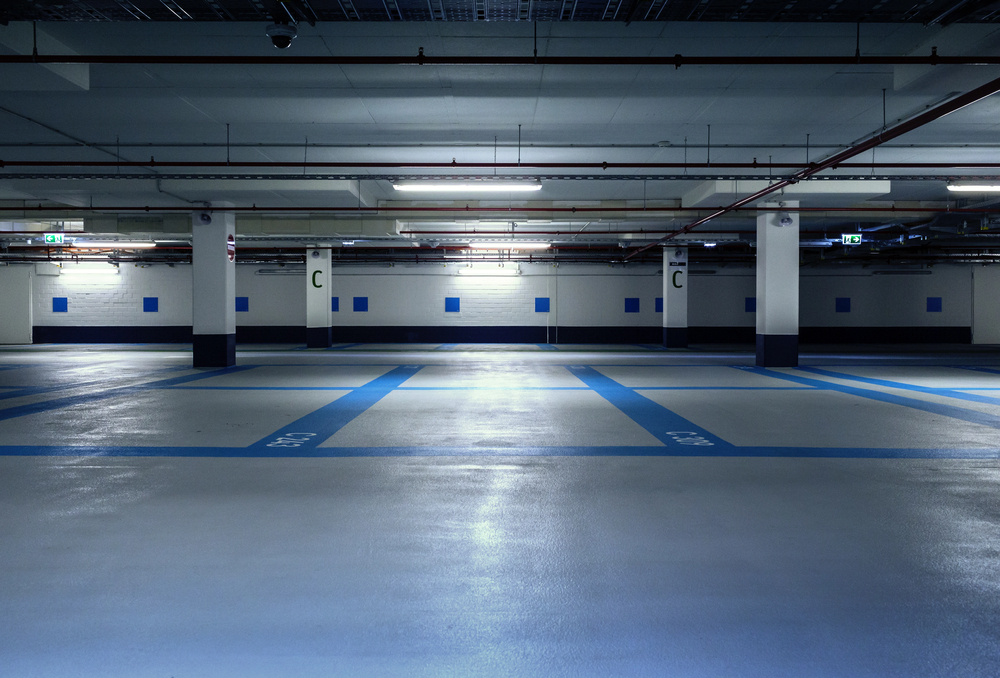
Parking fees hit budget hotels especially hard because travelers don’t expect them.
Luxury properties charging for valet service feel almost predictable, whereas a roadside motel asking $15 to $20 per night for a parking spot in their own lot feels absurd.
In major cities, the charges climb higher—sometimes reaching $40 to $60 daily. Budget hotels in urban areas have caught onto this revenue stream, realizing that guests arriving by car have limited alternatives.
Street parking often proves impossible or risky, and nearby lots charge similar rates anyway.
The justification usually involves limited space or high demand, but the real issue is transparency.
Many booking sites don’t display parking fees during the reservation process, leaving travelers to discover them at check-in.
Some properties charge for self-parking while keeping valet services separate at an even steeper rate.
For families on road trips or business travelers renting cars, these daily fees add up quickly—sometimes exceeding the savings that made the budget hotel attractive in the first place.
Early Check-In and Late Checkout Fees

Hotels operate on strict schedules, and stepping outside those boundaries costs money.
Standard check-in times usually fall around 3 or 4 PM, with checkout by 11 AM or noon.
Arriving a few hours early or needing to stay past checkout can trigger fees ranging from $25 to $75, depending on how much extra time you need. Budget hotels enforce these charges as aggressively as pricier properties—arguing that the fees cover housekeeping schedules and room turnover logistics.
The frustration lies in the rigidity.
A guest arriving at noon for a 3 PM check-in might get charged the same as someone showing up at 8 AM, despite the three-hour difference.
Similarly, needing an extra hour past checkout can cost as much as half a night’s room rate.
Some hotels offer flexibility for loyalty members, though budget chains often lack robust rewards programs.
Travelers caught between flight times or long drives find themselves with little choice but to pay up or kill time in the lobby.
Wi-Fi Access

Charging for internet access in 2025 feels wildly out of step with reality, yet plenty of budget hotels still do it.
The fees typically run $10 to $20 per night, supposedly covering bandwidth costs and network maintenance.
Some properties offer ‘basic’ Wi-Fi for free but charge for ‘premium’ speeds, which often just means functional internet that doesn’t drop every five minutes.
Business travelers get hit particularly hard since reliable connectivity isn’t optional.
Budget hotels defending these charges point to their lower room rates, suggesting that unbundling services keeps base prices competitive.
That argument falls apart when the Wi-Fi fee brings the total cost level to hotels that include it for free.
Loyalty program members sometimes get complimentary access, but signing up for a rewards program just to avoid paying for basic internet highlights how backward the practice has become.
The shift toward transparency regulations may eventually kill off Wi-Fi fees entirely. For now, though, they remain common enough to catch travelers off guard.
Mini-Bar and Snack Charges

Mini-bars have always been expensive, but the sensor technology some hotels use has made them downright predatory.
Move a bottle to grab something behind it, and the system automatically registers a charge.
Accidentally knock over a candy dish while unpacking, and you’ve just bought overpriced chocolate.
Budget hotels don’t always have mini-bars, yet plenty stock their rooms with snacks and drinks displayed in ways that look complimentary.
A basket of chips or a bottle of water sitting on the desk creates ambiguity.
Some are free; others cost $3 to $8 each, and the only way to know is to read the fine print or ask at the desk.
Disputing these charges requires keeping items in place and presenting them at checkout, which many travelers don’t realize until it’s too late.
The markups are substantial.
Sodas that cost $1 at a convenience store run $4 in the room, and candy bars get priced at double or triple retail.
For guests trying to stick to a budget, these seemingly minor charges can add up, especially on multi-night stays.
Cleaning and Housekeeping Fees

Housekeeping was previously a daily assumption, but the pandemic shifted expectations and opened the door to new fee opportunities.
Some economy hotels charge extra cleaning fees, particularly at longer-stay hotels or vacation rental properties.
These range from $20 to $75, sometimes per stay, and sometimes per night.
The charges are purportedly made for deep cleaning, sanitizing, and laundry, though travelers typically see little difference in the quality of service from those hotels that have cleaning factored into the room rate.
More exasperating are compulsory housekeeping charges that are levied even if guests do not wish their rooms made up.
Some resorts offer skipping daily maintenance in exchange for waiving the fee, but others simply charge it and label it a resort amenity.
Budget hotels that cater to extended stays have especially adopted this philosophy, tacking on cleaning fees that significantly change the overall price of a week or month-long stay.
Safe Usage Fees
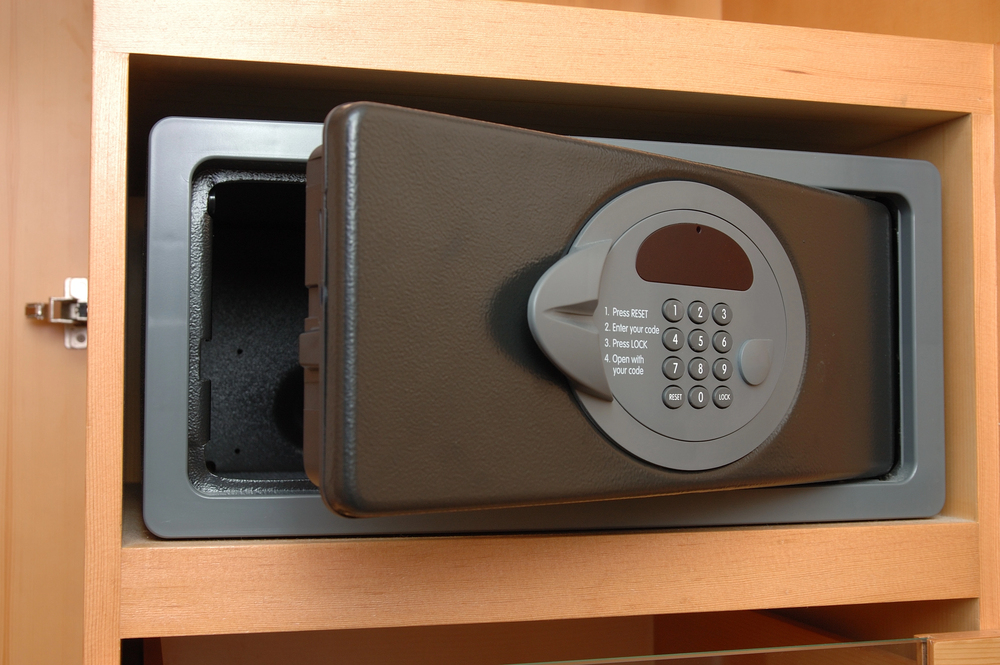
This one is nearly laughably petty, but it does occur.
A few budget hotels will charge $1 to $2 per night just for having an in-room safe, used or not.
The charge is small enough to easily get lost in the print on a last-minute bill, but it adds up on extended stays.
Hotels justify the fee by citing the expense of installing and keeping safes, even though these same establishments rarely charge to have a television or a phone in the room.
Challenging safe fees is problematic because demonstrating non-use is essentially impossible.
The safe is just sitting in the room, and the fee is automatically tacked on.
Many visitors are not even aware that safe fees exist until they review their final invoice and find a strange $10 fee for something they never used.
Budget hotels charging these fees are counting on visitors not being aware of them or thinking the fees are too insignificant to bother complaining about.
Pet Fees

Traveling with pets has become more common, and hotels have responded with both pet-friendly policies and hefty fees.
Budget hotels typically charge a flat cleaning fee of $50 to $100, regardless of pet size or behavior.
Some properties add a nightly surcharge of $15 to $25 on top of the cleaning fee, meaning a week-long stay with a dog can add $150 or more to the bill.
The charges supposedly cover additional cleaning and potential damage, though well-behaved pets often leave rooms in the same condition as any other guest.
What rankles travelers is the automatic assumption that pets create extra work.
A quiet, house-trained dog causes less disruption than many human guests, yet the fees get applied uniformly.
Some budget hotels cap the pet fee at a certain number of nights.
Others charge it for the entire stay.
Non-refundable pet deposits are also common, meaning even if your pet causes no issues, the money stays with the hotel.
For families who can’t leave their pets at home, these fees make budget travel a significantly more expensive proposition.
The Regulatory Reckoning

Hidden fees finally caught the attention of federal regulators in 2025, resulting in rules that demand upfront price transparency.
The Federal Trade Commission now requires hotels and booking platforms to display all mandatory fees before customers complete their reservations, with violations carrying fines exceeding $46,000 each.
Congress has moved to make these protections permanent through the Hotel Fees Transparency Act, which passed the House and advanced in the Senate with bipartisan support.
The legislation aims to end the practice of showing artificially low rates only to surprise travelers with additional charges at checkout.
These regulatory changes have forced budget hotels to reconsider their fee structures.
Some have started folding charges into advertised rates, while others continue testing how much they can get away with under the new rules.
Early data suggests that properties with transparent pricing are seeing increased bookings, as travelers gravitate toward hotels that don’t feel like they’re hiding something.
The shift has been particularly pronounced in markets like Las Vegas, where resort fees became so egregious that the total cost could exceed the advertised room rate.
Why This Matters Now

Hidden charges aren’t only frustrating—they actually destroy the trust between consumers and hotels.
Budget hotels base their entire value on being cheap, but adding on surprise fees destroys that value proposition and makes consumers feel cheated.
The regulatory drive toward disclosure is a long-overdue housecleaning, one that compels the industry to compete on prices honestly instead of through tricks.
As these regulations fully come into force, travelers will at last be able to compare actual costs instead of conducting detective work on fine print.
Hotels that move fast will inevitably win loyal clients, but those holding on to hidden fees risk being left behind in a market that’s finally calling for honesty.
More from Travel Pug

- Underrated Italian Towns That Beat the Tourist Crowds
- Las Vegas Tourist Traps to Skip
- Prettiest Towns in Every US State
- 18 passport-free countries for Americans
- Signs Your Cruise Is Not Worth The Cost
Like Travel Pug’s content? Follow us on MSN.