

Embarkation day has a reputation for chaos, with crowded terminals, slow elevators, and suitcases stacked in every corridor. For first-timers, it often feels like a day to survive before the vacation properly arrives.
Regulars treat it differently. A few small decisions, many made before leaving home, turn those first hours into the calmest and most useful part of the trip, while everyone else is still looking for the buffet.
Arriving In The Port City a Day Early

Flights are the weakest link in any cruise plan, and a delayed or canceled flight on sailing day can mean watching the ship leave without its passengers. Regulars fly in the day before, sometimes two days on winter sailings when storms are more likely.
A night in a hotel near the port also means a relaxed breakfast and an unhurried ride to the terminal. Cruise lines generally do not wait for passengers who arrive late on their own, particularly when they have booked independent air travel.
The cost of one hotel night is small compared with the cost of chasing a ship to its first port of call.
Finishing Online Check-In Weeks Ahead

Many major lines make online check-in available before sailing, although the opening date varies by line and itinerary. Finishing it early pays off on the day itself.
Passengers may need to upload a security photo, enter passport details and emergency contacts, and link a payment method in the app or on the website. Completing the process at home is far easier than trying to finish it at the terminal.
Completing it early also lets passengers secure an available arrival time on lines that use scheduled windows. Some lines require information from every guest in the booking before the check-in process is complete.
Picking The Right Arrival Window

Most lines assign or let passengers choose a terminal arrival window, and those slots spread the crowd across the day. Earlier windows can mean more time aboard, although boarding time depends on how quickly the ship is cleared and ready for new passengers.
Later windows may mean walking straight through security with almost no line. Regulars choose based on their priorities for the day.
Arriving well before the assigned time rarely helps, since some terminals may ask early arrivals to wait until their designated window.
Printing Luggage Tags At Home
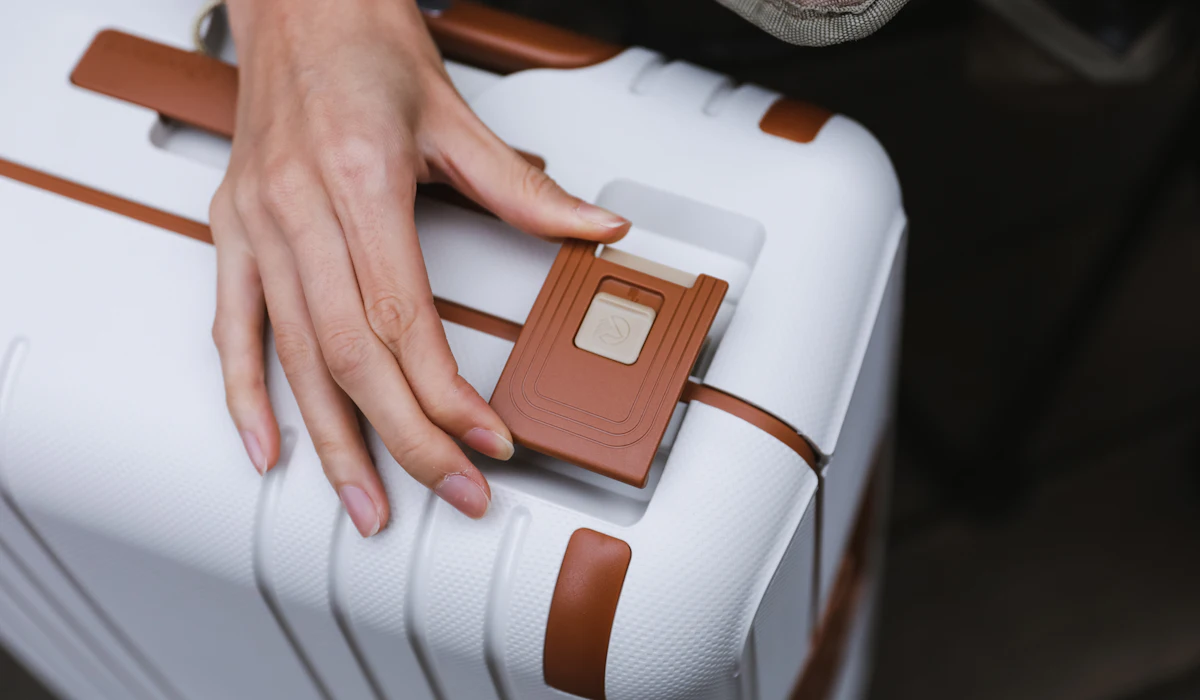
Cruise lines provide printable luggage tags with the passenger’s name, ship, deck and cabin number, and printing them at home saves trouble at the curb. Regulars fold them into plastic tag holders with zip ties, which survive porters and baggage carts better than paper loops.
Tags printed early also catch errors, such as a wrong cabin number after an upgrade. Porters at the terminal will add a tag if one is missing, but a missing or unclear tag can complicate luggage handling.
Clear, securely attached tags make it easier for port staff to identify the bags.
Packing A Bag For The First Afternoon
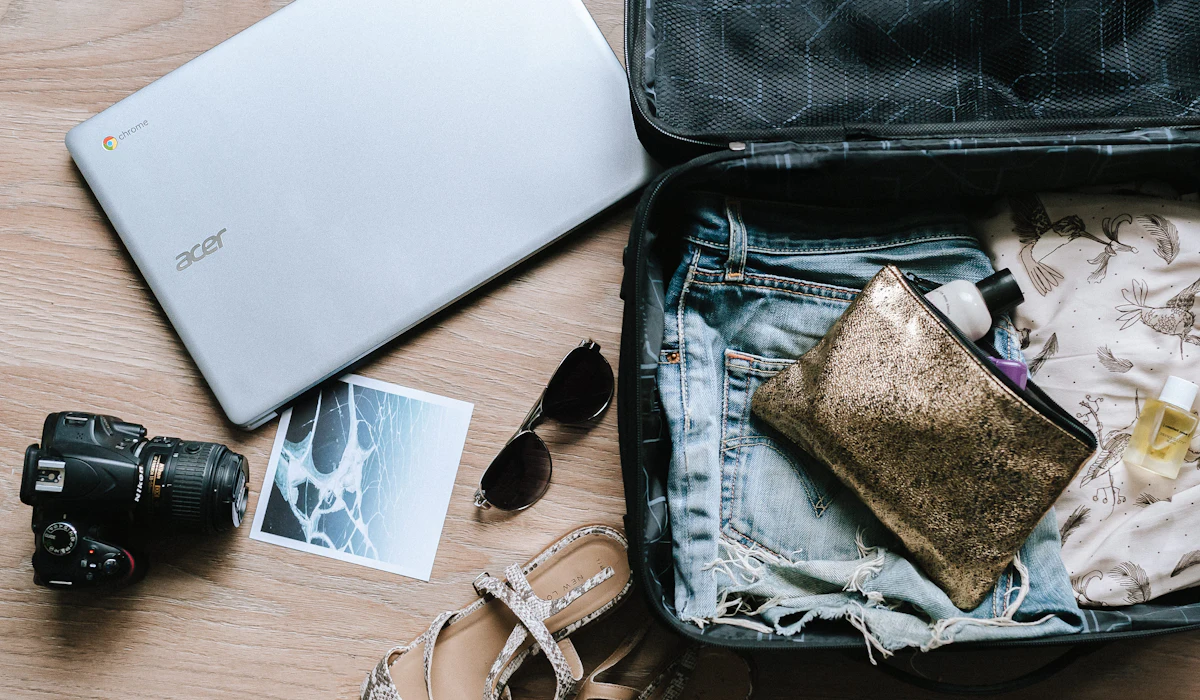
Checked luggage often does not reach the cabin until late afternoon or even early evening. Regulars carry a small bag with everything needed for the first several hours, including a swimsuit, sunscreen, medications, chargers, travel documents and a change of clothes for dinner.
Prescription medications and valuables should never go in checked bags, which pass through many hands before reaching the room. The day bag lets passengers swim, eat and explore immediately.
It also means the first dinner does not have to be eaten in the clothes worn on the morning flight.
Keeping Documents In Hand
Passports, boarding documents and identification belong in a carry-on that stays with the passenger, never in a suitcase handed to a porter. U.S. citizens on closed-loop cruises that leave from and return to the same U.S. port can generally sail with a birth certificate and a government-issued photo ID, if the itinerary and cruise line permit those documents.
A valid passport is still strongly recommended, since it is required to fly home from a foreign port after an emergency or a missed ship. Regulars keep photocopies or photos of every document as a backup.
Checking expiration dates before leaving home avoids a painful conversation at the check-in desk.
Tipping The Porters At The Curb
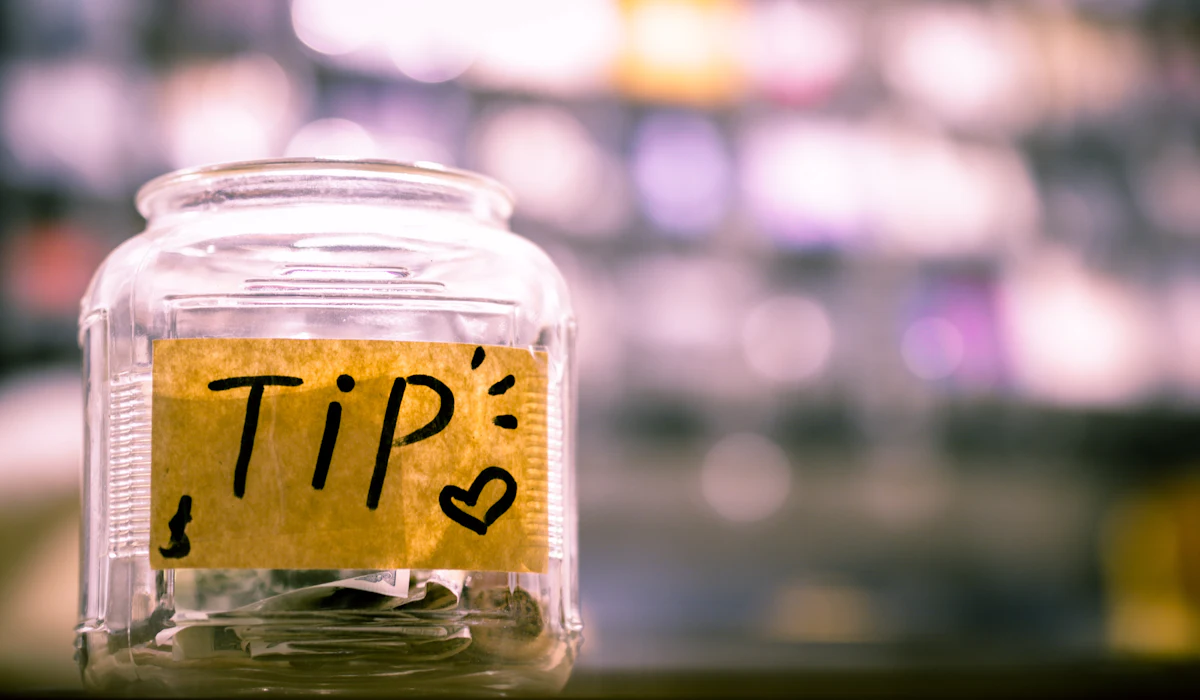
Porters at the terminal take checked bags and send them into the ship’s luggage system, and a tip of a few dollars per bag is customary at many U.S. ports. Regulars who plan to tip keep small bills handy for this moment.
Bags that look overstuffed or lack tags sometimes get set aside for inspection, which can delay delivery. A clear luggage tag and a courteous handoff matter more than trying to influence how quickly a bag is delivered.
Downloading The Cruise App At Home
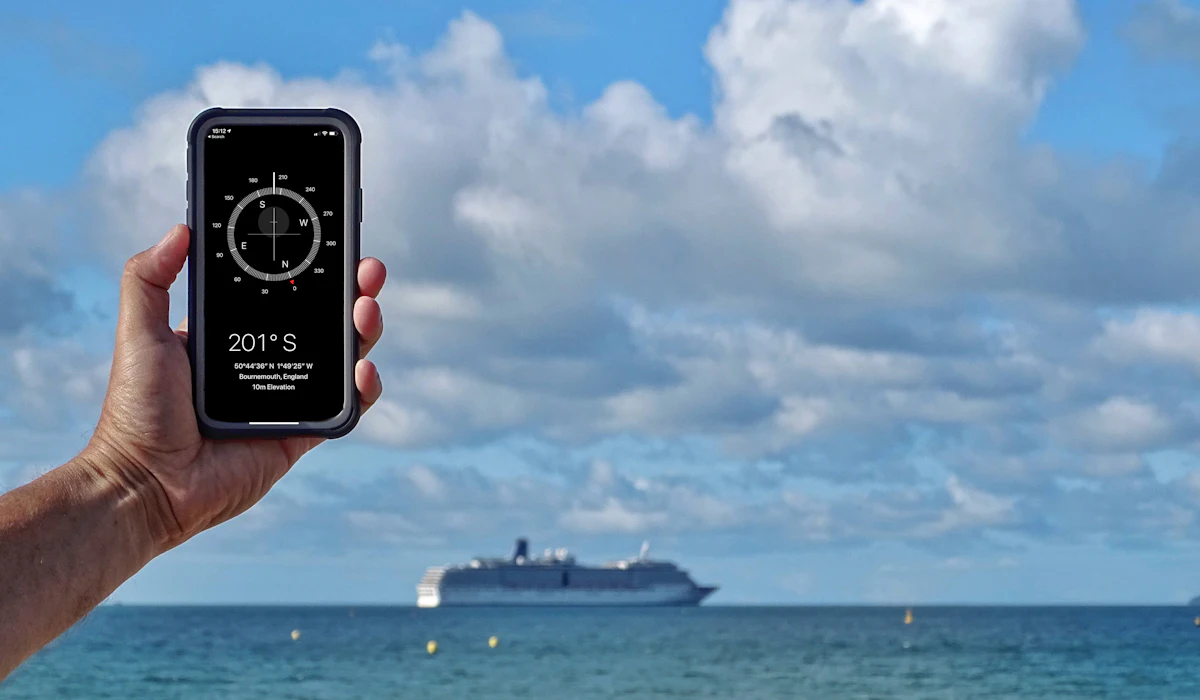
Royal Caribbean, Carnival, Norwegian, Princess and other lines rely heavily on their apps for daily schedules, dining reservations, onboard messaging and safety information. Downloading the app and logging in at home avoids fumbling with the ship’s Wi-Fi on embarkation day, when hundreds of passengers are trying to connect at once.
Many cruise apps provide onboard features through the ship’s network without requiring a paid internet package, although the features vary by line. Regulars also turn on notifications so they do not miss reservation reminders.
Setting up every family member’s account in advance can prevent a frustrating first hour aboard.
Reserving Dinners And Shows Before Sailing

Specialty restaurants and some popular shows often fill before the ship ever leaves port. Royal Caribbean allows pre-booking of selected shows on certain ships, including some AquaTheater productions, and prime dinner slots at popular venues go quickly.
Most lines offer some form of pre-cruise dining or entertainment planning, but the timing and availability vary. Regulars lock in the evenings that matter most and leave the rest of the week flexible.
Passengers who wait until embarkation day may find fewer choices, depending on the ship and sailing.
Lunch Away From The Buffet
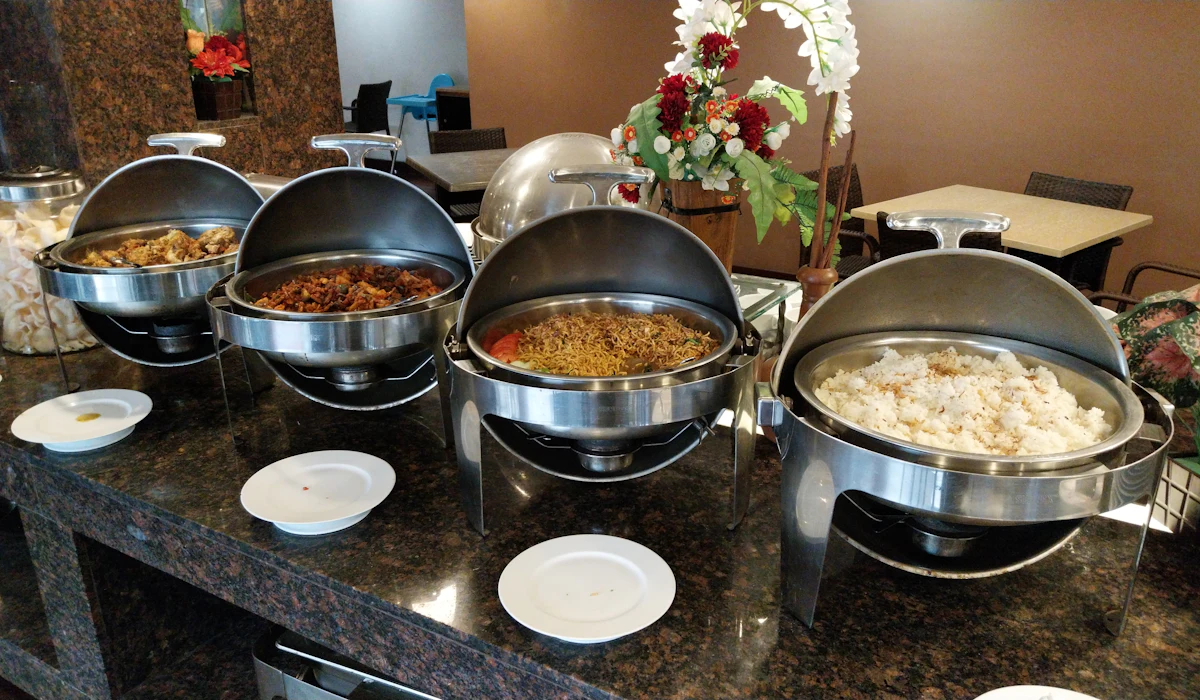
On embarkation day, the main buffet is often one of the busiest dining areas on the ship, packed with passengers carrying bags and looking for seats. Regulars head elsewhere.
Many ships open other dining venues for lunch on the first day, and Carnival’s Guy’s Burger Joint is available for lunch on many Carnival ships. Smaller cafes and pizza counters may also offer alternatives, depending on the ship.
A relaxed lunch sets a better tone for the voyage than a hunt for an empty table.
Exploring The Ship While It Is Empty

The first few hours aboard are a good time to explore. Spas, theaters, specialty restaurants and sports decks are often open for tours or simply quiet, and passengers can find their way around before the crowds build.
Regulars use this time to learn the layout, note the locations of key venues and find quiet corners. Photographs of empty pools and decks are also far easier on the first afternoon than later in the week.
A self-guided tour with the deck plan in hand saves many wrong turns later.
Checking The Cabin For Problems Right Away

Once cabins open, regulars test the air conditioning, toilet, shower, safe, lights, outlets and television within the first hour. Problems reported early give the crew more time to address them during the voyage.
A rattling vent, a balcony door that sticks or a stain on the carpet is far easier to address on day one than on day four. Cabin moves are uncommon and depend heavily on availability, so reporting a problem promptly is the more useful strategy.
Waiting until the second morning can mean the issue has already become harder to resolve at a convenient time.
Meeting The Cabin Attendant

Cabin attendants look after a set group of rooms for the entire voyage, and a quick introduction on the first afternoon helps build a good working relationship. Regulars mention any preferences early, such as twin beds pushed together, extra pillows, a bucket of ice each evening or other requests the ship can accommodate.
Attendants generally prefer knowing what a cabin needs from day one rather than discovering it midweek. A friendly first conversation often leads to small courtesies over the rest of the trip.
Learning the attendant’s name also makes later requests easier and more personal.
Completing The Muster Drill Early
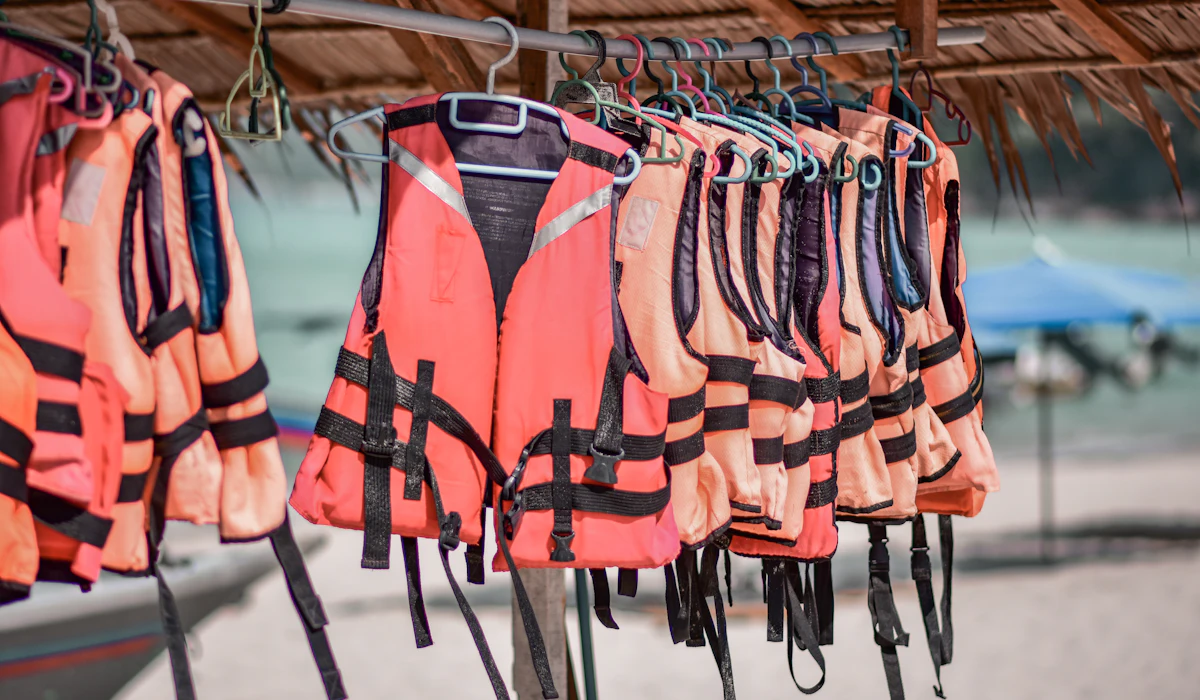
Most major lines now use some form of electronic or streamlined muster process, although the exact procedure varies by line and ship. Royal Caribbean introduced its Muster 2.0 system in 2020.
Passengers may watch a safety video in the app or on the cabin television, then check in at their assigned assembly station. Completing the process early frees the rest of the afternoon and avoids a rush just before sailing.
Passenger musters are required under international maritime safety rules before or immediately upon departure. Regulars also note the location of their station and the nearest stairwell, since elevators are not used in an emergency.
Registering Children At The Youth Club

Kids clubs often handle registration on embarkation day, although some lines allow or encourage families to register before sailing. Early sign-ups avoid long lines at the busiest moments.
Many lines, including Royal Caribbean’s Adventure Ocean and Carnival’s Camp Ocean, offer opportunities for children and parents to learn about the programs and complete registration. Parents who register early also learn the schedule, age groupings and pickup rules before evening plans are set.
Some lines handle registration entirely in the app. Children who visit the club on the first afternoon often ask to return the next morning, which gives parents a few free hours sooner.
Spa Embarkation Specials

Many ship spas hold embarkation-day open houses or tours, and popular treatment times can fill quickly. Regulars who already plan a massage or facial often check the spa on the first afternoon for current availability and any specials offered on that sailing.
Promotions, discounts and raffle offers vary by cruise line, ship and sailing, so they should not be treated as standard. Sea-day appointments may also fill quickly, which makes the first afternoon a useful time to get a preferred slot.
Confirming The Dinner Assignment
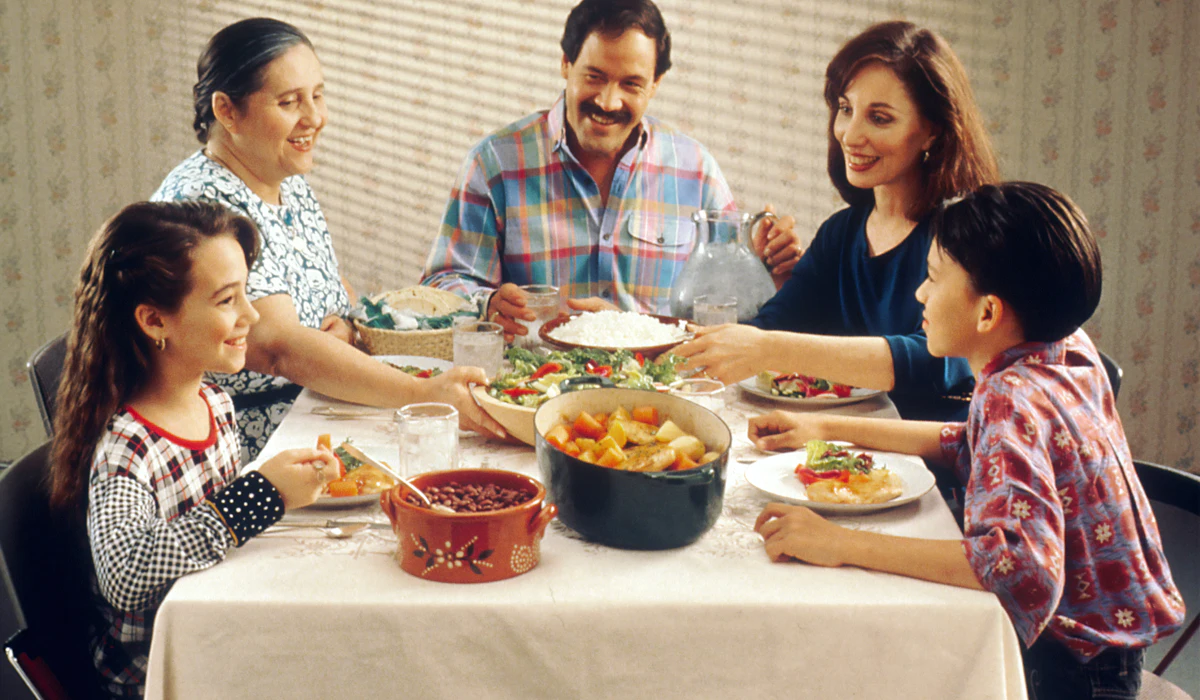
Passengers with traditional assigned dining should check their table number and seating time as soon as they board. Regulars who want a different seating or a table for two visit the dining room manager on embarkation day, when changes may be easier to arrange while the dining team is still working through requests.
Flexible programs, including Royal Caribbean’s My Time Dining and Princess’s Anytime Dining, also benefit from early reservations for popular hours. Waiting until the first dinner can mean fewer choices.
A short visit to the dining room desk before sailaway can shape every evening of the trip.
Registering Dietary Needs

Passengers with food allergies or special diets should speak with the dining room manager on the first afternoon, even if the need was noted during booking. Most major lines can handle gluten-free, vegetarian, vegan and other special dietary requests, and many offer to preorder the next evening’s dinner so the galley can prepare it separately.
Procedures and allergy accommodations vary by line, ship and venue, so passengers should confirm the arrangements directly with dining staff. Buffet labels help, but they are not a substitute for a direct conversation.
Confirming the arrangements early prevents an anxious or disappointing first dinner.
Linking A Card To The Onboard Account
Many cruise ships use a cashless onboard account, with charges billed to a cabin account tied to the passenger’s card. Regulars link a credit card during online check-in rather than a debit card, when possible, because authorization holds can reduce the available balance in either type of account and may be especially inconvenient on a debit account.
Passengers who prefer cash usually need to leave a deposit at guest services, depending on the cruise line, which means joining a line on the busiest day of the voyage. Checking the account in the app or onboard system every couple of days catches errors early.
Reading The Daily Planner Early

The daily planner, now mostly delivered through the app with printed copies on some lines, lists everything happening aboard. Regulars read the first day’s schedule as soon as they board, noting sailaway events, open houses, venue hours and the time of the safety drill.
Embarkation day includes special events and activities that may be offered only that day, such as spa tours and specialty restaurant tastings. Reading early also shows which venues stay closed until after sailing, which saves wandering to locked doors.
A quick scan before lunch often reshapes the entire afternoon.
Setting Clocks To Ship Time

Ships sometimes keep a different clock from the ports they visit, particularly in the Caribbean, where a ship’s time can differ from local time. Phones can switch to local time automatically when they pick up a land signal, which can contribute to confusion about excursion or all-aboard times.
Regulars confirm the ship’s time on the first day and check the cruise line’s app or daily schedule rather than relying solely on the phone’s automatic setting. The all aboard time is provided by the ship and should be checked against the ship’s current time.
A cheap wristwatch set to the ship’s clock removes any doubt.
Using The App Instead Of The Guest Services Line

Guest services desks are at their busiest on embarkation day, with long lines of passengers asking about accounts, cabins and lost bags. Regulars handle as much as possible in the app instead, checking charges, booking restaurants, joining activities and using any available onboard messaging or service features.
Some lines also offer in-app chat or service requests, although this is not universal. Requests that genuinely need a person can often wait until the next morning, when the desk is quiet.
Skipping the line on day one leaves more time for lunch, sailaway and settling in.
Claiming A Spot For Sailaway
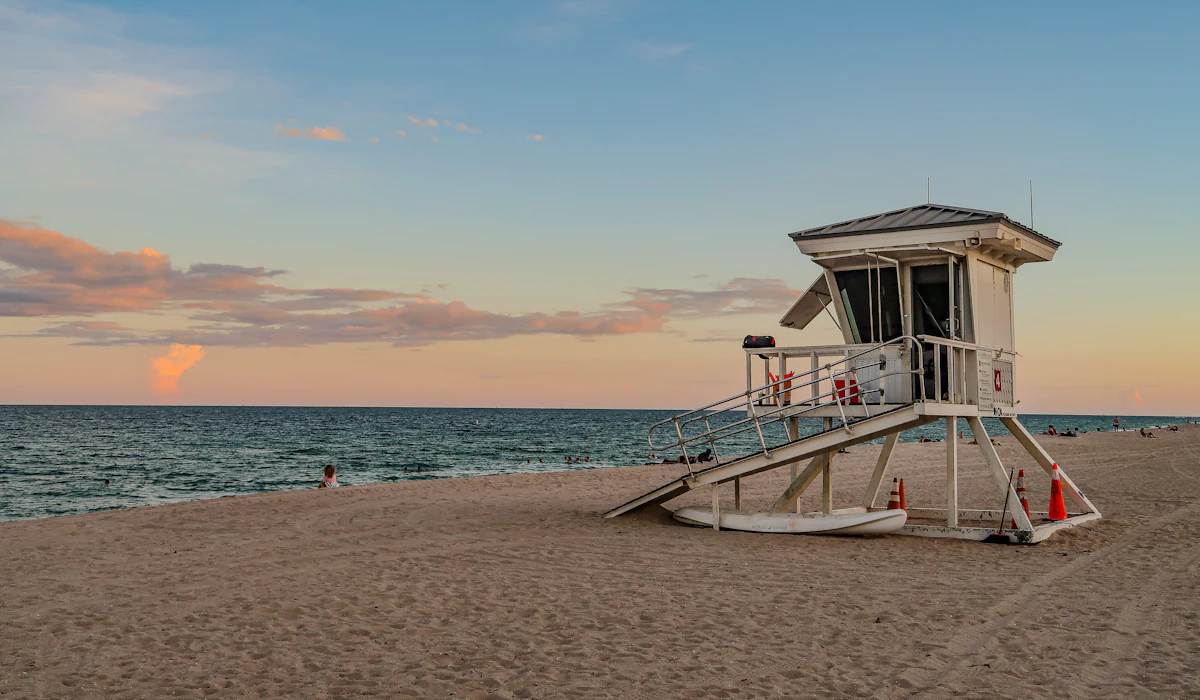
Sailaway, the moment the ship leaves the pier, is one of the best views of the entire voyage, especially from ports such as Miami, Fort Lauderdale, Seattle, Vancouver or New York. Regulars head to an upper or aft deck well before departure time, since railings fill quickly.
Many lines host a sailaway party on the pool deck with music and drink specials, but the best views are usually away from the party. Leaving New York means passing the Statue of Liberty, and leaving Vancouver means sailing under the Lions Gate Bridge.
A good vantage point turns a routine departure into a highlight.
Photographing Luggage And Tags

Before handing bags to porters, regulars take a quick photo of each suitcase with its tag attached. If a bag goes missing among thousands of others, a photo can help the crew identify it more easily than a vague verbal description.
The images also provide useful documentation for an insurance claim if something is lost or damaged. Many travelers now slip an Apple AirTag or a similar tracker inside each case, which can help show the bag’s location if the tracker is compatible with the ship and surrounding network.
The entire precaution takes less than a minute at the curb and can save hours of worry later.
Taking The Stairs On Day One

Elevators are often especially busy on embarkation day, crowded with passengers carrying bags and crew moving luggage carts between decks. Regulars use the stairs whenever the trip is only a few floors, which is often faster than waiting through several full elevator cars.
Climbing the stairwells also teaches the layout of the ship, since most vessels group cabins and venues around forward, middle and aft stair towers. Carrying a light day bag makes the climb easier.
By the end of the first afternoon, regulars already know which stairwell leads closest to their cabin.
Locking Valuables In The Safe
Most modern cruise ships provide a small in-cabin safe, and regulars put it to use within minutes of arriving. Passports, spare cash, jewelry and electronics belong inside whenever they are not needed.
Setting a code on the first afternoon, and choosing one easy to remember, prevents a call to security later in the week. Cabins are serviced according to the ship’s housekeeping schedule, and theft is rare, but a locked safe removes any doubt.
Safe sizes vary, and many are designed for passports, wallets and other small valuables rather than larger electronics.
Signing Up For Limited Activities
Some activities aboard have strictly limited spaces, including galley tours, cooking classes, wine tastings, behind-the-scenes ship tours and certain fitness classes. Regulars sign up on embarkation day, when spots are still open.
Popular sessions on large ships can be full by the first evening. The app often allows booking without a visit to a desk, although some activities require registration in person.
Some lines release extra spaces later in the cruise for passengers on a waitlist. Signing up early improves the chances of getting a place on the experiences that tend to become the stories passengers tell after they get home.
Early Hours Set The Pace For A Week

Embarkation day rewards preparation more than any other day of a cruise. The decisions that make it smooth, from the flight to the luggage tags to the dinner reservations, are mostly made at home.
On the day itself, regulars simply follow the plan while the ship fills around them.
That calm carries forward. Passengers who settle in early, solve small problems quickly and learn the ship before the crowds arrive spend the rest of the week with fewer avoidable surprises and a better sense of how the ship works.
A good first afternoon can make the rest of the voyage feel easier and more organized.
More from Travel Pug

- Underrated Italian Towns That Beat the Tourist Crowds
- Las Vegas Tourist Traps to Skip
- Prettiest Towns in Every US State
- 18 passport-free countries for Americans
- Signs Your Cruise Is Not Worth The Cost
Like Travel Pug’s content? Follow us on MSN.