

The cruise buffet is one of the busiest dining areas on almost any ship, feeding thousands of people across three meals and several snack windows every day. It runs on trust, on tongs and on a crew that resets the entire room between every rush.
Most passengers use it well. A few habits, repeated across thousands of plates, make it slower, messier and occasionally less healthy for everyone, and regulars tend to spot them within minutes of walking in.
Walking Past The Handwashing Station
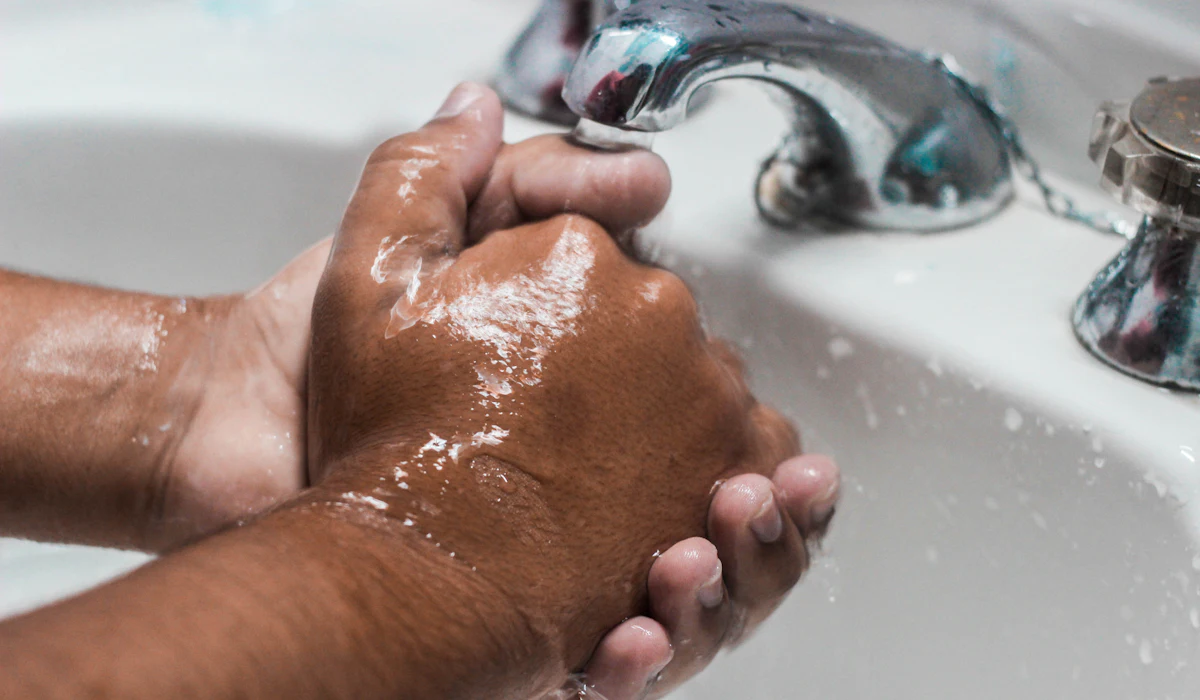
Many ships now place handwashing sinks at buffet entrances, and on Royal Caribbean crew members sometimes greet passengers with a cheerful singsong reminder to wash up. The reason is norovirus, which spreads easily in close quarters.
The Centers for Disease Control and Prevention notes that alcohol-based sanitizer is less effective against norovirus than soap and warm water. Washing takes about 20 seconds and protects everyone handling the same serving utensils.
Passengers who walk past the sinks and settle for a quick squirt of sanitizer are skipping the step that matters most.
Picking Up Food With Bare Hands
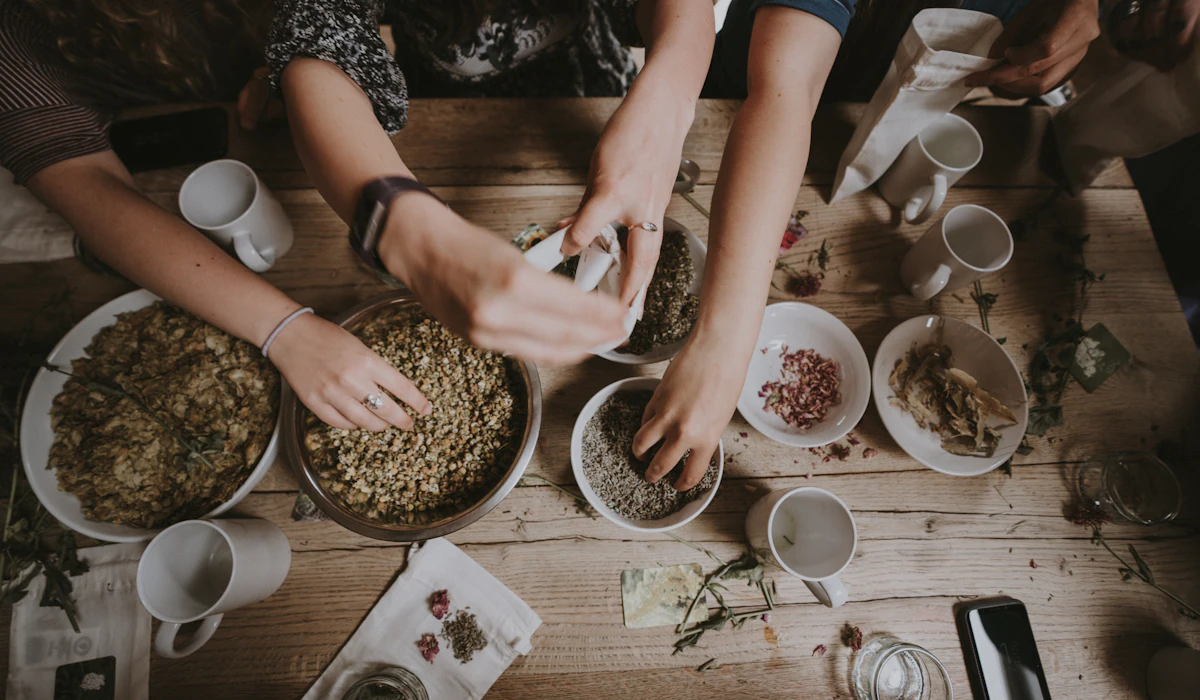
Grabbing a dinner roll, a cookie or a slice of fruit by hand seems harmless, but every touch leaves whatever was on those fingers behind for the next guest. Buffets provide tongs, spoons and paper sleeves for exactly this reason.
Crew members may remove or replace food that has been handled directly. The habit is especially common around bread baskets and dessert displays.
Using the utensil every time costs a second and keeps the line moving without anyone needing to replace the tray.
Reusing The Same Plate For Seconds
Cruise lines commonly encourage passengers to use a fresh plate when returning to a buffet, and signs often say so directly. A used plate brought back to the serving area can carry germs onto serving spoons that hundreds of other people will touch.
Ships are inspected by the CDC’s Vessel Sanitation Program, and food-service and sanitation practices are among the areas covered by its inspections. Stacks of clean plates sit at every station for this reason.
Leaving the used plate at the table, where crew collect it quickly, is the expected routine.
Piling The Plate On The First Pass
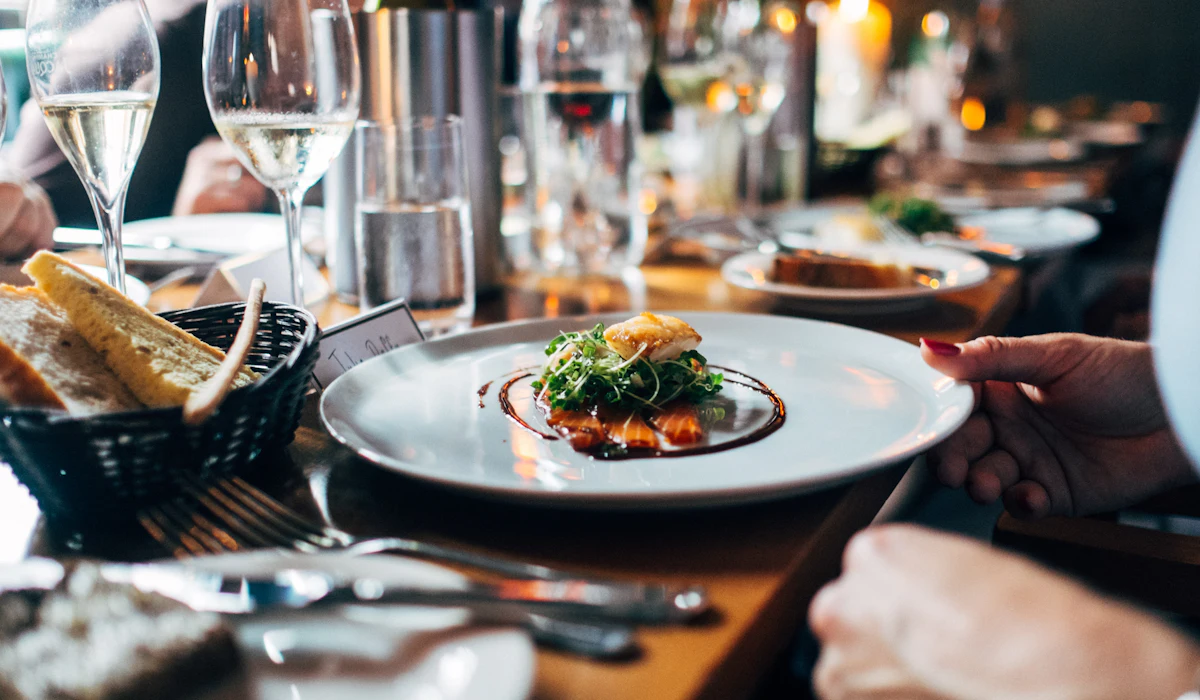
First-time cruisers often load a plate with a little of everything on the first trip, stacking pasta against curry against salad until the sauces run together. The result is cooling food, muddled flavors and a good deal of waste.
Regulars take smaller portions and return as often as they like, since there is no limit and no extra charge. Food can stay hotter and portions can be easier to manage that way, and favorites can be revisited on a clean plate.
Small portions also make it easier to try unfamiliar dishes without committing to a mound of something that turns out to be disappointing.
Grabbing From The First Counter In Sight
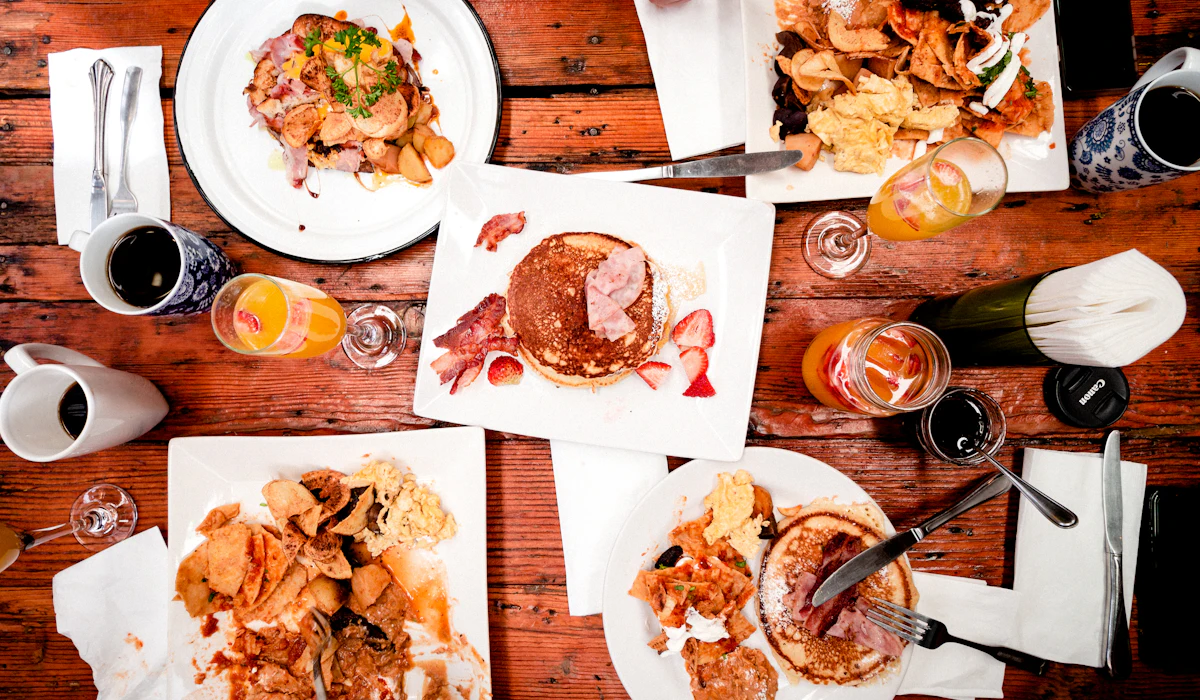
The first stations inside a buffet entrance are often among the busiest, because many passengers fill their plates there and never walk any farther. Large buffets such as Royal Caribbean’s Windjammer, Carnival’s Lido Marketplace and Princess’s World Fresh Marketplace may spread similar or popular offerings across different stations, depending on the ship.
Regulars walk the entire loop before picking up a plate. The far side of the room can have shorter lines and additional choices that passengers near the entrance overlook.
Arriving At The Noon Peak
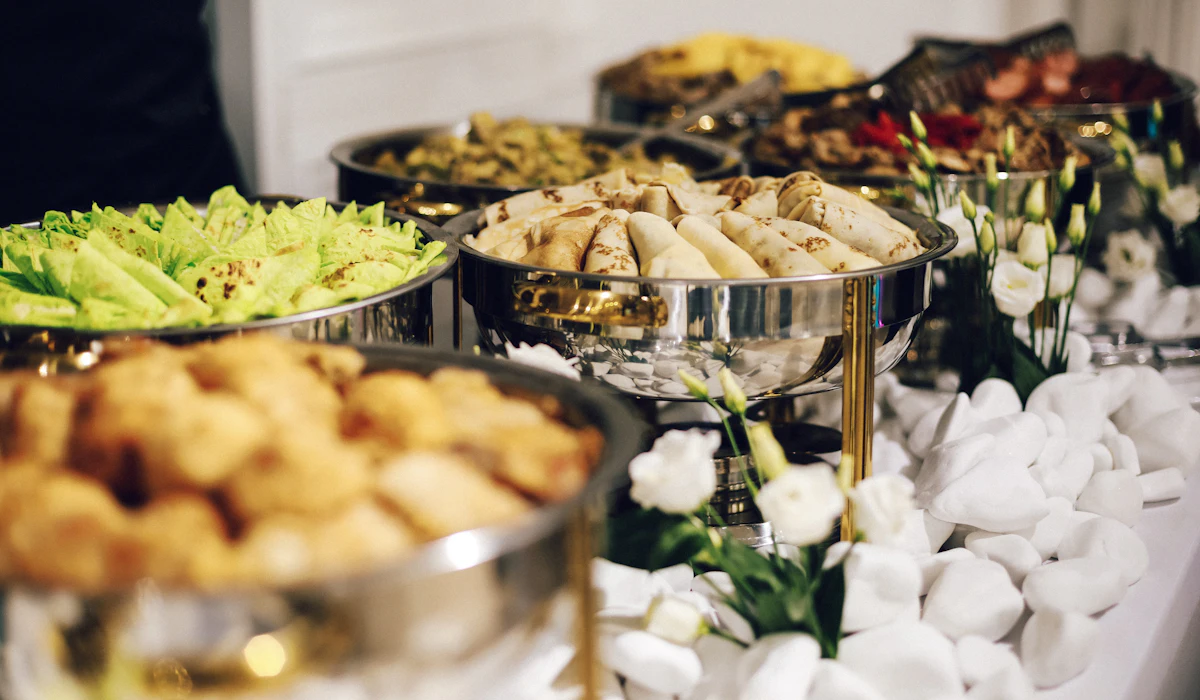
Buffets are busiest around noon on sea days, when much of the ship seems to decide on lunch at the same moment. Tables become scarce, lines stretch back toward the entrance and crew members struggle to keep trays filled.
Arriving at half past eleven, or after one in the afternoon, can mean a calmer room with fresher trays. On port days the pattern may flip, and lunch is often quiet because many passengers are ashore.
Regulars plan meals around the crowd rather than the clock, and they rarely wait for a seat as a result.
Eating Every Meal In The Same Room
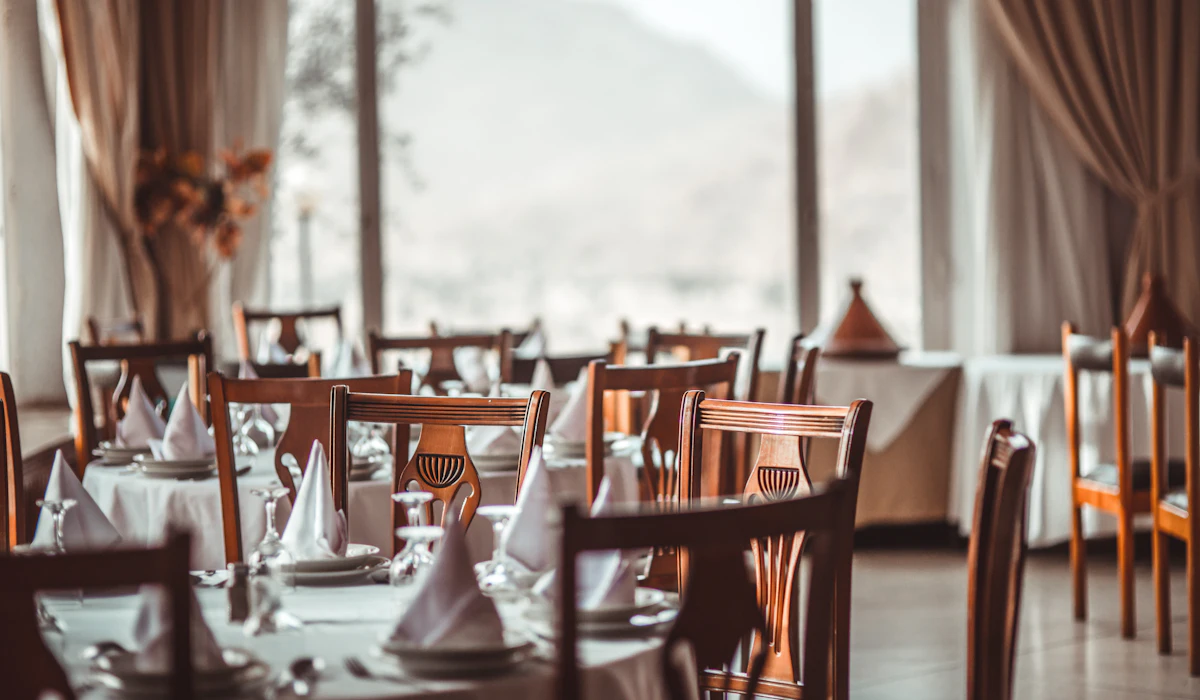
The buffet is convenient, but eating every meal there means missing much of what the fare already covers. Main dining rooms serve lunch on many sea days, with waiter service and a short menu.
Carnival ships have Guy’s Burger Joint and the BlueIguana Cantina for burgers and tacos at no extra charge, and Royal Caribbean offers included venues such as Cafe Promenade and, on some ships, El Loco Fresh. These spots can serve food cooked to order with a fraction of the crowd.
Regulars treat the buffet as one choice among many rather than the default for every meal.
Ignoring The Made-To-Order Stations
Large buffets often include stations where cooks prepare food on the spot, such as omelets and eggs at breakfast, pasta or stir-fry at lunch and carved meats at dinner. These counters can produce some of the freshest food in the room, depending on the dish and time of day.
Passengers who stick to the pre-made trays miss them entirely, sometimes for a week. Lines can be short, especially outside peak times, and the cooks may accept requests for extra vegetables or less oil.
A fresh omelet with chosen fillings can be a better choice than eggs that have been sitting under a heat lamp.
Overlooking The Regional Stations
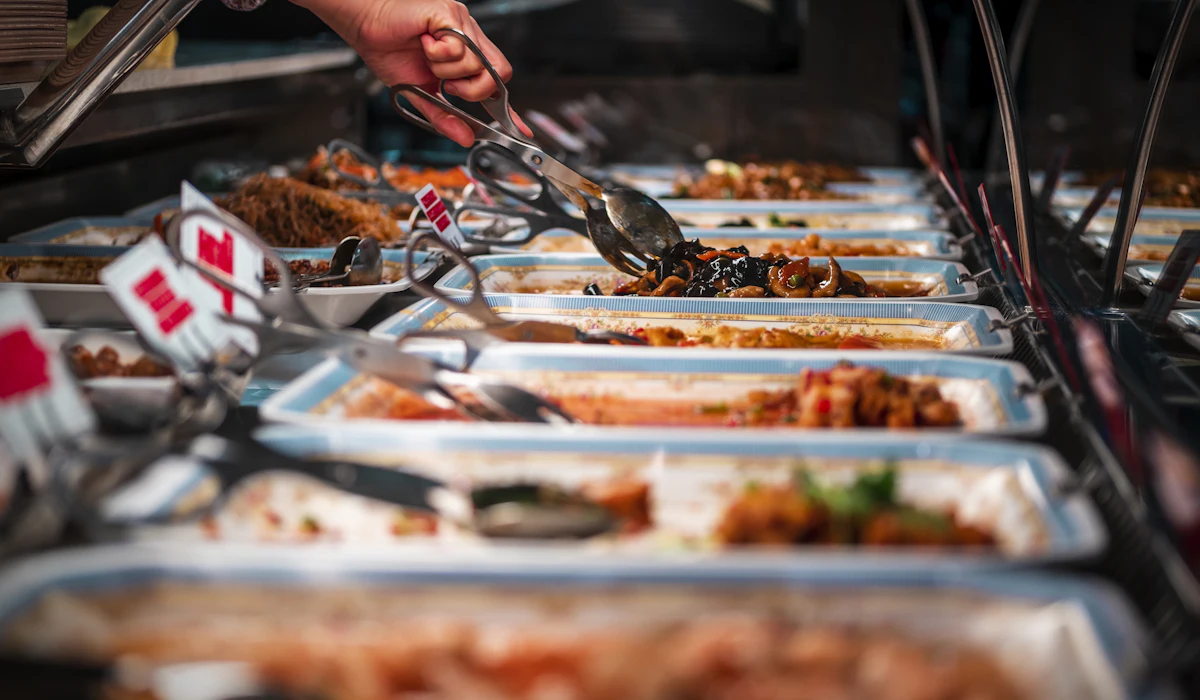
Larger buffets often include stations for Indian curries, Asian noodles, Mexican dishes or food tied to the itinerary, such as regional seafood or Mediterranean-inspired dishes. These counters are often less crowded than the main lines.
Crews on major lines come from dozens of countries, and international dishes are common on many ships, particularly curries. Regulars seek them out for variety after a few days of familiar food.
A plate of dal and rice on a Caribbean sailing can be a welcome change from the usual buffet fare.
Saving Tables During The Rush
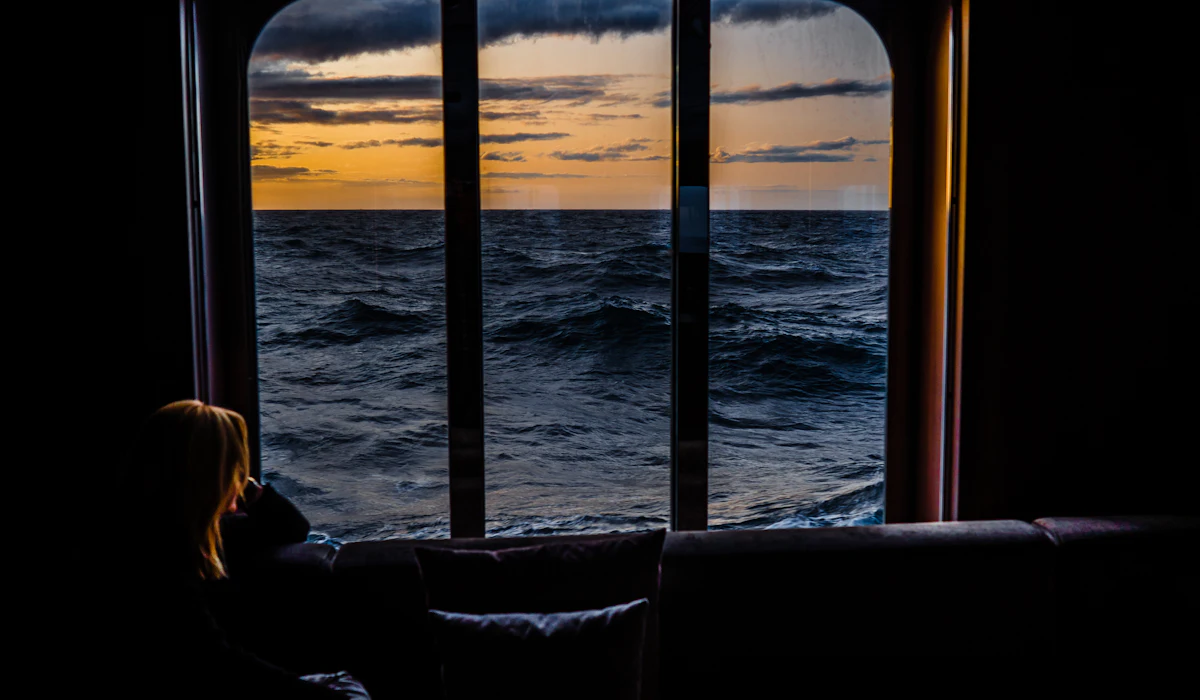
Passengers sometimes drape a towel, hat or bag over a table to hold it while they collect food. During busy periods, that leaves fewer seats for people already standing with full plates, and it can hold a table empty for ten minutes or more.
Regulars find a table only after their food is ready, or let one person sit while the rest of the group fills plates. Crew members on some ships quietly clear unattended items during peak times.
On a crowded sea day, a held table often looks less like planning and more like a claim staked against everyone else.
Wearing Wet Swimsuits Inside

Many lines require at least a shirt or cover-up in buffet areas, and some also require fully covered shoes. Wet swimsuits drip onto floors and chairs, creating slippery spots for people carrying plates and damp seats for the next diner.
Regulars keep a cover-up and a towel at the pool and dry off before heading in. Signs at the entrance usually spell out the dress code, and crew members may enforce it.
A shirt and shorts take seconds to pull on, and they keep lunch comfortable for everyone sharing the room.
Going Barefoot
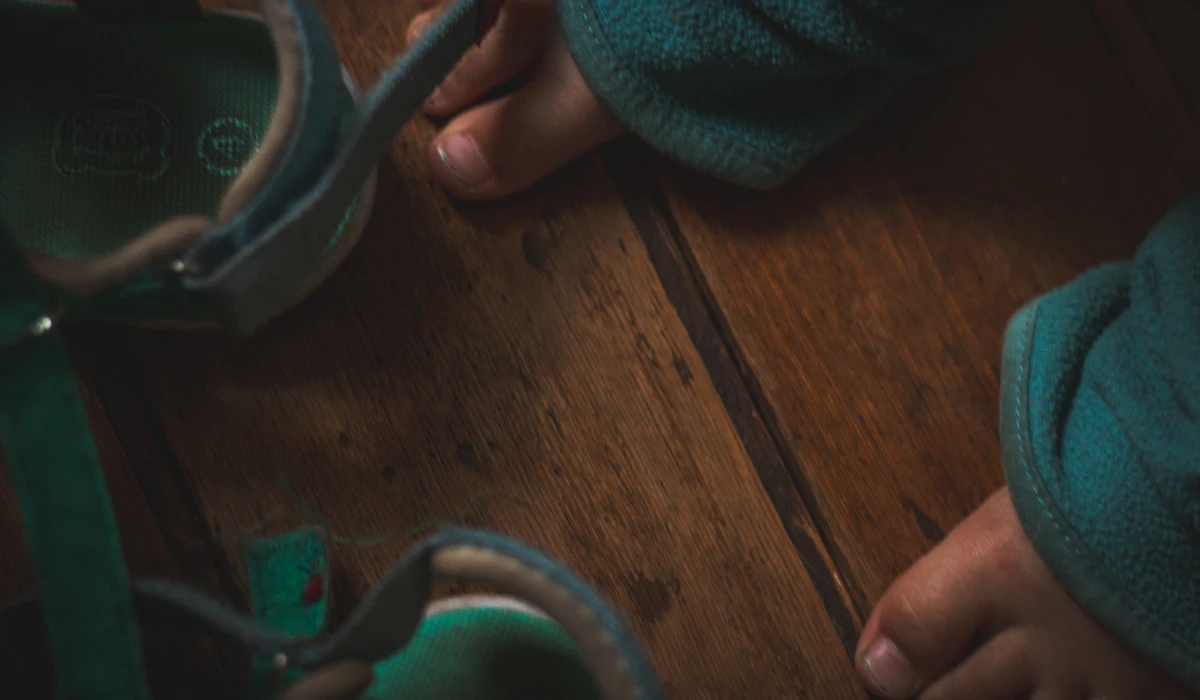
Shoes are required in many cruise-ship buffet areas, both for hygiene and for safety. Floors near the drink stations get wet, and a dropped glass can scatter shards that are hard to see under the tables.
Passengers coming straight from the pool sometimes forget their sandals on a lounger, and crew members may politely turn them away at the door. Regulars keep a pair of flip-flops in their pool bag for exactly this reason.
Bare feet in a room where thousands of people walk with food every day can create an avoidable safety and sanitation problem.
Lingering At Tables During Peak Times
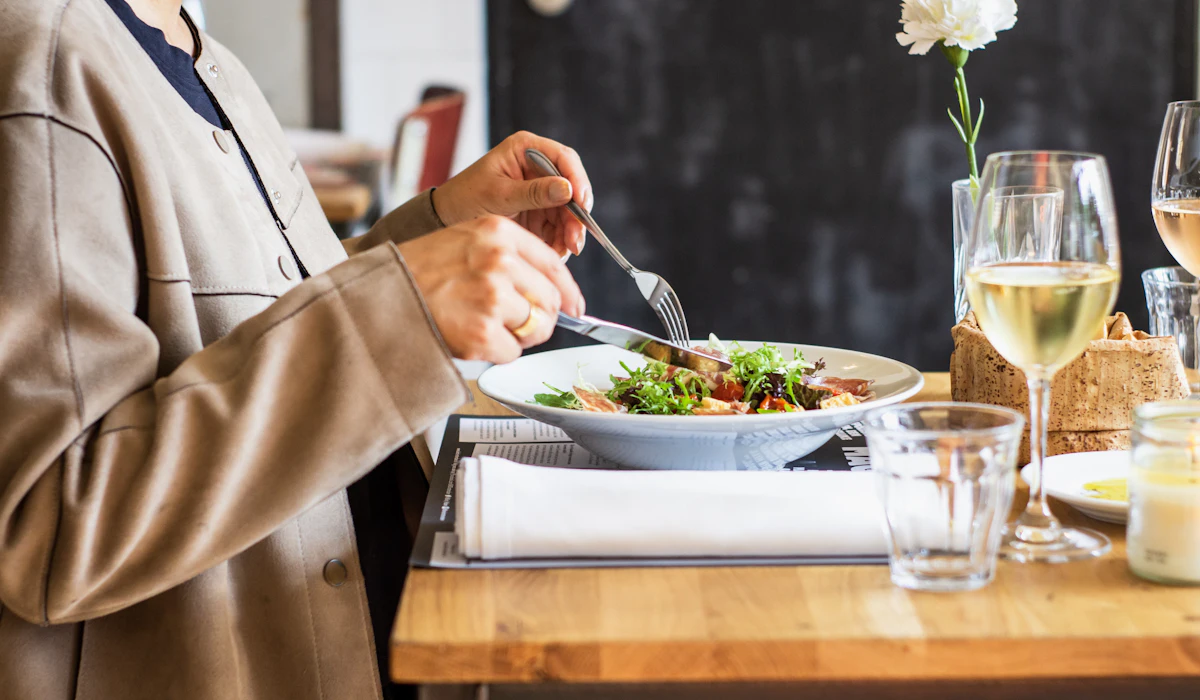
During busy meals, seats are scarce, and passengers who linger long after their plates are cleared make it harder for others to find a place to eat. A second coffee and a long chat can hold a table for half an hour while families circle with full trays.
Regulars finish eating and then move to a lounge, an outdoor deck or a quiet bar to continue the conversation. During quiet hours, lingering is perfectly fine and nobody minds.
Reading the room, quite literally, is the only skill required.
Carrying Plates Through The Ship
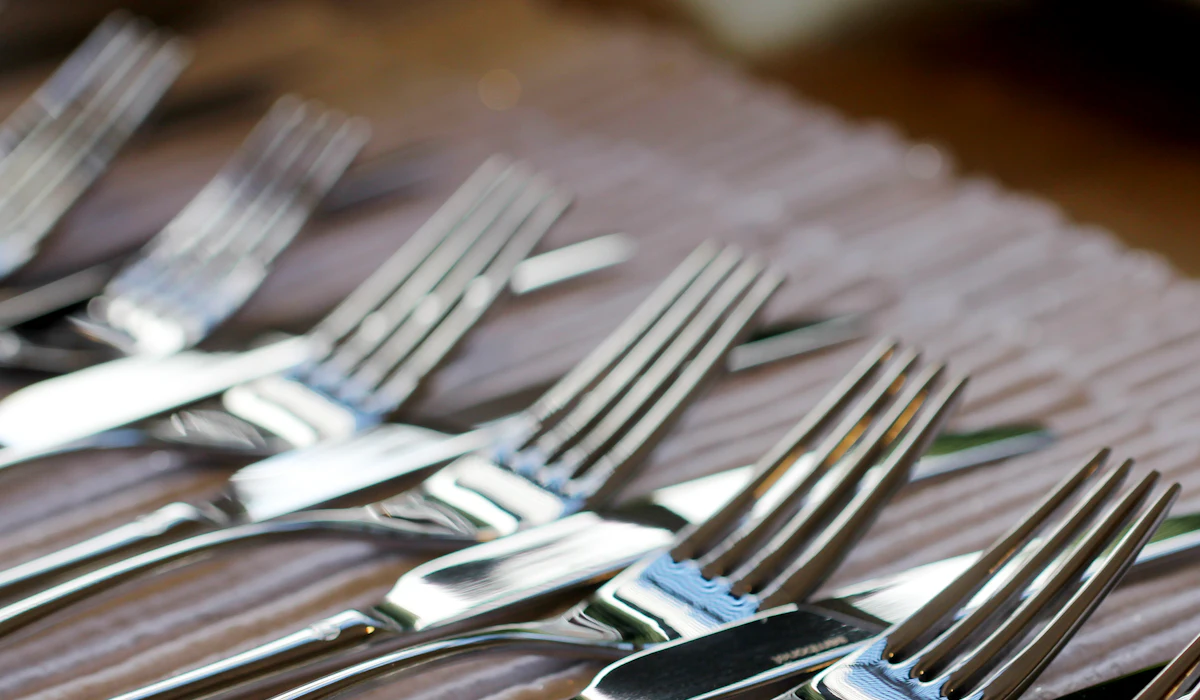
Some passengers walk full plates from the buffet to their cabins or to distant decks. Many lines discourage the practice, partly because of spills in elevators and corridors and partly because stray dishes left outside cabins can create sanitation or pest concerns.
Plates and cutlery taken from the buffet also tend to disappear, which can make dish collection more difficult on busy ships. Small items such as a piece of fruit or a cookie are usually fine.
Passengers who want a meal in the cabin have room service, although fees and included options vary by line, and food can be delivered according to the ship’s room-service policy.
Ignoring Allergen Labels
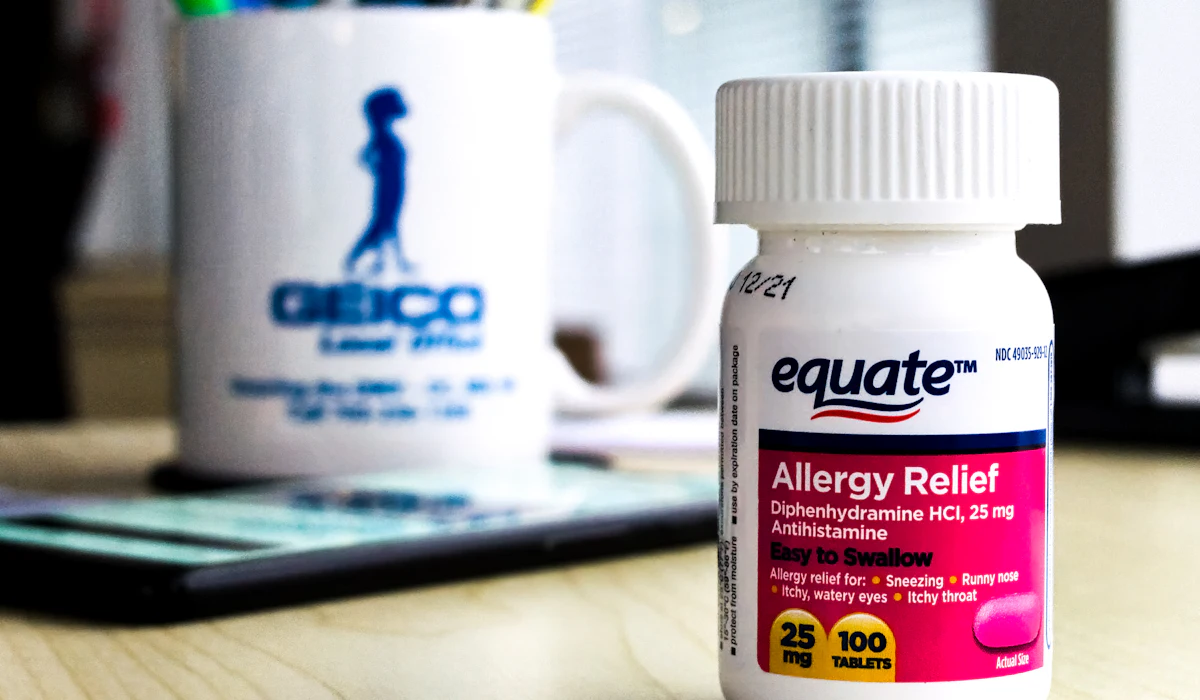
Many buffets label dishes with common allergens such as nuts, gluten, dairy, eggs and shellfish, often with small icons beside the dish name. Passengers with allergies who skip the labels risk exposure, and dishes that look simple can hide ingredients such as nut oils or shellfish stock.
Regulars with allergies read every label and ask a crew member when anything is unclear. Many lines also prepare separate meals on request for passengers with severe allergies, although procedures and guarantees vary by line and venue.
Those labels exist precisely so that nobody has to guess.
Reaching Under The Sneeze Guard
Sneeze guards, the angled glass panels above buffet counters, protect food from breath, coughs and stray hair. Some passengers lean under them to reach a dish at the back, which places their head and sleeves directly over food that others will eat.
It defeats the purpose of the glass entirely. Regulars use the long-handled utensils provided and stay behind the barrier.
When a tray sits out of reach, a crew member is usually nearby and happy to serve it, which is faster and far cleaner than an awkward stretch across the counter.
Resisting Crew Service During Outbreaks
When a ship reports an increase in gastrointestinal illness, some lines may switch self-service areas to crew service, with staff plating food behind the counters and handing it across. Salt and pepper shakers or other self-service items may also be removed, and beverage stations may be modified.
Some passengers find the change slow and try to serve themselves anyway. These measures can be part of a ship’s outbreak-response plan and are intended to reduce opportunities for transmission through shared utensils and surfaces.
Regulars accept it, point to their choices and thank the server. The duration and specific measures depend on the ship’s response plan and the severity of the outbreak.
Missing The Opening Hours
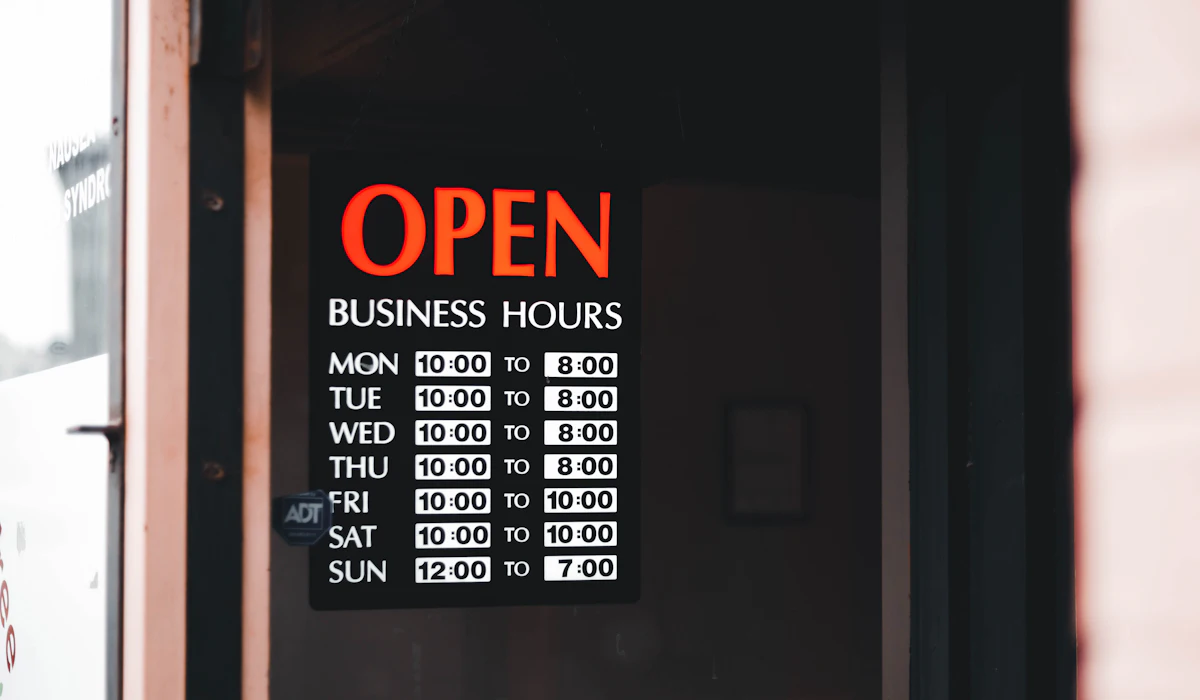
Buffet hours vary considerably by ship and sailing. Passengers who arrive outside the posted service period may find the counters closed or partially reset.
Regulars check the hours in the app or daily planner each morning, since they change on port days. Several lines keep a smaller section open for snacks during the gap, and pizza counters or cafes fill in elsewhere.
Knowing the schedule avoids a long walk to a closed room on a hungry afternoon.
Letting Children Serve Themselves Unsupervised
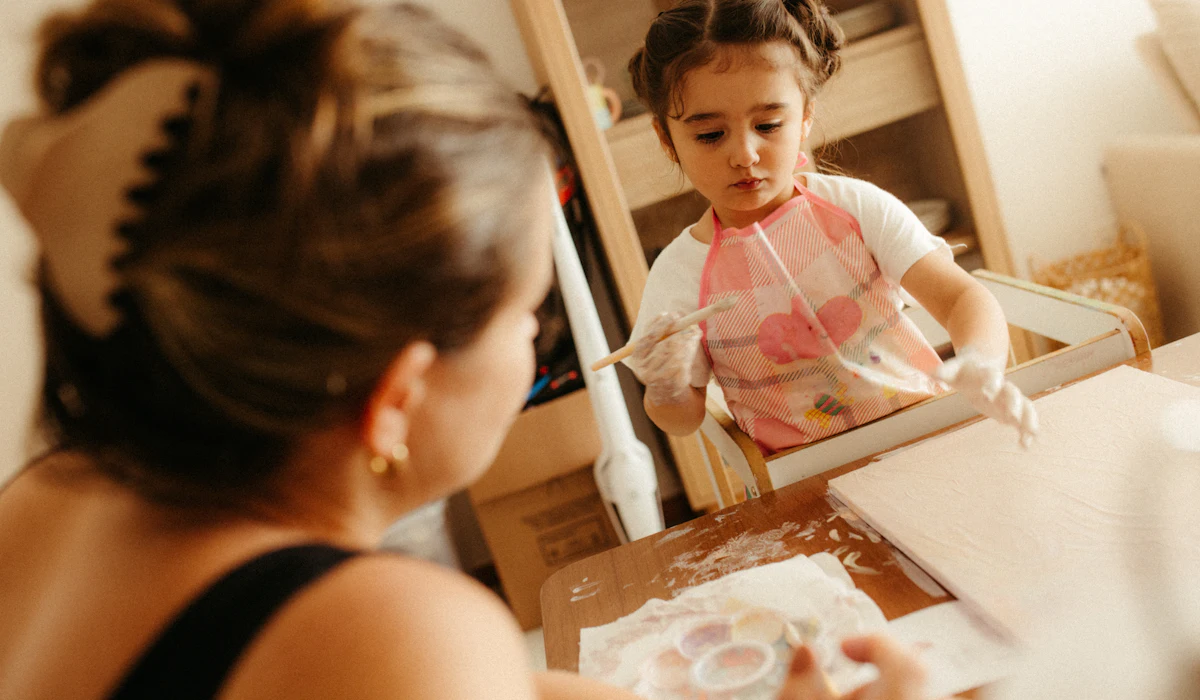
Children enjoy the independence of a buffet, but they often struggle with long tongs, heavy serving spoons and counters set at adult height. Spills, dropped food and fingers in the fruit bowl tend to follow.
Parents who walk alongside help keep the stations clean and their children safe from hot pans. Regulars use the buffet as a chance to teach simple manners, like one utensil per dish and a fresh plate each trip.
Some family-focused ships include lower counters or kid-friendly stations, depending on the vessel, which make the job considerably easier for everyone involved.
Wasting Food
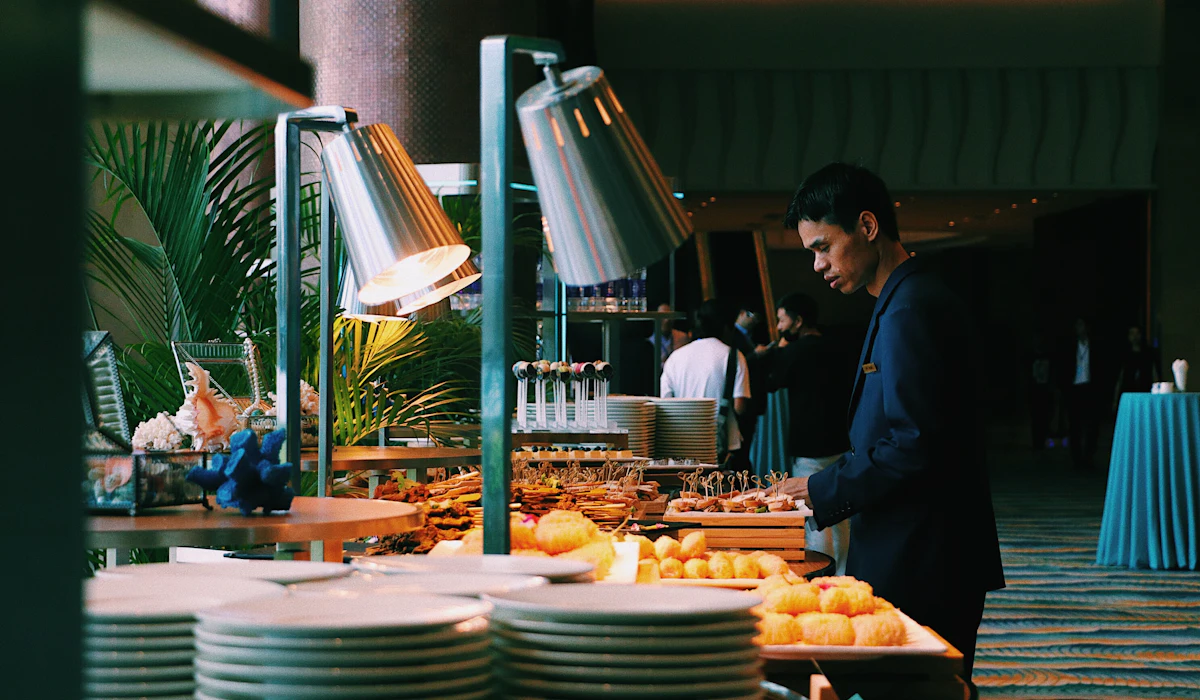
Buffets can generate substantial food waste, much of it from plates that are filled generously and then abandoned. Cruise lines have invested in measuring and reducing waste, including digesters and dehydrators that process scraps aboard, but passenger habits still drive part of the problem.
Regulars take what they will actually eat and return for more if they are still hungry. A half-eaten plate of shrimp or a stack of untouched pastries looks small at one table and enormous across thousands.
Smaller portions also mean less food is left behind on each trip to the counter.
Choosing Fried Food At Every Meal
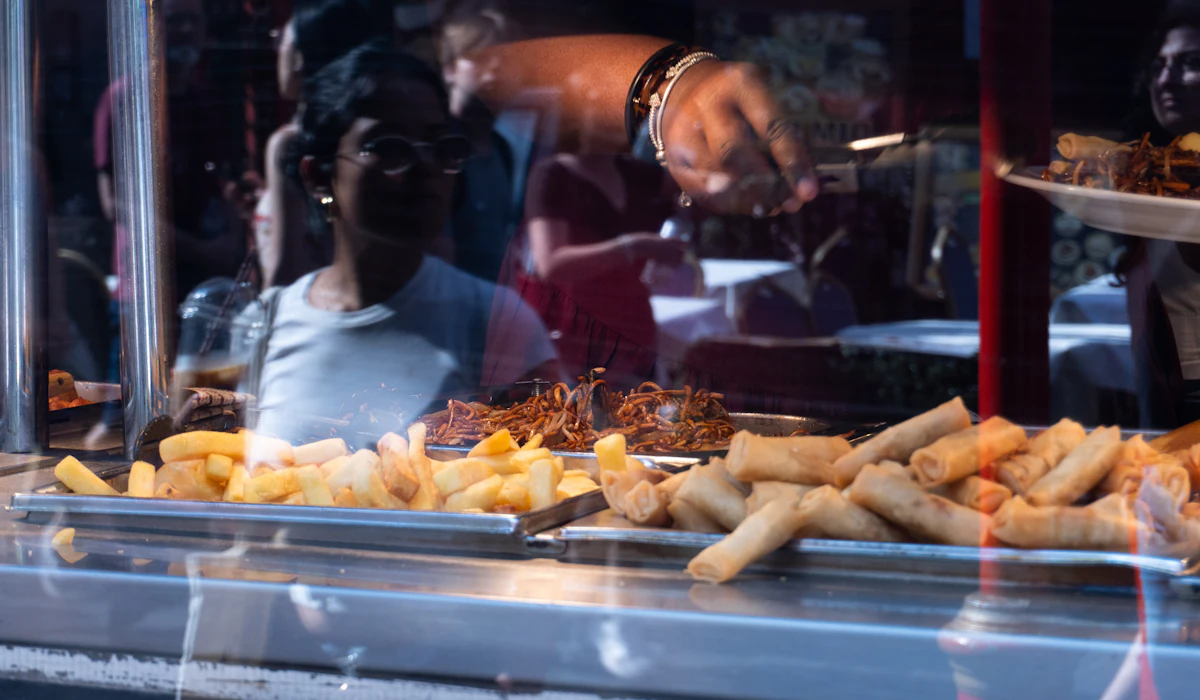
Fried food is often plentiful, from french fries and chicken tenders to spring rolls and onion rings, and it is the easiest thing to grab on the way past. A week of fried lunches and dinners may leave some passengers feeling sluggish, especially in hot weather.
Salad bars, grilled fish, roasted vegetables and fresh fruit sit just a few steps away on the same counters. Regulars mix indulgence with lighter plates.
Most of them save the fries for one or two afternoons by the pool, when they taste best anyway.
Loading Up Before A Snorkel Tour

A heavy breakfast before a boat excursion, snorkel trip or catamaran sail can turn a choppy ride into a miserable one. Large or greasy meals can be uncomfortable for some people when they are about to travel by boat or spend time in the water.
Regulars eat a lighter breakfast on excursion mornings, often toast, fruit and plenty of water, and save the bigger meal for when they return. Many tours include snacks or lunch anyway.
The buffet will still be open in the afternoon, and the food will taste better after a morning in the water.
Stacking Desserts By The Half-Dozen
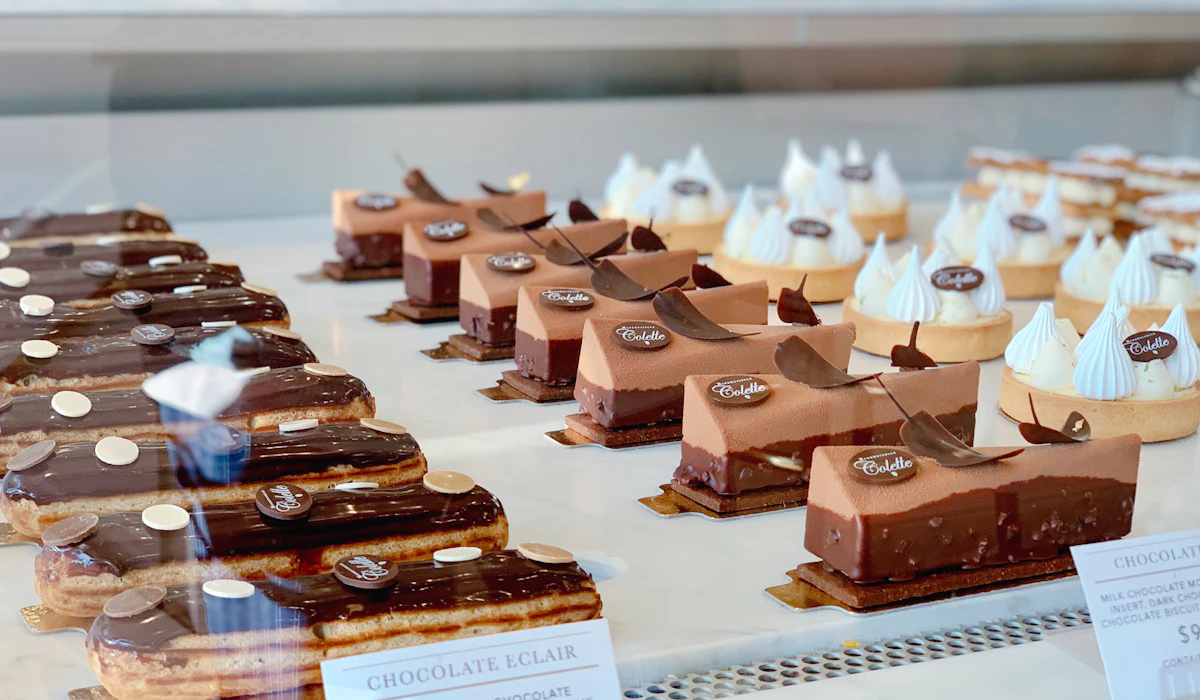
Dessert counters are designed to tempt, with rows of small cakes, mousses, cookies and pastries refreshed through every meal. Many passengers load a plate with five or six items and finish two.
The rest goes in the bin, along with the effort of the pastry team that made it. Regulars take one or two treats and return if they want another, since the counter rarely runs low.
Smaller choices also make it easier to find the standout items, which on many ships include bread pudding, cheesecake and cookies.
Leaving Plates Out In The Sun
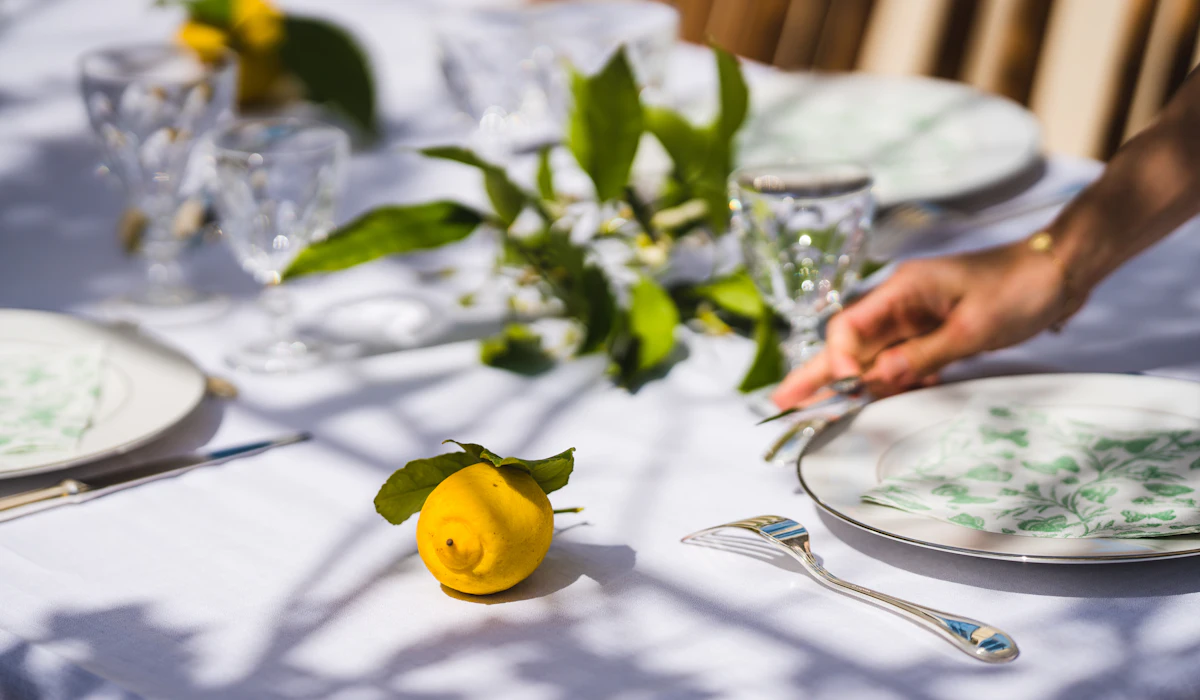
Outdoor seating near the buffet is pleasant, but perishable food left sitting in warm conditions can become unsafe. The U.S.
Department of Agriculture advises that perishable food should not sit out for more than an hour when the temperature is above 90 degrees Fahrenheit. Passengers who fill a plate, wander off for a swim and come back to it later are taking a real risk with seafood, salads and dishes made with mayonnaise or eggs.
Regulars eat promptly when dining outdoors. Fresh food is always available a few steps away, so there is no reason to return to a warm plate.
Paying For Drinks The Buffet Offers Free
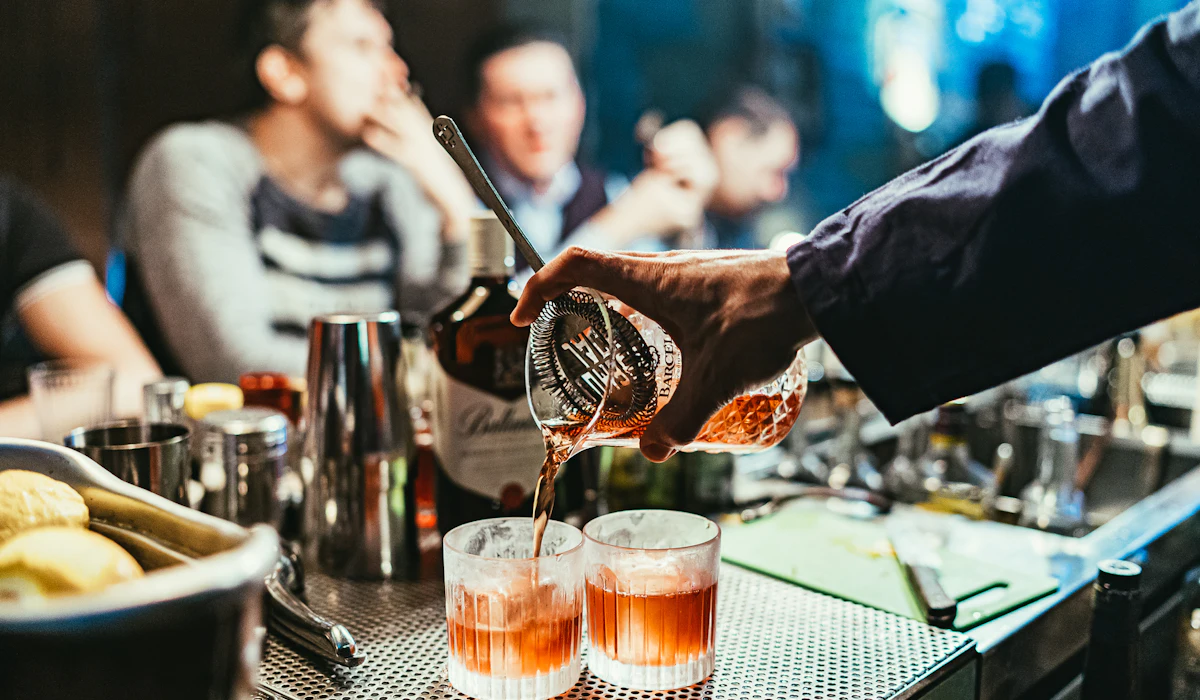
On many mainstream lines, the buffet provides free water, iced tea, lemonade, drip coffee, hot tea and, at breakfast, some type of juice. Roaming servers sometimes offer sodas and cocktails at the tables, which carry a charge and an automatic gratuity.
Passengers who order without asking often pay for a drink that has a free equivalent a few steps away. Regulars fill a glass at the beverage station first and order paid drinks deliberately.
Over a weeklong cruise, checking the included beverage options before ordering can prevent a series of unnecessary charges.
Blocking The Line To Chat
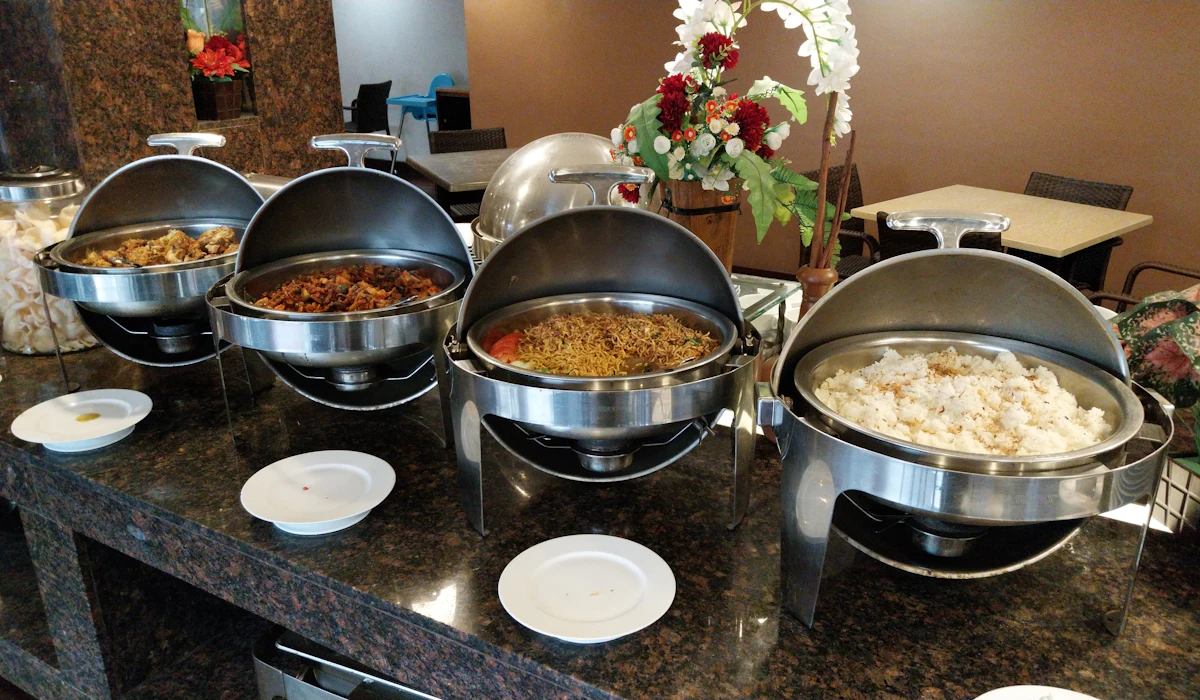
Buffet lines move in a slow, steady shuffle, and a conversation held in the middle of one stalls everyone behind it. Friends meeting by chance at the salad bar, or a family debating what to eat while standing in front of the tongs, can hold up a station for several minutes.
Regulars step aside to talk, finish serving first or meet at the table. It is a small courtesy that keeps food moving and tempers calm.
On crowded sea days, the people waiting with empty plates notice immediately who is talking and who is serving.
Visiting The Buffet While Sick
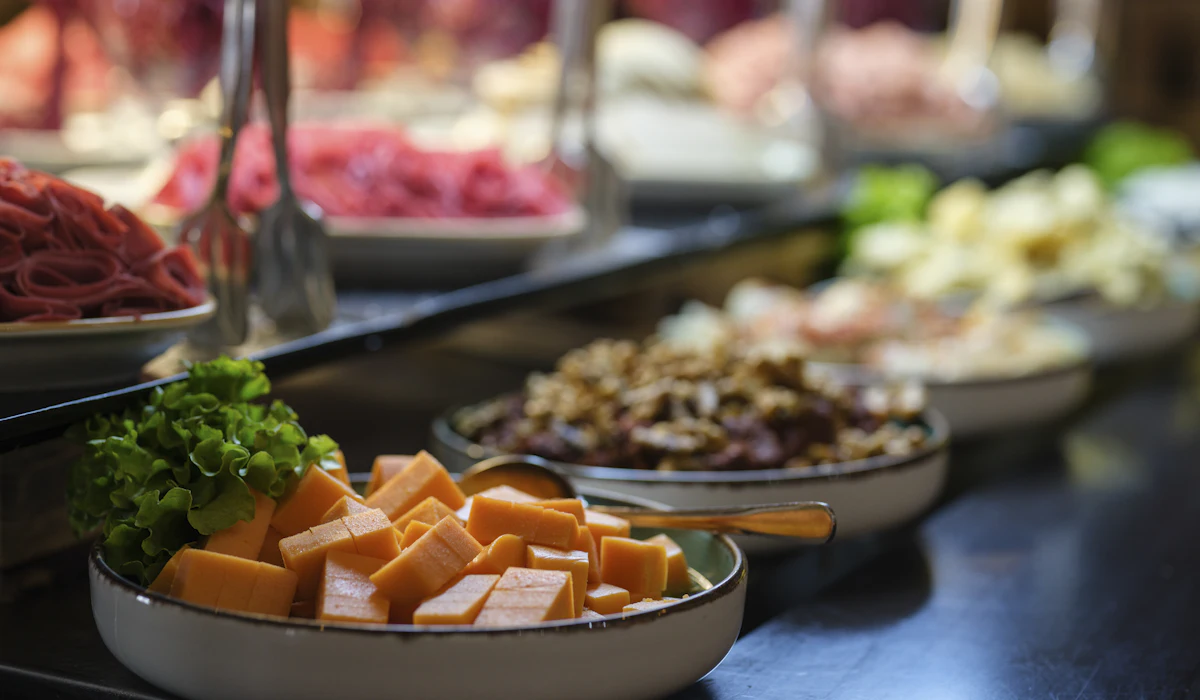
Passengers with vomiting, diarrhea or a fever should skip the buffet entirely and contact the ship’s medical center or follow the line’s illness instructions. Norovirus can spread through shared utensils, railings and serving spoons, and a single sick passenger can contribute to an outbreak affecting hundreds of people.
Cruise lines may ask sick passengers to remain in their cabins and may arrange food delivery or other support, depending on the situation. Regulars report symptoms promptly rather than trying to push through.
Doing so protects fellow passengers, the crew and the rest of the voyage.
Mixing Tongs Between Dishes
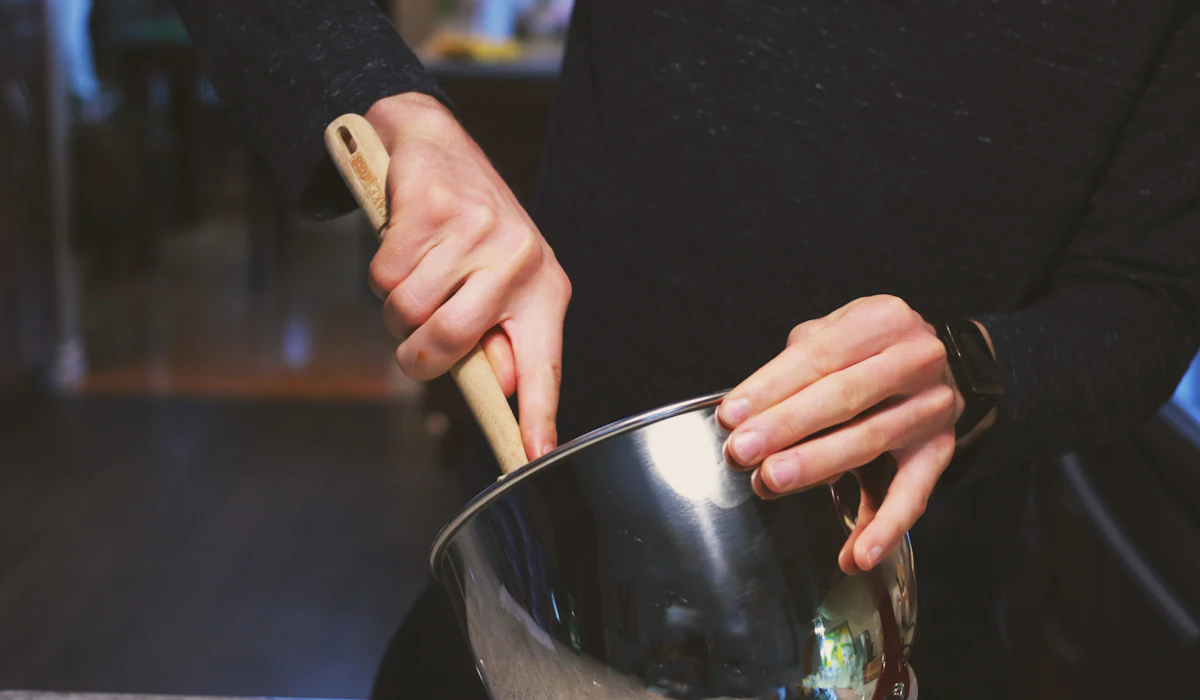
Every dish on a buffet counter should have its own serving utensil, and moving tongs from the shrimp to the salad or from the peanut noodles to the rice spreads ingredients from one tray into another. For passengers with severe food allergies, that cross-contact can be dangerous even when a label says a dish is safe.
Regulars return each utensil to the dish it came from, following the ship’s buffet setup. When tongs end up in the wrong tray, a quick word to a crew member gets them swapped.
It takes seconds and can prevent a serious reaction for someone further down the line.
Sitting Near The Entrance
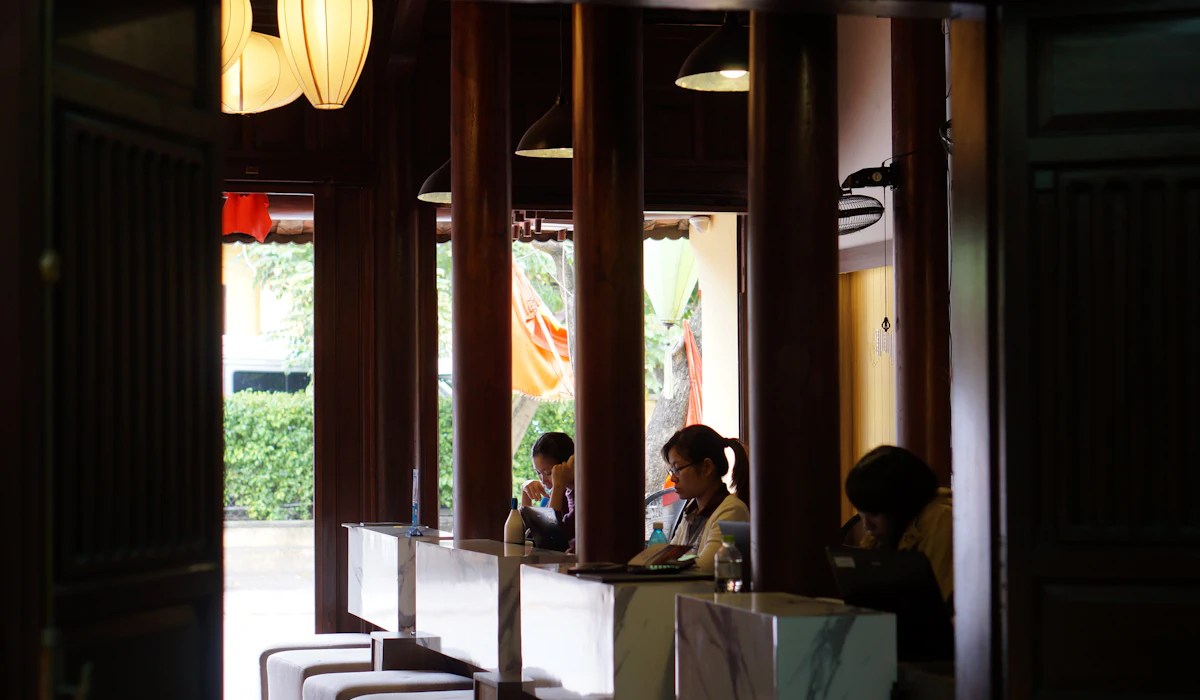
Tables near the buffet entrance are often the busiest and noisiest in the room, surrounded by passengers arriving, washing hands and scanning for seats. Trays clatter, children dart past and the conversation of hundreds of diners funnels through the doors.
Regulars walk farther back, toward the windows or the outdoor terrace, where the tables are calmer and the views are better. On many ships, the aft end of the buffet overlooks the wake.
That short walk turns a hurried meal into a pleasant one with sea views at no extra cost.
Abundance Rewards A Little Restraint
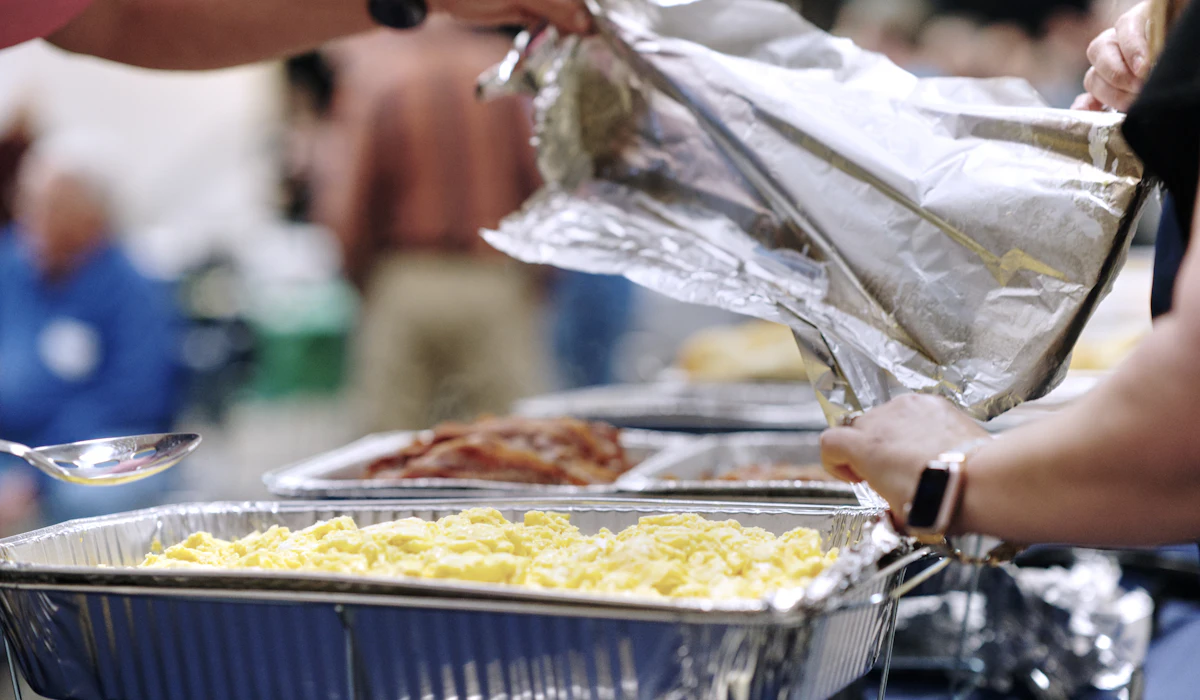
A cruise buffet is a remarkable piece of logistics, a restaurant that can operate across much of the day and serves a huge volume of food. It works because thousands of strangers follow the same small rules about plates, tongs and hand washing.
When a few people ignore them, everyone feels the difference.
The habits that make the buffet better are the same ones that make any shared space better. Patience, small portions and a little awareness of the people waiting behind turn a crowded room into a pleasant one.
The food tends to taste better too.
More from Travel Pug

- Underrated Italian Towns That Beat the Tourist Crowds
- Las Vegas Tourist Traps to Skip
- Prettiest Towns in Every US State
- 18 passport-free countries for Americans
- Signs Your Cruise Is Not Worth The Cost
Like Travel Pug’s content? Follow us on MSN.