

Most cruise passengers learn the ship through its pools, buffets and theaters, then head home without ever finding the machinery that keeps the place running. Behind the guest services desk, inside the medical center and in the stateroom attendant’s supply closet sit dozens of services that cost little or nothing.
Few of them appear in the glossy brochures. Plenty of them quietly solve the small problems that wear down a week at sea.
Continental Breakfast Delivered to the Cabin

Several major lines offer a basic continental breakfast to the cabin without a delivery charge, even where the rest of the room service menu carries fees. Carnival, for example, offers complimentary continental breakfast items through its room service program.
Ordering procedures and menus vary by line, but coffee, juice, pastries and fruit are common options. On an early port day, that tray on the balcony saves a crowded trip to the buffet and buys an extra half hour of quiet before the gangway opens.
Self-Service Launderettes Tucked on Cabin Decks
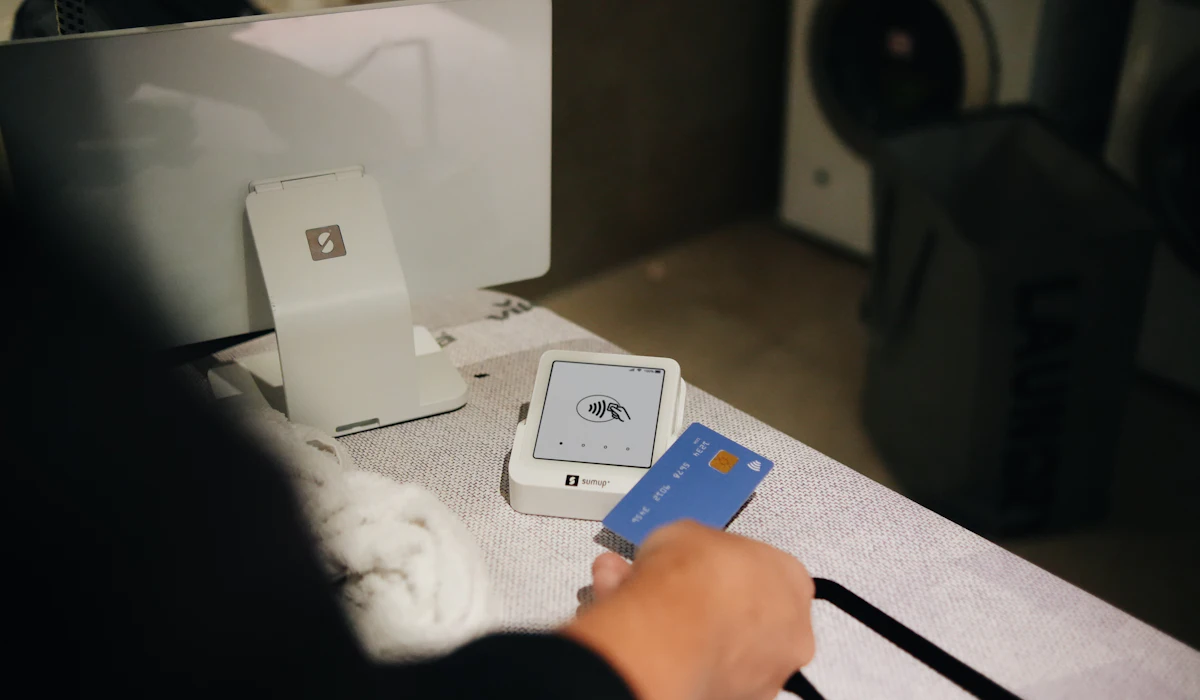
Several lines, including Carnival and Princess, put self-service laundry facilities on passenger decks, while Disney also offers laundry facilities on its ships. Availability, pricing and payment methods vary by line and ship.
Royal Caribbean ships generally lack them, which makes the difference worth checking before packing. A midweek wash lets families pack for half the trip instead of the full week, and that matters more now that airlines charge steeply for checked bags.
The rooms also double as a social hub of sorts, since everyone waiting on a dryer has an opinion about which port was worth the effort.
Pressing Service in Place of a Forbidden Iron

Clothing irons and steamers sit on nearly every cruise line’s prohibited items list because a forgotten hot iron is a fire risk on a ship full of sleeping people. Security staff may confiscate prohibited irons or steamers at embarkation, with return procedures varying by line.
The fix is a pressing service run through the stateroom attendant or laundry department, usually priced per item, which handles a suit or dress before a formal night. Some lines with self-service laundry facilities also provide irons in designated areas rather than allowing them in cabins.
Either option beats a wrinkled jacket in every formal photo.
Seasickness Help at Guest Services

Plenty of passengers suffer through a rough first night without realizing that guest services or the medical center may have seasickness remedies available. Some ships provide over-the-counter medication, while others direct passengers to the medical center or ship’s store.
The supply and whether medication is complimentary vary by line. Green apples and crackers are also sometimes suggested for mild nausea.
Anyone still struggling the next morning can ask the medical team about additional treatment options.
Medical Centers Staffed Around the Clock

Large ships carry doctors and nurses and operate small clinics that can handle stitches, infections, dehydration and the occasional broken wrist from a slippery pool deck. Fees are billed to the cruise account and can climb fast, so the visit may need to be submitted to travel insurance rather than treated like a normal visit covered by domestic health insurance.
Many passengers never learn where the clinic sits until an emergency sends them hunting for it. Checking the deck plan on day one costs nothing, and the medical team can advise passengers about medications and treatment, although prescription services vary by ship and circumstance.
Refrigeration for Insulin and Other Medicines

Passengers who travel with insulin, certain eye drops or biologic injections can ask the cruise line in advance about appropriate refrigeration or storage arrangements. Standard cabin minibars often run warm or switch off, which makes them a poor home for temperature-sensitive drugs.
Requests work best when submitted weeks before sailing through the line’s medical or accessibility process, when available. Sharps containers can often be arranged the same way, which spares diabetic passengers the awkward search for a safe place to toss used needles on a ship with thousands of people aboard.
Accessibility Teams That Plan Ahead
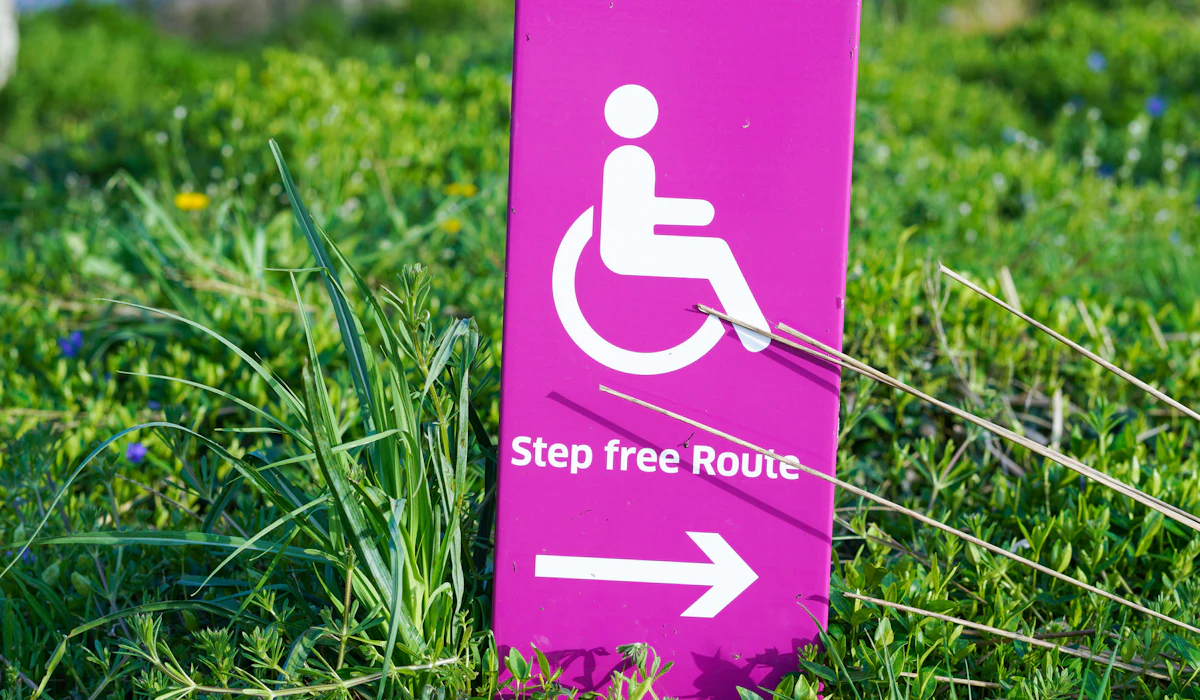
Royal Caribbean, Carnival, Norwegian and most other large lines run dedicated accessibility departments that can arrange accessible cabins, permitted mobility-device accommodations and other assistance for passengers with disabilities. Specific equipment, including visual-alert devices and assistive-listening systems, varies by line and ship.
The department works best with lead time, often several weeks before departure, and passengers who contact it early tend to find that the ship has already solved problems they assumed they would face alone.
Kosher Meals Sealed Before Boarding

Some cruise lines provide kosher meals through certified suppliers or specialized preparation arrangements rather than preparing them as part of the ship’s regular galley service. Lines such as Royal Caribbean and Holland America offer kosher dining options with advance notice, although the exact preparation and serving procedures vary.
The arrangement requires advance notice, usually several weeks before sailing, and the selection is narrower than the regular menu. Still, it gives observant passengers an option that fits their dietary requirements alongside their tablemates instead of a fruit plate, and the dining staff treat the meals with real care.
Next-Day Allergy Menus From the Dining Room Manager

Passengers with celiac disease or serious food allergies often skip the main dining room entirely, assuming the risk is too high. Many lines instead have the head waiter or dining room manager review the following night’s menu with them, then work with the galley to identify or prepare suitable dishes.
Gluten-free bread, dairy-free desserts and modified sauces are common outcomes. The system depends on a conversation at the first dinner, and it works best when the passenger flags the allergy during booking as well, so the restaurant team arrives at that first table already briefed.
Bed Rails, Extra Pillows and Split Beds on Request

Stateroom attendants keep supplies that never appear on any menu. Extra blankets, hangers, pillows and other basic cabin supplies are often available on request, while specialized items such as bed rails may require advance arrangements.
Attendants can also split a queen bed into two twins for friends sharing a cabin, provided the cabin is designed for that configuration. Ice buckets and other standard cabin amenities can be replenished without anyone needing to ask.
A short note left on the bed or a request to the attendant often accomplishes more than a call to guest services, since the attendant is the person who actually fixes it.
A Free Cake and a Song for Celebrations

Birthdays and anniversaries flagged at booking or mentioned to the head waiter often earn a small cake and a chorus from the dining room staff at no charge. The custom varies by line and ship, but it remains common on several major cruise lines.
Paid celebration packages with banners and cabin decorations exist too, though the free version tends to feel warmer because the people singing are the same servers who have learned everyone’s drink order. Families who forget to mention the date can still ask the dining team whether a simple celebration is available.
Corkage Service for Wine Brought From Home

Several lines allow passengers to carry a limited amount of wine aboard at embarkation, although allowances vary by cruise line. Royal Caribbean, for example, allows up to two 750-milliliter bottles of wine or champagne per stateroom at the start of the cruise, subject to its policy, while other lines have different limits.
That wine can be opened in the cabin for free or brought to a restaurant, where a corkage fee may apply. The fee covers glassware and service.
For a couple who has been saving a special bottle, paying corkage at a nice dinner often costs far less than ordering a comparable wine from the ship’s list, where markups run high.
Ship App Messaging Without a Wi-Fi Plan

Royal Caribbean, Carnival and Norwegian apps include onboard chat features that let passengers message each other on the ship’s network without purchasing a full internet package, although a separate chat fee may apply depending on the line. Some lines have made basic chat free.
Families who split up between the waterslides, the spa and the casino can coordinate dinner times without wandering from deck to deck. The feature only works within the ship’s own network, so nobody should expect to text home with it.
Mid-Cruise Folio Reviews That Catch Mistakes
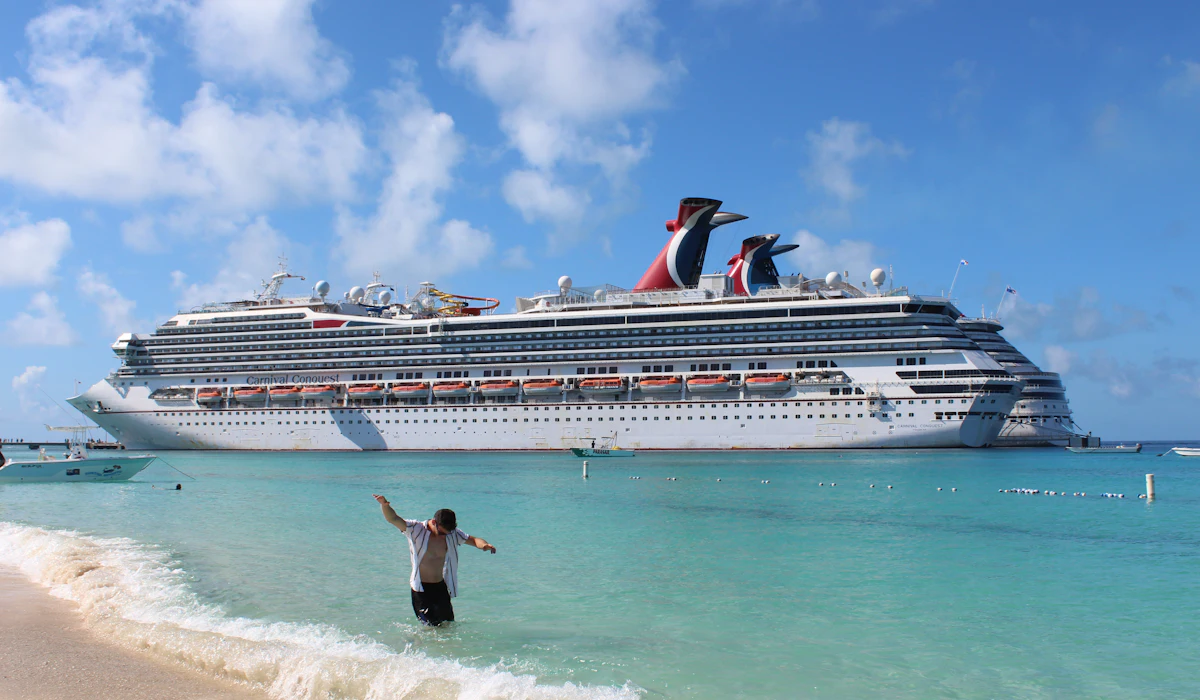
Every charge lands on a running statement, called a folio, that passengers can check on the cabin television, the ship’s app or at guest services. Duplicate drink charges, a specialty dinner billed twice or a gratuity applied to the wrong cabin are all fixable, but corrections are far easier while still on board.
Reviewing the folio midweek gives the crew time to investigate. Waiting until the final night means joining the longest line of the cruise, where everyone else has had the same idea at the same time.
Gratuity Adjustments at the Front Desk
Most mainstream lines add a daily service charge to each passenger’s account, typically with the amount varying by cruise line, cabin category and itinerary. Guest services can explain the line’s policy and, where permitted, make adjustments or corrections to the charge.
Passengers can also add extra recognition for standout crew members. Many lines prefer the request in person rather than through the app.
The charge is distributed among eligible crew members under the line’s service-charge system, so most passengers treat the adjustment option as a tool for fixing a real problem rather than a routine discount.
Future Cruise Desks With Onboard Perks
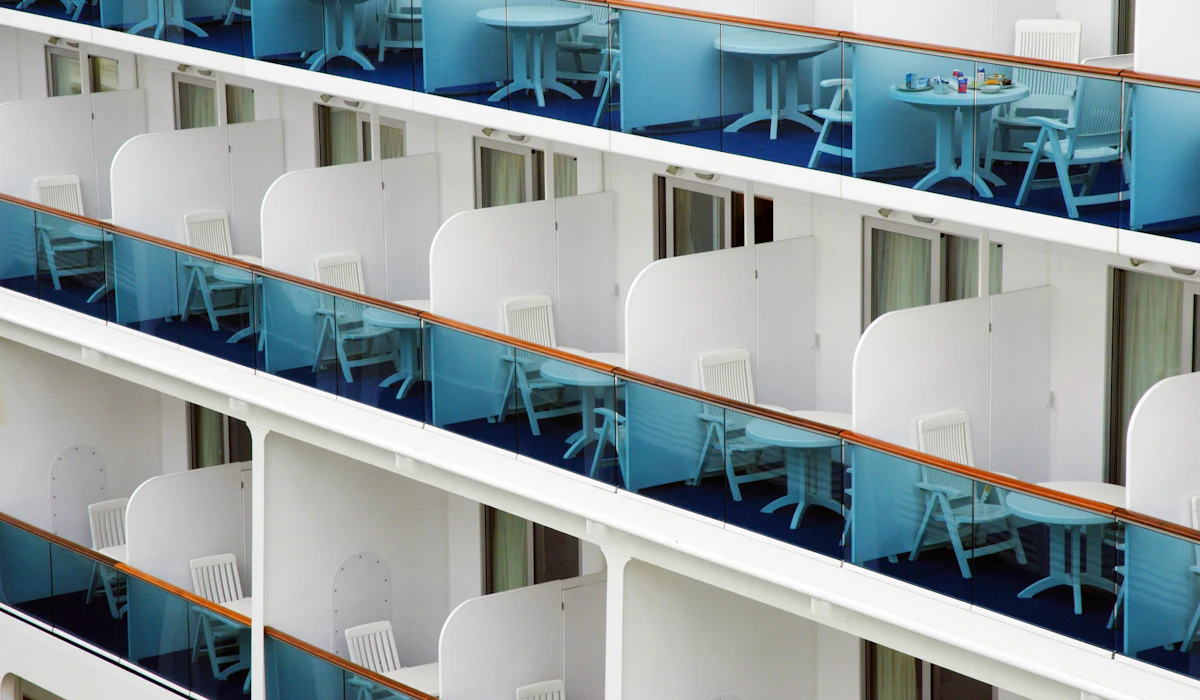
A small desk near guest services, often called Next Cruise on Royal Caribbean or CruiseNext on Norwegian, sells deposits or certificates toward a later sailing. These typically come with perks unavailable after the passenger gets home, such as bonus onboard credit or a reduced deposit.
Terms, including whether a certificate is refundable, transferable or assignable to a travel agent, vary by program. Passengers who are even mildly likely to cruise again within a few years may find the offer worthwhile after checking those terms.
Late-Night Group Babysitting on Carnival

Carnival’s Night Owls program keeps the Camp Ocean kids’ club open late for children ages six months to 11, charged at an hourly rate per child. Counselors run movies, games and quiet activities while parents catch a late comedy set or linger over dinner.
Royal Caribbean’s Adventure Ocean also offers late-night group programming for an additional fee, subject to age and sailing availability. Many parents never realize the service exists because daytime club hours are free and the late-night sessions get less promotion, yet those evening hours are often the only stretch of the trip that feels like a real date.
Disney’s Infant Nursery

Most kids’ clubs at sea will not take children still in diapers, which leaves parents of babies with few options. Disney Cruise Line’s It’s a Small World Nursery has offered care for children from 6 months to 3 years old on eligible ships, for an additional fee, with cribs, feeding schedules and staff trained for infants.
Reservations open before sailing and fill quickly, especially on sea days. A two-hour block during a quiet afternoon gives exhausted parents time for a meal at Palo or a nap, which may be the most valuable two hours of the entire vacation.
Beach Towels Signed Out for Port Days
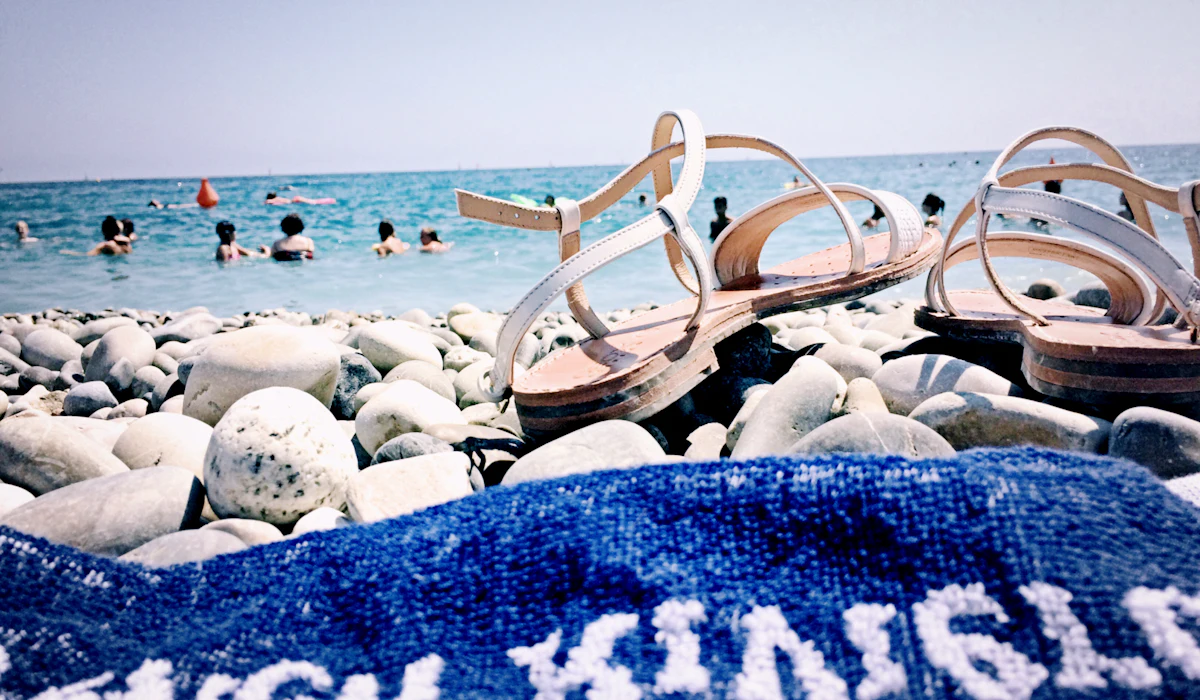
Many mainstream lines allow passengers to take the ship’s pool towels ashore, with the towels logged against each cruise card through a towel desk or card system. That spares families the cost of renting towels at a beach club or the bother of packing their own.
The catch is the return policy, since unreturned towels can trigger a replacement charge that varies by cruise line. Checking the towels back in on reboarding takes seconds and avoids the surprise on the final bill.
Self-Assist Walk-Off on the Final Morning

Passengers who can carry their own luggage down the gangway can usually register for self-assist disembarkation, which lets them leave the ship during an early disembarkation group instead of waiting for a numbered group call. Bags stay in the cabin overnight instead of going into the hallway, which also means essentials stay at hand.
Early flights and long drives home become far less stressful. The only rules are practical ones, since every bag must be carried or wheeled off without help and elevators near the gangway get crowded fast.
Luggage Valet From Ship to Airport
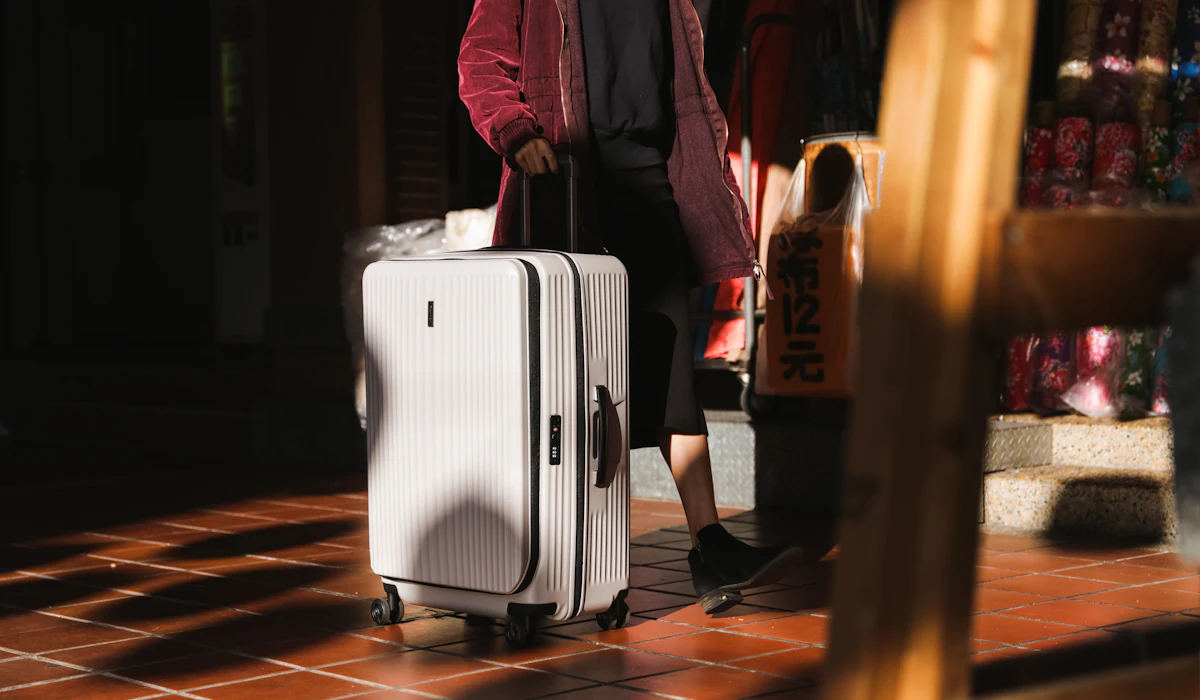
Royal Caribbean’s Luggage Valet has been offered on qualifying sailings from select ports, with participating airlines and flights varying by departure. Bags are collected from the cabin on the final night, transferred to the airport and checked through, so passengers do not see them again until baggage claim at home.
Fees and eligibility vary, and airline baggage charges may still apply. Seattle has also offered a similar port valet program for Alaska passengers, which frees travelers to explore the city before a late flight.
Cash Services Without a Port ATM
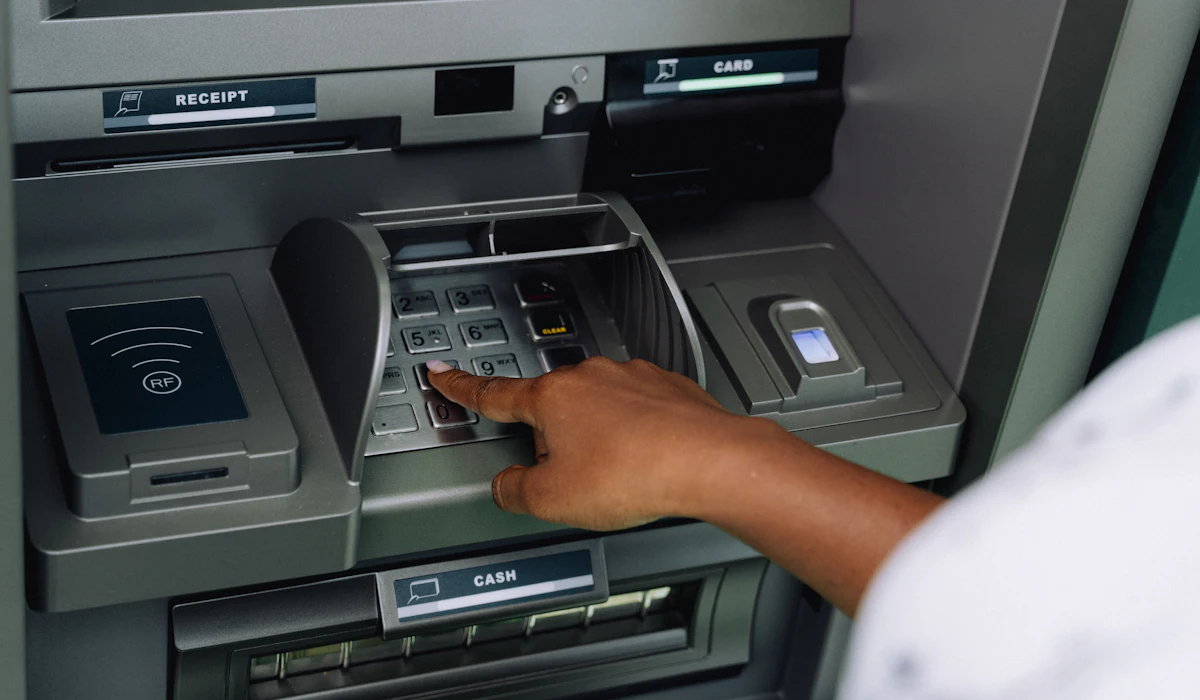
Ships run mostly on the cruise card, but passengers still need cash for tips ashore, taxi rides and market stalls. Many ships have an ATM near the casino, and guest services on some lines will provide limited cash-advance or currency-exchange services, depending on the ship and local currency.
Fees on ship ATMs tend to run higher than at a bank ashore. Still, finding out on day one beats discovering on the dock in a remote port that the only machine nearby is out of service.
Port Shopping Guarantees

Some lines operate shopping programs that list recommended stores in each port and may provide purchase guarantees or assistance for certain eligible purchases. The listings usually appear in a port shopping guide handed out on board.
The programs are partly promotional, since stores may participate in paid marketing arrangements, so the guarantee is the useful piece rather than the recommendation itself. A passenger buying a watch or a loose gemstone in a Caribbean shop has far more recourse when a specific purchase is covered by the program’s written guarantee.
Religious Services at Sea

Many ships hold interdenominational services on Sundays, and some cruise lines schedule Catholic priests or other clergy on selected sailings, particularly longer voyages and holiday cruises. Friday evening Shabbat gatherings, often led by passengers, may also appear in the daily program.
These services rarely get advertised before boarding, so travelers who would normally attend weekly find them only by reading the daily schedule. The gatherings tend to be small and friendly, and they offer a quiet hour that few other parts of a busy ship can match.
Excursion Refunds When Ports Change

When weather, tides or local conditions cancel a port call, excursions booked through the cruise line are generally refunded when the line cancels the excursion, according to its terms. Tours booked independently with private operators may not offer the same protection.
The shore excursion desk can also help passengers review alternative options when an itinerary shifts at short notice. Knowing how the cruise line refund works gives passengers a clearer picture when weighing ship tours against cheaper independent options, especially at tender ports where cancellations can happen.
Cabin Safe Resets by Security

Forgotten safe codes are among the common requests a ship’s security team handles. Crew can open a locked cabin safe after verifying the passenger’s identity, following the ship’s security procedures.
Some passengers panic on the final morning when passports and cash sit behind a code they cannot recall, not realizing the fix is routine. Writing the code somewhere other than the safe itself helps, but the real lesson is that security staff have procedures for dealing with locked safes.
Tender Assistance for Limited Mobility

At ports where the ship anchors offshore, small boats called tenders carry passengers to the pier, and boarding them can be tricky with a cane, walker or wheelchair. Most lines publish policies on which mobility aids can go ashore and offer some form of crew assistance where conditions permit.
Some ships also give priority tender access to passengers with documented needs, although availability and procedures vary by line and port. Contacting the accessibility team before sailing helps clarify which tender ports will work, so passengers can plan the right excursions ahead of time.
Port Agent Details for Missed Departures

Every port call has a local agent who works on behalf of the cruise line, and the agent’s name and phone number may appear in the daily program, port information or other onboard materials. Passengers who miss the ship’s departure should contact the cruise line or its designated port agent as soon as possible, since the agent can help coordinate information and next steps.
Very few passengers ever look for those details until they are standing on an empty dock. Snapping a photo of the contact information before going ashore takes a few seconds and could save a very expensive afternoon.
Small Requests That Shape the Entire Trip
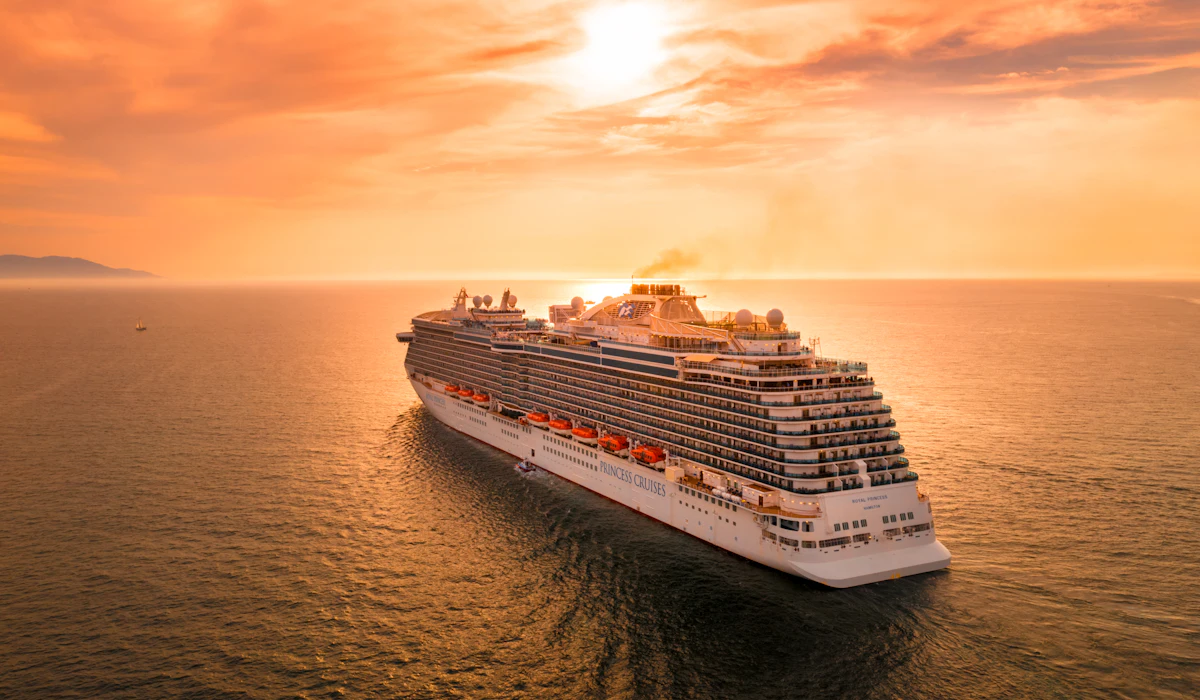
None of these services make the headlines in cruise marketing. They sit behind a desk, inside a cabin closet or in fine print in the daily program, waiting for someone to ask.
The passengers who get the most out of a ship tend to be the ones who ask early and ask often.
Cruise lines build their reputations on waterslides and Broadway shows, yet repeat passengers often judge a ship by smaller moments. A refrigerator for insulin, a free breakfast tray and a bag checked straight to the airport rarely make a brochure.
Those quiet fixes are often what bring people back aboard.
More from Travel Pug

- Underrated Italian Towns That Beat the Tourist Crowds
- Las Vegas Tourist Traps to Skip
- Prettiest Towns in Every US State
- 18 passport-free countries for Americans
- Signs Your Cruise Is Not Worth The Cost
Like Travel Pug’s content? Follow us on MSN.