

A historic district earns its designation from what happened there decades or centuries ago. What actually fills the ground floors today is, more often than not, a rotating supply of magnets, T-shirts, and shot glasses stocked to sell to whoever’s walking past that week.
None of these places stopped being historic. They just started renting their storefronts to something else.
French Quarter, New Orleans
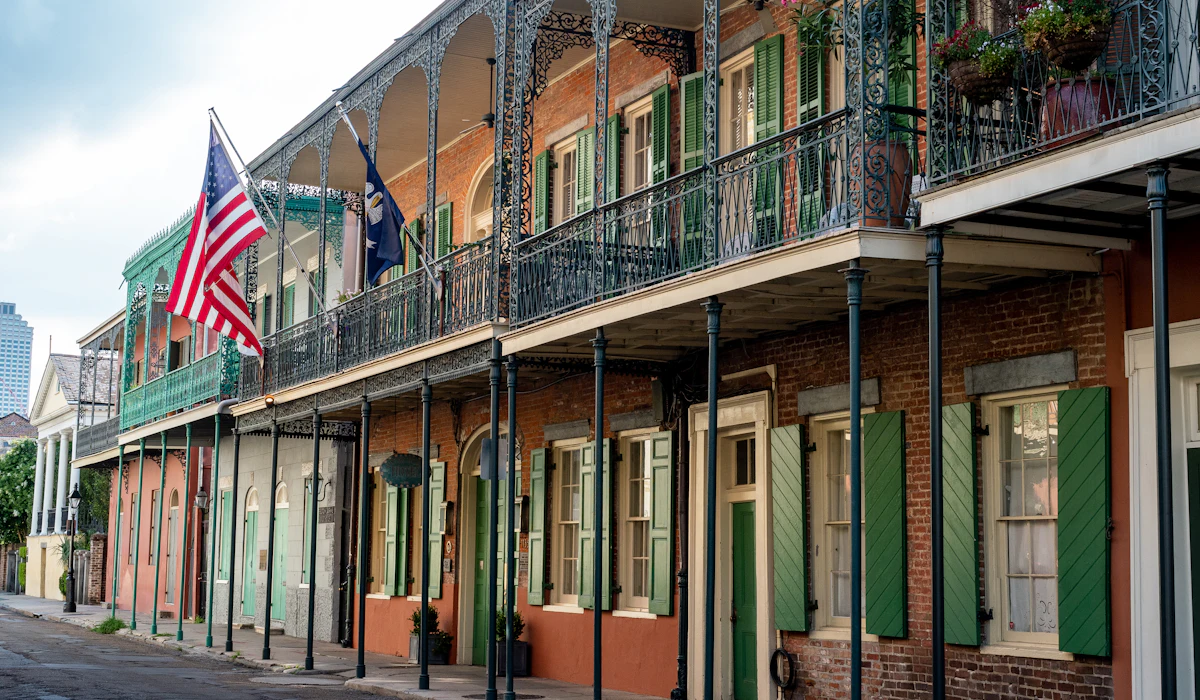
Beyond Bourbon Street’s bars and neon, some of the Quarter’s busiest tourist-facing streets now have a heavy concentration of souvenir stores selling mass-produced Mardi Gras beads and hot sauce gift sets year-round. The neighborhood’s genuine 18th- and 19th-century Creole architecture remains intact above street level, even where the ground floor has changed entirely.
Montmartre, Paris
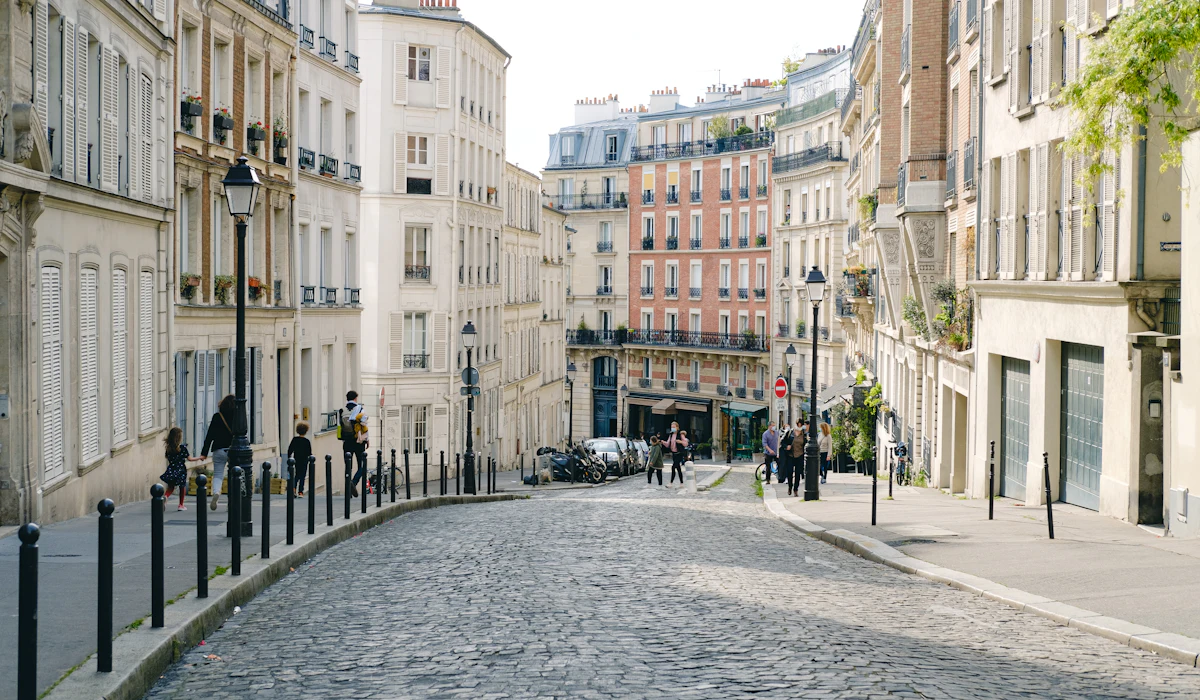
The steep, cobblestone streets around Sacré-Cœur that once housed working artists now feature a concentrated cluster of souvenir shops and street portrait artists competing for the same tourist foot traffic. The Place du Tertre, once a genuine gathering spot for painters, now has artists charging premium rates for quick tourist portraits.
Gion, Kyoto
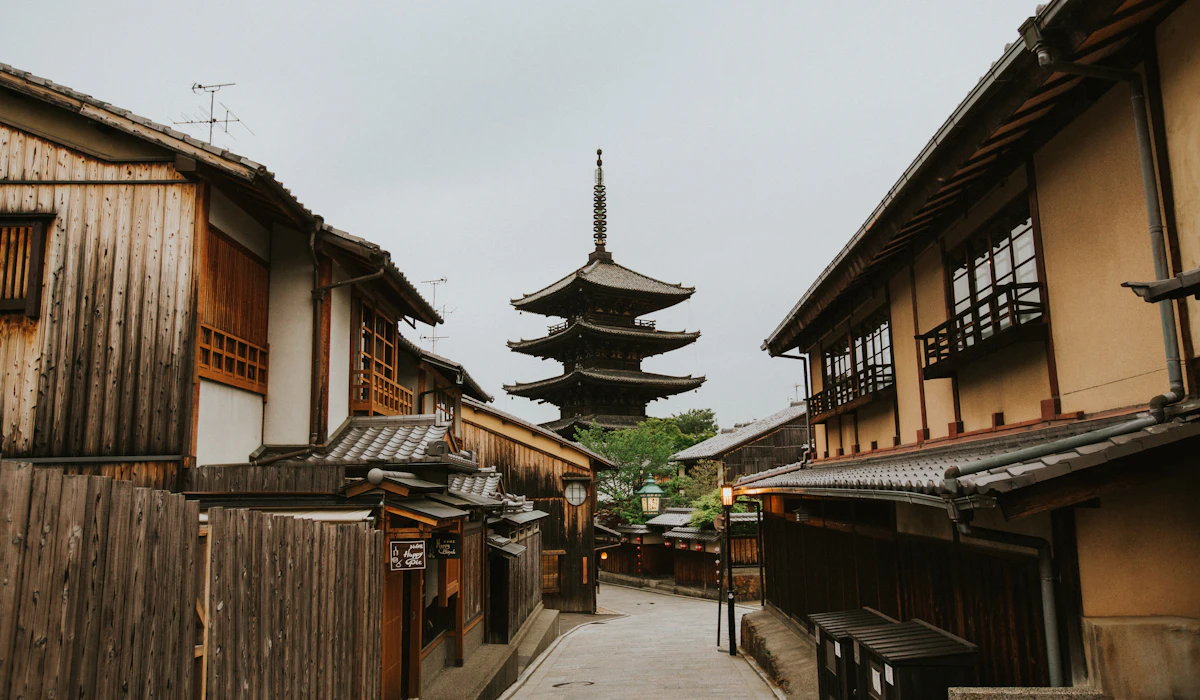
Kyoto’s historic geisha district has drawn such heavy tourist crowds pursuing photos of geiko and maiko that the city has introduced and expanded restrictions on tourist access to certain private streets, including measures aimed at preventing visitors from trespassing on residential lanes for photos. Some traditional teahouses have shifted increasingly toward tourist-oriented experiences rather than the private clientele they once served exclusively.
Old Town Square, Prague
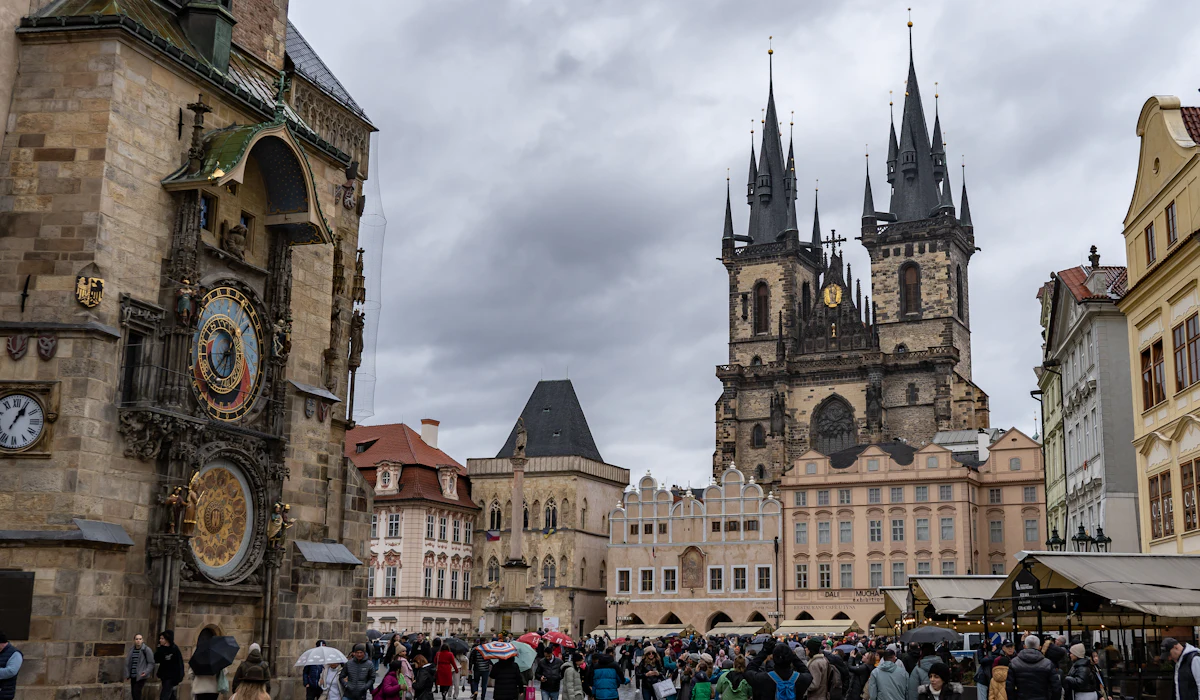
Prague’s medieval square, ringed by genuinely well-preserved Gothic and Baroque buildings, now has ground-floor retail dominated by crystal shops, souvenir stalls, and restaurants criticized by locals for inflated tourist-area pricing. The astronomical clock still draws crowds on the hour, most of whom then shop their way around the square’s perimeter.
Trastevere, Rome
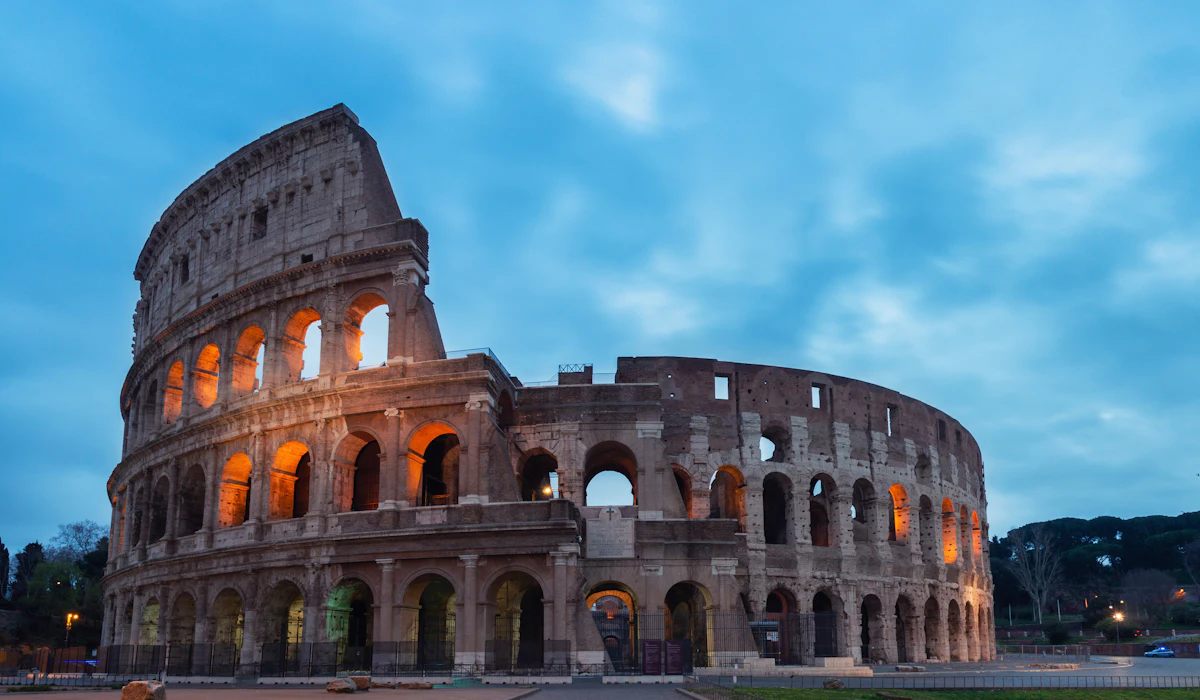
Once considered Rome’s authentically local neighborhood across the Tiber from the historic center, Trastevere has seen a steady conversion of longtime local shops into tourist-oriented restaurants and bars over the past two decades. Rents driven up by short-term vacation rentals have pushed out some of the working-class residents who gave the district its original character.
La Rambla, Barcelona
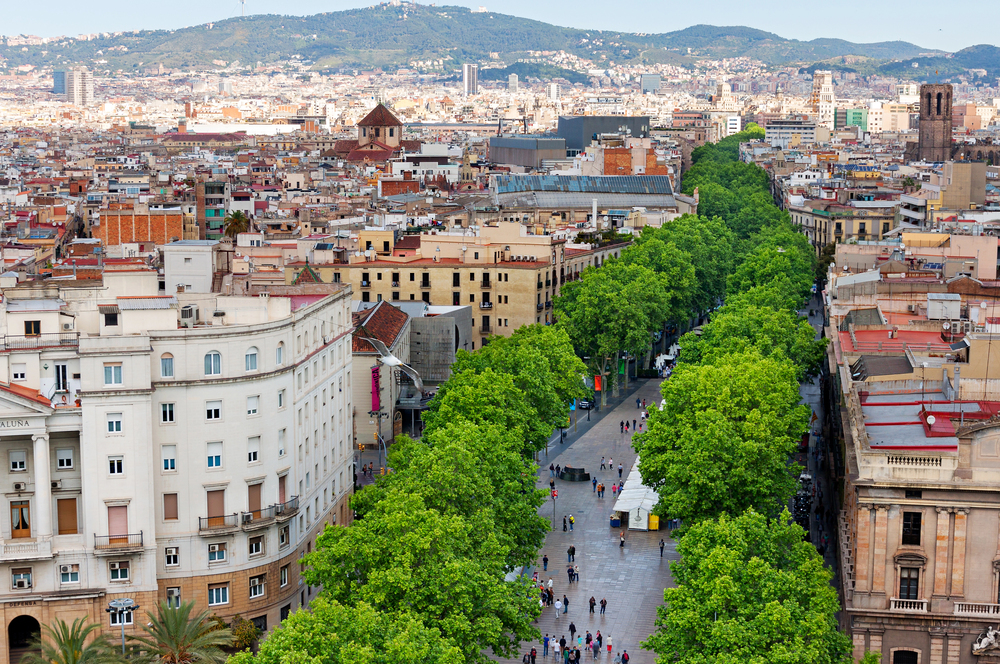
This tree-lined boulevard, once a genuine promenade for city residents, is now lined largely with souvenir kiosks, street performers charging for photos, and restaurants local food critics routinely warn tourists away from. Barcelona residents overwhelmingly avoid the street except to pass through it.
Khao San Road, Bangkok
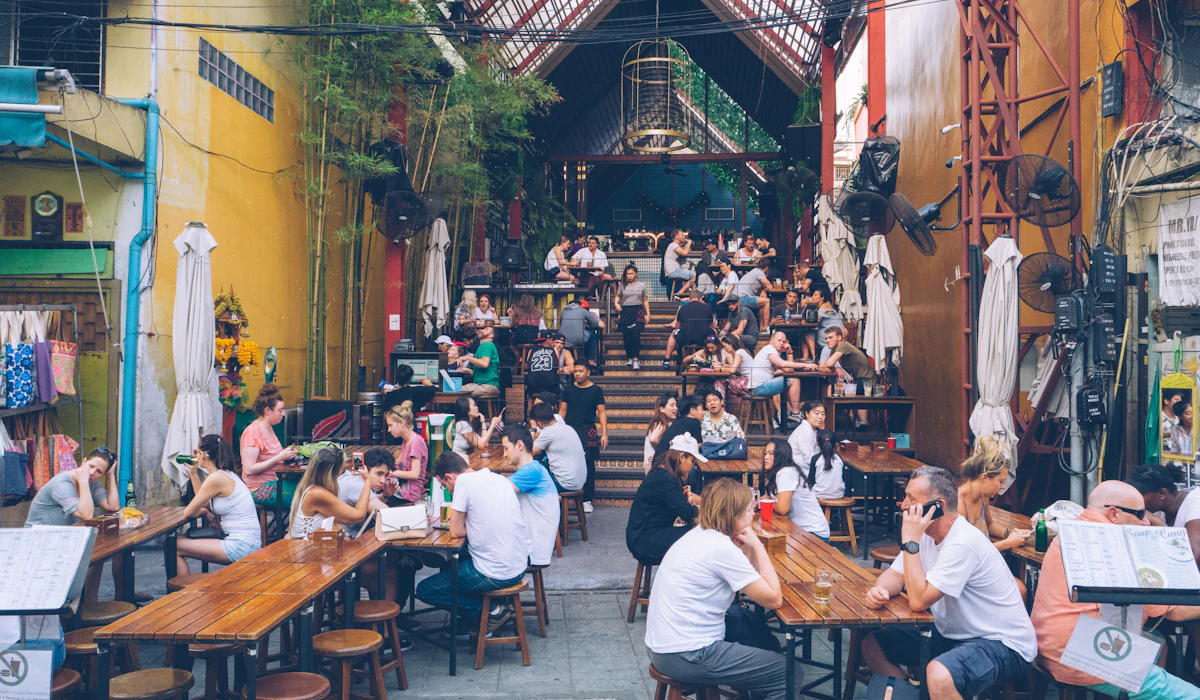
Originally a rice trading street, Khao San Road became a backpacker hub in the 1980s and has since developed into a dense corridor of souvenir stalls, tattoo parlors, and bars catering almost entirely to foreign visitors. Little of the street’s commercial activity today reflects the residential Bangkok neighborhood surrounding it.
Jemaa el-Fnaa, Marrakech
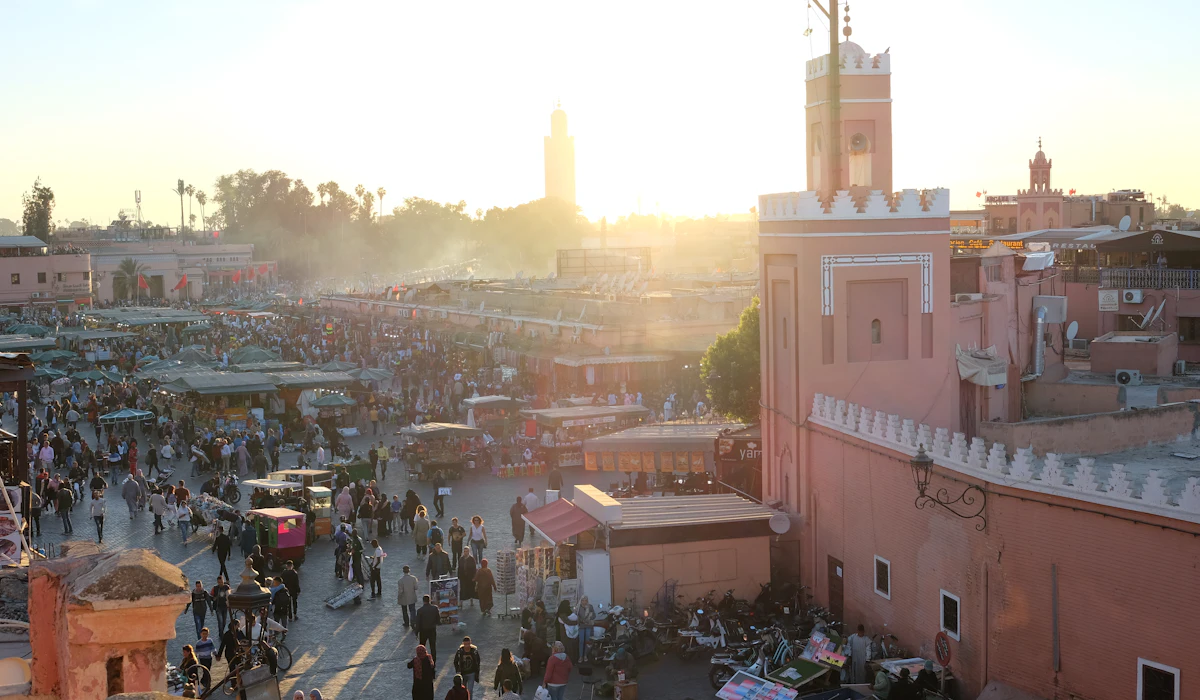
This UNESCO-recognized square, historically a marketplace and gathering space, still hosts genuine performers and food stalls each evening, but its surrounding souks have increasingly shifted toward mass-produced goods aimed at tour groups rather than the handmade crafts the market was traditionally known for. Aggressive vendor tactics toward tourists have become common enough that most guidebooks now warn visitors about them directly.
The Shambles, York
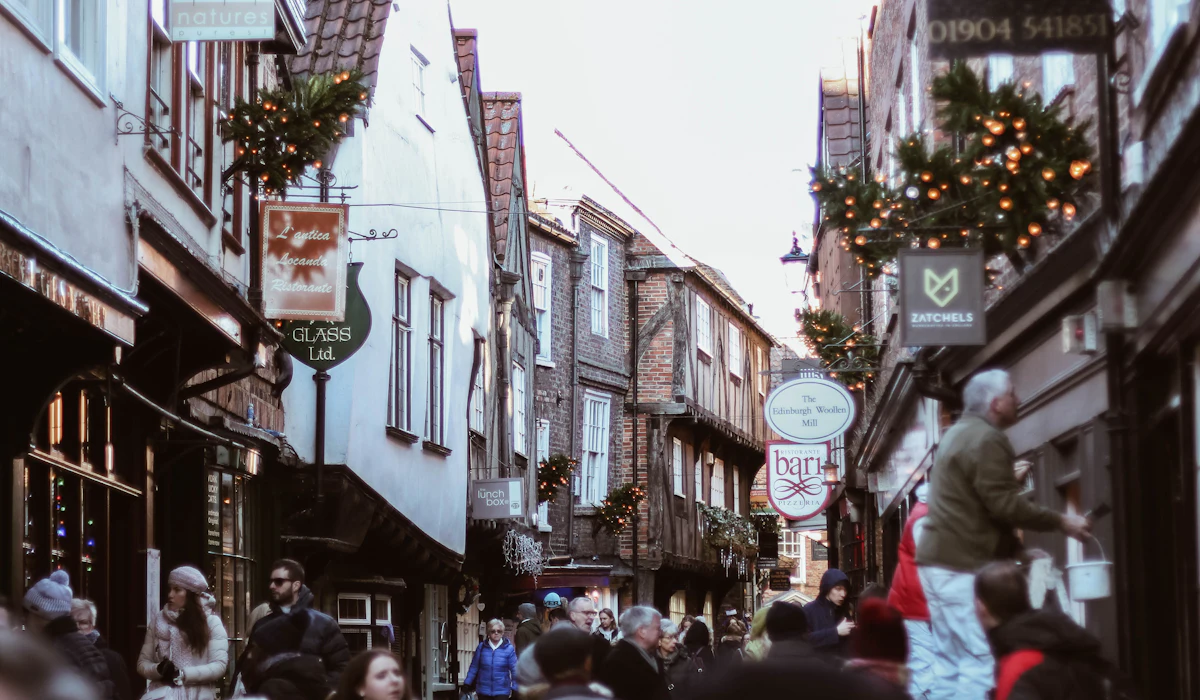
Once a street of butcher shops dating to medieval times, this narrow, overhanging-timber lane now has a heavy concentration of gift shops and tourist-oriented businesses, several explicitly themed around a popular fantasy book series due to the street’s resemblance to its fictional setting. The medieval architecture is genuine and remarkably preserved; nearly everything sold beneath it is not.
The Rocks, Sydney
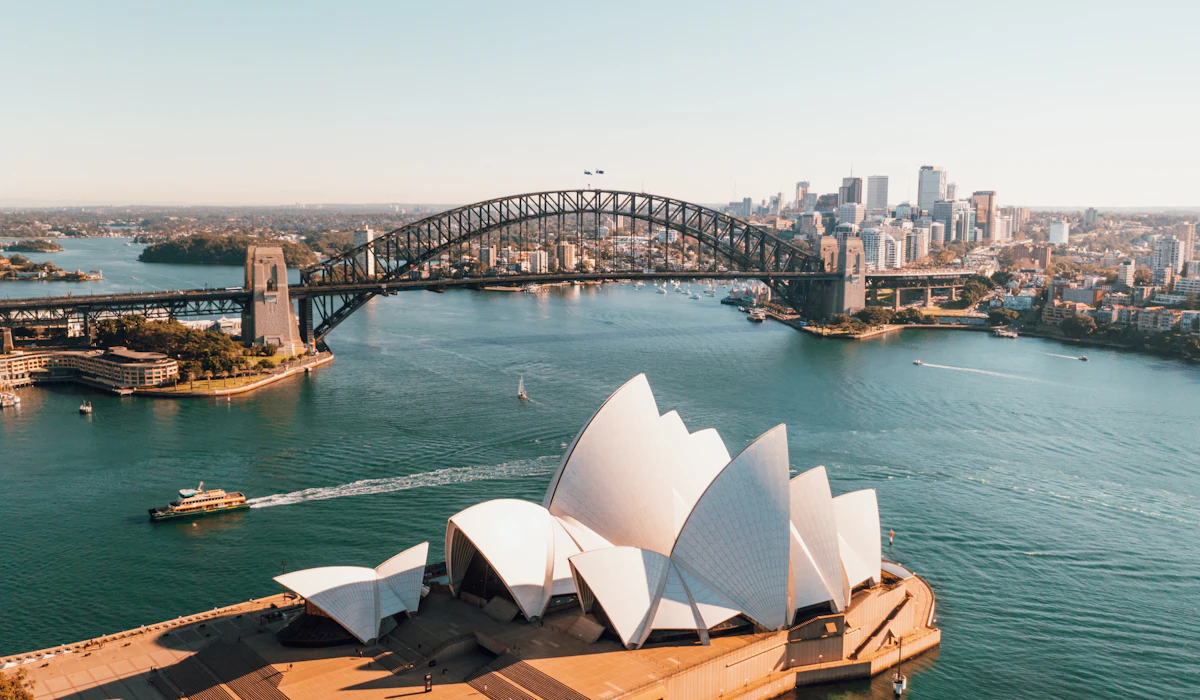
Sydney’s oldest neighborhood, once a working harborside district, has been redeveloped into a major tourist precinct with weekend markets, restaurants, shops, and souvenir stalls. Original sandstone buildings remain, repurposed largely for retail and hospitality aimed at cruise ship passengers and day visitors.
Gaslamp Quarter, San Diego
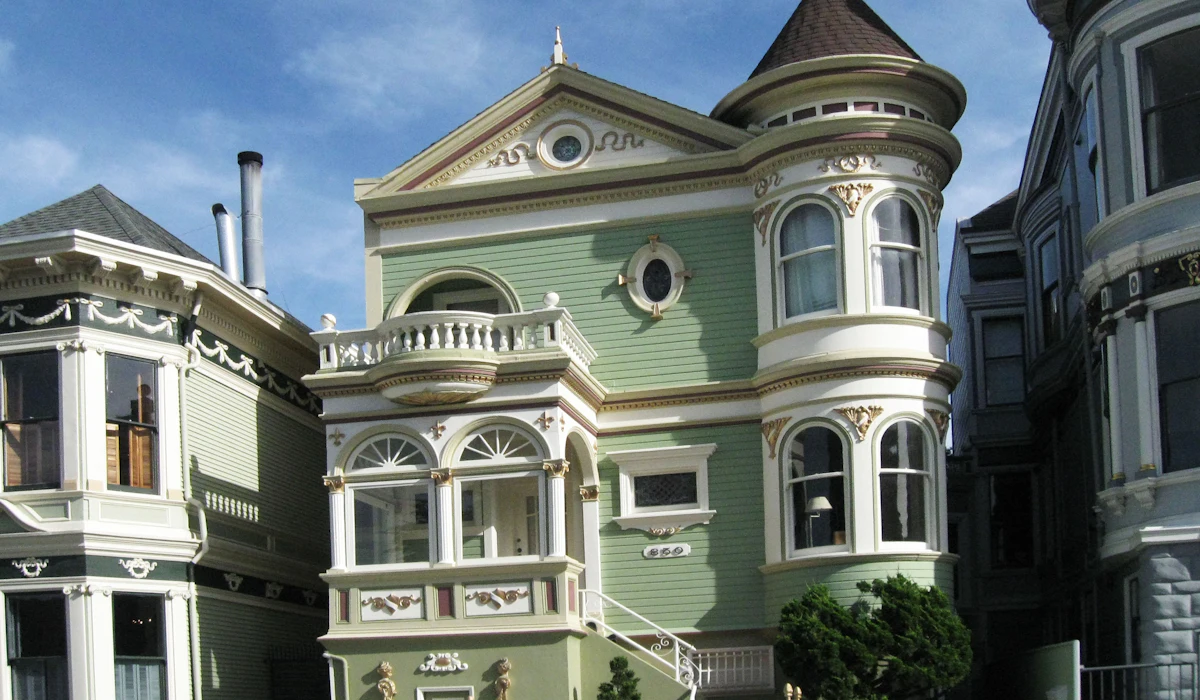
This Victorian-era commercial district retains much of its original architecture, but its ground floors have shifted heavily toward bars, chain restaurants, and souvenir shops catering to convention and nightlife crowds rather than the historic character the district’s name suggests.
Chinatown, San Francisco
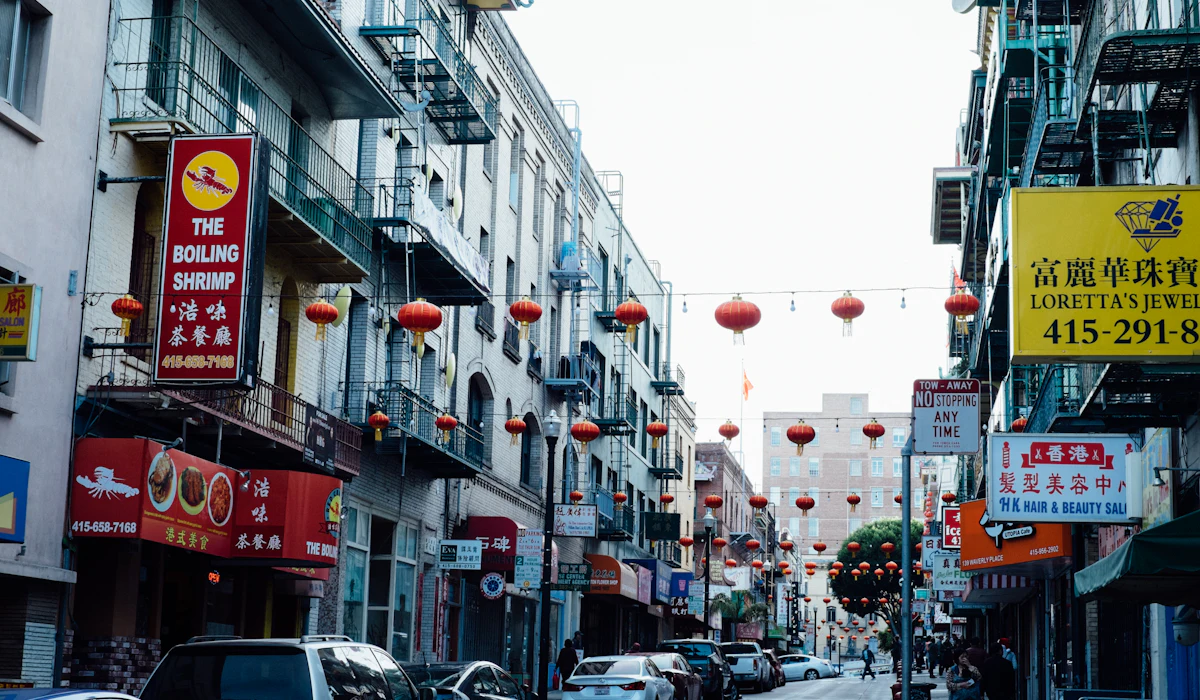
The oldest Chinatown in North America has seen its main tourist corridor along Grant Avenue increasingly filled with souvenir shops selling generic Asian-themed trinkets, while many businesses serving local residents remain concentrated along side streets like Stockton Street.
Little Italy, Manhattan
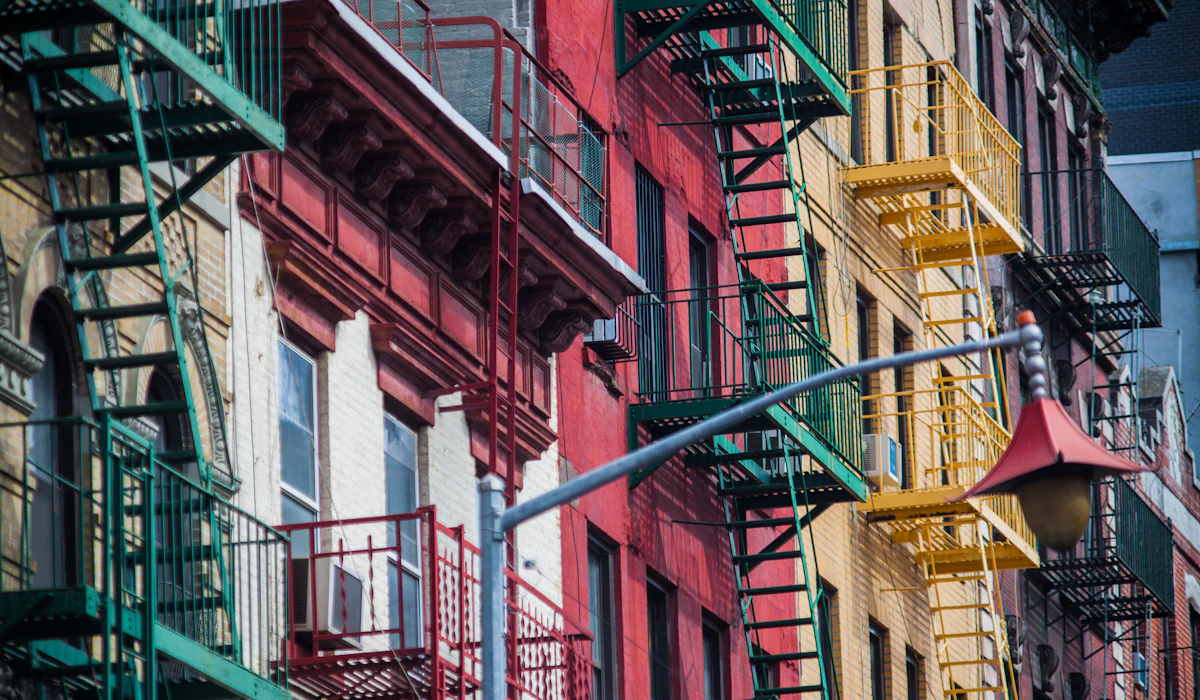
Once a sprawling Italian immigrant neighborhood, Little Italy has shrunk to just a few blocks of Mulberry Street as the surrounding area was absorbed into an expanding Chinatown, and the remaining strip is now dominated by restaurants criticized by food writers for tourist-oriented pricing and quality. An annual street festival draws large crowds to a neighborhood with a shrinking number of actual Italian-American residents.
St. Augustine Historic District, Florida
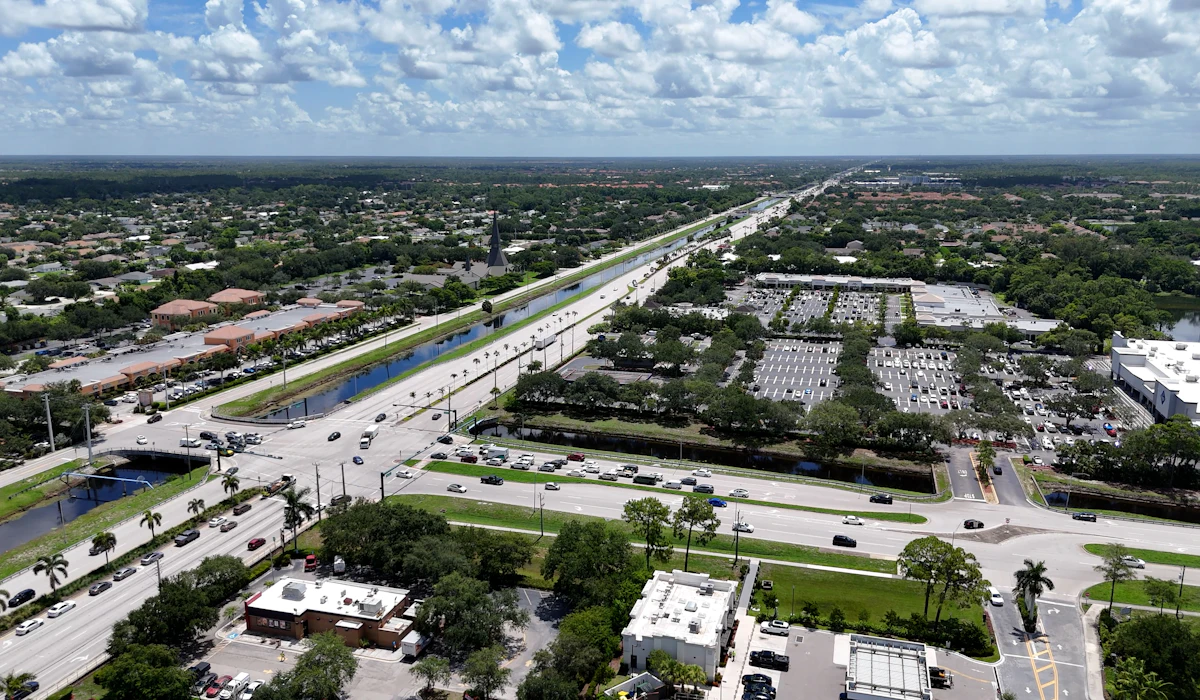
America’s oldest continuously occupied European-founded city has preserved much of its colonial Spanish architecture, but its main pedestrian street, St. George Street, is now lined heavily with fudge shops, T-shirt stores, souvenir shops, and novelty attractions unrelated to the city’s actual colonial history.
Salem, Massachusetts
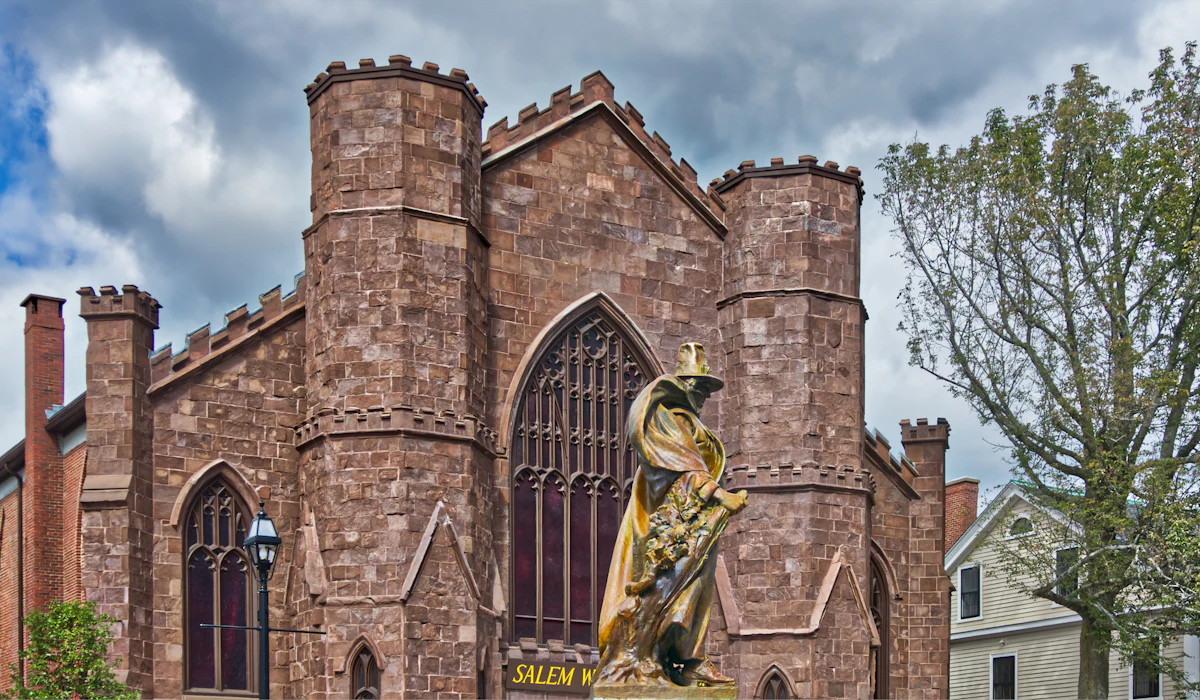
The site of the 1692 witch trials has built an entire tourism industry around that history, with numerous witch-themed museums, shops, and attractions of varying historical accuracy filling the downtown district, particularly during an extended Halloween season that now draws crowds for months. Some historians have criticized the commercialization for overshadowing the more sobering, factual history of the trials themselves.
Savannah Historic District, Georgia
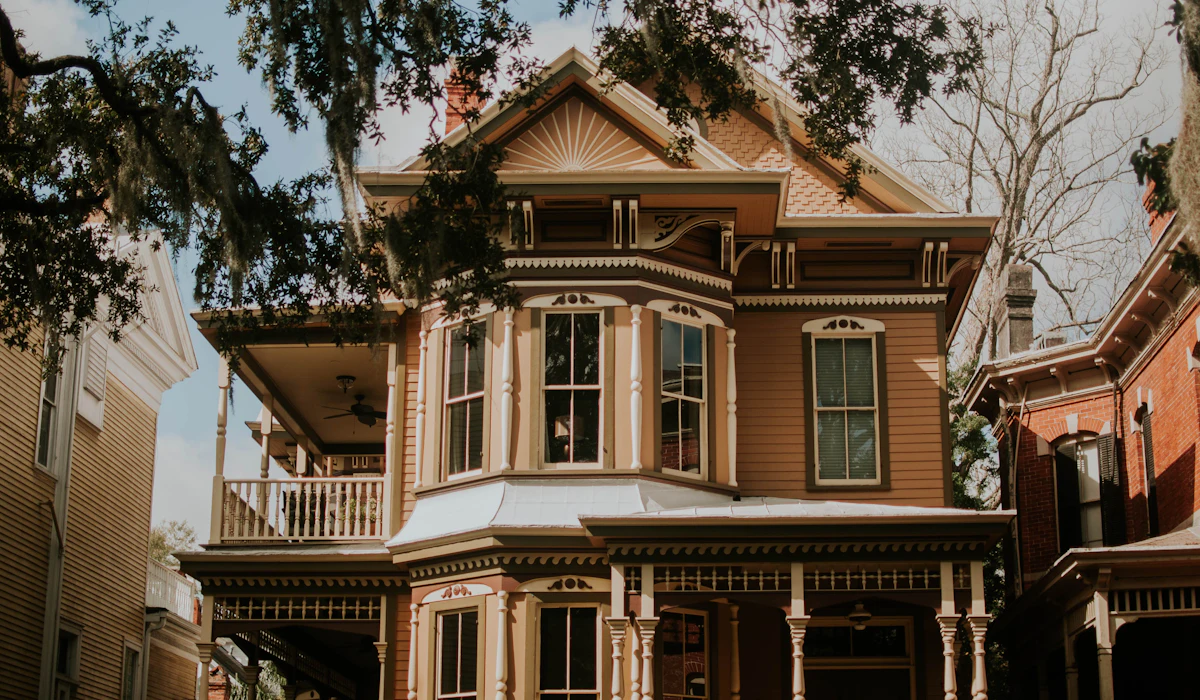
Savannah’s famous squares and antebellum architecture remain genuinely well preserved, but River Street, one of Savannah’s busiest tourist corridors, has filled with candy shops, T-shirt stores, and souvenir stands that bear little relation to the city’s actual history. Horse-drawn carriage tours now circle largely past storefronts selling merchandise rather than historic sites themselves.
Charleston City Market, South Carolina
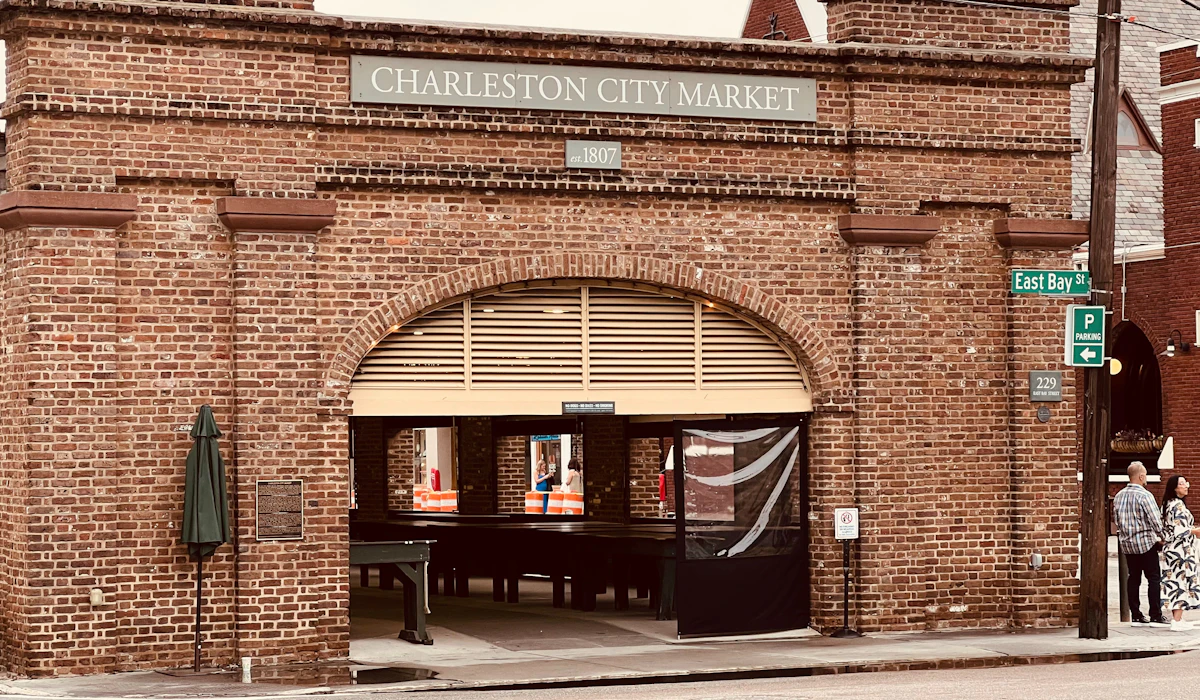
Operating on the same site since the early 1800s, this market has shifted from selling fresh produce and goods to local residents toward souvenir vendors selling sweetgrass baskets, T-shirts, and Charleston-branded merchandise aimed at the city’s large tourism industry. Some traditional sweetgrass basket weavers still sell genuine handmade work alongside mass-produced imitations.
Old San Juan, Puerto Rico
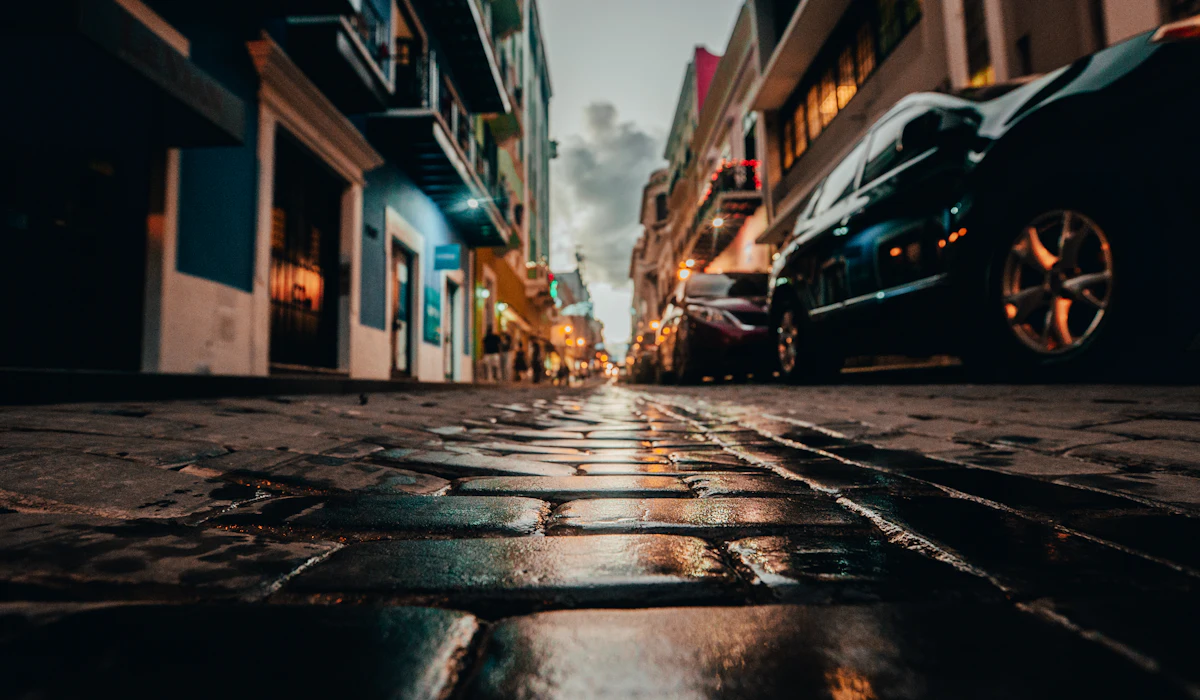
Behind its colorful colonial facades, much of Old San Juan’s main tourist streets are now lined with souvenir shops selling similar merchandise, catering heavily to the large volume of cruise ship passengers arriving for short visits. Residential streets just blocks away retain a noticeably different, more local character.
Dubrovnik Old Town, Croatia
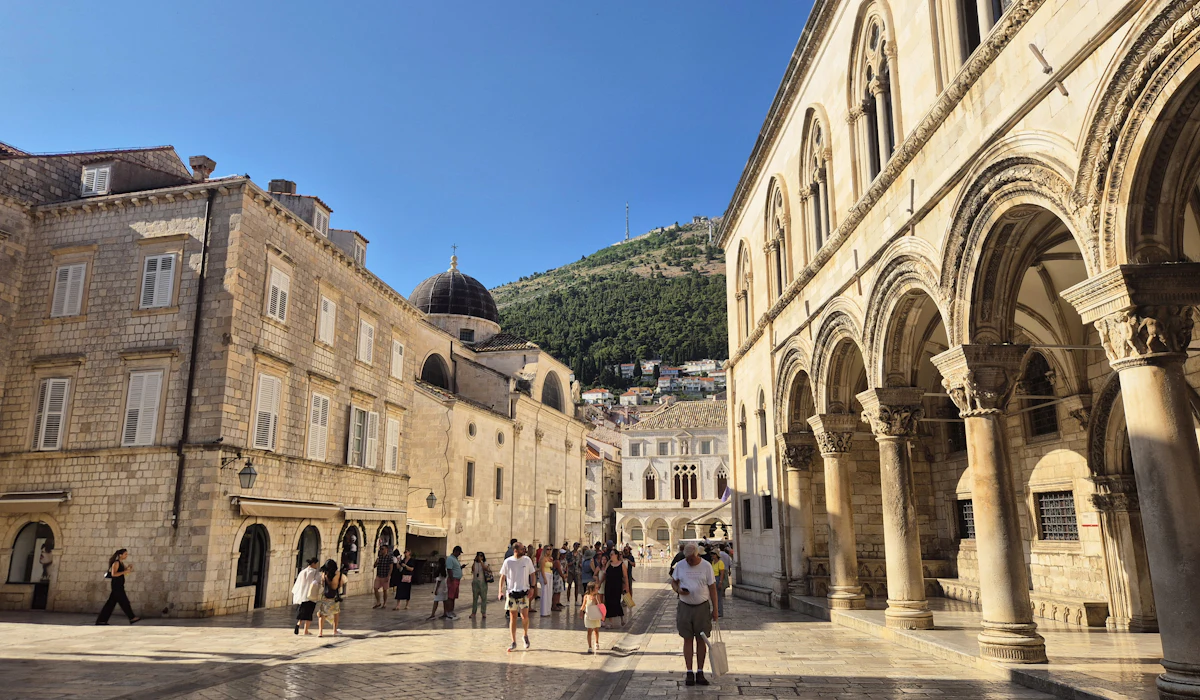
Already a popular historic destination, Dubrovnik saw tourism surge further after its walls were used as a filming location for a major television series, leading to such crowding that the city introduced visitor-management measures and limits on cruise-ship arrivals. Local officials have also cited the replacement of some longtime local businesses by tourist-oriented shops as part of the strain.
Ghirardelli Square, San Francisco
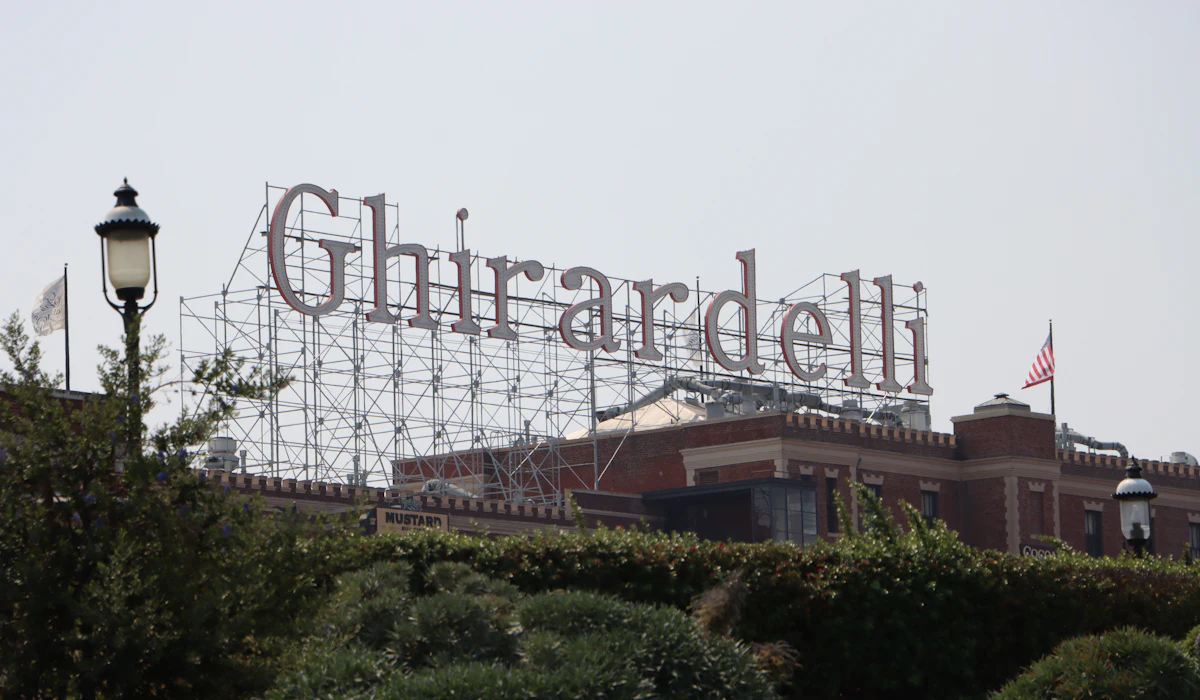
Once the site of a working chocolate factory, this redeveloped square now functions primarily as a shopping and dining destination associated with the Ghirardelli brand, with the company’s name and image used as a major part of the site’s retail identity.
Faneuil Hall Marketplace, Boston
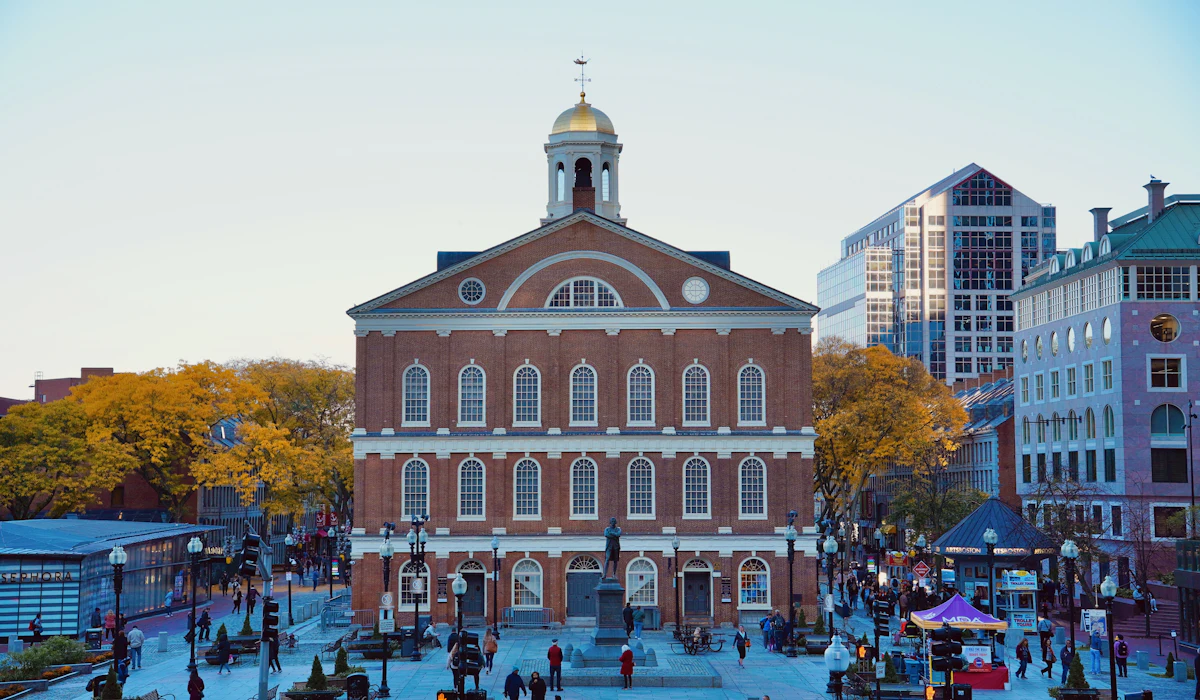
This colonial-era meeting hall and adjacent market buildings, historically significant as a site of pre-Revolutionary political speeches, now function primarily as a mixed-use shopping, dining, and entertainment complex. The historic building itself remains a genuine landmark, largely disconnected from the retail activity surrounding it.
Covent Garden, London
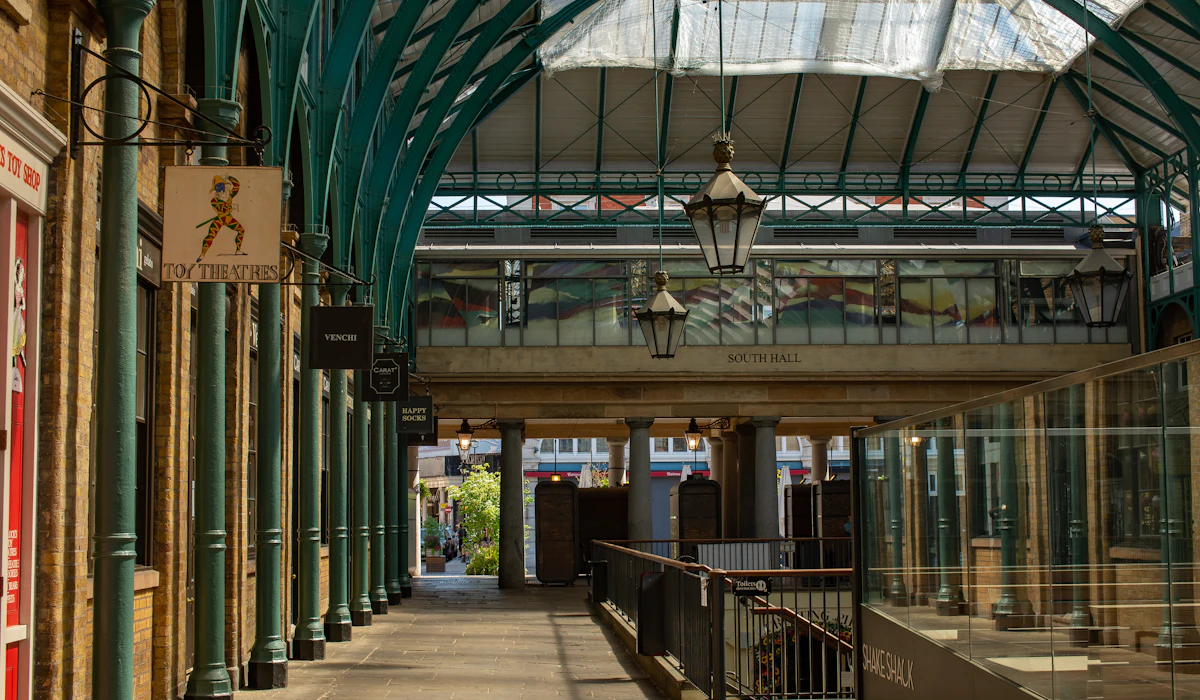
Once London’s main flower, fruit, and vegetable market, Covent Garden’s central market building now houses shops, market stalls, restaurants, and other businesses serving a largely visitor-oriented audience rather than the working market it operated as for centuries. Street performers, regulated by the site’s management, provide much of the district’s remaining sense of spontaneous activity.
Temple Bar, Dublin
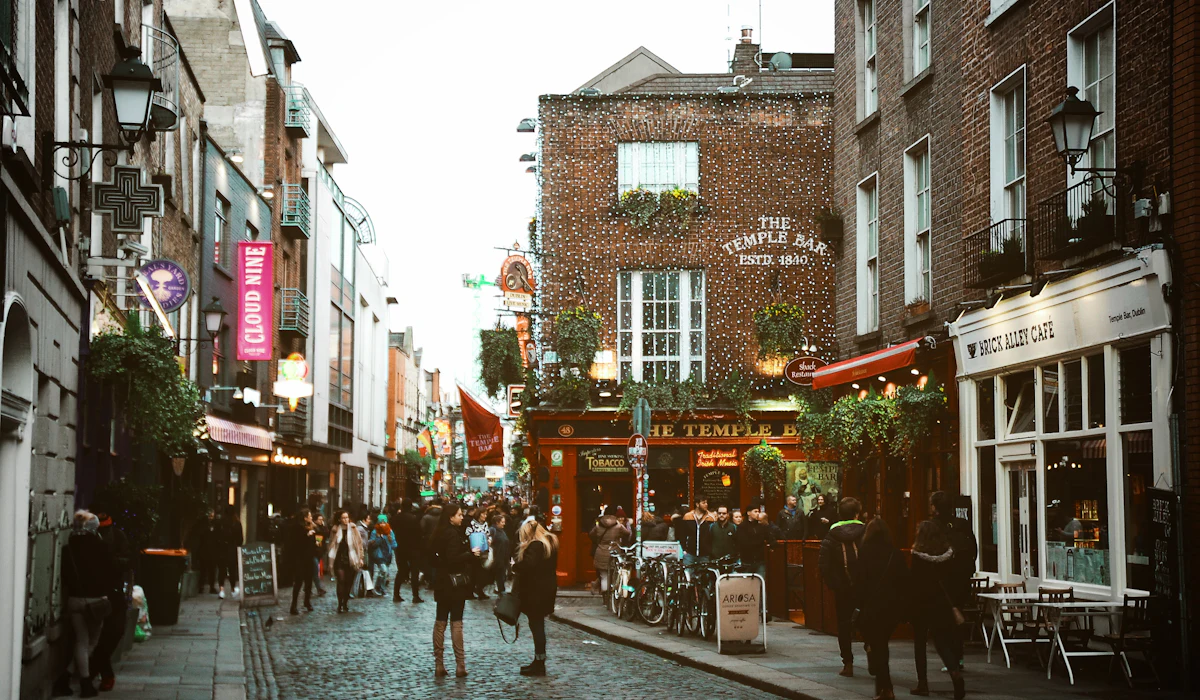
Once a neighborhood of small artist studios and independent shops, Temple Bar shifted heavily toward pubs and souvenir shops selling Irish-themed merchandise as its nightlife reputation grew internationally. Many Dublin locals avoid the district’s most tourist-focused bars because of significantly higher prices compared with pubs elsewhere in the city.
Alfama, Lisbon
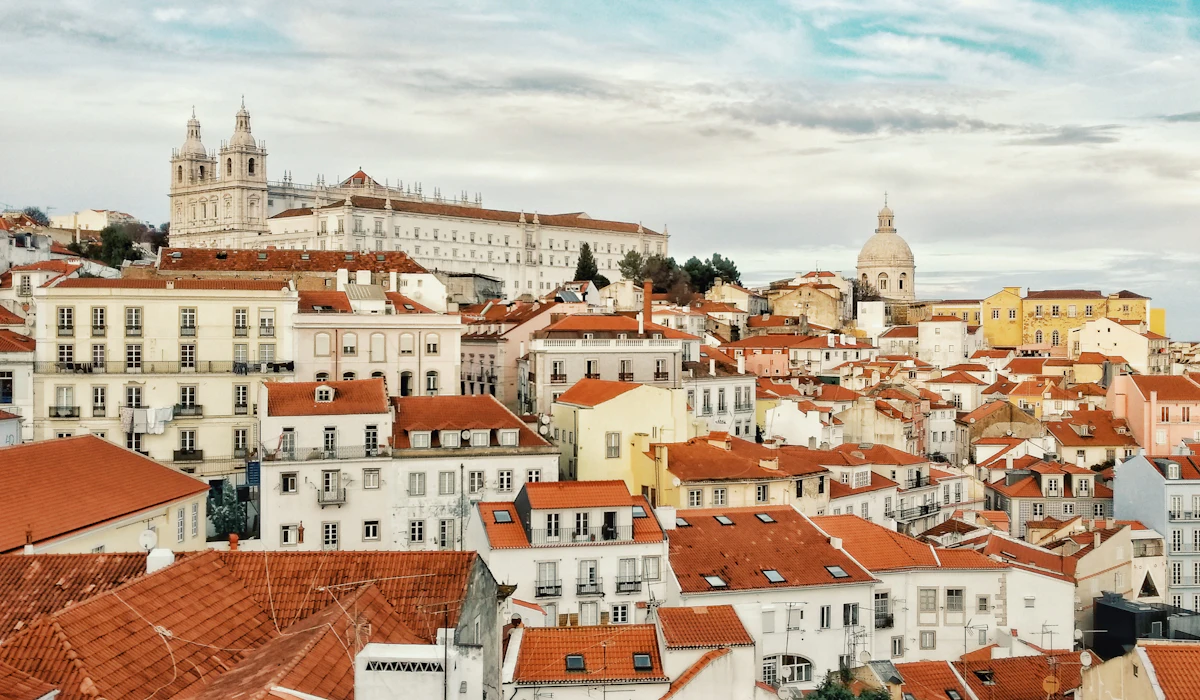
Lisbon’s oldest neighborhood, known for its narrow medieval streets and fado music tradition, has seen a rapid increase in tourist-oriented tuk-tuk tours, souvenir shops, and short-term rentals over the past decade, contributing to pressure on longtime residents and changing the mix of local businesses and fado venues that once defined the neighborhood.
Chinatown, London
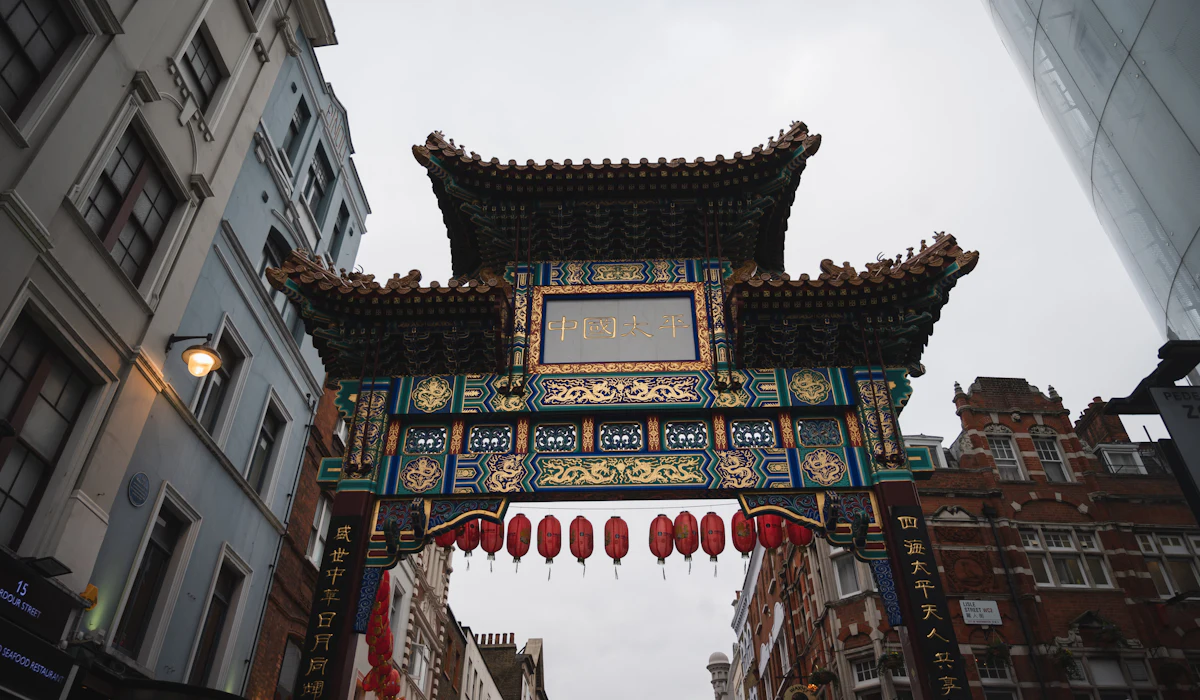
London’s Chinatown, centered around Gerrard Street, functions today largely as a dining and shopping destination for tourists and visitors from across the city rather than a residential Chinese community, with much of London’s Chinese residential population now living in other parts of the city.
Bruges Historic Centre, Belgium
This UNESCO World Heritage medieval city center has faced growing criticism over the commercialization and touristification of its historic core, including the proliferation of chocolate shops and waffle stands catering heavily to visitors passing through for a few hours.
Rothenburg ob der Tauber, Germany
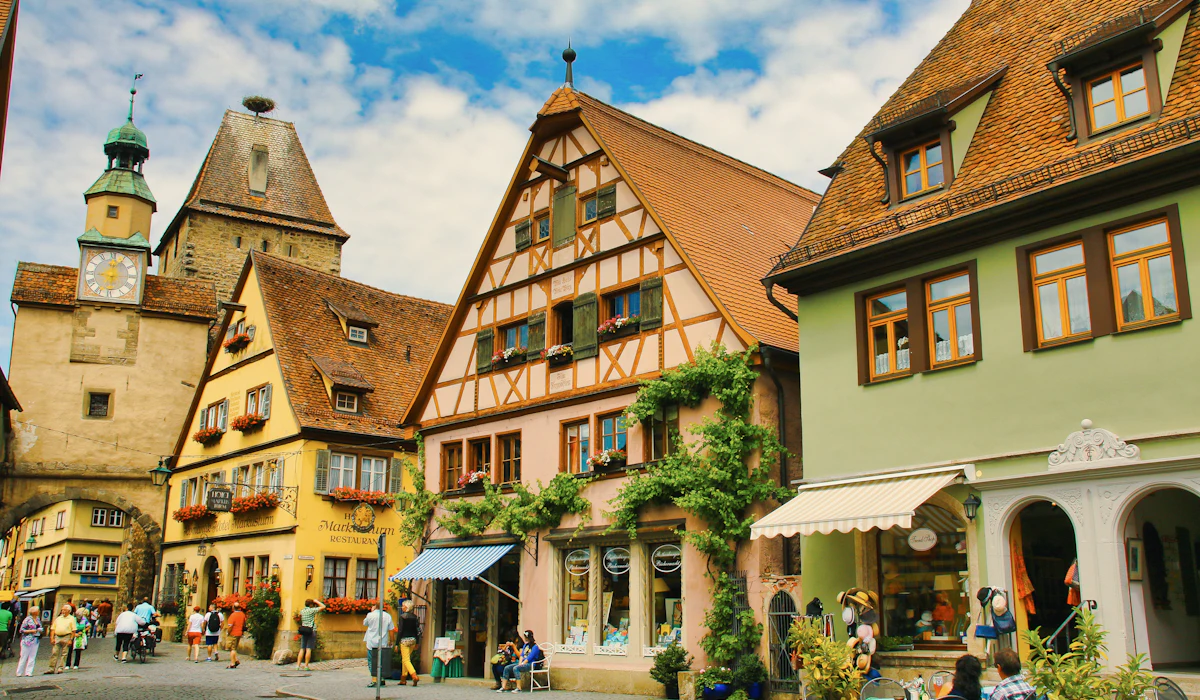
This walled medieval town, remarkably preserved after its historic center survived World War II with remarkably little damage, now sees such heavy day-trip tourist traffic that its main streets are dominated by souvenir shops, including a large year-round Christmas ornament store aimed specifically at tour groups.
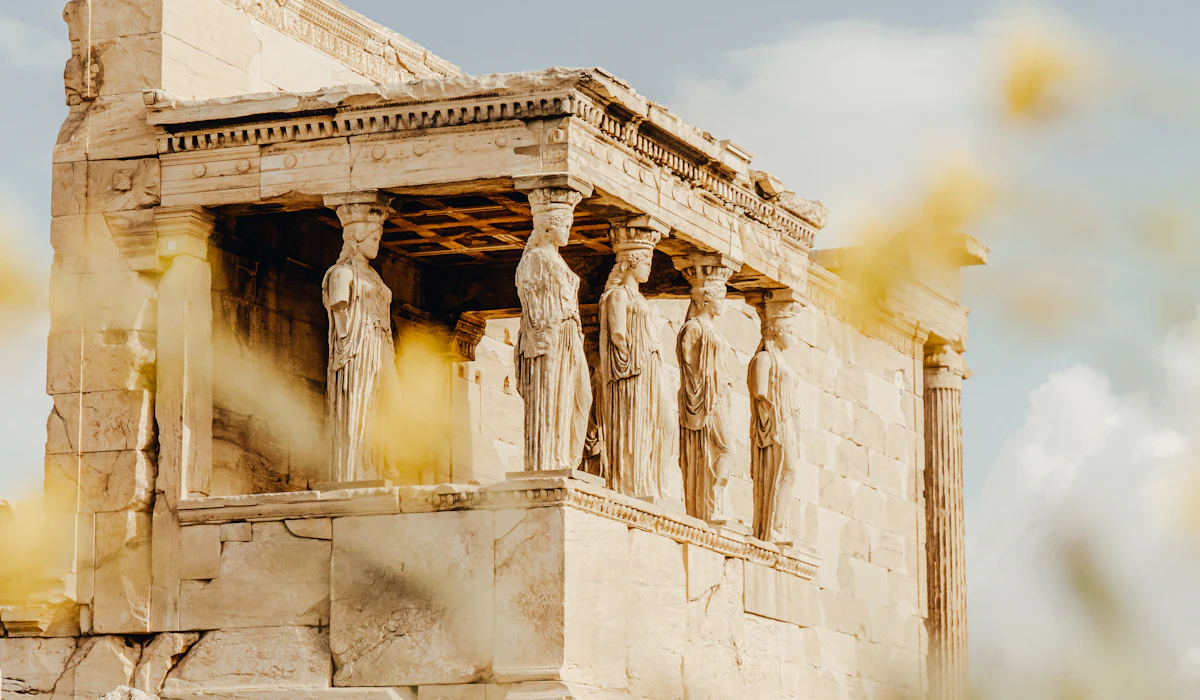
Plaka, Athens
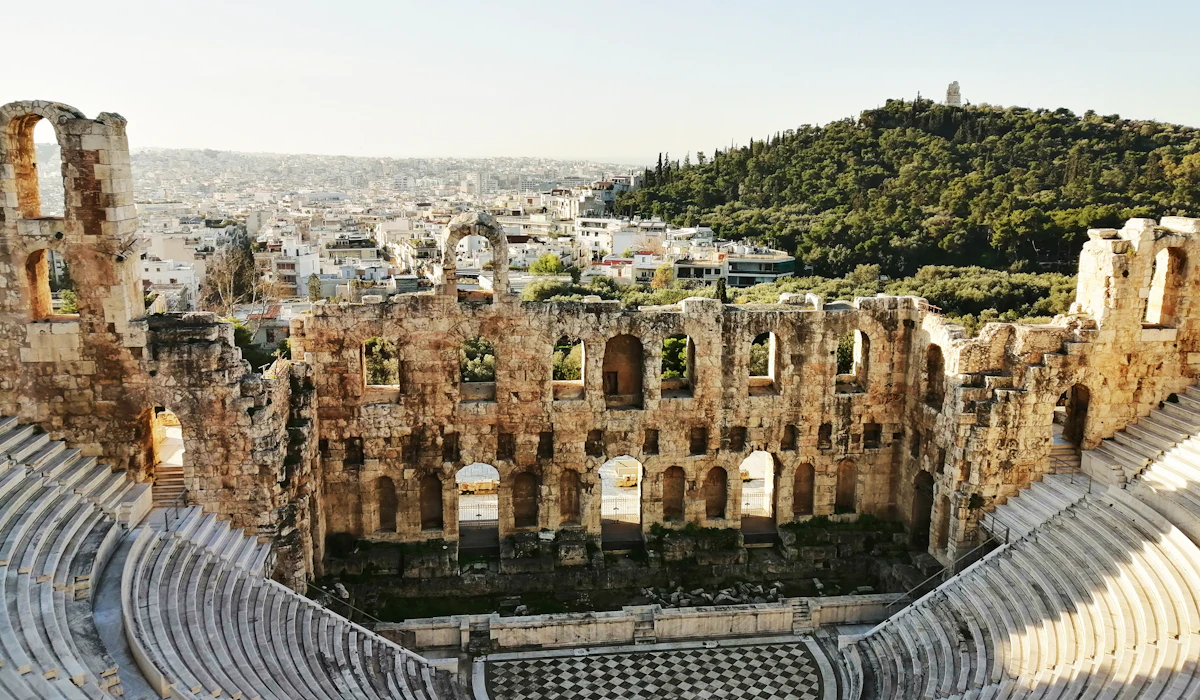
The oldest neighborhood in Athens, sitting directly beneath the Acropolis, has largely converted its ground-floor retail to tourist restaurants and souvenir shops selling ancient Greek-themed merchandise, even as the neighborhood’s actual architecture spans centuries of genuine Athenian history.
Old Town, Riga, Latvia
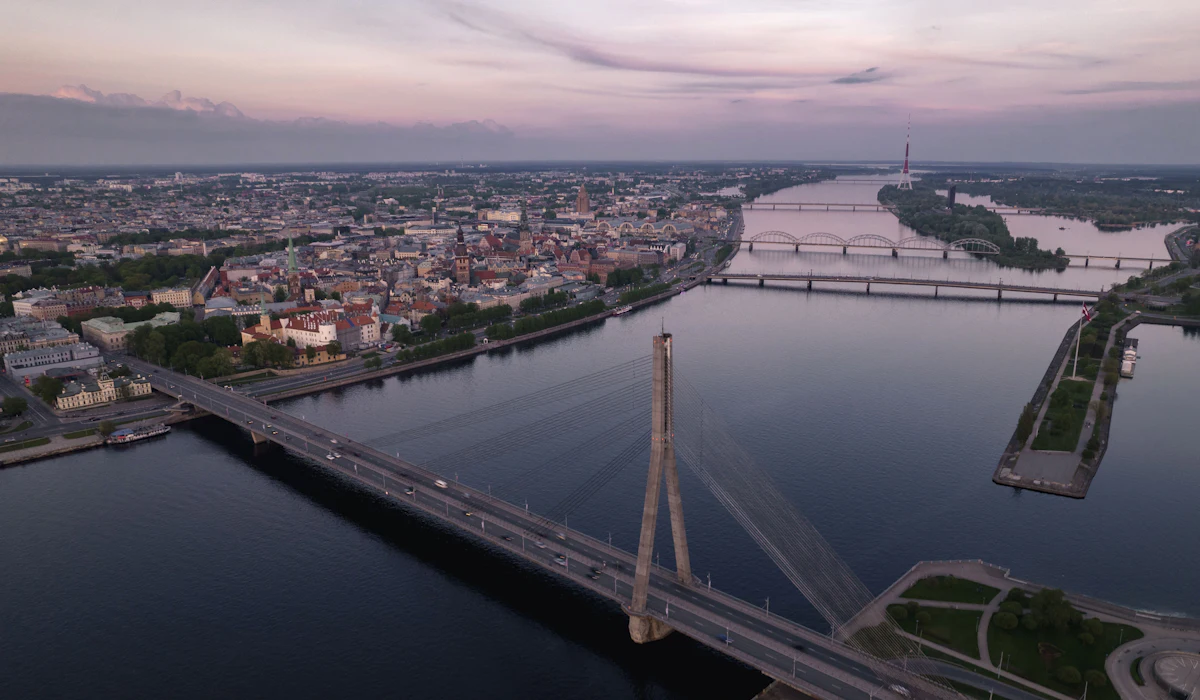
Riga’s medieval old town, with one of the highest concentrations of Art Nouveau architecture in Europe, has developed a dense tourist retail strip selling amber jewelry and Baltic souvenirs, some of it sold as Baltic or Latvian merchandise rather than locally made goods despite the area’s reputation for traditional crafts.
What’s Left Underneath
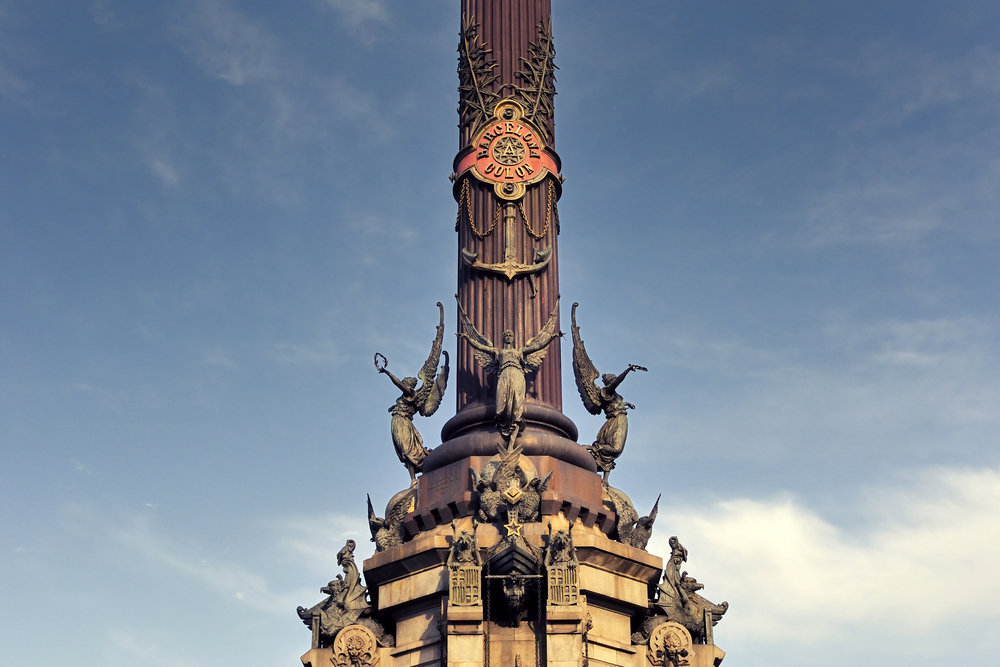
The buildings in nearly every one of these districts are real. The stones are old, the facades are genuine, and the history that earned each place its designation actually happened there.
What’s changed is almost entirely what’s being sold at street level, a shift driven less by any single business decision and more by simple economics: a souvenir shop can pay a tourist-district rent that a hardware store or a local bakery generally cannot.
That trade-off isn’t unique to any one city or country; it’s the same story with different street names attached. The history is still there for anyone willing to look up past the storefronts, which, increasingly, is exactly where it’s been pushed.
More from Travel Pug

- Underrated Italian Towns That Beat the Tourist Crowds
- Las Vegas Tourist Traps to Skip
- Prettiest Towns in Every US State
- 18 passport-free countries for Americans
- Signs Your Cruise Is Not Worth The Cost
Like Travel Pug’s content? Follow us on MSN.