

The first hour on a cruise ship feels like a festival with no map. Thousands of people step aboard at once, each convinced the day will sort itself out, and most of them head for the same three places.
Regulars move differently. They learned, usually the hard way, that small choices made between the terminal and sail-away shape the next seven days.
Arriving Hours Before the Boarding Window
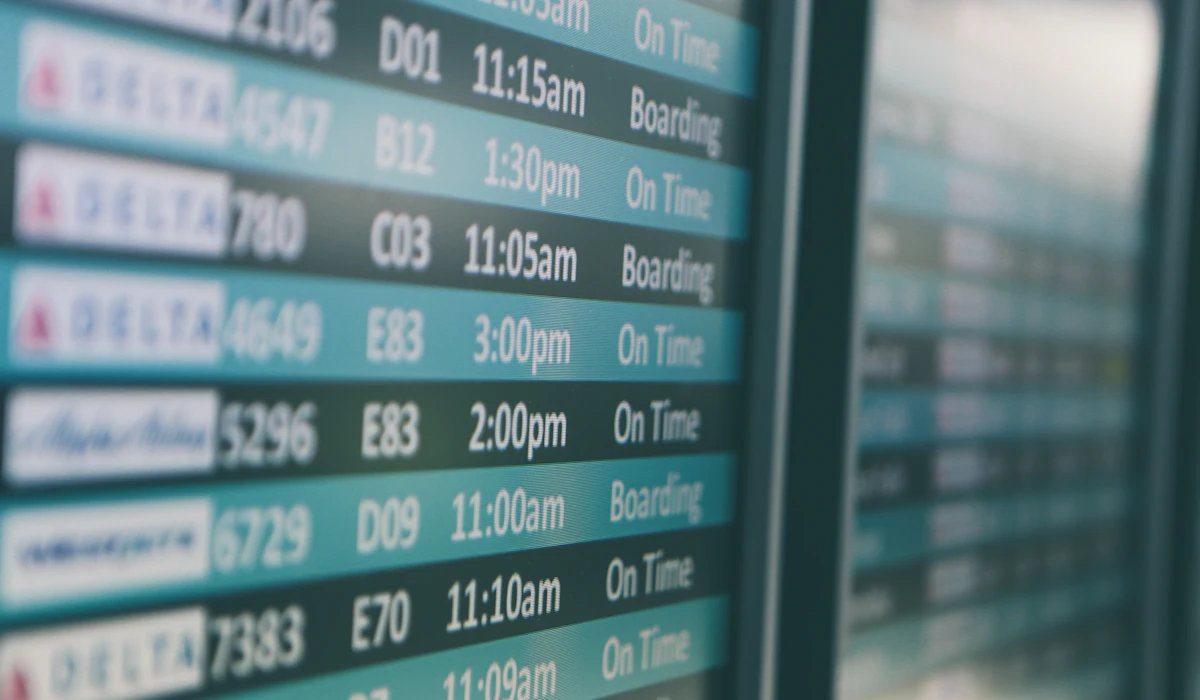
Cruise lines assign check-in times for a reason, and showing up at 9 a.m. for an 11:30 slot rarely buys anything except a longer wait on a terminal bench. Many ports will not let passengers into the building until their window opens, which leaves early arrivals circling the curb with rolling bags.
Regulars aim for the middle or tail end of their assigned time, when the first crush has cleared and security lines move quickly. Late-morning boarders also tend to reach their cabins close to the moment they open, rather than killing two hours in a crowded atrium.
Skipping the Luggage Tags at Home
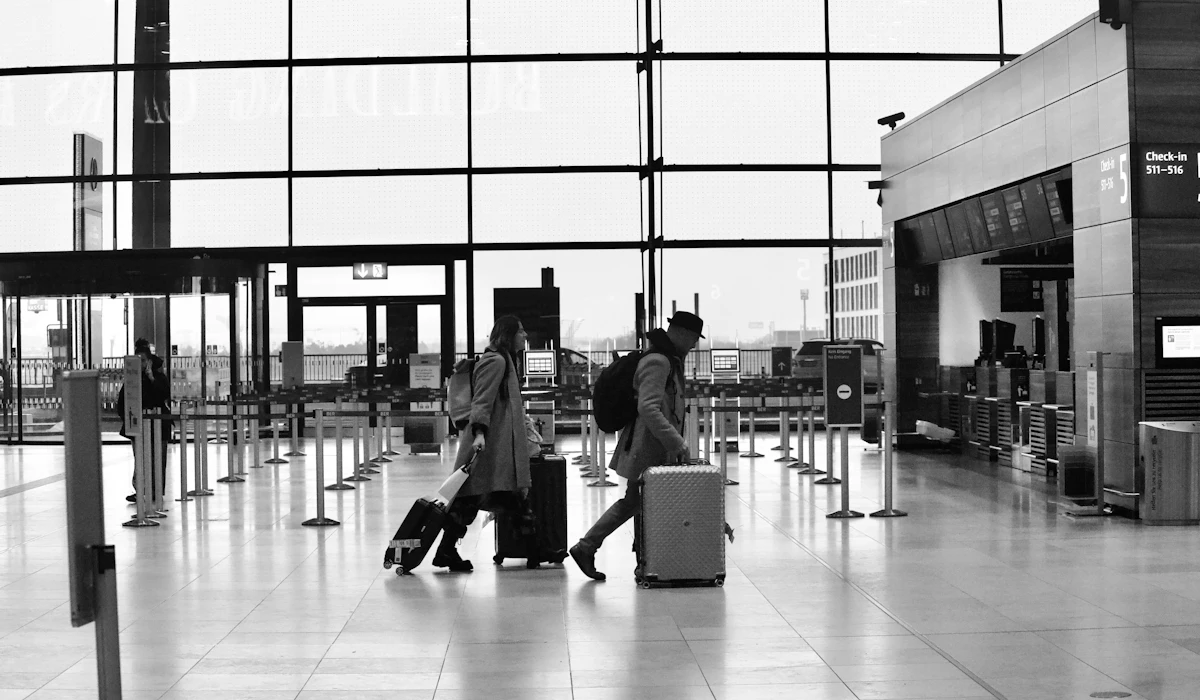
Most major lines email printable luggage tags with the boarding documents, and the cabin number on those tags is how a suitcase finds its way through a ship with thousands of doors. Travelers who plan to sort out tags at the pier often find porters scribbling temporary labels, and hand-labeled bags are the ones most likely to arrive late in the evening.
Regulars print the tags, fold them into plastic sleeves or clip-on holders, and attach them before leaving the hotel. A bag with no tag can sit in a holding area until the crew tracks down its owner.
Leaving the Boarding Pass on a Laptop at Home
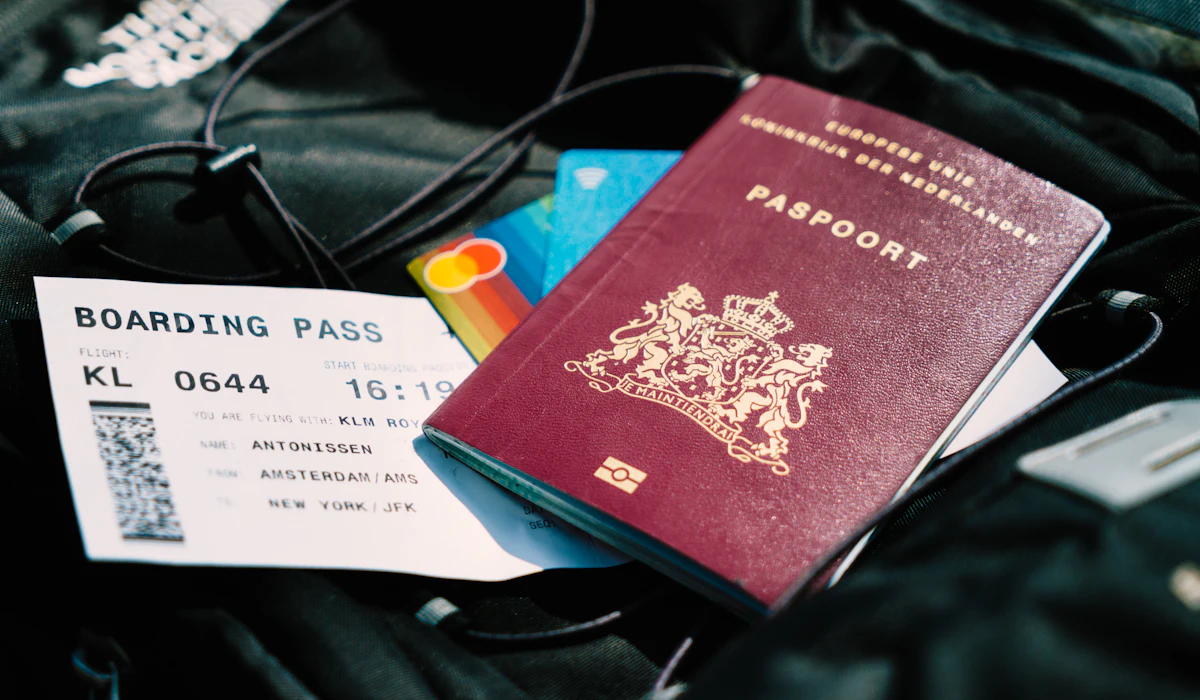
Online check-in on Royal Caribbean, Carnival and Norwegian happens in the line’s app or website days before sailing, and the result is a boarding pass with an arrival time attached. First-timers sometimes finish that step and assume the terminal will look them up by name.
It usually can, but that detour sends them to a side desk while the main line keeps moving. Regulars keep the pass downloaded on the phone and a printed copy in the carry-on, since cell signal inside a steel terminal building can drop at exactly the wrong moment.
Packing Medications in the Checked Suitcase

Checked bags handed to porters at the curb can take until dinnertime to reach a cabin, and on a busy embarkation day some arrive later than that. Anyone who packed blood pressure pills, insulin or an inhaler in that suitcase spends the afternoon worrying instead of exploring.
Regulars keep every prescription, plus a day of anything taken on a schedule, in the carry-on along with passports and phone chargers. Cruise lines give the same advice in their pre-boarding materials, and the onboard medical center charges handsomely to replace what a traveler already owns.
Burying the Swimsuit at the Bottom of the Big Bag

Pools and hot tubs open soon after boarding, and on a sunny embarkation day they are often calmer than they will be all week, because most passengers are still hauling carry-ons around. First-timers watch that window close while their swimwear rides in a suitcase somewhere below deck.
Regulars roll a swimsuit, sunglasses, sunscreen and flip-flops into the carry-on so the first afternoon can be spent in the water rather than waiting by the cabin door. A light change of clothes for dinner goes in the same bag for the same reason.
Handing Bags to Porters Without a Tip
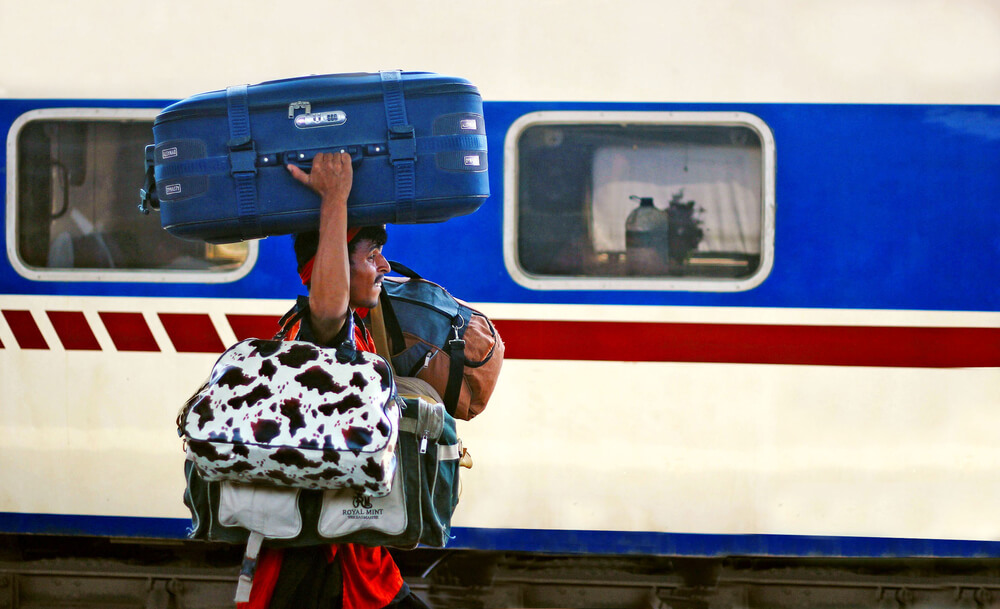
Porters at US cruise terminals largely work for tips, and a customary figure is a couple of dollars per bag. First-timers often arrive with only cards and large bills, then feel awkward as their luggage disappears onto a cart.
Nothing formally changes if no tip is offered, yet regulars see a few dollars as cheap insurance for a week of clothes and a courtesy for heavy work in the heat. A small stack of single bills in a pocket before the car pulls up solves the problem in seconds, and the same bills come in handy for room service deliveries later.
Dragging an Overstuffed Carry-On Through the Ship
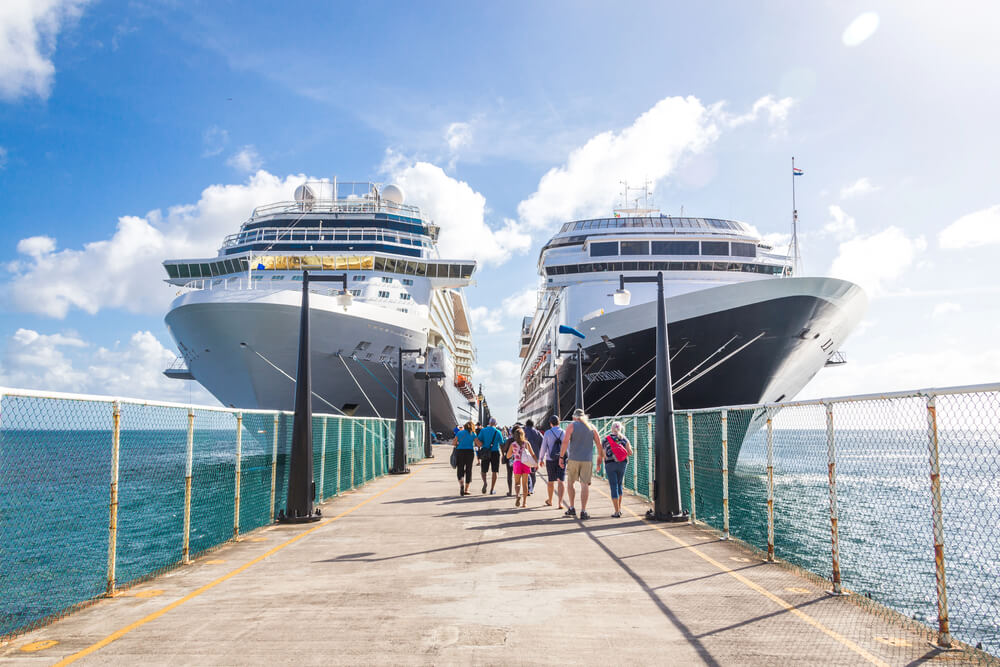
Ships rarely offer anywhere to leave hand luggage on embarkation day, so whatever comes aboard gets carried through buffets, stairwells and pool decks until cabins open. First-timers pack as if they are moving house, with a laptop, shoes, wine and snacks in a bag that feels heavier every deck.
Regulars carry a small backpack or tote with essentials and let porters handle everything else. Stairwells on a ship are narrow, and a roller bag bumping down six decks wins no friends.
The difference shows at lunch, where one traveler juggles a plate and a suitcase while another simply sits down.
Camping Outside the Cabin Before It Opens

Staterooms on many large ships open in the early afternoon, often around 1 p.m. on Royal Caribbean, and an announcement signals the moment. First-timers who board at 11 sometimes find their hallway, try the door, then wait outside it anyway.
The corridor fills with people doing the same thing, stewards squeeze past with linen carts, and nobody gets in any sooner. Regulars treat that stretch as found time for lunch, a pool dip or a lap of the ship, then wander back after the announcement once the hallways clear.
Their cabin is ready when they arrive, and nobody has spent an hour leaning on a wall.
Following Everyone to the Buffet
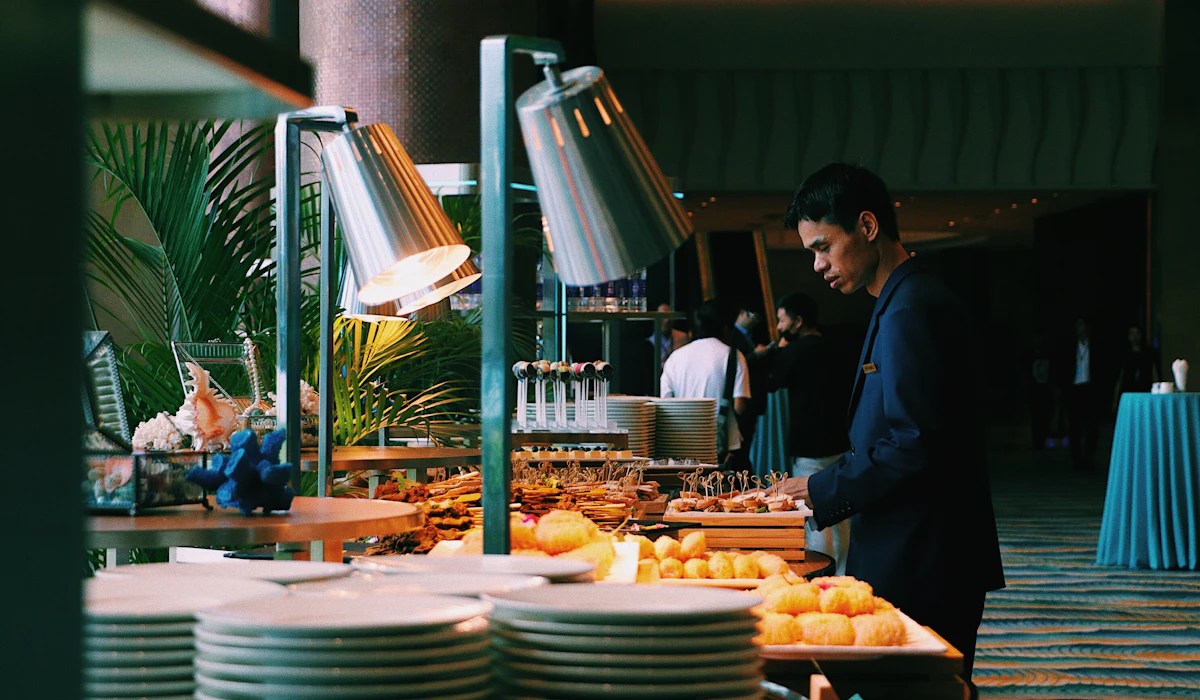
The buffet is the first place most passengers head, which is exactly why it turns into a slow shuffle of carry-ons and strollers between noon and 2 p.m. Several lines open alternatives on embarkation day that first-timers never notice.
Royal Caribbean has served a sit-down embarkation lunch in the main dining room on many of its ships, and poolside grills and pizza counters stay far calmer than the main spread. Regulars check the app for what is open, pick a quieter venue, and eat in a fraction of the time.
The buffet will still be there tomorrow, with half the crowd.
Missing the Muster Station Check-In

Safety drills changed around 2020, when most major lines moved to electronic check-ins such as Royal Caribbean’s Muster 2.0. Passengers now watch a safety video in the app or on the cabin television, then visit their assigned assembly station to have their card scanned.
First-timers assume the video alone counts, or plan to get to it later, but the station check-in has a deadline before the ship departs. Those who miss it get a phone call, a reminder slip or a summons to a make-up session.
Regulars handle both steps within the first hour and never think about it again.
Leaving Cellular Data Switched On

Once a ship leaves port, many phones switch to a maritime cellular network run by operators such as Cellular at Sea, and roaming rates on those networks can be steep. First-timers scroll social media during sail-away and find a surprise bill from their carrier a month later.
Regulars flip on airplane mode before the ship clears the harbor, then rejoin the ship’s Wi-Fi if they have bought a package. Carriers vary widely in how they treat maritime roaming, so the safest assumption is that any data used at sea outside ship Wi-Fi costs money, sometimes a great deal of it.
Downloading the Cruise App After Boarding
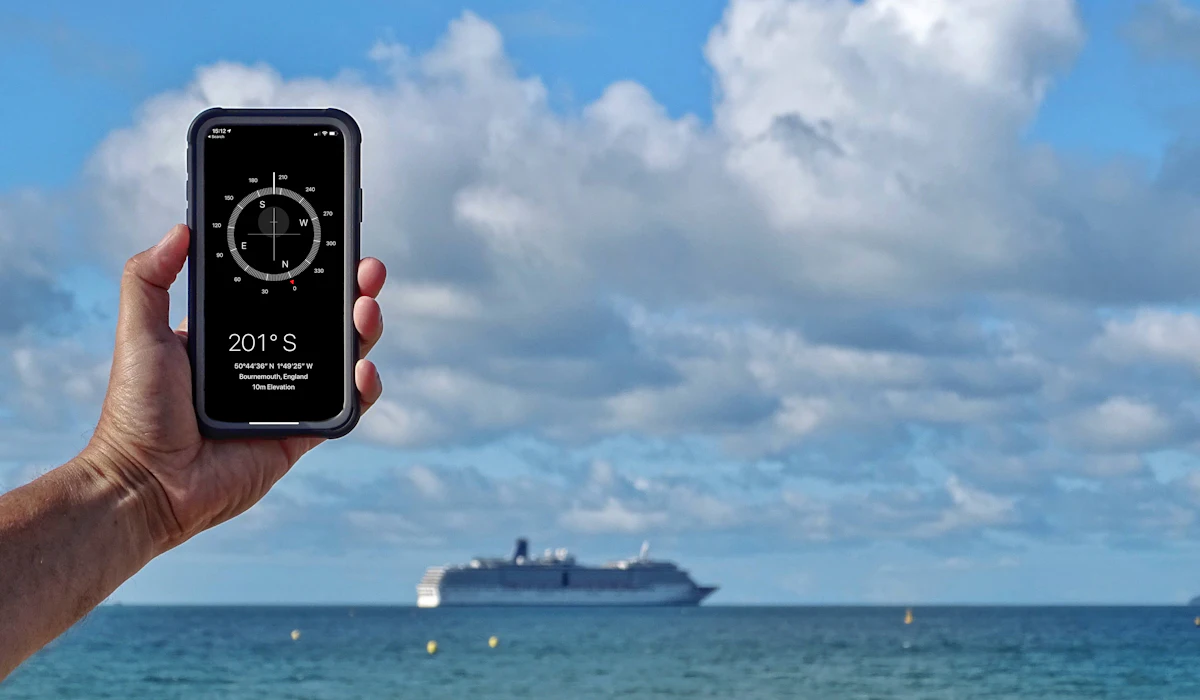
Royal Caribbean, Carnival, Norwegian, Princess and others run apps that work on the ship’s network, showing daily schedules, dining times, deck maps and onboard charges. The catch is getting the app in the first place, since an app store needs a normal internet connection.
First-timers who wait until they are aboard often discover the terminal signal is weak and the ship’s Wi-Fi may want a paid package before the download goes through. Regulars install the app and log in at home, then simply connect to the ship network after boarding.
The daily planner is then a tap away from the moment they step on.
Mixing Up Ship Time and Local Time
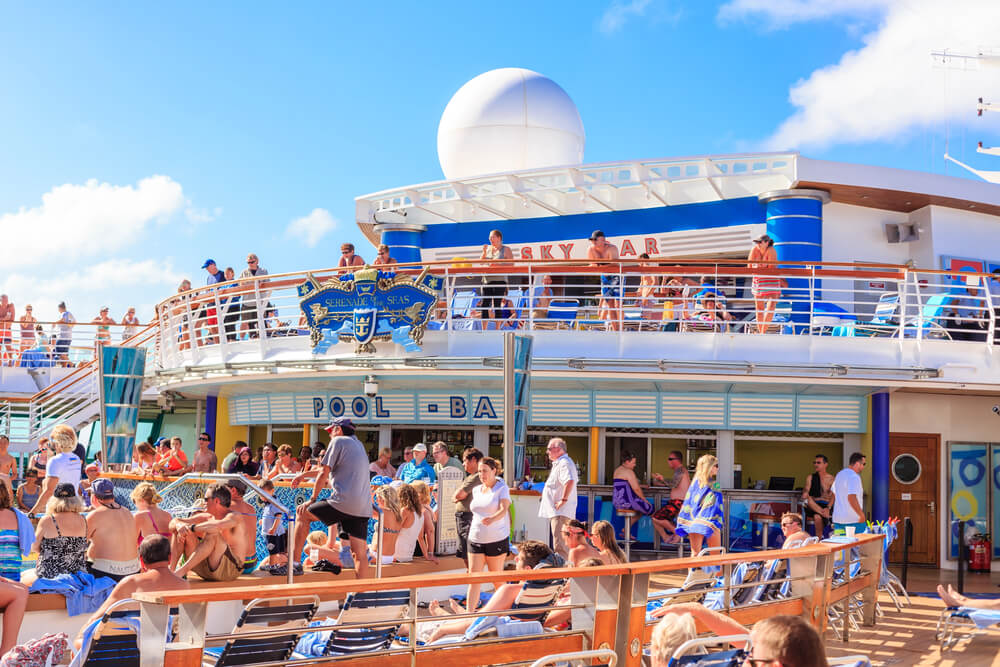
Ships keep their own clock, and on some itineraries it differs from the time on land by an hour or more. Phones often grab whichever tower they find, including one on a nearby island, so the screen can quietly shift without warning.
The daily planner, dining reservations and all-aboard deadlines all run on ship time. Regulars set phones to manual time on day one and match them to the clock announced from the bridge.
It sounds fussy until the first person misses a show, or worse, watches the gangway pull away while a phone insists there is still an hour to spare.
Buying a Drink Package at the First Bar

Bartenders on sail-away afternoon are happy to sell beverage packages on the spot, and first-timers often sign up after one cocktail. On lines such as Royal Caribbean, package prices booked ahead through the online cruise planner are often lower, and sales come and go in the weeks before sailing.
Break-even usually falls near half a dozen alcoholic drinks daily, depending on the line and the package tier. Regulars check presail prices a few times, lock in a deal if the numbers work, and skip the package entirely if they only want a glass of wine with dinner.
The decision deserves a calculator, not a sunny mood.
Taking the Souvenir Cup Drink of the Day

During sail-away, servers circulate with bright cocktails in souvenir glasses, and the tray looks like a welcome gift. It is not.
Those drinks are charged to the onboard account, usually at a premium because of the glass, plus the automatic service charge of 18 percent that Royal Caribbean adds to bar purchases. First-timers discover this on the account statement, often after a second round.
Regulars politely decline or ask the price before accepting, and anyone holding a beverage package should ask whether the souvenir version counts, since some packages cover the drink but not the glass.
Linking a Debit Card to the Onboard Account
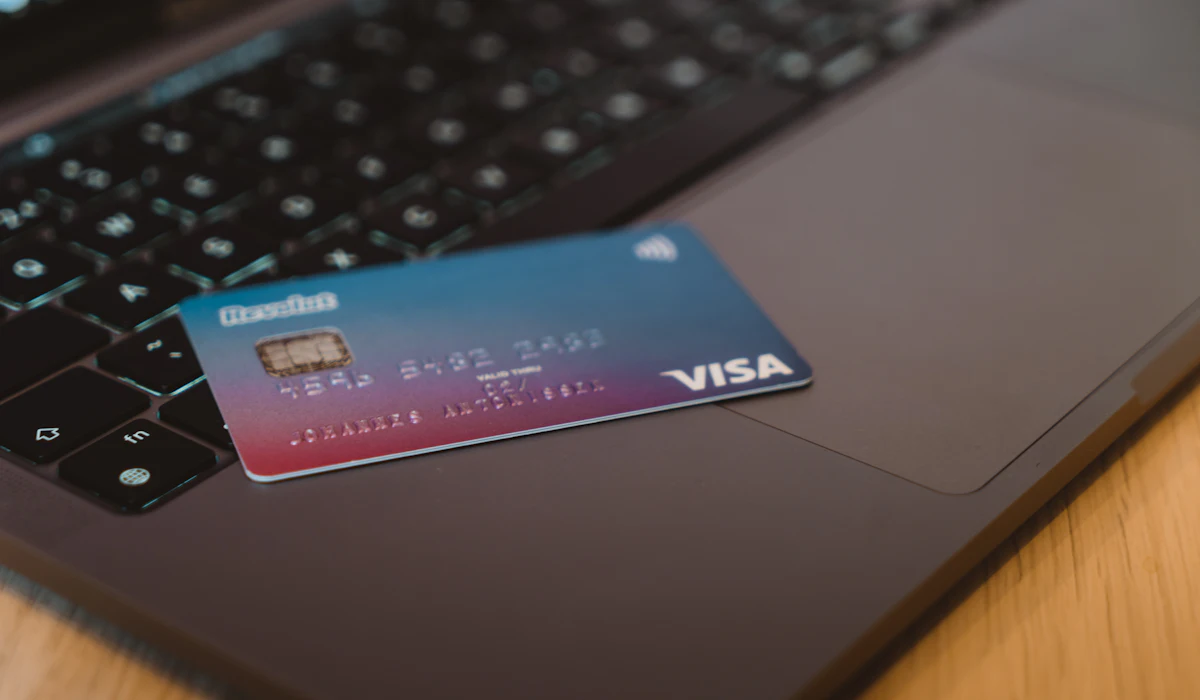
Every charge onboard goes to an account tied to a card, and cruise lines typically place daily authorization holds based on expected spending. On a credit card those holds barely register.
On a debit card they can freeze real money in a checking account for days after the cruise ends. First-timers link whatever card sits at the front of the wallet, then wonder why their balance looks lower once they get home.
Regulars use a credit card for the onboard account, and families often ask guest services to set spending limits for teenagers at the same visit.
Waiting to Book Headline Shows

On large Royal Caribbean ships, headline shows such as the ice and aqua theater productions run on reservations, and the best time slots fill quickly. Norwegian’s Broadway-style productions and comedy clubs work in similar ways on many ships.
First-timers stroll to the theater at showtime and find a standby line snaking down the corridor. Regulars reserve through the app before sailing, when slots open, or within the first hour aboard.
Reservations are free for most included shows, so the only cost of waiting is a missed performance and an evening spent scanning the listings for tomorrow.
Assuming Specialty Restaurants Will Have Space Later
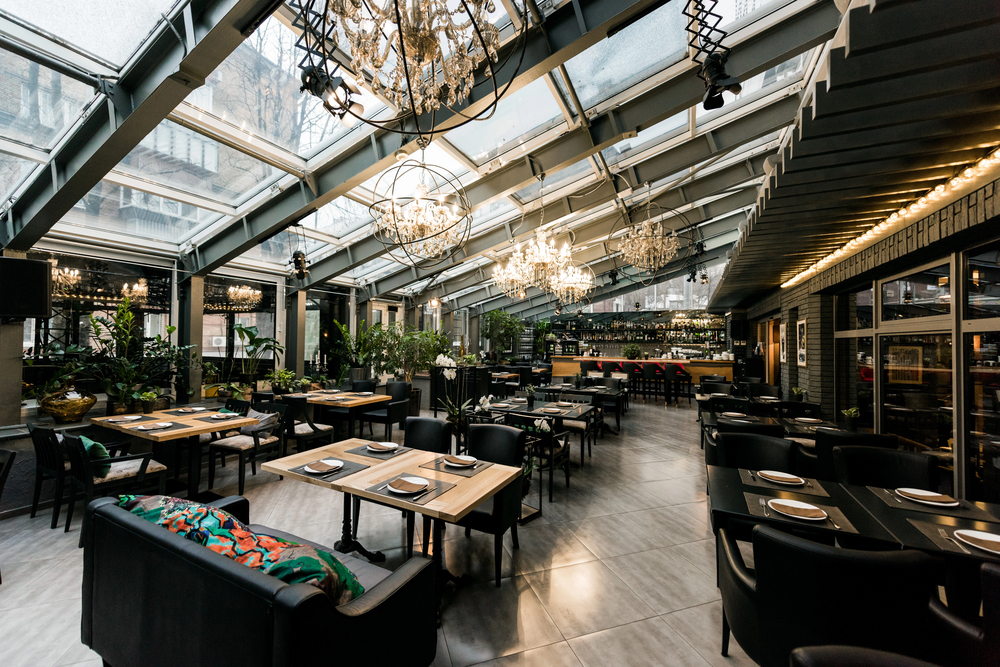
Steakhouses, sushi bars and hibachi grills on big ships have limited seats, and prime dinner times on sea days vanish early. First-timers plan a special meal for the last formal night, only to be offered 5 p.m. or 9:30 p.m.
Regulars book the one meal that matters before sailing or in the first hour aboard. Many lines also discount reservations made for embarkation night or port evenings, when the ship is quieter.
The first night in particular can be a bargain, since so many passengers are still unpacking and specialty venues often run below capacity.
Missing the Spa’s Embarkation Day Specials

Onboard spas tend to be quiet on day one, and many advertise embarkation-day discounts on massages and facials to fill empty treatment rooms. The same pattern repeats on port days, when most passengers are ashore.
First-timers wander past during a spa tour, take a brochure, and later book a full-price treatment on the busiest sea day of the week. Regulars ask what is discounted before the ship sails and book on the spot.
Treatments often end with a product recommendation, and a polite no closes that conversation quickly.
Skipping Kids Club Registration

Kids programs such as Royal Caribbean’s Adventure Ocean and Carnival’s Camp Ocean hold open houses on embarkation afternoon, when parents can tour the space, meet staff and complete registration. First-timers put it off until the second day, then join a line of families all trying to do the same thing before the first scheduled session.
Some programs also need allergy details, pickup permissions and app setup before a child can be dropped off. Regulars handle it during that first hour, which also lets children see the space early and look forward to going back.
Standing in the Shore Excursion Desk Line
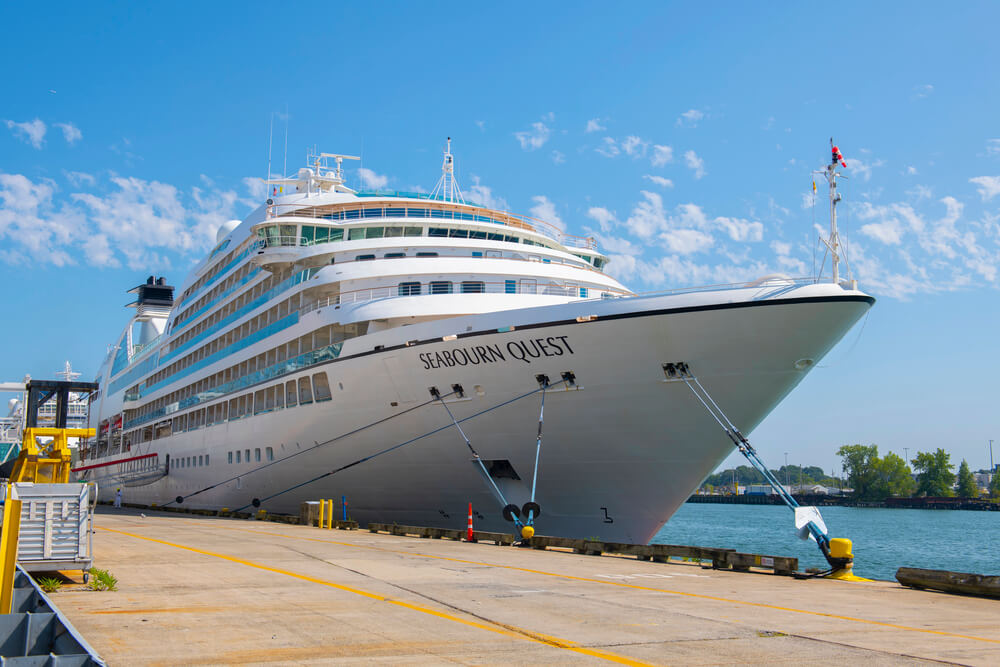
The shore excursion desk draws a crowd on day one, full of passengers asking questions that the app answers in seconds. Popular tours, such as snorkel trips and beach breaks at busy ports, often sell out before sailing, so waiting for the desk rarely helps.
First-timers lose an hour in line and still end up with second choices. Regulars book ahead through the line’s planner, check the app aboard for anything newly released, and visit the desk only for genuine problems such as a medical concern or a cancellation.
That hour is better spent on deck watching the port slide away.
Not Inspecting the Cabin Right Away
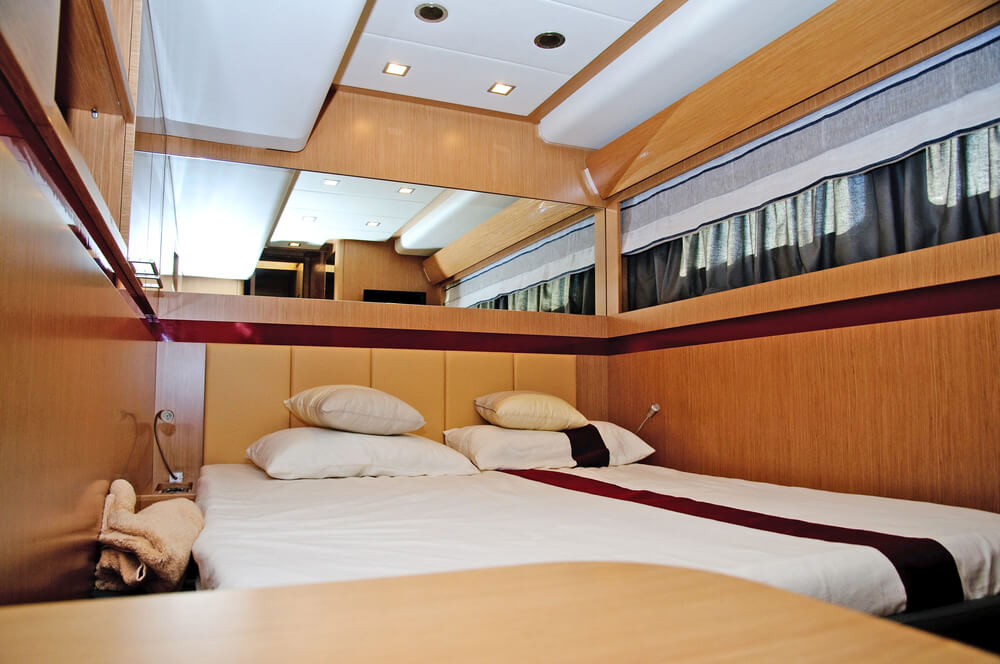
A broken air conditioner, a toilet that runs, a balcony door that sticks or a safe that refuses to lock is far easier to fix before the ship sails than halfway through a sea day. Maintenance crews are busiest in the first hours, but so is the flexibility to move a guest to another cabin when something serious is wrong.
First-timers drop their bags, rush off, and discover problems at midnight. Regulars spend five minutes testing lights, water, the thermostat, the television and the safe, then report anything odd to the steward or guest services immediately.
Early reports get priority, and they get remembered.
Leaving Passports and Cash Out on the Desk
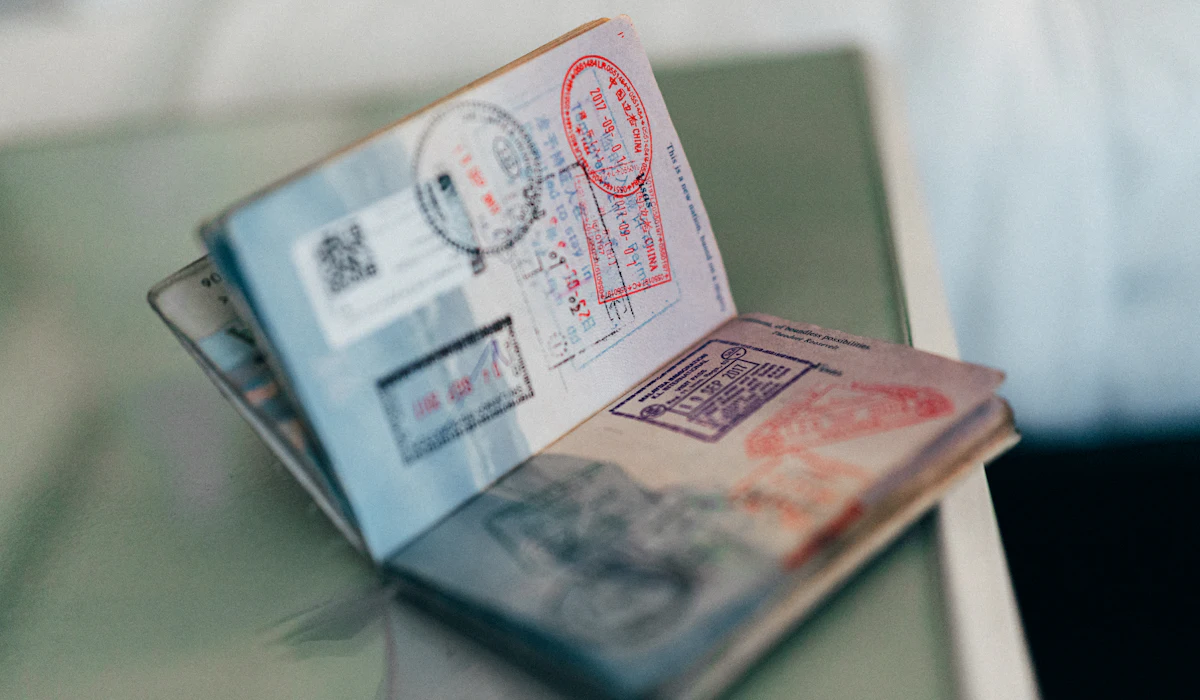
Stewards, maintenance staff and room service crews all enter cabins during a cruise, and while theft is rare, loose passports and cash invite trouble nobody needs. First-timers leave documents on the vanity from the first hour, especially once they learn the ship card handles almost everything.
Regulars set the in-cabin safe immediately with a simple code and lock away passports, spare cards, cash and jewelry. The safe also prevents the more common problem, which is misplacing a passport under the bed while unpacking and tearing the cabin apart on the last morning looking for it.
Overlooking the Dining Assignment on the Card
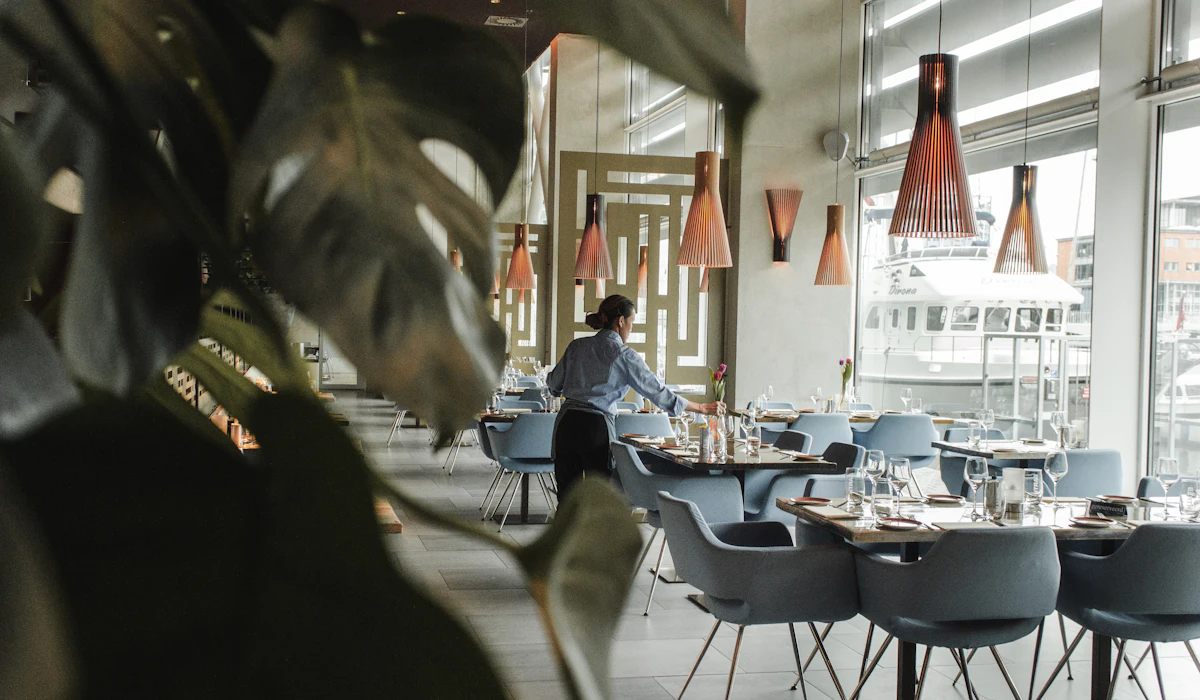
On lines with traditional dining, the assigned time and table number are often printed right on the ship card or shown in the app. First-timers skip past this detail and turn up at 5:30 when their table is set for 8, or the reverse.
Regulars check the card as soon as it is in hand and visit the dining desk that first hour if the time does not suit them, since switches are easier before seating plans fill. The same check reveals whether the booking uses flexible dining instead, which on some lines works better with reservations made early.
Crowding the Elevators on Embarkation Day
Elevators on embarkation day serve thousands of people at once, along with strollers, wheelchairs, luggage and room service carts, and waits can stretch to many minutes. First-timers stand in the lobby watching full cars pass.
Regulars take the stairs for anything under four or five decks, which on most ships is quicker and doubles as a way to learn the layout. Stairwells on most big ships are grouped forward, midship and aft, a pattern that teaches the ship’s shape within a day.
Travelers with mobility needs also get more room when able-bodied passengers leave the elevators to them.
Skipping a Lap of the Ship
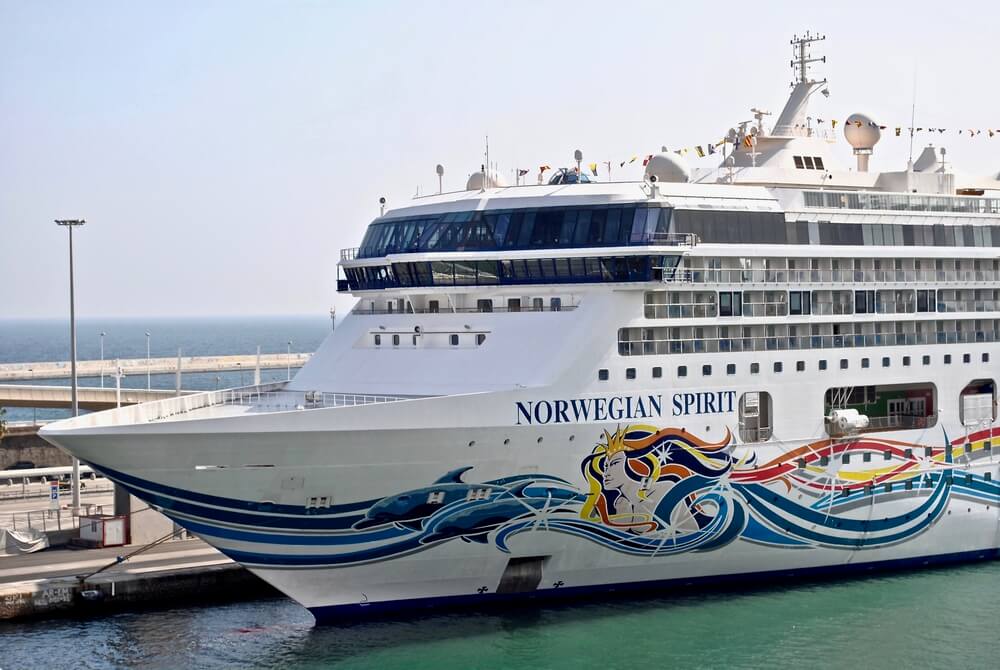
Big ships feel bewildering for about a day, and passengers who never take a deliberate walk around stay lost longer. First-timers learn only the routes between the cabin, the buffet and the pool, then detour through the casino every time they want the theater.
Regulars take a slow loop in the first hour, from the forward lounges to the aft decks, noting the quiet spaces, the stairwells and the shortcuts. Deck plans are posted near every elevator bank, and a mental map built on day one saves countless wrong turns later in the week.
Waiting for Seasickness Before Treating It

Motion sickness remedies such as meclizine work best when taken before symptoms appear, and scopolamine patches, which need a prescription in the US, usually go on hours before they are needed. First-timers feel fine at the pier, skip the precaution, then spend the first night miserable once the ship reaches open water.
Regulars who know they are sensitive take their chosen remedy before sail-away, keep crackers handy, and head to midship and lower decks if the ride gets rough. The onboard shop sells remedies too, but at a markup and often after the queasiness has already set in.
Missing Sail-Away While Unpacking
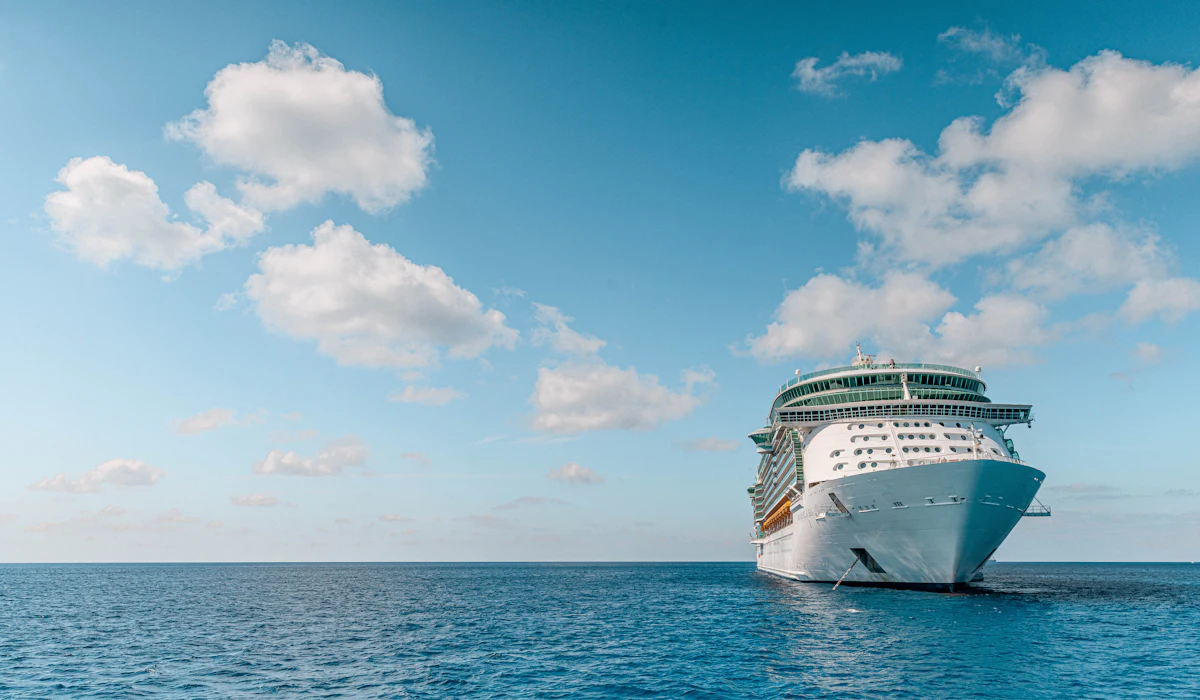
Leaving port is one of the best moments of any cruise, with the skyline sliding past, pilot boats alongside and horns sounding across the harbor. First-timers are often folding shirts in an interior cabin when it happens.
Regulars leave unpacking for later and head to an open deck, often the aft end, where the wake traces the ship’s path out to sea. Departures from Miami, Fort Lauderdale and San Juan pass close to shore, past beaches, condo towers and old fortress walls, which makes sail-away more of a show than any production in the theater that night.
Waiting Days to Meet the Cabin Steward

The cabin steward handles two cleanings a day on many ships, knows where extra pillows live, and can solve small problems faster than guest services. First-timers meet this person on day three, if at all.
Regulars introduce themselves in the first hour, mention preferences such as extra hangers or a fridge emptied for medications, and ask about the service schedule. Each steward typically looks after a long row of cabins, so knowing who prefers late service or fewer towel changes helps the job run smoothly.
Small courtesies on day one tend to come back all week.
An Hour That Sets the Tone for the Week
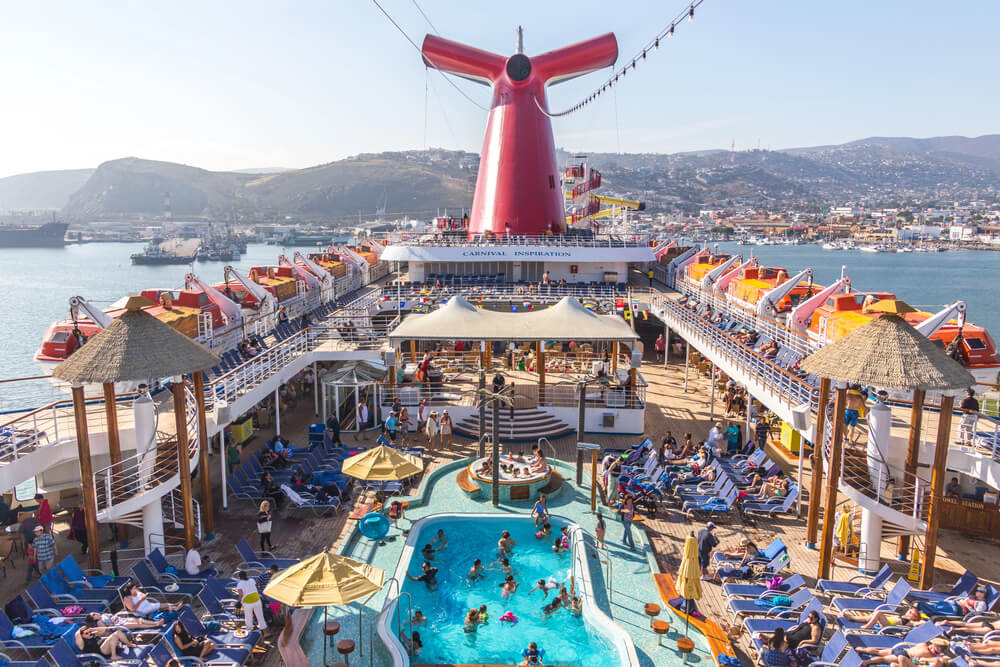
None of these mistakes ruins a cruise on its own. Together, though, they explain why first-timers so often describe day one as chaos while regulars call it their favorite afternoon.
The difference is rarely money or insider access. It is a short list of habits, learned once and repeated every sailing.
Ships reward passengers who treat the first hour as preparation rather than arrival. With documents in hand, bags handled, reservations made and a lap taken, the rest of the voyage runs almost on its own.
Regulars are not smarter than anyone else. They simply remember the version of themselves who once stood in a hallway waiting for a door to open.
More from Travel Pug

- Underrated Italian Towns That Beat the Tourist Crowds
- Las Vegas Tourist Traps to Skip
- Prettiest Towns in Every US State
- 18 passport-free countries for Americans
- Signs Your Cruise Is Not Worth The Cost
Like Travel Pug’s content? Follow us on MSN.