

Plenty of the world’s most famous monuments are worth admiring from the street for free, which makes the ticket booth next to them a genuinely difficult decision. Paying to go inside sounds like the fuller experience, and sometimes it is.
Just as often, the interior turns out to be a gift shop, a cramped staircase, or a view that looks nearly identical to the one already visible from ground level.
None of this means skip every paid interior on principle. It means some of these tickets buy considerably less than the exterior view already promised for free.
Eiffel Tower Summit
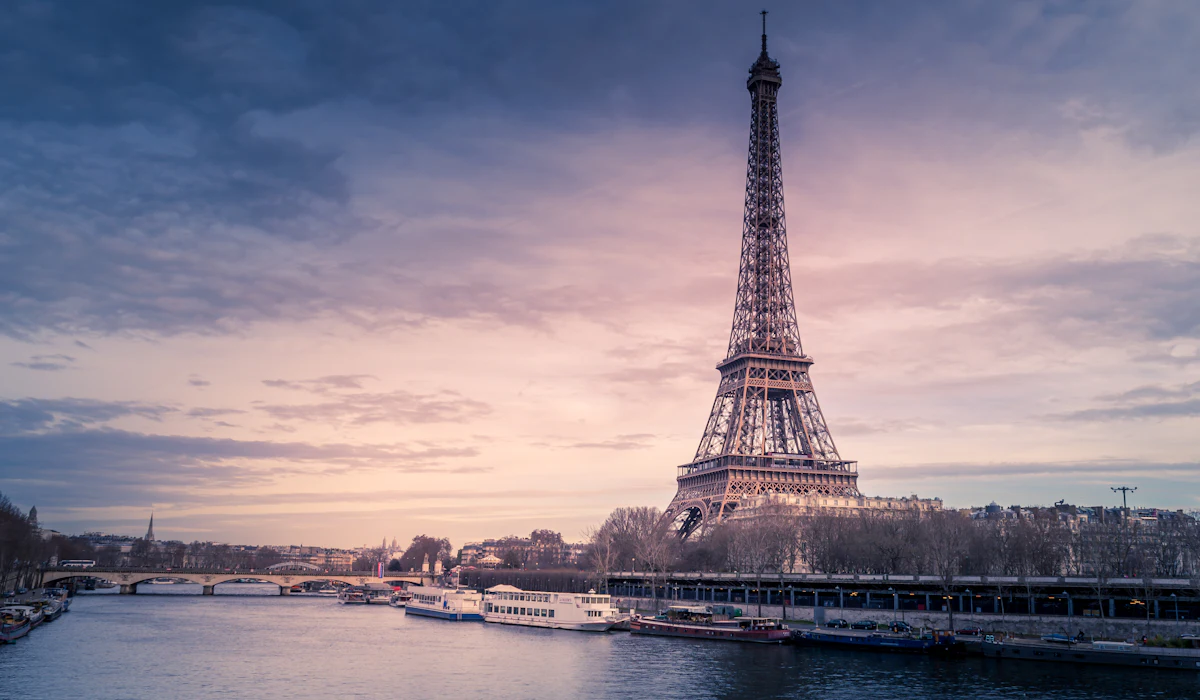
The top-level ticket promises the tower’s highest vantage point, but the platform itself is small, heavily caged for safety, and often so crowded that finding an unobstructed view takes real effort. The second level, reachable for a lower fee or by stairs, offers a view of Paris that many visitors find nearly as satisfying without the additional wait for the summit elevator.
The tower’s most photogenic quality, its ironwork silhouette, is only visible from the ground, not from inside it.
Arc de Triomphe Interior Climb
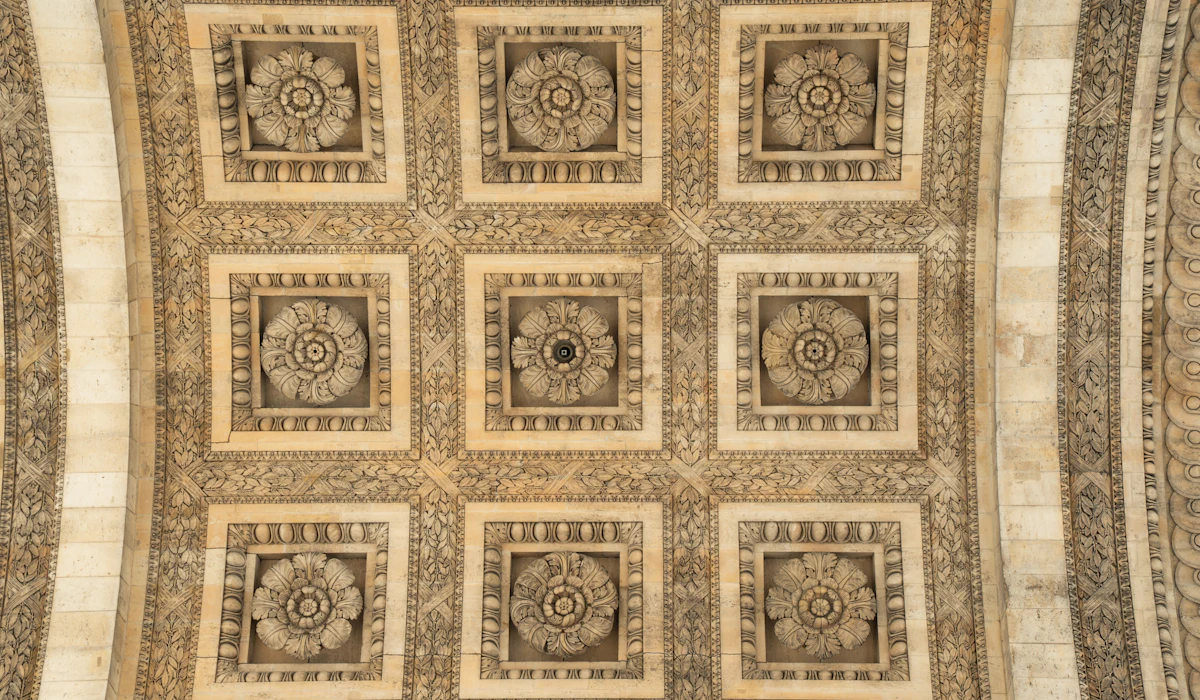
Climbing the narrow spiral staircase inside this monument leads to a rooftop view over the Champs-Élysées that is genuinely worthwhile, but the climb itself is steep and cramped enough to undercut the payoff for visitors with any mobility concerns. The interior chambers along the way house a modest museum with limited exhibits.
Photos of the arch’s sculptural detail, its most striking feature, are better captured from the street below than from inside the structure.
Leaning Tower of Pisa Climb
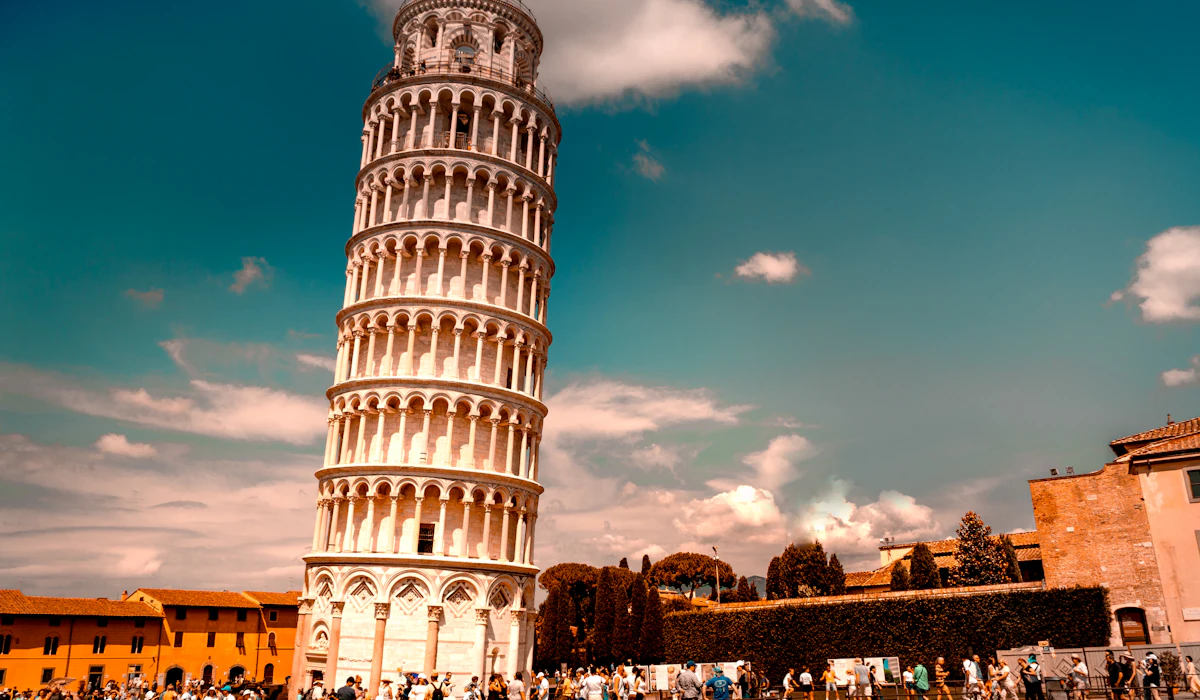
The climb to the top of this famously tilted tower involves navigating uneven, sloped steps that can be disorienting given the structure’s lean, and the summit view over the surrounding plaza is fairly ordinary once reached. The tower’s main appeal, its improbable tilt, is a purely exterior phenomenon best appreciated and photographed from the grass field surrounding it.
Timed entry tickets sell out quickly, adding planning pressure for an experience many visitors find underwhelming compared to the free exterior view.
Empire State Building Observation Deck
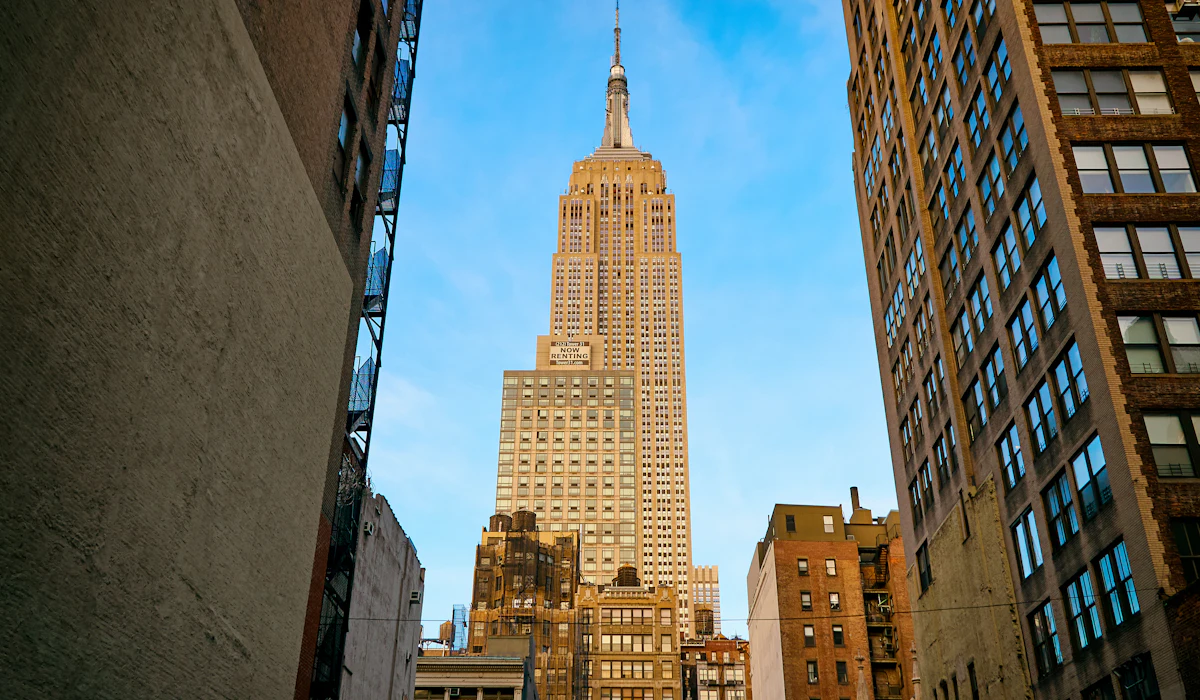
The ticketed observation decks offer a genuine city panorama, but pricing has climbed considerably over the years, and the crowds funneling through multiple ticket checkpoints and elevators can turn the visit into a lengthy wait before reaching the view. The building’s Art Deco exterior, illuminated in changing colors at night, is arguably its most iconic feature and remains fully visible for free from the street.
Several nearby buildings offer comparable skyline views at a fraction of the cost.
Statue of Liberty Crown and Pedestal
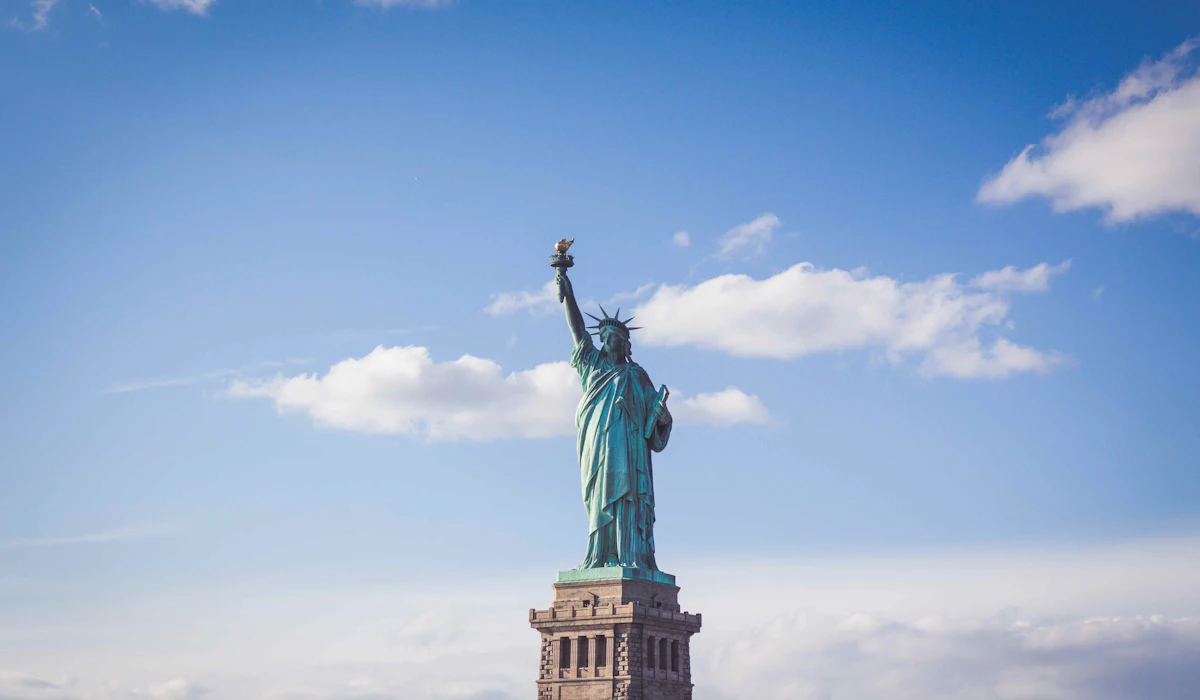
Access to the crown requires booking months in advance and involves a narrow, steep interior staircase that many visitors find claustrophobic and physically demanding. The view from inside the crown itself is limited by small windows that offer only a partial vantage point of the harbor.
The statue’s full visual impact, widely considered its main draw, is better experienced from the ferry approaching the island or from Battery Park across the water.
Washington Monument Interior
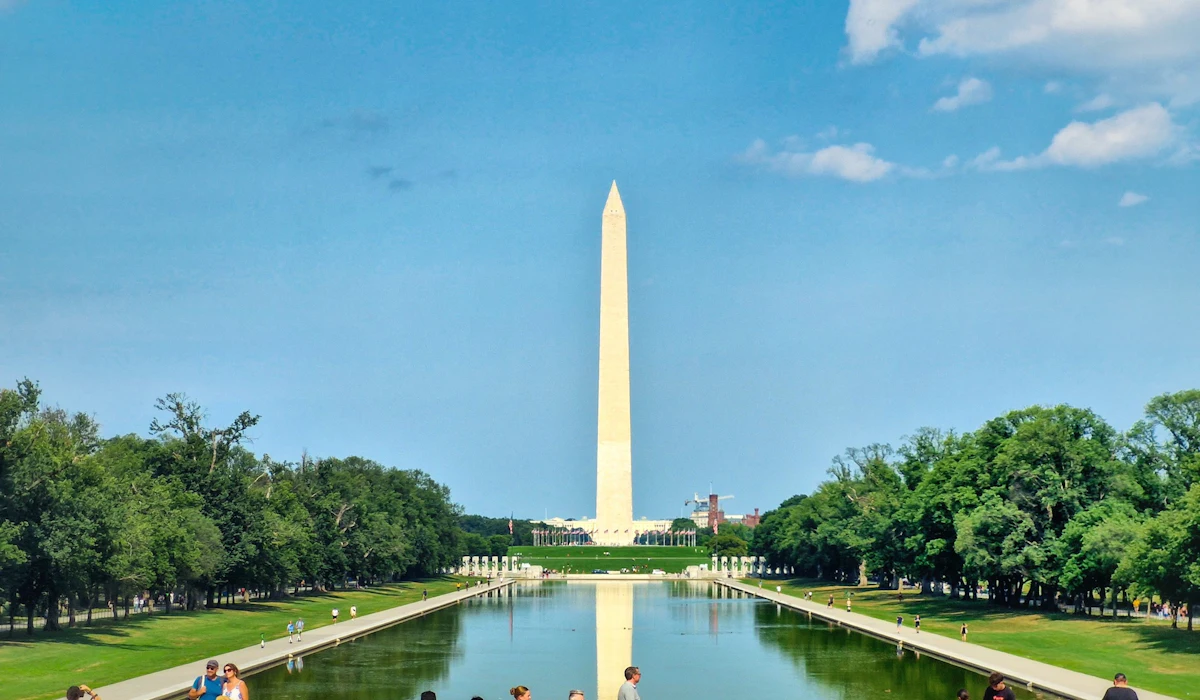
An elevator ride to the top of this obelisk provides a view over the National Mall, but the interior itself consists of little beyond the observation windows and a small exhibit space partway up. Ticket availability is limited and often requires advance reservation for a visit that lasts only a matter of minutes at the top.
The monument’s stark, minimalist exterior is its most recognizable feature and needs no ticket to appreciate from the Mall grounds.
St. Peter’s Basilica Dome Climb
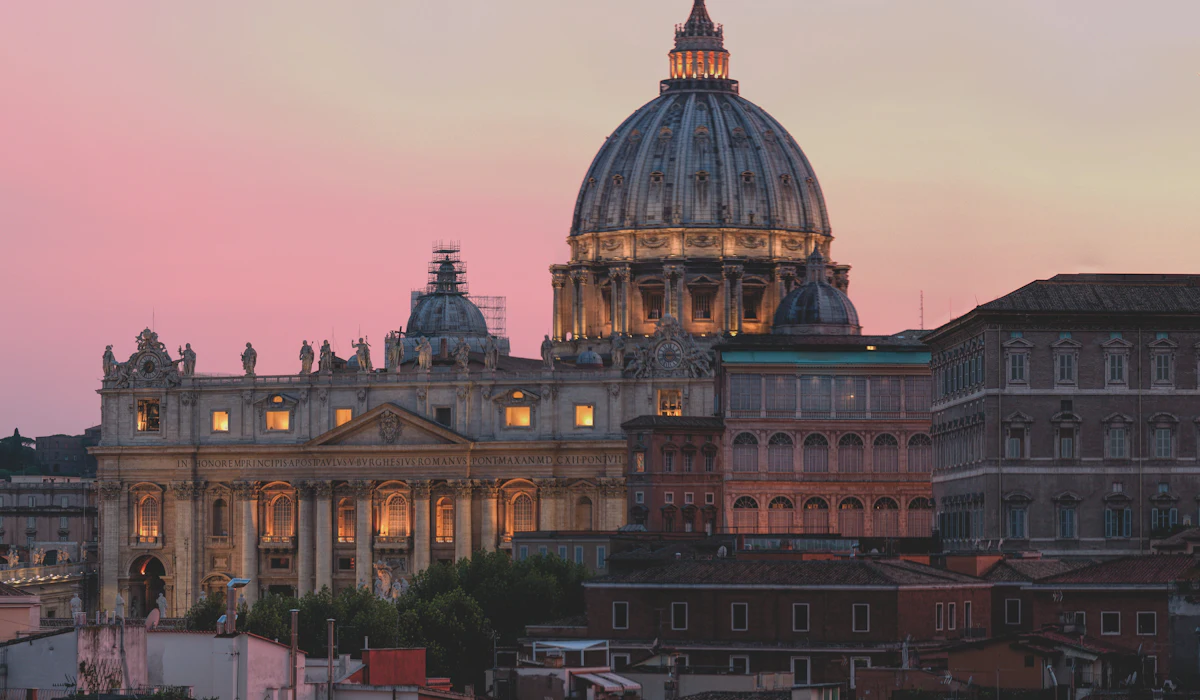
Climbing to the top of this dome involves a long, increasingly narrow and cramped staircase that grows more physically demanding the higher it goes. The view over Rome and Vatican City at the top is rewarding, but the climb’s difficulty and the basilica’s already-free and more spacious interior below make the additional ticketed ascent a harder sell for casual visitors.
The dome’s exterior silhouette, visible from across the city, requires no ticket to admire.
Florence Duomo Dome Climb
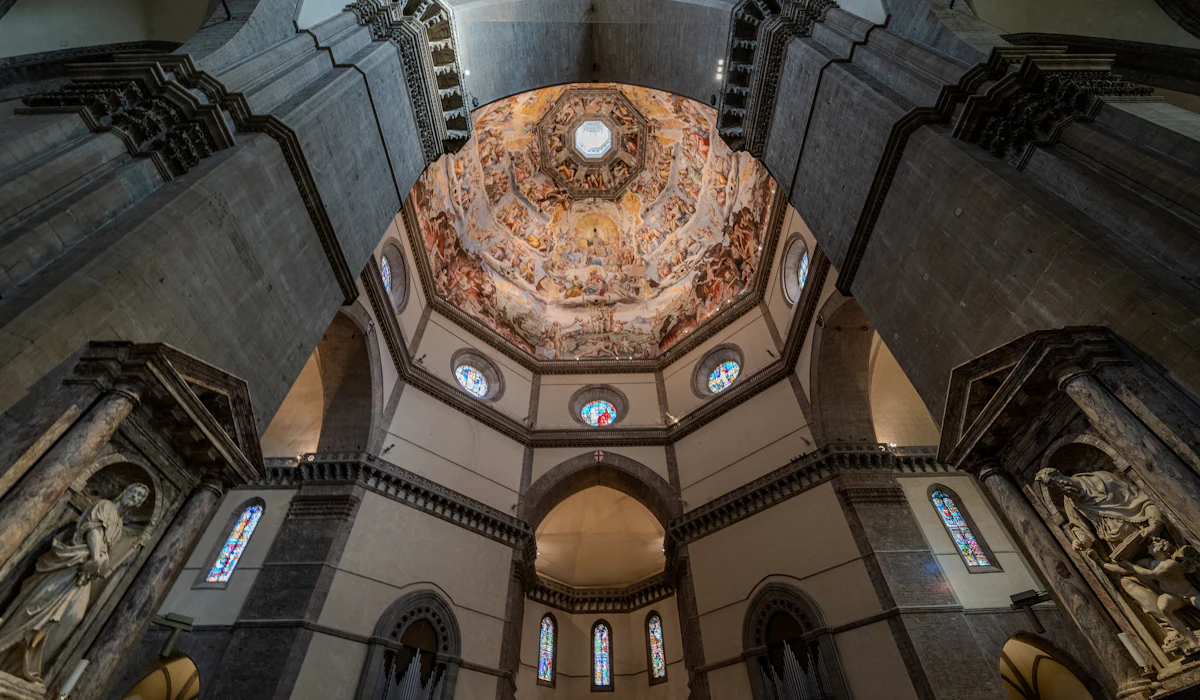
This climb up over four hundred narrow steps offers close-up views of Brunelleschi’s dome frescoes partway up, along with a rooftop panorama of Florence at the top, but the physically demanding ascent and long advance-booking requirements deter many visitors from finding it worth the effort. The cathedral’s striped marble exterior, widely considered its defining feature, is fully visible from the surrounding piazza at no cost.
Crowding on the narrow staircase can also make the climb feel rushed rather than reflective.
Colosseum Underground and Arena Floor Tour
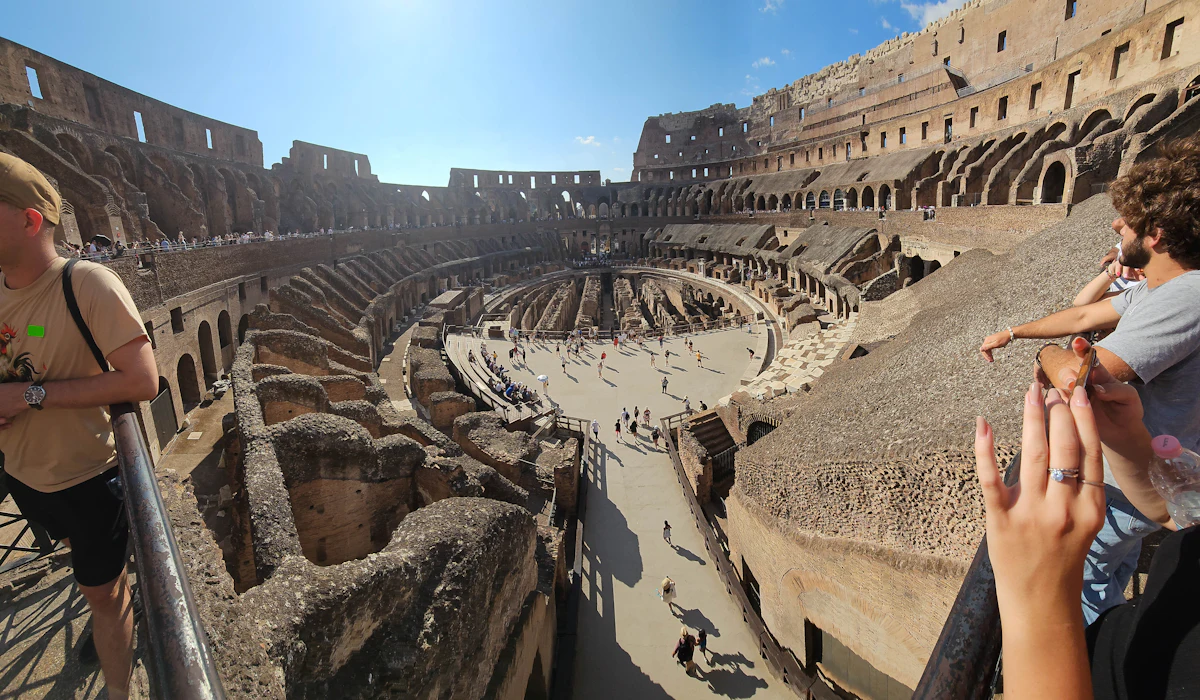
This premium add-on ticket grants access to the underground chambers and a reconstructed arena floor section, but much of what’s visible has been extensively reconstructed rather than preserved in original form. The standard, less expensive ticket already grants access to the main seating tiers, which offer a comparable sense of the structure’s scale.
The Colosseum’s exterior arches, its most photographed feature, remain visible for free from the surrounding streets.
Buckingham Palace State Rooms
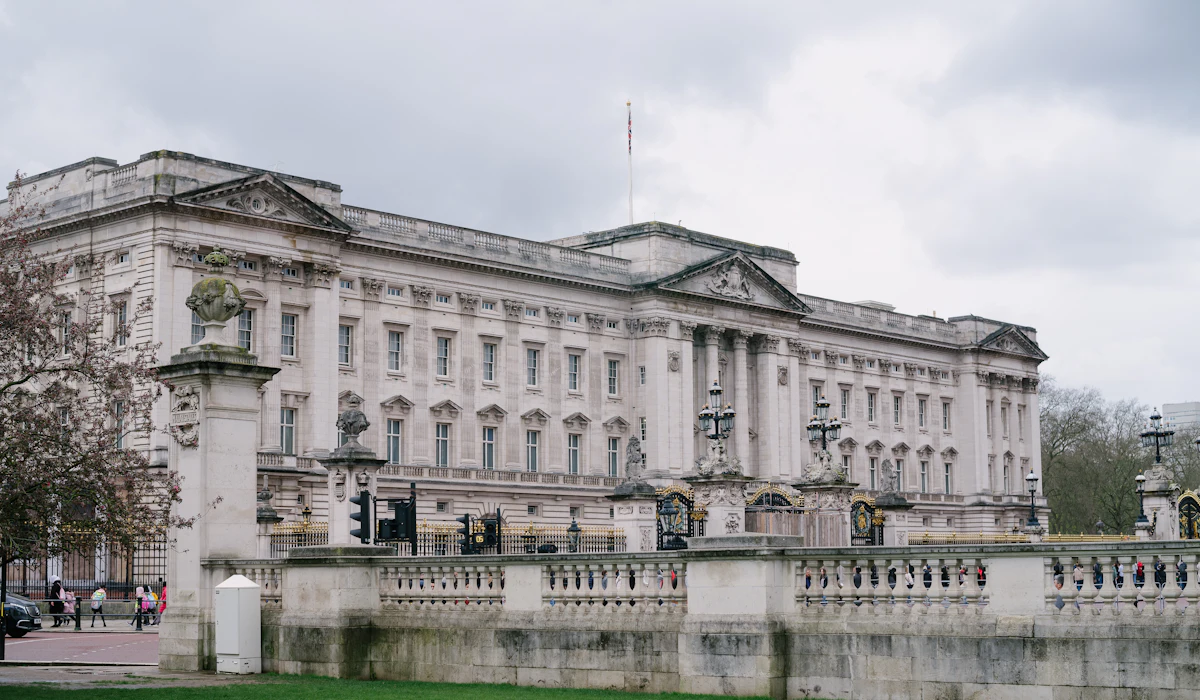
Open to the public only during a limited summer window, these staterooms showcase opulent decor, but photography is prohibited throughout, and the self-guided pace is tightly managed by staff to keep crowds moving. Many visitors find the exterior changing of the guard ceremony, which is free, a more memorable experience than the interior tour itself.
The palace’s iconic facade requires no ticket to view or photograph from the surrounding gates.
Neuschwanstein Castle Interior Tour
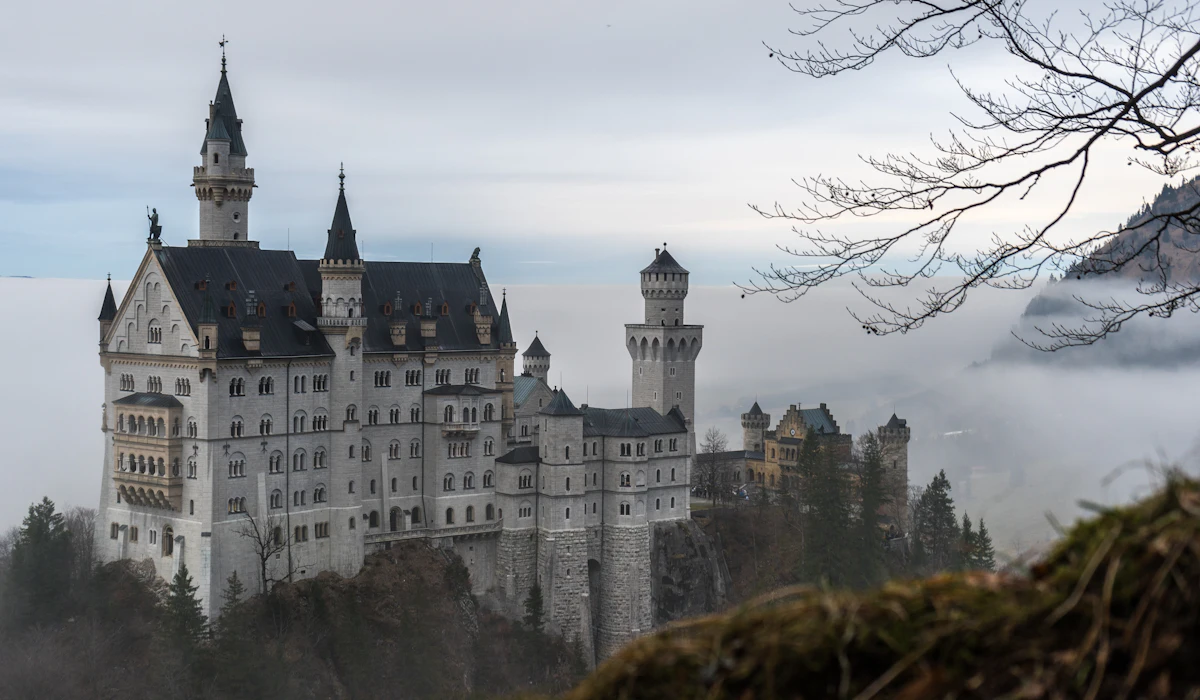
This tightly timed, guided-only tour moves visitors through a limited selection of rooms at a brisk pace that leaves little time to absorb the elaborate decor. Photography is prohibited inside, meaning the interior can’t even be documented despite the ticket price.
The castle’s fairy-tale exterior silhouette against the mountains, its primary draw for most visitors, is best photographed from a nearby bridge entirely free of charge.
Palace of Versailles Hall of Mirrors
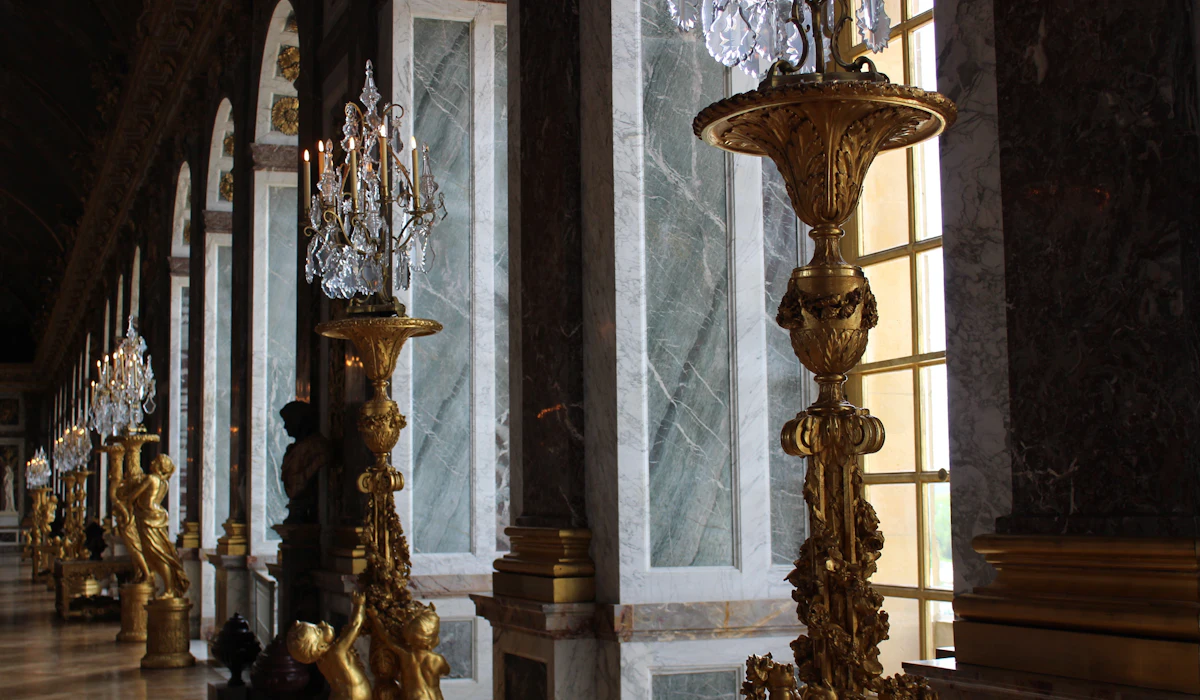
This famous hall is undeniably grand, but the sheer volume of visitors moving through it during peak season can make lingering to appreciate the details difficult, with staff often encouraging steady movement to manage crowd flow. The adjoining formal gardens offer a more spacious experience, although garden admission can require a separate ticket during the high season.
The palace’s exterior facade and reflecting pools are visible without paying for interior access at all.
Sagrada Familia Interior and Tower Climb
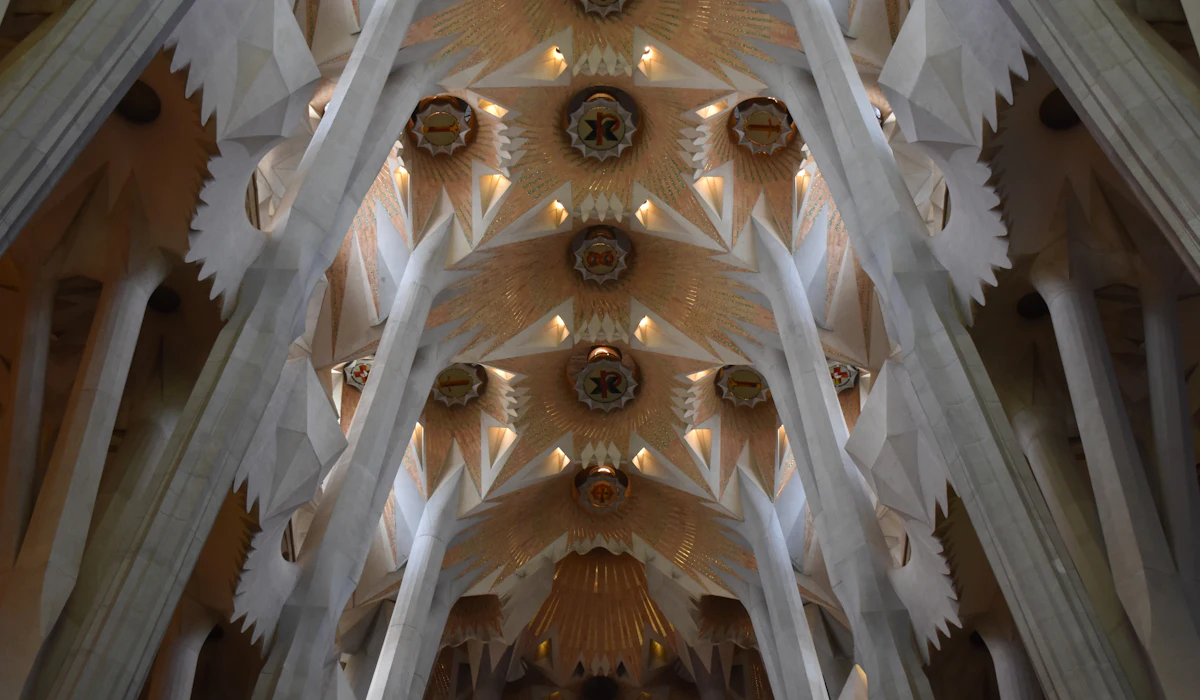
The basilica’s interior, with its forest-like columns and colored light from stained glass, is genuinely striking, but the additional tower climb ticket leads to a narrow, winding descent that many visitors find more stressful than scenic. Long security lines and timed entry requirements add considerable waiting time regardless of ticket tier.
The building’s elaborate, ongoing exterior construction is visible and photographable from the surrounding streets without any ticket at all.
Blue Mosque Interior
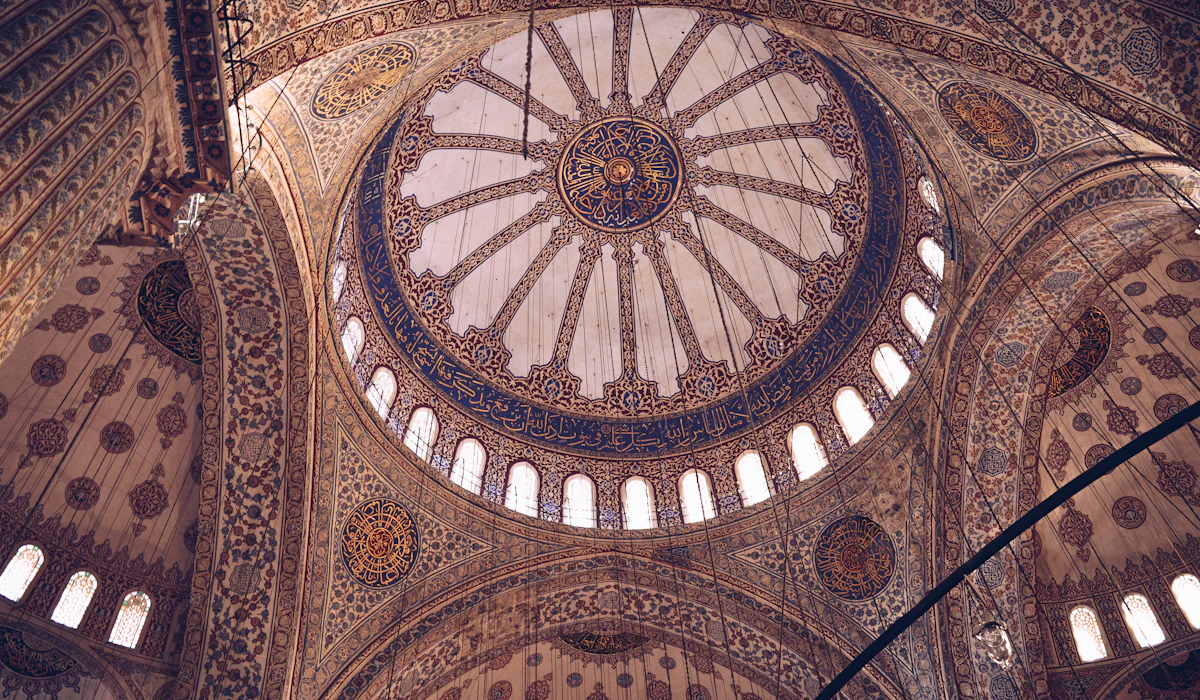
Non-worship visitors can view the mosque’s interior for free, but timed access around prayer schedules means many visitors end up waiting outside regardless, and the interior itself is often partially obscured by restoration scaffolding that has been in place for extended periods. The mosque’s six minarets and domed exterior, best appreciated from the surrounding square, are the structure’s most photographed feature.
Modest dress and shoe removal requirements add friction to an interior visit that offers a similar domed-ceiling experience to several other mosques nearby.
Hagia Sophia Interior
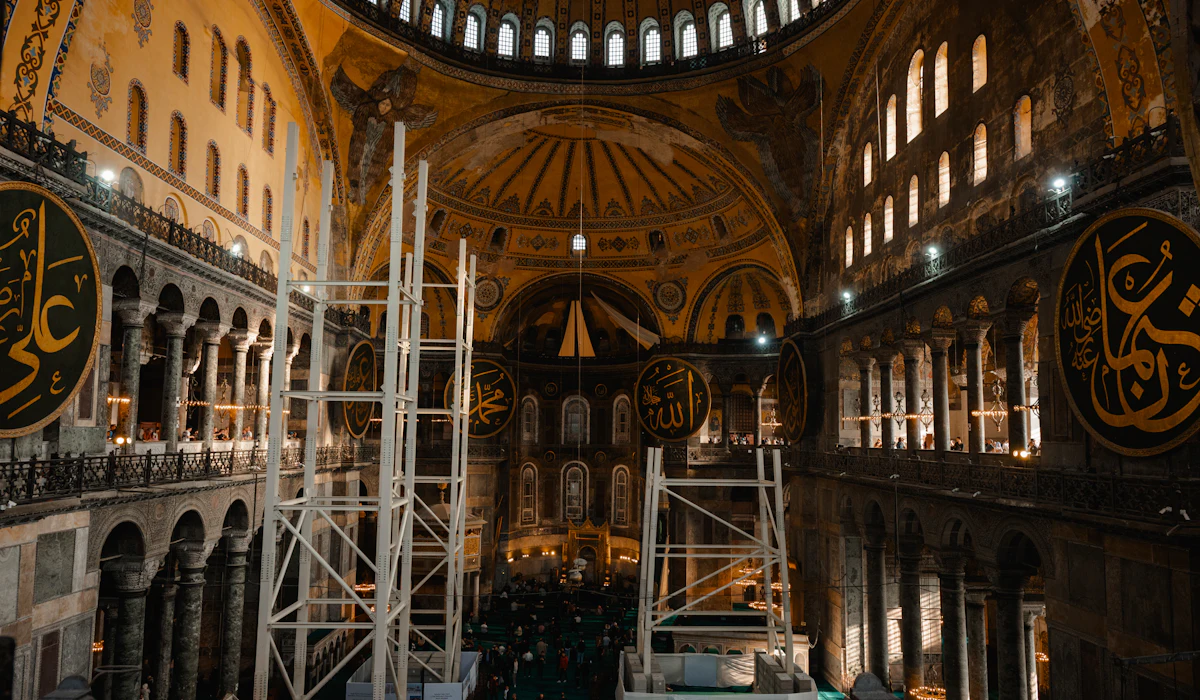
Now operating as an active mosque, this building’s interior visiting hours are restricted around prayer times, and non-Muslim visitors are limited to a specific viewing area rather than the full floor. The building’s combination of Byzantine mosaics and Islamic calligraphy is historically remarkable, but partial coverings and restricted access limit how much can actually be seen up close.
The exterior dome and minarets remain visible from the surrounding plaza at any hour without restriction.
Taj Mahal Mausoleum Chamber
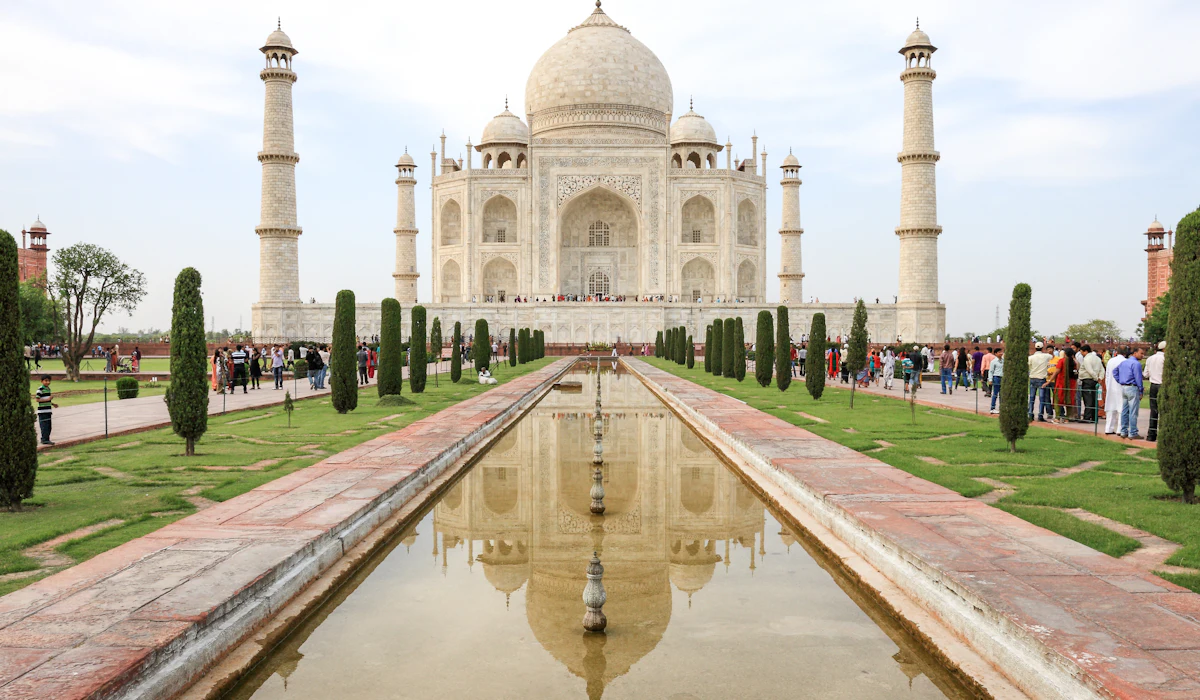
Entry into the central chamber housing the tombs requires an additional ticket and a wait in a separate line beyond the general grounds admission, but the interior itself is dim, crowded, and offers only a brief, tightly managed viewing window of the marble screens surrounding the cenotaphs. Most visitors agree the building’s white marble exterior, especially at sunrise, is the more memorable and photographable part of the experience.
The reflecting pool and gardens leading up to the building require only the base grounds ticket to enjoy fully.
Forbidden City Interior Halls
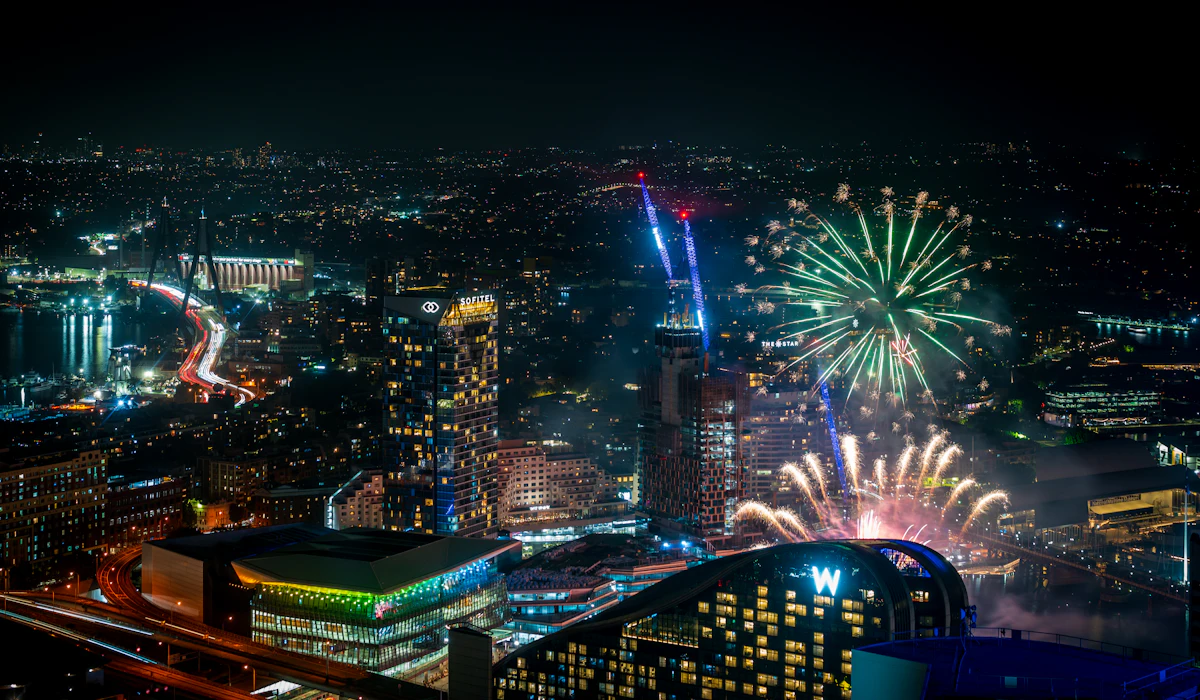
Most of the palace’s interior halls can only be viewed by looking through doorways or windows rather than entering directly, since the throne rooms and living quarters remain roped off for preservation. The vast courtyards and building exteriors, included in the base admission, offer the more expansive and photogenic experience most visitors remember.
Special exhibition halls requiring an additional fee often show a limited rotation of artifacts rather than a significant addition to the visit.
CN Tower Interior Observation Deck
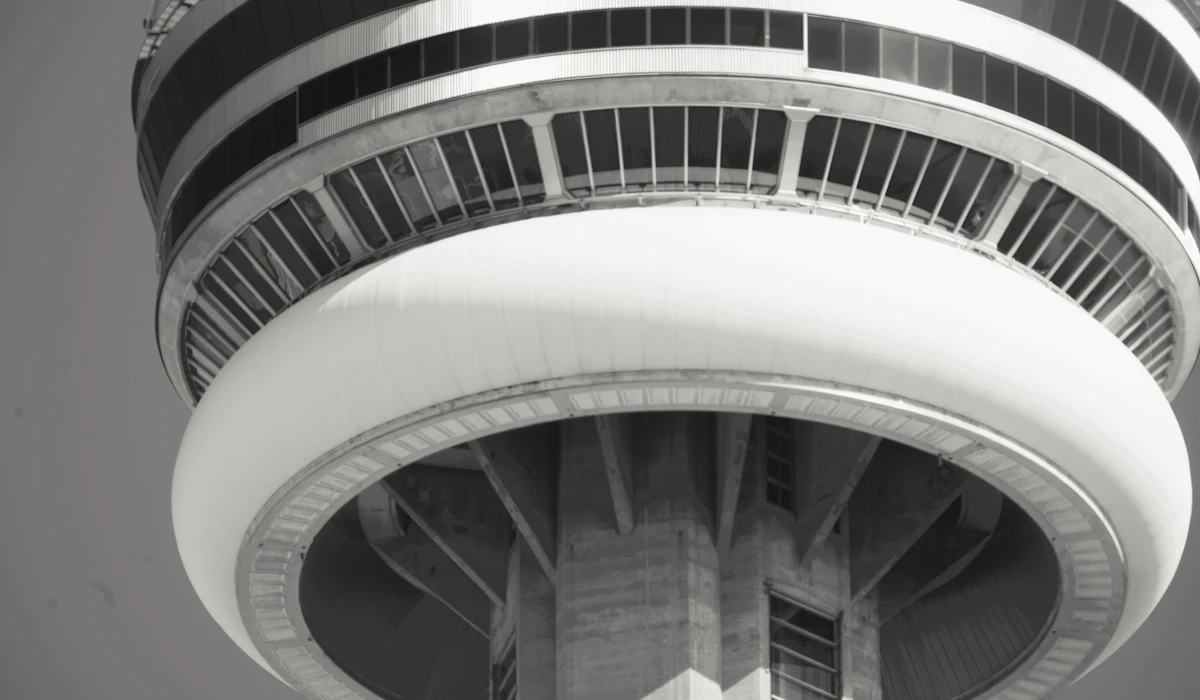
The interior observation levels, including the glass floor experience, come at a steep combined ticket price for what amounts to a standard city view once the initial novelty of looking straight down wears off. Toronto’s skyline is visible from numerous other free vantage points around the city’s waterfront.
The tower’s futuristic exterior silhouette, a recognizable symbol of the city, needs no ticket to admire from the ground.
Space Needle Interior Observation Deck

This Seattle landmark’s observation deck offers a rotating glass floor section and city views, but the ticket price runs high relative to the brief visit most guests complete once the initial view has been absorbed. Several nearby vantage points, including free public parks, offer comparable views of the surrounding mountains and skyline.
The Space Needle’s distinctive saucer-shaped silhouette is best appreciated from a distance rather than from within it.
Burj Khalifa Observation Deck
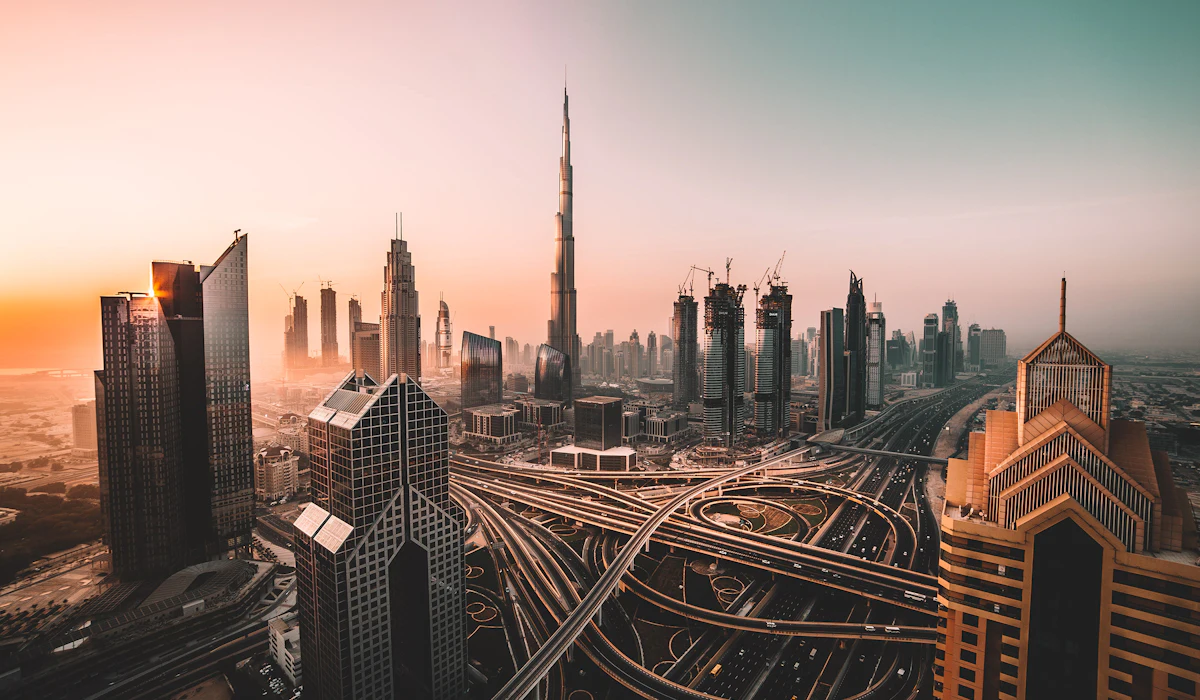
Tickets to the upper observation floors of the world’s tallest building carry a premium price that increases further for the highest available level, yet the view from the lower-priced deck is often described by visitors as nearly indistinguishable given the building’s overall height. Haze common to Dubai’s climate can also limit visibility regardless of which floor is booked.
The building’s tapering, needle-like exterior form is its most photographed feature and is visible from across the city without a ticket.
Petronas Towers Skybridge
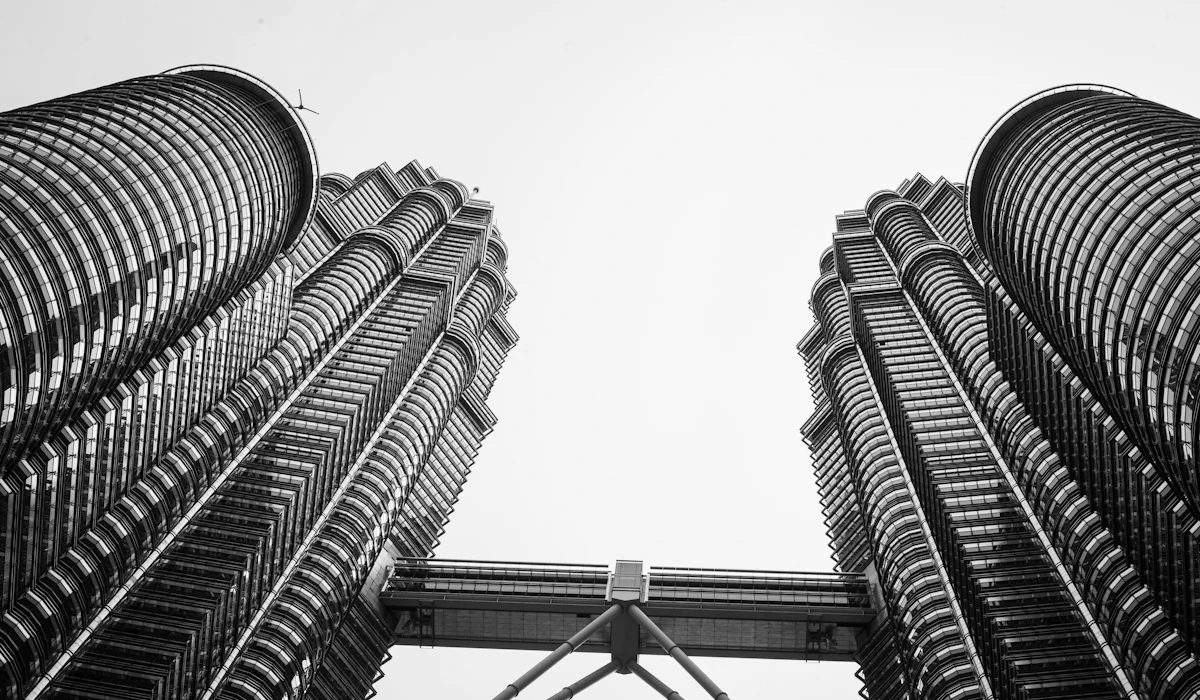
Tickets to the skybridge connecting the two towers sell out quickly and grant access to a relatively brief walkway experience with a view that many visitors find comparable to what’s available from ground-level plazas nearby. The connecting bridge itself, while an engineering feat, offers limited photographic opportunity due to enclosed glass walls.
The towers’ twin silhouette, especially illuminated at night, is best appreciated from the surrounding park rather than from inside the structure.
Sydney Opera House Interior Tour
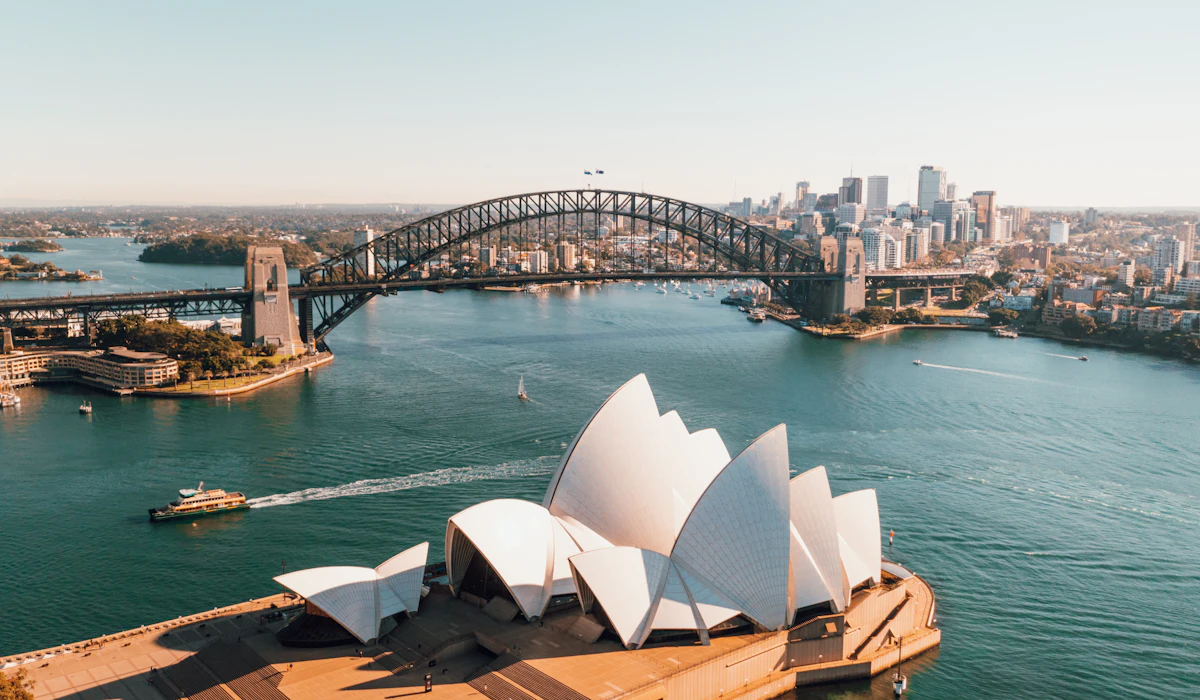
Guided tours through the building’s performance halls reveal functional theater spaces that, without a live performance underway, can feel like touring any well-appointed auditorium rather than something distinctly tied to the building’s famous exterior. Photography restrictions inside several halls limit what visitors can document from the tour.
The building’s sail-like white shells, its defining architectural feature, are fully visible and photographable for free from the harbor promenade.
Sydney Harbour Bridge Pylon Lookout
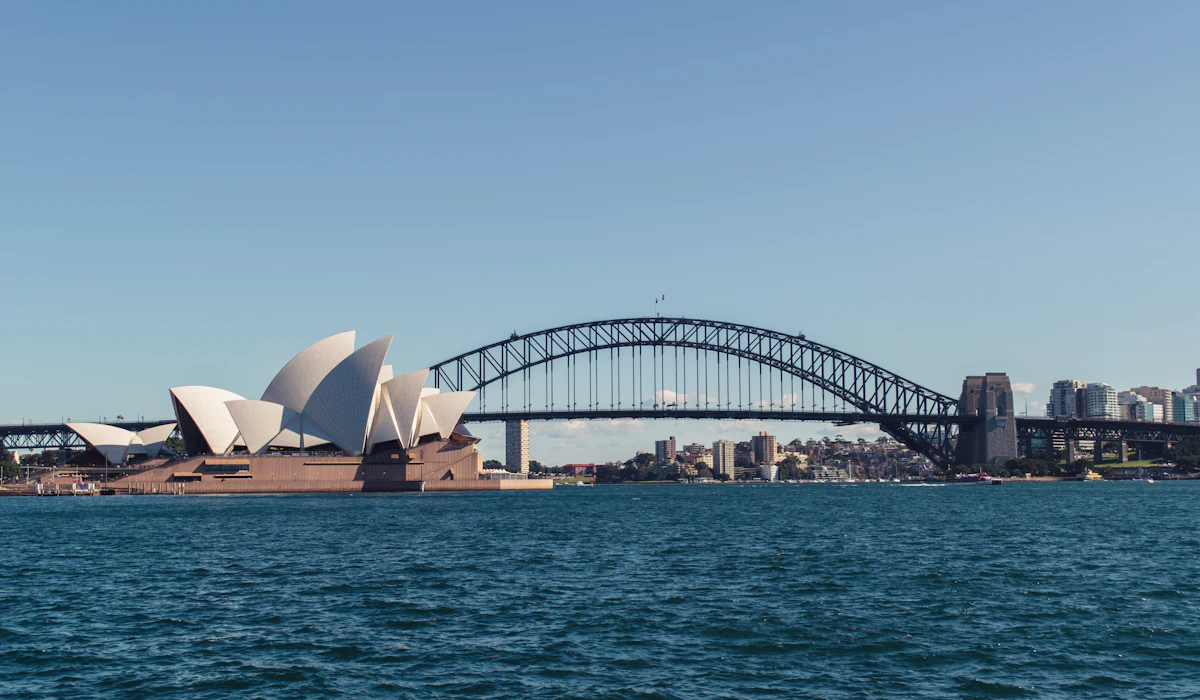
This ticketed lookout inside one of the bridge’s stone pylons offers a view over the harbor that many visitors find comparable to several free vantage points along the waterfront nearby. The climb up the pylon’s staircase is considerably less elaborate than the guided bridge climb experience offered as a separate, pricier ticket.
The bridge’s steel arch itself, the more recognizable feature, is best photographed from below or from the harbor rather than from within the pylon.
Gateway Arch Interior Tram Ride
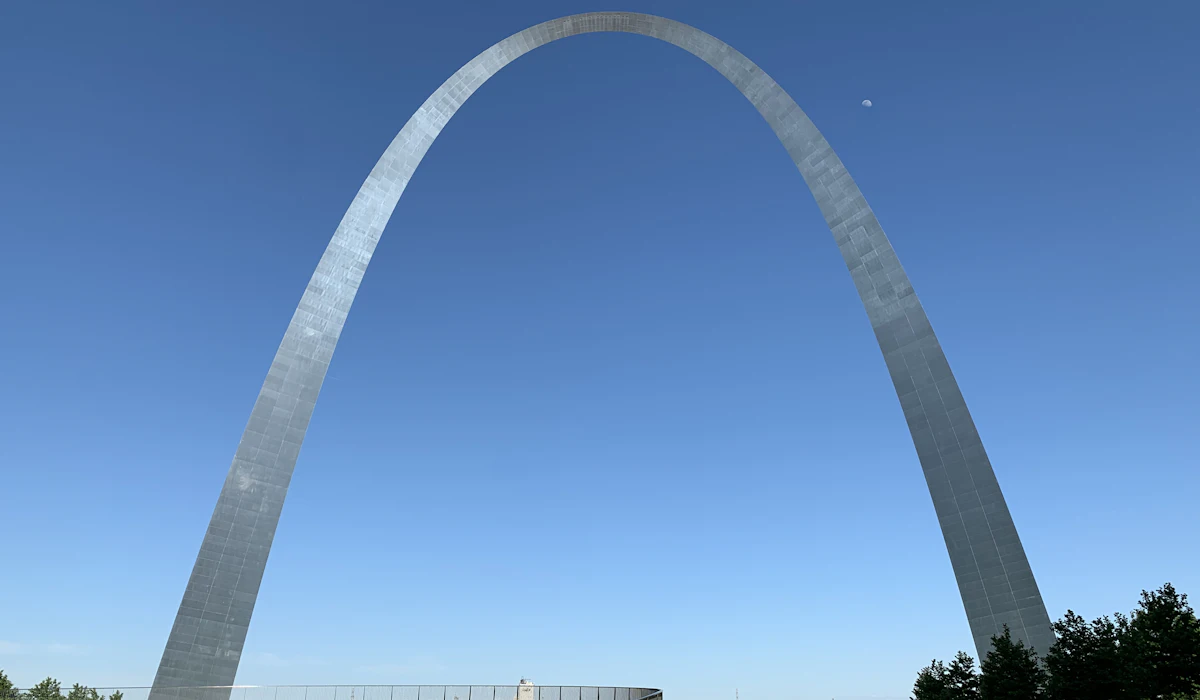
A small tram car carries visitors to the top of this St. Louis monument, but the ride itself is cramped and the small windows at the top offer a limited, angled view of the city below.
The museum beneath the arch, included with admission, often receives more favorable feedback from visitors than the tram ride itself. The arch’s stainless steel curve, its signature visual feature, is best appreciated from the surrounding park grounds at no cost.
Willis Tower Skydeck
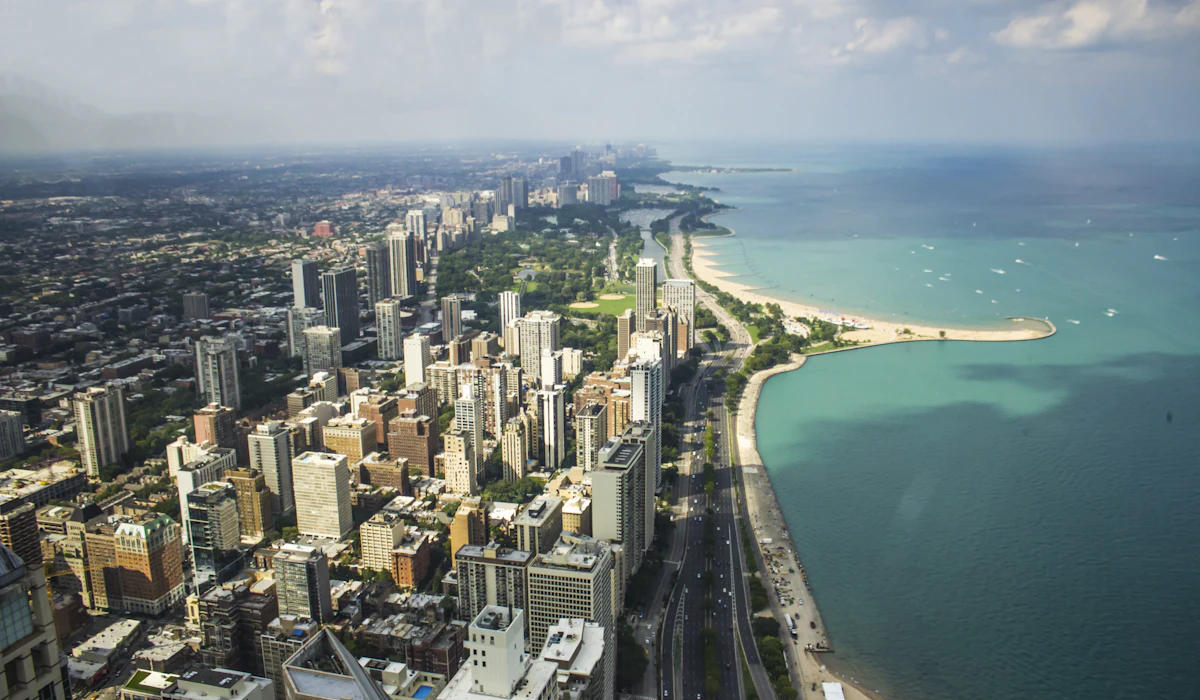
The glass viewing boxes that extend from this Chicago skyscraper’s upper floor are the main draw of the ticketed experience, but the novelty is brief, and the surrounding observation area otherwise offers a standard high-rise city view. Several other buildings in Chicago offer comparable skyline views at lower admission prices.
The tower’s boxy, functional exterior isn’t a significant visual draw on its own, meaning the ticket largely sells the view rather than the building.
One World Observatory
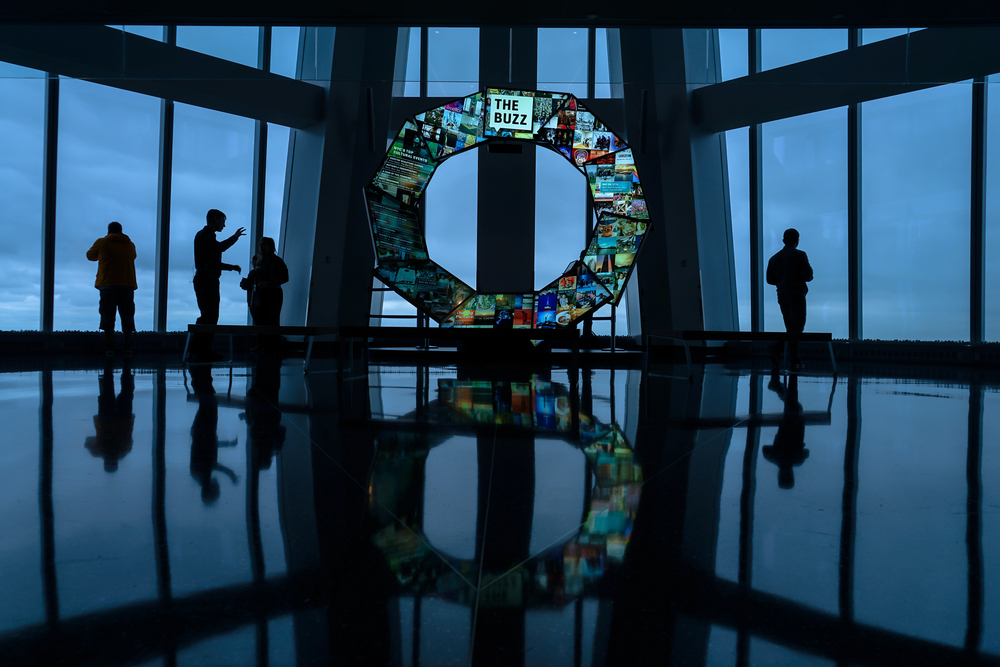
This New York City observation deck’s ticket price is among the highest in the city, and the view, while extensive, covers much of the same skyline visible from the Empire State Building’s own paid deck at a similar or lower cost. The building’s memorial significance is meaningful, but the observatory experience itself is largely comparable to other tall-building viewing platforms elsewhere in the city.
Long security screening before entry adds considerable time to an already expensive ticket.
Milan Duomo Rooftop Terraces
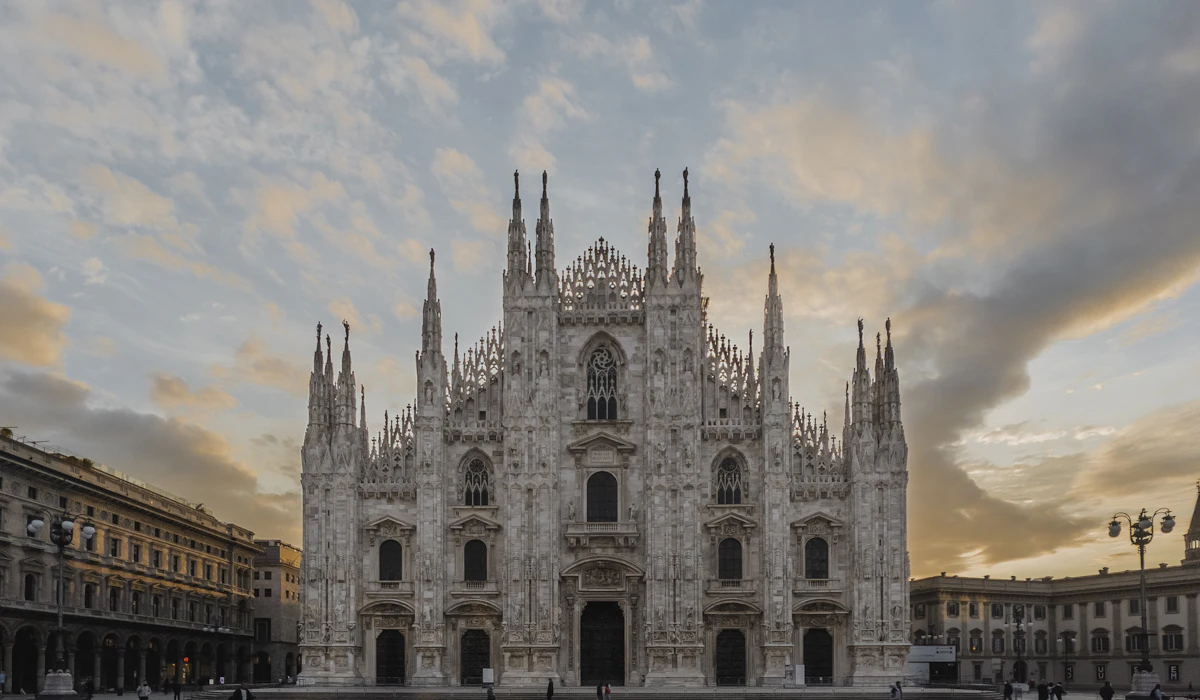
Access to the cathedral’s rooftop terraces allows close-up views of its spires and statues, a genuinely detailed experience, but the additional elevator fee on top of general admission adds up quickly for what amounts to a relatively brief walk across the rooftop. The cathedral’s ornate facade, visible from the piazza below, is already one of the most photographed views in the city without any ticket required.
Crowding on the narrower sections of the rooftop can also limit how much time visitors comfortably spend at any single vantage point.
Cologne Cathedral Tower Climb
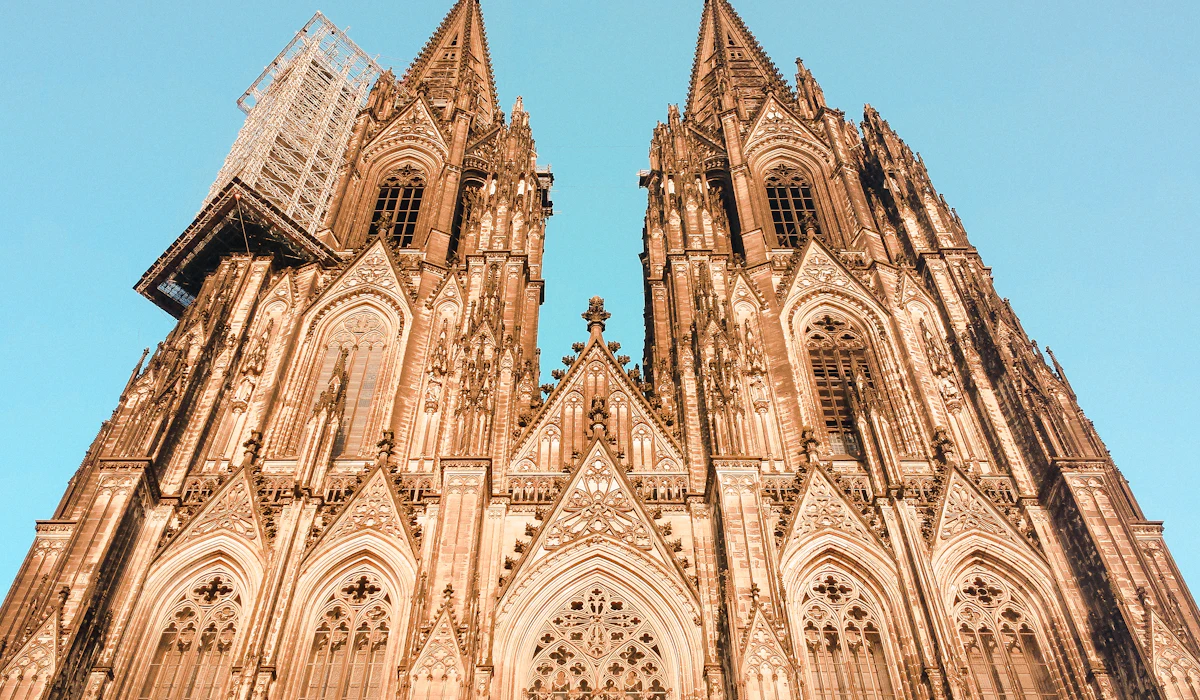
This climb involves over five hundred narrow, winding stone steps leading to a viewing platform that offers a city view many visitors find underwhelming relative to the physical effort required to reach it. No elevator option exists, making the climb a significant undertaking for a relatively brief payoff at the top.
The cathedral’s twin Gothic spires, its most recognizable feature, are best appreciated from the plaza below or from across the Rhine.
Prague Astronomical Clock Tower Interior
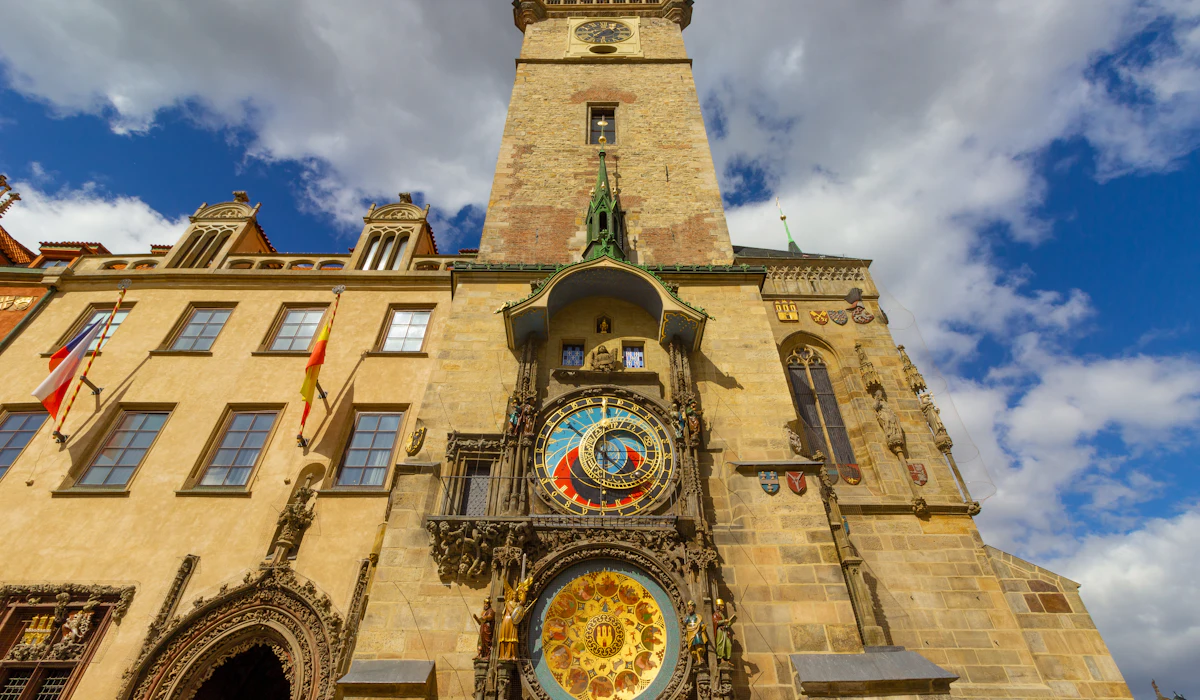
Climbing this tower offers a view over Prague’s Old Town Square, but the interior itself consists mainly of a narrow staircase and a small viewing platform with limited additional context about the clock’s mechanism. The clock’s famous hourly show, where moving figures animate around its face, is entirely free to watch from the square below.
Many visitors report the climb adds relatively little beyond a view already available from other nearby vantage points.
The View That Was Already Free
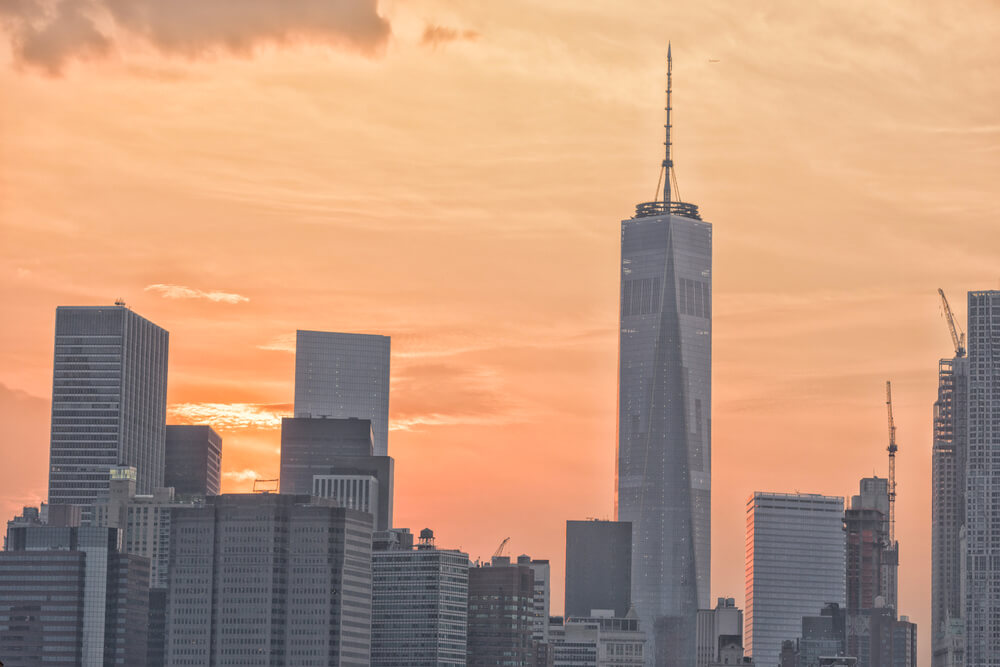
A monument’s silhouette does most of its emotional work from a distance, which is exactly why postcards and skyline photos so rarely feature the inside of anything. The interior ticket sells access, and access is a real thing worth paying for sometimes, but it’s a different product entirely from the image that made the monument famous in the first place.
Knowing which is which before buying the ticket doesn’t make the monument any less worth seeing. It just changes where the money and the time are best spent once you’re standing in front of it.
More from Travel Pug

- Underrated Italian Towns That Beat the Tourist Crowds
- Las Vegas Tourist Traps to Skip
- Prettiest Towns in Every US State
- 18 passport-free countries for Americans
- Signs Your Cruise Is Not Worth The Cost
Like Travel Pug’s content? Follow us on MSN.