

Embarkation day has a reputation for chaos, and some of that reputation is earned by people doing it for the first time. Lines snake through terminals, the buffet fills by noon, and a good share of passengers spend the afternoon hunting for a suitcase that was never lost.
Repeat cruisers treat the same day as an early advantage. They arrive with a plan, a light bag and a short list of jobs that only get harder once the ship leaves port.
Flying In the Night Before Sailing

Seasoned cruisers often fly on the morning of departure, and the reason has nothing to do with comfort. A cruise ship waits for no delayed connection, and a missed boarding can mean chasing the ship to its first port at personal expense.
A hotel night near the terminal costs far less than that scramble, and it turns the morning into something calm. Many port cities, including Miami, Fort Lauderdale and Seattle, have hotels that run shuttles to the cruise piers.
The traveler who flies in a day early arrives at check-in rested, fed and in no hurry, which sets the tone for everything after it.
Choosing a Boarding Window During Online Check-In
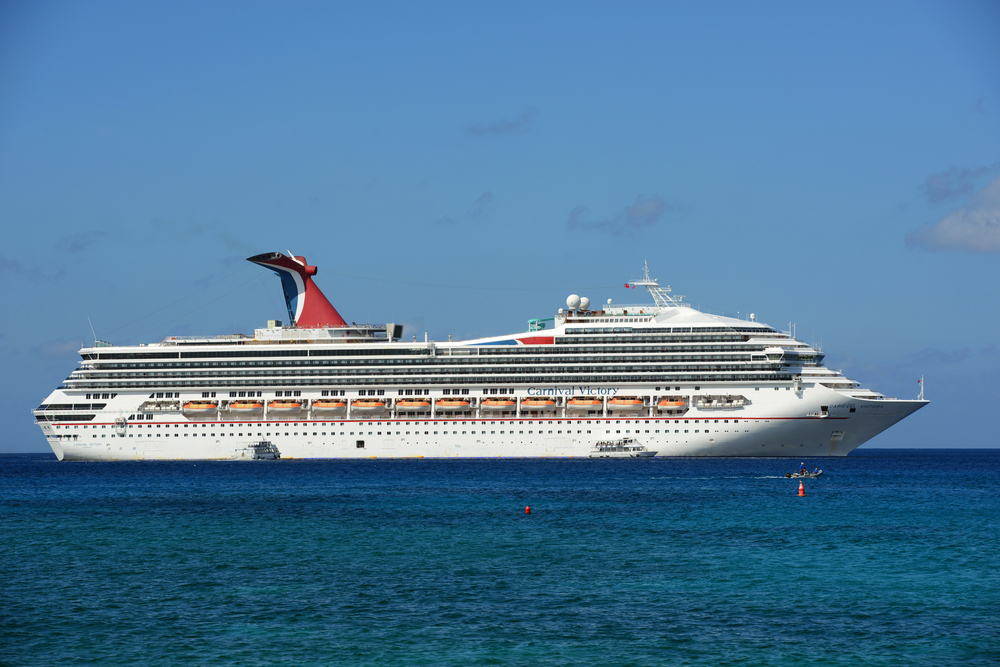
Many major lines now assign arrival times, and the slot gets picked during online check-in, with the exact timing varying by line and sailing. Regulars complete check-in as soon as it opens because the earliest windows can fill first.
An early slot means more hours on board before sailing, although access to activities and reservations varies by ship. Some repeat guests deliberately take a later window instead, strolling through a nearly empty terminal after the morning rush has cleared.
Both approaches work. The only losing move is ignoring the check-in instructions and arriving whenever, then waiting longer than necessary while the assigned groups file past in order.
Packing a Carry-On for the First Six Hours
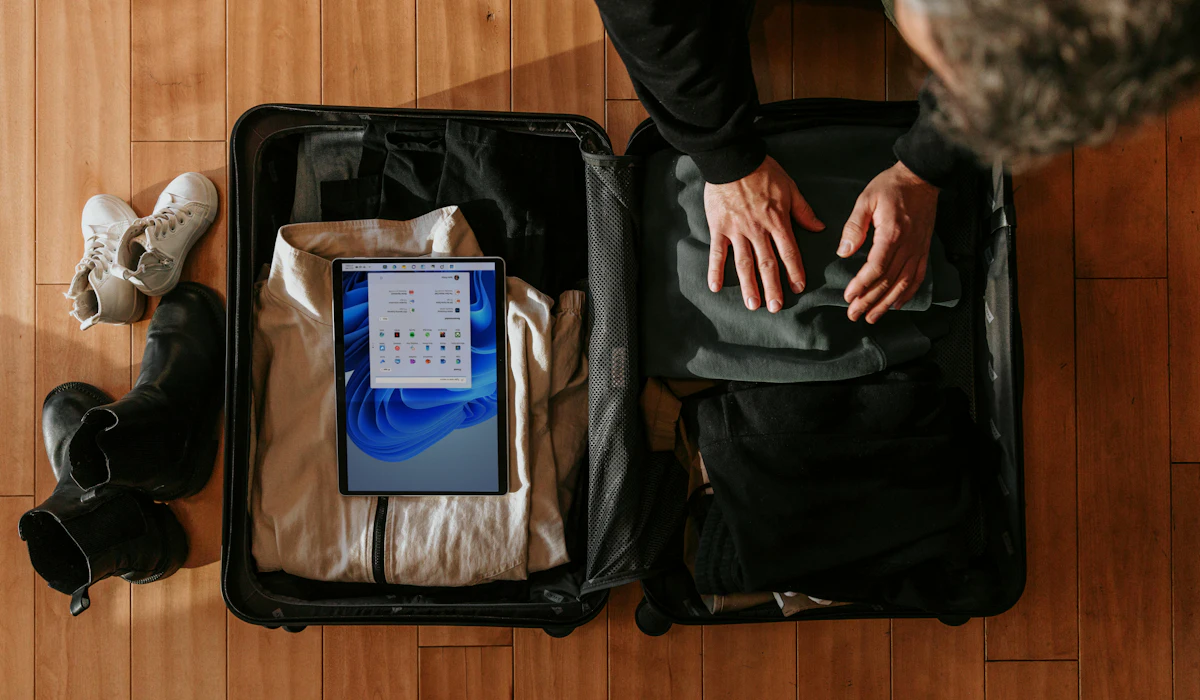
Checked luggage handed to porters can take several hours to reach a cabin, so veterans pack a day bag as if the suitcase might not arrive before dinner. That bag holds a swimsuit, sunscreen, a change of clothes, chargers and any medication needed that day.
Anyone planning to hit the pool on sailing day does it from the carry-on, not from a suitcase stuck in a hallway three decks away. First-timers often discover this by sitting poolside in jeans.
The small bag is less about packing skill and more about accepting how slowly several thousand suitcases move through a ship.
Keeping Passports and Medication Out of Checked Bags
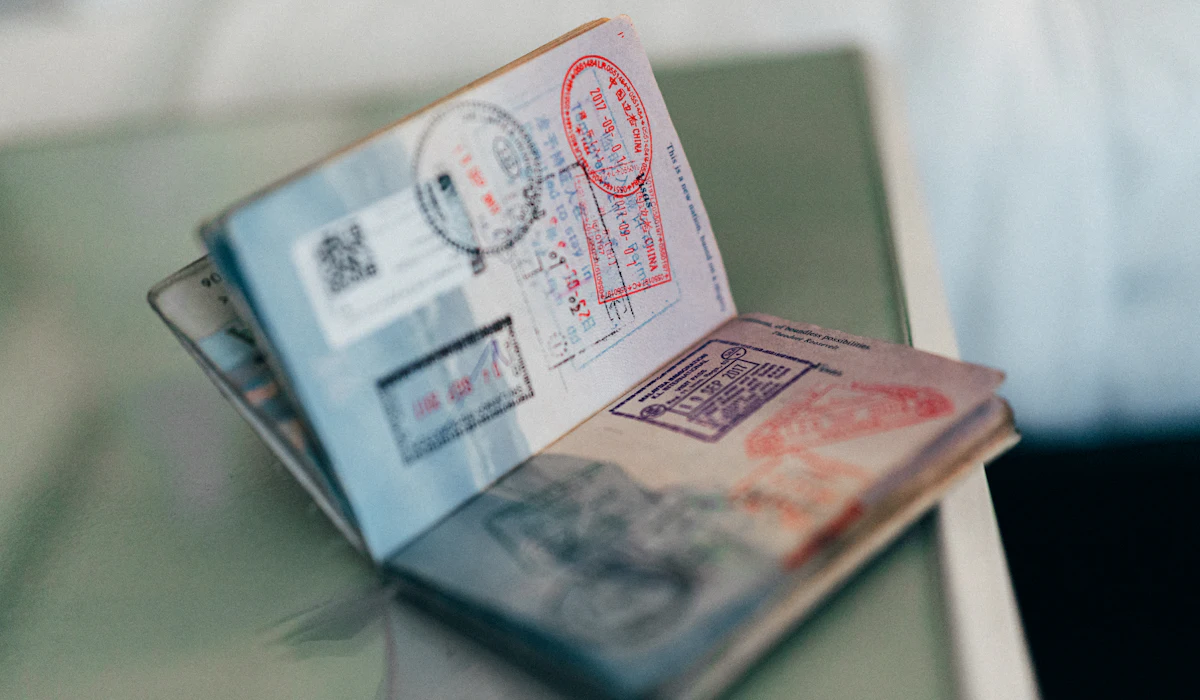
A porter takes a suitcase at the curb and the traveler will not see it again for hours, which is why regulars never put travel documents or prescriptions inside. Passports, required travel documents, boarding documents and credit cards stay on the person from the car door to the cabin.
Prescription medication rides in the carry-on in its original packaging, along with a few days of spare supply in case a bag is delayed or damaged. Cruise terminals will not let a passenger board without the required travel documents, and no porter can reach into a sorted pallet to retrieve them.
That mistake can end a vacation before it begins.
Printing Luggage Tags at Home
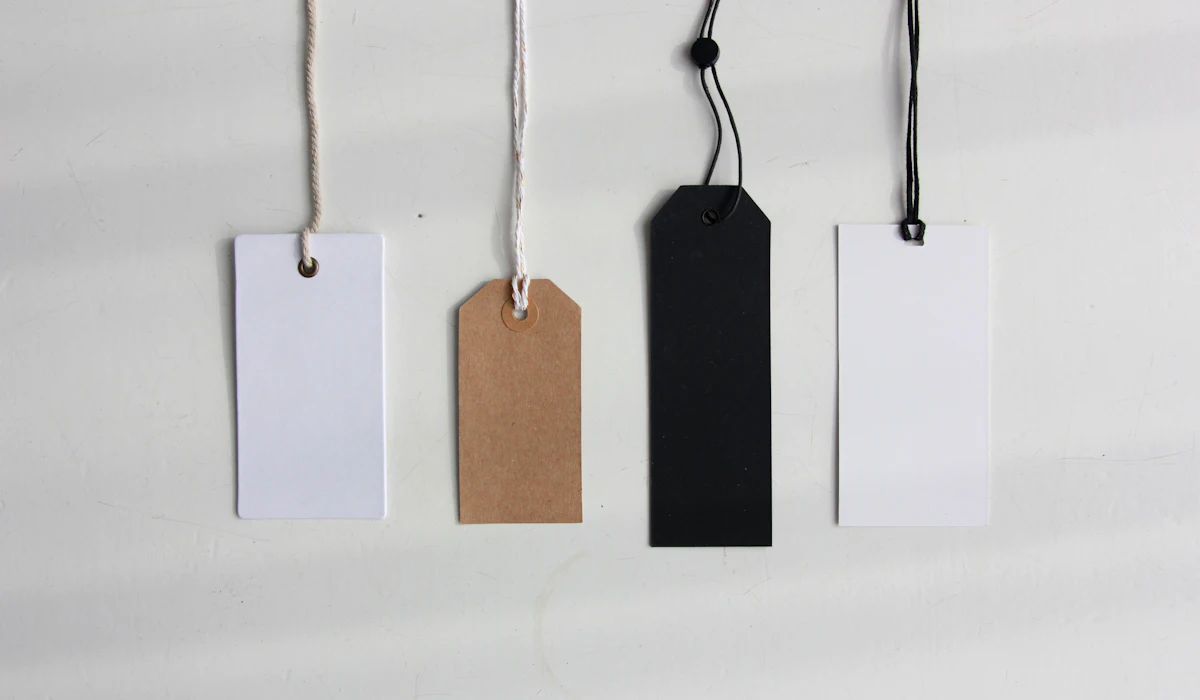
Carnival, Royal Caribbean and several other lines generate printable luggage tags once online check-in is complete. Repeat cruisers print them on sturdy paper, fold them into plastic tag sleeves or tape them securely, and attach them before leaving the house.
The tag carries identifying information used to route the bag through the ship. A missing or damaged tag can require additional handling, which is how suitcases can end up arriving later.
Porters at the curb carry blank tags, but filling one out in a crowd with a pen that barely works is precisely the stress regulars avoid.
Photographing Every Suitcase Before the Porter Takes It
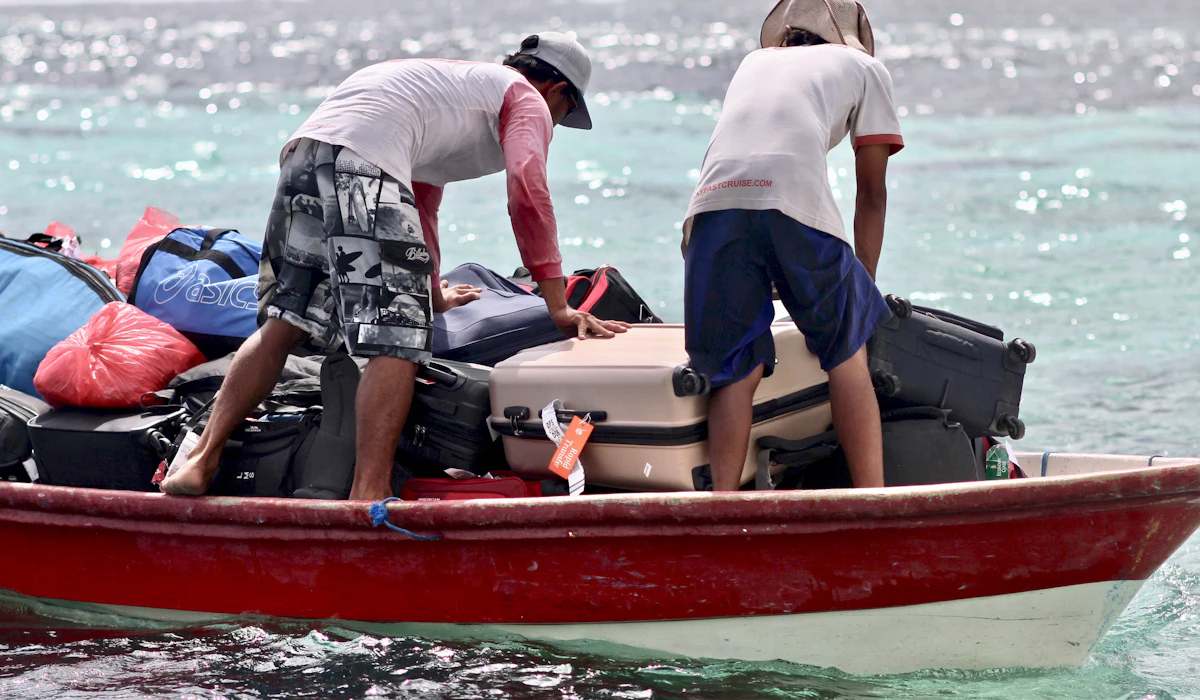
A quick phone photo of each checked bag, showing the tag and the bag itself, takes ten seconds and saves a long conversation later. If a suitcase goes missing between curb and cabin, guest services asks for a description, and a clear photo beats trying to remember whether the bag was navy or black.
Some regulars also photograph the contents of each bag on top before closing it. Luggage almost always turns up, often sitting in the wrong corridor, but the photo can make identification easier.
It also helps with any insurance claim if something arrives crushed, soaked or visibly opened.
Tipping the Curbside Porters
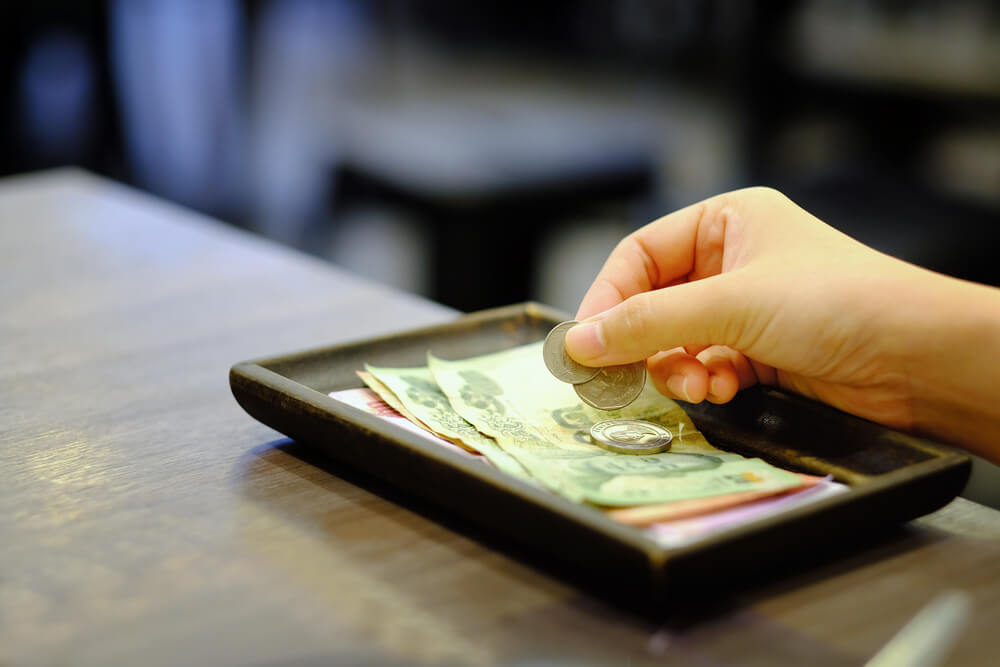
At most American cruise terminals, port-side baggage handlers are commonly tipped, and veterans hand over cash with the bags. A few dollars per suitcase is the common custom, given at the curb rather than promised for later.
It is one of the few moments on a mainstream cruise that still runs on cash, since the rest of the trip is generally charged to an onboard account. Regulars carry small bills specifically for this.
First-timers sometimes arrive with nothing smaller than a twenty and feel awkward, and some skip the tip entirely without realizing these porters are often separate from the onboard crew and may not share in the ship’s regular gratuity system.
Loading the Cruise App Before Leaving Home
Every major line now runs an app that shows daily schedules, deck plans, menus and reservation tools, and many lines make at least some of these features available through the ship’s guest Wi-Fi without buying a full internet package. Regulars download it, log in and update it on home Wi-Fi, because the terminal network is slow and crowded.
Once on board, the app replaces the printed daily planner on many ships. It shows showtimes, dining hours and the location of many bars and venues.
Passengers who wait until sailing day to install it may spend their first hour staring at a loading screen while others book the popular shows.
Linking a Payment Card to the Onboard Account Early

Many mainstream cruise ships use an onboard account system, charging drinks, specialty meals and purchases to a card linked to the cabin account. Regulars add that card during online check-in when their cruise line allows it instead of standing at a kiosk or desk on sailing day.
Some also set up separate cards for different travelers in the same cabin, which keeps the final bill easier to split. Anyone paying with cash may need to leave a cash deposit or otherwise settle the account at guest services, depending on the line, and that line can be long on the first afternoon.
A few minutes at home avoids a queue that serves no purpose.
Skipping the Buffet for a Quieter Lunch

Most new passengers head straight for the pool-deck buffet, and by noon it can be packed with rolling bags and people hunting for seats. Veterans check the daily planner for alternatives.
On some ships, the main dining room or other casual venues offer embarkation-day lunch, with a fraction of the crowd. Casual counters, poolside grills and cafe venues often run too, depending on the ship’s schedule.
Lunch in a seated dining room on sailing day feels like a small secret, even though it may appear in the planner in plain print for anyone who reads it.
Walking the Entire Ship While Cabins Stay Closed

On most lines, cabins open in the early afternoon, and passengers who board early have a few hours to fill. Regulars use that time to walk the ship from top to bottom, locating the theater, the quiet lounges, the gym and the nearest stairwell to their cabin.
Deck plans on paper never quite capture how a ship flows. By the time the crowds arrive, a regular already knows which elevators run slow and which corridors connect.
That knowledge pays off at every meal and show for the rest of the week, when newcomers are still asking crew for directions.
Completing the Safety Drill Right Away
Royal Caribbean introduced its eMuster system in 2020, and several large lines now use self-guided safety procedures or similar systems. Passengers watch a safety video on the app or cabin TV when the line provides that option, then visit their assigned station in person to be checked in.
Regulars do it as soon as they board, before the crowds, and it takes a few minutes. The required safety briefing and muster-station check must be completed before sailing.
Passengers who put it off often get reminders or announcements from the crew, which is exactly the sort of interruption regulars prefer to avoid.
Confirming the Dining Assignment
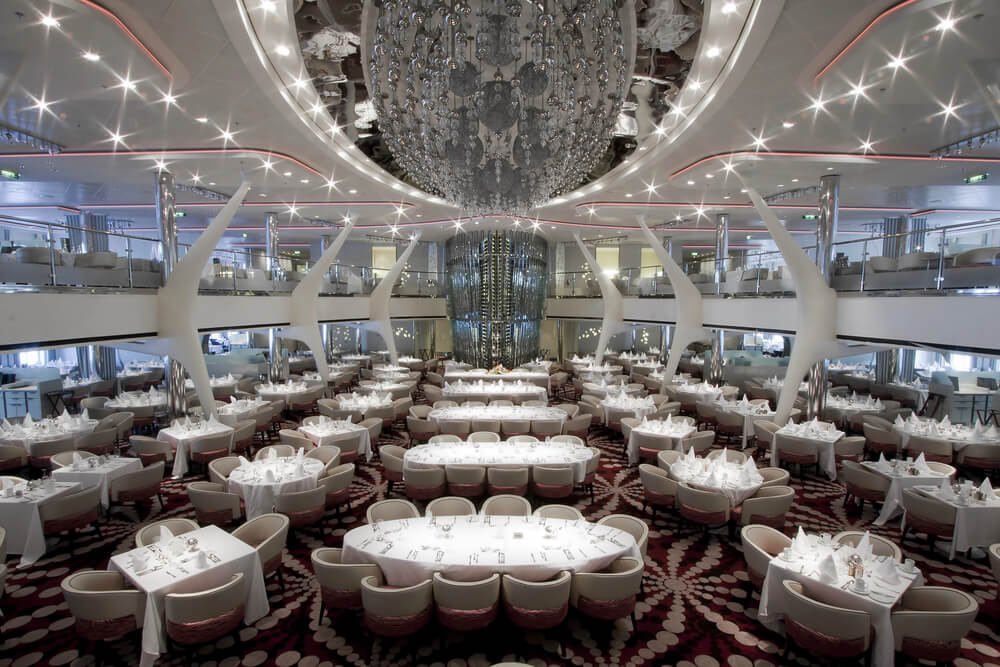
Traditional lines still assign early or late dinner seatings, and the assignment printed at booking sometimes shifts by embarkation day. Regulars check their seating in the app or on the cabin card soon after boarding.
If the time or table does not suit, the maitre d’ can often make changes on the first afternoon, before the dining room fills. Requests for a larger shared table, a private table for two or a different seating all get easier on day one.
After the first dinner, changes become harder because every seat in the room is already spoken for. Royal Caribbean, for example, specifically directs guests to the maitre d’ on embarkation day for dining changes and requests.
Booking Specialty Dinners at First-Day Prices
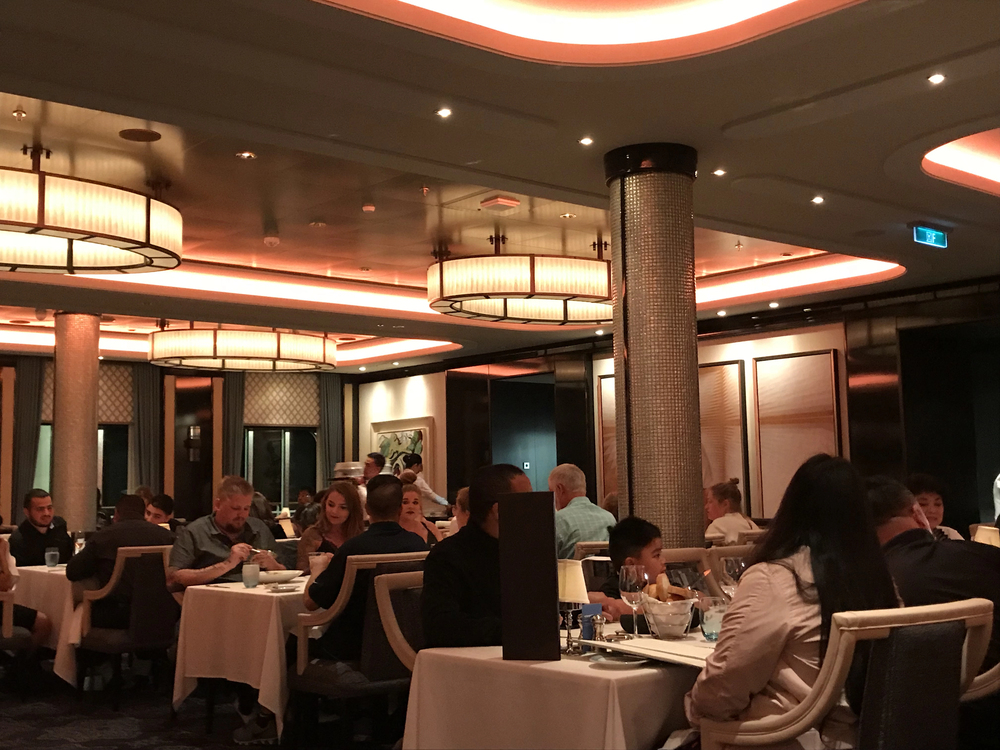
Specialty restaurants on many ships may offer embarkation-day promotions or other limited-time incentives, but the deals vary by line, ship and sailing. Royal Caribbean and Carnival both offer specialty-dining promotions at various times, and availability can change.
Repeat cruisers who already plan to try a steakhouse or sushi bar check for deals and book early to catch the best available time slot. A formal night steak at eight o’clock may be the first slot to disappear.
Waiting until midweek often means a less convenient table time, if any table remains at all.
Touring the Spa Open House

Ship spas may hold open houses on the first afternoon, with raffles, demonstrations and treatment promotions. Seasoned cruisers stop by for one reason above the others.
Spa discounts and special pricing can be offered at different times during a cruise, including on port days, but they are not guaranteed. Regulars also check whether the thermal suite sells passes for the week, since availability can be limited on some ships.
The open house turns into a price list, and regulars read it before deciding anything.
Doing the Drink Package Math on Day One

Beverage packages are sold before the cruise and again on board on many lines, and prices and promotions differ between the two. Regulars run a simple calculation based on how many drinks they actually order in a day, then decide.
Some lines require every adult in a cabin to buy the same alcohol package, which changes the numbers for couples. First-timers often buy a package under pressure at the pool bar and then drink less than they expected.
Others skip it and watch a week of cocktails add up. The math takes two minutes and a realistic look at personal habits.
Meeting the Stateroom Attendant
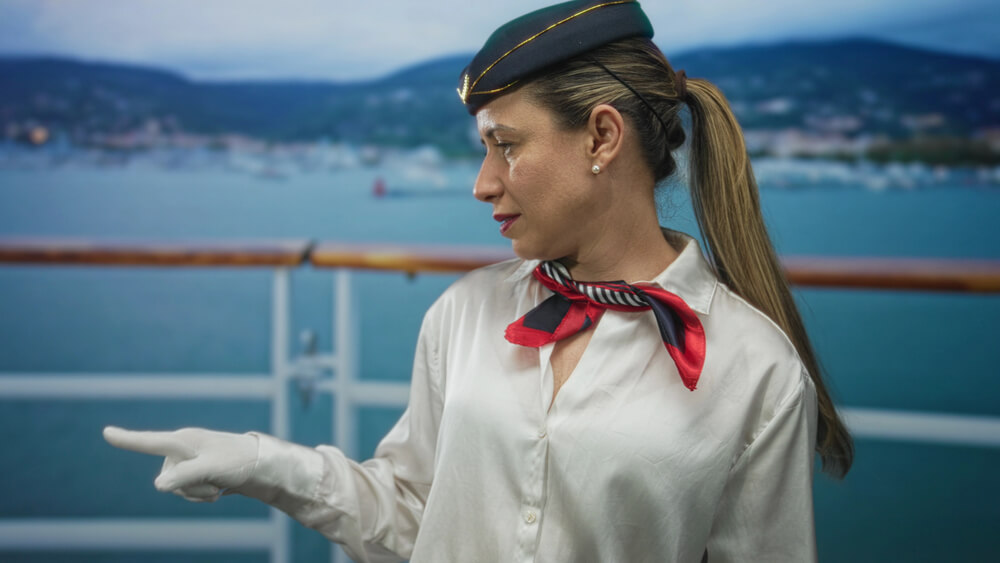
The crew member who cleans the cabin daily will make the week easier or harder depending on how clearly preferences are shared. Regulars introduce themselves on the first afternoon and mention anything specific, such as extra pillows, ice delivered each evening or a preferred time for the room to be serviced.
Attendants handle dozens of cabins and appreciate knowing early. The short conversation costs nothing and can change the entire rhythm of the week.
First-timers often do not realize the attendant exists until a towel animal appears on the bed that first night. Service frequency and specific requests vary by line and ship.
Inspecting the Cabin Before Unpacking

Veterans check that the air conditioning cools, the toilet flushes, the shower drains and the television works before they unpack a single item. Problems are easiest to fix on the first afternoon, and if a cabin cannot be repaired, a move is far simpler with bags still packed.
Maintenance crews run busy on embarkation day but can address problems while the ship is still dealing with first-day requests. Waiting until the second night means a week of complaints and a room full of unpacked belongings.
The inspection takes five minutes and has saved more than a few vacations from a week of frustration.
Setting the Cabin Safe Straight Away
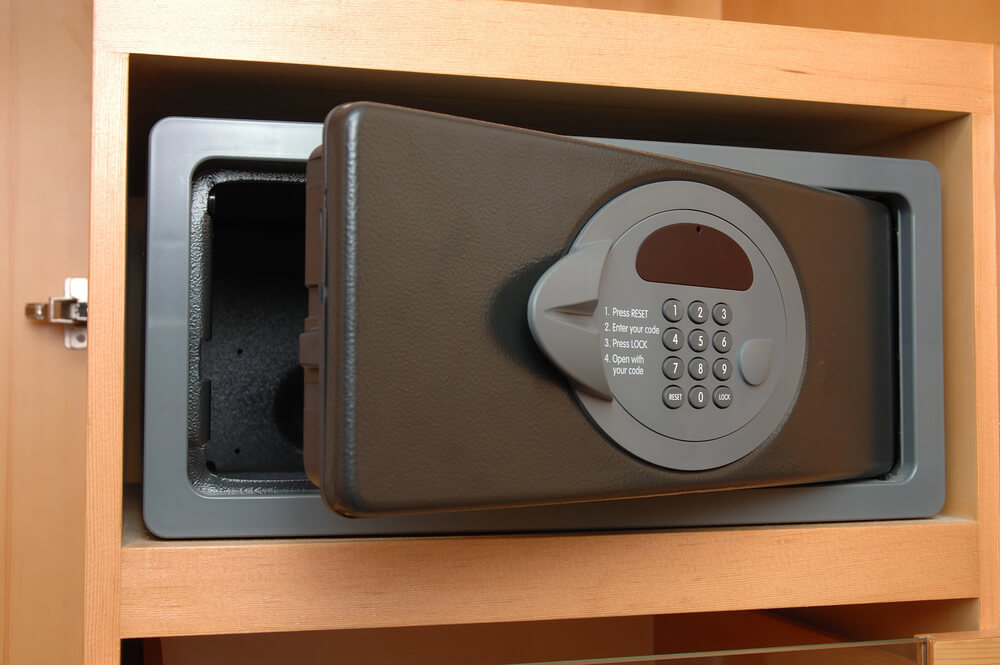
Every cabin that includes a safe has a small electronic safe, and repeat cruisers set a code and test it as soon as they arrive. Passports, extra cash, jewelry and spare cards go in, and the safe gets opened and closed once to make sure it works.
A faulty safe is simple to replace on the first day. Discovering the problem while leaving for an early shore tour is another matter.
Most safes also accept a crew or security override, so a forgotten code is not a disaster, though waiting for assistance can easily eat half an hour.
Reserving Shows Before the Crowd Does

On Royal Caribbean’s largest ships and several other lines, the headline shows and some activities require reservations, and seats go fast. Regulars open the app as early as possible, sometimes before the cruise, and book the major production shows for the least crowded nights.
Seats often open up at showtime for standby guests, when the venue permits standby access, but that queue can be long and uncertain. A booked seat means walking in at a relaxed pace instead of waiting in a hallway.
First-timers who ignore reservations may find the popular shows full by the second day, with only the late performances left.
Registering Kids at the Youth Club Open House
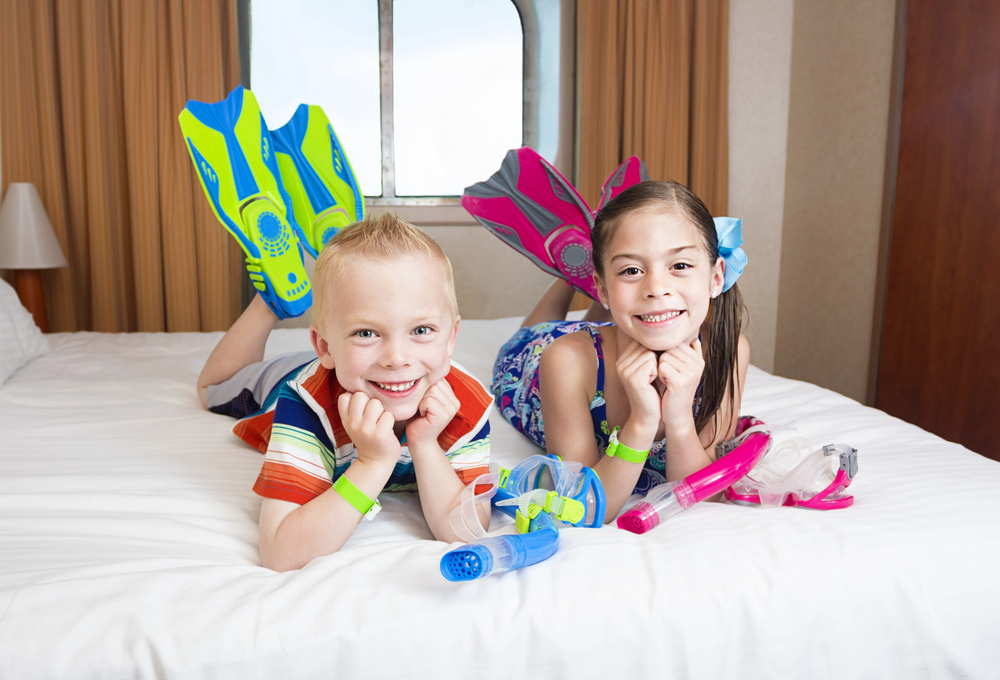
Most family lines hold youth club registration or orientation activities on embarkation day, and the process can include forms, wristbands and pickup rules. Families with repeat experience go early, meet the counselors and let children see the space before the ship sails.
Kids who have visited once tend to return happily, while those dropped off cold on the second night may be less comfortable. Registration also clears paperwork before the busiest evenings.
Parents who skip it can end up filling out forms while their children wait impatiently, which is a poor way to begin a week meant to give everyone some breathing room.
Bringing Allowed Beverages Aboard

Each line sets its own rules on what passengers can carry on, and regulars know them precisely. For example, Royal Caribbean’s current U.S. policy allows each guest of drinking age to bring one sealed 750-ml bottle of wine or champagne on embarkation day, while other lines have different limits and restrictions.
Veterans check the current policy and pack exactly the permitted amount and nothing extra, because anything over the limit may be held or confiscated, depending on the line and item. First-timers sometimes discover this rule at the security scanner, holding a confiscated bottle and a claim ticket.
Watching Sail-Away Away From the Pool Party
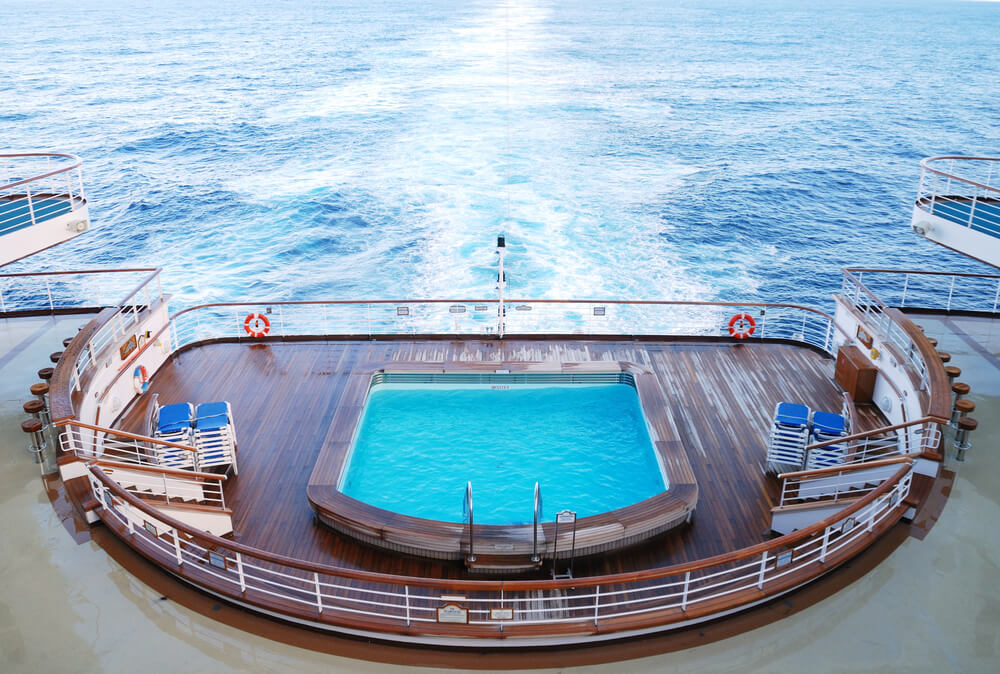
Sail-away parties on the pool deck come with music, drink specials and crowds pressed against the railings. Regulars often slip away to a quieter vantage point, such as an open deck at the back of the ship, a forward-facing lounge or a cabin balcony.
From those spots, the view of the harbor slipping past feels calmer and closer. The party is fun for some travelers, and plenty of veterans still attend.
But anyone who has watched Miami’s skyline or Seattle’s waterfront recede from a quiet corner of an upper deck rarely fights the pool crowd again.
Setting Phones to Airplane Mode Before Leaving Port
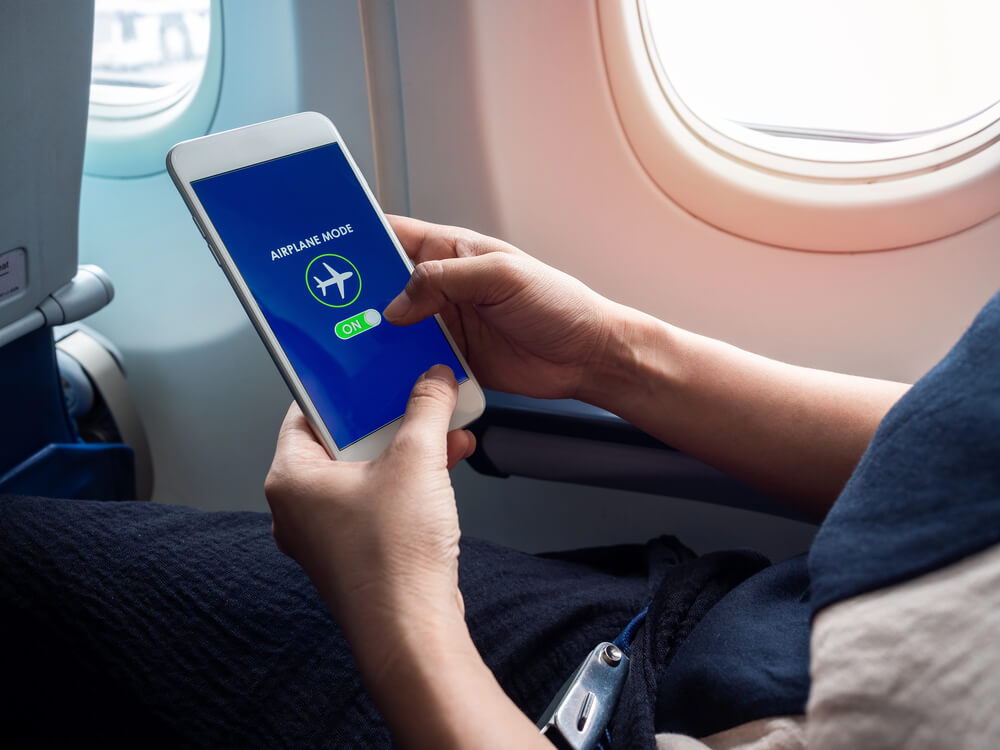
Once a ship clears land, phones can latch onto the vessel’s maritime cellular network, which charges roaming rates set by the passenger’s mobile carrier. Regulars switch to airplane mode before the ship leaves port and then turn on Wi-Fi alone if they plan to use the app or a purchased internet package.
A single forgotten phone can rack up a large bill overnight as apps refresh in the background. Carriers vary in how they handle maritime roaming, so veterans also check their provider’s policy before leaving home.
First-timers often learn about this through an unwelcome statement a few weeks after returning.
Buying the Internet Plan Before Boarding

Wi-Fi packages on many large ships may cost less when purchased before sailing than at onboard rates, although prices and promotions vary. Royal Caribbean in particular recommends buying its internet service pre-cruise for the biggest discount, and other lines run similar promotions.
Regulars who know they will need a connection buy it at home, then log in during the first hour aboard. Buying on board is still possible, but the first afternoon can bring waits at the connectivity desk.
Travelers planning to disconnect entirely skip it, and many veterans find that a week without email is the best purchase of all.
Syncing Watches and Phones to Ship Time

A ship keeps its own time, announced by the captain and printed in the daily planner, and it can differ from the local time in port. Phones and watches can show a different time after reconnecting to land-based networks in port or changing time zones, creating confusion when the ship follows its own schedule.
Regulars check the daily planner and ship clocks and follow the line’s instructions, especially on itineraries crossing time zones. The difference matters most on port days, when the all-aboard deadline follows ship time.
Passengers who trust the wrong clock sometimes run back to the pier with minutes to spare, or risk missing the ship.
Checking the Onboard Account in the App

An onboard account shows prepaid gratuities, onboard credit, packages and any charges already applied. Repeat cruisers check it on the first afternoon to confirm that promised credits appear and that no duplicate packages or incorrect charges are listed.
Correcting an error on day one takes a quick visit to guest services. Discovering it on the last night, when a line of passengers queues to dispute bills, takes far longer.
Regulars keep an eye on the account every day or two, which also shows exactly how much the week of cocktails and souvenirs has cost so far.
Keeping the First Evening Casual
Embarkation night is generally casual on mainstream lines, because luggage delivery runs late and nobody wants to dress up. Regulars pack a simple dinner outfit in the carry-on so they are ready for the first dinner even if their suitcase is delayed.
Formal and dressy nights come later in the week and get listed in the daily planner. Newcomers who expect a dress code on night one sometimes arrive in the dining room in beach clothes or skip dinner entirely while waiting for bags.
A casual outfit in the day bag solves both problems without effort.
Reading Tomorrow’s Planner Before Bed

The next day’s schedule arrives in the app or on paper each evening, and seasoned cruisers read it before sleeping. It lists port arrival times, gangway details, early dining, special events and anything requiring a reservation.
A morning trivia session, a limited cooking demonstration or an early shore tour meeting point all appear there. Regulars mark what matters and set alarms if needed.
Newcomers who wait until morning often miss the event they would have enjoyed most. The five minutes spent reading at night keep the next day from becoming a hurried game of catch-up.
Calm Is Something Packed Ahead of Time

Nearly everything on this list happens before the ship moves an inch. Repeat cruisers do not have secret access to faster lines or better cabins.
They simply know where the friction sits and deal with it while everyone else is still figuring out the elevators. The result is a first afternoon that feels like vacation rather than logistics.
First-timers eventually learn all of it, usually one small mistake at a time. A forgotten swimsuit, a missed muster call or a surprise roaming bill each teaches a lesson that sticks.
The difference between a new cruiser and a veteran often comes down to a carry-on bag and a willingness to read the fine print. Both are easy to adopt on the very next sailing.
More from Travel Pug

- Underrated Italian Towns That Beat the Tourist Crowds
- Las Vegas Tourist Traps to Skip
- Prettiest Towns in Every US State
- 18 passport-free countries for Americans
- Signs Your Cruise Is Not Worth The Cost
Like Travel Pug’s content? Follow us on MSN.