

The night before a cruise should feel like anticipation, not anxiety. Yet countless travelers find themselves scrambling through drawers at midnight, realizing their passport expired three months ago, or discovering their phone charger has mysteriously vanished.
The morning of departure becomes a frantic race against time instead of the smooth launch into vacation it was meant to be. Smart cruisers know better.
They understand that the difference between chaos and calm lies in the hours before sleep, when there’s still time to fix what’s broken and find what’s missing. The preparation ritual becomes part of the journey itself — methodical but not stressful, thorough but not obsessive.
Check Passport Expiration Date
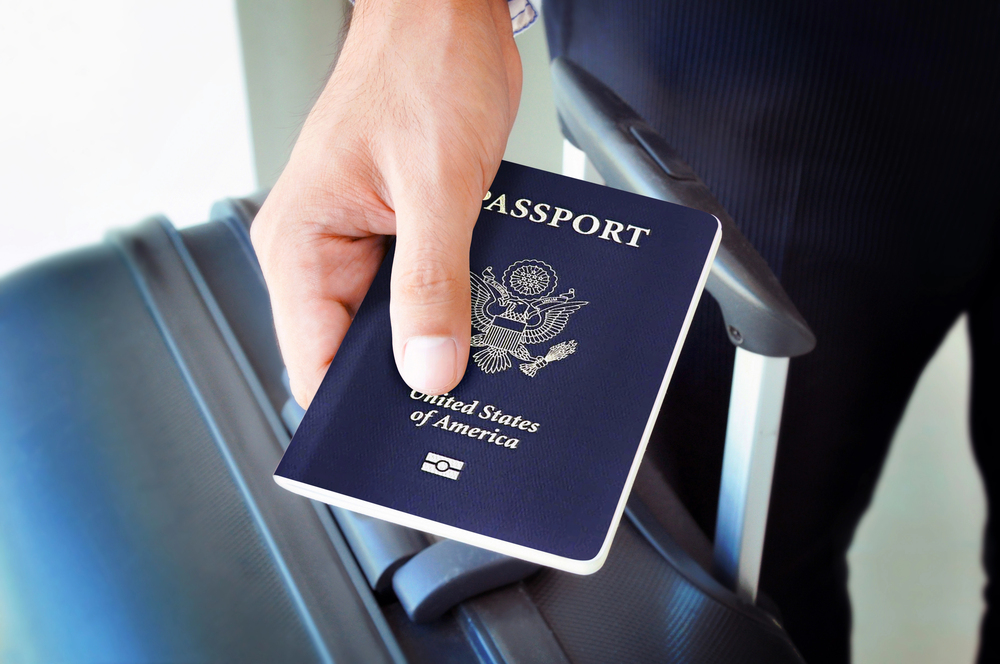
Passports need six months of validity remaining for most international destinations. Not three months.
Not “it expires next week but we’ll be back by then.” Six full months. Check this even if you sailed with the same passport last year.
Time moves faster than you think it does.
Print Boarding Passes and Documentation
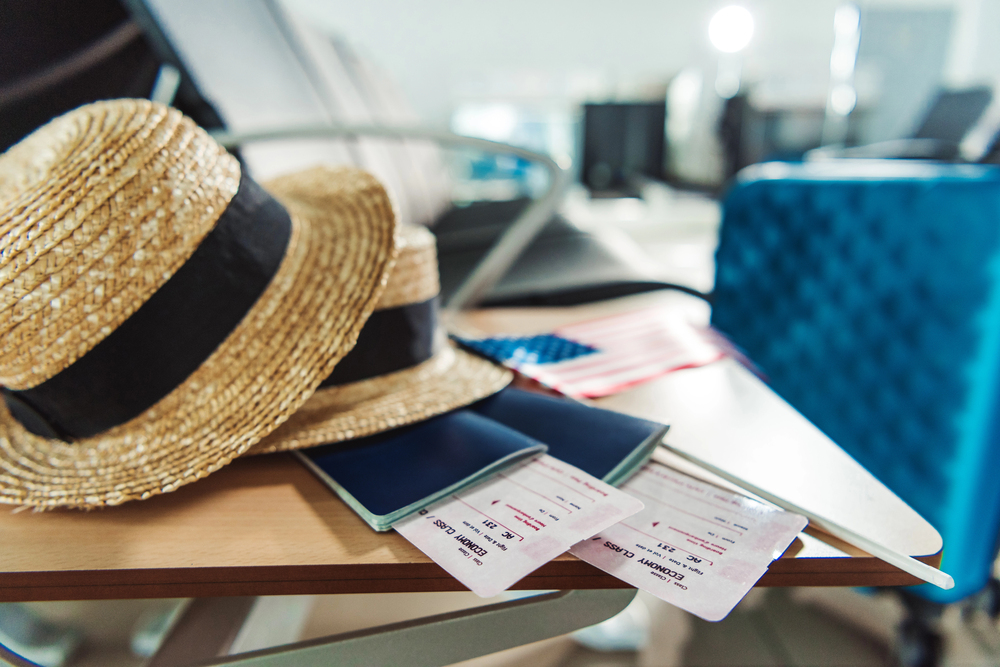
The cruise terminal’s Wi-Fi might be overwhelmed, and your phone battery might decide to die at the worst possible moment (which happens more often than cruise lines care to admit, and for reasons that seem to defy the basic laws of electronics). Having physical copies of boarding passes, confirmation numbers, and travel insurance documents means you’re prepared for technology’s inevitable betrayal.
But here’s the thing about printed documents — they become meaningless if they’re scattered across three different rooms in your house. So you print everything, and then you do something that seems almost too obvious to mention but somehow gets forgotten anyway: you put all of it in one designated folder or envelope.
And then — this is the crucial part — you place that folder next to your packed luggage, not on the kitchen counter where it will definitely get buried under mail, not on your desk where it will blend in with work papers, but right next to the bags you’re taking on the ship.
Organize Travel Documents in One Folder

Passport, boarding pass, travel insurance, emergency contact information, and any medical prescriptions should live together. When the taxi arrives and you’re doing that final mental checklist, you grab one folder instead of hunting through five different places.
Keep a backup set of photocopies in your luggage, separate from the originals.
Pack Essential Medications in Carry-On

Cruise ship medical centers stock basic supplies, but they don’t stock your specific prescription medications. Neither does the pharmacy in Cozumel when you realize you left your blood pressure medication on the bathroom counter at home.
Any medication you take regularly belongs in your carry-on bag, not in checked luggage that might decide to take a detour to a different continent. Pack enough for the entire trip plus three extra days, because delays happen and pharmacies in foreign ports don’t always carry the exact brand or dosage you need.
Set Multiple Alarms

One alarm is optimistic thinking. Your phone might malfunction, the power might flicker, or you might simply sleep through a single alarm after the exhaustion of packing catches up with you.
Set alarms on your phone, a backup alarm on a different device, and ask someone to call you if possible. The cruise ship will leave exactly on schedule whether you’re on it or not.
Download Offline Maps and Entertainment

Ship Wi-Fi costs money and works about as reliably as you’d expect when you’re in the middle of the ocean. Download maps for your departure city and any ports you’ll be visiting, along with entertainment for sea days when the connection is particularly stubborn.
Port Wi-Fi can be even worse than ship Wi-Fi, which is saying something.
Charge All Electronic Devices

There’s something almost ritualistic about the night before travel — the careful arrangement of phones, tablets, cameras, and portable batteries, all tethered to their charging cables like patients in some electronic intensive care unit. You line them up on the counter or dresser, checking each one’s battery percentage with the same attention a pilot gives to pre-flight instruments.
The ritual matters because morning departure chaos has a way of making you forget the basics. And yet, even when you remember to charge everything, there’s always that one device (usually the one you’ll need most urgently) that somehow didn’t make it to the charging station, sitting sadly at twelve percent battery while everything else glows green with full power.
Confirm Departure Terminal and Parking

— Photo by jovanni
Cruise ports often have multiple terminals, and GPS doesn’t always direct you to the right one. Your confirmation documents will specify Terminal A, B, or C — double-check this instead of assuming.
If you’re parking at the port, confirm your reservation and know exactly where the lot is located. Port parking fills up faster than cruise lines like to admit, especially during peak season.
Check Weather at Departure Port and Destinations

Weather affects what you should pack and what you might need to bring as backup options. A rainy forecast for your departure city means bringing an umbrella or rain jacket for the walk from parking to the terminal.
Cooler temperatures at sea than expected means packing an extra layer. Port weather determines whether those open-toed shoes will work for walking tours or whether you’ll need something more substantial.
Exchange Currency if Needed

Ship excursions usually include transportation and don’t require local currency, but independent exploration often does. Small vendors, local markets, and taxi drivers in port cities frequently prefer cash, and they definitely prefer local currency over the handful of crumpled US bills you have in your wallet.
Banks exchange currency at better rates than airport kiosks or ship services. Do this before you leave home, not when you’re already traveling.
Pack a Change of Clothes in Carry-On
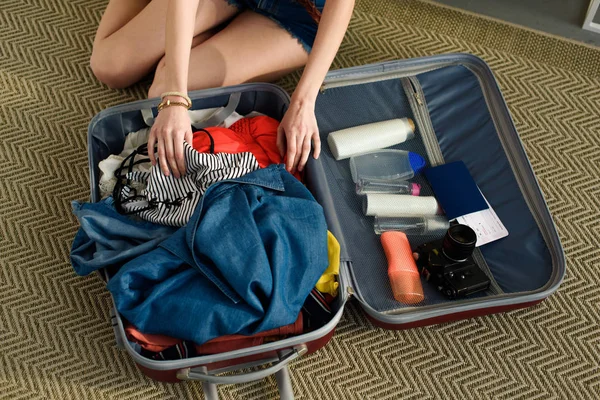
Luggage sometimes takes hours to reach your stateroom, especially on embarkation day when thousands of bags are being sorted and delivered. Having a change of clothes, swimwear, and basic toiletries in your carry-on means you can start enjoying the ship immediately instead of waiting around in formal travel clothes.
The pool deck doesn’t care that your luggage is somewhere in the bowels of the ship.
Notify Banks and Credit Card Companies

Banks have gotten better at recognizing travel patterns, but they still occasionally freeze accounts when they see unusual spending in foreign locations. A quick call or online notification prevents the embarrassment of having your card declined at dinner in port.
Notify them about all countries you’ll be visiting, including brief port stops that might only last a few hours.
Empty Refrigerator of Perishables

Spoiled milk has a special talent for making its presence known throughout an entire house. Clear out anything that will expire while you’re gone, and adjust your refrigerator temperature slightly higher to save energy.
The last thing you want is to return from vacation to a kitchen that smells like a science experiment.
Stop Mail and Package Deliveries

A pile of packages on your front porch announces to the world that nobody’s home (and frankly, the criminal element of society tends to pay attention to these things with more enthusiasm than homeowners would prefer). Contact the post office to hold your mail, and pause any regular deliveries that might accumulate.
Even if you live in the safest neighborhood in America, a week’s worth of packages and newspapers creates an obvious signal that your house is currently unattended. And opportunistic thieves don’t discriminate based on neighborhood reputation — they just look for easy targets.
Arrange Pet Care

Pets need more than food and water — they need attention, exercise, and someone to notice if something goes wrong. Whether it’s a pet sitter, boarding facility, or helpful neighbor, confirm all the details and leave clear instructions.
Include your veterinarian’s contact information and any special dietary or medication requirements.
Pack Beach Bag for Immediate Use
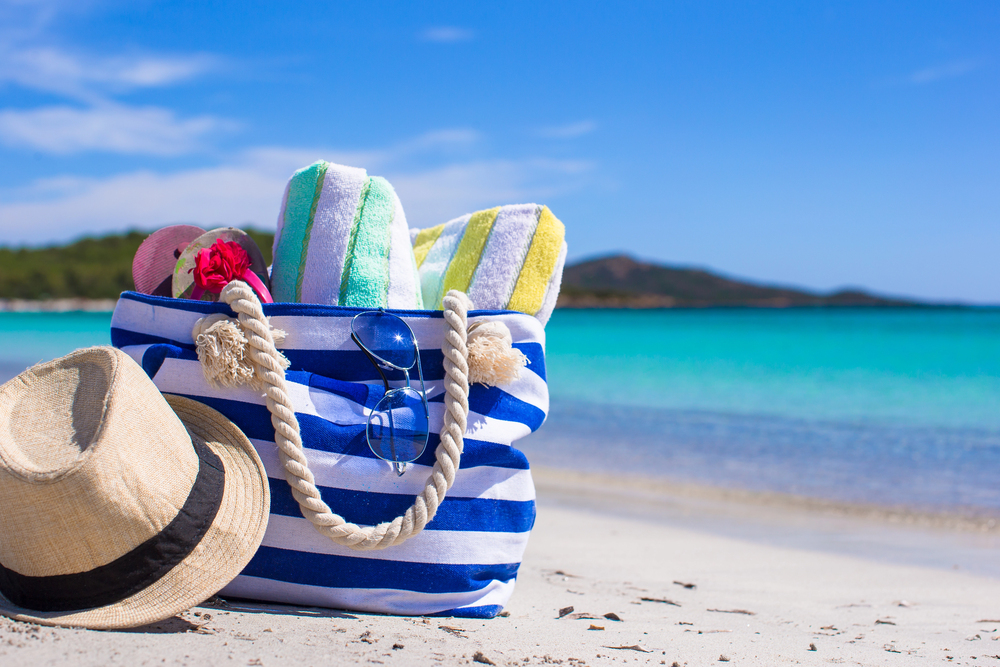
Cruise ships start serving food and opening pools as soon as you board, but your luggage might not arrive at your stateroom for several hours. Pack swimwear, sunscreen, and a towel in a day bag so you can head straight to the pool deck after boarding.
The ship provides towels, but having your own means not waiting in line at the towel station.
Create Digital Copies of Important Documents

Take photos of your passport, driver’s license, travel insurance, and any medical information. Email these copies to yourself or store them in cloud storage that you can access from any device.
If something gets lost or stolen, having digital backups speeds up the replacement process considerably.
Set Up Automatic Bill Payments

Regular bills don’t pause for vacation. Set up automatic payments for anything due while you’re gone, or pay bills early to avoid late fees and service interruptions.
Coming home to a pile of overdue notices dampens the post-cruise glow faster than anything else.
Review Shore Excursion Details

Read through your booked excursions and note meeting times, locations, and what’s included. Some require specific clothing or gear, and knowing this the night before gives you time to pack accordingly.
Independent excursions require even more preparation — researching meeting points, backup transportation options, and return timing to the ship.
Prepare Emergency Contact Information
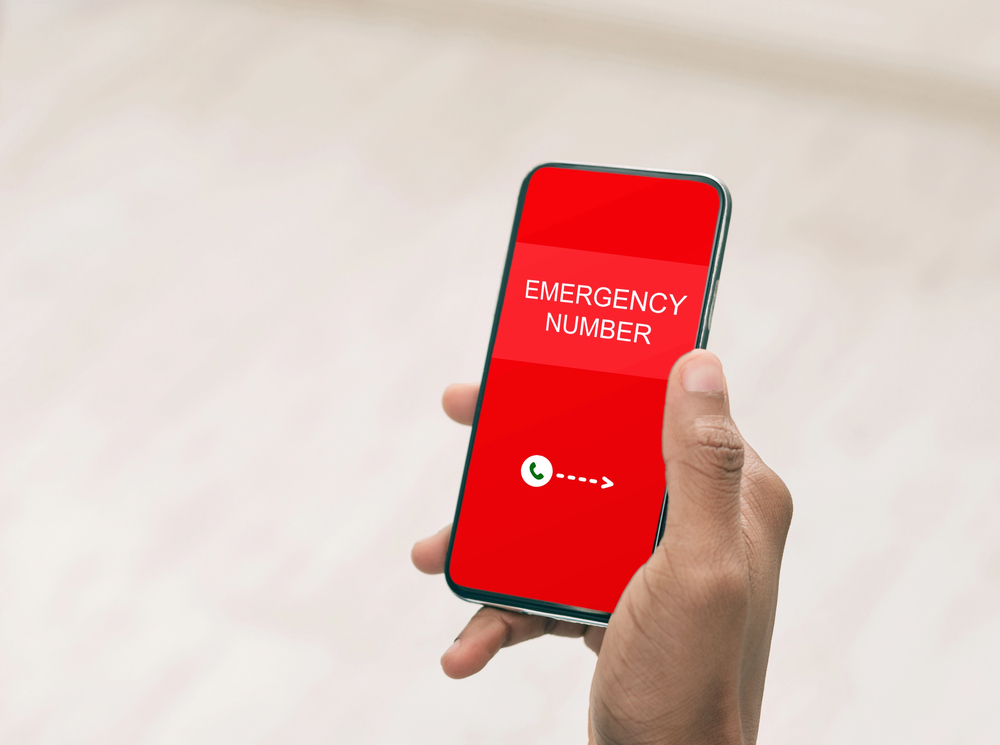
Someone at home should know your itinerary, ship name, and approximate schedule. Leave contact information for the cruise line and your travel agent if you used one.
Cell service at sea is expensive and unreliable, but ship communication systems work in real emergencies.
Pack Seasickness Remedies
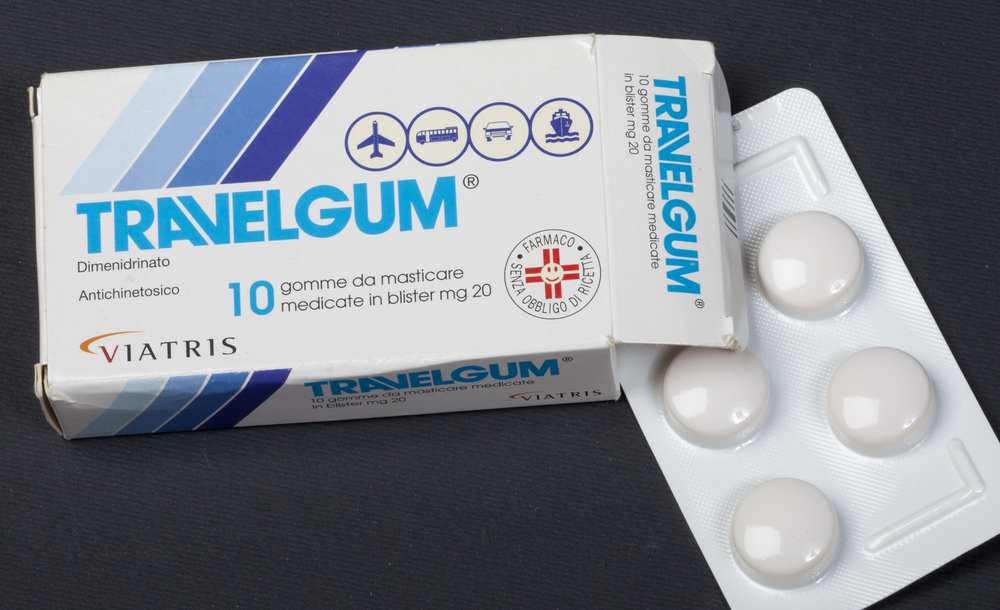
Even if you’ve never been seasick before, ocean conditions can surprise you (and they often do, with a timing that seems almost personally vindictive). Modern cruise ships have stabilizers that make them remarkably steady, but they’re not immune to rough weather.
Pack whatever motion sickness remedy works for you — pills, patches, wristbands, or ginger supplements. The ship’s medical center sells these items, but at prices that reflect the captive market situation. Having your own supply means you’re prepared without paying premium prices for basic medications.
Organize Jewelry and Valuables

Cruise ship staterooms have small safes, but they’re not large enough for everything valuable you might bring. Decide what jewelry and electronics you actually need versus what you’re bringing out of habit.
Leave expensive jewelry at home unless you plan to wear it. The safe space is better used for passports, cash, and devices you’ll actually need.
Review Dining Reservations and Dress Codes

Specialty restaurants often have dress codes that are stricter than the main dining room. Formal nights require specific attire that can’t be improvised from casual cruise clothes.
If you’re unsure about dress code requirements, pack one level more formal than you think you need.
Pack Day-of-Travel Snacks

— Photo by richardmlee
Airport food is expensive and cruise terminal food options are limited. Pack snacks for the journey to the ship, especially if you have dietary restrictions or preferences.
Once you board, food is plentiful and included, but getting there can involve long travel days with irregular meal timing.
Prepare Cash for Tips and Incidentals

Many cruise gratuities are automatically charged to your room, but you’ll still need cash for exceptional service, port taxis, and vendors who don’t accept cards. Small bills are more useful than large ones.
Keep tip money separate from other cash so you’re not constantly breaking larger bills for small purchases.
Backup Phone Photos and Clear Storage

Cruise vacations generate hundreds of photos, and running out of storage space while trying to capture a sunset in the Caribbean is genuinely frustrating. Back up existing photos to cloud storage or your computer, then clear space on your device.
Consider bringing a portable storage device if you plan to take extensive photos or videos.
Set Out Tomorrow’s Travel Outfit

Cruise dress codes start the moment you board, and first impressions matter more than you might expect. Many ships have photographers capturing embarkation moments, and the formal dining rooms open for lunch on day one.
Choose something comfortable for travel but appropriate for walking through the ship’s public areas once you arrive.
Double-Check Luggage Weight Limits
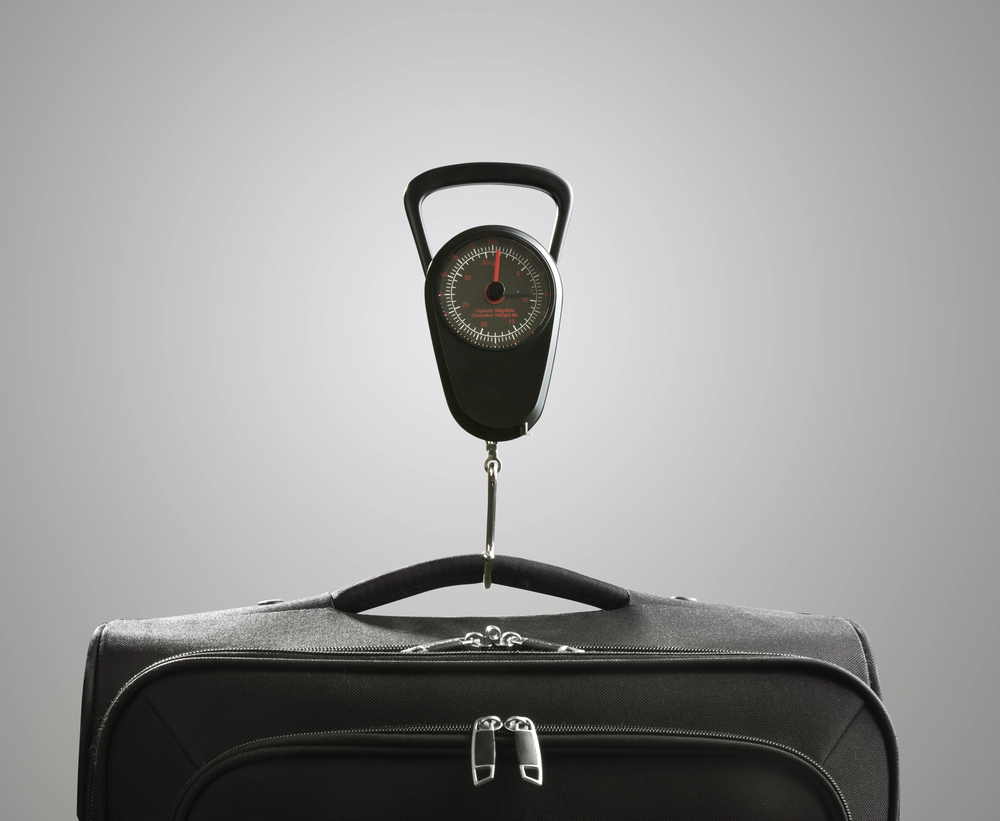
Airlines have specific weight limits, and exceeding them results in fees that can easily cost more than the items you’re trying to bring. Weigh your luggage at home using a bathroom scale — lift the bag while standing on the scale, then subtract your body weight.
Cruise ships don’t have luggage weight restrictions, but airlines definitely do.
Confirm Transportation to Port

Whether you’re driving, taking a taxi, or using a shuttle service, confirm the timing and pickup location. Factor in extra time for traffic, parking, and walking from the lot to the terminal.
Port areas can be confusing to navigate, especially in large cities where cruise terminals are mixed in with cargo operations and other maritime activities.
The Night Before Sets the Tone

Preparation isn’t about controlling every variable or eliminating all possibility of surprise — it’s about creating enough margin for error that small problems stay small. When you’ve checked the obvious things and organized the essentials, morning becomes a gentle launch into adventure rather than a scramble to avoid disaster.
The best cruise vacations start the night before, in the quiet ritual of making sure everything is ready. Not perfect, not foolproof, but ready enough that you can sleep soundly and wake up excited instead of anxious. The ship will be there waiting, and you’ll be ready to meet it.
More from Travel Pug

- Underrated Italian Towns That Beat the Tourist Crowds
- Las Vegas Tourist Traps to Skip
- Prettiest Towns in Every US State
- 18 passport-free countries for Americans
- Signs Your Cruise Is Not Worth The Cost
Like Travel Pug’s content? Follow us on MSN.