

The cruise industry runs on a peculiar rhythm that most travelers never quite figure out. Prices swing wildly based on when you book, when you sail, and which cruise line you choose.
Understanding this rhythm can save you thousands of dollars on what might otherwise be the most expensive vacation you take this year. Cruise lines operate like airlines in reverse.
Instead of rewarding early bookers with the lowest prices, they often punish them. The sweet spot for booking usually falls somewhere between procrastination and panic, though each cruise line has developed its own pricing personality over the decades.
Royal Caribbean
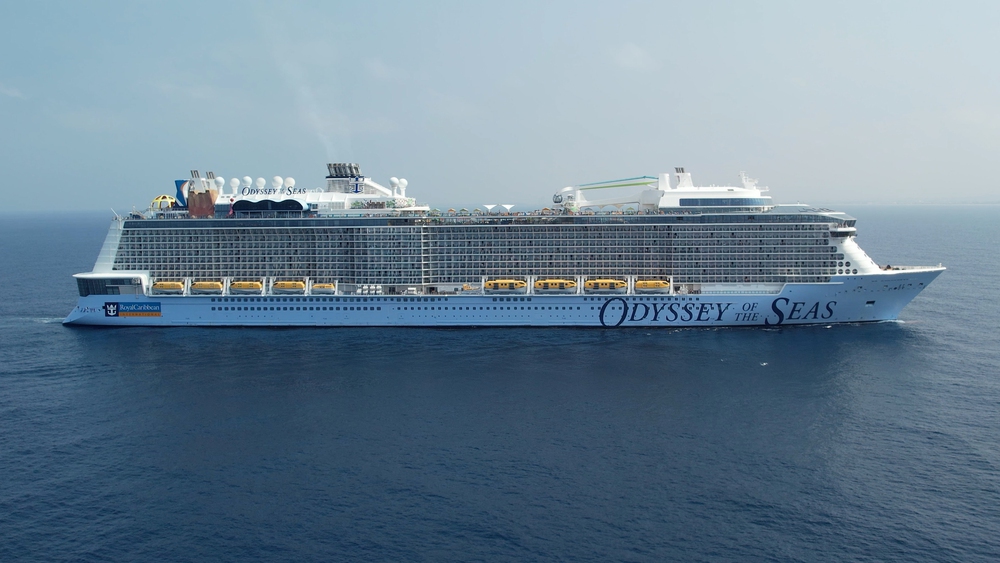
Royal Caribbean plays a long game with its pricing strategy. Book 12 to 18 months ahead and you’ll pay premium prices for the privilege of early planning.
Some of the strongest promotions often appear during Wave Season, which runs from January through March. This is when Royal Caribbean dumps inventory at discounted rates, particularly for Caribbean and Mediterranean itineraries departing between April and November.
The company tends to hold pricing firm until about 90 days before departure, then cuts aggressively if cabins remain unsold. Alaska cruises follow a different pattern entirely: book these in September for the following summer, right after the season ends and while disappointment over missed opportunities runs high.
Norwegian Cruise Line
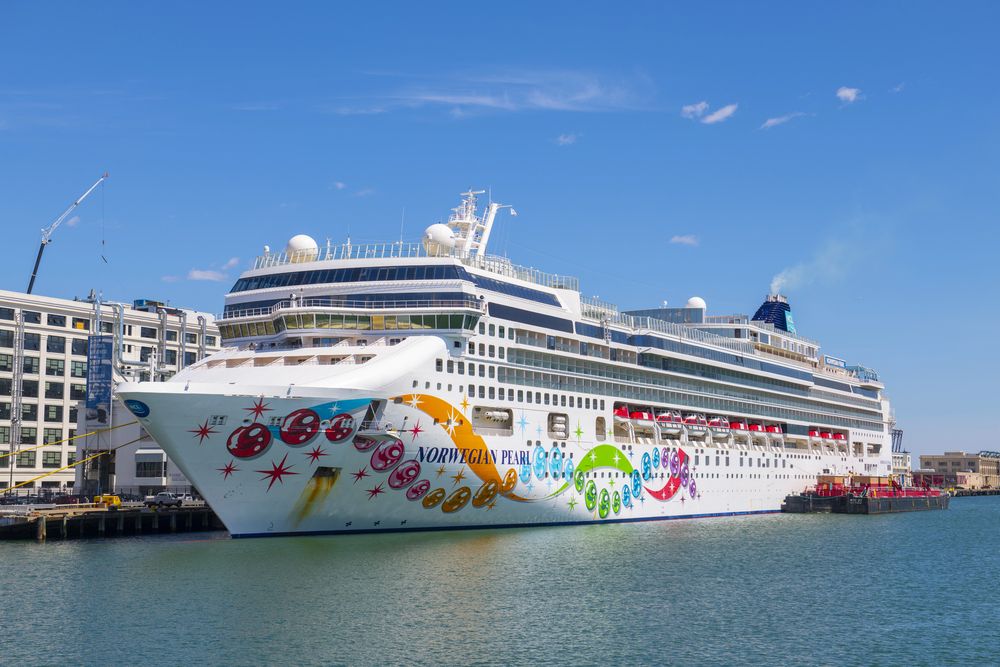
Norwegian operates on pure supply and demand economics, which makes their pricing more predictable than most. The lowest fares consistently appear during the first quarter of the calendar year, regardless of when you plan to sail.
NCL’s “Free at Sea” promotions typically launch in January and February, bundling drink packages, specialty dining, and Wi-Fi credits with already-reduced cabin rates. But here’s what travel agents won’t tell you: Norwegian often repeats these exact promotions three or four times throughout the year.
The January version simply offers the deepest discounts because fewer people are shopping for cruises during tax season.
Carnival Cruise Line
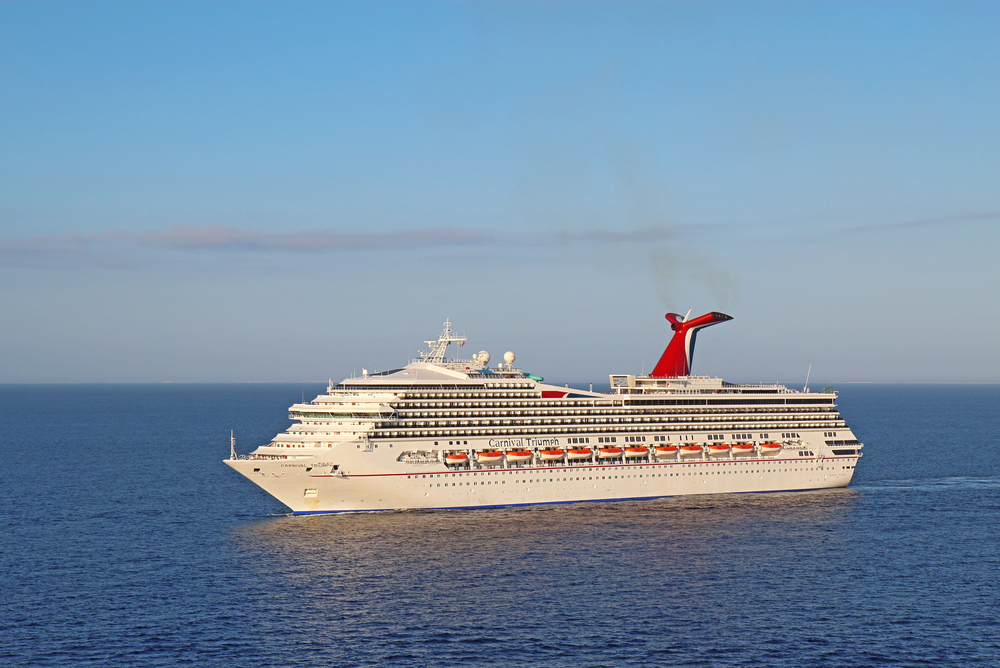
Carnival’s pricing strategy reflects its position as the industry’s volume leader. They move inventory faster than anyone else, which creates brief windows of exceptional value scattered throughout the year.
The pattern breaks down like this: Carnival releases its lowest rates during “Cyber Week” in November, covering departures for the entire following year. These rates hold steady through January, spike in February as spring break demand builds, then crash again in late April once families have committed to summer plans.
For Caribbean cruises specifically, the absolute lowest fares appear in the second week of September — right when hurricane season anxiety peaks and bookings traditionally slow.
Celebrity Cruises
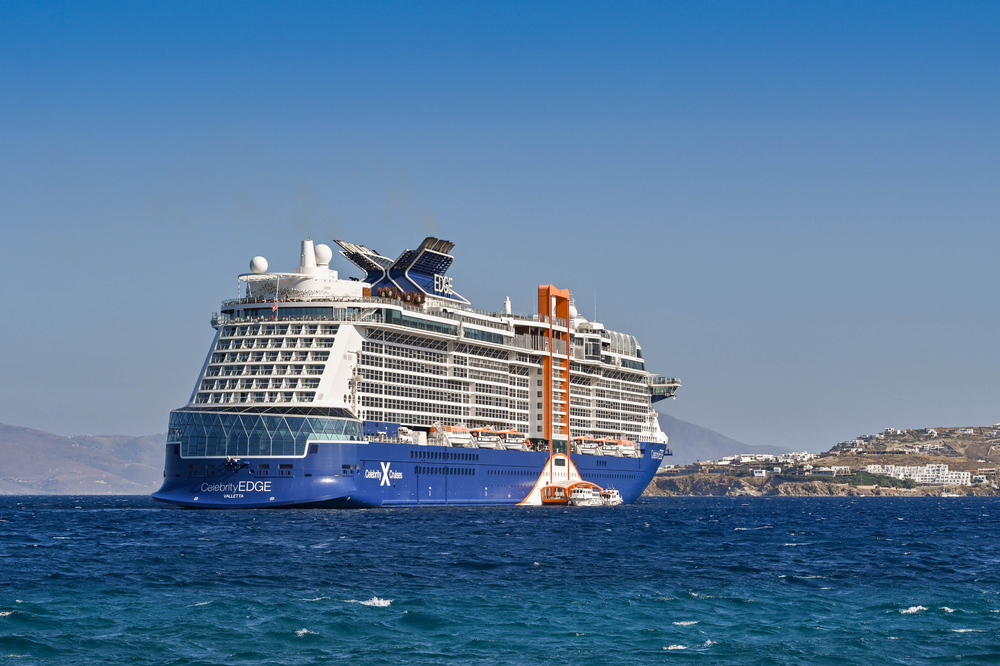
Celebrity operates in the premium space, which means their pricing follows luxury market psychology rather than mass-market dynamics. The cruise line rarely discounts steeply, preferring instead to add value through onboard credits and included amenities.
The exceptions come twice yearly: during “Wave Season” in February and again in September during what Celebrity internally calls “Final Call” season. September bookings for the following year often include the cruise line’s most generous perks packages — covering gratuities, drinks, Wi-Fi, and specialty dining — essentially adding $100-150 per person per day in value without touching the base cabin rate.
Princess Cruises
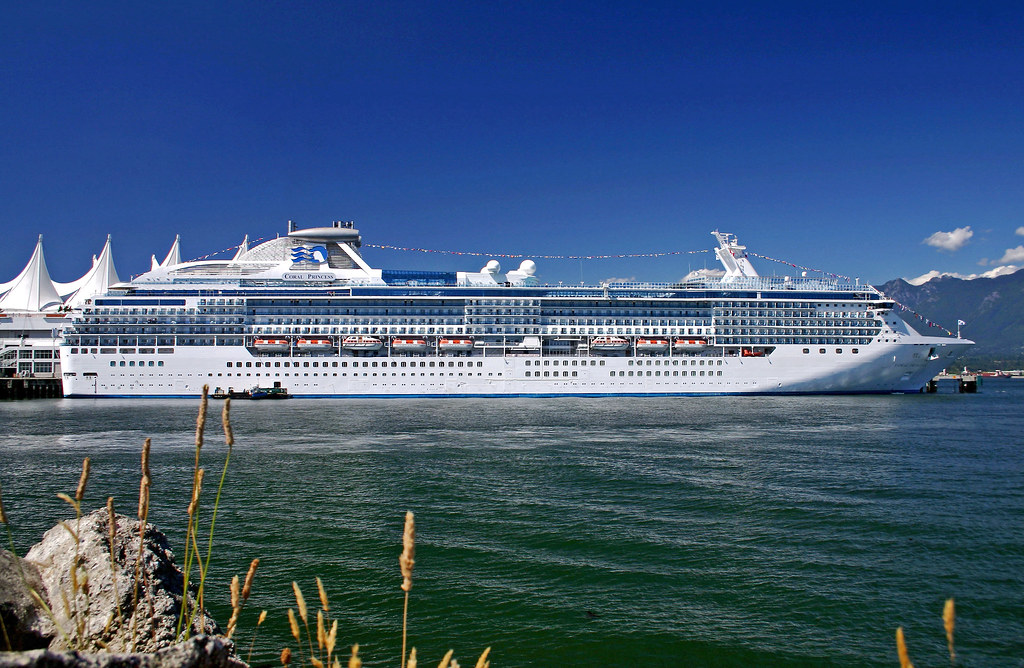
Princess caters to an older demographic that books further in advance than the industry average. This creates a unique pricing curve where early bookings (18-24 months ahead) actually offer competitive rates, followed by a steep climb until about four months before departure.
The airline industry would call this “yield management,” but Princess takes it further than most cruise lines. Their lowest published fares typically appear in October for the following year’s departures, coinciding with their “Come Back New” sale that targets previous passengers.
First-time Princess passengers find better deals during January’s “Love Sale,” though the savings rarely exceed 10-15% off peak pricing.
Holland America Line
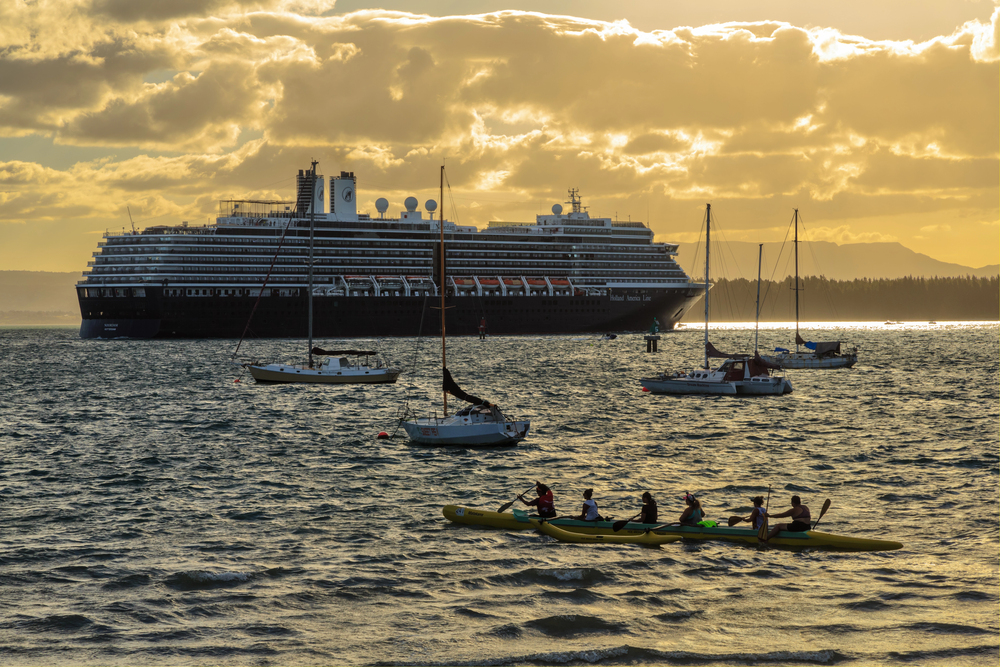
Holland America’s clientele books early and pays premium prices for the privilege, but the cruise line has quietly developed one of the industry’s most predictable discount patterns. Every March and September, Holland America slashes rates on specific itineraries by 30-40% — not through sales or promotions, but by simply republishing their fare charts at lower levels.
These aren’t leftover cabins being cleared out (those disappear through different channels entirely), but rather Holland America’s acknowledgment that their initial pricing often sits above market tolerance. The March cuts typically target Caribbean and Mediterranean departures, while September reductions focus on Alaska, Northern Europe, and transpacific routes.
And here’s the strange part: Holland America will honor these lower rates for passengers who booked earlier at higher prices, if those passengers call and request a price adjustment.
MSC Cruises
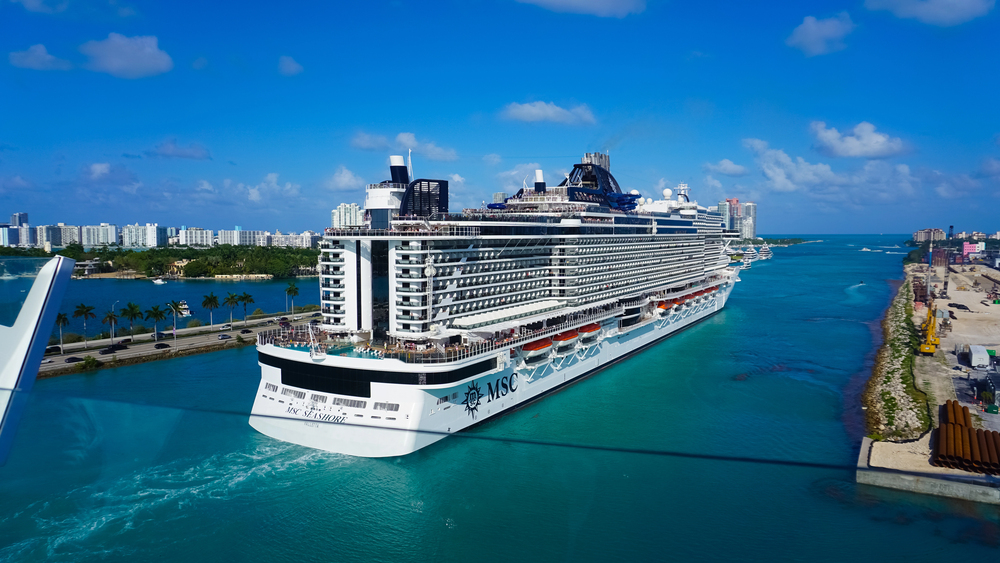
MSC operates as a European cruise line expanding aggressively into the North American market, which creates pricing anomalies that savvy travelers can exploit. The company’s North American pricing often reflects European booking patterns, where travelers typically commit to summer cruises during the previous autumn.
MSC’s North American sales team hasn’t fully adapted to American booking habits yet, which means their January “New Year, New Adventures” campaign often features pricing that undersells comparable Celebrity or Holland America itineraries by 20-30%. The cruise line also maintains European pricing models for repositioning cruises — those transatlantic crossings in April and October that Americans rarely consider but Europeans book routinely.
Disney Cruise Line
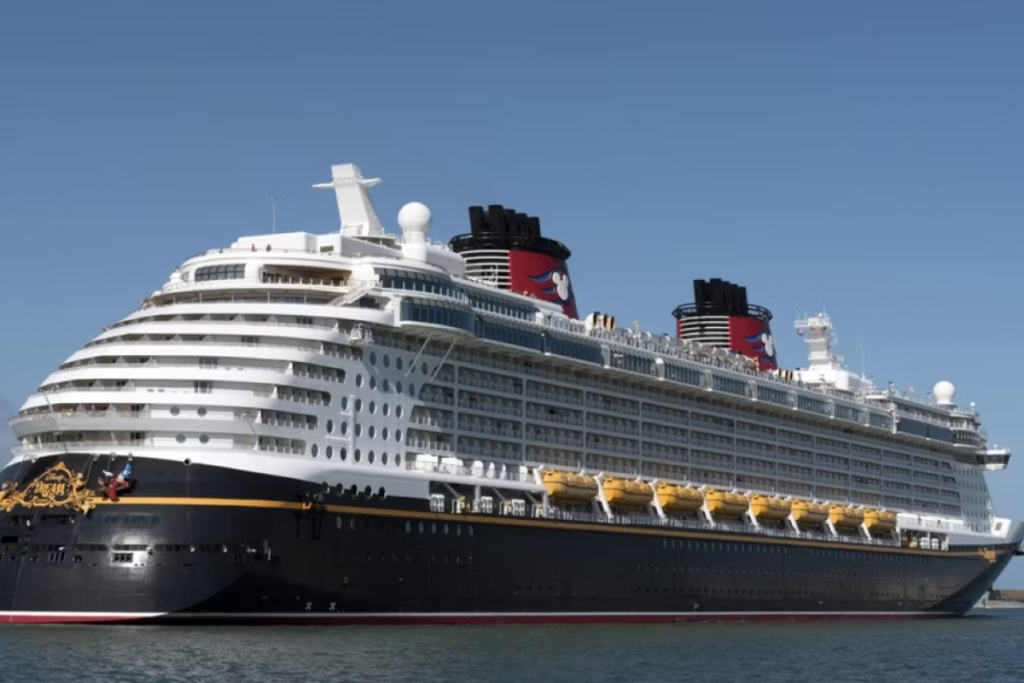
Disney pricing defies every conventional rule about cruise bookings. The company maintains premium pricing year-round and rarely discounts more than 10-15% off published rates, even for last-minute bookings.
The closest thing to a “deal” in Disney’s world comes through their “Early Booking Savings” — essentially a modest discount for reserving 12-18 months ahead. But Disney’s real value appears in their periodic “Kids Sail Free” promotions, which typically launch twice yearly in January and August.
These promotions don’t reduce cabin rates but eliminate the third and fourth passenger charges that can add $200-300 per child to seven-day Caribbean cruises.
Virgin Voyages
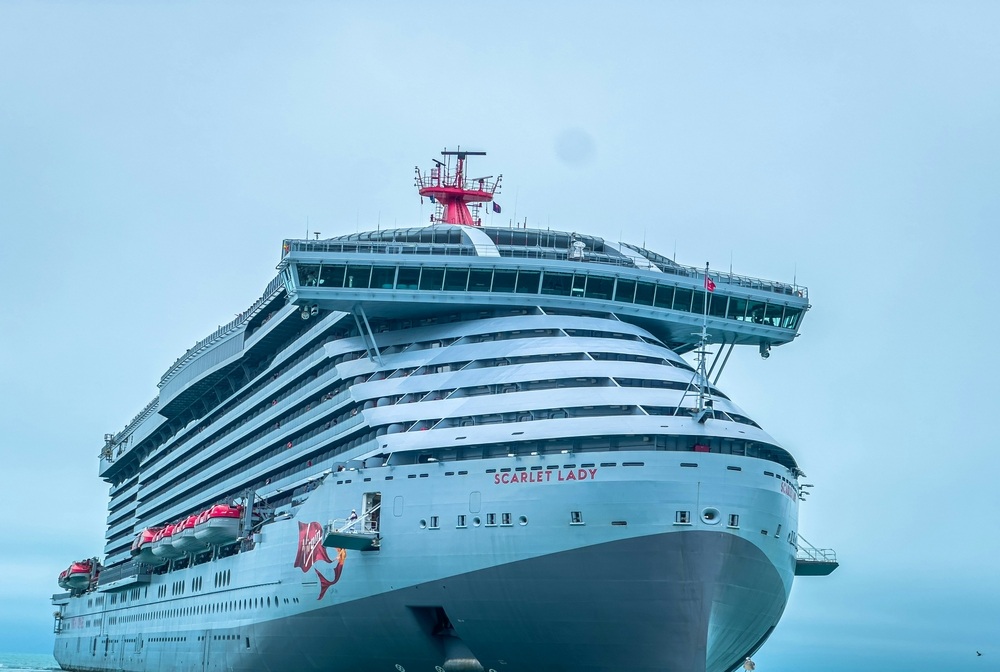
Virgin Voyages launched with disruptive pricing that undercut established premium lines by significant margins, but they’ve gradually raised rates as demand has caught up with their limited fleet capacity. The sweet spot for Virgin bookings appears to be 6-9 months ahead — close enough that the company knows which sailings need inventory support, but far enough out that they haven’t yet implemented yield management increases.
Virgin’s “Jet Set, Reset” sales typically appear in February and September, offering the year’s deepest discounts plus their most generous “Sailor Loot” credit packages. The cruise line also practices dynamic pricing more aggressively than traditional operators, meaning rates can swing by hundreds of dollars from week to week based on booking pace.
Regent Seven Seas Cruises
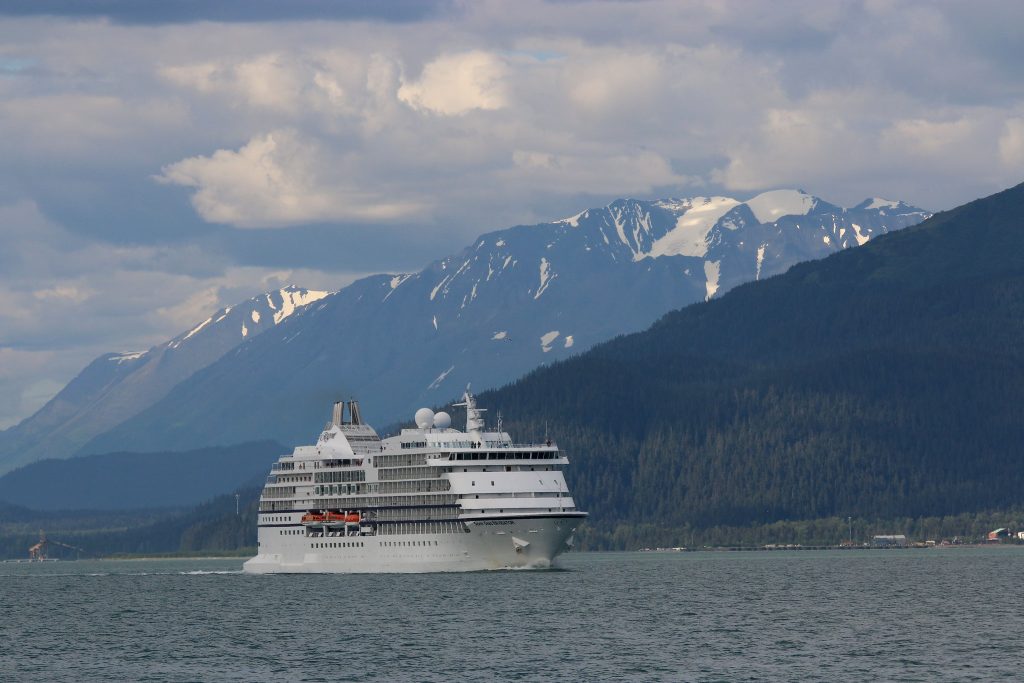
Regent operates in the luxury space where traditional discount timing barely applies, but the cruise line does follow predictable patterns for releasing inventory and adjusting pricing. Regent’s “Book Now Savings” promotions appear consistently in January and September, offering the closest thing to discounted rates that luxury cruise passengers will find.
More importantly, Regent’s suite upgrades and shipboard credit offerings peak during these same windows. A January booking might secure a Concierge Suite for the price of a Deluxe Veranda, plus $1,000 in shipboard credits — a value that far exceeds percentage discounts on base fares.
Travel advisors may occasionally identify competitive offers across luxury cruise lines.
Oceania Cruises

Oceania’s pricing reflects its position between premium and luxury segments — too expensive for mass market travelers, but accessible enough for affluent cruisers who want elevated experiences without ultra-luxury price points. The cruise line’s lowest fares appear during “Discover Your Moment” sales in February and “Bon Voyage” events in September.
Oceania’s real value comes through their “OLife Choice” promotions, which bundle shore excursions, beverage packages, and shipboard credits with already-competitive cruise fares. These promotions typically offer the most generous terms during February bookings for the remainder of the year, when Oceania needs to meet early-year sales targets.
Silversea Cruises
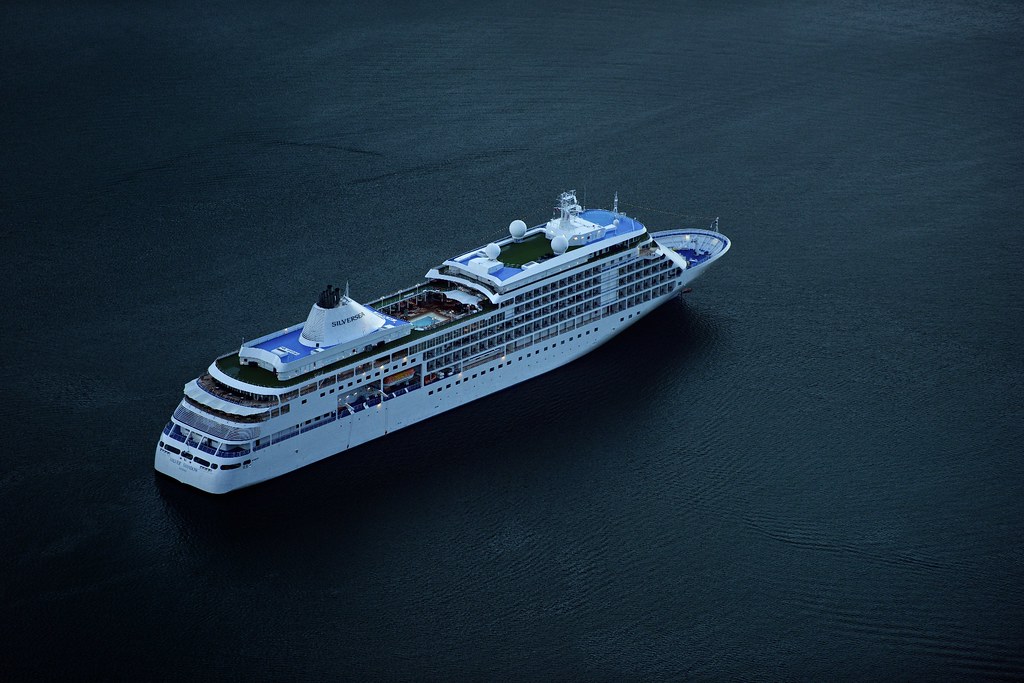
Silversea maintains luxury pricing that rarely budges, but the cruise line periodically releases “Advantage Rates” that offer genuine savings for travelers willing to book specific suites on designated voyages. These rates appear unpredictably throughout the year but historically concentrate in January and September.
Silversea’s approach to discounting involves reducing rates on less popular itineraries rather than offering across-the-board sales. Antarctic cruises see rate reductions in July and August (Northern Hemisphere summer), while Mediterranean voyages occasionally drop during September and October.
The cruise line also extends generous past passenger benefits that can effectively reduce future cruise costs by 5-10%.
Azamara Club Cruises
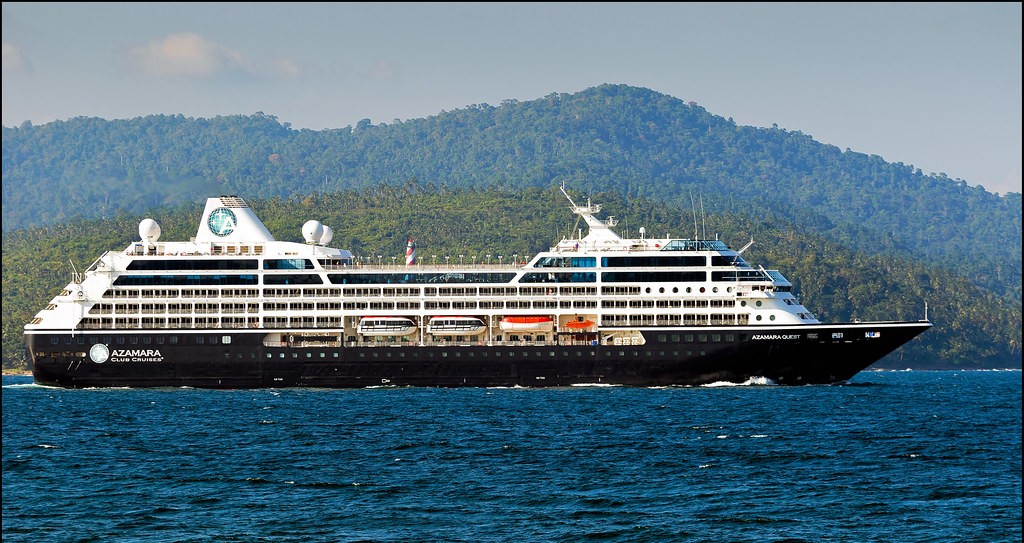
Azamara targets destination-focused travelers who value port-intensive itineraries and smaller ship experiences, which creates different booking patterns than mainstream cruise lines. The company’s lowest rates typically appear during “Cruise Global, Save Local” events in March and October.
Azamara’s pricing strategy emphasizes bundled value rather than discounted base fares. Their “2-for-1” deposit promotions allow passengers to secure two future cruises for the price of one deposit, effectively creating cash flow advantages that reduce overall vacation costs.
The cruise line also practices aggressive past passenger pricing that can undercut published rates by 15-20%.
Crystal Cruises
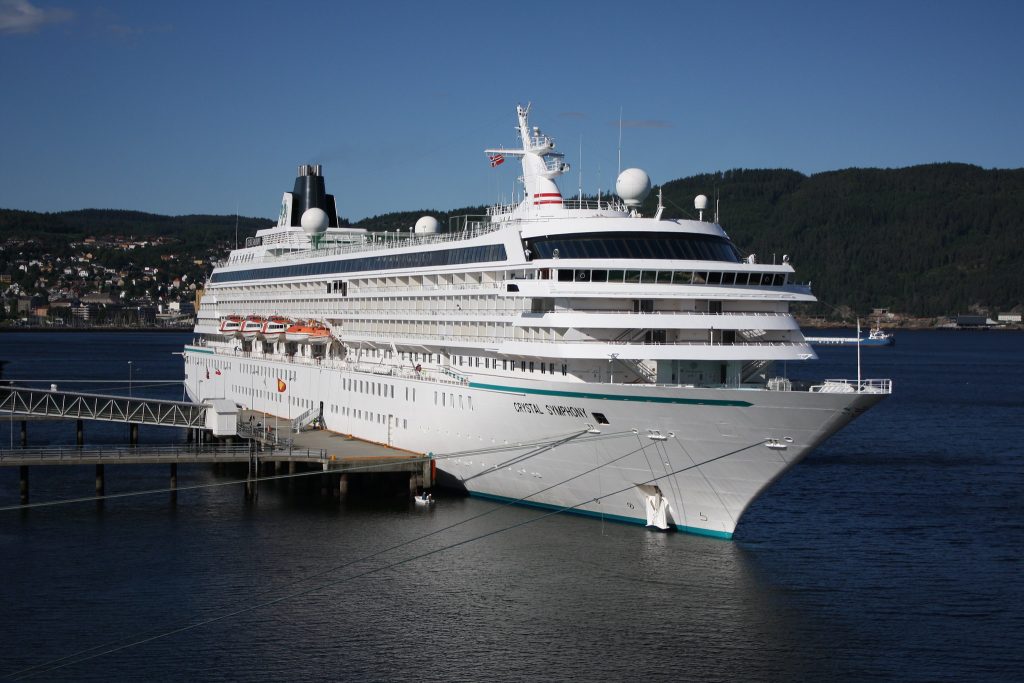
Crystal rebuilt its business model after its 2022 bankruptcy, emerging with simplified pricing that eliminates much of the complexity that characterized luxury cruise bookings in previous years. The new Crystal maintains consistent pricing year-round but offers periodic “Exclusive Savings” that provide the best available rates.
These savings events typically coincide with major travel trade shows — January for the Miami cruise convention, March for the Berlin travel fair, and September for the London luxury travel market. Crystal’s new approach bundles most amenities into base fares, making price comparisons with other luxury lines more straightforward than in the past.
Seabourn Cruise Line
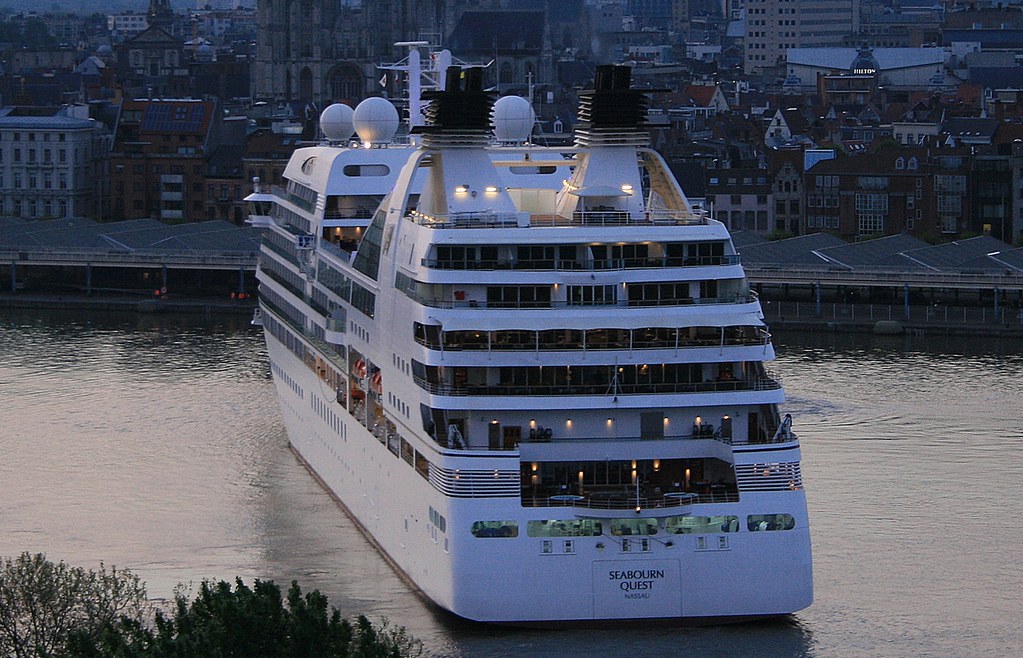
Seabourn operates with luxury pricing that reflects its ultra-premium positioning, but the cruise line periodically releases “Suite Savings” rates that offer substantial reductions on specific voyages and suite categories. These rates appear most frequently in February and September, targeting bookings for the following 12-18 months.
Seabourn’s real value comes through their “Extraordinary Worlds” promotions, which can include business-class airfare, pre-cruise hotel stays, and shore excursion credits worth $5,000-8,000 per couple. These promotions typically offer the most generous terms during February bookings, when Seabourn focuses on filling inventory for the remainder of the year.
The Timing That Trumps Everything
The cruise industry’s dirty secret is that individual cruise line timing matters less than understanding two broader patterns that affect all operators equally. The first is “Wave Season” — that January through March period when cruise lines slash prices to capture the year’s largest booking surge.
But Wave Season itself has evolved. What started as a February phenomenon now stretches from New Year’s Day through the end of March, with different cruise lines peaking at different points within that window.
The second pattern — September’s “Final Call” season — remains more concentrated but potentially more lucrative for travelers willing to gamble on specific itineraries and departure dates. The truth about cruise pricing is that timing your booking matters more than choosing the right cruise line.
A mediocre cruise purchased at the right time will cost less than the perfect cruise bought when demand peaks. And the right time, for almost every major cruise line, falls within predictable windows that repeat year after year with clockwork precision.
More from Travel Pug

- Underrated Italian Towns That Beat the Tourist Crowds
- Las Vegas Tourist Traps to Skip
- Prettiest Towns in Every US State
- 18 passport-free countries for Americans
- Signs Your Cruise Is Not Worth The Cost
Like Travel Pug’s content? Follow us on MSN.