

Shore excursions sell well because they remove uncertainty. A bus waits at the pier, a guide holds a sign, and nobody has to figure out where anything is.
In some ports, that certainty comes at a steep price for very little in return. The town begins at the end of the gangway, the best sights sit within a short walk, and the passengers who wander off on their own often get a more flexible day.
Juneau, Alaska
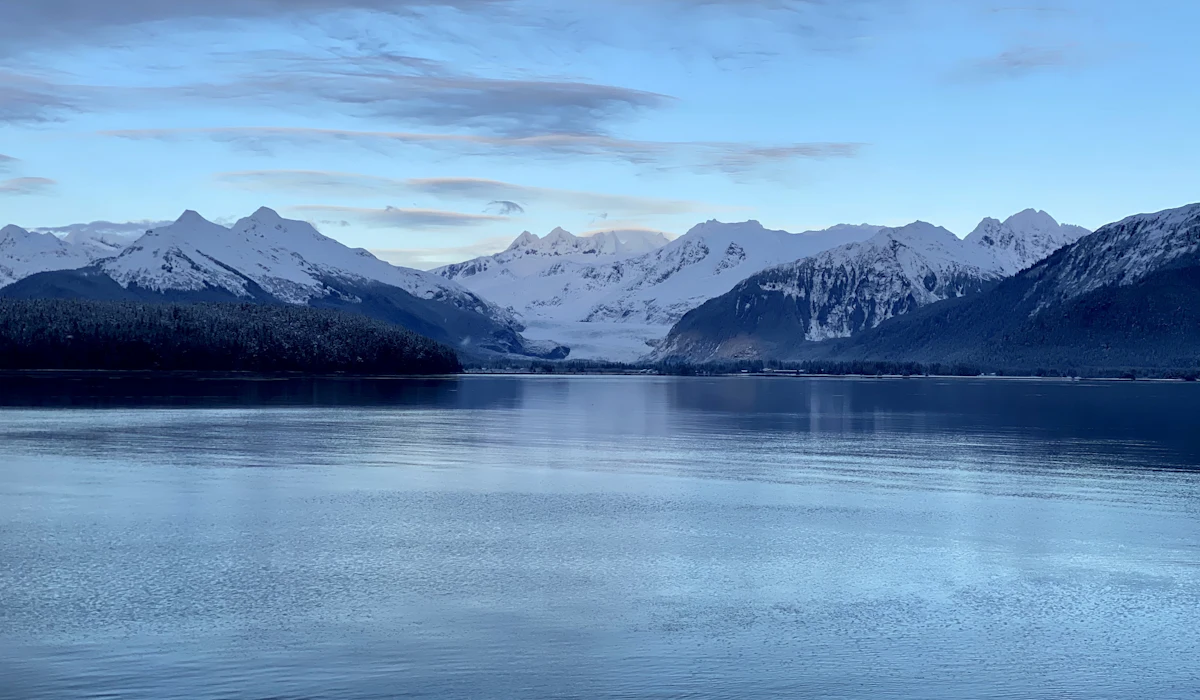
Juneau is Alaska’s capital, yet no road connects it to the rest of North America, so every visitor arrives by sea or air. Cruise ships can dock close to downtown, and the Mount Roberts Tramway sits beside the cruise docks, rising about 1,800 feet up the mountainside for views over the Gastineau Channel.
The State Capitol, the Alaska State Museum and a string of historic storefronts are all within an easy stroll. Regulars ride the tram, hike a short trail at the top and walk back down through town for lunch when the ship’s schedule allows enough time.
Ketchikan, Alaska
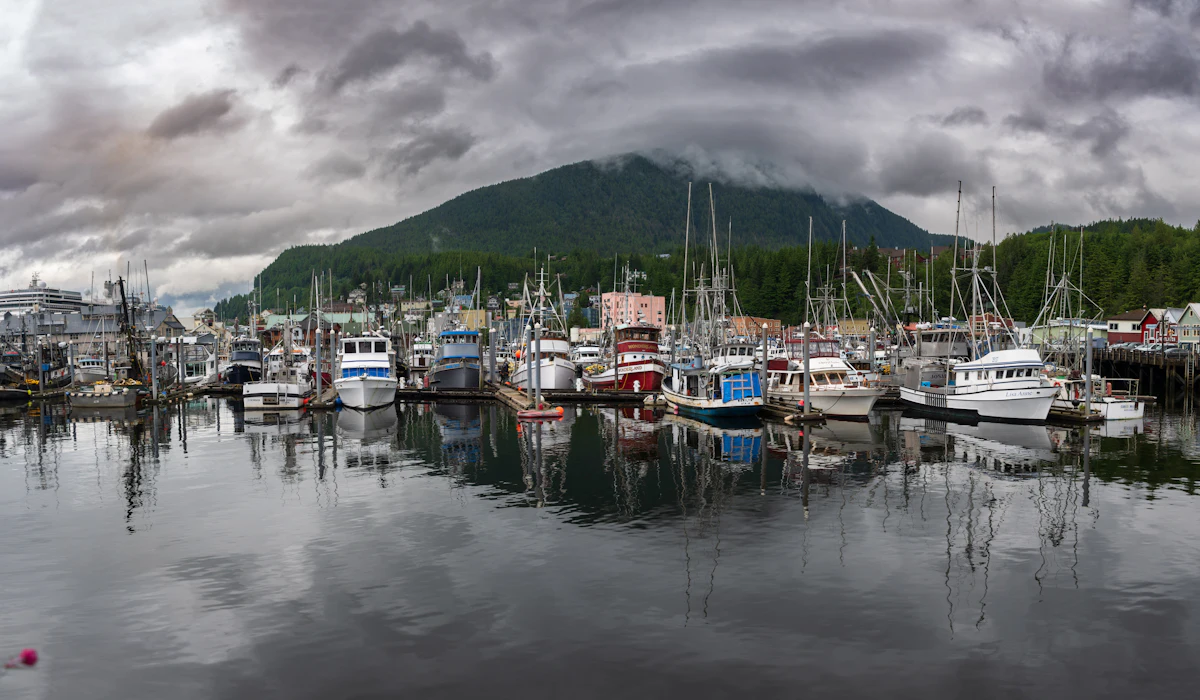
Ketchikan’s downtown cruise berths sit along the waterfront, which means the town begins the moment passengers step ashore. Creek Street, a boardwalk of colorful wooden buildings on pilings above Ketchikan Creek, was once the town’s red-light district and now holds shops and the Dolly’s House Museum.
In late summer, salmon push upstream right beneath the boardwalk. Some downtown attractions are an easy walk from the piers, while the Totem Heritage Center is farther away and may be better reached by bus or taxi.
Ketchikan is also one of the wettest towns in the United States, so regulars pack a rain jacket and treat the drizzle as part of the scenery rather than a reason to stay aboard. Ships using Ward Cove, several miles north of town, require transportation before the walking day can begin.
Skagway, Alaska

Skagway’s historic district runs a few blocks from the cruise piers, and it looks much as it did during the Klondike Gold Rush of the late 1890s. False-fronted wooden buildings line Broadway, and several belong to the Klondike Gold Rush National Historical Park.
The National Park Service offers a free self-guided walking tour of historic park buildings, covering the stampeders who passed through on their way north. Many passengers buy an expensive rail excursion without realizing how much of the story sits right on the main street.
Regulars take the self-guided route, browse the old saloons and still have time for a walk along the river.
Sitka, Alaska
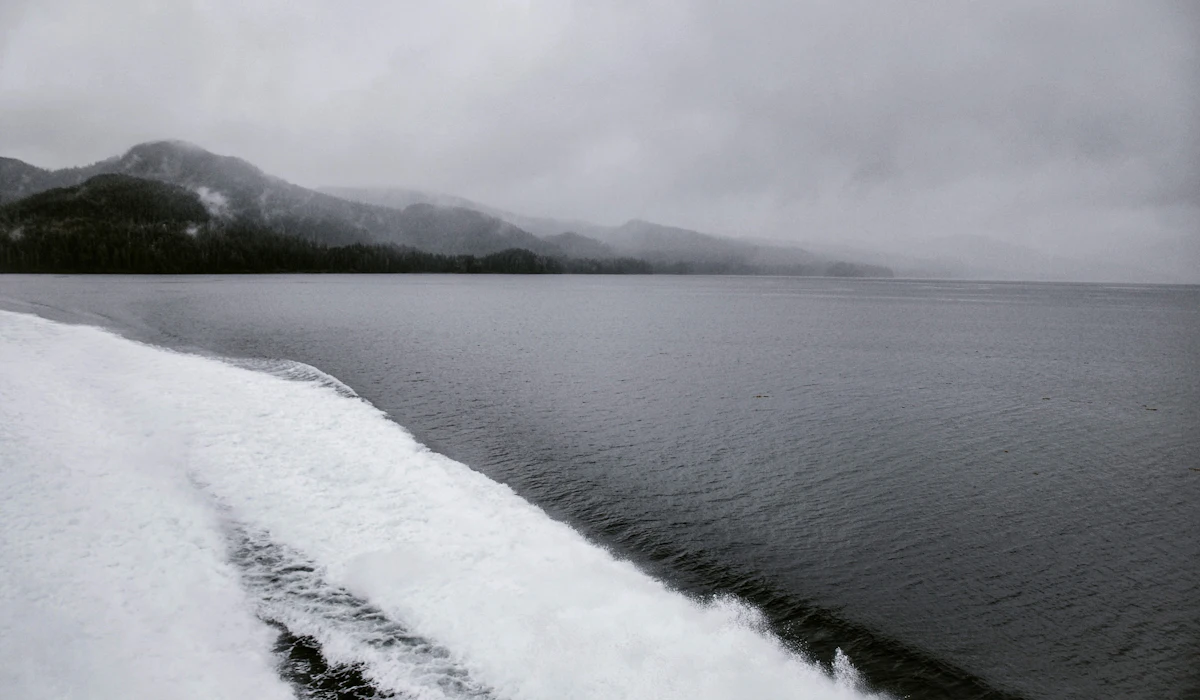
Sitka was the capital of Russian America before the United States bought Alaska in 1867, and the formal transfer ceremony took place on Castle Hill in the middle of town. St.
Michael’s Cathedral, with its onion dome, stands on the main street. A short walk leads to Sitka National Historical Park, where a forest trail passes carved totem poles along the shoreline.
The key is knowing where the ship arrives: some ships use downtown docks or tender directly into town, while many large ships use a cruise terminal several miles north and provide a shuttle. Once in downtown Sitka, the major sights are close together.
Regulars walk the loop at their own pace and skip the crowded tour buses when their ship’s berth makes that practical.
Victoria, British Columbia
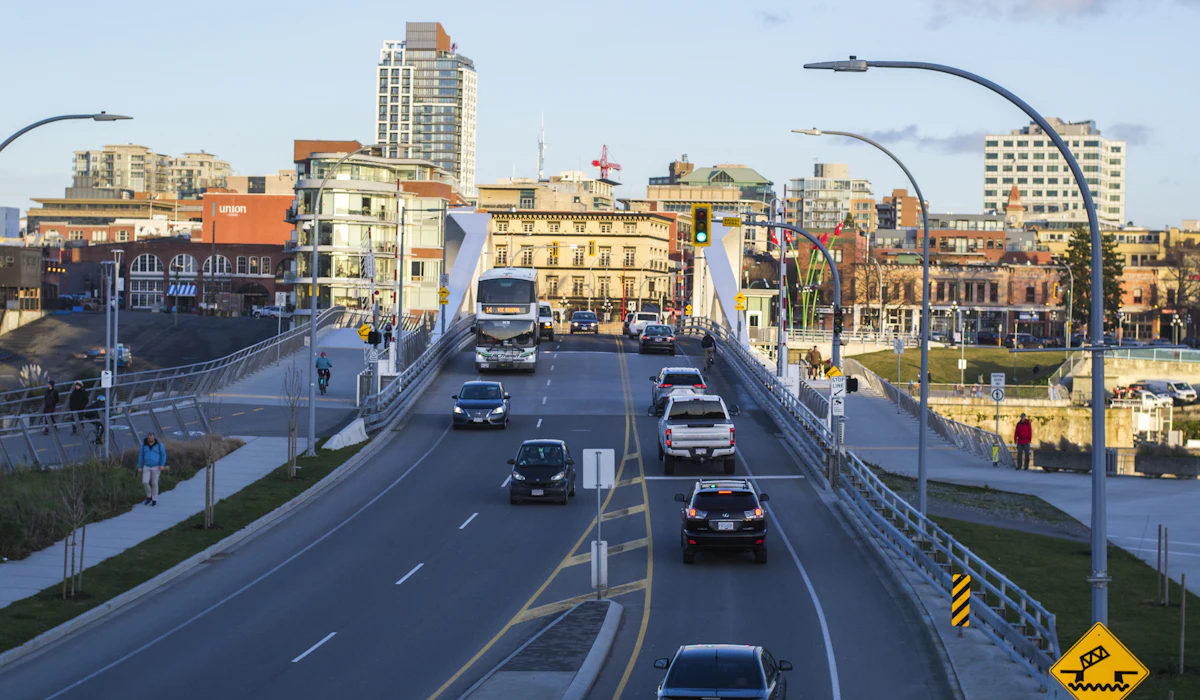
Victoria’s cruise terminal at Ogden Point sits roughly 30 minutes on foot from the Inner Harbour, with the waterfront route passing Fisherman’s Wharf along the way. Fisherman’s Wharf itself is only about a 10-minute walk from the terminal.
The route eventually reaches the Fairmont Empress hotel and the British Columbia Parliament Buildings. Taxis, buses and shuttles are available for passengers who do not want to make the entire walk.
Regulars walk toward the harbor, eat fish and chips on the wharf and explore the city at their own pace, spending little and seeing plenty without booking a full-day tour.
Key West, Florida
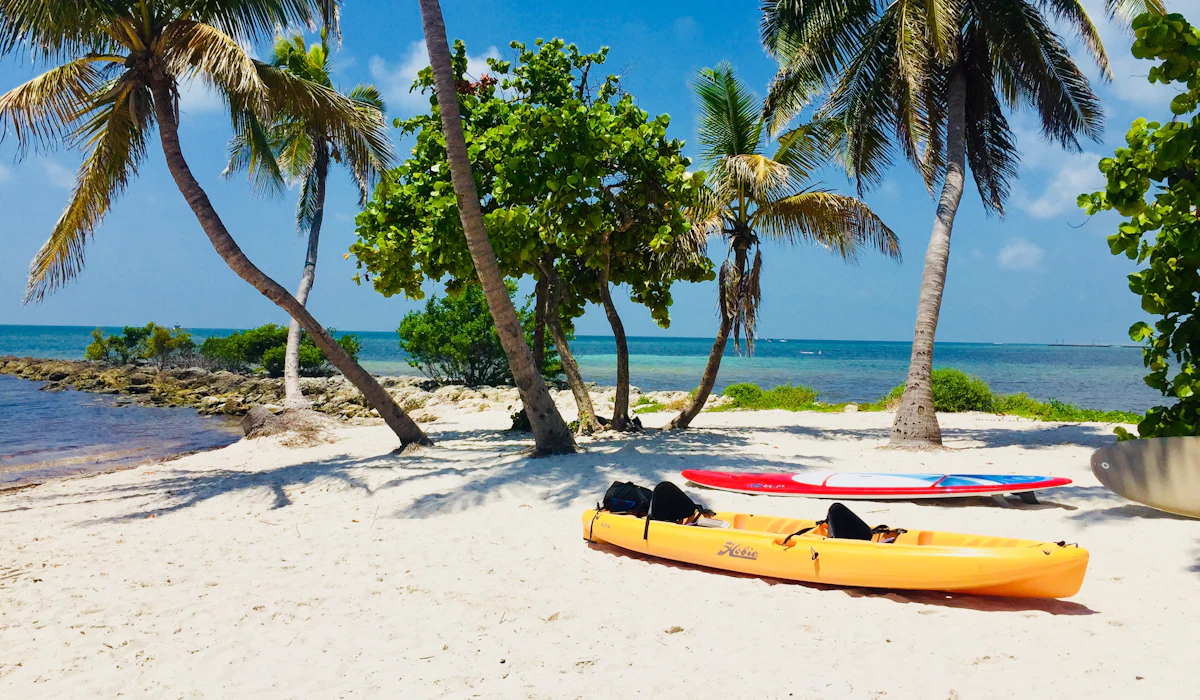
Key West’s cruise piers put passengers within minutes of Duval Street, Mallory Square and the town’s historic district. The Ernest Hemingway Home and Museum, famous for its colony of cats, many with extra toes, is an easy walk from the waterfront.
So is the painted buoy marking the southernmost point of the continental United States, often with a queue for photos. Regulars rent bicycles or simply walk the shaded side streets lined with old conch houses.
For ships staying late, the nightly sunset celebration at Mallory Square brings street performers and a crowd with no admission charge.
Nassau, Bahamas
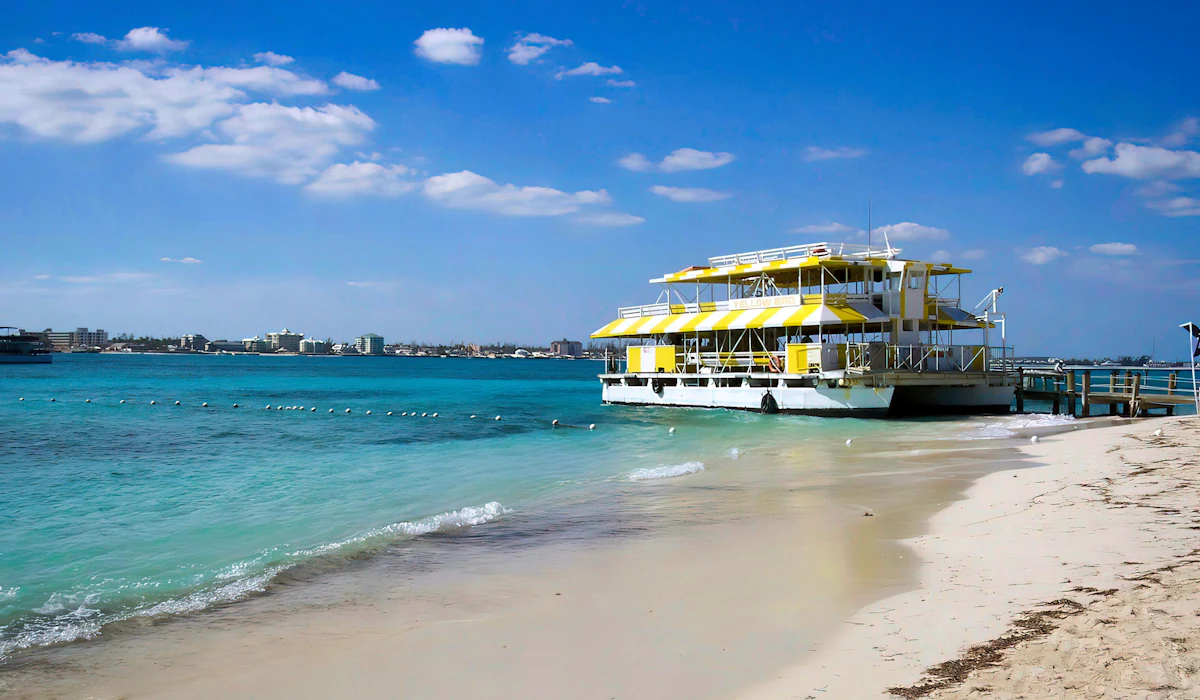
Nassau’s Prince George Wharf sits right at the edge of downtown, putting Bay Street’s shops and restaurants a short walk from the gangway. A little farther inland, the Queen’s Staircase climbs a limestone gorge carved in the late 1700s by enslaved people, and leads up to Fort Fincastle.
Parliament Square, lined with pink colonial buildings, sits in between. The walk is hot in midday sun but manageable in the morning.
Regulars see the staircase, the fort and the old town, then return to the ship for lunch while the excursion buses are still loading for the beach. The Queen’s Staircase is about a 13-minute walk from the port, according to Nassau Cruise Port.
Old San Juan, Puerto Rico

Old San Juan begins right where the ships tie up, and cobblestone streets rise and dip between brightly painted colonial buildings. Castillo San Felipe del Morro and Castillo San Cristobal, both part of the San Juan National Historic Site, sit within walking distance and together make up one of the most impressive fortification systems in the Americas.
The Paseo de la Princesa follows the old city walls along the water. The hills are steep in places, but a free trolley serves parts of the district.
Regulars wander for hours and consider San Juan one of the easiest ports for independent exploring.
Cozumel, Mexico
Cozumel has three cruise piers, and Punta Langosta sits right in town. Ships using that pier deliver passengers directly into San Miguel, the island’s main town, with its waterfront promenade, central plaza and street-side restaurants.
The other two piers are several miles south and usually require a taxi. Regulars check which pier their ship uses before planning the day.
From Punta Langosta, a walk along the waterfront, a plate of tacos at a local spot and a browse through shops away from the pier make a complete, relaxed day without any tour at all.
Philipsburg, Sint Maarten
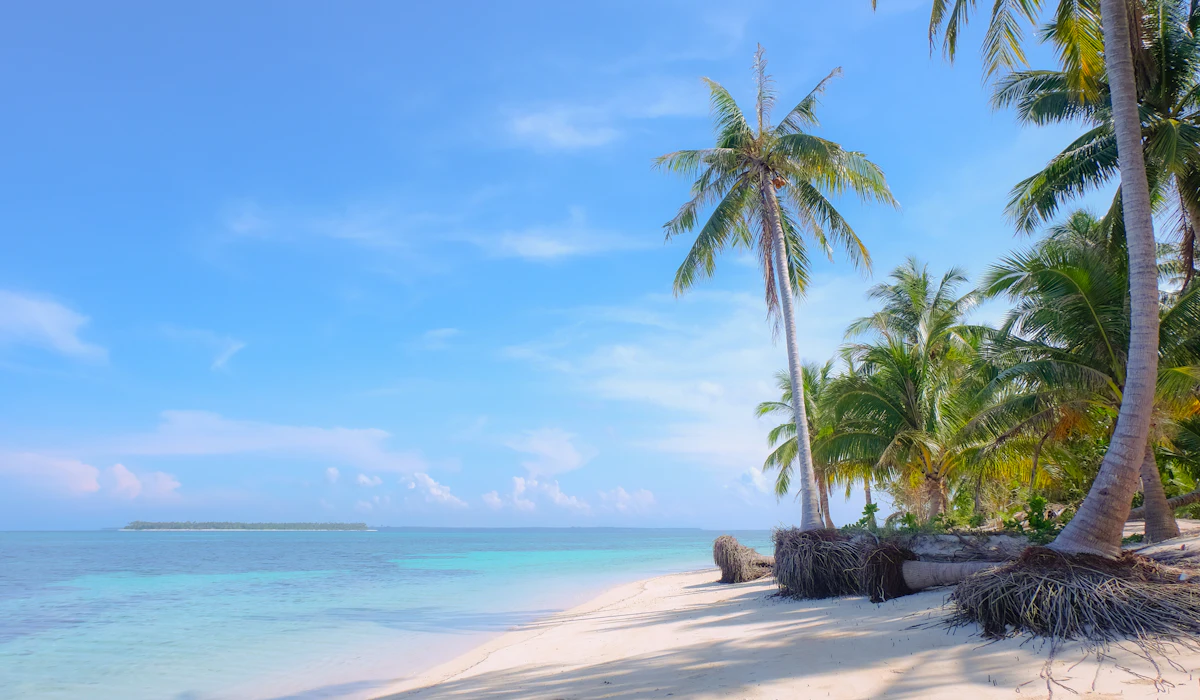
Philipsburg’s cruise pier sits about a 20-minute walk from the town’s boardwalk, and a water taxi covers the same route for a small fare. Great Bay Beach runs along the front of town, with chairs and umbrellas for rent and calm water for swimming.
Front Street, parallel to the beach, carries shops, restaurants and the old courthouse, which dates to the late 1700s. Regulars skip the island tours, spend a few hours on the beach and walk into town for lunch.
With the ship in view much of the time, the port is relatively easy to navigate independently.
Basseterre, St. Kitts
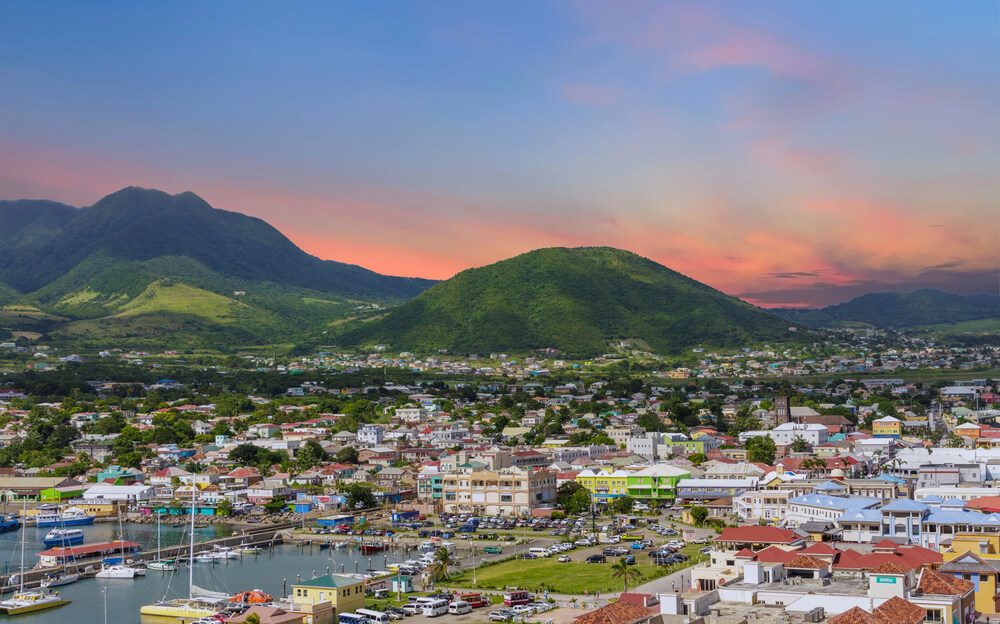
Port Zante, the cruise pier, sits directly in the middle of Basseterre, the capital of St. Kitts and Nevis.
A short walk leads to the Circus, a small roundabout modeled on London’s Piccadilly Circus and centered on the Victorian-era Berkeley Memorial clock. Independence Square, once a marketplace, sits a few blocks away, along with the Immaculate Conception Cathedral.
The town is compact and walkable, with local shops and a lively market. Regulars stroll the center, sample local food and often return to the pier area for a drink, having seen the town without paying for a full island excursion.
Willemstad, Curaçao
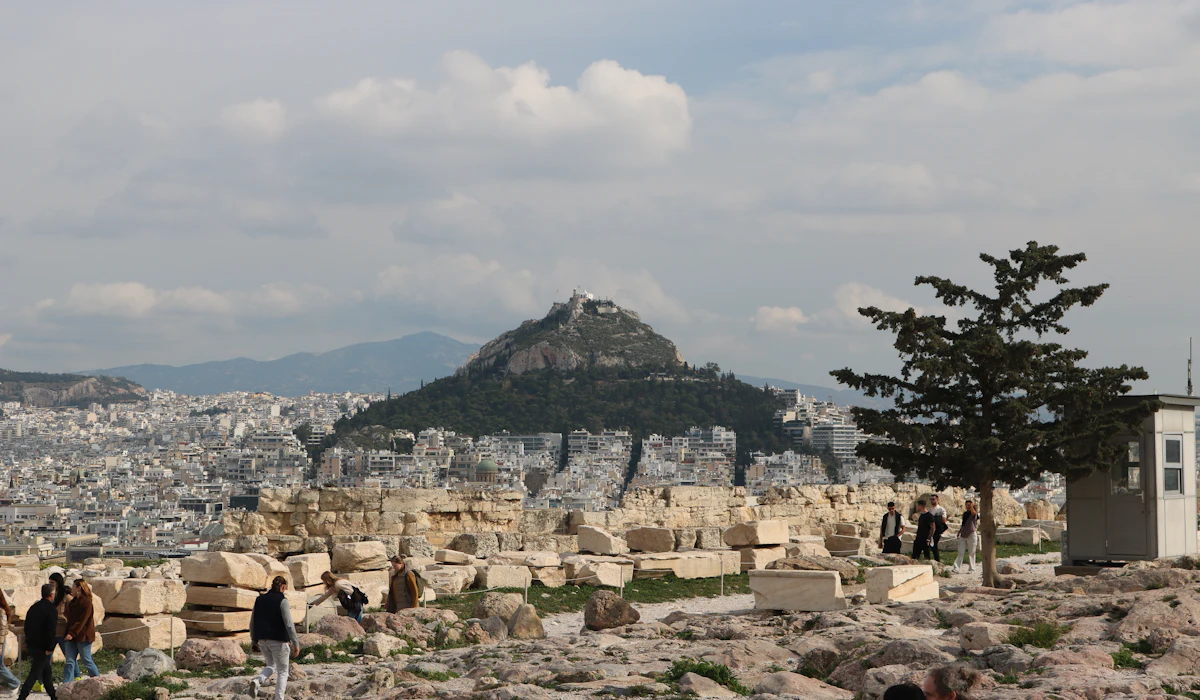
Willemstad’s historic center is a UNESCO World Heritage Site, and many ships dock within walking distance of it. The Queen Emma Bridge, a floating pontoon bridge, swings open to let ships pass and connects the Otrobanda and Punda districts.
Along the Punda waterfront, the Handelskade row of Dutch colonial buildings in bright colors appears on nearly every postcard of the island. The story that an early governor ordered the buildings painted different colors because white walls gave him headaches is widely repeated but is generally treated as a local legend.
Regulars cross the bridge on foot, explore the narrow streets and enjoy one of the most photogenic walks in the Caribbean.
George Town, Grand Cayman
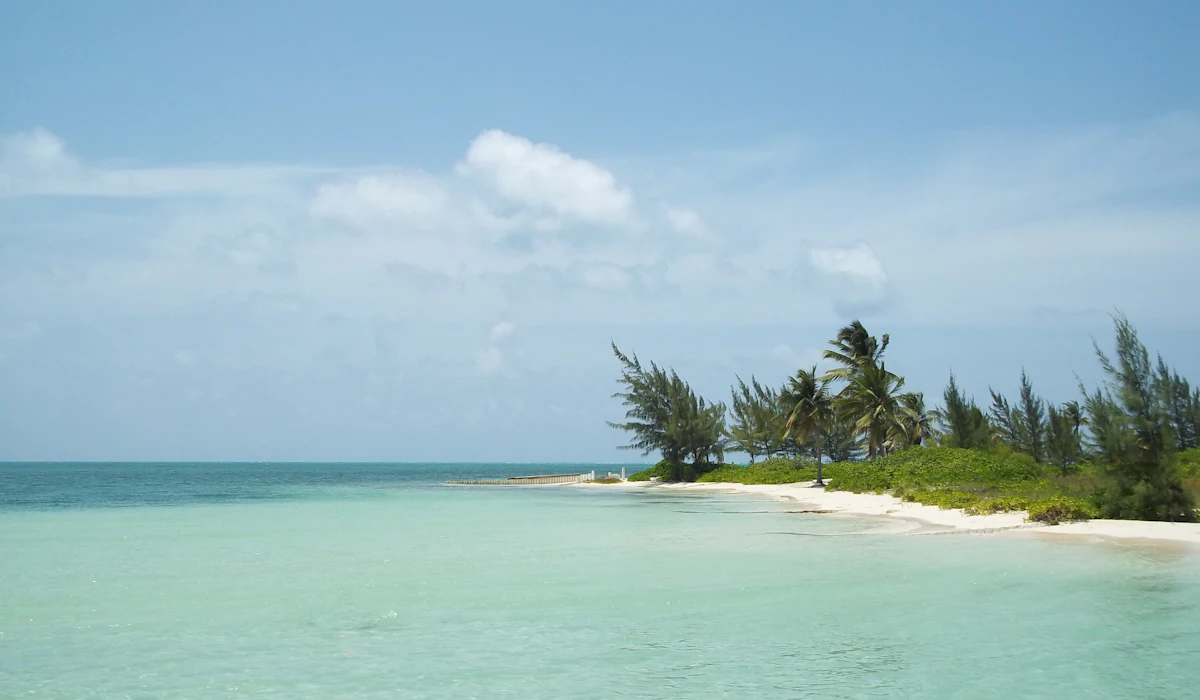
Grand Cayman is a tender port, and the boats land passengers directly in George Town. Shops, restaurants and the Cayman Islands National Museum sit within a few blocks of the landing.
Nearby shore-access snorkeling sites can also be reached on foot, although conditions and access points should be checked locally before entering the water. Regulars who bring their own snorkel gear can explore independently rather than booking a full-day excursion.
Stingray City tours are popular for good reason, but the town and nearby water activities give independent travelers other options.
St. John’s, Antigua
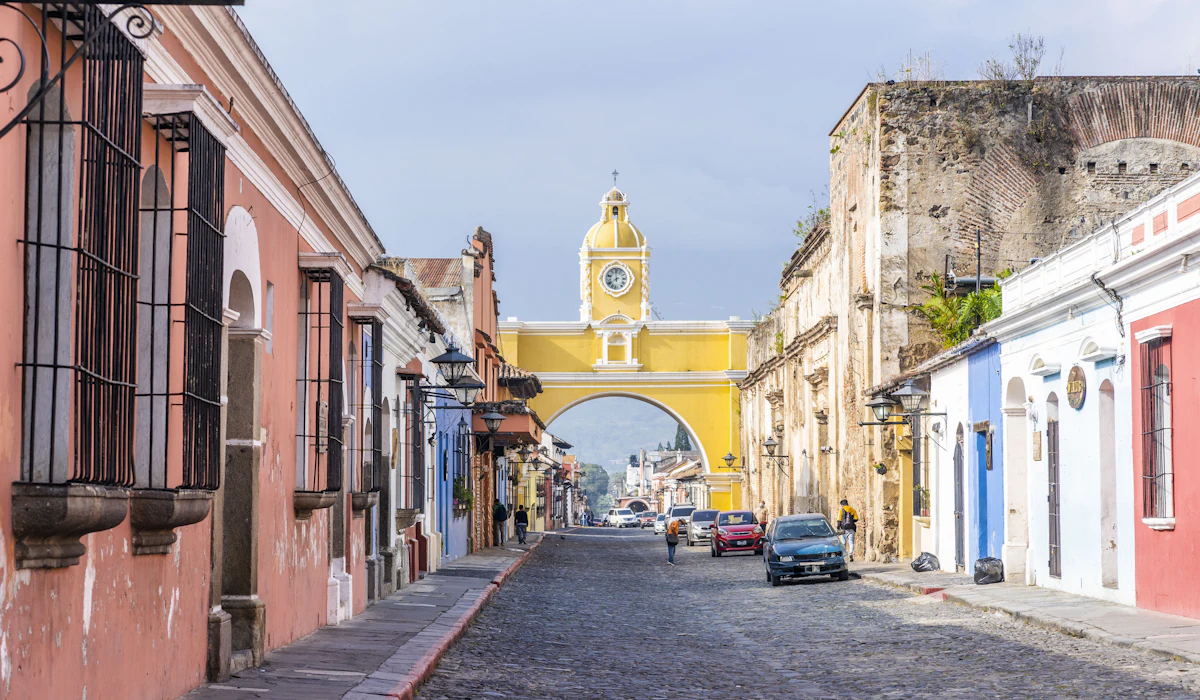
Heritage Quay and its neighboring piers deliver passengers straight into St. John’s, the capital of Antigua and Barbuda.
The town’s streets lead uphill to St. John’s Cathedral, its twin towers visible from the waterfront.
Redcliffe Quay, with its restored stone warehouses, offers shops and cafes a short walk from the pier. The public market on the edge of town sells local produce and crafts.
Regulars wander the old streets, stop for a local lunch and return to the ship without the expense of an island tour. For beach time, a short taxi ride can make more sense than trying to walk to a beach from the port.
Royal Naval Dockyard, Bermuda
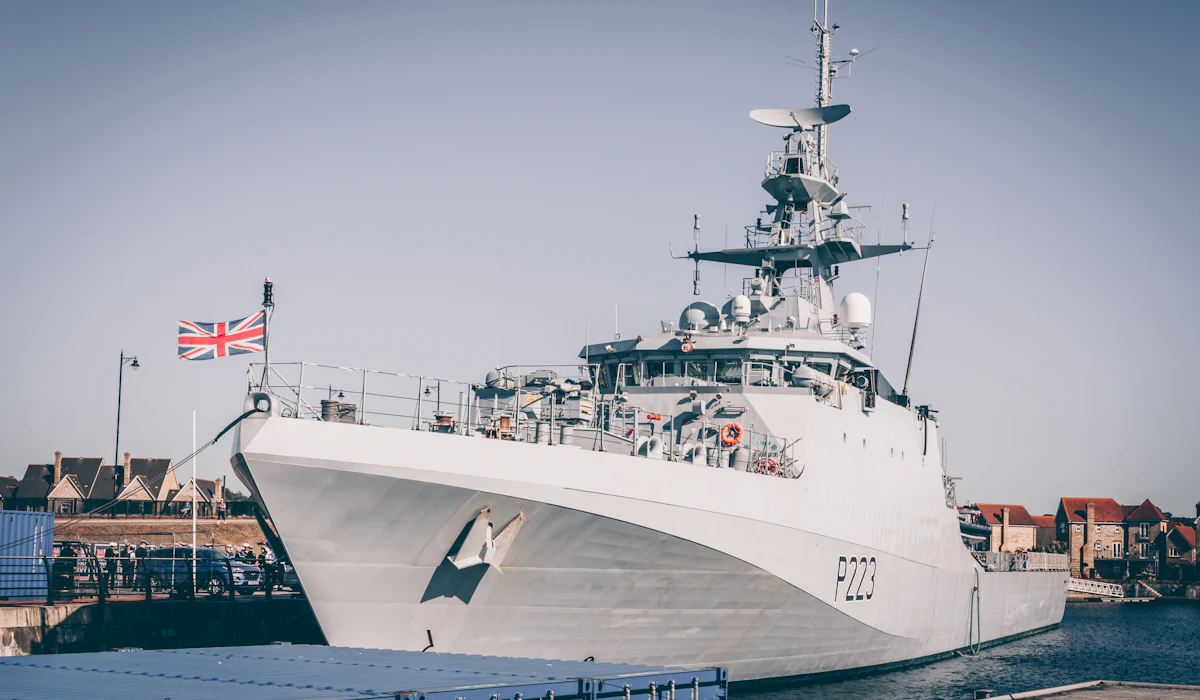
Most large ships dock at the Royal Naval Dockyard at the western tip of Bermuda, a former British naval base whose stone buildings date from the 1800s. The National Museum of Bermuda occupies the old fortress known as the Keep, with exhibits on shipwrecks and island history.
The Clocktower Mall has two towers, and the complex is filled with shops, galleries and historic buildings. Snorkel Park Beach is only a short walk from the cruise pier.
The Dockyard also offers free walking tours during the cruise season. Regulars spend a day exploring the Dockyard on foot and save the island’s ferries and buses for trips to Hamilton or St.
George’s.
Halifax, Nova Scotia
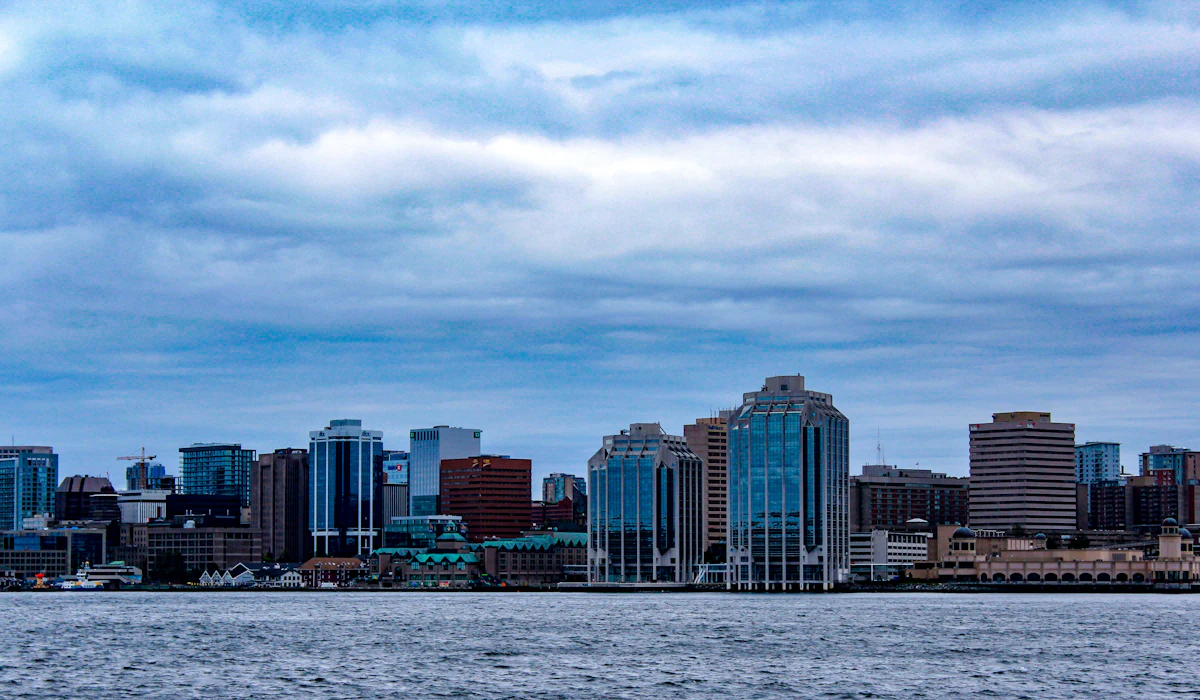
Halifax’s cruise terminal sits beside Pier 21, where more than 1 million immigrants arrived in Canada between 1928 and 1971, and the building now houses the Canadian Museum of Immigration. The waterfront boardwalk stretches north from the terminal past shops, seafood stands and restaurants.
A steady uphill walk leads to the Halifax Citadel, a star-shaped fort where a cannon fires every day at noon. Regulars walk the boardwalk, visit the museum and climb to the Citadel for views over the harbor.
The city is compact enough that a full day passes easily without a single paid tour.
Quebec City, Quebec
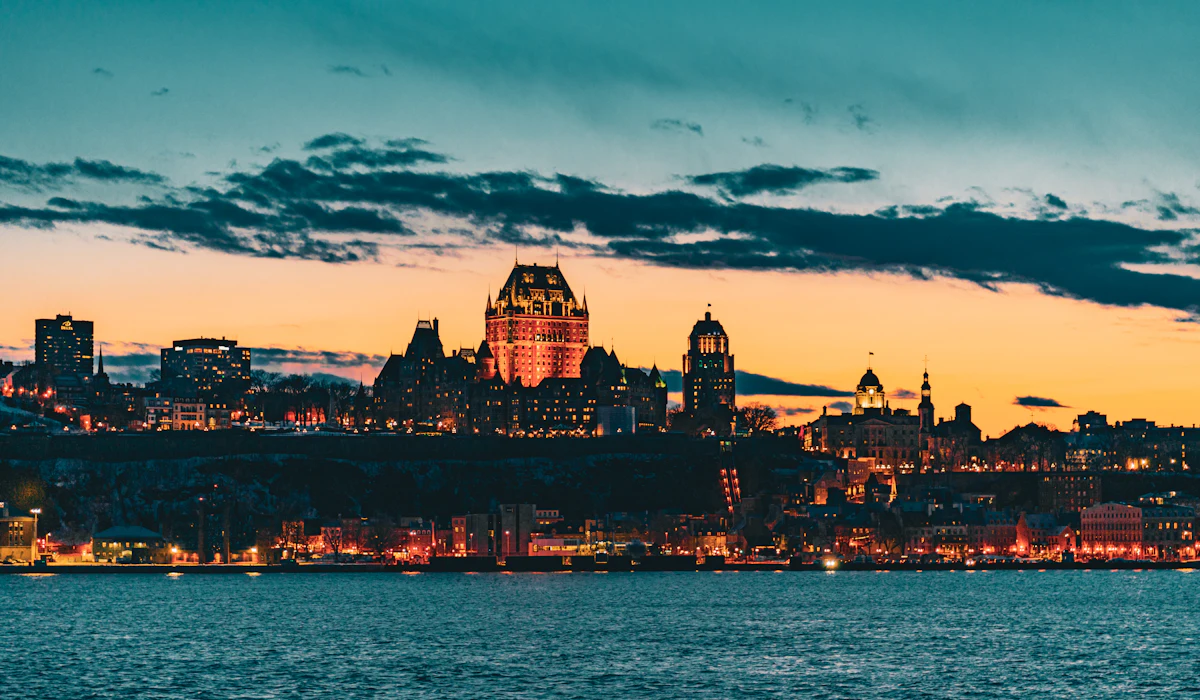
Cruise berths at the Old Port sit steps from Old Quebec, a UNESCO World Heritage Site and the only walled city north of Mexico. The narrow streets of the Petit-Champlain district lead to a funicular that climbs to the upper town and the Château Frontenac, one of the most photographed hotels in the world.
The Dufferin Terrace, a wide boardwalk overlooking the St. Lawrence River, stretches beside it.
Regulars walk the historic districts, stopping for crepes or poutine along the way. The city feels European enough that many passengers forget they are still in North America.
Bar Harbor, Maine
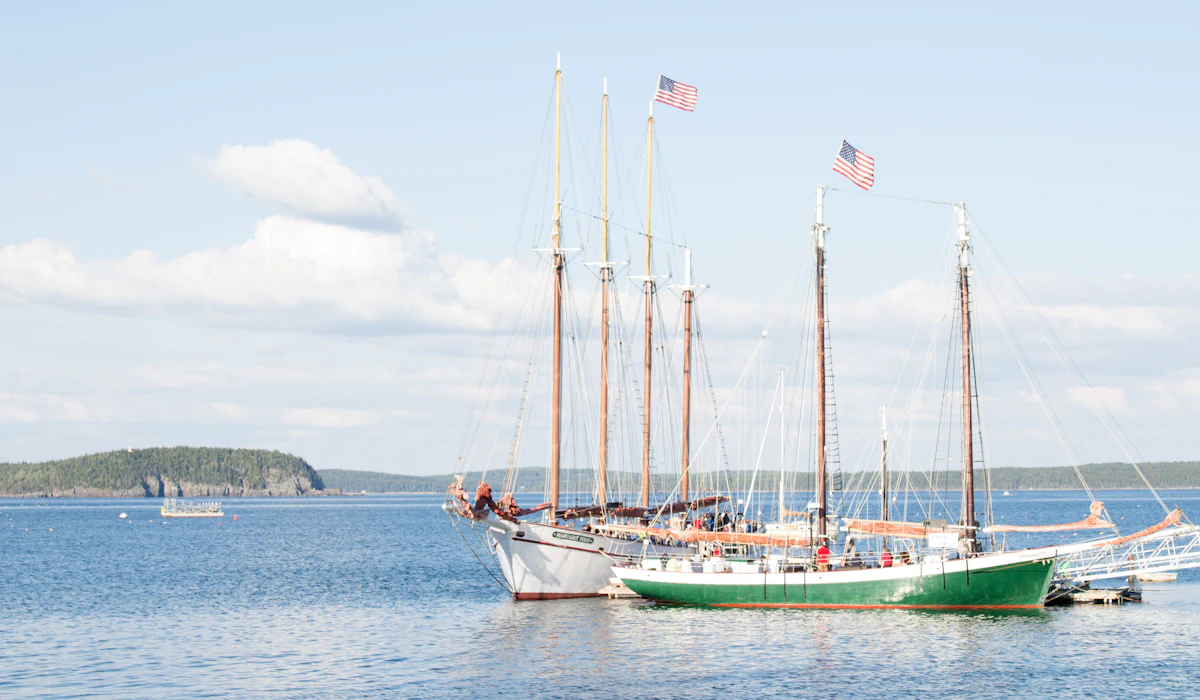
Bar Harbor is a tender port, and the boats land passengers at a pier in the center of the village. The Shore Path follows the rocky coastline past historic cottages, and the Village Green sits a few blocks inland.
Acadia National Park surrounds the town, and the free Island Explorer shuttle buses, running in season, connect the village to trailheads and park sights. Regulars ride the shuttle to a trail, hike for a few hours and return for a lobster roll in town.
This independent approach can cover some of what organized excursions offer, although the park’s larger attractions require more time and transportation.
Valletta, Malta
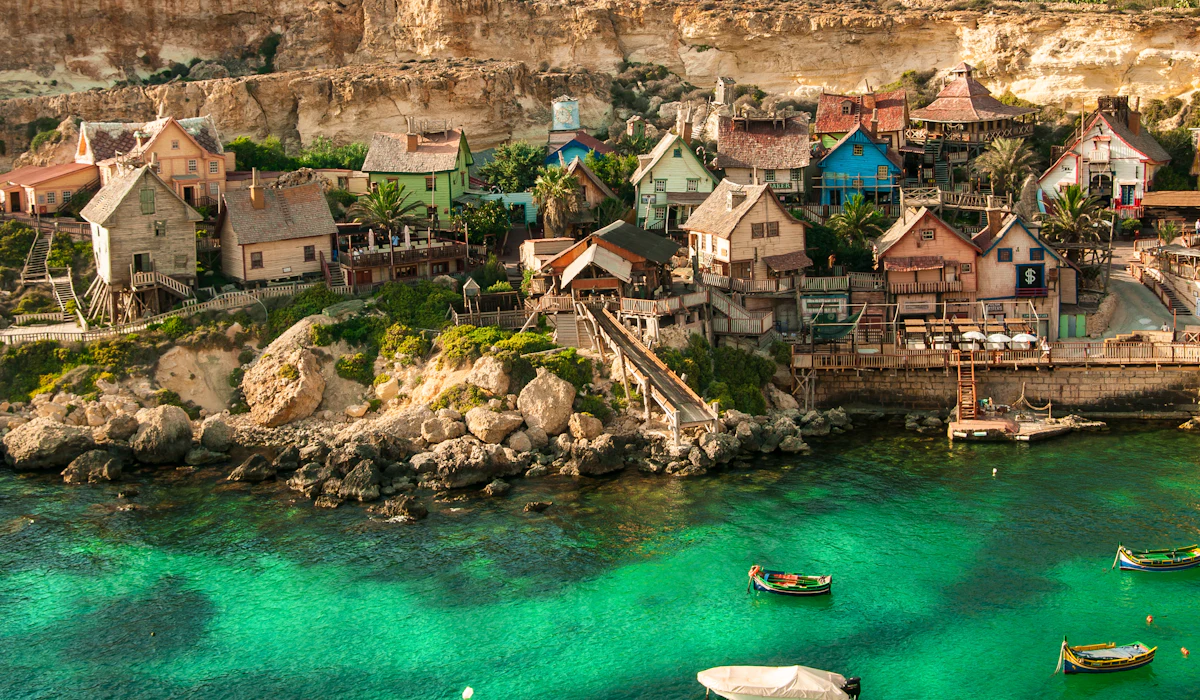
Valletta, built by the Knights of St. John in the 1560s, is one of the smallest capital cities in Europe and a UNESCO World Heritage Site.
Ships dock at the waterfront below the city walls, and the Barrakka Lift carries passengers up to the Upper Barrakka Gardens. From there, the view across the harbor to the Three Cities is among the finest in the Mediterranean, and the Saluting Battery fires a cannon at noon.
St. John’s Co-Cathedral, with its elaborate baroque interior, is a short walk away.
Regulars explore the historic center on foot and use the lift when they want to avoid the steep climb from the waterfront.
Kotor, Montenegro
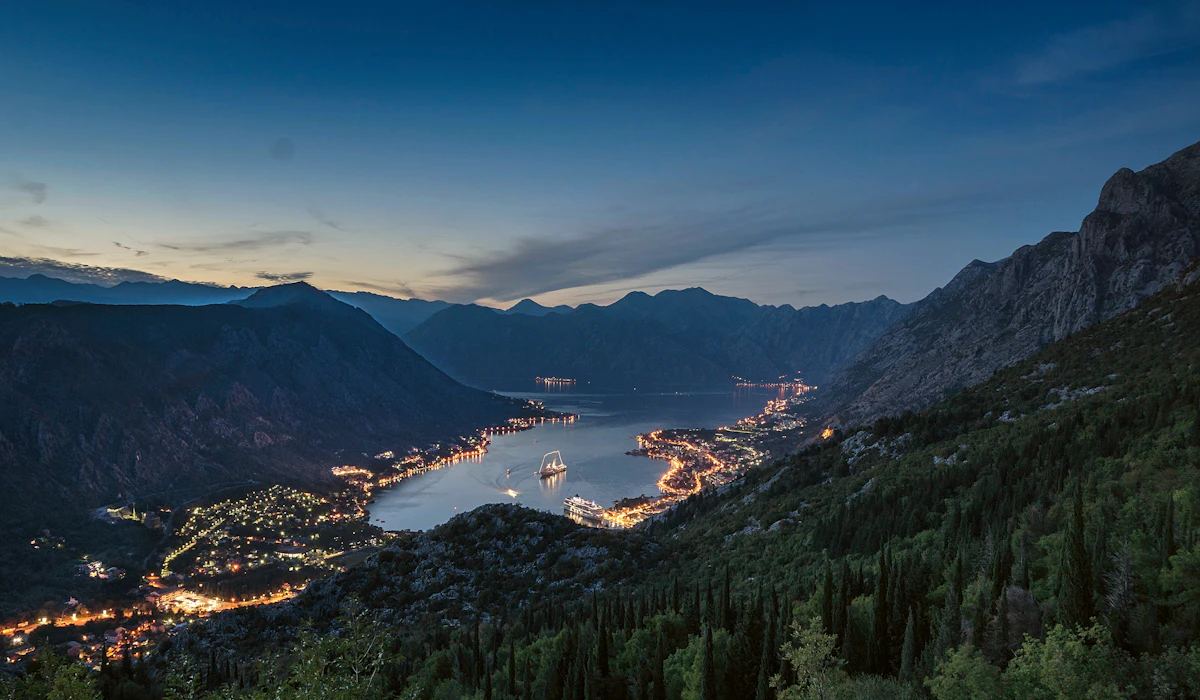
Kotor’s old town begins just outside the cruise berth, at the end of a long, fjord-like bay. The medieval town is a UNESCO World Heritage Site, full of narrow lanes, small squares and churches, and it is famous for its many resident cats.
The fortress walls climb the mountain behind town, and more than 1,300 steps lead up toward the Castle of San Giovanni. The climb is steep and hot but rewards hikers with sweeping views over the bay.
Regulars head up early before the heat builds, then explore the old town in the afternoon.
Monaco
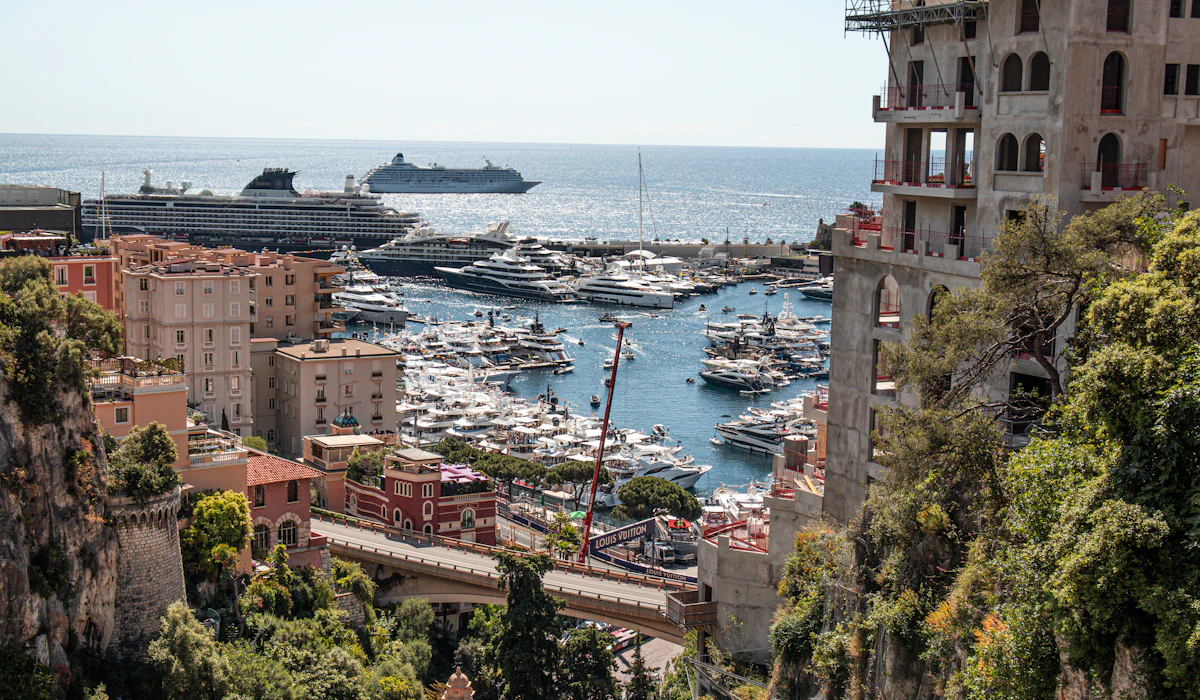
Port Hercule, where cruise ships call, lies in the heart of Monaco, where the Formula One circuit runs along the waterfront streets. A steady uphill walk leads to Monaco-Ville on the Rock, where the Changing of the Guard takes place outside the Prince’s Palace each day at 11:55 in the morning.
Nearby, the Oceanographic Museum, once directed by Jacques Cousteau, sits on a cliff above the sea. The Monte Carlo Casino is walkable in the other direction.
Regulars see the palace area, the museum and the casino district in a day, without paying for a coach tour of a country smaller than Central Park.
Lisbon, Portugal
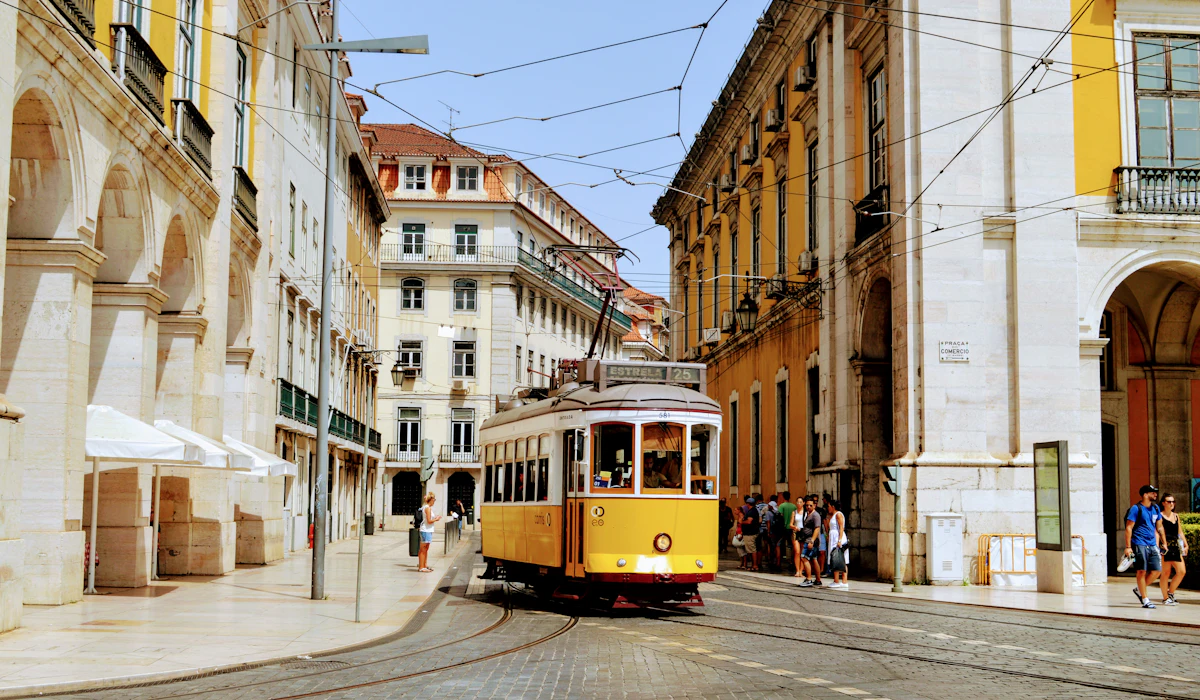
Lisbon’s cruise terminals can put passengers within easy reach of Alfama, the oldest neighborhood in the city, where narrow lanes climb toward the Sao Jorge Castle. The walk is steep but rewarding, passing small cafes, tiled facades and viewpoints over the Tagus River.
Tram 28, the city’s famous vintage tram route, rattles through the district. Regulars wander uphill, visit the castle and drift back down through the old streets toward Baixa and Praca do Comercio, the grand riverfront square.
Depending on the ship’s terminal, the walk into the historic center can be longer than it first appears, but independent exploration remains straightforward for passengers comfortable with hills.
Bergen, Norway
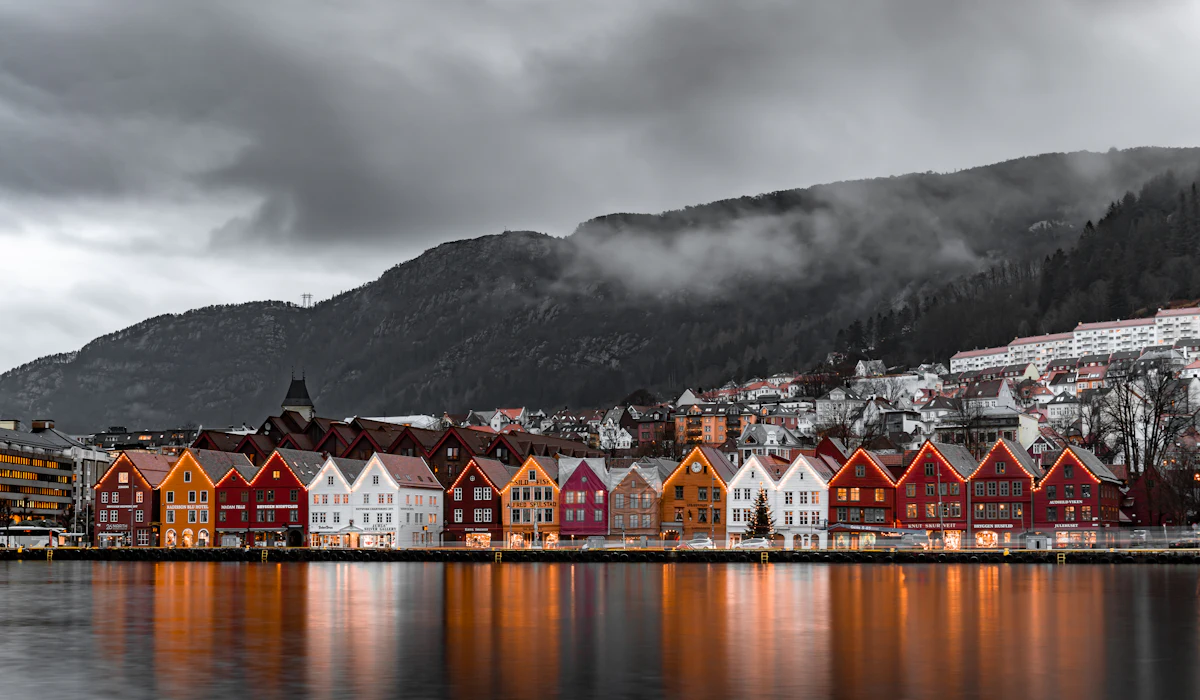
Bergen’s cruise quays sit within walking distance of Bryggen, the old Hanseatic wharf whose row of colorful wooden buildings is a UNESCO World Heritage Site. The fish market sits nearby, selling fresh seafood and snacks.
The Floibanen funicular climbs Mount Floyen from the edge of town for views over the city and its surrounding mountains. Bergen has a reputation as one of Europe’s rainiest cities, so regulars carry a waterproof jacket regardless of the forecast.
They explore Bryggen’s narrow alleys, ride the funicular and can walk back down through the hillside paths without needing any organized tour.
Stavanger, Norway
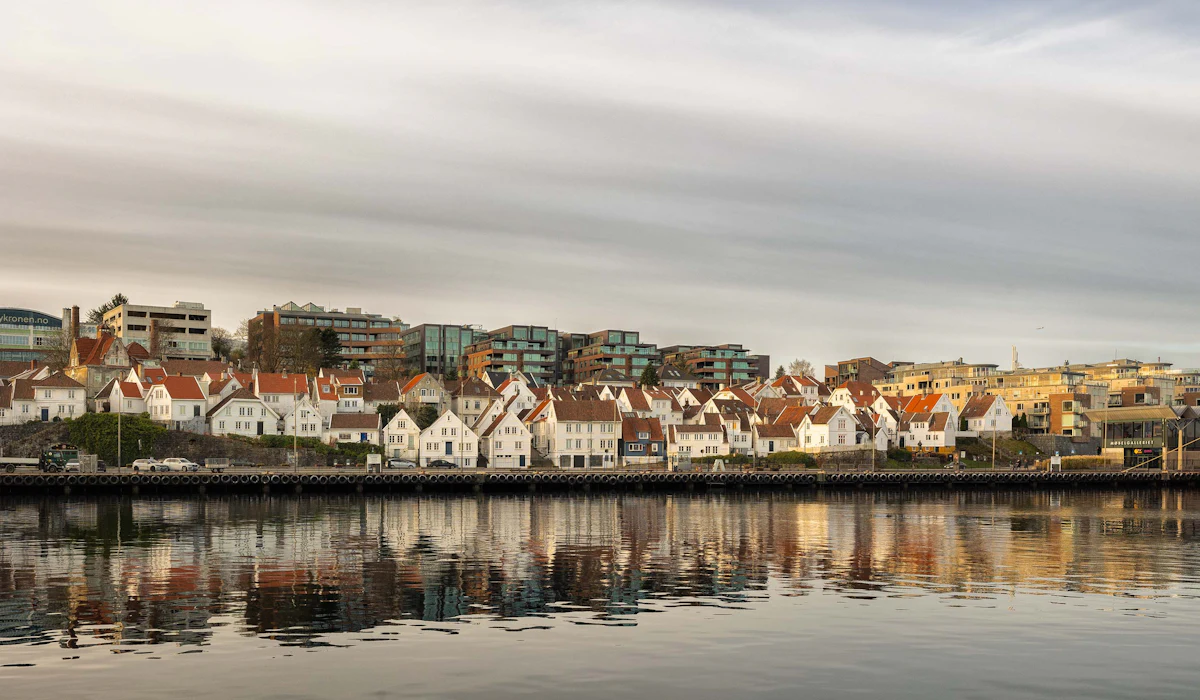
Stavanger’s cruise berths sit right in the city center, beside Gamle Stavanger, a neighborhood of roughly 170 white wooden houses dating mostly from the 1700s and 1800s. Flowers crowd the windows and doorsteps, and the lanes are quiet even on busy cruise days.
The Norwegian Petroleum Museum, near the waterfront, explains how oil transformed the region. Regulars wander the old town, visit the museum and walk the harbor front for a coffee.
Excursions to Pulpit Rock are popular but can take much of the day, and many passengers find the town itself more than enough for a relaxed visit.
Tallinn, Estonia
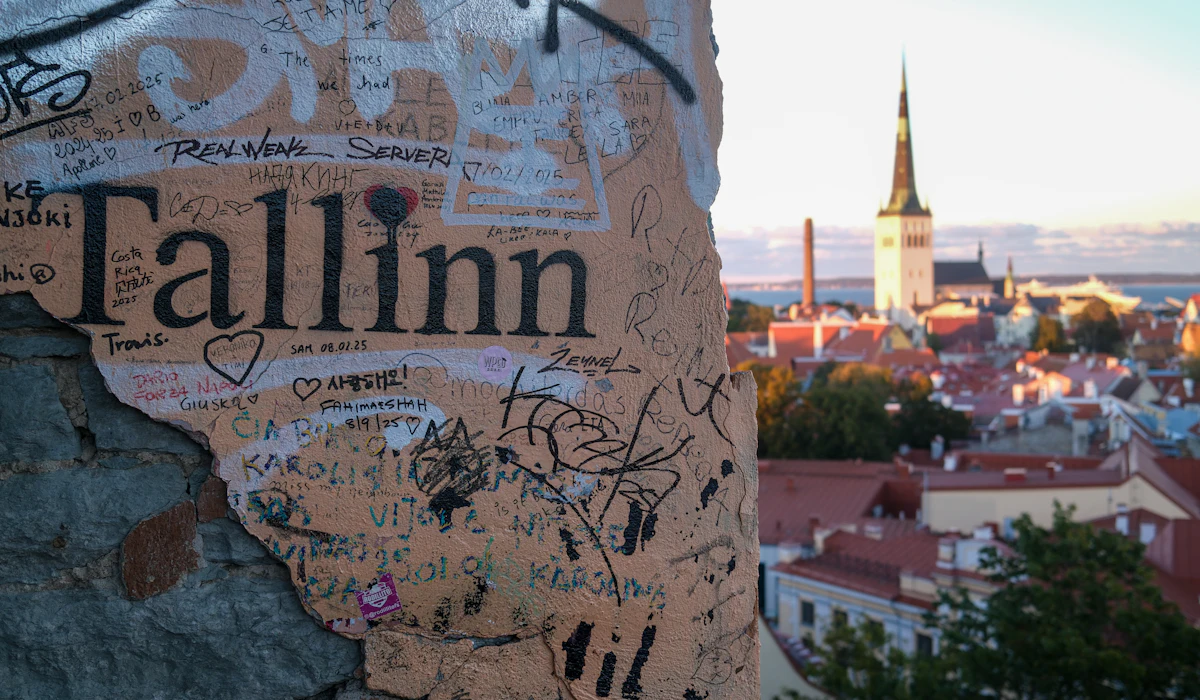
Tallinn’s cruise port sits within walking distance of the Old Town, one of the best-preserved medieval centers in northern Europe and a UNESCO World Heritage Site. Stone walls, towers and cobbled lanes surround Town Hall Square, where the Town Hall Pharmacy has operated for centuries and ranks among the oldest continuously running pharmacies in Europe.
Toompea Hill rises above the lower town with viewing platforms over the red rooftops. Regulars walk in, climb the hill and wander the lanes.
Tallinn is compact, and a full day on foot covers many of its central highlights.
Cobh, Ireland
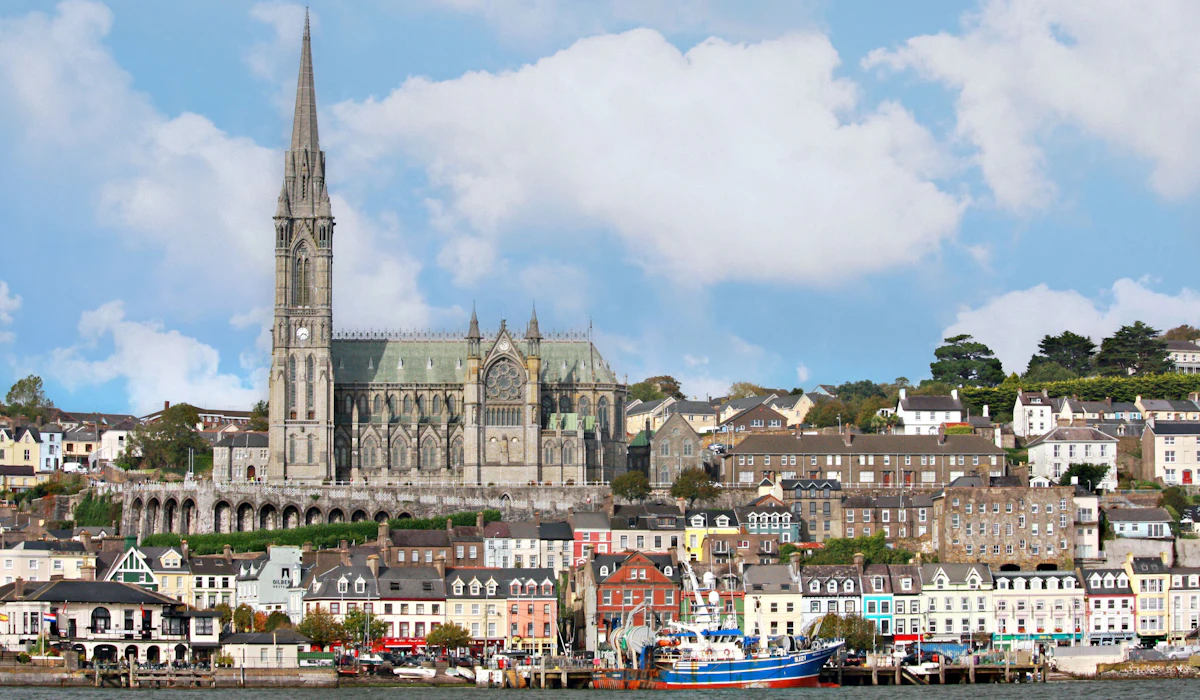
Cobh, known as Queenstown in 1912, was the Titanic’s final port of call before the ship sailed into the Atlantic. Cruise ships dock right beside the town, where the Titanic Experience occupies the former White Star Line ticket office.
St. Colman’s Cathedral rises above the waterfront, and its carillon of 49 bells is one of the largest in Ireland.
A row of colorful houses on a steep street, known locally as the Deck of Cards, makes a popular photo. Regulars explore the town on foot and skip the long bus trips to Blarney Castle.
Kailua-Kona, Hawaii
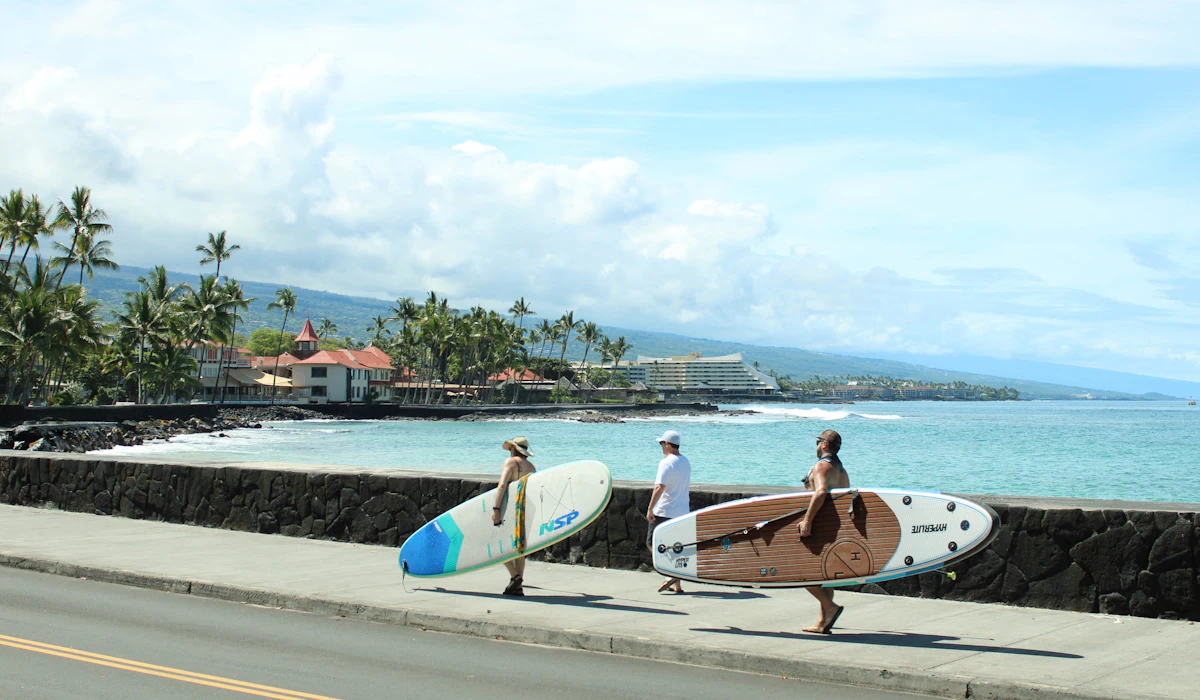
Tenders from ships anchored off Kailua-Kona carry passengers to the Kailua Pier, in the heart of the town. Hulihee Palace, a former summer home of Hawaiian royalty, stands a few steps from the landing.
Across the street, Mokuaikaua Church traces its founding to 1820 and is widely recognized as the oldest Christian church in Hawaii. Alii Drive runs along the waterfront with shops, cafes and ocean views.
Regulars stroll the drive, visit the waterfront and historic sites and sample Kona coffee without needing a bus ride up the mountain.
Honfleur, France
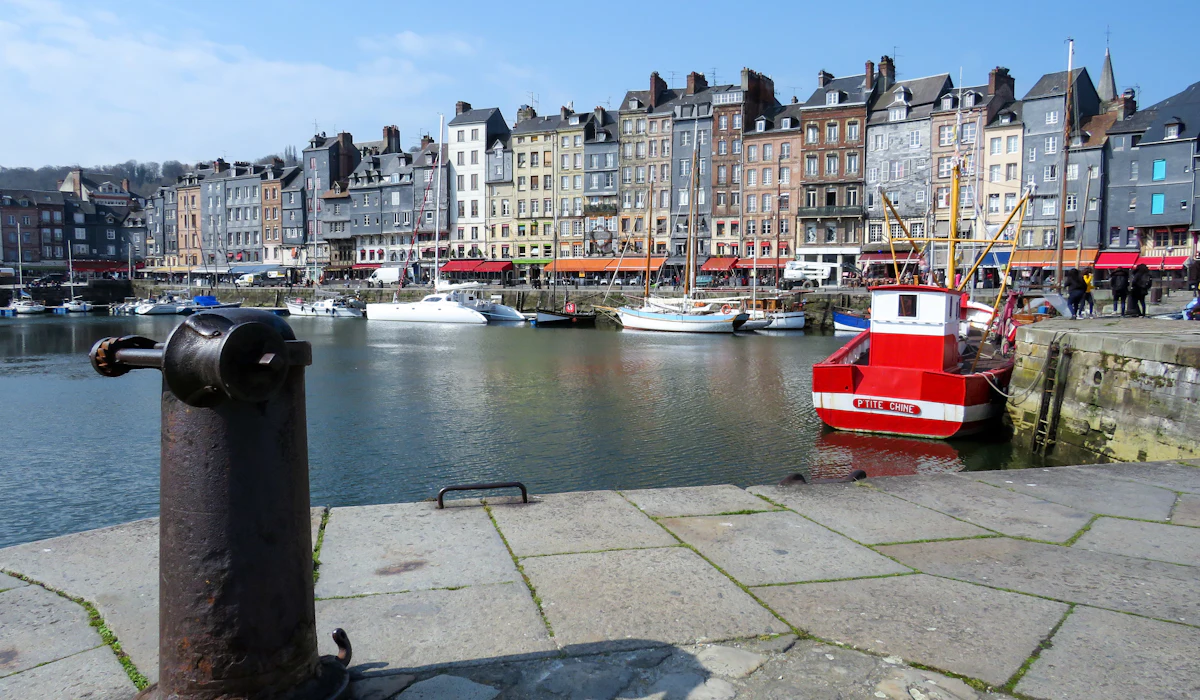
Honfleur, a small Normandy port, sits close to its cruise berth, and its Vieux Bassin, the old harbor, is lined with tall, narrow slate-fronted houses that painters have favored for centuries. The town’s Church of St.
Catherine, built largely of wood by local shipbuilders, is considered the largest wooden church in France. Cobbled lanes lead to galleries, cider shops and seafood restaurants.
Regulars wander the town, stop for a crepe and explore at their own pace. Excursions to Paris or the D-Day beaches are long and expensive, while Honfleur itself rewards a slow morning spent on foot.
Akureyri, Iceland
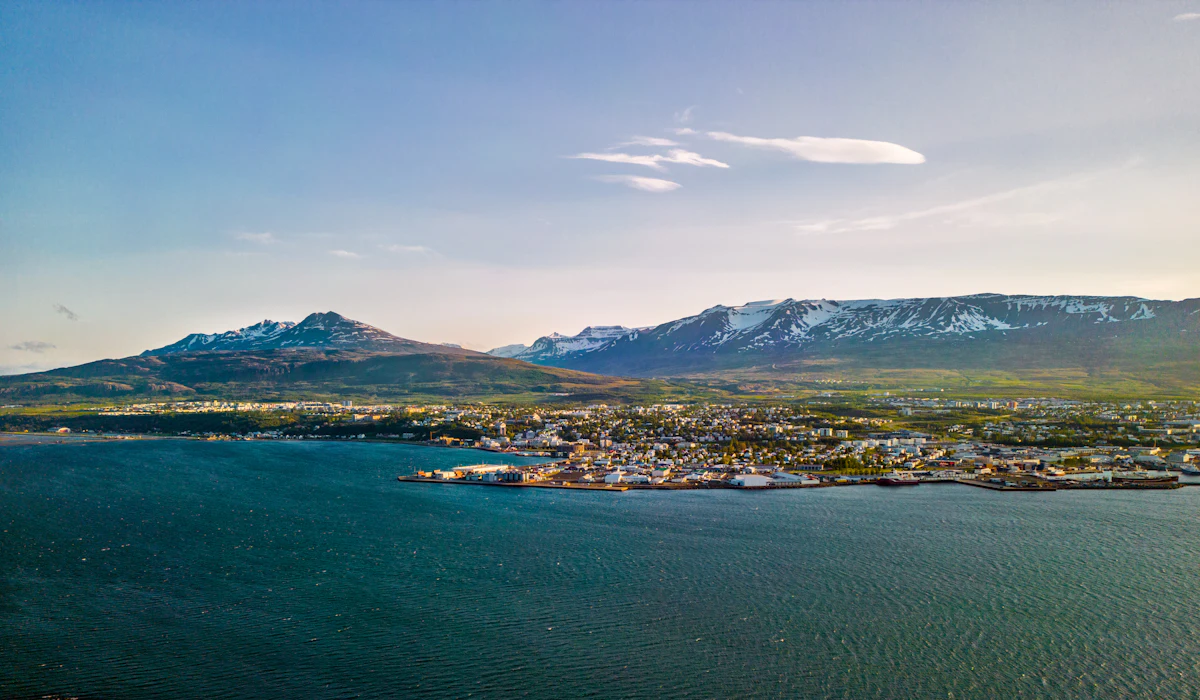
Akureyri is Iceland’s second-largest urban area, and ships dock close to its compact center. The Akureyrarkirkja church, reached by a long flight of steps, overlooks the town and the fjord.
A short walk leads to one of the world’s northernmost botanical gardens, which grows a surprising range of plants for a town so close to the Arctic Circle. Many of the town’s traffic lights show red hearts instead of plain circles, a small touch that delights visitors.
Regulars walk the center, visit the garden and enjoy the town without joining a coach tour.
Kralendijk, Bonaire
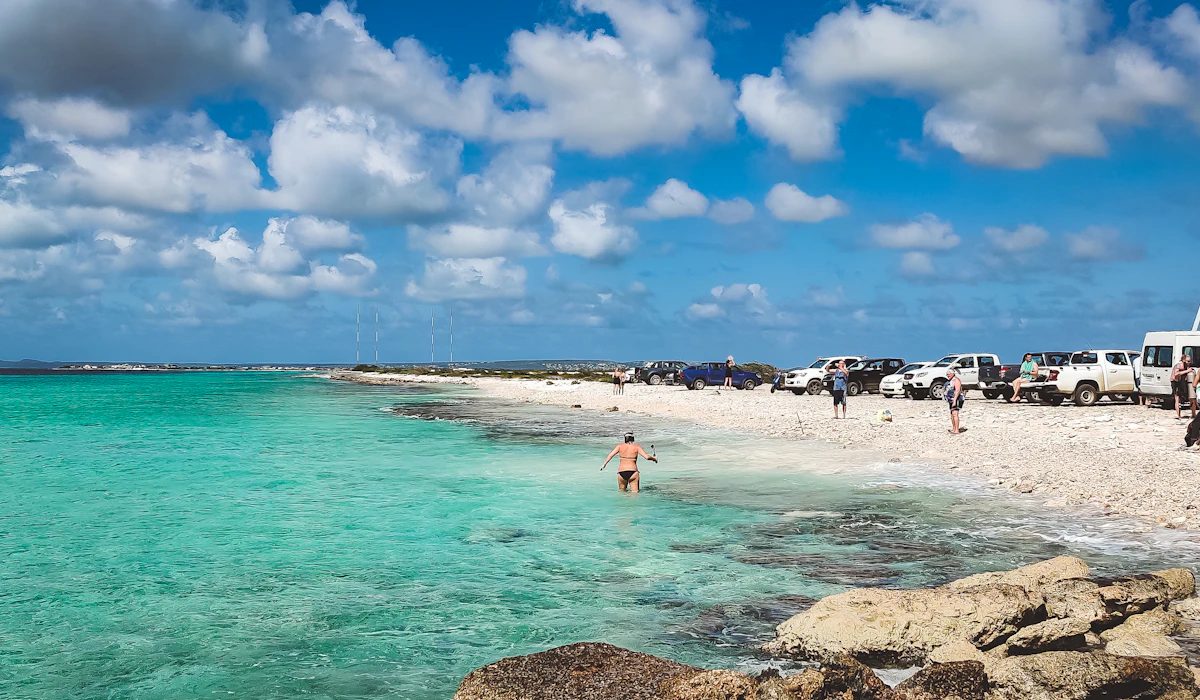
Ships dock right beside Kralendijk, the small capital of Bonaire, where the waterfront promenade holds shops, cafes and pastel colonial buildings. The entire coastline around the island is protected as the Bonaire National Marine Park, established in 1979.
Several shore-diving and snorkeling sites are accessible independently, although not all are within a comfortable walk of the cruise pier. Regulars who bring their own snorkel gear can walk to a nearby entry when conditions are suitable and spend time in the clear water.
Bonaire is quiet and unhurried, which makes it easy to explore without any organized tour at all.
Cities Reward Slow Feet

The towns on this list share a simple geography, with many of the most interesting sights beginning at or near the pier. That accident of history, from old naval dockyards to fortified trading posts, puts centuries of architecture within a short stroll of a modern cruise ship.
Excursions still have their place, especially for glaciers, rainforests and distant ruins. But in these ports, the tour bus can sometimes carry passengers away from the best thing on offer.
Walking a port town also changes the relationship with it. A stranger on foot notices the bakery, the side street, the church bell and the conversation at the next table.
A passenger on a coach sees the town through a window and a microphone. Seasoned cruisers choose the first option whenever the map and ship schedule allow it.
More from Travel Pug

- Underrated Italian Towns That Beat the Tourist Crowds
- Las Vegas Tourist Traps to Skip
- Prettiest Towns in Every US State
- 18 passport-free countries for Americans
- Signs Your Cruise Is Not Worth The Cost
Like Travel Pug’s content? Follow us on MSN.