

A cruise ship spa is built to feel like a retreat, with soft music, warm towels and a view of the ocean from the treatment rooms. It is also one of the most carefully engineered sales floors on the ship.
Most mainstream lines outsource some or much of their spa operations to specialized companies, with OneSpaWorld currently operating spa, salon and fitness centers across nearly 200 locations at sea. Therapists and other shipboard spa employees can receive commissions on services and product sales, and the menu is designed to offer a wide range of treatments and products.
Regulars still enjoy the spa, but they have learned which offers to politely decline.
Boarding-Day Spa Open Houses And Raffles
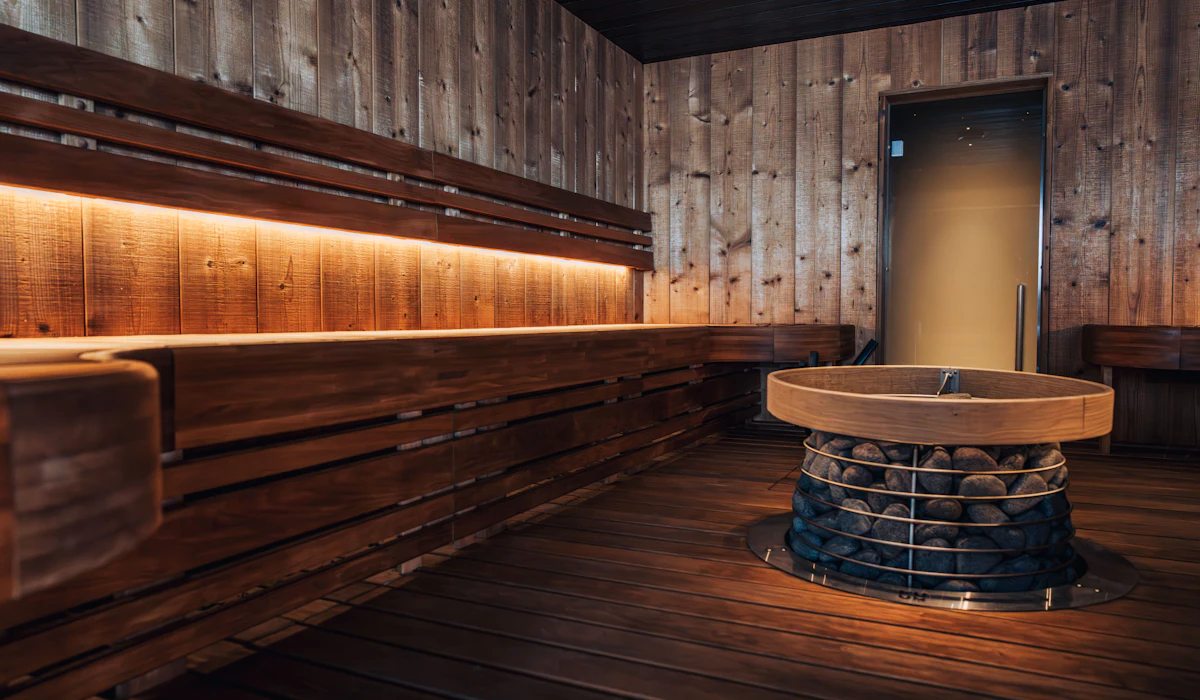
On boarding day, some ship spas host open houses with tours, raffles and special offers. The atmosphere is festive, and staff may encourage passengers to enter drawings for free treatments.
Entering may involve providing contact information and cabin details, which can lead to follow-up offers throughout the week. The discounts announced at these events can look generous, but they often apply to treatments priced high to begin with.
Regulars tour the spa to see the facilities, skip the sales offers if they are not interested and wait to book until they know their schedule and the real prices.
Free Wellness Seminars With A Sales Finale

Daily planners often list free seminars on topics such as wellness, skincare, weight management or fitness. They sound educational, and some offer interesting tips.
Some sessions also include a pitch for products, treatments or packages, sometimes presented with a limited-time discount. Passengers who attend expecting a lecture can find themselves in a sales presentation.
Regulars know the pattern and either skip these sessions or attend with a firm plan to leave before the pitch begins. The ocean view from the pool deck costs nothing and offers better relaxation.
Complimentary Foot Analysis
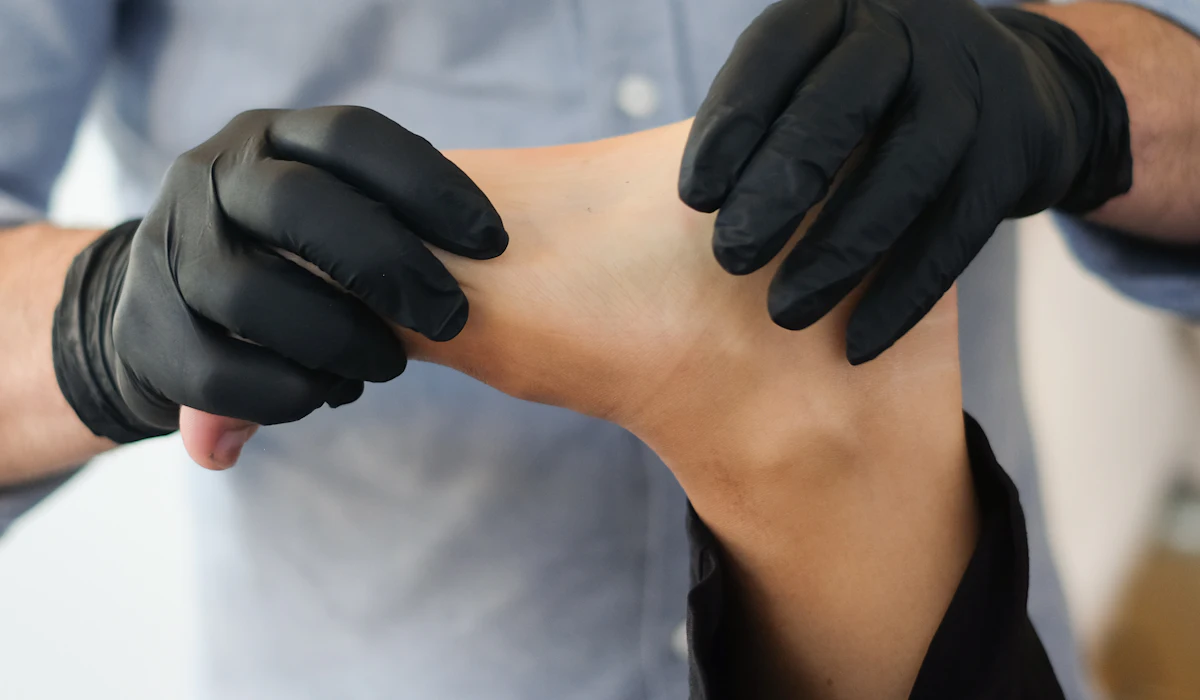
Free foot or gait assessments appear on some spa schedules, where a staff member examines how passengers stand and walk. The analysis can lead to a recommendation for custom insoles or orthotic products at significant prices.
Retail displays in some spas stock orthotic brands alongside skincare. Passengers with persistent or serious foot problems usually do better seeing a podiatrist at home, where recommendations come with follow-up care and possibly insurance coverage.
Regulars treat the free analysis as a potential sales opportunity and decline politely when the conversation turns to products.
Body Composition Scans At The Fitness Center
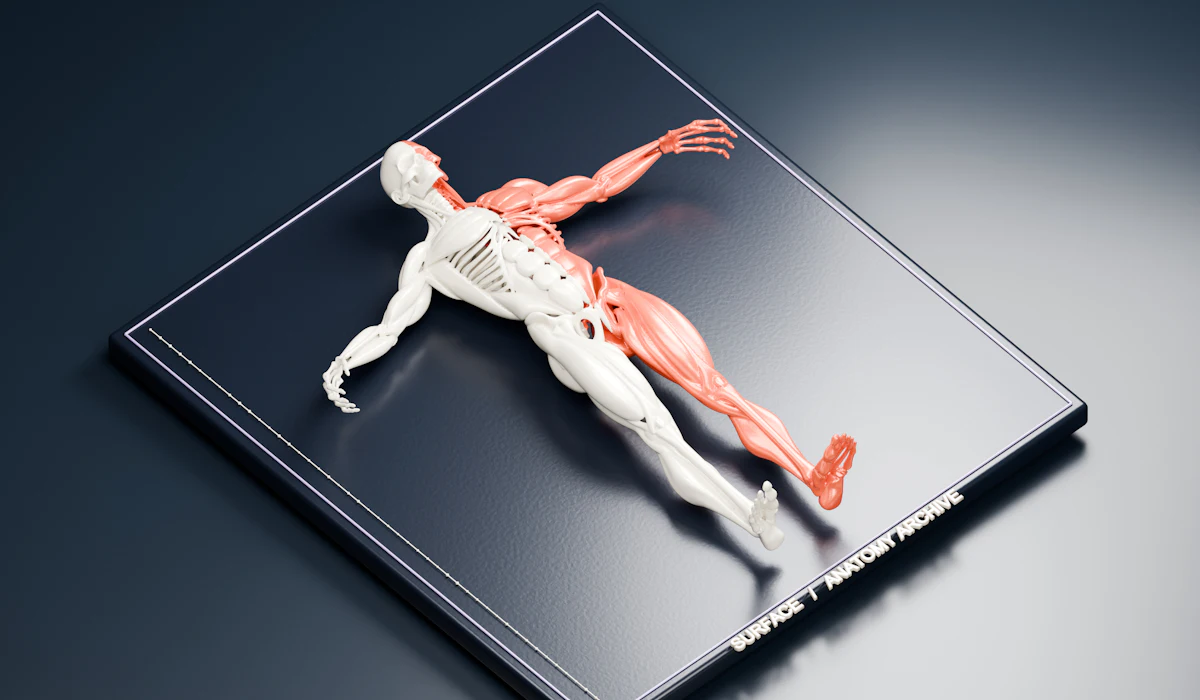
Fitness centers on many ships offer body composition analysis, measuring fat, muscle and water percentages with special scales or devices. The results may be followed by recommendations for personal training packages, supplements or other wellness products.
Numbers from a single scan during vacation, after days of rich food and extra drinks, tell little about long-term health. Regulars who want this information often prefer to track it at home under consistent conditions or discuss health concerns with a medical professional.
On a cruise, they prefer to spend their time in the gym actually exercising rather than being measured.
Teeth Whitening Sessions
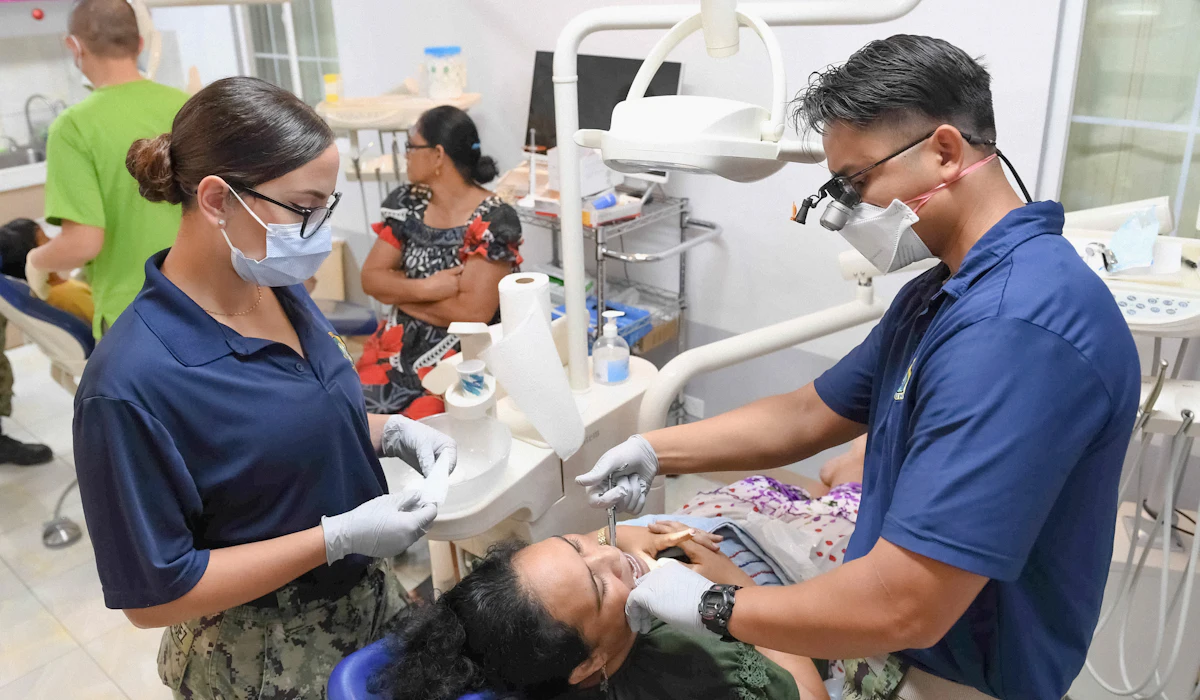
Teeth whitening is offered on some ships, often marketed as a quick way to look good for formal night photos. Express sessions can cost $200 or more, depending on the line and treatment.
Results vary, and some passengers find their teeth were already bright enough that the effect is minimal. A dentist at home can assess whether whitening is appropriate and discuss available options.
Regulars usually skip the shipboard version, preferring to spend the money on something they cannot easily get at home. A good smile in photos depends on much more than a whitening treatment anyway.
Acupuncture At Sea

Acupuncture is offered on some ships through OneSpaWorld’s programs, with practitioners treating pain, stress and other concerns. Some passengers find it helpful, but multi-session packages and additional wellness products or services may be recommended after the first visit.
Practitioners on ships can receive commissions on services and product sales, although that does not by itself mean a recommendation is inappropriate. A single session at sea may bring short-term relief, but lasting results usually require regular treatments.
Regulars who value acupuncture tend to see a practitioner at home, where ongoing care is more practical and can be easier to continue.
Botox And Filler Appointments In The Medi-Spa
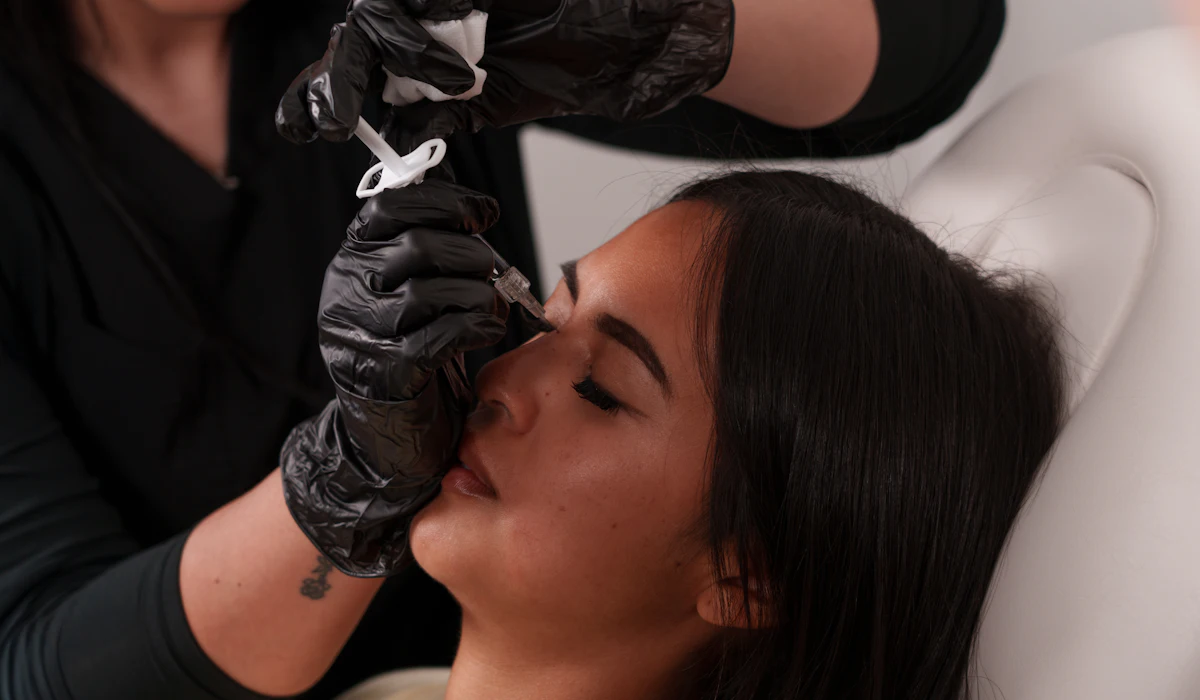
Some cruise-ship medi-spas offer injectables such as Botox, Dysport and dermal fillers. Consultations may be free, which makes them tempting during a relaxed sea day.
These treatments are medical procedures, and OneSpaWorld’s medi-spa program includes doctors for services such as Botox. The treatments can still require follow-up care after the cruise ends.
Prices may not be lower than at home, and choosing a provider without research is risky. Regulars who want cosmetic treatments usually book with a trusted provider close to home, where aftercare is easier to arrange.
Thermage Skin Tightening
Thermage uses radiofrequency energy to tighten skin, and it is available through OneSpaWorld on qualifying cruise ships. It can be among the more expensive treatments offered, with some treatments costing thousands of dollars.
Before-and-after photos can be persuasive, especially on a relaxed afternoon at sea. The treatment is a significant decision best made with time to research and compare providers.
Regulars see it as a major medical-aesthetic purchase that does not belong on a vacation impulse list, however calm the sea day feels. A decision that large deserves a consultation at home and a few weeks of reflection.
IV Hydration Drips
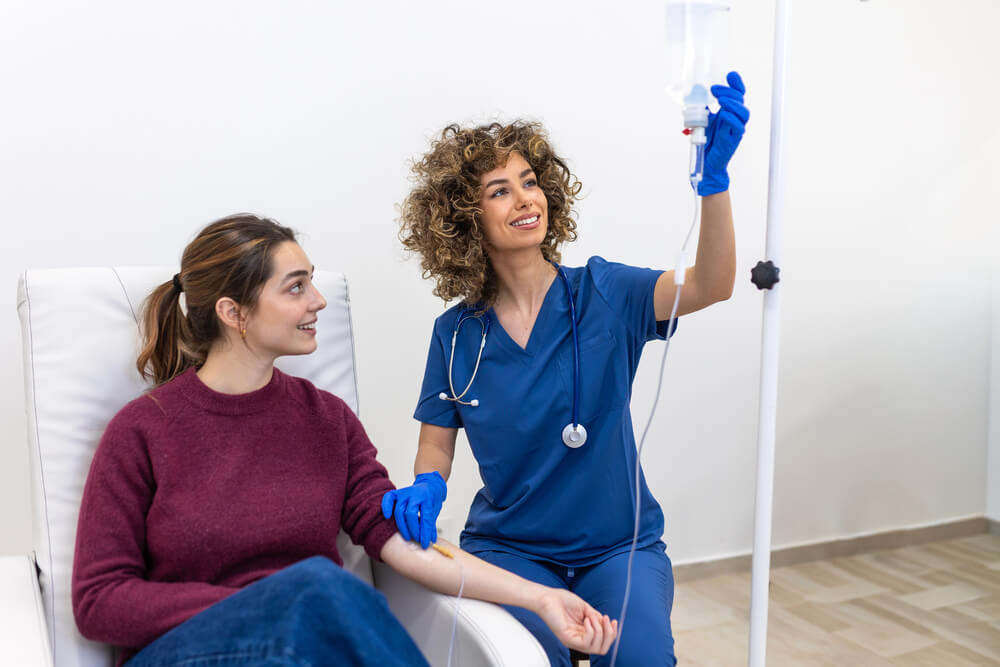
Some cruise-ship wellness programs now offer IV hydration and vitamin drips, marketed as a quick fix for fatigue, dehydration or the effects of a late night. The treatments are administered by medical staff where offered and carry prices well above many other spa services.
For most healthy passengers with ordinary dehydration, drinking fluids and resting are generally simpler first steps. Regulars treat IV drips as an optional wellness expense rather than a necessity.
Anyone genuinely unwell at sea is better served by the ship’s medical center, where care is based on symptoms rather than a spa menu.
Ionithermie Detox Treatments
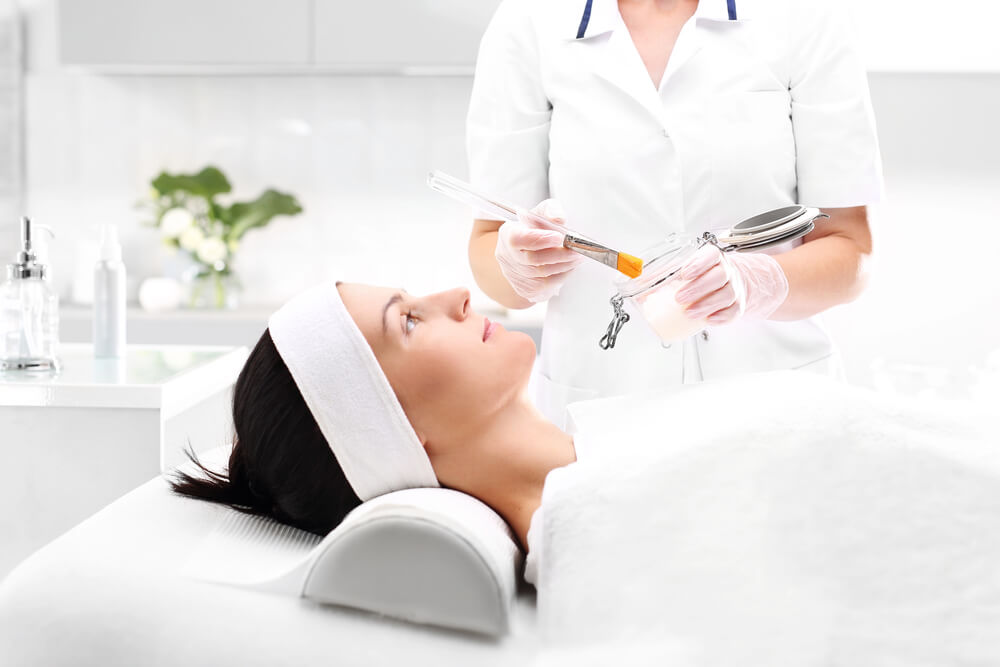
Ionithermie is an algae-based body treatment that combines clay, algae and mild electrical stimulation, often marketed for detox and inch loss. Spa staff may promise visible changes after a single session.
Any immediate change in measurements is not the same as lasting fat loss, and claims of “detoxing” the body should be treated cautiously. The treatment is often sold in multi-session packages at significant prices.
Regulars who have tried it once may describe it as a pleasant experience but not worth repeating, especially compared with a simple massage. Any temporary change in circumference can disappear after the treatment.
Seaweed And Mud Body Wraps
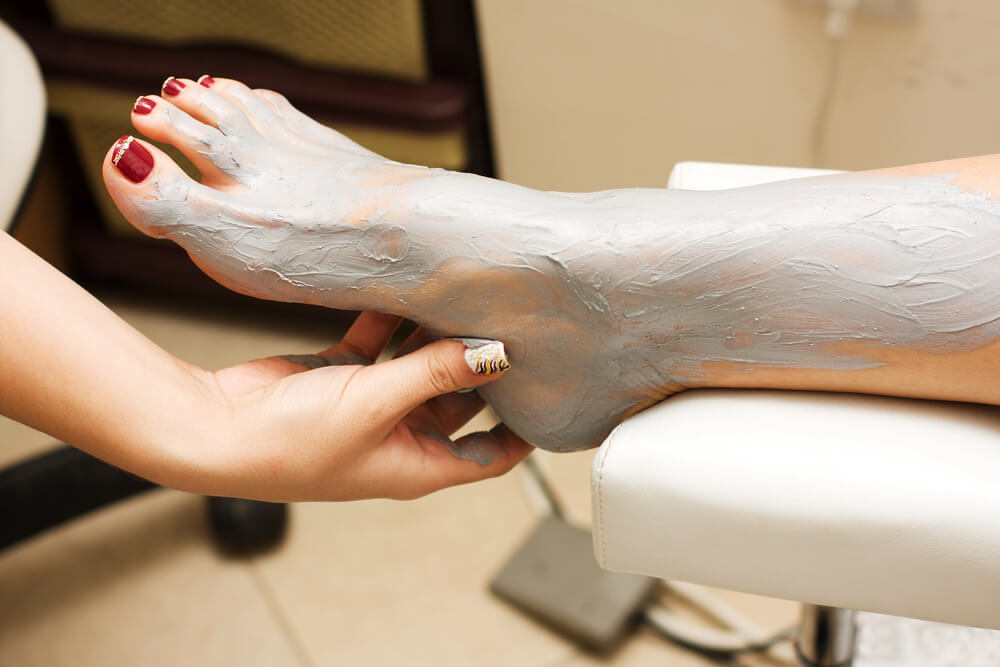
Body wraps with seaweed, mud or clay appear on many cruise spa menus, often promising to detoxify, firm or slim the body. The sensation of being wrapped in warm layers can be relaxing.
Claims about toxin removal and lasting slimming effects are not a good reason to book the treatment. Prices can be similar to a full massage, which many passengers find more beneficial.
Regulars who enjoy the sensation may book a wrap occasionally, but they ignore marketing claims about dramatic results and choose treatments for comfort rather than transformation.
Full-Cruise Thermal Suite Passes

Many ships have thermal suites with heated ceramic loungers, steam rooms and saunas, and passes are sold for the entire sailing. Some lines limit the number of passes to reduce crowding.
Passengers who buy a pass expecting daily use sometimes find they only visit once or twice because of port days and other activities. Crowded sea days can also make the space less relaxing than advertised.
Regulars check how many sea days the itinerary includes before buying and consider shorter passes or day access when they are available.
Couples Massage Packages

Couples massages in shared treatment rooms are marketed heavily for honeymoons and anniversaries. The experience can be romantic, but the price may be higher than booking two individual massages, depending on the ship and treatment.
Some couples find they relax more in separate rooms, where they can focus on their own treatment. Regulars celebrating special occasions sometimes book it once.
For regular spa visits, they prefer individual treatments that can be scheduled at the same time or back-to-back when available, which leaves money for a nice dinner together afterward. The shared room is the main thing the premium may buy, and many couples find it matters less than expected.
Hot Stone Massage Upgrades
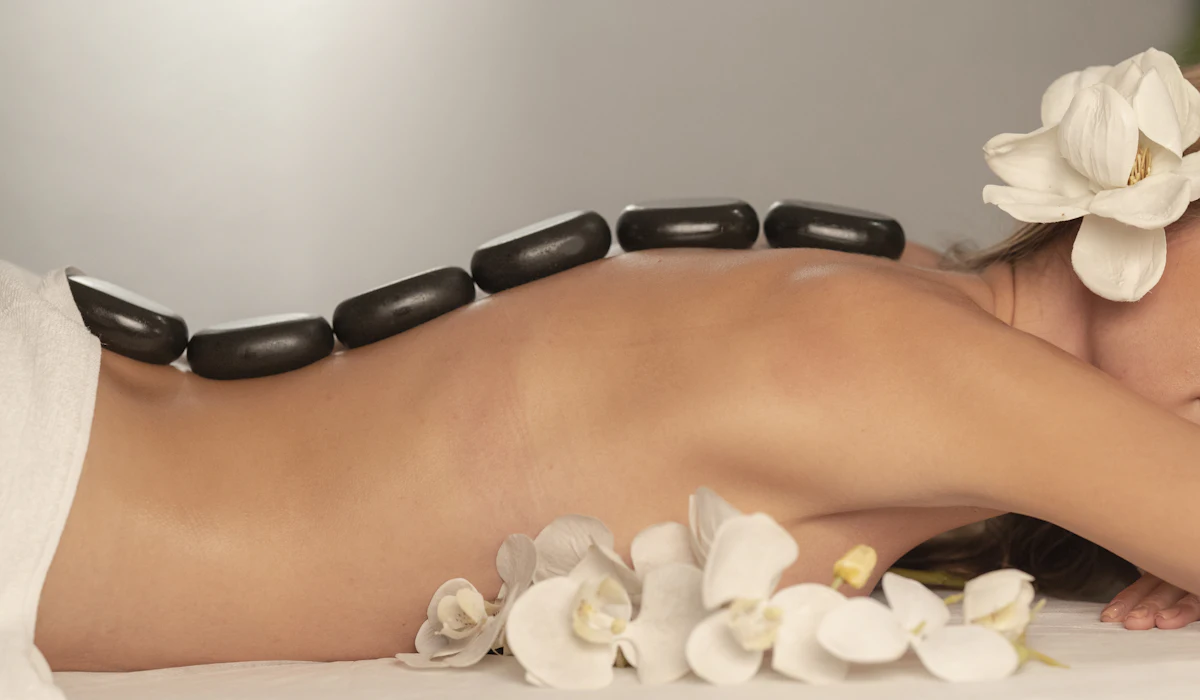
Hot stone massages combine traditional massage with heated stones placed on the body, and they usually cost more than a standard massage of the same length. Some passengers love the warmth, while others find the experience less focused on the massage techniques they prefer.
The upgrade price can be substantial on a cruise ship. Regulars who prefer deep tissue work often skip hot stones.
Those who enjoy the warmth sometimes find that a standard massage with a warm towel treatment delivers some of the same comfort without the upgrade.
Signature Massages With Exotic Names

Spa menus often feature signature massages with exotic names and descriptions of rare oils, ancient techniques and special tools. These treatments typically cost more than standard options.
In many cases, the core massage techniques are similar, with the difference coming from oils, scents or presentation. Regulars read descriptions carefully and ask what distinguishes the signature treatment from a regular massage.
When the answer is mostly branding, they choose the simpler option and save the difference for another treat. The therapist’s skill matters far more than the name printed on the menu, and a plain massage from a good therapist beats a fancy one from an average one.
Mid-Treatment Upgrade Offers
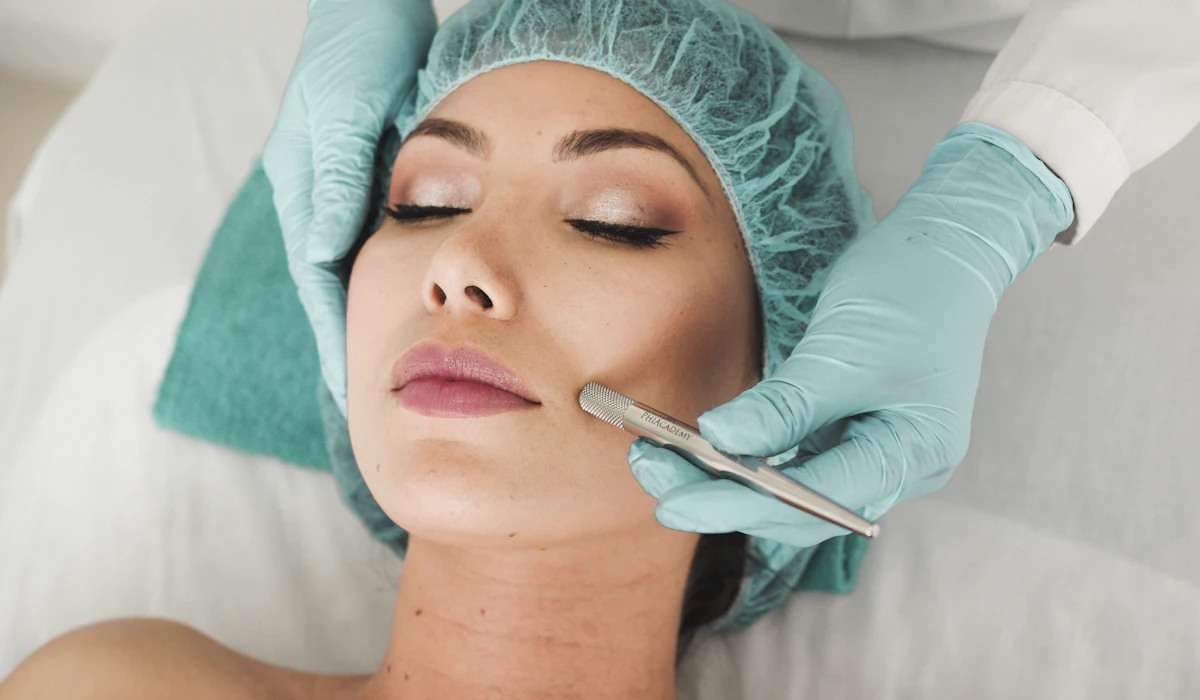
Some therapists suggest upgrades during a treatment, such as extra time, a scalp massage or a special mask. The offers come when the client is relaxed and least likely to question costs.
These additions can significantly raise the final bill. Regulars decide before the treatment what they want and politely decline additional offers while on the table.
Setting expectations at check-in, with a clear statement that no upgrades are wanted, helps avoid awkward conversations and surprise charges on the onboard account. A clear no before the robe goes on is easier than a vague maybe while face down on the table.
Product Pitches After A Massage
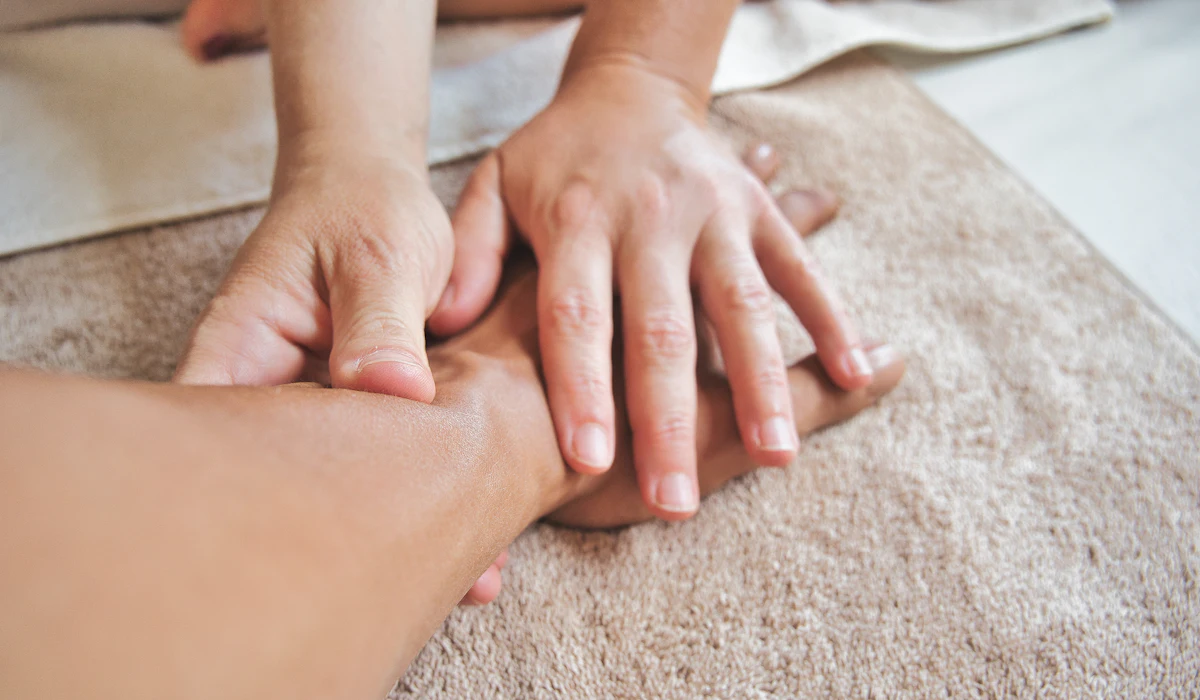
Many spa treatments end with a therapist recommending skincare products used during the session, often from brands such as Elemis. The recommendation may include a personalized regimen and a basket of products at a combined price.
The products are often available online or in stores at home, making it worth comparing prices before buying. Regulars thank the therapist, take note of the product names and decide later with a clear head.
Buying in the relaxed glow after a massage is exactly the kind of impulse purchase the sales process is designed to encourage.
Automatic Service Charges On Spa Bills
Spa treatments on many ships carry automatic service charges, often around 18% to 20%, although the exact amount varies by cruise line and market. Some passengers add a tip on top without realizing the charge is already included.
The total cost of a treatment can therefore be substantially higher than the menu price. Regulars read the receipt before signing and check whether the service charge is already included before adding anything extra.
Knowing the true final cost helps them compare shipboard treatments fairly with similar services at home or at a spa in port. A double tip on a pricey treatment can add a surprising sum to the week.
Port Day Discounts

Ship spas often advertise port day discounts, when many passengers are ashore and treatment rooms have more availability. The discounted prices can be appealing, but a discount from the ship’s regular price does not necessarily make the treatment cheaper than a comparable service at home or in port.
Booking a treatment on a port day also means missing time ashore in a destination that may not be visited again. Regulars weigh the discount against the value of the port.
For many, a morning exploring a new city is worth more than a massage that could be booked at home next week.
Multi-Treatment Spa Packages
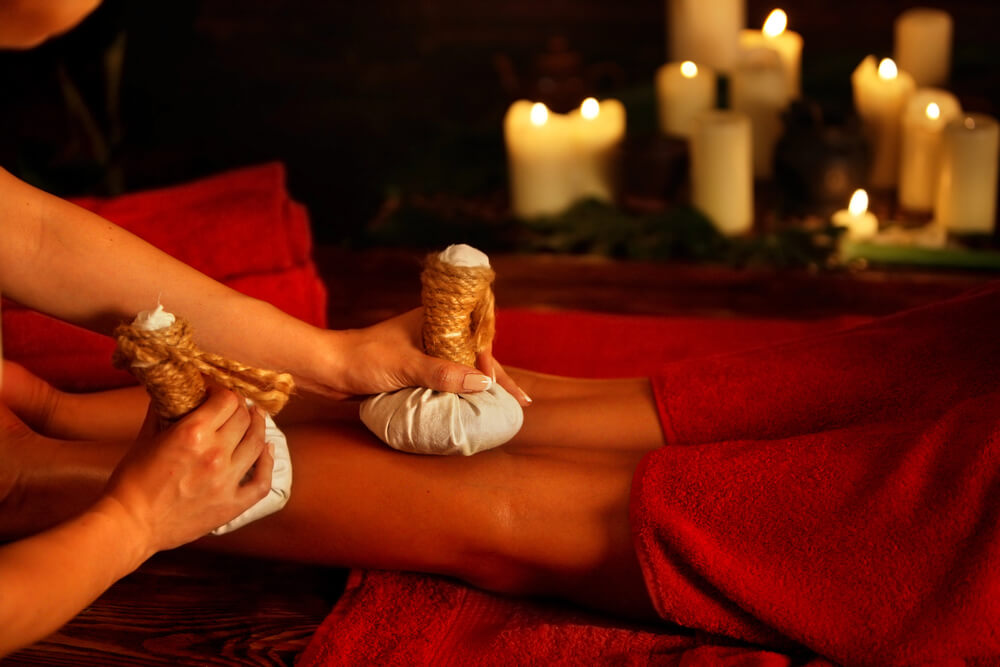
Spas often bundle several treatments into packages at a discount compared with booking separately. The packages sound like savings, but they can include treatments passengers would not have chosen on their own.
Scheduling several appointments can also tie up precious vacation time. Regulars choose individual treatments they genuinely want and skip bundles padded with extras.
A single, well-chosen massage often delivers more satisfaction than a package of three treatments squeezed between port days and dinner reservations. Packages also lock in the spending before anyone knows whether the first treatment was any good, and unused-session policies vary, so passengers should check the terms before purchasing.
Salon Blowouts Before Formal Night
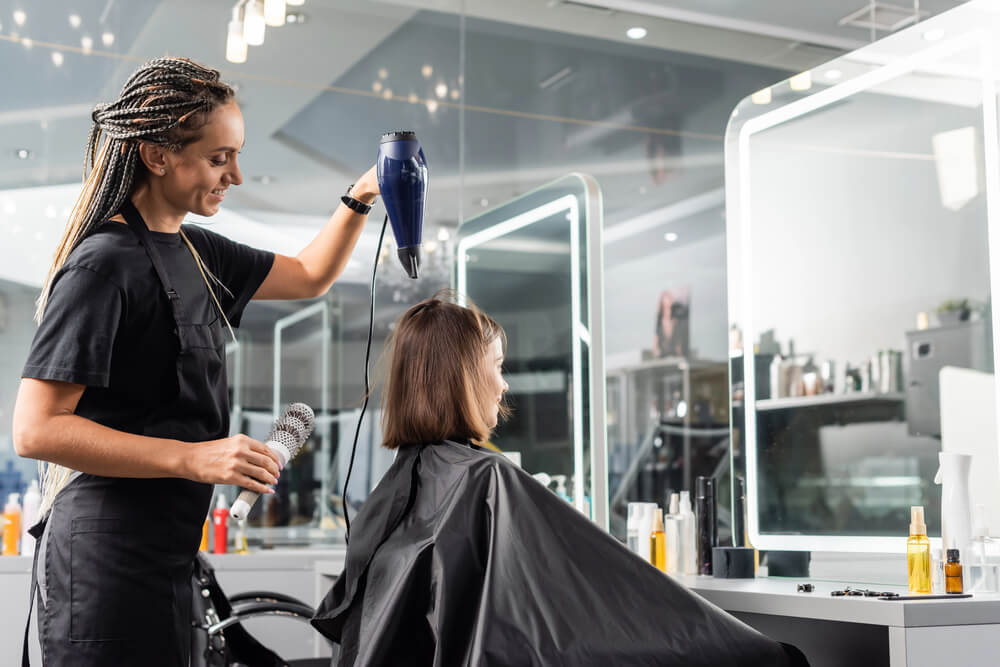
Ship salons offer blowouts and styling before formal nights, and appointments fill quickly on those afternoons. Prices are often higher than at a local salon, and humidity on deck can undo the effort quickly.
Some passengers find the styling does not match what they expected. Regulars often style their hair themselves or book a salon appointment at home before sailing.
Those who want professional styling sometimes book an early appointment on a port day, when availability may be better and the salon less crowded. Sea breezes are rarely kind to a fresh style.
Gel Manicures And Pedicures
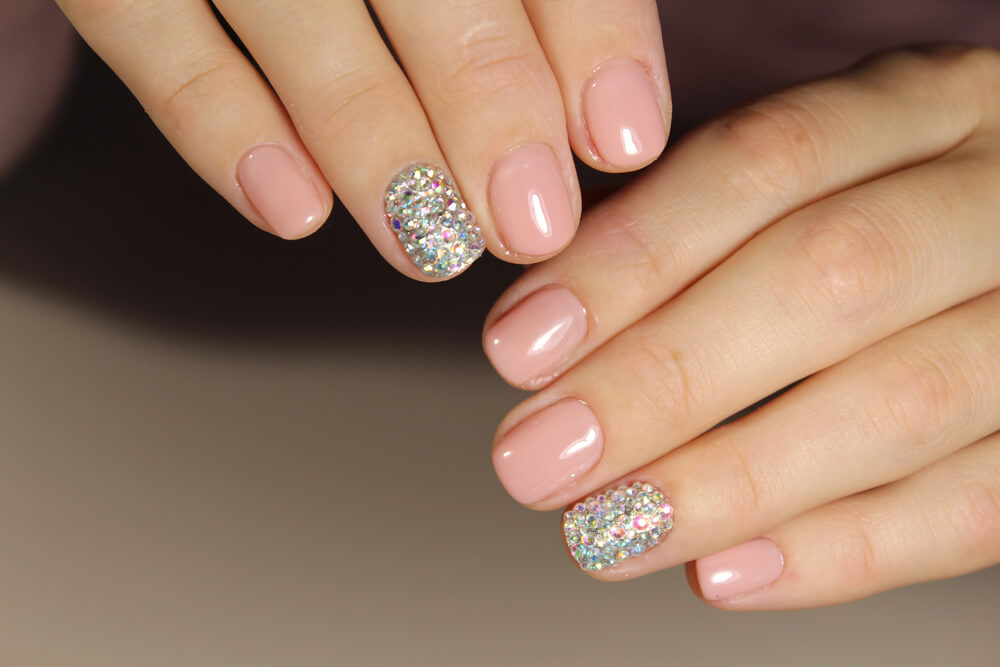
Manicures and pedicures are popular on cruise ships, especially before formal nights or beach days. Prices are generally higher than at a neighborhood nail salon, and gel options add further cost.
Salt water, sun and pool chemicals can shorten the life of a fresh manicure. Regulars often get their nails done at home before the cruise, which saves money and time on board.
For touch-ups, some bring a small kit with polish and files, avoiding a salon visit entirely during the trip. The savings can add up, particularly for families traveling with several people who want salon services.
Barbershop Hot Towel Shaves
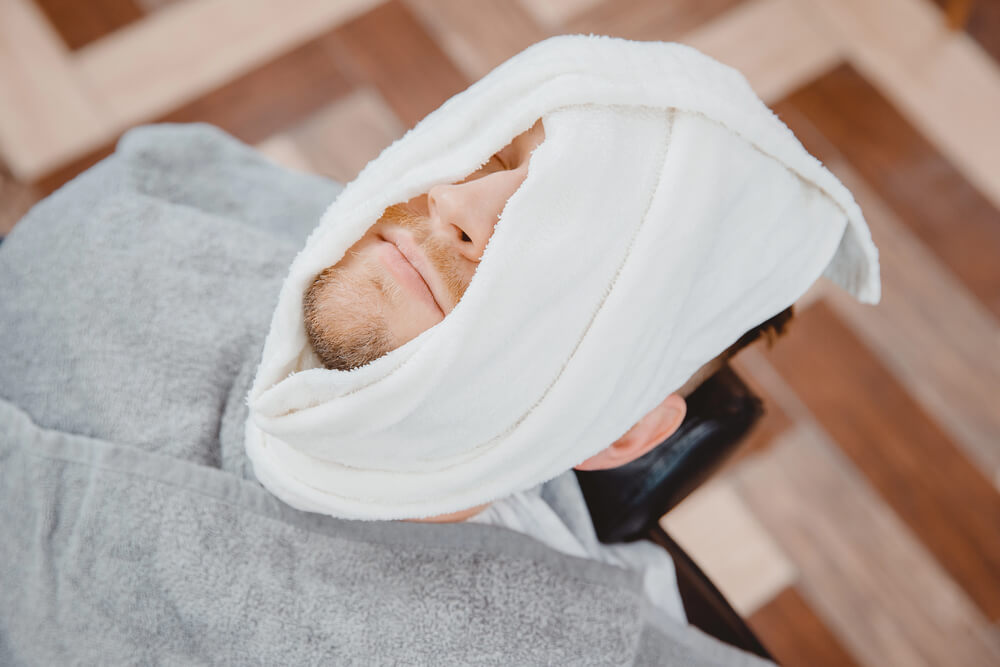
Barbershops on some ships offer hot towel shaves, beard trims and grooming treatments. The experience can be relaxing, but prices may be higher than at a comparable local barber.
Some offers bundle shaves with facials or scalp treatments at premium prices. Regulars who enjoy a classic shave may try it once as a treat.
Most then return to their usual routine, finding that the shipboard version offers little that a trusted barber at home cannot provide for less. Optional add-ons can raise the final price quickly, so regulars check the menu before agreeing to extras.
Personal Training Sessions

Fitness centers on ships offer personal training sessions, often promoted during free fitness classes or body composition scans. A single session can provide useful guidance, but continuing the program after the cruise may require finding another trainer or gym.
Packages of several sessions on a short cruise rarely deliver lasting results unless the passenger continues the routine afterward. Prices can be comparable to or higher than trainers at home.
Regulars who want structured workouts often bring a routine from home or use the ship’s free equipment and classes, saving personal training for a gym where continuity is possible.
Paid Fitness Classes

Many ships offer free fitness classes, but some specialized sessions such as spin, Pilates or boot camp carry a fee. Passengers sometimes sign up without checking and find a charge on their account.
The free options vary by ship and sailing but may include stretching, yoga or dance classes that provide plenty of exercise. Regulars check the daily planner for free sessions and use the open gym equipment.
Paying for a class on vacation can make sense for a special experience, but most regulars find the free options more than enough.
Anti-Aging Collagen Facials
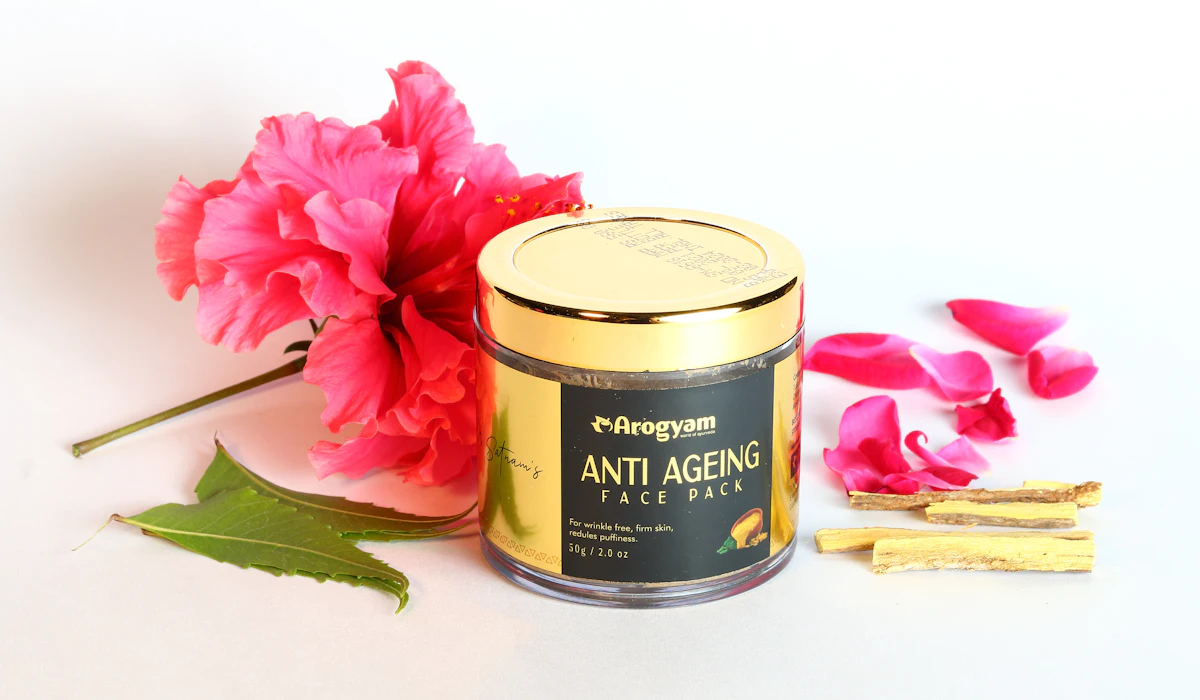
Spa menus often feature anti-aging facials promising firmer-looking skin, hydration or other cosmetic benefits, sometimes using lines such as Elemis Pro-Collagen. The treatments can feel luxurious, but a single facial should not be expected to produce dramatic or lasting anti-aging results.
Prices are often high, and product recommendations usually follow. Regulars who enjoy facials book them for relaxation rather than dramatic results.
They also note that sun exposure on a cruise can work against anti-aging goals, making sunscreen a far better investment than a single facial. A broad-brimmed hat and good sun protection do more for skin at sea than any single treatment.
Machine-Assisted Facials With LED Light
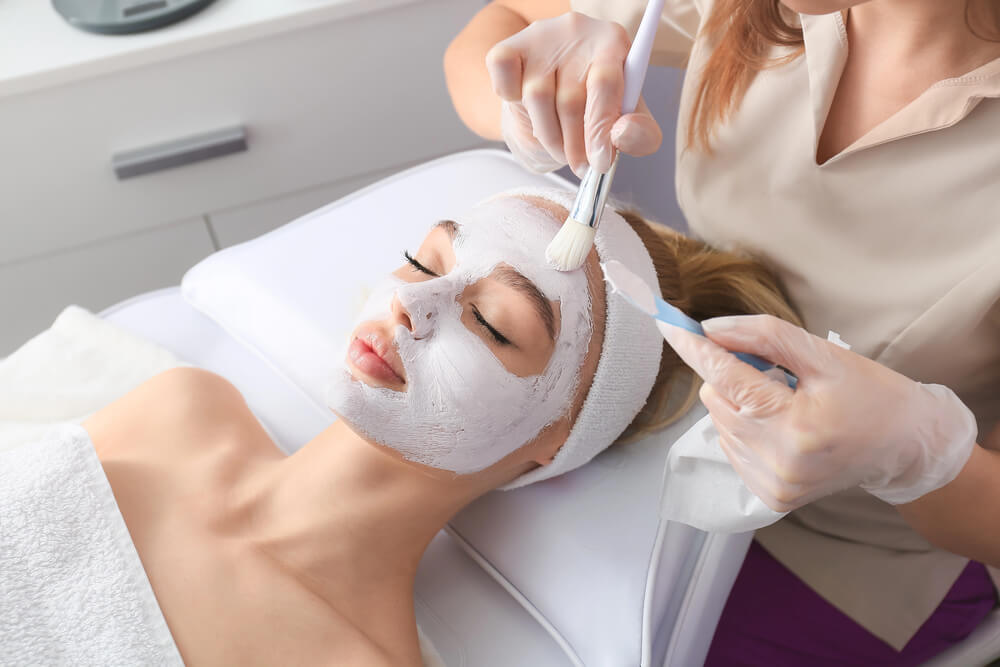
Newer spa menus include facials using LED light therapy, microcurrent devices or other machines, marketed as high-tech upgrades. These treatments usually cost more than traditional facials.
Benefits depend on the technology, treatment schedule and individual, and a single session is not necessarily comparable with a full course of treatment. Regulars who are curious may try one, but most treat these upgrades as optional.
A classic facial with good skincare can offer similar relaxation at a lower price, especially for passengers not planning ongoing treatments at home. Curiosity is a fine reason to try one, but it is rarely a reason to buy a series of them on a single sailing.
Eyelash Extensions And Brow Treatments
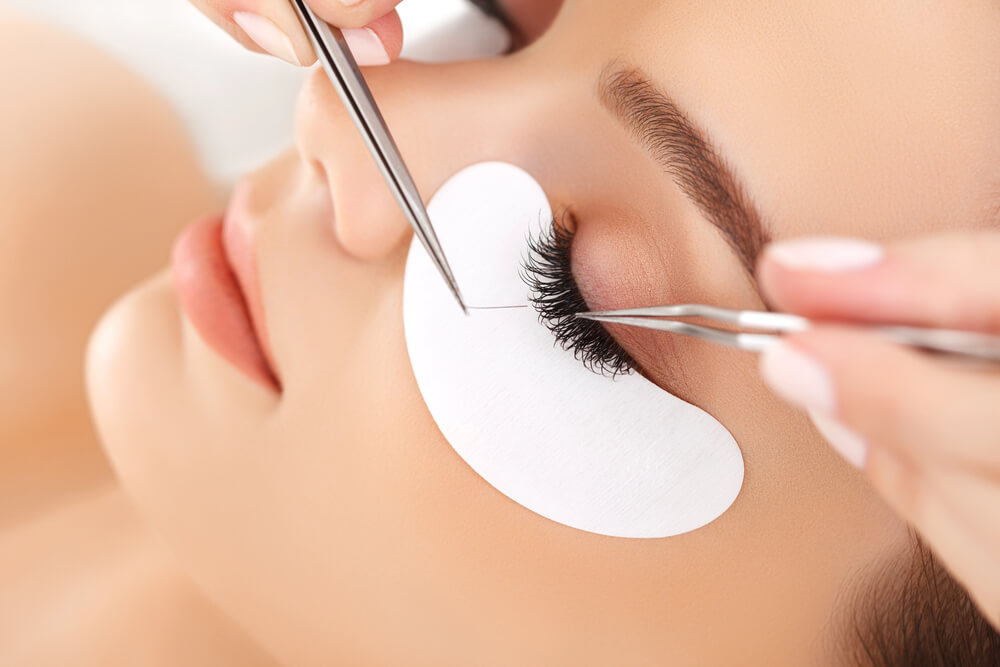
Eyelash extensions, lifts and brow treatments appear in some ship salons, promoted for vacation photos. These services require maintenance, and follow-up appointments are impossible after the cruise ends.
Prices can exceed those at local salons, and results depend heavily on the technician. Regulars who want these treatments usually book them at home before departure, allowing time to fix any problems.
Getting extensions at sea, then dealing with maintenance later, rarely makes sense for most passengers. Pool water, salt water and frequent swimming can also affect the longevity of some lash treatments.
Keratin And Hair Treatments

Keratin smoothing treatments and other hair services appear on some ship salon menus, promising frizz control in humid climates. The treatments are often expensive and time-consuming, taking hours out of a vacation day.
Aftercare instructions can limit swimming or hair washing for a period afterward, which is inconvenient on a cruise. Regulars who want these treatments book them at home before or after the trip.
On board, they stick to simple styling that works with sea air and pool time. The hours spent in a salon chair are hours taken from the week, and that cost rarely appears on the price list at all.
Teen Spa Menus
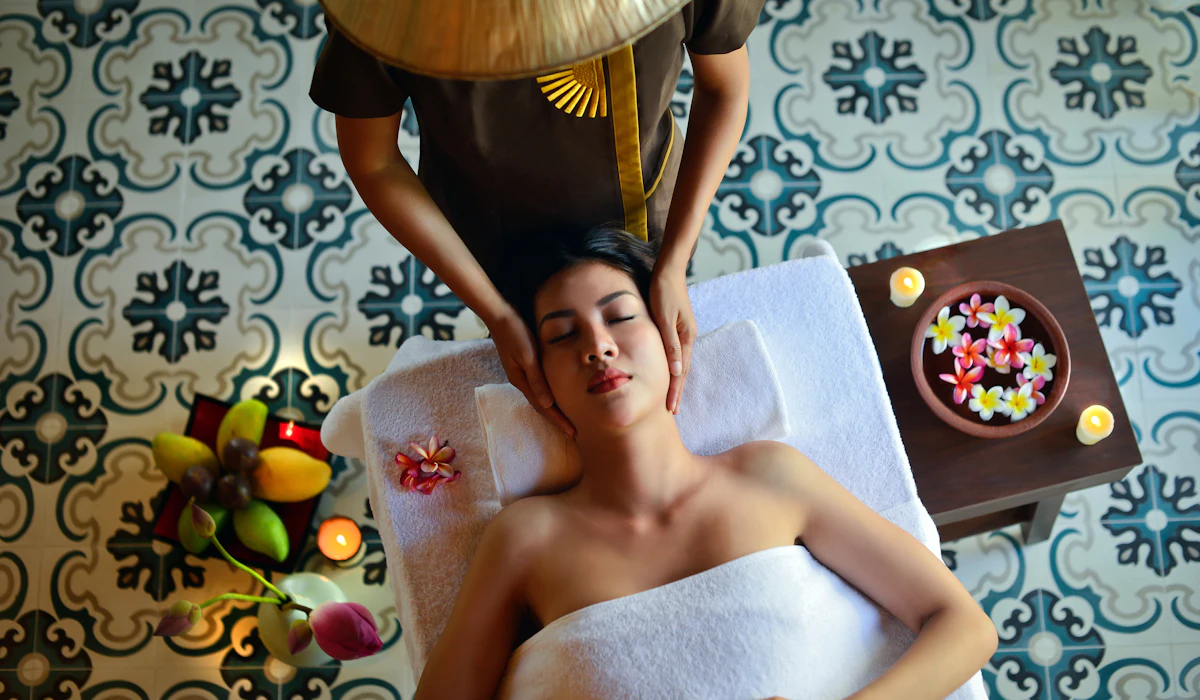
Teen spa menus exist on certain lines, such as Royal Caribbean’s YSPA program for guests ages 13 to 17. Teens enjoy the experience, but the prices are similar to adult treatments.
Parents sometimes book several treatments without realizing how quickly the costs add up. Regulars may allow one special treatment as part of a birthday or milestone trip.
Most families find that free activities, pools and teen lounges keep teenagers happy without adding expensive spa charges to the bill. A single treatment feels special, while a daily habit becomes an expensive routine.
Prepaid Treatments Booked Before Boarding
Online spa booking before the sailing is available on many major lines, usually with specific treatment times and prices shown in advance. The convenience is real, since popular times can fill quickly on sea days.
But once on board, spas may announce promotions for certain treatments, times or port days. Passengers who prepaid at full price may later see a different offer, although there is no guarantee that the same treatment will be discounted.
Regulars who want a specific time book early, but many wait until they are on board, compare offers and choose the best deal once they see how quiet or busy the spa actually is that week.
Relaxation Without The Sales Pitch
Cruise ship spas are genuinely pleasant places, with skilled therapists and beautiful settings. The problem is not the treatments themselves but the temptation to keep adding services and products.
Every offer is designed to feel like a special opportunity.
Regulars enjoy the spa on their own terms. They book what they actually want, read the fine print and decline upgrades, products and packages without guilt.
That approach keeps the spa a place of relaxation instead of an expensive lesson in sales psychology.
More from Travel Pug

- Underrated Italian Towns That Beat the Tourist Crowds
- Las Vegas Tourist Traps to Skip
- Prettiest Towns in Every US State
- 18 passport-free countries for Americans
- Signs Your Cruise Is Not Worth The Cost
Like Travel Pug’s content? Follow us on MSN.