

Charleston didn’t earn the nickname ‘Holy City’ by accident. With church steeples punctuating the skyline at nearly every turn, this South Carolina coastal town has more houses of worship per capita than just about anywhere else in America.
The architectural beauty spans centuries, from colonial-era simplicity to ornate Gothic Revival masterpieces that could rival European cathedrals. A stroll around the historic district gives one the impression of entering a vibrant museum of religious architectural styles.
Below is a compilation of 19 magnificent churches in Charleston that not only highlight the city’s spiritual heritage but also its architectural variety.
St. Michael’s Episcopal Church
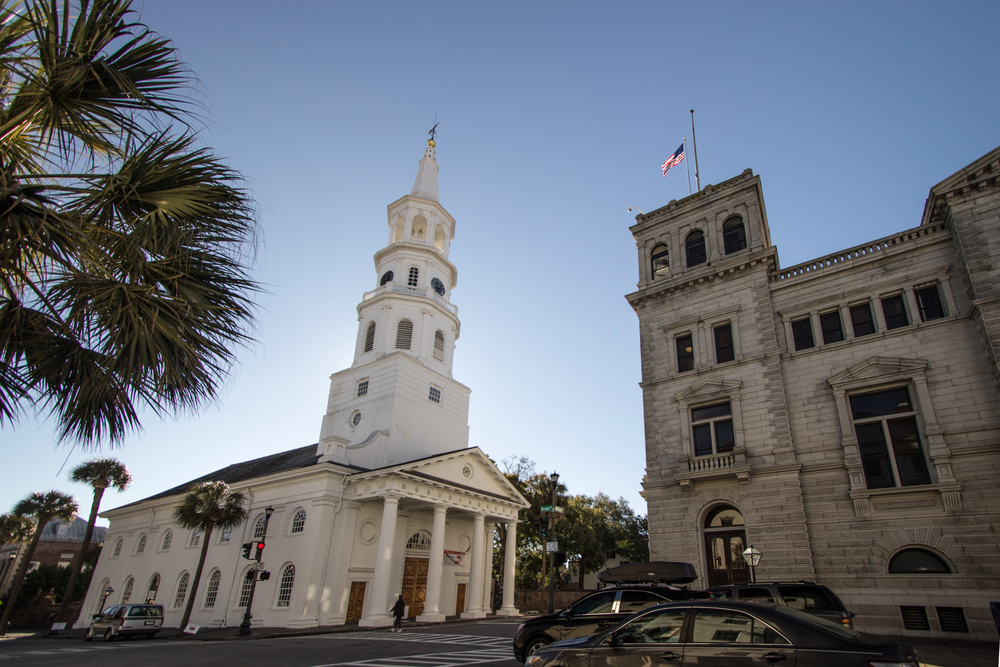
St. Michael’s is the oldest church building that has survived in Charleston, and it was finished in 1761. The white tower, which is 176 feet high, has been showing the ships the way into Charleston harbor for more than two and a half centuries.
The British made the steeple black during the Revolutionary War to obscure it from the Americans, and the church bells were taken to England as war trophies before eventually being brought back.
St. Philip’s Episcopal Church
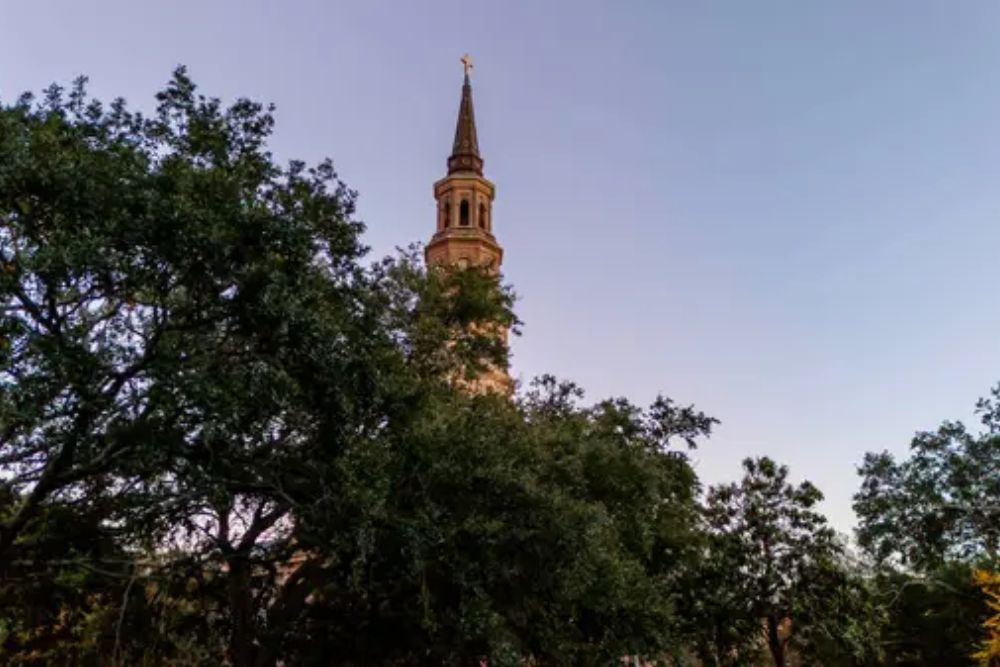
Founded in 1680, St. Philip’s claims the title of the oldest congregation in South Carolina. The current building dates to 1838, after fires destroyed earlier structures, and its graveyard reads like a who’s who of Charleston history, with notable figures such as John C. Calhoun buried there.
The church’s cream-colored stucco and towering steeple make it one of the most photographed buildings in the city.
Circular Congregational Church
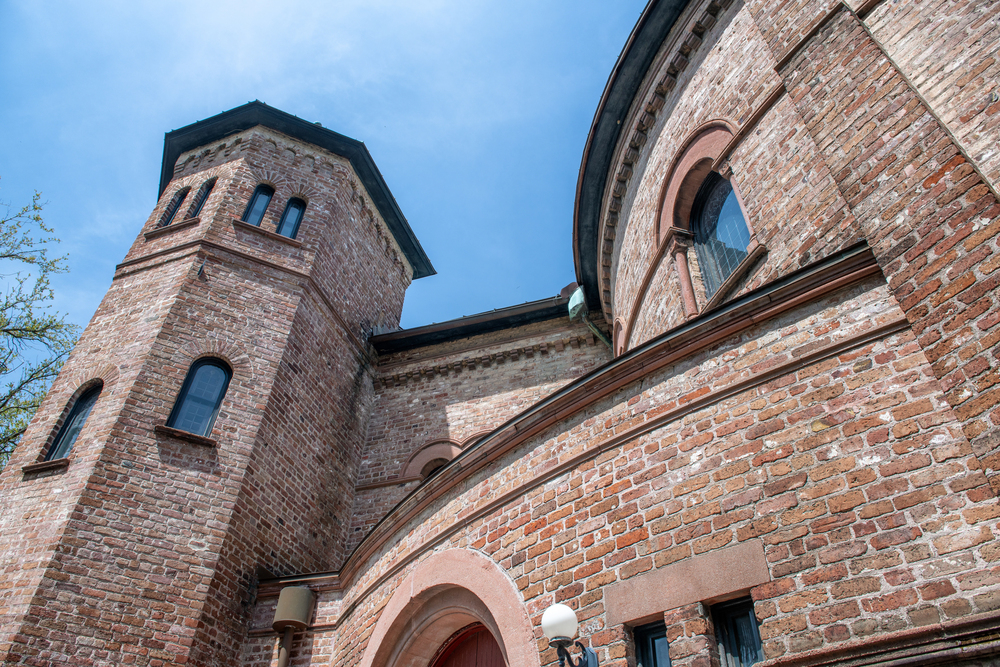
This church takes its name seriously with a genuinely circular meeting house built in 1891, though the congregation dates back to 1681. The Romanesque Revival design features a stunning domed ceiling and beautiful stained-glass windows that cast colorful light across the curved interior walls.
The adjacent graveyard is one of Charleston’s oldest, with headstones dating back to the 1690s.
Cathedral of St. John the Baptist
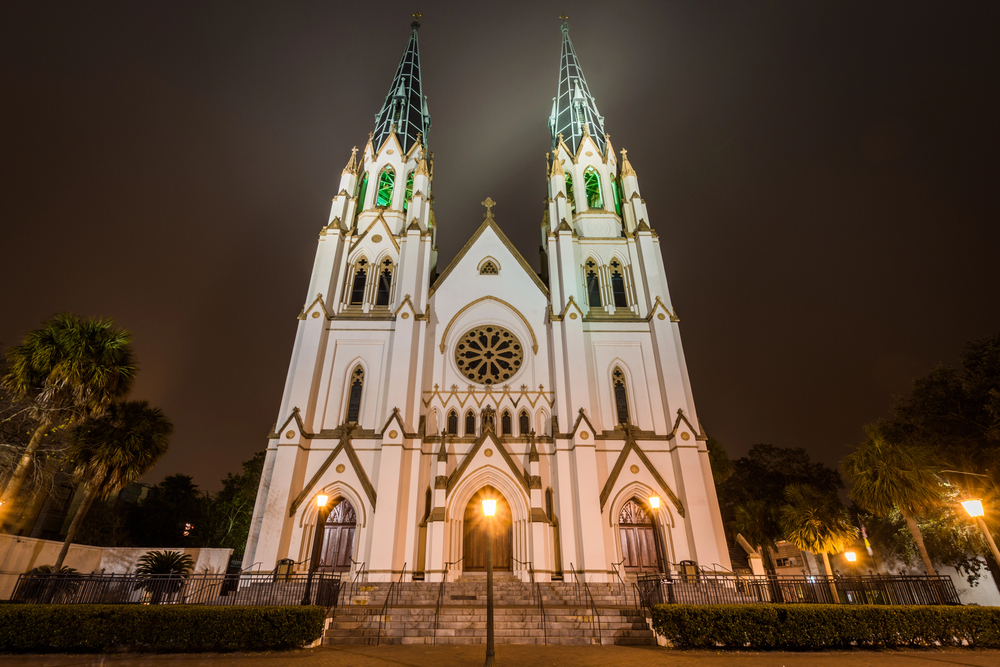
The Cathedral of St. John the Baptist is the most conspicuous building on Broad Street, its Gothic Revival structure made of brown bricks, finished in 1907. The church that was burnt down in 1861 showed great determination and ambition in the way they rebuilt it with massive vaulted ceilings that are 75 feet high.
The stained-glass windows were brought in from Austria and Germany, and they remained intact through both World Wars, narrating biblical tales through their dazzling colors.
Emanuel African Methodist Episcopal Church
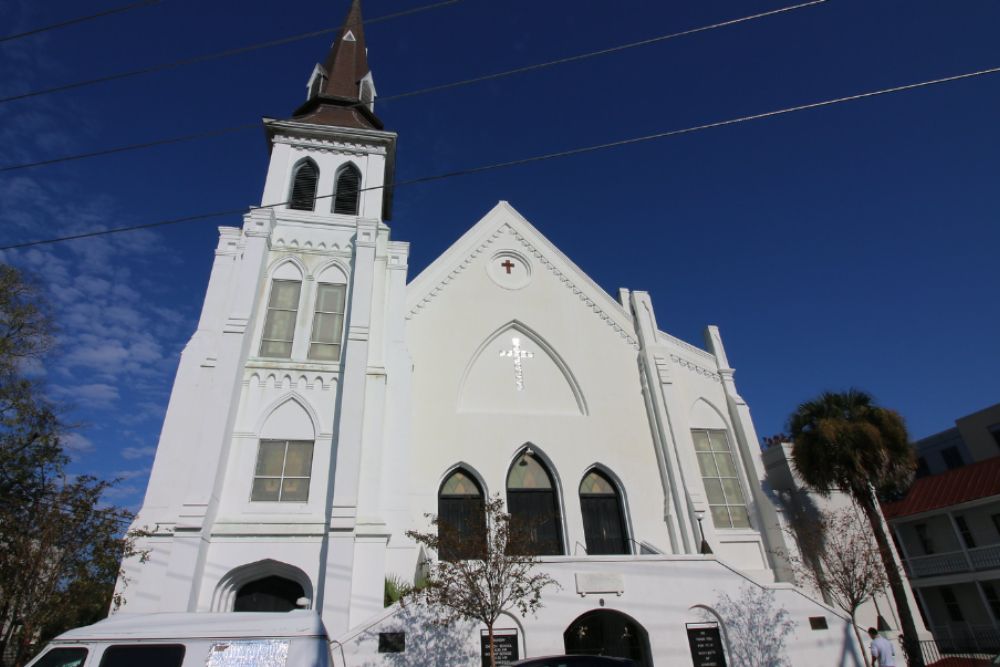
Known simply as ‘Mother Emanuel,’ this church is the oldest AME church in the southern United States, founded in 1816. The current Gothic Revival structure was completed in 1891 after earlier buildings were destroyed or seized.
The white wooden exterior and modest steeple belie the church’s powerful role in Charleston’s African American community and civil rights history.
French Huguenot Church
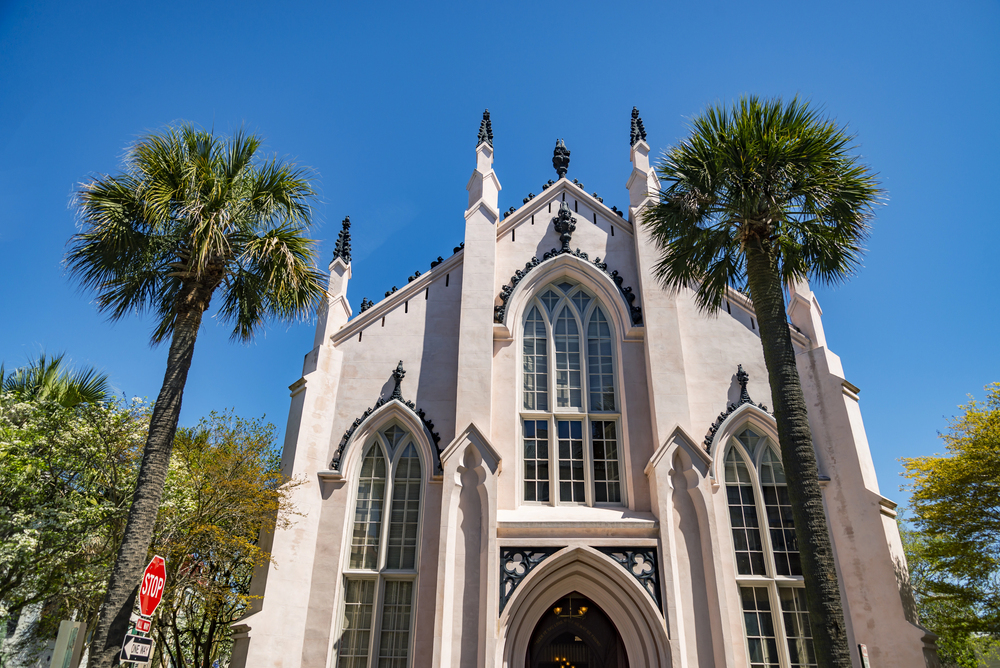
America is home to the sole independent Huguenot church that has a striking appearance due to its atypical pink stucco surface and Gothic Revival architecture from 1845. The congregation was formed by the French Protestant refugees in the 1680s, and the services were held in French up to 1928.
The church’s sharp arches and decorative windows even convey the beauty of a French village that has been relocated to the Carolina Lowcountry.
Unitarian Church
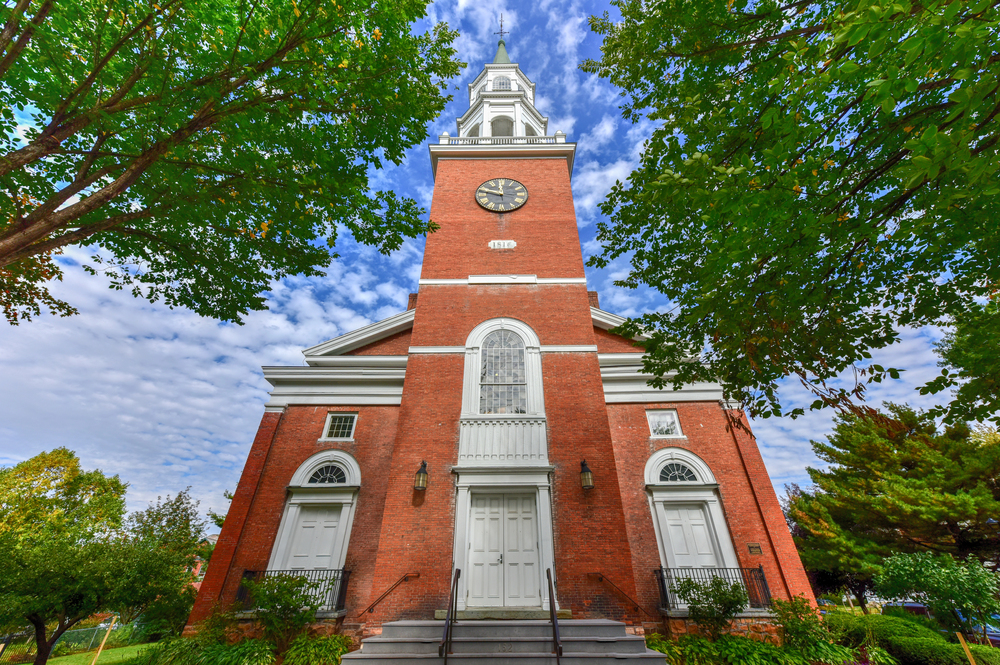
Constructed in 1854, along with a previous building that goes back to 1787, the Unitarian Church presents marvelous English Gothic architecture with the fan vaulting, which is uncommon in American churches. The interior, surprisingly, feels very extensive because of the intricate ceiling treatments and the high windows that allow a large amount of light coming from the outside to the sanctuary.
The cemetery that is connected to the church has the tombs of the famous Charlestonians who lived in the city during its formative period.
First Baptist Church
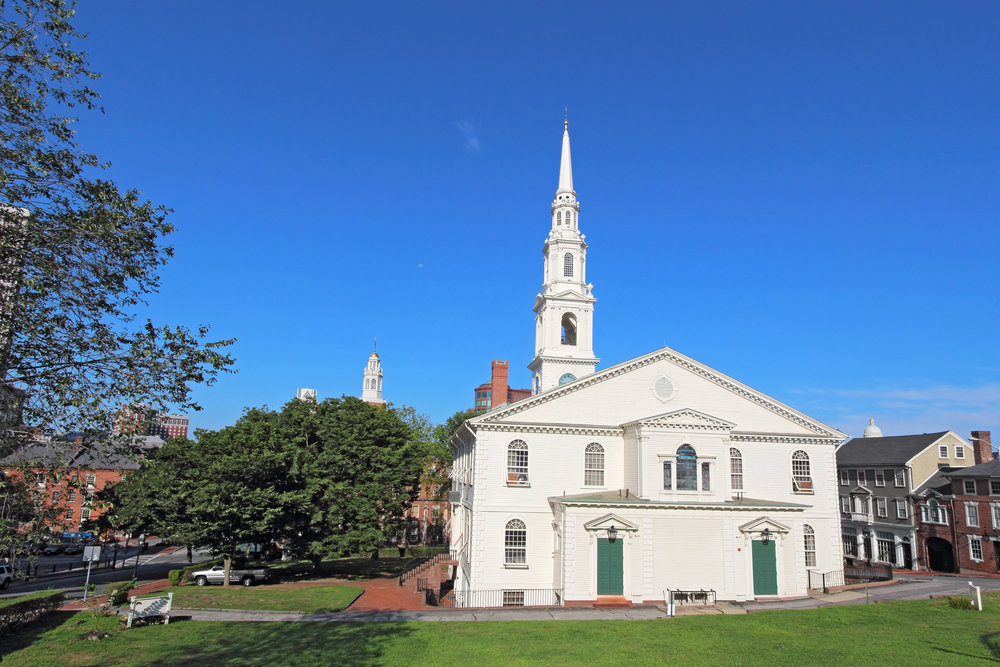
Robert Mills, the architect behind the Washington Monument, designed this Greek Revival beauty, completed in 1822. The church sits on land where the congregation has worshipped since 1682, making it one of the oldest Baptist churches in the South.
The grand portico with massive columns gives the building a temple-like presence on Church Street.
St. Mary of the Annunciation Catholic Church
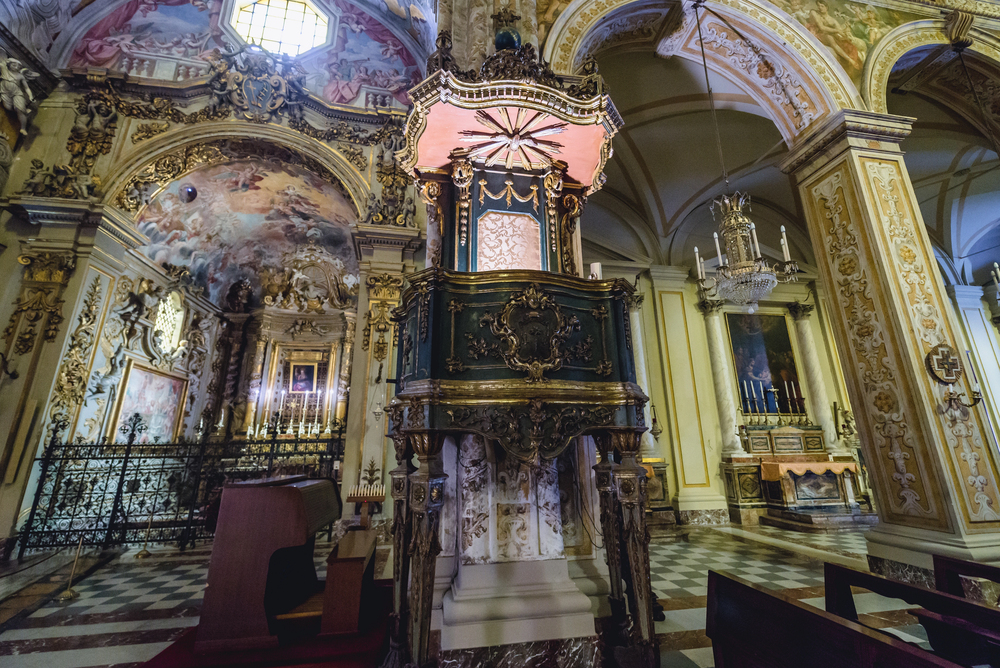
Greek Revival architecture meets Catholic tradition in this 1839 church, the first Roman Catholic Church built in Charleston. The simple elegance of the white columns and pediment reflects the classical style popular in antebellum Charleston.
Inside, the altar and religious artwork transport visitors to a much more ornate European aesthetic.
Cathedral of St. Luke and St. Paul
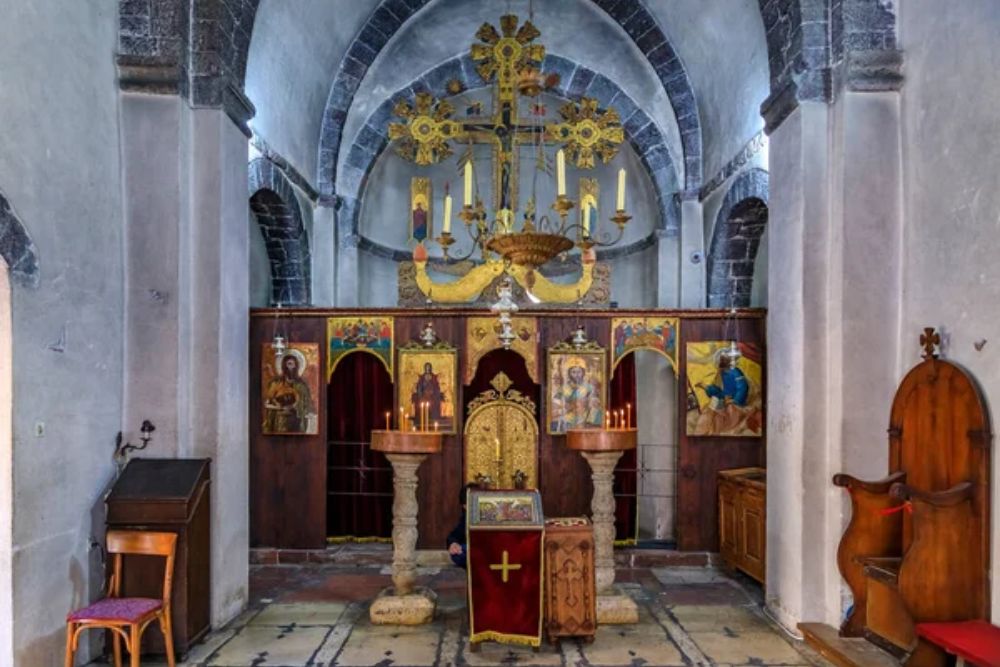
This Episcopal cathedral encloses two historic congregations in one, and the Romanesque Revival building is one of them, which was built in 1850. The brown stucco outside and red tile roof provide it with a Mediterranean appearance that separates it from the usual architecture of Charleston.
The interior boasts stunning wooden pews and a pipe organ that, during services, fills the church with sounds of great richness.
Kahal Kadosh Beth Elohim
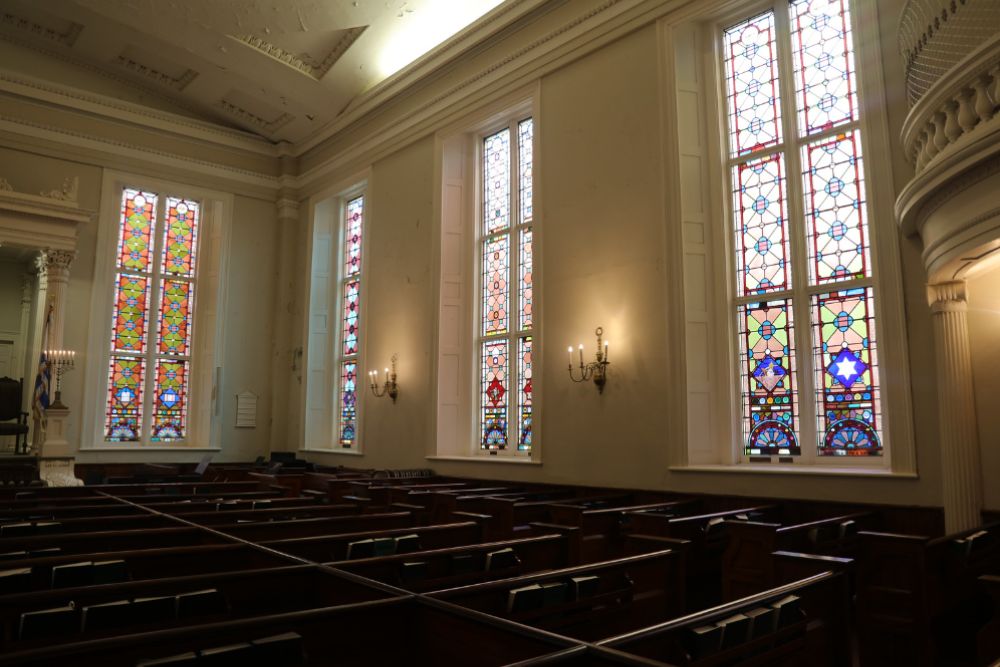
Though technically a synagogue, Beth Elohim deserves mention as one of Charleston’s most architecturally significant religious buildings. Completed in 1840 in the Greek Revival style, it’s the second-oldest synagogue building in continuous use in the United States.
The massive Doric columns and understated elegance reflect the classical architecture favored by Charleston’s Jewish community.
St. Johannes Lutheran Church
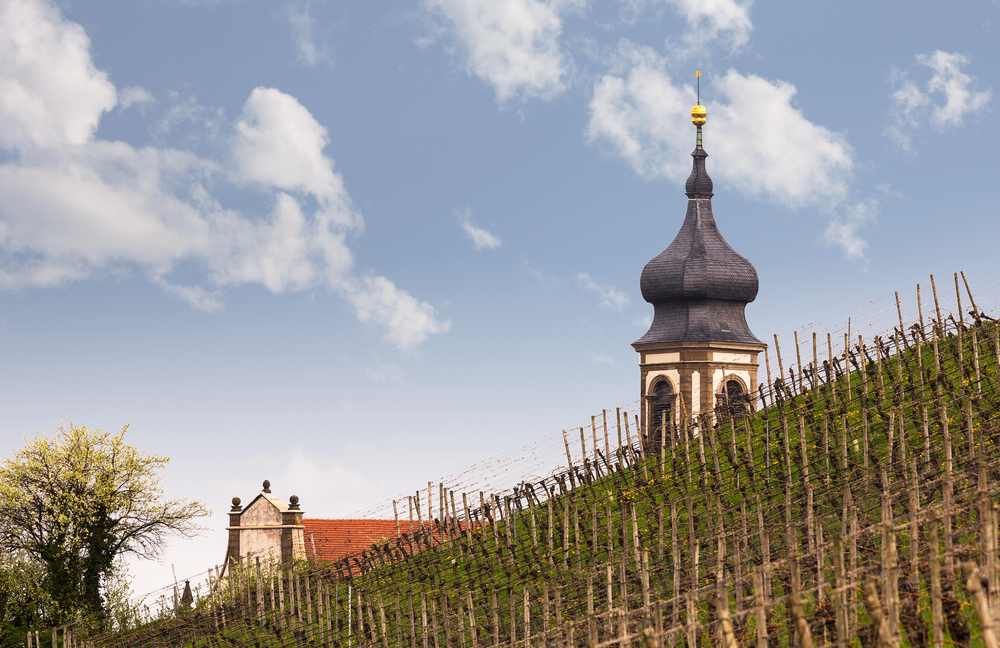
German immigrants founded this congregation in 1742, and the current building, from 1818, maintains strong ties to its heritage. The brick exterior with white trim creates a clean, traditional look that’s aged beautifully over two centuries.
The church survived the Civil War largely intact, unlike many Charleston buildings that suffered damage during the conflict.
Old Bethel United Methodist Church
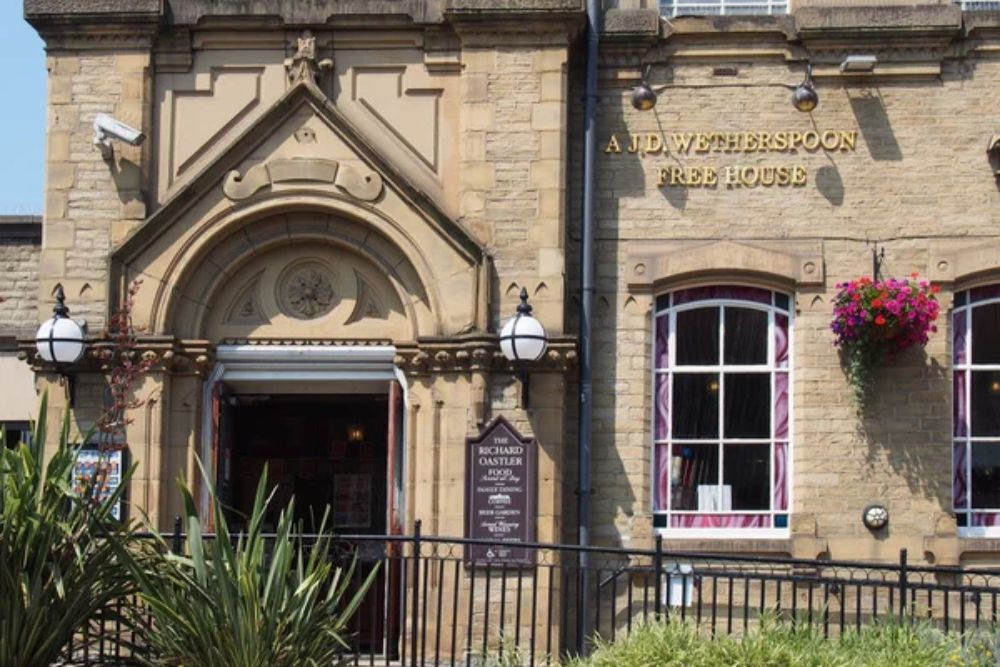
Dating to 1797, Old Bethel served Charleston’s free Black community long before the Civil War ended enslavement. The simple wooden structure reflects the limited resources available to the congregation, yet it stands as a powerful testament to faith maintained under difficult circumstances.
The church underwent restoration in recent decades to preserve this important piece of Charleston’s African American history.
Second Presbyterian Church
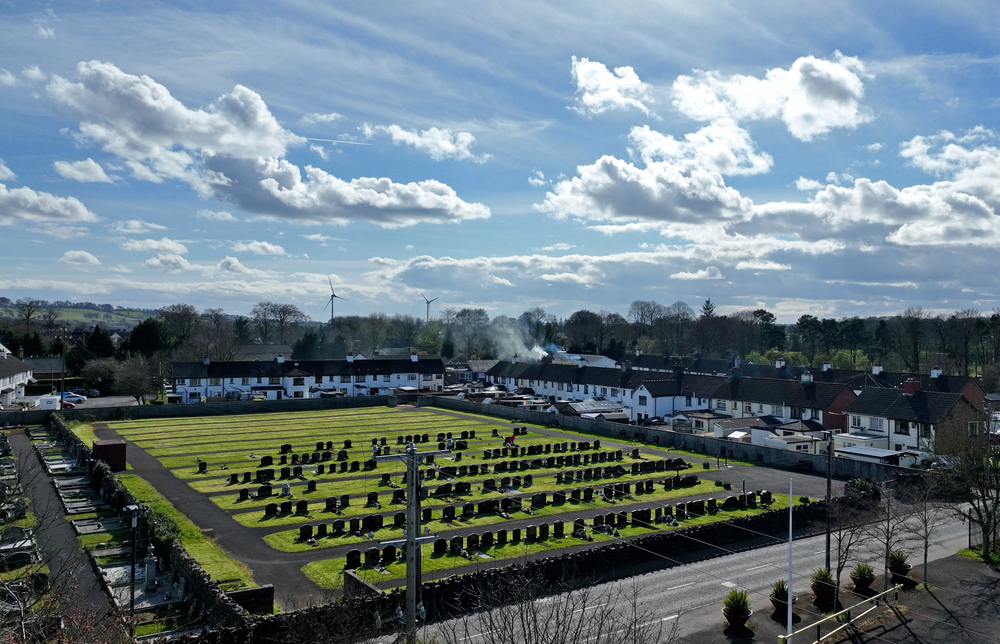
This 1850 Greek Revival church features a distinctive octagonal sanctuary that sets it apart from typical rectangular church designs. The building served as a Confederate hospital during the Civil War, and Union forces later used it as a stable, though it survived relatively unscathed.
The unique floor plan creates interesting acoustic properties that make it a favorite venue for concerts.
Central Baptist Church
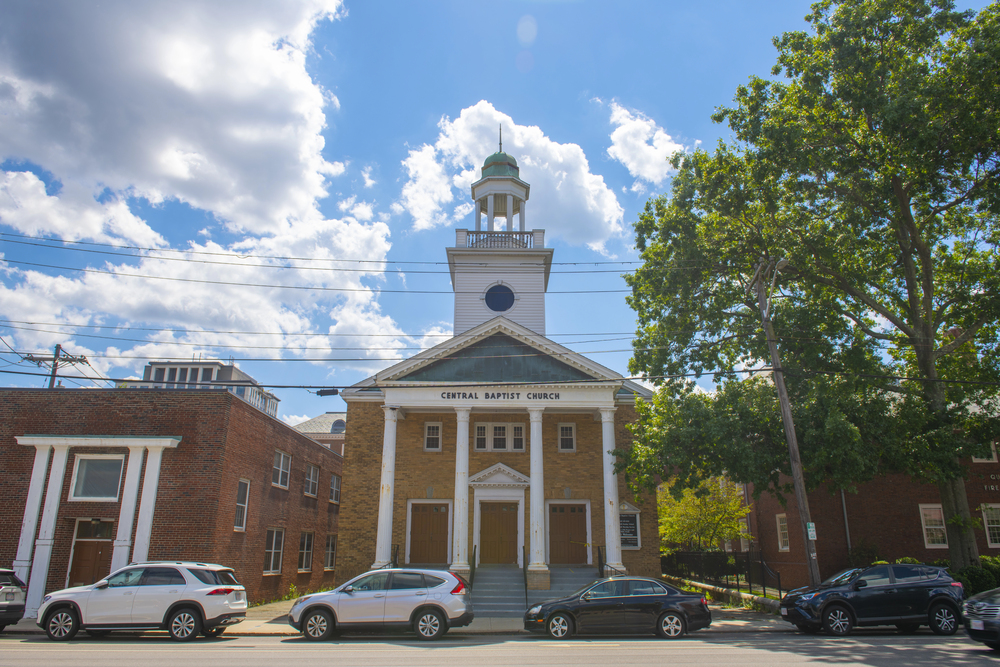
Completed in 1893, Central Baptist showcases Romanesque Revival architecture with its distinctive round arches and heavy masonry construction. The red brick exterior with contrasting white trim creates visual interest, drawing the eye upward to the substantial tower.
The church served Charleston’s African American community through segregation and the civil rights movement, maintaining its mission through changing times.
St. Matthew’s Lutheran Church
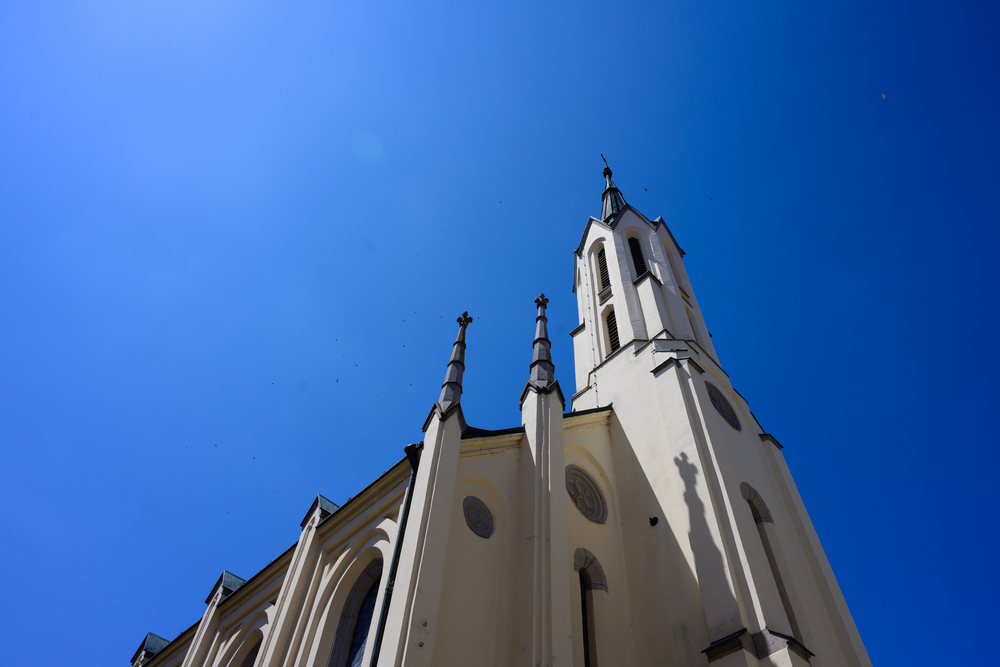
German artisans completed this brick church in 1872, bringing European building traditions to Charleston’s streetscape. The Gothic Revival design features beautiful stained glass and intricate woodwork throughout the interior.
The congregation traces its roots to colonial times, though the current building replaced earlier structures lost to fire and war.
Morris Street Baptist Church
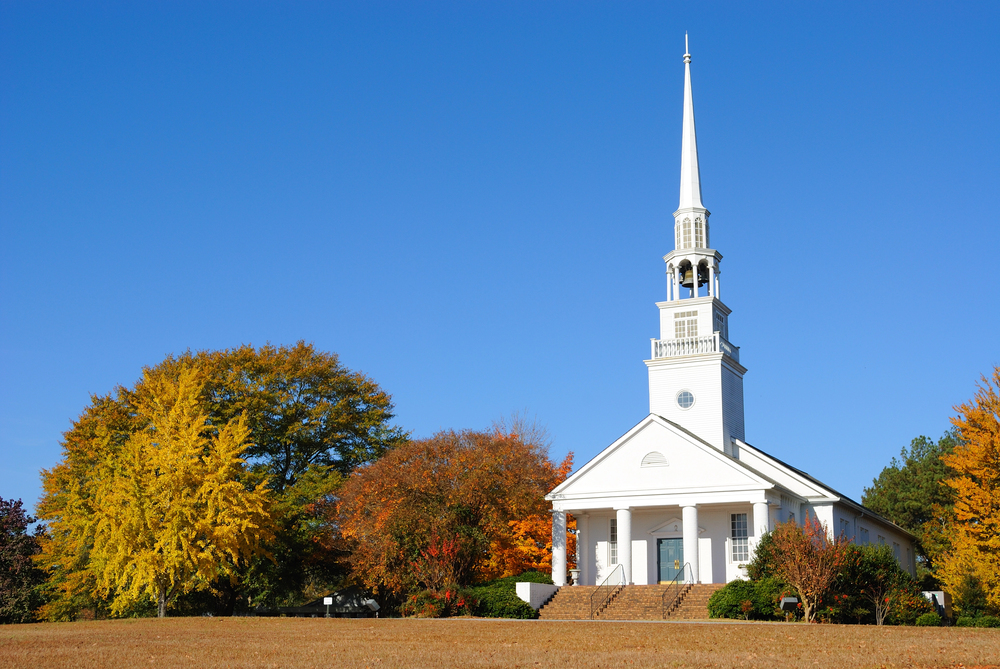
Morris Street Baptist, established in 1866 by liberated individuals, is the embodiment of Charleston’s Black community’s hope and persistence after the Civil War. The 1874 brick structure doesn’t have the splendor of some of the downtown churches, yet its importance to the community is much more than the humble structure suggests.
The church was a venue for civil rights meetings, and still, it is a stronghold of the community.
The Citadel Square Baptist Church
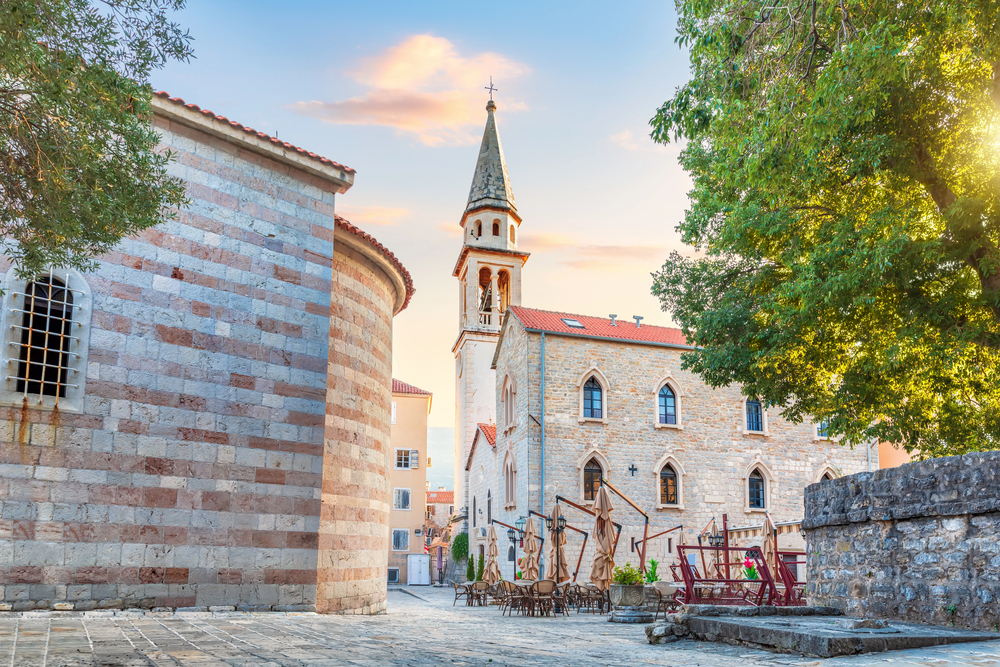
This 1856 church started life as a Catholic church before the Baptist congregation purchased it in 1882. The Gothic Revival architecture features lovely pointed windows and decorative brickwork that’s held up remarkably well.
The building sits near the old Citadel military academy, which gave the church its current name after the Baptists took over.
Trinity United Methodist Church
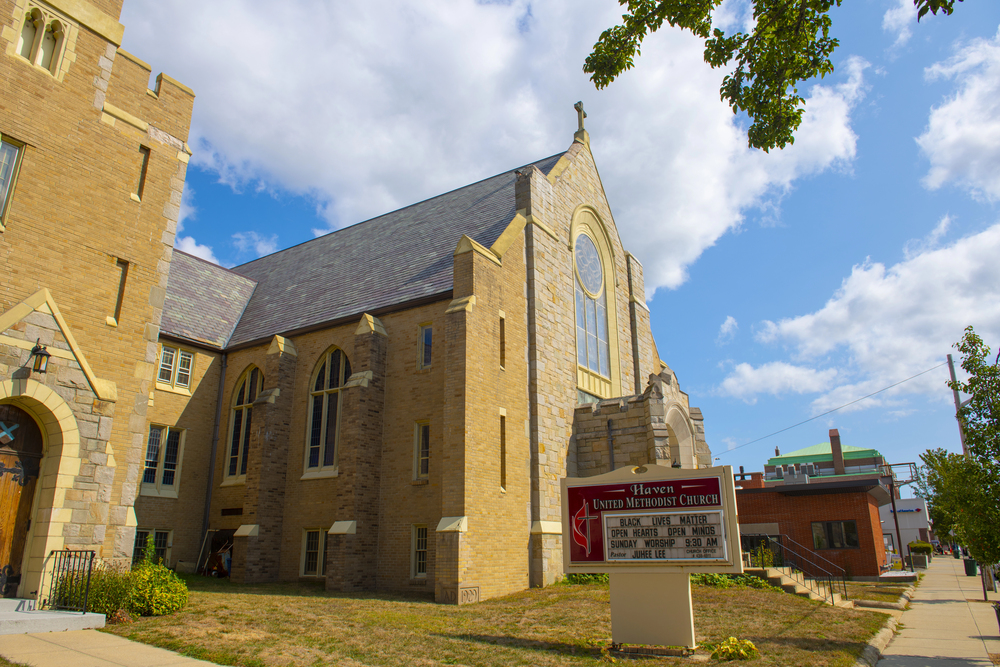
Built in 1887, Trinity Methodist combines Victorian Gothic elements with traditional church architecture for a distinctive look. The brick exterior with decorative patterns and the prominent corner tower make it a neighborhood landmark.
The church has maintained continuous services through wars, storms, and social changes that reshaped Charleston over the decades.
Where History Meets Heaven
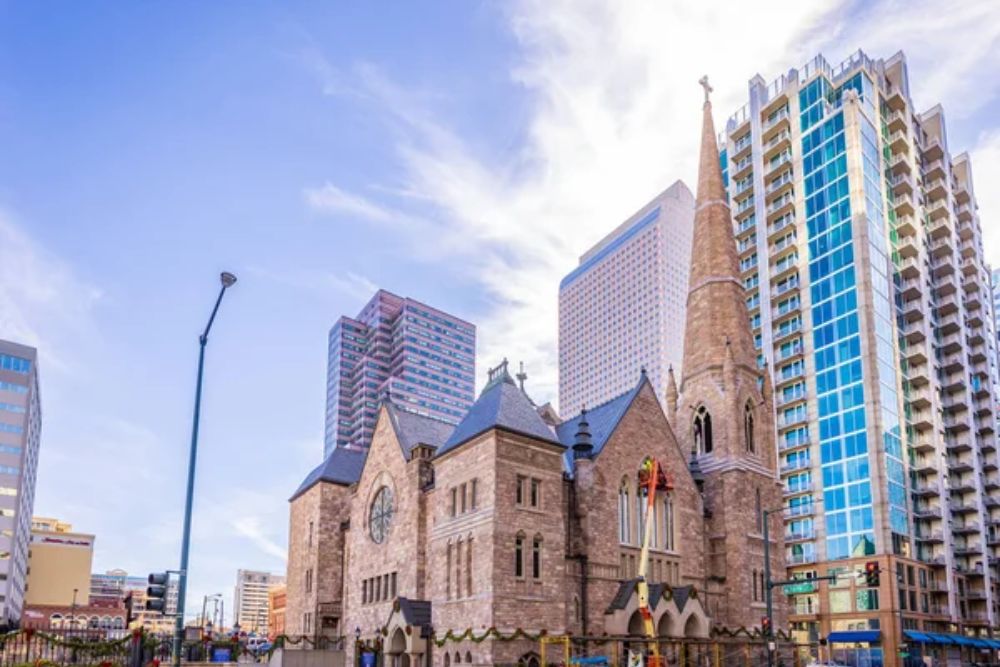
Charleston’s churches tell the story of a city built on faith, commerce, and complex social dynamics that shaped American history. These buildings survived hurricanes, earthquakes, fires, and wars to remain standing as testaments to the people who built and maintained them through centuries of change.
Today, they continue serving active congregations while welcoming visitors who appreciate the architectural artistry and historical significance woven into every brick and beam. The steeples that earned Charleston its ‘Holy City’ nickname still define the skyline, connecting past generations to present-day worshippers and tourists alike.
More from Travel Pug

- Underrated Italian Towns That Beat the Tourist Crowds
- Las Vegas Tourist Traps to Skip
- Prettiest Towns in Every US State
- 18 passport-free countries for Americans
- Signs Your Cruise Is Not Worth The Cost
Like Travel Pug’s content? Follow us on MSN.