

Traveling solo as a woman is one of the most freeing things you can do — but the cost of doing it safely and comfortably can add up fast if you’re not paying attention. The good news is that budget travel and smart travel aren’t mutually exclusive, and plenty of women are seeing the world on shoestring budgets without cutting corners on the things that actually matter.
Here are 15 of the best budget hacks for solo female travelers that will help you stretch every dollar without sacrificing your peace of mind.
Book female-only dorm rooms
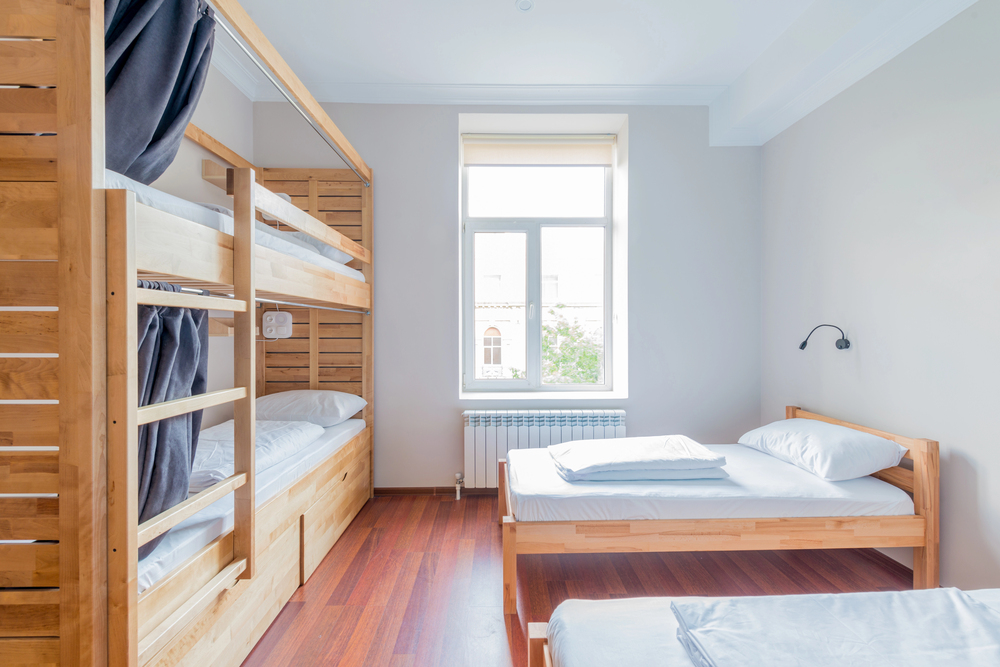
Female-only hostel dorms are one of the best-kept secrets in budget travel, and they tend to cost only a fraction of what a private room runs. Beyond the price, they’re a genuinely comfortable option — you get a safer, more relaxed sleeping environment and often end up connecting with other women travelers who become impromptu trip companions or at the very least, great sources of local tips.
Travel during shoulder season

Shoulder season — the stretch just before or after peak tourist months — is where the real savings are. Flights, accommodation, and even tours drop significantly in price, and you’ll deal with smaller crowds on top of it.
In places like Southeast Asia or southern Europe, traveling just four to six weeks outside the peak window can cut your overall costs by 30% or more.
Use flight alert tools

Sitting and manually checking flight prices is a waste of time when tools like Google Flights, Skyscanner, and Hopper do the work for you. Set up price alerts for your target destinations and you’ll get notified when fares drop — sometimes dramatically.
Booking a Tuesday or Wednesday flight instead of a weekend one can also shave a surprising amount off the ticket price.
Pack light and skip checked baggage
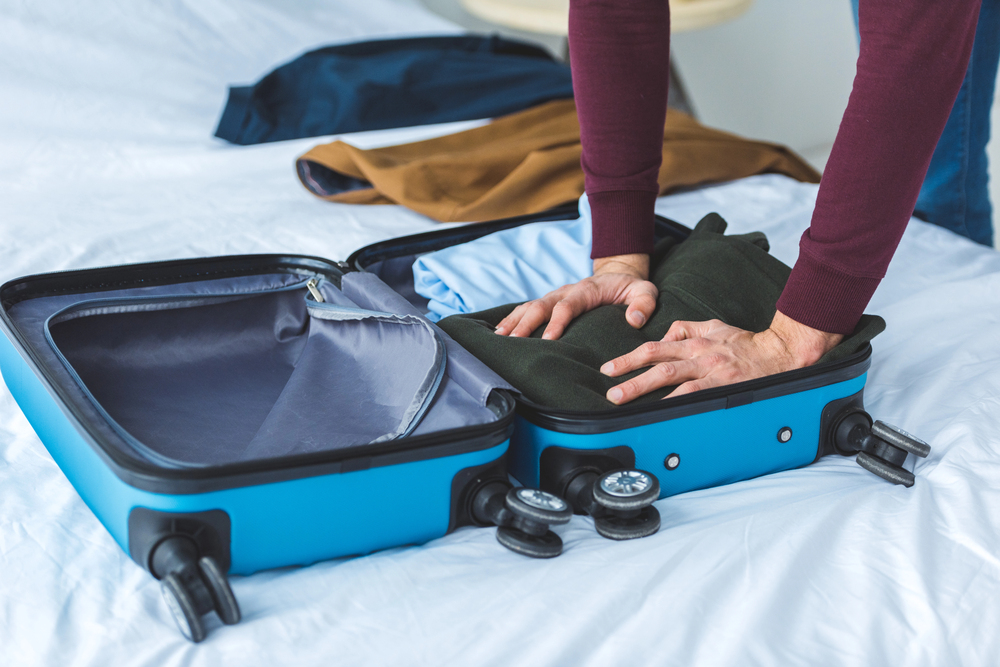
Checked bag fees have become a significant travel expense, especially on budget carriers where they can rival the cost of the flight itself. Packing everything into a carry-on not only saves money but also makes getting around much easier when you’re navigating trains, buses, or unfamiliar streets on your own.
A well-packed 40-liter backpack is genuinely all most solo travelers need for trips lasting several weeks.
Join women-only travel communities

Online communities like Girls LOVE Travel or Solo Female Travelers on Facebook are packed with up-to-date, experience-based advice that no guidebook can match. Members regularly share accommodation finds, scam warnings, transport hacks, and destination-specific safety tips — all from women who’ve been there recently.
These groups are also a great way to find travel buddies for specific legs of your trip, which can split costs like private rooms or hired transport.
Get a no-foreign-transaction-fee travel card

Every time you swipe a regular credit or debit card abroad, you’re likely paying a foreign transaction fee of around 2–3% on top of whatever you’re spending. Over the course of a longer trip, that quietly adds up to a significant amount.
Cards like the Charles Schwab debit card or travel-focused credit cards from Chase or Capital One eliminate those fees entirely — and some even reimburse ATM charges worldwide.
Try work exchange programs

Platforms like Workaway and Worldpackers connect travelers with hosts who offer free accommodation (and sometimes meals) in exchange for a few hours of help each day. Tasks range from helping at a hostel front desk to teaching English or assisting on a farm.
It’s a legitimate way to extend your trip significantly without burning through savings, and many solo female travelers use it as a way to stay in vetted, community-based environments.
Eat where locals eat

Tourist-area restaurants survive on foot traffic and charge accordingly — often two to three times more than what locals actually pay for the same food. Wandering a few blocks away from the main square, heading to a local market, or asking hostel staff where they eat will almost always lead you to better food at a fraction of the price.
In countries like Vietnam, Thailand, or Mexico, a full meal from a street stall or neighborhood spot can cost well under $3.
Use overnight transport strategically
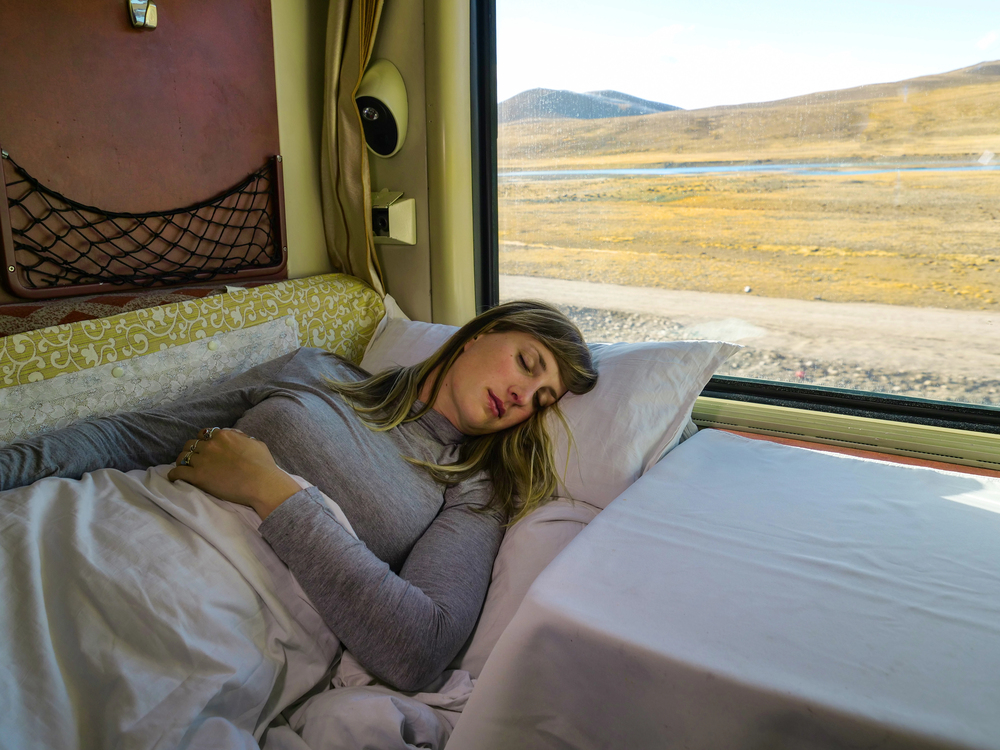
Booking an overnight train or bus for longer legs of your journey means you’re covering distance and sleeping at the same time — which effectively turns your transport cost into your accommodation cost for that night. Trains across Europe, sleeper buses in Southeast Asia, and overnight ferries in Greece are all well-used options that experienced budget travelers swear by.
Just make sure to research the specific route’s safety reputation beforehand, as quality varies a lot by region and operator.
Take advantage of free city resources

Most major cities offer a surprising amount for free once you know where to look. Free walking tours (tip-based), free museum days, public parks, free cultural events, and city beaches don’t cost a thing — and they often give you a far more authentic feel for a place than paid attractions do.
Many European cities, for example, offer free entry to major museums on the first Sunday of the month, which is worth planning around.
Get travel insurance — but compare policies
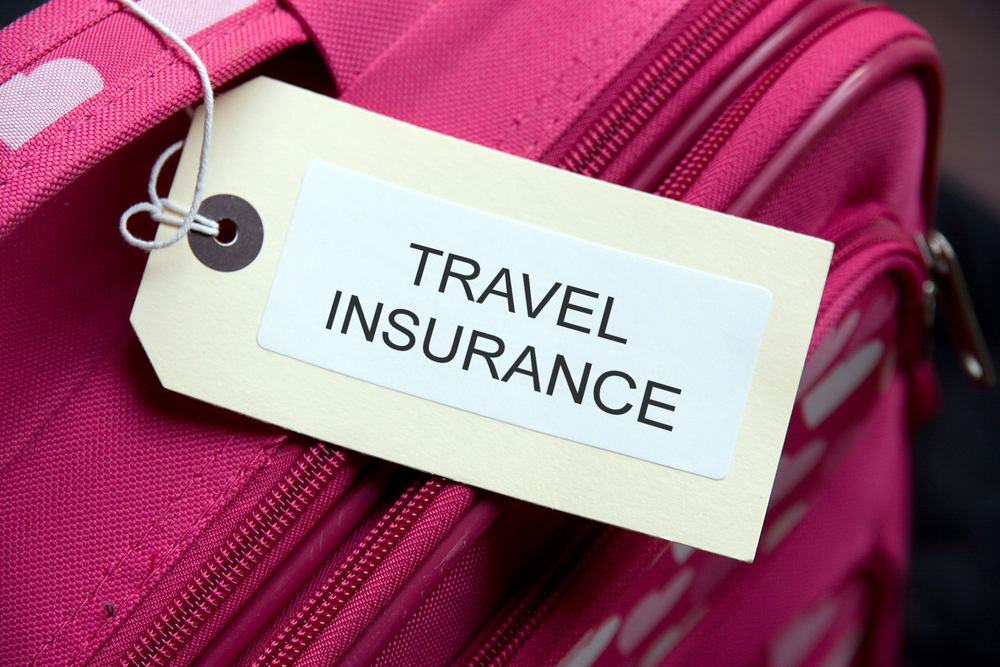
Travel insurance feels like an extra expense, but a single medical emergency abroad without coverage can cost tens of thousands of dollars — far more than any budget hack will ever save you. That said, not all policies are equal, and you don’t need the most expensive one.
Sites like InsureMyTrip or Squaremouth let you compare plans side by side so you can find solid coverage without overpaying for benefits you won’t use.
Use local SIM cards instead of roaming plans
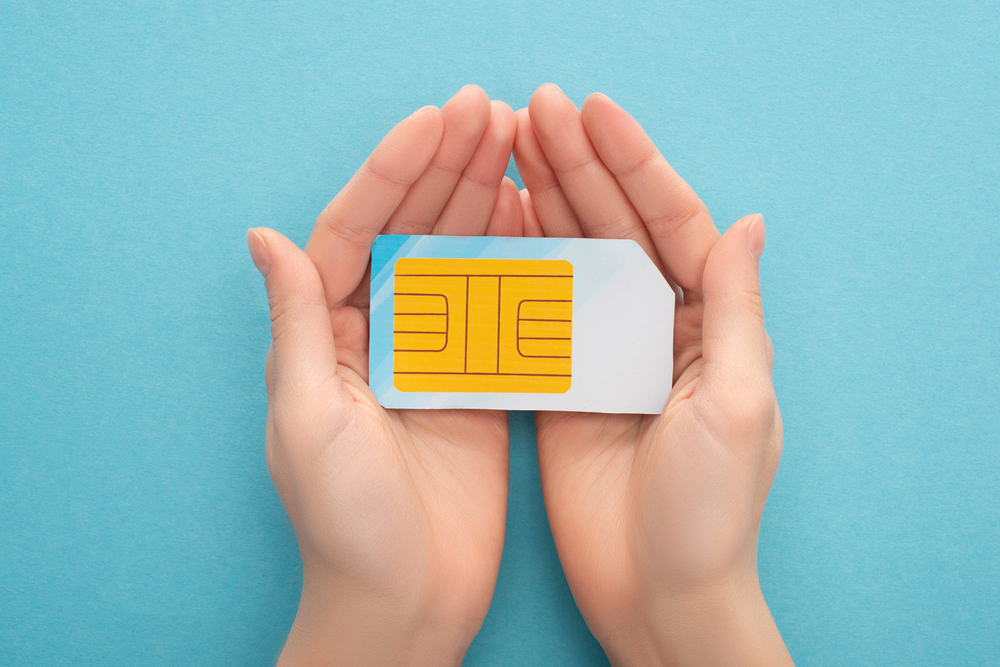
Roaming charges from your home carrier abroad are almost always dramatically overpriced compared to simply buying a local prepaid SIM card on arrival. In most countries, a local SIM with a generous data plan costs between $5 and $15 and keeps you connected for weeks.
Having reliable data matters for solo travelers in particular — it’s your navigation tool, your translation app, and your safety net all in one.
Stay in accommodation with kitchen access
Cooking even a handful of your own meals each week makes a noticeable dent in your daily travel budget. Hostels with communal kitchens, Airbnb apartments, or guesthouses that allow cooking give you the flexibility to shop at local markets and prepare your own food for a fraction of restaurant prices.
Breakfast and lunch are especially easy to self-cater, leaving your dining budget for dinners where you actually want the full local experience.
Earn rewards points on everyday spending

If you’re not already using a travel rewards credit card for your regular spending back home, you’re leaving free flights and hotel stays on the table. Cards like the Chase Sapphire Preferred or the American Express Gold accumulate points on groceries, dining, and everyday purchases that can be redeemed for flights or accommodation.
Many also offer substantial sign-up bonuses that, on their own, can cover a round-trip fare to Europe or beyond.
Use house-sitting to cover accommodation

House-sitting is exactly what it sounds like — staying in someone’s home for free while they travel, in exchange for looking after the property and sometimes a pet. Platforms like TrustedHousesitters list opportunities all over the world, from apartments in Barcelona to farmhouses in New Zealand.
It takes some planning and a solid profile to get accepted for sits, but for travelers with flexibility in their schedule, it’s one of the most effective ways to eliminate accommodation costs entirely.
Smart travel doesn’t mean cheap travel
Budget travel for solo women has come a long way from the days of crumbling hostels and white-knuckle money stress. The tools, communities, and strategies available today make it genuinely possible to travel comfortably, safely, and affordably without compromise.
The real trick isn’t just spending less — it’s spending deliberately, putting your money toward the experiences that matter and cutting the costs that don’t. Get that right, and the world becomes a lot more accessible than it might look at first glance.
More from Travel Pug

- Underrated Italian Towns That Beat the Tourist Crowds
- Las Vegas Tourist Traps to Skip
- Prettiest Towns in Every US State
- 18 passport-free countries for Americans
- Signs Your Cruise Is Not Worth The Cost
Like Travel Pug’s content? Follow us on MSN.