

Boston’s relationship with tea runs deeper than most realize, weaving through the city’s identity and playing a pivotal role in sparking a revolution that changed the course of history. The beverage became a symbol of resistance, taxation, and defiance, transforming from a daily ritual into a political statement.
Here’s a list of tea traditions and moments that defined Boston’s revolutionary spirit and left a lasting mark on American culture.
Tea as a status symbol in colonial Boston
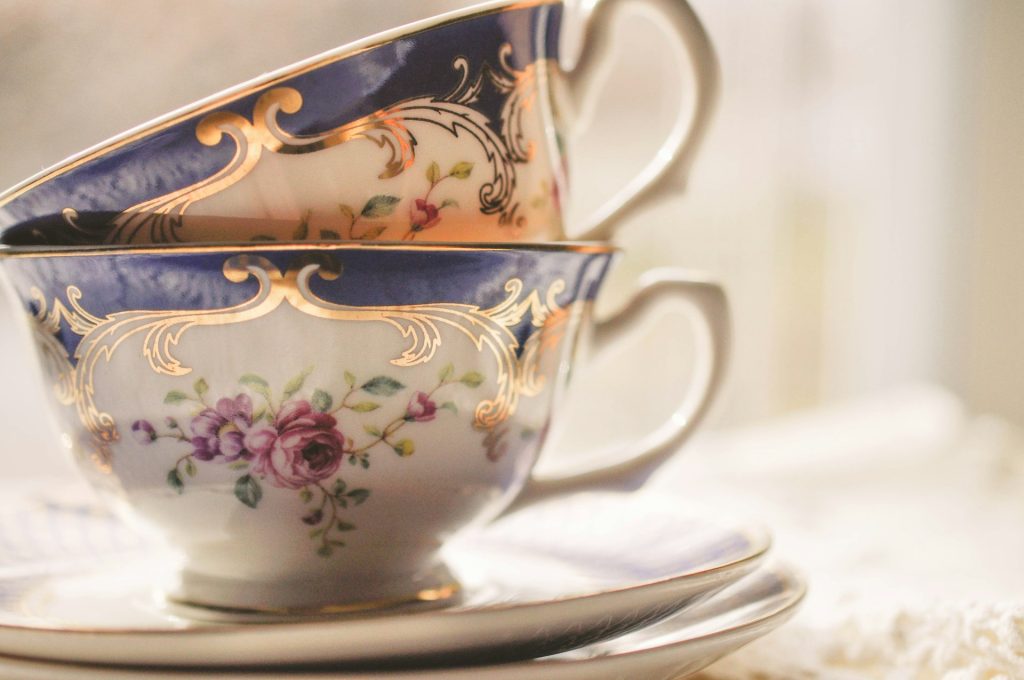
Wealthy Bostonians imported fine teas from China and India, serving them in elaborate ceremonies that mirrored British customs. Porcelain teacups, silver teapots, and formal tea times signaled social standing and cultural refinement.
The ritual connected colonists to their British roots, even as tensions simmered beneath the surface.
The Tea Act of 1773 changes everything
Britain’s Tea Act granted the East India Company a monopoly on tea sales in the colonies, undercutting local merchants and imposing taxes without colonial consent. The law wasn’t just about revenue—it was about control. Bostonians saw it as an insult and a threat to their autonomy.
And they weren’t wrong.
Like Travel Pug’s content? Follow us on MSN.
The Boston Tea Party becomes defiance incarnate
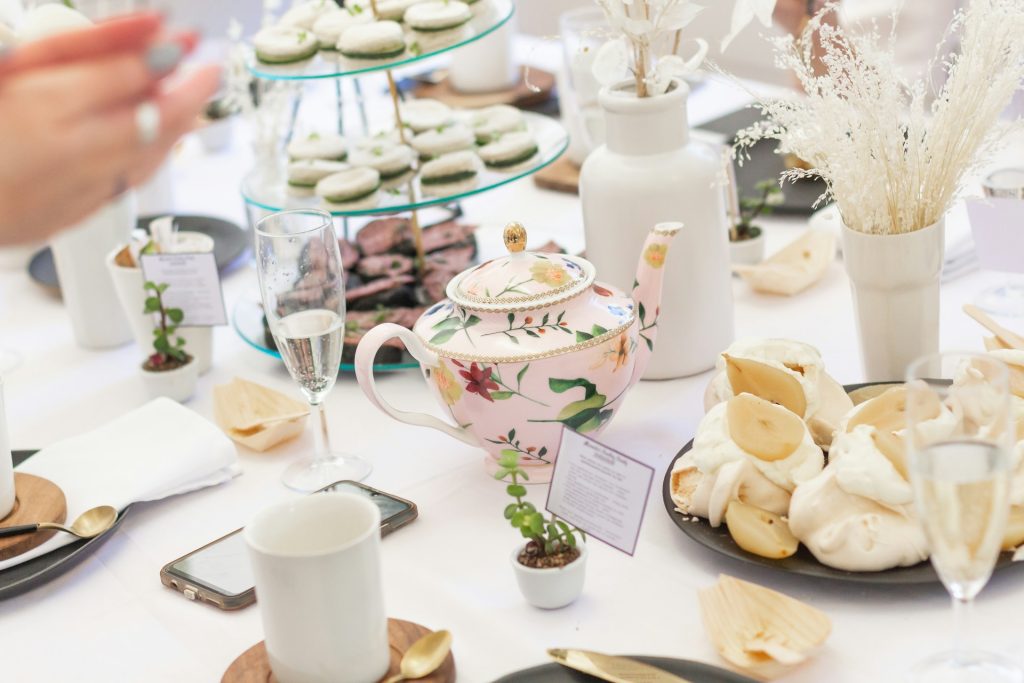
On December 16, 1773, a group of colonists disguised as Mohawk warriors boarded three British ships and dumped 342 chests of tea into Boston Harbor. The act destroyed roughly $1.7 million worth of tea in today’s currency.
It wasn’t theft—it was theater. A deliberate, public rejection of British authority that made headlines across the colonies.
Women lead tea boycotts
Colonial women organized boycotts of British tea, replacing it with herbal alternatives made from local plants like raspberry leaves, mint, and sage. These “liberty teas” became symbols of patriotism and self-sufficiency.
Women’s participation in the boycott movement politicized domestic life and turned everyday choices into acts of resistance.
Tea-drinking splits communities
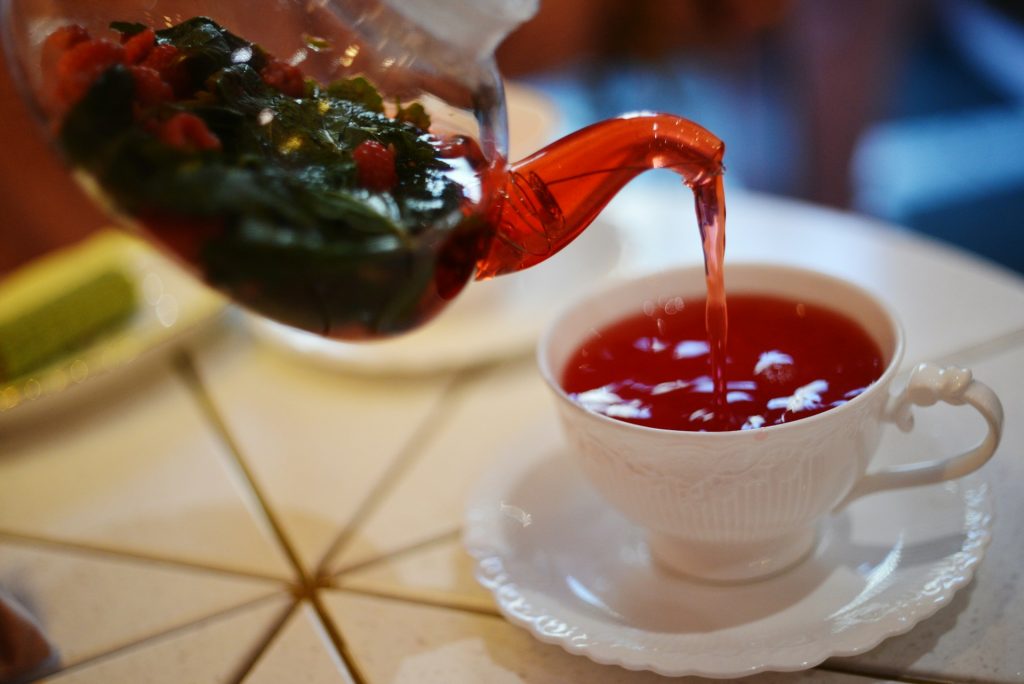
Loyalists who continued to drink British tea faced social ostracism. Neighbors watched who purchased tea and from whom, creating a surveillance culture that divided communities.
Drinking tea became a test of loyalty, and abstaining became a declaration of independence.
Like Travel Pug’s content? Follow us on MSN.
The Green Dragon Tavern serves as a meeting place
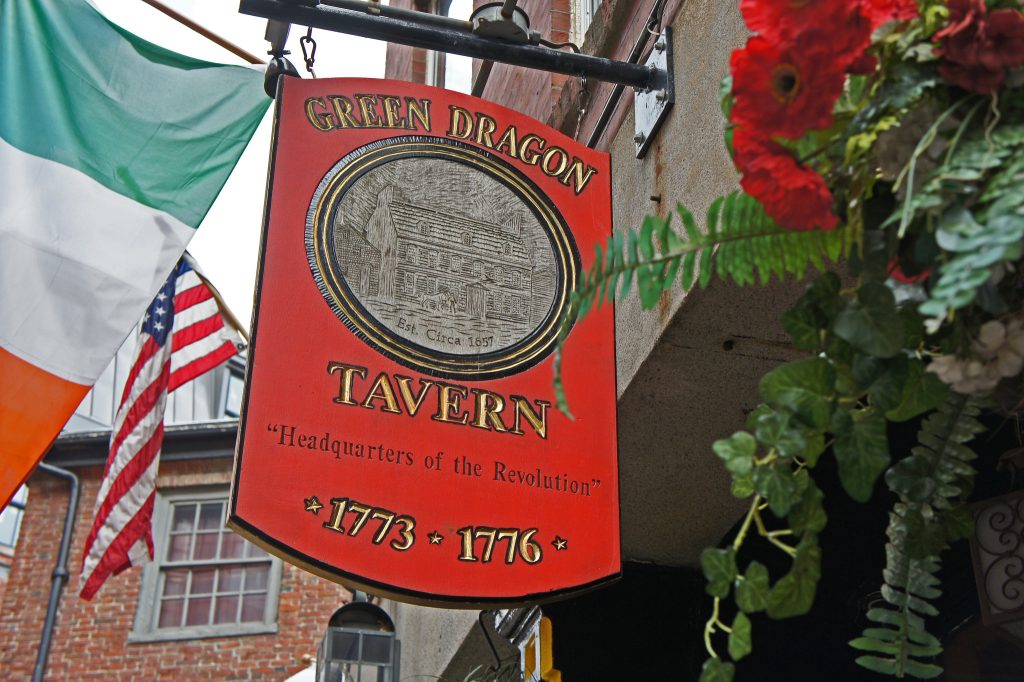
Known as the “Headquarters of the Revolution,” the Green Dragon Tavern hosted meetings where patriots planned resistance activities, including the Boston Tea Party. Tea wasn’t served there—rum and ale dominated the menu.
But the tavern’s role in organizing tea-related protests made it legendary.
Newspapers amplify the tea crisis
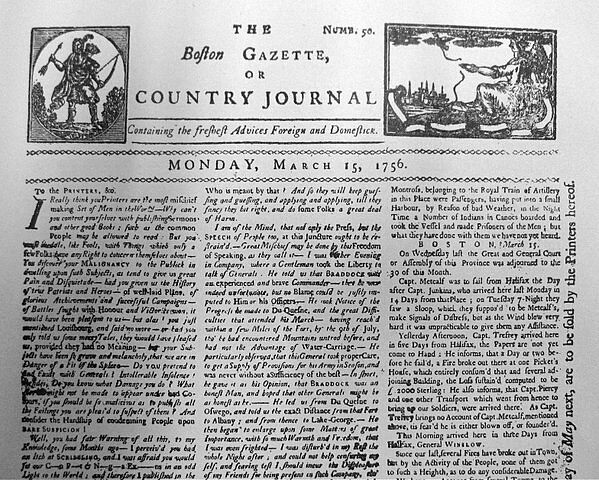
Boston’s newspapers, particularly the Boston Gazette, published essays and cartoons condemning the Tea Act and rallying public opinion against British imports. The press shaped the narrative, turning a tax dispute into a moral crusade.
Words mattered as much as actions.
Tea smuggling becomes patriotic
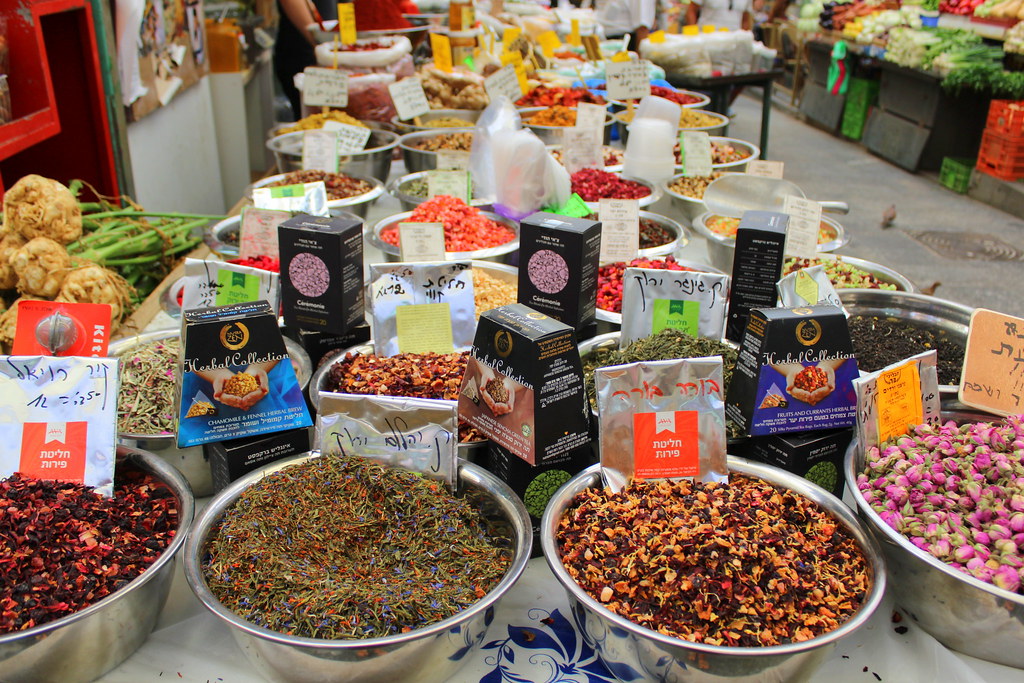
Smuggled Dutch tea flooded Boston’s black market as colonists sought alternatives to taxed British imports. What was once illegal commerce became an act of defiance.
Merchants who smuggled tea gained respect rather than condemnation, and the lines between lawbreaking and patriotism blurred.
Like Travel Pug’s content? Follow us on MSN.
The Edenton Tea Party inspires Southern resistance
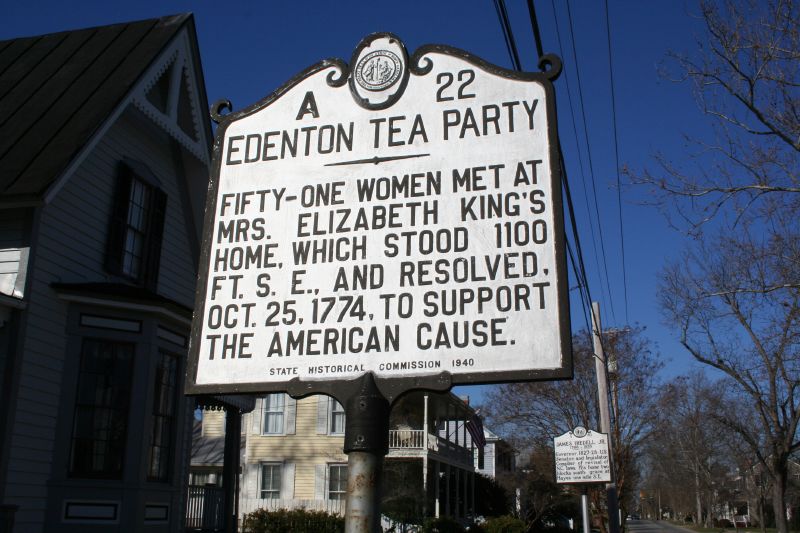
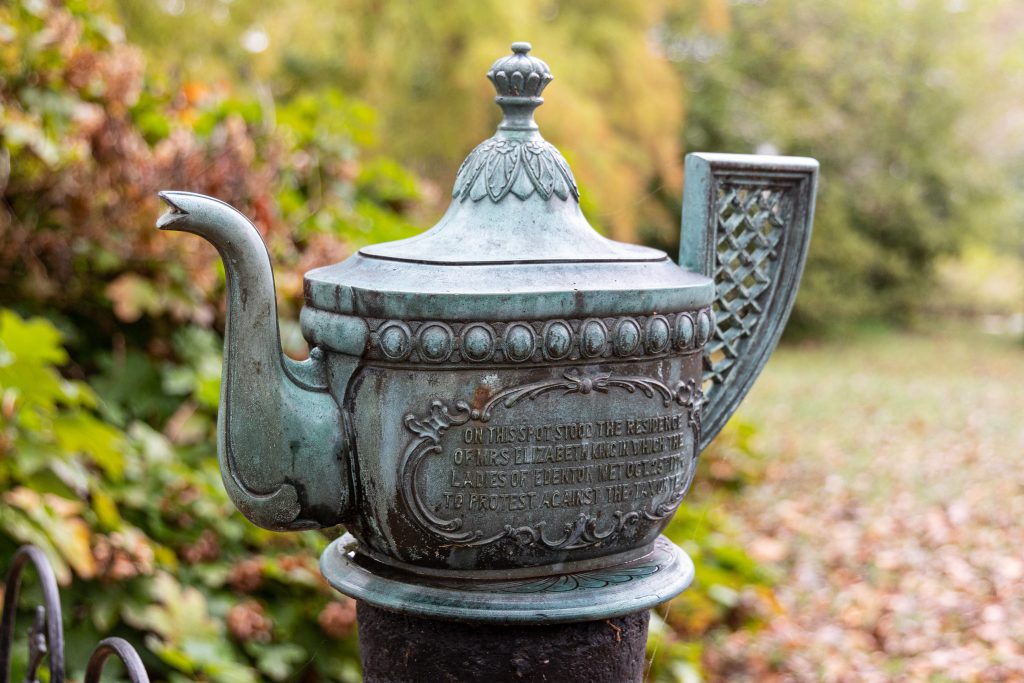
Inspired by Boston’s example, 51 women in Edenton, North Carolina, signed a petition publicly refusing to drink British tea or wear British cloth. The Edenton Tea Party demonstrated that resistance spread beyond New England, uniting colonies in shared grievance.
Liberty Tea recipes spread through colonies
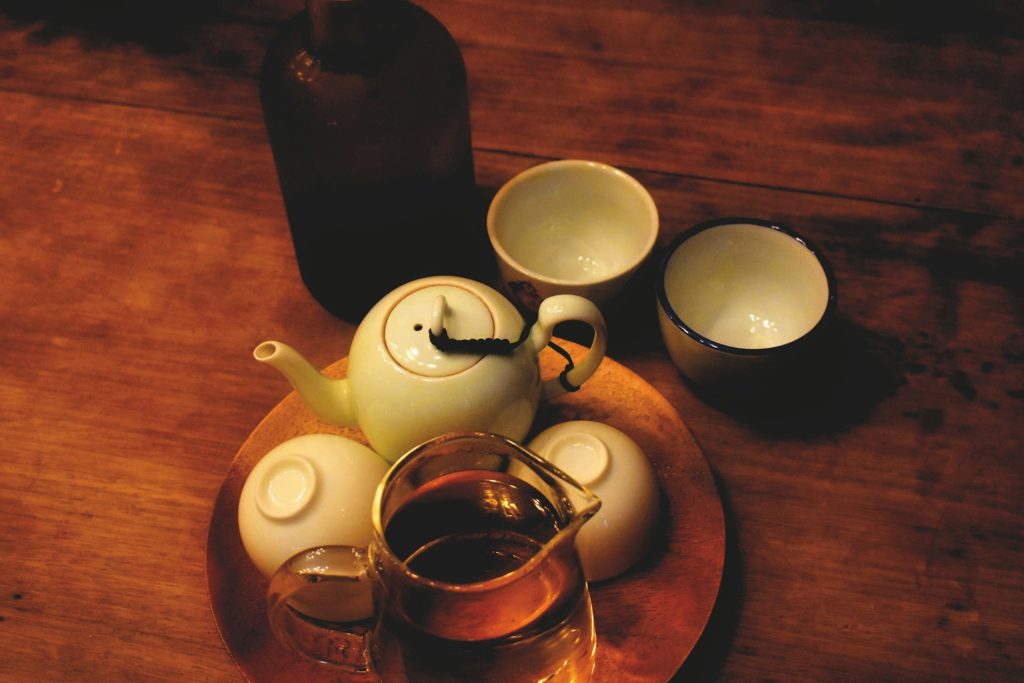
Recipes for tea substitutes circulated in letters and newspapers, offering detailed instructions for brewing alternatives from native plants. These recipes carried political messages, with some explicitly linking the rejection of British tea to the fight for freedom.
The drink itself became propaganda.
British retaliation closes Boston Harbor
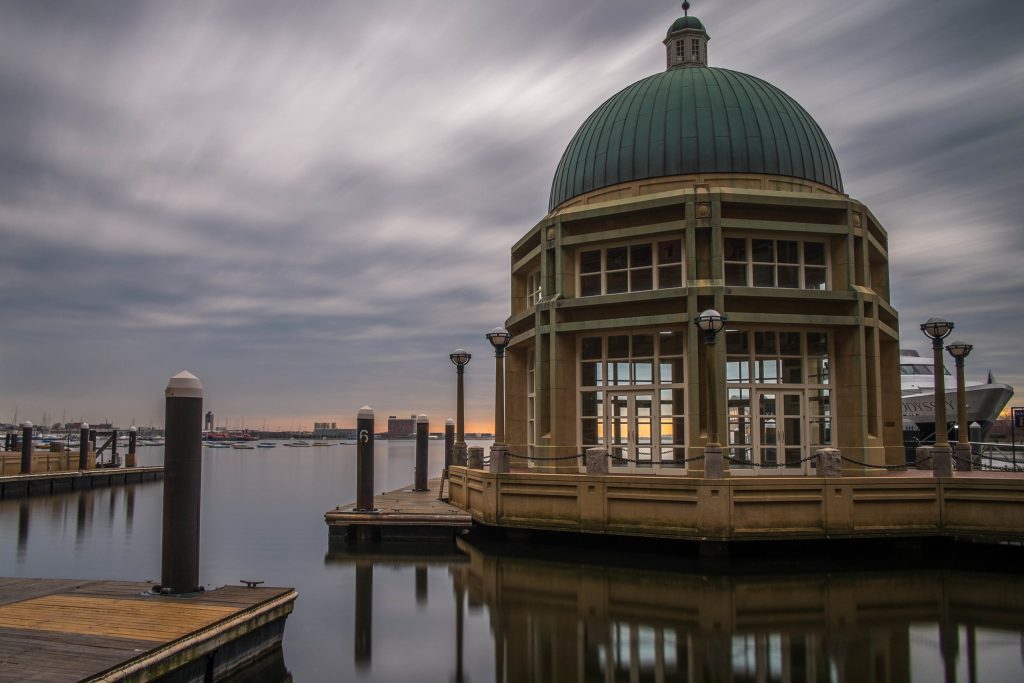
In response to the Boston Tea Party, Parliament passed the Coercive Acts, which shut down Boston Harbor until the destroyed tea was paid for. The punishment unified the colonies in outrage and accelerated the march toward war.
The British overplayed their hand.
Like Travel Pug’s content? Follow us on MSN.
Tea parties erupt in other port cities
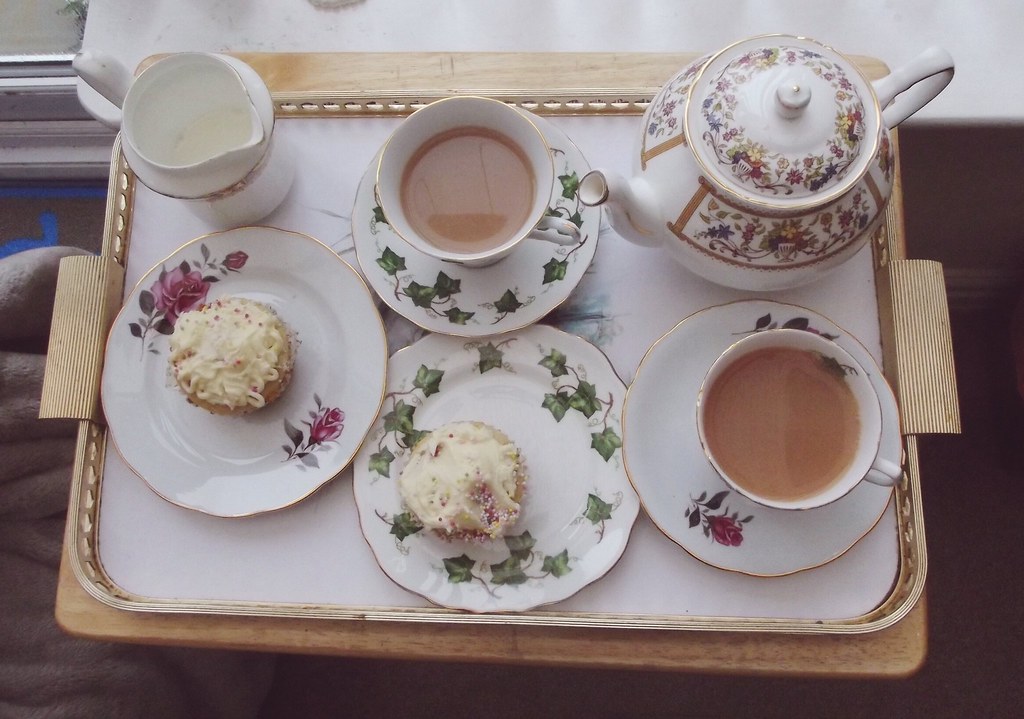
New York, Philadelphia, and Charleston followed Boston’s lead with their own tea protests. Ships carrying British tea were turned away, and cargoes were destroyed or left to rot on docks.
The movement spread faster than British officials anticipated.
Samuel Adams turns tea into a rallying cry
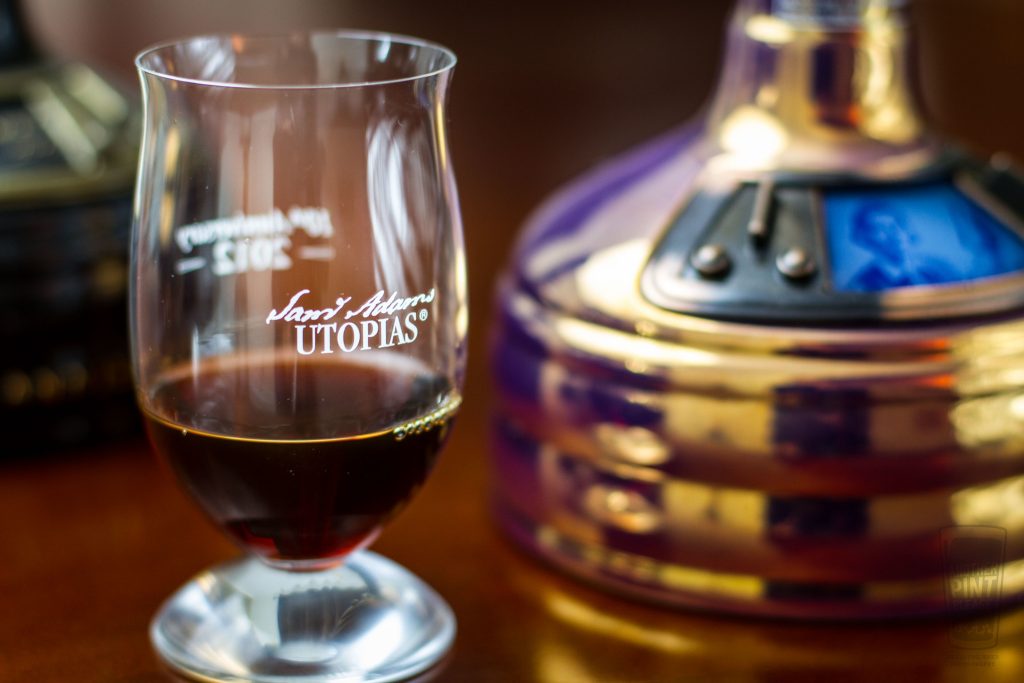
Adams, a master propagandist, framed the tea issue as a fight for liberty rather than a tax dispute. His speeches and writings transformed a commercial conflict into a moral imperative, galvanizing colonists who might have otherwise remained neutral. He understood the power of narrative.
Tea becomes forbidden in patriot households
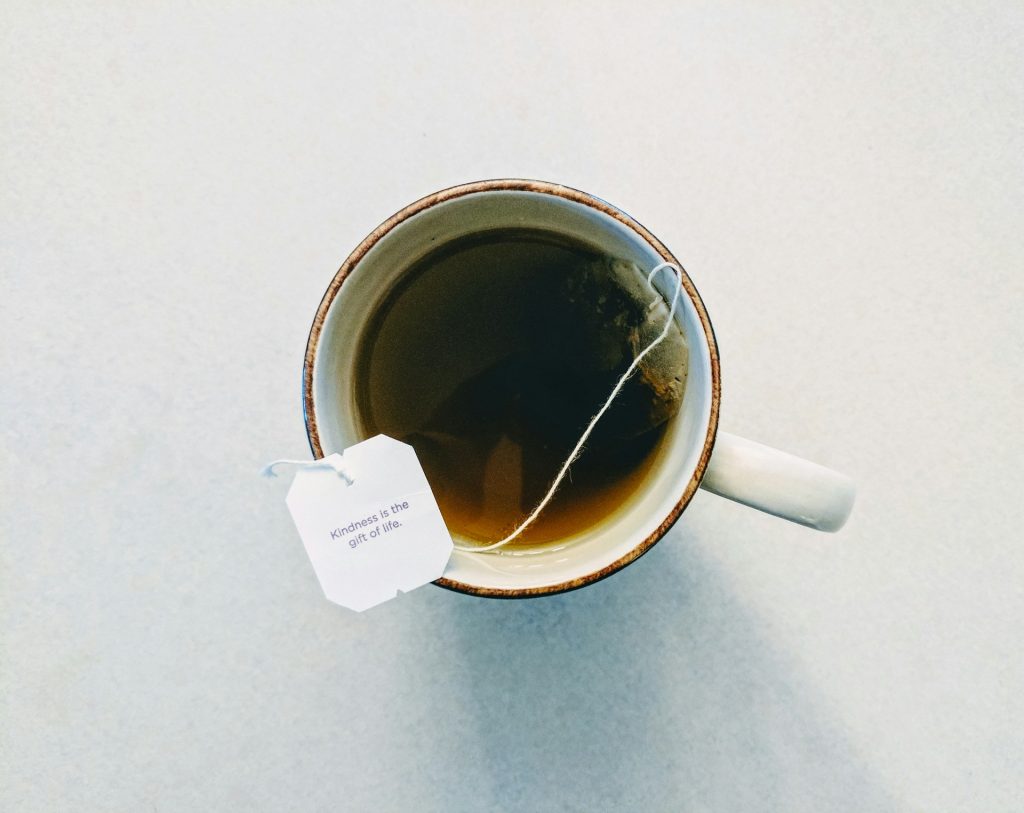
Families publicly smashed their teacups and teapots to demonstrate commitment to the cause. These acts of destruction weren’t just symbolic—they eliminated temptation and made abstaining from tea a permanent choice.
The ritual reinforced collective identity.
Like Travel Pug’s content? Follow us on MSN.
Coffee replaces tea as America’s drink

The rejection of British tea created space for coffee to dominate American culture. By the time the Revolution ended, coffee had become the beverage of choice, a shift that persists to this day.
Tea’s association with British oppression sealed its fate in American daily life.
The legacy lives in every cup
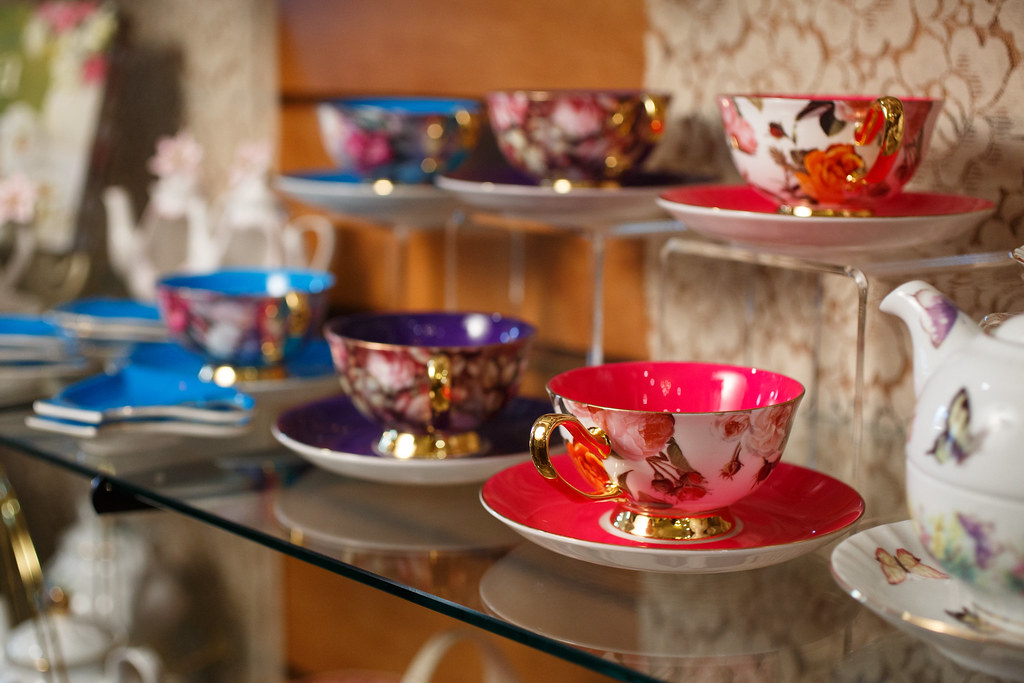
Boston’s tea traditions didn’t just spark a revolution—they redefined what everyday objects could represent. A cup of tea became a political statement, a boycott, a protest, and a symbol of resistance.
The act of drinking or refusing to drink something as simple as tea carried the weight of liberty itself. And that weight hasn’t fully lifted.
More from Travel Pug

- 20 Best Beach Towns in the Carolinas
- 13 Destinations Where Tourists Regularly Regret Their Trip
- 20 Things You Actually Get in First Class
- 20 Small Airports With Aviation Museums
- 20 Places in the U.S. That Are Perfect for a Reset Trip
Like Travel Pug’s content? Follow us on MSN.