

The street food scene in Latin America follows a logic that defies conventional travel economics: the best food is frequently the least expensive. While upscale eateries in Mexico City and Lima receive international recognition, street vendors and market stalls offer equally transformative meals for less money.
Here is a list of cities and routes where visitors can enjoy authentic regional flavors without worrying about money while dining amazingly well for less than $30 per day.
Mexico City
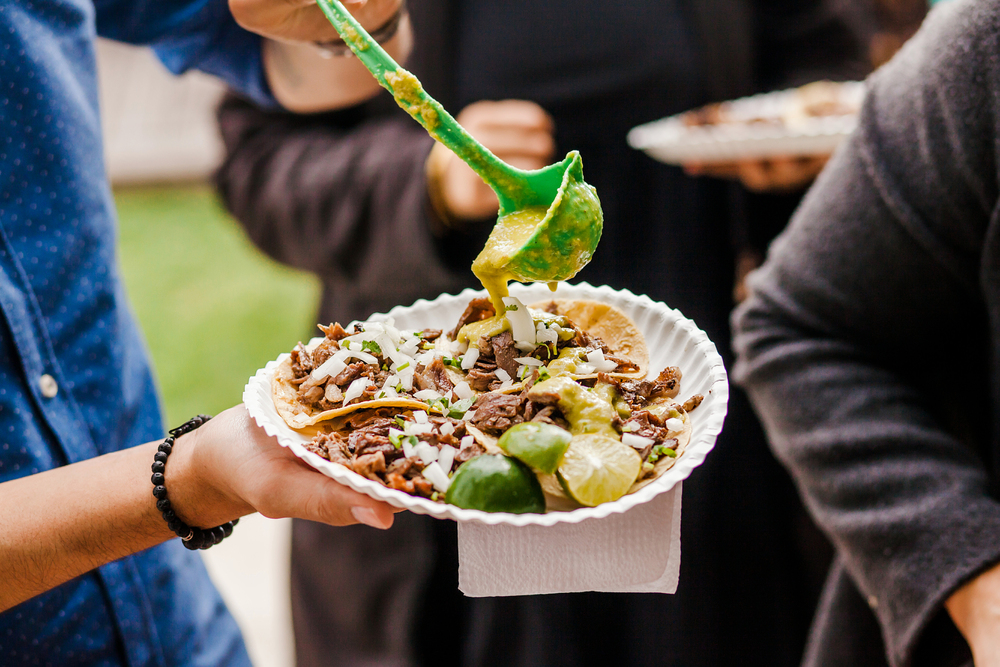
The capital’s street food culture runs deep into the night. Tacos al pastor spin on vertical spits outside bars in Narvarte, where locals queue past midnight for meat shaved directly onto tortillas. A single taco costs between thirteen and twenty-two pesos—roughly seventy-five cents to a dollar.
Quesadillas made with blue corn dough fill out the rest of a day’s eating. At stands in Roma Norte, vendors pat masa by hand and fill it with huitlacoche or squash blossoms for about twenty-five pesos each. Budget fifteen to twenty dollars for a full day of exceptional eating, including tlacoyos, gorditas, and fresh agua frescas.
Lima
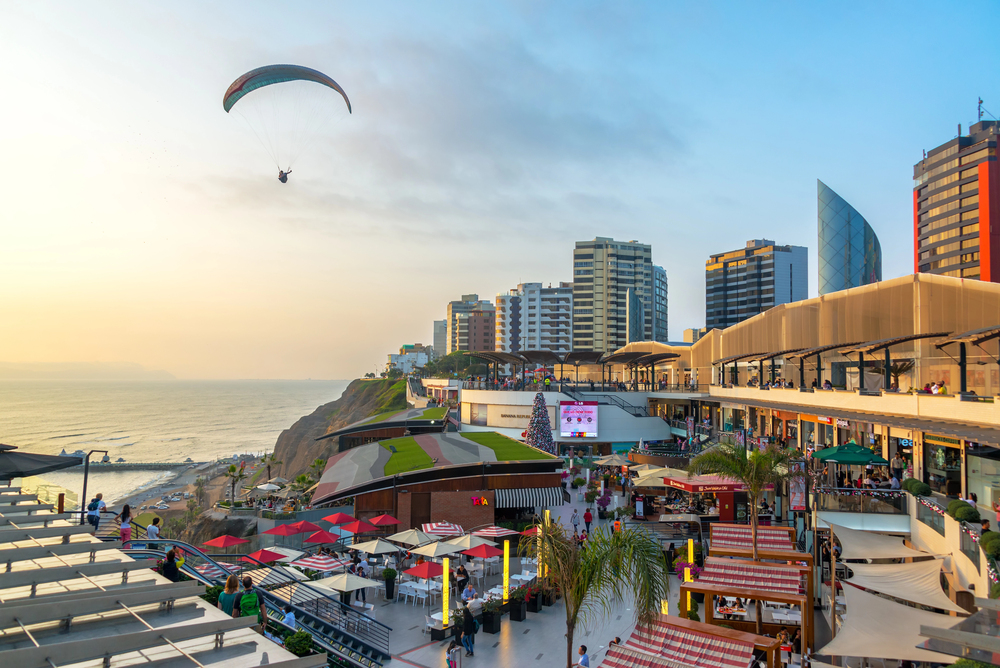
Peru’s coastal capital delivers some of the continent’s most refined street food at startlingly low prices. Anticuchos—grilled beef heart skewers—appear on sidewalk grills each evening, marinated in smoky spices and served with boiled potatoes. Three to ten soles covers most street items.
Ceviche from market stalls offers the same fresh corvina as upscale restaurants, just without the plating. The fish was probably caught that morning. For around fifteen to twenty-five dollars daily, travelers eat anticuchos, causa limeña, tamales, and multiple rounds of ceviche. The lime juice does all the work.
Like Travel Pug’s content? Follow us on MSN.
Oaxaca
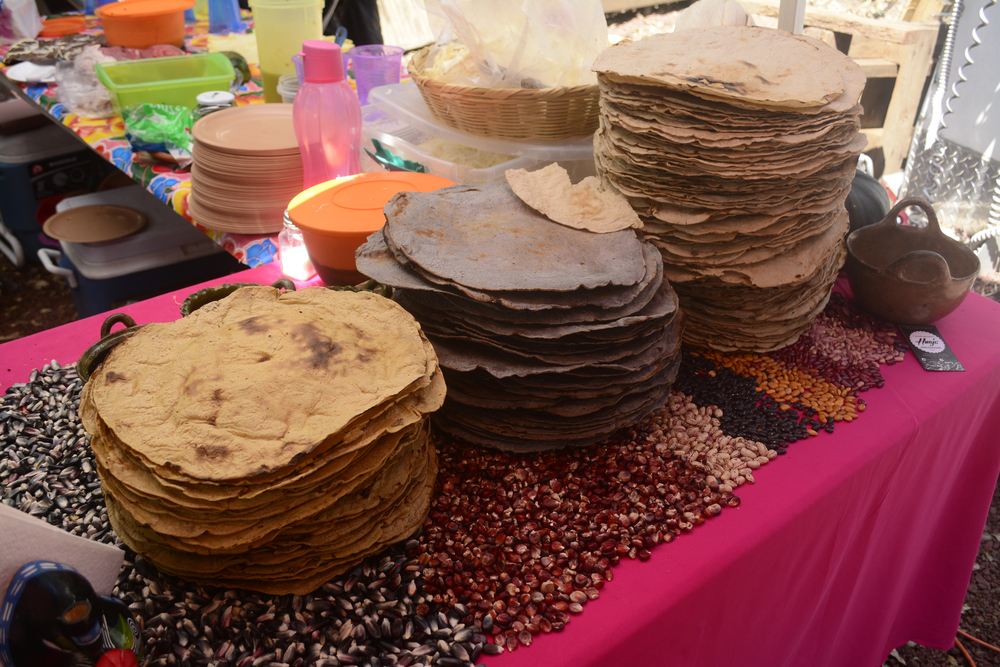
This southern Mexican city treats food as both sustenance and ceremony. Market stalls in Mercado Benito Juárez and 20 de Noviembre serve tlayudas—massive crispy tortillas topped with beans, meat, and quesillo cheese.
Affordable doesn’t begin to describe it.Mole appears in seven different varieties here, each requiring days of preparation and dozens of ingredients.
Street vendors ladle it over chicken for around forty to sixty pesos. And the chapulines—toasted grasshoppers with chili and lime—cost even less. They taste like chips, but crunchier. Twenty dollars covers three substantial meals plus mezcal tastings at small distilleries. The city’s food doesn’t compromise on complexity despite the price.
La Paz
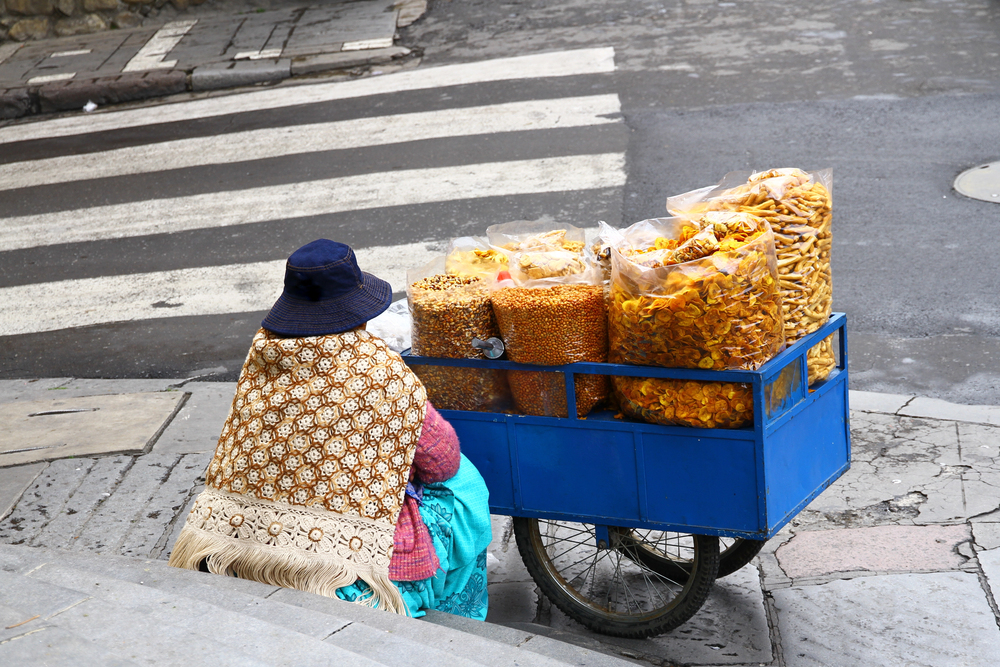
Bolivia’s high-altitude capital offers perhaps Latin America’s most aggressive value proposition. Street food rarely exceeds two dollars per item. Salteñas—juice-filled pastry pockets of meat, vegetables, and slightly sweet broth—sell for ten to fifteen bolivianos at morning carts throughout the city.
Mercado Lanza becomes the epicenter for budget eating. Full meals with soup, main course, and drink run about three to four dollars.
Api morado, a thick purple corn drink, costs almost nothing and tastes like warm, spiced comfort. The altitude might slow you down, but ten to fifteen dollars daily keeps you well fed across multiple neighborhoods.
Medellín
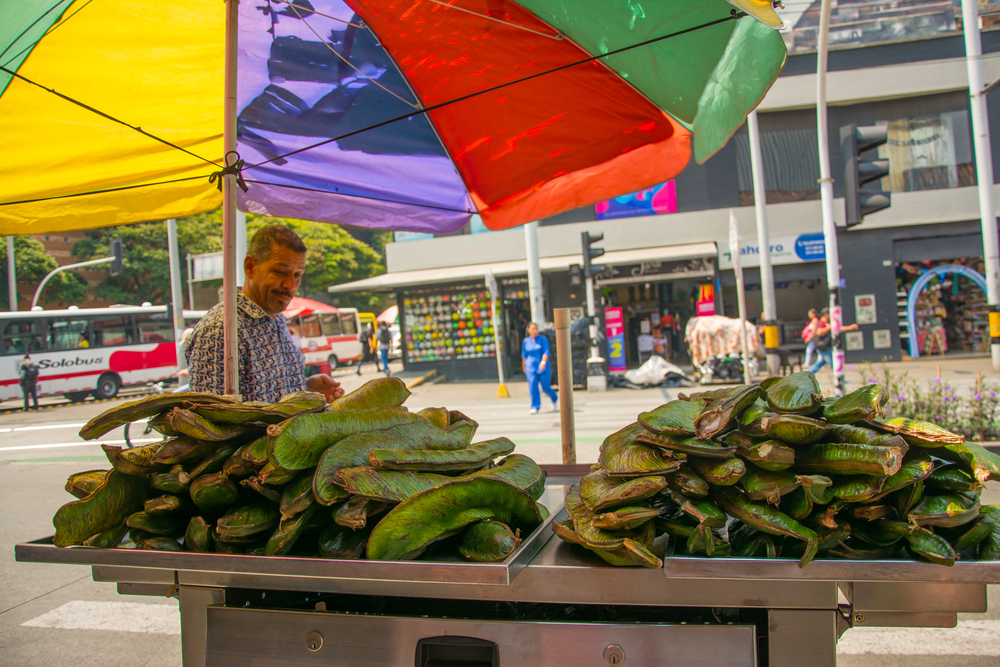
Colombia’s second city has transformed its food scene alongside its broader urban renaissance. Arepa stands cluster around metro stations, selling cornmeal patties stuffed with cheese, meat, or eggs for 3,000 to 8,000 pesos.
The baseline arepa—just corn, salt, and griddle char—costs pocket change.Bandeja paisa, the region’s massive plate of beans, rice, chicharrón, chorizo, fried egg, and plantain, runs about 15,000 to 25,000 pesos at casual spots.
It’s absurd value. Budget twenty dollars for the day and expect to skip dinner because lunch filled you past capacity. Street vendors selling empanadas and buñuelos appear throughout afternoons.
Like Travel Pug’s content? Follow us on MSN.
Guatemala City and Antigua
Guatemala’s urban centers and colonial towns offer parallel food trails. Chicken buses might feel chaotic, but the food compensates.
Street tacos cost four to eight quetzales—about fifty cents to a dollar. Rellenitos, sweet plantain dough stuffed with black beans and fried, sell for similar prices.
Markets overflow with affordable options. A full comida corrida—daily special with soup, main, drink—rarely exceeds twenty-five quetzales.
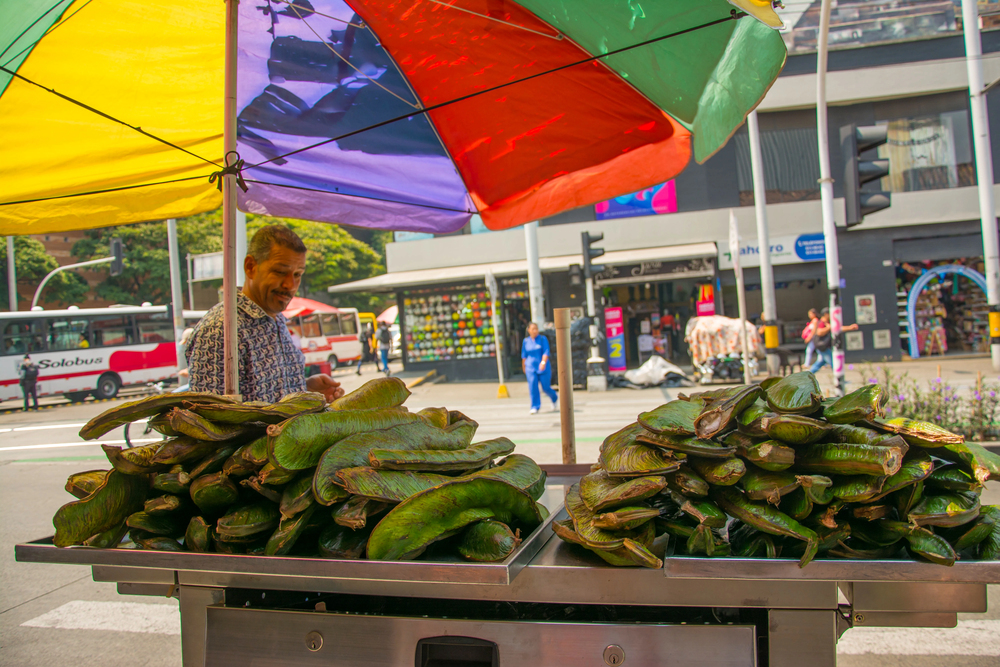
Budget travelers regularly spend under fifteen dollars daily while eating tamales wrapped in banana leaves, chuchitos, and garnachas topped with pickled vegetables. The salsa at roadside stands has real bite.
Cusco
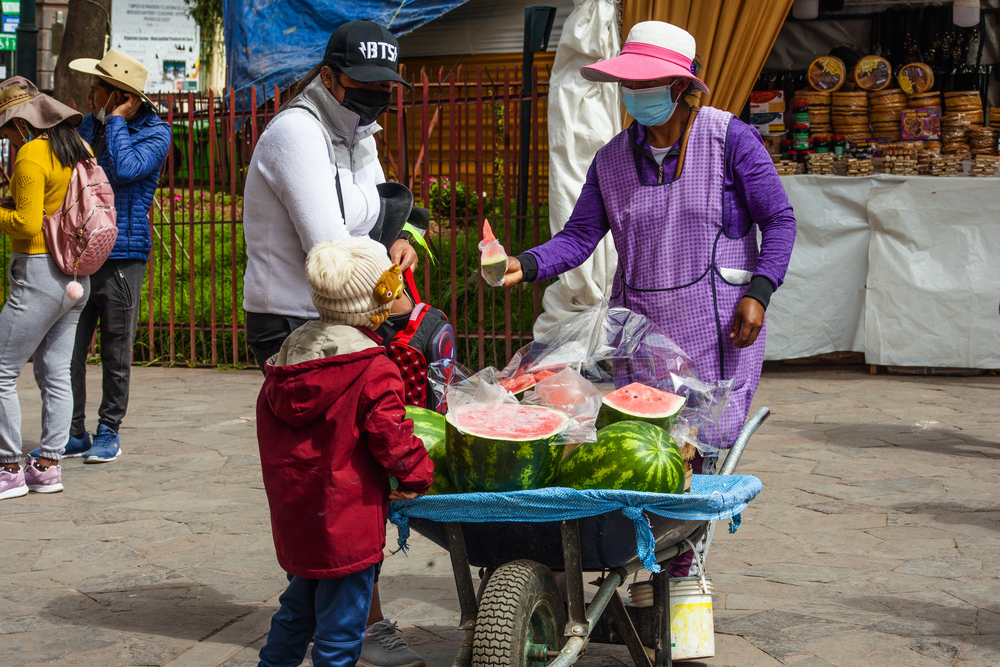
Peru’s former Inca capital caters to tourists heading to Machu Picchu, but local neighborhoods maintain authentic pricing. San Pedro Market becomes the essential stop—vendors serve full meals for eight to fifteen soles.
Chicharrón sandwiches, cuy (yes, guinea pig), and rocoto relleno all cost less than upscale cafés charge for coffee.Street anticuchos here cost even less than Lima.
Carts selling api and pastel (fried cheese empanadas) appear mornings near bus terminals. Twenty dollars stretches across breakfast, market lunch, and evening street snacks. The portion sizes acknowledge the altitude—hearty matters at 11,000 feet.
León
Nicaragua’s revolutionary city maintains an aggressively affordable food culture. Gallo pinto—the national rice and beans dish—appears at every meal for about 60 to 90 córdobas. It’s not exciting on paper. In practice, the balance of seasoning and texture makes it compulsively edible.
Quesillo stands near the cathedral sell cheese-filled tortillas with pickled onions and cream for about thirty córdobas. Street vendors grill meat throughout the day. Budget twelve to fifteen dollars daily for full meals plus fresh fruit juice.
Vigorón—yuca topped with chicharrón and cabbage slaw—costs about a dollar and functions as both snack and meal.
Like Travel Pug’s content? Follow us on MSN.
Buenos Aires
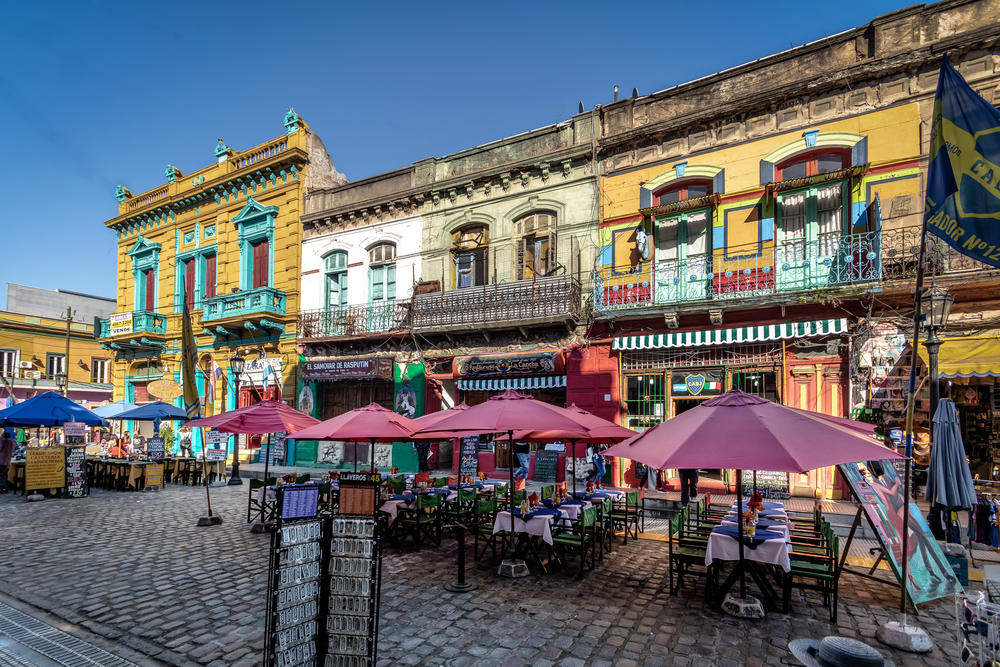
Argentina’s economic fluctuations mean prices vary, but street food remains accessible. Choripán—grilled chorizo on crusty bread with chimichurri—sells from parrilla carts for 500 to 800 pesos.
Empanadas, available everywhere in varieties from beef to ham and cheese, cost similar amounts.Pizza al paso (by the slice) from standing-room counters offers another budget option.
Thick, cheesy slices go for about 300 to 600 pesos. For twenty-five dollars daily, travelers eat choripán, multiple empanadas, milanesa sandwiches, and dulce de leche medialunas. Save room—portions don’t account for delicate appetites.
Quito
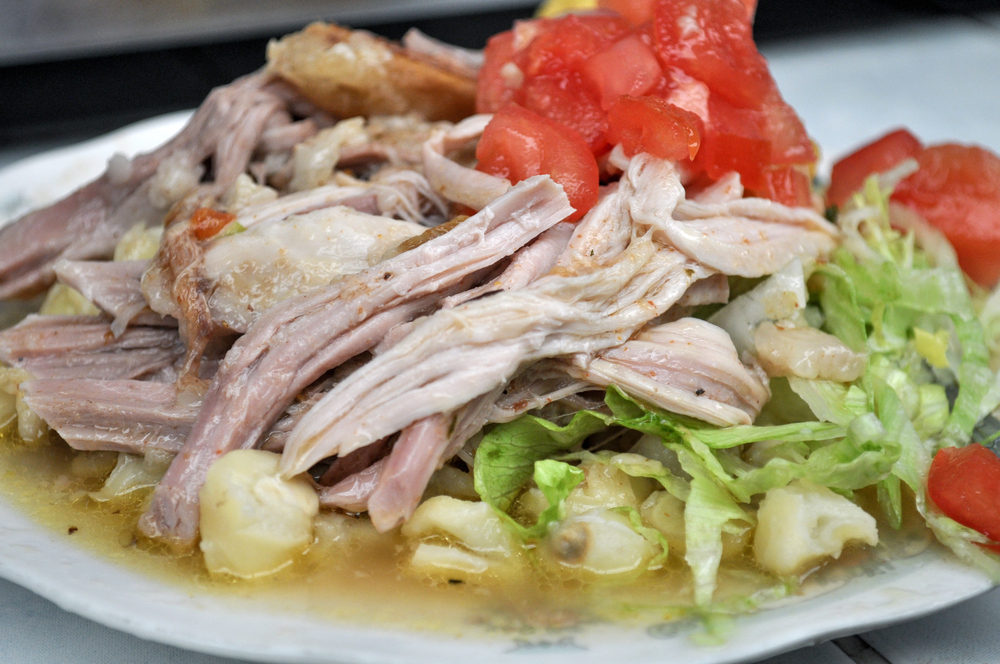
Ecuador’s capital sits in a valley surrounded by volcanoes, and its street food reflects indigenous and Spanish influences. Hornado—slow-roasted pork with mote (hominy) and llapingachos (potato patties)—costs three to four dollars for a massive plate. Market stalls near Plaza Foch serve it daily.
Empanadas de viento, fried and filled with cheese, sell for about fifty cents each. Street carts offer fresh fruit salads topped with condensed milk for a dollar.
Using US currency simplifies budgeting. Twenty dollars covers three full meals plus afternoon snacks of humitas (steamed corn cakes) and morocho (a sweet corn drink that tastes like liquid dessert).
San Salvador
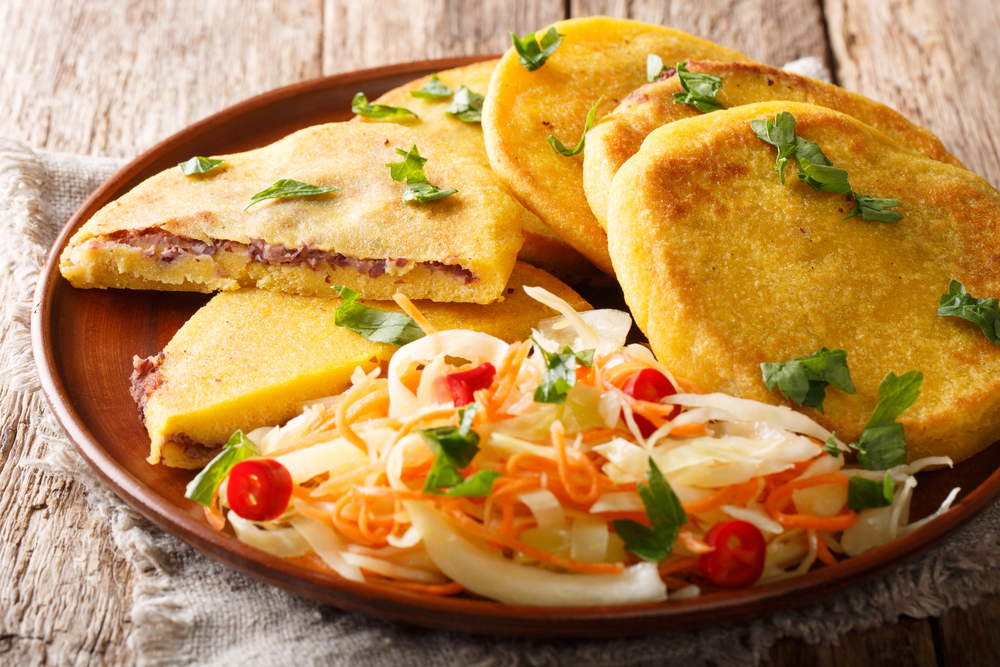
Pupusas, which are thick corn tortillas filled with cheese, beans, or chicharrón, are the highlight of El Salvador’s underappreciated culinary scene. Each pupusa costs roughly fifty cents. A meal is prepared by three or four.
There was no additional charge for the salsa and curtido (pickled cabbage) that were served with it.For about a dollar, street vendors sell platanos fritos with condensed milk, which are slow-fried bananas with a caramel coating that are best made by El Salvadorans.
You can anticipate several rounds of pupusas, street tacos, and fresh coconut water for $15 per day. The trip is worth it just for the texture of well-made pupusas, which are crispy on the outside and molten cheese on the inside.
Like Travel Pug’s content? Follow us on MSN.
Valparaíso
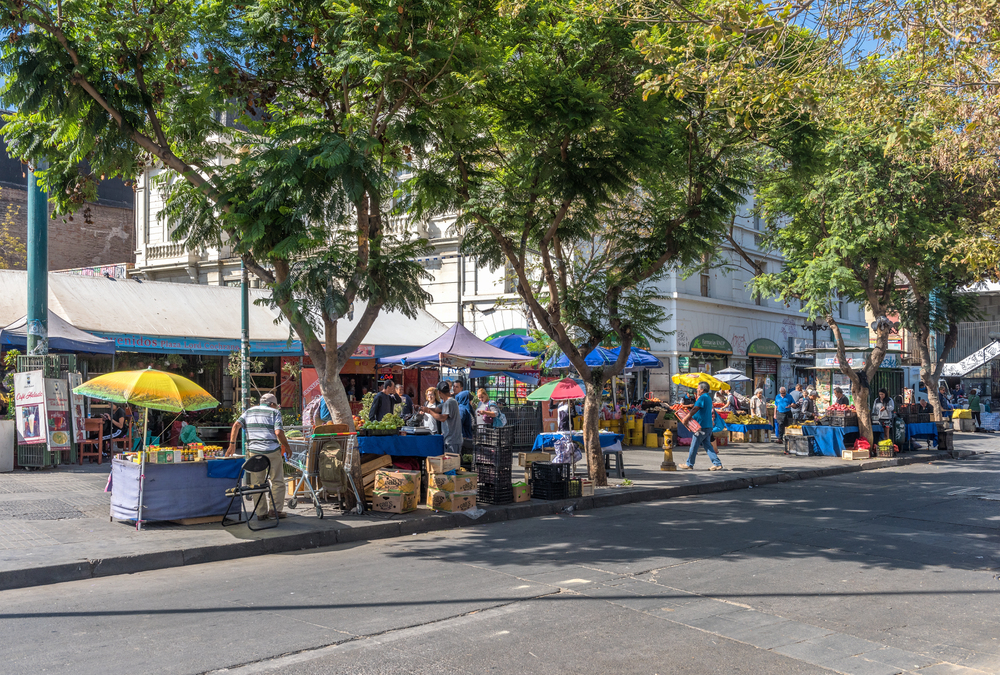
Chile’s coastal port city offers Pacific seafood at prices that undercut Santiago significantly. Caletas (fishing coves) have small restaurants where fishermen’s wives serve the morning catch. Empanadas de mariscos (seafood empanadas) cost about 2,000 Chilean pesos.
Machas a la parmesana—razor clams with parmesan—run similar prices at working-class spots.Street vendors sell sopaipillas (fried pumpkin bread) and mote con huesillo (a wheat and peach drink) for loose change.
Twenty-five dollars covers empanadas, fresh ceviche, and the city’s famous completos—Chilean hot dogs buried under avocado, tomatoes, and mayonnaise. The funicular rides between levels cost more than lunch.
Panama City
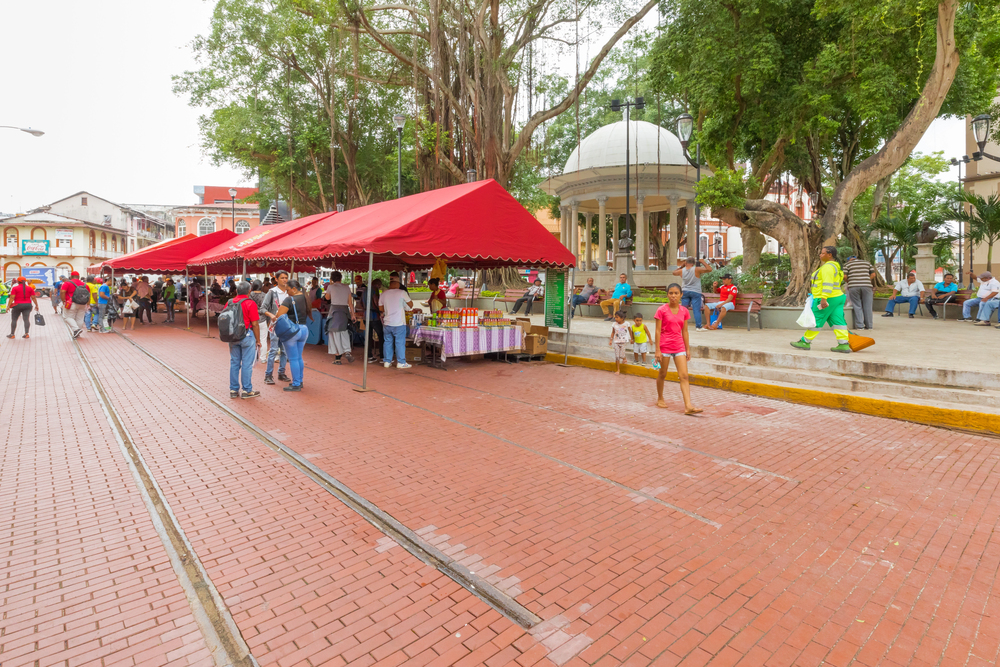
Beyond the gleaming financial district, Panama’s Casco Viejo and local neighborhoods serve serious street food. Carimañolas—yucca fritters stuffed with seasoned ground beef—sell for about a dollar from kiosks and carts.
They’re addictive. Street vendors prepare corvina frita (fried sea bass) for three to four dollars.
Raspados (shaved ice) topped with condensed milk and fruit syrups cost about a dollar fifty. For twenty dollars daily, travelers eat carimañolas, sancocho (chicken soup), tamales wrapped in banana leaves, and hojaldras (fried bread) for breakfast.
The food reflects the country’s position as a crossroads—Caribbean, Colombian, and indigenous influences converge.
Curitiba
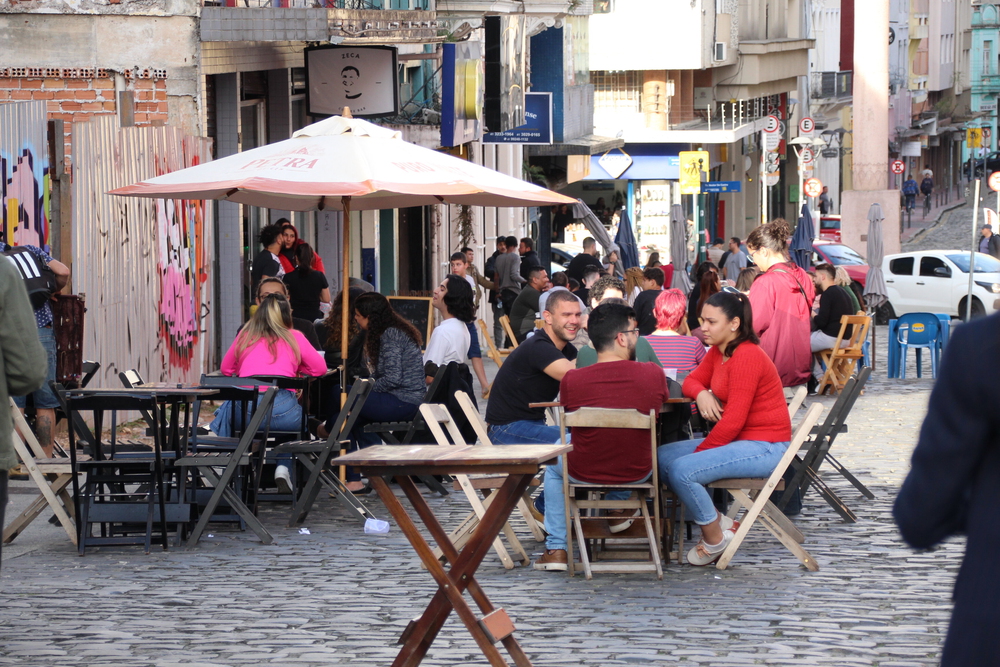
Brazil’s most livable city maintains a robust street food culture despite its European appearance. Pastel—thin, crispy fried pastries filled with cheese, meat, or hearts of palm—sell at feiras (street markets) for about eight to twelve reais. Pão de queijo (cheese bread) appears everywhere for similar prices.
Barreado, a slow-cooked beef stew traditionally served in clay pots, costs about thirty-five reais at casual spots. Street vendors sell açaí bowls and fresh sugarcane juice throughout warmer months.
Budget around eighty to 100 reais (fifteen to twenty dollars) daily for substantial eating. The city’s polish extends to food safety—street vendors maintain high standards.
Like Travel Pug’s content? Follow us on MSN.
San Juan del Sur
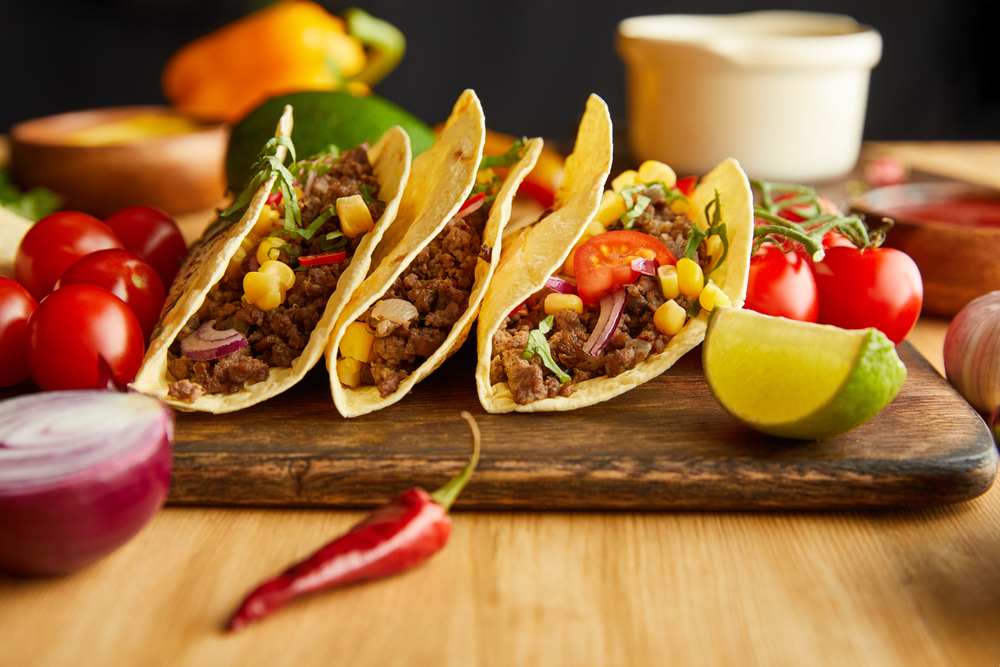
Backpacker economics is the lifeblood of Nicaragua’s beach town. Beachside stands sell tacos for around sixty córdobas. The cost of a pescado frito, or whole fried fish, with rice, beans, and plantains is between 150 and 200 córdobas, or roughly five to six dollars. That morning, the fish was swimming.
While breakfast is included in budget hostels, street vendors selling fried plantains and gallo pinto charge roughly 70 córdobas to those who pay separately. Expect three meals, afternoon coconuts sipped through straws, and evening beer money for twelve to eighteen dollars a day.
The sunsets are free, but they have a priceless quality.
Where the food takes you
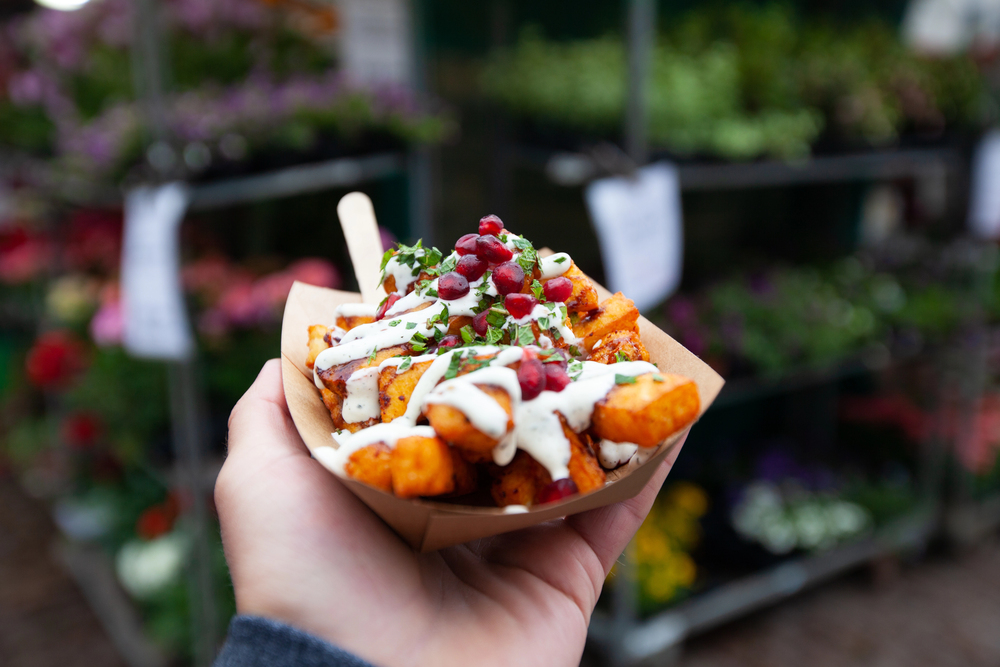
In Latin America, street food isn’t a cheap fix or a compromise. It depicts how the locals genuinely eat, with cooks beginning preparations before the sun rises and grandmothers honing recipes over many years.
Finding that genuine flavor functions independently of price is the goal of the thirty-dollar threshold, not restriction.As regulars argue about soccer and vendors shout out orders, these trails demonstrate that the best meals frequently occur while standing at a cart, sitting on a plastic stool, or balancing a plate in a busy market.
Poverty tourism isn’t that. That’s simply eating healthily.
More from Travel Pug

- 20 Best Beach Towns in the Carolinas
- 13 Destinations Where Tourists Regularly Regret Their Trip
- 20 Things You Actually Get in First Class
- 20 Small Airports With Aviation Museums
- 20 Places in the U.S. That Are Perfect for a Reset Trip
Like Travel Pug’s content? Follow us on MSN.