

Every year, Venice sinks a little more, but it’s people, not water, that are causing it to sink. Overtourism has turned popular locations into theme parks in and of themselves, driving out locals and undermining the very allure that initially drew tourists.
Being aware of the warning signs and changing one’s travel habits can mean the difference between contributing to the issue and solving it. Here is a list of the main signs of overtourism along with helpful tips for tourists who want to travel more responsibly.
Queue times exceed the experience itself
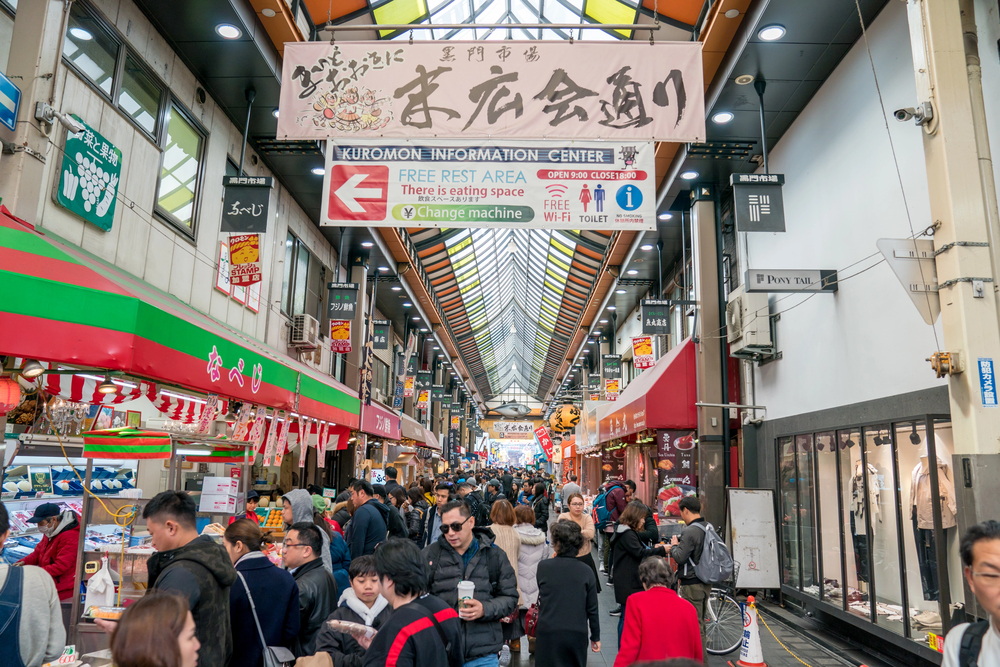
When wait times stretch beyond two hours just to glimpse a landmark for fifteen minutes, something’s broken. The Sistine Chapel shuffle—where guards push tourists through like cattle—strips away any chance for reflection.
Destinations worth visiting shouldn’t feel like endurance tests.
Housing crises in historic centers
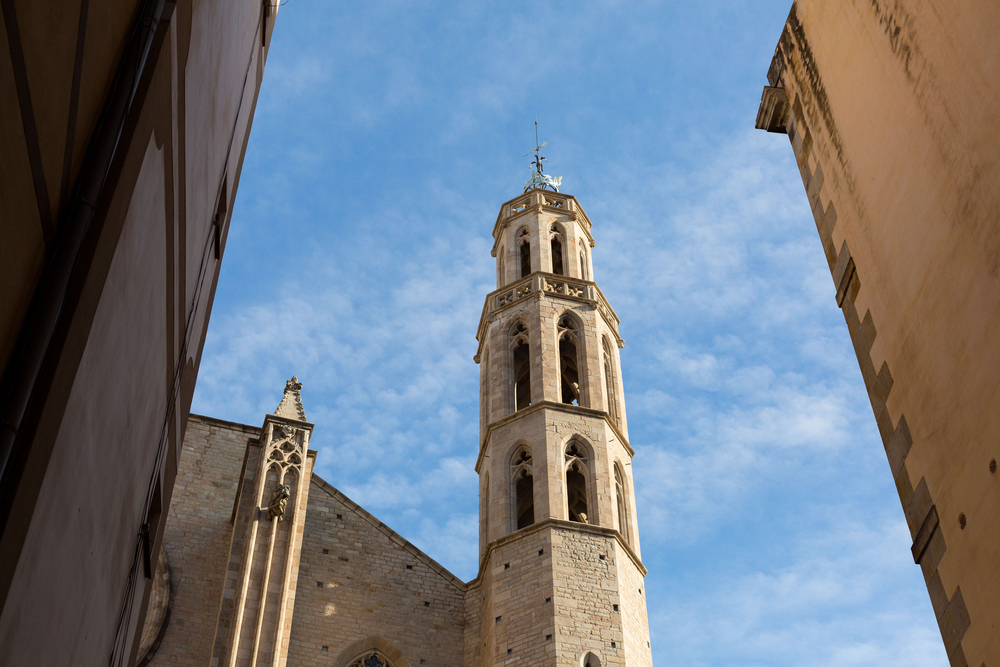
Locals can’t afford to live where their families have resided for generations. Short-term rental platforms have converted residential neighborhoods into revolving-door hotels, gutting communities from the inside.
Barcelona’s Gothic Quarter now houses more Airbnb rentals than actual Barcelonins. The morning sounds shift from school kids to rolling suitcases on cobblestones.
Like Travel Pug’s content? Follow us on MSN.
Environmental degradation you can see
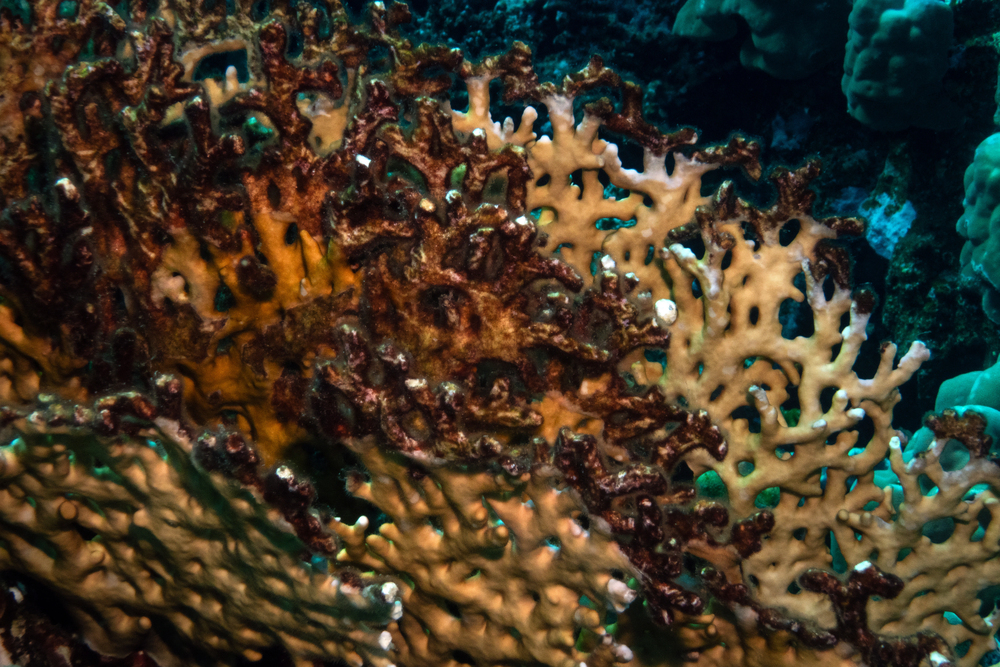
Trampled vegetation. Eroded trails. Beaches are buried under plastic water bottles and sunscreen tubes. Thailand’s Maya Bay closed for years to recover from tourism damage—the coral reefs were literally dying.
If the natural beauty that attracted visitors disappears under their feet, everyone loses.
Infrastructure buckling under pressure
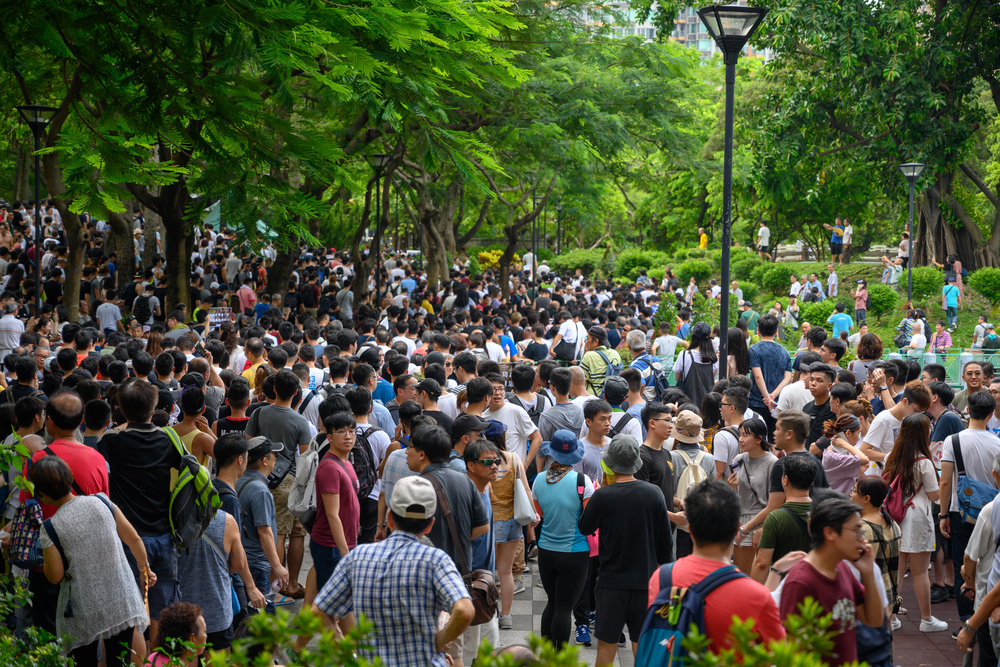
Public restrooms become disaster zones. Buses run hours behind schedule. Water supplies dwindle during peak season.
Still, the tourists keep coming. Cities like Dubrovnik—built for 5,000 residents—now absorb cruise ship crowds of 10,000 visitors per day during summer months.
Traveling during shoulder seasons
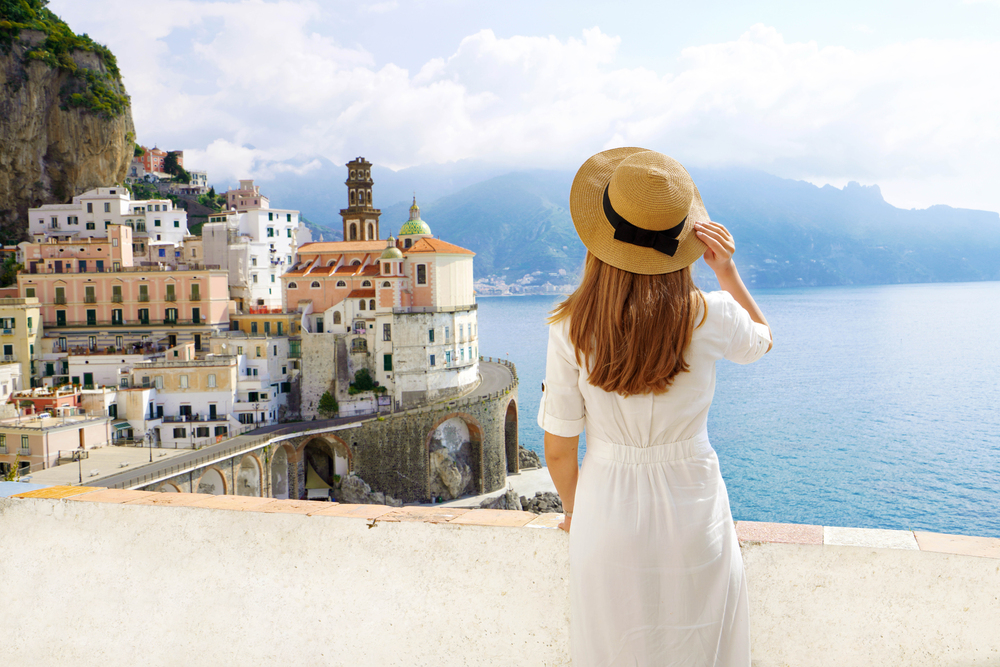
April beats July. September outshines August. Visiting just outside peak times often means better weather than tourists expect, shorter lines, and locals who actually have time to chat.
Cherry blossoms might be gone, but Kyoto in early June offers green serenity without the selfie-stick gridlock.
Like Travel Pug’s content? Follow us on MSN.
Cultural authenticity replaced by performance

That “traditional” dance happens six times daily for tour groups. The artisan workshop exists solely for Instagram.
Real culture doesn’t operate on a cruise ship schedule. When every restaurant serves the same watered-down version of local cuisine with English menus and inflated prices, the destination has become a simulation of itself.
Choosing alternative destinations
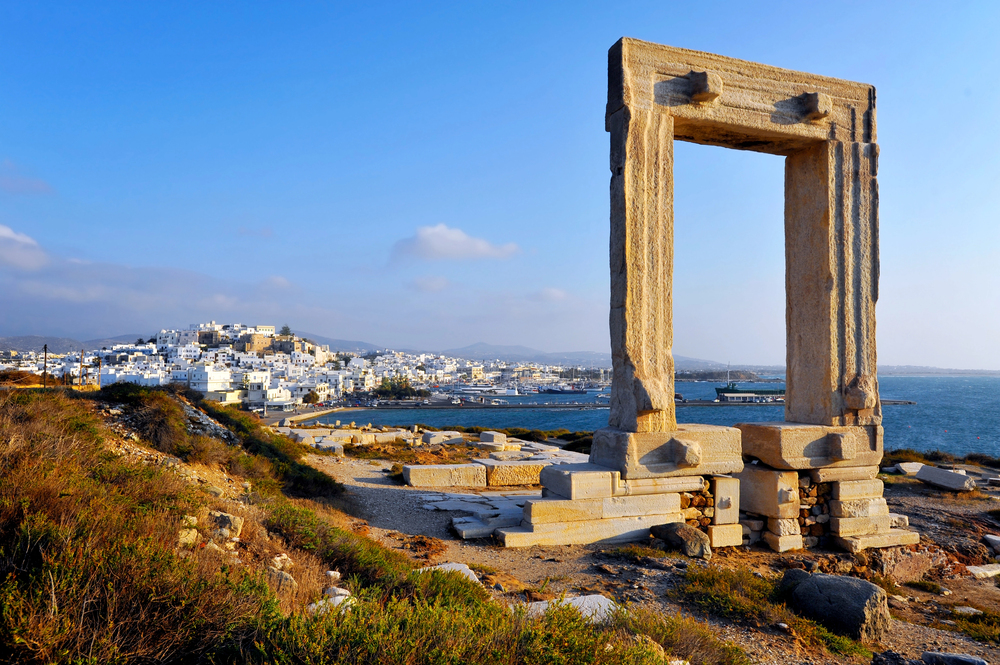
Skip Santorini for Naxos. Trade Iceland’s Ring Road for the Faroe Islands. Albania’s Riviera offers Mediterranean beauty without Mediterranean crowds. Lesser-known destinations often deliver more authentic experiences anyway, and locals haven’t yet developed tourist fatigue.
The coffee tastes better when the barista isn’t exhausted by serving 200 visitors before noon.
Supporting locally-owned businesses

Chain hotels send profits overseas. That family-run guesthouse reinvests in the neighborhood.
Eating at restaurants where locals actually eat, buying from markets instead of souvenir shops, hiring local guides—these choices keep money circulating in the community. It’s not complicated economics.
Like Travel Pug’s content? Follow us on MSN.
Respecting residential areas and quiet hours
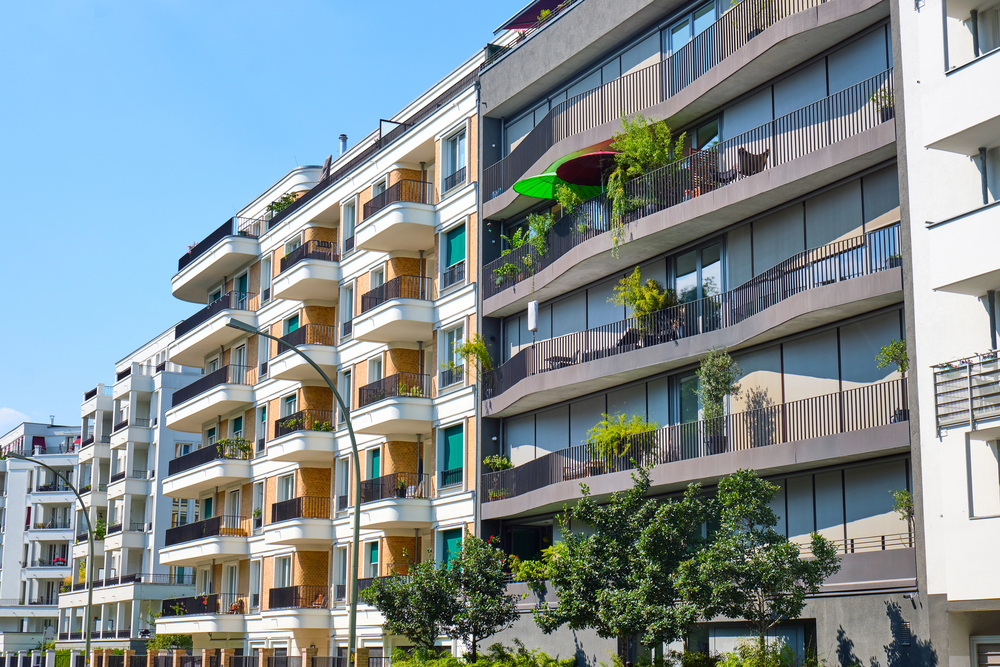
Dragging luggage through residential streets at 2 a.m. Shouting outside apartment buildings. Treating neighborhoods like outdoor museums.
And the Airbnb party problem has become so severe that some cities now ban short-term rentals entirely. Travelers are guests, not occupiers.
Cruise ship invasions
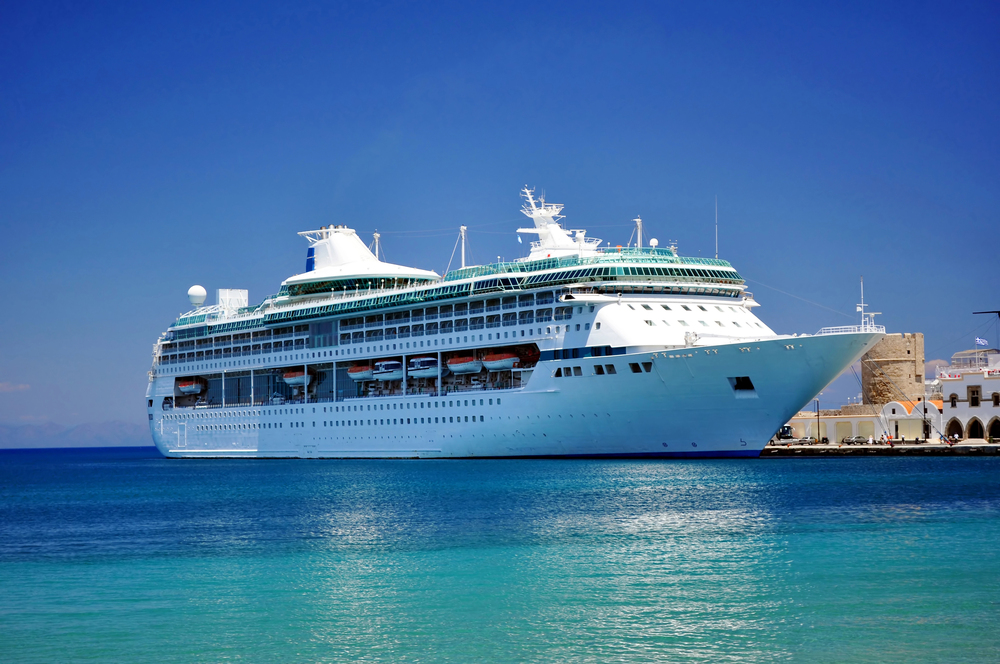
One ship disgorges 5,000 people who scatter through a medieval town for six hours, buy keychains, clog restaurants, then vanish. The economic benefit barely registers while the strain on infrastructure maxes out.
Cities like Amsterdam and Venice have started limiting cruise arrivals because the math simply doesn’t work—massive impact, minimal return.
Pre-booking and respecting capacity limits
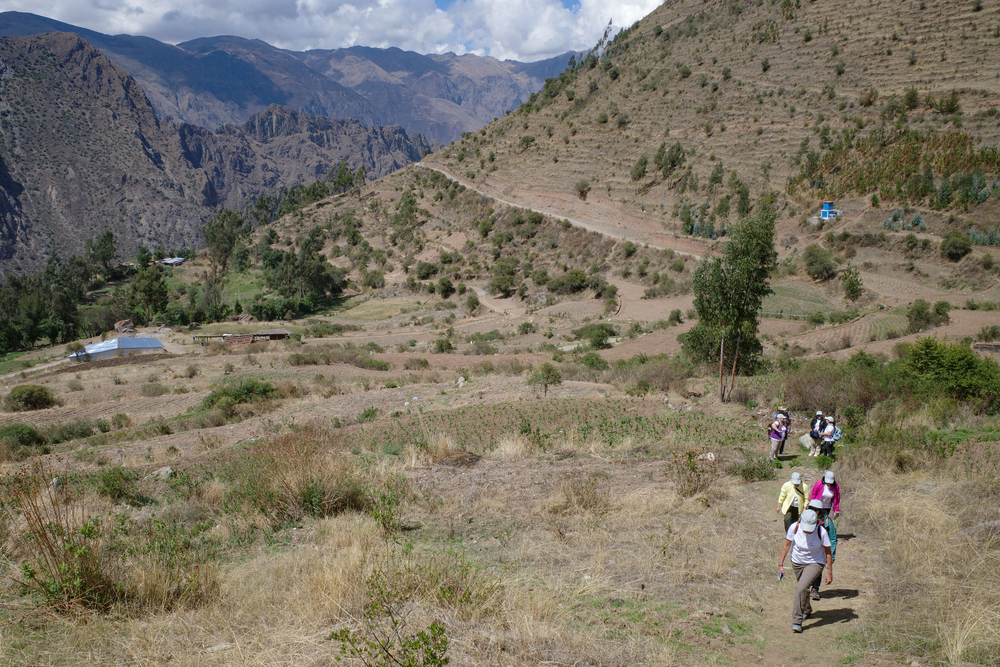
Some trails now require permits. Museums cap daily visitors. These aren’t money grabs—they’re survival strategies. The Inca Trail limits trekkers to protect the ruins.
Showing up without reservations and expecting entry reflects a troubling sense of entitlement. Not everything can accommodate everyone all the time.
Like Travel Pug’s content? Follow us on MSN.
Using public transportation and walking

Renting cars adds congestion to already-choked roads. Tour buses idle and pollute. Most European city centers were designed for horses, not Hondas. Benefits of public transit and walking:
- Reduces environmental impact
- Provides authentic local interaction
- Often faster than sitting in traffic
- Costs a fraction of taxis or rentals
The best discoveries happen on foot anyway.
Staying longer in fewer places
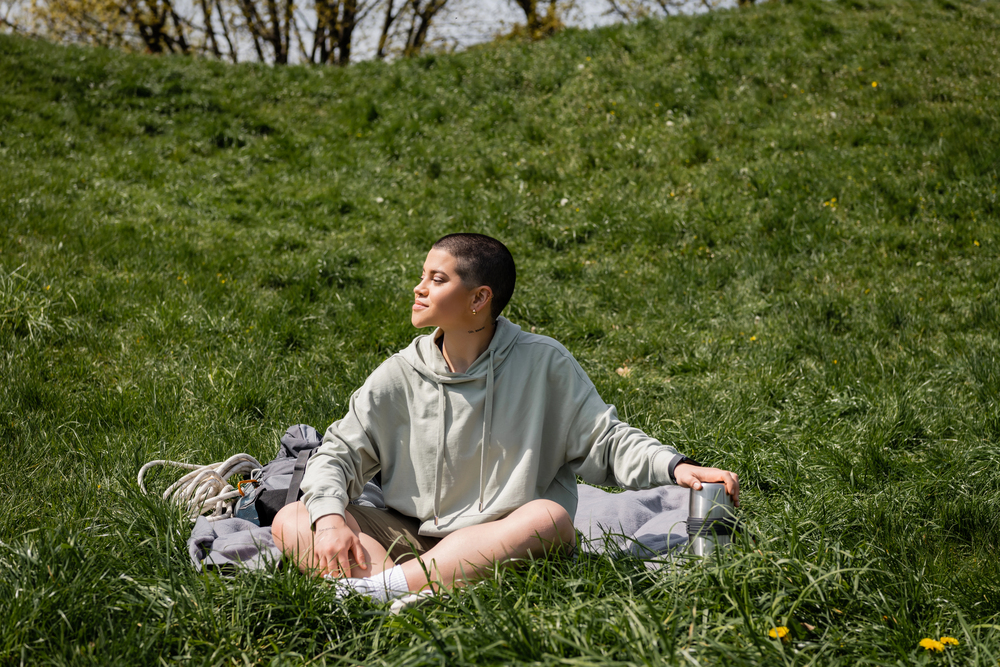
Three days in one city beats one day in three cities. Slow travel reduces carbon emissions from constant transportation, allows deeper cultural understanding, and gives time for serendipity.
That perfect café, that hidden garden—these don’t reveal themselves to people sprinting between attractions with a checklist.
Price inflation that hurts residents

A coffee that costs locals €2 somehow becomes €8 in tourist zones. Grocery stores near attractions charge double. Eventually, service workers can’t afford to live near their jobs and face brutal commutes.
The economic distortion extends beyond tourist areas, making entire cities unaffordable for the people who actually make them function.
Like Travel Pug’s content? Follow us on MSN.
Minimizing single-use plastics

Bring a water bottle. Skip the plastic bag. Refuse the straw. Small islands in Southeast Asia have become dumping grounds for tourist waste—places with no recycling infrastructure suddenly drowning in plastic.
There’s something grotesque about traveling to see natural beauty while actively destroying it.
Observing local rhythms and customs

Siesta exists for reasons. Certain clothing doesn’t belong in sacred spaces. Photographing strangers without permission is invasive regardless of location.
Learning basic phrases, understanding cultural norms, moving through spaces with awareness rather than assumption—this is baseline respect, not extra credit.
The path forward isn’t restriction
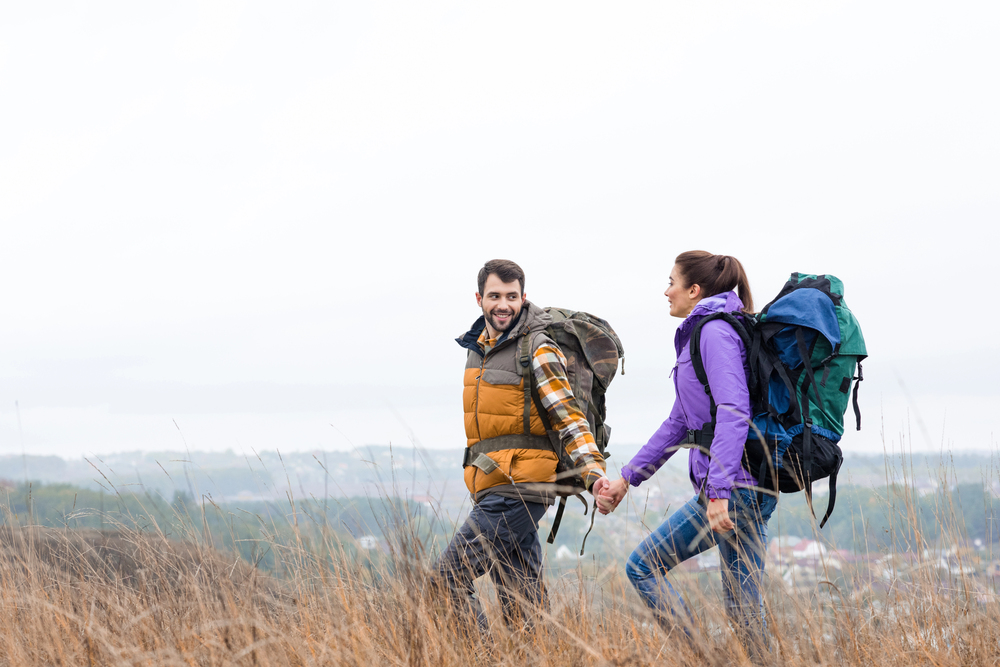
Travel doesn’t have to be harmful. Careful tourists can boost local economies, promote intercultural understanding, and contribute to the preservation of unique local characteristics.
Both destinations and tourists bear some of the responsibility; while travelers must manage their impact, places must manage their capacity. Opting out is not an option for either party.
Like Travel Pug’s content? Follow us on MSN.
More from Travel Pug

- 20 Best Beach Towns in the Carolinas
- 13 Destinations Where Tourists Regularly Regret Their Trip
- 20 Things You Actually Get in First Class
- 20 Small Airports With Aviation Museums
- 20 Places in the U.S. That Are Perfect for a Reset Trip
Like Travel Pug’s content? Follow us on MSN.