

Skylines of cities possess a mystical ability to appear totally breathtaking in photographs and postcards. But when you finally end up under those towers that have caught your eye for so long, reality tends not to live up to the shiny advertising brochures. Weather, air pollution, and architectural decisions can turn what’s meant to be a stunning sight into something visitors are confused by.
The following is a list of 15 well-known skylines that tend to let visitors down when seen in person, and the reasons why these city vistas don’t quite measure up.
Dubai’s perpetual haze
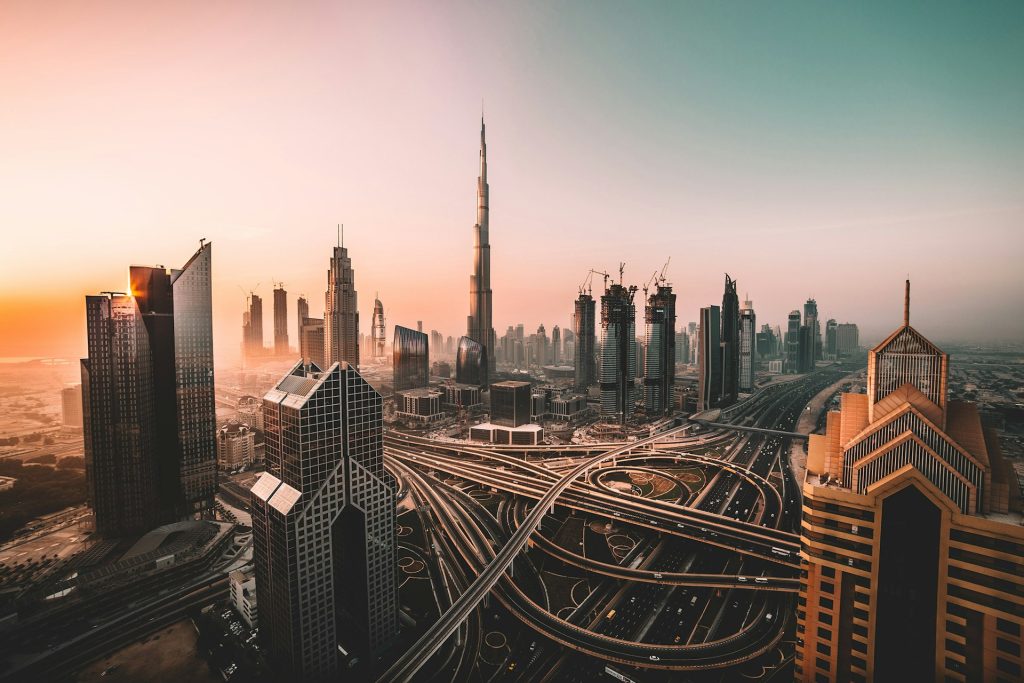
The shining towers of Dubai often vanish behind a thick blanket of haze resulting from fog, dust particles, and humidity. At the 2023 COP28 climate summit, Dubai’s skyline was entirely blanketed in smog that was “unhealthy,” with readings of 155 micrograms per cubic meter.
This fog is primarily due to water vapor and dust, as the desert surroundings of the city along the coast provide ideal conditions for fog formation. Meanwhile, tourists anticipate crystal clear vistas of architectural wonders such as the Burj Khalifa.
Los Angeles and its smog legacy
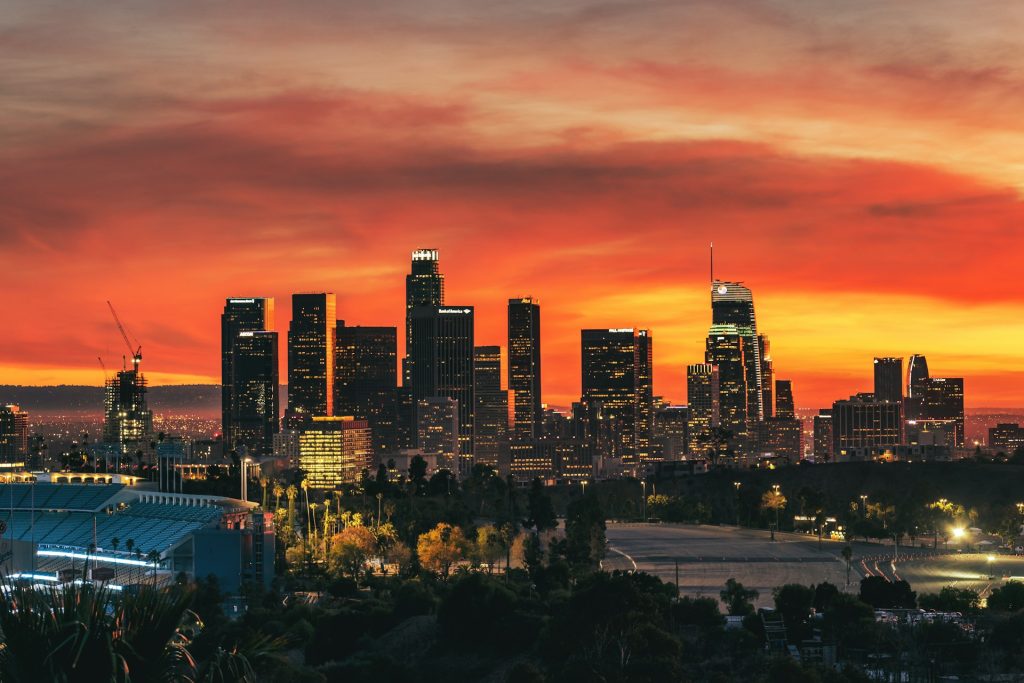
LA’s downtown skyline quite often disappears into layers of smog that have beset the city since the 1940s. The 1943 smog attacks were so bad that visibility was limited to a mere three blocks, with residents reporting breathing difficulties and burning eyes.
Although air has been cleaner since those bleak times, the city still hits alerts when pollution reaches levels that make the iconic skyline all but invisible — not quite the sunny California dream folks have in mind.
Like Travel Pug’s content? Follow us on MSN.
Beijing’s vanishing towers
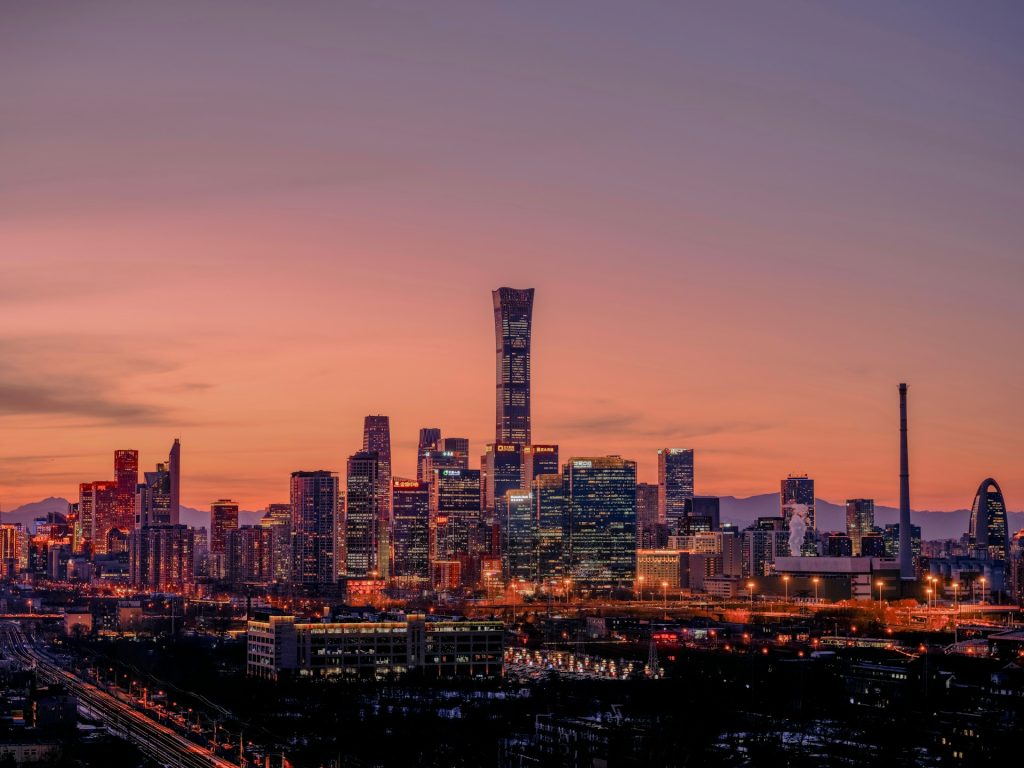
Beijing’s skyline photos reveal a shocking contrast between clear and polluted days, with some images showing hardly anything at all through the gray or yellow tint. During severe episodes in January 2013, residents were warned to stay inside as air quality reached catastrophic levels, with gray and brown smog mostly blotting out the cities below.
One photographer documented that out of 30 days in November, only four were pollution-free, making the city’s impressive architecture frequently invisible to both residents and tourists.
Shanghai’s pollution problem
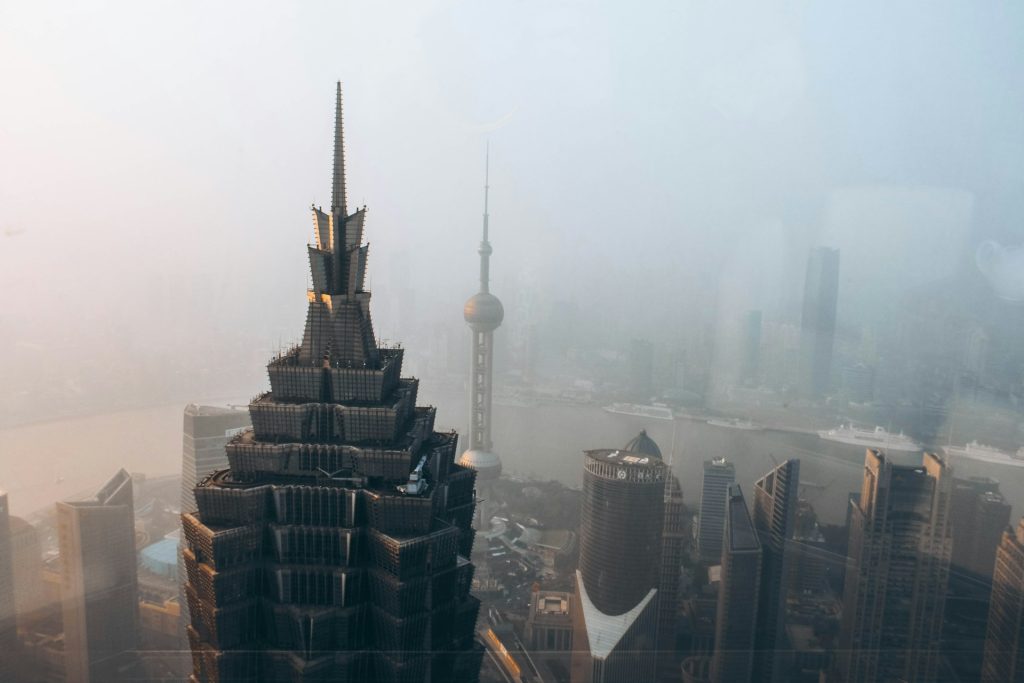
Shanghai authorities ordered schoolchildren indoors and halted all construction during one of the city’s worst pollution episodes, bringing visibility down to a few dozen meters and obscuring the spectacular skyline. In December 2013, the famous skyline was barely visible behind an ashen blanket of haze.
The financial district was shrouded in yellow haze with noticeably fewer people walking the streets as protective masks and air purifiers sold briskly — hardly the gleaming metropolis featured in travel brochures.
Paris and its concrete eyesore
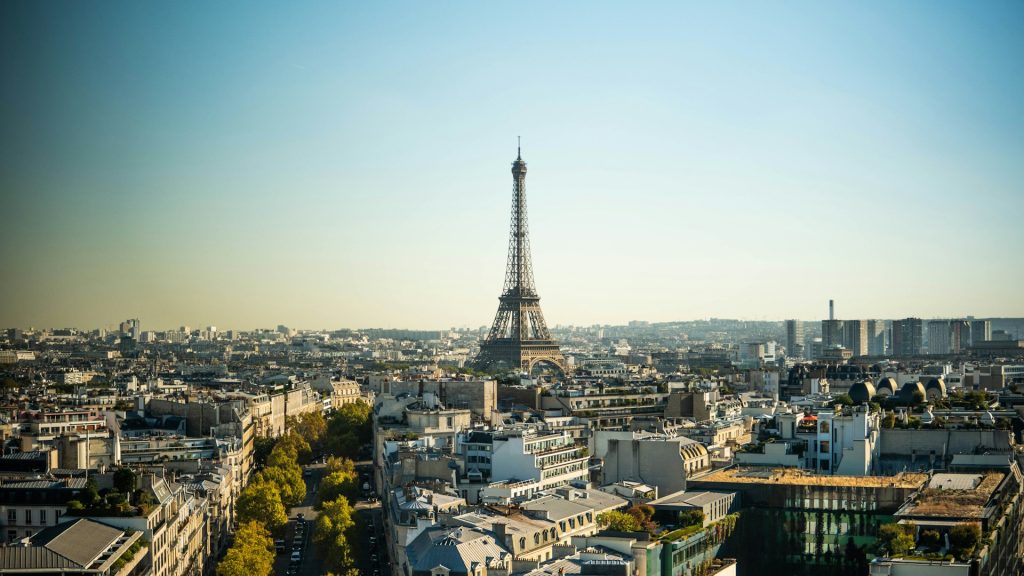
The Montparnasse Tower has been criticized by Parisians for being out of place in Paris’s cityscape, so much so that construction of buildings over seven stories tall was banned in the city center two years after its completion. There’s an old joke that the tower’s observation deck has the prettiest view in Paris because it’s the only place where you don’t have to see the tower itself.
A 2008 poll voted it the second-ugliest building in the world, behind Boston City Hall. This dark monolithic structure continues to stick out like a sore thumb against the elegant Parisian rooftops.
Like Travel Pug’s content? Follow us on MSN.
Singapore’s seasonal shroud
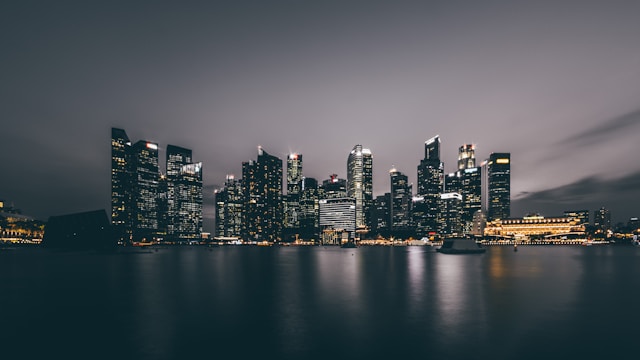
Singapore experiences transboundary haze from Indonesian forest fires, particularly between July and September, with the worst episode in 2013 reaching a record PSI of 401. During the 1972 outbreak, visibility dropped to 1–2 kilometers across parts of the island due to the thickness and persistence of the haze.
The 2019 Singapore Grand Prix coincided with the city’s worst air quality in three years, with the skyline shrouded and the air carrying a burnt smell — transforming the usually pristine cityscape into something far less photogenic.
Mexico City’s historic haze
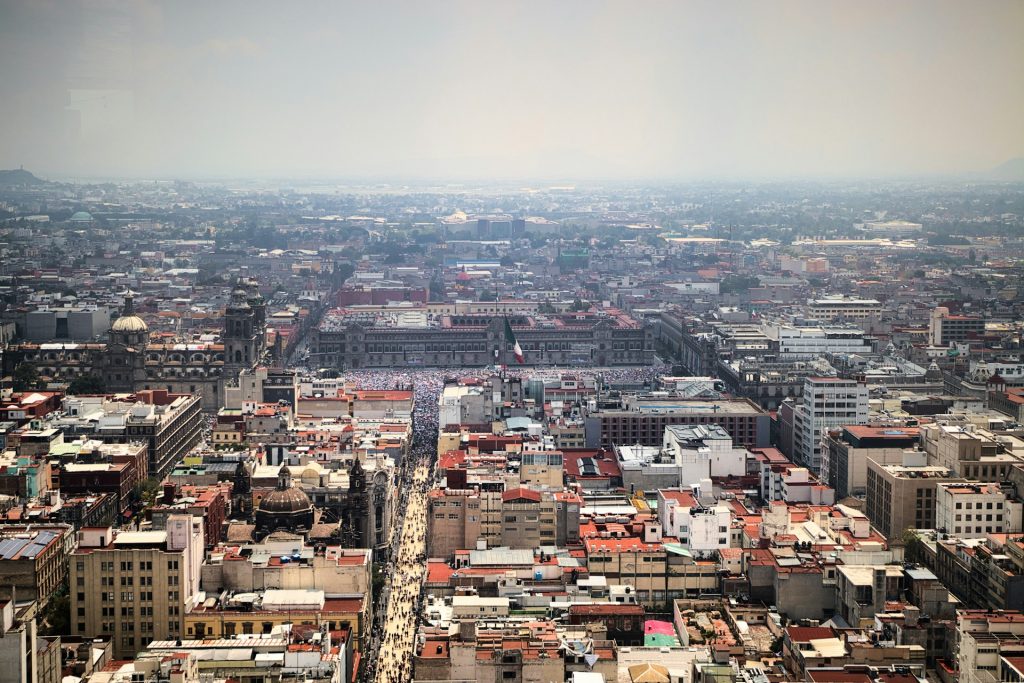
In 1992, the United Nations named Mexico City “the most polluted city on the planet,” with industrial growth emitting over 11,000 tons of waste material into the atmosphere daily. In the 1940s, the Valley of Mexico had near-infinite visibility, revealing snow-capped mountains 70 miles distant.
Today, visibility rarely exceeds a mile. There were days when visibility was so poor and the smog so thick that schools and offices were shut, with birds reportedly falling dead from the sky during the worst periods.
Dallas feels surprisingly small
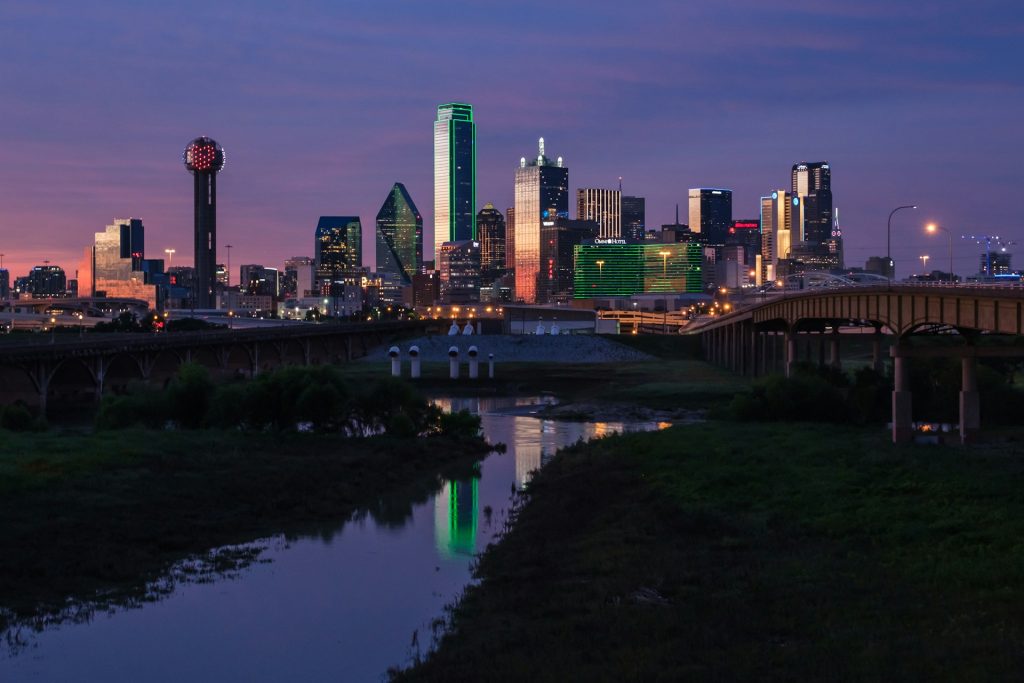
Despite Dallas being the fourth-largest city in the country by metro population, its skyline feels underwhelming compared to Houston’s. The towers are spread out rather than densely packed, which diminishes their visual impact when viewed from ground level.
Forum discussions frequently cite Dallas as having a skyline that doesn’t match expectations for a major metropolitan area, though opinions vary widely on this architectural debate.
Like Travel Pug’s content? Follow us on MSN.
Atlanta’s awkward arrangement
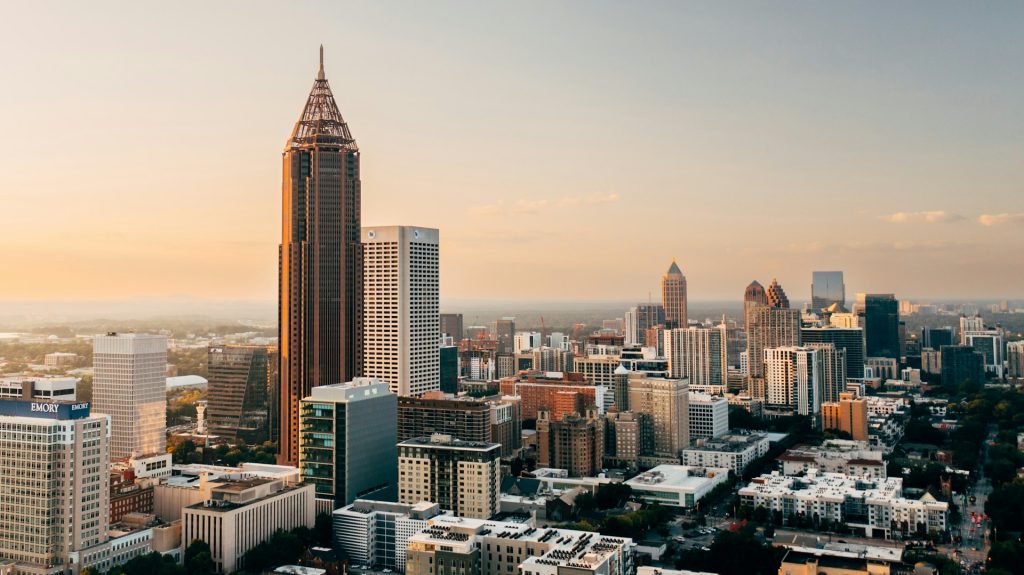
Atlanta’s skyline suffers from poor building placement that makes the city look smaller than what its population suggests it should be. The towers lack cohesion and appear randomly scattered across the landscape instead of forming an impressive cluster.
This disjointed layout means the skyline never quite achieves that dramatic punch you’d expect from the South’s largest metropolitan area.
Phoenix’s suburban sprawl looks
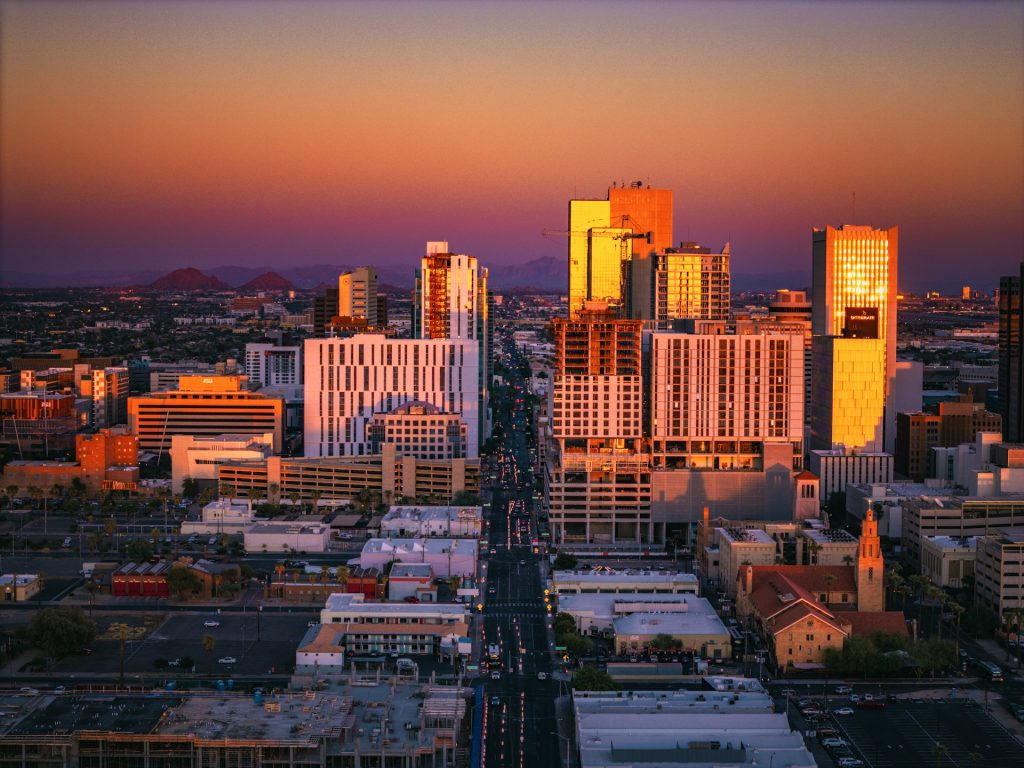
Phoenix has been mockingly referred to as having a “baby boomer Chili’s skyline” that fails to reflect its status as a major southwestern city. The modest cluster of downtown buildings gets lost in the vast, low-rise suburban sprawl that surrounds it. For a metro area of nearly five million people, the skyline feels surprisingly sparse and unimpressive when viewed from popular vantage points.
Frankfurt’s financial blandness
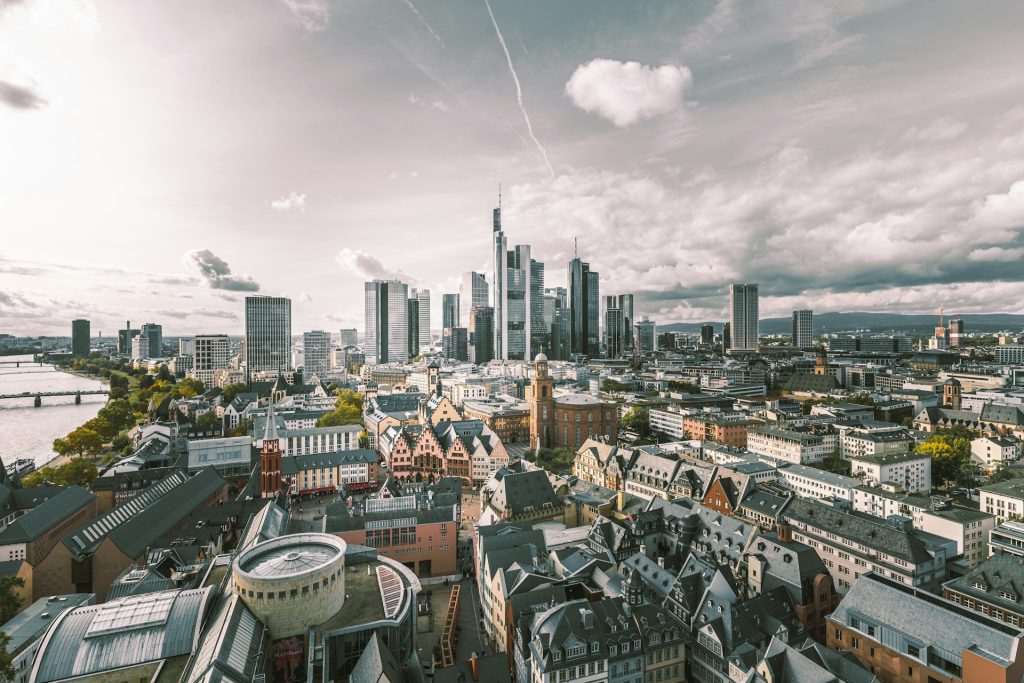
Frankfurt frequently gets labeled as “boring,” partly because it’s primarily a financial hub with limited tourist attractions. The city was described as “a big flat city with huge streets” that’s “quite new” due to extensive carpet bombing during World War II.
While the cluster of office towers creates Germany’s most prominent skyline, the sterile corporate aesthetic and lack of architectural diversity leave many visitors cold compared to more charming German cities.
Like Travel Pug’s content? Follow us on MSN.
St. Louis remains modest
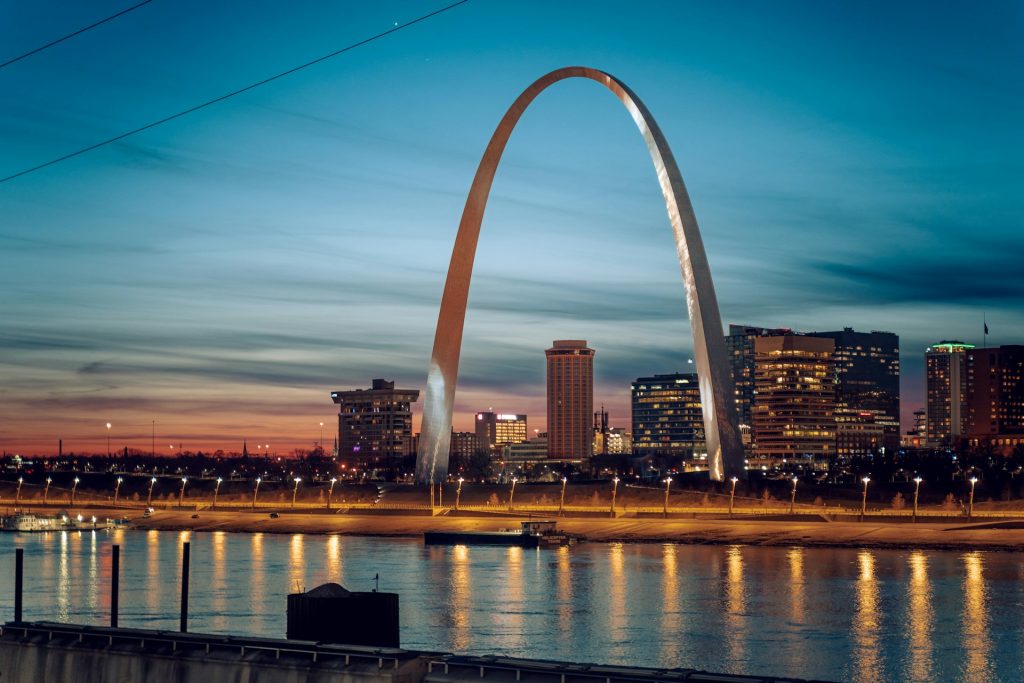
St. Louis consistently appears in discussions about underwhelming skylines, with visitors noting it remains “very underwhelming” even compared to Kansas City. The skyline is dominated by the Gateway Arch, yet the surrounding towers never quite manage to create a memorable urban panorama.
For a city with such a rich history and a metro population exceeding 2.8 million, the modest collection of buildings feels like a missed opportunity.
Tampa’s scattered towers
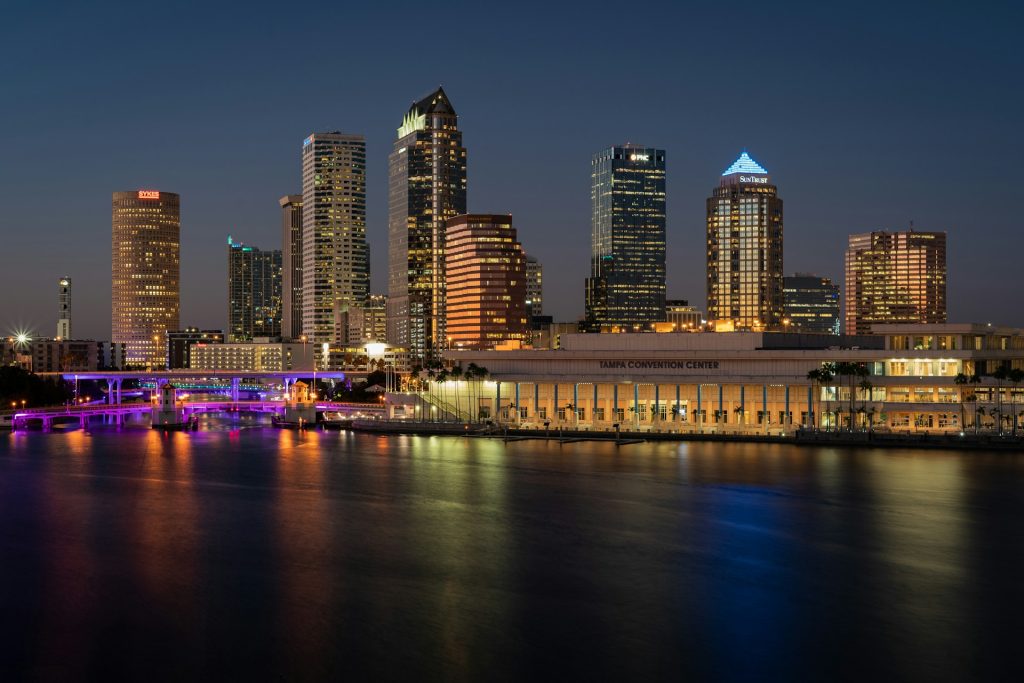
Tampa’s skyline is considered disappointing, with suggestions that combining it with St. Petersburg’s skyline across the bay might make it “decent”. The downtown core has grown over recent decades, though the buildings remain spread out along the waterfront rather than clustering dramatically.
This geographical dispersion means the skyline lacks the density and height that creates those jaw-dropping silhouettes you see in other coastal cities.
Memphis falls flat
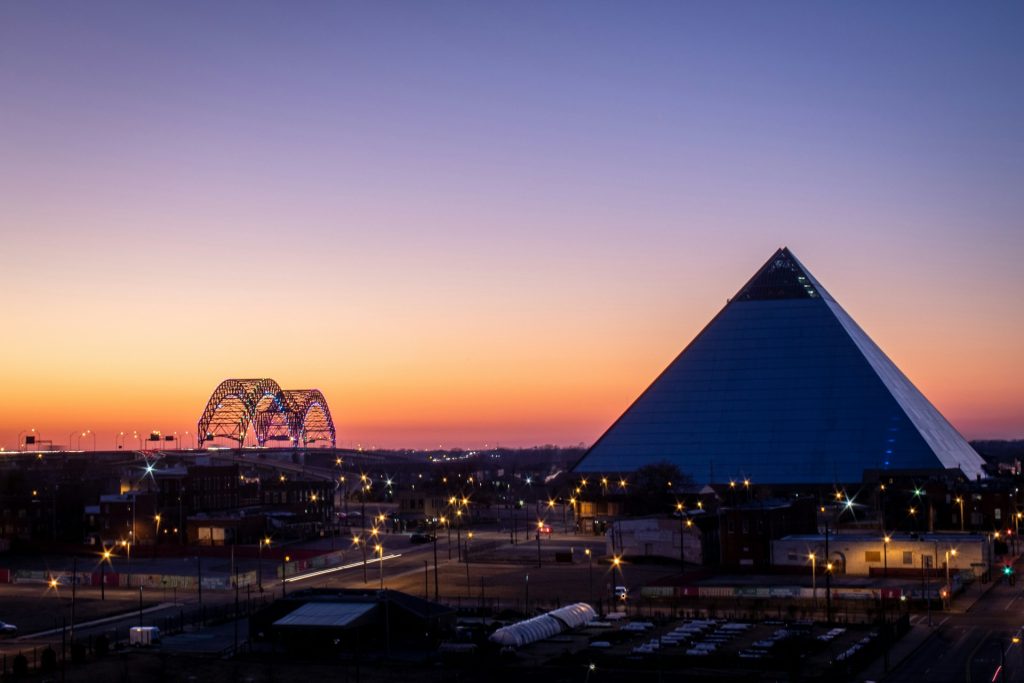
Memphis has been cited as having a skyline that’s disappointing for a city with a metro population exceeding one million. The collection of towers along the Mississippi River feels surprisingly modest given the city’s cultural significance and economic importance.
While Beale Street and the city’s musical heritage draw visitors, the skyline itself rarely makes anyone’s list of must-photograph urban vistas.
Like Travel Pug’s content? Follow us on MSN.
Washington, DC’s height handicap
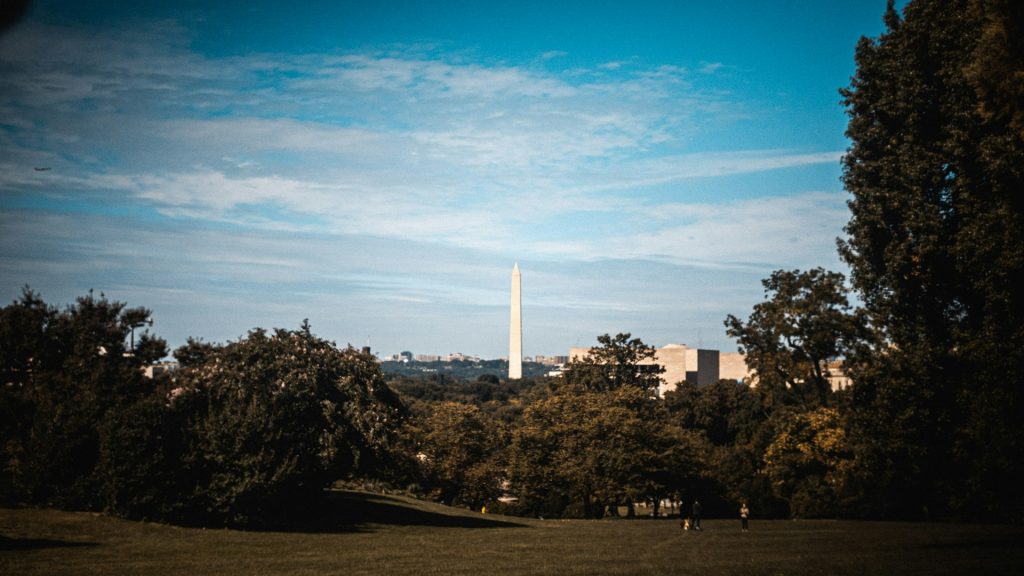
Washington, DC’s skyline fails to show that it’s the sixth biggest city in the country, largely due to height restrictions imposed to preserve sightlines to monuments. The Height of Buildings Act limits most structures to the width of the adjacent street plus 20 feet, preventing any dramatic vertical development.
While this preserves the city’s historic character and keeps focus on iconic landmarks, it also means the capital lacks the soaring skyline that typically defines major American cities, leaving some visitors underwhelmed by what feels more like a collection of government buildings than a modern metropolis.
The reality behind the skyline
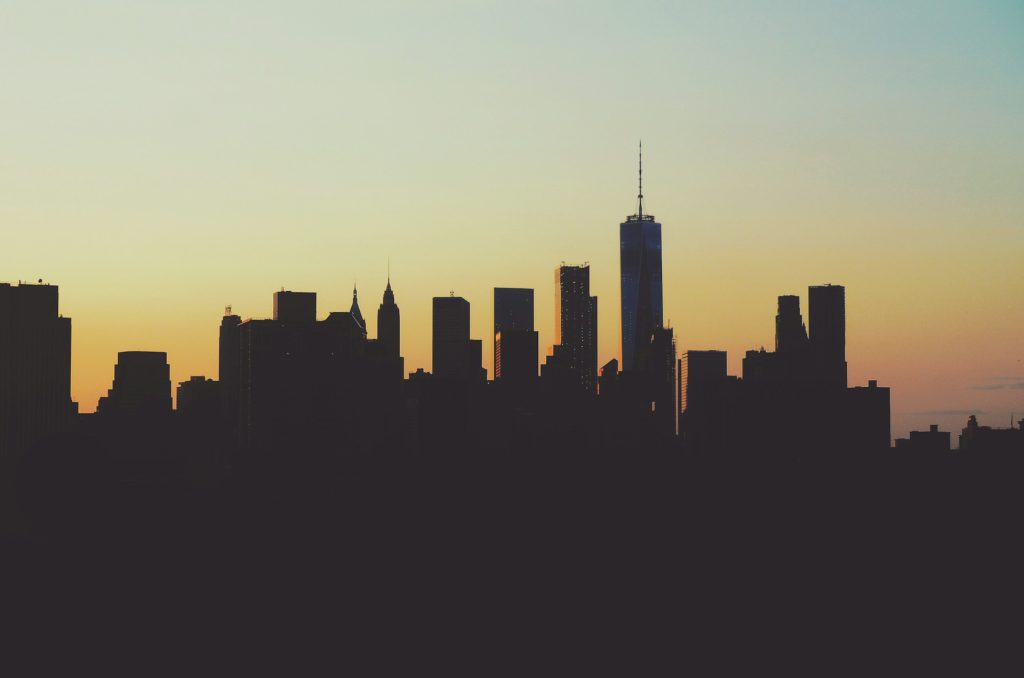
These disappointing urban skylines expose a key reality about city photography and travel advertising. Professional photographers take cities at those occasional perfect moments — sparkling winter mornings, golden hour sunbeams, or following rain that has briefly washed the air clean.
At the same time, the average traveler arrives on a typical Tuesday afternoon when haze clings low, pollution shrouds distant towers, or the architectural fact fails to live up to the carefully developed images they’ve spent months studying. Being aware of these limitations sets one up for realistic expectations, if nothing else.
However, it doesn’t prevent that initial look from being as disappointing when the skyline you’ve imagined exists nowhere in the hazy distance.
More from Travel Pug

- 20 Best Beach Towns in the Carolinas
- 13 Destinations Where Tourists Regularly Regret Their Trip
- 20 Things You Actually Get in First Class
- 20 Small Airports With Aviation Museums
- 20 Places in the U.S. That Are Perfect for a Reset Trip
Like Travel Pug’s content? Follow us on MSN.