

The United States controls dozens of islands beyond the familiar destinations of Hawaii and Puerto Rico, many of which remain virtually unknown to mainland travelers. These territories offer landscapes, cultures, and experiences that feel worlds away from typical American destinations, yet they’re technically domestic travel.
Here’s a list of hidden islands in US territories that deliver adventure, solitude, and a sense of discovery most tourists never encounter.
Vieques, Puerto Rico
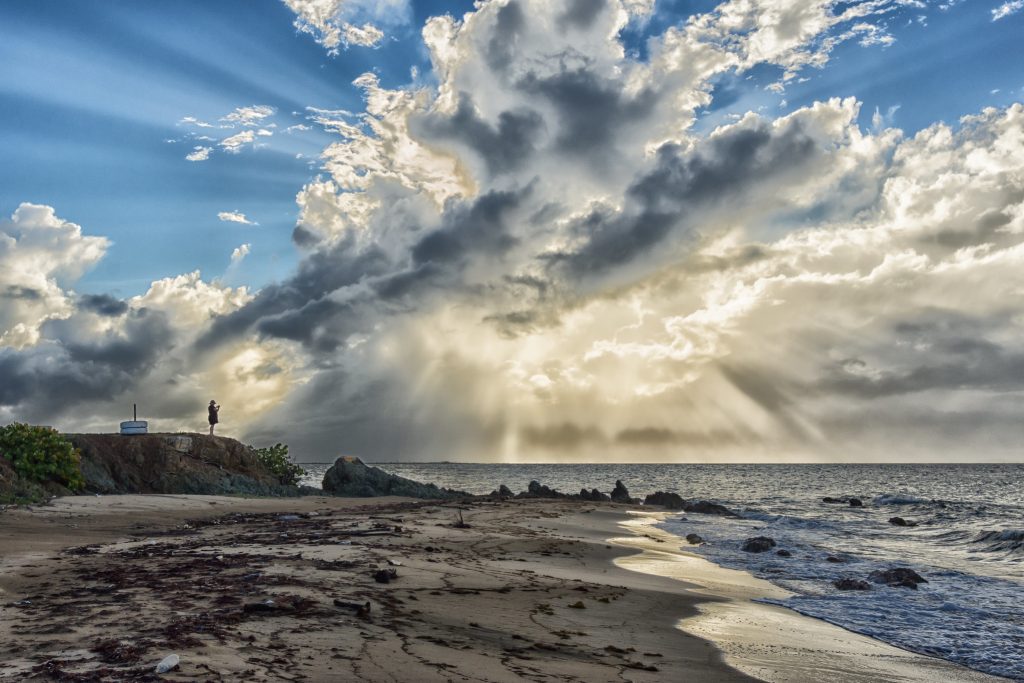
Vieques sits a short ferry ride from mainland Puerto Rico, but its vibe feels entirely separate. Former Navy bombing ranges transformed into wildlife refuges cover much of the island, and bioluminescent bays glow at night with startling intensity.
The beaches remain uncrowded, the development minimal, and the pace slow in a way that bigger Puerto Rican destinations have lost.
Guam’s Cocos Island
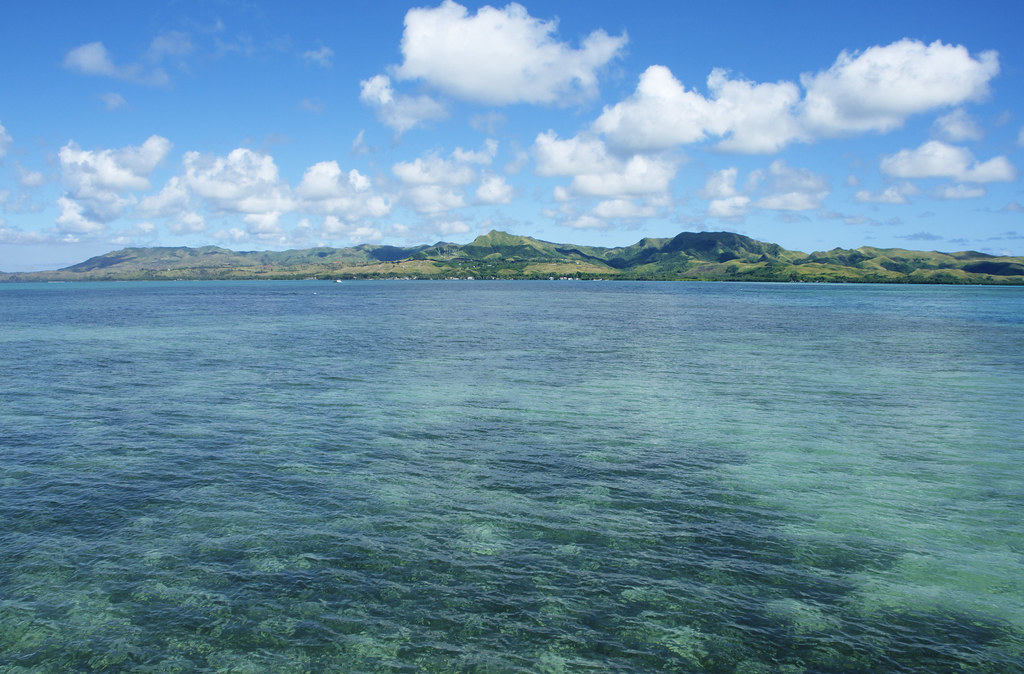
Cocos Island lies just off Guam’s southern coast, accessible only by boat. The tiny island offers snorkeling, kayaking, and walking trails through dense tropical forest. It’s a nature preserve that limits daily visitors, keeping the experience intimate and unspoiled.
The coral reefs around the island teem with marine life rarely seen near more populated areas.
Like Travel Pug’s content? Follow us on MSN.
Saipan, Northern Mariana Islands
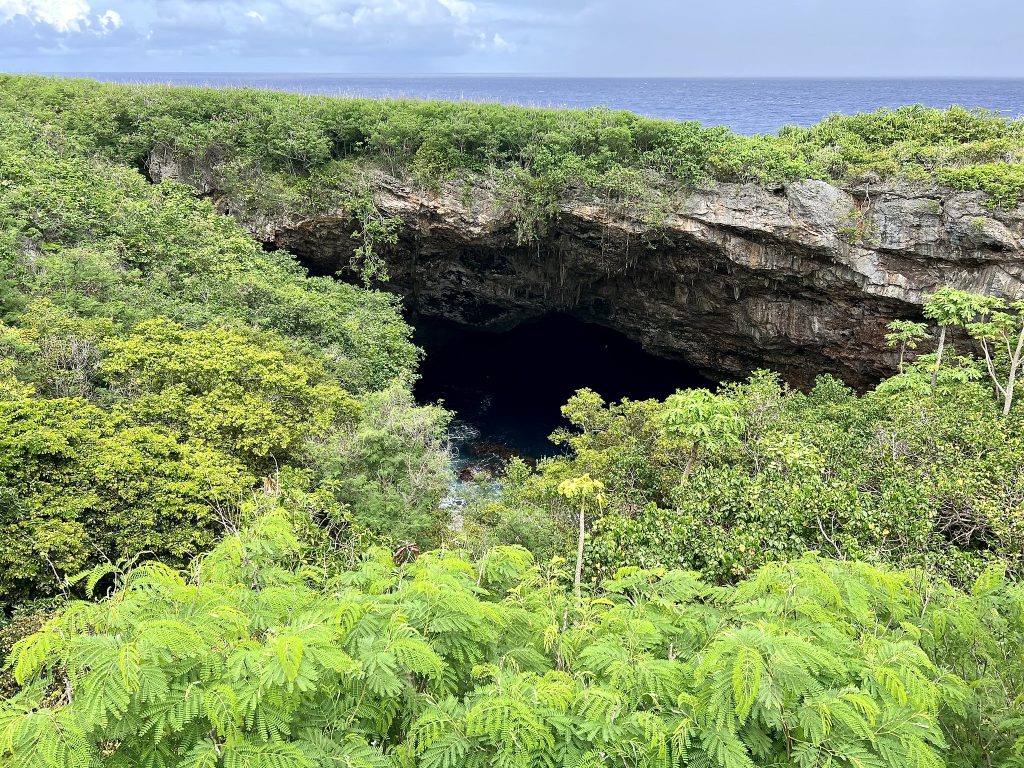
Saipan draws few American tourists despite its status as a US territory. The island’s World War II history sits alongside stunning beaches and cliffs that drop into turquoise water.
Diving sites include sunken ships and planes from the war, creating an underwater museum that feels haunting and beautiful at once.
Buck Island, US Virgin Islands
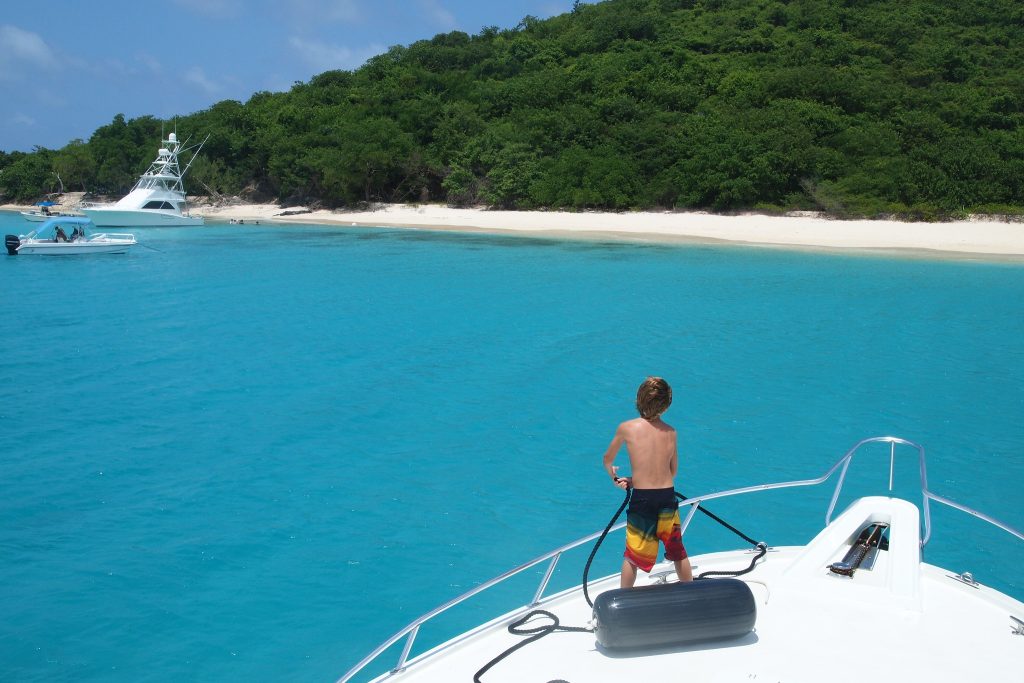
Buck Island National Monument sits off the coast of St. Croix, offering some of the Caribbean’s best snorkeling. An underwater trail guides swimmers through coral gardens marked with plaques identifying sea life.
The island itself is uninhabited, with hiking trails that lead to panoramic views of the surrounding ocean. And the sand? Pristine.
Palmyra Atoll
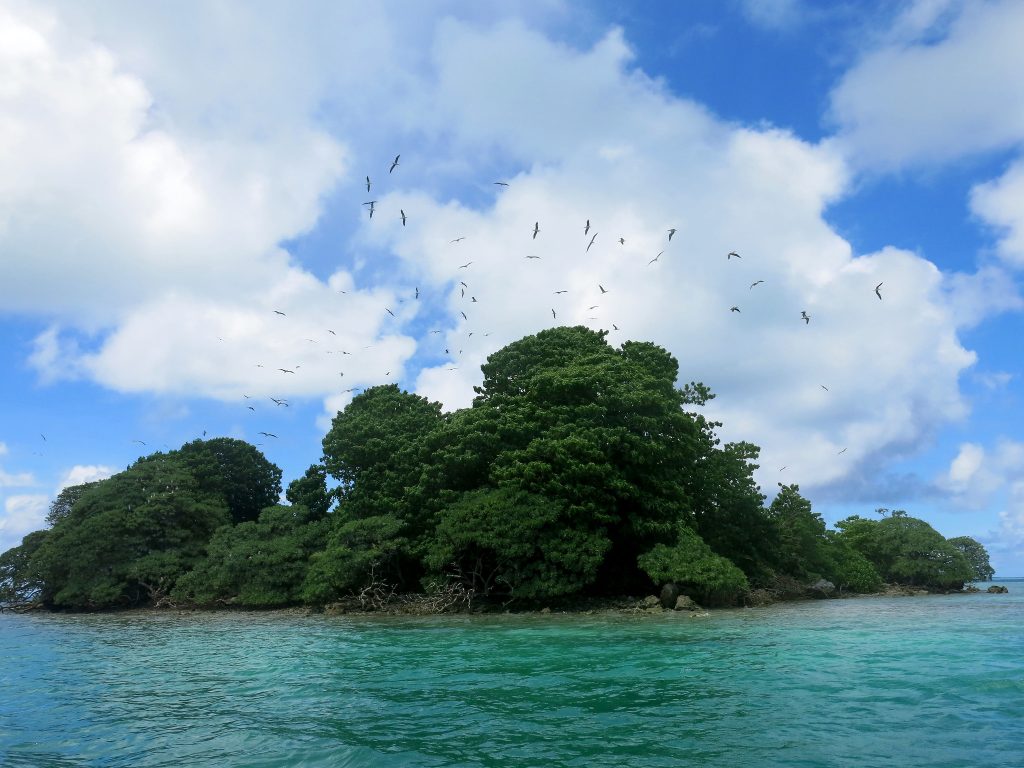
Palmyra Atoll remains one of the most remote US territories, located roughly 1,000 miles south of Hawaii. Access requires special permission, and only researchers and conservation workers typically visit.
The atoll’s coral reefs are among the healthiest in the Pacific, untouched by commercial fishing or tourism. It’s as close to untouched paradise as exists under US jurisdiction.
Like Travel Pug’s content? Follow us on MSN.
Midway Atoll
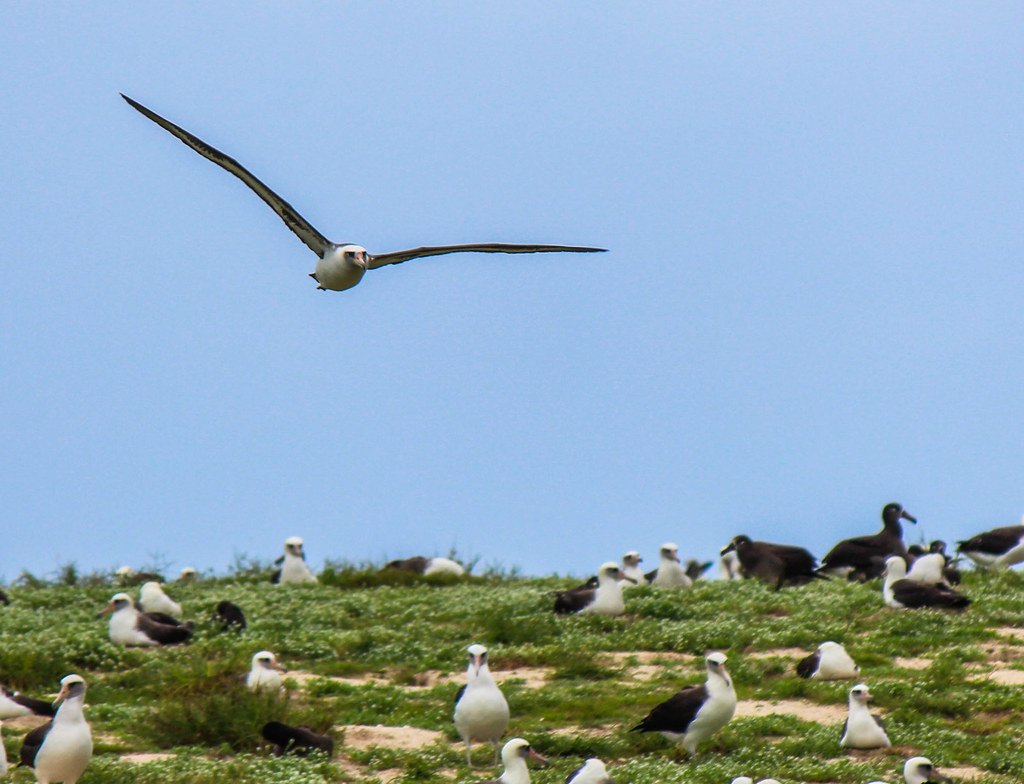
Midway Atoll, famous for its World War II naval battle, now functions as a wildlife refuge home to millions of seabirds. The island hosts a small number of tourists through a lottery system, with visitors staying in repurposed military housing.
Albatrosses wander the grounds fearlessly, and the sense of isolation is absolute.
Howland Island
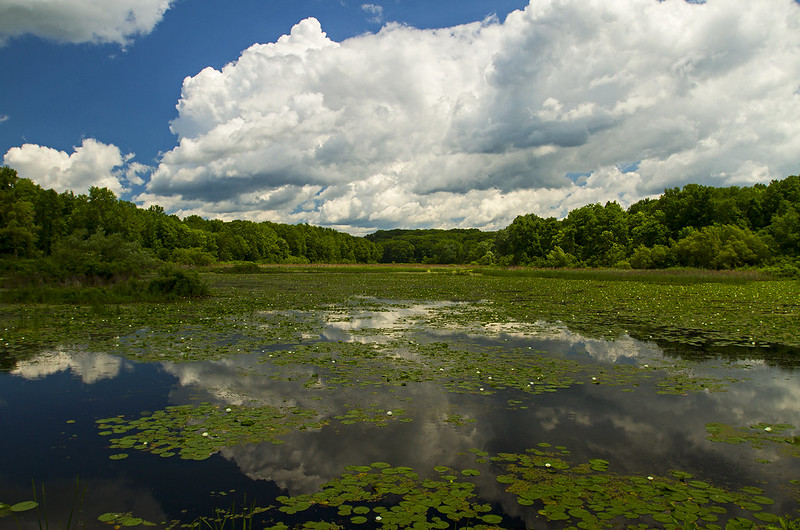
Howland Island, where Amelia Earhart was headed when she disappeared, remains uninhabited and largely inaccessible. The island is a National Wildlife Refuge with no facilities or regular transportation.
Only researchers visit, and the island’s stark, flat landscape offers little beyond its historical significance and seabird populations.
Culebra, Puerto Rico
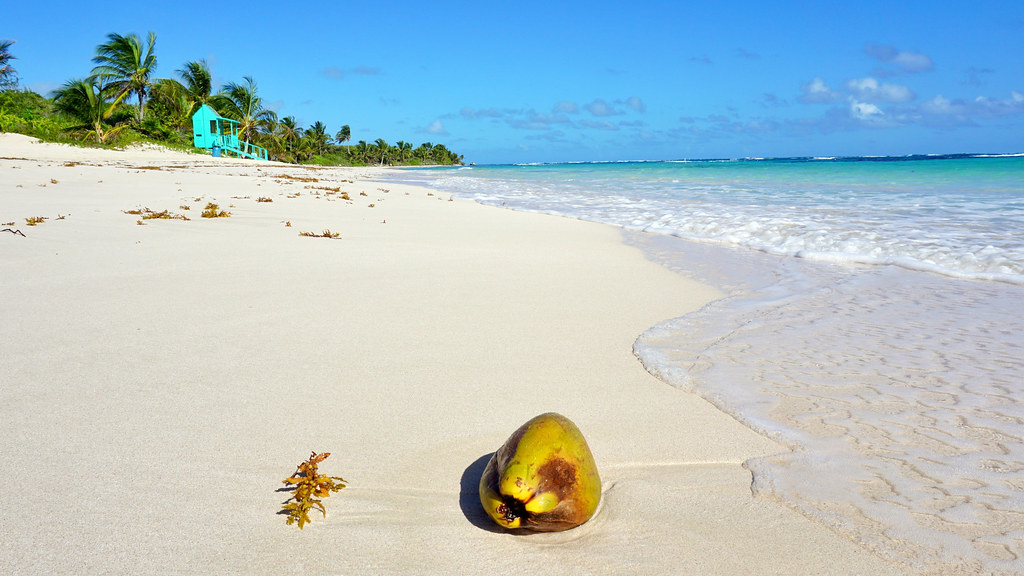
Culebra rivals Vieques for beauty but sees even fewer visitors. Flamenco Beach consistently ranks among the world’s best, with white sand and clear water that looks almost artificial in its perfection.
The island lacks resorts and chain restaurants, preserving a laid-back atmosphere that larger destinations can’t maintain.
Like Travel Pug’s content? Follow us on MSN.
American Samoa’s Ofu Island
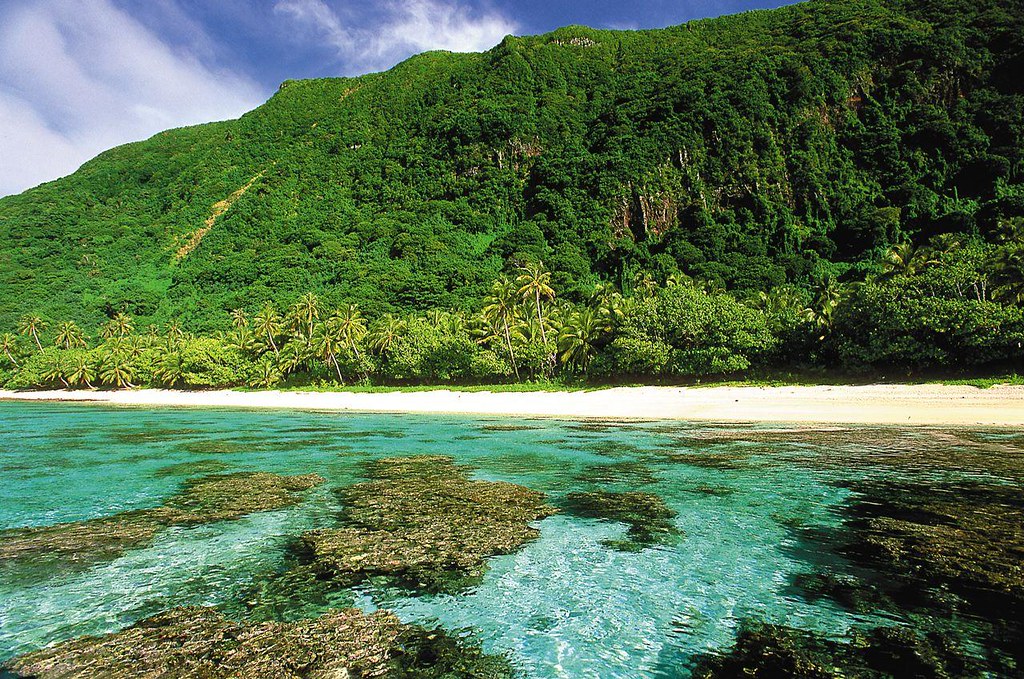
Ofu Island, part of the Manu’a Islands in American Samoa, offers beaches and reefs that rival anything in the Pacific. The island is small, remote, and requires a small plane or boat to reach.
Visitors stay in basic accommodations, and the experience feels authentically removed from modern tourism infrastructure. The coral reefs here are considered some of the most resilient to climate change.
Wake Island
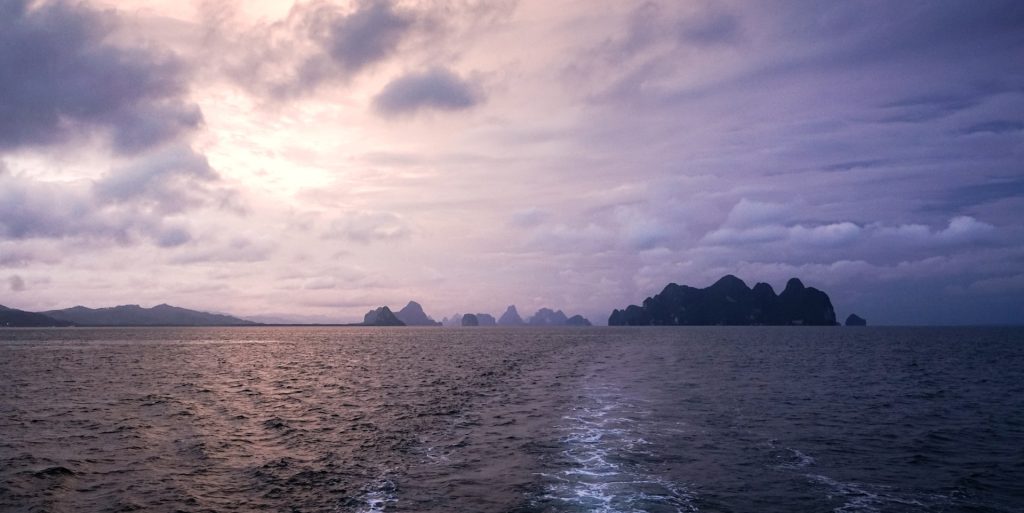
Wake Island functions primarily as a military and airfield facility, with no permanent civilian population. The atoll played a significant role in World War II, and remnants of that history scatter across the island.
Access is restricted, but the few who visit describe a surreal landscape where military history and tropical isolation collide.
Johnston Atoll
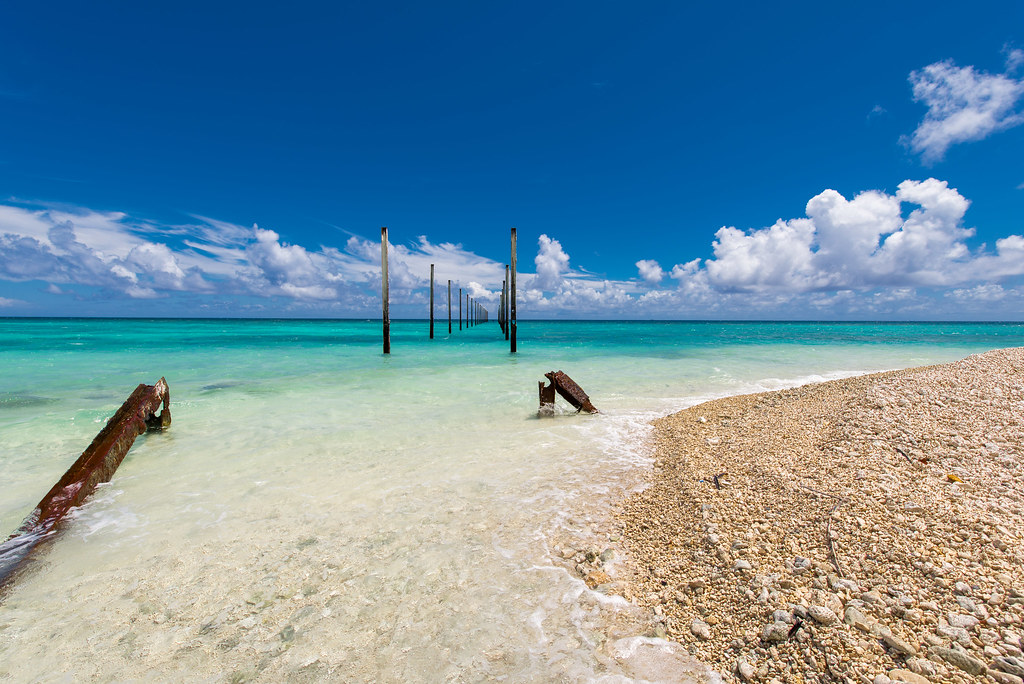
Johnston Atoll served as a chemical weapons disposal site and nuclear test location, making it one of the stranger US territories. The island remains closed to the public, with only government personnel allowed access.
It’s a reminder that not all US islands offer paradise—some carry darker legacies.
Like Travel Pug’s content? Follow us on MSN.
Navassa Island
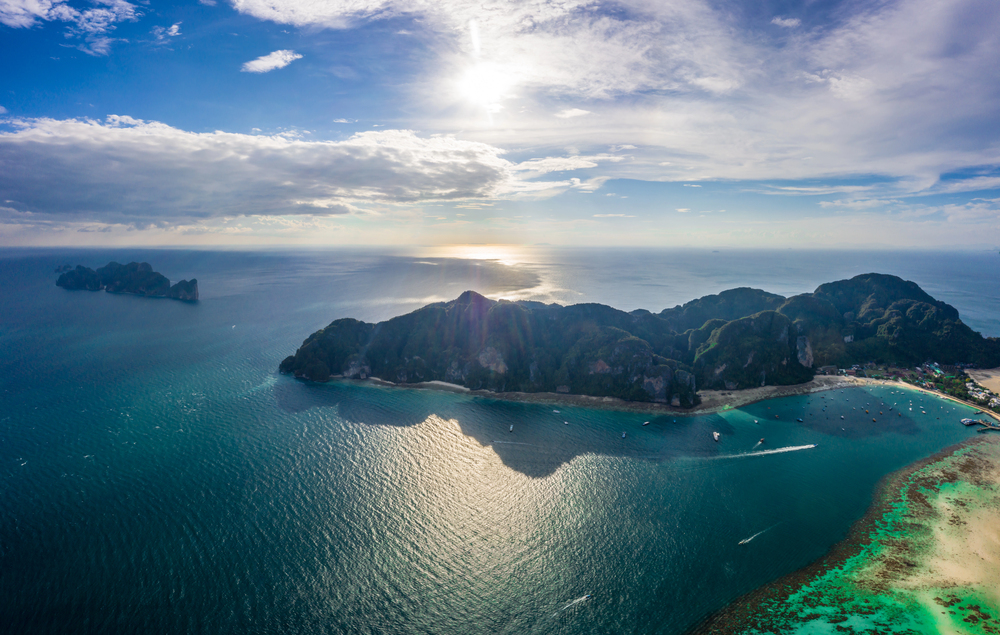
Navassa Island sits between Jamaica and Haiti, uninhabited and disputed by Haiti despite US claims. The island’s cliffs rise dramatically from the ocean, and its forests remain unexplored by most. Access is prohibited without special permission, and the island’s future remains uncertain as territorial disputes linger.
Rose Atoll, American Samoa
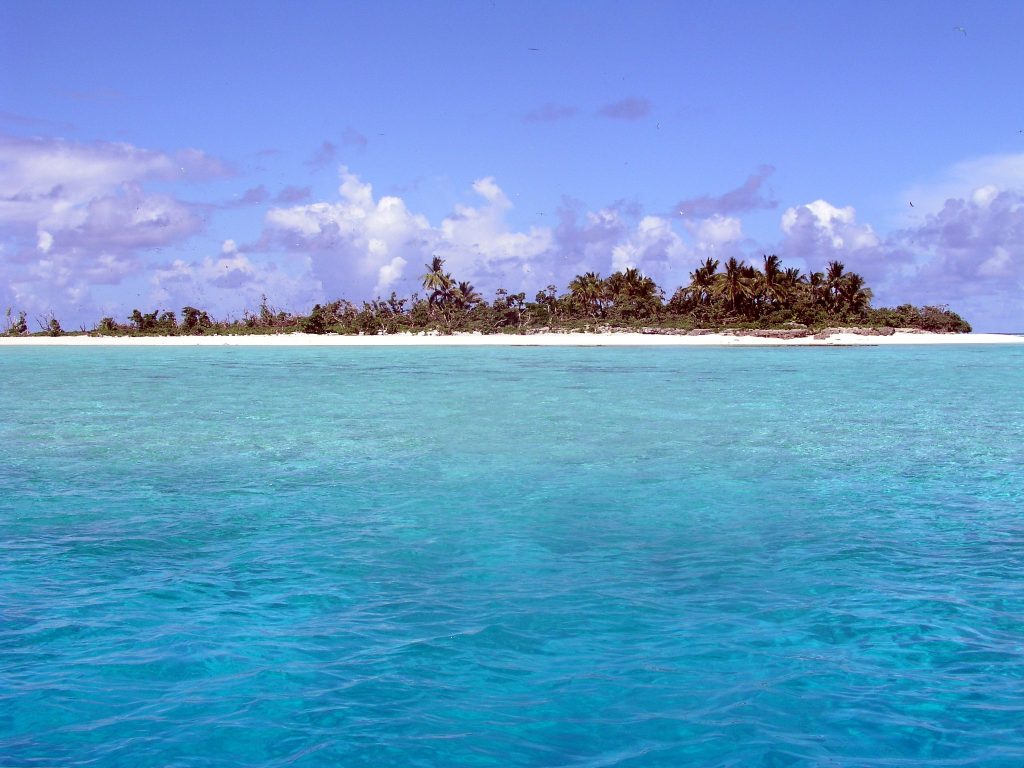
Rose Atoll is the smallest of American Samoa’s islands and one of the most pristine. The atoll is a marine national monument, closed to visitors except for researchers.
The coral reefs surrounding Rose Atoll are considered among the healthiest in the world, thriving in isolation from human impact.
Baker Island
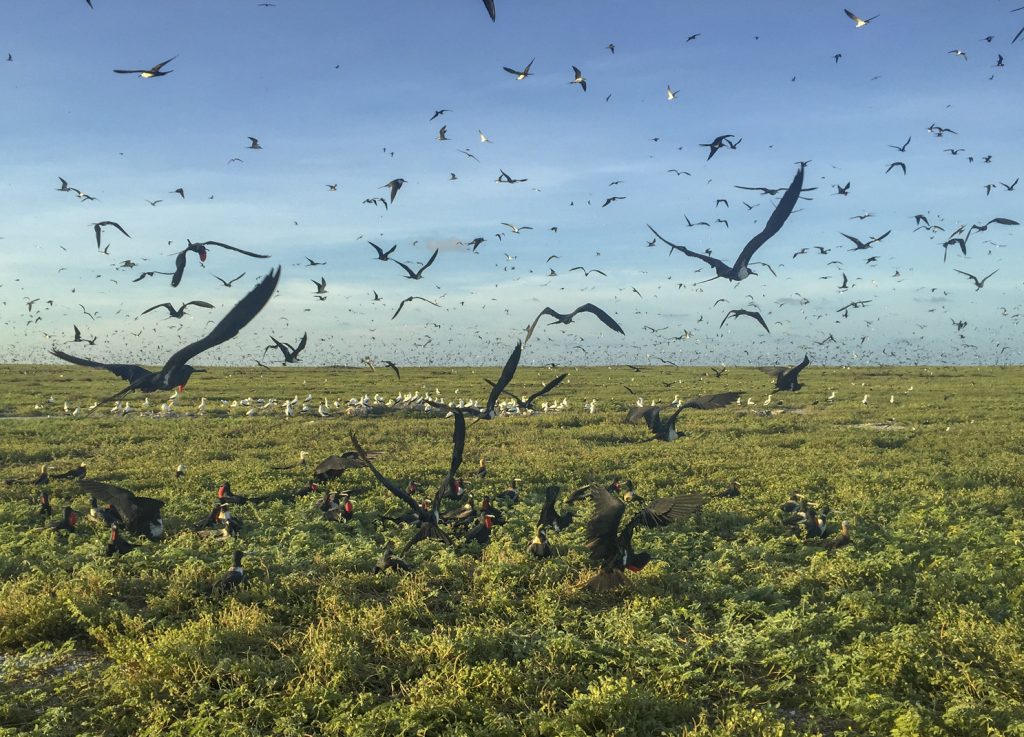
Baker Island, like Howland, is a flat, uninhabited speck in the Pacific. It’s a National Wildlife Refuge with no facilities and no regular access.
The island’s barren landscape supports seabird colonies and little else, but its remoteness gives it a certain appeal for those fascinated by the edges of US territory.
Like Travel Pug’s content? Follow us on MSN.
Kingman Reef
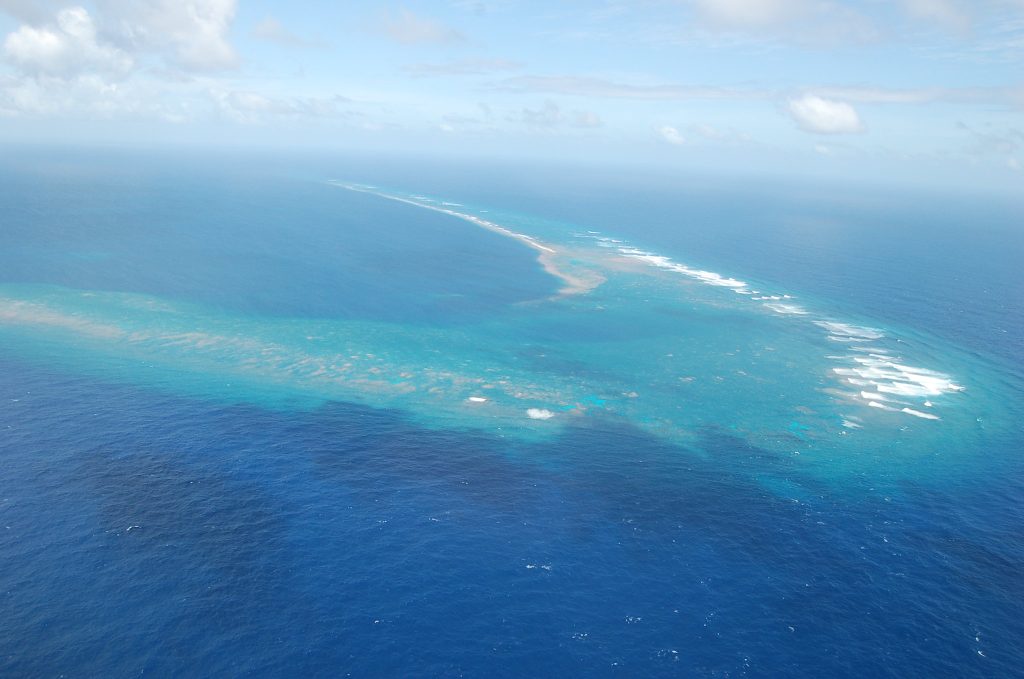
Kingman Reef is barely above water, more a coral structure than an island. It’s the most remote of US territories, located roughly 1,000 miles south of Hawaii.
No one lives there, and visiting requires navigating treacherous reefs and unpredictable currents. The reef remains a marine preserve, protecting one of the last untouched ecosystems in the Pacific.
Islands that time forgot
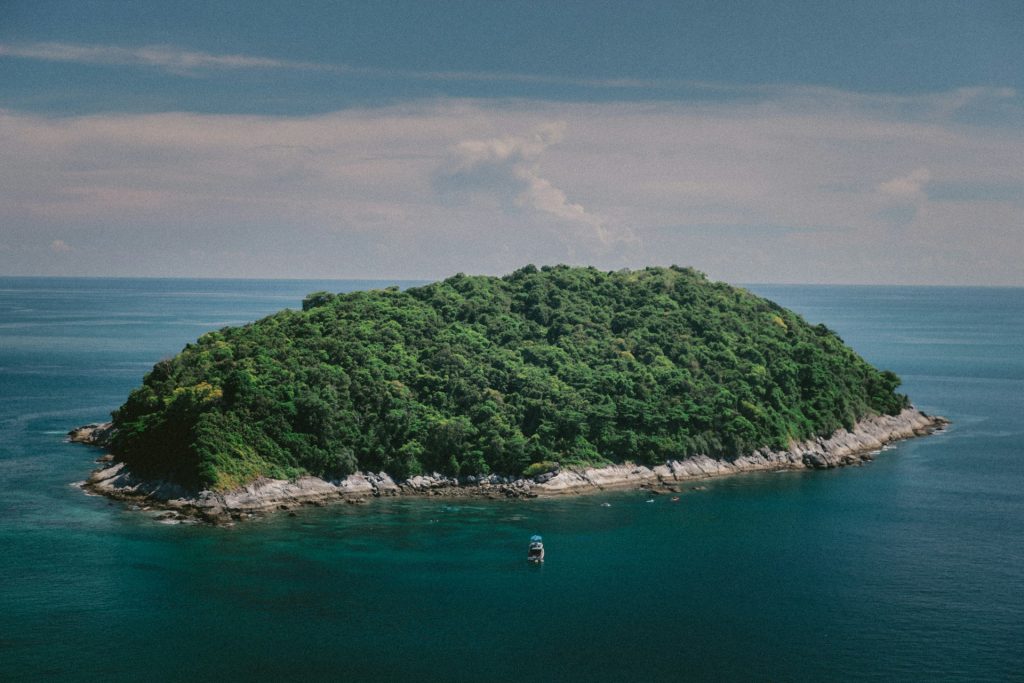
These undiscovered US areas offer encounters that transport visitors to a another time period or country, defying the conventional travel narrative. They are rarely Instagram-friendly, uncomfortable, and hard to get in touch with.
However, they are well worth the effort for tourists looking for true isolation and a connection to locations that few people will ever see.
More from Travel Pug

- 20 Best Beach Towns in the Carolinas
- 13 Destinations Where Tourists Regularly Regret Their Trip
- 20 Things You Actually Get in First Class
- 20 Small Airports With Aviation Museums
- 20 Places in the U.S. That Are Perfect for a Reset Trip
Like Travel Pug’s content? Follow us on MSN.