

Much more than just grabbing a bite – street food in Malaysia means knowing which spot to hit, what time’s best, or how to move through busy hawker spots like you belong. This love for food didn’t come outta nowhere; it grew from Malay roots mixed with Chinese flair plus Indian spice, making flavors you won’t find anywhere else.
Whether it’s the loud clatter of woks in Penang or the glowing stalls at KL night bazaars, real insight comes from tricks locals pick up without even trying. Getting the most out of Malaysia’s street food means understanding the quirks, the customs, and the little tricks that locals use every day.
Follow The Queues

Long queues trailing from a food stand? That’s not off-puting – it’s proof you’re on the right track. Locals trust spots where cooks spent years nailing just a few meals, so waiting feels normal.
When a booth stays packed, stuff moves fast – meaning ingredients stay fresh and everything comes out hot. Spot clerks or parents lined up at midday or after work? Get in line straightaway.
Charcoal Beats Gas Every Time

The legendary street food vendors in Penang still insist on cooking over charcoal fires, and there’s a good reason for it. Charcoal creates an intense, focused heat that gas simply can’t match, producing that elusive smoky flavor called wok hei—literally ‘breath of the wok.’
When flat rice noodles hit a charcoal-fired wok at blistering temperatures, they develop a charred, caramelized quality that defines dishes like char kway teow. Some stalls even advertise their use of charcoal because regulars specifically seek it out and will pay extra for that authentic taste.
Pasar Malam Rotate Through Neighborhoods

Night markets, known locally as pasar malam, don’t set up in the same spot every night. Instead, they rotate through different neighborhoods on specific days of the week, so Monday might be one area while Wednesday brings the market to another part of town.
Locals know their neighborhood’s designated night market day and plan their week around it. These temporary markets transform regular streets into bustling food and shopping destinations from around 5 PM until 10 or 11 PM, offering everything from fresh produce to ready-to-eat snacks.
Cash Remains King

Despite Malaysia’s modern payment systems, the majority of street food vendors still operate on a cash-only basis. Small bills work best since vendors often don’t have change for large notes, especially early in their shift.
Some newer markets and established hawker centers have started accepting QR code payments, but you shouldn’t count on it. Carrying enough ringgit in your wallet means you won’t miss out on that perfect plate of nasi lemak because the vendor can’t process your card.
Timing Matters More Than You Think

Malaysians typically eat dinner later than Western tourists expect, with peak hours running from 8 PM to 10 PM at most street food locations. Arriving just before this rush, around 6:30 or 7 PM, gives you the best of both worlds—the food is fresh and hot, but you’re not fighting crowds for a seat.
For breakfast items like roti canai or curry mee, showing up between 7 and 9 AM means catching vendors at their freshest. Food that’s been sitting out for hours in tropical heat loses its appeal fast.
Your Right Hand Does All The Work

In traditional Malay and Indian eating customs, the right hand is used for eating while the left is considered unclean. Many locals still eat rice-based meals with their hands, especially when served on banana leaves, and watching them do it is like witnessing a practiced art form.
If you’re eating with cutlery, you’ll typically use a spoon in your right hand and a fork in your left, with the fork pushing food onto the spoon. Chinese-style dishes usually come with chopsticks and a spoon for soup.
Table Sharing Is Completely Normal

Hawker centers operate on a first-come, first-served basis for seating, and it’s perfectly acceptable to share a table with strangers. If you see empty seats at an occupied table, just gesture to ask if they’re taken and sit down without making it awkward.
This communal dining style is part of the experience, and you might end up chatting with locals who can recommend what to order. Just remember that each table typically belongs to a specific stall, so order from whoever services that area.
Each Stall Perfects Just A Few Dishes

The hawker stall system works differently than restaurants with extensive menus. Most vendors specialize in just two or three dishes that they’ve been making the same way for years, sometimes decades.
This intense focus creates exceptional quality since they’re essentially making the same thing hundreds of times a day. Some families pass down their stalls through generations, fiercely guarding secret spice blends and cooking techniques that make their version stand out from competitors just a few stalls away.
Duck Eggs Create A Richer Char Kway Teow

When you order char kway teow, the type of egg used makes a noticeable difference. Duck eggs are larger and richer than chicken eggs, creating a wetter, creamier consistency when scrambled into the noodles during the final toss.
Vendors who use duck eggs often advertise this fact because regulars know it’s worth seeking out. The extra richness balances the smoky char from the wok and the savory notes from dark soy sauce and Chinese sausage.
Penang Earned Its Food Capital Status

While you’ll find excellent street food throughout Malaysia, Penang’s reputation as the country’s culinary heart is well-deserved. The island’s George Town area packs legendary hawker centers like Chulia Street and Kimberley Street into a compact space that’s easy to explore on foot.
Penang’s asam laksa was even named one of the world’s most delicious foods, and the versions you’ll taste here hit differently than anywhere else. The combination of fresh seafood, multi-generational cooking traditions, and fierce competition among vendors has created something special.
Wok Hei Requires Serious Heat

That distinctive smoky aroma wafting through hawker centers comes from wok hei, achieved only when cooking at temperatures most home stoves can’t reach. Professional hawkers use burners that blast 100,000 BTUs or more, allowing them to flash-fry ingredients in seconds while imparting that characteristic char.
The constant tossing motion keeps food from burning while ensuring every piece touches the super-heated wok surface. It’s a technique that takes years to master, which is why even simple stir-fried noodles taste completely different when made by an experienced hawker.
Multi-Cultural Influences Created Unique Fusion

Malaysia’s street food owes its incredible variety to the country’s diverse population. Chinese immigrants brought noodle dishes and dim sum, Indians introduced roti and curry flavors, and Malays contributed coconut-rich cooking and sambal spice pastes.
Over time, these traditions blended into entirely new creations like Nyonya cuisine, which combines Chinese ingredients with Malay cooking methods. You’ll see this cultural exchange everywhere—Indian mamak stalls serving mee goreng with Chinese-style noodles, or Chinese vendors making their nasi lemak with Malay spices.
Night Markets Come Alive After Sunset

The real magic of pasar malam happens once the sun goes down and temperatures cool off. Vendors start setting up around 5 PM, but the energy doesn’t peak until after 7 PM when the lights are blazing and crowds pour in.
Evening markets offer a different vibe than daytime hawker centers—there’s a festival atmosphere with families out together, tourists mixing with locals, and the scent of grilling satay and frying banana fritters filling the air. Some markets stretch for over a mile with hundreds of stalls selling everything from fresh durian to Korean-style snacks.
Mamak Stalls Never Sleep

When you need food at 3 AM, mamak stalls have your back. These Indian-Muslim establishments operate around the clock, serving staples like roti canai, mee goreng, and teh tarik pulled tea at any hour.
They’ve become ingrained in Malaysian nightlife culture, providing gathering spots where people watch football matches on big screens while munching on crispy roti telur. The plastic chairs and communal tables create a casual atmosphere where everyone from taxi drivers to office workers mingles over late-night meals.
Learn ‘Sikit Pedas’ For Your Spice Tolerance

Malaysians see chili heat differently from most Western tourists – what feels gentle here might shock newcomers. Say “sikit pedas” when buying food; sellers will tone down the kick based on what you can handle.
A lot of street spots give sambal on the side, letting you pour it slow till you hit your personal edge. On the other hand, heavy chili use isn’t always about scorching spice – sometimes it’s layered into taste, building depth instead of just burning your tongue.
The Food Shaped The Nation
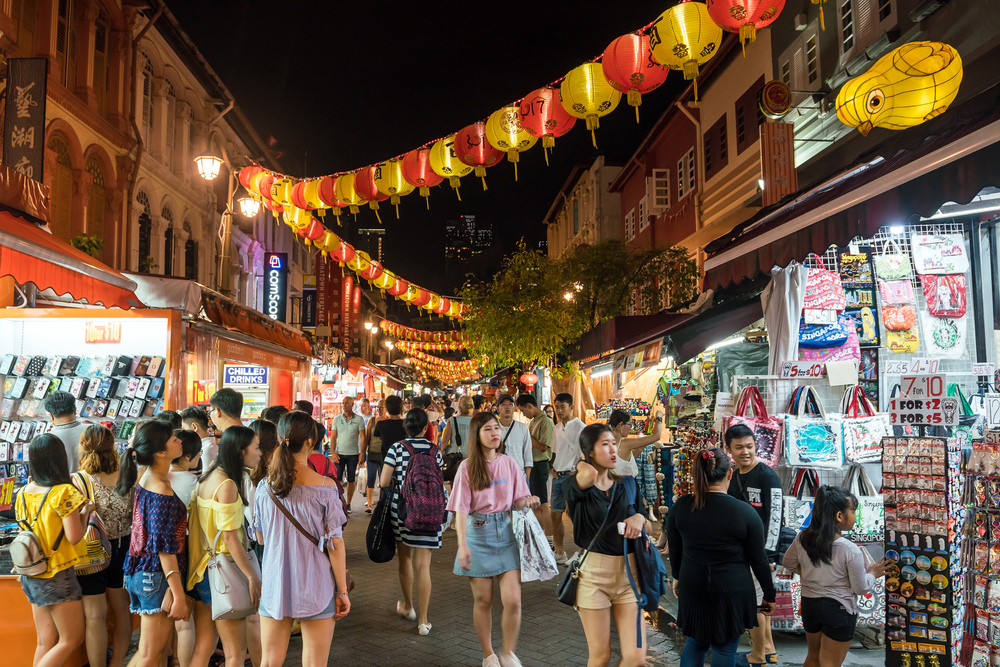
Street food in Malaysia isn’t just about eating – it’s part of everyday life, mixed into how people connect and move through their day. Instead of fancy restaurants, hawker stalls act like neighborhood hangouts where folks from different walks of life sit together, sharing space over steaming plates.
Because it’s cheap and easy to find, anyone can grab a bite – so you’ll see laborers next to office workers, both digging into hot bowls of curry noodles. Even as cities grow taller and faster, this habit sticks around, showing how certain traditions taste too good to ever let go.
More from Travel Pug

- Underrated Italian Towns That Beat the Tourist Crowds
- Las Vegas Tourist Traps to Skip
- Prettiest Towns in Every US State
- 18 passport-free countries for Americans
- Signs Your Cruise Is Not Worth The Cost
Like Travel Pug’s content? Follow us on MSN.