

In a city where ancient temples compete with modern distractions, finding true tranquility has become an art form in itself. Kyoto’s teahouses offer something increasingly rare: genuine moments of stillness in spaces designed over centuries around the simple act of sharing tea.
Here are 17 teahouses where the outside world fades away and serenity becomes tangible.
Yugen
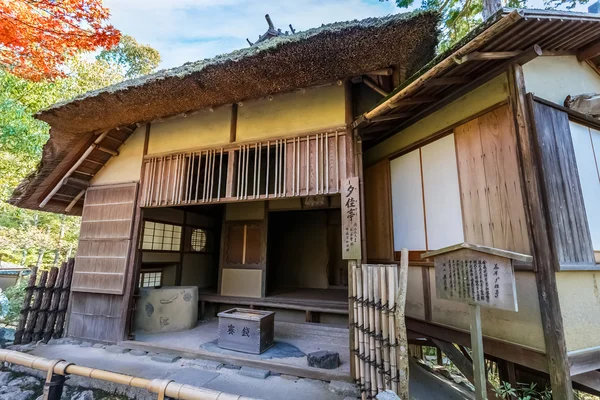
An oasis of serenity in the heart of Kyoto’s urban area, this minimalist, highly contemporary, and deeply Japanese teahouse emphasizes natural materials such as wood and stone. Located near the serene Kyoto Imperial Palace, it occupies a beautifully renovated four-story establishment.
Matcha, precisely prepared by expert staff before you, is accompanied is accompanied by delicate wagashi that follows the rhythm of the seasons. The refined aesthetic creates an incredibly calming setting.
Ichiriki Ochaya
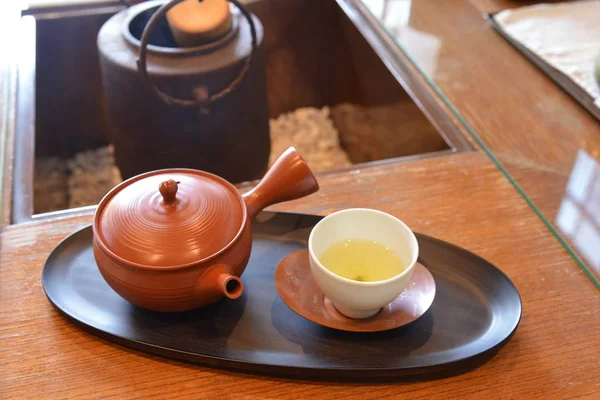
About 300 years old, this red-walled ochaya is noted for its traditional architecture and atmosphere, and also for the history that has occurred here. You’ll need an invitation to attend any events here, but simply walking past offers a glimpse into exclusive serenity.
The famous bengara red walls seem to glow in evening light. Not accessible to casual visitors, but the exterior alone radiates centuries of quiet elegance.
Maikoya Gion Kiyomizu
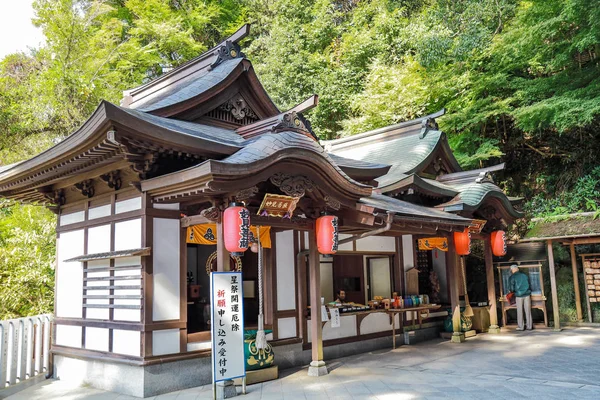
Designated as a registered tangible cultural property by the national government, this teahouse is situated within walking distance of renowned tourist destinations such as Gion district and Kiyomizu Temple. Housed in a nationally recognized, government-protected historic teahouse with a beautiful Japanese garden.
And here’s where tradition meets accessibility. The award-winning tea ceremony lasts for 45 minutes and costs approximately $22 or ¥3,200. The garden views through ancient windows create perfect stillness.
Shoren-in Temple Tea House
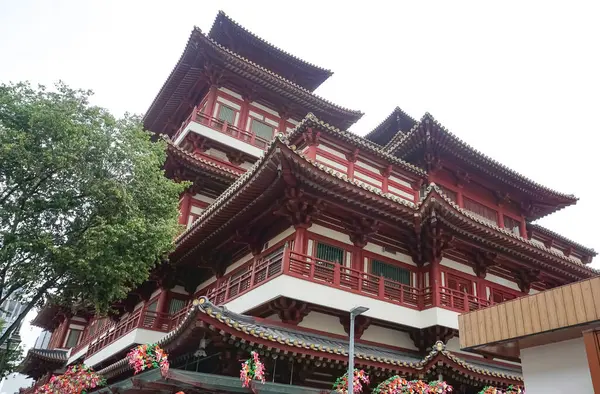
Enjoy tea in the temple’s Kobun-tei tea house while overlooking its peaceful gardens. The tea ceremony room is open from 10 am to 3:30 pm on select days, offering visitors a chance to experience authentic temple serenity.
Some Zen temples in Kyoto allow visitors to experience a tea ceremony in the tranquility of the temple grounds. This is the kind of experience you can really only have in Kyoto.
Flower Teahouse
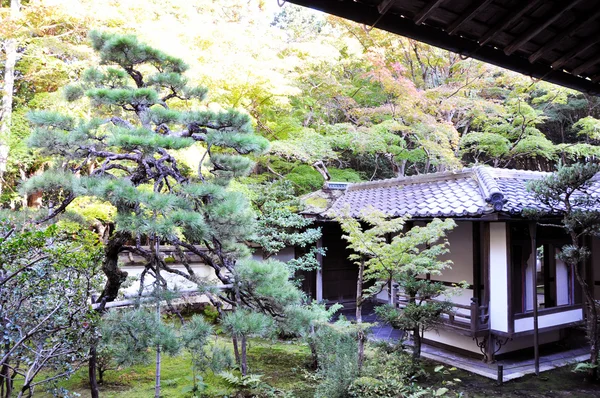
It is located in the historical preservation neighbourhood of Ninenzaka, in the heart of Kyoto’s famous Higashiyama district. A short walk from the temples of Kiyomizu-dera, Kodai-ji and Chion-in, Maruyama Park, Yasaka-jinja shrine, and the geisha district of Gion.
The machiya setting provides an authentic atmosphere where:
Expert instructors guide tea-making basics
Traditional architecture frames mountain views
Seasonal kimono rentals complete the experience.
Garden Teahouse
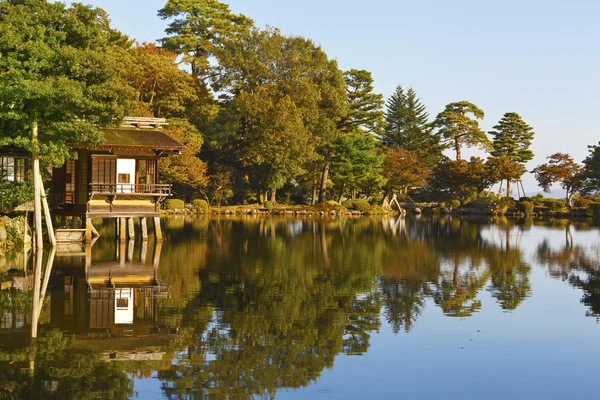
Sits amongst stunning gardens in a traditional, 100-year-old house located a minute’s walk from the main gate of Ryoan-ji. The Zen temple is famed for its rock garden, the most renowned of its kind in the world.
The proximity to Ryoan-ji’s famous rock garden seems to infuse this space with extra Zen energy. Perfect for post-temple reflection.
Zenkashoin
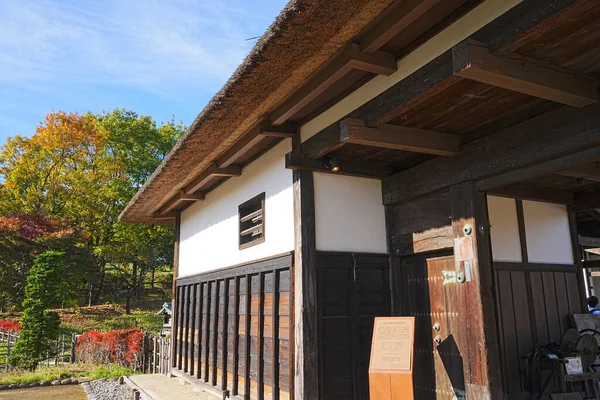
Located in the Karasuma-Oike area, this confectionery shop opened in 2009 after renovating a 300-year-old traditional Kyoto machiya townhouse from the Edo period. The spacious interior houses a confectionery retail space, a tearoom, as well as a gallery and courtyard.
At the tearoom called Zen Cafe with a view of the garden, you can leisurely enjoy Japanese tea along with Zenkashoin’s confections. The most popular sweet treat is the special Castella cake known as Zen Castella.
Kasagiya
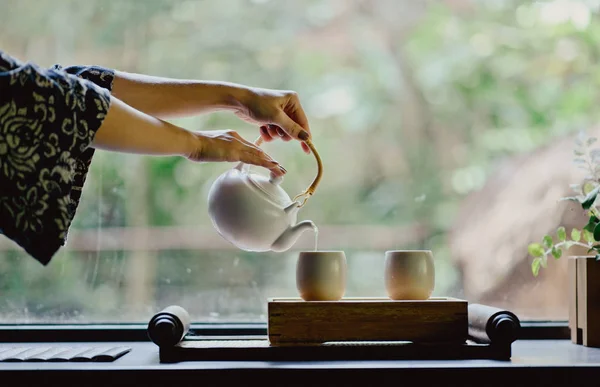
This fine little teahouse near the top of Sannen-zaka, a short walk from Kiyomizu-dera Temple, is almost too quaint for words. It’s rickety, cramped, and oozing with old-Japanese flavor.
Still, cramped spaces can create intimacy. The weathered wood and gentle creaking add character that modern venues can’t replicate.
En Tea Ceremony Room
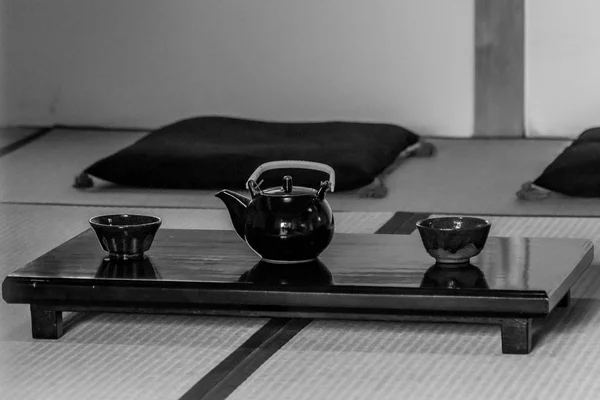
Located in the Higashiyama district, this teahouse offers both group and private ceremonies in an elegant and peaceful environment. A small teahouse conveniently located in the Gion district of Kyoto.
The intimate setting allows for personalized attention from tea masters who understand that true serenity comes through mindful preparation.
Tea Ceremony Koto
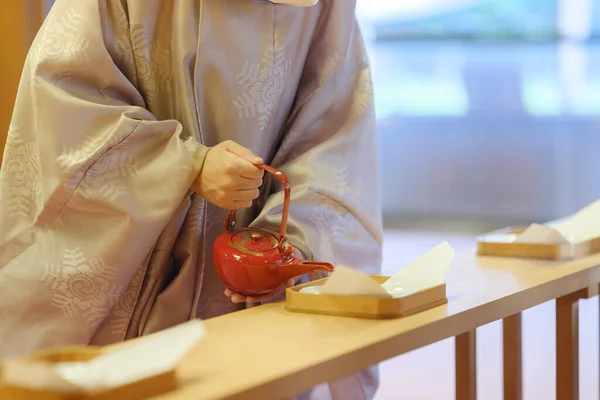
Close to Kinkaku-ji Temple (the Golden Pavilion), Tea Ceremony Koto has been host to some important government guests. Sessions here will include explanations about each movement and utensil.
The proximity to the Golden Pavilion adds gravitas. When even government officials seek peace here, you know the atmosphere delivers.
Nagomi Arashiyama
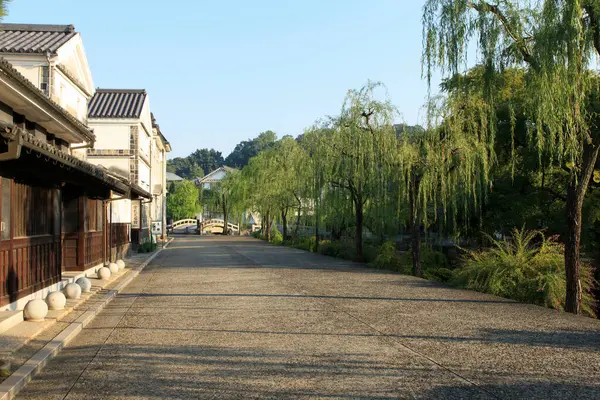
This authentic Japanese tea ceremony with wagashi takes place in Arashiyama, Kyoto near Tenryu-ji Temple, Togetsukyo Bridge, and the Bamboo Forest Path. The tearoom was designed by an architect specializing in historical structures, includes a tokonoma alcove where you can enjoy flowers and hanging scrolls.
The bamboo forest’s rustling creates natural white noise. Seven sessions are held per day at the top of the hour with max 15 students each. Intimate by design.
Ippodo Tearoom
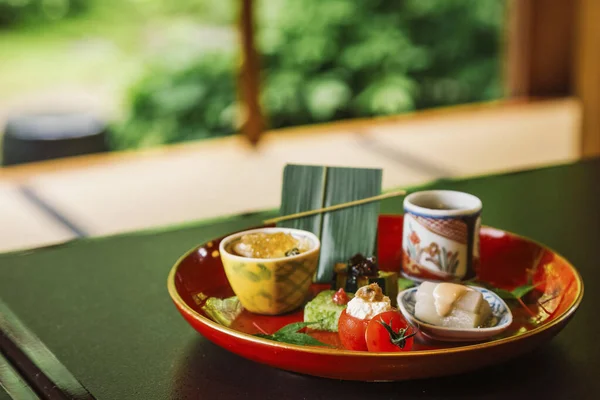
Located on Teramachi-dori Street, a short walk north of downtown, this is a favorite tea shop in Kyoto. Next door to the shop, there’s a small café where visitors can sample some of the shop’s excellent matcha and leaf teas.
The gentle bustle of serious tea appreciation creates its own kind of meditative energy. Real tea lovers gather here.
Fukujuen Kyoto Honten
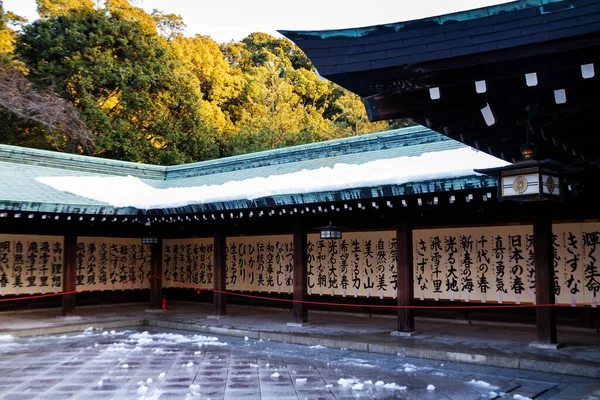
A renowned Japanese tea company in a 5-storey building with a shop that sells tea and utensils, a café, and a Japanese-French fusion restaurant. They also offer tea workshops and tea ceremony experiences in a chashitsu (teahouse) setting.
The multi-story building creates layers of tea experience. Each floor offers different levels of engagement with tea culture.
Manshu-in Temple Teahouse
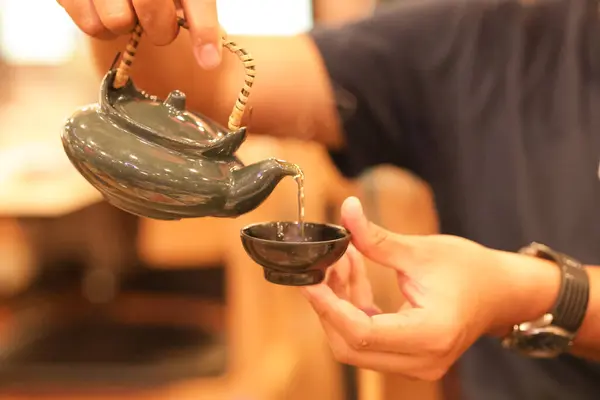
The teahouse in Manshu-in Temple is called Hasso-ken. The location itself is a bit off the beaten path, making it less crowded than most other places in Kyoto. You will be guided by a local staff or a monk in the teahouse.
Being guided by an actual monk elevates the entire experience. The temple setting naturally creates contemplative quiet.
Konchi-in Temple Tea House
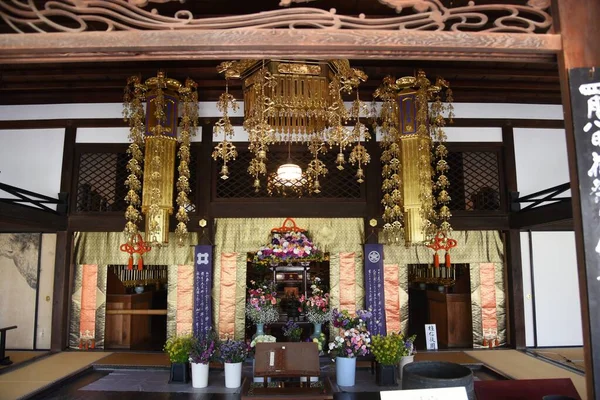
The Teahouse in Konchi-in Temple is called Hasso-seki. Konchi-in is a subtemple off the main temple of Nanzen-ji. The garden and teahouse of Konchi-in was designed by one of the most revered Japanese artists of all time.
When art history meets tea ceremony, magic happens. The garden views through the tea house windows feel like living paintings.
Toraya Ichijoji
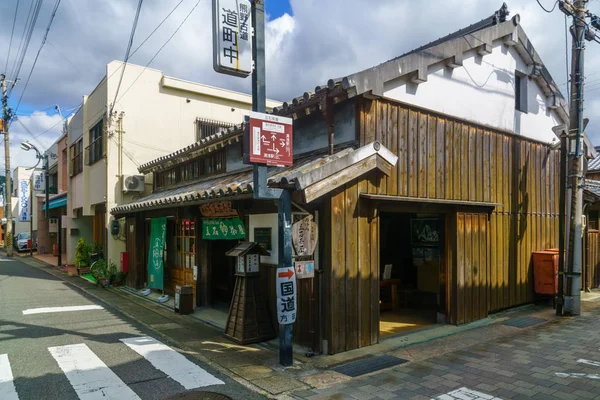
This elegant teahouse is a short walk west of the Kyoto Imperial Palace Park. It’s a superb place to relax with a book after exploring the park.
Perfect for solo contemplation. The imperial connection adds dignity, while the quiet location invites unhurried reflection.
Okochi Sanso Tea Room
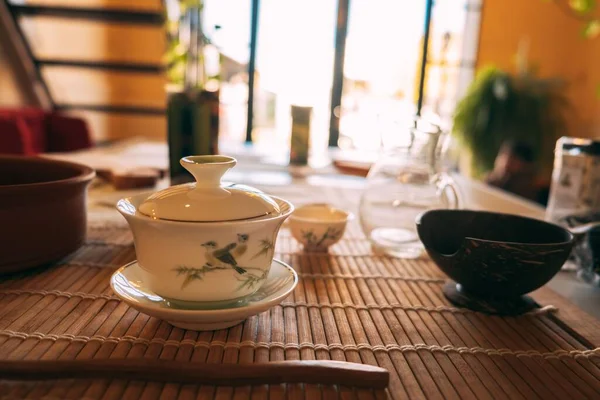
Originally the home of the Japanese actor and film director Denjiro Okochi, located in a secluded area of the garden and offers a peaceful and tranquil setting for enjoying a cup of tea. Located in Arashiyama, this villa’s tearoom offers matcha and sweets as part of a garden visit.
The actor’s retreat high above Arashiyama provides sweeping views that make ordinary worries feel very small indeed.
Finding your quiet moment
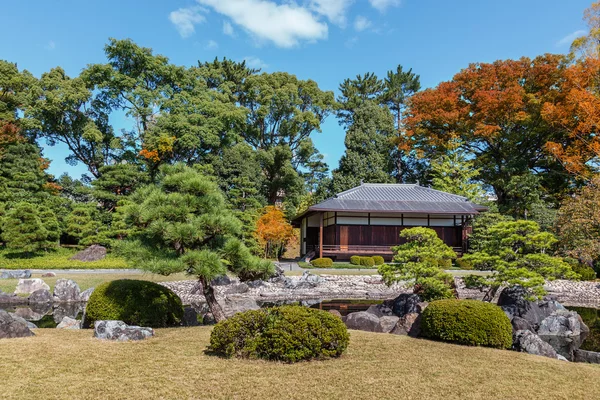
These teahouses are much more than places to taste: they are an immersion in the essence of the city, where respect for traditions is expressed through delicate and respectful interpretations. In a world that rarely slows down, these sixteen spaces offer something increasingly precious – the luxury of time moving at tea speed.
More from Travel Pug

- Underrated Italian Towns That Beat the Tourist Crowds
- Las Vegas Tourist Traps to Skip
- Prettiest Towns in Every US State
- 18 passport-free countries for Americans
- Signs Your Cruise Is Not Worth The Cost
Like Travel Pug’s content? Follow us on MSN.