

Canada has no shortage of headline-grabbing parks. Banff gets millions of visitors a year, Jasper fills up fast, and Whistler’s doorstep is practically a postcard.
But beyond the famous names, Canada has dozens of national parks that most travelers — including many Canadians — have never heard of. Some are remote, some are underrated, and some are just hiding in plain sight.
Here is a list of 20 lesser-known national parks in Canada that deserve a spot on your radar.
Pukaskwa National Park, Ontario
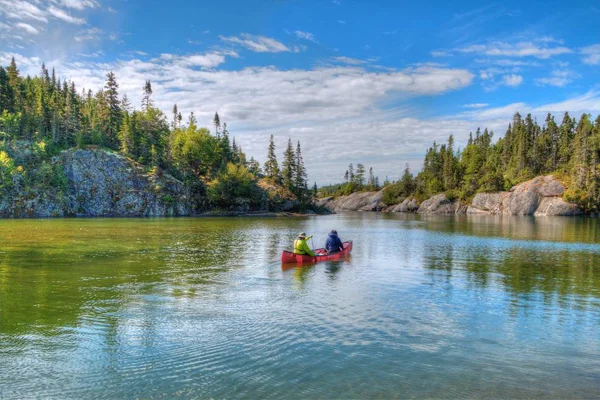
Pronounced ‘puck-a-saw,’ this is Ontario’s only true wilderness national park, tucked along the northeastern shore of Lake Superior. It protects the longest undeveloped shoreline in the entire Great Lakes region, stretching about 80 kilometres (50 miles) of rugged Canadian Shield coastline with rocky coves, sandy beaches, and dramatic cliffs.
The 37-mile Coastal Hiking Trail is a multi-day backcountry challenge where moose, lynx, wolves, and black bears are regular sightings — and a suspension bridge that swings above Chigamiwinigum Falls is a highlight no one forgets.
Wapusk National Park, Manitoba
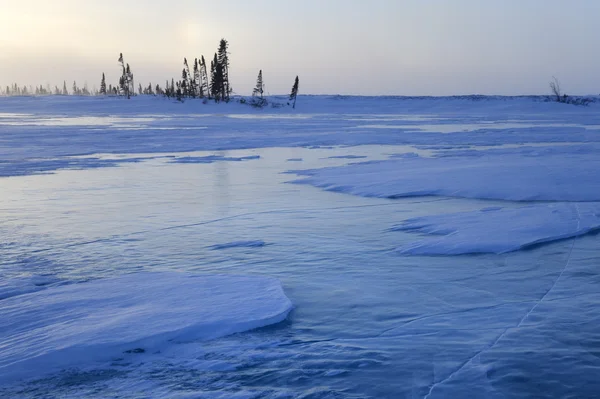
Wapusk means ‘white bear’ in Cree, and the name tells you everything. This subarctic wilderness on the western shore of Hudson Bay is one of the world’s largest known polar bear maternity denning areas, and it only sees around 150 visitors a year.
There are no roads into the park — you arrive by helicopter, ATV, or snowmobile — so it’s not a casual weekend trip. But those who make the effort get an experience that’s genuinely hard to put into words: tundra stretching to the horizon, beluga whales along the shore, and polar bears lounging in the summer sun near the town of Churchill.
Forillon National Park, Quebec

Forillon sits right at the eastern tip of the Gaspé Peninsula, where the St. Lawrence River meets the Gulf of St.
Lawrence, and it’s one of Quebec’s most underappreciated parks. The towering sea cliffs and dunes are striking on their own.
Still, the park also has a fascinating human history — Indigenous peoples have used this land for over 4,000 years, and it holds the only World War II coastal battery in Canada. Whale watching, kayaking, and hiking all make the list here, and black bears show up often enough that you’ll want to keep your eyes open on the trails.
Mingan Archipelago National Park Reserve, Quebec

This one is a string of islands in the Gulf of St. Lawrence, about a 13-hour drive from Montreal, followed by a ferry ride.
It sounds like a lot of effort —and it is—but the payoff is a landscape unlike anything else in Canada. The islands are dotted with monolithic limestone formations carved by the sea, and during the breeding season, tens of thousands of Atlantic puffin pairs nest here.
Blue whales also swim through these waters, making it one of the few places in the world where you can realistically spot them from shore.
Kejimkujik National Park, Nova Scotia
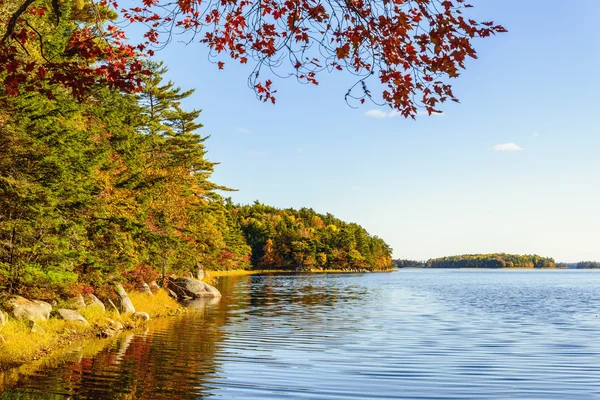
‘Kejimkujik’ is a Mi’kmaw name, and Indigenous culture is genuinely central to this park’s identity in a way that feels authentic rather than curated. More than 500 petroglyphs carved by Mi’kmaw people over thousands of years can be found here, and Parks Canada offers guided tours to view them.
The park is also one of Canada’s 13 Dark Sky Preserves, meaning the stargazing is outstanding on a clear night. A separate coastal section about 62 miles from the main park adds beaches and bog habitat to the mix.
Riding Mountain National Park, Manitoba
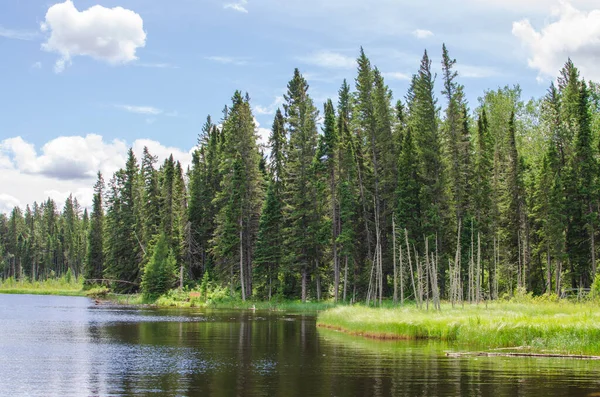
Sitting on top of the Manitoba Escarpment, Riding Mountain feels like a different world compared to the flat prairie surrounding it. It’s a patchwork of boreal forest, mixed-wood forest, and fescue grasslands — three distinct ecosystems meeting in one place — and it’s home to one of Canada’s last free-roaming plains bison herds.
The town of Wasagaming sits inside the park, which gives it a relaxed, old-fashioned resort vibe that’s hard to find anywhere else. It’s only about a three-hour drive from Winnipeg, yet it sees a fraction of the visitors you’d expect for a park that’s accessible.
Torngat Mountains National Park, Newfoundland and Labrador
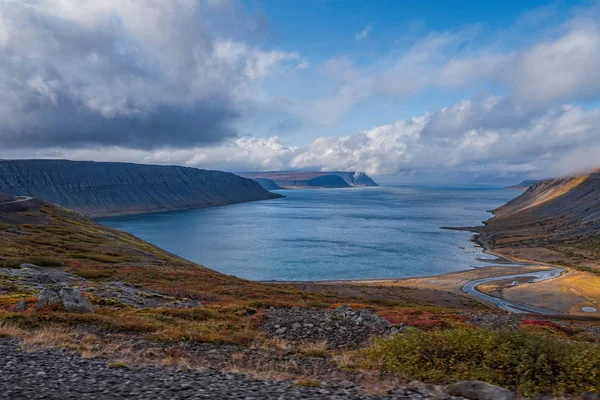
The Torngat Mountains are ancient — some of the oldest exposed rock on Earth — and they sit at the northernmost tip of mainland Labrador, rising from the Labrador Sea in dramatic fashion. Deep fjords cut between jagged peaks, and polar bears hunting for seals in iceberg-filled waters are a genuine possibility here.
The park is co-managed with the Inuit of Nunatsiavut, and the base camp experience — where Inuit guides share culture, history, and traditional skills — is unlike anything you’ll find at a more conventional park.
Aulavik National Park, Northwest Territories
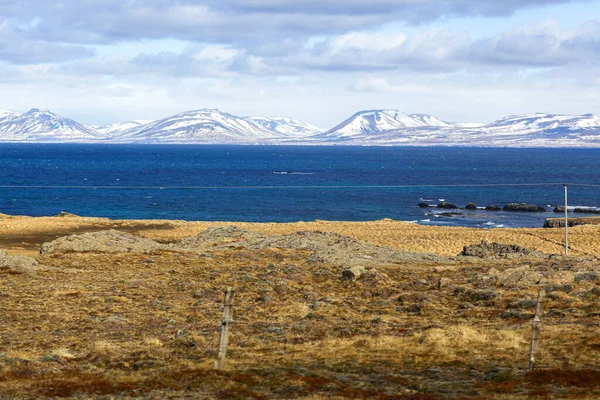
Aulavik sits on Banks Island in the Northwest Territories and is among the most remote parks in the country, with fewer than 20 visitors recorded in recent years. The word ‘Aulavik’ means ‘place where people travel’ in Inuvialuktun, though very few people do these days.
The park protects the world’s highest concentration of muskoxen, and the Thomsen River — one of the most northerly navigable rivers in North America — runs right through it, making canoe expeditions a bucket-list option for serious paddlers.
Auyuittuq National Park, Nunavut

‘Auyuittuq’ translates to ‘land that never melts’ in Inuktitut, and given its location on Baffin Island, that name holds. The park is a landscape of glaciers, towering granite peaks, and Arctic tundra, with Thor Peak containing what is believed to be the world’s greatest vertical drop for a mountain face.
The Akshayuk Pass is the main route through the park, a wilderness corridor that draws adventurous hikers and backcountry skiers. Narwhal — often called the unicorn of the sea — swim in the waters offshore.
Ivvavik National Park, Yukon

Ivvavik was Canada’s first national park, established in 1984 as part of an agreement with the Inuvialuit people. It sits in the far northwest corner of the Yukon, bordering Alaska, and is accessible only by chartered float plane.
The park protects part of the calving grounds of the Porcupine Caribou Herd, one of North America’s largest herds, at around 200,000 strong. From June to July, Inuvialuit hosts run guided camp experiences beneath the midnight sun, and bookings sell out far in advance.
Vuntut National Park, Yukon
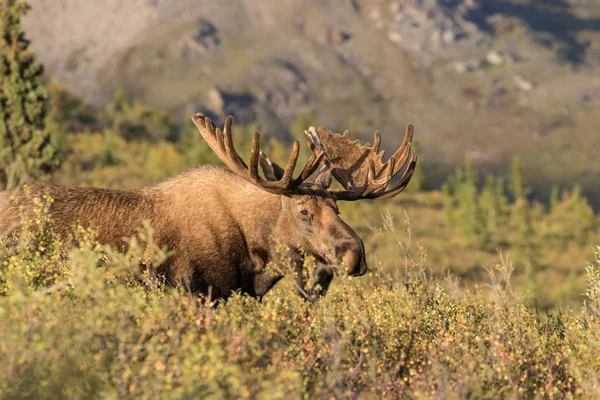
Vuntut is one of Canada’s least-visited national parks, sharing the remote northwest Yukon with its neighbor, Ivvavik. It was also established through an Indigenous land claim, this time with the Vuntut Gwitchin First Nation, which maintains strong ties to the land and still uses it for traditional hunting and trapping.
The park protects the Old Crow Flats — a vast wetland system that serves as a critical nesting and staging habitat for millions of migratory birds each year. Getting there requires a flight to Old Crow, the only way in or out.
Quttinirpaaq National Park, Nunavut

Quttinirpaaq — meaning ‘top of the world’ in Inuktitut — is Canada’s second largest and most northerly national Park, located on the northern tip of Ellesmere Island. It’s also one of the most inaccessible places on the planet, requiring a flight to Resolute Bay and then a chartered flight into the park itself, which pushes costs into the thousands.
Those who make it find ice caps, glacier-fed rivers, arctic wolves, muskoxen, and a sense of isolation that is genuinely difficult to experience anywhere else. The travel window is narrow — May through August — and visitor numbers each year can often be counted on two hands.
Nahanni National Park Reserve, Northwest Territories
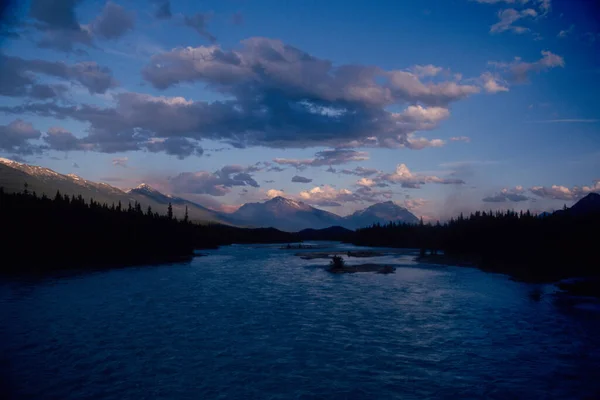
Nahanni is a UNESCO World Heritage Site and has been since 1978 — one of the first in the world — yet it remains largely off the radar for most travelers. The park is anchored by the South Nahanni River, which cuts through dramatic canyons and past Virginia Falls, a waterfall nearly twice the height of Niagara.
You can only access it by chartered float plane or a very serious hike in, and the backcountry paddling routes here are considered among the best on the continent. Those who aren’t up for the full backcountry experience can book flight tours that swing over the falls and the Ragged Range.
Kluane National Park and Reserve, Yukon

Kluane is far less visited than its deserved reputation would suggest, sitting in the southwest corner of the Yukon near the Alaska border. It contains 17 of Canada’s 20 highest mountains, including Mount Logan — the highest peak in Canada at about 19,551 feet — and the largest non-polar ice field in the world.
Fewer than 40,000 people visit annually, which feels almost impossible given how spectacular it is. Day hiking, mountain biking, and paddling are all available, and the backcountry skiing is world-class for those with the skills to access it.
Wood Buffalo National Park, Alberta and Northwest Territories
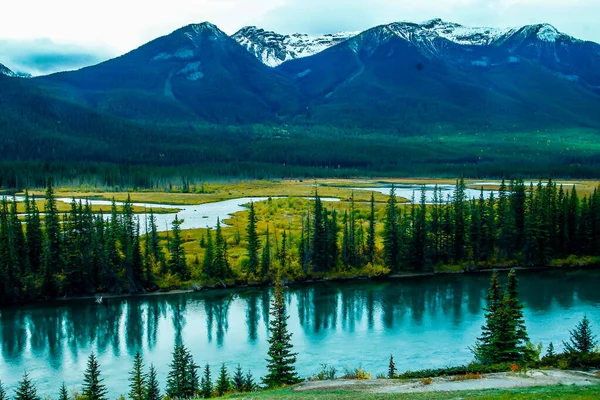
Wood Buffalo is Canada’s largest national park and one of the largest protected areas on Earth — bigger than Switzerland. It was created in 1922 to protect the last remaining free-roaming herds of wood bison in northern Canada, and those herds still wander freely today.
The park is also home to the world’s largest beaver dam, visible from satellite imagery, and natural salt plains formed by ancient inland seas that look almost alien. It’s a UNESCO World Heritage Site and one of the best places in North America to observe the northern lights.
Gulf Islands National Park Reserve, British Columbia

Tucked between Vancouver Island and the BC mainland in the Salish Sea, the Gulf Islands are a cluster of forested islands with a distinctly Mediterranean feel — dry summers, arbutus trees, and rocky shorelines that don’t look much like the rest of Canada. The park reserve is spread across several islands, including Salt Spring, Saturna, and South Pender, connected by ferry.
Orcas, harbour seals, and porpoises patrol the surrounding waters, and the cycling, kayaking, and hiking are outstanding without ever being crowded.
Mount Revelstoke National Park, British Columbia
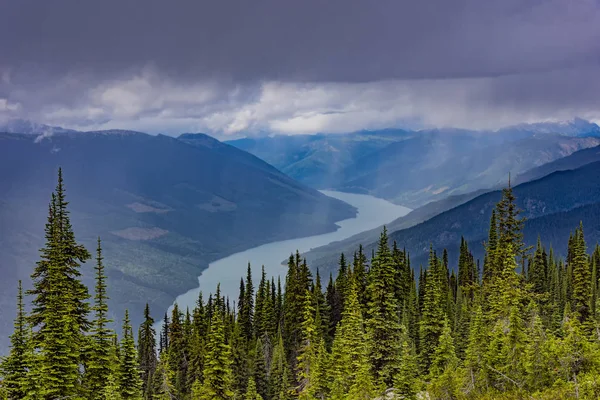
Mount Revelstoke often gets overshadowed by Glacier National Park next door, but it has something none of the other Rocky Mountain parks can offer: a paved road that takes you all the way to an alpine summit. The Meadows in the Sky Parkway climbs to the top of Mount Revelstoke, where sub-alpine wildflower meadows spread out in peak summer.
The park also protects the world’s only inland temperate rainforest, with old-growth cedar trees that make Jurassic Park set designers jealous. It’s a short detour from the Trans-Canada Highway and entirely worth it.
Glacier National Park, British Columbia

Not to be confused with the American park of the same name across the border, Canada’s Glacier National Park in the Selkirk Mountains is a different animal entirely. The park is centered on Rogers Pass, the key to completing Canada’s transcontinental railway in the 19th century, and the history here is as compelling as the scenery.
The park protects old-growth cedar rainforest alongside steep alpine terrain, and the backcountry skiing — accessed via avalanche-managed zones — attracts a devoted following. Fewer than 400,000 people visit each year despite the park being right on the Trans-Canada Highway.
Waterton Lakes National Park, Alberta

Waterton sits in the extreme southwest corner of Alberta, where the prairies collide with the Rocky Mountains in a way that happens nowhere else on Earth. The geology here is unique — ancient Precambrian rock has been thrust eastward over much younger prairie formations — and the result is mountains that seem to rise straight up from flat grassland with no foothills in between.
The park connects directly with Glacier National Park in Montana to form the world’s first International Peace Park. Wildlife density here is exceptional, with bears, moose, cougars, bighorn sheep, and an extraordinary diversity of wildflowers packed into a relatively small area.
Sable Island National Park Reserve, Nova Scotia

Sable Island is a crescent-shaped sandbar sitting about 109 miles off the coast of Nova Scotia in the open Atlantic, and it is genuinely one of the strangest places in Canada. The island is home to a population of wild horses — believed to be descendants of animals brought over in the 1700s — that roam completely free with no human management.
Access is tightly controlled by Parks Canada, requiring a permit and transportation by private aircraft or vessel. Grey seals haul out in enormous numbers, and the island’s shifting dunes and sparse vegetation give the whole place an otherworldly quality that photographs can’t fully capture.
Canada’s wild side, waiting

Most people who visit Canada’s national parks stick to the same well-worn circuit — Banff, Jasper, maybe a stop at Fundy. And those parks are great, nobody’s arguing otherwise.
But the parks on this list represent something different: places where the wilderness is still genuinely wild, the wildlife hasn’t learned to ignore humans yet, and you can stand somewhere and feel like the first person to ever look at it.
Canada has set aside about 3.3% of its total land for national parks, and most of it barely registers on the average traveler’s radar. That gap between what exists and what gets visited is exactly where the best adventures tend to happen.
More from Travel Pug

- Underrated Italian Towns That Beat the Tourist Crowds
- Las Vegas Tourist Traps to Skip
- Prettiest Towns in Every US State
- 18 passport-free countries for Americans
- Signs Your Cruise Is Not Worth The Cost
Like Travel Pug’s content? Follow us on MSN.