

Beyond the bustling canals of Amsterdam lies a countryside dotted with villages so picture-perfect they seem lifted from a fairy tale. From quaint medieval cities to villages built on canals, the Netherlands is filled with beautiful places that make dreams come true. Here are 15 of the most photogenic villages in the Netherlands that will transform your camera roll into a gallery of Dutch charm.
Giethoorn
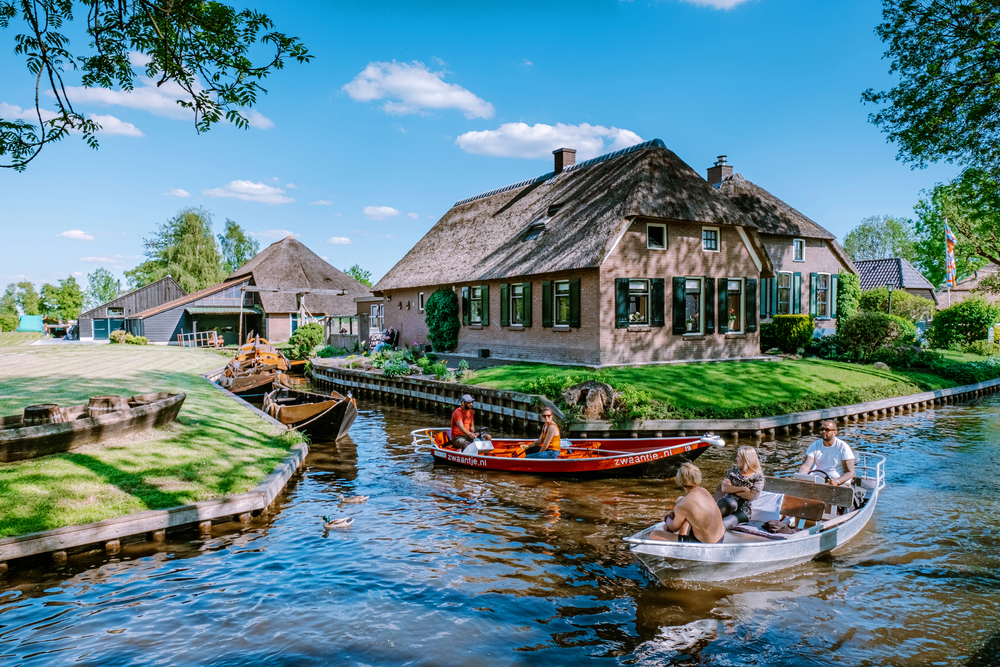
— Photo by fokkebok
An idyllic little Dutch village, Giethoorn has often been termed the Venice of the Netherlands for its myriad canals and small bridges. There are no roads in the old quarter of the village, and all travel and transportation is carried out on the water. Around every corner are charming thatched-roof cottages, small gardens, and lush greenery.
The village differs from Venice in its innate peacefulness. Visitors can take a boat out onto the canals and explore the nooks and crannies of this unique village, or wander the footpaths and the bridges, stopping at one of the village’s many cozy cafés. Unfortunately, its beauty comes with a price. Tourism has discovered this gem.
Marken
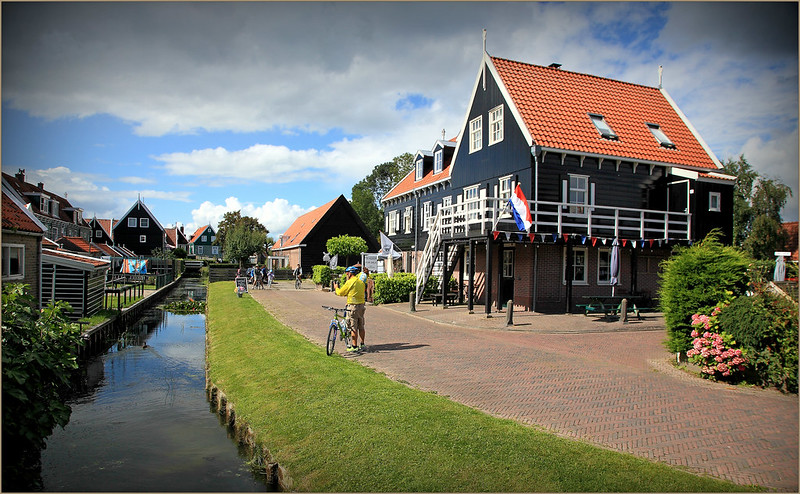
As a former island-turned-village, Marken has an innate fairy-tale quality. Perhaps it’s the stretch of colorful homes built on stilts that line the waterfront. Or the fact that you can only reach the village via a narrow path along one long dam.
The peninsula has a very small center crossed by some canals and with its characteristic wooden houses built on stilts, an architecture that cannot be found anywhere else in the world. Marken is famed for the traditional costumes of its residents, and is said to be the most decorated in the Netherlands. After strolling through the village, take your bike to visit the island’s lighthouse. The harbor offers fish restaurants and small stalls selling cod.
Volendam
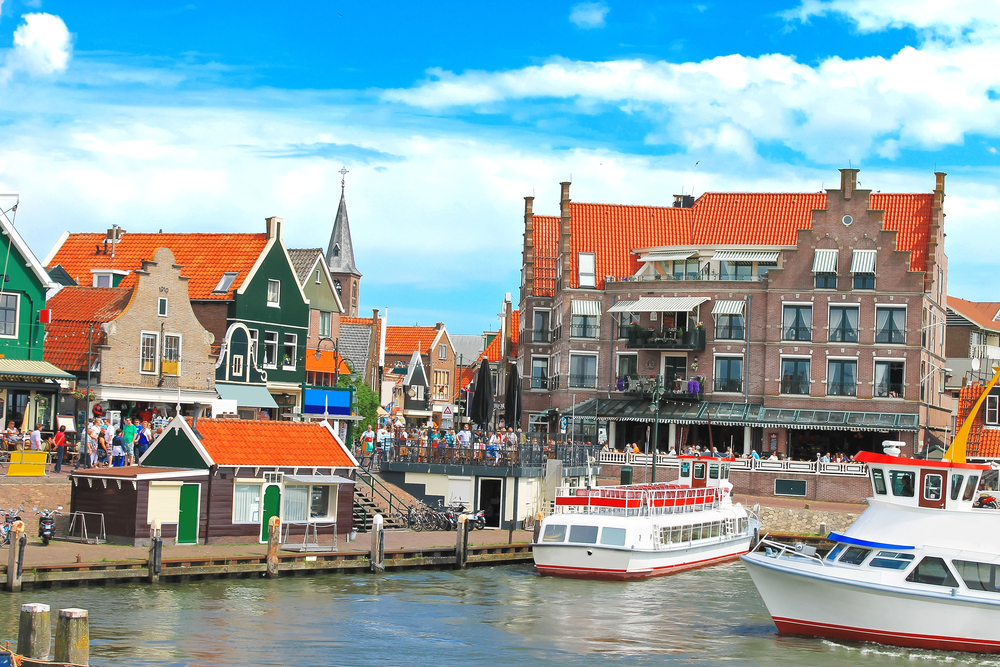
Volendam surprised me with its beauty and narrow canals, framed by alluring scarlet homes with their wide windows. This tiny fisherman village in North Holland used to be the harbor of nearby Edam. Volendam is where the most famous pointed white women’s bonnets come from, making it a photographer’s paradise for traditional Dutch culture.
The village features a long, sunny strip of beach and picturesque houses. Still, the villages of Old Holland take you back to the days of hard work and craftsmanship, showcasing the region’s traditional skills such as shipbuilding, fishing, and cheese-making. You can see Volendam together with Zaanse Schans and Edam on a perfect day trip from Amsterdam.
Zaanse Schans
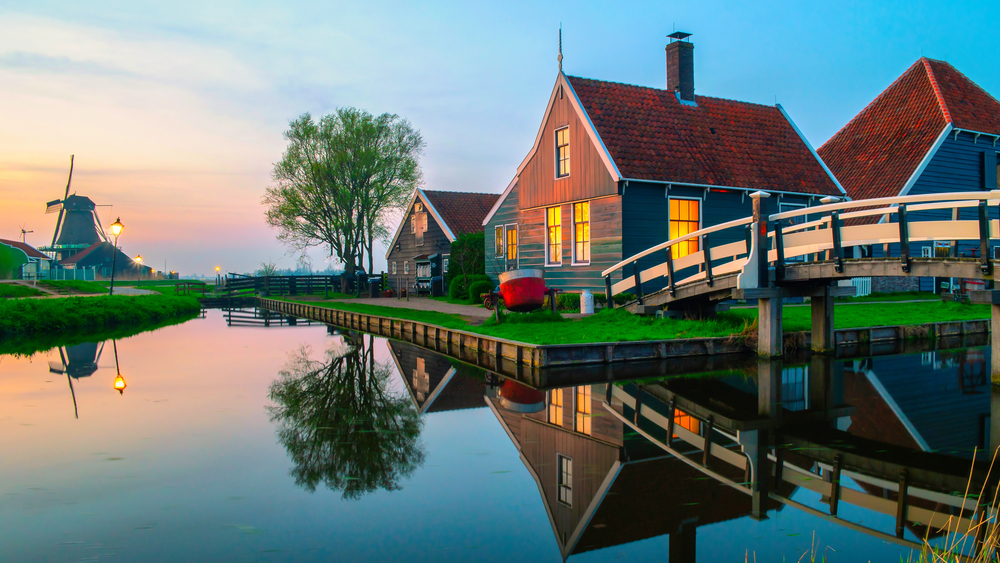
Zaanse Schans is one of the most visited villages in the Netherlands, for good reason. With its traditional windmills, historic houses, and picturesque canals, this is a paradise for photographers seeking a touch of Dutch charm. The site offers various ways to explore the beautiful area near Zaandam.
You can discover all the antiquities of this historic location. You can buy tickets for a tour of two windmills that have been turned into museums if you want to dive into the history, or you can just admire these awesome structures from afar. Not great for avoiding crowds, but magnificent for capturing quintessential Dutch scenes.
Kinderdijk
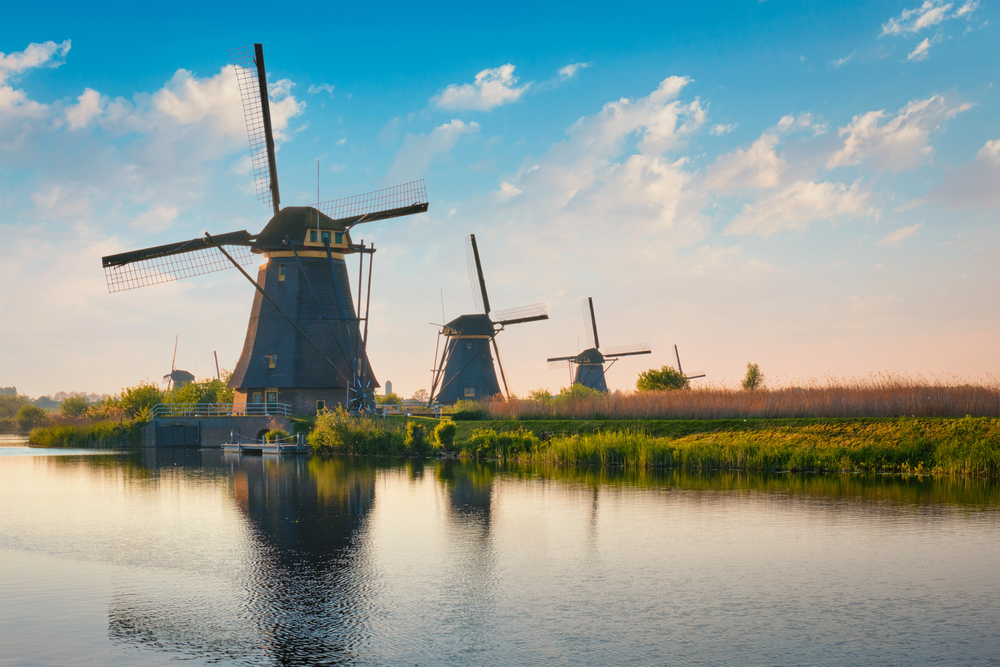
Can you imagine anything more charming than a place with 19 Dutch windmills lined up in a lush green setting surrounded by water? The 19 windmills in Kinderdijk were built in 1739 and 1740 to prevent the area from floods and have been a UNESCO World Heritage Site since 1997.
Two of the windmills are open to the public. There’s also a visitor center where you can learn about water management in the Netherlands. To get to Kinderdijk from Rotterdam Central station you can take a train to station Lombardijen and get on bus 90 from there. The morning light filtering through the windmill sails creates magical photography opportunities.
Broek in Waterland
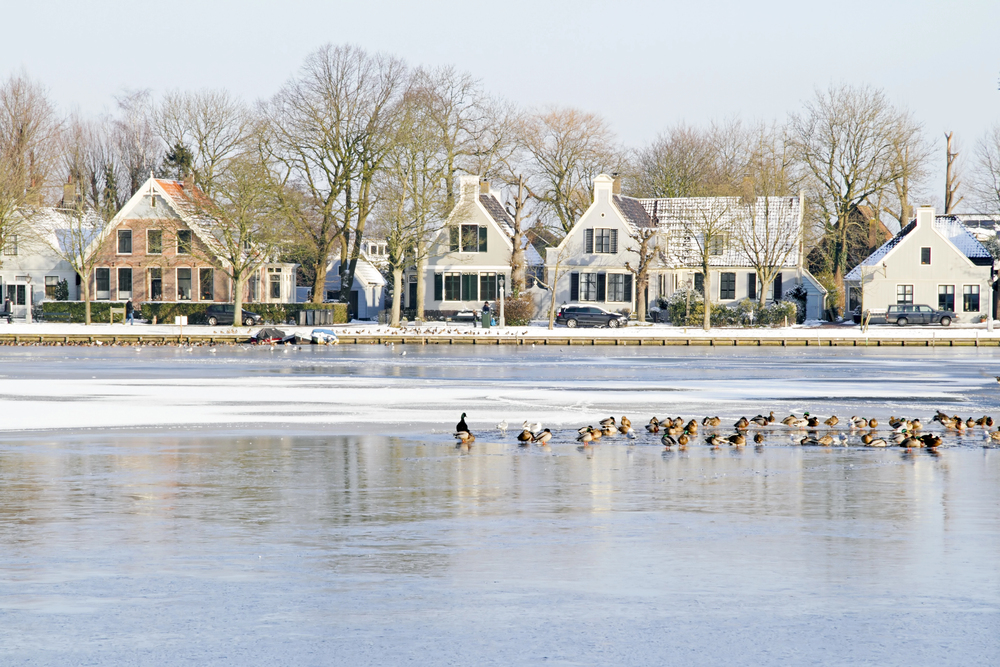
In our opinion, Broek in Waterland is probably the most spectacular of Dutch villages. Plus, it has just about the most Dutch name for a village you’ll ever hear. Broek in Waterland is located in the municipality of Waterland, an area of the Netherlands on the western shores of the Markermeer and characterised by its flat grass plains intersected by rivers, canals, and dikes.
Nowadays, though, the village’s wooden houses — carefully restored and painted in authentic ‘Broeker’ grey — attract artists and creatives. The village offers silent electric ‘whisper boats’ for peaceful canal exploration, carefully preserved wooden architecture, authentic maritime history from the 17th and 18th centuries, and easy access from Amsterdam (just 15 minutes).
When strolling through Broek in Waterland, be sure to enjoy the views of the Havenrak Lake and stop off for some delicious pancakes at De Witte Swaen.
Naarden
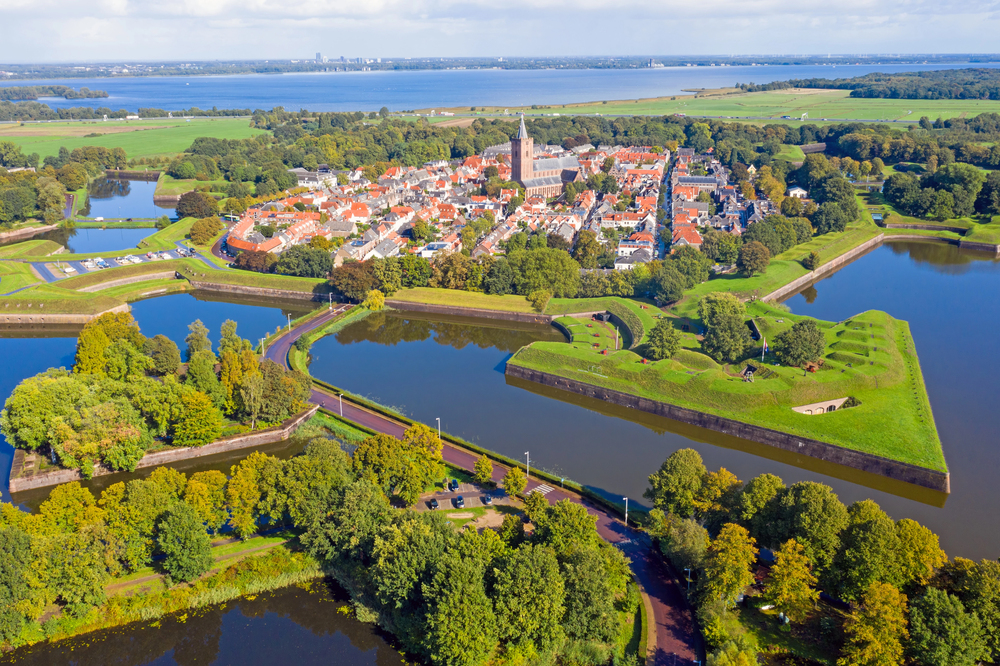
Naarden is a village that really needs to be appreciated from above. Naarden is a unique, star-shaped fortified village with canals, ramparts, bastions, and ravelins. The unusual outline results from it being a star fort.
Its distinctive shape was important in modern times. During World War II, Allied bombers would cheer when they passed overhead, knowing they were on their way back to safe territory. Apart from that, Naarden is also home to the fascinating Dutch Fortress Museum. Naarden forms part of the Dutch Water Defense Lines, which are recognized as a UNESCO World Heritage Site.
Edam
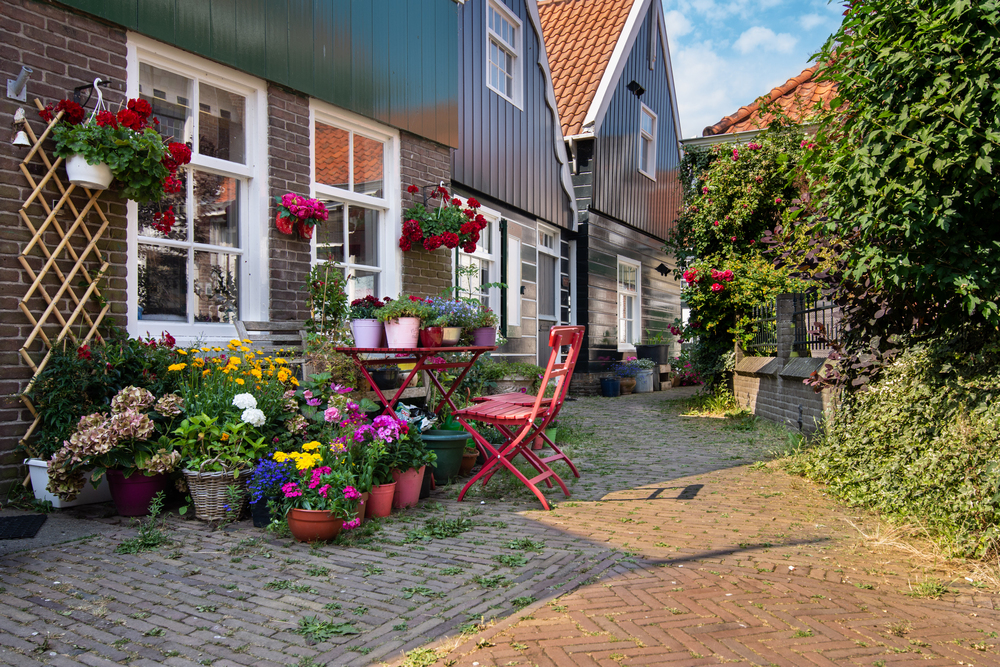
Today, Edam is a picture-perfect maze of gabled Dutch houses, quaint wooden-roofed homes, and white drawbridges that arch gracefully over the canals. World famous for its cheese, Edam has much more to offer than culinary delights. Edam is one of the most beautiful Dutch villages and seems to be decorated with white drawbridges that link its winding streets.
The town hall is on a somewhat larger scale than the rest of Edam. The entrance with its heavy double doors and sandstone surrounds is in the Louis XIV style, and a wooden tower completes the picture. The oldest brick house, built around 1530, represents the typical Dutch construction of the period. The best way to experience Edam is simply to wander and soak in its rich history, beautiful architecture, and timeless charm.
Staphorst
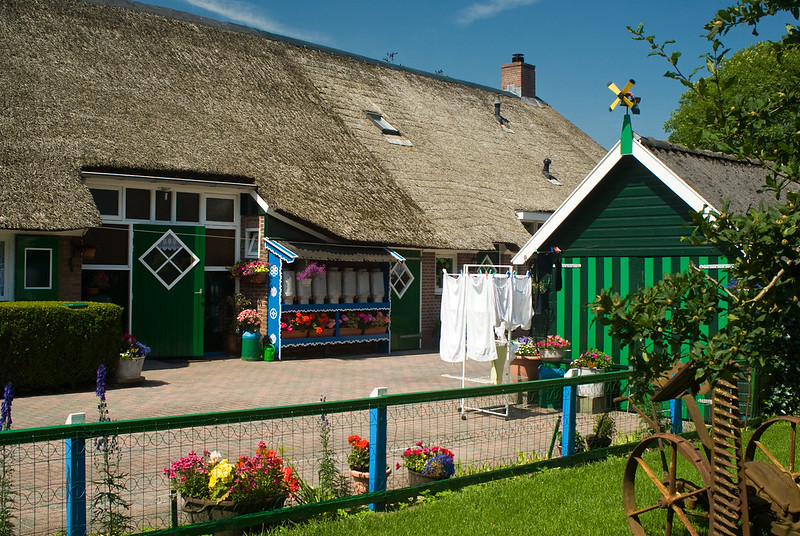
Staphorst is known for its authentic farm landscapes, traditional Dutch costumes, and charming cobblestoned streets. The Dutch town of Staphorst is probably known best for its religious population and its folk costume. It has some of the youngest and most people still wearing folk costume daily, with around 500 women still wearing it in 2008.
Despite its dour, forbidding image, Staphorst is colorful. The thatched farmhouses sport bright green shutters and blue doors and window frames. The costume is known best for what is called ‘stipwerk’, or ‘dot-work’. Parts of the costume are made out of black fabric decorated by patterns of different colored dots. Founded in the 13th century, this seven-mile-long village represents authentic Dutch culture.
Spakenburg
— Photo by harrybeugelink@gmail.com
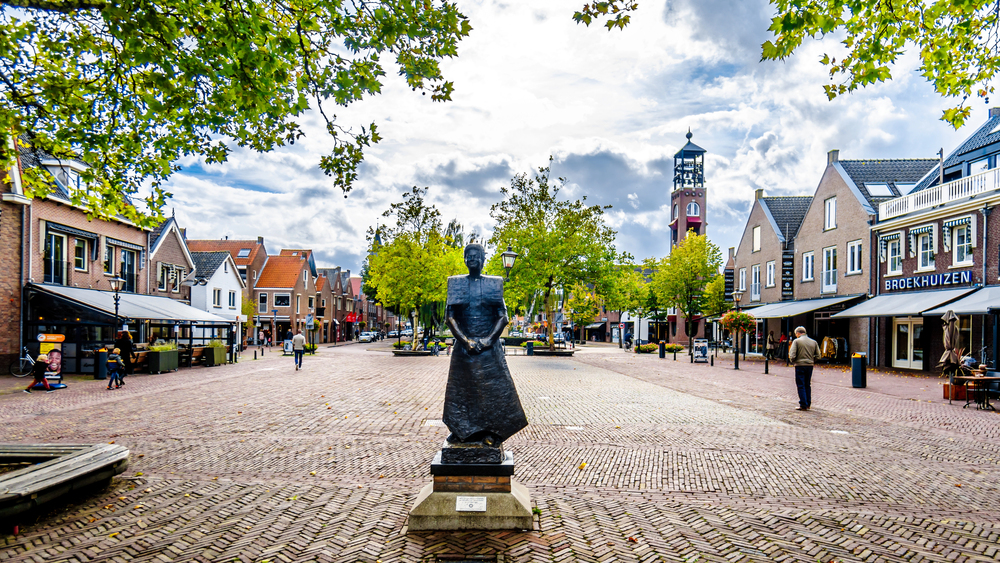
Spakenburg is a popular historic Dutch town for several reasons, and is in fact one of the few places in the Netherlands where you might still be lucky enough to see local villagers in traditional Dutch dress. Nestled between the Eem lake and the green heart of the Netherlands, Spakenburg is a quaint, charming village that exudes traditional Dutch culture.
The village was a thriving fishing community for hundreds of years. Since the creation of the Afsluitdijk closed off the Zuiderzee in the 1930s, Spakenburg’s fishing fleet has shrunk considerably, but the town’s rich history is still very much on display today. Local specialties include smoked eel and herring, which can be enjoyed in the village’s cozy restaurants and cafés. Every summer hosts Spakenburg Days to celebrate its culture.
Urk
— Photo by fokkebok
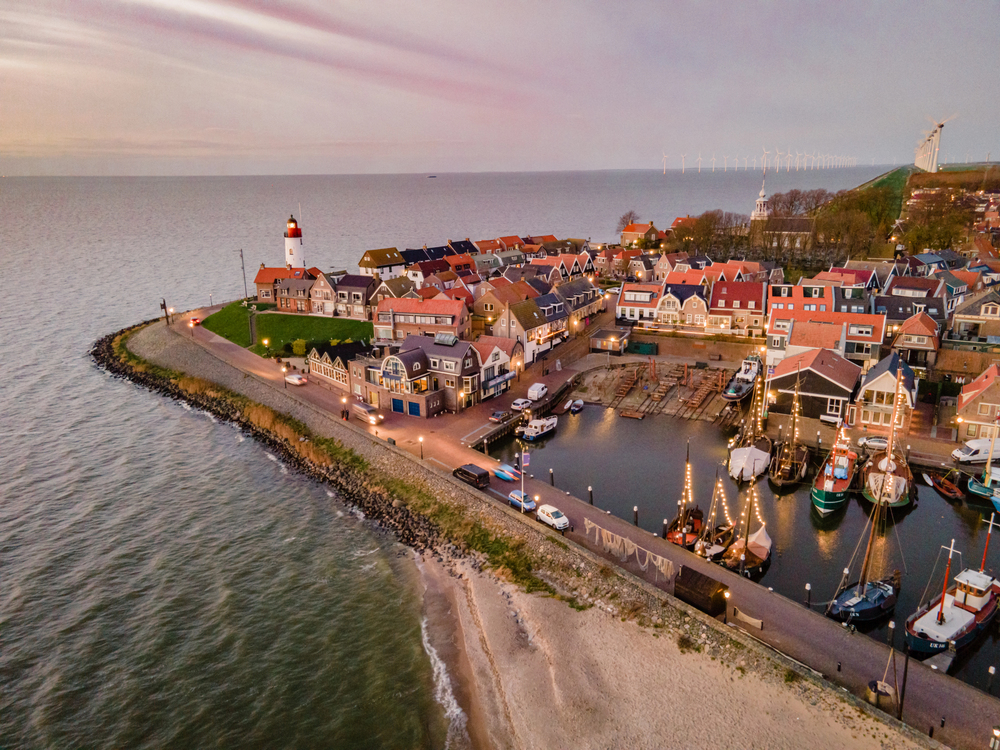
Located in the Dutch province of Flevoland, and home to a whopping 21 Protestant churches, this small village is a cultural phenomenon in itself. Up until 1939, the village was an island off the coast, which explains why religion has remained such an important societal pillar here.
Despite now being connected to the mainland, Urk’s cultural uniqueness stubbornly refuses to die. The village looks quite charming with its fishing heritage still visible. In other villages, like Urk, they wear veil-like hats as part of their traditional costume. Known for being the most conservative place in the Netherlands, it attracts photographers interested in authentic Dutch culture.
Enkhuizen
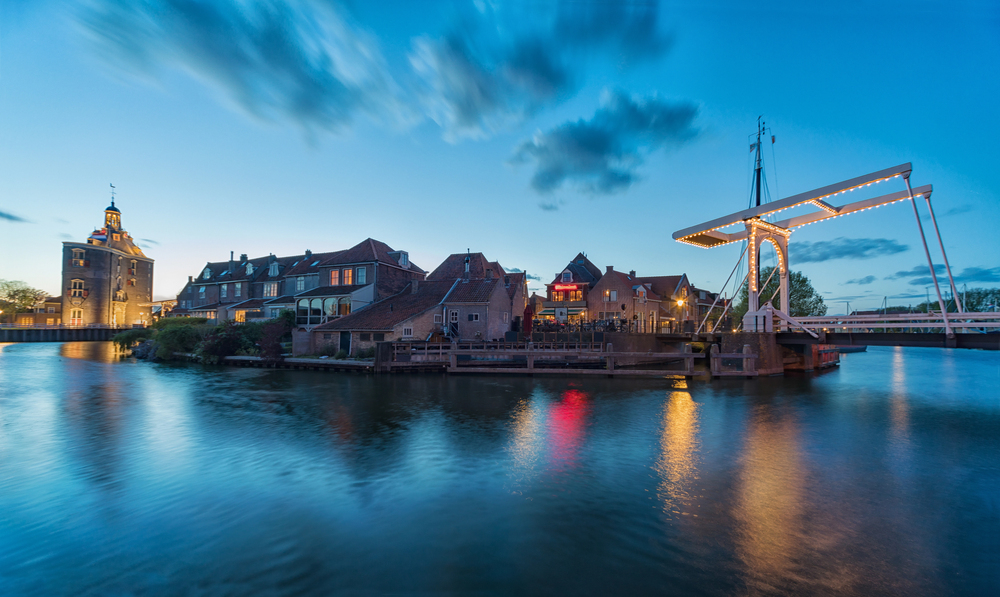
Enkhuizen was an important port in the 17th century, one of the places used by the Dutch East India Company (VOC) and West India Company for their travels and trade, before Amsterdam took over as a trade hub. Its town center, which forms a rough circle, features an outer ring of bastions, a canal on one side and the old sea dyke on the other, and is remarkably well-preserved.
From the house gables featuring mermaids and ships, to the beautiful marina packed with boats, the connection of the city with the sea is visible everywhere. The emblematic buildings include the Stadhuis (town hall) and De Waag. The Drommedaris tower serves as the southern gateway of the city. Just a short stroll from the center of Enkhuizen, it also boasts several beautifully rigged and carefully varnished sailing vessels.
Elsloo
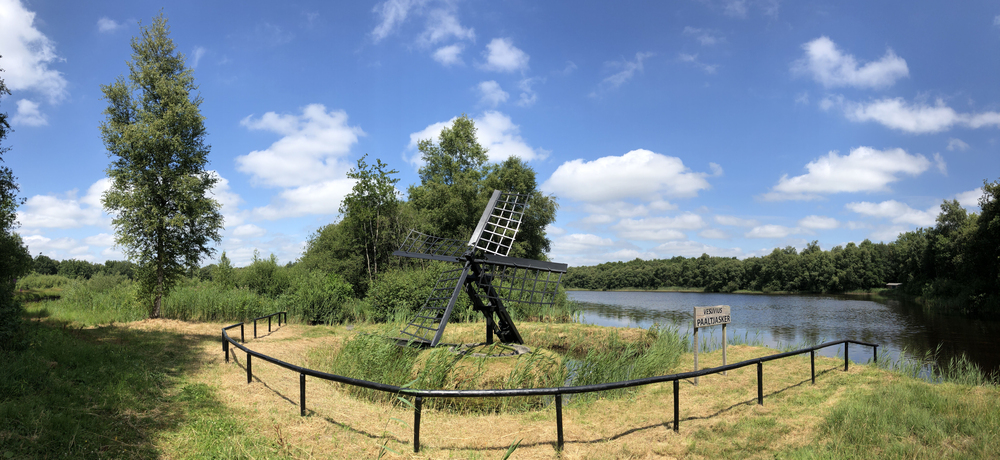
Elsloo is a real post-card village, with the lovely castle and the cobbled streets lined up with old stone houses with white-red shutters on the windows. Along the Dutch border with Belgium, about a 25-minute drive north of Maastricht, you’ll find Elsloo, a town which claims to be the oldest farming village in the Netherlands.
Elsloo is considered the oldest rural community in the Netherlands, as there are found traces from the so-called Linear Pottery culture, which flourished in 5500–4500 BC. Archaeological digs have revealed that people first settled there around 7,000 years ago. The timeless sight of cobblestone streets and old brick houses with painted shutters creates perfect photo opportunities.
Oisterwijk
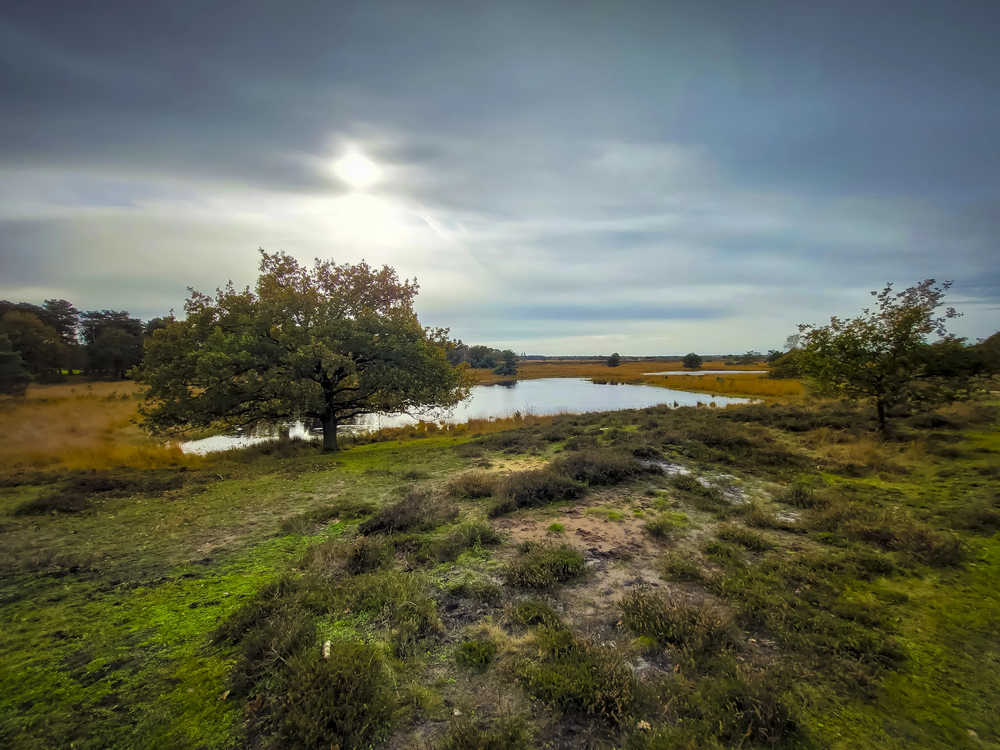
In August 2020, the ANWB named Oisterwijk one of the Most Beautiful Villages in the Netherlands. The jury praised Oisterwijk for its typical Brabant atmosphere and location: ‘Especially the center, De Lind — a beautiful stripe of green, has grandeur’. This isn’t just empty praise.
It is that unique combination of a monumental village center bustling with cozy liveliness and icons of a rich history and around it, just a stone’s throw away, beautiful natural areas for walking and cycling. The historic center of Oisterwijk also has a lot of beautiful things to see. Wander through the old streets such as the Dorpsstraat and De Lind. The surrounding Oisterwijkse Bossen en Vennen nature area offers eighty fens for walking and cycling.
De Rijp
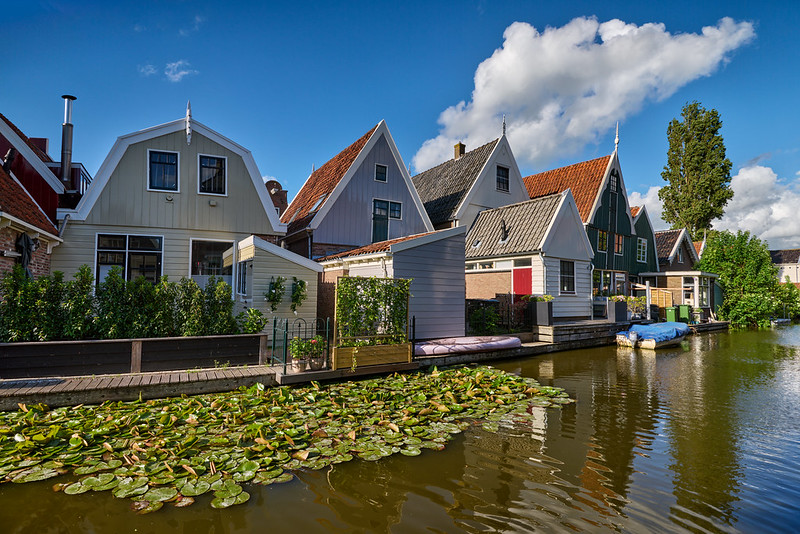
Once an important harbor, this cute little place turned into an inland town after the sea was drained in the 17th century to make place for more land. The regained land from the sea is known as polder, and the area around De Rijp — De Beemster Polder, is included on the list of UNESCO World Heritage Sites.
In recent years most houses have been beautifully restored. You can find there some of the oldest wooden houses in the Province of North Holland. The little town is full of charm and offers a glimpse into how Dutch communities adapted after major land reclamation projects. The transformation from seaport to inland village creates a unique photographic story.
Where fairy tales come alive
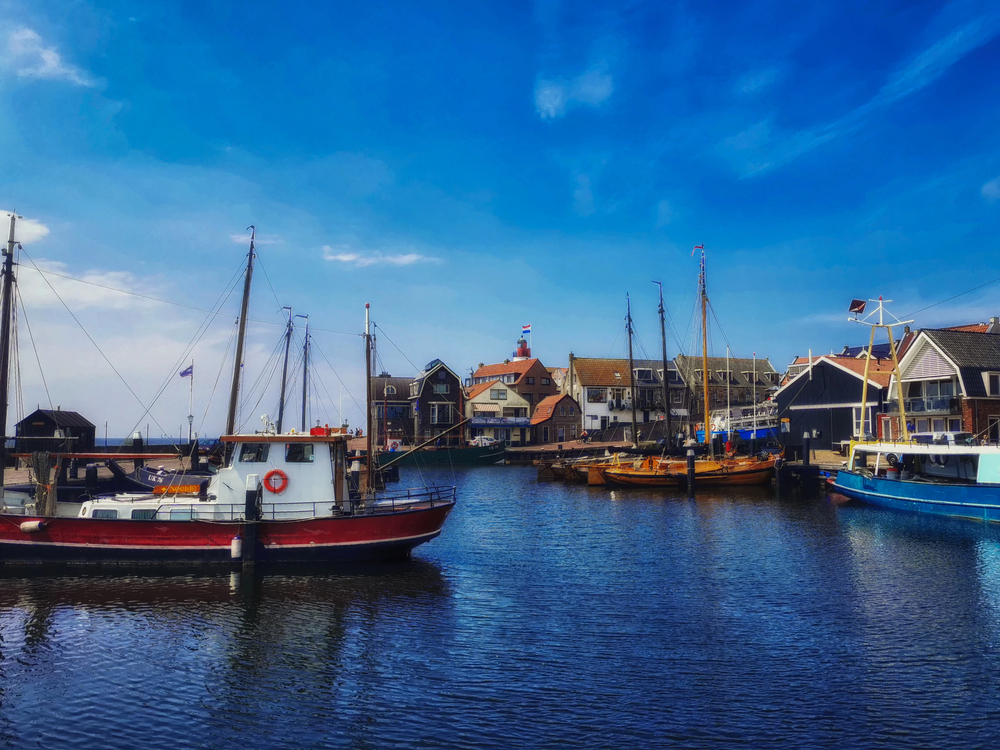
Whether you’re interested in finding a water village in The Netherlands or want to explore historical sites in The Netherlands, there is truly something for everyone here. Each village tells its own story through cobblestone streets, traditional architecture, and centuries-old customs that persist today. Pack your camera and prepare to capture the timeless beauty of the Dutch countryside.
More from Travel Pug

- 20 Best Beach Towns in the Carolinas
- 13 Destinations Where Tourists Regularly Regret Their Trip
- 20 Things You Actually Get in First Class
- 20 Small Airports With Aviation Museums
- 20 Places in the U.S. That Are Perfect for a Reset Trip
Like Travel Pug’s content? Follow us on MSN.