

Mountain living has a reputation for costing a fortune, and the famous ski towns earn it. Aspen, Jackson and Park City can price many retirees out. But the ranges that run through the South, the Ozarks and the interior West hold dozens of smaller towns where the views come without the premium.
The towns below pair lower-cost housing markets with favorable retirement-tax rules in some cases, healthcare within reach and, in several locations, cooler summers. Each has trade-offs, from snow and steep roads to wildfire risk, and those belong in the math as much as the price of a house.
Hendersonville, North Carolina
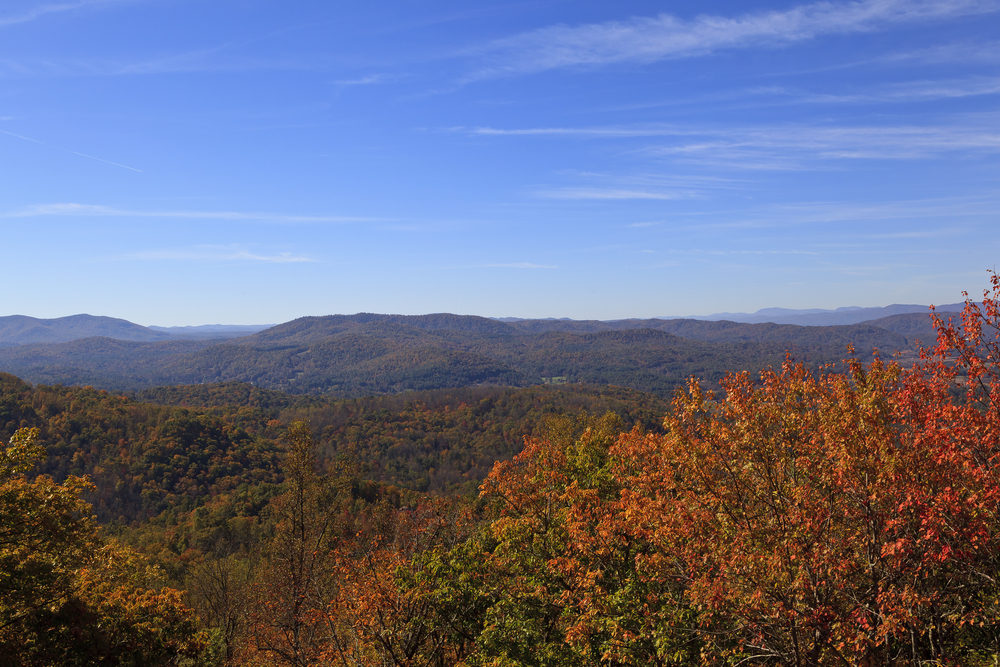
Hendersonville sits at about 2,150 feet on a plateau south of Asheville, close enough to use the city’s hospitals and airport while offering a different housing market. Henderson County grows more apples than any other county in North Carolina, and the town celebrates with an apple festival every Labor Day weekend. North Carolina does not tax Social Security, and its flat income tax rate is 3.99% for tax years after 2025. A walkable Main Street with wide sidewalks and planters makes daily errands pleasant rather than a chore.
Brevard, North Carolina
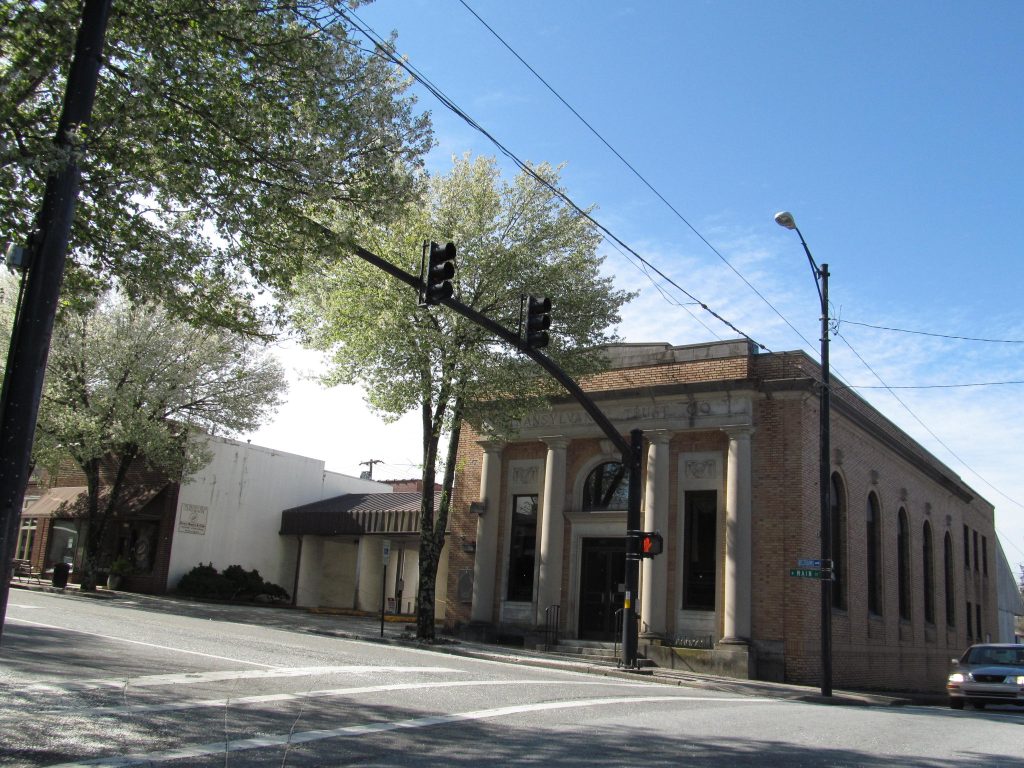
Brevard calls itself the Land of Waterfalls, and Transylvania County holds hundreds of them, many inside Pisgah National Forest and DuPont State Recreational Forest. The town is also known for its white squirrels, which have become an unofficial mascot. The Brevard Music Center, founded in 1936, runs a summer festival with dozens of concerts and events each season. Winters are cool but mild, with only occasional snow at about 2,200 feet.
Franklin, North Carolina
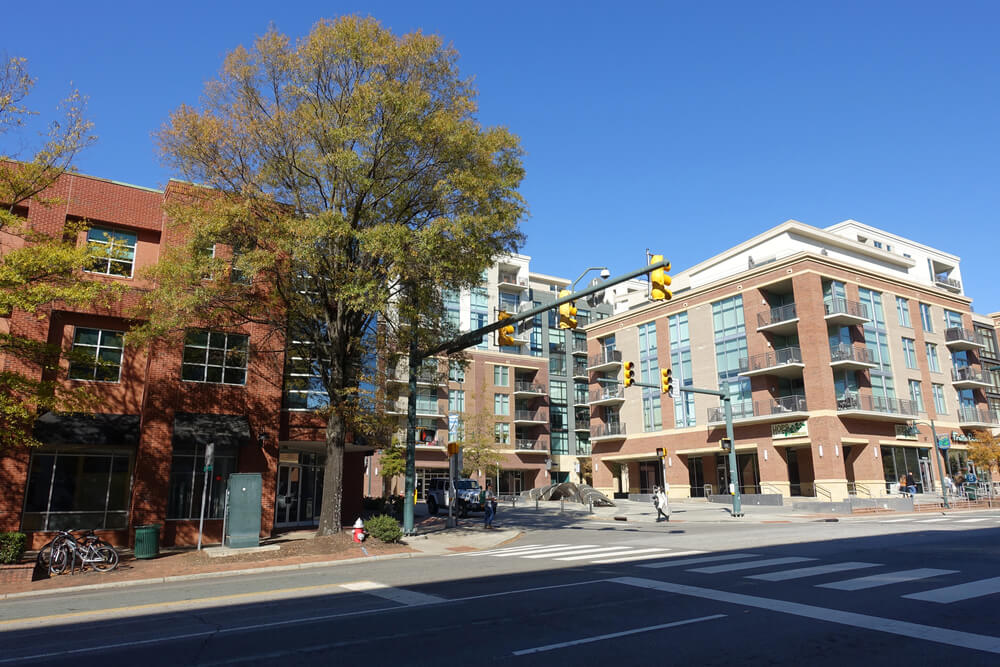
Franklin sits in the far western corner of North Carolina, where the Appalachian Trail passes near town and hikers stream through each spring. The town has long drawn visitors to its gem mines, where families sift buckets of gravel for rubies and sapphires. Home prices can run below those in better-known mountain towns elsewhere in the region. For retirees who want quiet, a lower-cost base and quick access to the Nantahala National Forest, it is a place worth considering.
Blue Ridge, Georgia
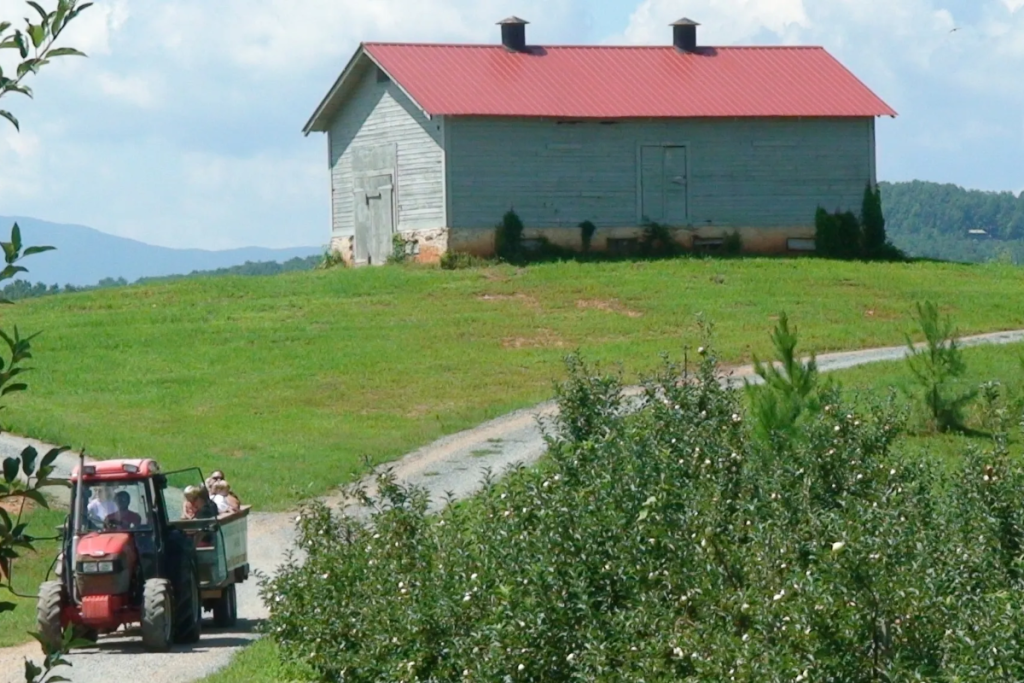
Blue Ridge draws weekenders from Atlanta, roughly 90 minutes to two hours away depending on traffic and route, but full-time retirees find the surrounding county affordable once they look beyond the lakefront cabins. The Blue Ridge Scenic Railway runs vintage trains along the Toccoa River to the twin towns of McCaysville and Copperhill, which straddle the Tennessee line. Georgia exempts Social Security and allows residents age 65 and older to exclude up to $65,000 of qualifying retirement income per person. The exclusion applies to specified types of income and does not mean all retirement income is tax-free.
Clayton, Georgia
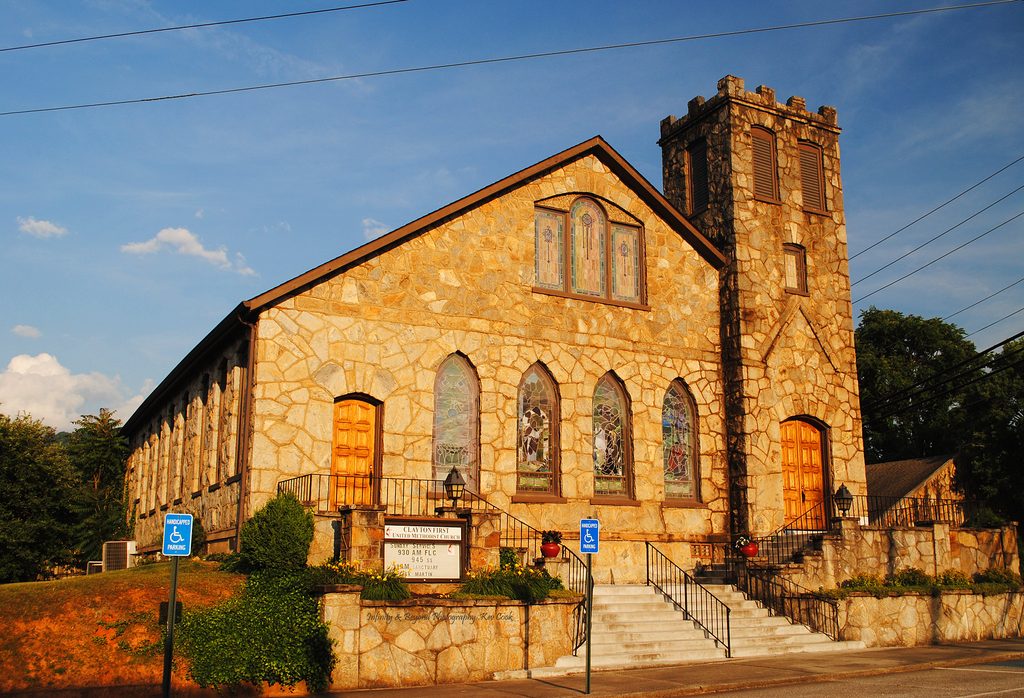
Clayton serves as the county seat of Rabun County in the far northeastern corner of Georgia, surrounded by national forest and three lakes. Black Rock Mountain State Park, just outside town, is the highest state park in Georgia, with overlooks above 3,600 feet. Tallulah Gorge, a nearly thousand-foot-deep canyon, lies a short drive south. Georgia’s generous retirement income exclusion applies here as well, and housing and everyday costs can be lower than in more resort-oriented mountain communities.
Crossville, Tennessee
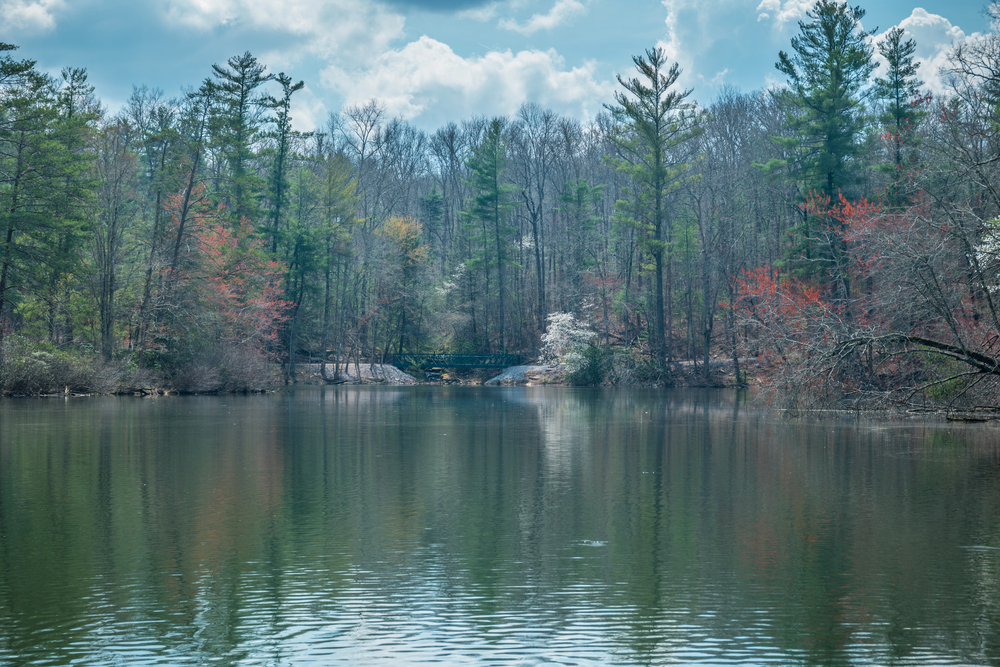
Crossville sits on the Cumberland Plateau at about 1,900 feet, giving it somewhat cooler summers than lower-elevation parts of Tennessee. The area’s golf courses and the large planned community of Fairfield Glade have made it a magnet for retirees from the North and Midwest. Tennessee levies no individual income tax on wages, Social Security, pensions or common retirement-account distributions. Knoxville and Nashville are each roughly an hour or two away for major airports and specialist medical care.
Maryville, Tennessee
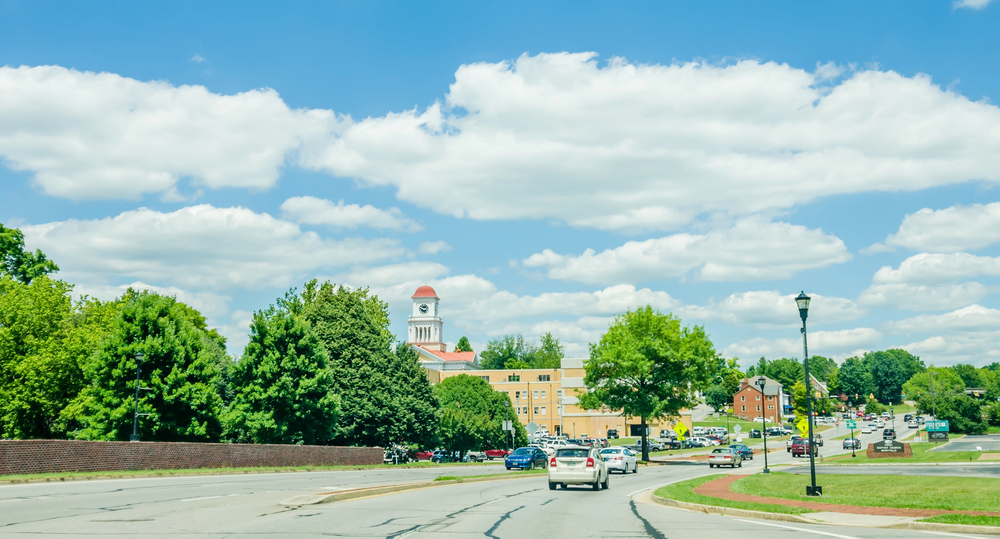
Maryville sits in the foothills just west of Great Smoky Mountains National Park, the most visited national park in the country, which charges no entrance fee, though a parking tag is required. The town has its own acute-care hospital, a small college and Knoxville’s airport just up the road. Housing costs can be lower than in the resort-oriented communities closer to the national park. With no state income tax, retirees keep more of their pensions while living within half an hour of the Smokies.
Johnson City, Tennessee
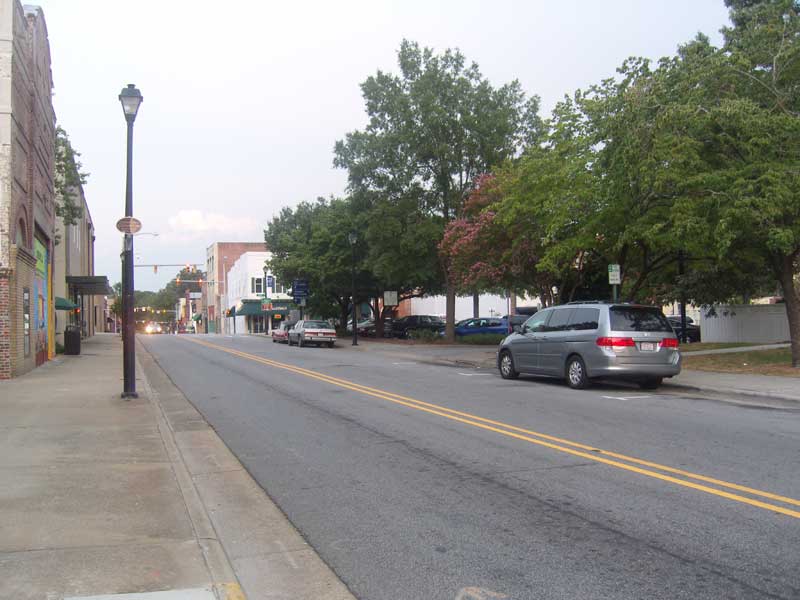
Johnson City anchors the northeastern tip of Tennessee, where the Blue Ridge and the Appalachian ridges fold together. East Tennessee State University runs a medical school here, which supports a substantial regional healthcare presence. The Tweetsie Trail, a converted rail line, runs about ten miles toward Elizabethton for walking and cycling. The lack of a state income tax and moderate home prices can help keep retirement costs manageable.
Roanoke, Virginia
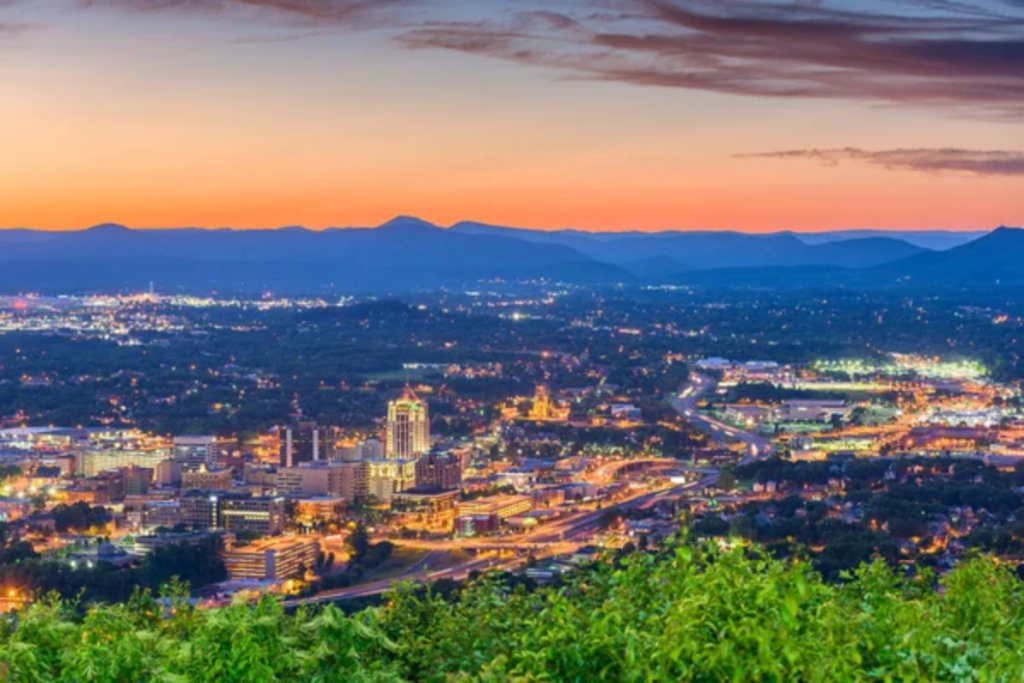
Roanoke sits in a valley ringed by the Blue Ridge, with the Blue Ridge Parkway passing along its southern edge. A giant illuminated star on Mill Mountain, lit since 1949, gives the city its nickname, the Star City of the South. Virginia exempts Social Security and offers an age deduction for residents 65 and older, although the deduction can depend on income and birth date. Carilion Clinic, the region’s large health system, is based in the city, which matters more with every passing birthday.
Abingdon, Virginia
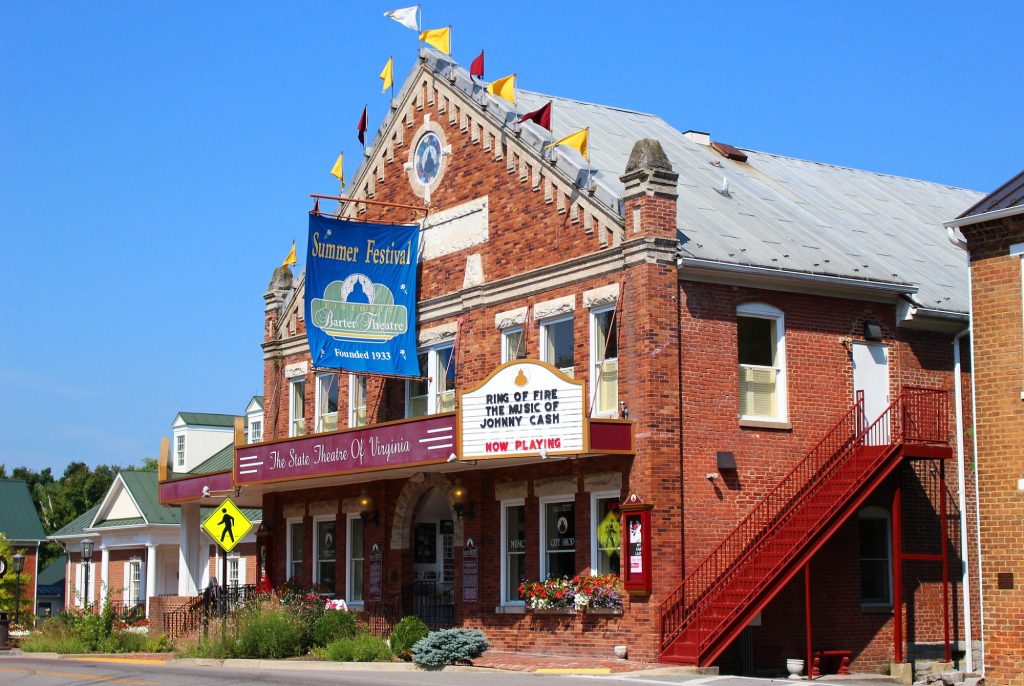
Abingdon is one of the oldest towns west of the Blue Ridge, with a brick historic district and the Barter Theatre, which opened in 1933, accepting produce and livestock in exchange for tickets. The Virginia Creeper Trail runs 34 miles from Whitetop through Damascus to Abingdon, with a long downhill section from Whitetop. Home prices stay low for southwest Virginia. The town sits at about 2,000 feet, cool enough in summer for evening porch sitting.
Lewisburg, West Virginia
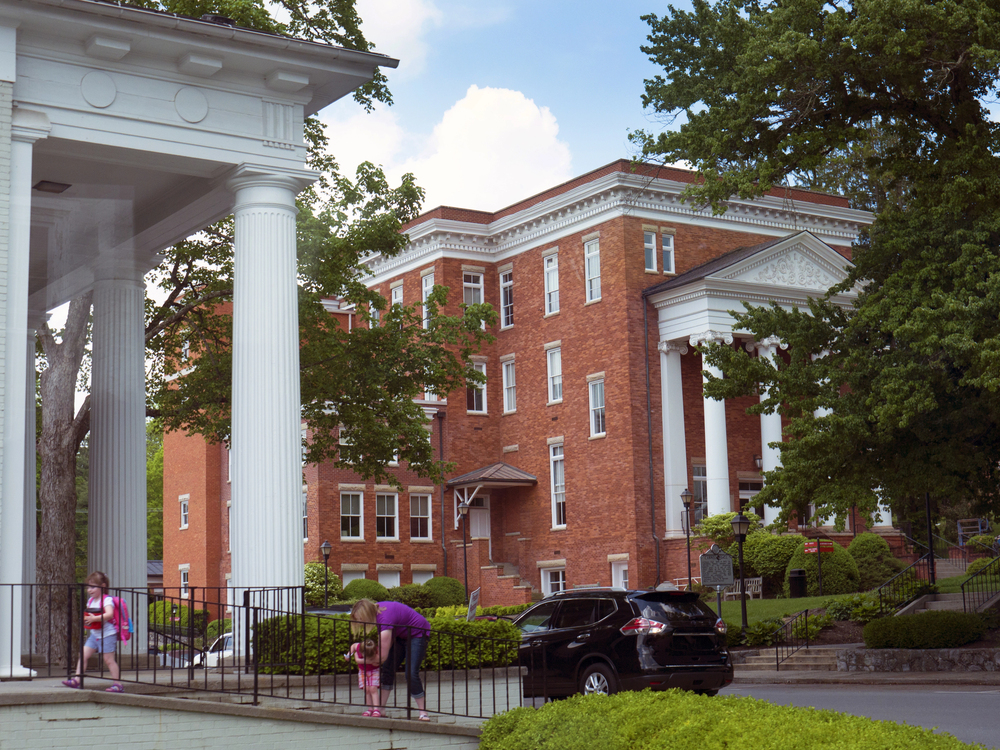
Lewisburg won Budget Travel’s Coolest Small Town in America contest in 2011, and it has held onto the charm that earned the title. The Greenbrier River Trail runs nearby, and the famous Greenbrier resort sits a few miles east in White Sulphur Springs. West Virginia completed its phase-out of state tax on Social Security in 2026, meaning federally taxable Social Security can be fully subtracted from West Virginia income for the 2026 tax year. The state also offers certain property-tax exemptions and credits for qualifying older homeowners. A regional medical center and a small airport serve the valley.
Mountain Home, Arkansas
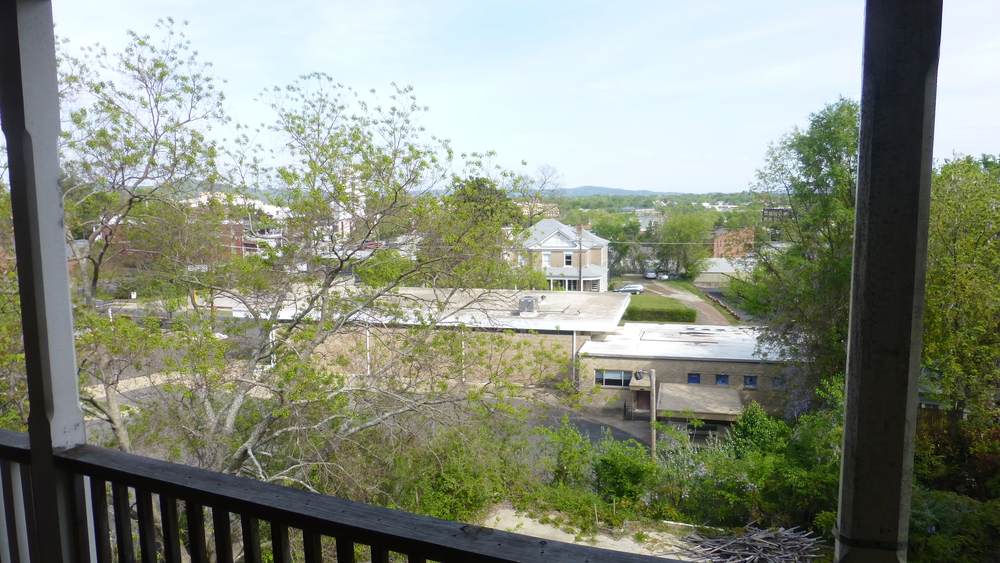
Mountain Home sits in the Ozarks between Bull Shoals Lake and Norfork Lake, two large reservoirs known for bass fishing and clear water. The community has a substantial retiree presence, along with golf, volunteer organizations and other services geared toward older residents. Arkansas exempts Social Security and allows a $6,000 exemption for certain employer-sponsored retirement-plan distributions and qualifying traditional IRA distributions. Housing costs are modest, and the White River below Bull Shoals Dam is famous for trout.
Hot Springs Village, Arkansas
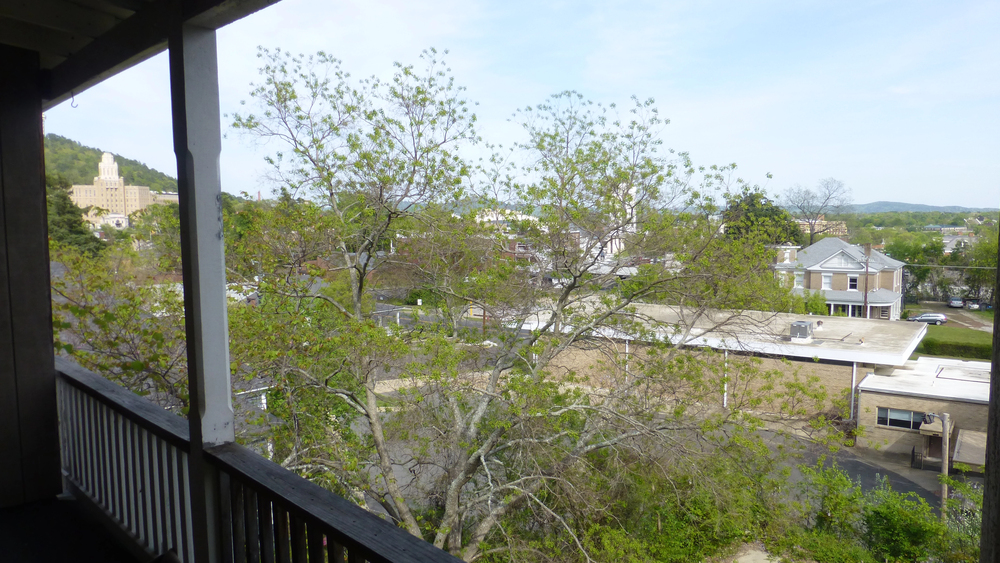
Hot Springs Village is a gated community of roughly 26,000 acres in the Ouachita Mountains, often billed as one of the largest gated communities in the country. It holds nine golf courses, several lakes and miles of walking trails, with community infrastructure and many amenities supported through property-owner assessments, while golf has separate fees and membership arrangements. Home prices are modest compared to planned communities in Florida or Arizona. The city of Hot Springs, with its national park bathhouses and hospitals, is a short drive away.
Branson, Missouri
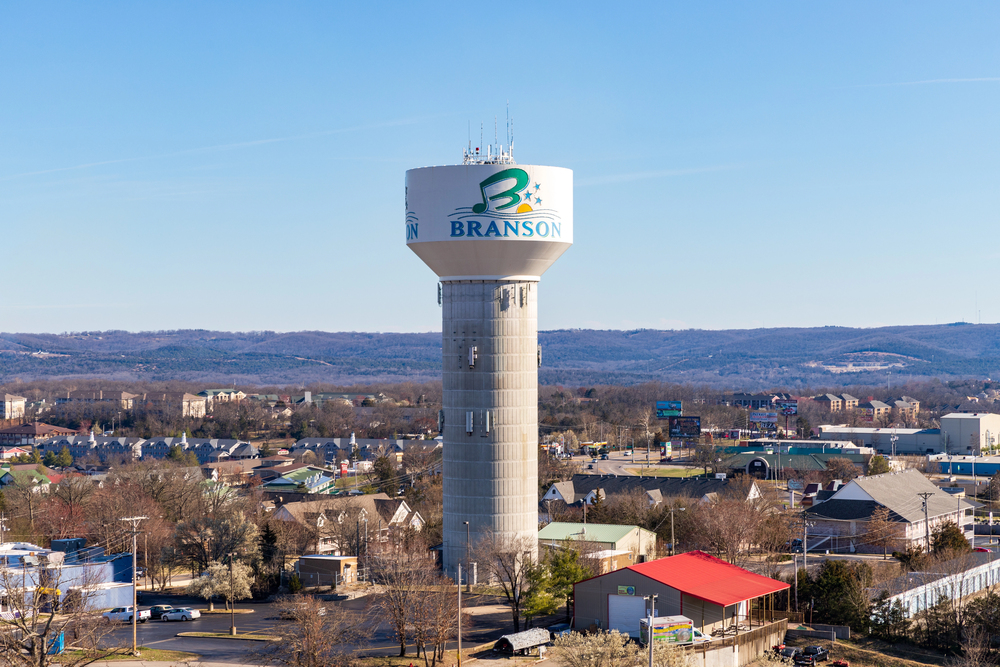
Branson is best known for its music theaters, but the Ozark hills around it hold Table Rock Lake, Lake Taneycomo and a thriving retiree community. Missouri stopped taxing Social Security for all recipients beginning in 2024. Housing ranges from lakeside condos to acreage in the hills, often below national prices. Summer traffic on the main strip can be heavy, so some residents choose quieter areas outside the city limits.
Fort Payne, Alabama

Fort Payne sits at the foot of Lookout Mountain, and the Little River Canyon National Preserve, one of the deepest canyon systems in the East, lies just outside town. The town once called itself the Sock Capital of the World, a nod to the dozens of hosiery mills that operated there. Alabama exempts Social Security and many traditional pension categories from state income tax, while other retirement income can still be taxable. Chattanooga is about an hour away for specialist care and a larger airport.
Canon City, Colorado
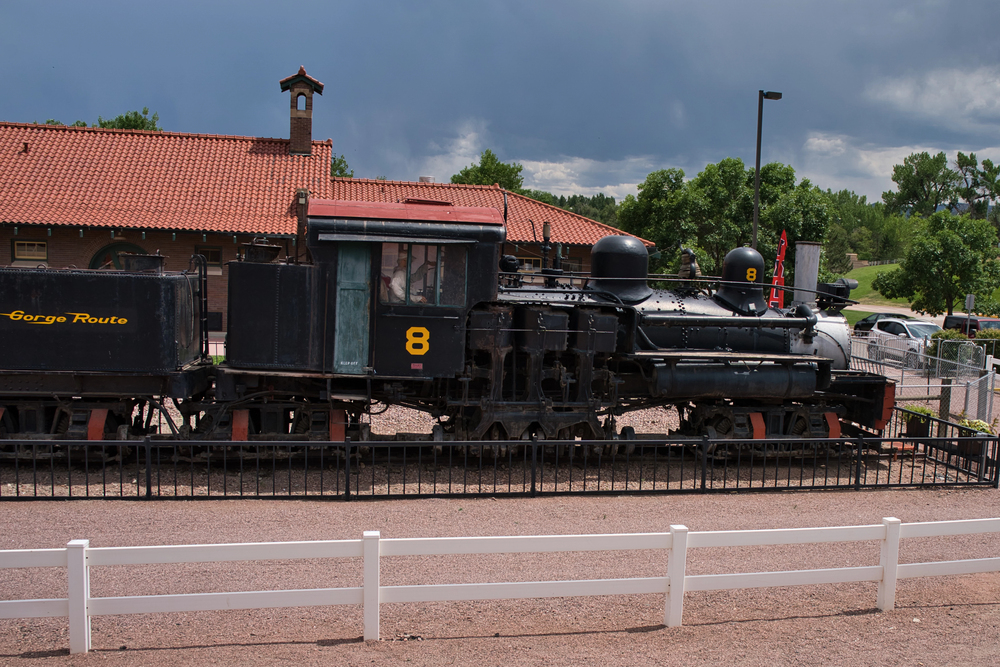
Canon City sits at about 5,300 feet in the Arkansas River valley and has long marketed itself as the “Climate Capital of Colorado,” reflecting its relatively mild, dry climate compared with some higher-elevation parts of the state. The Royal Gorge Bridge, one of the highest suspension bridges in the country, spans the canyon a few miles west. Colorado lets residents 65 and older subtract federally taxable Social Security and qualify for a separate, limited subtraction for other pension and annuity income. Housing costs can be lower than in the state’s larger Front Range and resort markets.
Trinidad, Colorado
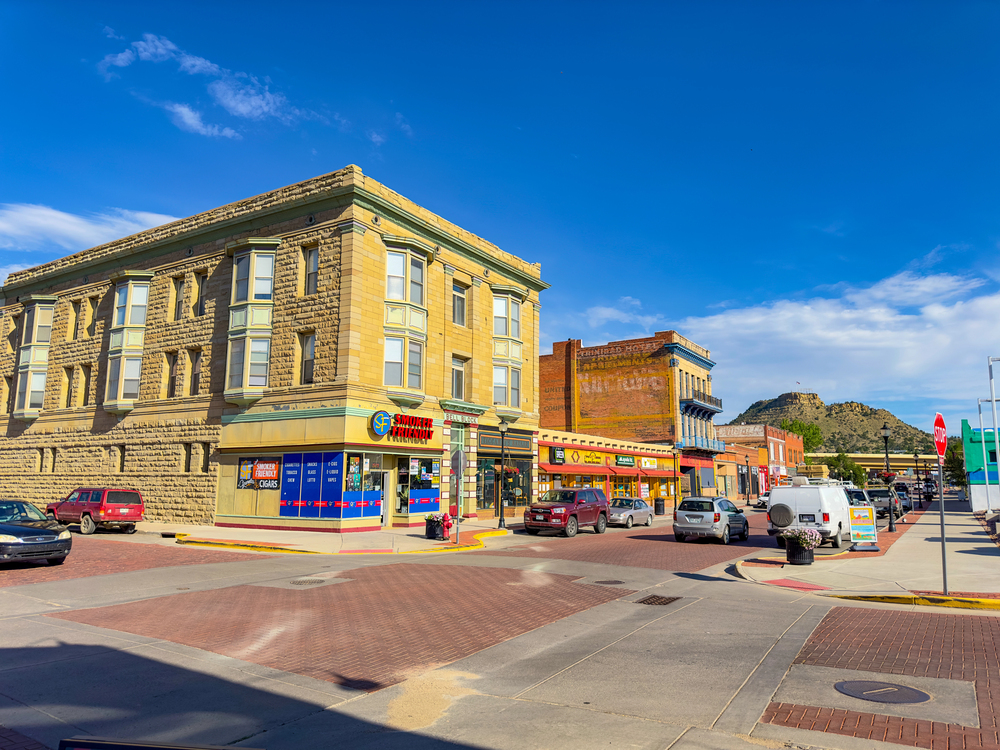
Trinidad sits on the old Santa Fe Trail just north of the New Mexico line, with a brick downtown and Victorian homes built during its coal mining boom. Fishers Peak State Park, opened in 2020, protects a landmark mesa right outside town. Housing can be less expensive than in many Colorado resort-oriented mountain markets. Colorado’s retirement deductions apply here as well, and the elevation of about 6,000 feet keeps summers pleasant.
Rapid City, South Dakota
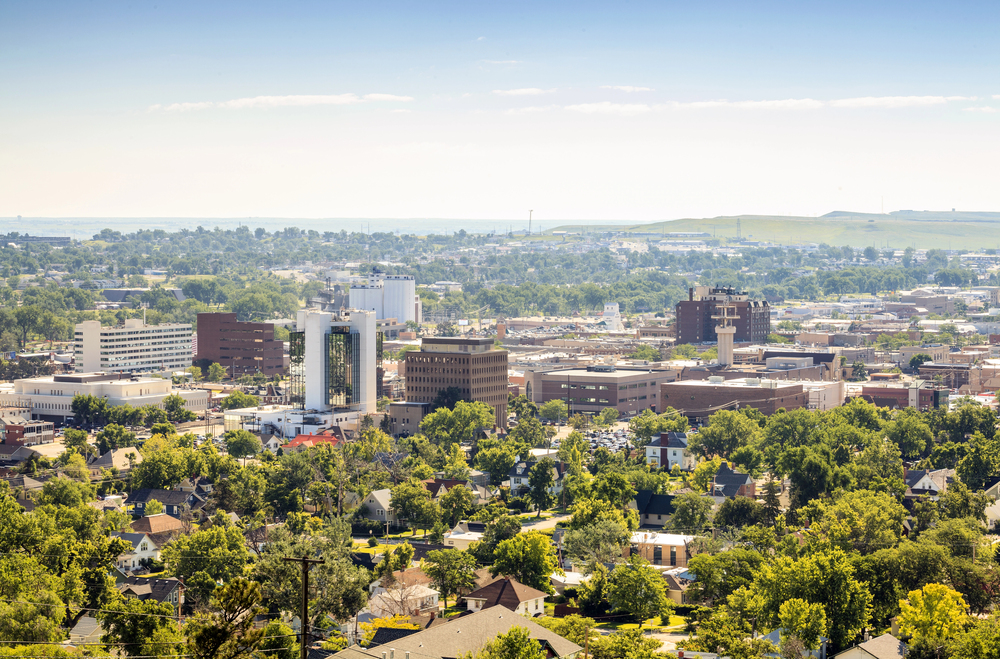
Rapid City sits at the eastern edge of the Black Hills, with Mount Rushmore about half an hour away. South Dakota has no state income tax, so pensions, retirement account withdrawals and Social Security are all untouched at the state level. Monument Health, the region’s main hospital system, is based in the city. Winters are cold and can be windy, but sunny winter days are common, and the Black Hills trail network begins minutes from town.
Sheridan, Wyoming
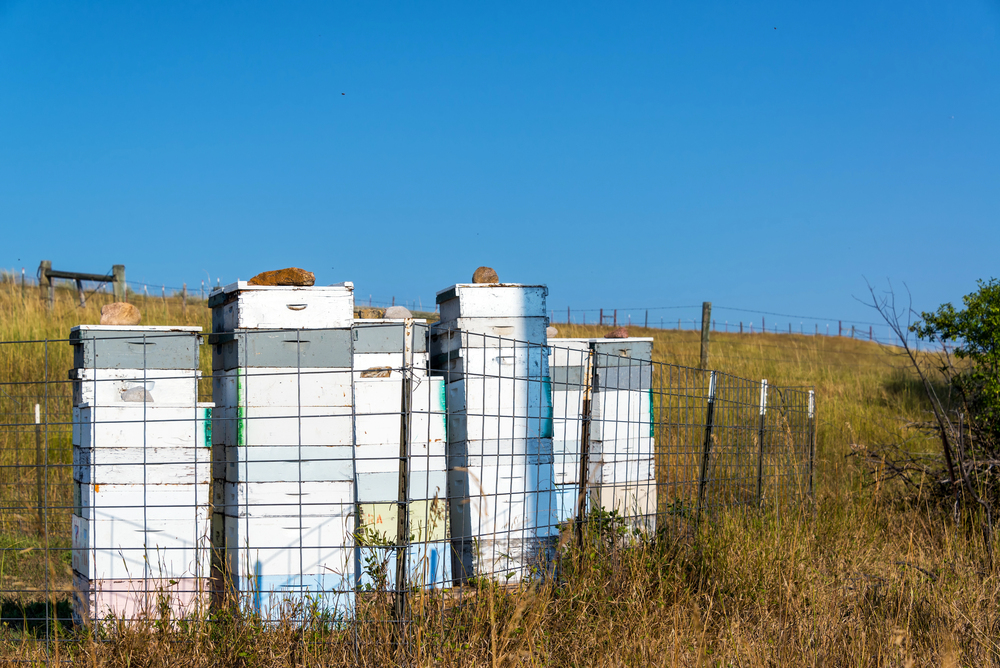
Sheridan sits at the foot of the Bighorn Mountains, a western town with an old-fashioned Main Street and a strong ranching heritage. King’s Saddlery, a working saddle shop on Main Street, keeps a free museum packed with saddles, ropes and western gear. Wyoming has no state income tax, although local property taxes still apply. The town is small but has a hospital, a community college and air service to Denver. Bighorn National Forest begins about half an hour west, with lakes, fishing streams and scenic drives above 9,000 feet.
Payson, Arizona
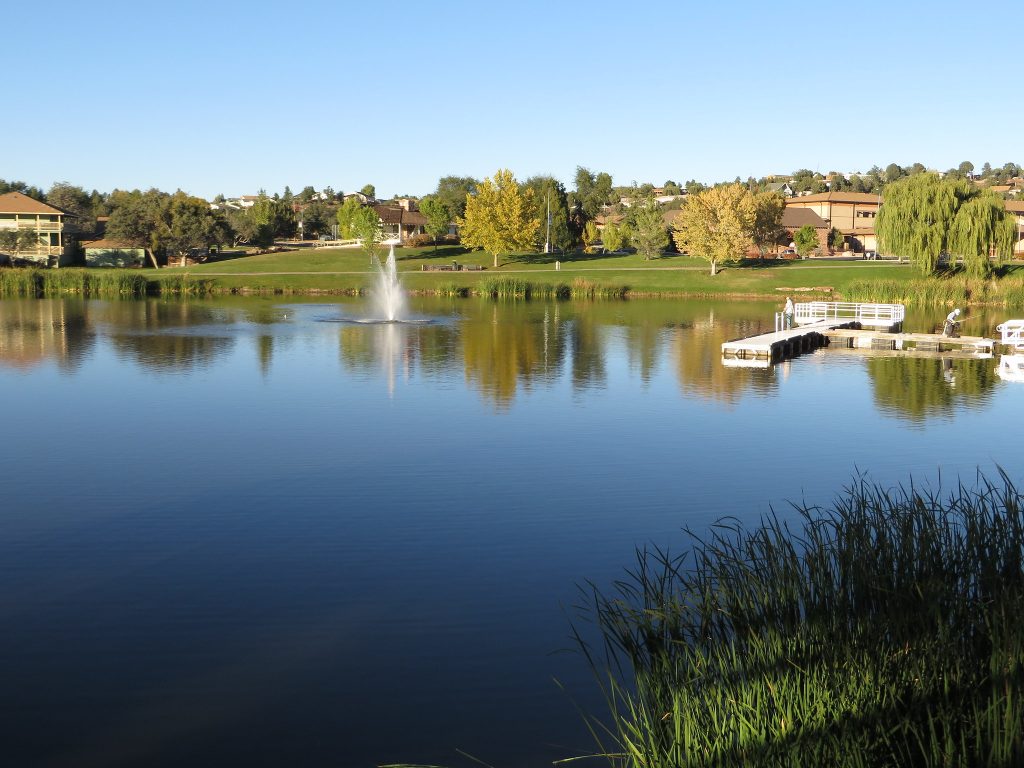
Payson sits at about 5,000 feet below the Mogollon Rim, a high escarpment that runs across central Arizona. It is roughly ninety minutes from Phoenix, which makes it a popular summer escape, but full-time retirees enjoy a cooler climate than the Phoenix area. The author Zane Grey kept a cabin nearby, and a replica now stands in town as a museum. Arizona taxes income at a flat 2.5 percent and exempts Social Security, and wildfire exposure can be an important consideration when evaluating insurance and property location.
Show Low, Arizona
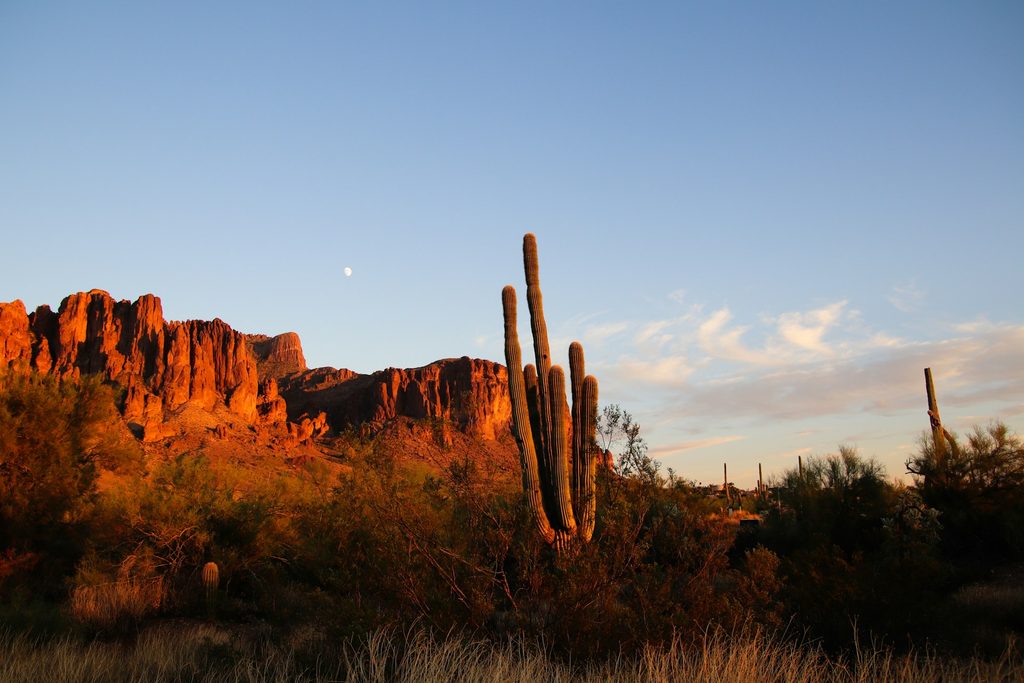
Show Low sits at about 6,300 feet in the White Mountains of eastern Arizona, surrounded by one of the largest ponderosa pine forests in the world. Legend says the town’s name comes from a card game in the 1870s that settled a land dispute, and the main street is still called Deuce of Clubs Avenue. Arizona’s flat tax and Social Security exemption apply here, and home prices can run below those in higher-cost Arizona mountain destinations such as Flagstaff and parts of Prescott. Summers are cool, but winters bring real snow.
Ruidoso, New Mexico
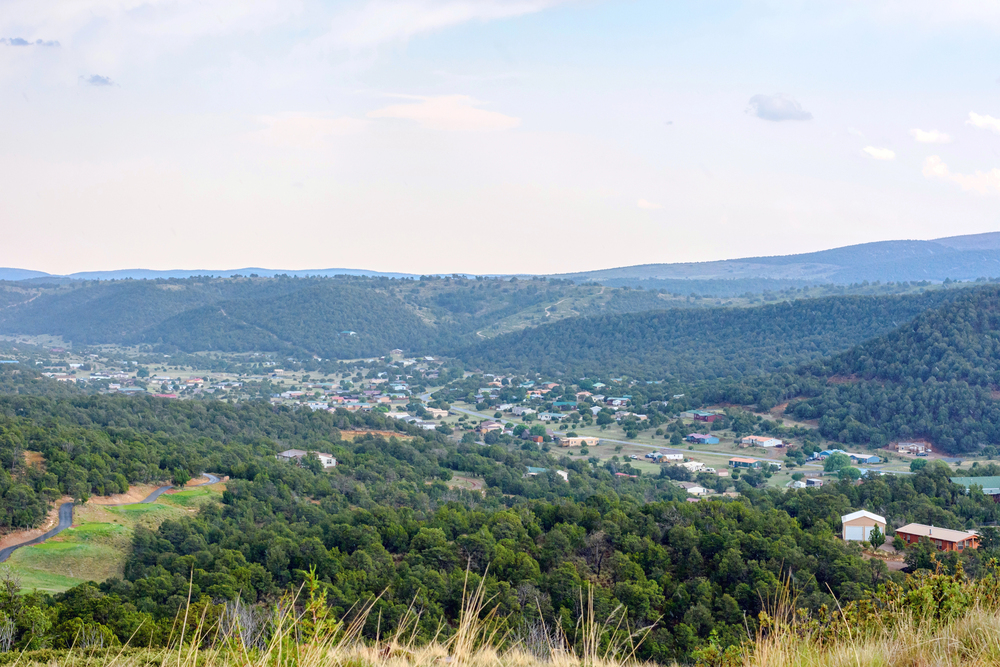
Ruidoso sits at about 6,900 feet in the Sacramento Mountains of southern New Mexico, with Sierra Blanca rising above it and a racetrack at Ruidoso Downs. New Mexico exempts Social Security for taxpayers whose adjusted gross income falls within the applicable limits. The town’s cool pine forests draw summer visitors from Texas, but full-time residents enjoy lower costs than in Santa Fe or Taos. The 2024 wildfires and flooding, followed by catastrophic flooding in 2025, caused serious damage, making insurance, flood maps and property location especially important here.
Pocatello, Idaho
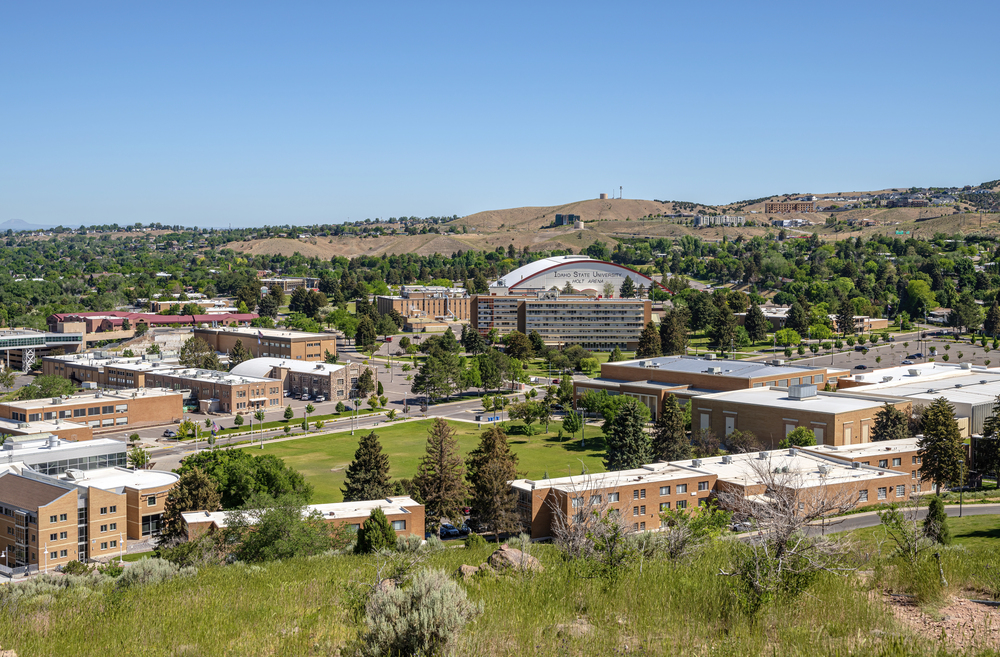
Pocatello sits at about 4,500 feet where the Portneuf River cuts through the mountains of southeastern Idaho. Idaho State University anchors the city, and its health sciences programs support a regional medical center. Idaho exempts Social Security from state tax, but most pension income remains taxable, with limited deductions available for certain qualifying pensions. Home prices can remain below those in Boise and Idaho’s resort-oriented communities, and trailheads begin on the edge of town. Winters are cold and windy, but the dry air and frequent sunshine make them easier to bear than the gray months farther east.
Boquete, Panama

Boquete sits at about 3,900 feet in the highlands of western Panama, where spring-like temperatures hold most of the year. Panama’s pensionado visa requires a lifetime pension of at least 1,000 dollars a month and comes with statutory discounts for qualifying retirees on certain medical services, restaurants, transportation and other expenses. Panama uses the United States dollar as legal tender alongside the balboa, whose coins circulate alongside U.S. coins, which removes exchange-rate worries for many everyday purchases. Volcan Baru, the country’s highest peak, rises above town.
Cuenca, Ecuador
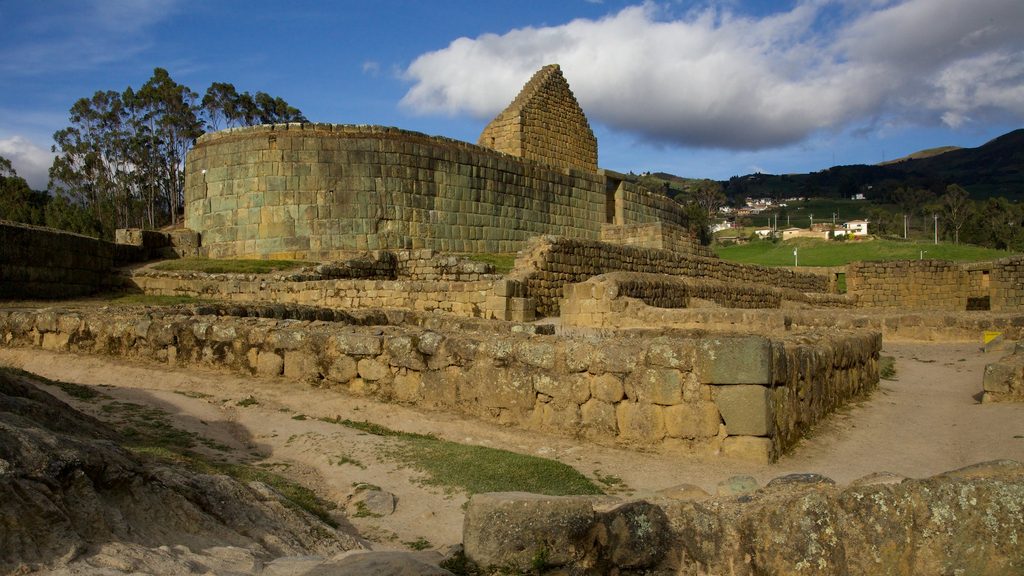
Cuenca sits at about 8,400 feet in the Andes, and its historic center, with cobblestone streets and a blue-domed cathedral, has been a UNESCO World Heritage Site since 1999. Ecuador uses the United States dollar, which keeps budgeting simple for American retirees. Daytime temperatures stay mild all year, and the city has a substantial healthcare sector, including private hospitals and clinics. The altitude takes some adjustment, particularly for anyone with heart or lung conditions. Housing can be considerably less expensive than comparable urban markets in the United States, although costs vary by neighborhood and property type.
Ajijic, Mexico

Ajijic sits at about 5,000 feet on the northern shore of Lake Chapala, the largest freshwater lake in Mexico. The town and its neighbors hold a large community of American and Canadian retirees, with clubs, volunteer groups and English-speaking services. Temperatures stay mild most of the year, which often makes air conditioning and heating unnecessary. Guadalajara, with its major hospitals and international airport, is within driving distance for specialized services and international travel.
Elevation Changes the Arithmetic
Mountain towns ask something in return for lower costs. Winters bring snow at higher elevations, roads can be steep and specialist care may sit an hour away. Wildfire and flood risk shape insurance bills across much of the West.
For retirees who accept those trade-offs, the payoff is real. Cooler summers can reduce cooling needs, taxes are often friendlier than in the cities left behind and trails begin at the edge of town. A visit in both January and July shows which version of a place is worth keeping.
More from Travel Pug

- Underrated Italian Towns That Beat the Tourist Crowds
- Las Vegas Tourist Traps to Skip
- Prettiest Towns in Every US State
- 18 passport-free countries for Americans
- Signs Your Cruise Is Not Worth The Cost
Like Travel Pug’s content? Follow us on MSN.