

The cruise industry loves to pit these two giants against each other, as if choosing between turquoise waters and ancient history should be some kind of agonizing decision. But here’s the thing about Mediterranean cruises that nobody talks about upfront: they don’t just float you from beach to beach like some kind of floating resort shuttle.
They drop you into civilizations that have been perfecting the art of living for thousands of years, where every port tells a different story and every meal feels like a small revelation about what food can actually be when people care enough to do it right.
Caribbean cruises certainly have their place, and that place involves rum drinks and predictable sunshine. But Mediterranean sailing offers something the Caribbean simply cannot: the weight of history combined with cultures that still know how to surprise you, even after hosting millions of visitors each year.
Historical depth at every port

Rome wasn’t built in a day. Neither was Barcelona, Athens, or any of the dozen ancient cities your ship will dock beside.
These aren’t destinations that were invented for tourism—they’re places where empires rose and fell long before anyone thought to build a cruise terminal.
The Caribbean offers beautiful beaches and colonial architecture. The Mediterranean offers the Colosseum.
Culinary experiences that actually matter

Mediterranean food doesn’t just taste different—it operates under completely different rules, rules that have been refined across centuries and somehow manage to make every meal feel both rustic and sophisticated at the same time. You’ll find yourself eating pasta in Italy that bears no resemblance to anything served back home (and this includes the expensive Italian restaurants you thought were authentic), or sampling tapas in Barcelona where each small plate carries the kind of flavor complexity that makes you wonder why anyone bothers with food that doesn’t come from a culture that actually cares about what it tastes like.
And the wine—well, the wine comes from vineyards that were already ancient when America was still a collection of disconnected colonies. There’s something about drinking wine that close to where it was born, where the soil and the climate and the centuries of expertise converge into bottles that cost less than what you’d pay for inferior versions back home.
Even the casual lunch wines in Mediterranean ports tend to be better than the special occasion bottles most people save for anniversaries.
But here’s what really sets Mediterranean dining apart from Caribbean cruise food: the locals still eat this way. This isn’t cuisine preserved in amber for tourists—it’s how people actually live.
The grandmother making fresh pasta in that tiny Roman trattoria isn’t performing for cruise passengers; she’s feeding her neighbors the same way her grandmother did.
Cultural immersion opportunities
Caribbean cultures have learned to perform themselves for tourists. Mediterranean cultures are too old and too stubborn to bother.
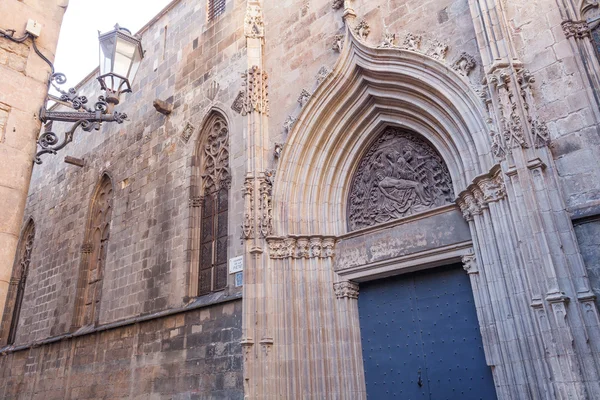
Walk through Barcelona’s Gothic Quarter or Athens’ Plaka district and you’re not seeing a sanitized version of European life—you’re seeing actual Europeans going about their actual business. The guy arguing politics at that sidewalk café isn’t putting on a show; he’s been having that same argument every Tuesday for fifteen years.
The woman hanging laundry from her third-story window doesn’t care that cruise passengers are photographing her; she has laundry to hang.
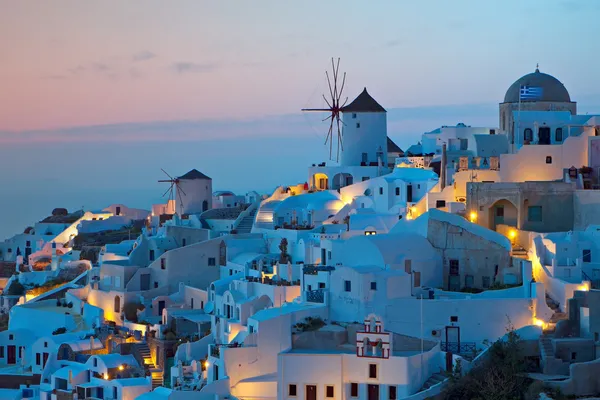
This creates opportunities for genuine cultural encounters that feel accidental rather than orchestrated. You might stumble into a local festival in Santorini or find yourself sharing a table with Italian families in a cramped Venetian restaurant because that’s the only seat available.
These moments don’t happen because someone planned them—they happen because Mediterranean port cities are still living, breathing places where tourists are just temporary visitors rather than the entire point.
Architectural marvels around every corner
There’s something almost unfair about Mediterranean architecture—how it manages to be both impossibly grand and completely integrated into daily life, as if living among ancient temples and medieval cathedrals and Renaissance palaces is just the normal state of human existence. You’ll turn a corner in Florence and suddenly face the Duomo, or step off your ship in Dubrovnik and find yourself walking on stones that were already worn smooth when Shakespeare was still learning to write.
Caribbean architecture tells the story of the last few centuries. Mediterranean architecture tells the story of human civilization itself.
And unlike visiting these places by land, cruise passengers get to experience this architectural progression in compressed time—Roman ruins in the morning, Byzantine churches at lunch, Gothic cathedrals by dinner.
The scale alone can be overwhelming. These aren’t buildings designed for human comfort; they’re buildings designed to make humans feel small and reverent and slightly amazed that anyone ever figured out how to stack stones so precisely that they’re still standing two thousand years later.
Weather that encourages exploration
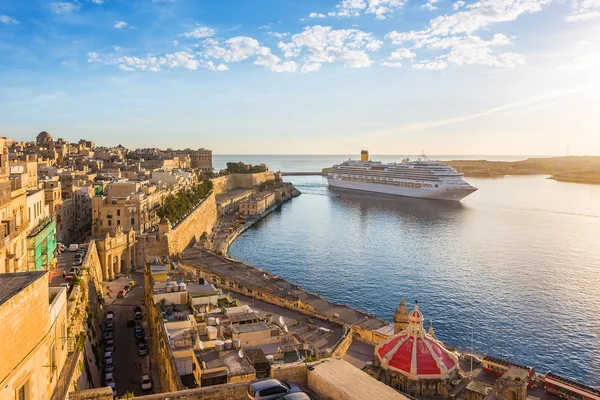
Mediterranean weather operates on the principle that sunshine should be earned through variety rather than delivered with relentless, brain-melting consistency. Spring and fall offer temperatures that make walking through ancient cities feel pleasant rather than punishing, while summer provides the kind of dry heat that makes afternoon siestas seem like acts of wisdom rather than laziness.
Caribbean weather, for all its postcard beauty, tends toward the oppressive. Humid heat that makes exploring anything beyond the immediate port area feel like a form of self-punishment.
Mediterranean heat feels different—cleaner somehow, as if the same sun that baked Roman bricks and ripened Tuscan grapes knows how to warm human skin without trying to cook it.
And the light—Mediterranean light has been famous among artists for centuries because it does something to colors and shadows that makes everything look slightly more beautiful than it has any right to be. Even the most ordinary street scenes take on a golden quality that makes you understand why painters kept coming back to these coastlines.
Diverse destinations in compact distances
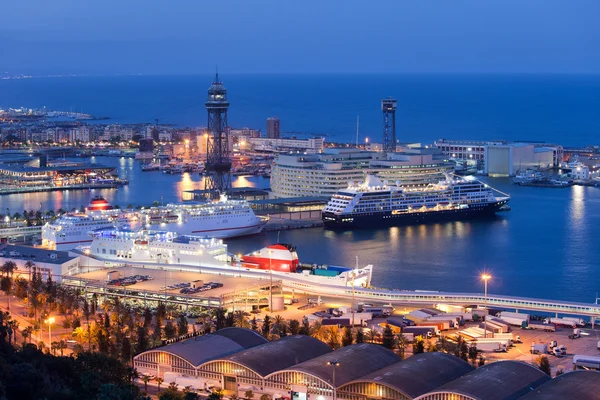
The genius of Mediterranean cruising lies in its geography: you can eat breakfast in Spain, lunch in France, and dinner in Italy without feeling like you’ve spent the entire day traveling. These aren’t distant islands separated by endless stretches of identical ocean—they’re distinct countries and cultures packed together so tightly that each morning brings genuinely different languages, currencies, and ways of approaching basic human activities like eating and drinking and arguing about politics.
A single Mediterranean cruise might include flamenco in Seville, Renaissance art in Florence, ancient philosophy in Athens, and medieval fortifications in Dubrovnik. This isn’t variety for its own sake—it’s the accumulated result of thousands of years of human creativity happening in relatively close proximity.
The Caribbean offers beautiful variations on a theme. The Mediterranean offers entirely different themes.
Art and museum access

The Mediterranean doesn’t just house some of the world’s great art—it invented most of it. You’re not visiting reproductions or traveling exhibitions; you’re seeing Michelangelo’s work in the cities where he actually lived and worked, walking through the same streets that inspired the paintings you’ve been looking at in books your entire life.
And the museums themselves tell stories that go beyond their collections. The Vatican Museums, the Louvre, the Prado—these aren’t just repositories for art; they’re institutions that shaped how the entire world thinks about culture and beauty and human achievement.
Caribbean museums, however charming, can’t match the depth or the historical weight.
But it’s not just the famous stuff. Mediterranean cities are filled with smaller churches and galleries and archaeological sites that would be major attractions anywhere else but here blend into the everyday landscape.
You might stumble into a 12th-century chapel in Provence or discover Byzantine mosaics in an otherwise ordinary Venetian neighborhood.
Sophisticated nightlife and entertainment

Mediterranean nightlife feels like it was designed by adults for adults—people who understand that a good evening involves more than loud music and strong drinks (though it can certainly include both). Spanish tapas culture, Italian aperitivo traditions, French wine bar conversations that stretch past midnight—these are social rituals that have been refined over centuries.
Caribbean nightlife tends toward the generic: beach bars playing predictable music for tourists who want to pretend they’re in a music video. Mediterranean nightlife reflects actual local preferences, which means you might find yourself at a flamenco performance in Seville that’s attended mostly by Spanish families, or sharing wine with Italian couples at a sidewalk café in Rome where the conversation flows between three languages and nobody seems to care which one you speak.
The entertainment options extend beyond drinking, too. Outdoor concerts in ancient amphitheaters, opera performances in venues where opera was invented, late-night strolls through neighborhoods that are genuinely safe and genuinely interesting after dark.
Shopping for authentic local goods

Mediterranean shopping operates on principles that have nothing to do with cruise ship gift shops: local artisans making things they actually care about, using techniques passed down through families, selling products that reflect regional traditions rather than tourist expectations.
You can buy actual Murano glass in Venice, made by craftsmen whose families have been working with glass for generations. Leather goods in Florence that justify their prices through quality rather than brand names.
Spanish ceramics, French wine, Italian olive oil—products that cost less at their source and taste better because they haven’t traveled halfway around the world to reach you.
Caribbean shopping tends toward the imported: T-shirts made elsewhere, jewelry that could come from anywhere, souvenirs designed to remind you of a place rather than actually represent it. Mediterranean shopping offers the real thing, often at prices that make you wonder why anyone bothers with imitations.
Language learning opportunities

Mediterranean cruising drops you into a linguistic playground where Romance languages bump against each other in port after port, creating natural opportunities to practice pronunciation, test vocabulary, and generally fumble around with communication in ways that feel educational rather than embarrassing.
Spanish in Barcelona, Italian in Rome, French in Marseilles—these aren’t just tourist phrases; they’re living languages spoken by people who appreciate the effort even when the execution falls short. And the linguistic connections between these languages mean that learning a few words in one often helps with comprehension in another.
Caribbean cruising typically involves English and maybe some Spanish, depending on the itinerary. Mediterranean cruising involves a dozen different linguistic traditions, most of them eager to teach you at least enough vocabulary to order food and ask for directions.
Better value for cultural experiences
Mediterranean cruises deliver more cultural content per dollar than almost any other vacation format, simply because the destinations themselves offer so much depth that you could spend weeks in any single port without running out of things worth seeing.
Compare the cost of flying to Europe, booking hotels, arranging transportation, and purchasing museum admissions to the cost of a Mediterranean cruise that includes all of that plus meals and accommodation. The math works out surprisingly well, especially when you consider that cruise passengers often get group rates for popular attractions and skip the lines that can eat entire afternoons in places like the Vatican or the Uffizi.
Caribbean cruises offer good value for beach time and relaxation. Mediterranean cruises offer good value for experiences that would otherwise require extensive planning and significantly more money to arrange independently.
The art of slow travel at sea

Mediterranean cruising captures something that land travel often misses: the rhythm of arrival and departure that lets experiences settle before new ones begin, sea days that provide space for reflection between intense cultural encounters, the gradual anticipation that builds as each new coastline appears on the horizon.
You wake up in a new country, spend the day exploring ancient cities or wandering through medieval towns, then return to your floating hotel as the sun sets over waters that have carried travelers between these same destinations for thousands of years. The cruise ship becomes a neutral space where you can process what you’ve seen before the next port presents entirely new challenges to your assumptions about architecture, food, art, and the various ways humans have chosen to organize their societies.
This isn’t the rushed tourism of flying between cities with barely enough time to find your hotel. It’s travel that allows for the kind of gradual accumulation of experiences that actually changes how you think about the world, rather than just giving you stories to tell when you get home.
When wanderlust meets wisdom
So here’s what Mediterranean cruising offers that Caribbean sailing simply cannot: the accumulated weight of human civilization, served up in portions small enough to digest but substantial enough to matter. You’re not just taking a vacation; you’re taking a crash course in how the Western world learned to build, create, cook, and think.
The Caribbean offers escape from daily life. The Mediterranean offers perspective on what daily life could be—and has been—when cultures care enough to perfect the details that matter.
More from Travel Pug

- Underrated Italian Towns That Beat the Tourist Crowds
- Las Vegas Tourist Traps to Skip
- Prettiest Towns in Every US State
- 18 passport-free countries for Americans
- Signs Your Cruise Is Not Worth The Cost
Like Travel Pug’s content? Follow us on MSN.