

Business travelers, too, have to contend with special challenges when traveling to new areas for business. While leisure travelers may enjoy the freedom of loose schedules, corporate travelers have to contend with compressed timelines, high-riding business meetings, and keeping up appearances.
There is more on the line when you’re traveling with sensitive business information, costly equipment, and the responsibility of sealing big deals. Contemporary business travel goes way beyond just reserving a flight and hotel.
Below are 15 key safety precautions that can spell the difference between a successful business trip and an expensive fiasco overseas.
Register with the embassy

Embassy registration creates an official record of your presence in the country — think of it as checking in with your safety net. This simple step enables consular officials to locate you during emergencies, whether it’s a natural disaster, civil unrest, or a family emergency back home.
The process takes just minutes online, but it provides invaluable peace of mind. Many embassies also send registered travelers real-time security updates and evacuation notices when situations deteriorate.
Get comprehensive travel insurance

Standard health insurance policies often exclude international coverage, leaving business travelers financially exposed to medical emergencies abroad. Specialized travel insurance fills these gaps while covering unique business travel risks, such as trip interruption due to work emergencies.
Quality policies include medical evacuation coverage — crucial when serious injuries occur in countries with limited healthcare infrastructure. The cost of emergency medical flights can easily exceed $100,000, making insurance premiums seem remarkably reasonable.
Like Travel Pug’s content? Follow us on MSN.
Plan health precautions

Vaccinations require planning since some immunizations need weeks to become effective. The CDC and WHO maintain current vaccination recommendations for every country, though requirements change based on recent disease outbreaks.
Business travelers often overlook routine medications when packing for short trips. Prescription drugs should always accompany travelers in original containers with clear labeling, as some medications that are legal in your home country might be controlled substances elsewhere.
Secure your finances
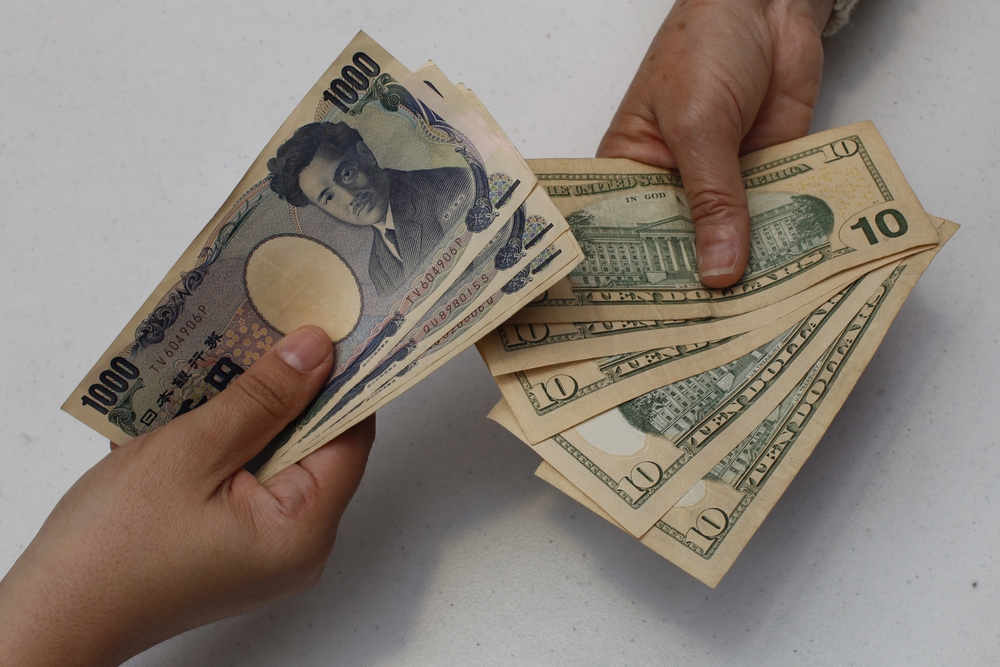
Notify banks about international travel plans — otherwise, fraud protection systems might freeze your accounts when foreign transactions appear suspicious. This courtesy call prevents embarrassing moments when your corporate card gets declined during important business dinners.
Diversify your payment methods by carrying multiple credit cards from different networks. Visa and Mastercard enjoy widespread acceptance, though American Express faces more limited recognition in certain regions.
Use secure communication

Hotel WiFi networks are notoriously vulnerable to hackers who target business travelers carrying valuable corporate information. Virtual private networks (VPNs) encrypt your internet traffic, making it nearly impossible for cybercriminals to intercept sensitive emails or confidential documents.
Free public WiFi in airports and cafes presents even greater risks. Corporate data breaches often trace back to compromised hotel or airport connections that seemed harmless at the time.
Like Travel Pug’s content? Follow us on MSN.
Protect digital devices

Laptops containing confidential business information require extra protection beyond standard password security. Full-disk encryption ensures that stolen devices can’t reveal sensitive data even when accessed by skilled hackers.
Smartphones face similar risks while offering additional attack vectors through malicious apps and unsecured Bluetooth connections. Regular software updates close security vulnerabilities that criminals actively exploit to gain unauthorized access.
Choose safe accommodations

Reputable international hotel chains maintain consistent security standards across their properties — something independent hotels can’t always guarantee. Business-focused hotels typically offer enhanced security features, such as key card access to elevator floors and 24-hour front desk coverage.
Room selection matters more than most travelers realize. Ground-floor rooms provide easy escape routes during emergencies but also offer convenient access for intruders seeking targets of opportunity.
Use reliable transportation

Pre-arranged airport transfers cost more than random taxis but provide accountability and insurance coverage that independent drivers might lack. Uber and Lyft operate in many international markets while maintaining rider safety standards through driver background checks.
Rental cars offer independence, though they require familiarity with local traffic laws and driving customs. International driving permits are mandatory in many countries and must be obtained before departure — not something you can acquire after arrival.
Like Travel Pug’s content? Follow us on MSN.
Dress appropriately local

Business attire varies significantly between cultures, and inappropriate clothing can mark travelers as easy targets for criminal activity. Conservative dress codes in certain countries aren’t just cultural preferences — they’re legal requirements with serious consequences for violations.
Expensive jewelry and watches announce your wealth to potential thieves, serving no practical purpose abroad. Subtle, professional appearance helps business travelers blend into local environments rather than standing out as obvious foreigners.
Avoid risky areas
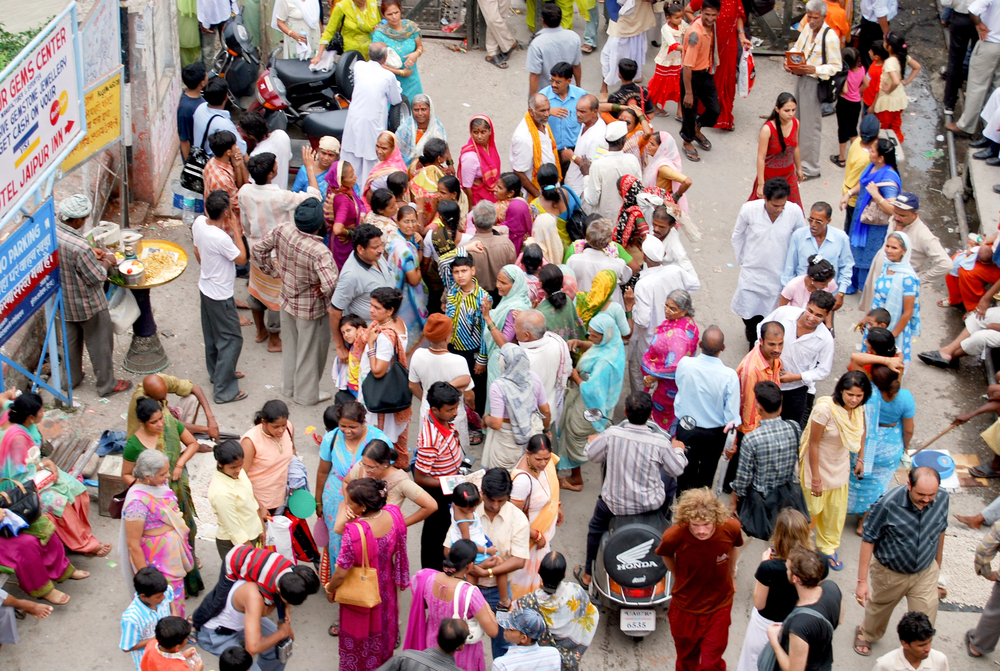
Tourist districts and business centers typically maintain higher security levels, though criminals often concentrate their efforts in these same areas. Local contacts and hotel staff provide valuable insights about neighborhoods to avoid, especially during evening hours.
Wandering off established routes might lead to interesting cultural experiences, but can also result in dangerous encounters with crime or civil unrest. Business travelers should stick to familiar areas unless accompanied by trusted local guides.
Keep a low profile

Loud conversations about business deals, company valuations, or personal wealth attract unwanted attention from criminals and scam artists. Discretion protects both personal safety and confidential business information that competitors might find valuable.
Social media posts revealing current locations provide criminals with real-time intelligence about your whereabouts and travel patterns. Save the vacation photos for after you return home safely.
Like Travel Pug’s content? Follow us on MSN.
Trust your instincts

Humans possess remarkable intuitive abilities that often detect danger before conscious minds recognize specific threats. When situations feel uncomfortable or people seem suspicious, it’s better to appear rude than to ignore internal warning signals.
Business travelers sometimes override gut feelings to avoid seeming culturally insensitive or professionally inappropriate. However, personal safety always takes precedence over business etiquette or social niceties in potentially dangerous situations.
Stay connected regularly

Establish communication schedules with colleagues, family members, or security personnel who can initiate emergency responses when you fail to check in as planned. Regular contact creates accountability while providing early warning systems when problems arise.
International roaming charges may seem expensive until you need emergency assistance in a remote location. Prepaid international phone plans or local SIM cards offer cost-effective alternatives while ensuring reliable communication capabilities throughout your trip.
Carry emergency contacts

Program local emergency numbers into your phone before arrival — police, medical, and fire services use different numbers in each country. Embassy contact information should also be readily accessible during crises when internet access might be limited.
Written contact cards provide backup communication methods when electronic devices fail, get stolen, or run out of battery power. Include local business contacts who might assist during emergencies or unexpected situations requiring immediate help.
Like Travel Pug’s content? Follow us on MSN.
Know local customs
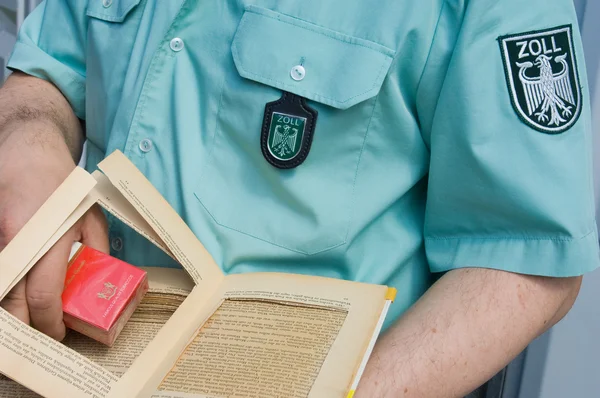
Cultural misunderstandings can escalate into serious conflicts when business travelers inadvertently violate local customs or religious practices. Simple gestures considered polite in your home country might be deeply offensive in other cultures.
Business card etiquette, handshake protocols, and dining customs vary dramatically between regions. Taking time to learn basic cultural norms demonstrates respect while preventing embarrassing mistakes that could jeopardize business relationships.
Prepare for emergencies

Emergency action plans should cover multiple scenarios, including medical emergencies, natural disasters, civil unrest, and criminal activity. Know evacuation routes from your hotel and have contingency plans for reaching airports during transportation disruptions.
Cash reserves in local currency enable emergency purchases when credit cards don’t work or banks are closed. Small-denomination bills prove especially useful during crises when exact change becomes necessary.
Handle money safely

ATMs inside banks or hotels offer better security than standalone machines on street corners that criminals might tamper with for fraud purposes. Check for suspicious card readers or cameras that might record your PIN entry.
Currency exchange should occur through official channels rather than street dealers offering seemingly attractive rates. Black market currency transactions often involve counterfeit bills or short-changing schemes targeting unwary tourists.
Like Travel Pug’s content? Follow us on MSN.
Looking ahead with confidence
Corporate travel security has come a long way in the last ten years, with the advanced threats internationally and their increasingly sophisticated and interconnected natures. The costly security experts formerly needed to advise on the protection now enjoy mobile apps, real-time notifications, and crowd-sourced intelligence that updates travelers about developing threats. Technology keeps pushing protection methods further, while criminals also find new ways to attack unsuspecting business travelers.
Success in business today increasingly hinges on global connections and global access to markets that involve regular travel to new places. Corporations spend substantial sums on employee safety training since seasoned business travelers are corporate assets whose safety directly determines organizational success.
The time spent on effective safety preparation yields rewards in fewer accidents, improved business results, and employees who continue to feel secure about taking international assignments.
More from Travel Pug

- 20 Best Beach Towns in the Carolinas
- 13 Destinations Where Tourists Regularly Regret Their Trip
- 20 Things You Actually Get in First Class
- 20 Small Airports With Aviation Museums
- 20 Places in the U.S. That Are Perfect for a Reset Trip
Like Travel Pug’s content? Follow us on MSN.