

South Korea is one of those rare countries where two cities could each anchor an entire trip on their own—and yet they’re completely different from each other. Seoul is a metropolis of 10 million people humming with K-pop culture, centuries of palace history, and some of Asia’s best nightlife.
Busan is a coastal port city with mountains, beaches, seafood markets, and a gritty, creative energy that feels more lived-in and relaxed. Choosing between them as your starting point is genuinely worth thinking through.
Here is a list of 15 factors to help you decide which South Korean city deserves your first week.
Seoul is bigger, busier, and harder to absorb
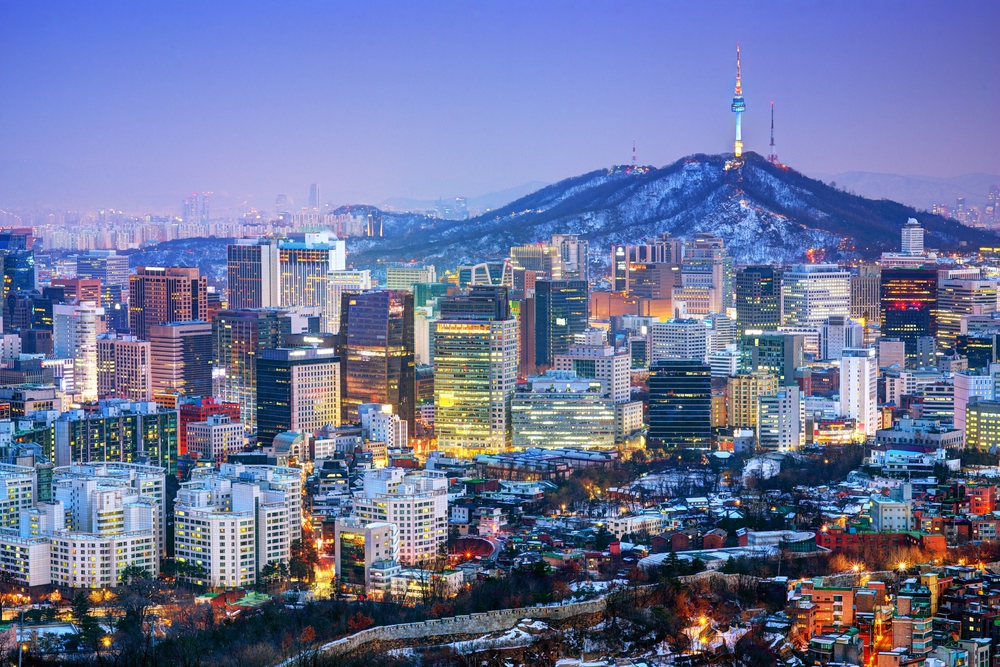
Seoul’s scale can be genuinely overwhelming when you arrive without context—it’s a city of layered neighborhoods, each with its own personality, connected by one of the world’s best subway systems. First-time visitors to South Korea often find that Seoul rewards slower exploration more than a rushed itinerary.
Busan, by contrast, is easier to get your bearings in quickly, which can make it a gentler entry point for travelers who find giant cities stressful.
Busan has the beaches; Seoul does not

Haeundae Beach is one of Asia’s most famous urban beaches, and while it gets packed in summer, it’s still a remarkable thing to have minutes from a major city center. Gwangalli Beach, slightly less crowded, has the added bonus of a spectacular lit bridge as a backdrop at night.
If any part of your trip involves beach time, the answer is Busan—Seoul simply doesn’t offer that.
Seoul wins on historical sights
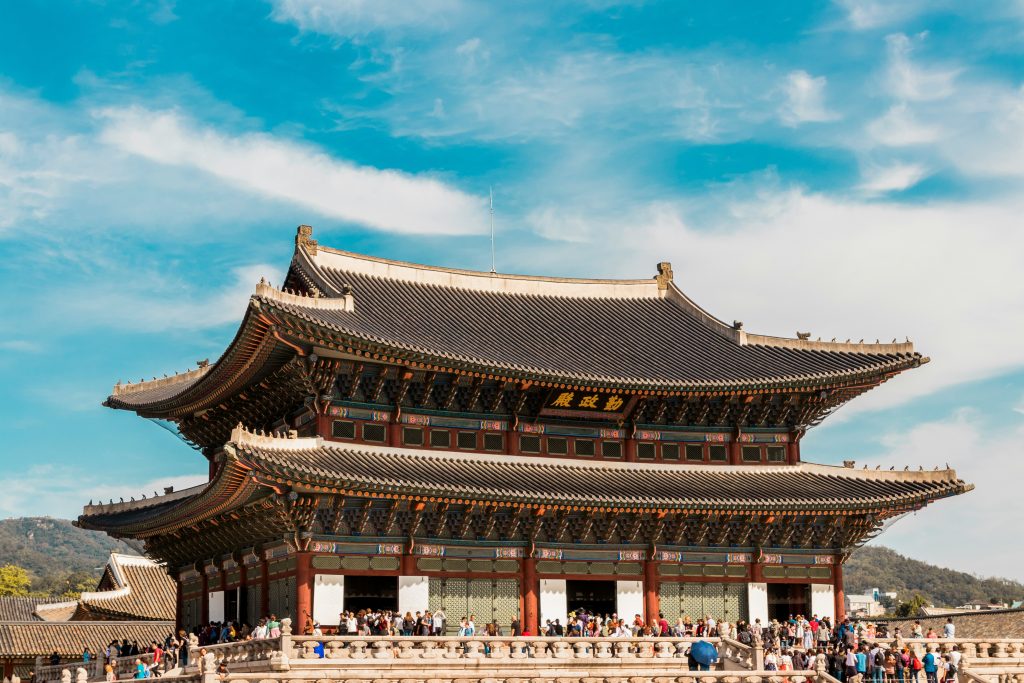
The five grand palaces of Seoul—Gyeongbokgung, Changdeokgung, and others—along with Bukchon Hanok Village, the ancient fortress walls, and the National Museum of Korea make Seoul an essential stop for anyone interested in Korean history. Busan has its own history, but the Joseon Dynasty’s capital was Seoul, and that legacy is still very much visible across the city’s landscape.
If Korean heritage is a priority, start with Seoul.
Busan’s food scene is seafood-forward and exceptional
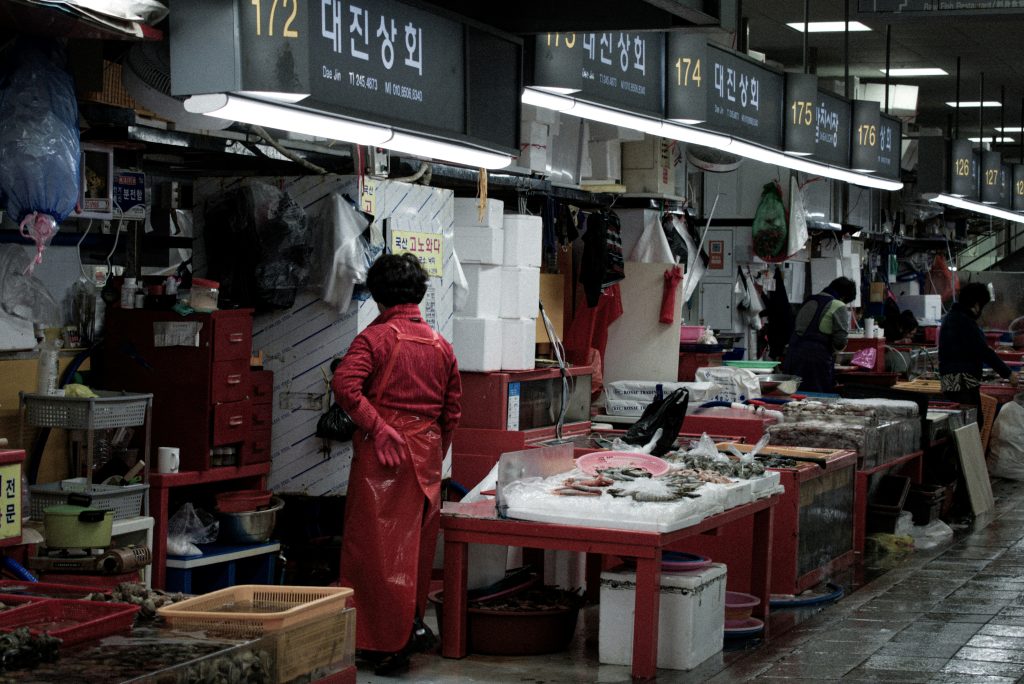
Jagalchi Fish Market—Korea’s largest seafood market—is the kind of place where you point at something still moving in a tank and have it on your plate minutes later. Busan is also the home of dwaeji gukbap (pork and rice soup) and milmyeon (wheat noodles in cold broth), dishes that evolved here specifically and taste different everywhere else.
For raw seafood, fresh fish, and port-city cooking culture, Busan is the stronger choice.
Seoul’s street food and nightlife are world-class
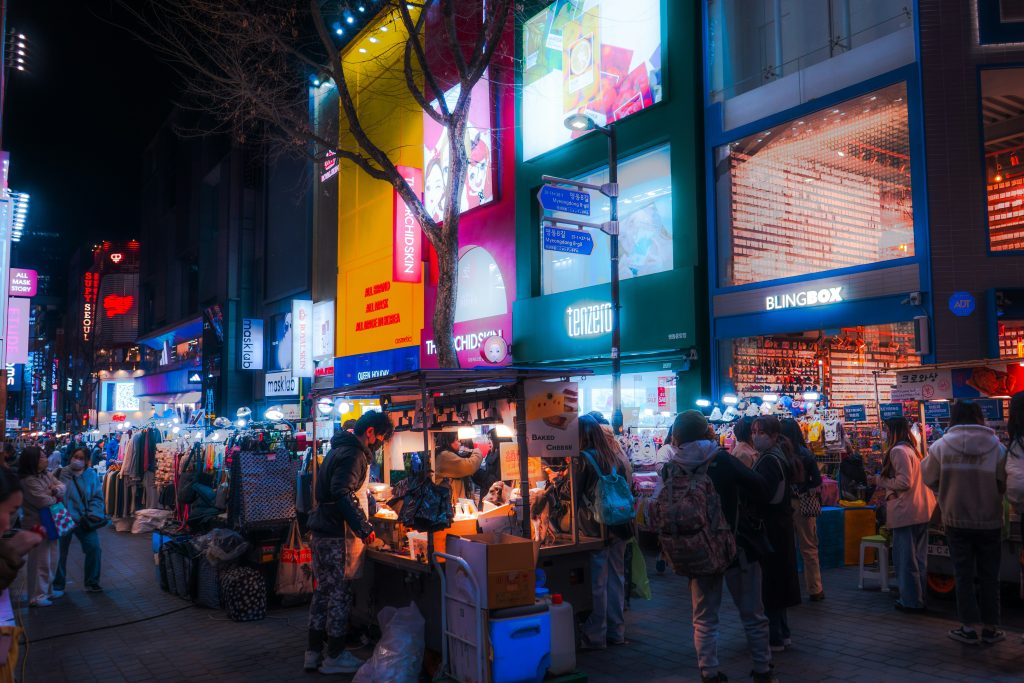
Myeongdong, Hongdae, and Gwangjang Market offer street food experiences that have been talked about endlessly for good reason—tteokbokki, hotteok, bindaetteok, and dozens of other Korean staples available at every hour. Seoul’s nightlife in Itaewon and Hongdae is equally impressive, running late into the night with a density of bars, clubs, and live music venues that rival any city in Asia.
It’s a city that doesn’t really sleep.
Busan’s neighborhoods are more walkable and scenic
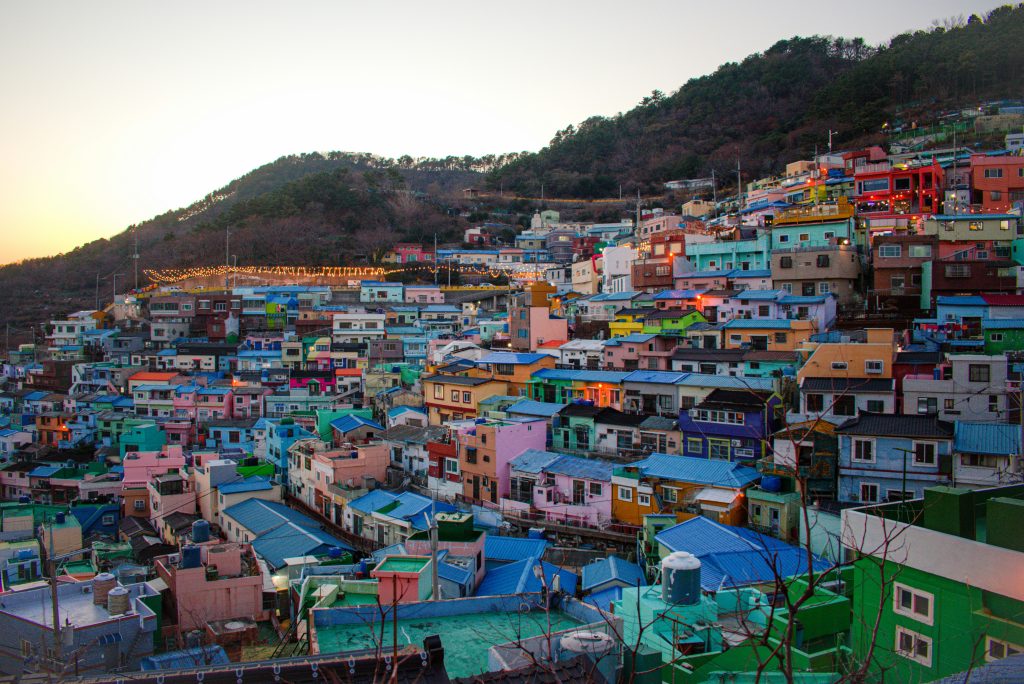
Gamcheon Culture Village—a hillside neighborhood of colorful houses once home to Korean War refugees—is now a maze of alleyways, murals, and small galleries that rewards slow wandering. The Haedong Yonggungsa Temple, built directly on coastal cliffs, is the kind of landmark that photographs can’t quite do justice to.
Busan’s geography—wedged between mountains and sea—makes even casual walks visually interesting in ways that flat Seoul simply can’t match.
Seoul is better for K-pop and contemporary culture

If Korean pop culture—the music, the dramas, the beauty industry, the fan culture—is part of your interest, Seoul is non-negotiable. SM, YG, and HYBE all operate out of Seoul, and the Gangnam district in particular has become a kind of pilgrimage site for fans of the genre.
The COEX K-pop Square, the idol cafes, the music stores—all of it is concentrated in Seoul in a way that Busan can’t replicate.
Busan has a more affordable cost of living
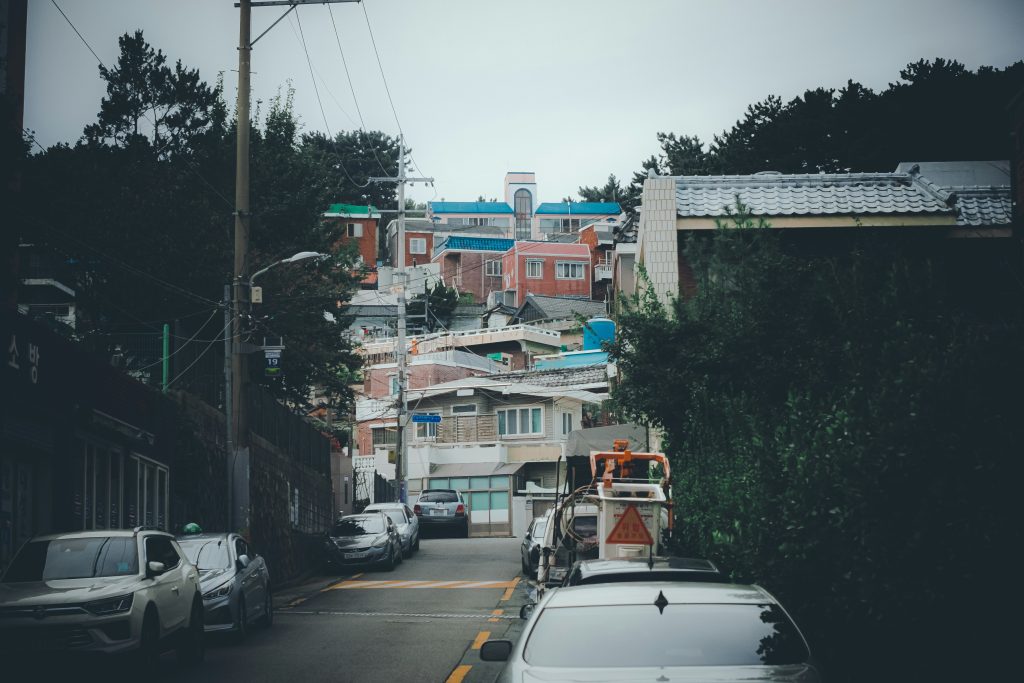
Accommodation in Busan generally runs cheaper than comparable options in Seoul’s popular neighborhoods like Hongdae or Insadong. Meals, transport, and even entry fees at local attractions tend to follow a similar pattern.
For travelers on a tighter budget or anyone staying longer than a week, Busan’s lower baseline cost makes a real difference over time.
The KTX train makes doing both easy
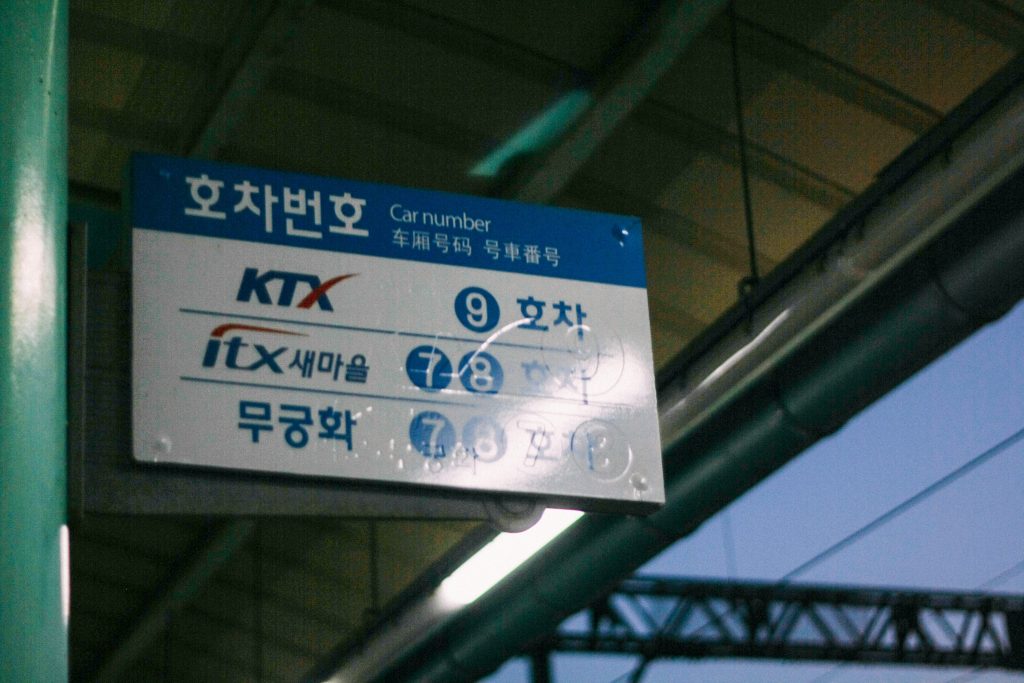
South Korea’s KTX high-speed rail connects Seoul Station to Busan in about two and a half hours—making the two cities more of a ‘both’ choice than an ‘either/or’ one for most itineraries. A common approach is to fly into Seoul, spend four or five days there, then take the train south to Busan for the second half of the trip.
This is genuinely one of the smoothest city-pair travel combinations in the world.
Seoul has the superior museum and gallery scene
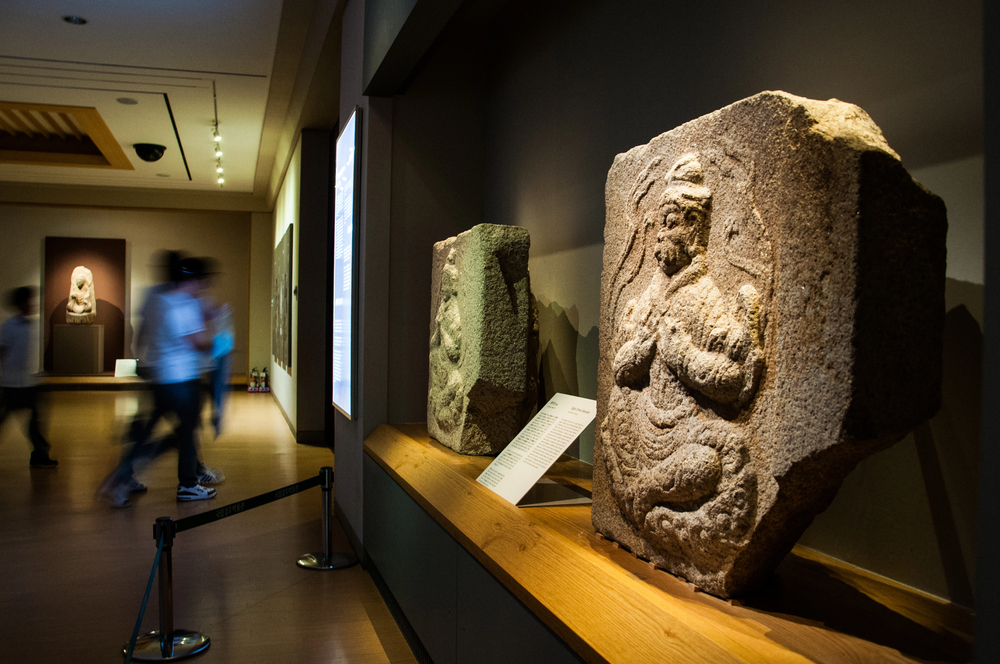
The National Museum of Korea, the National Folk Museum, Leeum Samsung Museum of Art, and dozens of smaller galleries make Seoul a serious destination for art and history. Busan has the impressive Busan Museum of Art and the newly opened Busan Museum of Contemporary Art, but Seoul’s depth is considerably greater.
If museums and galleries feature heavily in your plans, Seoul should probably come first.
Busan is easier to use as a base for nearby day trips
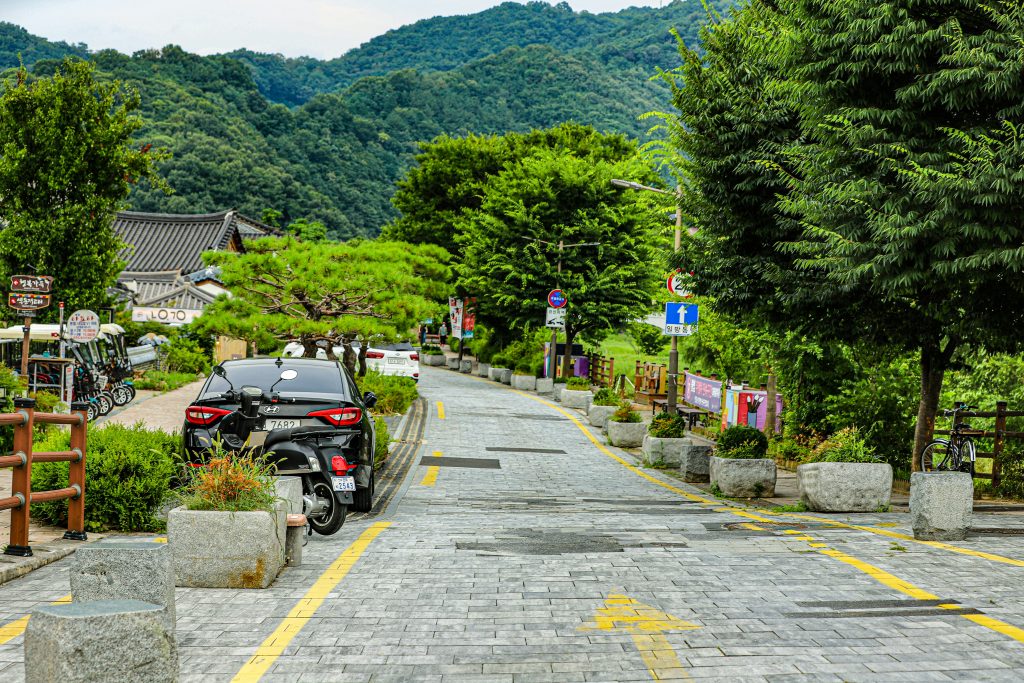
From Busan, you can reach Gyeongju—Korea’s ancient capital and sometimes called ‘the museum without walls’—in under an hour by train. The island of Geoje, the coastal town of Tongyeong, and the temple complex of Haeinsa are all within reasonable day-trip range.
Busan functions well as a hub for exploring the broader southeastern region of South Korea, which adds significant value if you have more than a week.
Seoul is harder to navigate but deeply rewarding
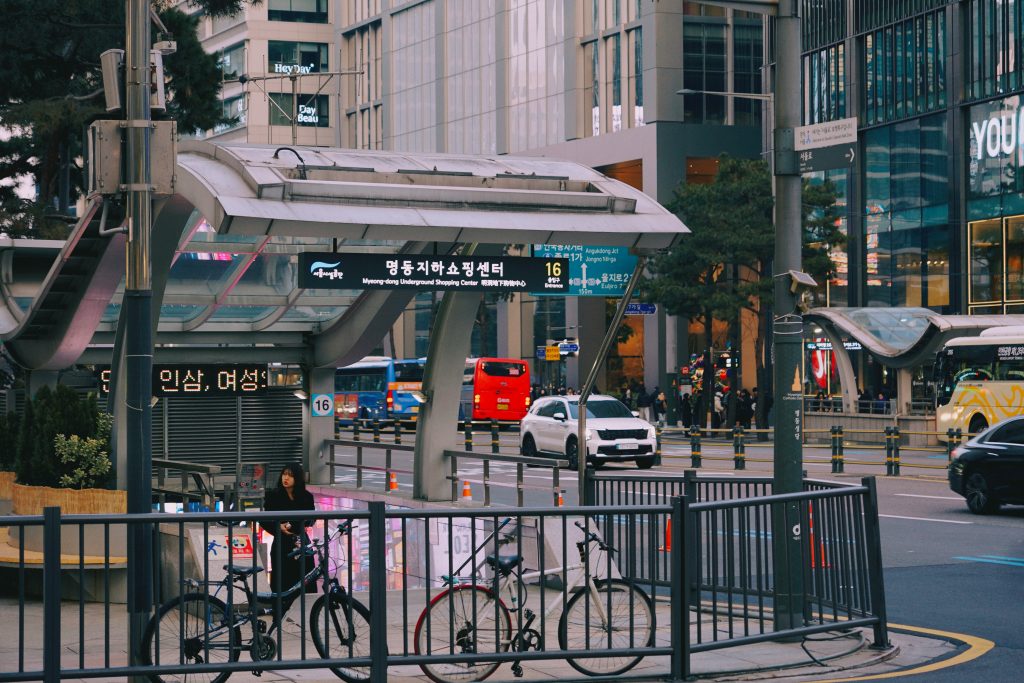
The Seoul Metro has 23 lines and over 300 stations—impressive and efficient once you understand it, but intimidating on day one. Google Maps and Naver Maps both work well, and transit cards make hopping between neighborhoods fast and cheap.
The payoff for learning the system is that virtually every part of the city becomes accessible, which matters when Seoul’s neighborhoods are spread across such a large area.
Busan suits outdoor and nature lovers better
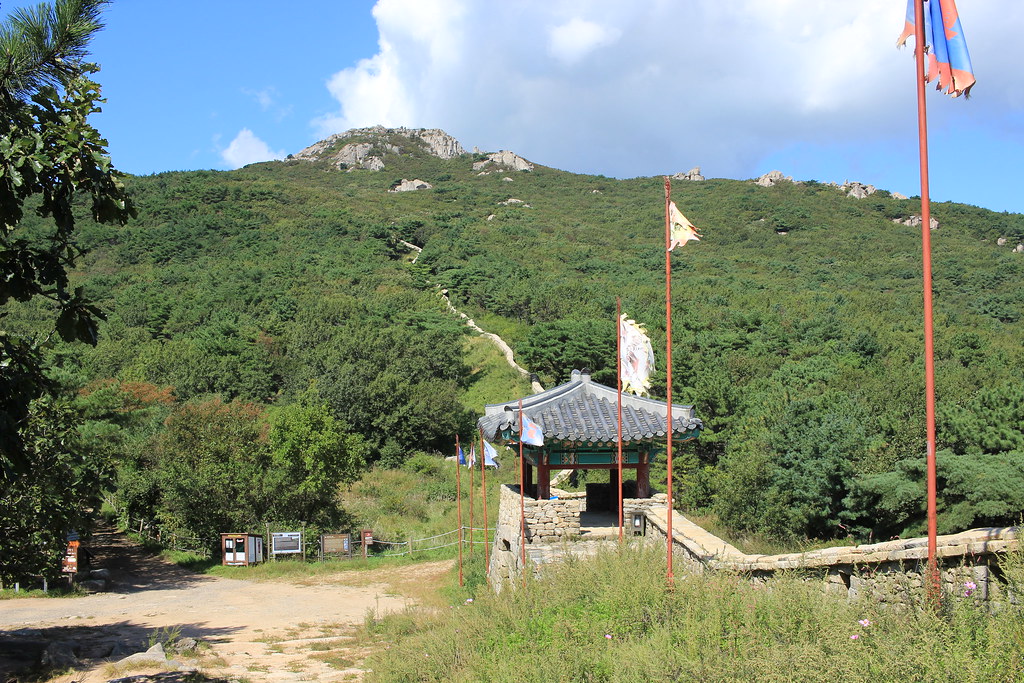
Geumjeongsan Mountain, accessible via cable car from the city, offers hiking trails and the sprawling Geumjeong Fortress walls—a 10-mile-long structure built in the early 1700s and still largely intact. Taejongdae Park, at the southern tip of Yeongdo Island, has dramatic coastal cliffs and forest walks.
For anyone who likes mixing city time with access to the natural world, Busan’s geography is a significant advantage.
Seoul is more internationally connected
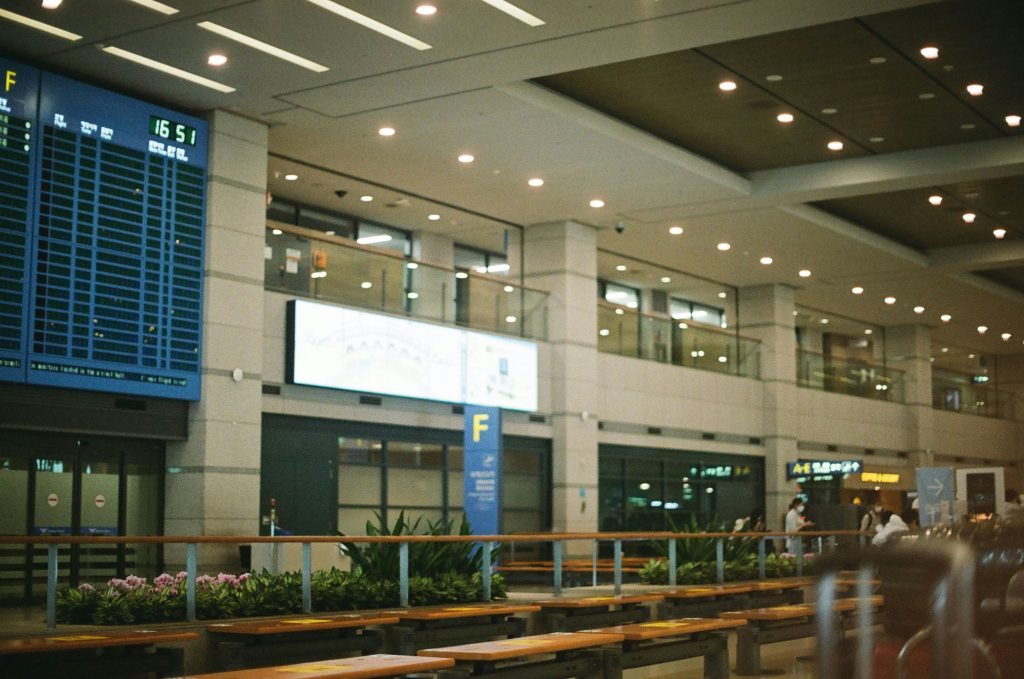
Incheon International Airport consistently ranks among the world’s best airports and connects Seoul to virtually every major city on the planet. Busan’s Gimhae Airport handles far fewer international routes—mostly regional connections to Japan, China, and Southeast Asia.
For travelers flying from North America or Europe, Seoul will almost certainly be the arrival point regardless of preference, which influences the logical order of exploration.
Your travel style determines the winner
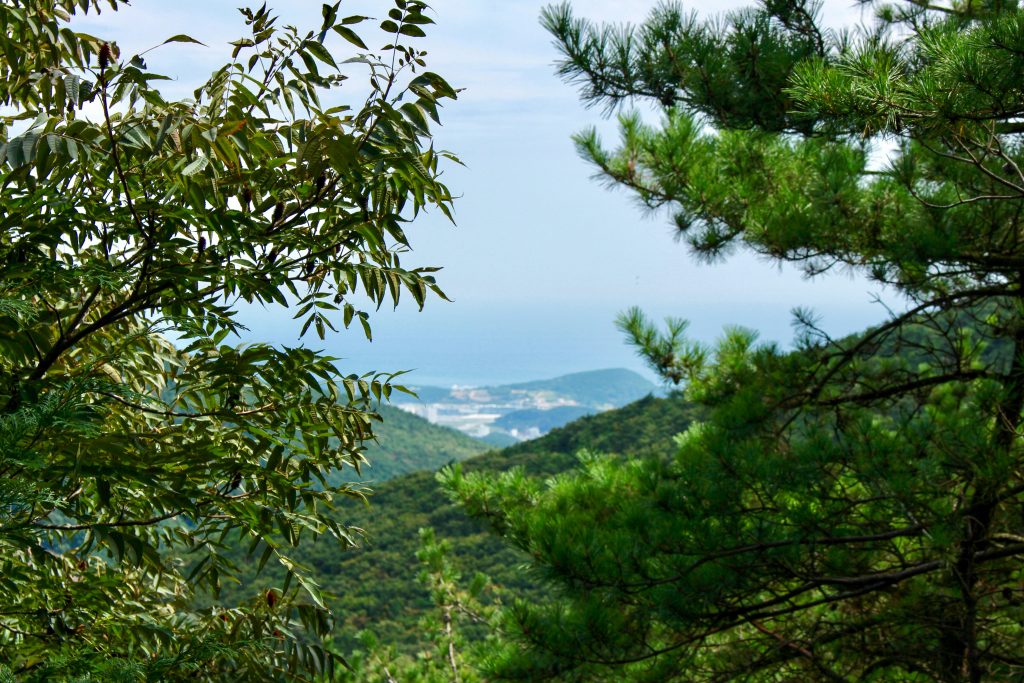
Busan suits travelers who prefer a slower pace, scenic environments, seafood-heavy eating, and a city that rewards wandering without a rigid plan. Seoul suits people who want to pack in as much as possible—historical sights, modern culture, shopping, nightlife—and who thrive in high-energy urban settings.
Neither city is objectively better; they’re just built for different kinds of visitors.
Two cities, one remarkable country
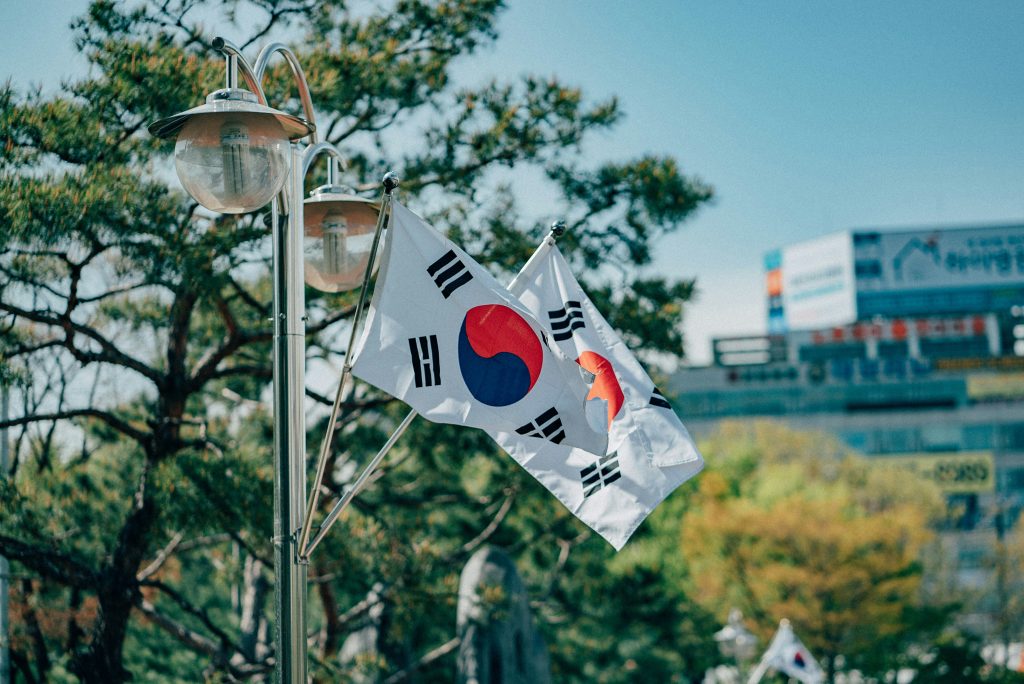
South Korea is an unusual case in that it has managed to develop two truly world-class, distinct, and compelling cities in a span of two and a half hours from one another. It is impossible to deny Seoul’s grandeur and ambitions, yet Busan, with its seaside spirit and creative quarters, is equally captivating in its own way.
The best answer to the “which came first” debate is to begin with the one that best fits your travel style and then take a train to learn why you should have started with the other one in the first place.
More from Travel Pug

- Underrated Italian Towns That Beat the Tourist Crowds
- Las Vegas Tourist Traps to Skip
- Prettiest Towns in Every US State
- 18 passport-free countries for Americans
- Signs Your Cruise Is Not Worth The Cost
Like Travel Pug’s content? Follow us on MSN.