

There’s a particular kind of sticker shock that hits differently at sea. You’re a few days into a cruise, somewhere in the middle of the Caribbean or threading through Norwegian fjords, and you’ve forgotten a tube of sunscreen or you want a bottle of perfume as a gift, or maybe you just need a new pair of sunglasses because yours went overboard somewhere off the coast of Cozumel.
So you wander into the onboard shop, pick up what you need, and then you see the price tag. It’s not a misprint. That’s just what it costs when the nearest Target is 200 miles away and sinking fast beneath the horizon.
Cruise ship retail has long operated on a logic all its own — a logic that works entirely in favor of the ship. Captive customers, limited alternatives, and the psychological looseness that comes with being on vacation all add up to a shopping environment where markups that would be laughed off on land are somehow accepted without much protest.
What follows is a close look at the categories where the price gap is widest, and what you can realistically do about it.
Sunscreen and Basic Skincare

Sunscreen on a cruise ship is not a product — it’s a hostage situation. A standard bottle of SPF 50 that runs about $10 at a drugstore on land regularly appears on cruise ship shelves for $20 to $25 or more, and the brand isn’t even always a step up.
Pack two bottles before you board, because buying one onboard feels less like a purchase and more like a ransom payment.
Duty-Free Perfume and Cologne
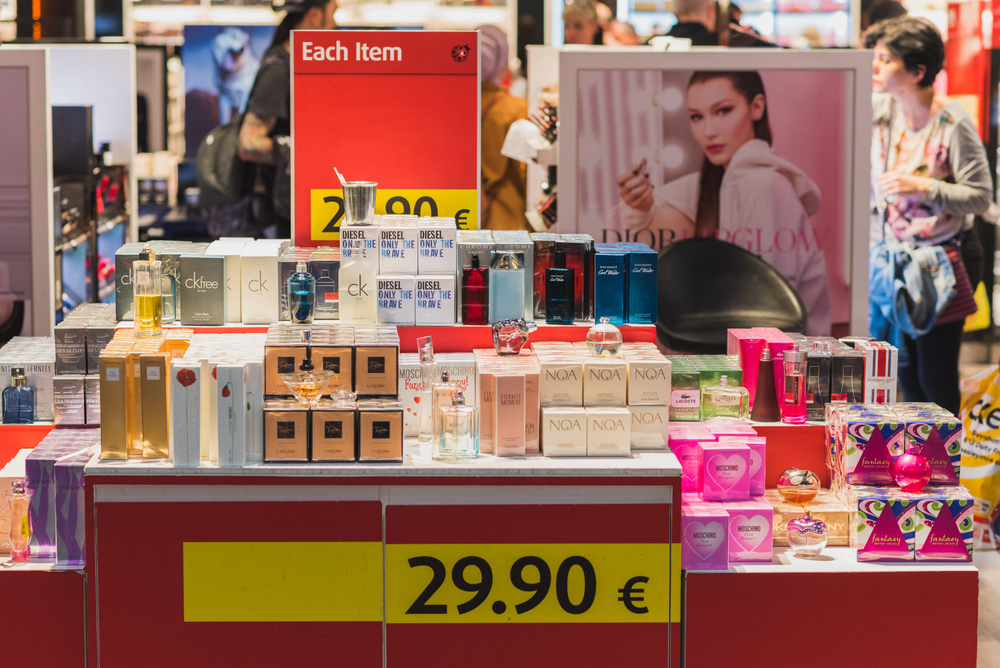
Duty-free is a word that carries a lot of goodwill it doesn’t always deserve. The “duty-free” label removes import taxes, but cruise lines layer their own retail margins right back on top, meaning a fragrance that retails for $85 at a department store on land often sits at $110 or more in the ship’s boutique.
To be fair, some luxury perfumes do price out reasonably — but those are the exceptions, and they tend to sell out fast, which is perhaps not a coincidence.
Branded Clothing and Souvenirs

Ship-branded apparel is priced like a luxury good despite being made like a promotional item. A basic cotton T-shirt with the cruise line’s logo — the kind that will shrink two sizes in the wash and fade within a year — typically runs $35 to $45.
The souvenir economy on a cruise operates on vacation math: you’re in a good mood, you want something to remember the trip by, and the shop is right there.
Jewelry

Jewelry boutiques on cruise ships have a practiced talent for making mid-tier pieces feel like treasures. The lighting is warm, the cases are polished, and the staff are very good at mentioning that a particular item is “exclusive to the ship” — a phrase that, when translated, means you won’t find it cheaper elsewhere because you can’t find it elsewhere at all.
Independent jewelers in port towns frequently offer comparable or superior pieces at noticeably lower prices, which is something worth remembering before you reach for the ship’s credit.
Alcohol and Spirits

The onboard liquor store is one of the more interesting contradictions on any cruise ship. Prices for spirits are sometimes close to competitive — especially on bottles passengers are buying to take home rather than drink onboard — but the “duty-free” framing can create a false sense of savings that doesn’t hold up when you compare receipts.
Some lines genuinely offer reasonable spirits pricing; others use the duty-free label as cover for margins that would embarrass a hotel minibar.
Watches
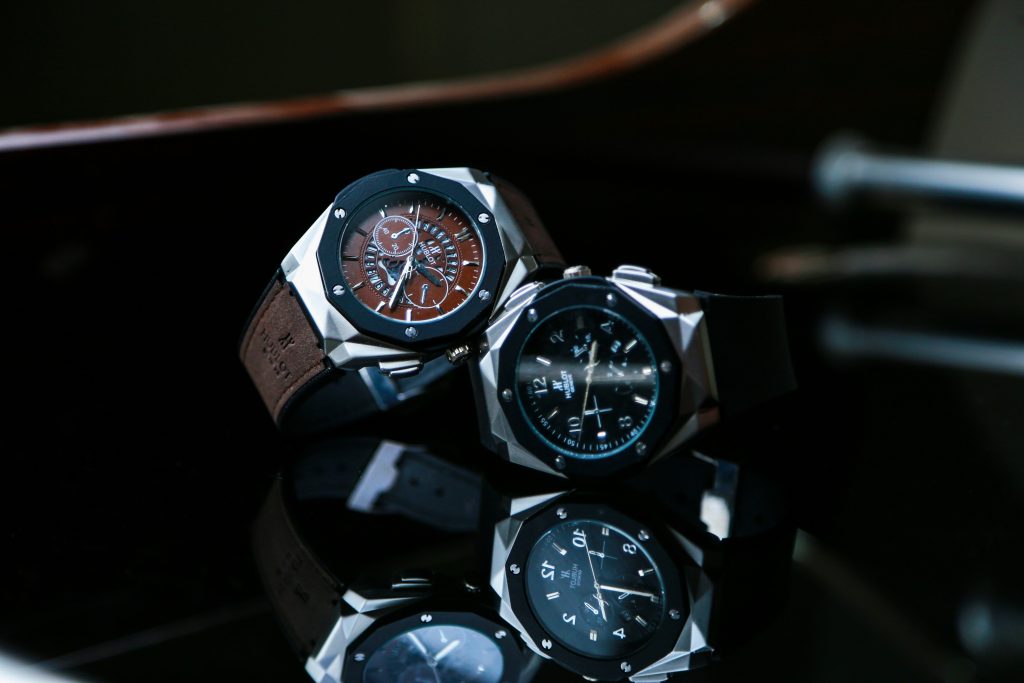
Watches sold on cruise ships occupy an odd middle tier: too expensive to buy casually, not quite exclusive enough to justify the premium. A watch retailing for $250 at a mall jeweler or online will frequently appear in a ship’s boutique at $320 to $380, dressed up with a velvet display and a sales pitch about investment value.
Turns out a watch doesn’t gain value by being sold in international waters.
Electronics and Accessories

Electronics on cruise ships are the retail equivalent of a convenience store — you pay for the convenience, not the product. A pair of basic wireless earbuds, a portable charger, or a phone case that costs $20 to $40 on Amazon will often appear onboard at double that, sometimes more.
The implicit deal is: you forgot it, they have it, and the markup is the fee for having it ready.
Snacks and Candy

The onboard shop snack selection is small, overpriced, and oddly comforting, the way a gas station is oddly comforting when you’ve been driving through nowhere for three hours. A bag of mixed nuts or a box of chocolate that would run $4 to $6 at a grocery store typically lands at $9 to $12 in the ship’s convenience section.
It’s not catastrophic, but it adds up across a seven-night sailing in ways that quietly astonish you when you look back at your onboard account.
Over-the-Counter Medications

This one stings more than the others, because by definition, you need it. Seasickness tablets, pain relievers, antacids, cold medicine — the kinds of things that cost $6 to $9 at a pharmacy — are routinely priced at $15 to $22 onboard. Packing a small over-the-counter kit before boarding is one of the genuinely good pieces of cruise advice that never gets old, because nothing compounds the misery of a headache quite like paying $18 for the pills to treat it.
Sunglasses
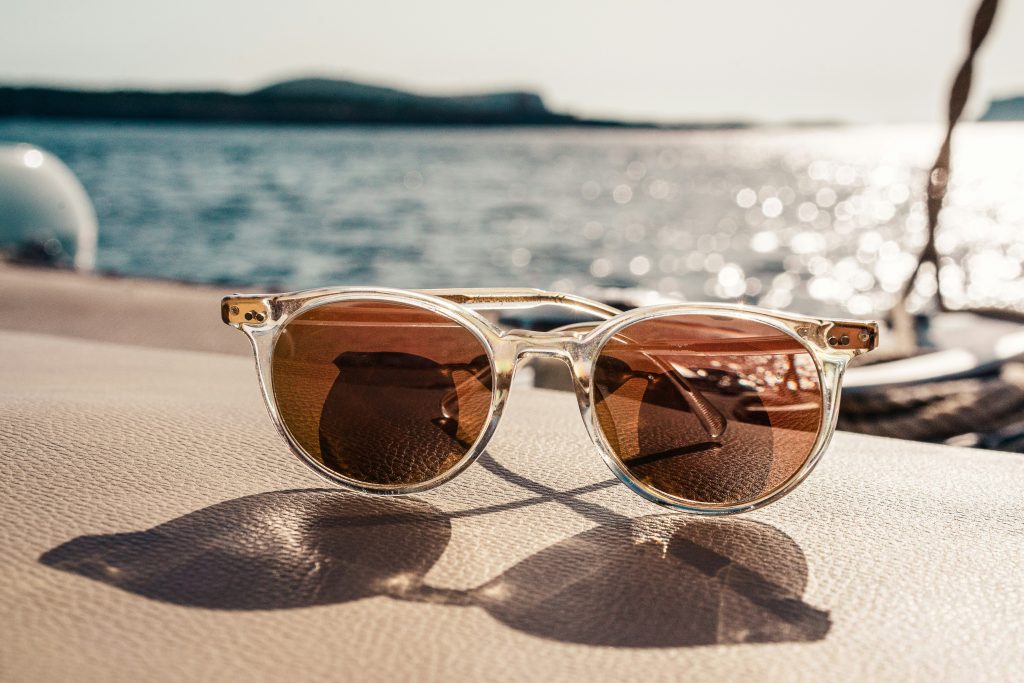
Sunglasses on cruise ships exist in two unsatisfying categories: cheap and overpriced, or designer and extremely overpriced. The middle range — a decent pair that won’t fall apart but won’t drain your wallet either — is almost entirely absent.
A pair of polarized sunglasses sitting in a ship’s boutique at $75 to $100 is often the same quality as something you’d find for $30 to $40 at a sporting goods store on land, just with a nautical logo pressed into the temple.
Baby and Child Supplies

Parents who run out of diapers, formula, or children’s pain relievers at sea are in a position the ship’s shop knows very well. Baby supplies onboard are priced with the confidence of a seller who understands the customer has no alternative and no leverage.
A pack of diapers that costs $12 at a big-box store will often appear at $22 to $28 onboard — and the selection is narrow enough that you’re also paying for the privilege of accepting whatever brand they happen to stock.
Books and Magazines

A paperback novel on a cruise ship is priced like a hardcover, and a hardcover is priced like a collectible. The $14 airport paperback becomes a $22 to $24 ship’s shop paperback, which is a particular irony given that the whole point of a cruise vacation is having time to actually read the thing.
Most ships now have small lending libraries somewhere onboard — a quiet corner with a rotating collection of abandoned paperbacks — and finding it is one of the smarter moves you can make in the first 24 hours.
Photography and Camera Supplies
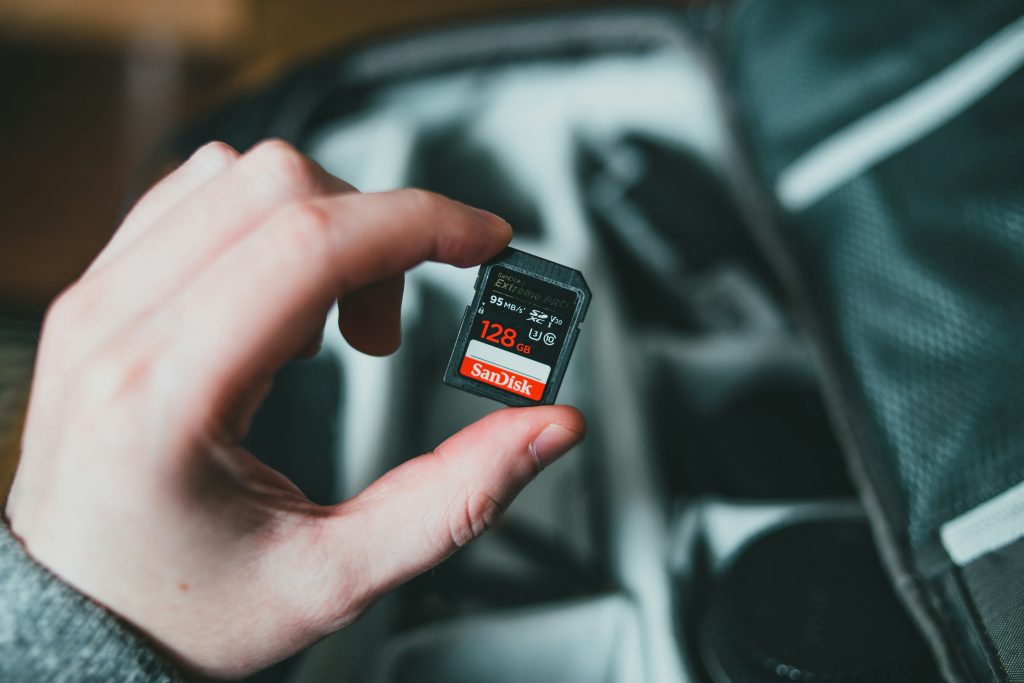
Memory cards, camera batteries, and basic photography accessories are priced on cruise ships the way pharmacies used to price printer ink — aggressively and without apology. A 64GB memory card that runs $12 to $15 online will frequently appear at $30 or more in a ship’s boutique.
The professional photographers on board will also happily sell you printed portraits at prices that make the memory card feel like a bargain.
Swimwear

A swimsuit bought on a cruise ship is a financial decision that requires a moment of calm reflection, ideally taken before you’re already standing at the register. Swimwear that would retail for $40 to $60 at a beach shop or mid-range clothing store often lands at $80 to $120 onboard, in styles that are serviceable but rarely remarkable.
The logic, again, is captivity — your luggage is in the cabin, the pool is calling, and the shop is three decks up.
Hair and Body Products

— Photo by monticello
Shampoo, conditioner, body wash — the small things that feel minor until you’ve forgotten them 300 miles from the nearest drugstore. Name-brand hair products that cost $8 to $12 on land often appear onboard at $18 to $24, and the ship’s own branded toiletries (the ones already in the cabin bathroom) are frequently of a quality that makes you want the name brands even more.
Pack your own; it takes almost no space and saves a quiet, low-grade irritation.
The Price You Actually Pay

The real cost of cruise ship shopping isn’t just financial — it’s the slow, dawning awareness that you have walked into a store where the prices were set by someone who knows you have nowhere else to go. That’s not cynicism; that’s just the business model, and it’s a remarkably honest one once you see it clearly.
The ships are beautiful, the itineraries are often genuinely wonderful, and the onboard experience can be extraordinary — but the shops are not part of what makes them extraordinary, and treating them as a last resort rather than a destination is the move that keeps your final bill from being its own kind of adventure.
More from Travel Pug

- Underrated Italian Towns That Beat the Tourist Crowds
- Las Vegas Tourist Traps to Skip
- Prettiest Towns in Every US State
- 18 passport-free countries for Americans
- Signs Your Cruise Is Not Worth The Cost
Like Travel Pug’s content? Follow us on MSN.