

Now, Italy has much more to offer than just pasta and Chianti. A silent movement is spreading amongst the ancient olive groves and hilltop monasteries where people find refuge from the noisy modern world to experience silence again.
The retreats are the result of a blending of centuries-old Italian spirituality and modern-day wellness practices, thus resulting in places where your phone’s life is off and your mind finally gets a chance to catch up with itself. Selecting a flavor of silence varies by country: Alpine meadows, Tuscan vineyards, or medieval stone walls that have absorbed centuries of prayers.
Slowly, Americans are becoming aware of what Europeans have realized for decades—that sometimes the best vacation is just lying down. Here is a list of 20 features of silent retreats in Italy that make them exceedingly transformative.
Assisi’s spiritual heritage
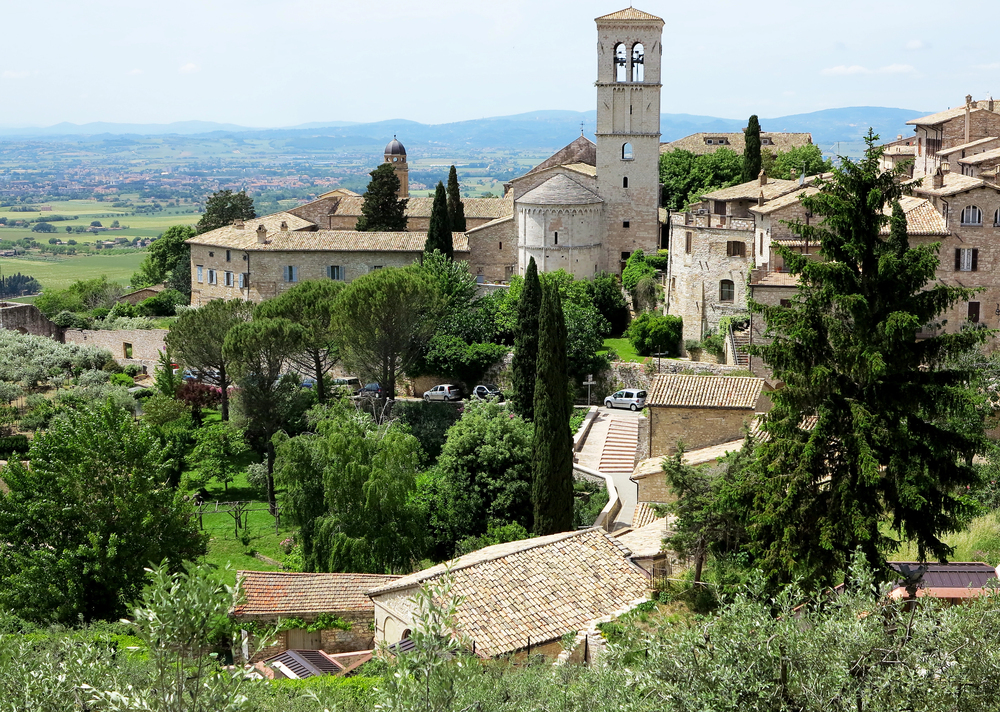
Saint Francis’s birth town has so much to offer than just tourists. Modern-day retreat centers are set up in locations where the contemplative tradition has existed for centuries, offering amenities such as refurbished convents and meditation halls built specifically for this purpose.
The town’s cobbled roads and the hills surrounding it function as a natural barrier to the outside world, thus enabling people to enter into silence naturally rather than feeling that they are forcing it.
Vipassana centers across the country
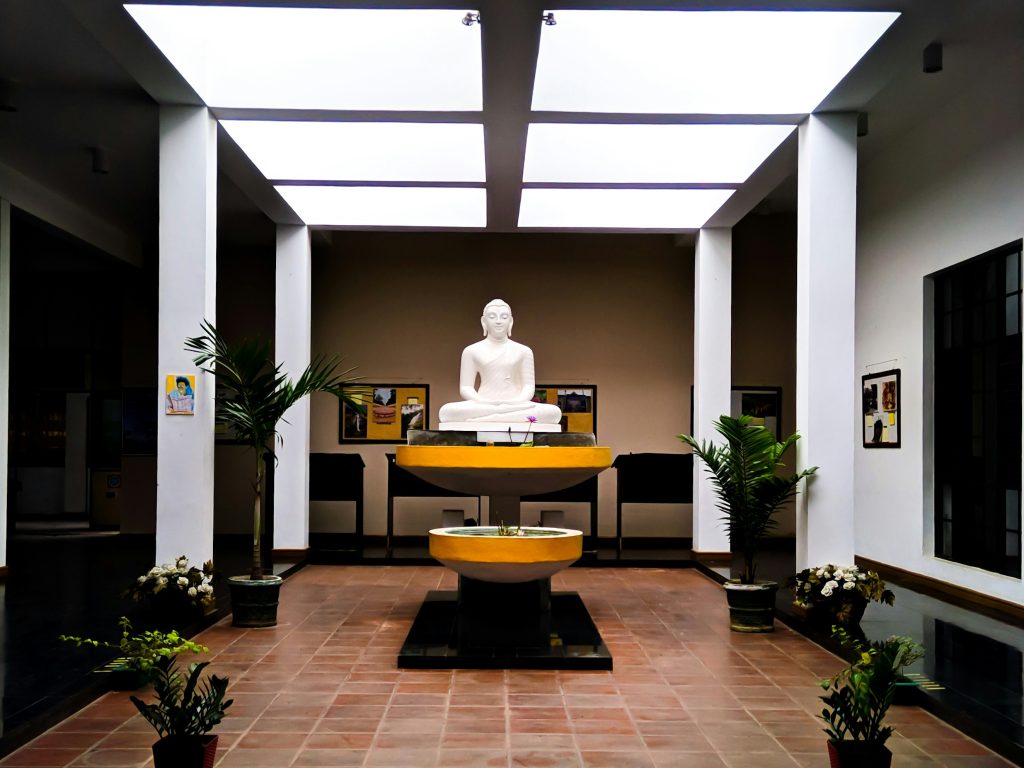
Italy hosts several official Vipassana meditation centers that follow the traditional 10-day format developed by S.N. Goenka. These retreats cost nothing upfront—they run entirely on donations from past students who found value in the experience.
You’ll meditate for about 10 hours daily, wake up at 4 AM, and follow a strict code of silence that extends beyond just not talking.
Tuscan countryside locations
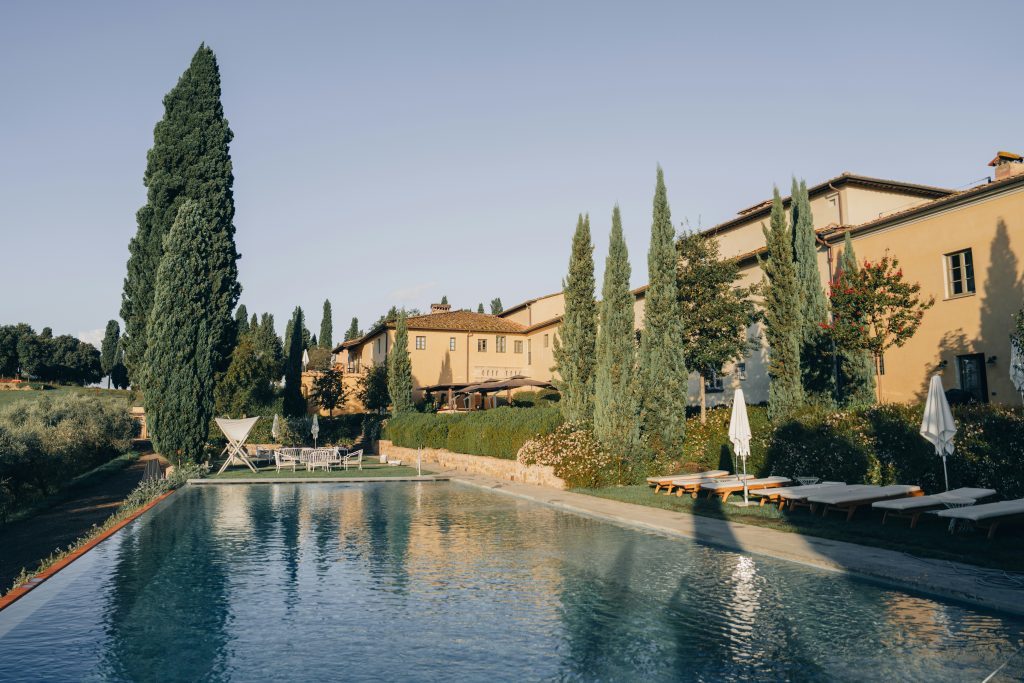
Rolling hills covered in cypress trees and vineyards provide the backdrop for numerous secular silent retreats in Tuscany. These spots often occupy restored farmhouses or villas where you can see the landscape that inspired Renaissance painters while working on your own internal masterpiece.
Food alone makes the Italian experience worth it, even when you’re eating it in complete silence.
The monastery stays in Umbria
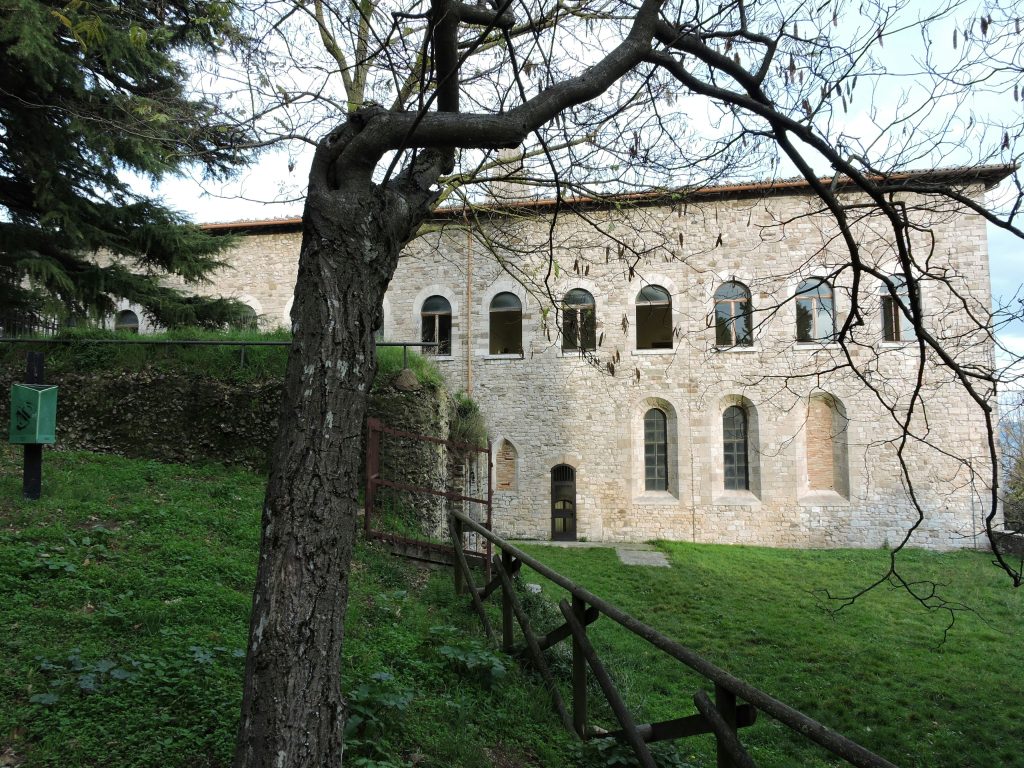
In Umbria, the monasteries offer a place to stay for those looking for authentic monastic experiences, not luxury spa treatments. You will live according to the monastic lifestyle, attending prayer services if you want to, and having the same meals as the monks or nuns.
The stone walls are cool even in the summer, and the feeling of eternity helps to cut off from the usual race against time with the deadline.
Alpine retreats in northern regions
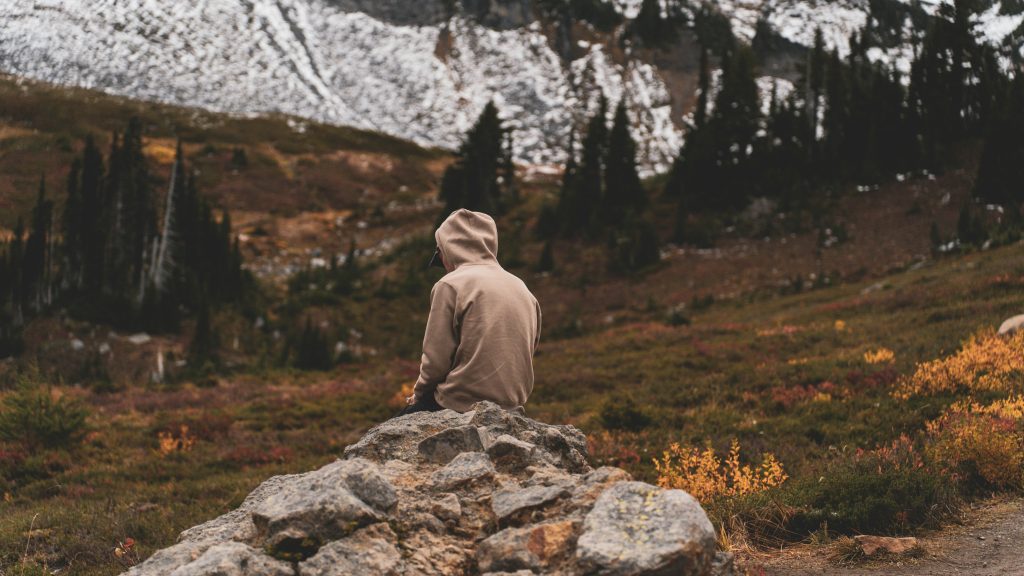
The Italian Alps offer a completely different silent retreat experience where mountain air and dramatic peaks replace gentle hillsides. Centers like Mandali near Lake Garda combine meditation with natural beauty that makes staying silent feel less like discipline and more like the only appropriate response.
Winter retreats here add an extra layer of quiet when snow muffles even the sound of wind.
Digital detox requirements
Most Italian silent retreats require you to surrender your phone, laptop, and any other device that pings, buzzes, or glows on demand. This isn’t optional—retreat coordinators will lock your gadgets away for the duration.
The first day feels like losing a limb, but by day three, most people report feeling lighter without the constant urge to check notifications.
Duration options for different schedules

Italian retreats range from weekend samplers to month-long immersions, letting you match the experience to your available time and commitment level. Three to seven days seems to be the sweet spot for beginners—long enough to actually settle into silence but short enough that your boss won’t think you’ve joined a cult.
The longer retreats attract more serious practitioners who know what they’re signing up for.
Cost structures and what’s included
Prices vary widely by location and amenities, from donation-based Vipassana centers to upscale retreat facilities charging several hundred euros per night. Most include accommodation and meals, with simple vegetarian fare being standard rather than gourmet spreads.
The budget options often provide the most authentic experiences, though comfort levels might involve sharing bathrooms and sleeping in dormitory-style rooms.
Daily schedule and routine
A typical day starts before sunrise with meditation or prayer, followed by breakfast eaten in silence. Mornings usually involve more formal practice sessions, while afternoons may include walking meditation, personal reflection, or light tasks.
Evening sessions wrap up the day before an early bedtime, creating a rhythm that feels strange initially but surprisingly natural after a few repetitions.
The science behind silence benefits
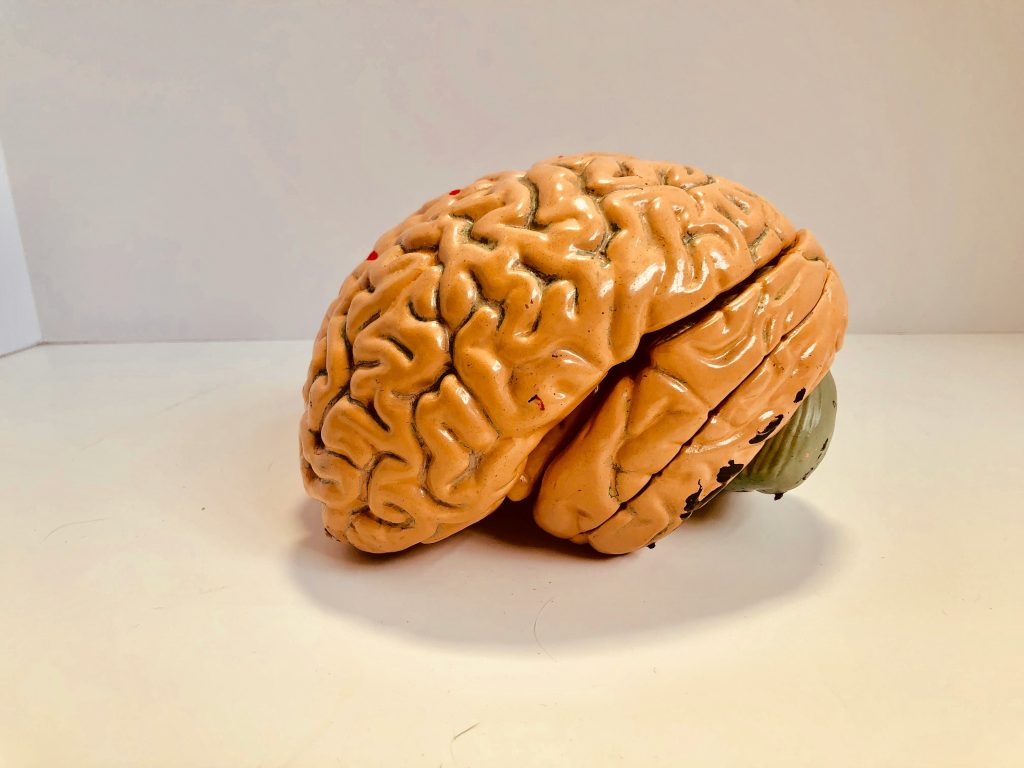
Research from institutions studying contemplative practices shows that extended silence reduces cortisol levels and can literally change brain structure over time. The default mode network—the part of your brain that creates your sense of self—becomes less active during silent retreats, which might explain why people report feeling less anxious about their identity and problems.
Italian neuroscientists have contributed significant research to this field, making the country both a practical and scientific hub for silence studies.
Language considerations for Americans
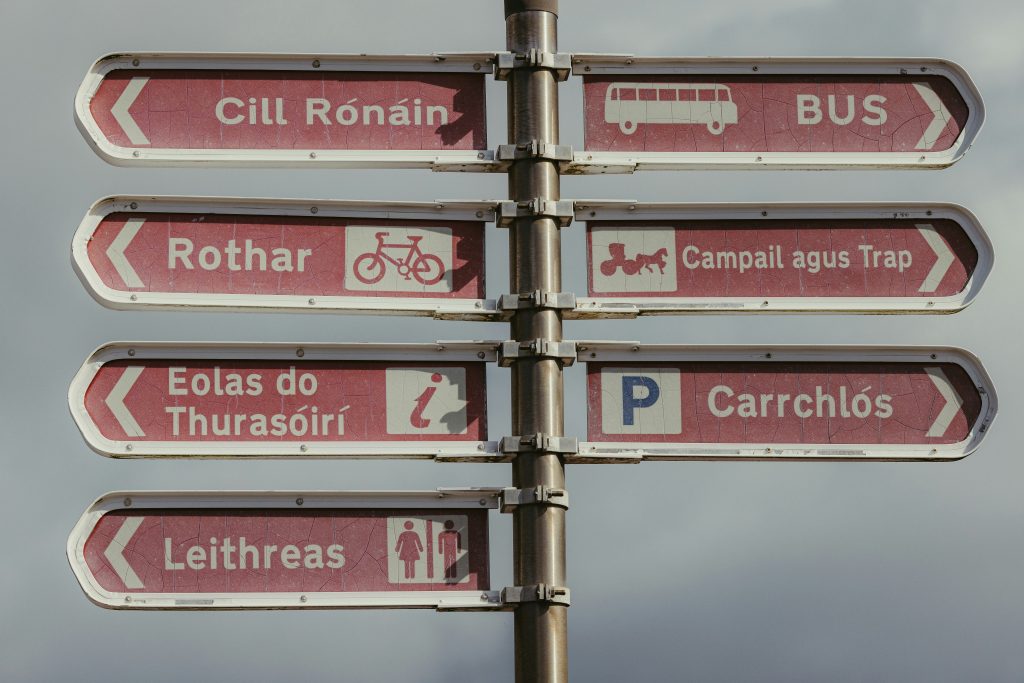
Many Italian retreats operate in complete silence anyway, so language barriers matter less than you’d think. Instructions are often given in English or translated, and the shared experience of not talking creates its own form of communication.
Some centers cater specifically to international guests, with multilingual staff, while monastery stays may require basic Italian for practical coordination.
Food culture meets mindful eating

Italians take food seriously, even in silent retreat settings, which means you’ll likely eat better than at similar facilities elsewhere. Meals become meditation practices when you actually taste each bite instead of scrolling through your phone or making small talk.
The regional ingredients and traditional preparations remind you that nourishment doesn’t require conversation to be deeply satisfying.
Walking meditation in Italian gardens
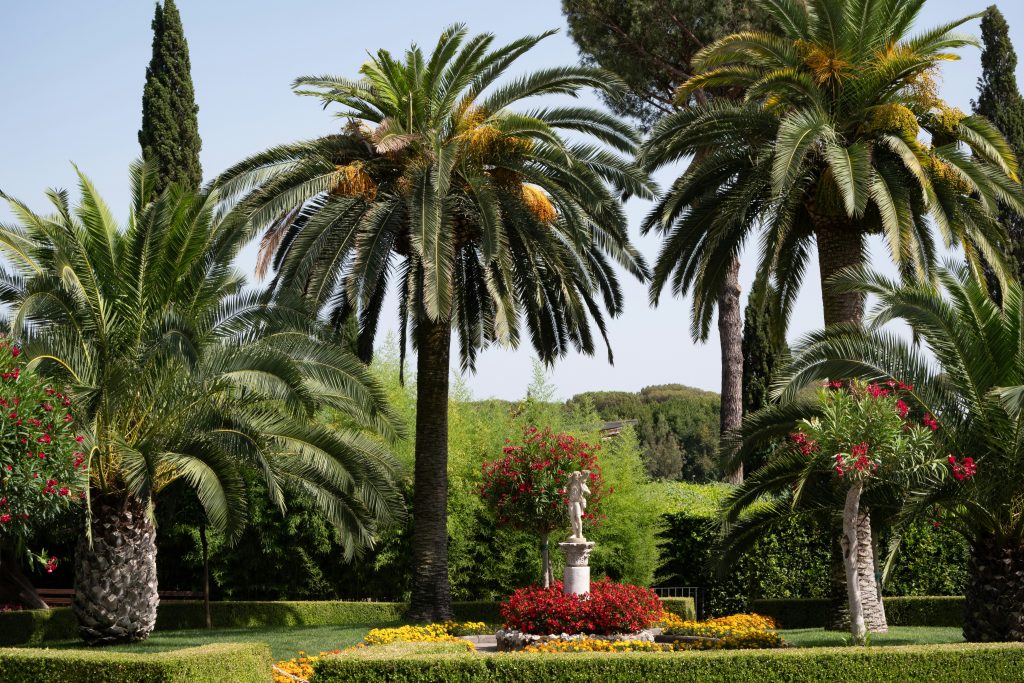
Many retreat centers maintain gardens specifically designed for walking meditation, with gravel paths that crunch underfoot and aromatic herbs releasing scent as you brush past them. This practice combines movement with mindfulness, making it accessible to people who struggle to sit still for extended periods.
The Italian landscape naturally encourages this contemplative wandering in ways that urban retreat centers simply can’t replicate.
Dealing with emotional releases
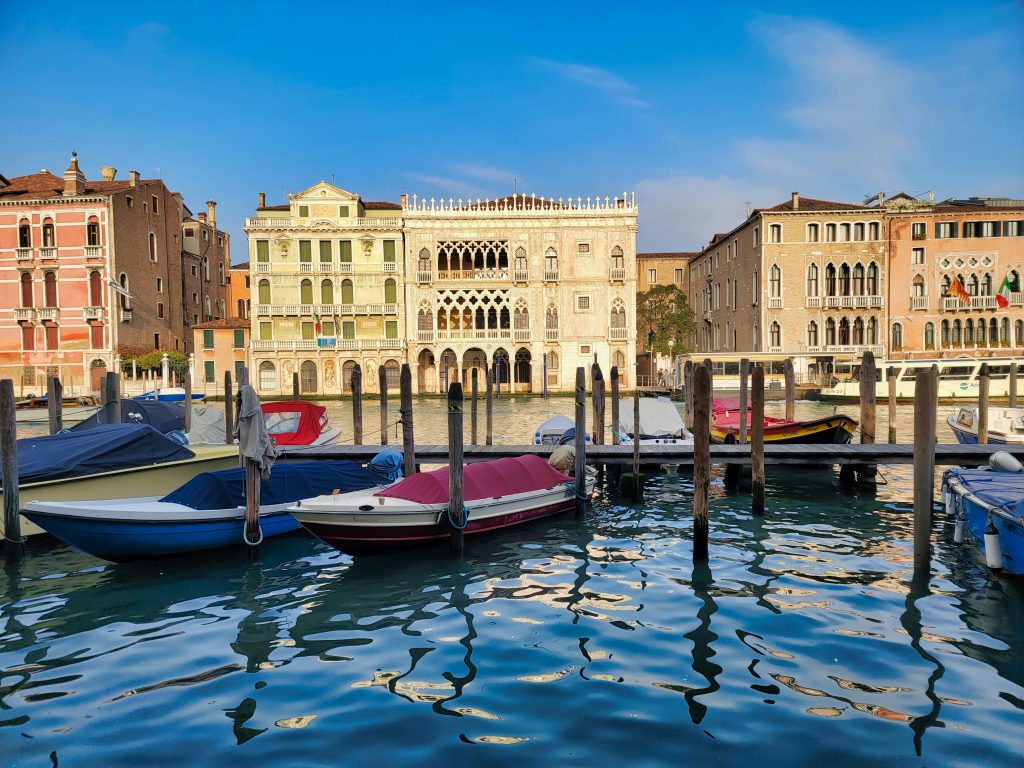
Silence has a way of bringing suppressed emotions to the surface, and Italian retreat facilitators expect this phenomenon. Most centers have trained staff available for private consultations when participants hit rough patches, though the emphasis remains on working through difficulties yourself rather than talking them away.
The process can feel intense, but that’s generally considered a feature rather than a bug.
Integration practices for returning home
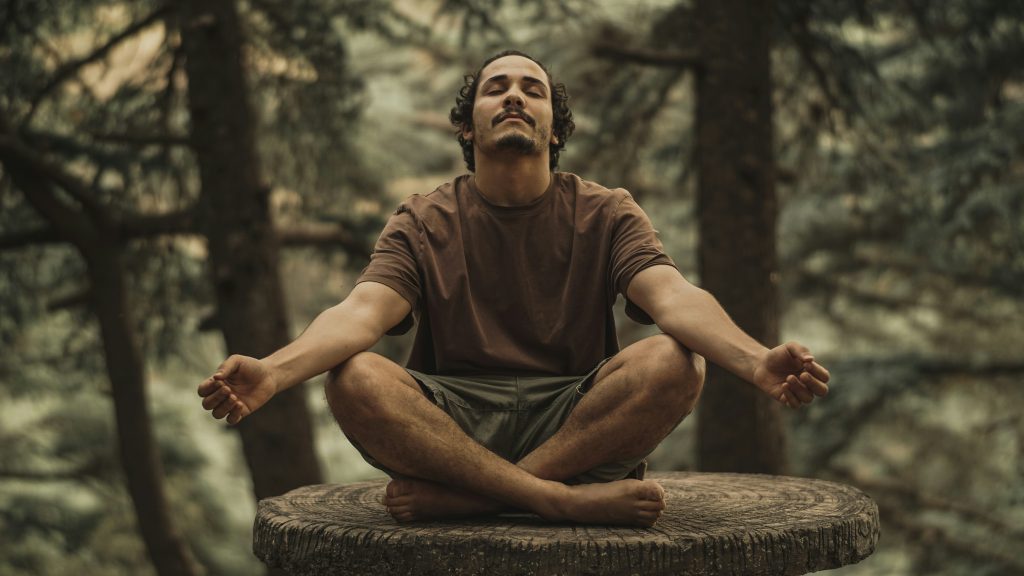
The real challenge of silent retreats isn’t the silence itself but maintaining insights once you return to normal life. Italian centers typically dedicate the final day to gradual reentry, slowly reintroducing speech and discussing how to carry practices forward.
Some offer online follow-up sessions or connect participants with local meditation groups back home, recognizing that the retreat experience needs reinforcement to stick.
Seasonal variations and timing
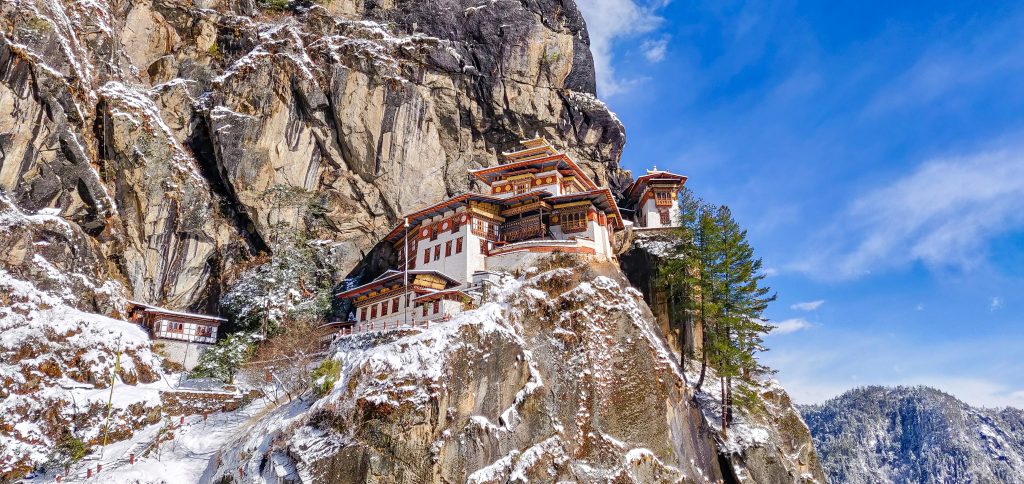
Summer brings crowds and heat to popular Italian retreat locations, while spring and fall offer milder weather and fewer tourists. Winter retreats in monasteries have a particularly austere beauty when bare trees and gray skies match the stripped-down internal work.
Each season creates different conditions for silence, and experienced retreat-goers often have strong preferences based on past experiences.
Physical preparation recommendations
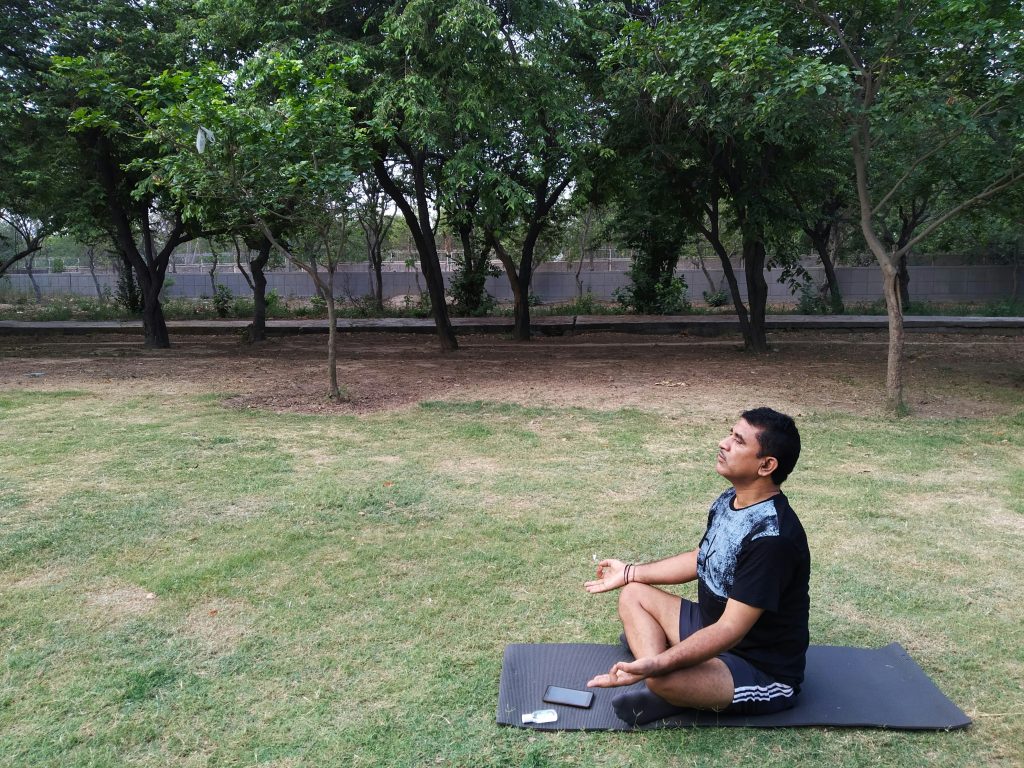
You don’t need to be a yoga master to attend a silent retreat, but decent flexibility helps when you’re sitting for hours daily. Some centers recommend starting a meditation practice weeks before arrival to avoid the shock of going from zero to several hours of sitting.
Basic physical conditioning matters too—even simple tasks feel harder when you’re not using conversation to distract yourself from discomfort.
Rules and etiquette specifics
Beyond not talking, silent retreats involve other guidelines that might surprise newcomers. Eye contact is typically discouraged to help participants stay internal rather than seeking connection with others.
Reading and writing are often prohibited except for journaling specific to the practice. Even gestures and non-verbal communication get minimized, creating a truly comprehensive silence that extends beyond just closing your mouth.
Transportation and arrival logistics
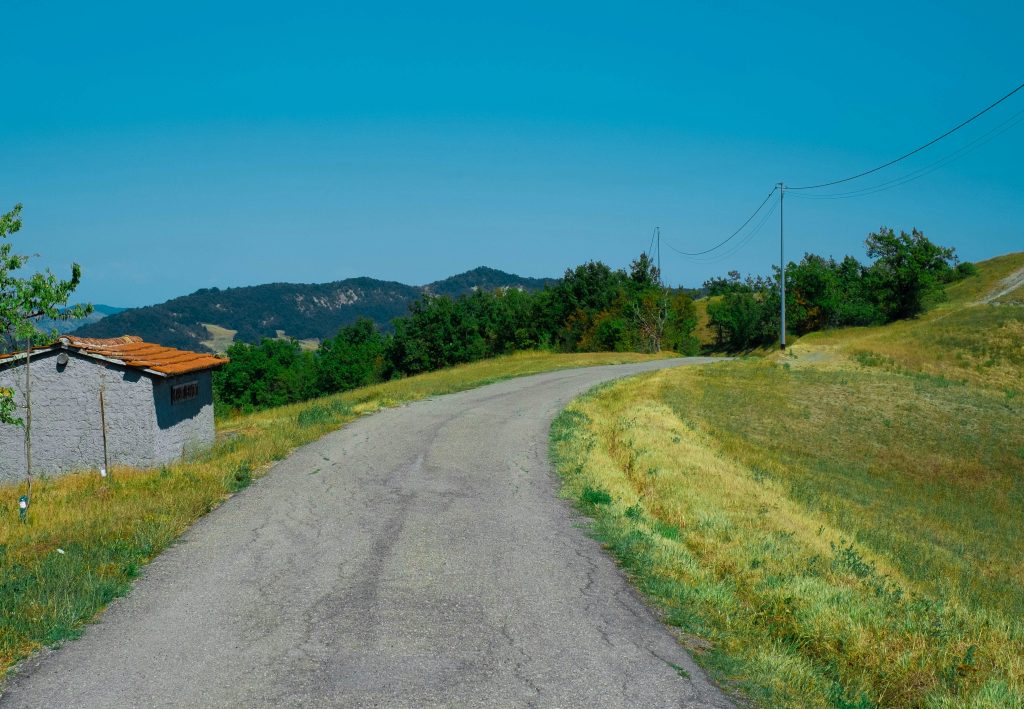
Getting to remote Italian retreat centers usually requires planning since many occupy rural locations without public transit access. Some facilities arrange group pickups from nearby train stations, while others assume you’ll rent a car.
The journey itself becomes part of the retreat experience as you watch the Italian countryside roll past, knowing you’re heading somewhere your phone won’t work and your voice won’t be heard.
Accommodation styles and comfort levels
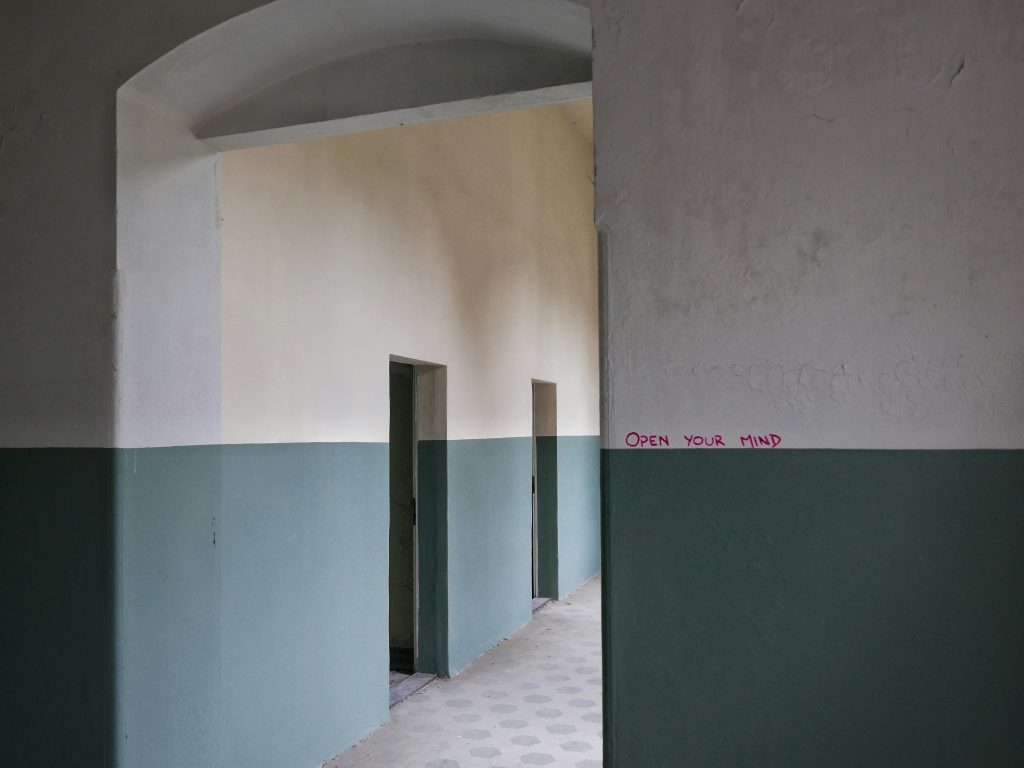
Retreat accommodations range from Spartan monastery cells with single beds and shared bathrooms to comfortable private rooms with en suite facilities. The simpler options actually enhance the experience for many people by removing distractions and expectations of comfort.
Italian centers often split the difference, providing clean and adequate spaces without luxury touches that might pull your attention outward rather than inward.
When ancient practice meets modern need
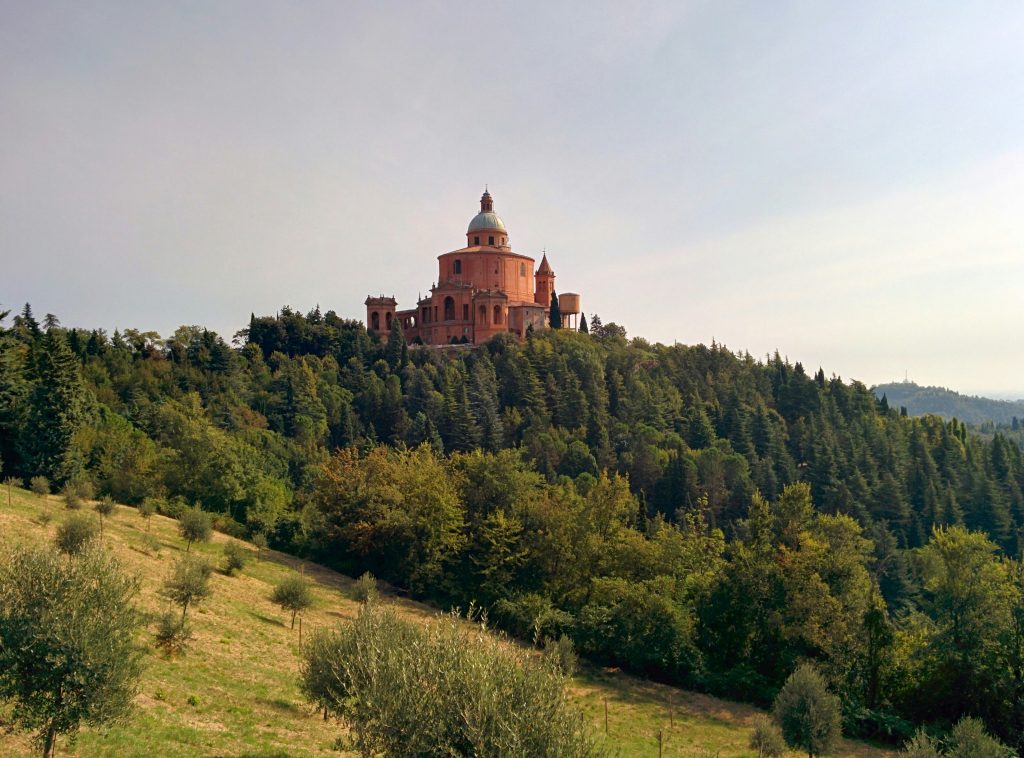
Silent retreats in Italy exemplify the unusual clash between the medieval spiritual practices and the contemporary burnout culture. Stone buildings that were once the abode of the contemplatives are now the residential quarters of the tech workers and stressed professionals who want to experience what their predecessors would have referred to as salvation, although modern-day society might denote it differently—mental health.
Italy’s unique quality is keeping these places bringing silence, not as a museum experience but as living practices that change while still having their core character. The nation proves that silence is not a means of slipping away from the modern world but of discovering a way to coexist with it, one mindful breath at a time, that is, a sustainable way.
More from Travel Pug

- Underrated Italian Towns That Beat the Tourist Crowds
- Las Vegas Tourist Traps to Skip
- Prettiest Towns in Every US State
- 18 passport-free countries for Americans
- Signs Your Cruise Is Not Worth The Cost
Like Travel Pug’s content? Follow us on MSN.