

At first sight, India’s public transportation system—crowded trains, honking auto-rickshaws, and buses crammed closer than looks physically feasible—can seem overpowering. Once you unlock the code, though, traveling becomes part of the adventure instead of a cause of anxiety.
Learning how to utilize the country’s extensive network—from Himalayan villages to coastal communities—changes your travel from expensive and solitary to inexpensive and genuine. Here’s a list of 15 smart steps for navigating India’s public transit.
Download essential apps before you arrive

IRCTC is the official railway booking app and becomes your best friend for train travel across India. The app removes language barriers and lets you book tickets, check availability, and track trains in real time.
Grab works like Uber for taxis and auto-rickshaws, showing exact fares before you commit. M-Indicator helps with local trains and buses in major cities, while Maps.me works offline when your data runs out.
Book long-distance trains well ahead
Indian trains fill up fast, making same-day tickets nearly impossible for popular routes. Booking a few weeks in advance guarantees you a spot and gives access to better classes.
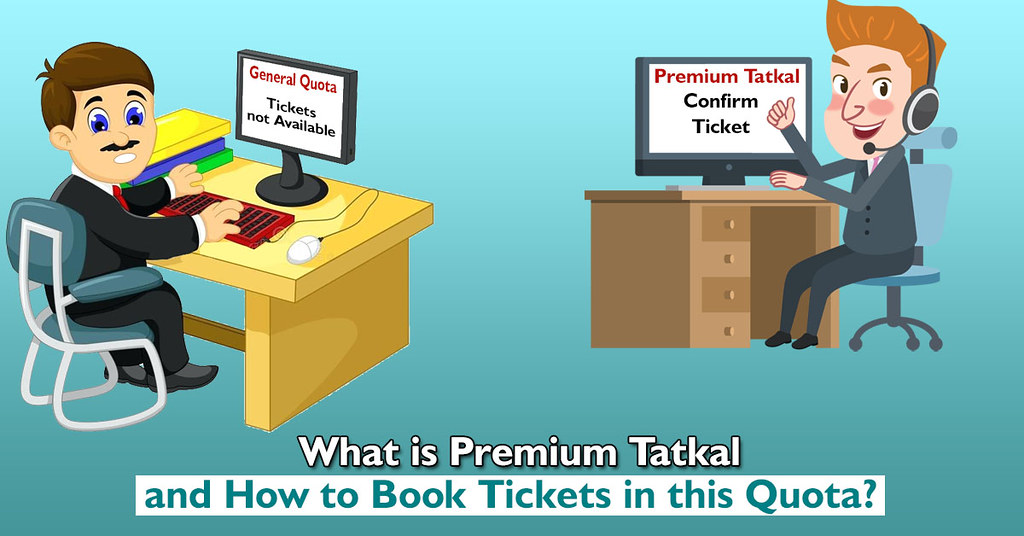
The Tatkal quota releases tickets one day before departure for last-minute travel—AC class opens at 10 AM, non-AC at 11 AM. These sell out in minutes, so you need to be ready with payment information already entered.
Understand train class differences
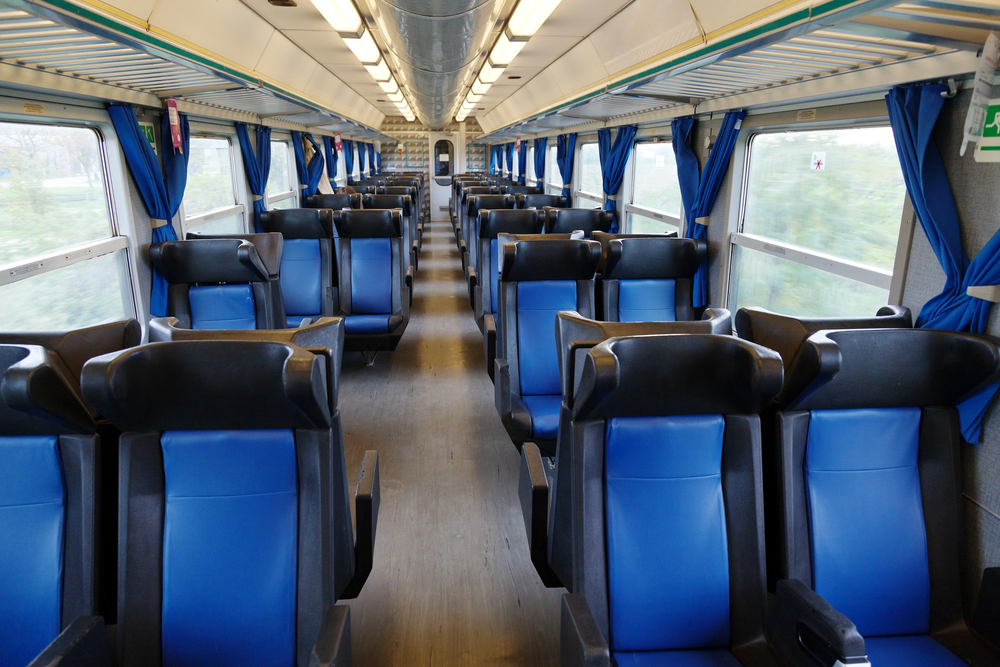
Sleeper class offers the cheapest option with open-air bunks and fans but no AC. AC3 provides air conditioning with three-tier bunks and is comfortable for most travelers. AC2 reduces to two tiers with more space and thinner curtains for privacy.
First AC gives you private compartments with two or four beds—luxury by Indian standards but still affordable compared to Western countries.
Use the metro systems in major cities
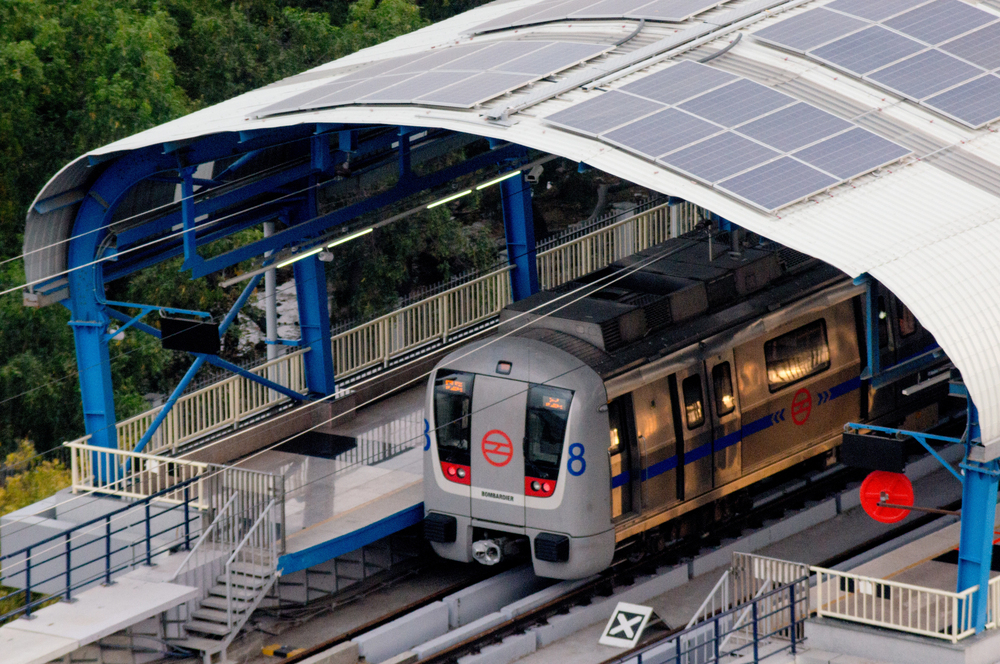
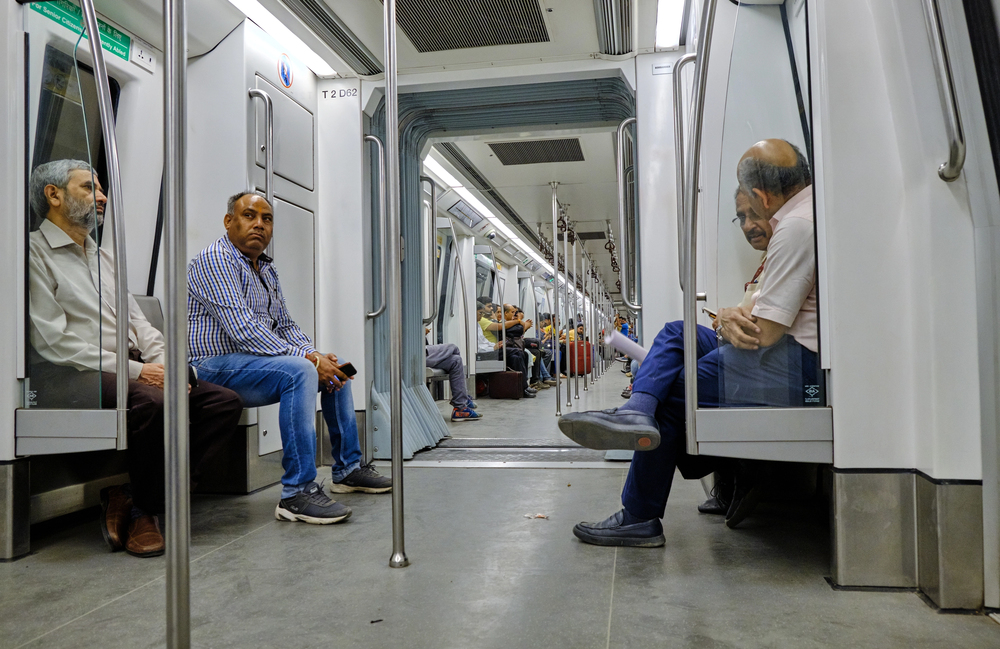
Delhi Metro can take you to almost every tourist site, shopping mall, and neighborhood in India’s vast capital, and metros also have female-only carriages depicted with pink signage. Mumbai, Bangalore, Kolkata, and other cities have modern metro networks that beat dealing with traffic.
Smart cards save time over buying tokens for every trip and usually offer discounted fares for frequent travelers.
Master the art of riding auto-rickshaws
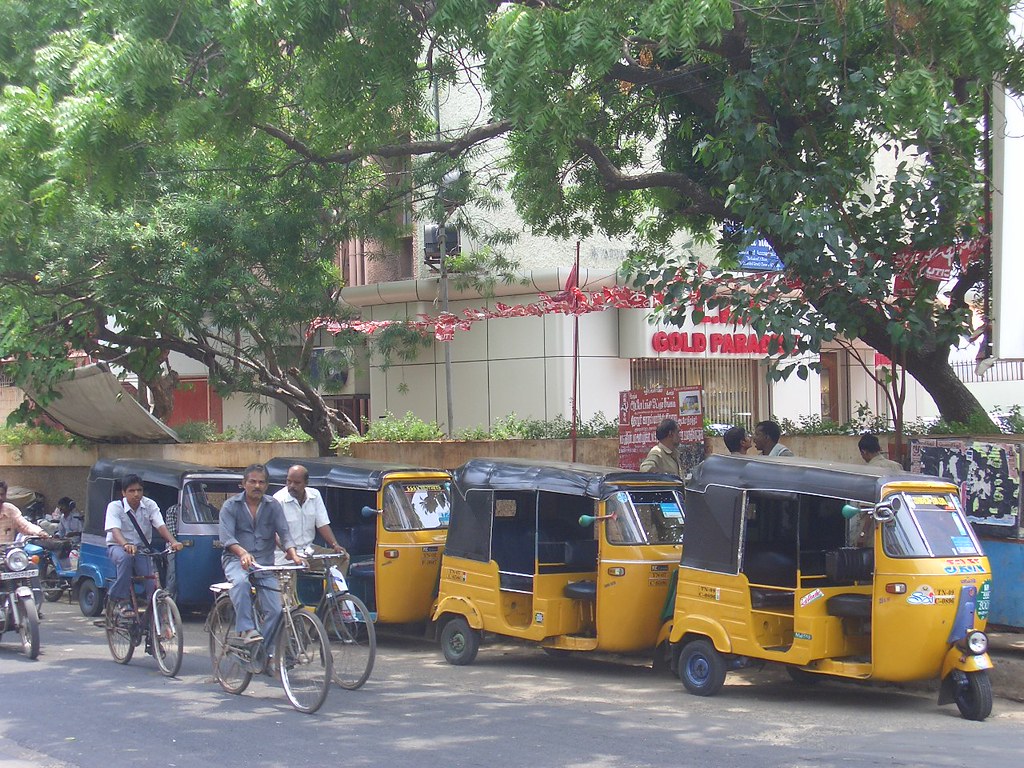
In cities like Mumbai and Delhi, insist on using the meter where applicable, and in some places you may need to negotiate the fare beforehand. Google Maps shows approximate distances and fare ranges so you know if someone’s trying to overcharge. Carrying small denominations avoids the classic “no change” excuse.
Auto-rickshaw stands at transport hubs and markets offer more reliable service than random street hailing.
Take overnight buses and trains strategically

Sleeper buses between cities save both transportation costs and a night’s accommodation, letting you wake up in a new destination. The VIP buses cost a few dollars more but provide significantly better comfort for long journeys.
Overnight trains work the same way—you sleep through the travel time and arrive refreshed. Padlock your bag to the provided chain beneath seats for security.
Navigate local buses like a pro

— Photo by postmodernstudio
State transport buses connect towns and villages across every region at dirt-cheap prices. Government buses are cheaper options offering non-sleeper buses with regular seats, while private operators run more comfortable buses.
Apps like Redbus let you book private buses online with seat selection. Local city buses cost almost nothing but routes can be confusing—asking locals or using apps helps figure out which number goes where.
Learn basic Hindi phrases for smoother travel

Knowing “kitna hai?” (how much?), “station kahan hai?” (where is the station?), and “rukiye” (stop) makes navigating public transit infinitely easier. Most transportation signs appear in both Hindi and English, but smaller towns and rural areas rely more heavily on Hindi.
Drivers and conductors appreciate even minimal effort to communicate in the local language and become more helpful as a result.
Pack light for easier movement

Indian trains have limited storage space, so packing light and keeping essentials handy is advisable. Crowded buses and trains don’t have room for massive suitcases, and dragging heavy bags through stations in 100-degree heat makes everything harder.
A backpack or manageable wheeled bag works better than multiple pieces of luggage. Keep valuables in a money belt or front pocket, not in bags that could be snatched.
Expect delays and plan accordingly
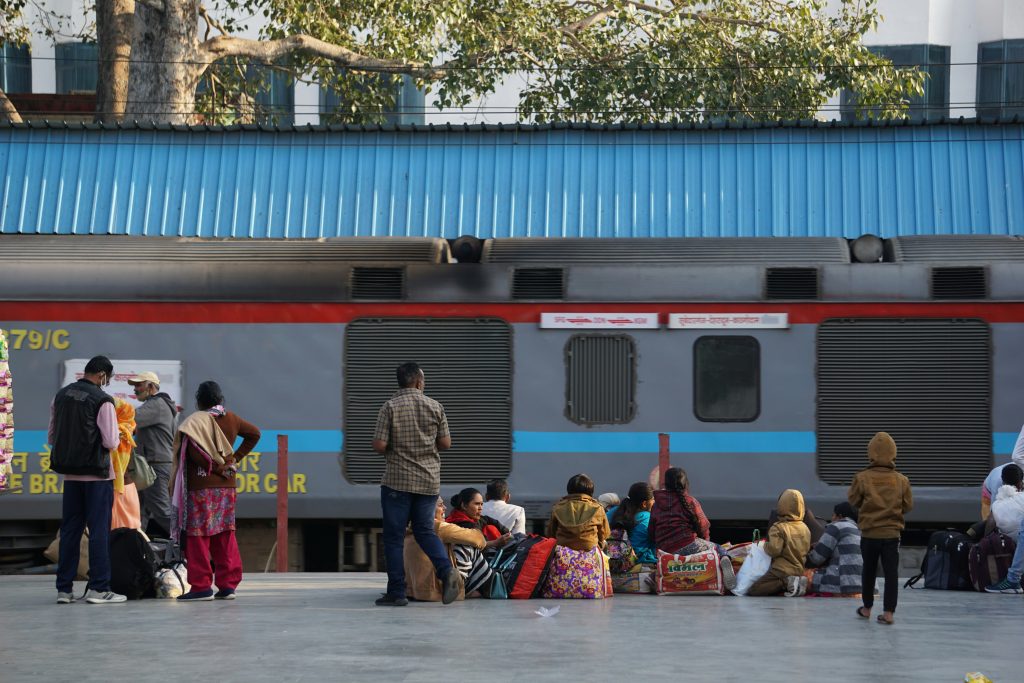
Trains run late more often than on time—sometimes by hours rather than minutes. Building buffer time into connections prevents missed transportation and panic.
The reservation system works though, so your seat stays reserved even when trains arrive late. Delays become less frustrating when you expect them and bring snacks, water, and something to read.
Use prepaid taxi services at airports and stations
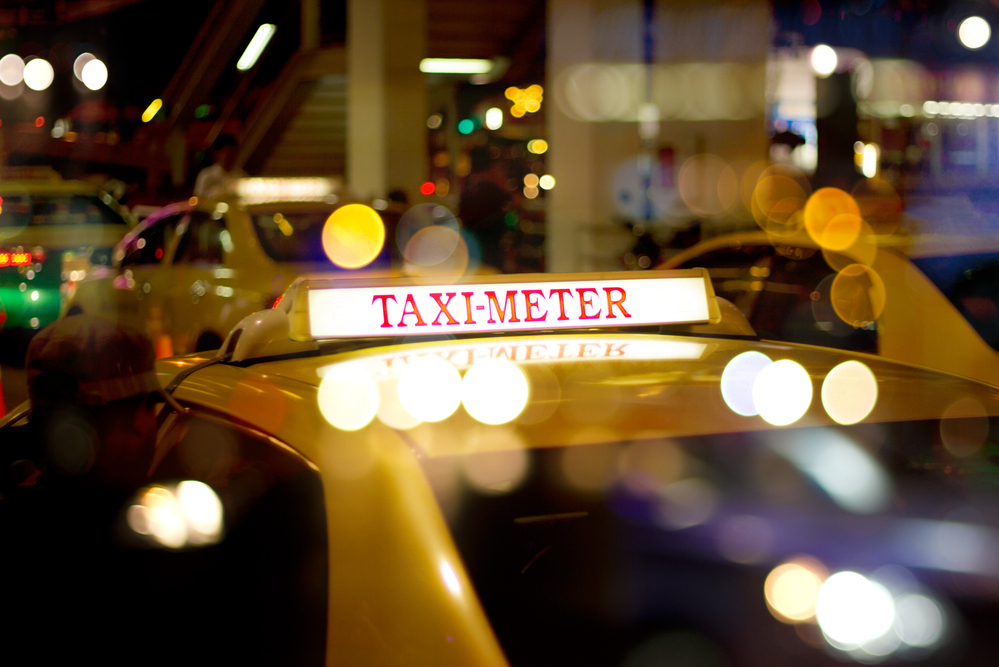
Major airports and train stations offer prepaid taxi booths where you pay upfront at fixed rates. This eliminates meter tampering and fare negotiations when you’re tired from travel.
The prepaid ticket shows the driver exactly where you’re going and how much you paid. Regular taxis sometimes refuse to use meters in tourist areas, making prepaid services worth the slight premium.
Bring food and water on long journeys

While trains often have pantry cars, bringing snacks and bottled water is advisable. Station vendors sell samosas, chai, and fruit through train windows at stops, but quality varies wildly.
Sealed water bottles prevent stomach issues better than drinking from unknown sources. Long bus rides especially need provisions since rest stops can be infrequent and questionable.
Stay aware but don’t panic about safety
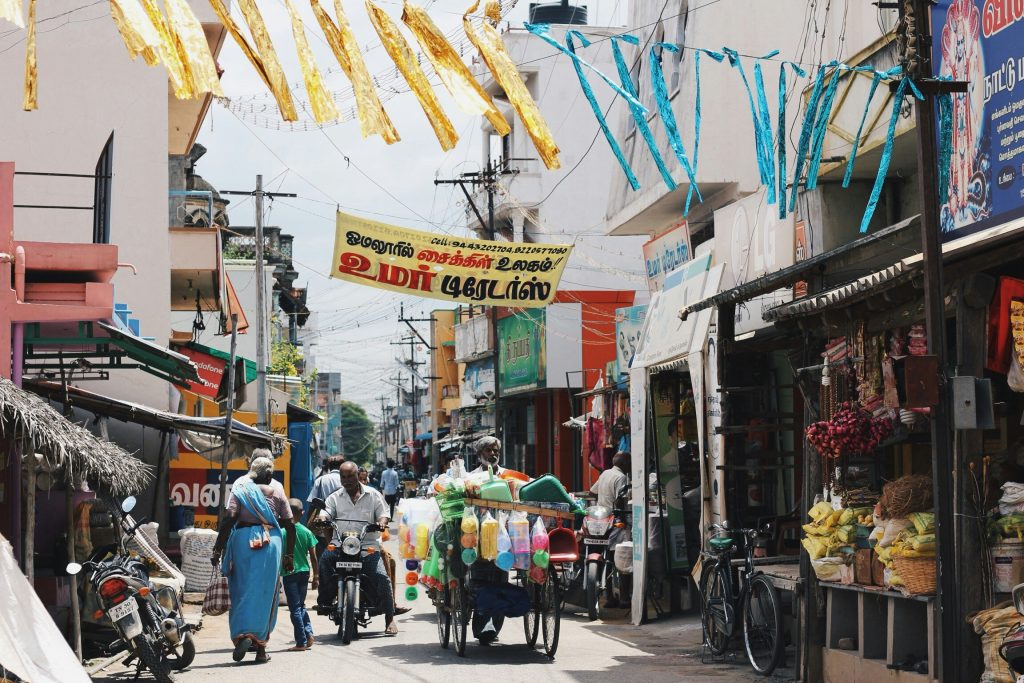
Keep bags secure with padlocks and money belts, especially on overnight journeys. Pickpockets work crowded buses during rush hours, so awareness matters more than paranoia.
Female travelers should use women-only compartments on trains and metros when available. Most transportation experiences go smoothly—millions of people use these systems daily without incident.
Book through official channels to avoid scams

The official IRCTC website and app prevent third-party markup fees and fake bookings. Authorized ticket counters at stations have longer lines but guarantee legitimate tickets.
Some travel agents charge huge commissions or sell fake reservations to tourists. When booking buses, Redbus and official state transport websites offer verified options.
Embrace the chaos as part of the experience
— Photo by kuzmire
India’s public transit operates on organized chaos that somehow functions. Trains depart and arrive despite looking impossibly crowded.
Buses squeeze through traffic that seems impassable. Instead of fighting the system, flowing with it reduces stress significantly. The interactions with fellow passengers, chai vendors at stations, and unexpected delays often become the memorable stories rather than the destinations themselves.
Getting around becomes an adventure

Once you know how India’s public transportation networks function, navigating them changes from frightening to empowering. Travel by rail over the countryside exposes scenes that tour buses never see.
Metro trips place you close to commuters going to work. Negotiating in an auto-rickshaw teaches cultural sensitivity and negotiation techniques. The journey itself becomes an integral element of the Indian experience, with temples and palaces.
What first seems quite tough eventually becomes clear, and you soon book a train, hop metros, and grab the correct bus with conviction like you’ve lived there for years. The congested platforms and postponed departures cease to be unsettling and instead seem like the pace of a nation moving 1.4 billion people daily.
More from Travel Pug

- Underrated Italian Towns That Beat the Tourist Crowds
- Las Vegas Tourist Traps to Skip
- Prettiest Towns in Every US State
- 18 passport-free countries for Americans
- Signs Your Cruise Is Not Worth The Cost
Like Travel Pug’s content? Follow us on MSN.