

Bus travel across South America represents one of the continent’s defining backpacker experiences—a chance to cover massive distances affordably while watching landscapes transform outside your window. From Argentina’s sleek coaches with reclining seats and meal service to Bolivia’s more rustic rides, the quality varies wildly but the adventure remains constant.
Understanding how the system works makes the difference between arriving refreshed and ready to explore versus exhausted and frustrated. First-time bus travelers in South America often underestimate just how different this experience is from hopping on a Greyhound or coach in Europe.
The distances are enormous, the temperature controls are aggressive, and the etiquette differs significantly. Here is a list of 15 South American bus travel tips you need.
Book your seat in advance during peak season
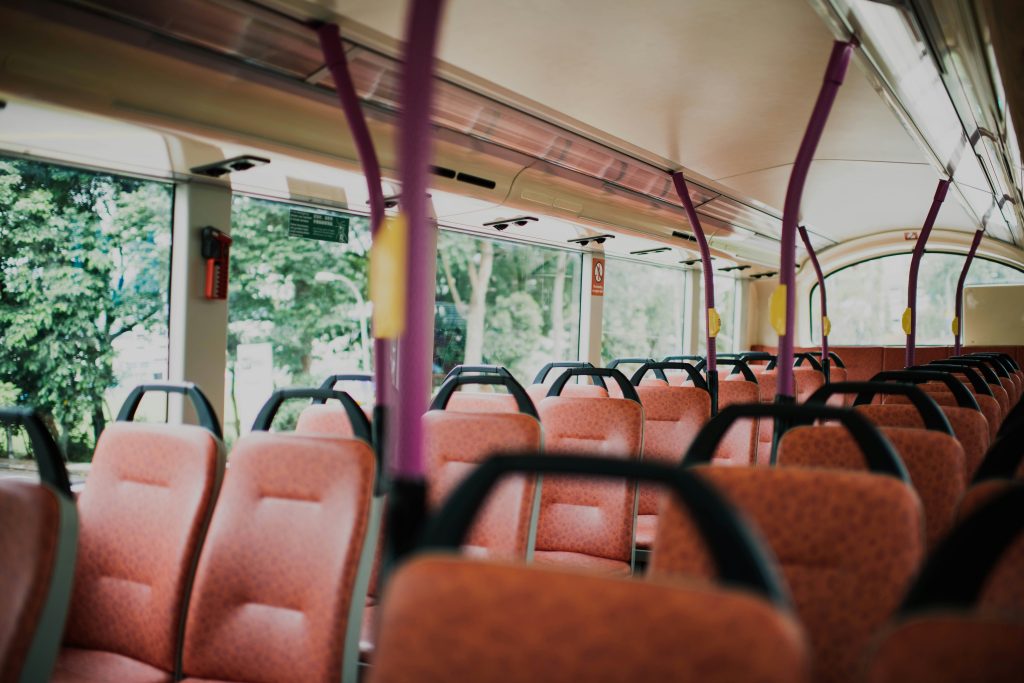
Popular routes fill up fast during summer holidays and around major festivals, leaving last-minute bookers scrambling for whatever’s available. You might end up stuck in the back row near the bathroom on a 20-hour journey, or worse, unable to find a seat at all.
Booking even a day ahead—especially for routes between major cities like Buenos Aires to Mendoza—gives you choice over seating and departure times.
Dress in layers like you’re heading to Antarctica

Bus drivers throughout South America love cranking the air conditioning to Arctic levels, regardless of outside temperatures. You could board in scorching desert heat and within an hour find yourself shivering under every piece of clothing you brought.
Pack a hoodie, long pants, warm socks, and even a blanket or scarf in your carry-on—the 40-degree weather outside won’t matter when the interior feels like a walk-in freezer.
Keep valuables in your lap or between your feet
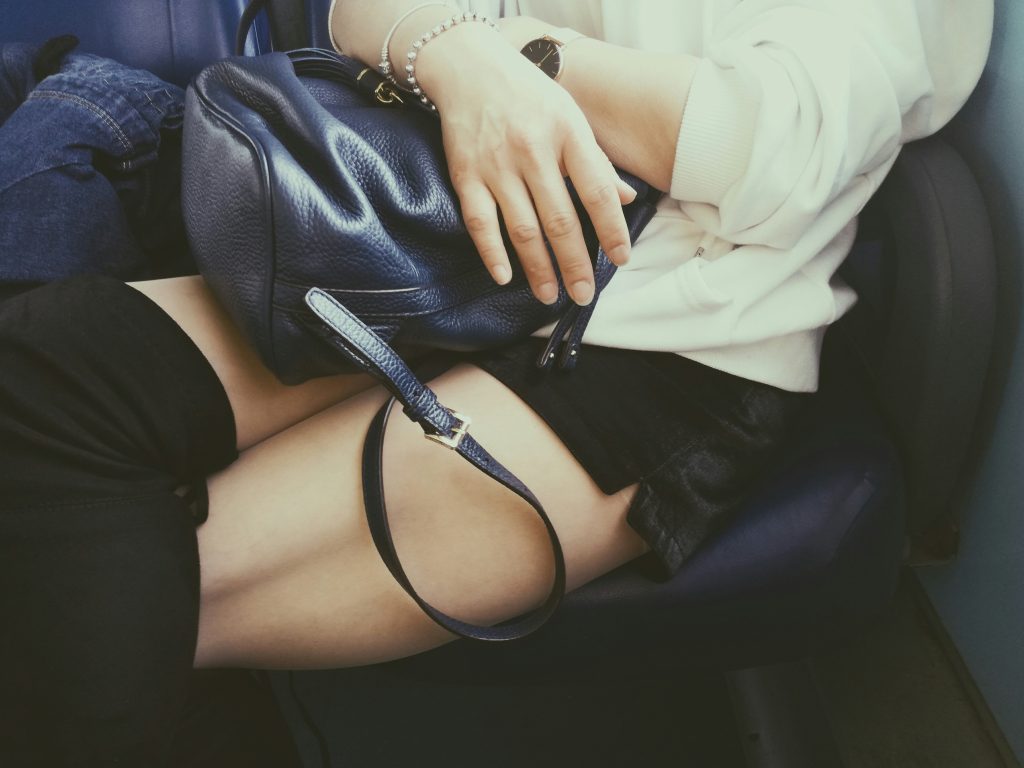
Bags stored underneath the bus, tucked in overhead compartments, or even on the floor get targeted by thieves who know exactly when and how to strike. Some criminals slash bags looking for quick grabs, while others work as teams during rest stops.
Your daypack with electronics, passport, and cash should stay physically touching you at all times—wedged between your feet works better than trusting it behind your seat.
Bring your own toilet paper and hand sanitizer

Bus bathrooms run out of supplies halfway through most journeys, and what little paper existed at departure won’t last past the first few hours. The water for hand washing disappears equally fast, leaving you with limited options for hygiene.
A small roll of TP and sanitizer in your carry-on saves you from some genuinely unpleasant situations when nature calls.
Download entertainment before boarding

Some buses blast Spanish-dubbed action movies with shootouts every fifteen minutes, while others offer nothing but engine noise and your own thoughts for company. WiFi is rarely available or functional, so load up your phone with podcasts, shows, books, or music beforehand.
Those 24-hour rides pass much faster when you’ve got something to occupy your mind beyond staring at the headrest.
Never trust the arrival time completely

Buses in South America run on schedules that exist more as suggestions than guarantees—breakdowns happen, border crossings take forever, and drivers stop whenever they feel like it. A bus scheduled to arrive at 8 AM might roll in at 10 AM, or noon, depending on road conditions and how many mechanical issues pop up.
Build buffer time into your plans and treat on-time arrivals as pleasant surprises rather than expectations.
Book middle seats away from front and back
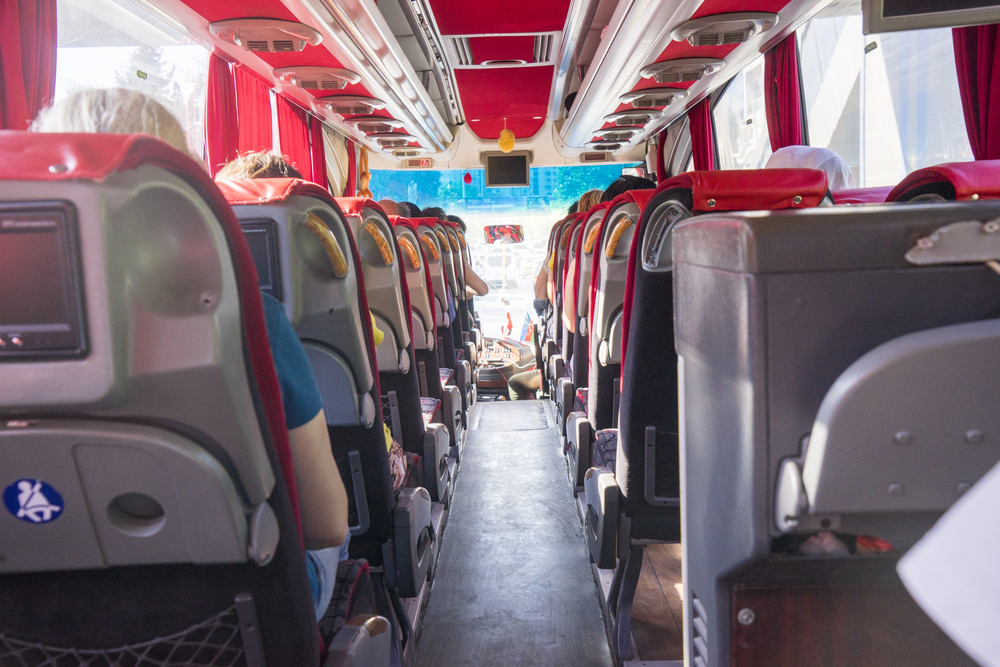
The back of the bus puts you near bathrooms that smell progressively worse as hours pass, plus you’re typically sitting right above the engine where heat and noise concentrate. Front seats get blasted with wind and light every time doors open at stops.
Middle sections offer the smoothest ride, moderate temperatures, and the least disruption—worth specifically requesting when booking.
Bring substantial snacks and water

Food service varies dramatically between bus companies, with some providing nothing while others offer sandwiches that may or may not suit your diet. Rest stop dining options tend toward questionable roadside fare that might leave you regretting your choices.
Pack nuts, granola bars, fruit that travels well, and your own water bottle—you’ll thank yourself around hour twelve when hunger hits and the next stop is three hours away.
Have your passport ready at all times
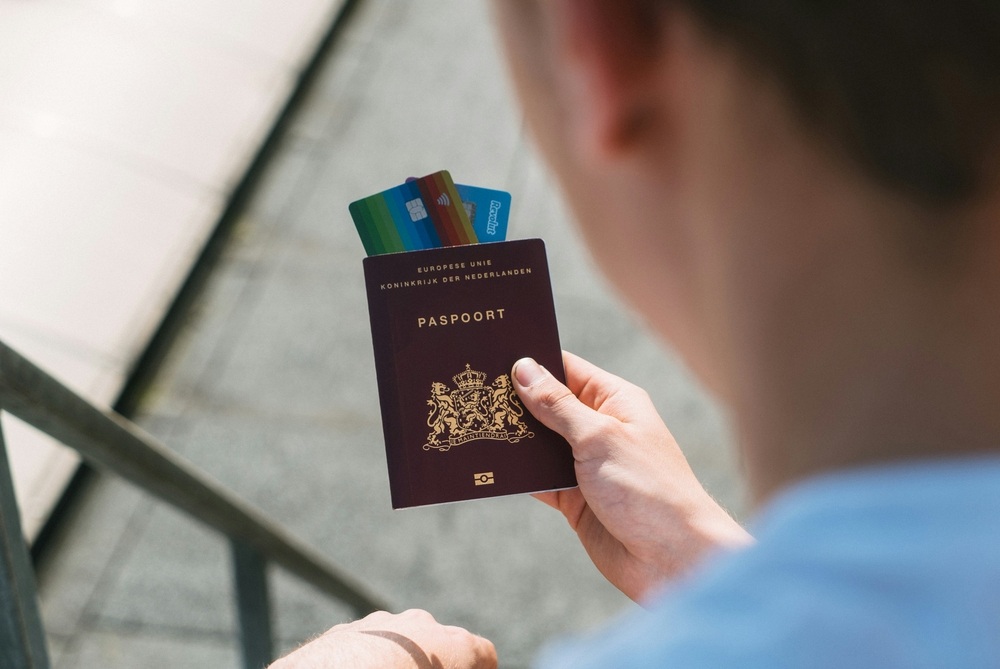
You’ll need it to buy tickets in many countries, especially Brazil and Argentina, and border crossings require you to present it multiple times. Some buses wait while you clear immigration; others leave you at the border to figure out transportation to the other side on your own.
Keep it accessible but secure, and consider having a photo copy saved on your phone as backup for situations where carrying the physical document feels risky.
Research bus companies before booking‘

Not all bus lines are created equal—some run modern fleets with comfortable seats and reliable schedules, while others operate rust-buckets that break down regularly and reek of diesel fumes. Cruz del Sur in Peru and Andesmar across multiple countries get consistent praise, whereas certain budget operators will leave you covered in rooster blood next to chicken crates.
Ask other travelers or check online forums before committing to the cheapest option.
Skip the hostel booking service
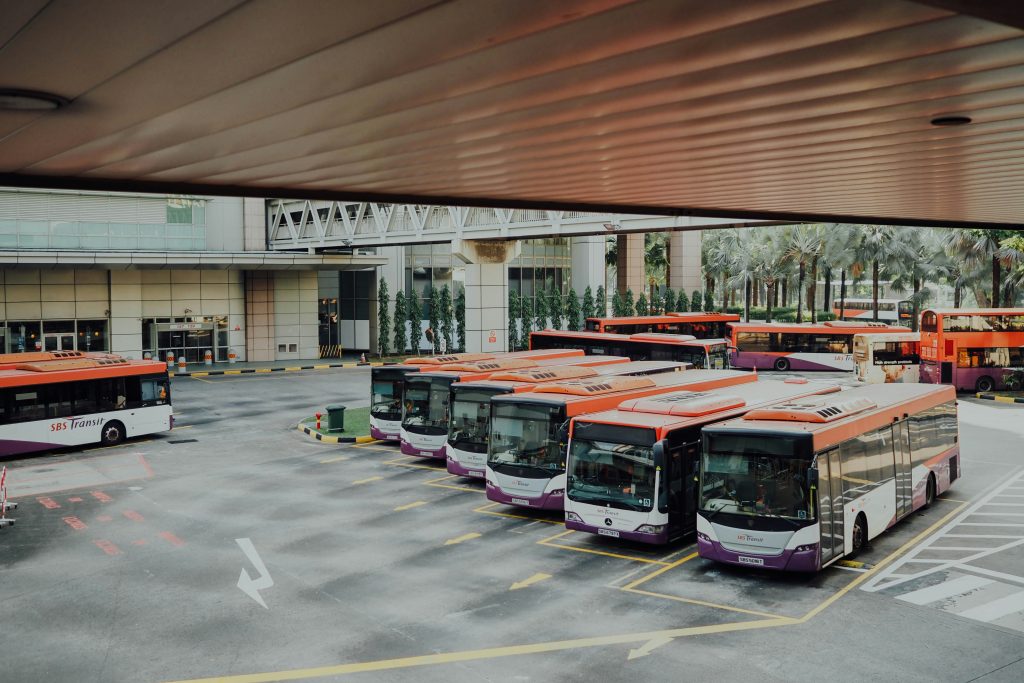
Hostels that offer to book your bus ticket typically reserve you a seat on the cheapest company available but charge you premium company prices, pocketing the difference. You’re paying luxury rates for a budget experience without knowing it until you board.
Walk to the terminal yourself, compare options at different company counters, and book directly—the savings add up quickly over multiple journeys.
Prepare for extreme border crossing delays

International bus journeys stop at both countries’ immigration checkpoints, where you’ll get off with all your luggage for inspection while officials take their time processing everyone. These stops can add hours to your trip, particularly at busy crossings or when officials decide to thoroughly search bags.
Fresh fruit and raw meat get confiscated at borders, so finish eating or toss those items before arriving to avoid complications.
Choose cama or semi-cama for overnight rides
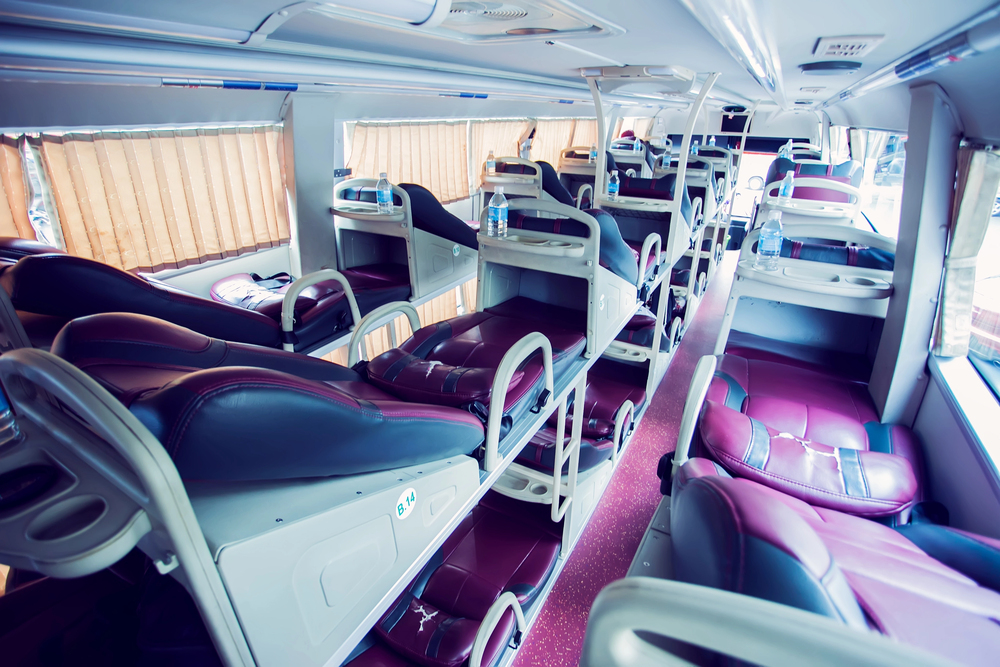
Bus seat classes range from standard upright chairs to nearly flat beds, with ‘semi-cama’ offering partial recline and ‘cama’ providing almost horizontal sleeping positions. The price difference might seem significant but matters less when you consider the sleep quality—and sanity—you gain on a 16-hour overnight journey.
Think of it like comparing economy to business class on a plane, except the bus version costs a fraction of that premium.
Tip the baggage handler in Argentina

Argentine culture expects passengers to tip the person loading bags into the bus hold, typically around 5 to 10 pesos depending on current exchange rates. Not tipping marks you as either ignorant or rude, creating awkward moments with staff who depend on these small amounts.
It’s a minor expense that smooths interactions and ensures your luggage gets handled with reasonable care.
Print tickets when traveling in remote areas

Most bus companies accept phone tickets, but some smaller operators or regional routes require printed paper tickets that you must validate at the desk before boarding. Running into this requirement with a dead phone battery or in an area without printing services creates unnecessary stress.
When booking routes outside major cities, err on the side of having a physical backup—finding a print shop in a small town can waste hours you don’t have.
The rhythm of the road
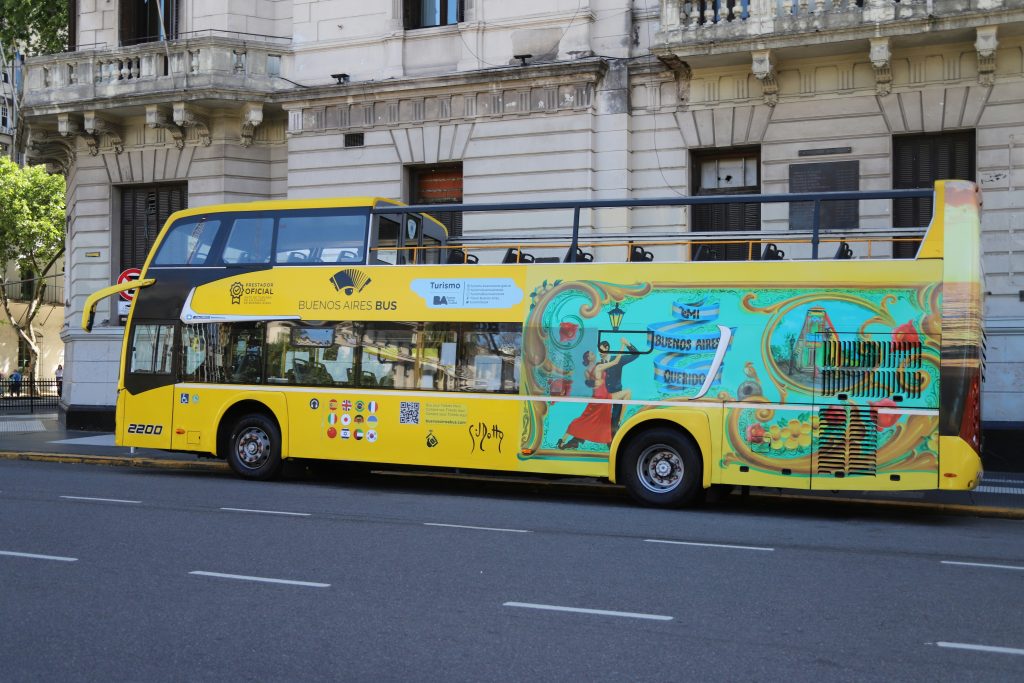
South American bus travel rewards preparation and patience in equal measure, offering travelers an authentic look at how locals cover the continent’s vast distances. The passengers who research companies, pack smart layers, secure their valuables properly, and embrace inevitable delays consistently have better experiences than those who wing it.
These journeys might test your comfort limits occasionally, but they also create the kind of memories and connections that make backpacking through South America unforgettable—just remember to bring extra toilet paper.
More from Travel Pug

- Underrated Italian Towns That Beat the Tourist Crowds
- Las Vegas Tourist Traps to Skip
- Prettiest Towns in Every US State
- 18 passport-free countries for Americans
- Signs Your Cruise Is Not Worth The Cost
Like Travel Pug’s content? Follow us on MSN.