

Southeast Asia’s most famous beaches—Phuket, Bali, Boracay—now overflow with tourists, beach clubs, and Instagram crowds. But the region contains thousands of islands, many still relatively untouched by mass tourism.
These hidden gems offer the turquoise waters and white sand that travel brochures promise, without the noise and development that ruins the experience. Here’s a list of Southeast Asia’s lesser-known islands where paradise still exists, at least for now.
Koh Rong Sanloem, Cambodia
Cambodia’s islands remain obscure compared to Thailand’s, which makes them special. Koh Rong Sanloem sits off Sihanoukville with beaches that rival any in the region. Saracen Bay features a long crescent of white sand backed by palms and basic bungalows. The island has electricity for only a few hours daily in most areas, which keeps development minimal.
Bioluminescent plankton lights up the water at night. Swimming through it feels surreal—every movement creates glowing trails. The snorkeling off Lazy Beach reveals healthy coral and abundant fish. There are no ATMs on the island, so bring sufficient cash.
Gili Meno, Indonesia
The three Gili Islands off Lombok are known, but most visitors crowd onto Gili Trawangan. Gili Meno, the smallest and quietest, offers the best beaches with a fraction of the people. The island takes 90 minutes to walk around completely. No motorized vehicles exist here—just bicycles and horse carts.
The coral reefs surrounding Meno are exceptional. Sea turtles swim close to shore. The lake in the island’s interior attracts birds. Accommodations range from budget bungalows to upscale resorts, all maintaining the island’s laid-back atmosphere.
Sunsets from the west beach are spectacular. Worth planning your day around.
Like Travel Pug’s content? Follow us on MSN.
Pulau Weh, Indonesia
At the northwestern tip of Sumatra, Pulau Weh attracts serious divers but few general tourists. The waters here are where the Andaman Sea meets the Indian Ocean, creating nutrient-rich conditions that support remarkable marine life. Manta rays, sharks, and schools of fish inhabit reefs that rank among Indonesia’s best.
The island itself is volcanic and mountainous with beaches tucked into small bays. Gapang Beach and Iboih Beach offer the best access to coral reefs. The main town of Sabang has local character missing from more developed islands. Getting here requires effort—flights to Banda Aceh then a ferry—which keeps crowds away.
Koh Kood, Thailand
Thailand’s fourth-largest island sits near the Cambodia border, far enough from Bangkok that most tourists skip it. Koh Kood’s beaches remain pristine with clear water and minimal development. Ao Tapao Beach stretches along the western coast with shallow water perfect for swimming.
Waterfalls in the interior provide freshwater swimming holes surrounded by jungle. Mangrove forests line parts of the coast. The island has proper resorts but maintains a peaceful atmosphere. Electricity and the internet can be unreliable, which bothers some people and delights others.
Palawan’s northern islands, Philippines
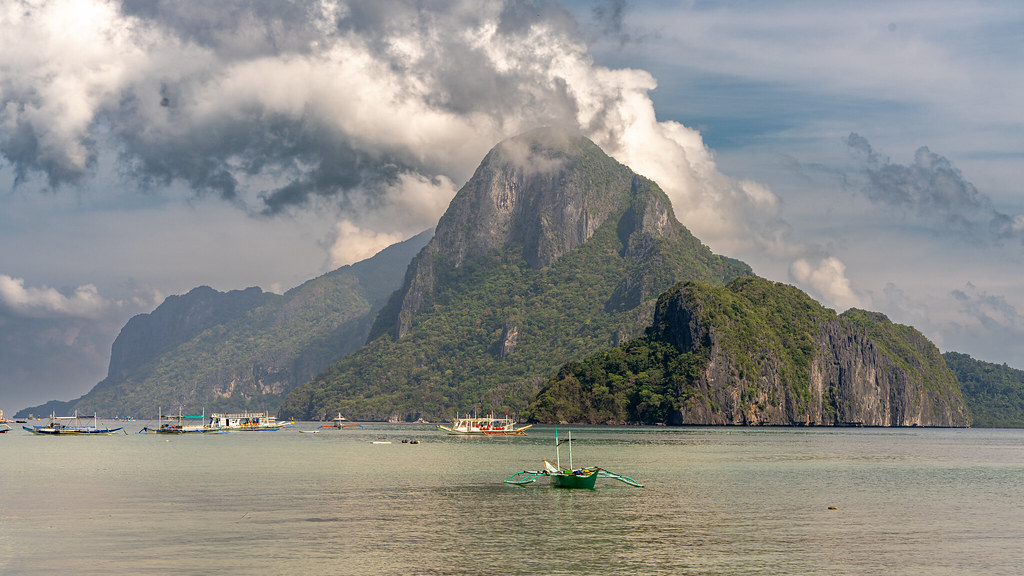
Everyone knows about El Nido and Coron, but northern Palawan contains lesser-visited islands with equal beauty. The Calamian Islands include dozens of small islands with empty beaches and excellent diving. Banana Island and Malcapuya Island feature white sand beaches with virtually no development.
Getting there requires hiring boats from Coron, which adds cost but ensures fewer visitors. The coral reefs show minimal damage from tourism. Fish life is abundant. Pack food and water since these islands lack facilities entirely.
Like Travel Pug’s content? Follow us on MSN.
Koh Lipe, Thailand
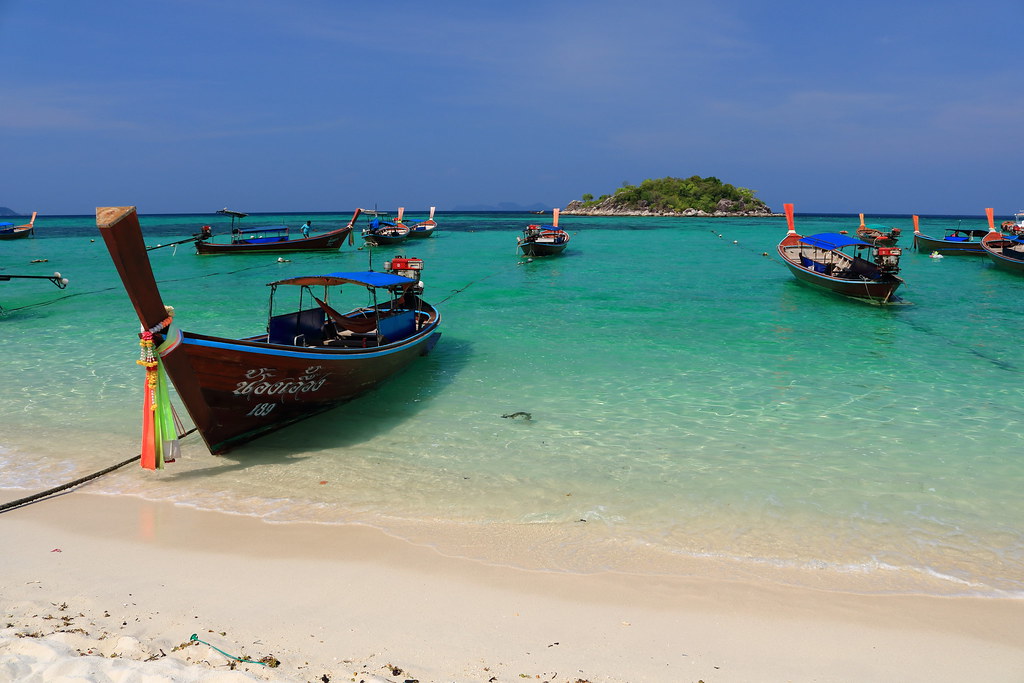
Technically not hidden anymore, but Koh Lipe remains quieter than Phuket or Koh Samui despite growing popularity. The island sits in the Tarutao National Marine Park near the Malaysian border. Three main beaches offer different vibes—Sunrise Beach for quiet, Pattaya Beach for restaurants and bars, Sunset Beach for middle ground.
The snorkeling is exceptional. Just swimming from shore reveals sea turtles, reef sharks, and colorful fish. Long-tail boats run to nearby uninhabited islands that are even more pristine. The island is small enough to walk everywhere, though motorcycle taxis are available.
Nusa Penida, Indonesia
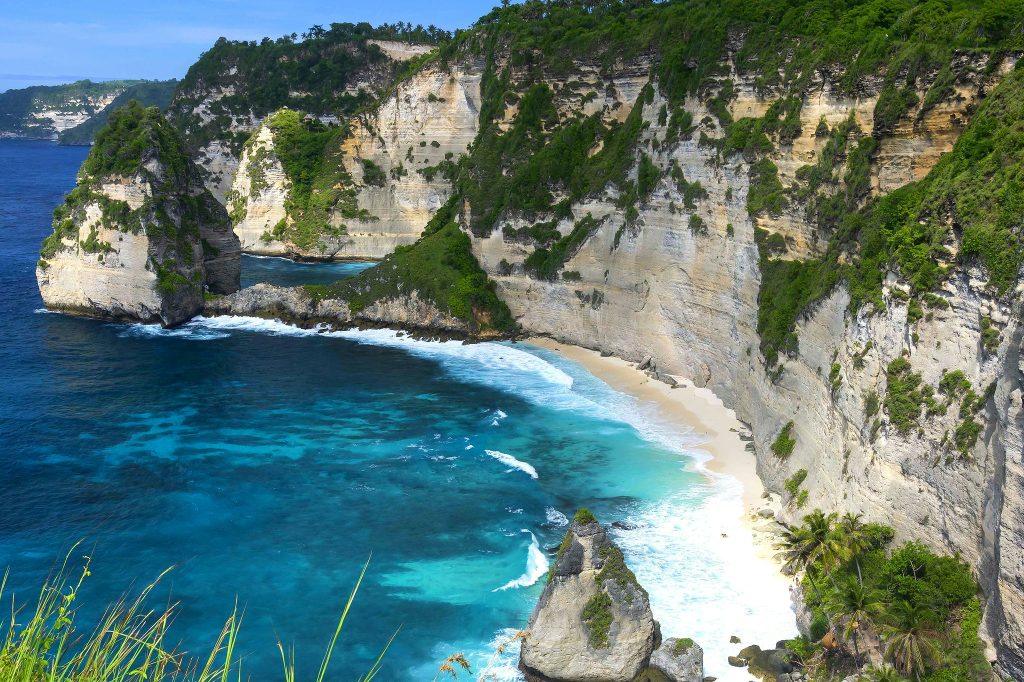
This large island southeast of Bali has blown up on Instagram in recent years, but most visitors only do day trips to see Kelingking Beach’s famous T-Rex cliff formation. Those who stay overnight discover a rugged island with dramatic landscapes and quiet beaches away from the main attractions.
Crystal Bay offers calm swimming and good snorkeling with manta rays common nearby. Atuh Beach requires climbing down steep stairs but rewards with a stunning bay surrounded by rock formations. The island’s interior is hilly with traditional villages where tourism hasn’t fully penetrated yet.
Infrastructure remains basic. Roads are rough. This keeps crowds manageable.
Tioman Island, Malaysia
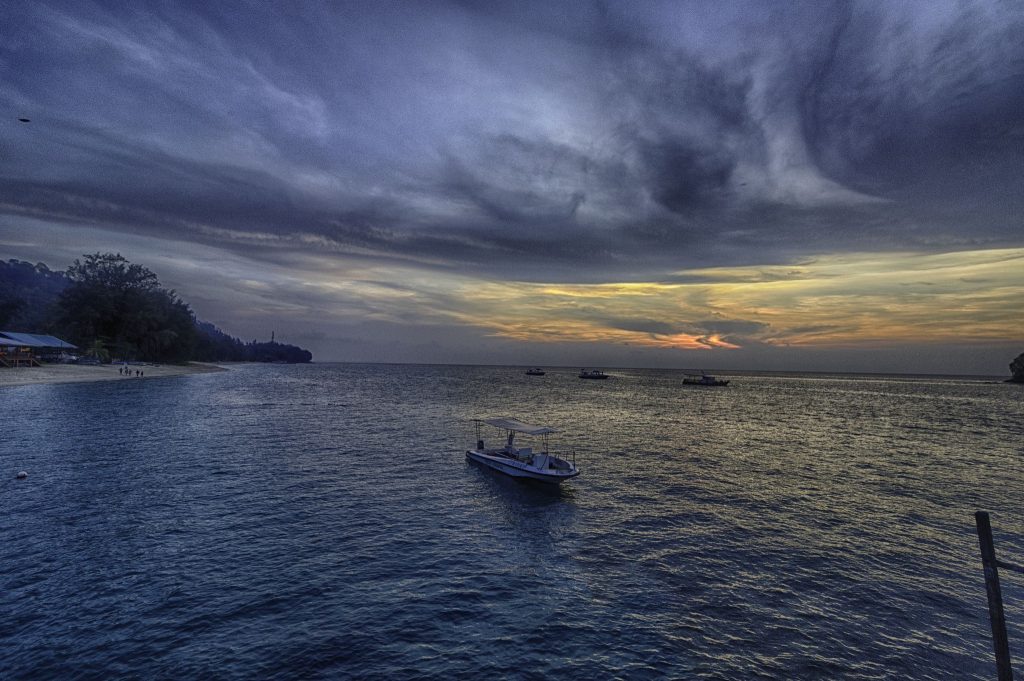
Malaysia’s islands get overshadowed by Thailand and Indonesia despite being equally beautiful. Tioman sits off the east coast with jungle-covered mountains rising straight from the sea. The West Coast has most beaches and accommodations while the east remains largely undeveloped.
Coral reefs ring the island with numerous dive sites. The jungle interior contains waterfalls and hiking trails through a rainforest that feels primordial. Monitor lizards and macaques are common. The island has villages with local culture still intact rather than being purely tourist zones.
Ferry access from mainland Malaysia is straightforward and cheap.
Like Travel Pug’s content? Follow us on MSN.
Con Dao Islands, Vietnam
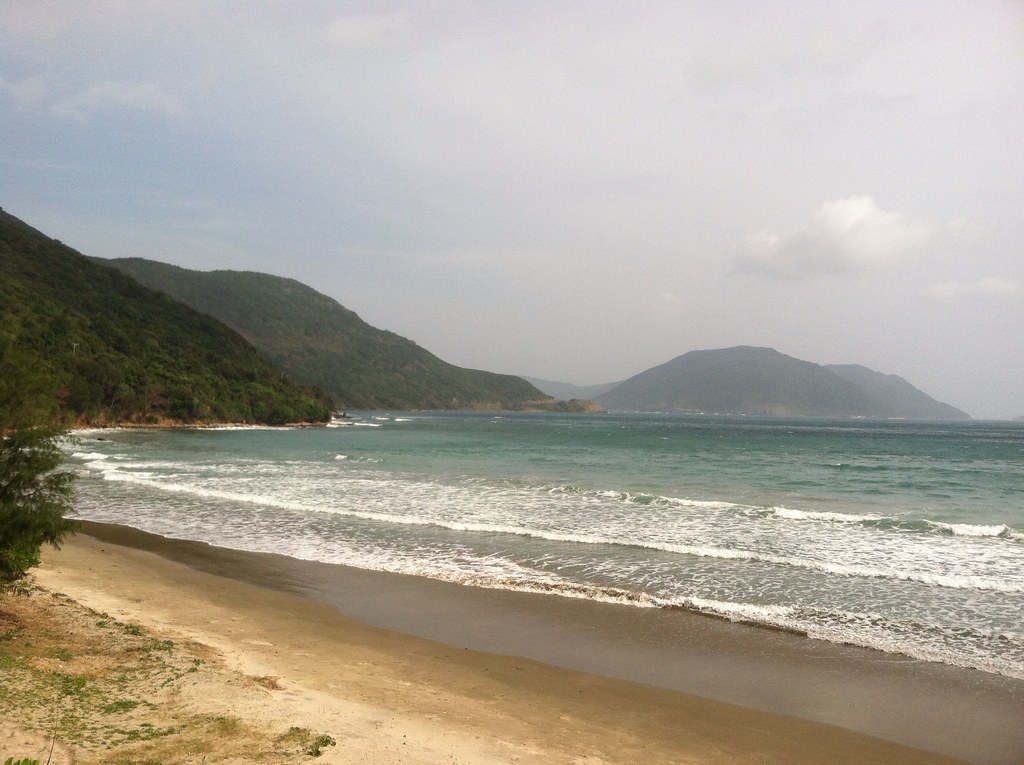
These 16 islands off southern Vietnam served as a prison during the French colonial and Vietnam War periods. The dark history keeps many tourists away, which is precisely why the islands remain beautiful and undeveloped. Con Son, the main island, has empty beaches and clear water rich with marine life.
Sea turtles nest on the beaches, and conservation programs protect them. Dugongs—rare marine mammals—inhabit the surrounding waters. The national park covers much of the land area, preventing development. French colonial architecture in Con Son town adds unexpected character.
Siquijor, Philippines
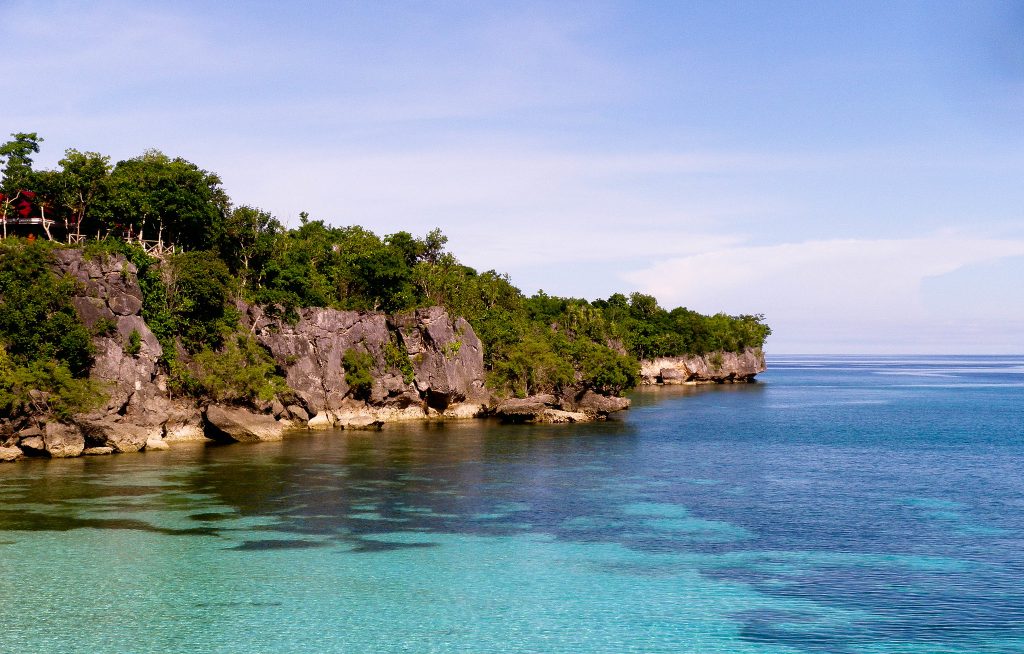
Filipino locals consider this island mystical, associating it with witchcraft and traditional healers. The superstition keeps domestic tourism lower than other Philippine islands, though foreign travelers have discovered it. The island is small enough to circle by motorcycle in a few hours, passing beaches, waterfalls, and caves.
Salagdoong Beach has bright blue water with cliff jumping. Paliton Beach offers white sand and calm swimming. The interior contains Spanish-era churches and traditional healers who still practice folk medicine. The atmosphere is relaxed and distinctly Filipino rather than adapted for foreign tourists.
Koh Phayam, Thailand
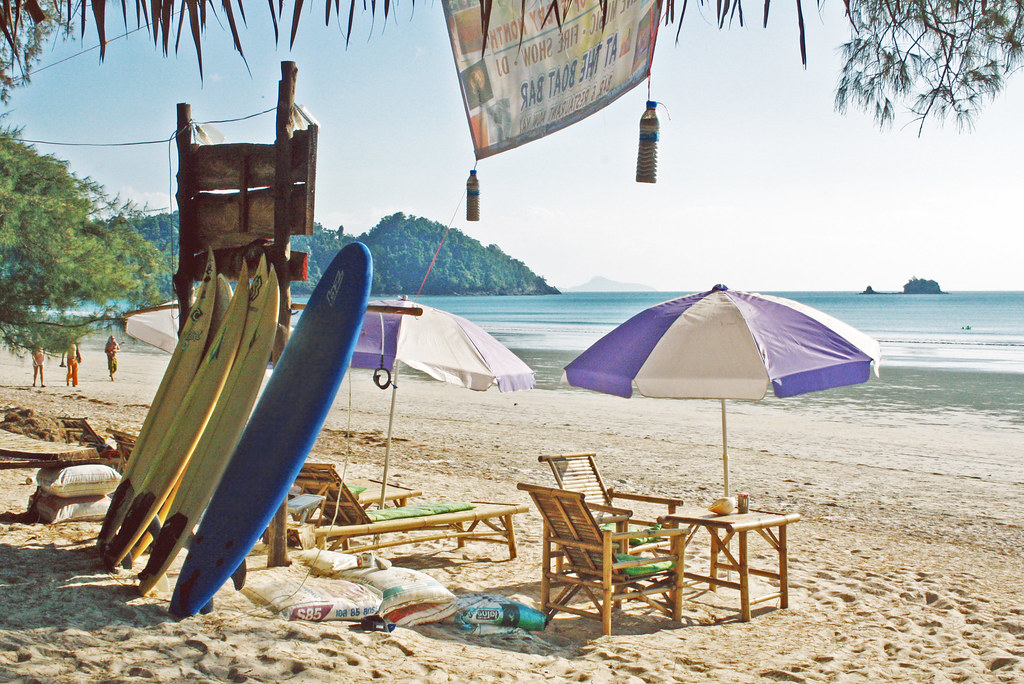
This island in the Andaman Sea north of Phuket attracts long-term travelers and those seeking isolation. Development is minimal—mostly basic bungalows and small restaurants. No cars exist on the island, just motorcycles and bicycles. Electricity runs on generators only during evening hours in many areas.
Aow Yai Beach on the west coast catches sunsets. The northern beaches are even quieter. Cashew nuts grown on the island are sold fresh. The vibe is distinctly laid-back with most visitors staying weeks rather than days. It’s not fancy. That’s the entire point.
Like Travel Pug’s content? Follow us on MSN.
Perhentian Kecil, Malaysia
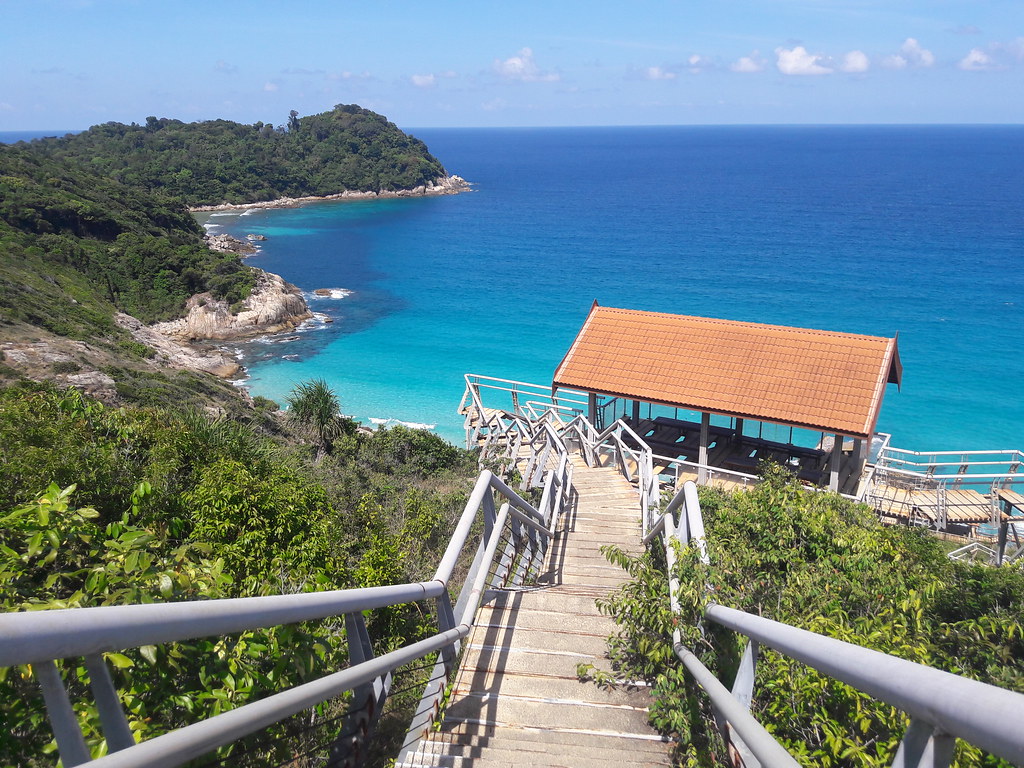
The smaller of the two Perhentian Islands off Malaysia’s east coast maintains a backpacker atmosphere despite increasing development. Long Beach and Coral Bay offer cheap accommodation and excellent snorkeling right from shore. Baby sharks swim in the shallow water near the beach.
The coral reefs here show good health with abundant fish life. Sea turtles are common. Jungle paths connect beaches, providing adventures for those willing to hike. The island lacks cars, making walking or boats the only transport options. The simplicity is refreshing.
Koh Yao Noi, Thailand
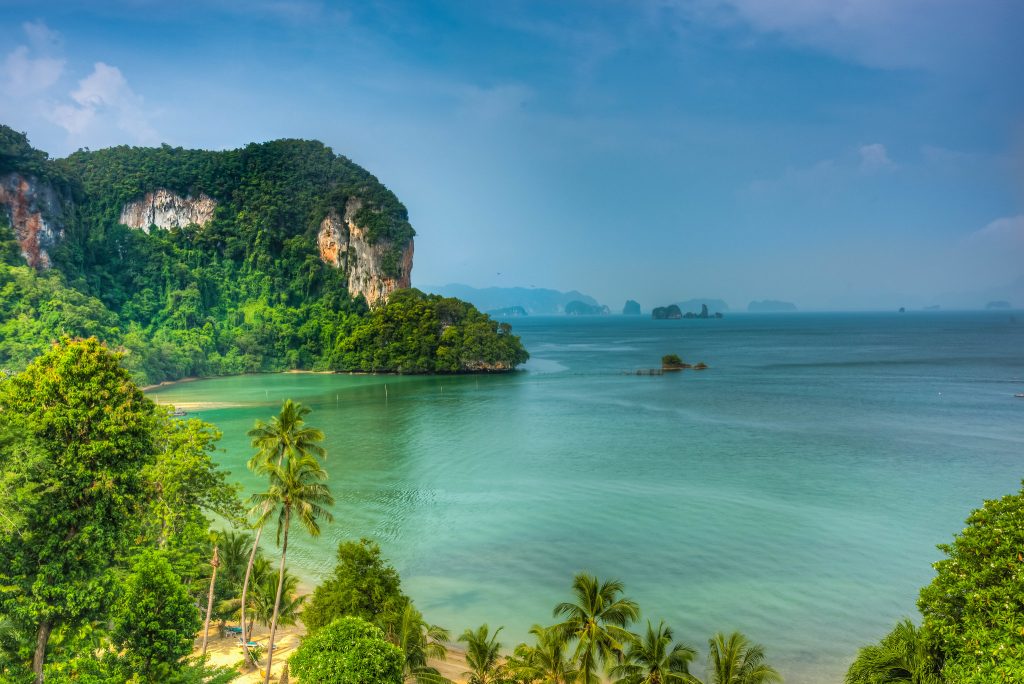
Situated between Phuket and Krabi, this Muslim fishing island has maintained traditional culture despite being surrounded by tourist hotspots. Rice paddies and rubber plantations cover the interior. Small beaches dot the coastline, none particularly stunning but all peaceful and uncrowded.
The real appeal is experiencing Thai village life unchanged by mass tourism. Locals still fish, farm, and go about their daily routines that tourism hasn’t disrupted. Several good resorts exist but remain low-key. The pace is slow. Views across to the dramatic limestone cliffs of Phang Nga Bay are remarkable.
Flores, Indonesia
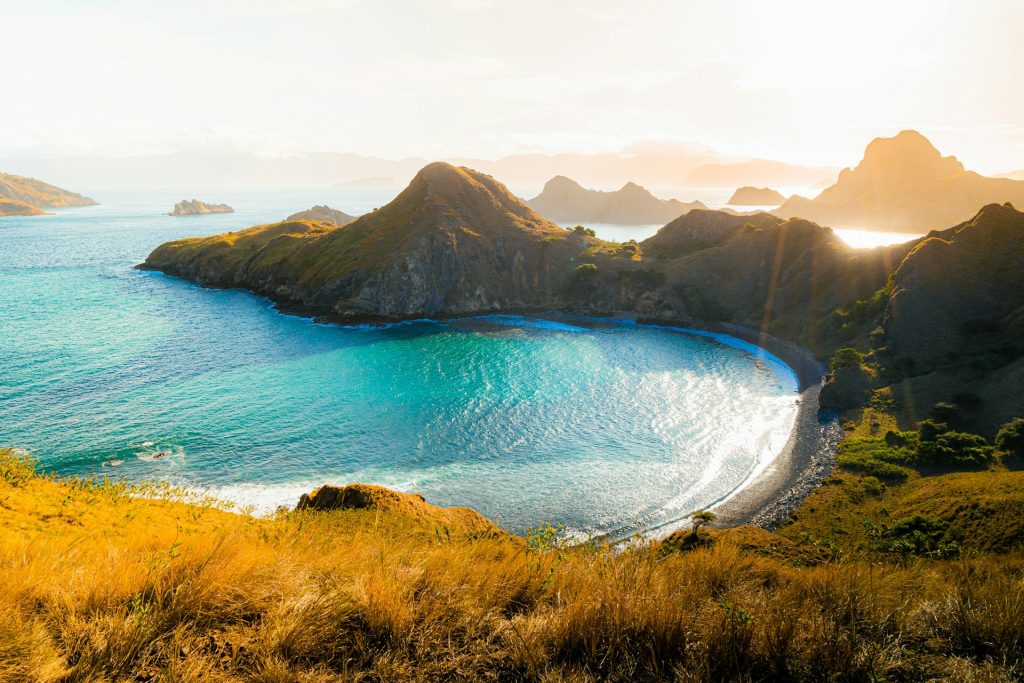
This long island between Bali and Timor contains Komodo National Park on its western tip, but the rest of the island sees relatively few visitors. The beaches on Flores’ north coast are empty and beautiful. The 17 Islands marine park offers world-class diving with pristine coral and abundant marine life.
Traditional villages throughout Flores maintain centuries-old customs. The landscape varies dramatically from volcanic peaks to rice terraces to coastal cliffs. Getting around requires time and patience, but that difficulty keeps tourism manageable. This feels like Indonesia decades ago.
Like Travel Pug’s content? Follow us on MSN.
Koh Mak, Thailand
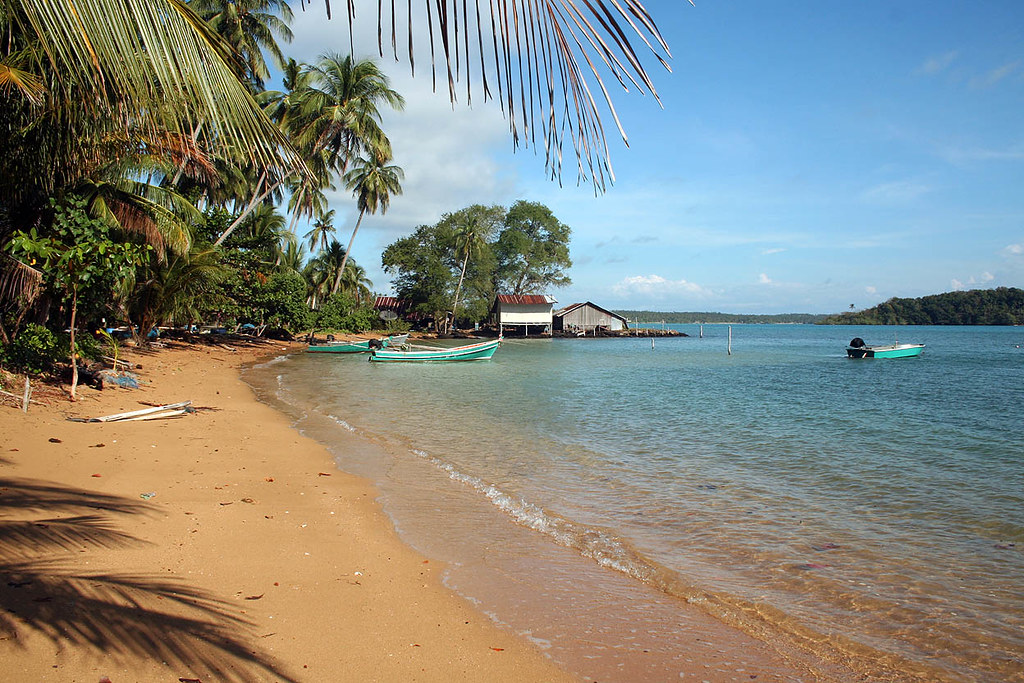
Thailand’s eastern islands receive less attention than the Andaman Sea islands. Koh Mak, small and flat, offers an easy-going alternative to busier destinations. Coconut plantations cover much of the interior. Beaches have soft white sand and clear shallow water.
The island is popular with Thai families, which creates a different atmosphere than backpacker islands. Several quality resorts exist alongside budget bungalows. Kayaking around the coast takes a few hours and reveals hidden coves. The nearby islands of the Koh Chang archipelago are easily accessed by boat.
The trade-offs

These hidden islands require more effort to reach—connecting flights, slow ferries, rough roads. Facilities are basic. Wi-Fi is often unreliable or nonexistent. ATMs may not exist. Restaurant options are limited. These inconveniences deter many travelers, which is exactly what keeps these islands special.
But for those willing to accept the trade-offs, these islands deliver the Southeast Asian beach experience that’s increasingly difficult to find: unspoiled nature, genuine local culture, and the sense of discovery that disappears once a place becomes too popular.
More from Travel Pug

- 20 Best Beach Towns in the Carolinas
- 13 Destinations Where Tourists Regularly Regret Their Trip
- 20 Things You Actually Get in First Class
- 20 Small Airports With Aviation Museums
- 20 Places in the U.S. That Are Perfect for a Reset Trip
Like Travel Pug’s content? Follow us on MSN.