

America’s geography conceals thousands of green jewels where the past continues to flourish in the here and now. As much as renowned gardens at Versailles or Kew dominate headlines, the United States conceals several dozen equally stunning mansions that hardly find their way onto tourists’ lists.
These grounds are not merely beautiful—they’re working museums where you can tread the same steps once walked by presidents, industrialists, and visionaries who helped forge the country. Here are 20 under-the-radar gardens in America where the past flowers alongside the roses, each ready to carry you back in time.
Untermyer Gardens’ Persian paradise
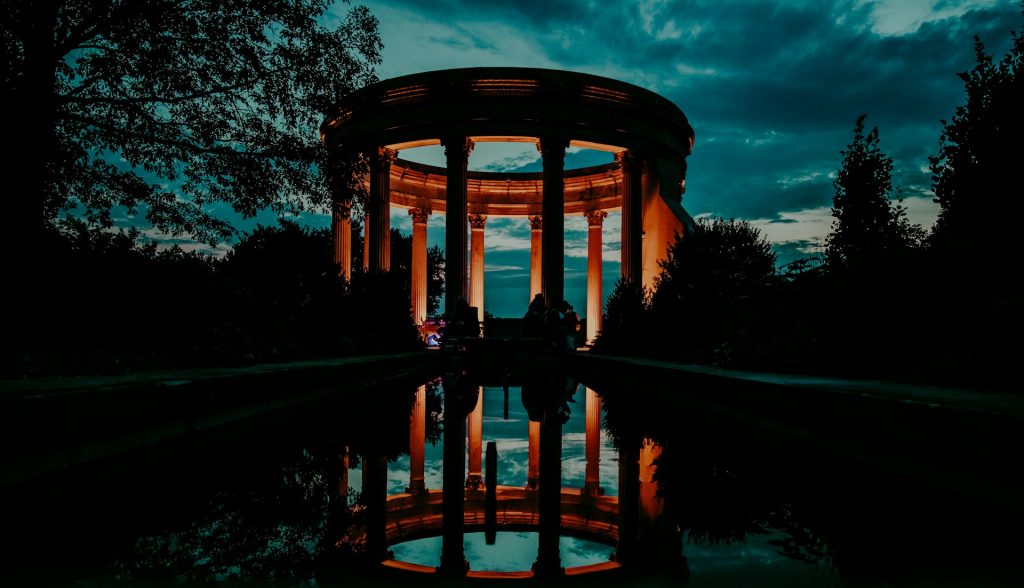
Tucked away in Yonkers, New York, Untermyer Gardens once rivaled the Rockefeller estate for sheer opulence. Lawyer Samuel Untermyer hired the same architect who worked on Kykuit to build what he called ‘the finest garden in America’ back in 1916.
The Walled Garden features the most authentic Persian-style garden in the Western Hemisphere, framed by 2,000-year-old Roman columns overlooking the Hudson River—free to visit.
Stan Hywet’s tire fortune legacy
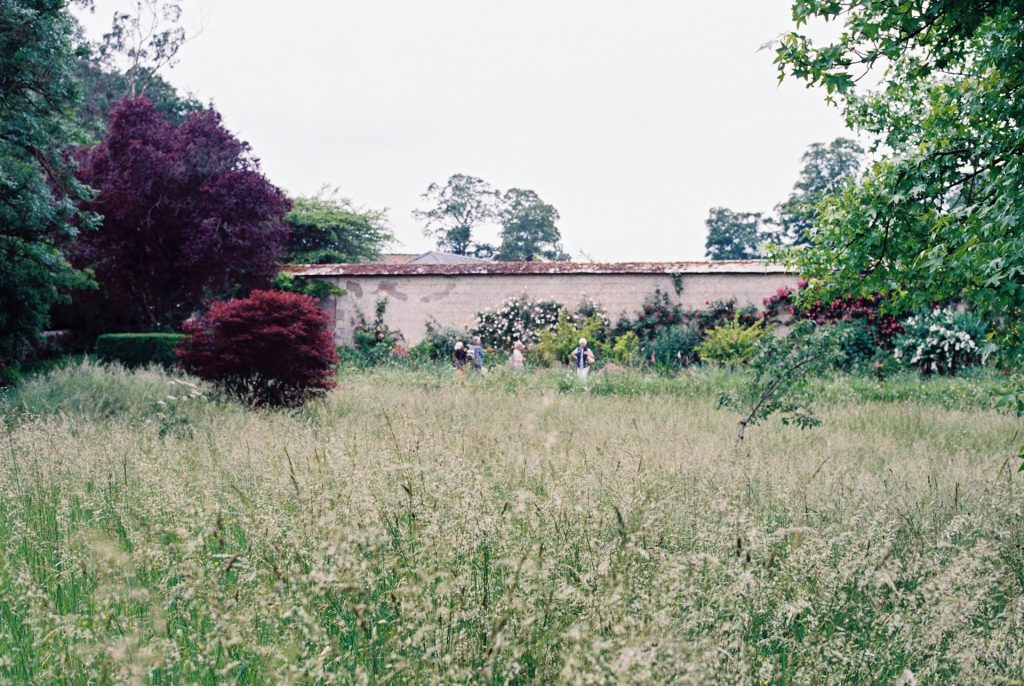
The Goodyear Tire fortune built one of Ohio’s grandest estates, yet Stan Hywet remains relatively unknown outside Akron. F.A. Seiberling’s 70-acre property includes a birch tree allée stretching 550 feet and a restored Japanese garden that once featured a fabricated Mount Fuji.
The English Garden, designed by pioneering female landscape architect Ellen Biddle Shipman, bursts with seasonal color that changes the estate’s entire personality.
Like Travel Pug’s content? Follow us on MSN.
Blithewold’s Country Place charm
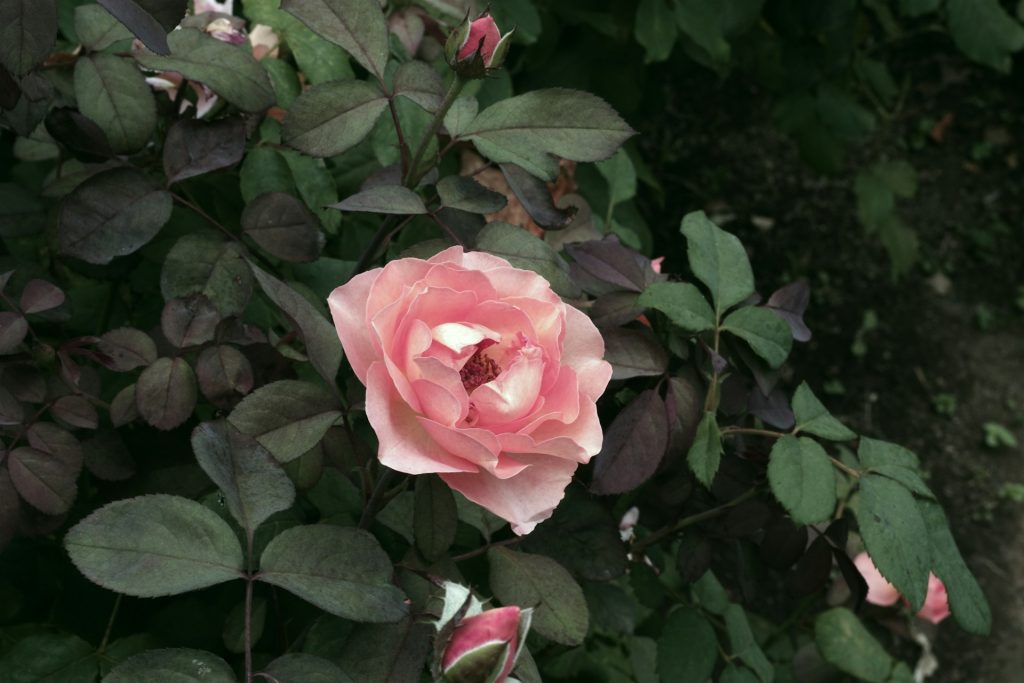
This Bristol, Rhode Island estate represents the Country Place Era at its finest—a time when America’s wealthy created European-inspired gardens on their summer properties. The Van Wickle family’s 33-acre retreat features a rose garden with centenarian specimens possibly descended from George Washington’s Mount Vernon plantings.
Walking the Great Lawn toward Narragansett Bay, you’ll pass specimen trees planted in the 1890s that still tower overhead like botanical dinosaurs.
Naumkeag’s Blue Steps marvel
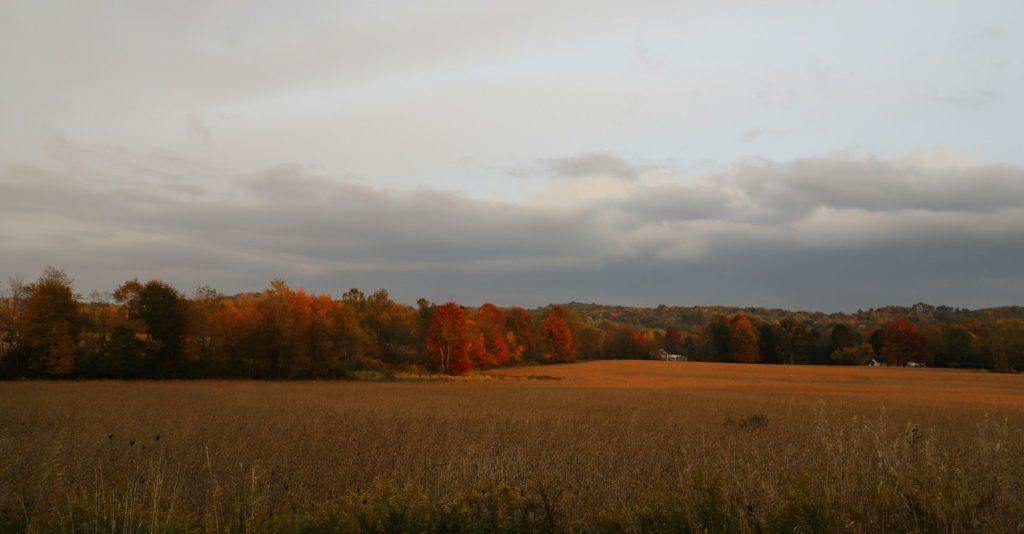
Fletcher Steele’s modernist masterpiece sits in the Berkshires, yet most garden enthusiasts have never heard of it. The famous Blue Steps—cinder block stairs painted azure with fountains on either side—represent one of the most photographed garden features in New England, though they nearly disappeared due to neglect.
Mabel Choate collaborated with Steele for three decades to create gardens that look both inward, like Chinese designs, and outward to mountain vistas in a distinctly American way.
Bartram’s botanical birthplace
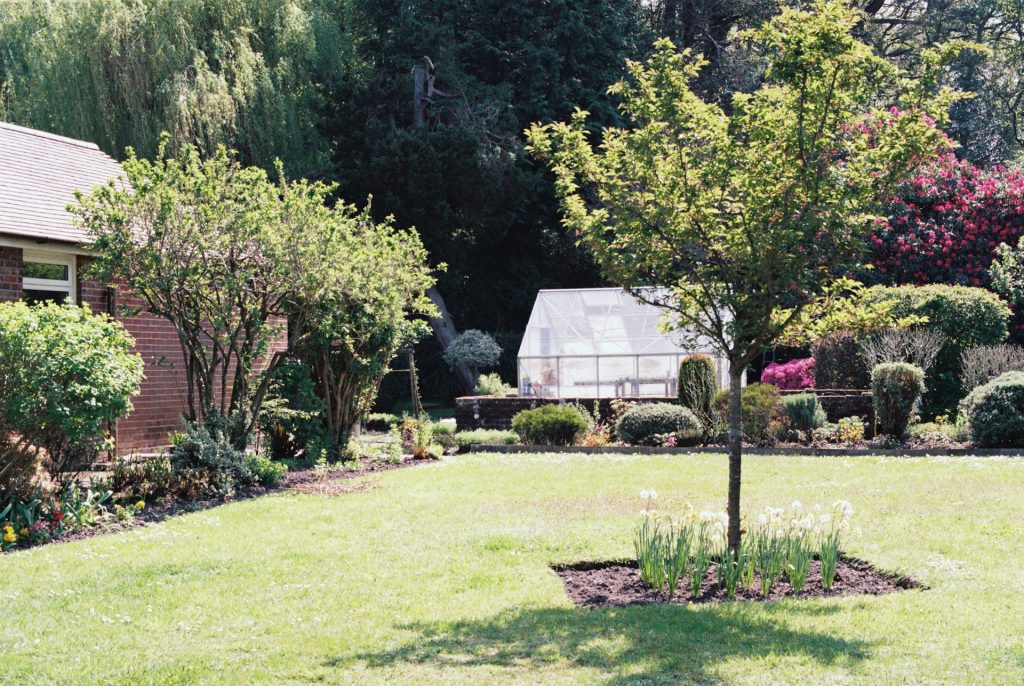
Philadelphia hides North America’s oldest living botanic garden, created in 1728 by farmer-turned-Royal-Botanist-to-King-George-III John Bartram. Today, this 46-acre tract along the Schuylkill River still has the stone home Bartram constructed himself, surrounded by native plants and trees he brought back from journeys throughout colonial America.
The garden is a working seed bank for plants that would otherwise have disappeared from the environment.
Like Travel Pug’s content? Follow us on MSN.
Bellingrath’s Alabama wonderland
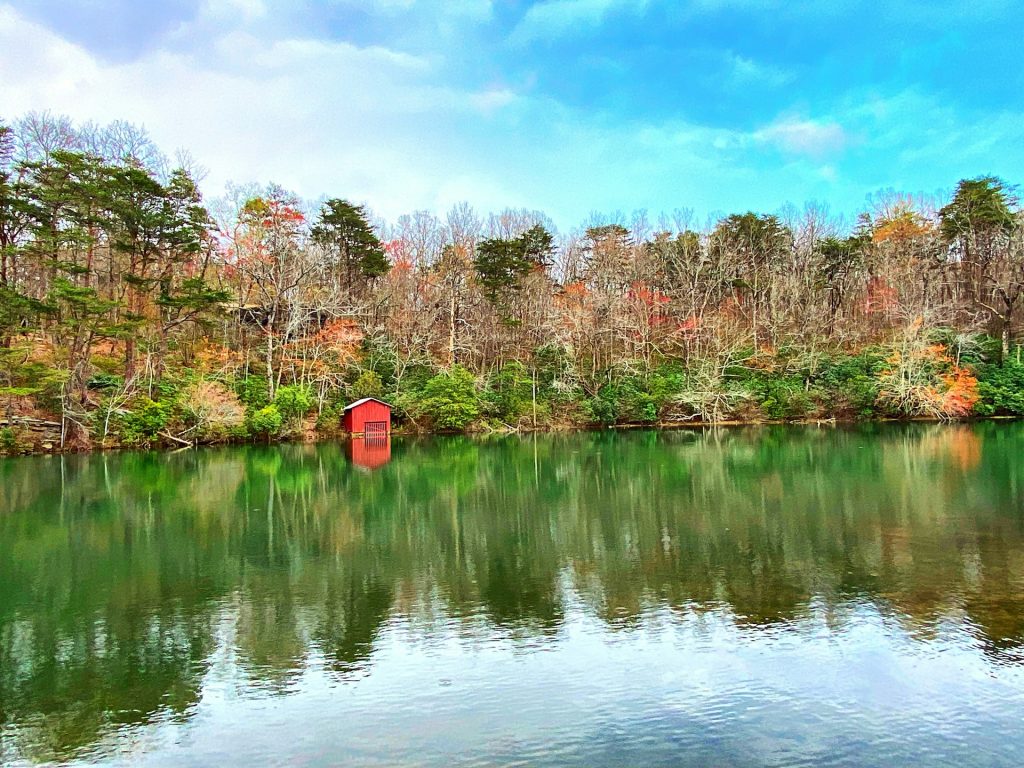
Walter Bellingrath turned his Coca-Cola bottling fortune into 65 acres of Southern garden splendor near Mobile. What began as a fishing camp in 1917 transformed into one of the region’s most spectacular estates after his wife Bessie started developing the gardens in 1927.
The property features ironwork salvaged from Mobile’s demolished 1837 Southern Hotel and handmade brick from the birthplace of Alva Vanderbilt Belmont.
Maymont’s Gilded Age grandeur
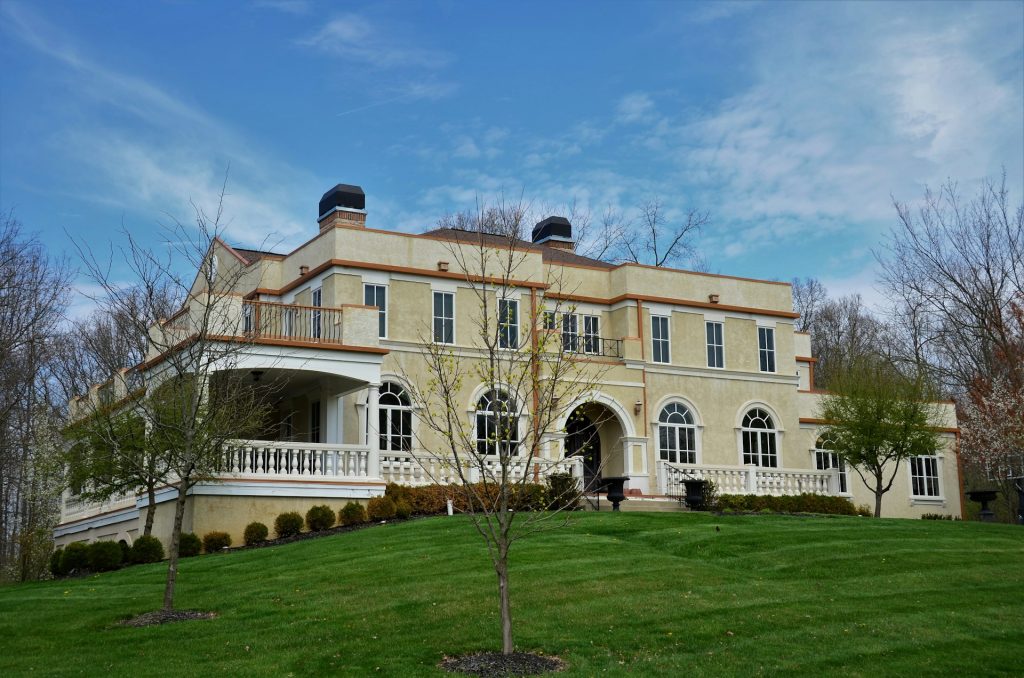
Richmond’s 100-acre Victorian estate opened to the public nearly a century ago, yet it flies under the radar of most garden tours. Major James Dooley and his wife, Sallie, filled their 1893 mansion with treasures while creating both Japanese and Italian gardens on the grounds overlooking the James River.
The Italian Garden’s cascades and fountain courts mirror designs from Villa Torlonia near Rome, bringing Renaissance elegance to Virginia’s rolling hills.
The Fells’ lakeside retreat
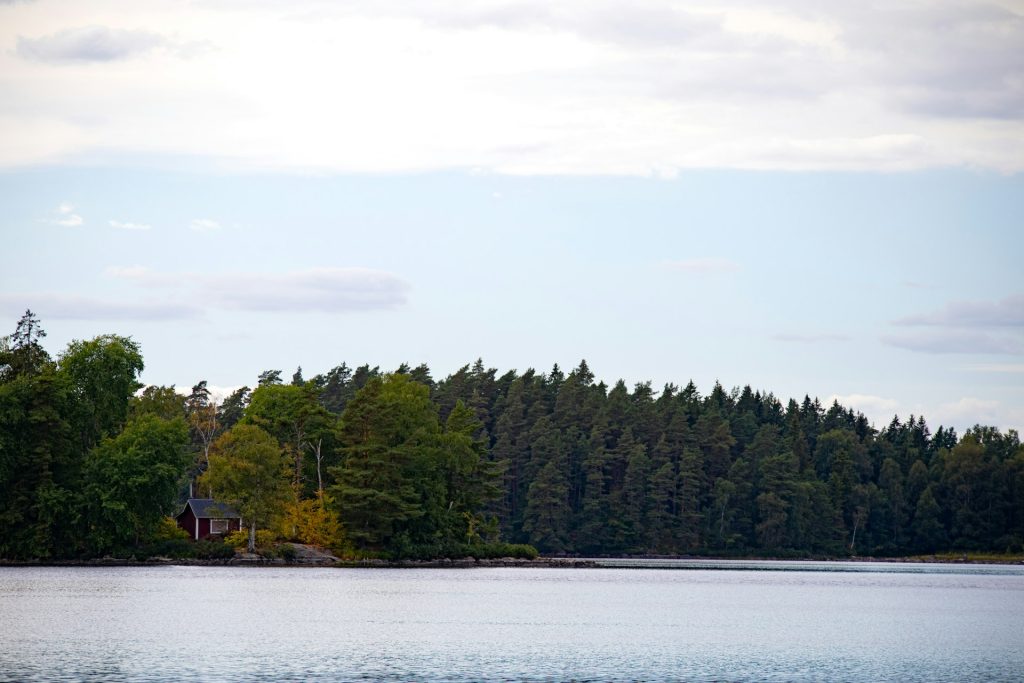
Three generations of the Hay family—including Lincoln’s private secretary—summered at this New Hampshire estate on Lake Sunapee’s shores. The rock garden slopes toward woods behind the main house, featuring nationally significant alpine and native plant collections that scholars still study today.
A secret garden hides behind masses of rhododendron, waiting to surprise visitors who venture off the main paths.
Like Travel Pug’s content? Follow us on MSN.
Bacon’s Castle formal garden
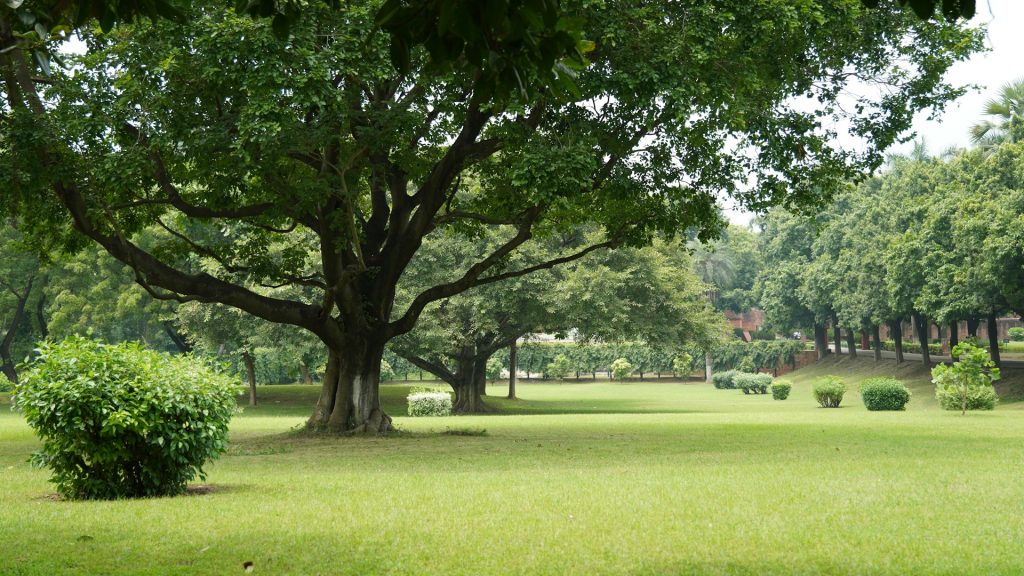
Virginia’s oldest brick dwelling harbors an even rarer treasure in its yard. Built in 1665, this High Jacobean structure includes the oldest English formal garden remaining in North America.
The geometric beds and contained walkways transport visitors to colonial America, when wealthy planters imported European garden designs to showcase their sophistication and status.
Middleton Place’s landscaped legacy
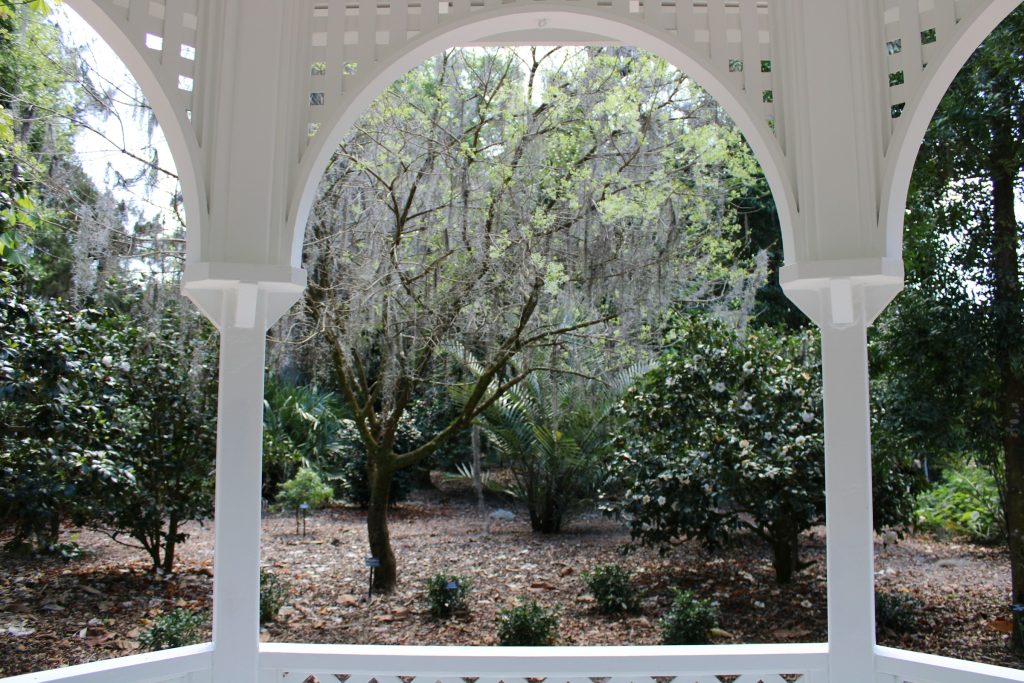
Charleston’s oldest landscaped garden dates to 1730, predating the nation itself. Union soldiers nearly burned this rice plantation to ash during the Civil War, yet the gardens survived with their classical French and European design elements intact. Bowling greens, sculptures, and small galleries dot the grounds—a testament to the era’s fascination with ordered nature and geometric precision.
Old Salem’s restoration accuracy
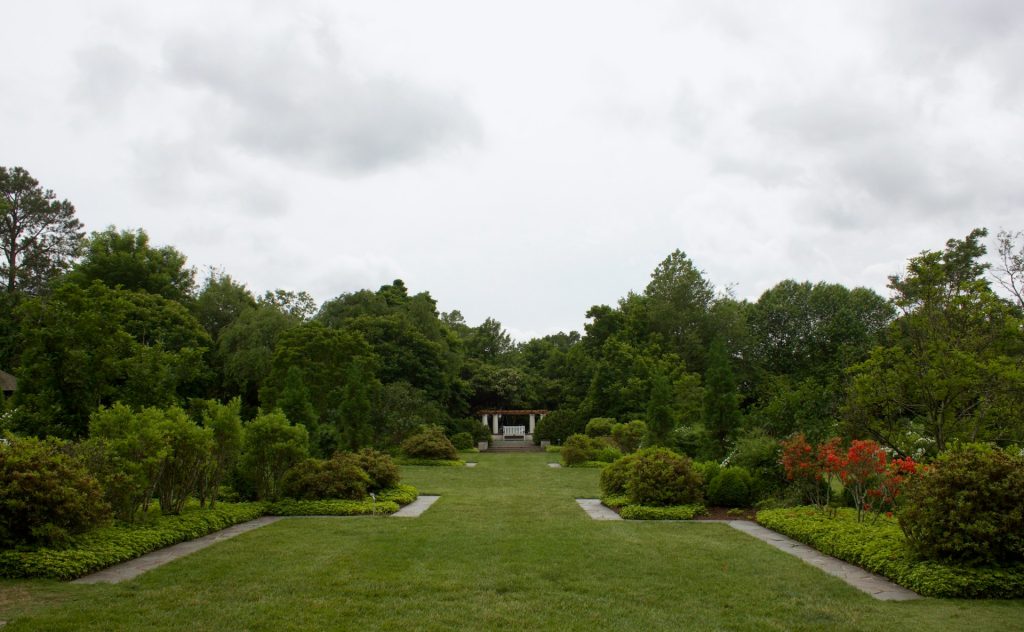
Winston-Salem preserves one of the country’s most historically accurate restoration gardens at the former Moravian settlement. Matthew Miksch, a European gardener, built the first single-family home here in what’s now a living museum of 18th-century horticulture.
Every plant species has been researched for historical authenticity, creating a time capsule where visitors can see exactly what colonial gardens looked like.
Like Travel Pug’s content? Follow us on MSN.
The Mount’s literary landscape
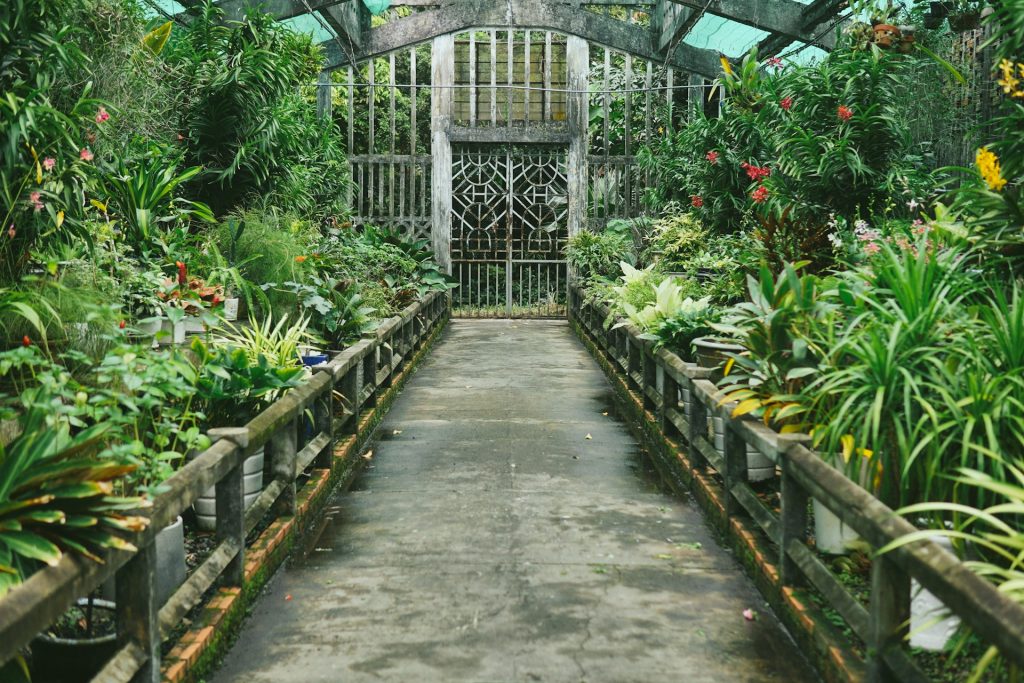
Edith Wharton didn’t just write about elegant society—she designed one of the Berkshires’ finest estates to live in it. The celebrated author believed gardens should possess ‘a charm independent of the seasons,’ and her Italianate walled garden proves the point year-round.
Wharton’s expertise in European landscape design shines through outdoor rooms that flow as gracefully as the prose in her novels.
Hildene’s Lincoln connection
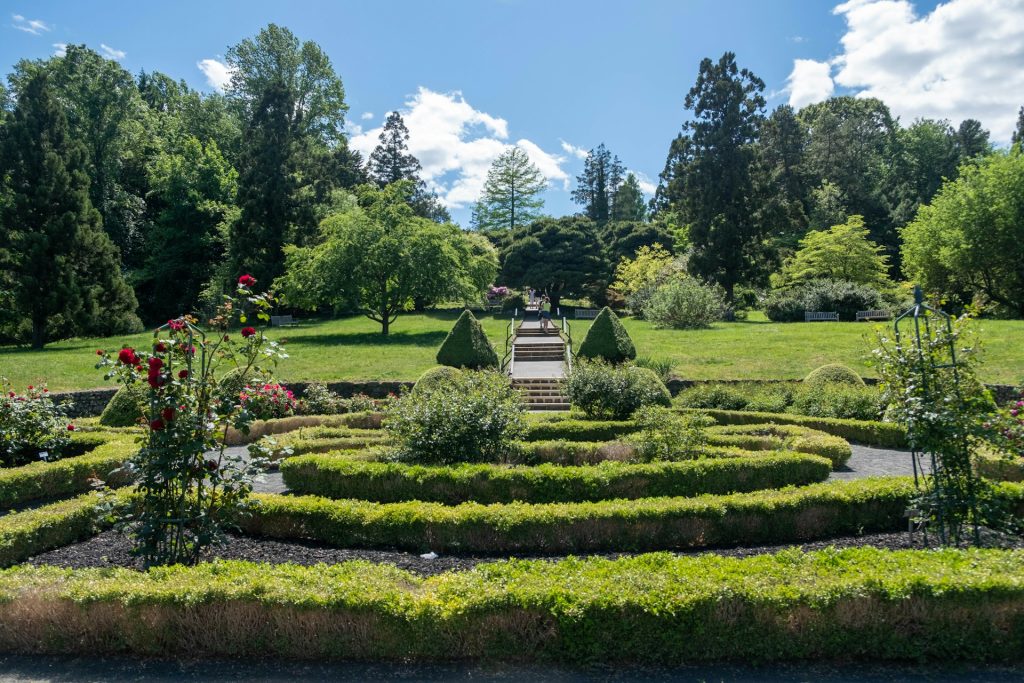
Robert Todd Lincoln built this Vermont estate with formal gardens that still contain original 1907 plantings—a remarkable feat of horticultural survival. The president’s eldest son created a gentleman’s farm with scenic mountain views, where visitors can walk among flowers that have bloomed through two world wars and countless social revolutions.
Few realize that the Lincoln family history extends so beautifully into the 20th century.
Filoli’s Bay Area jewel
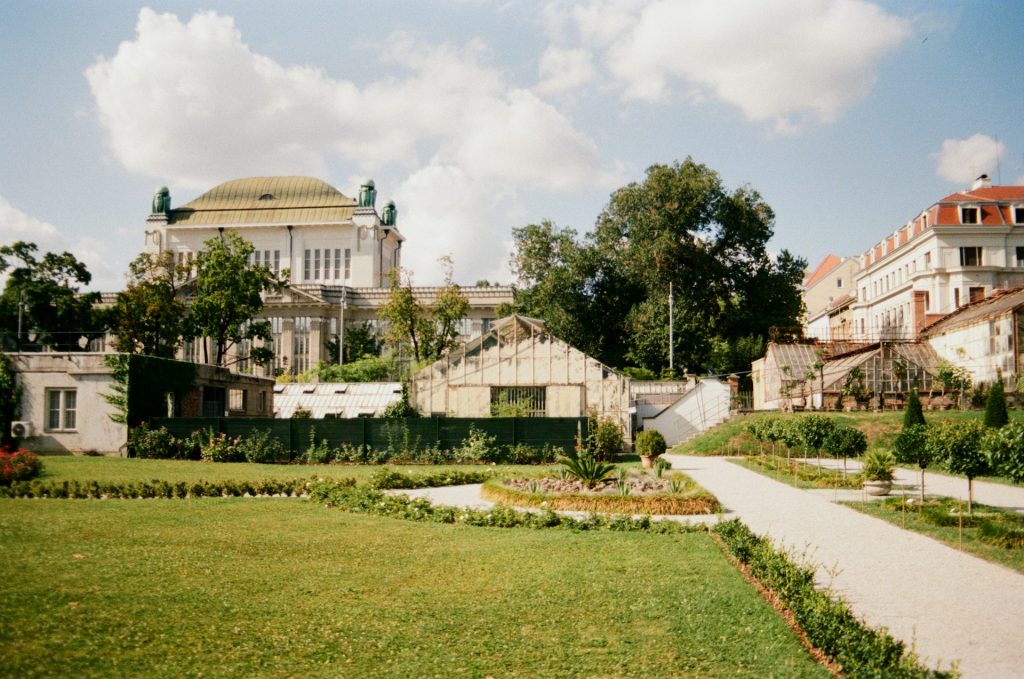
Just 30 minutes from San Francisco sits a Georgian mansion with 16 acres of gardens that most locals don’t even know exist. The estate’s name comes from the owner’s credo: ‘Fight, Love, Live’—and the gardens embody that passionate philosophy with dramatic seasonal displays.
From the walled garden’s structure to the woodland paths, Filoli demonstrates how California adapted formal European designs to its unique Mediterranean climate.
Like Travel Pug’s content? Follow us on MSN.
Green Animals’ sculpted whimsy
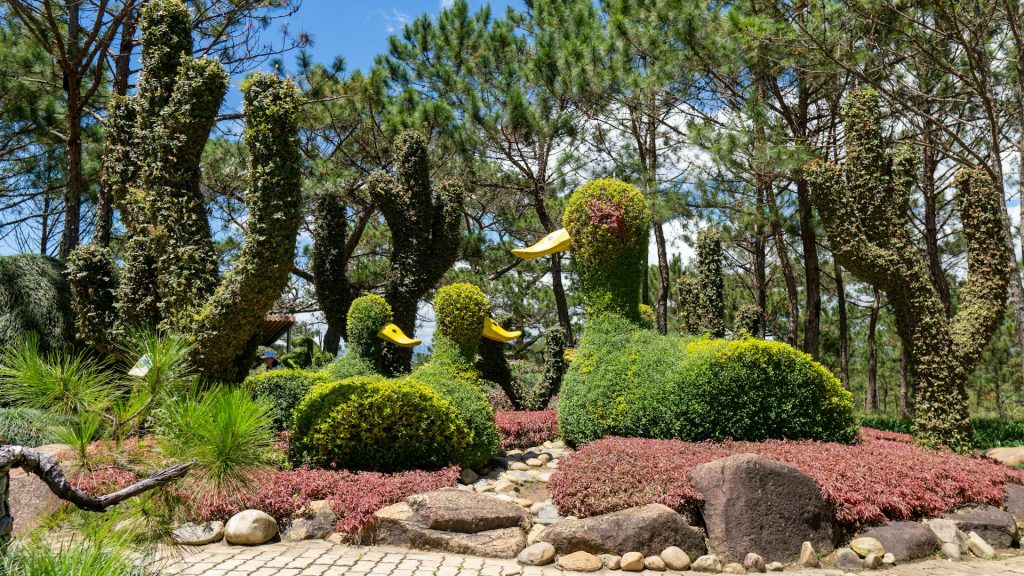
Portsmouth, Rhode Island, boasts America’s oldest topiary garden, where privet, yew, and boxwood have been trimmed into over 80 living sculptures since the 1870s. The estate features everything from enormous topiary bears to delicate geometric shapes that require constant maintenance.
Walking among these green creatures feels like entering a storybook where plants decided to become animals.
Elizabeth Park’s rose revolution
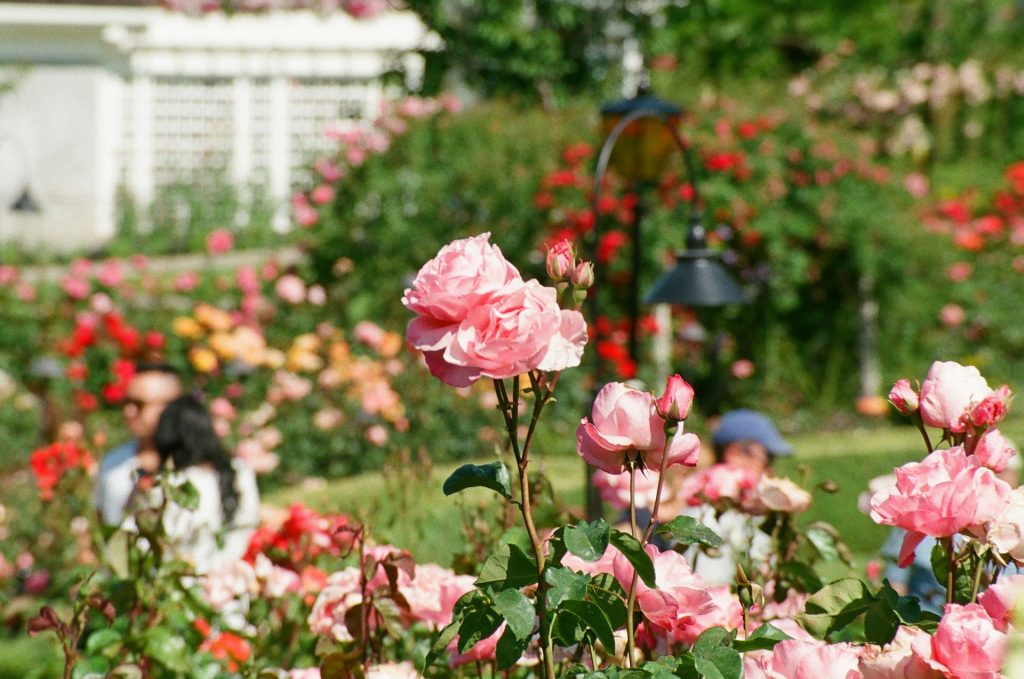
Hartford’s public rose garden has been blooming since it became the nation’s first in 1904. Hundreds of rose varieties with whimsical names—Bride’s Dream, Lemon Drop, Tuscan Sun—create a fragrant maze of color from June through October.
There’s even a Julia Child rose, proving that America’s culinary icon earned botanical immortality alongside her cookbook fame.
Dumbarton Oaks’ Georgetown secret
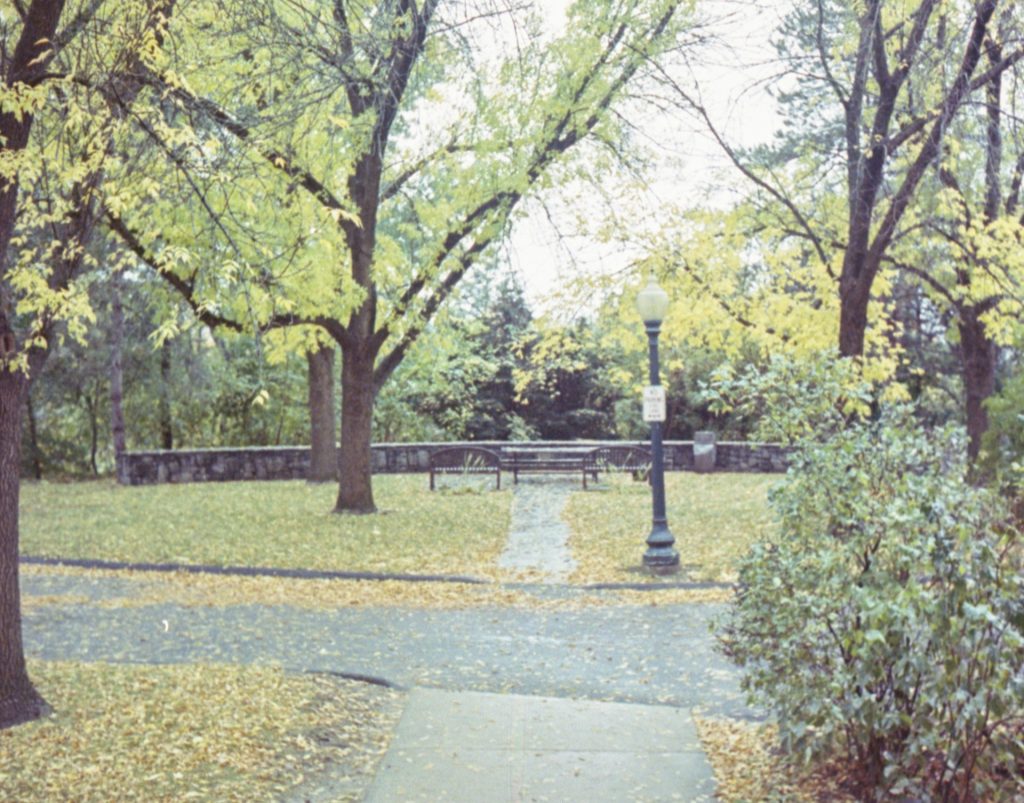
Most visitors to Washington, DC, miss this Georgetown estate where international diplomacy and horticulture intersect. The gardens feature a South Lawn, Orangery, and Green Garden that change character with the seasons—the Orangery shelters citrus trees and gardenias in winter.
At the same time, the Green Garden terrace offers sweeping estate views in summer. World-class art collections inside complement the outdoor masterpiece.
Like Travel Pug’s content? Follow us on MSN.
Belle Grove’s Shenandoah Valley gem
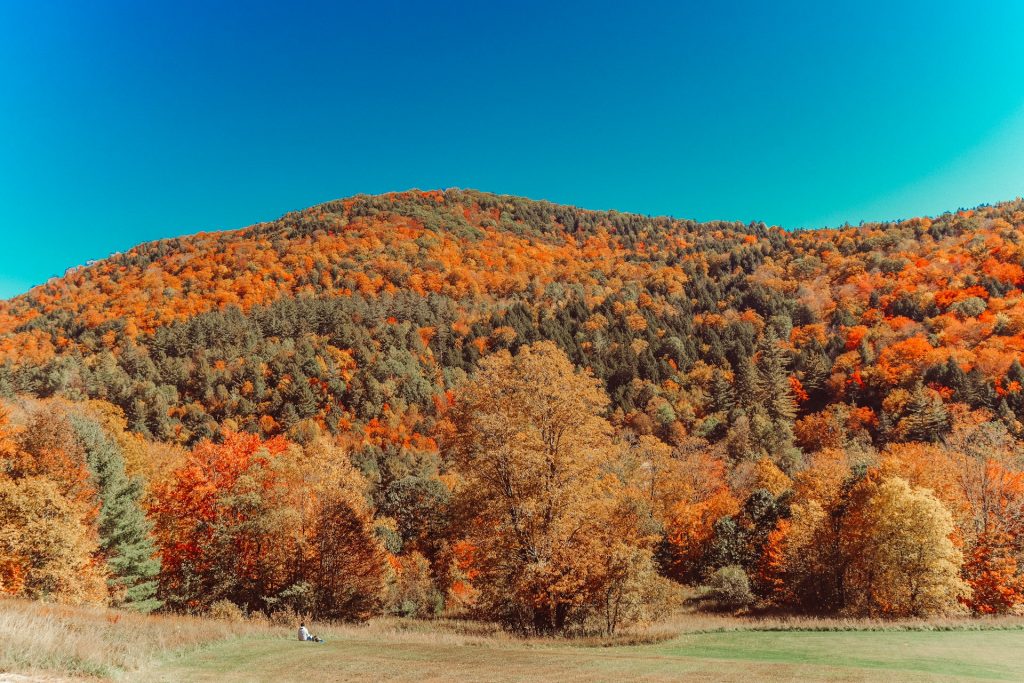
James Madison’s sister helped establish this 1797 estate in Virginia’s Shenandoah Valley. The quarter-acre garden serves double duty as both a historic site and a teaching garden for Master Gardeners, who research when plants arrived in America and how colonists used them.
Educational programs connect visitors to the practical side of historical gardening—these weren’t just pretty spaces but essential sources of food and medicine.
The Shadows’ artistic vision
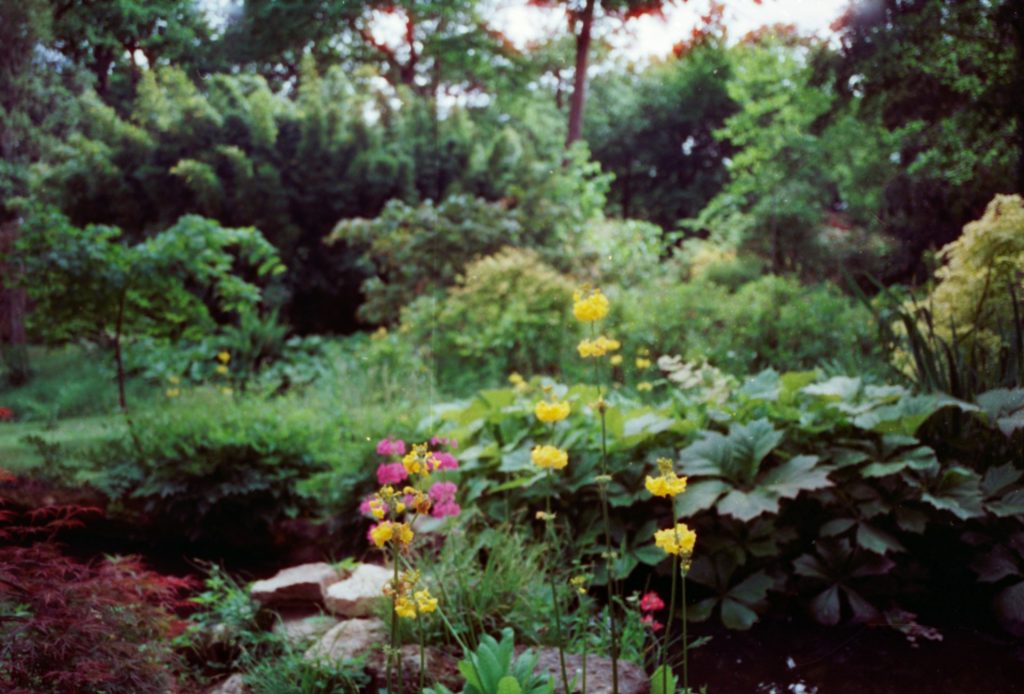
Artist William Weeks Hall inherited his great-grandfather’s 1834 Louisiana plantation and transformed the grounds into something uniquely his own. Rather than colorful roses, Hall emphasized lush green textures and varying leaf sizes—southern magnolias, ginger lilies, and camellias segmented by bamboo create a living painting.
The result feels like stepping into one of Hall’s own artworks, where every shade of green tells part of the story.
Bloedel Reserve’s Pacific elegance
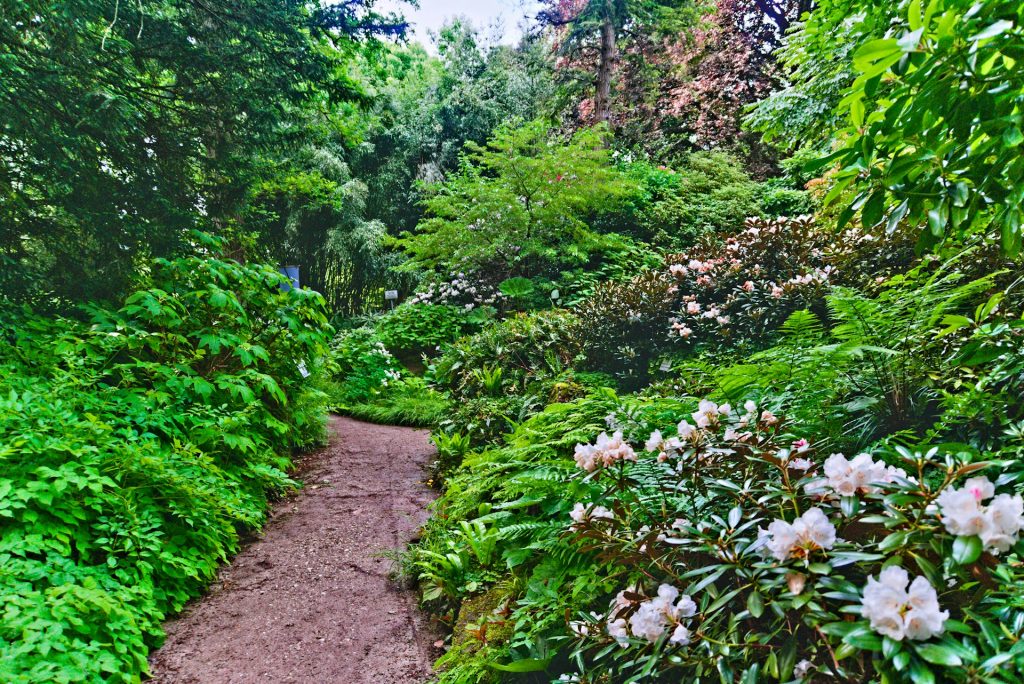
The Olmsted Brothers designed this naturalistic garden outside Seattle in 1915, creating one of the Pacific Northwest’s hidden treasures. Woodland walks wind through the property with Puget Sound vistas appearing through breaks in the trees—think of it as the region’s answer to East Coast estates, adapted for Douglas firs instead of oaks.
The reserve demonstrates how America’s greatest landscape architects worked coast to coast, though western gardens rarely get equal recognition.
Like Travel Pug’s content? Follow us on MSN.
Gardens that grew a nation
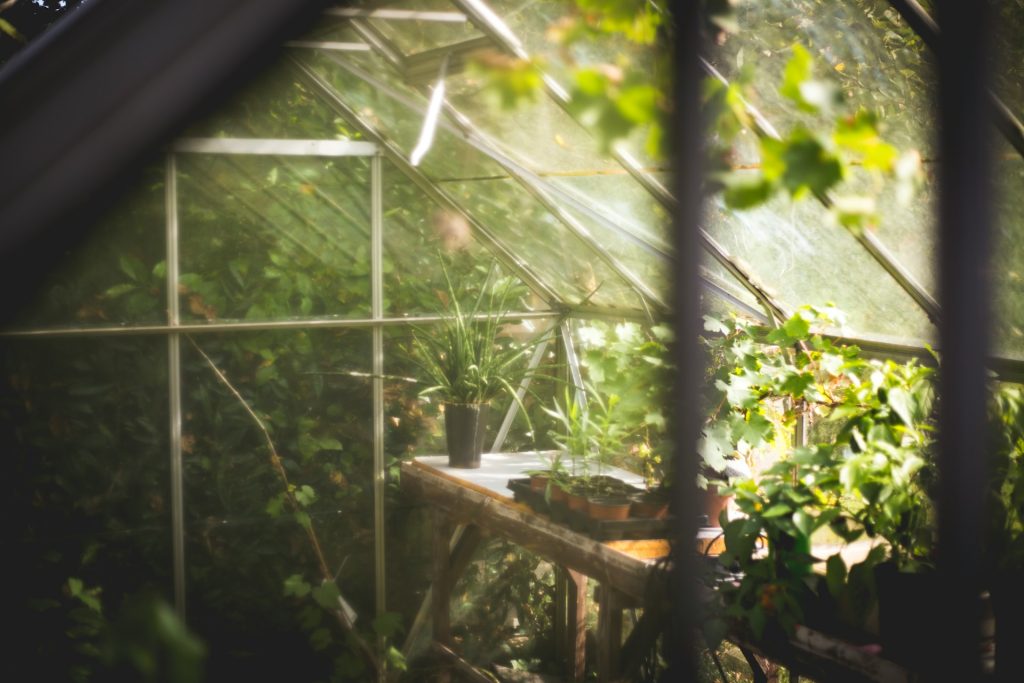
These estates demonstrate that American history didn’t occur only on battlefields and legislative halls—it flourished in meticulously maintained gardens where vision germinated. From Bartram’s 1728 botanical tests to the 1915 Northwest masterpiece by the Olmsted Brothers, each garden reflects a different chapter in the nation’s life.
Today’s travelers stroll through living archives where history isn’t encased behind glass but developing all around them, evolving with every season while staying innately tied to the aspirations of the people who originally tilled these lands.
More from Travel Pug

- 20 Best Beach Towns in the Carolinas
- 13 Destinations Where Tourists Regularly Regret Their Trip
- 20 Things You Actually Get in First Class
- 20 Small Airports With Aviation Museums
- 20 Places in the U.S. That Are Perfect for a Reset Trip
Like Travel Pug’s content? Follow us on MSN.