

The Balkans might not be the first place that comes to mind when you think of waterfall destinations, yet this mountainous region rivals anywhere else in Europe for sheer aquatic drama.
Tucked between ancient forests, limestone cliffs, and emerald rivers, these cascades range from thundering curtains of white water to delicate streams that freeze into icicles come winter.
The region’s complex geology creates perfect conditions for waterfalls — porous rock, dramatic elevation changes, and abundant rainfall feed hundreds of falls throughout Croatia, Bosnia and Herzegovina, Slovenia, Albania, Bulgaria, and North Macedonia.
Many remain blissfully uncrowded compared to their famous counterparts elsewhere on the continent.
Here is a list of 15 stunning waterfalls worth chasing across the Balkans, from easy roadside stops to remote alpine treks that’ll test your stamina.
Each one tells its own story through the landscape.
Veliki Slap towers above

At 256 feet tall, Veliki Slap claims Croatia’s highest waterfall crown.
It dominates Plitvice Lakes National Park with raw power.
Water plummets down a moss-covered cliff into a turquoise pool below — and that perpetual mist catches afternoon light in ways that’ll leave you staring.
You’ll find it near the lower entrance, which means it’s often the first jaw-dropping sight greeting visitors to this UNESCO site.
Skradinski Buk spreads wide

This isn’t one single drop but rather 17 different cascades tumbling over travertine barriers in Krka National Park.
The waterfall spans roughly 1,300 feet across while dropping about 150 feet through natural terraces and pools.
Wooden walkways let you wander right alongside the rushing water, whereas the surrounding vegetation creates a tropical atmosphere that feels worlds away from the Mediterranean coast just 30 minutes south.
Kravice invites a dip

Near Ljubuški, this semicircular beauty draws summer crowds for excellent reasons — the 82-foot-wide cascade crashes into a large natural pool that’s actually swimmable when conditions allow.
Cold, turquoise water stays refreshing even in July.
It’s fed by the Trebižat River as it carves through limestone terrain.
Local families spread picnic blankets on grassy banks, while adventurous types jump from lower sections into deeper water below.
Skakavac plunges dramatically

Just outside Sarajevo, this waterfall free-falls 321 feet down a sheer cliff.
That makes it one of the tallest in the entire Balkan Peninsula.
The two-hour forest hike winds through beech trees and crosses wooden bridges before revealing the cascade in a protected nature reserve.
Spring offers the most dramatic flow when snowmelt feeds the drop, though autumn brings fiery foliage that frames the white water beautifully.
Pliva meets history downtown

Few waterfalls sit right in the middle of a town, yet Pliva tumbles 72 feet through central Jajce, where two rivers converge.
Medieval fortresses and Ottoman-era architecture provide a backdrop that makes this natural wonder even more striking.
The juxtaposition creates one of Bosnia and Herzegovina’s most photogenic settings — rushing water against centuries-old stone buildings telling parallel stories of persistence.
Štrbački Buk guards the borders

Positioned on the Una River along the Bosnia-Croatia border, this showcase features multiple tiers of cascades surrounded by dense forest in Una National Park.
The name translates roughly to “the roar of Štrbac” — fitting when spring runoff sends massive volumes of crystal-clear water crashing over limestone ledges.
Kayakers navigate calmer sections above and below, whereas photographers stake out riverbank spots for perfect long-exposure shots.
Boka commands attention vertically
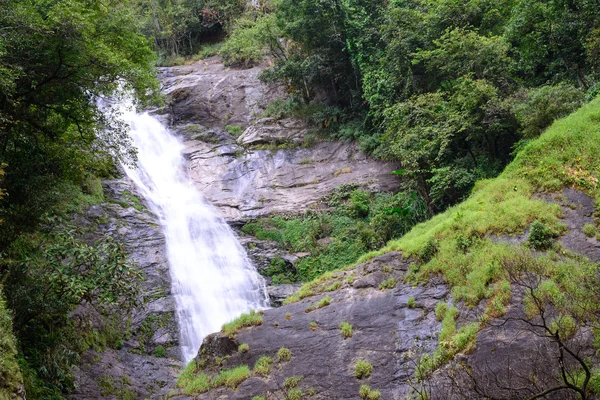
Slovenia’s most powerful waterfall drops 348 feet in a single curtain that widens as it descends.
Underground springs on Mount Kanin feed this beast near the mountain town of Bovec.
Here’s something remarkable — Boka actually grows taller each year due to erosive power gradually cutting deeper into rock.
A 15-minute hike brings you to an official viewpoint, though adventurous souls can scramble much closer on a steep, unmarked trail, taking about an hour.
Savica feeds Alpine beauty

This cascade bursts from underground caverns in the Seven Triglav Lakes Valley before crashing 255 feet down to form the Sava Bohinjka River’s source.
You’ll climb 550 steps through the forest to reach the viewing platform.
The effort pays off with views across Lake Bohinj and the Julian Alps beyond.Late spring brings peak flow when snowmelt transforms Savica into a thundering spectacle that echoes through the valley.
Kozjak hides in stone

What makes Kozjak extraordinary isn’t its 49-foot height but its secretive location — water spills into an emerald pool inside a natural limestone chamber near Kobarid.
Moss blankets the dark rocks — shafts of light filter through the chamber’s opening to create an almost mystical atmosphere.
The 30-minute forest walk from the parking follows the turquoise Soča River and crosses a suspension bridge offering stellar photo opportunities.
Peričnik offers twin perspectives

Two separate cascades make up this accessible wonder near Mojstrana in Triglav National Park.
The lower fall drops about 52 feet.
The upper reaches 196 feet and can actually be walked behind via a rocky path that gets you wonderfully drenched in spray.
Winter transforms Peričnik into a frozen sculpture attracting ice climbers from across Europe, though slippery conditions make casual visits more challenging then.
Virje enchants quietly

Standing just 49 feet tall, Virje Waterfall near Bovec proves height isn’t everything when it comes to beauty.
Water glides over a curved rock face in delicate sheets, creating an almost curtain-like effect that changes with seasons and water levels.
It’s an easy five-minute walk from the road.
Perfect for travelers wanting waterfall magic without a serious hike.
Sum concludes the gorge

At Vintgar Gorge’s end near Lake Bled, Sum Waterfall provides a 52-foot finale to one of Slovenia’s most enchanting canyon walks.
The name literally translates to “noise” in Slovenian, referencing the thunderous sound as the Radovna River plunges into an emerald pool.
Wooden walkways attached to canyon walls let you experience the entire route’s turquoise waters and sculpted rock before reaching this crescendo.
Raysko Praskalo reaches the highest

Bulgaria’s tallest permanent waterfall tumbles 408 feet down the slopes of Botev Peak in Central Balkan National Park.
Its poetic name translates to “heavenly sprinkler.”
Fed by melting snow from Macedonia’s highest summit, the cascade reaches peak intensity during the summer months despite most waterfalls running strongest in spring.
The hike starts from Ray Mountain refuge and takes several hours through beech forests at elevations above 6,500 feet.
Grunas stands tall in Theth

This 98-foot cascade near the remote Albanian village of Theth has become a highlight for hikers exploring the Accursed Mountains.
The waterfall drops over a rock face surrounded by dense forest, often creating rainbows when sunlight hits the mist just right during midday.
Winter freezes Grunas into a massive ice sculpture.
Summer reveals the full power of water as it feeds into crystalline streams below.
Sotira cascades through the wilderness

Located about 10 miles from the town of Gramsh in southern Albania, Sotira Waterfall plunges roughly 328 feet down dramatic limestone cliffs below Mount Tomorr.
Multiple streams combine into this impressive cascade.
It looks especially vibrant in spring and summer when wildflowers blanket the wide meadow fronting the falls.
The one-hour hike from Sotira village rewards visitors with relative solitude since this beauty remains off most tourist radars.
Where water shapes mountains
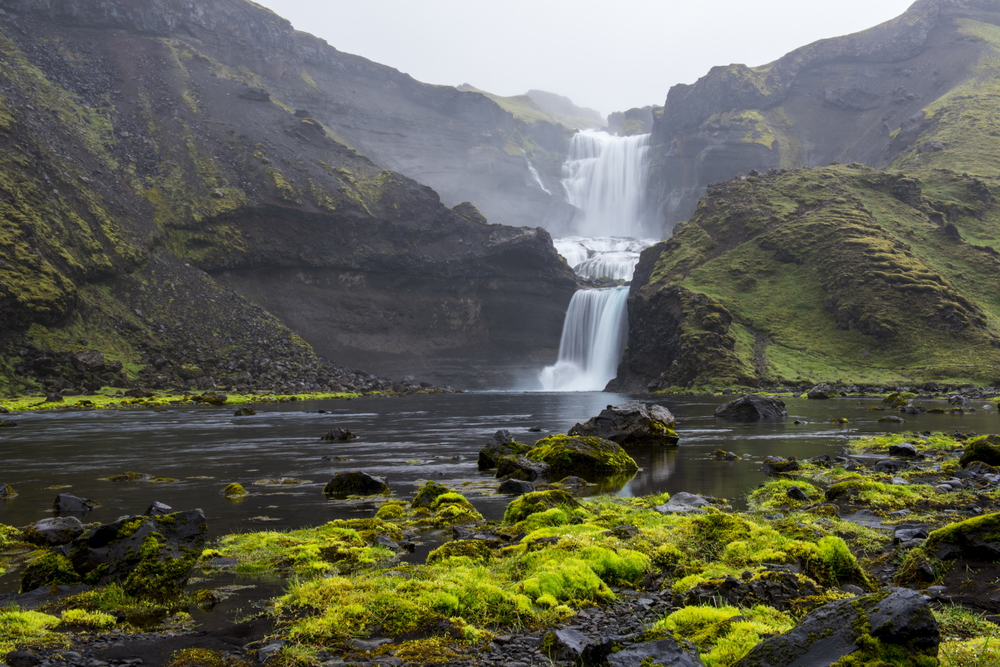
The Balkans’ waterfalls tell the story of ancient geological forces still actively reshaping these mountains today.
Each cascade represents thousands of years of erosion carving through limestone, travertine, and volcanic rock to create the landscapes we see now.
These natural wonders served as gathering places for centuries — medieval travelers stopped at Pliva’s urban cascade while Kozjak’s hidden chamber inspired local legends about mystical beings.
Modern visitors continue building memories at these spots, whether swimming in Kravice’s pools during summer heat or marveling at Korab’s seasonal appearance when conditions align perfectly.
The variety means there’s truly something for everyone, from families wanting easy roadside stops to hardcore adventurers seeking multiday treks into remote wilderness where waterfalls thunder in near solitude.
More from Travel Pug

- Underrated Italian Towns That Beat the Tourist Crowds
- Las Vegas Tourist Traps to Skip
- Prettiest Towns in Every US State
- 18 passport-free countries for Americans
- Signs Your Cruise Is Not Worth The Cost
Like Travel Pug’s content? Follow us on MSN.