

Efficiency is usually the top priority in hotel lobbies: prompt check-in, sufficient seating, and, if available, a bar. However, several American hotels made the decision that their entrance areas should be eye-catching, designing lobbies that are so historically or aesthetically significant that they stand alone as destinations.
The significance of these lobbies is demonstrated by the fact that people frequent them without actually staying at the hotels. The hotel lobbies in the US listed below provide an excuse for arriving early and staying longer than is necessary for luggage drop-off.
The Plaza New York
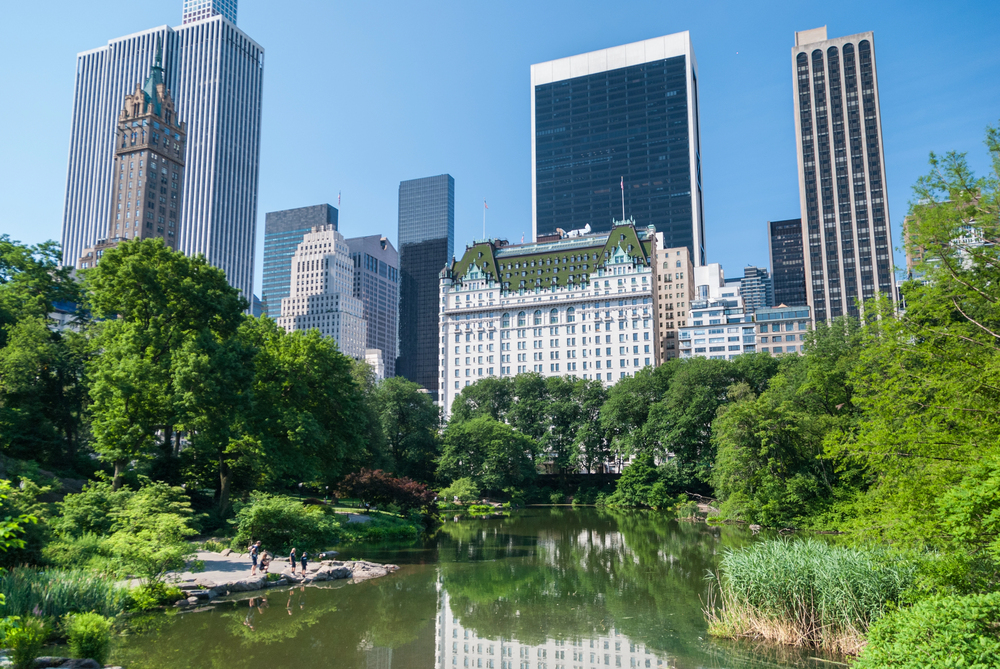
The Palm Court functions as The Plaza’s de facto lobby, and it’s been setting standards for New York hotel grandeur since 1907. Stained-glass ceiling. Gold leaf everywhere.
Columns wrapped in more gold leaf. The space manages to feel both intimate and grand simultaneously, which shouldn’t work but does because the proportions are perfect and the original architecture was actually good.
Afternoon tea fills the space with tourists and New Yorkers who aren’t hotel guests but understand that experiencing The Plaza means sitting in the Palm Court at least once. The lobby has appeared in enough movies that first-time visitors get déjà vu even if they’ve never been to Manhattan before. Weird but true.
Fairmont San Francisco
— Photo by raagoon@gmail.com
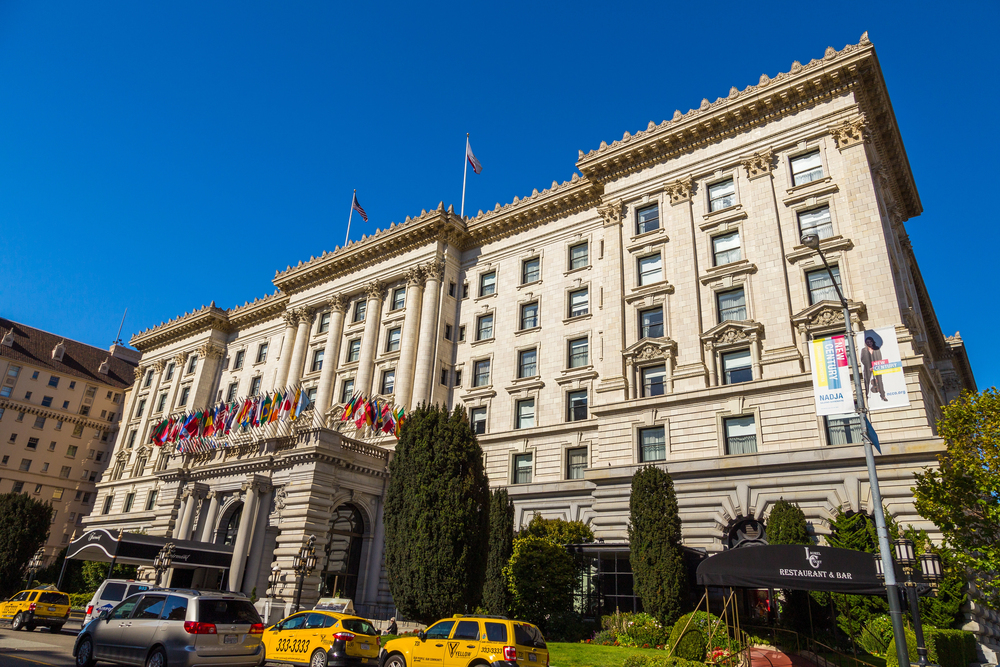
This Nob Hill landmark’s lobby stretches through multiple connected spaces, showcasing different aspects of early 1900s luxury design. Massive marble columns. Red carpeting thick enough to muffle even hard-soled shoes.
Ceiling details require actual neck craning to appreciate fully. The scale impresses without crushing you, which is harder to achieve than it looks.
The main lobby leads to the Laurel Court, where stained-glass ceiling panels create colored light that shifts throughout the day as the sun moves. Tea service, live music, and constant guest flow create energy that makes the space feel alive rather than museum-like despite all the historical grandeur.
Sometimes old buildings just need people in them.
Like Travel Pug’s content? Follow us on MSN
The Jefferson, Washington, DC
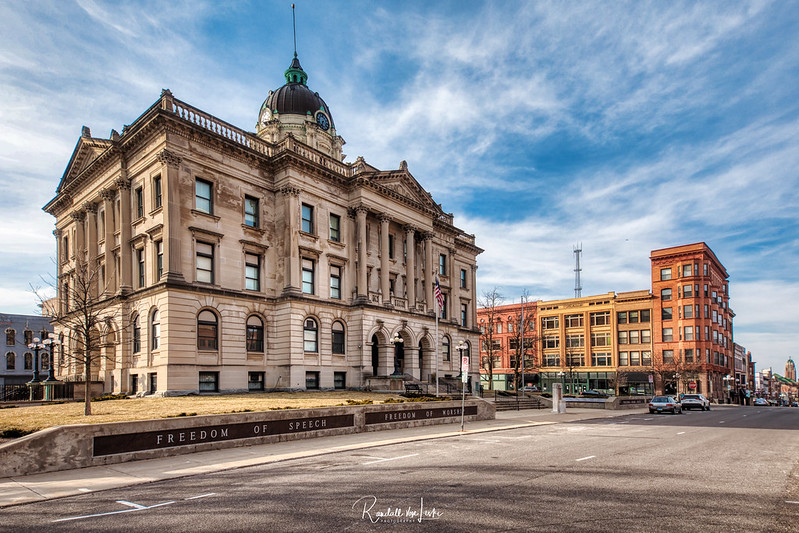
This 1923 Beaux-Arts hotel’s lobby maintains an intimate residential scale rather than reaching for monument proportions. Walking in feels more like entering an exceptionally grand private home than a hotel.
Plush seating arranged for actual conversation. Artwork and antiques throughout. A fireplace that gets real fires during winter months. The space makes clever use of compact dimensions—only 99 rooms total—to create atmosphere that larger properties struggle to achieve.
Every detail receives attention, from fresh flower arrangements to wood paneling quality to lighting that creates warmth without darkness. Small but perfectly formed.
Fontainebleau Miami Beach
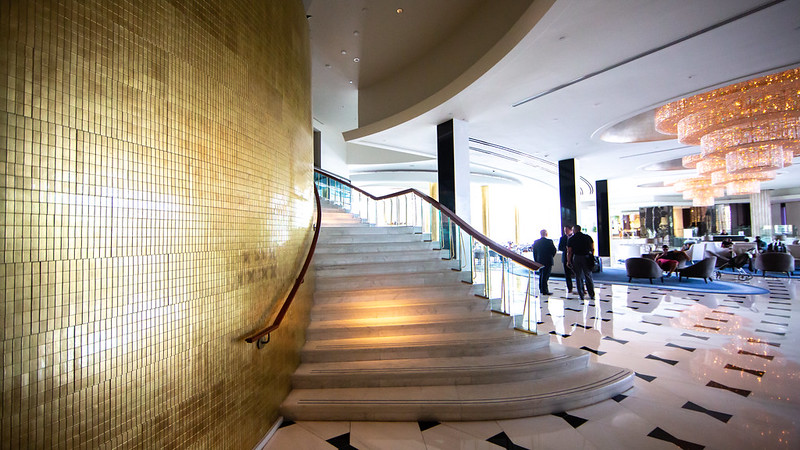
Morris Lapidus’s original 1954 design created a lobby that still feels futuristic seventy years later. The “Stairway to Nowhere” curves dramatically upward to a landing with no obvious purpose except creating visual drama.
Massive windows frame views straight through the lobby to the pool and ocean beyond. The space manipulates perspective and scale in ways that remain striking even now.
Recent renovations respected the original design while updating materials and adding contemporary comfort. The lobby functions as a see-and-be-seen space, with seating encouraging lingering and people-watching.
Very Miami. Very mid-century modern. Very aware of its own iconic status and fine with that.
The Breakers Palm Beach
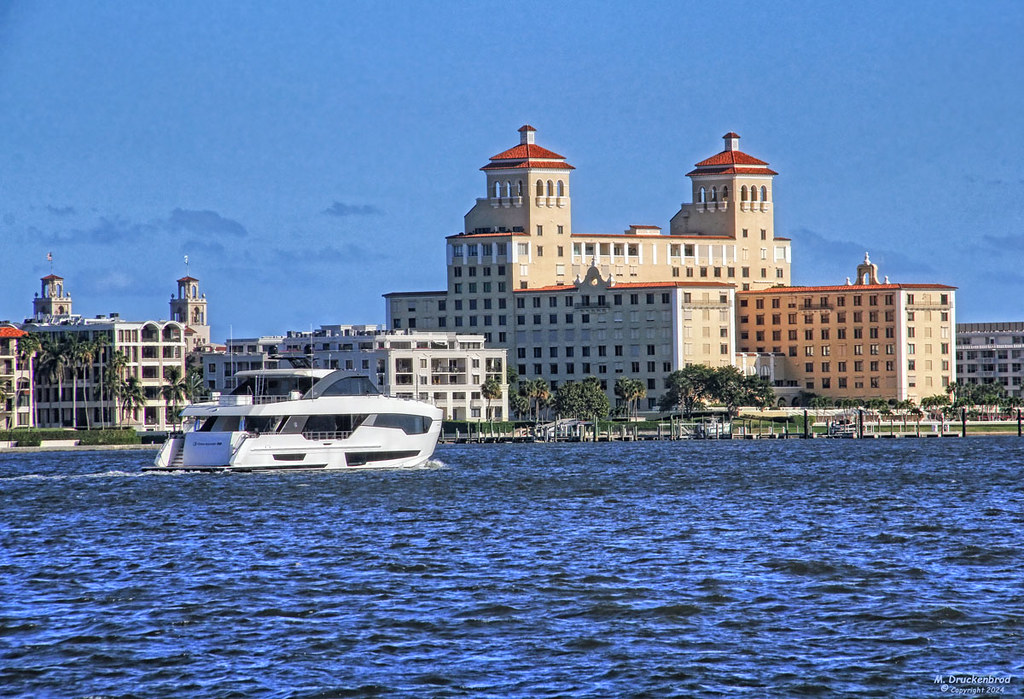
Italian Renaissance architecture interpreted through American Gilded Age excess creates a lobby that doesn’t apologize for anything. Painted ceilings based on Palazzo Carega in Genoa.
Flemish tapestries. Intricate marble floor patterns. Crystal chandeliers requiring specialists to install and maintain.
The commitment to historically accurate details in a 1926 hotel means the space maintains authenticity that revival attempts often lack. The formality might feel stuffy except Palm Beach society brings energy—this remains a place where people dress up, where social calendar matters, where events have weight.
The space was designed for that energy and still accommodates it nearly a century later.
Like Travel Pug’s content? Follow us on MSN
Bellagio Las Vegas
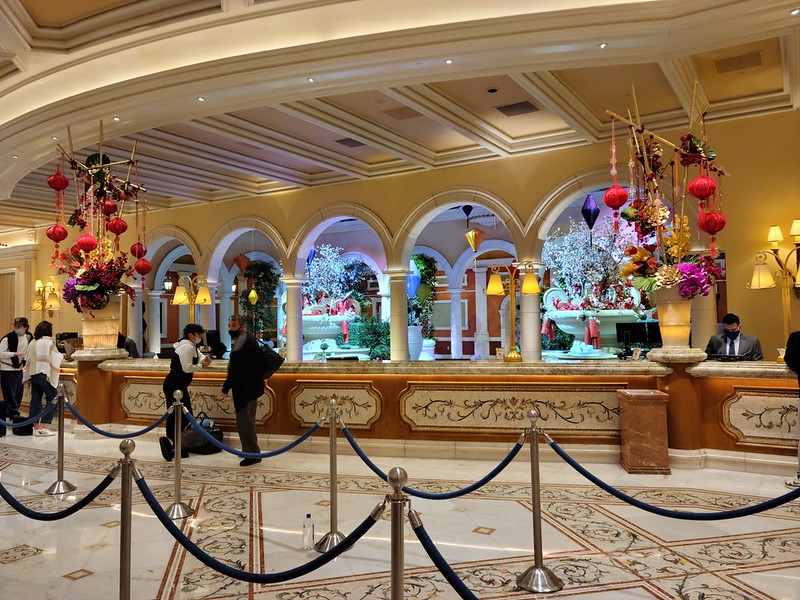
Dale Chihuly’s lobby ceiling installation includes 2,000 hand-blown glass flowers in colors so vibrant they almost hurt to look at directly. The Fiori di Como spans 2,100 square feet overhead, establishing the hotel’s art commitment from the entrance. Not subtle. Not trying to be.
The Conservatory and Botanical Gardens, accessible from the lobby, change displays five times annually with elaborate installations drawing locals and tourists equally. The lobby doesn’t feel like a casino hotel—intentionally so, as Bellagio aimed to import European luxury hotel aesthetics when it opened. Mostly succeeded.
The Brown Palace Denver
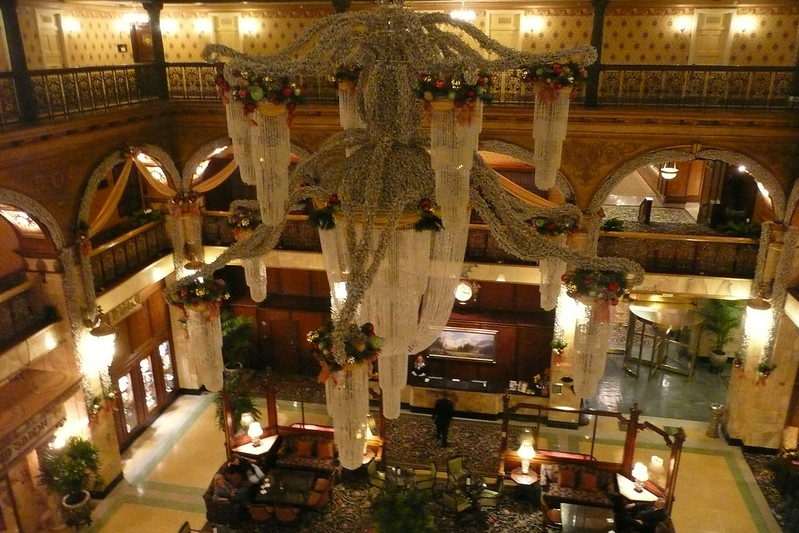
This 1892 hotel’s atrium lobby rises eight stories with cast-iron balconies on each level looking down to the ground floor. The geometric precision of repeating balconies creates visual rhythm that produces an almost hypnotic effect when viewed from below looking up.
Natural light filters through stained-glass ceiling panels, casting colored shadows that shift as the sun moves across the sky. Afternoon tea service in the atrium became a Denver tradition, with live music adding atmosphere.
The space hosted presidents and celebrities over more than a century without requiring significant alterations to accommodate changing tastes. Good design proves durable.
The Roosevelt New Orleans
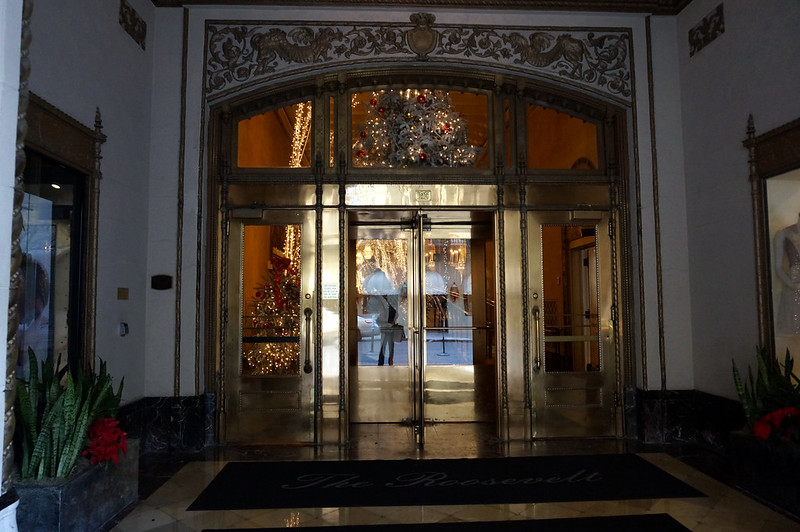
The grand lobby retains 1893 Beaux-Arts grandeur with marble columns, ornate plasterwork, and crystal chandeliers create an old-world European atmosphere in the French Quarter. The Sazerac Bar connects directly to the lobby, blurring lines between public space and hotel amenity in ways that create energy throughout the ground floor.
Live jazz fills the lobby during evening hours, which feels appropriate for New Orleans and transforms the space from pretty but static to genuinely alive. The music matters as much as the architecture in creating the overall atmosphere. Maybe more.
Like Travel Pug’s content? Follow us on MSN
Millennium Biltmore Los Angeles
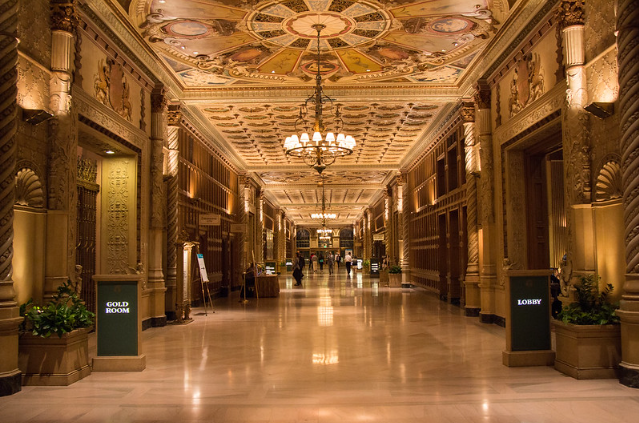
Multiple connected lobby spaces showcase different design influences—Spanish-Italian Renaissance in the main area, Art Deco details in the gallery. The Rendezvous Court, with its ornate ceiling and massive columns, appeared in dozens of films including The Godfather and Ghostbusters.
The space photographs well because proportions and details create visual interest from every angle. The hotel’s history of hosting Academy Awards ceremonies and presidential candidates adds cultural weight to architectural grandeur.
These spaces witnessed significant moments, which somehow becomes palpable when standing there even if you can’t articulate why.
The Peabody Memphis
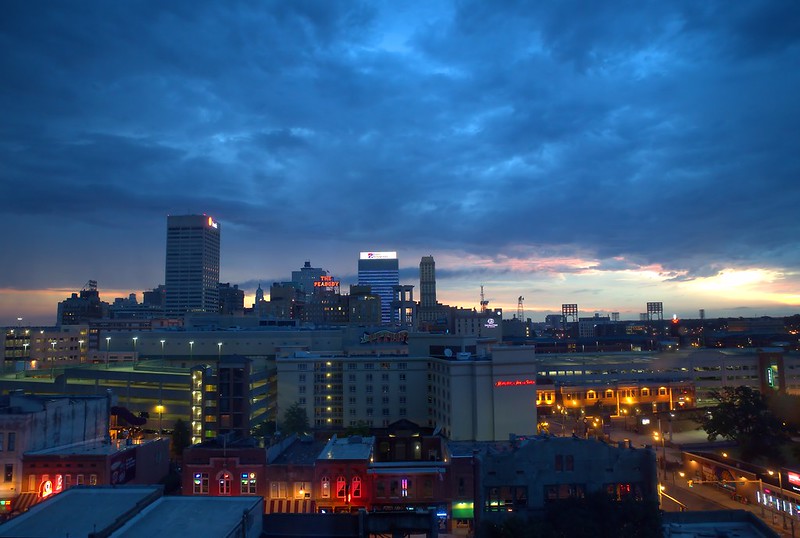
The Italian Renaissance lobby would impress on its own. But the twice-daily Peabody Ducks march—descending from their rooftop palace via elevator, parading across red carpet to the lobby fountain, then reversing the process each evening—transforms the space into performance venue.
The tradition started in the 1930s and became so popular the lobby fills with spectators twice daily. The ducks shouldn’t work as a hotel concept.
Somehow the combination of absurdist performance art and genuine elegance creates something more memorable than either element alone would produce. Very Memphis in its willingness to embrace weird alongside elegant.
Not everyone’s taste, but undeniably distinctive.
Fairmont Olympic Seattle
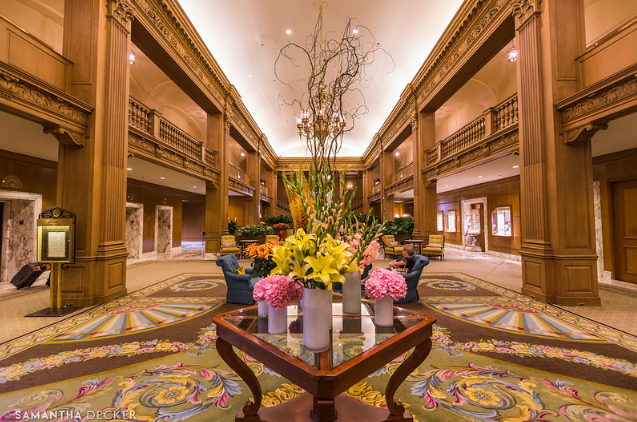
The Italian Renaissance Revival lobby completed in 1924 maintains period details like coffered ceilings, crystal chandeliers, and archways, creating spatial progression through connected rooms. The scale impresses without using height—proportions rely on length and width rather than vertical drama, which creates different energy than soaring atriums.
The lobby leads to the Georgian Room, where afternoon tea service continues traditions that remained consistent for nearly a century. The space works because it never tries being anything other than what it is—well-preserved 1920s luxury hotel design that remains functional and beautiful. Sometimes that’s enough.
Like Travel Pug’s content? Follow us on MSN
The Hay-Adams Washington DC
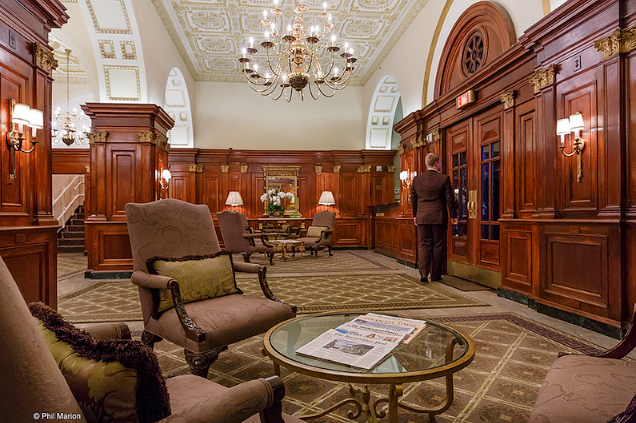
The lobby embraces intimate scale and residential proportions rather than monumental grandeur. Italian Renaissance design creates warmth through wood paneling, hidden lighting, and careful attention to how spaces connect.
Views across Lafayette Square to the White House provide context reminding guests of the hotel’s position in Washington society. The space functions more like a sophisticated living room than traditional hotel lobby, which matches the property’s overall service approach.
Sometimes luxury is about what you don’t do rather than what you add. Less can genuinely be more.
The Drake Hotel Chicago
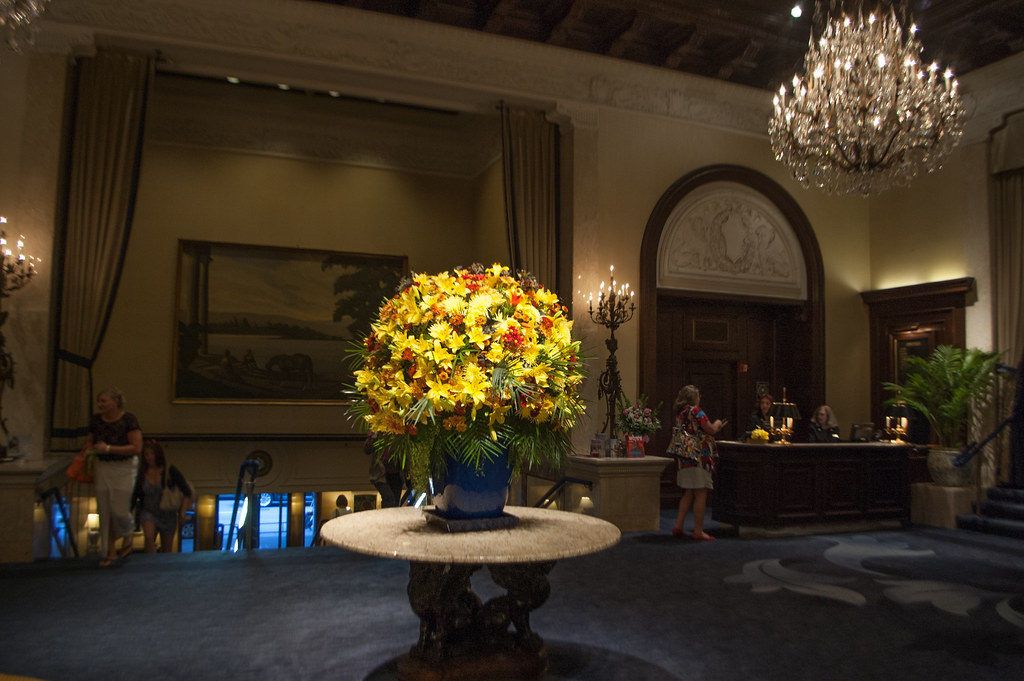
The lobby’s traditional elegance references European grand hotels without directly copying specific precedents. Palm Court, opening from the lobby, provides afternoon tea in space balancing formality with approachability.
The design hasn’t required significant updates because the 1920 concept remains functional and visually appealing a century later. The Magnificent Mile location means the lobby sees constant traffic from guests and Chicago residents meeting for tea or drinks, creating energy that makes the space feel current rather than preserved.
Living spaces age differently than museum spaces.
Hotel del Coronado San Diego
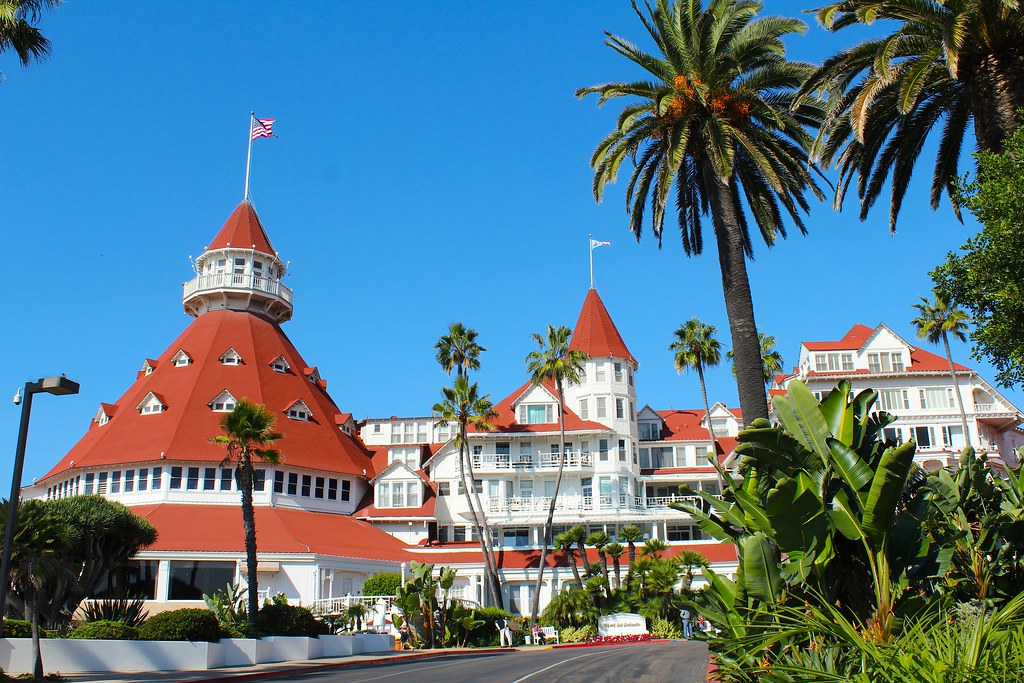
The Victorian lobby of this 1888 property maintains original details including carved oak ceiling, brass bird cage elevator, and columns supporting balconies from upper floors. The space feels authentically period rather than reconstructed, which makes sense given the hotel’s age and continuous operation through multiple eras.
Natural light from large windows creates warmth many Victorian interiors lack. Beach location visible from lobby windows provides context connecting historical interior to California coast—unlikely but successful combination.
The building shouldn’t work as a beach resort but absolutely does.
Like Travel Pug’s content? Follow us on MSN
The St. Regis New York
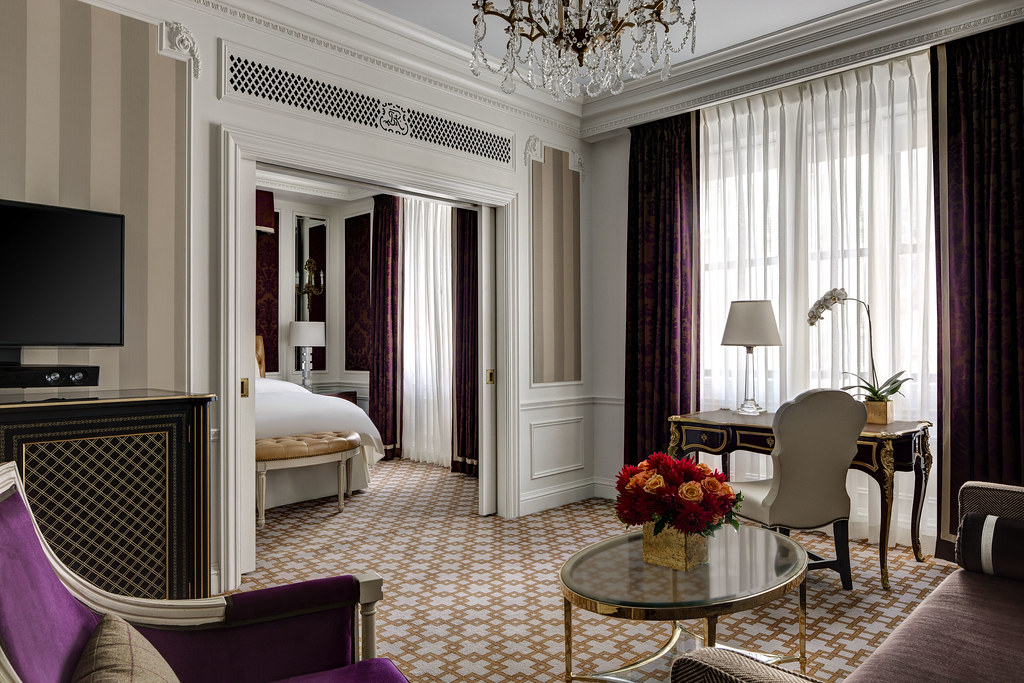
Beaux-Arts elegance in a lobby hosting royalty, celebrities, and power brokers since 1904. The Astor Court leads from the lobby, creating connected spaces allowing different atmospheres while maintaining cohesive design.
The King Cole Bar, with its famous Maxfield Parrish mural, opens from the lobby and contributes to overall Old New York luxury sense. Scale remains intimate despite decorative richness—everything feels designed for human interaction rather than impressive photography.
Though it photographs excellently anyway. Sometimes things work on multiple levels.
Park Hyatt New York
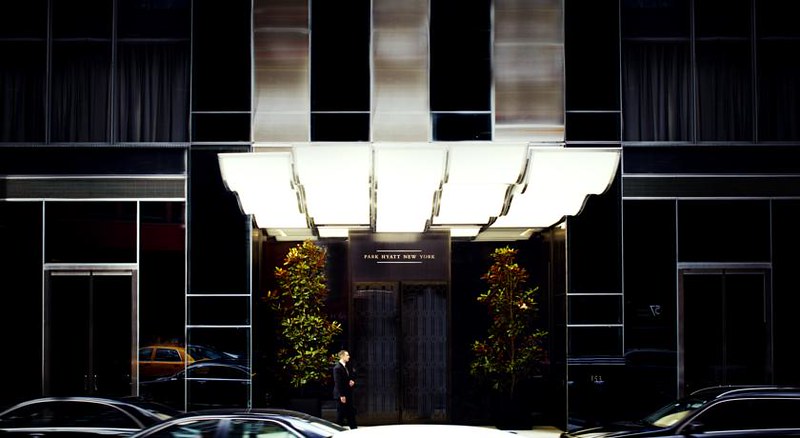
The contemporary lobby eschews historical references for clean-lined modern luxury emphasizing materials—stone, wood, metal—used with restraint. Floor-to-ceiling windows overlooking 57th Street bring the city into the space without overwhelming the interior.
The fireplace provides focal point creating warmth in what could otherwise feel austere. The Living Room, functioning as extended lobby space, offers comfortable seating and different pace than the hotel’s formal areas.
The design proves modern luxury lobbies can create atmosphere without borrowing from historical styles. Contemporary doesn’t have to mean cold.
First Impressions Last
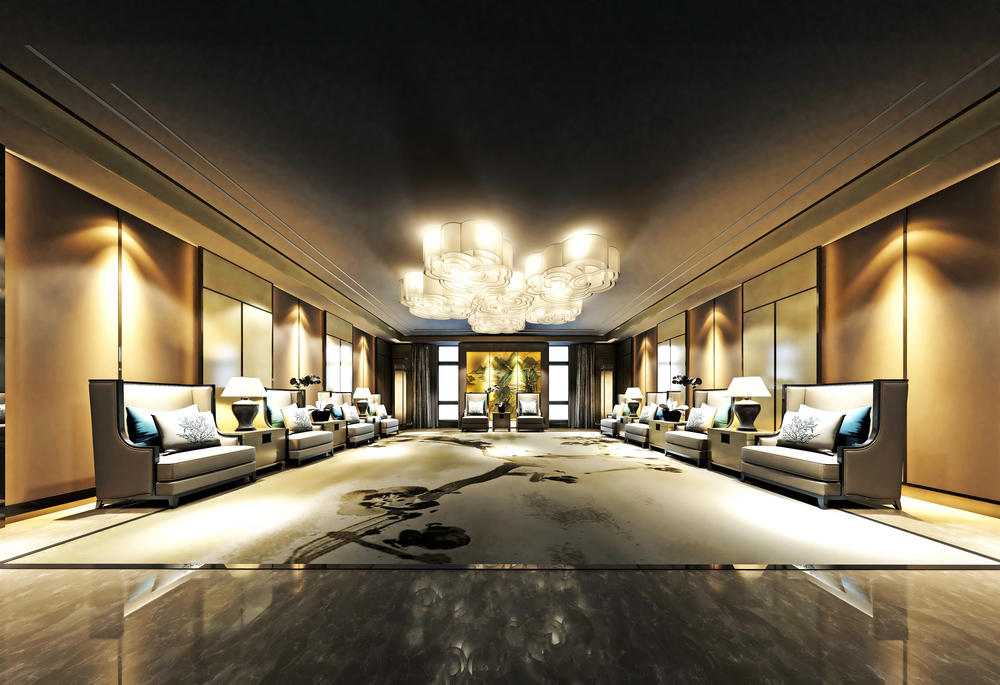
Entry areas have a big influence on how visitors feel about hotels, as these lobbies show. The most successful examples build suspense, set the tone, and offer areas that are worth living in rather than merely taking elevator rides.
Arrival is transformed from a logistical necessity into a memorable event that shapes everything that follows, whether through historical grandeur or modern design.
Like Travel Pug’s content? Follow us on MSN
More from Travel Pug

- 20 Best Beach Towns in the Carolinas
- 13 Destinations Where Tourists Regularly Regret Their Trip
- 20 Things You Actually Get in First Class
- 20 Small Airports With Aviation Museums
- 20 Places in the U.S. That Are Perfect for a Reset Trip
Like Travel Pug’s content? Follow us on MSN