

As soon as you step outside, Bangkok hits you like a wall of heat, noise, and possibilities. With motorbikes swerving through traffic and vendors yelling over the clamor of construction, the city thrives on speed.
The majority of tourists move quickly, crossing off markets and temples like things on a shopping list. Slow visitors, however, remain long enough to uncover a version of the city that rewards patience, revealing surprising depth beneath the chaos.
Taking time to breathe and observe rather than racing from one landmark to the next reveals layers most people miss. Here’s what you learn when you slow down.
Here is a list of 15 lessons that emerge when you give Bangkok the time it deserves.
Temples reveal themselves in the quiet hours
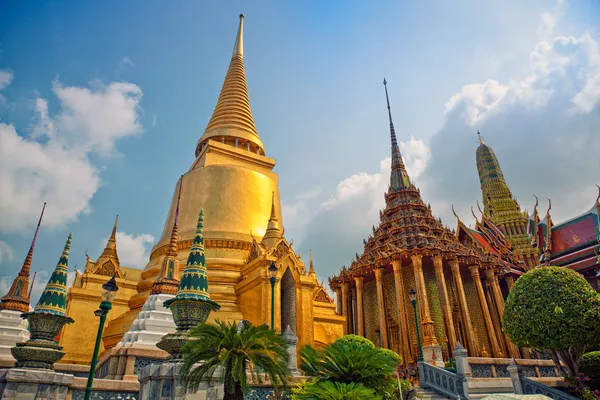
The famous temples like Wat Pho and Wat Arun attract massive crowds throughout the day, but arrive early in the morning or late afternoon and you’ll find something entirely different. The grounds become peaceful spaces where you can actually hear wind chimes tinkling from the rooftops and watch locals making their daily offerings.
Wat Pho, home to the enormous Reclining Buddha, transforms from a photo opportunity into a meditation on craftsmanship when you can study the mother-of-pearl inlays on the Buddha’s feet without jostling for position.
The BTS Skytrain offers a crash course in local life

Bangkok’s elevated train system isn’t just transportation—it’s a window into how the city actually works. Riding during morning rush hour, you’ll see office workers with impeccable style, students cramming for exams, and food vendors heading to their stalls with ingredients in tow.
The cold air-conditioning provides relief from the oppressive heat, and the elevated tracks give you a bird’s-eye view of neighborhoods you’d never explore otherwise. Single rides start at less than a dollar, making it the most affordable education you’ll get in Bangkok.
Neighborhood markets beat tourist attractions every time

Forget the famous weekend markets that get all the attention. Local neighborhood markets like Talat Phlu and Nang Loeng offer authentic experiences without the crowds and inflated prices.
You’ll find grannies who’ve made the same Thai desserts for decades, vendors with award-winning street carts decorated with plaques, and food so good it draws people from across the city. These markets operate on local schedules—some come alive at dawn, others after dark—and wandering them teaches you the actual rhythm of Bangkok life.
Thai massage is medicine, not spa treatment

Western visitors often think of Thai massage as a luxury indulgence, but Thais view it as traditional healthcare. Wat Pho has operated a massage school since 1955, and UNESCO recognized the practice as Intangible Cultural Heritage in 2019.
A proper session involves stretching, pressure points along energy lines called “sen,” and sometimes painful manipulation that leaves you feeling realigned. Skip the tourist traps and find local shops in residential neighborhoods where an hour costs 200–300 baht, and where the practitioners learned from masters, not YouTube videos.
Thonglor proves Bangkok has a hipster soul

This trendy neighborhood along Sukhumvit Soi 55 showcases modern Bangkok at its most creative. You’ll find community malls like The Commons where locals gather at indie coffee shops, boutique stores selling Thai designer brands, and restaurants serving innovative fusion cuisine.
The area attracts young professionals and expats who’ve discovered that Bangkok offers sophistication beyond the tourist zones. Walking Thonglor’s side streets reveals a city investing in quality of life, not just tourist infrastructure.
Ari offers an alternative to the obvious

While Thonglor gets the headlines, Ari quietly became the neighborhood where creatives and young Bangkokians actually want to live. The tree-lined streets host an explosion of artisan cafes, street art, and restaurants that experiment with traditional Thai recipes.
It maintains a distinctly local feel despite the trend-forward venues—you’ll still see street vendors and community markets operating alongside the hip brunch spots. Getting here requires slightly more effort since it’s farther from the typical tourist trail, which keeps it authentic.
Street food vendors are culinary artists

Those seemingly casual food carts represent decades, sometimes generations, of refinement. Many vendors specialize in a single dish they’ve perfected over years, sometimes generations.
The woman making pad thai at Yaowarat in Chinatown has probably cooked that exact dish thousands of times, adjusting heat and timing by instinct. Awards and recognition plaques hanging from their carts aren’t decoration—they’re proof that street food in Bangkok is taken as seriously as any Michelin-starred restaurant.
The Chao Phraya River connects past and present

Bangkok’s central river isn’t just scenery—it’s a functioning transportation network that reveals the city’s bones. Taking the express boats between piers costs pocket change and gets you to major temples and neighborhoods faster than fighting traffic.
The quieter canals branching off the main river preserve traditional wooden houses and a slower pace of life that vanished from other parts of Bangkok. Early morning boat rides show you the city waking up, with monks collecting alms along the banks and vendors setting up riverside shops.
Song Wat Road preserves layers of history

This riverside street in the old Chinese quarter shows what happens when a city renovates instead of bulldozing its past. Ancient shophouses have been converted into galleries, cafes, and design studios, but the original architecture remains.
Traditional herb shops sit next to minimalist coffee bars, and spirit shrines occupy corners between modern boutiques. Walking here feels like flipping through Bangkok’s history, with each era leaving its mark without erasing what came before.
Heat dictates the schedule more than clocks

Bangkok’s climate doesn’t care about your itinerary. The heat and humidity flatten ambition, and fighting against it makes you miserable.
Locals structure their days around temperature—morning markets before the sun gets brutal, midday rest in air-conditioned spaces, evening activities when things cool down slightly. Slow travelers adopt this rhythm instead of powering through like it’s a competition.
7-Eleven stores serve as cultural hubs

Every few blocks you’ll find one of these convenience stores, and they’re far more interesting than their Western counterparts. Locals treat them as gathering spots, grabbing cheap meals, cooling off, and socializing.
The ready-made food section offers surprisingly good Thai dishes, and you’ll discover local snacks and skincare products that become unexpected treasures. Watching how Thais use these stores reveals daily life rhythms—students buying snacks after school, office workers grabbing dinner, families stocking up late at night.
Mai pen rai philosophy changes everything

This Thai phrase translates roughly as “never mind” or “no worries,” but it represents an entire worldview. Things run late, plans change, vendors close when they feel like it—and nobody gets worked up about it.
Adopting even a fraction of this attitude transforms your Bangkok experience from frustrating to fascinating. That tuk-tuk driver who takes a random detour might be showing you something worth seeing.
Blind massage parlors offer unexpected lessons

Some of the best massages in Bangkok can be found at the many establishments that are run exclusively by visually impaired masseuses. These companies provide expert therapeutic services that rely on touch and intuition rather than sight, while also supporting the blind community.
Seeing them serves as a reminder that there are many different types of expertise and that those who are frequently marginalized elsewhere can find respectable employment opportunities in Bangkok’s service economy.
Late-night food culture reveals the real city

Bangkok truly comes alive after dark, especially in working-class neighborhoods where street vendors set up as the evening rush begins. Areas like Petchaburi Soi 5 transform from quiet residential streets into open-air restaurants serving locals returning from work.
The food here caters to Thai tastes, not tourist expectations—spicier, more adventurous, and dirt cheap. Sitting at a plastic table under fluorescent lights, eating noodles while motorbikes zip past, you’re experiencing Bangkok as Bangkokians actually live it.
Bangkok Art and Culture Centre hides in plain sight

While tourists pack the Grand Palace, this contemporary art space near Siam Station sees far fewer visitors despite being free and fascinating. The building spirals upward with exhibitions, independent bookstores, design shops, and a coconut coffee cafe that’s become a local institution.
Artists and students gather here, making it a window into Bangkok’s creative scene. An afternoon spent browsing galleries and people-watching teaches you that Bangkok’s cultural identity extends far beyond ancient temples.
From tourist to temporary resident
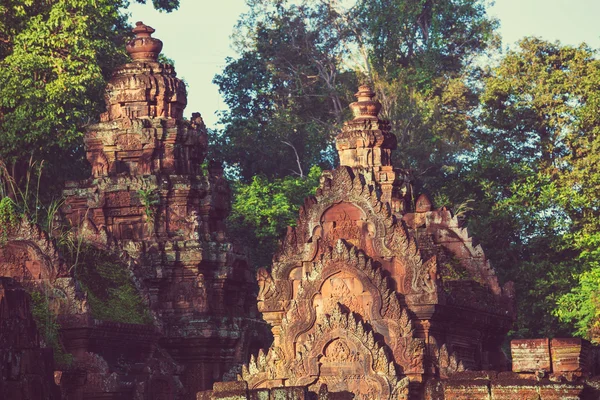
It takes a change in viewpoint to go from seeing Bangkok to comprehending it; the difference cannot be quantified in days. Slow travelers begin to live in the city, even if only temporarily, and cease to engage in tourism.
You learn to identify faces, create favorite streets, and learn that the ideal bowl of noodles can be found in an unnamed alley. The chaos that first overtook you starts to feel familiar, almost reassuring. Bangkok becomes a place where you’re learning to read rather than a place you’re trying to conquer.
That change doesn’t happen quickly, which is precisely why it’s worthwhile to go through.
More from Travel Pug

- Underrated Italian Towns That Beat the Tourist Crowds
- Las Vegas Tourist Traps to Skip
- Prettiest Towns in Every US State
- 18 passport-free countries for Americans
- Signs Your Cruise Is Not Worth The Cost
Like Travel Pug’s content? Follow us on MSN.