

Switzerland has a reputation for emptying wallets faster than just about anywhere else on the planet. The price tags on meals, hotels, and train tickets can make even seasoned travelers wince.
But here’s the thing—you don’t need a trust fund to experience those postcard-perfect Alps and crystal-clear lakes. With some smart planning and a willingness to skip the tourist traps, Switzerland becomes accessible without requiring you to sell a kidney.
The trick is knowing where to cut corners without sacrificing the good stuff. Here is a list of 15 ways to see Switzerland on a real budget.
Travel during shoulder season
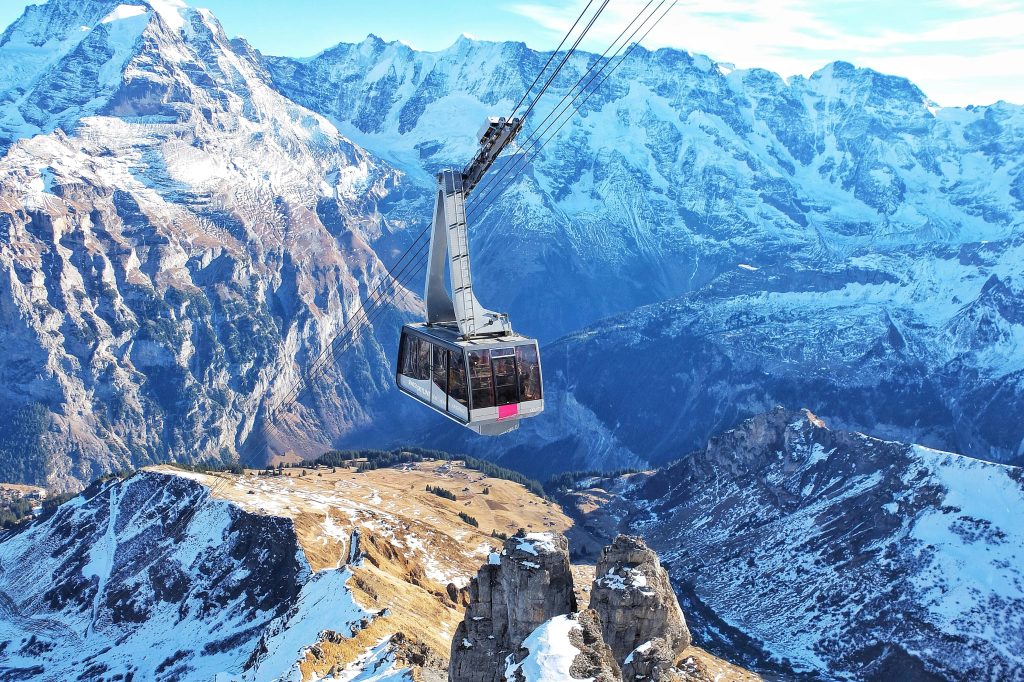
September is ideal for hiking and biking, with the mountain lifts still open and the weather usually balmy instead of scorching. The autumn months bring fewer crowds and lower prices on flights and accommodation.
April, May, October, and November typically offer the cheapest rates since they fall between the main tourist seasons. You’ll still get pleasant weather and access to most trails, but you won’t be fighting hordes of other visitors for that perfect Matterhorn photo.
Use the Swiss Travel Pass strategically
The Swiss Travel Pass allows unlimited travel throughout Switzerland for a set number of days. Before buying one, map out your entire itinerary and calculate whether the pass actually saves you money based on your specific travel plans.
Make sure to search for discount deals such as Super Savers if the pass doesn’t fit your needs. The pass works best for people planning to move around frequently rather than staying in one location.
Book train tickets through the SBB app
Supersaver tickets are discounted up to 70%, only available to buy through the app. The SBB Mobile app is essential for anyone traveling by train in Switzerland.
Tickets bought in advance through the app cost significantly less than purchasing them at the station. Your tickets save automatically on your phone, so you don’t need to worry about printers or paper confirmations.
Small villages often don’t have ticket offices open when you need them anyway.
Get the Half-fare Travelcard
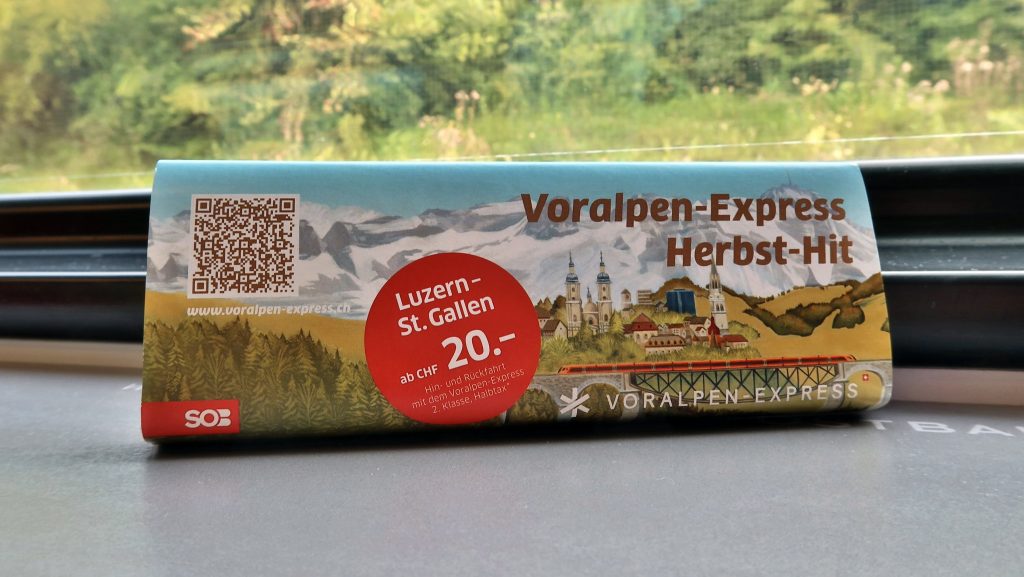
The Swiss Half-fare Travelcard cuts your fare at 50% off and applies to almost every train, bus, funicular, cog railway, gondola or lake steamer in the country. Known locally as a Halbtax, this card pays for itself quickly if you’re planning multiple train journeys.
Just saying Halbtax at any ticket counter gets you the discount immediately.The card lasts for a month or a year, depending on which version you purchase.
Stay in hostels or shared accommodations
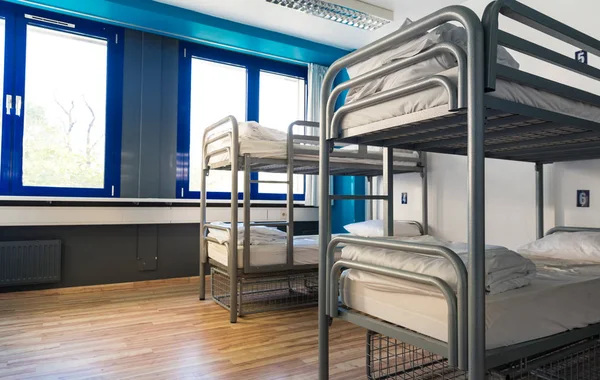
Dorm beds in hostels cost around 40-60 Swiss francs per night in most parts of Switzerland. Hostels in Switzerland are notably clean and well-maintained compared to many other countries.
Airbnb provides good accommodation alternatives with rooms, or entire homes, listed for around $20 per night. Splitting the cost of an entire apartment among travel companions often works out cheaper than individual hostel beds.
Camp to save serious money
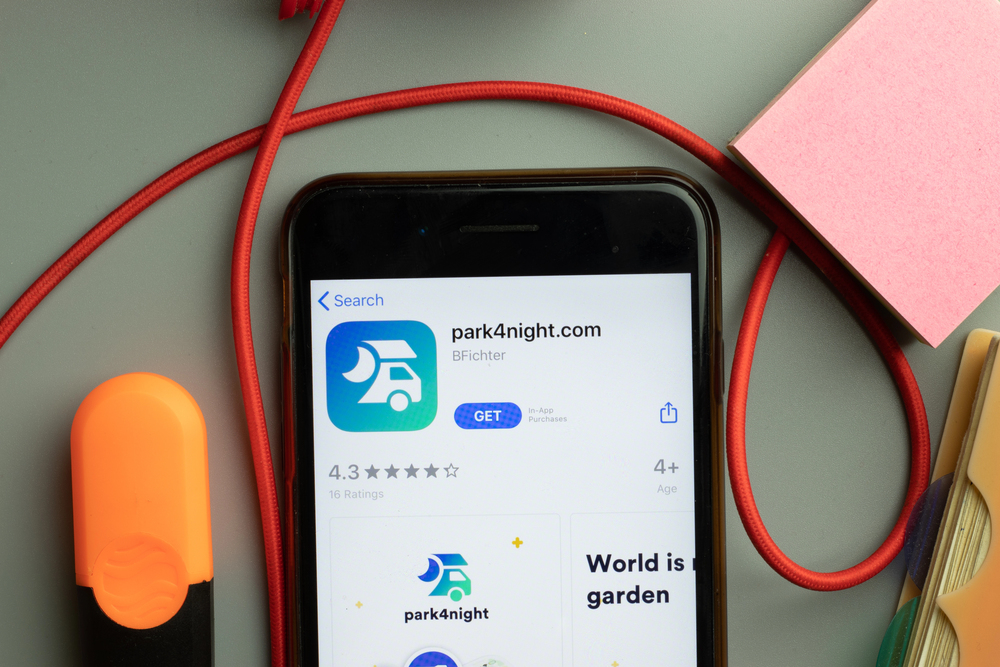
During a Switzerland road trip, camping options range from £15-£25 per night using the Park4Night app. Campgrounds in Switzerland are exceptionally clean with modern facilities, and many sit right on the edge of lakes or near hiking trails.
You can even wild camp for free, though rules vary across the country, so always check with the local tourist office. Some farmers offer simple campsites on their land for a fraction of what traditional campgrounds charge.
Cook your own meals

Eating out in Switzerland is expensive, so go grocery shopping and cook your own meals to save. Supermarkets like Migros and Coop offer reasonably priced food, including ready-made sandwiches and salads.
Larger stores have food courts where you can eat in if you don’t have kitchen access. Making your own breakfast and lunch, then splurging on one restaurant dinner gives you the best of both worlds.
Take advantage of lunch specials
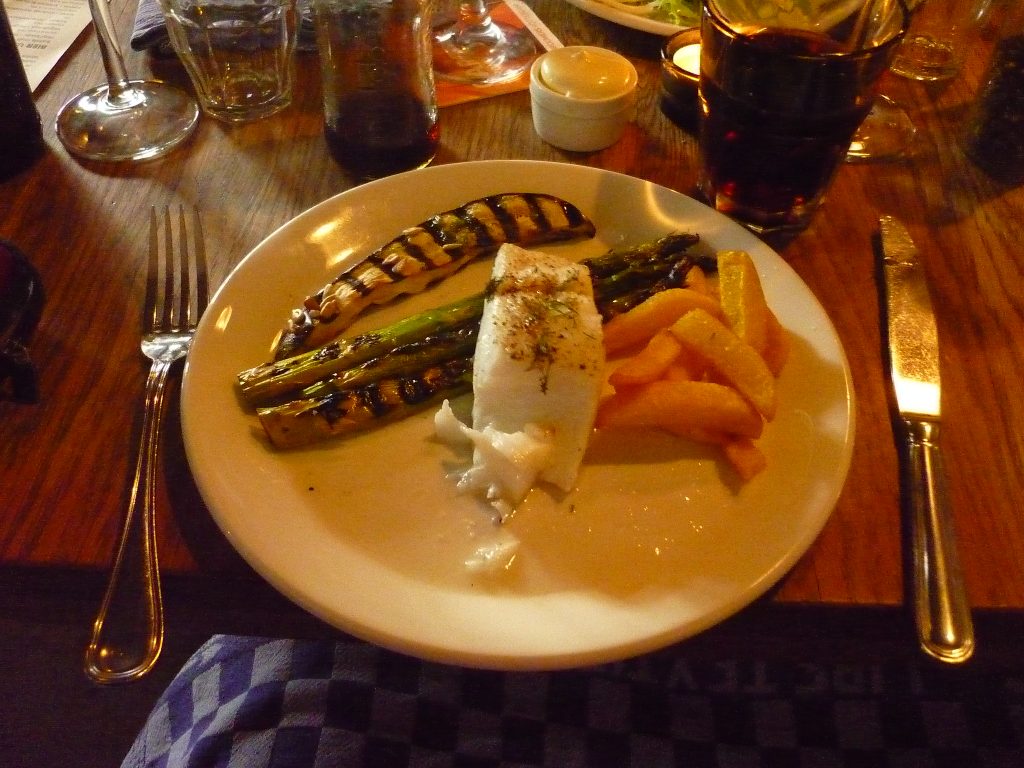
Most lunch specials at cafes and restaurants cost around 10-19 Swiss francs when eaten during lunchtime. The exact same meal ordered at dinner can cost double or triple the price.
Many restaurants in Switzerland offer a Tagesmenu or menu du jour that includes a main course, sometimes with soup or salad, at a fixed lower price during lunch hours.
Fill up at public fountains
Tap water and the water in public fountains throughout Switzerland is pure and safe to drink. In Zurich alone, there are over 1200 fountains with drinking water.
Carrying a reusable water bottle and refilling it at fountains throughout the day saves you from buying expensive bottled water. The fountain water in Switzerland is naturally chilled and often tastes better than what comes out of a bottle anyway.
Hike instead of taking cable cars
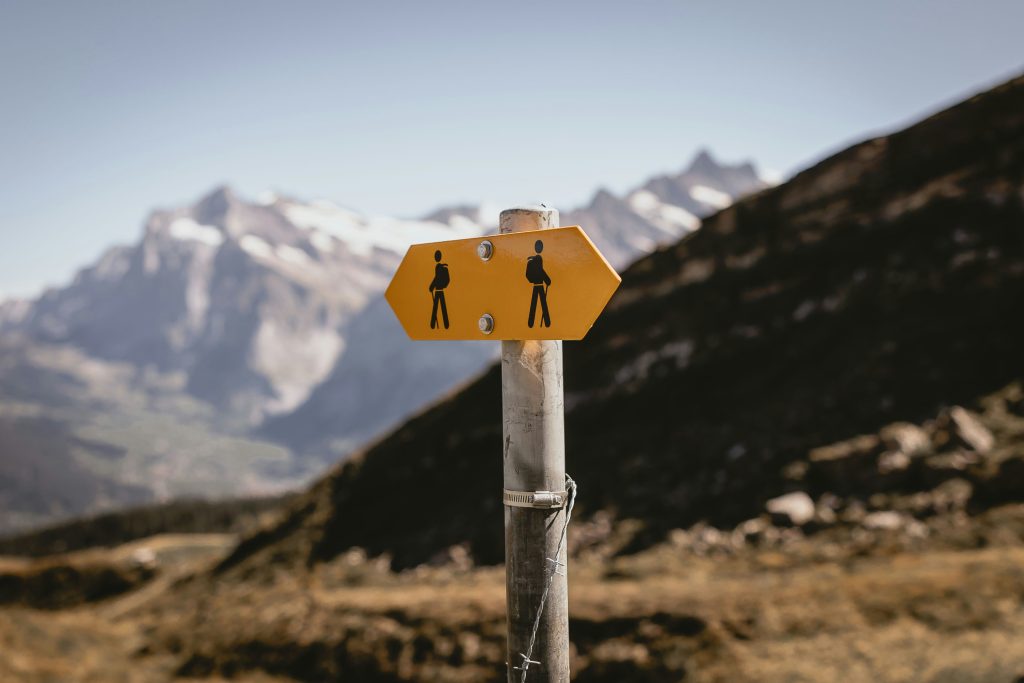
The country’s numerous hiking and biking trails are well marked, with detailed maps available to download. There are many gorgeous Swiss hikes with mountain views where you can skip the mountain transport to save money, avoid vertigo or hike outside operating hours.
Switzerland has over 40,000 miles of marked hiking trails, and most are accessible by public transportation. The views are free, and you get exercise as a bonus.
Skip the big cities
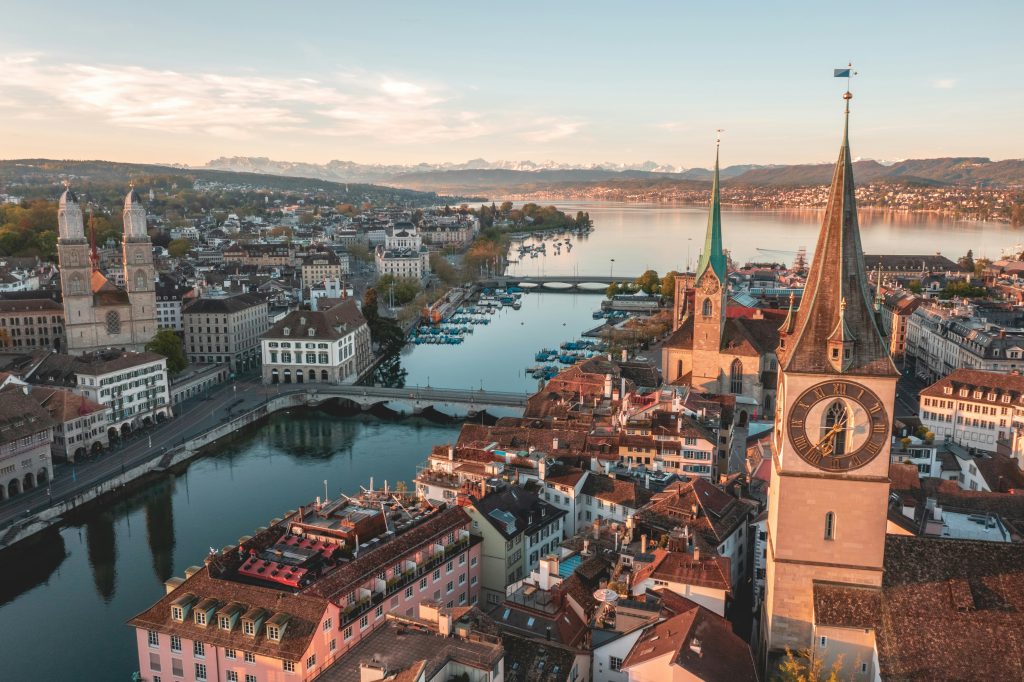
Zurich, Geneva, Basel, and Bern can really pinch the budget, and the tourist centers of Lucerne and Interlaken are both spendy and crowded. Small mountain villages offer better value on accommodation and food while still providing access to stunning scenery.
Towns like Wengen and Mürren are car-free and surrounded by Alpine beauty, yet they cost less than staying in major cities. The authentic Swiss experience exists in these smaller communities anyway.
Use ridesharing services
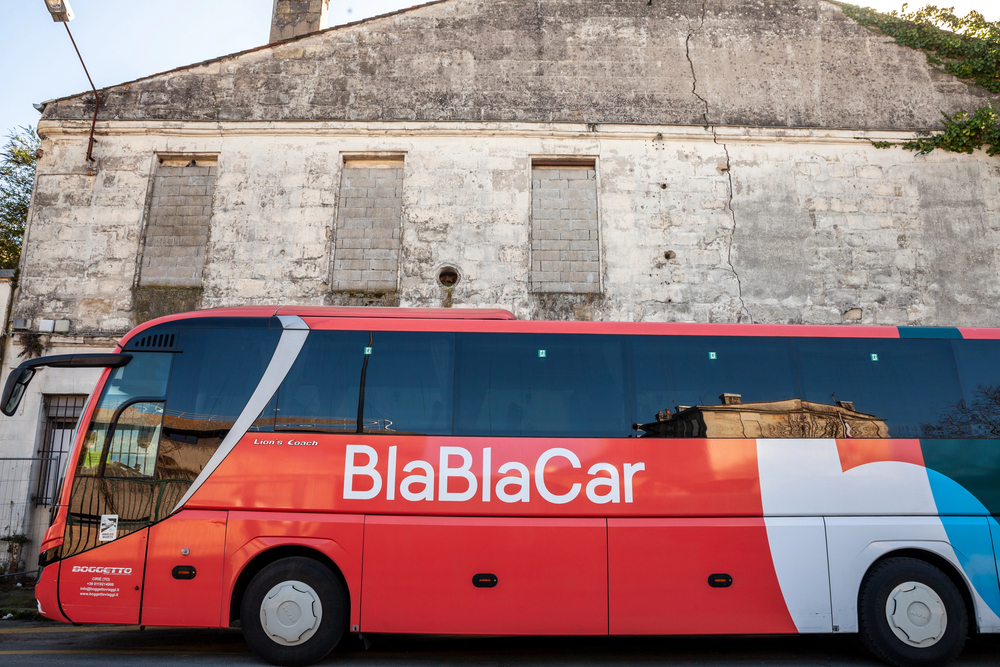
BlaBlaCar is like a long-distance Uber that always has ride options between major cities in Switzerland. If train tickets are too expensive for your route, ridesharing becomes a solid alternative.
You also get to meet locals who can provide insider knowledge about your destination. The shared cost of gas and tolls usually comes out cheaper than train fare for the same journey.
Take advantage of guest cards
A small tourist tax is added to overnight stays in Switzerland, but in return you’re given a guest card, which offers free local public transport and sometimes extra benefits. Many regions provide these cards automatically when you check into accommodation.
The Ticino Ticket offers free train and bus travel, plus discounts on mountain railways, cable cars, museums and activities within that canton. Always ask your accommodation about available guest cards when you arrive.
Explore free attractions
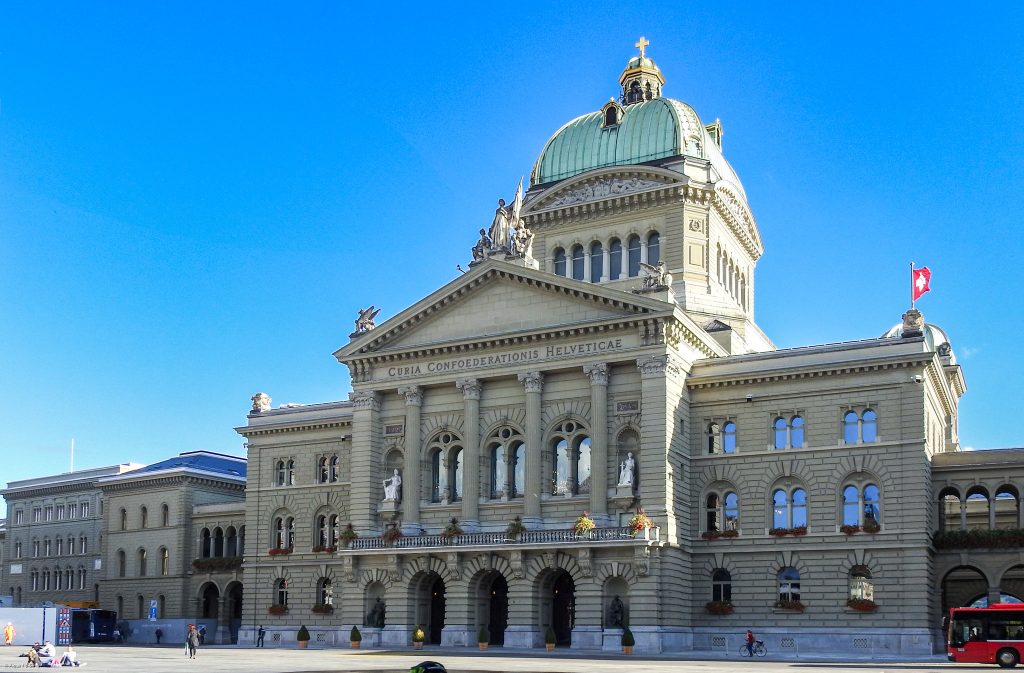
It costs nothing to stroll through Bern’s UNESCO-listed medieval center, cross Lucerne’s 14th-century Kapellbrücke or ogle the jet d’eau fountain in Geneva. Old towns throughout Switzerland are packed with history and architecture that you can enjoy without paying admission.
Switzerland has some of the cleanest lakes in the world, many of which offer free swimming areas with spectacular mountain backdrops. Public beaches and lakeside parks provide entertainment without the price tag.
Visit museums on discount days
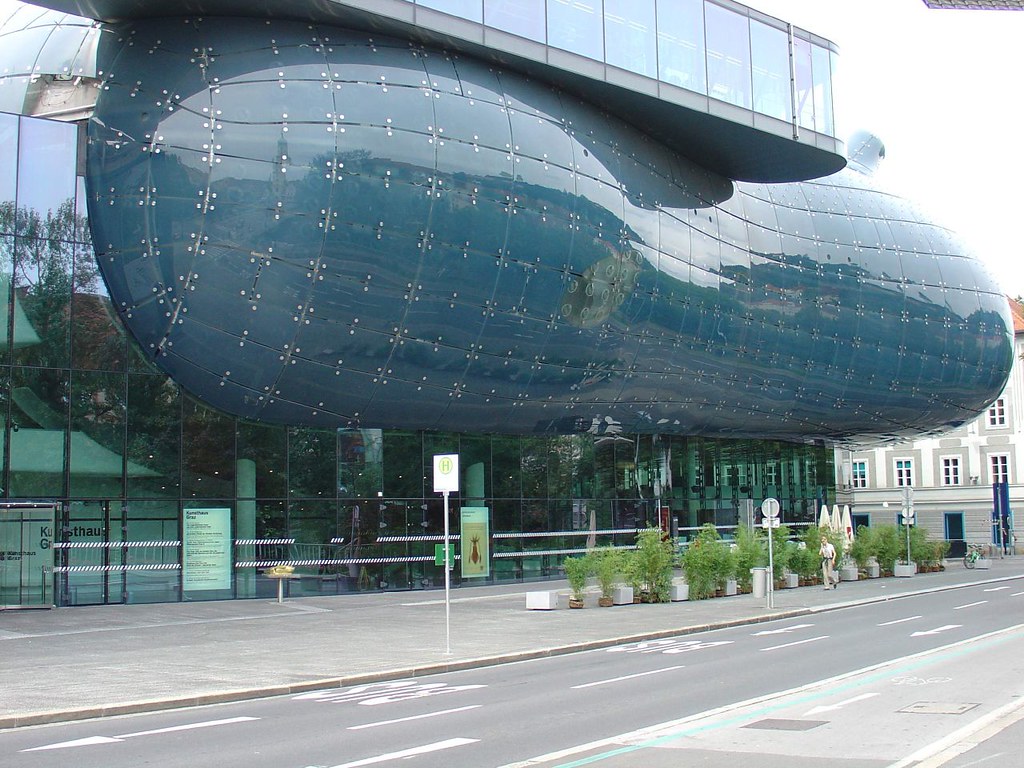
The Kunsthaus in Zürich offers free admission on Wednesdays, the Kunstmuseum Basel is free in the early evenings and the Musee d’Art et d’Histoire in Geneva has pay what you can entry. Many Swiss cities offer one day per month when their top museums open their doors for free.
Basel’s museums become free on specific days, which can save you a significant chunk of change if you plan your visit accordingly.
Use credit cards for currency exchange

Credit cards get the best exchange rate of all when converting money. Exchange the amount of cash you think you’ll need for the week only once to diminish the fees, then use your credit card for as much as you can.
Small exchange transactions at hotels come with terrible rates that eat into your budget unnecessarily. Most places in Switzerland accept cards anyway, so you rarely need large amounts of cash.
Making Switzerland work for your wallet
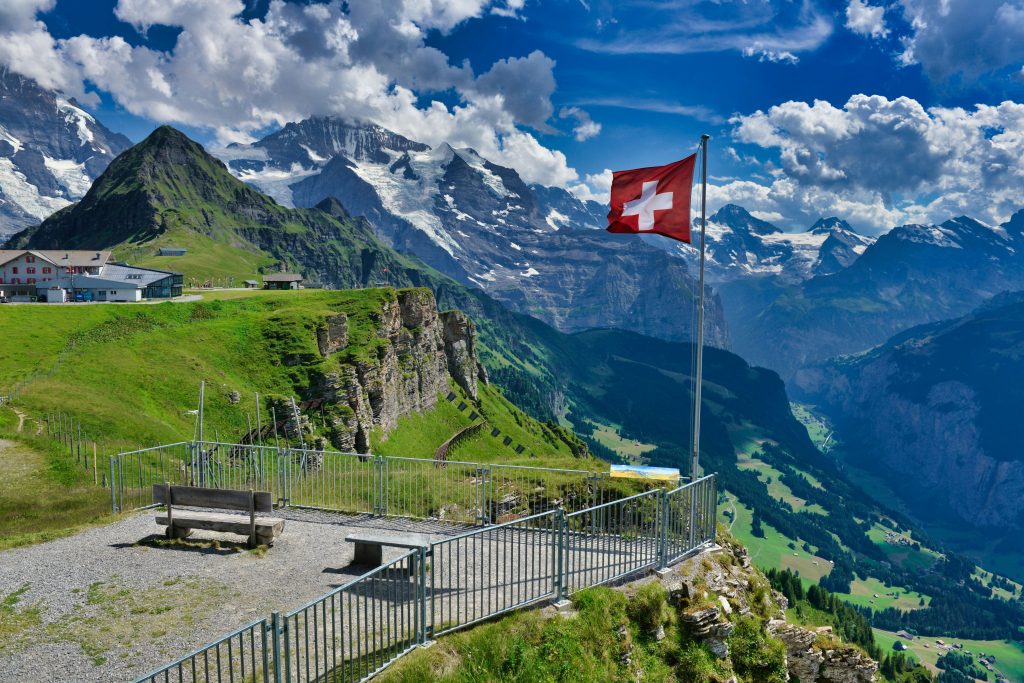
Switzerland isn’t going to become cheap overnight, but these strategies transform it from impossible to doable. The country’s natural beauty is its biggest draw, and nature doesn’t charge admission.
Those massive Alps and turquoise lakes look just as stunning whether you arrived by SuperSaver train ticket or first class. Smart travelers know that experiencing a place doesn’t require spending like you own it.
More from Travel Pug

- Underrated Italian Towns That Beat the Tourist Crowds
- Las Vegas Tourist Traps to Skip
- Prettiest Towns in Every US State
- 18 passport-free countries for Americans
- Signs Your Cruise Is Not Worth The Cost
Like Travel Pug’s content? Follow us on MSN.