

Tokyo’s reputation as Asia’s premier destination comes with a price tag that can leave travelers questioning whether that $30 ramen bowl was really worth it. But Asia offers dozens of cities that deliver the same cultural richness, incredible food, and urban energy at a fraction of Tokyo’s cost.
These destinations aren’t consolation prizes – they’re genuine alternatives where your money stretches further while the experiences run just as deep.
Bangkok
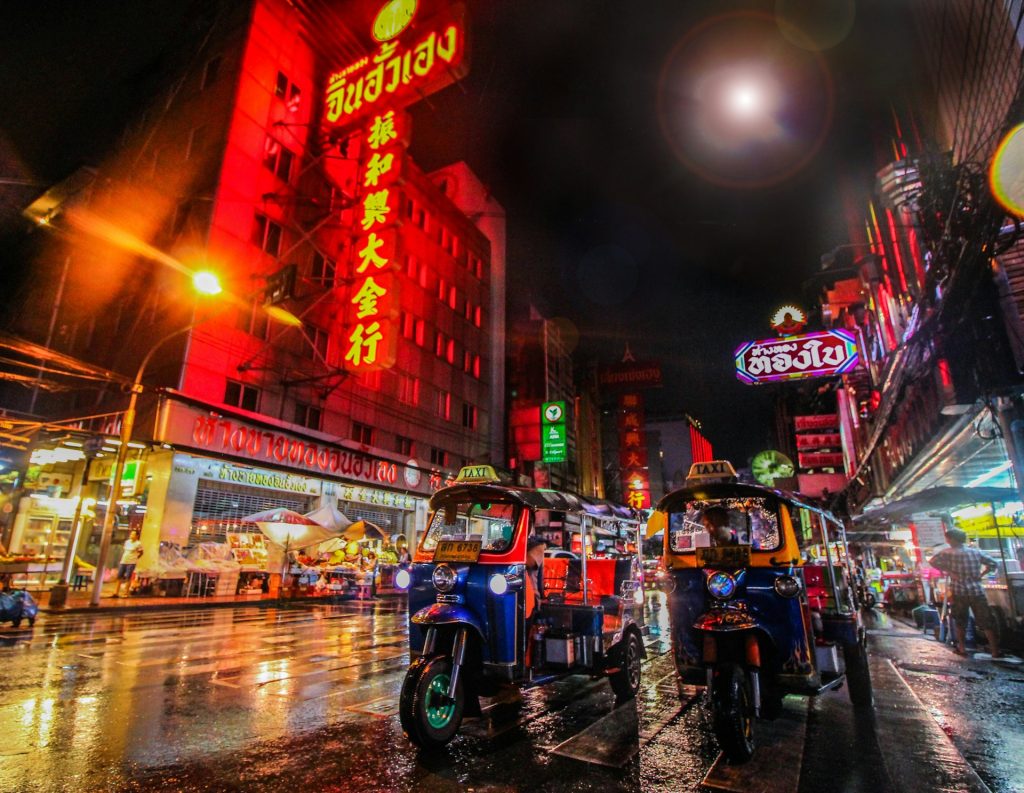
Bangkok hits you with everything at once. Street food costs less than a coffee back home, temples rise between shopping malls, and the chaos somehow makes perfect sense after a few days.
The math works in your favor here. A full meal runs $2 to $3, decent hotels cost $20 to $40 nightly, and the BTS skytrain gets you anywhere for pocket change.
But Bangkok isn’t just cheap – it’s layered with enough history, nightlife, and culinary adventures to fill weeks.
Ho Chi Minh City
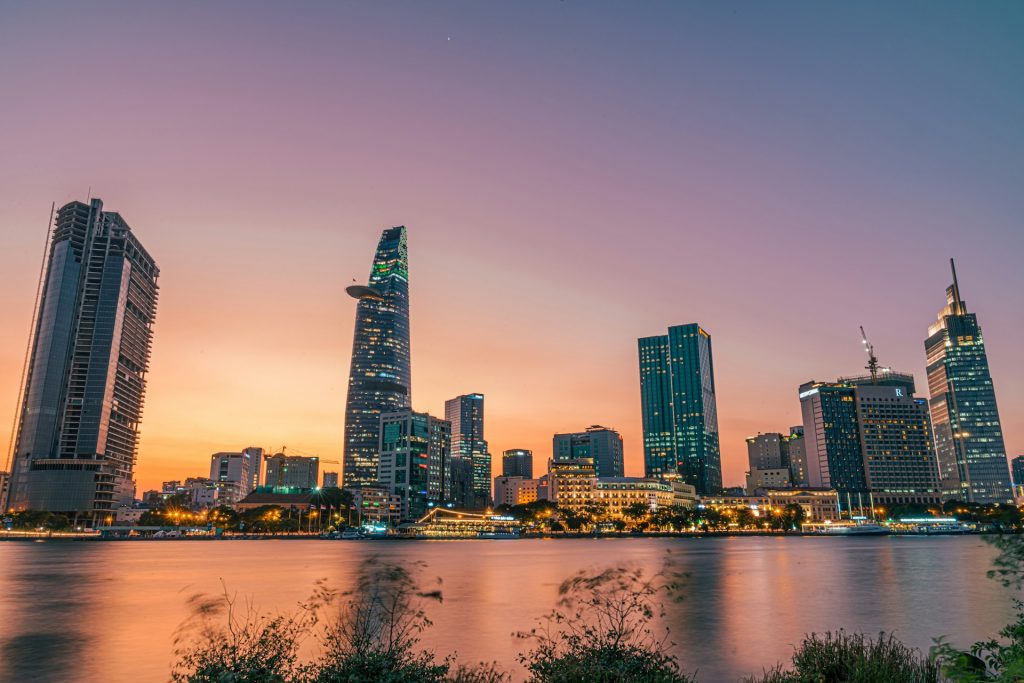
Vietnam’s southern hub runs on pure energy. Motorbikes flood every street, pho vendors work until dawn, and French colonial buildings anchor neighborhoods where the past refuses to let go of the present.
Your dollar stretches impossibly far. Street food costs under a dollar, local beer remains extremely affordable, and hotel rooms that would cost $200 in Tokyo run $25 here.
The city rewards exploration – every district feels distinct, every meal surprises.
Kuala Lumpur
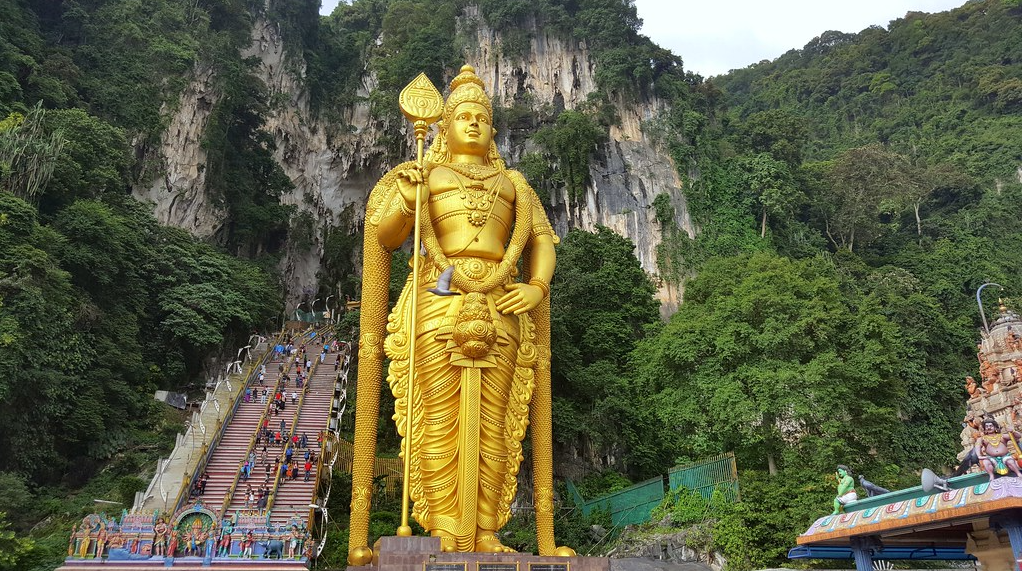
There’s something almost defiantly multicultural about Kuala Lumpur (and this comes through in ways that constantly surprise visitors who expect a more homogeneous Asian experience). You’ll find Chinese temples next to Indian markets next to Malay mosques, and somehow the combination doesn’t feel forced or touristy – it just feels like a city that grew organically around the people who actually live there.
And speaking of organic growth, the food scene here operates on a similar principle: hawker centers where Tamil vendors serve alongside Chinese cooks who work next to Malay grill masters, each doing what they’ve done for decades. The prices make it even better.
Food courts become your second home because meals cost $1 to $2 and the variety never ends. Hotels run $15 to $35 per night for solid accommodation.
The Petronas Towers anchor a skyline that costs nothing to admire from street level.
Chiang Mai
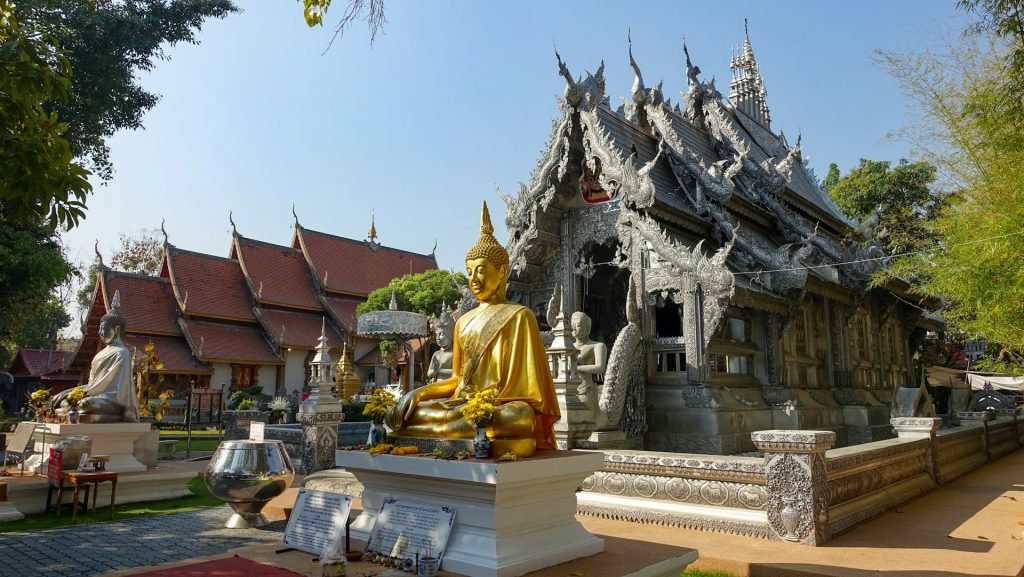
Northern Thailand’s cultural capital operates at a completely different pace than Bangkok or Tokyo. Ancient temples dot a compact old city where digital nomads have discovered what locals always knew — life here just costs less and feels richer.
Morning markets spill into narrow streets, monks move quietly between temples at sunrise, and cafés designed for lingering turn entire afternoons into slow rituals instead of rushed pit stops. The economics make extended stays dangerously tempting.
Street food costs $1 to $3, boutique guesthouses and stylish hostels run $15 to $35 per night, and scooters rent cheaply enough that exploring mountain roads and nearby villages becomes part of daily life rather than a special excursion. But Chiang Mai’s real strength isn’t affordability — it’s balance.
Night markets, centuries-old temples, jungle hikes, cooking classes, and a deeply rooted creative scene all exist within a city that somehow stays calm while much of Asia races forward.
Manila
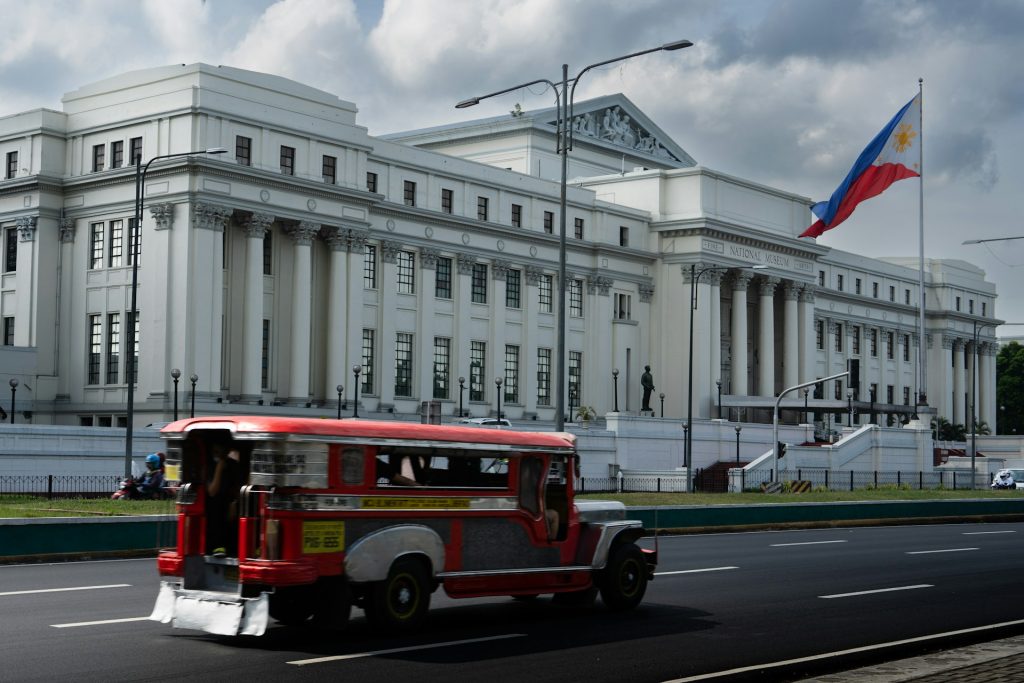
The Philippines’ capital gets overlooked for the country’s beaches, but Metro Manila rewards urban explorers. Spanish colonial history layers over American influences over indigenous Filipino culture, creating something entirely its own.
Intramuros holds centuries of history within walking distance. Street food costs pennies, local restaurants charge $3 to $5 for full meals, and accommodation ranges from backpacker hostels to business hotels at prices that make Tokyo seem absurd.
The city sprawls, but neighborhoods like Makati and Bonifacio Global City offer concentrated areas perfect for exploration.
Penang
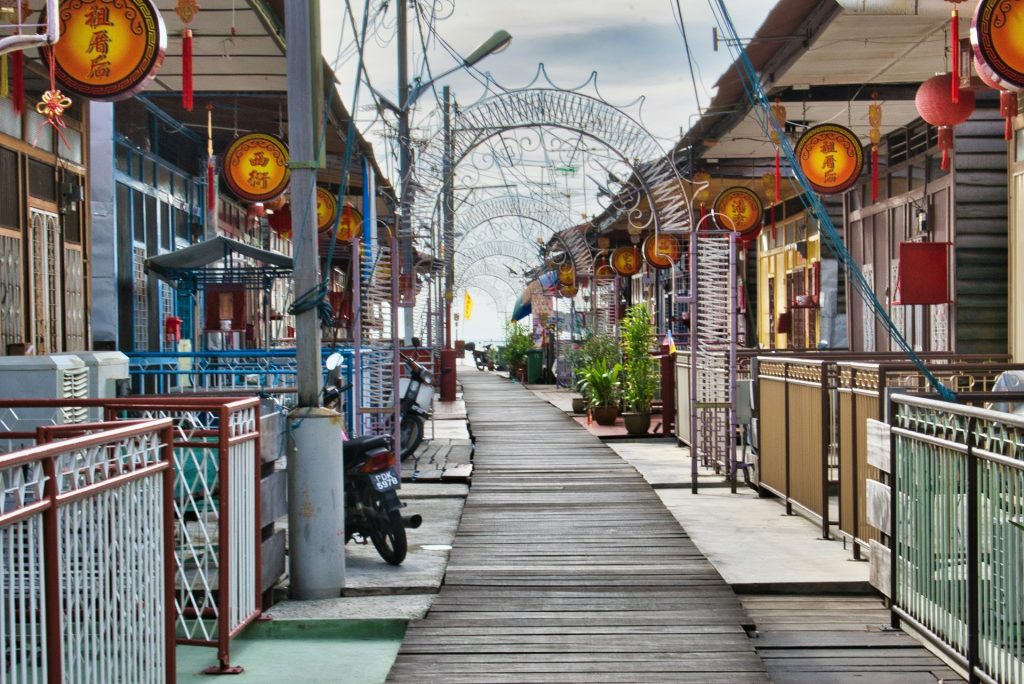
George Town feels like a secret that food lovers whisper to each other. UNESCO protects the architecture, but locals protect the recipes that make this Malaysian island a culinary destination disguised as a quiet heritage city.
Colombo
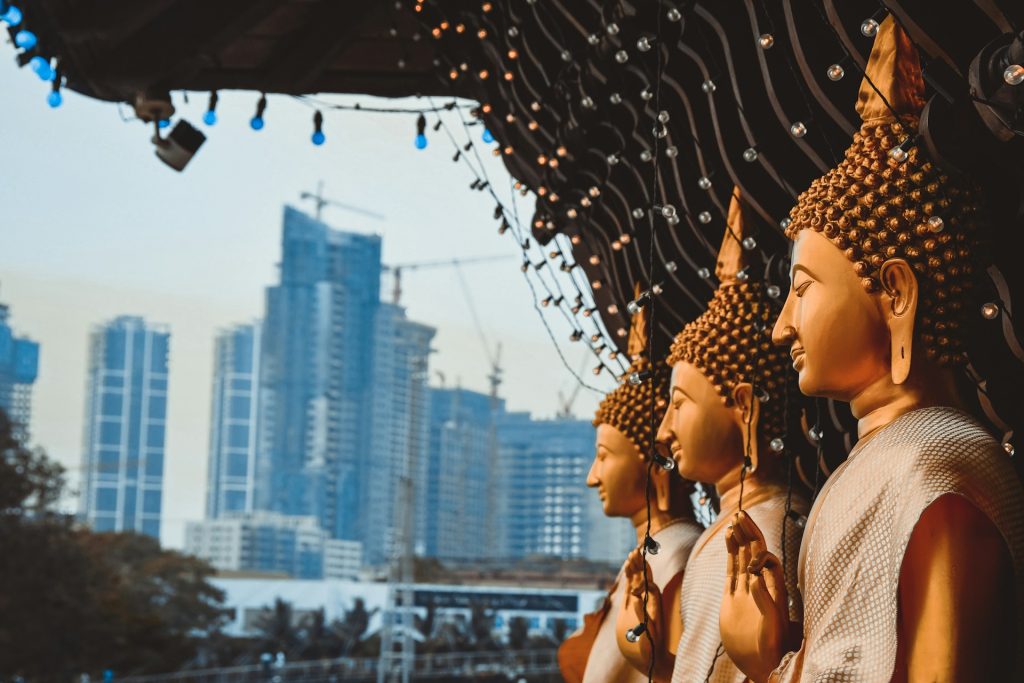
Sri Lanka’s capital sits at the crossroads of South and Southeast Asia, borrowing influences from both while maintaining its own distinct character. The city rebuilds and modernizes while keeping one foot firmly planted in its colonial and ancient past.
The economics work beautifully for travelers. Meals cost $1 to $3, decent hotels run $15 to $25, and transportation barely registers on your budget.
But Colombo offers more than just affordability – the National Museum, Galle Face Green, and Pettah Market provide cultural depth that matches any major Asian city. And when you need a break from urban exploration (which happens because the tropical heat demands occasional refuge), the beaches of Mount Lavinia sit just 30 minutes away.
Yogyakarta
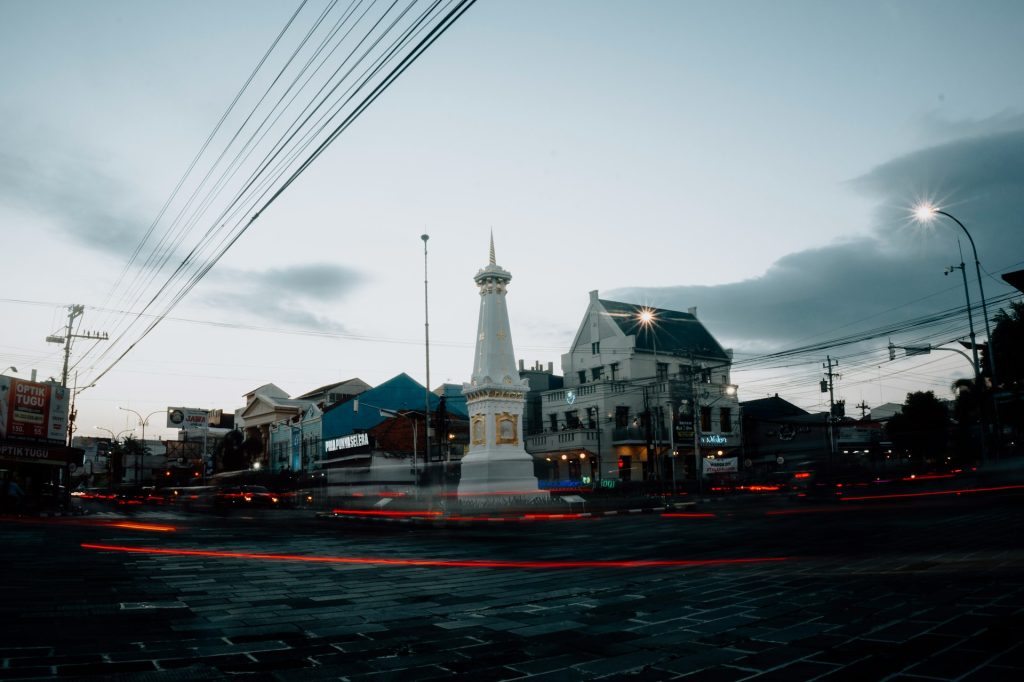
Indonesia’s cultural heart operates on principles that feel increasingly rare in modern Asia. Artists still matter here, traditional crafts survive alongside contemporary galleries, and the Sultan’s palace anchors a city that refuses to sacrifice culture for commerce.
Cebu City
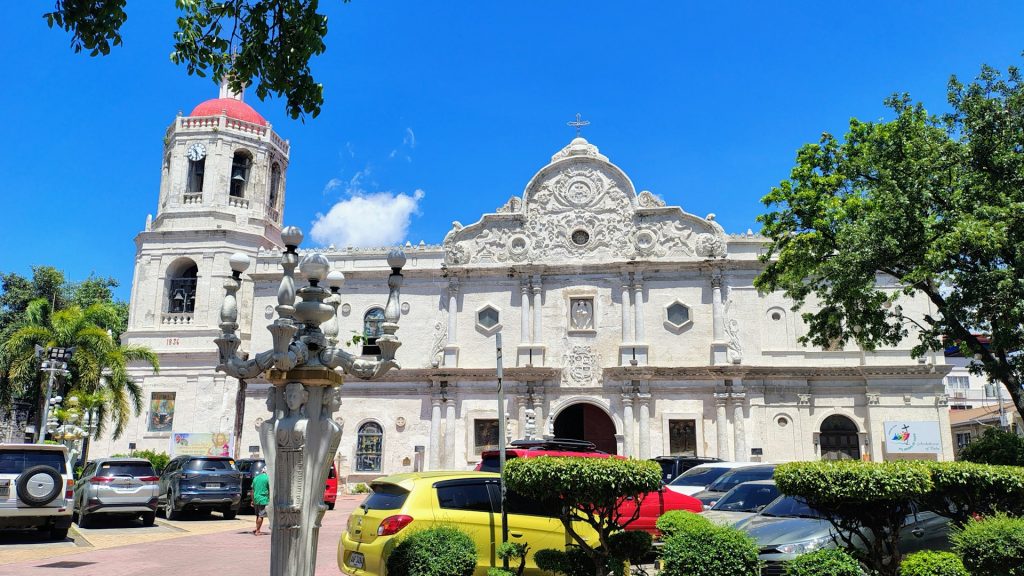
The Philippines’ oldest city carries Spanish colonial weight alongside modern Filipino energy. Churches built in the 1500s anchor neighborhoods where contemporary restaurants serve fusion cuisine that makes sense of the city’s layered history.
Hotels cost $20 to $40 for quality accommodation, meals run $2 to $5, and local transportation barely dents your budget. But Cebu offers more than economics – Magellan’s Cross, Basilica del Santo Niño, and Fort San Pedro provide historical depth, while nearby beaches offer easy escapes when city exploration needs a pause.
Hanoi
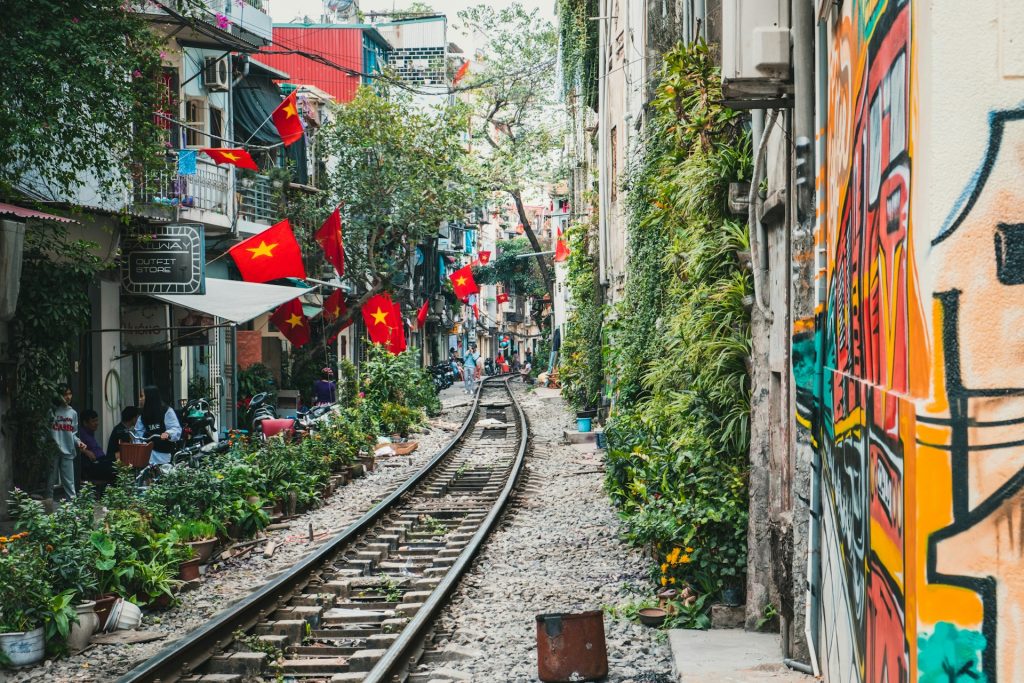
Vietnam’s capital moves like someone conducting a symphony where every instrument plays a different song, yet somehow it all works together. Motorbikes weave between street food vendors while French colonial buildings watch over neighborhoods that have seen everything and adapted to all of it.
The Old Quarter feels like a living museum where people actually live and work rather than just pose for tourists (though tourists certainly come, drawn by the combination of authentic culture and prices that make extended stays not just possible but inevitable). And the food scene operates on a level that puts much more expensive cities to shame: pho served on tiny plastic stools for under a dollar, fresh spring rolls assembled while you wait, coffee culture that takes time seriously without charging luxury prices for the privilege.
Street food costs under $1, proper restaurant meals run $2 to $4, and accommodation ranges from $10 hostels to $40 boutique hotels. The math alone makes Hanoi compelling, but the cultural depth makes it essential.
Kathmandu
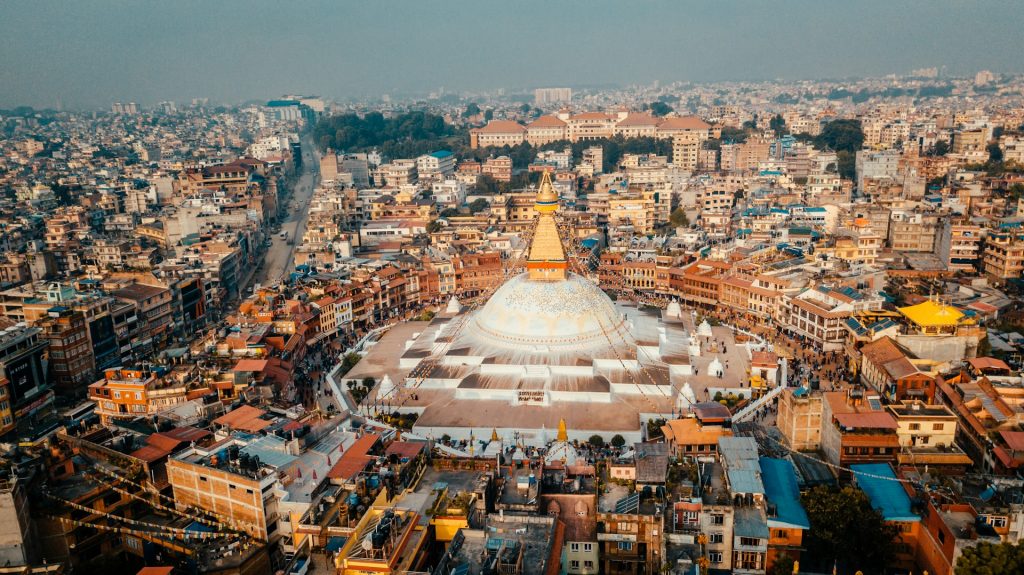
Nepal’s capital sits in a valley surrounded by mountains, where ancient temples share space with contemporary cafes and trekking outfitters prep adventurers for Himalayan expeditions. The city rewards patience and curiosity.
Durbar Square showcases architecture that survived and been restored through centuries and earthquakes, local restaurants serve dal bhat for $1 to $2, and accommodation costs $10 to $25 for decent options. Kathmandu works as a cultural destination in its own right, not just a stopover before mountain adventures.
Phnom Penh
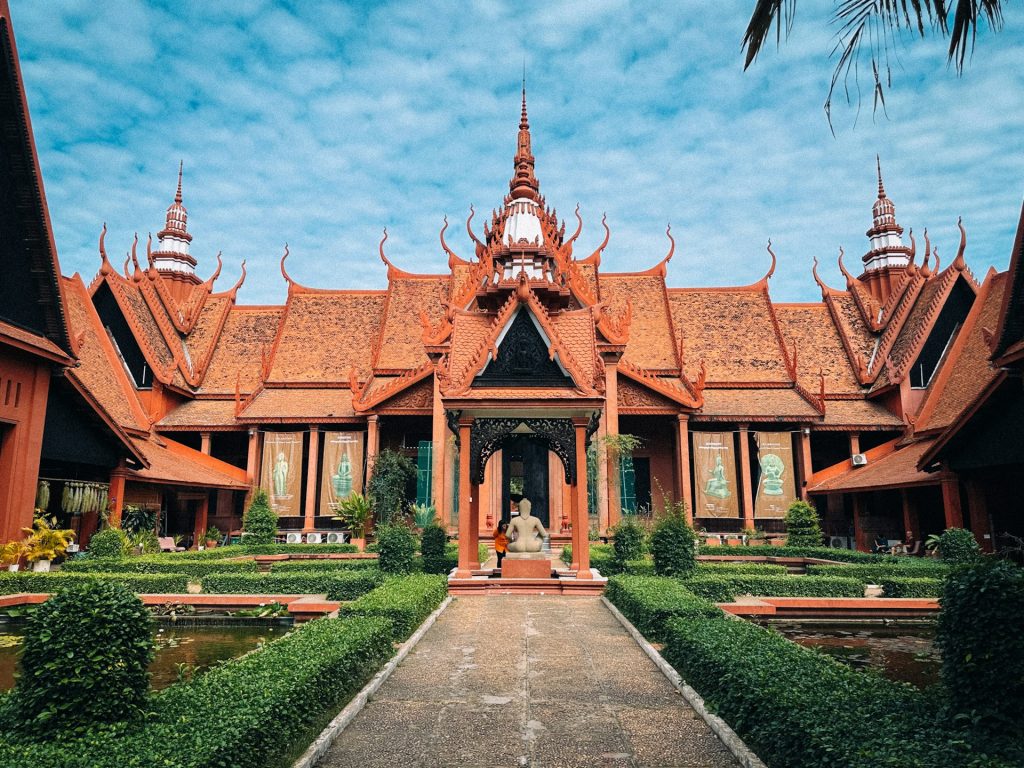
Cambodia’s capital carries heavy history alongside genuine optimism about its future. The Royal Palace and Silver Pagoda showcase Khmer architecture, while the Mekong riverfront hosts restaurants and bars where locals and travelers mix naturally.
Vientiane
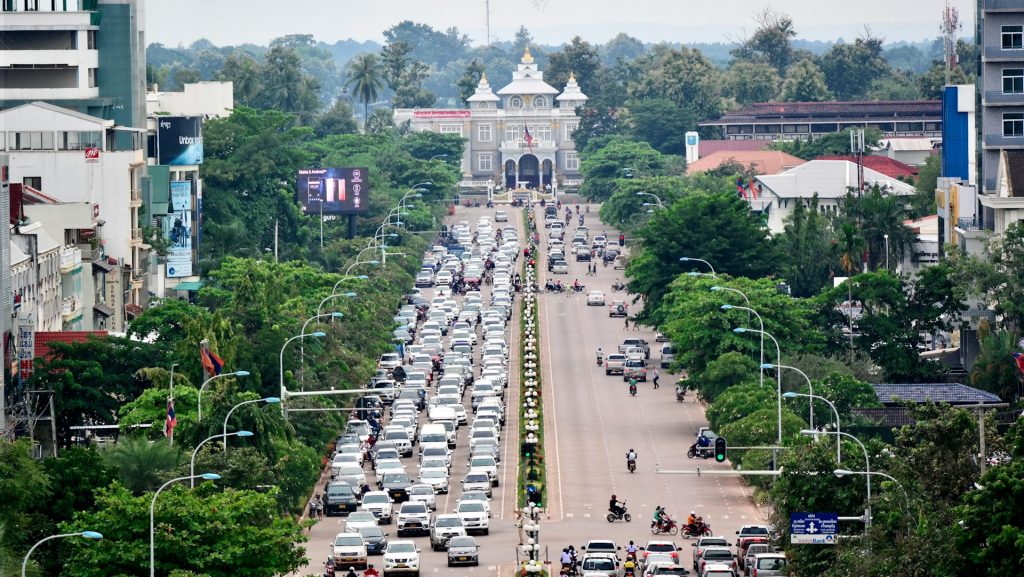
Laos moves at its own pace, and Vientiane embodies this perfectly. The capital feels more like a large town where French colonial buildings house local businesses and Buddhist temples anchor neighborhoods where life happens slowly and deliberately.
Meals cost $1 to $3, decent hotels run $15 to $25, and activities like visiting Wat Sisaket or walking along the Mekong cost nothing but time. That Luang, the golden stupa that symbols the country, anchors a city that doesn’t rush toward anything but rewards visitors who match its rhythm.
Davao
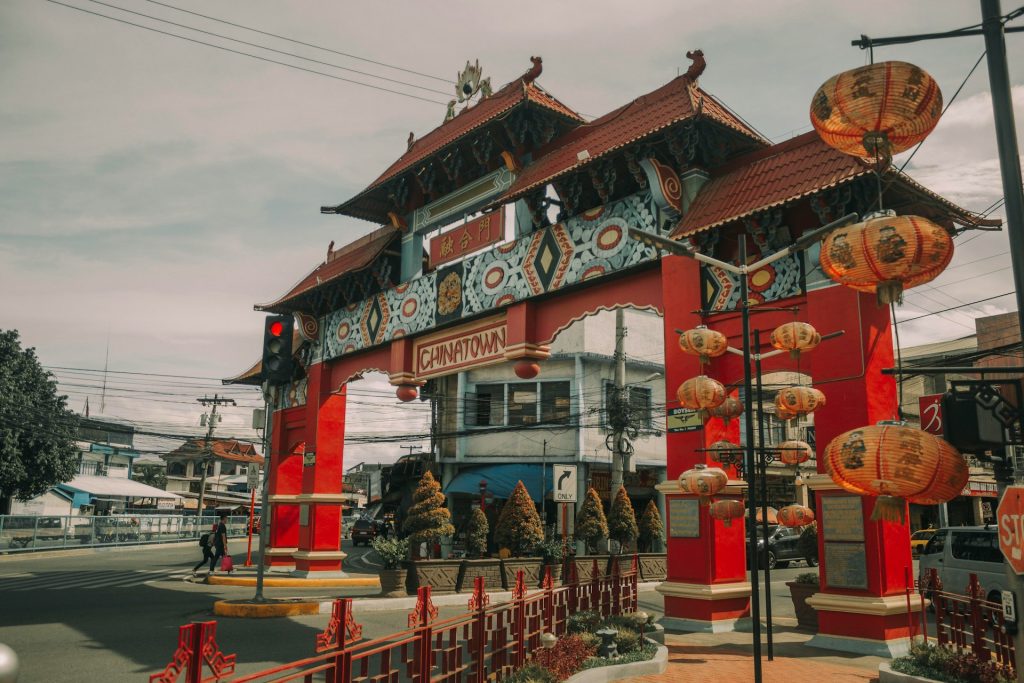
Mindanao’s largest city breaks stereotypes about the southern Philippines. Mountains frame urban neighborhoods, fruit markets overflow with produce that grows nowhere else, and the pace allows for actual exploration rather than frantic sightseeing.
The real alternative
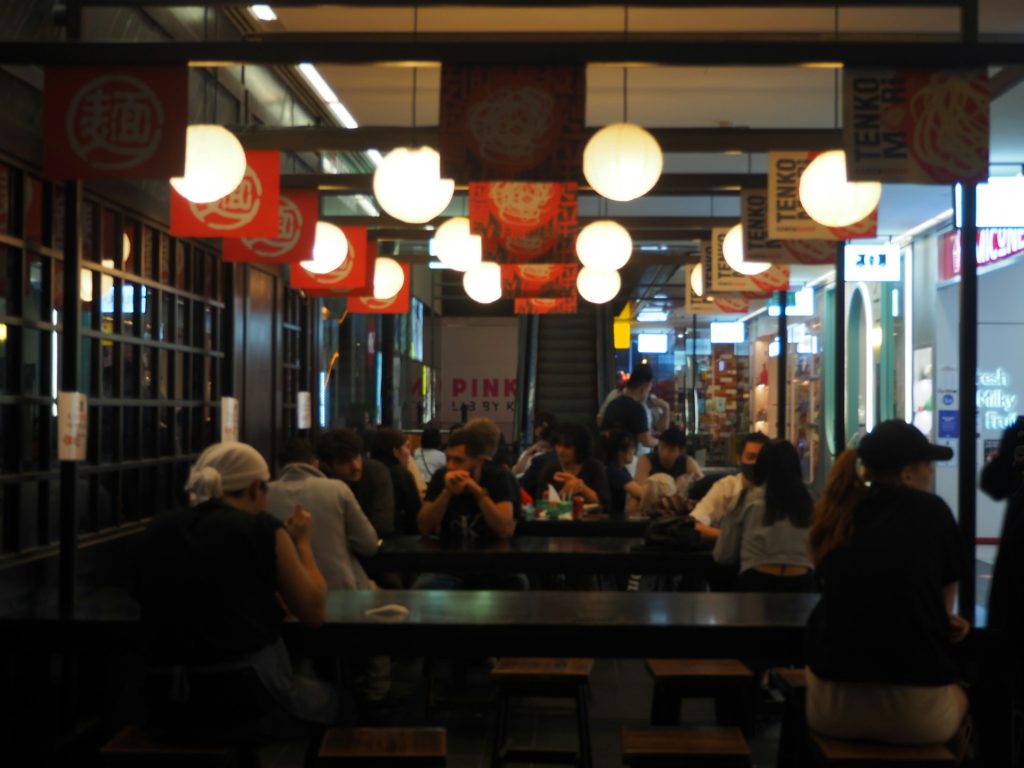
These cities don’t try to be Tokyo – they succeed by being themselves. Each offers the urban energy, cultural depth, and culinary adventures that make Asian cities magnetic, but at prices that allow extended exploration rather than rushed visits.
Tokyo will always have its place, but these alternatives prove that the best Asian city experience might be the one that doesn’t cost a fortune to enjoy.
More from Travel Pug

- Underrated Italian Towns That Beat the Tourist Crowds
- Las Vegas Tourist Traps to Skip
- Prettiest Towns in Every US State
- 18 passport-free countries for Americans
- Signs Your Cruise Is Not Worth The Cost
Like Travel Pug’s content? Follow us on MSN.