

Standing at the edge of a cliff, looking down at waves crashing hundreds of feet below, most people would back away. But throughout history, entire communities have done the opposite — they’ve built their homes right there on the precipice, creating villages that seem to mock both gravity and common sense.
These settlements cling to rock faces, perch on narrow ledges, and somehow thrive in places where a single misstep could mean disaster. Yet they’ve endured for centuries, becoming some of the most breathtaking examples of human determination and architectural ingenuity on Earth.
Riomaggiore, Italy
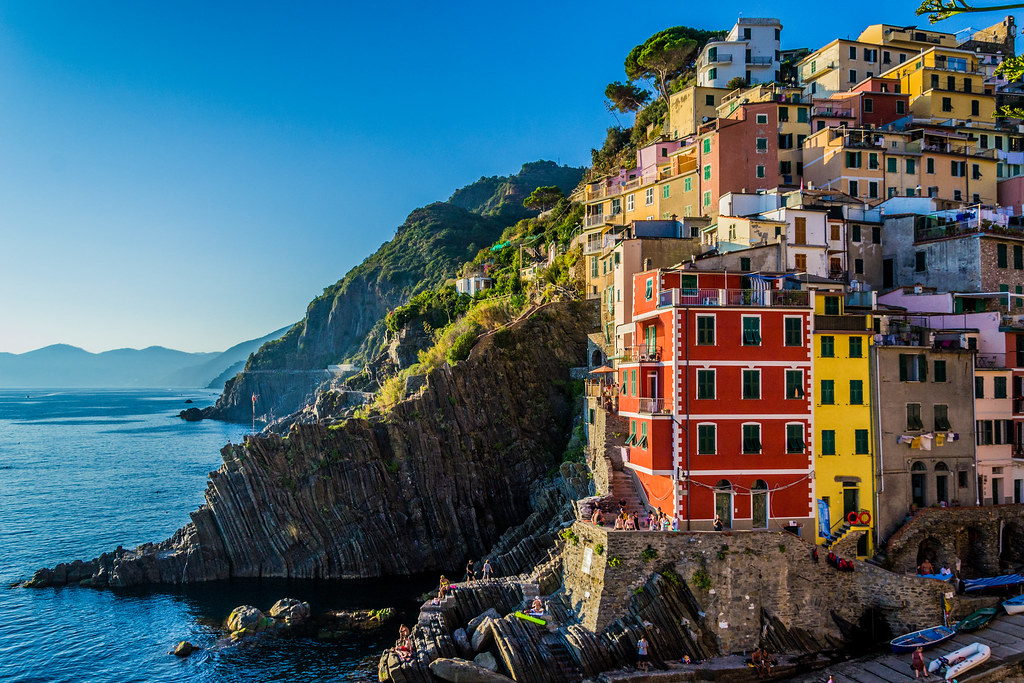
This Cinque Terre village drops straight into the Mediterranean like someone tossed colorful blocks off a table. Houses stack impossibly tight against the cliff face.
No room for error here — just centuries of people making it work anyway.
Positano, Italy
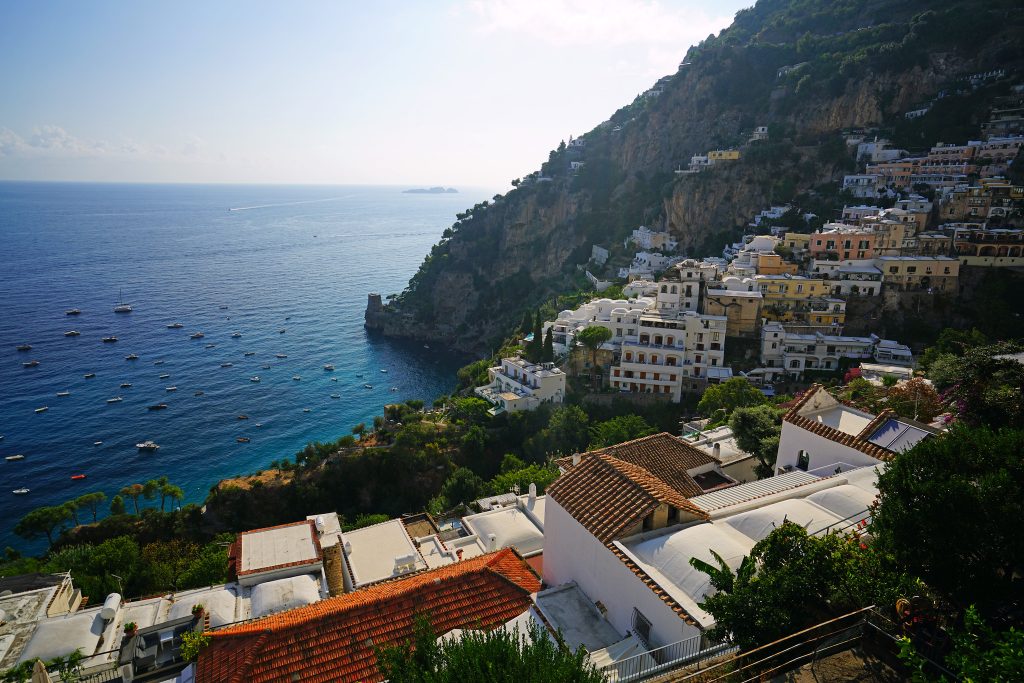
The Amalfi Coast’s crown jewel refuses to follow normal rules about where buildings should go (which is basically anywhere that isn’t a near-vertical slope cascading toward the sea). And yet here it is: a cascade of pastel houses that tumble down the mountainside like something from a fever dream, each one somehow finding purchase on what appears to be little more than wishful thinking and determination.
So the village exists in defiance of logic. The buildings seem to lean on each other for support, creating this interdependent web of architecture that shouldn’t work but has been working for over a thousand years.
Santorini, Greece
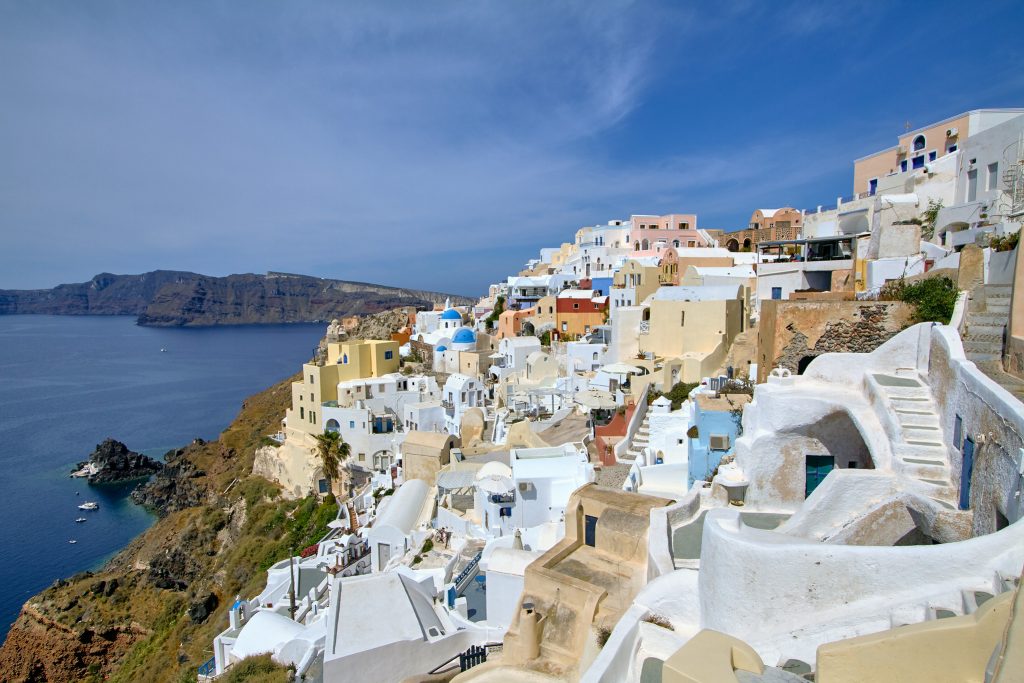
Picture a sugar cube balanced on the rim of a wine glass — that’s essentially what these white-washed buildings accomplished when they settled along the caldera’s edge. The volcanic cliff provides both the dramatic backdrop and the constant reminder that this entire island emerged from geological violence.
There’s something almost stubborn about the way the structures refuse to acknowledge the thousand-foot drop just beyond their doorsteps, as if the residents collectively decided that spectacular views were worth the vertigo. Sunsets here don’t just happen in the sky; they happen beneath your feet, the light bouncing off the water far below and reflecting back up through the maze of terraces and staircases that connect one impossible level to the next.
Manarola, Italy
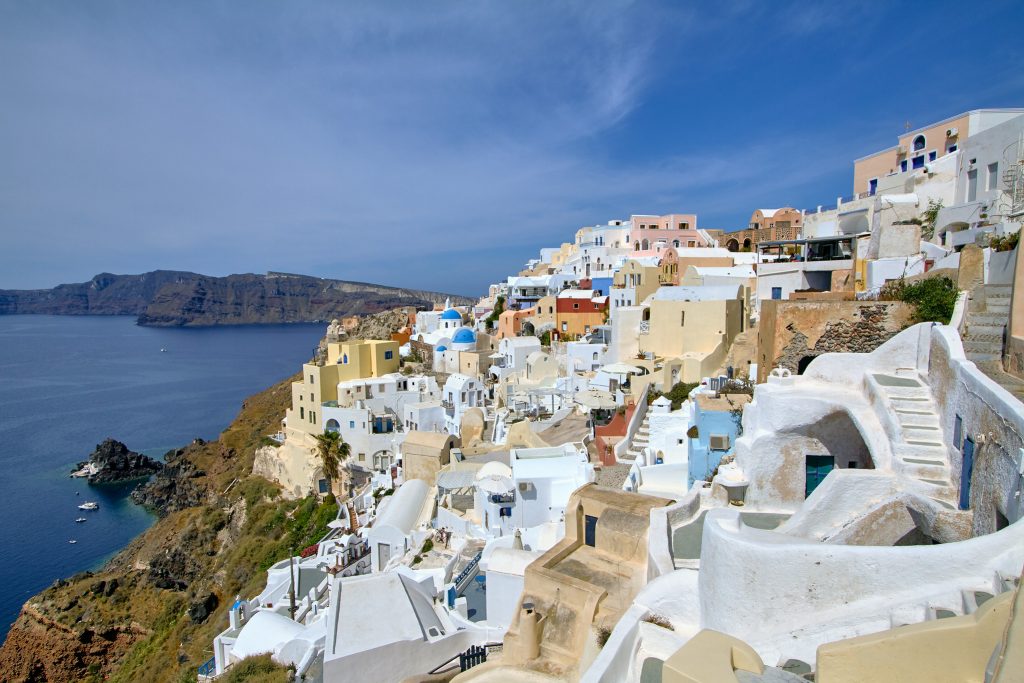
Another Cinque Terre defiant of basic physics. Houses painted in sherbet colors climb straight up from the harbor.
The village makes no concessions to the terrain — it just builds anyway and sorts out the details later.
Oia, Greece
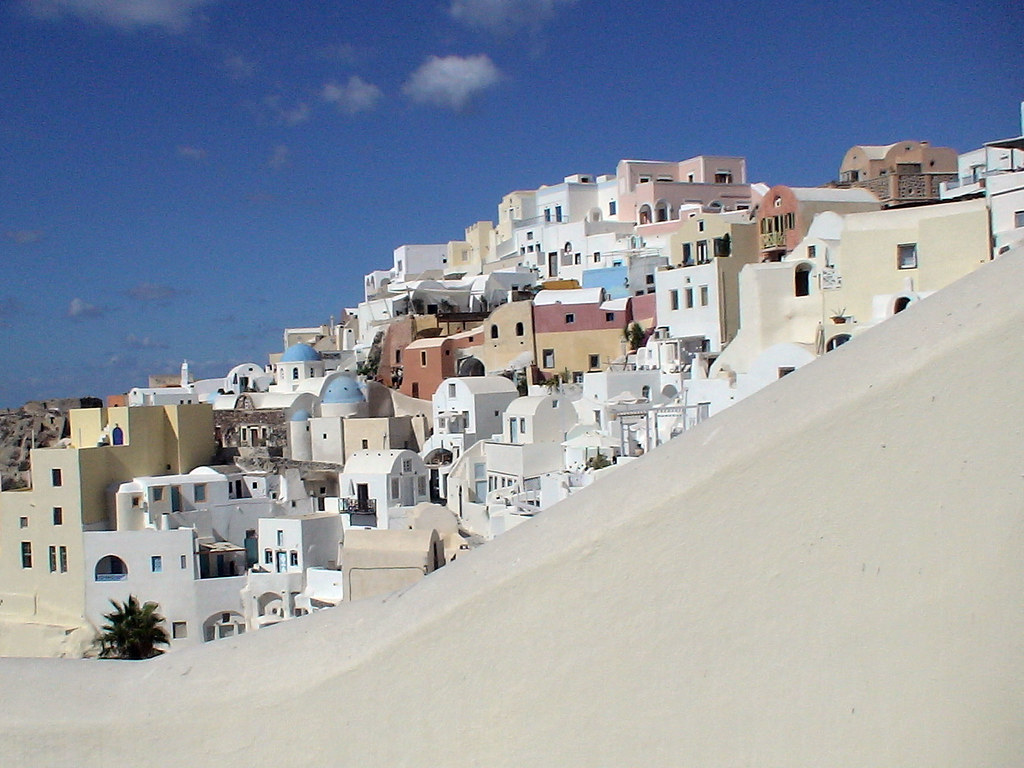
This isn’t just another Greek island village — it’s what happens when an entire community decides that living on the absolute edge of a volcanic crater makes perfect sense (and somehow, after centuries of earthquakes and eruptions, manages to prove that point). The blue-domed churches and cave houses carved directly into the cliff face create a settlement that feels more like it grew from the rock than was built on top of it.
But what really sets Oia apart is how it handles its own impossibility: rather than fighting the terrain, the architecture surrenders to it completely, flowing around the natural curves of the caldera like water finding its level. And the result, which draws visitors from every corner of the planet, suggests that sometimes the most impractical choice turns out to be the most enduring one.
Vernazza, Italy
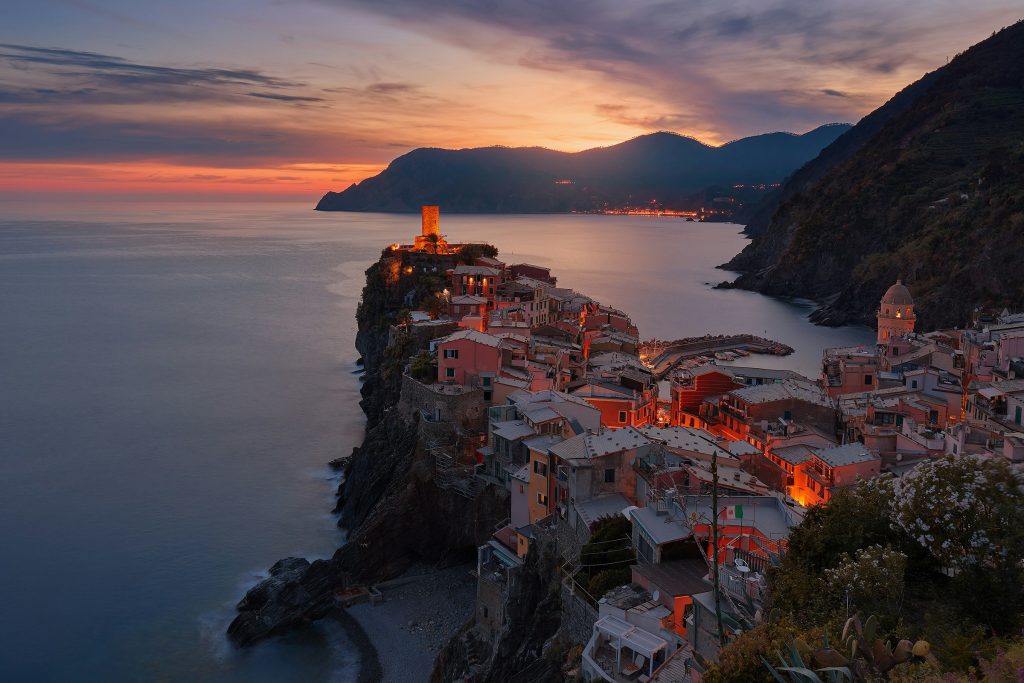
The third Cinque Terre village, and possibly the most precarious. Medieval towers guard a harbor that looks like it was carved from solid rock with a teaspoon.
The whole place feels minutes away from sliding into the sea.
Azenhas do Mar, Portugal
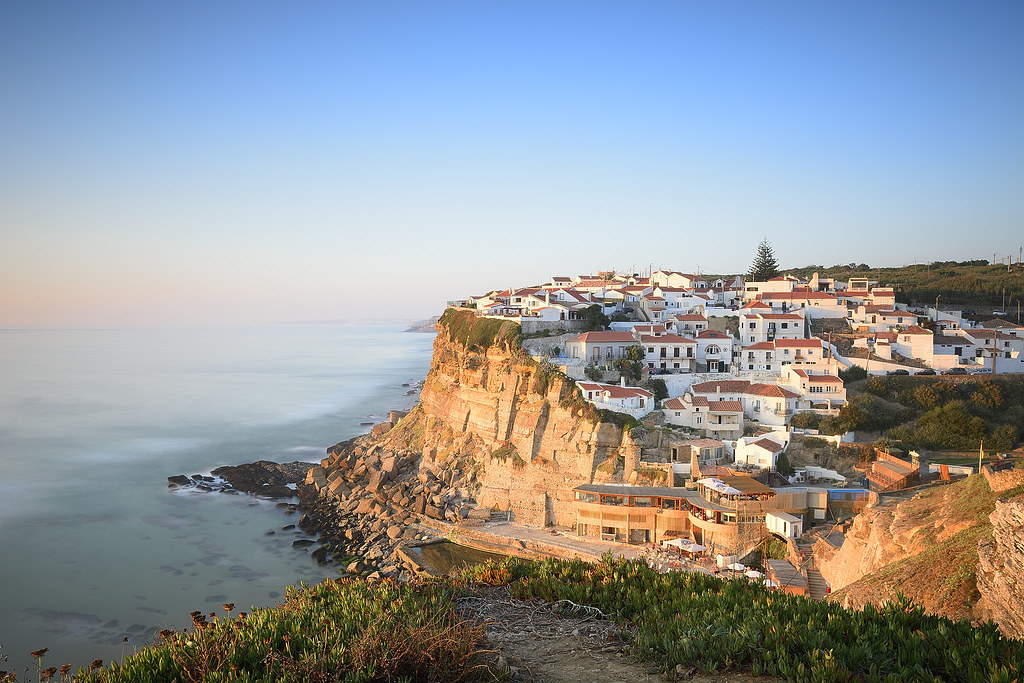
Portuguese villages don’t typically cling to cliffs like barnacles, but this one missed that memo entirely. White houses descend the rock face in perfect formation, each level more improbable than the last.
The Atlantic pounds the base of the cliff with relentless enthusiasm, which makes the village’s continued existence feel like a daily miracle. There’s a swimming pool carved into the rocks at the bottom — because apparently building on an impossible cliff wasn’t ambitious enough.
Al Hajjarah, Yemen
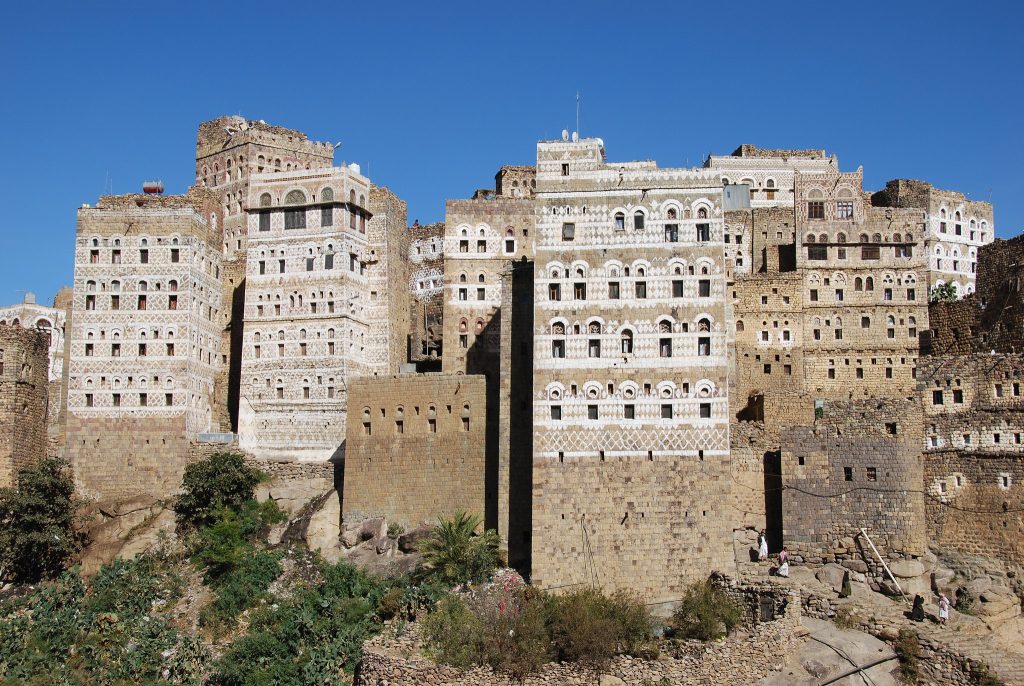
Somewhere in the mountains of Yemen, medieval architects looked at a sheer cliff face and thought “perfect building site” (a decision that, several centuries later, continues to baffle engineers and delight photographers in equal measure). The stone houses seem to emerge from the rock itself, as if the mountain decided to grow windows and doorways.
And the way the morning mist clings to the terraced levels creates this ethereal effect where the village appears to float between earth and sky, suspended in that liminal space where human ambition meets geological indifference. The defensive position made sense at the time — enemies can’t easily attack what they can’t easily reach.
But the daily reality of living in such a place, hauling water and supplies up narrow mountain paths, speaks to a kind of determination that modern convenience has largely erased from our collective memory.
Piodão, Portugal
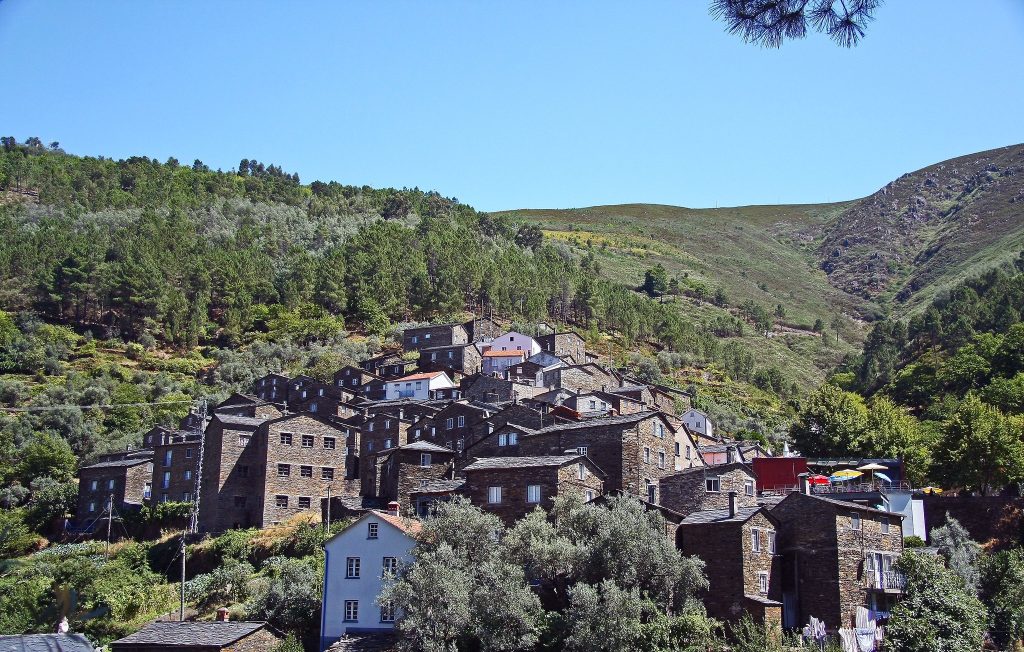
This schist village wedges itself into a mountain valley like someone forced a puzzle piece into the wrong spot. Stone houses stack up the slope in defying-gravity formation.
The whole place has this abandoned-but-inhabited quality that makes it feel like a secret.
Castellfollit de la Roca, Spain
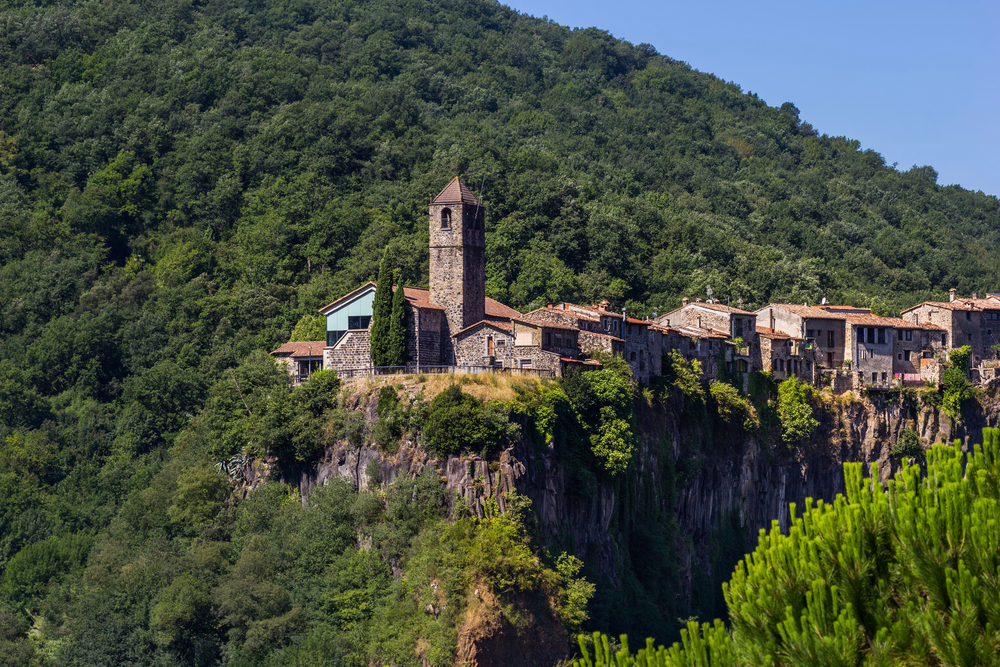
A medieval town balanced on a basalt cliff that’s barely wider than a city block (and about as stable-looking as a house of cards built on a diving board during an earthquake). The Catalonian countryside spreads out below while the village maintains its precarious perch on what amounts to a geological accident.
So the residents live their entire lives on a narrow strip of rock that could theoretically crumble at any moment. But the town has been there since the Middle Ages, which suggests that sometimes the most unlikely foundations prove to be the most durable. And the views from the church at the edge — well, they’re the kind that make vertigo seem like a small price to pay.
Ronda, Spain
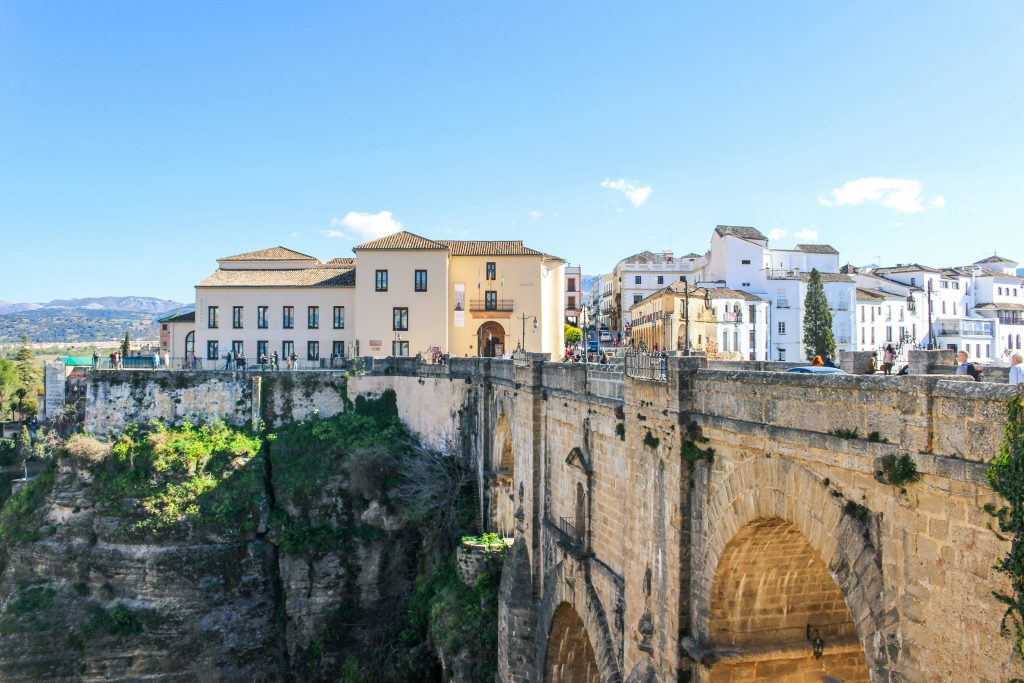
Straddling a gorge isn’t typically considered prime real estate, but Ronda makes it look effortless. The town splits across the Tajo canyon, connected by a stone bridge that feels more like an architectural dare than practical infrastructure.
Buildings edge right up to the cliff face, their windows opening onto a 400-foot drop. Hemingway wrote about this place, which makes sense — only a writer obsessed with death and beauty would find inspiration in a town that combines both so literally.
Rocamadour, France
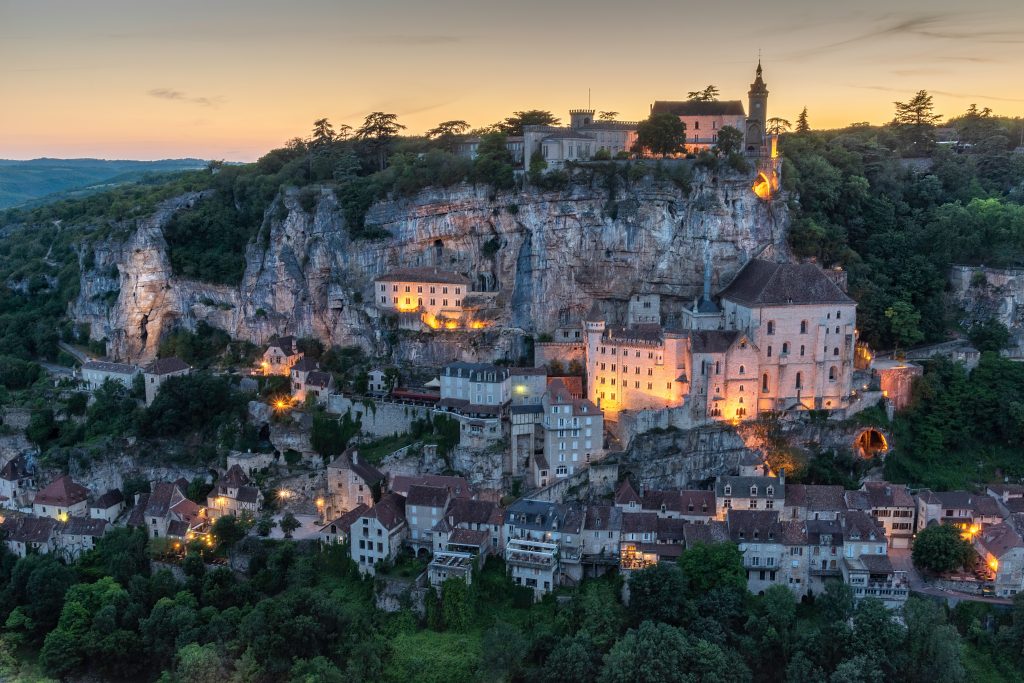
Medieval pilgrims had to be seriously committed to make the journey here. The village climbs a cliff face in tiers, each level more impossible than the last.
Churches and houses cling to the rock like they’re holding on for dear life.
Corniglia, Italy
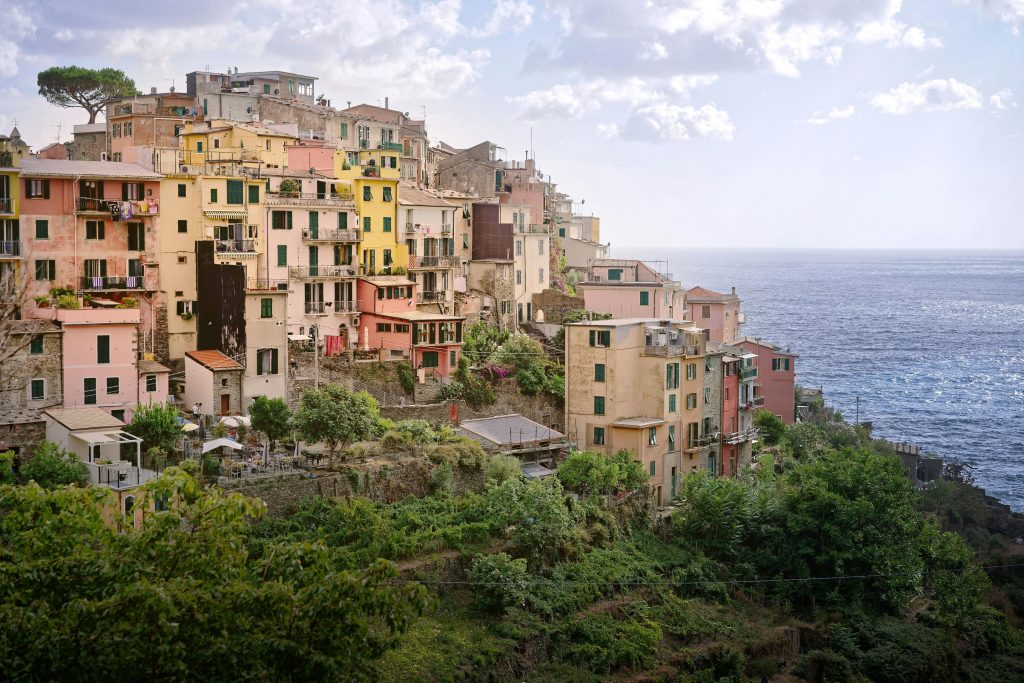
The fourth Cinque Terre village sits on its cliff like someone placed it there with tweezers and walked away (hoping gravity wouldn’t notice the oversight). Unlike its harbor-hugging neighbors, Corniglia perches on top of its promontory, accessible only by 377 steps carved into the rock face or a winding road that seems to exist more as a suggestion than actual infrastructure.
But the isolation works in its favor: fewer crowds, better wine, and the kind of views that make the climb feel like a pilgrimage worth making. And there’s something defiant about a village that makes you earn your visit — it’s been filtering out the uncommitted for centuries.
Monsanto, Portugal
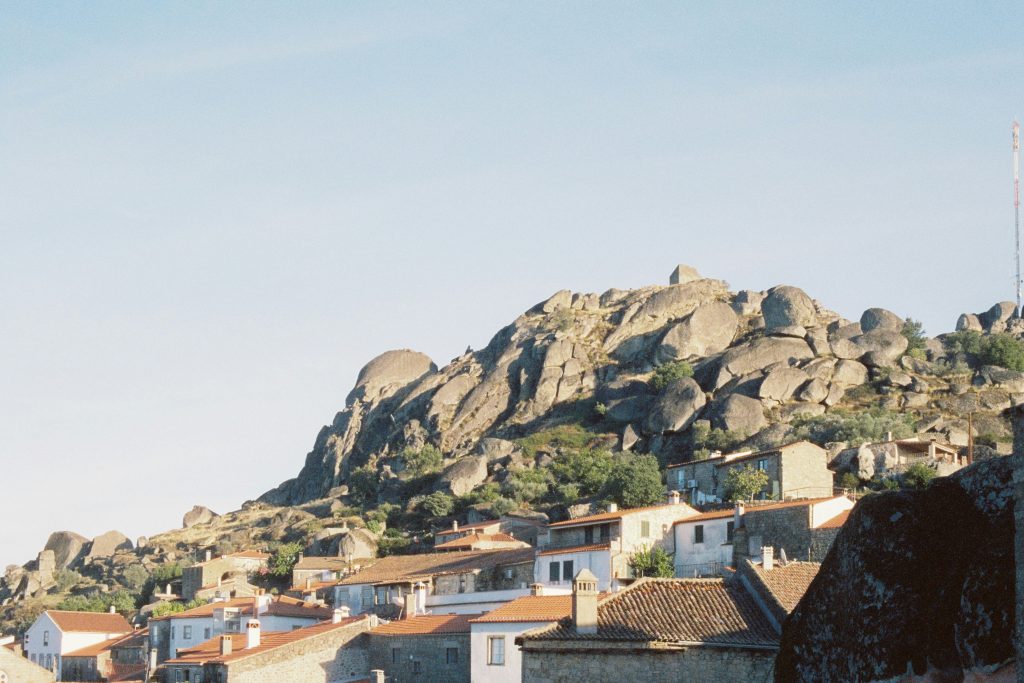
Boulder village, essentially. Houses built around massive granite rocks that were too big to move.
The rocks become walls, roofs, whatever the building needs. It’s architecture by negotiation rather than demolition.
Matera, Italy
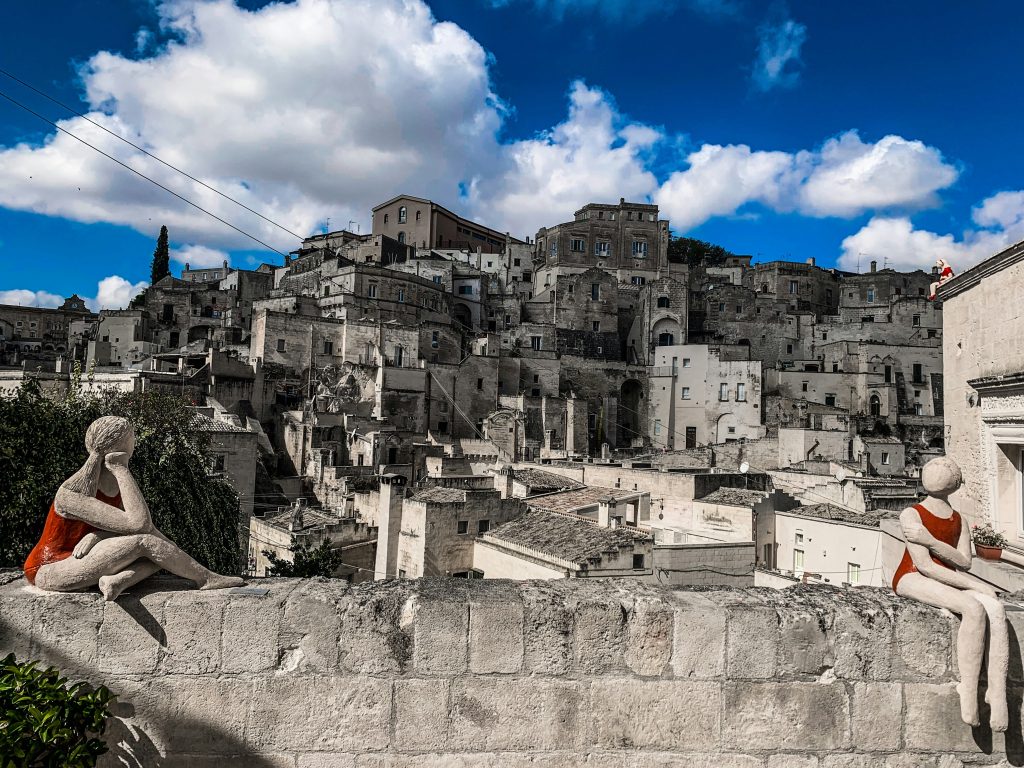
The caves came first, then the civilization moved in and made improvements (which is a polite way of saying people have been living in holes carved into cliffs here for over 9,000 years, making it one of the world’s oldest continuously inhabited settlements). The Sassi districts cascade down the ravine in layers of stone that blur the line between natural formation and human construction.
And what makes Matera particularly striking is how the ancient cave dwellings have been transformed from symbols of poverty into luxury hotels — history has a way of turning yesterday’s desperate solutions into today’s architectural marvels. The city exists in geological time as much as human time, its limestone caves worn smooth by millennia of occupation, each generation adding their own improvements to spaces that began as simple shelters and evolved into complex underground neighborhoods.
Civita di Bagnoregio, Italy
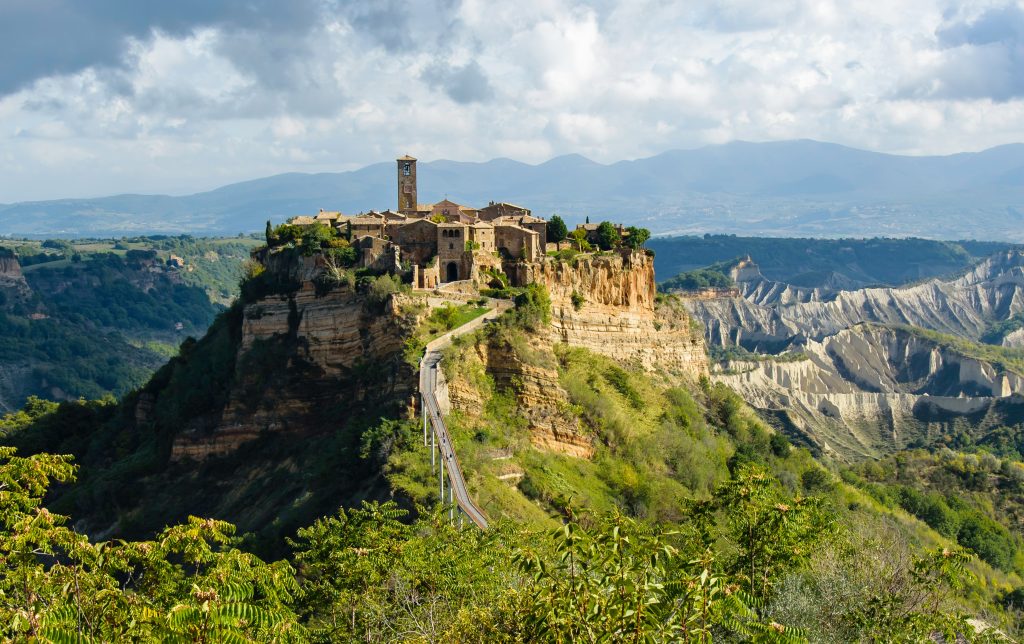
The dying city, they call it. Erosion slowly claims the edges while the medieval town center hangs on.
A single footbridge connects it to the world. Every year, a little more cliff face crumbles away.
Albarracín, Spain
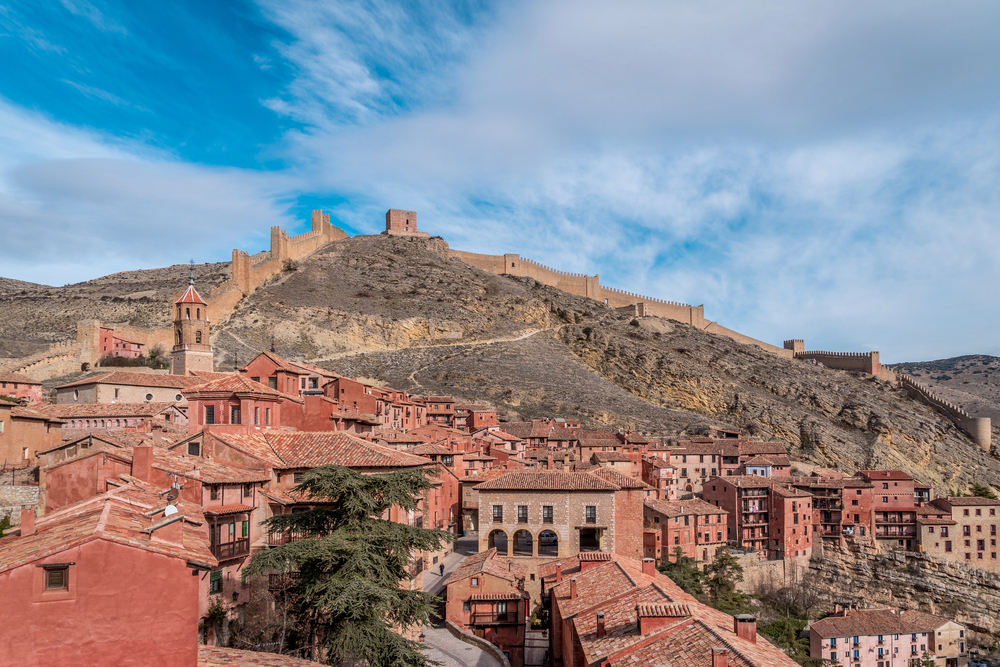
Pink-tinted medieval houses balance on red sandstone cliffs with the delicate precision of a house of cards built during a mild earthquake (except this particular arrangement has somehow managed to survive since the 11th century without collapsing into the Guadalaviar River below). The town wraps around its rocky promontory like it’s hugging the stone for dear life, each building fitted into whatever space the terrain happens to provide.
And walking through the narrow streets feels like navigating a three-dimensional puzzle where every turn reveals another impossible architectural solution to the problem of building on surfaces that were never meant to support buildings. But there’s something almost organic about how the structures adapt to their environment — walls that follow the natural curves of the rock, foundations that disappear into cliff faces, rooftlines that step down the slope in perfect harmony with the geological rhythm beneath them.
Masouleh, Iran
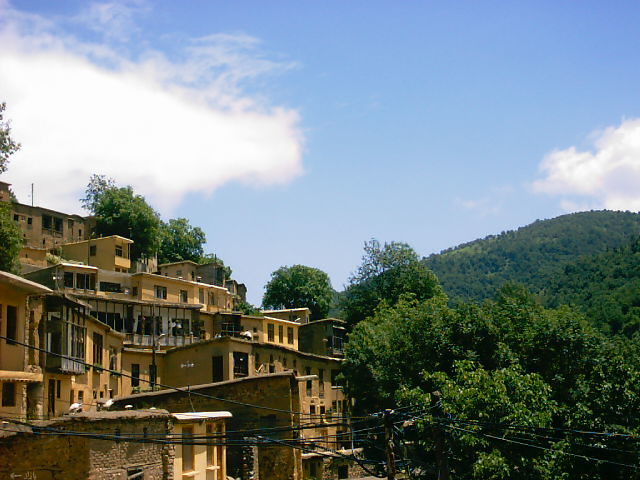
Houses stack up the mountain slope like stairs for giants. Each roof serves as the courtyard for the house above it.
Cars can’t navigate these streets — the village exists in walking-only space, connected by stone pathways that wind around and through the buildings.
Gásadalur, Faroe Islands
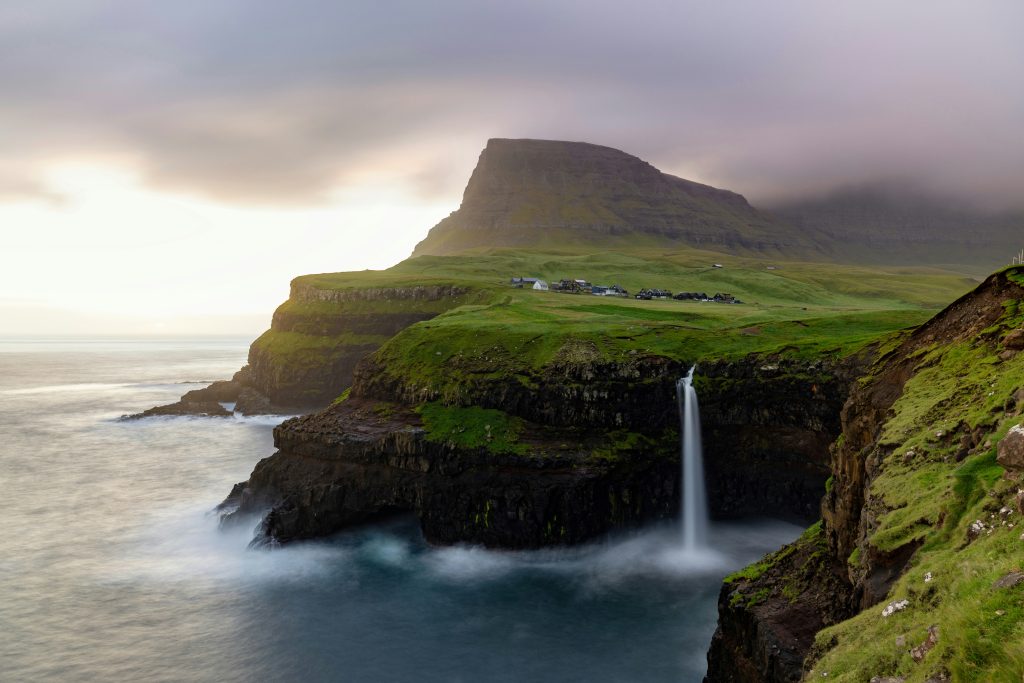
Eighteen people live here, on a cliff that faces the North Atlantic’s worst weather (which is saying something on islands where “mild” weather means you can stand upright without holding onto something). The village consists of a handful of grass-roof houses that look like they’re crouching against the wind, and one church that somehow maintains its composure while overlooking Múlafossur waterfall as it plunges directly into the ocean.
But the real achievement isn’t the architecture — it’s the sheer bloody-mindedness required to maintain a community in a place where the weather actively discourages human habitation. And yet the residents persist, tending their sheep and maintaining their traditions in defiance of geography, climate, and common sense.
Taormina, Sicily
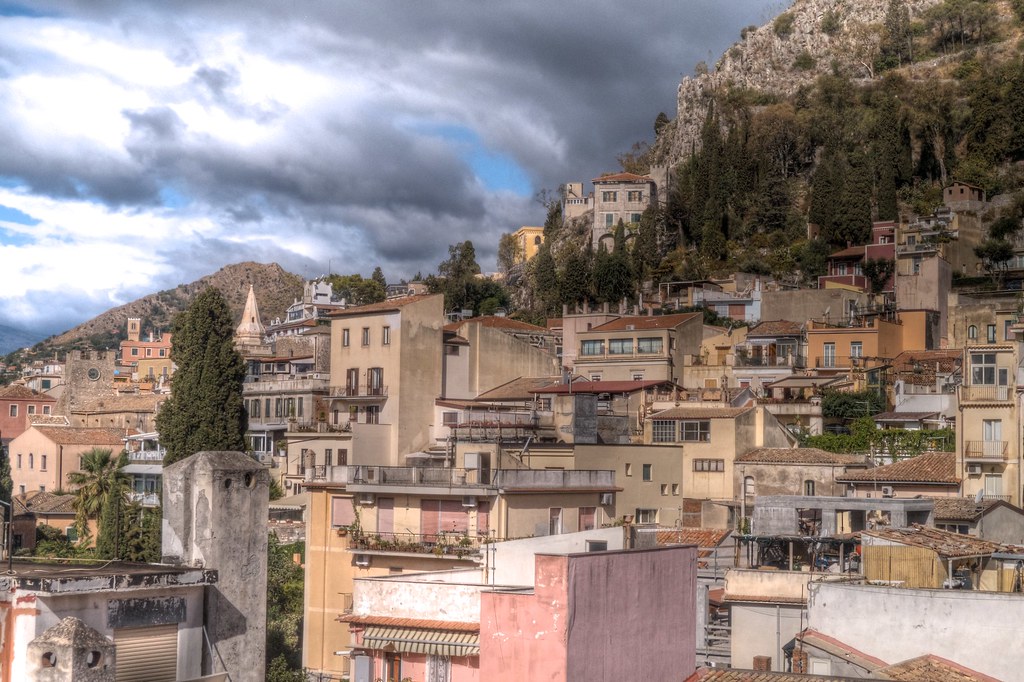
Ancient Greeks started this cliff-side experiment, Romans improved it, and everyone since has just tried to keep up. The town terraces down Mount Etna’s slopes with views of both the volcano and the Mediterranean.
Theater ruins perch on the edge like they’re auditioning for the most dramatic setting.
Amalfi, Italy
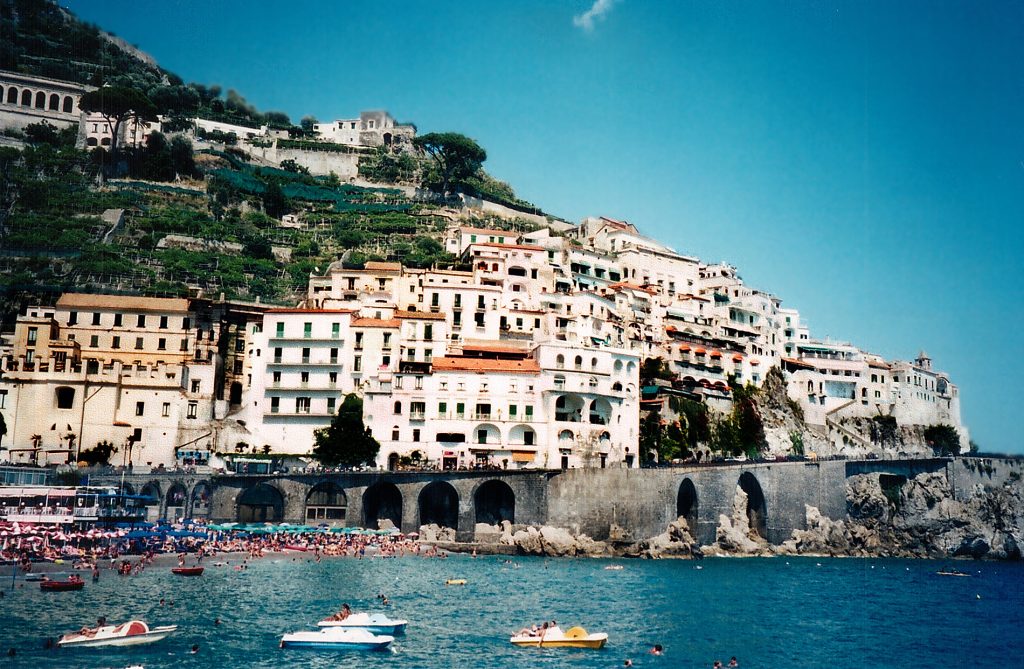
The original Amalfi Coast impossibility, wedged into a narrow valley that drops straight to the sea. Medieval maritime power built vertically when it ran out of horizontal space.
Cathedral steps climb the cliff face like they’re heading for heaven.
Veliko Tarnovo, Bulgaria
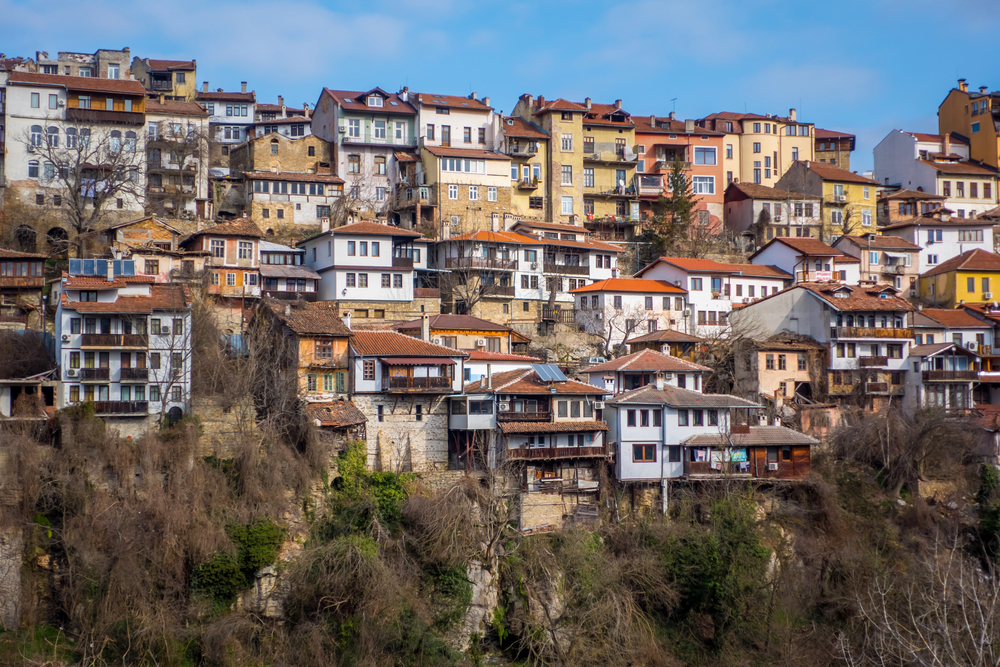
Medieval capital built on three hills connected by bridges that span impossible gorges. Houses hang over the Yantra River like they’re inspecting their reflections.
The whole city feels like it’s balanced on stilts made of history and stubbornness.
Setenil de las Bodegas, Spain
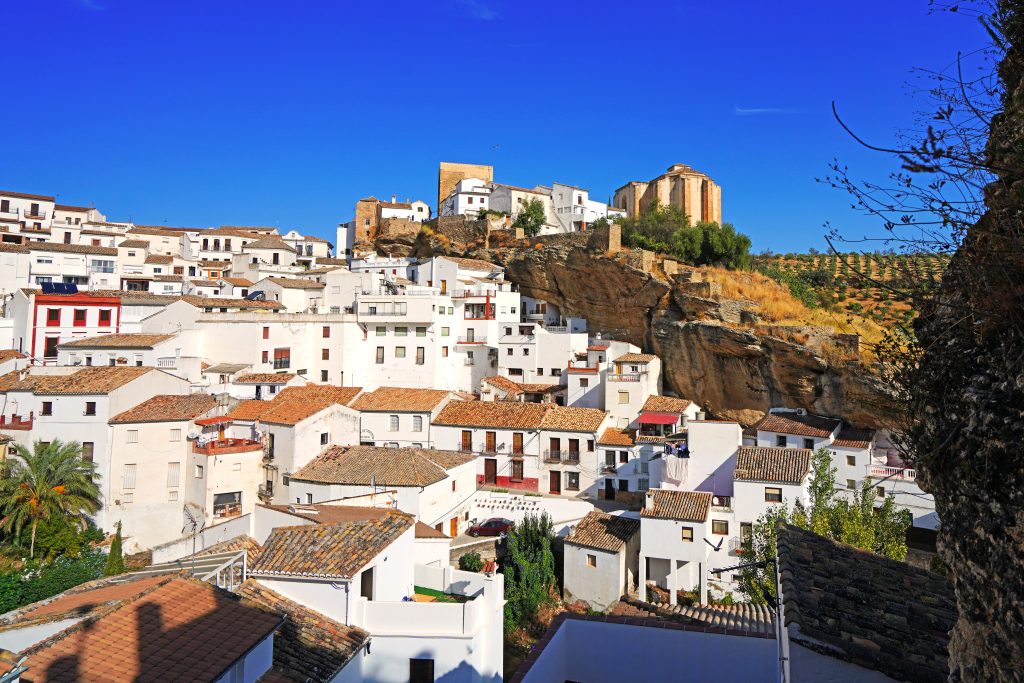
Houses built under rock overhangs instead of on top of them. The village wedges itself into a river gorge, using the natural cave formations as ready-made roofs.
Bars and restaurants operate in spaces that are half building, half geological formation.
Cappadocia, Turkey
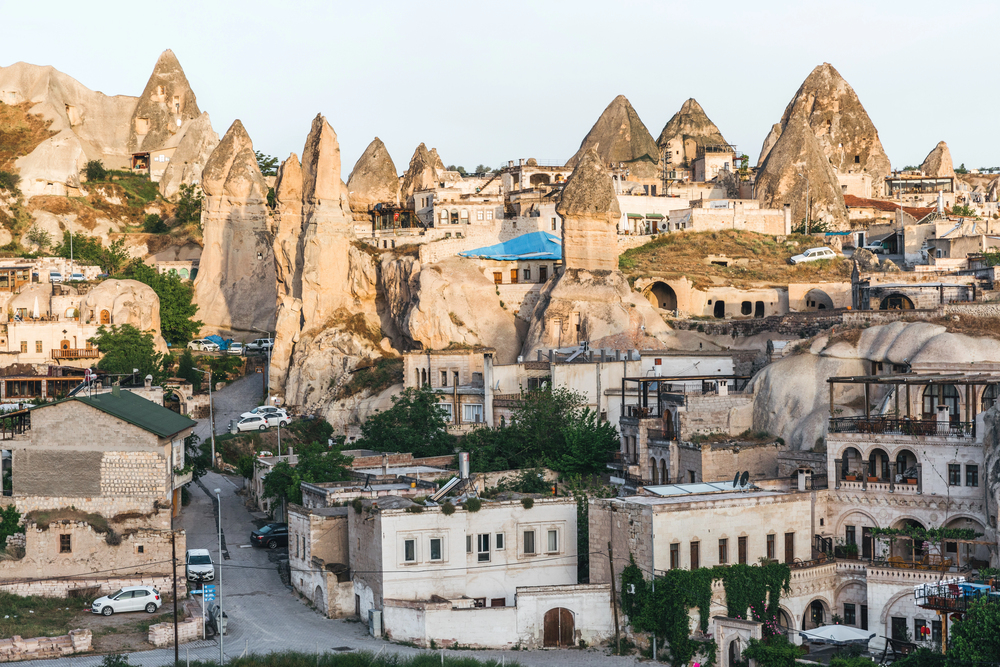
Entire cities carved into volcanic rock formations that look like they belong on another planet. Underground cities burrow deep into the earth while cliff-face churches dot the landscape. The rock itself becomes the architecture — no building materials needed, just patience and very sharp tools.
Living on the Edge
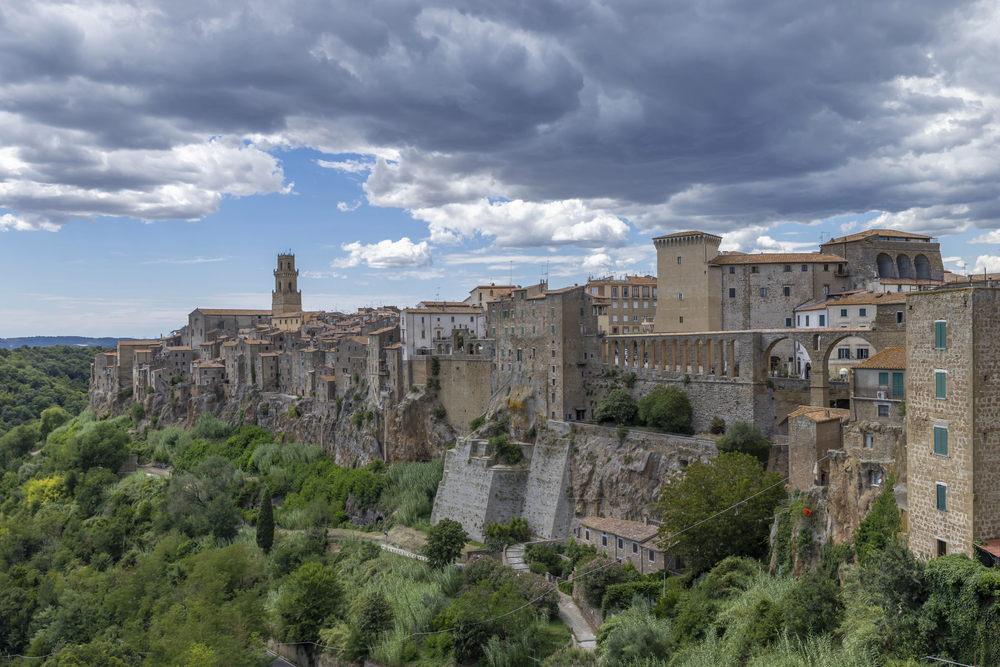
These villages represent something more than architectural curiosity or tourist attraction. They’re proof that humans will find a way to make a home anywhere, regardless of how impossible the location might seem. Whether driven by defense, trade, religion, or simple stubbornness, the people who built these communities looked at sheer cliff faces and vertical mountain slopes and saw opportunity instead of obstacle.
Their legacy hangs there still, defying gravity and common sense, reminding us that sometimes the most impractical dreams produce the most enduring results.
More from Travel Pug

- Underrated Italian Towns That Beat the Tourist Crowds
- Las Vegas Tourist Traps to Skip
- Prettiest Towns in Every US State
- 18 passport-free countries for Americans
- Signs Your Cruise Is Not Worth The Cost
Like Travel Pug’s content? Follow us on MSN.