

Most cruise passengers settle into a loop by the second day, moving between the pool, the buffet, the evening show and the bar. It is a pleasant loop, and it misses a surprising amount of what the fare already covers.
Big ships run dozens of free activities every day, listed in small print in the daily planner or buried in the app. The best of them rarely draw a crowd, which is part of their appeal.
Enrichment Lectures on Sea Days
Several lines bring guest lecturers aboard to speak about history, science, geography and the regions the ship is visiting. Cunard’s Insights program features speakers ranging from historians and former diplomats to scientists and authors, and Holland America and other premium lines run similar talks on many itineraries.
Lectures are free and usually held in a theater or lounge on sea days. Attendance is often modest, which leaves room for questions afterward.
Passengers who wander in for a talk about the next port often find it changes how they spend the day ashore. A good lecture can be the highlight of a long crossing.
The Planetarium on Queen Mary 2
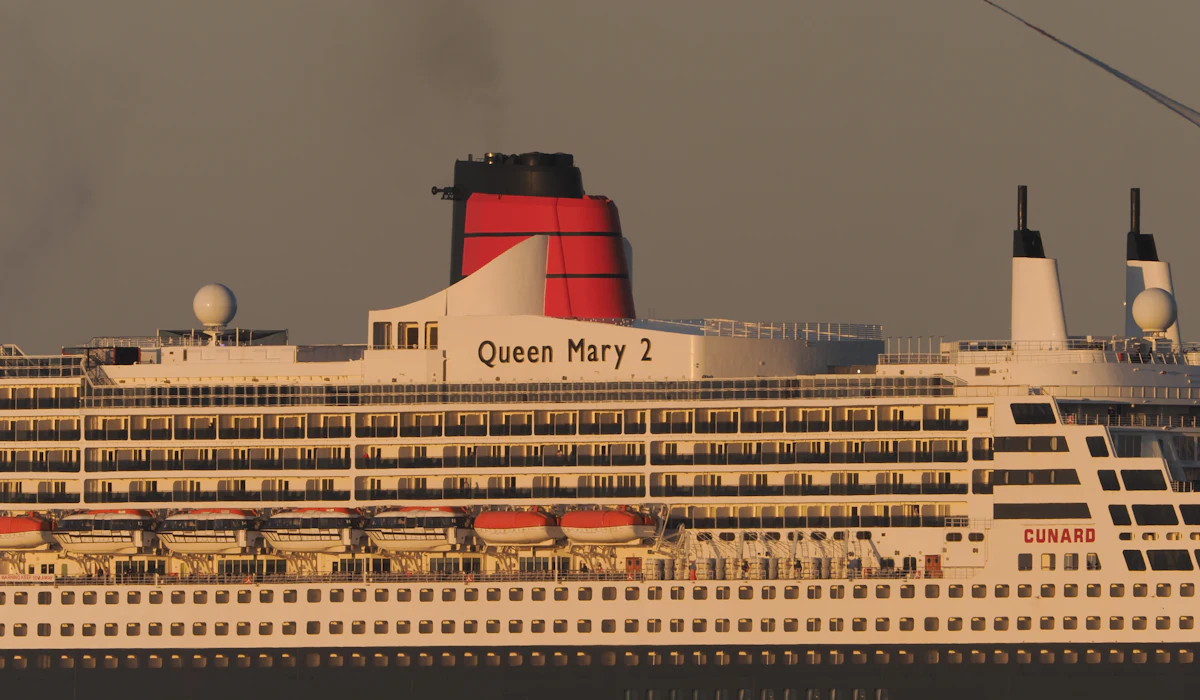
Cunard’s Queen Mary 2 has a planetarium built into its Illuminations theater, which Cunard describes as the largest planetarium at sea following its upcoming 2027 transformation. A dome lowers from the ceiling for astronomy presentations and other immersive programming.
The venue is also used for lectures, films and theatrical presentations, and specific planetarium programs can vary by voyage. Many passengers never notice the dome when the room is used for another purpose.
Watching astronomy presentations while crossing the Atlantic is an experience few ships can match. Transatlantic regulars can find several opportunities to visit during a crossing.
Ship Libraries and Reading Rooms

Many ships have libraries stocked with novels, travel guides and reference books, free to borrow during the voyage. Cunard’s Queen Mary 2 has the largest library at sea, with more than 8,000 hardbacks, 500 paperbacks and 200 audiobooks, according to Cunard.
Other lines offer smaller collections in quiet lounges, along with board games and puzzles. Libraries tend to be peaceful even on crowded sailings.
Some passengers leave finished books on a take-one, leave-one shelf. A comfortable chair near a window and a borrowed novel make a fine afternoon at sea.
Galley Tours
Some cruise lines offer free galley tours on sea days, giving passengers a look at the kitchens that prepare thousands of meals a day. Tours can include stops at prep stations, walk-in refrigerators and pastry areas, with chefs explaining how they manage supplies for the voyage.
Availability varies by line and ship, and some lines charge for more extensive behind-the-scenes experiences. Tours are usually announced in the daily planner and may fill up quickly.
Seeing the scale of the operation gives passengers new respect for the crew. Many come away with a better appreciation for their nightly dinner.
Towel Animal Folding Demonstrations
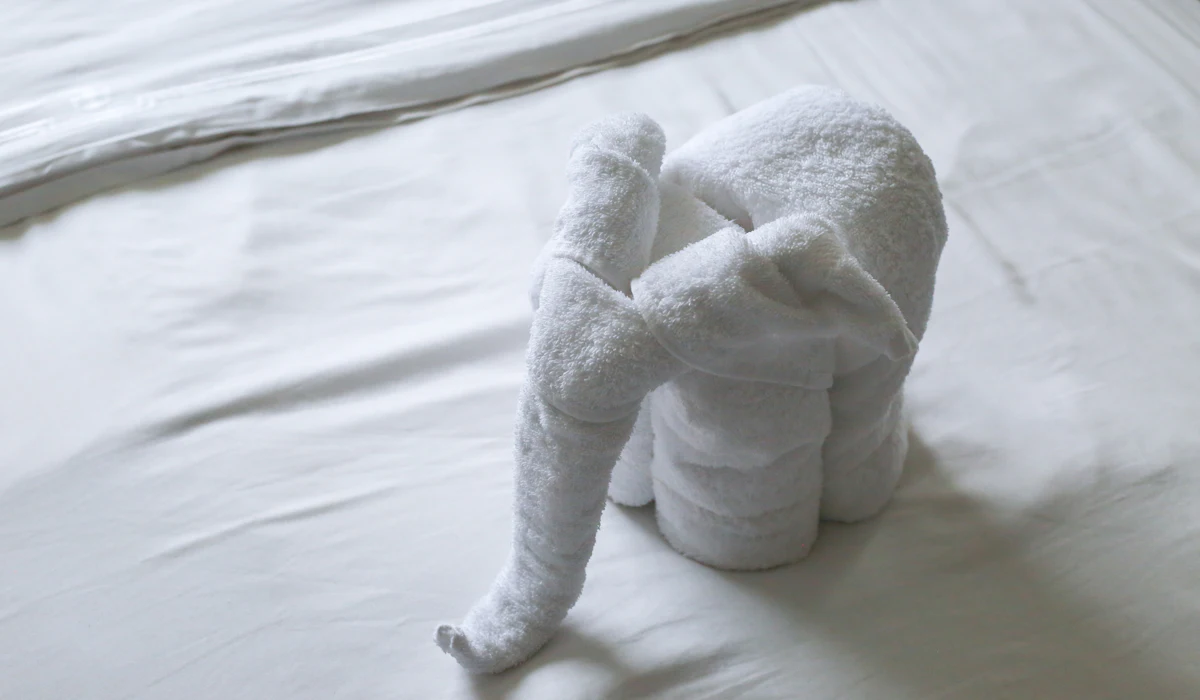
Towel animals left on beds by cabin attendants have become a cruise signature, especially on Carnival. Carnival has offered towel-animal folding classes on its sailings, where attendants show passengers how to fold elephants, monkeys and other creatures from bath towels.
Demonstrations are free and usually last less than an hour. Families with children often enjoy trying the techniques in their cabins afterward.
Some lines also sell books with folding instructions in onboard shops. Learning the craft offers a souvenir that weighs nothing and costs nothing.
Attendants may reveal a few tricks, such as using a hand towel for ears and sunglasses for eyes.
Ice Carving by the Pool
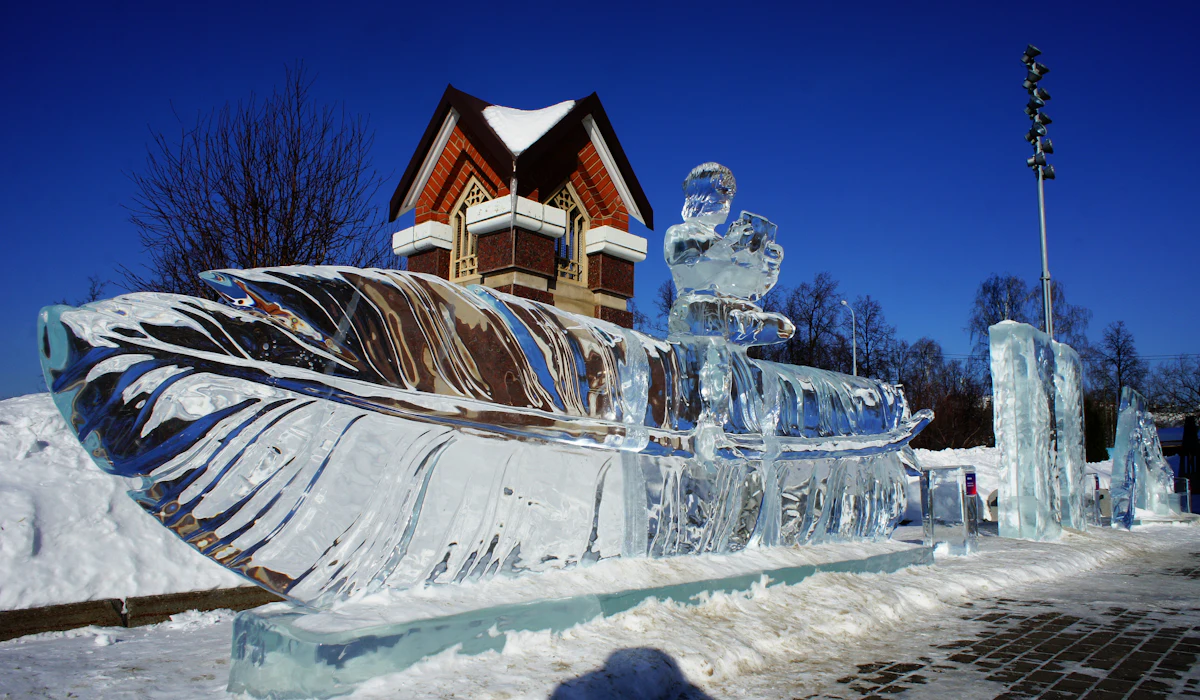
On some sea days, chefs demonstrate ice carving on the pool deck, turning large blocks into swans, dolphins or ship logos. The demonstrations are free and often draw a crowd of curious passengers.
Chefs use chainsaws, chisels and picks to shape the ice, which begins melting almost immediately under the sun. Many passengers stumble upon the shows by chance.
Checking the daily planner for times helps ensure a good view. The finished pieces sometimes decorate buffets or special events later in the voyage.
Daily Trivia Sessions
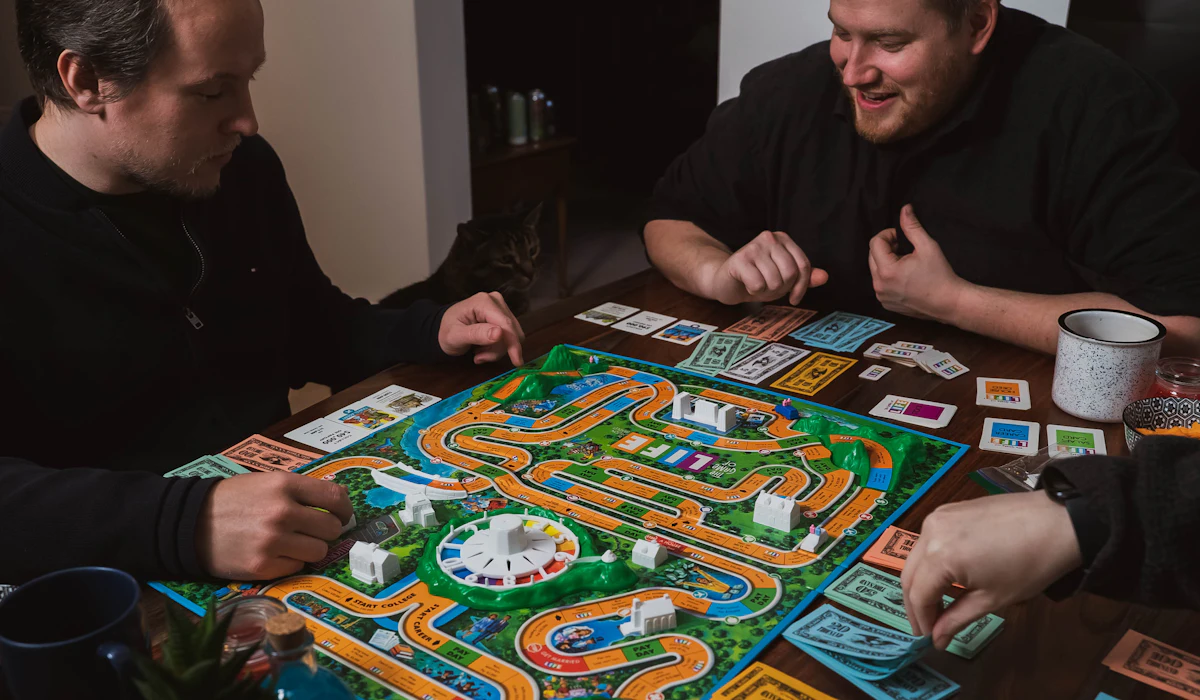
Trivia is one of the most popular free activities on many ships, though plenty of passengers never try it. Sessions cover general knowledge, music, movies and themed topics, and they are usually held in lounges several times a day.
Teams form among strangers, and regulars often build friendships over the course of a voyage. Prizes are small, often ship-branded trinkets, but competition can be fierce.
Trivia is a good way to meet people and pass a quiet hour. Sea days usually feature the most sessions.
Free Dance Classes
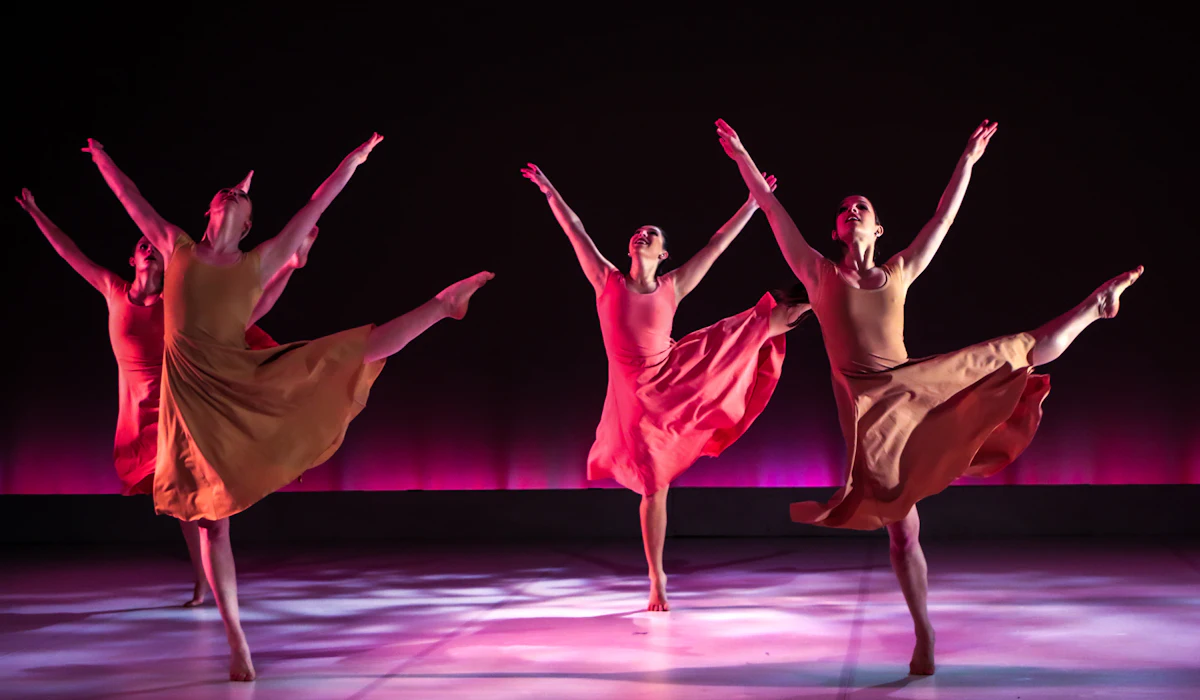
Dance lessons run on many big ships, in styles such as salsa, line dancing, cha-cha and routines tied to evening parties. Classes are typically held in lounges or on open decks and led by members of the entertainment staff.
No experience is needed, and many participants are beginners. Lessons often prepare passengers for themed nights later in the voyage.
Couples and solo travelers alike take part. The classes are a fun way to get some exercise without stepping into the gym.
Instructors keep the steps simple enough to remember after a cocktail.
Cooking Demonstrations
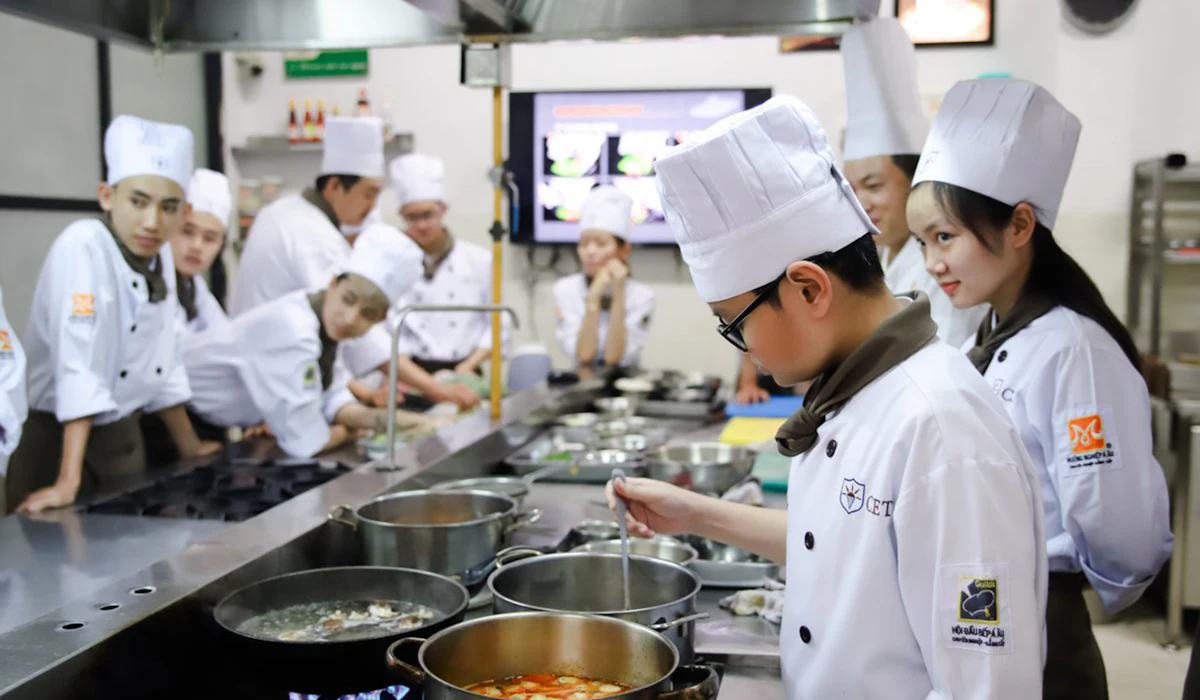
Free cooking demonstrations appear on several lines, where chefs prepare signature dishes and share tips. Holland America currently offers live cooking shows across its fleet, with demonstrations at least twice on many seven-day sailings.
Other lines hold similar sessions in theaters or dining rooms. Passengers sometimes get samples and recipe cards to take home.
Demonstrations are usually listed in the daily planner and can fill quickly. Foodies find them a useful complement to the meals they enjoy aboard.
Chefs often explain how a dish is adapted for hundreds of covers a night, which makes the techniques surprisingly practical for home cooks. Questions are welcome, and some sessions end with a chance to taste the finished plate.
Port Talks and Destination Presentations
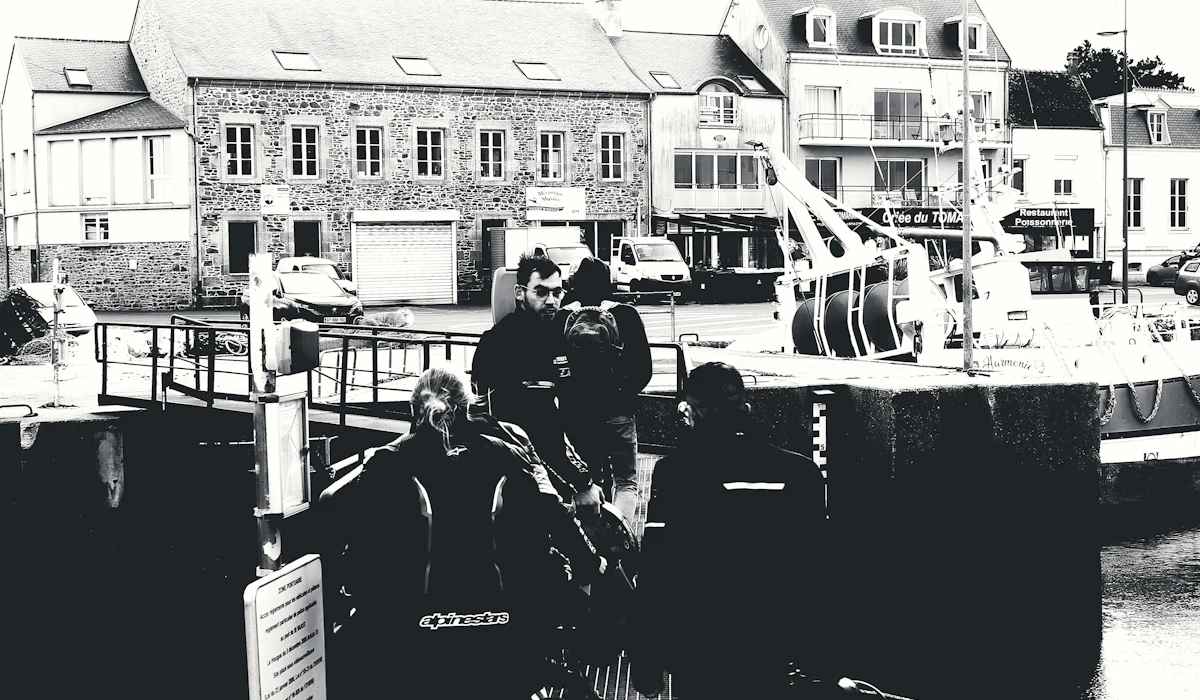
Free presentations about upcoming ports are standard on many ships, covering history, culture, transportation options and practical tips. These talks are sometimes combined with shopping recommendations, but many also include useful information about local customs and attractions.
Passengers who attend can learn about walking routes, safety concerns and the best times to visit popular sites. Talks may also be replayed on cabin televisions or made available through the ship’s app.
First-time visitors to a region can benefit greatly. A good port talk can shape an entire day ashore.
Port lecturers also explain tender procedures and local transportation.
Question-and-Answer Sessions With the Captain
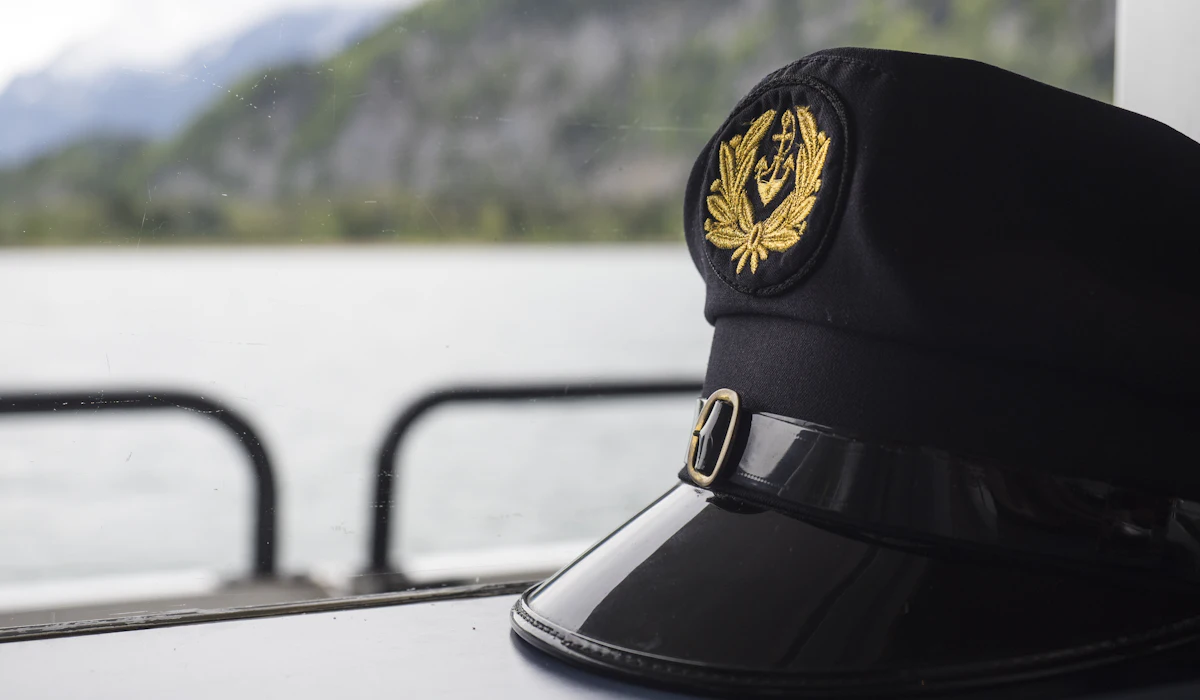
On some voyages, the captain and senior officers hold free question-and-answer sessions. Passengers can ask about ship operations, navigation, weather, crew life and maritime history.
Officers often share entertaining stories and statistics about the ship. Sessions are usually held in a theater on a sea day.
Many passengers find them fascinating, even if they never imagined attending. The chance to hear directly from the people running the ship is rare and memorable.
Questions about rogue waves, fuel consumption and what happens in a storm can come up during these sessions. Some sessions also include the hotel director or chief engineer.
The Crew Talent Show

On some ships, crew members perform in a talent show late in the voyage, showcasing singing, dancing and cultural performances from their home countries. The event is free and often one of the most heartfelt shows of the cruise.
Crew members come from dozens of countries, and the variety on stage reflects that. Passengers frequently describe it as a highlight.
Shows are usually listed in the daily planner near the end of the voyage. Attending is also a way to show appreciation for the people who make the cruise run.
Stargazing on Deck

Away from city lights, the night sky at sea can be spectacular. Some lines organize free stargazing sessions on dark upper decks, sometimes with crew members or guest experts pointing out constellations and planets.
Princess Cruises has offered Stargazing at SEA through its Discovery at SEA program. Even without an organized event, passengers can find a quiet deck and look up.
Clear nights on calm seas offer the best views. Bringing a stargazing app helps identify what is overhead.
Mid-ocean sea days on transatlantic crossings can offer some of the darkest skies.
Morning Stretch Classes

Ship gyms often charge for specialty classes such as spin or some yoga sessions, but free stretch sessions and walking groups are available on some ships. These sessions may be held on open decks or in fitness areas and led by staff.
They are a gentle way to wake up and loosen muscles after travel or a late night. Passengers who attend often meet others with similar routines.
Schedules appear in the daily planner. A free morning stretch can set a positive tone for the day.
Equipment such as mats may be available, depending on the class and venue.
Running Track at Sunrise

Many large ships have a jogging or walking track on an upper deck, open to passengers at no charge. Early mornings are usually quiet, with cool air and sunrise views.
Some tracks mark distances, so walkers know how many laps make a mile. The track is a pleasant way to exercise without entering the gym.
Watching the sunrise over the ocean while walking laps feels like a small luxury. Early risers often have the track nearly to themselves.
Ships may set recommended hours or restrictions for running on tracks above cabins, so check the daily schedule and posted signs.
Rock Climbing Walls
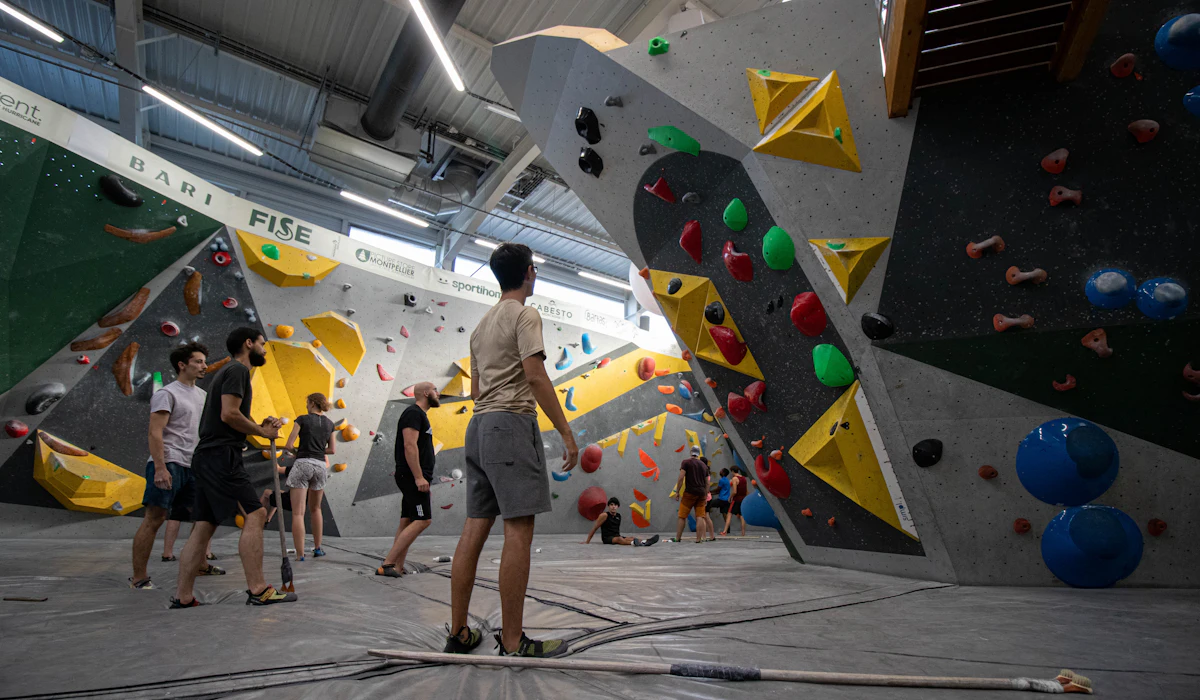
Royal Caribbean’s Voyager of the Seas was the first ship in the line’s fleet to introduce its rock-climbing wall, and the feature has since become a signature activity across the fleet. Royal Caribbean currently lists rock climbing as a complimentary activity, with a minimum age of 6 on its general activity page.
Routes range from beginner to challenging, and climbers can enjoy views of the ocean from the top. Many passengers never try it, assuming it costs extra.
Reservations generally are not required, although hours and operating conditions vary by ship. Reaching the top of a wall at sea is a memorable accomplishment.
Required safety equipment is provided, with clothing and footwear rules varying by ship.
Ice Skating Sessions
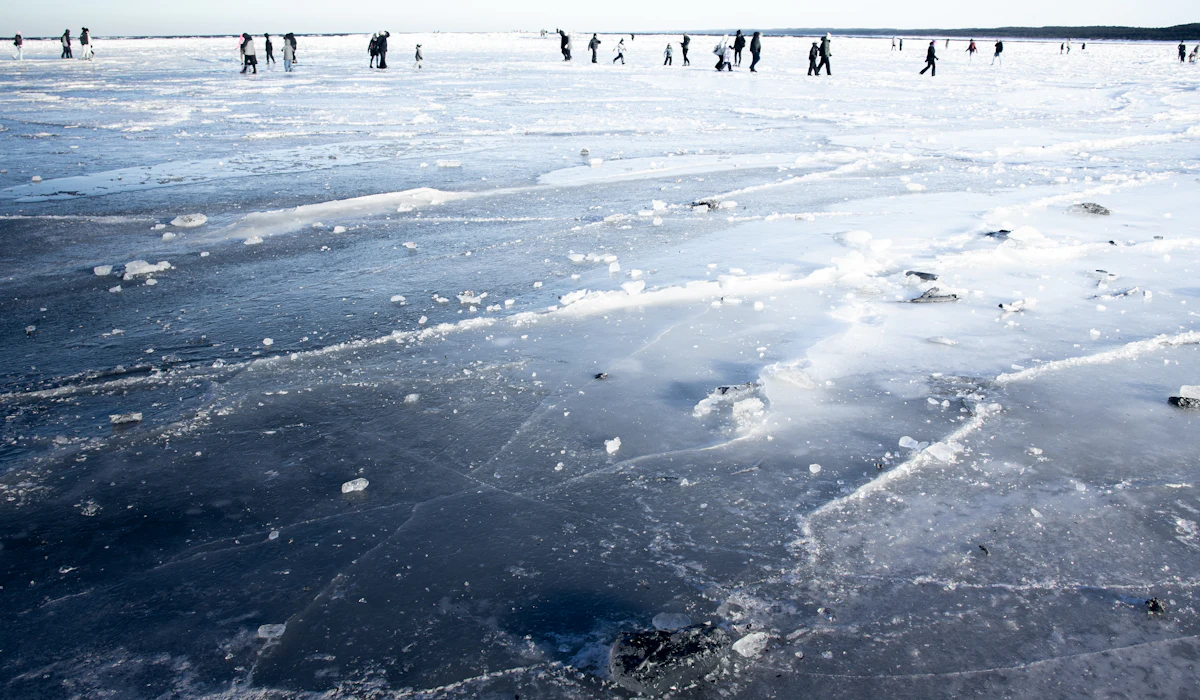
Royal Caribbean’s Voyager-class and Oasis-class vessels, among others, have ice rinks used for professional shows and open skating sessions. Open skating is complimentary, and skates are provided onboard.
Skating at sea is a novelty that many passengers do not expect. Sessions may be limited in time and capacity, so checking the schedule helps.
Families especially enjoy the experience. Gliding across the ice while the ship cruises through the Caribbean is a memorable contrast.
The rink also becomes a stage for professional ice shows, which are separate from open-skating sessions and may have their own reservation procedures.
Ropes Courses on Carnival
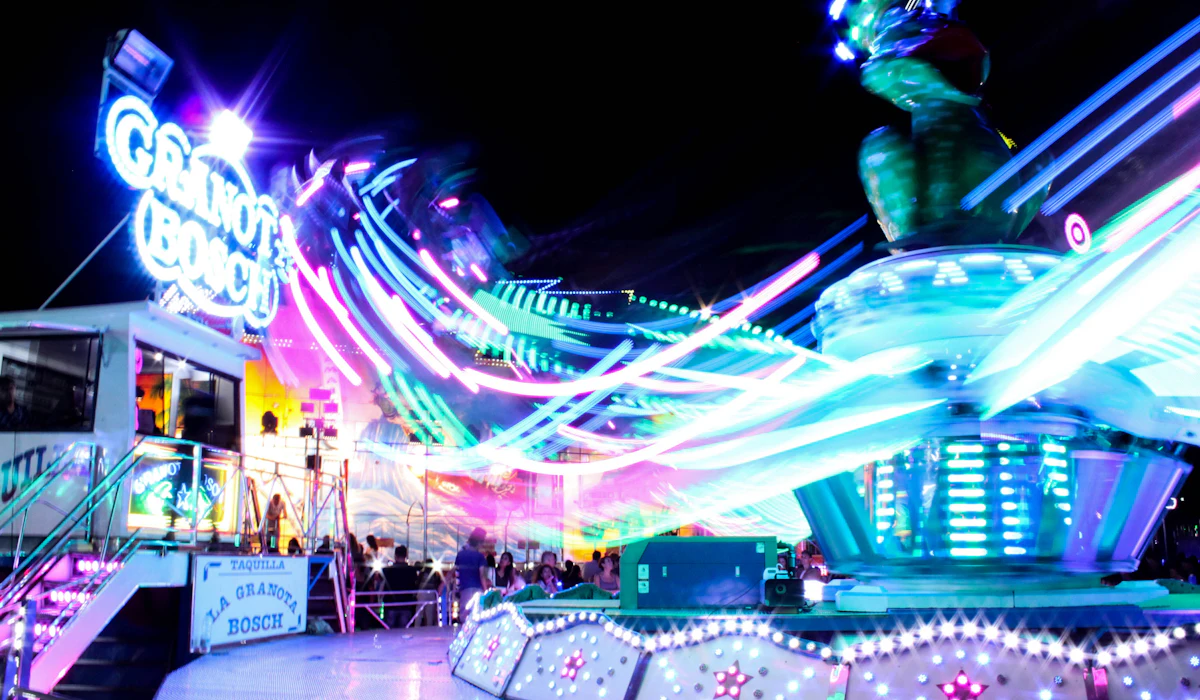
Many Carnival ships feature SkyCourse ropes courses on upper decks, with suspended walkways, balance beams and planks overlooking the ocean. Participation is free, and harnesses keep guests secure.
The course appeals to adventurous passengers and families with older children. Views from the top deck are spectacular.
Lines are typically shortest early in the day. The ropes course offers a thrill that does not show up on the bill.
Carnival currently lists a minimum height of 52 inches and a maximum height of 77 inches, with a 300-pound weight limit. Closed-toe athletic shoes and appropriate clothing are required.
Windy conditions can also close the course temporarily.
Jigsaw Puzzle Tables
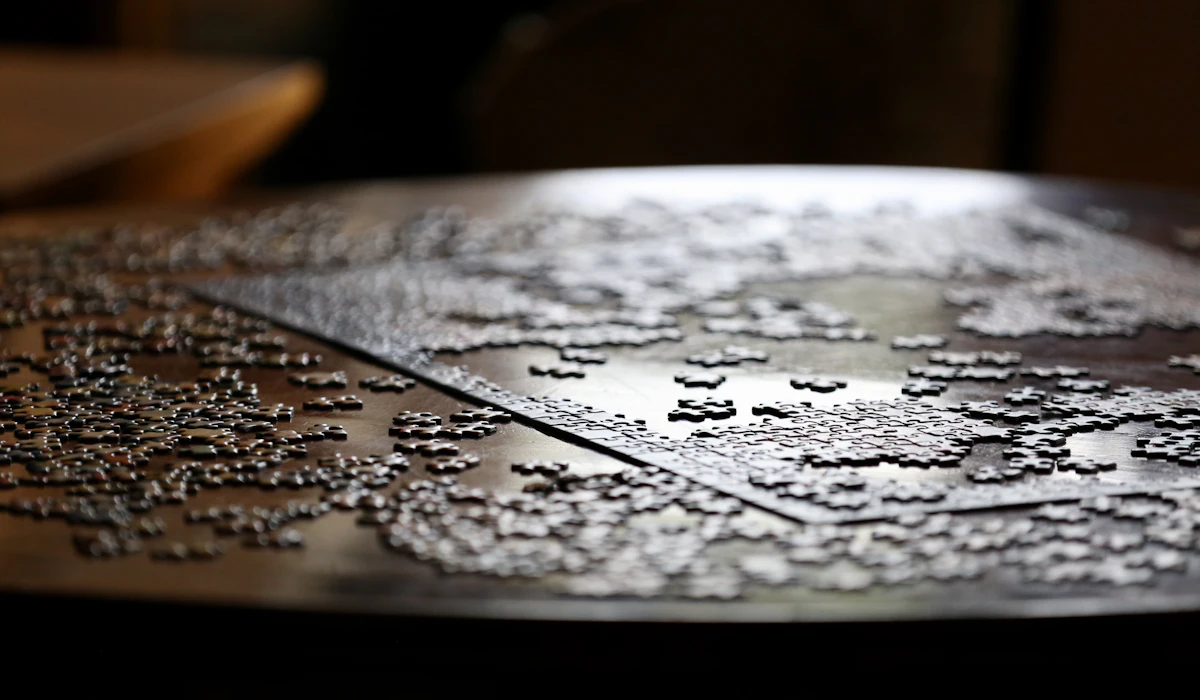
Large jigsaw puzzles sit on tables in lounges or libraries on some ships, where passengers can contribute pieces whenever they pass by. Holland America and other lines are known for these communal puzzles.
Strangers often gather around the tables and chat while working. Puzzles tend to become informal social hubs over the course of a voyage.
Finishing a large puzzle by the last day gives participants a shared sense of accomplishment. It is a relaxing activity for quiet afternoons.
Missing pieces become a running joke among regulars.
Card Rooms and Board Games
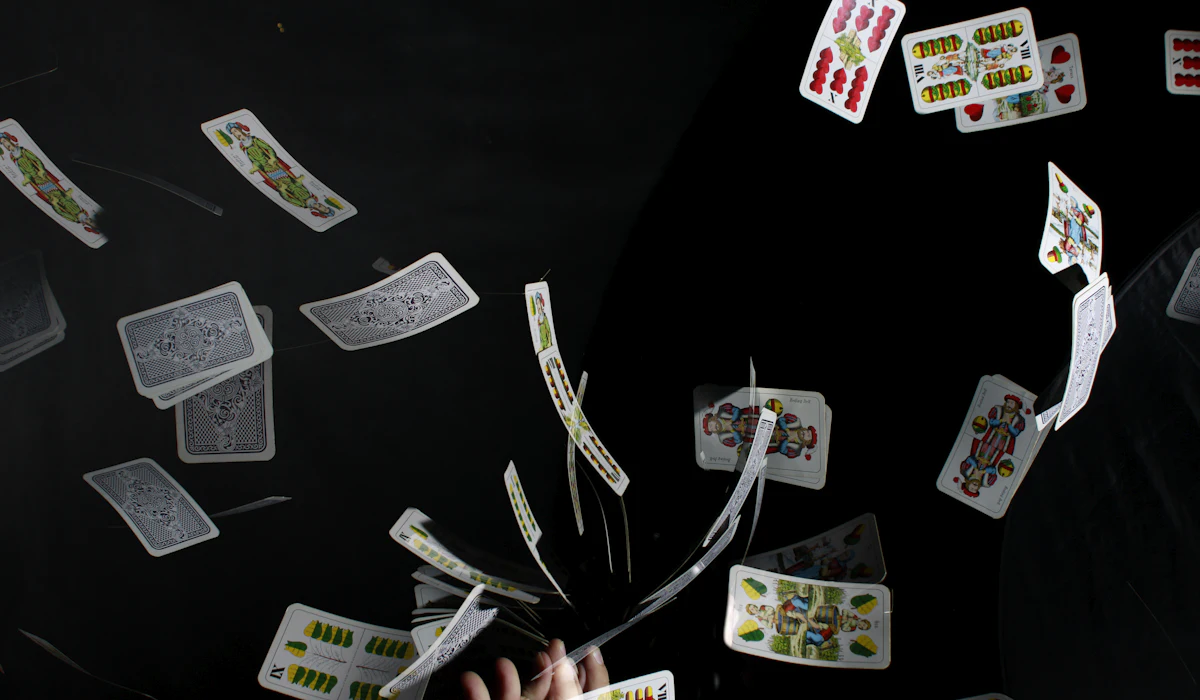
Card rooms and game lounges, found on many ships, come stocked with board games, playing cards and dominoes. These spaces are often quiet and underused.
Passengers can bring their own games or borrow what is available. Bridge players sometimes organize sessions, and some lines host bridge instructors on longer voyages.
Families and groups appreciate a place to play together. Game rooms provide a calm alternative to busy pool decks.
Some passengers bring their own decks, while others borrow games from the activities staff. Tables near windows make the room especially pleasant during rain showers.
The quiet setting suits travelers who want conversation rather than loud music.
Karaoke Nights

Karaoke is a staple of evening entertainment on many ships, with sessions held in lounges or bars. Participation is free, though drinks cost extra unless covered by a package.
Passengers sing everything from classic rock to current hits. Some ships hold karaoke competitions with finals later in the voyage.
Even those who do not sing enjoy watching. Karaoke nights can become surprisingly lively and entertaining.
Hosts usually keep a binder or tablet of available songs, and sign-up lists fill quickly on popular nights. Duets and group numbers lower the stage fright for nervous singers.
Some lines also offer opportunities for karaoke regulars to perform with the ship’s band, depending on the sailing.
Lawn Games on Celebrity’s Real Grass
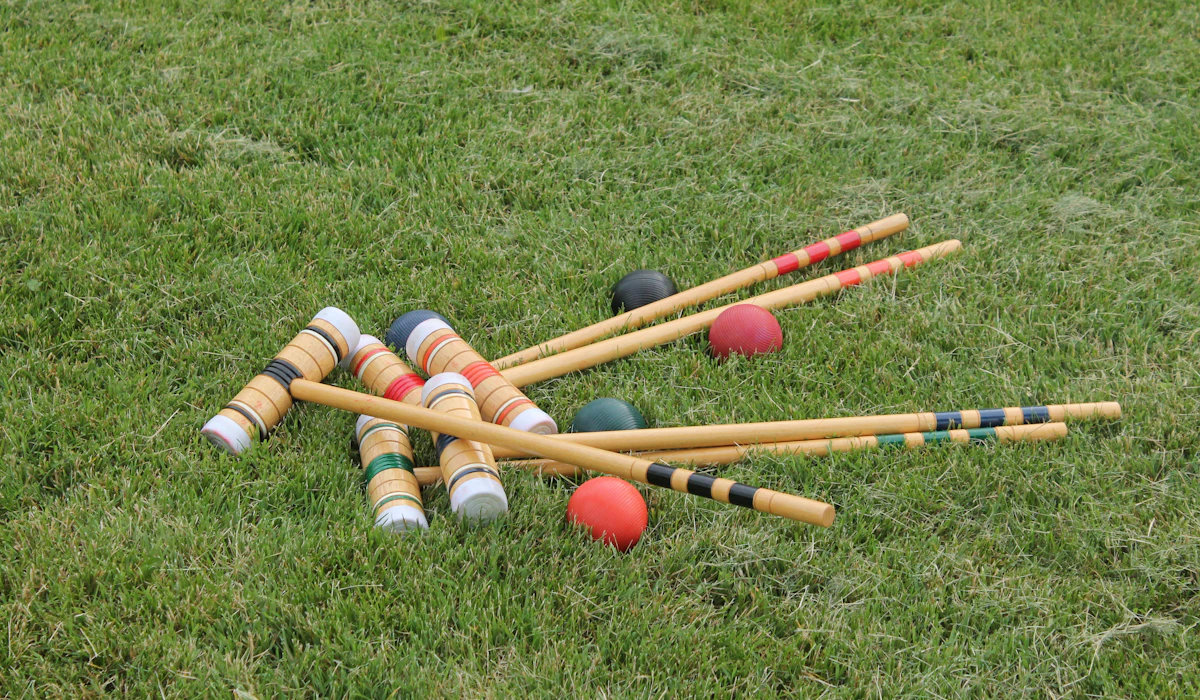
Celebrity’s Solstice-class ships feature the Lawn Club, an area of real grass on the top deck. Passengers can play croquet and other lawn games, relax on the grass or enjoy the views.
Celebrity lists the Lawn Club and its outdoor activities among included experiences, although some events and nearby venues carry a charge. The idea of real grass at sea surprises many first-time passengers.
The space is often quieter than the pool deck. Walking barefoot on grass in the middle of the ocean is a unique experience.
Sunset on the lawn is particularly popular.
Adults-Only Retreats
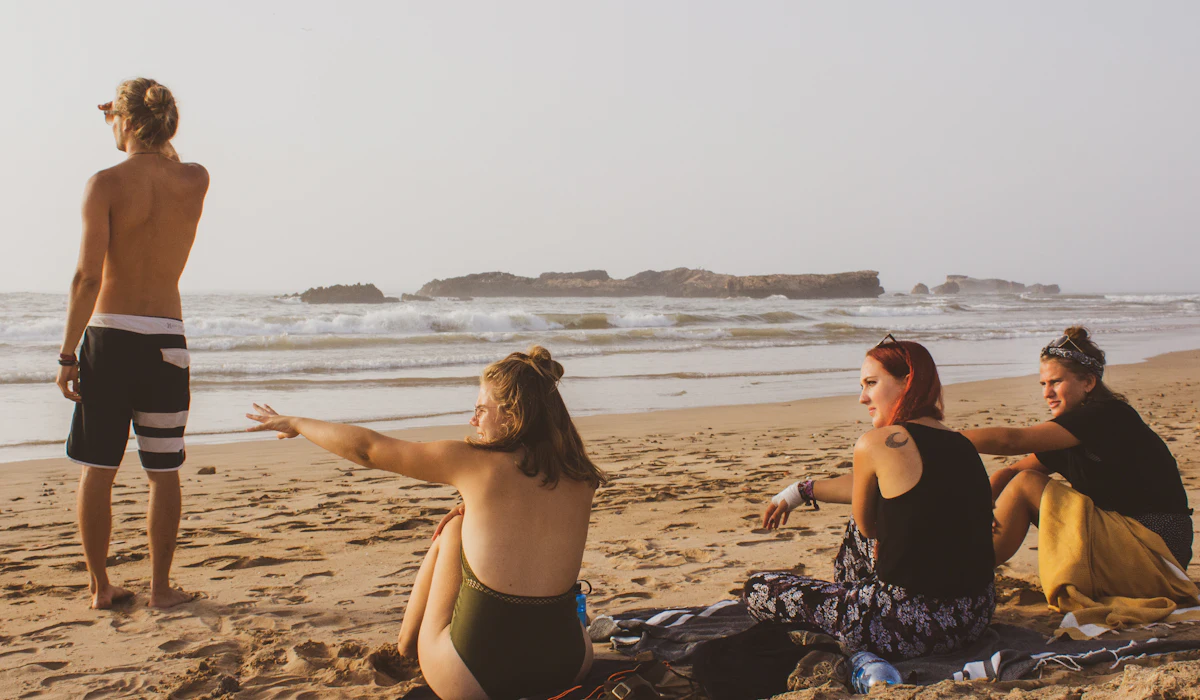
Many lines offer adults-only areas, such as Carnival’s Serenity and Royal Caribbean’s Solarium on many ships. These spaces are free and offer quiet pools, loungers and sometimes hot tubs away from children.
Passengers seeking a peaceful afternoon often find these areas less crowded than the main pool. Some lines charge for premium retreats, but the basic adult areas are included.
Arriving early on sea days helps secure a good lounger. These retreats can feel like a hidden part of the ship.
Age rules vary by cruise line and venue. Royal Caribbean’s Solarium is generally 18+, while other lines and ships can have different minimum ages.
Piano Bars and Live Music
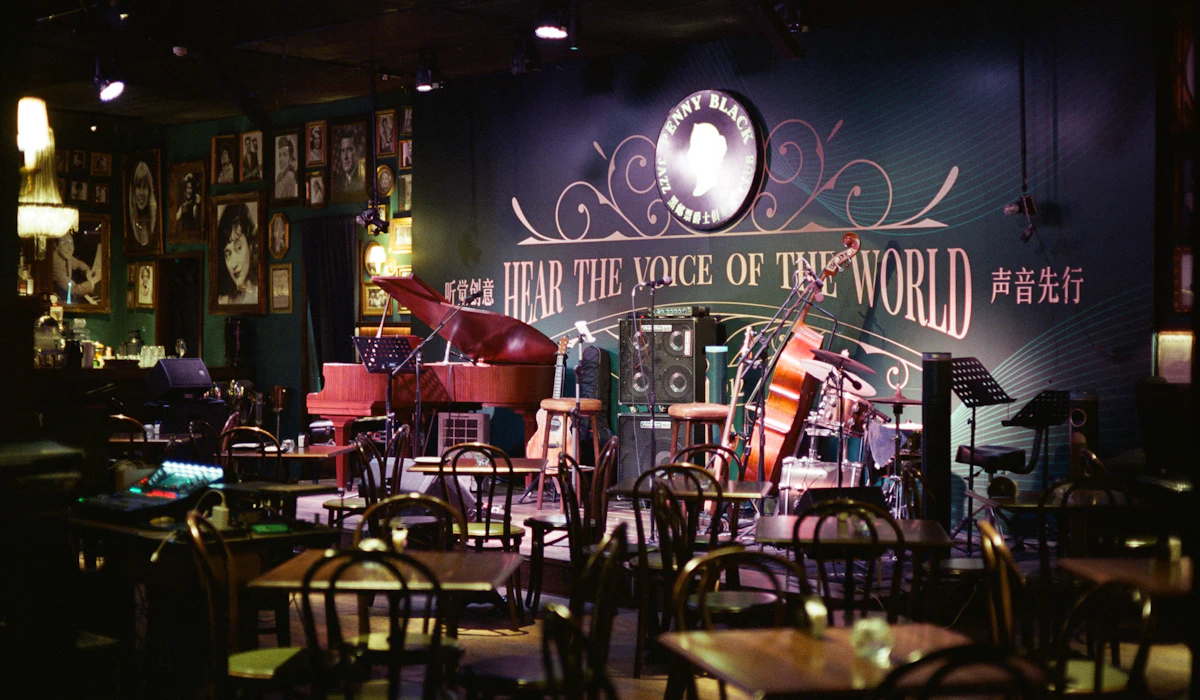
Piano bars and lounges with live music appear on many large ships, from jazz trios to sing-along pianists. Listening is free, though drinks cost extra.
Piano bar performers often take requests and create a lively atmosphere. Smaller lounges may feature acoustic guitarists or string ensembles.
Passengers who stop by often find themselves staying for hours. Live music provides a relaxing alternative to big production shows.
Sing-along nights often become informal gatherings of regulars who return every evening. Performers and schedules vary by ship and sailing, but live music is a common part of included onboard entertainment.
Self-Guided Art Tours

Cruise ships often display extensive art collections, including paintings, sculptures and installations. Some lines provide brochures or app-based guides for self-guided tours.
Holland America ships are known for their art and antique collections. Walking the ship to view the art is free and can reveal hidden corners.
Passengers often discover pieces they walked past for days without noticing. An art tour turns the ship itself into a gallery.
Celebrity and Holland America are among the lines that incorporate substantial art collections and displays into their ships. Beginning at the top deck and working down can make the route easier to follow.
Forward Observation Spots
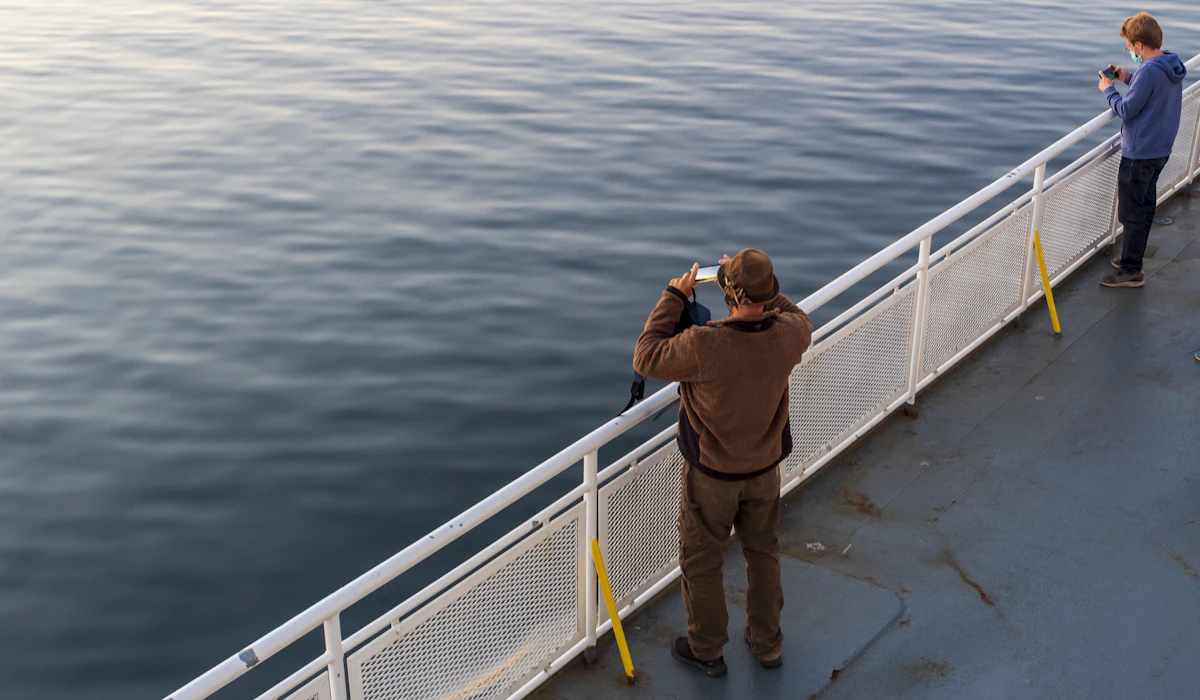
Some ships have forward-facing observation lounges or decks with views ahead of the ship. On certain Royal Caribbean ships, the helipad at the bow opens to passengers on specific days for photos and views.
These areas offer a unique perspective on arrivals and departures. Access may be limited by weather or operational needs.
Checking the daily planner or asking guest services helps passengers find these spots. Standing at the bow as the ship approaches a new port is a memorable experience.
The best observation areas vary by ship, so passengers should check the deck plan and onboard announcements rather than assume the bow is accessible.
Daily Planners Hide the Best Hours
A cruise fare buys far more than most passengers use. The free activities that fill the daily planner are easy to skip because they lack the marketing of a headline show or specialty restaurant.
They also tend to be where passengers meet the most interesting people aboard.
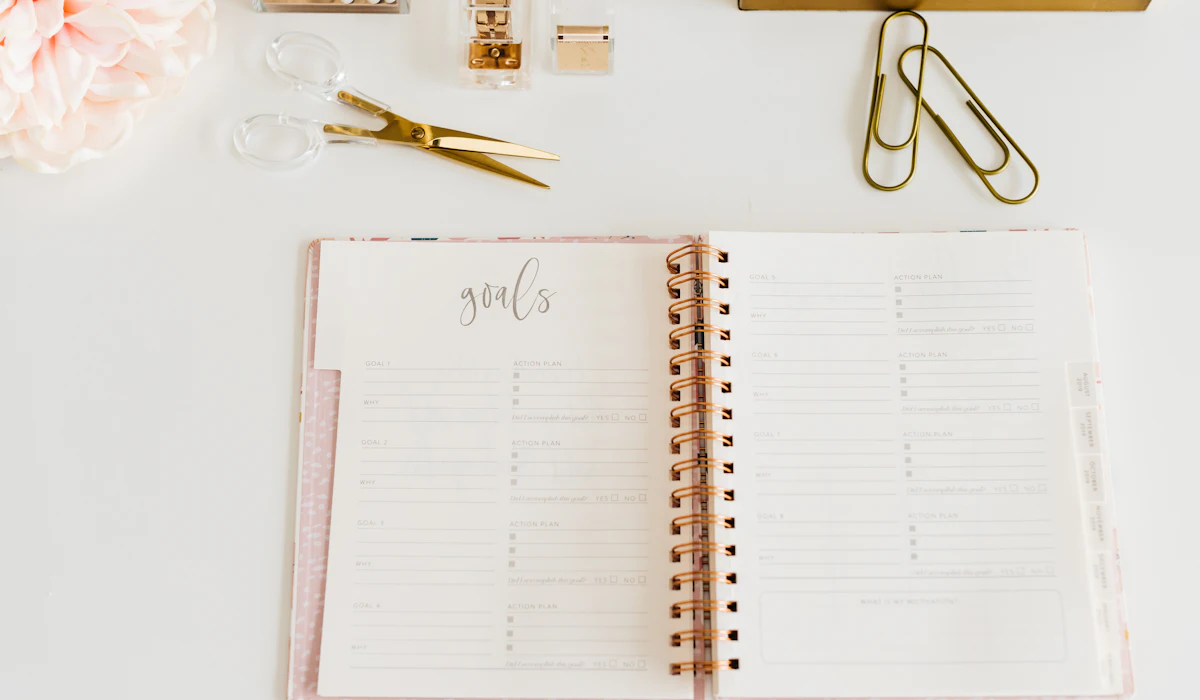
Reading the planner each night takes five minutes. It turns a familiar loop of pool, buffet and bar into a week of small discoveries.
The best moments of a cruise are often the ones nobody advertised.
More from Travel Pug

- Underrated Italian Towns That Beat the Tourist Crowds
- Las Vegas Tourist Traps to Skip
- Prettiest Towns in Every US State
- 18 passport-free countries for Americans
- Signs Your Cruise Is Not Worth The Cost
Like Travel Pug’s content? Follow us on MSN.