

Picture this: you’ve been dreaming about your cruise for months, researching ports and planning excursions, only to discover your cabin sits directly below the midnight deck party zone. Or maybe you scored what seemed like a great deal on an interior room, then spent seven days feeling claustrophobic and disoriented without natural light.
These aren’t minor inconveniences—they’re vacation-defining mistakes that can turn your dream cruise into a floating nightmare. Your cabin becomes your home base for the entire journey, and choosing the wrong one affects everything from your sleep quality to your daily routine.
The cruise lines know this, which is why they’ve mastered the art of making every option sound appealing while burying the crucial details in fine print. But armed with the right knowledge, you can avoid the most common pitfalls that catch even experienced travelers off guard.
Booking the Cheapest Cabin Without Reading the Location Details
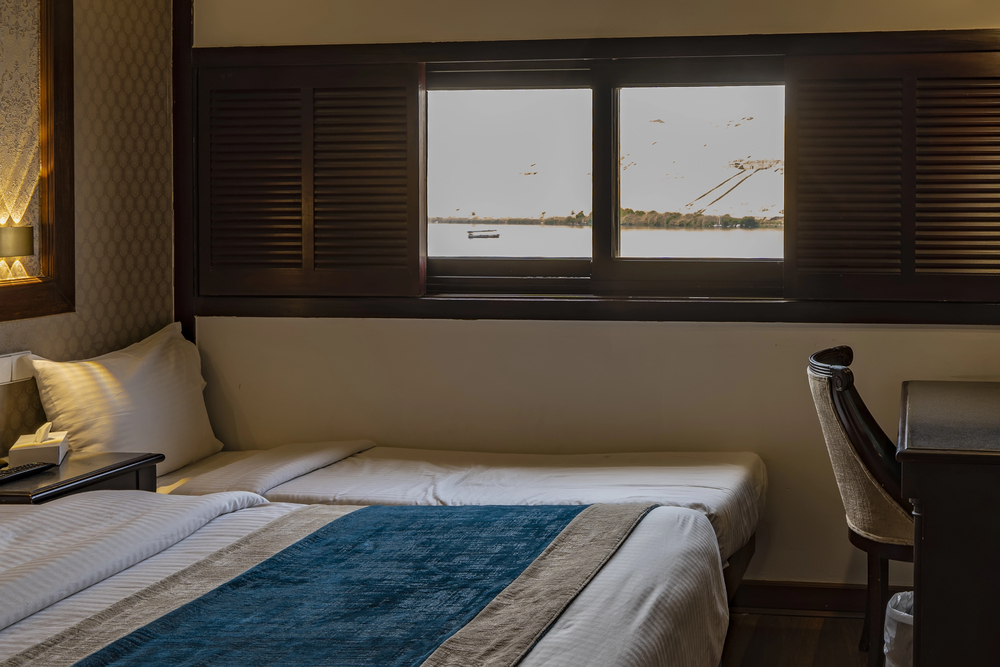
The rock-bottom price looks tempting until you realize why it’s so cheap. That interior cabin might sit directly above the engine room or next to the crew quarters where maintenance starts at 5 AM.
Choosing an Obstructed Balcony Without Understanding What’s Blocked

Cruise lines love the phrase “partially obstructed view” because it sounds minor. Your balcony might have a lifeboat hanging right in front of it or a massive support beam cutting your ocean view in half.
Some obstructed balconies face nothing but the ship’s superstructure—basically a very expensive closet with fresh air.
Picking a Cabin Directly Under High-Traffic Areas
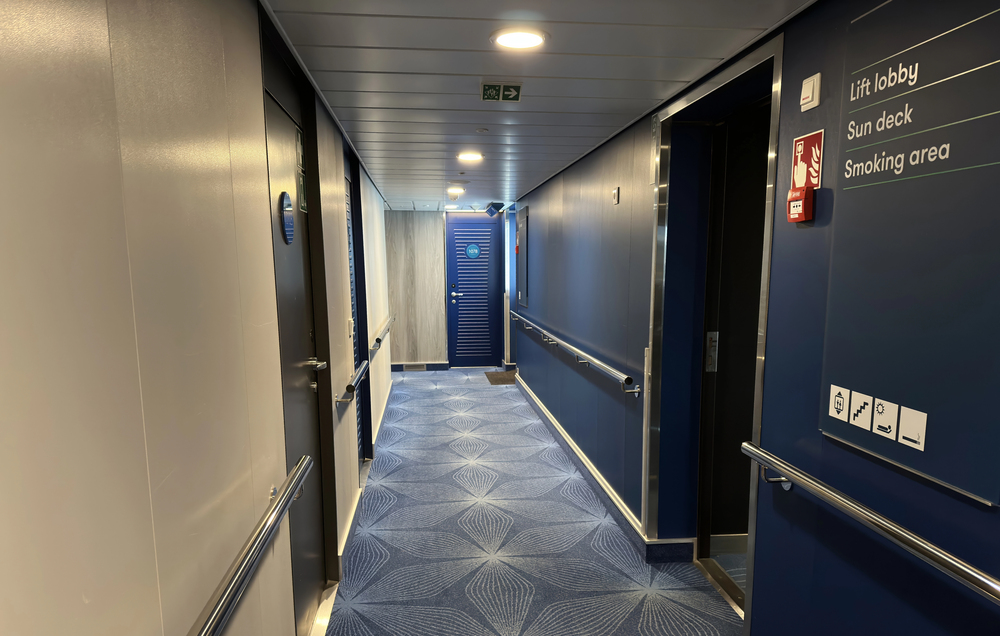
The beauty of cruise ships (and their curse, depending on where you sleep) lies in how they pack entertainment into every available space, which means someone’s paradise sits right above someone else’s pillow. The Pool Deck transforms into a carnival after dark—deck chairs scraping across the floor, live music pounding until midnight, and the occasional dropped drink bottle rolling around like a marble in a tin can.
And cruise passengers, it turns out, have not mastered the art of quiet footsteps, especially after visiting the bars that conveniently line these same entertainment zones. So when you see that affordable cabin positioned right underneath all the fun, remember that the fun doesn’t stop just because you want to sleep, and sound insulation on ships remains more theoretical than practical.
Selecting a Cabin Near the Elevators or Stairs
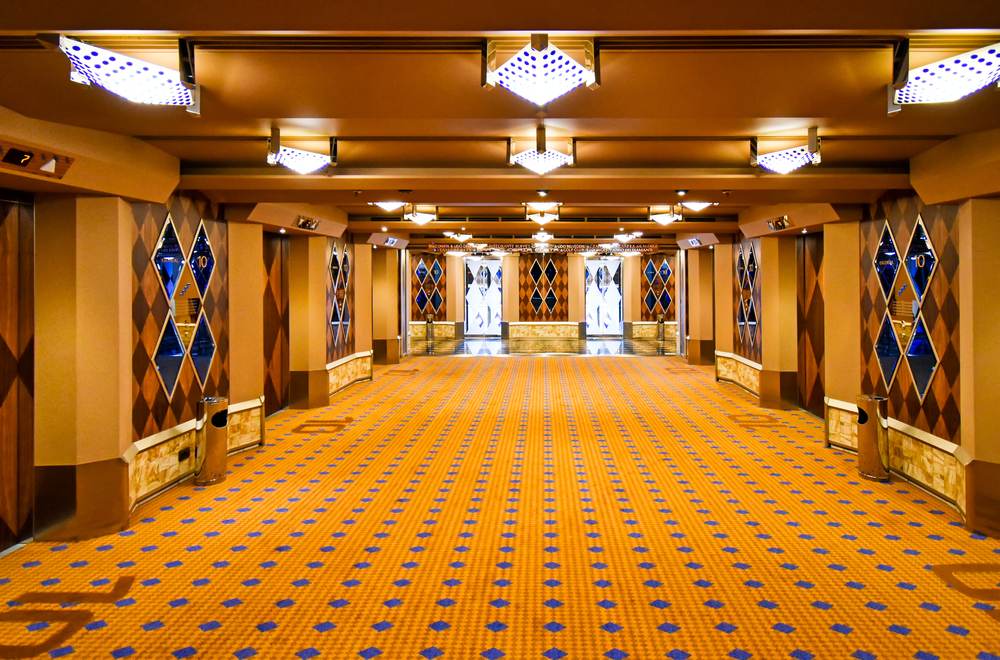
Elevators create constant noise—the mechanical humming, the ding of arrivals, and passengers talking while they wait. Stairs are worse because people use them at all hours, often loudly.
Ignoring Cabin Categories and Assuming All Balconies Are Equal
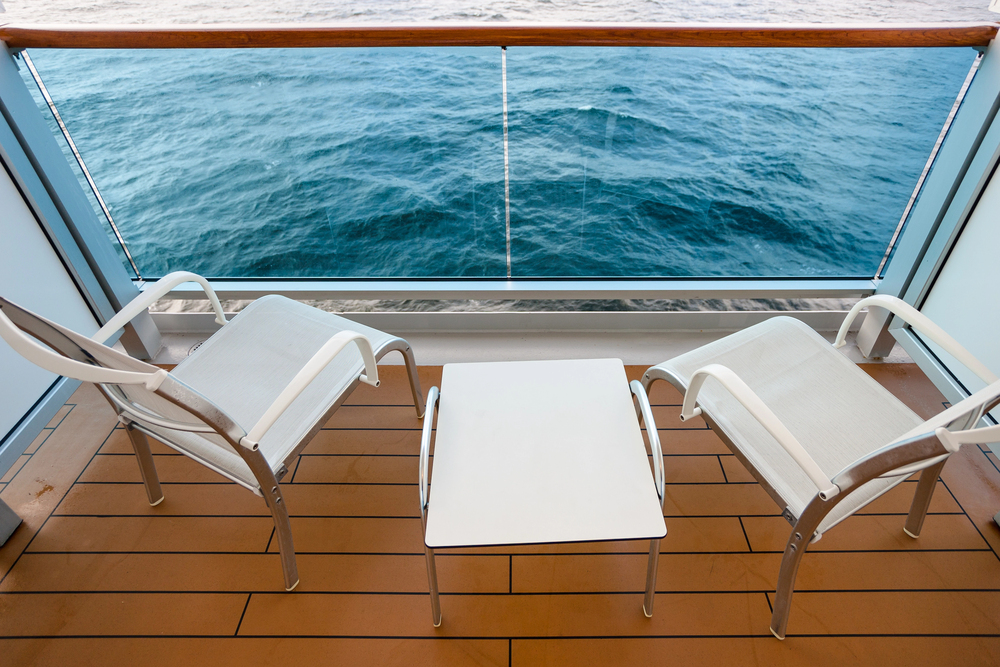
Not all balconies offer the same experience. Some face other ships when docked, others look directly at the promenade below where crowds gather, and a few have private hot tubs or extended space that makes the upgrade worthwhile.
Booking Forward Cabins Without Considering Motion Sensitivity
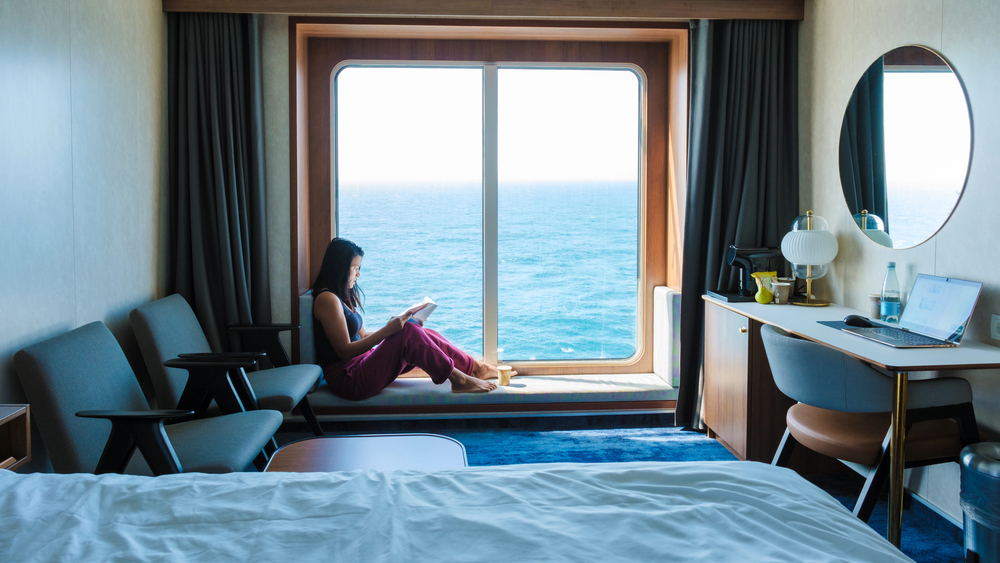
The front of the ship moves more than anywhere else. If you’re prone to motion sensitivity, a forward cabin turns every gentle wave into a noticeable rocking motion that can make sleeping difficult and daily activities unpleasant.
Choosing the Wrong Deck for Your Priorities
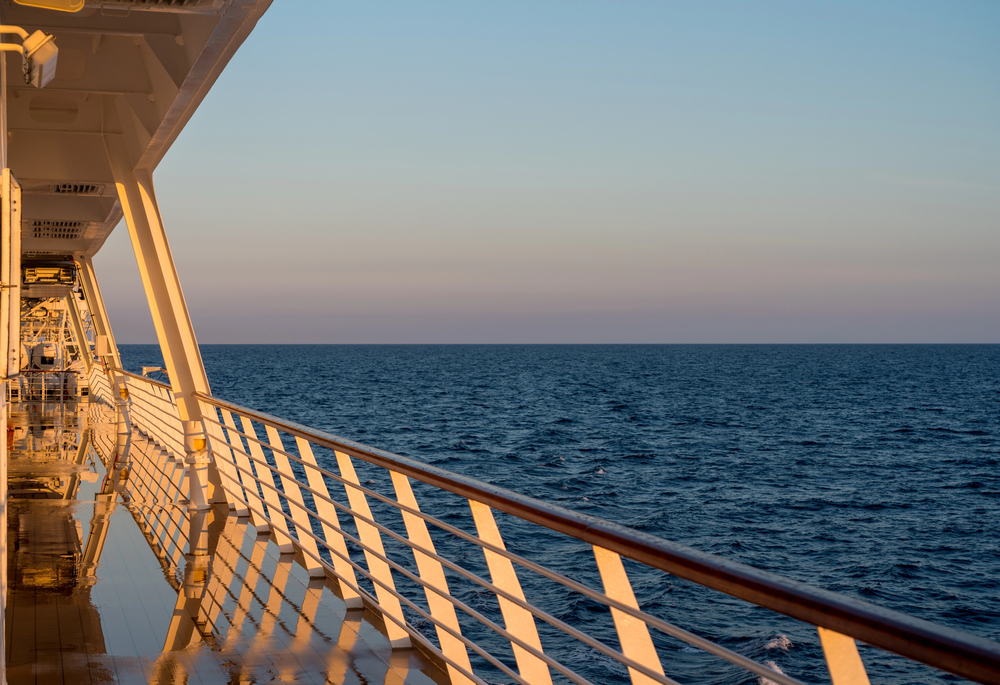
Each deck serves different needs (and tolerance levels for chaos), but ships don’t exactly advertise which ones transform into pedestrian highways or late-night gathering spots. The Promenade Deck often becomes the ship’s main thoroughfare, where passengers walk laps for exercise starting around dawn and continuing past sunset—which sounds peaceful until you realize that some people treat their morning constitution like a competitive sport, complete with loud conversations and power-walking sessions that echo through the corridors.
Meanwhile, decks near the main dining rooms turn into congested zones three times a day, with families herding children and groups trying to coordinate dinner plans right outside cabin doors. And the decks adjacent to pools and bars? They inherit all the spillover noise from deck parties, late-night karaoke sessions, and the kind of enthusiastic conversations that happen when people are having the time of their lives—just not necessarily when you want to have a quiet evening.
Selecting Cabins on Decks 1 or 2 Without Understanding the Limitations
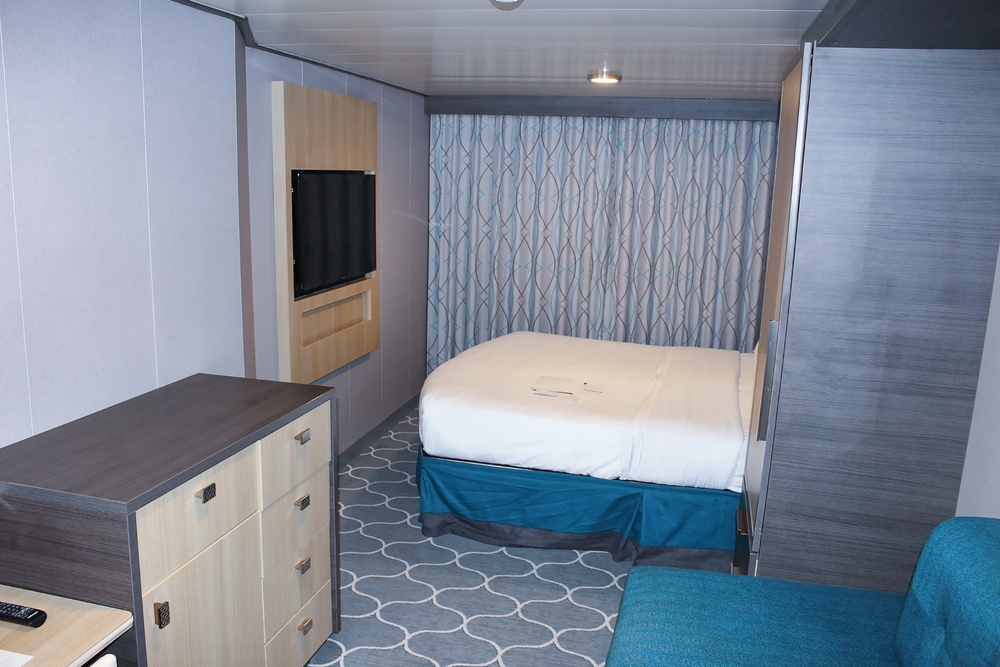
Lower decks often have smaller portholes or no windows at all. They’re also closer to crew areas and mechanical spaces, which means more operational noise throughout the day and night.
Booking Connecting Rooms Without Considering Noise Transfer
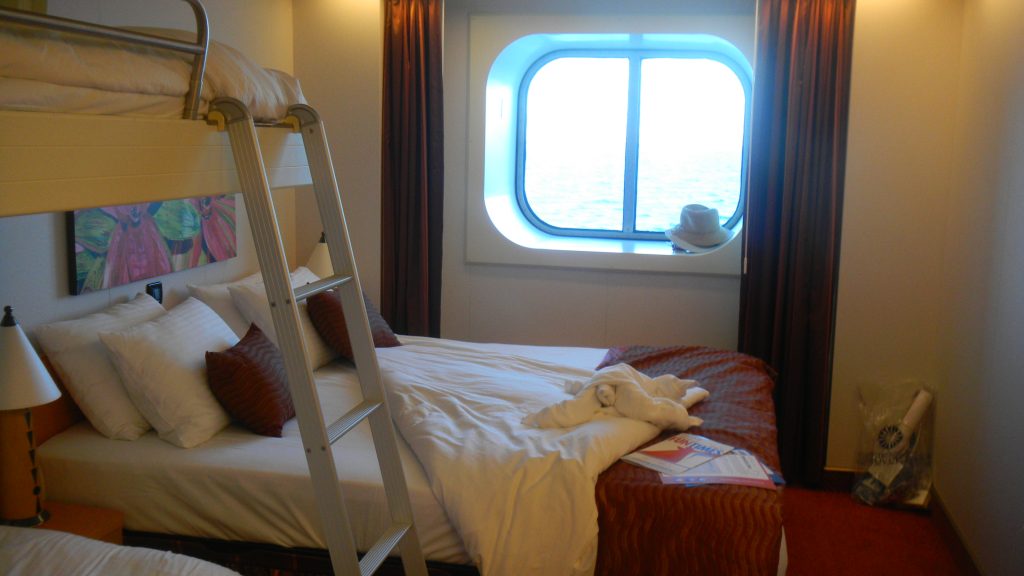
Connecting rooms share more than a door—they share thin walls. Families with different sleep schedules, crying babies, or just naturally loud conversations become your unwelcome roommates for the entire cruise.
Choosing an Interior Cabin for a Long Cruise
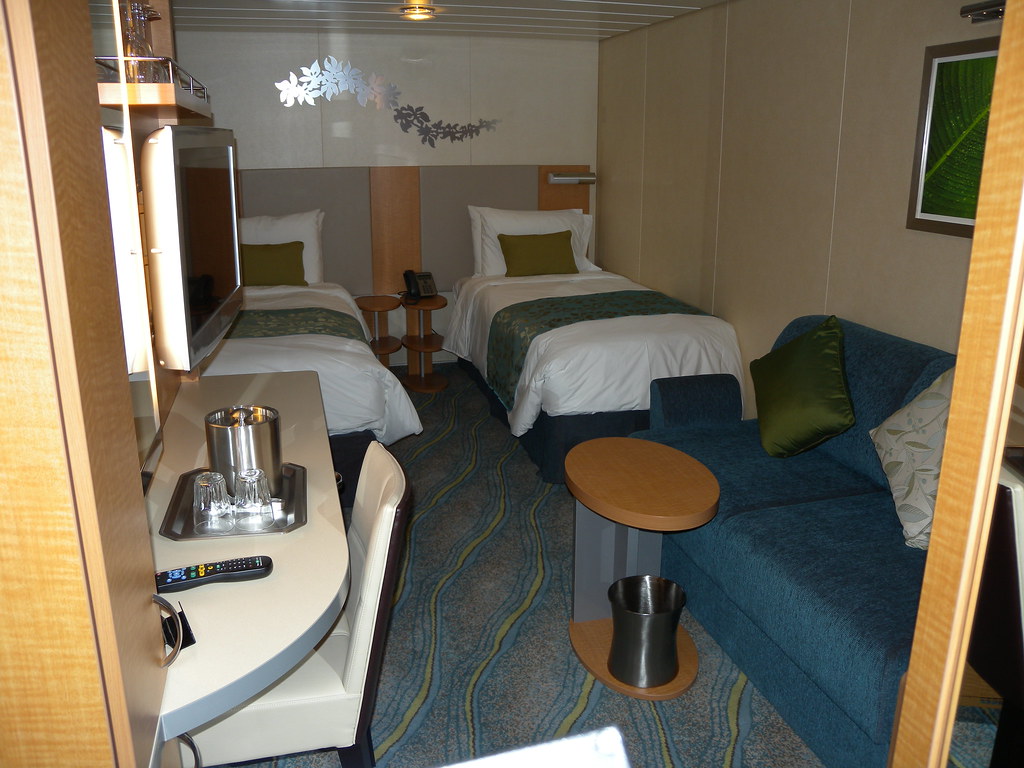
Seven days without natural light affects more people than they realize (and ships, despite their abundance of artificial lighting, never quite replicate the real thing). Interior cabins plunge you into a perpetual twilight that makes distinguishing between morning and evening nearly impossible—your body clock doesn’t adjust to cruise schedules, it just gets confused.
By day three, that disorientation starts affecting everything: when you feel hungry, when you naturally get tired, even your mood throughout the day. Some people adapt, but many find themselves either sleeping too much or not enough, and the ship’s bright corridor lighting every time you leave your cabin creates a jarring contrast that never stops feeling artificial.
For cruises longer than five days, the lack of natural light becomes less of a minor inconvenience and more of a psychological weight you carry around the ship.
Picking Cabins at the Very Back Without Considering Propeller Noise and Vibration
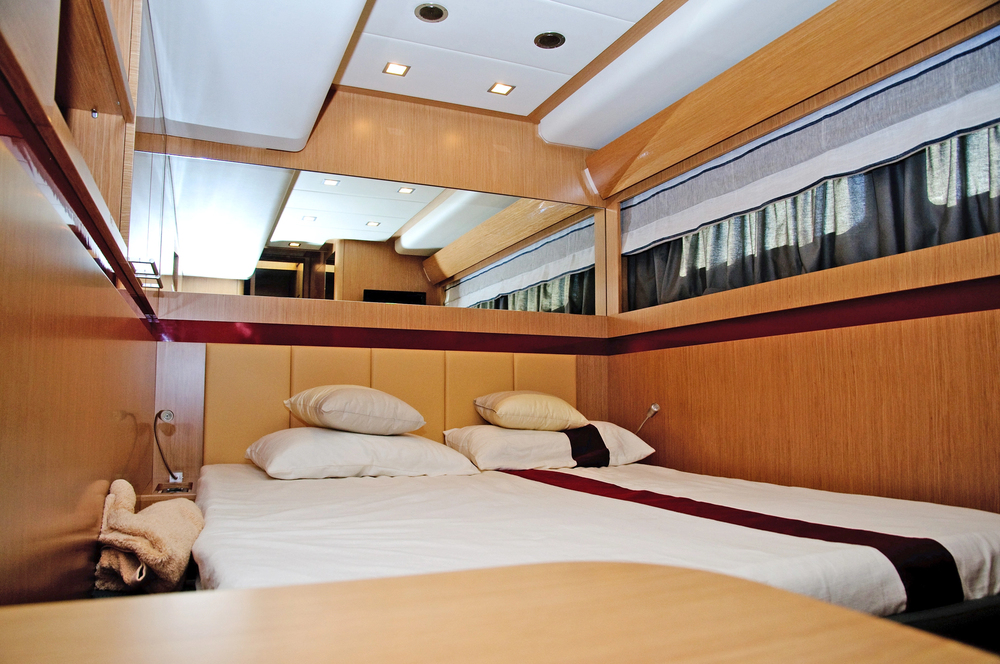
Aft cabins offer great views but sit directly above the ship’s propulsion system. The constant vibration and low-frequency humming can be surprisingly disruptive, especially for light sleepers.
Assuming Suites Are Always Worth the Extra Cost
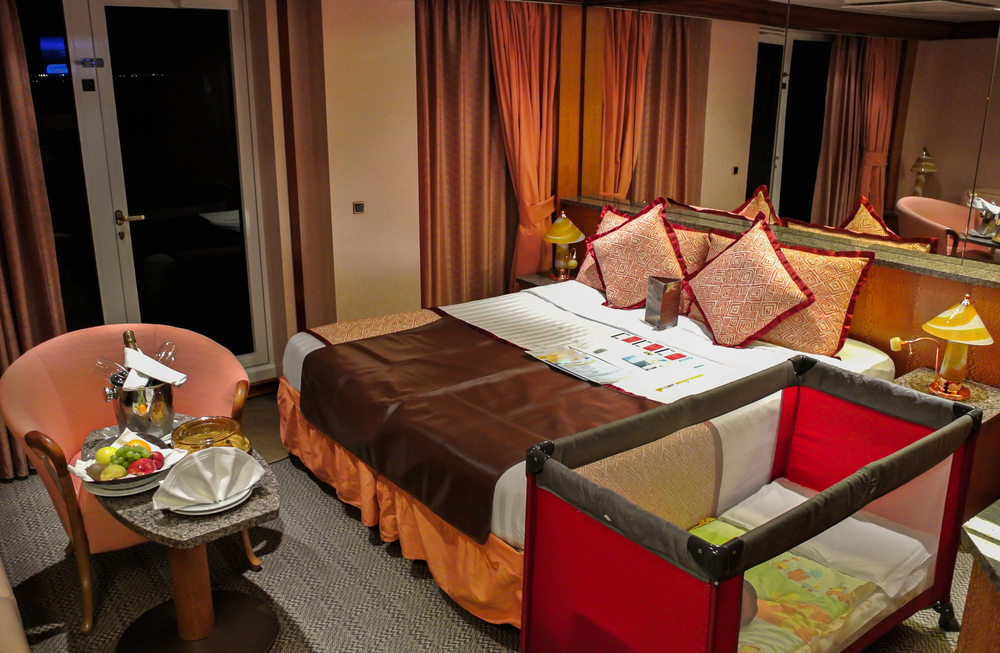
Suites vary dramatically in value and location. Some offer genuinely enhanced experiences with priority boarding and exclusive areas, while others just provide extra space in problematic locations that aren’t worth the premium price.
Choosing Cabins Near Kids’ Areas Without Wanting to Be Around Children
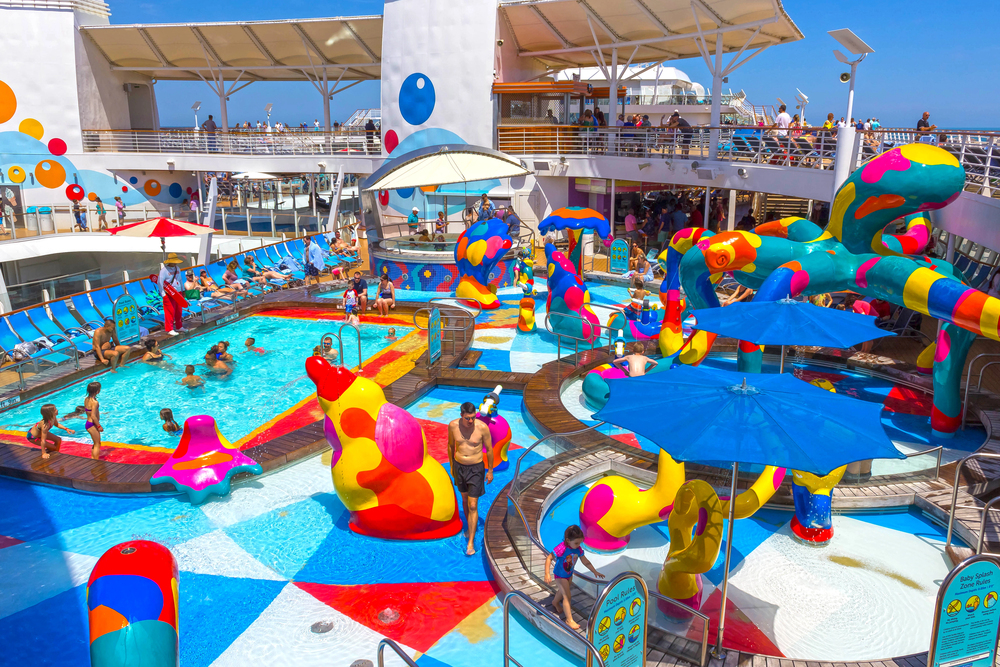
The kids’ clubs, pools, and activity areas generate noise that extends beyond their boundaries. Families also congregate in nearby corridors and elevators, creating constant foot traffic and voices throughout the day.
Booking Odd-Numbered Cabins Without Checking Which Side of the Ship They’re On
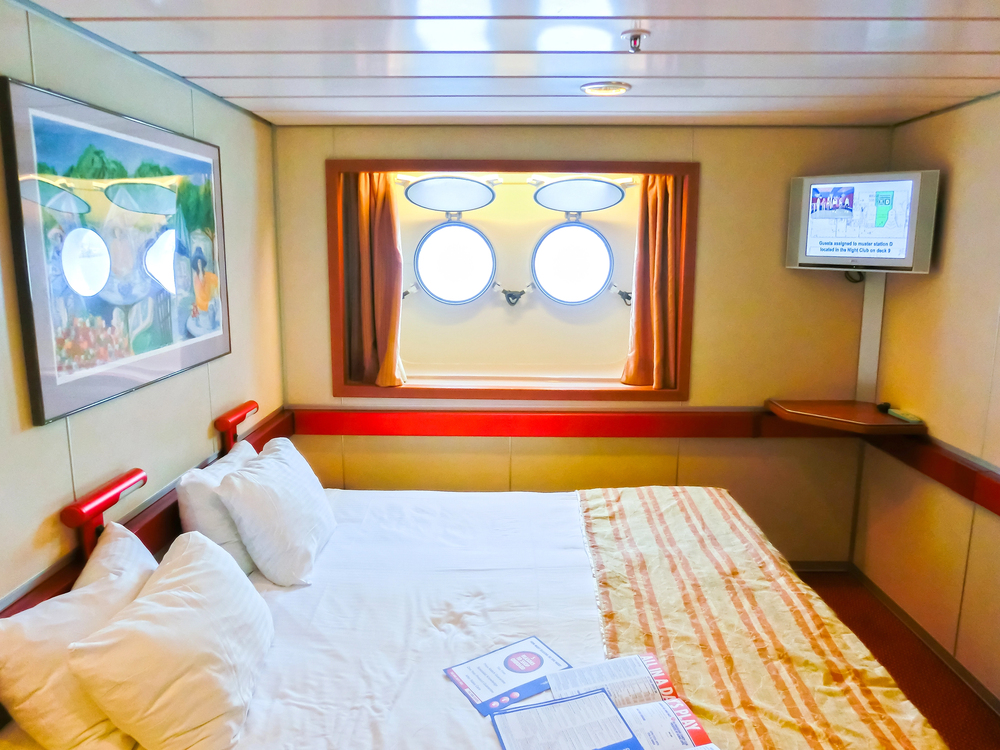
Ships typically number cabins with odd numbers on one side and even numbers on the other. Depending on your itinerary, one side might offer better port views while the other faces open ocean or less interesting scenery.
Selecting Cabins Without Researching the Specific Ship’s Layout

Every ship is different, and what works on one vessel creates problems on another (because cruise lines, despite their best efforts to standardize experiences, cannot standardize physics or architecture). A cabin category that offers quiet comfort on an older, smaller ship might sit directly underneath the rock-climbing wall and mini-golf course on a newer mega-ship where designers prioritized maximizing entertainment space over passenger sleep patterns.
The same deck number means completely different things depending on whether you’re sailing on a ship with twelve decks or one with eighteen—suddenly your “mid-ship” cabin sits much lower than expected, with limited natural light and a view of lifeboats instead of horizons. And cabin sizes vary wildly not just between cruise lines but between ships within the same fleet, so that “ocean view” room you booked based on previous experience might be significantly smaller or configured differently than what you remember.
Each ship represents years of design evolution, regulatory changes, and lessons learned from previous vessels—which means your homework needs to be ship-specific, not just cruise-line-general.
Choosing Extended Balconies Without Understanding the Layout
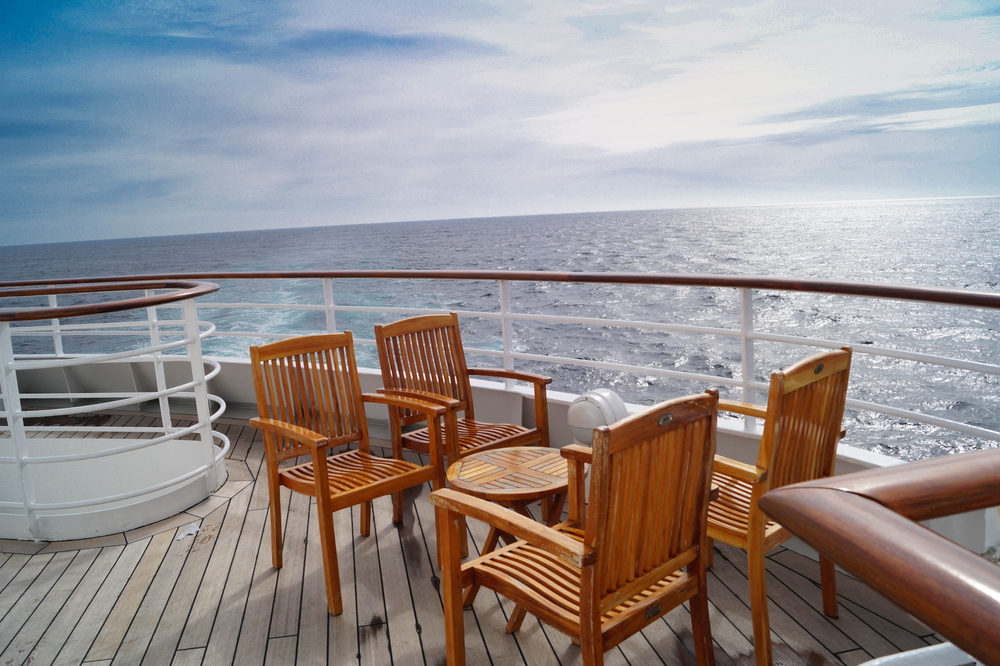
Extended balconies sound luxurious but sometimes extend into areas where other passengers walk by or where ship operations create noise and activity throughout the day.
Booking Cabins on Tender Ports’ Opposite Side Without Considering Convenience
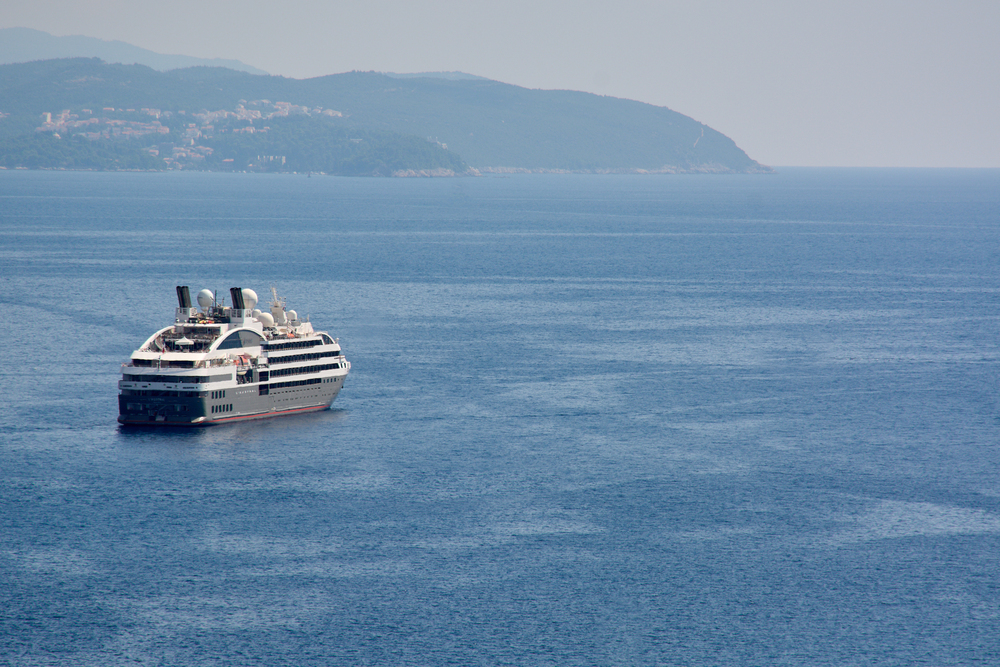
When ships anchor offshore and use tender boats to reach ports, cabins on the tender side offer easier access and better views of the tendering process. The opposite side faces open water and requires longer walks to the tender boarding area.
Selecting Cabins Near Specialty Restaurants Without Considering Foot Traffic
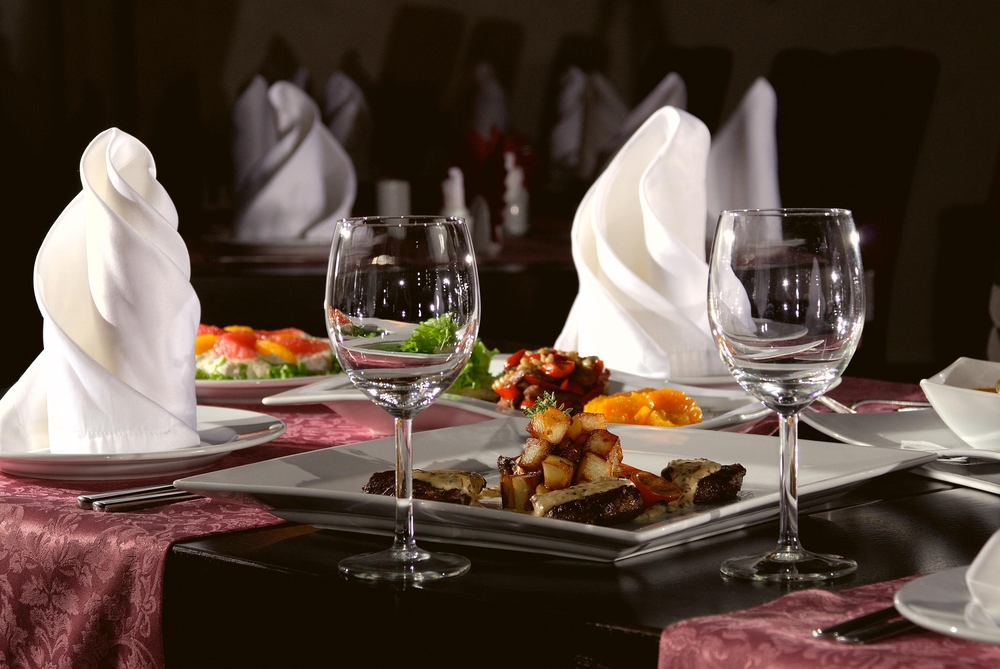
Specialty dining venues create their own traffic patterns and noise, especially during busy dinner hours when staff move equipment and guests gather in corridors waiting for tables.
Choosing Cabins With Bathtubs If You’re Tall or Prefer Showers
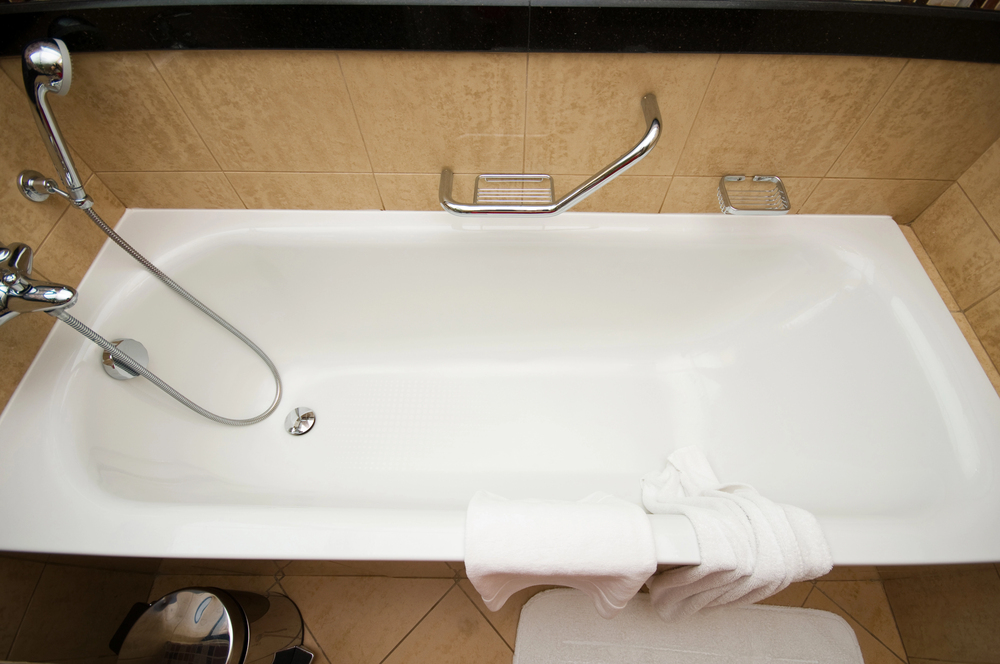
Cruise ship bathtubs are notoriously small and uncomfortable for most adults. If you’re counting on relaxing baths during your cruise, you’ll likely be disappointed by the cramped quarters and shallow tubs.
Booking Guarantees Without Understanding the Risks

Guarantee cabins save money but surrender control over your specific location. The cruise line assigns whatever’s available, which often means the cabins other passengers specifically avoid—near elevators, under loud areas, or in less desirable locations.
Selecting Cabins During Ship Repositioning Without Considering Changed Routes
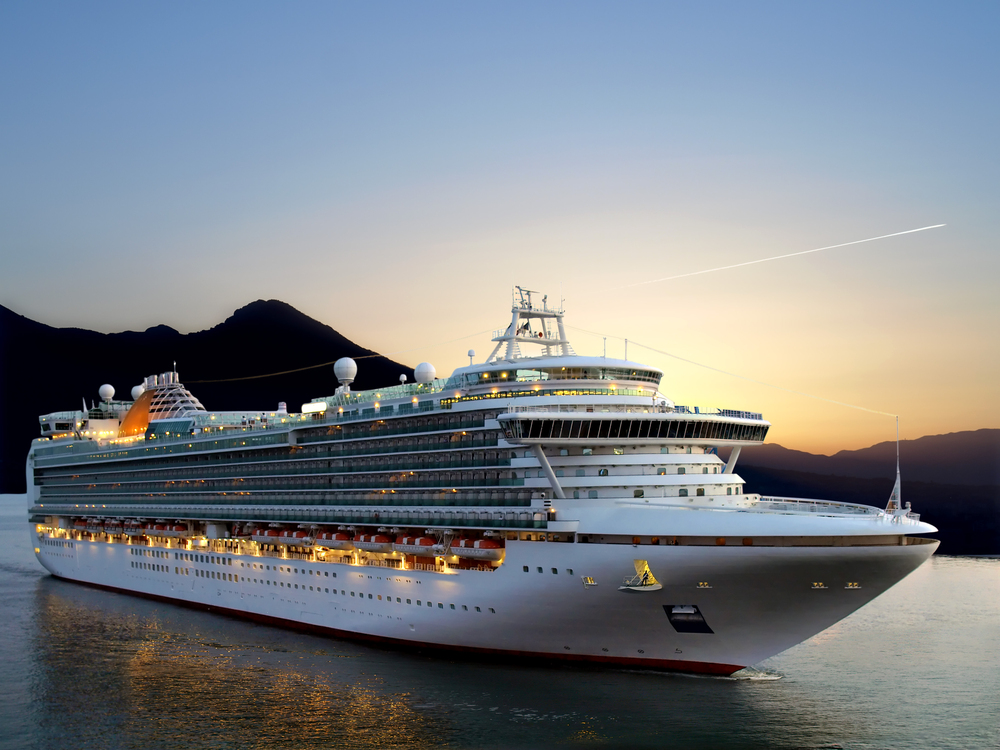
Repositioning cruises follow different routes than regular itineraries, which means the cabin location that worked perfectly for Caribbean ports might face the wrong direction or encounter different weather patterns on a transatlantic crossing.
Choosing Single Occupancy Cabins Without Understanding the Surcharge Structure
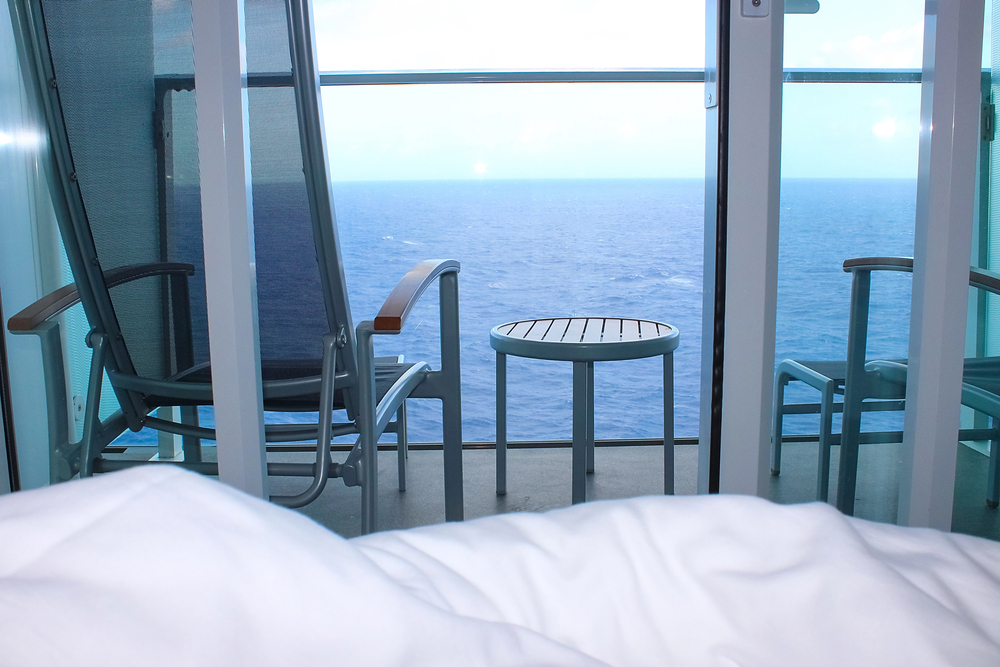
Single occupancy often costs nearly double the per-person rate of shared occupancy (because cruise economics assume two people splitting cabin costs, and solo travelers disrupt that assumption). This means single occupancy often combines the worst aspects of cruise cabin selection: paying premium prices for below-average locations.
Some cruise lines offer genuinely designed single cabins, but these remain rare and book quickly because they represent the only reasonable option for solo travelers who want both fair pricing and decent cabin placement.
Picking Cabins Near Medical Centers Without Considering Emergency Activity

Medical centers operate 24 hours and handle everything from minor seasickness to serious emergencies. Nearby cabins experience irregular foot traffic, medical equipment sounds, and occasional emergency response activity.
Selecting Cabins on Decks With Outdoor Walking Tracks
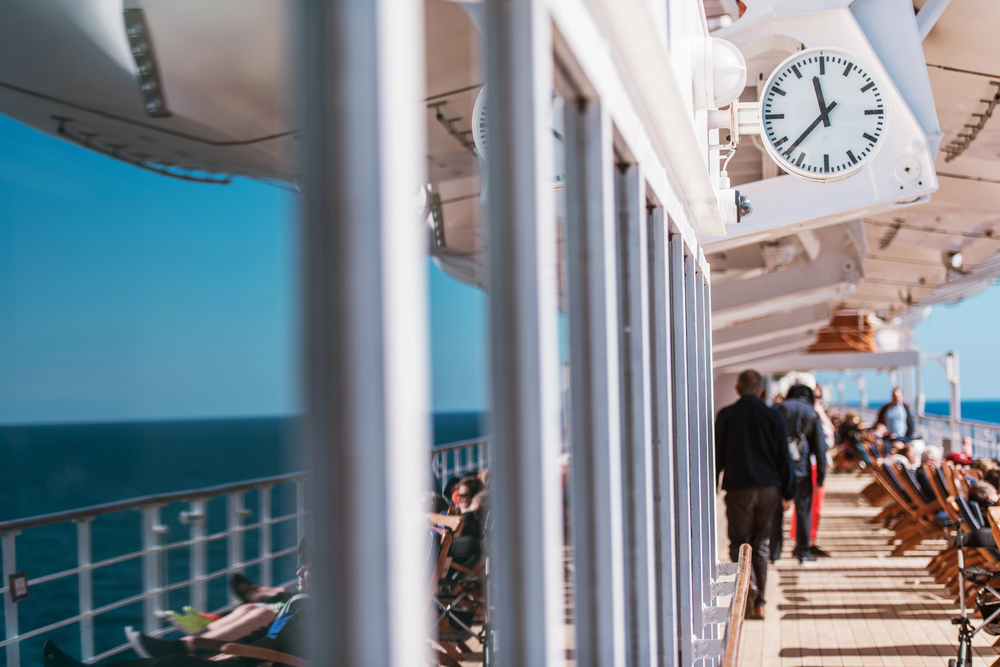
Fitness enthusiasts start their walking routines early and continue late. The repetitive footsteps above your head, combined with conversations between walking partners, create constant low-level noise throughout the day.
Booking Cabins Near Laundry Rooms Without Considering Operational Hours
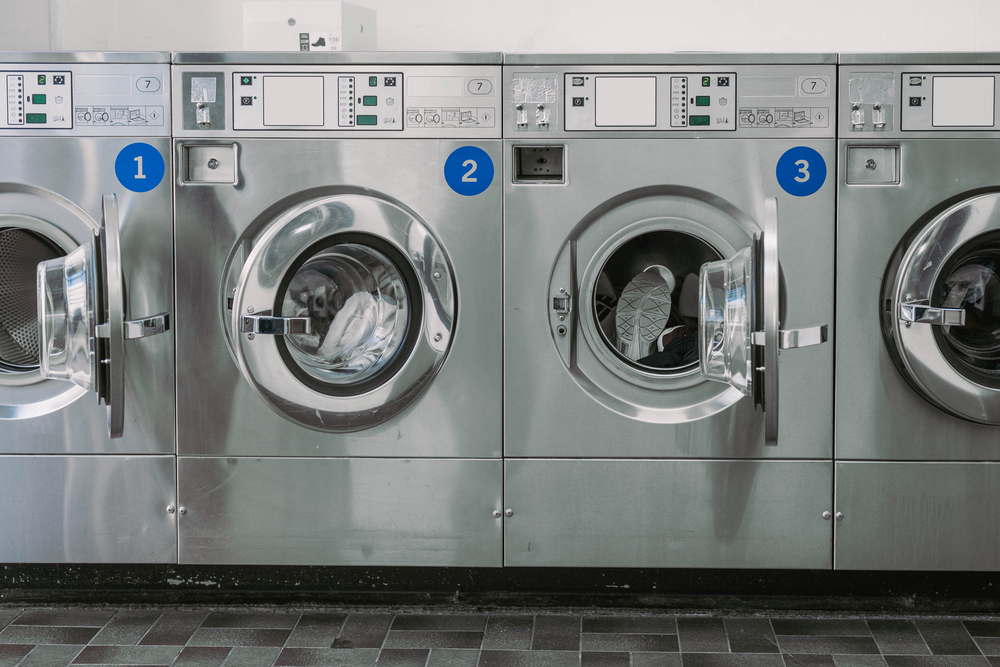
Laundry facilities run throughout the day and night, generating mechanical noise from washers, dryers, and ventilation systems. Passengers also gather in nearby areas while waiting for their laundry cycles to complete.
Choosing Cabins Based on Deck Plans Without Visiting the Ship or Reading Reviews
Deck plans show layout but not real-world experience. Reviews from actual passengers reveal issues like thin walls, maintenance problems, or unexpected noise sources that don’t appear on official ship diagrams.
Selecting Aft Cabins on Ships With Outdoor Movie Screens

Many ships feature outdoor movie areas at the stern with late-night screenings. Nearby cabins deal with movie audio, crowd noise, and the associated foot traffic until well past typical bedtime hours.
Your Cabin Becomes Your Cruise
The perfect cabin doesn’t guarantee a perfect cruise, but the wrong cabin can sabotage even the best itinerary. These mistakes compound over time—a little noise becomes exhausting after several days, a slightly inconvenient location turns into a daily frustration, and what seemed like a reasonable compromise on booking day feels like a costly error by the end of the week.
Smart cabin selection requires looking beyond the marketing photos and promotional descriptions to understand how your space fits into the ship’s ecosystem. Every cabin exists within a complex network of passenger traffic, operational activities, and entertainment schedules that continue around the clock.
The travelers who have the best cruise experiences aren’t necessarily the ones who spent the most on their accommodations—they’re the ones who matched their cabin choice to their specific needs and sleep patterns.
More from Travel Pug

- Underrated Italian Towns That Beat the Tourist Crowds
- Las Vegas Tourist Traps to Skip
- Prettiest Towns in Every US State
- 18 passport-free countries for Americans
- Signs Your Cruise Is Not Worth The Cost
Like Travel Pug’s content? Follow us on MSN.