

An itinerary shows a list of ports, but the real shape of a day ashore depends on details that the brochure rarely highlights. Two stops with the same arrival time can feel entirely different once the gangway is down.
Reading a route closely, before booking and again before each port, turns a vague plan into a workable one.
Whether the Ship Docks or Anchors
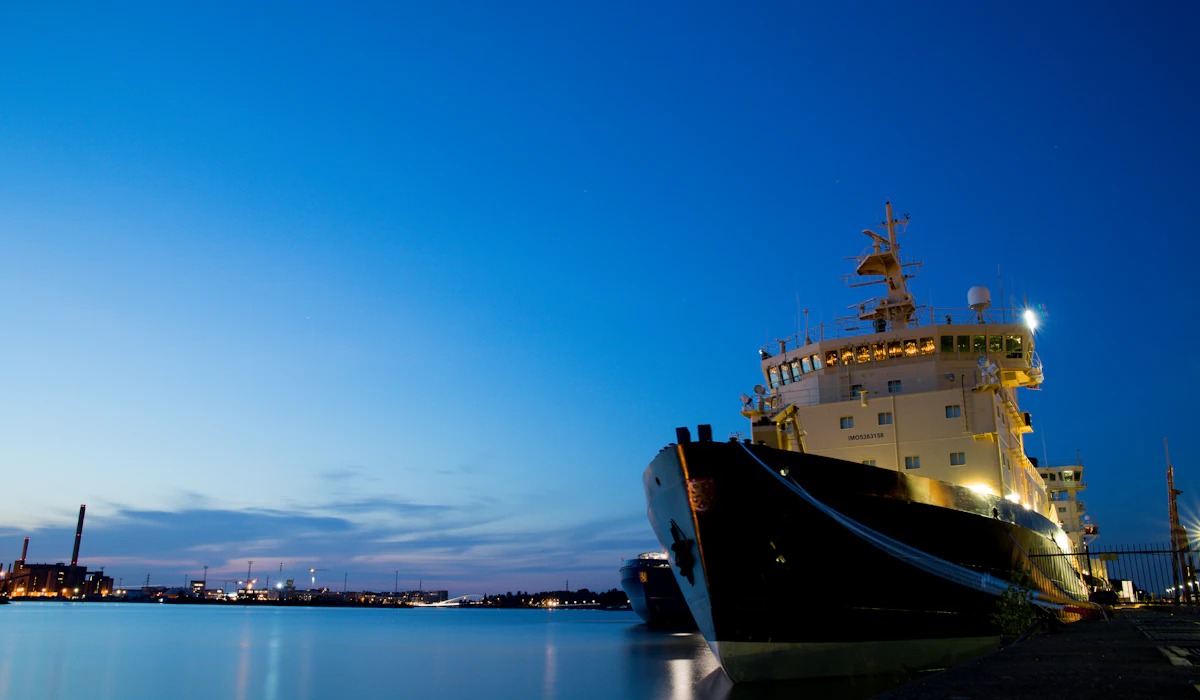
At a pier, passengers walk off and may be in town within minutes. At an anchorage, every trip ashore depends on tender boats, which adds waiting time in both directions.
The difference can significantly reduce the time available for sightseeing.
Which Ports Require Tenders
Santorini’s main cruise anchorage is in the caldera, where passengers are transferred ashore by tender boats. Visitors arriving at the old port below Fira can reach the town by cable car, stairs, or donkey, while other landing arrangements may be used for excursions.
Grand Cayman also commonly uses tender boats because cruise ships anchor offshore rather than docking at a large cruise pier. On busy days, multiple ships can increase demand for tender services.
Distance From the Pier to the Town Center

Some piers sit a short walk from the old quarter, while others are well outside it. In Helsinki, ships using Hernesaari have public transit connections to the city, while ships at South Harbour can dock closer to central attractions such as Market Square.
The exact distance and best route depend on the assigned berth.
Whether a Shuttle Is Included or Paid
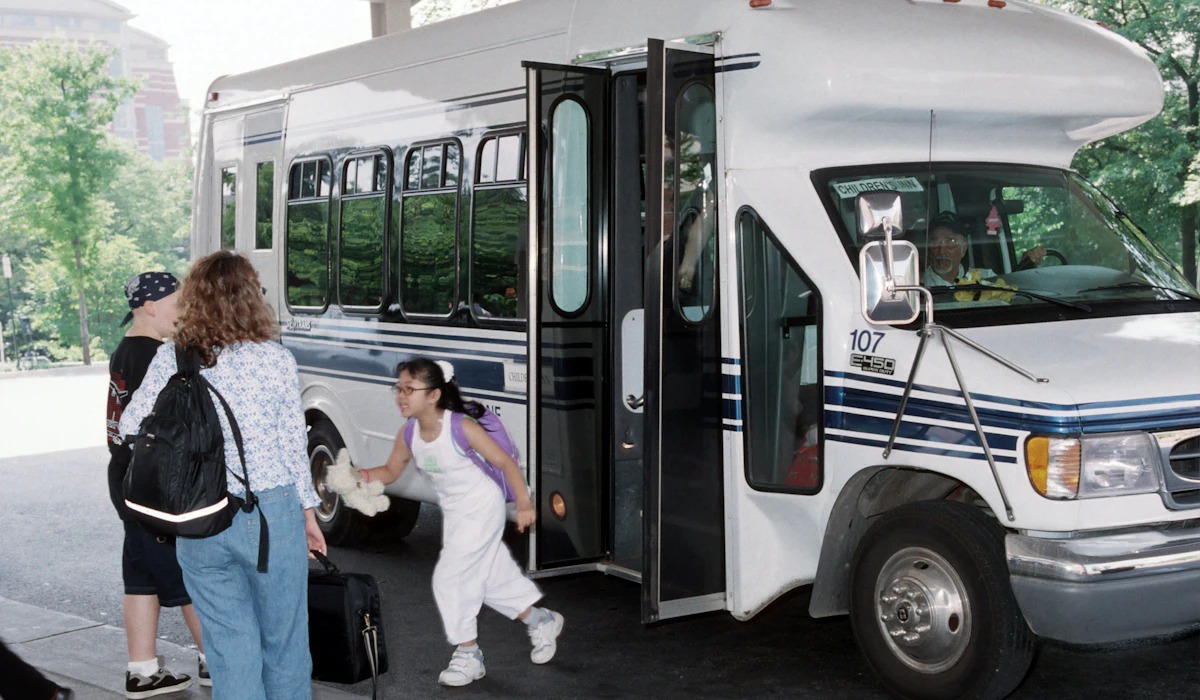
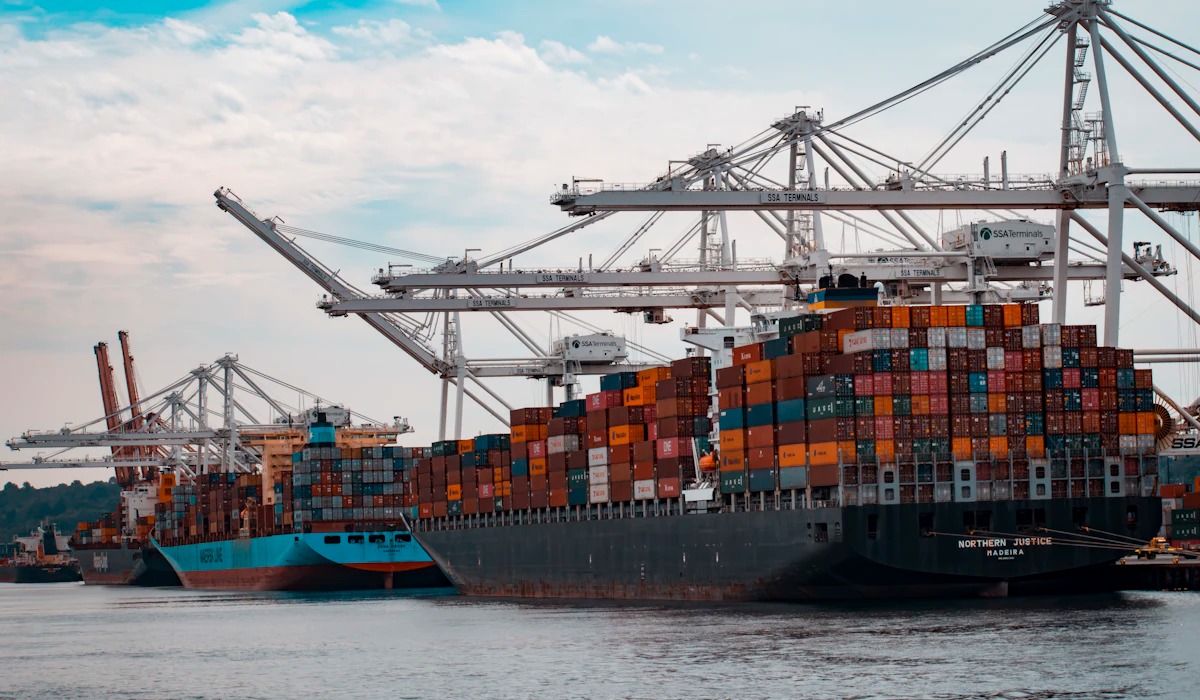
Cruise lines sometimes run shuttles between industrial piers and city centers, and some charge a fee for the service. Others may offer public transit access or leave passengers to arrange their own transportation.
A quick check of the port notes prevents a surprise at the terminal gate.
Which Terminal or Quay the Ship Will Use
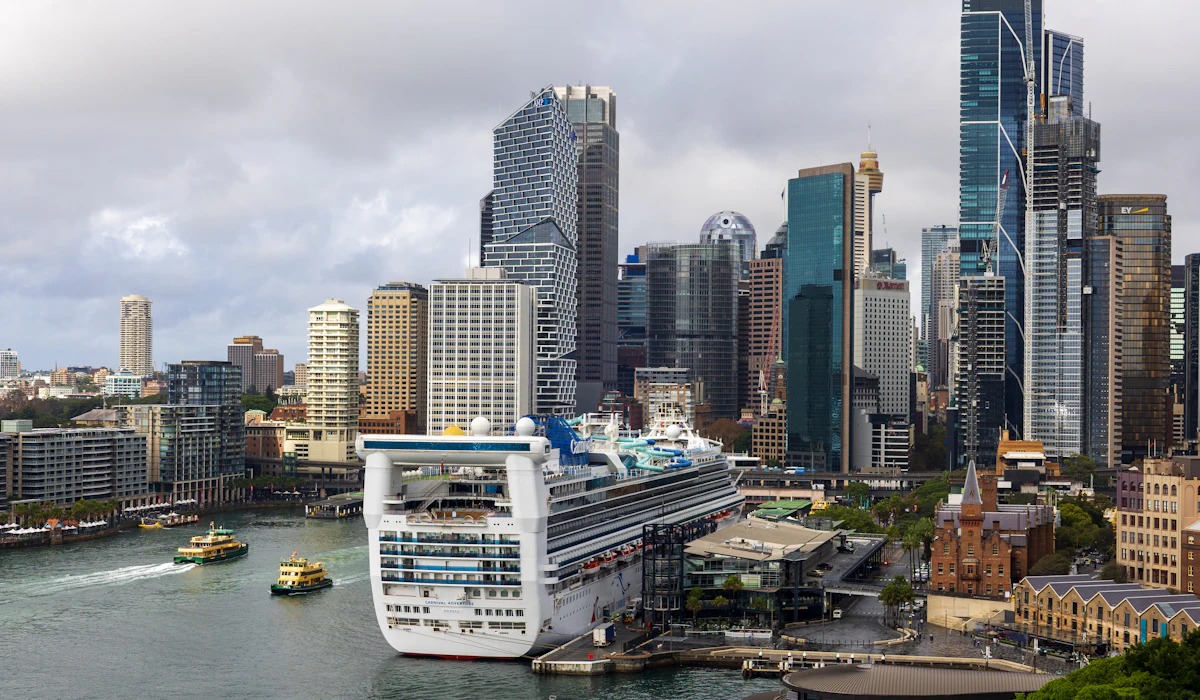
Ports with several cruise berths can place ships far from one another, and the assignment can change. Helsinki has cruise quays in Hernesaari, South Harbour, Katajanokka, and West Harbour, and the location affects how easy it is to reach the city center.
Confirm the assigned berth using the latest information available before arranging transportation.
Arrival Time and All-Aboard Time
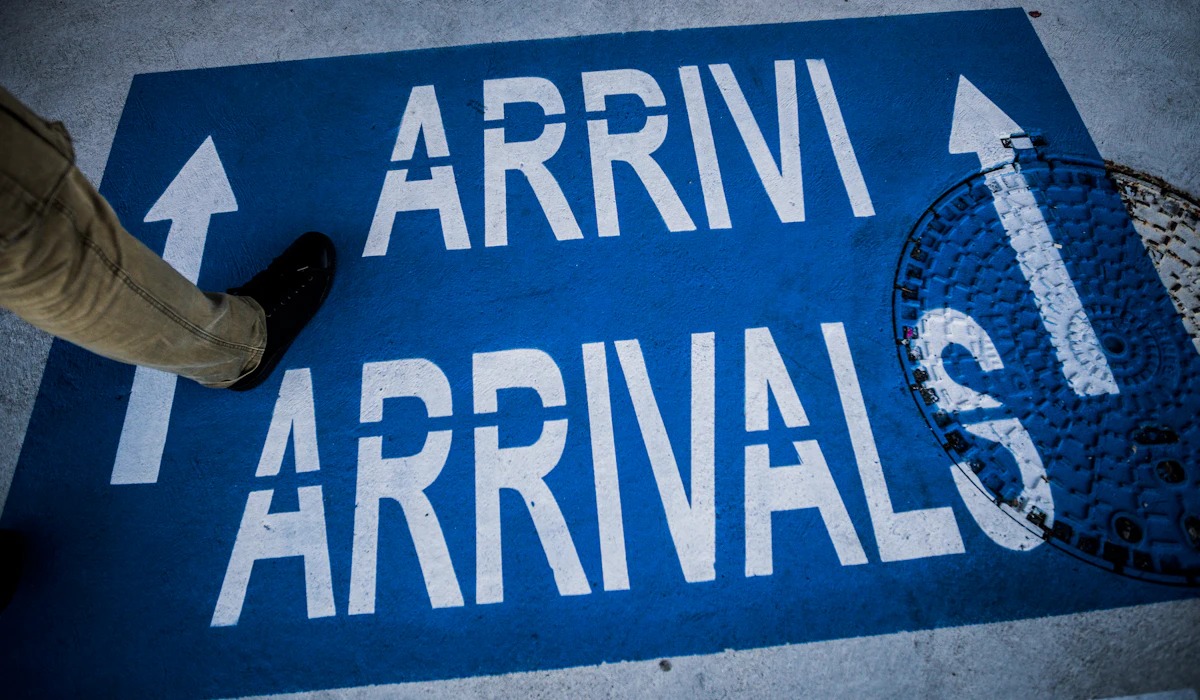
The gap between the ship’s arrival and all-aboard times helps determine how much time you have ashore, but it is not the entire story. Passengers may need to wait for clearance to disembark, walk to transportation, or take a tender boat.
Subtract the time needed for these steps, along with a safety margin for returning to the ship, to estimate a realistic sightseeing window.
Overnight Stays

A ship that remains in port into the evening opens up restaurants and nightlife that a daytime call may not allow time to enjoy. Overnight stops are also an opportunity to book a late tour without watching the clock.
Check whether passengers can remain ashore late and whether any special return procedures apply.
Time Zone Changes Between Ports
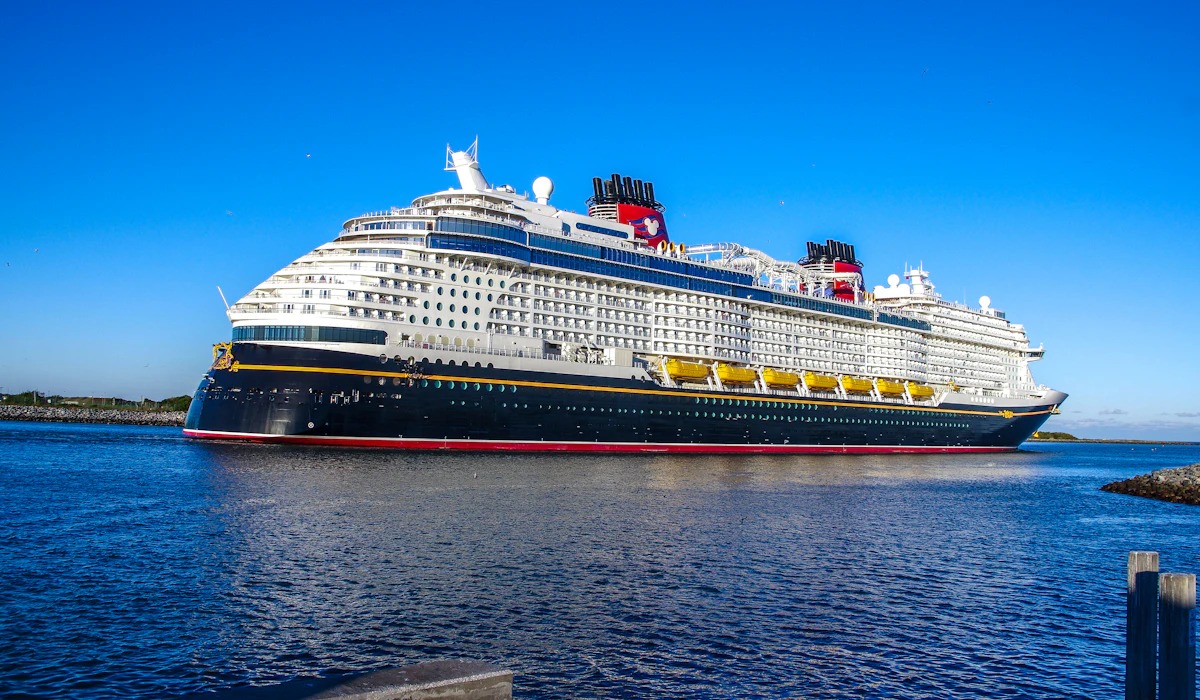
Clocks may move forward or back at sea, and the ship’s official time may differ from the local time in port. Forgetting to adjust a watch can cut a port day short.
Check the ship’s daily schedule for the time it uses and confirm the all-aboard time before going ashore.
How Many Ships Share the Port
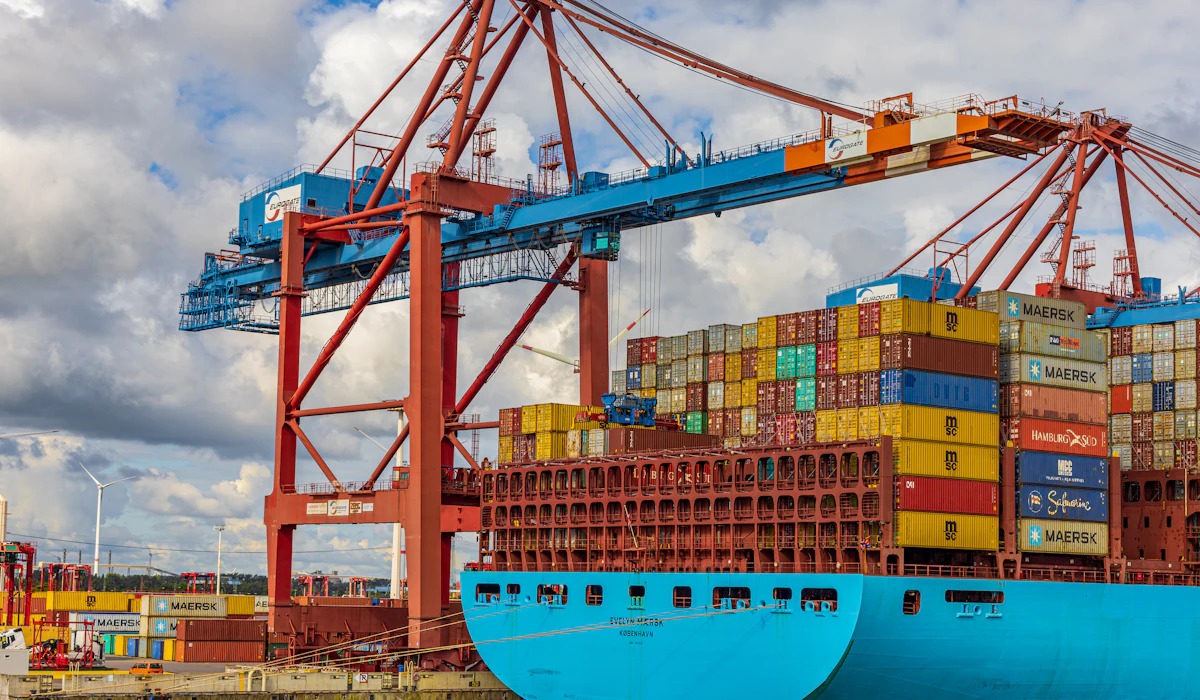
When several large ships arrive at once, popular sights can fill up and taxis may be harder to find. Split, for instance, handles cruise ships alongside ferries and other maritime traffic, and busy days can mean more competition for transportation and space at major attractions.
Check the port schedule when available, but remember that passenger numbers and crowd levels also depend on the season and local events.
What Day of the Week the Call Falls On

Shops, museums, and markets keep their own weekly schedules, and Sunday or Monday closures are common in some European destinations. A great fish market is useless on the one morning it is closed.
Check the opening hours of specific attractions rather than assuming that every business in town follows the same schedule.
Local Holidays and Festival Days

A national holiday can close attractions, change public transit schedules, or draw large crowds to popular areas. Checking the local calendar before building a plan helps avoid both problems.
Festivals can also be an opportunity to experience local culture, provided you plan around any closures and transportation disruptions.
Whether the Port Is the Gateway to a Better Destination
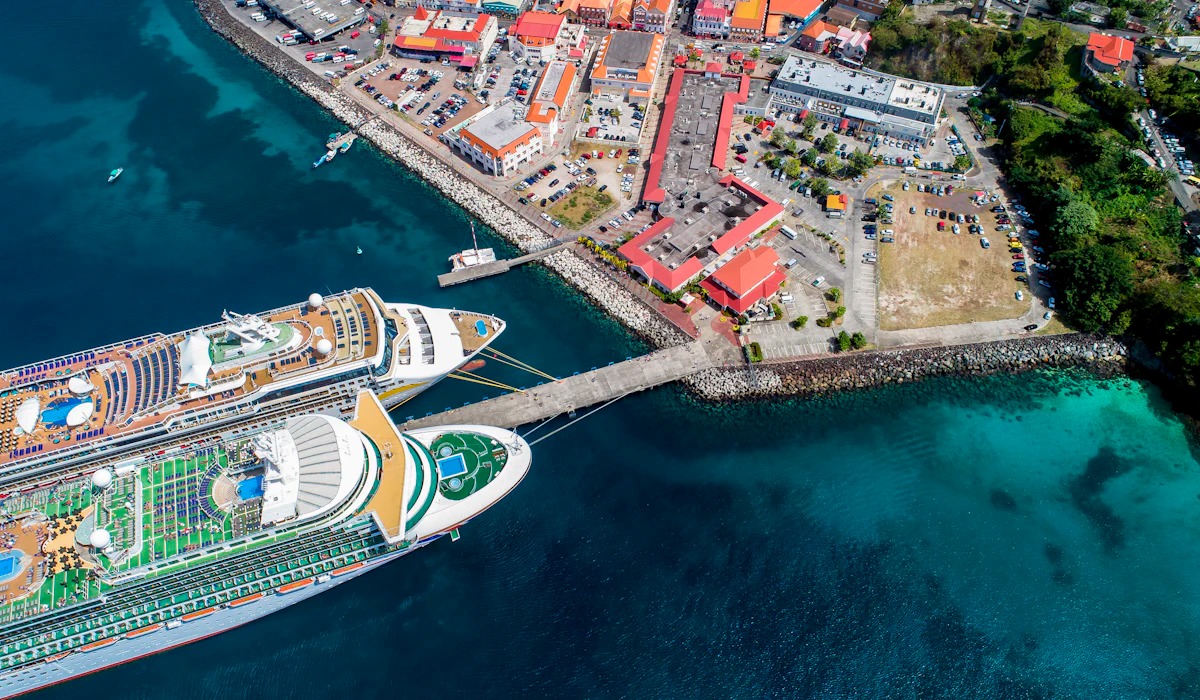
Ports like Civitavecchia serve a famous city that sits well away from the pier, and a trip to the headline sight can eat up much of the day. Knowing the travel time beforehand helps determine whether the journey is worth it.
Compare the full round-trip travel time with the hours available ashore before committing to a distant destination.
Distance Between the Port and the Main Sights
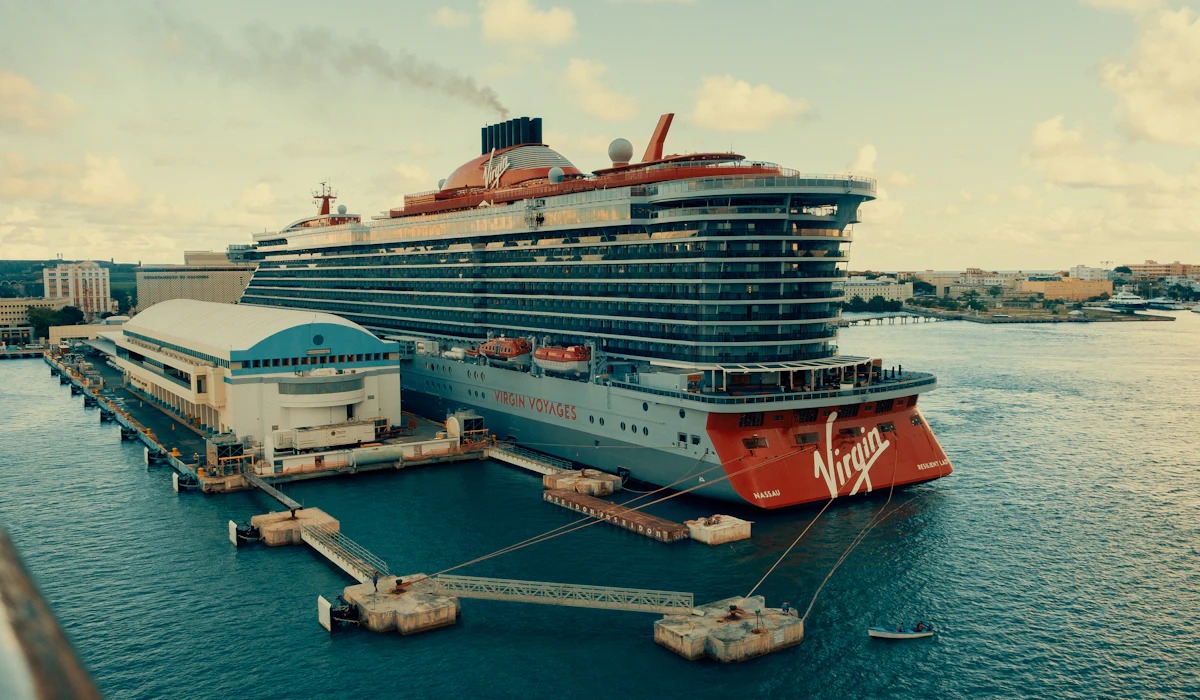
Some ports sit beside their best attractions, while others are an hour or more away by train or road. Dubrovnik’s Gruž harbor, for example, is separate from the Old Town, which is approximately a 30- to 40-minute walk away, depending on the route and pace.
Public buses and taxis can shorten the journey, but traffic and queues may affect travel time.
How Many Sea Days Precede the Call
A stop after several sea days may draw a crowd of eager passengers all at once. Planning around that potential rush, by booking a tour or leaving early when disembarkation begins, can help avoid long lines.
Actual congestion depends on the ship’s procedures, the port, and how many passengers plan to go ashore.
Order of the Ports
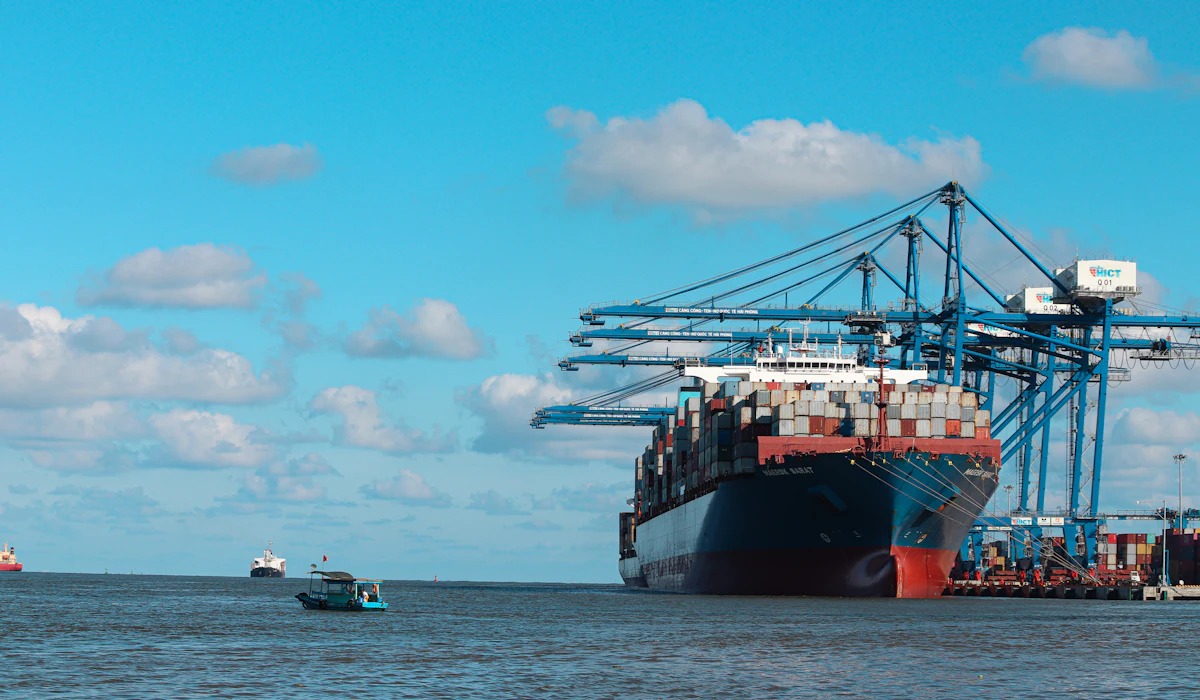
A hectic stop followed by a quiet one can balance a trip, while three demanding days in a row may leave everyone drained. Looking at the sequence helps you identify where to schedule a slower day or a more relaxed excursion.
Port Calls Early or Late in the Cruise

Early stops give first impressions, while late ones can be affected by tiredness and the need to pack. Adjusting activity levels to the point in the voyage helps keep the itinerary enjoyable.
Consider your energy levels and any onboard commitments when deciding how much to plan for each stop.
Weather Exposure of the Anchorage
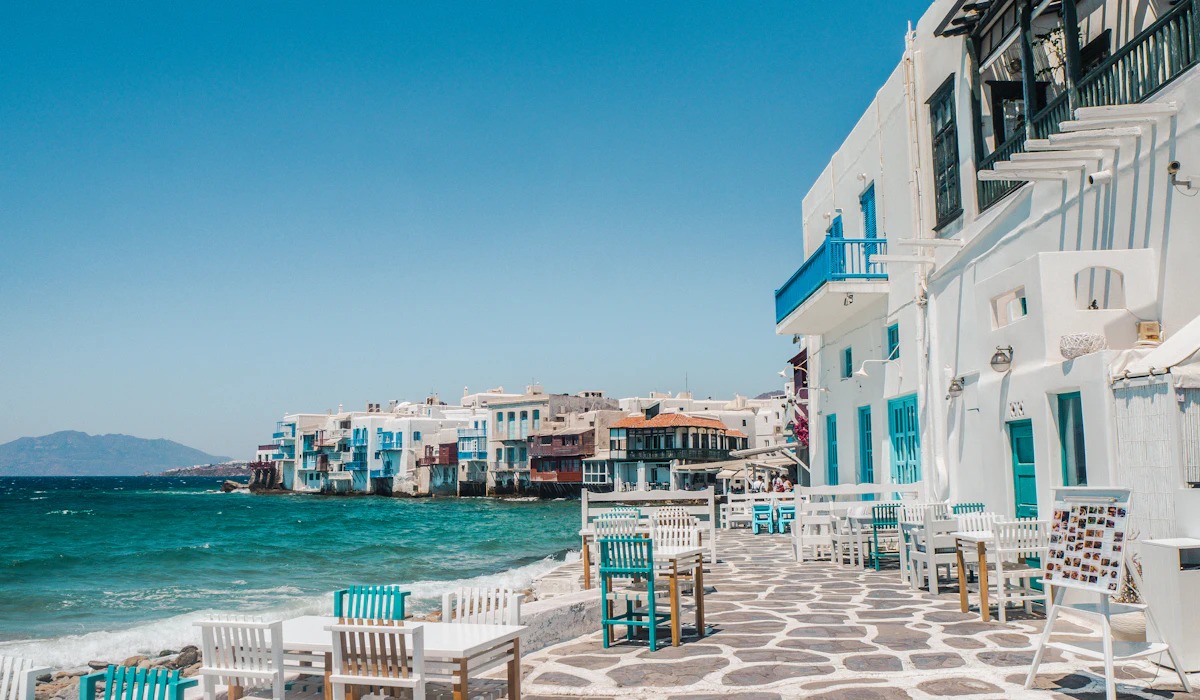
An open anchorage in a swell can make tendering uncomfortable or impossible, and ships sometimes skip the stop. Exposed island anchorages, including those around parts of Greece, can be affected by strong winds and rough seas.
Even a sheltered-looking destination may experience conditions that make tender operations unsafe, so have a backup plan for a missed port.
Whether Tide Affects Access
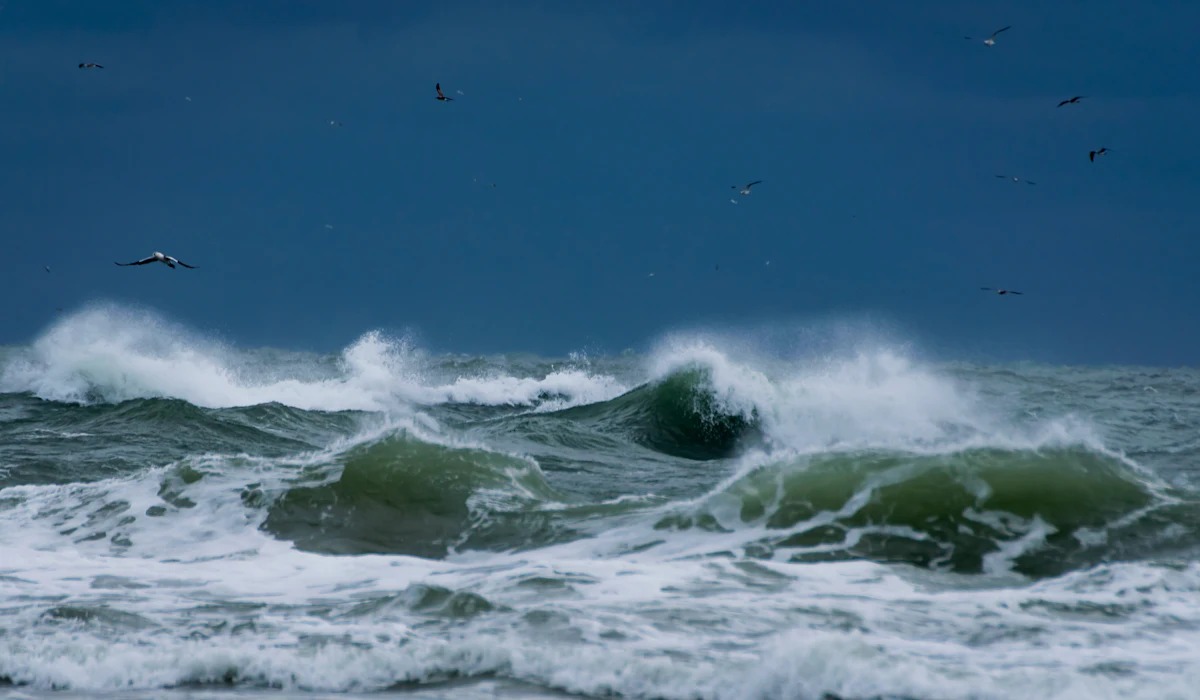
Some ports have tidal variations that affect water levels, gangway angles, or access to certain berths. The ship’s daily program or port information may mention unusual arrangements.
The impact depends on the port, vessel, and local conditions, so check the instructions provided for your sailing.
Canal or River Transits
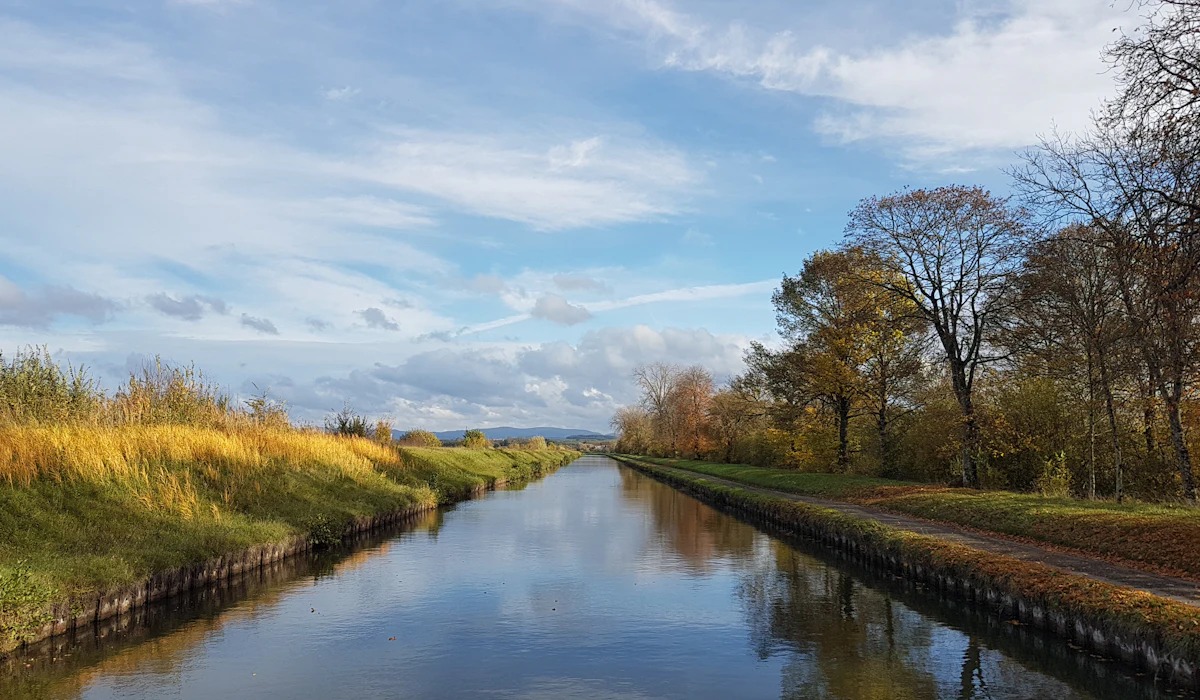
A passage through a canal or up a river adds scenery that can be a highlight in itself. The timing of a transit may affect when the ship arrives at a port or how long passengers have ashore.
Check the itinerary for scheduled transit times and any changes to the day’s activities.
Local Currency and Card Acceptance

Not every port accepts cards everywhere, and the ship’s onboard currency may not be useful for local purchases. Local cash can be handy for markets, small cafés, and some transportation services.
Knowing which currency applies saves time at the first stop. Check the destination’s currency and whether your bank charges foreign transaction or ATM fees.
The Ratio of Shore Excursion Time to Free Time

Ship-organized tours often occupy much of the available time, leaving little room for independent wandering. Choosing between a guided excursion and a self-planned visit depends on how you want to use the day.
Check the tour’s duration, meeting point, and travel time before booking, and leave enough time to return to the ship.
How Far the Ship Must Be Back Before Departure
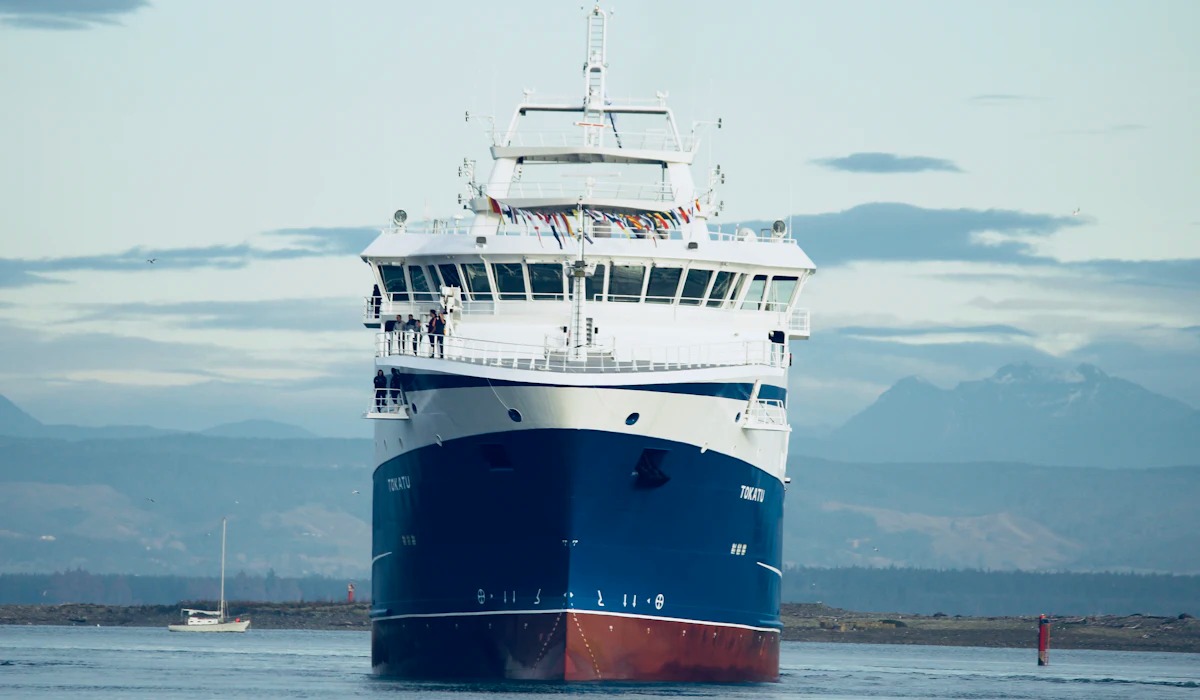
Cruise lines require passengers to be back aboard by a specified all-aboard time, which is earlier than the scheduled departure. Some cruise lines guarantee the ship will wait for passengers delayed on their own shore excursions, but this protection applies according to the line’s specific policy and generally does not extend to independently arranged tours.
The cushion that feels generous in the morning can feel small in the afternoon.
Accessibility of the Pier and Town

Cobblestones, steep hills, and long walks affect travelers with limited mobility at certain ports. Santorini is a well-known example, with a cable car and a long staircase connecting the old port to Fira.
Donkey rides are also available, but they may not be suitable for every traveler. Tender transfers, steep terrain, queues, and uneven surfaces can pose additional accessibility challenges.
Availability of Public Transit From the Port
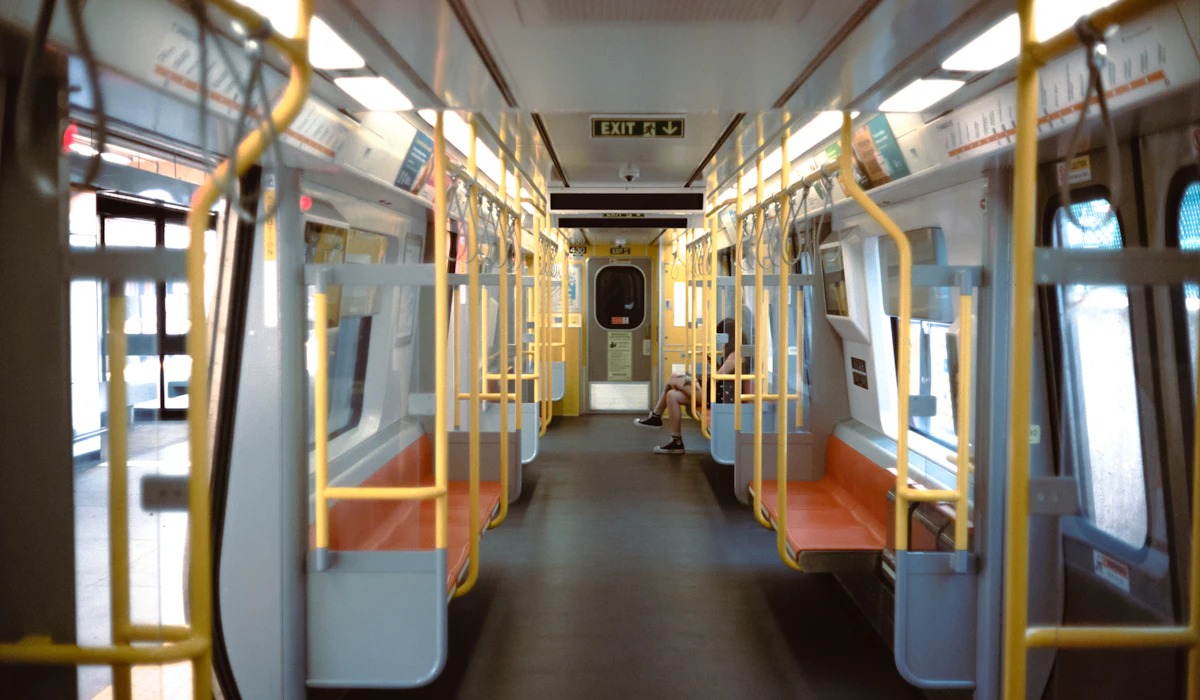
Ports connected to metro, tram, bus, or train lines can let independent travelers reach inland sights affordably. Others have fewer convenient connections, making taxis, shuttles, or organized tours more practical.
Check routes, fares, operating hours, and service disruptions before leaving the terminal.
Cruise Terminal Facilities
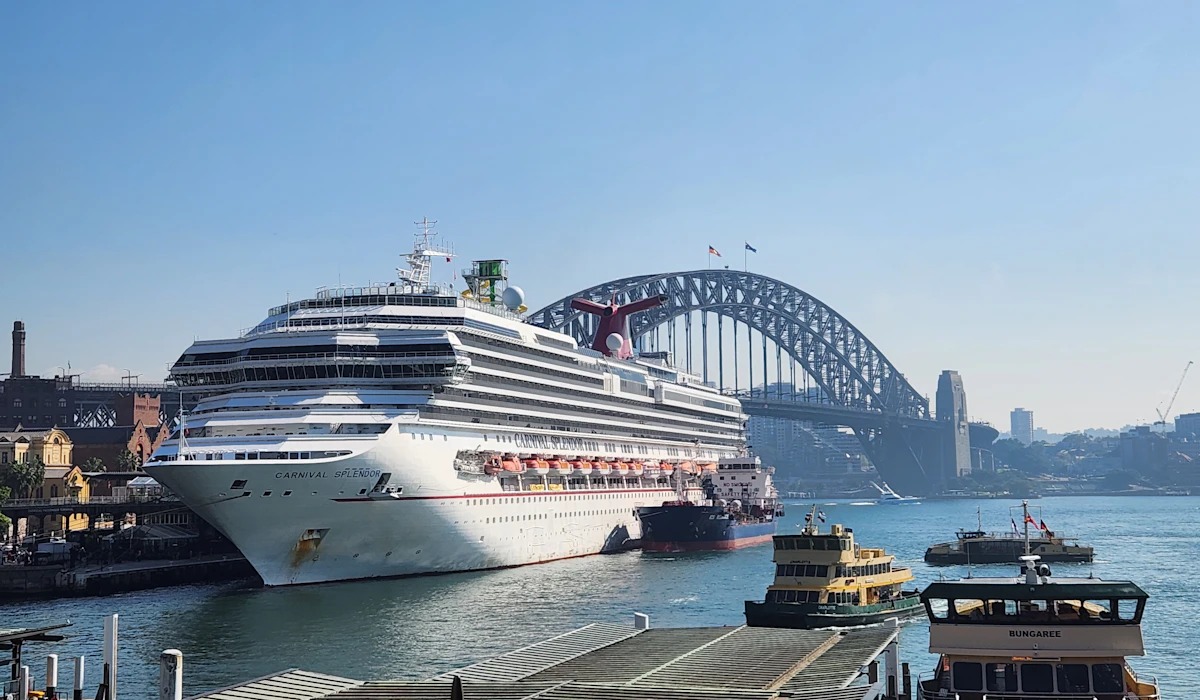
Some terminals have shops, cafés, and Wi-Fi, while others offer little more than basic passenger facilities. Knowing what to expect helps you decide whether to eat before leaving the ship or bring anything you may need.
Do not assume that a terminal will have food, restrooms, luggage storage, or reliable Wi-Fi available.
Security and Customs Procedures

Some ports require passport checks, immigration clearance, or other formalities before passengers can go ashore. These procedures can slow disembarkation or require passengers to follow specific instructions.
The process varies by country and itinerary, so check the ship’s daily program and listen for announcements about clearance requirements.
Contingency Plans for Skipped Ports
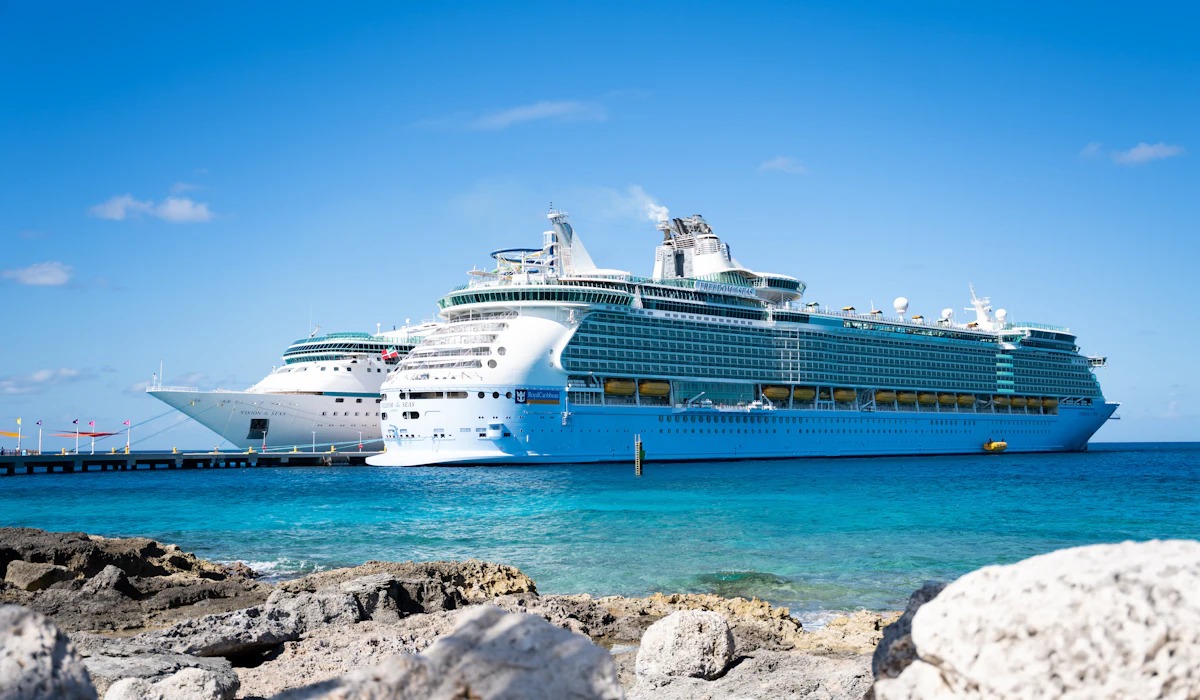
Weather or mechanical delays can occasionally cancel a stop or move the ship to a different harbor. Having a flexible mindset and a backup activity makes a change much less frustrating.
Avoid nonrefundable independent bookings when a port call is uncertain, and check the terms of any excursion you arrange yourself.
Daylight Hours at High-Latitude Ports
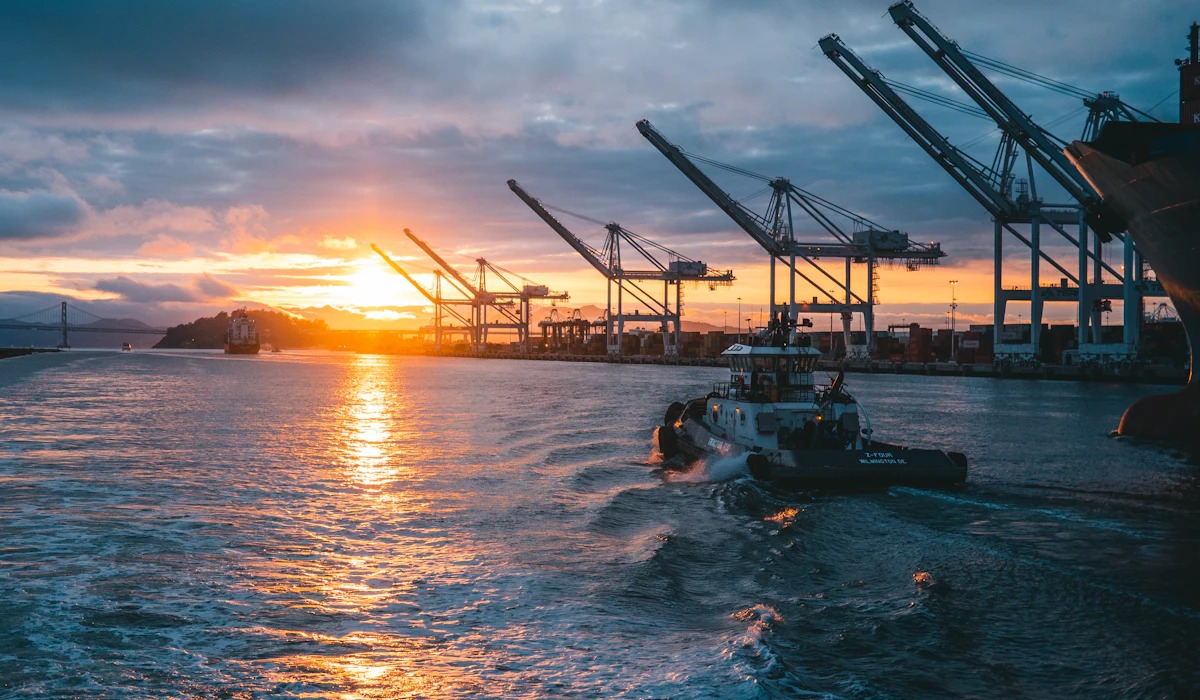
Northern ports in summer can offer very long days, while winter calls may leave only a few hours of daylight. Sunrise and sunset times help determine which outdoor sights are realistic.
Check the forecast and local daylight hours, particularly if your plans involve scenic viewpoints, hiking, or travel outside the city center.
What a Port Day Is Really Made Of
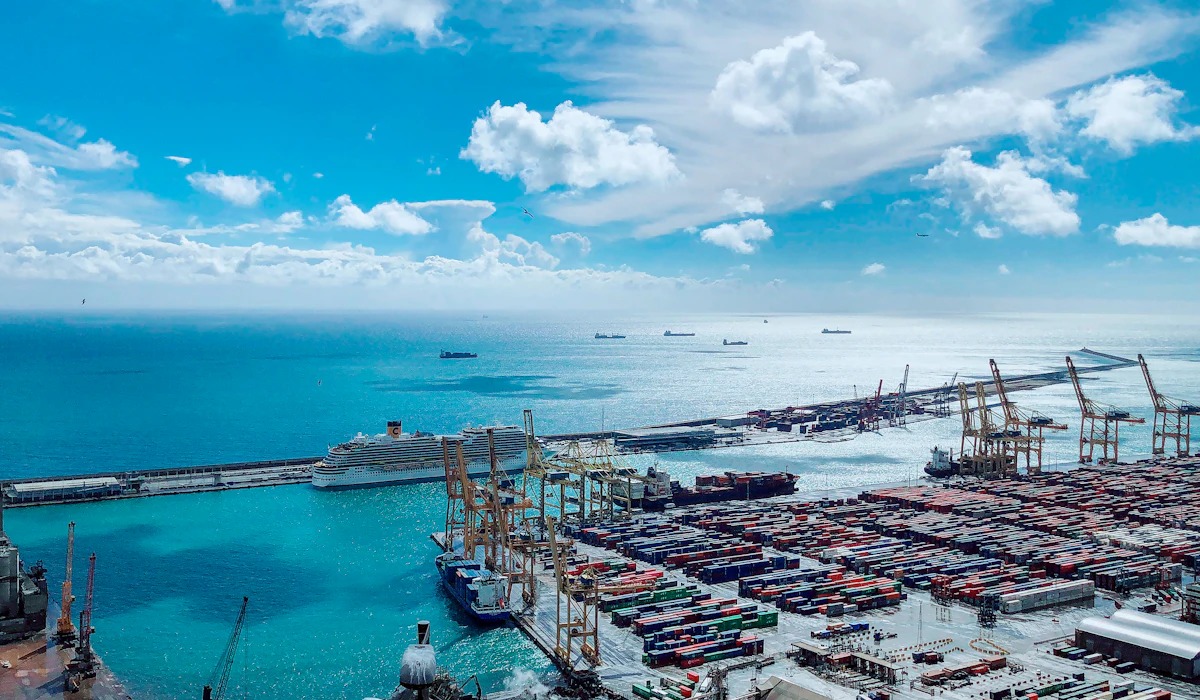
The ports themselves are rarely the problem. Hidden variables like tenders, distances, and closing days decide whether a day ashore is rich or frantic.
A little time spent decoding the route is the cheapest way to make every hour on land count.
More from Travel Pug

- Underrated Italian Towns That Beat the Tourist Crowds
- Las Vegas Tourist Traps to Skip
- Prettiest Towns in Every US State
- 18 passport-free countries for Americans
- Signs Your Cruise Is Not Worth The Cost
Like Travel Pug’s content? Follow us on MSN.