

The last morning of a cruise is where a relaxed week can turn into a scramble. Thousands of passengers leave the same ship through the same few exits, and the ones who glide through have usually settled things the night before.
Veterans treat disembarkation like a small operation with a checklist. None of the steps is complicated, but skipping them is what makes the morning hard.
Decide the Luggage Plan the Night Before
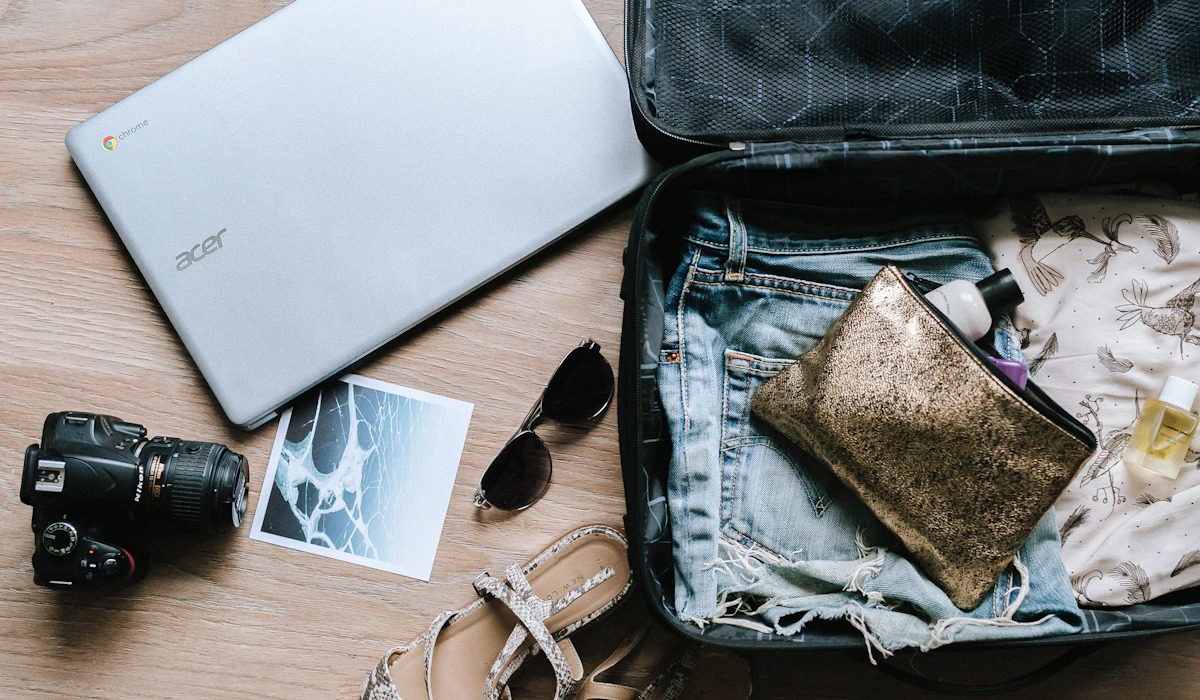
Passengers choose between handing bags to the crew and carrying them off personally. That choice shapes the entire morning, so regulars make it early rather than discovering the consequences at breakfast.
Choose Self-Disembarkation When Speed Matters

Self-carry options, sometimes called self-assist or express departure, let travelers leave the ship with their own luggage, often before passengers using the regular luggage service. The tradeoff is dragging everything down the gangway, which suits compact luggage better than a pile of large cases.
Check whether your cruise line offers this option and whether any restrictions apply.
Use Tagged Bags When Comfort Matters More
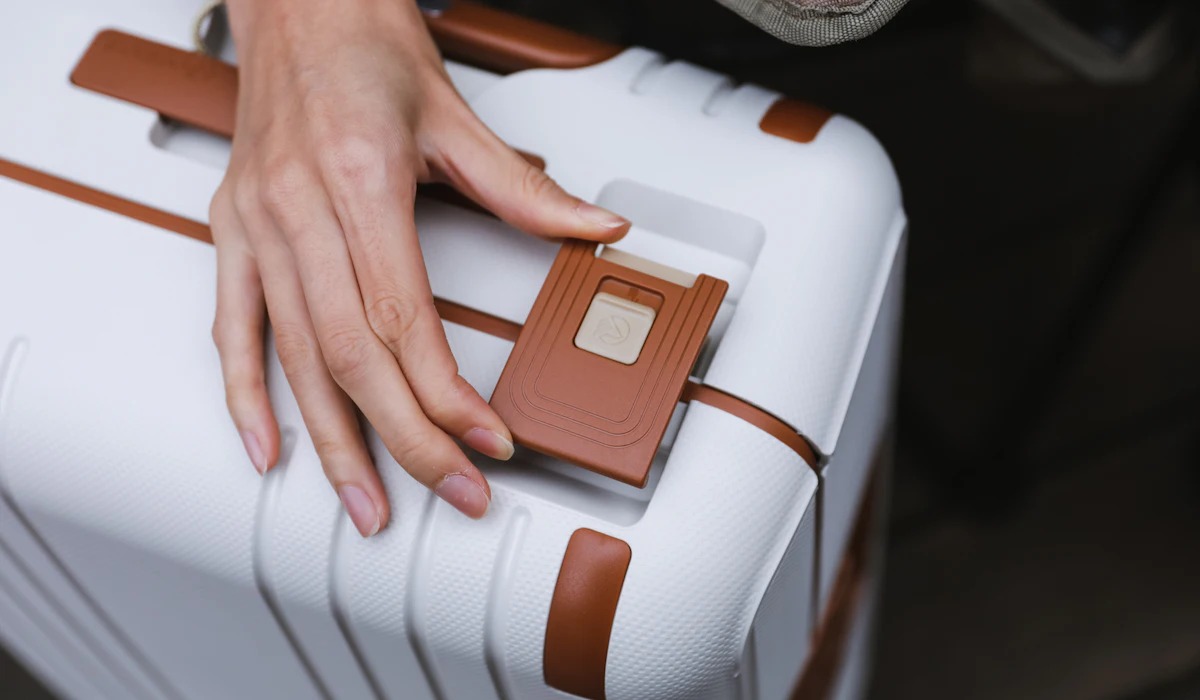
Color-coded tags help crew members organize luggage for collection in the terminal after disembarkation. This route suits people with heavy bags or limited mobility, though it can mean waiting for the assigned departure group and then collecting luggage ashore.
Put Tagged Bags Out by the Posted Hour

Bags tagged for crew pickup go outside the cabin door on the last evening, by a time announced in the disembarkation instructions. Missing the deadline can mean carrying the bag off personally.
Keep passports, medication, valuables, and anything needed overnight out of the tagged luggage.
Keep a Day Bag for the Last Night

Tagged suitcases leave the cabin the evening before, so anything needed overnight and at breakfast must stay behind. A small bag with pajamas, toiletries, medication, and a change of clothes solves this.
Check the Tag Number Against the Departure Time
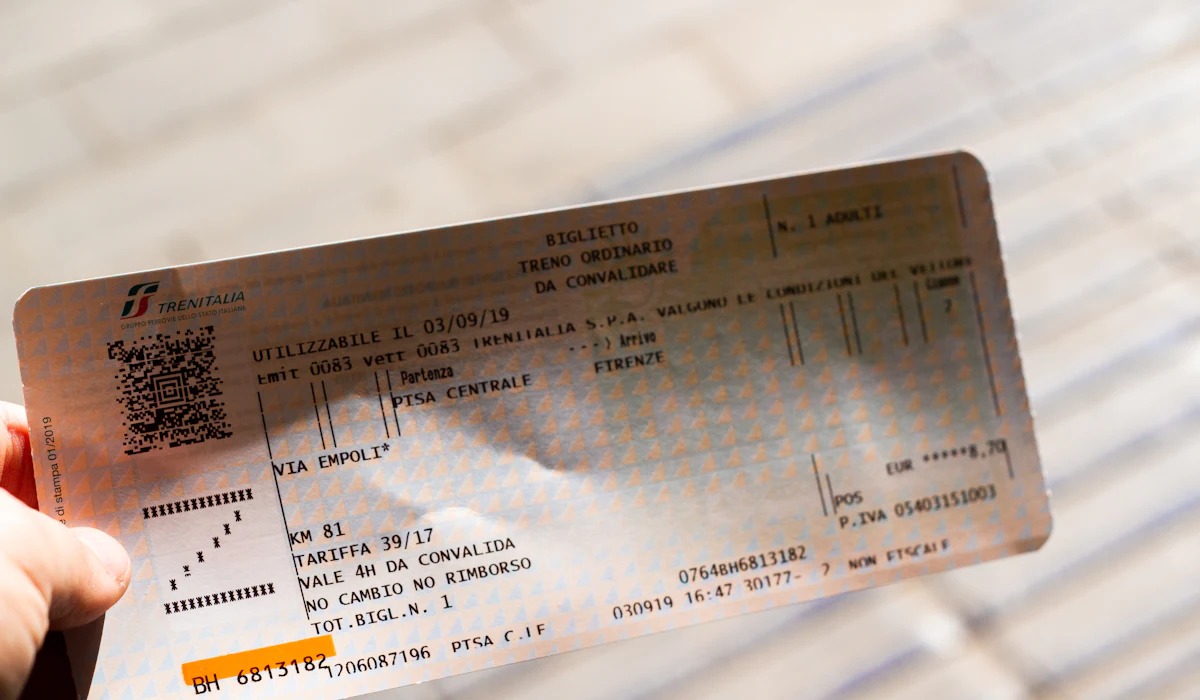
Disembarkation groups are often identified by numbers or colors, and the tags or instructions indicate when each group is expected to leave. Regulars check the schedule against their onward travel plans, then plan breakfast around it.
Departure times can change, so listen for announcements and follow the latest instructions.
Collect Tags at the Right Place

Some lines deliver tags to the cabin, while others provide instructions for collecting them elsewhere. The daily newsletter or onboard announcements usually explain the process.
If you have a choice of departure groups, check which options fit your travel plans rather than assuming that arriving early will guarantee an earlier slot.
Settle the Onboard Bill the Night Before

The final tally generally appears on the last evening, and reviewing it then leaves time to sort out any errors. A disputed charge is often easier to address before the final morning rush.
Some cruise lines allow guests to review and settle their accounts on disembarkation morning, but checking ahead gives you more time to resolve problems.
Review Every Line of the Statement
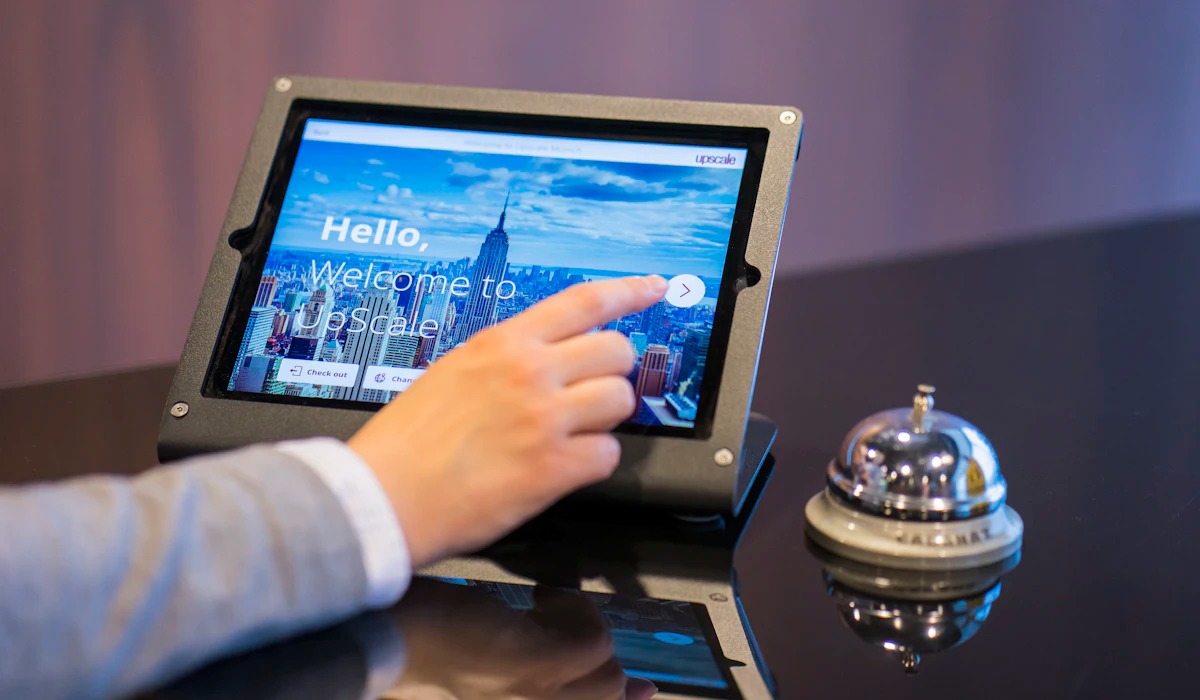
Mistakes are uncommon but can happen, from a doubled drink charge to a missing credit. A few minutes with the itemized statement the night before can catch them.
Check that refunds, promotional credits, and adjustments appear as expected, and contact Guest Services if anything looks wrong.
Tip the Cabin Steward at the End of the Week

If you want to give an additional personal tip, regulars may do so the night before departure, before the steward begins the changeover rush. A personal note with the cash makes it memorable.
Check how gratuities are handled on your cruise, since service charges may already be included or automatically added to your onboard account.
Buy Photos Before the Photo Desk Closes

The photo gallery may close before the final morning, so passengers who want prints should check the hours and make their selections the night before. Waiting until morning can mean missing the opportunity to browse or buy.
Digital photo packages and online purchasing options vary by cruise line.
Redeem Onboard Credit While It Lasts

Unspent onboard credit may expire at the end of the voyage, and some promotional credits are nonrefundable. Regulars check their remaining balance and look for a way to use eligible credit on a final treat or souvenir.
Review the terms of your particular credit, since eligible purchases and refund rules vary.
Book the Next Cruise Before Leaving

Many lines offer incentives for booking onboard, such as onboard credit or reduced deposits. Regulars may visit the future cruise desk before the last night to ask about available offers.
Compare the deposit, cancellation terms, and total fare with other booking options before committing to another sailing.
Pack Documents Last and Carry Them Personally
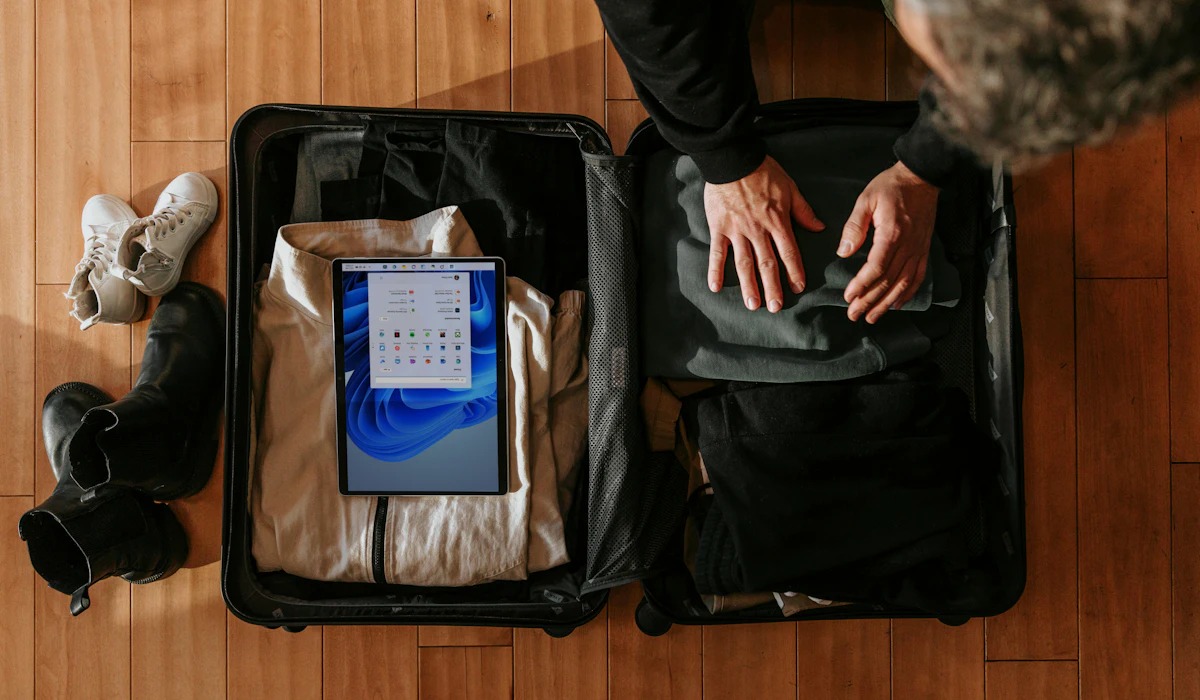
Passports, boarding information for the flight home, and any required customs forms stay in a bag that travels with the passenger. They are the last items packed and the first ones checked.
Keep medication, valuables, identification, and essential electronics with you rather than in luggage collected by the crew.
Complete Customs Declarations in Advance
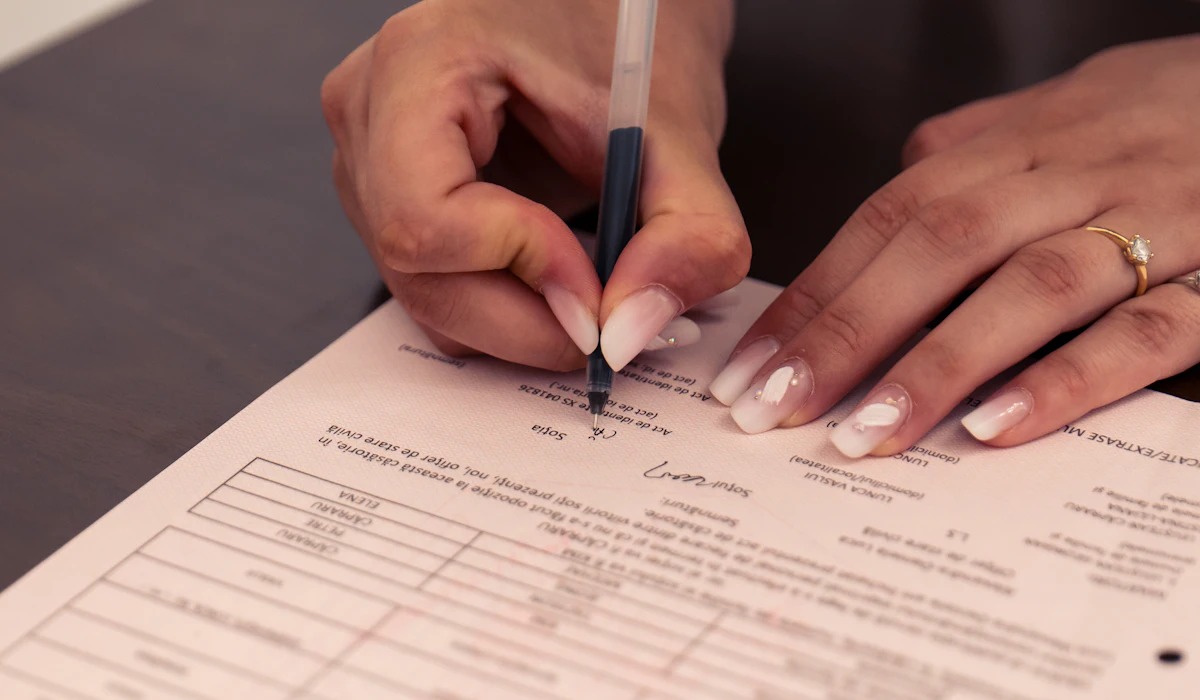
Some countries require customs forms or electronic declarations, which the ship may provide or direct passengers to complete. Filling them out the night before can avoid a rush at the terminal.
Check the instructions for your destination and nationality, since some travelers may not need a separate form.
Pick the Right Flight Time

A flight booked too early is a classic mistake, since the ship may be delayed in clearing and passengers often wait for their departure group. Regulars choose afternoon departures when they can.
The appropriate departure time depends on the port, airport distance, customs procedures, and cruise line’s guidance. Check the recommended flight times before booking, and allow extra time for transportation and airport check-in.
Allow Extra Time for Clearing the Ship

Occasionally, port clearance or other operational issues delay disembarkation. Padding the schedule with a few extra hours can make an unexpected wait much less stressful.
Remember that clearing the ship, collecting luggage, passing through customs or immigration, and reaching the airport all take time.
Eat Breakfast in a Low-Traffic Spot

The main buffet can be crowded on the final morning. A smaller café or the dining room may offer a quieter meal, depending on what’s open.
Check the ship’s schedule for breakfast hours and available venues, since some restaurants close before disembarkation is complete.
Empty the Cabin Safe Before Bed

Passports, wallets, and electronics sit in the in-room safe and are easy to forget in the rush. Emptying the safe before bed, then checking it again before leaving, helps keep valuables from being left behind.
Do a Final Sweep of Drawers and Hooks
Chargers, watches, and swimwear hide in the places a tired person never looks. A slow loop through the cabin, including the bathroom, drawers, closet, and under the bed, usually turns up something.
Check the safe and electrical outlets, too.
Take Photos of Luggage Tags
A picture of each bag and its tag gives you a record of the luggage’s appearance and tag number. It can help if a bag goes missing.
Avoid photographing or sharing personal information on tags unless necessary, and keep any identifying images private.
Reserve a Ground Transfer Ahead of Time

Whether you choose a private car, shuttle, or rental, booking in advance can beat searching for a ride in a crowded terminal. Regulars confirm pickup times before sailing.
Verify the pickup location, meeting instructions, and what happens if disembarkation runs late.
Keep Small Bills for Porters

Terminal porters can help with heavy bags, and tipping is customary at many ports. Small denominations make it easy to show appreciation without searching for change.
Tipping customs and accepted currencies vary by destination, so check local expectations before departure.
Charge Devices and Power Banks Overnight

Phones may hold boarding passes for the next flight and maps to the next hotel. A full battery on the last morning avoids a stressful afternoon.
Keep essential travel documents available offline or carry printed copies in case your phone fails.
Put Liquids in Checked Bags Before Flying

If you’re flying after the cruise, pack larger toiletries and other liquids that aren’t permitted through airport security in your checked luggage. Regulars sort these out the night before.
Carry-on liquid limits depend on the airport and security rules. For example, U.S.
Transportation Security Administration rules generally limit liquids, gels, and aerosols in carry-on bags to containers of 3.4 ounces (100 milliliters) or less, with certain exceptions. Keep essential medications accessible in your carry-on.
Say Goodbyes Before the Last Morning

Exchanging contact details and farewells the night before saves time on the last day. People in a hurry rarely remember to trade numbers.
A relaxed goodbye over dinner or a final drink can be a better ending than a rushed farewell at the gangway.
Dress for the Journey Home

Comfortable shoes and layers help with long walks through terminals, security lines, and airplane cabins. The outfit for the last day is chosen for movement, not for photos.
Keep a light jacket handy if you’ll be moving between warm outdoor conditions and air-conditioned terminals.
Hold Back Medications in a Carry-On

Prescriptions stay with the traveler rather than in a bag headed for the terminal collection area. A day or two of extra supply can help cover delays, but bring enough medication for the entire trip home, plus an appropriate reserve.
Keep it in its original labeled packaging when practical and check any applicable travel restrictions.
Know Where the Group Will Gather

Families agree on a meeting spot on the ship and then in the terminal. This keeps everyone from wandering when the call comes.
Choose a specific, easy-to-find location and make sure everyone knows the assigned departure group and meeting time.
Leave the Cabin Promptly When Asked

Cabins have to be cleaned and reset for the next guests, and the ship asks passengers to vacate them by a set time. Regulars move to a lounge or another designated public area with their day bag and wait there.
Follow the ship’s instructions about where to wait and when to proceed to the gangway.
Return Borrowed Items to the Ship

Library books, board games, pool towels, and loaner gear should go back before departure. Returning them early avoids a charge or a last-minute hunt on the final morning.
Check whether any items need to be returned to a specific location or scanned by the crew.
Why the Final Morning Rewards the Night Before

Almost every item on this list is a task for the previous evening. The people who look calm on the last morning are not lucky, only prepared.
A cruise ends the way it began, with lines, tags, and clocks. Handling them well leaves a better last memory than the dessert buffet ever could.
More from Travel Pug

- Underrated Italian Towns That Beat the Tourist Crowds
- Las Vegas Tourist Traps to Skip
- Prettiest Towns in Every US State
- 18 passport-free countries for Americans
- Signs Your Cruise Is Not Worth The Cost
Like Travel Pug’s content? Follow us on MSN.