

A cruise ship looks like a place where everything runs around the clock. Walk the decks long enough and the illusion breaks, usually at the exact moment a towel is draped over a shoulder and a pool is found empty, roped off, or draining.
Nearly every amenity on board comes with fine print about when, where, and in what weather it operates. Knowing which ones keep short schedules turns a frustrating cruise into a well-planned one.
Waterslides
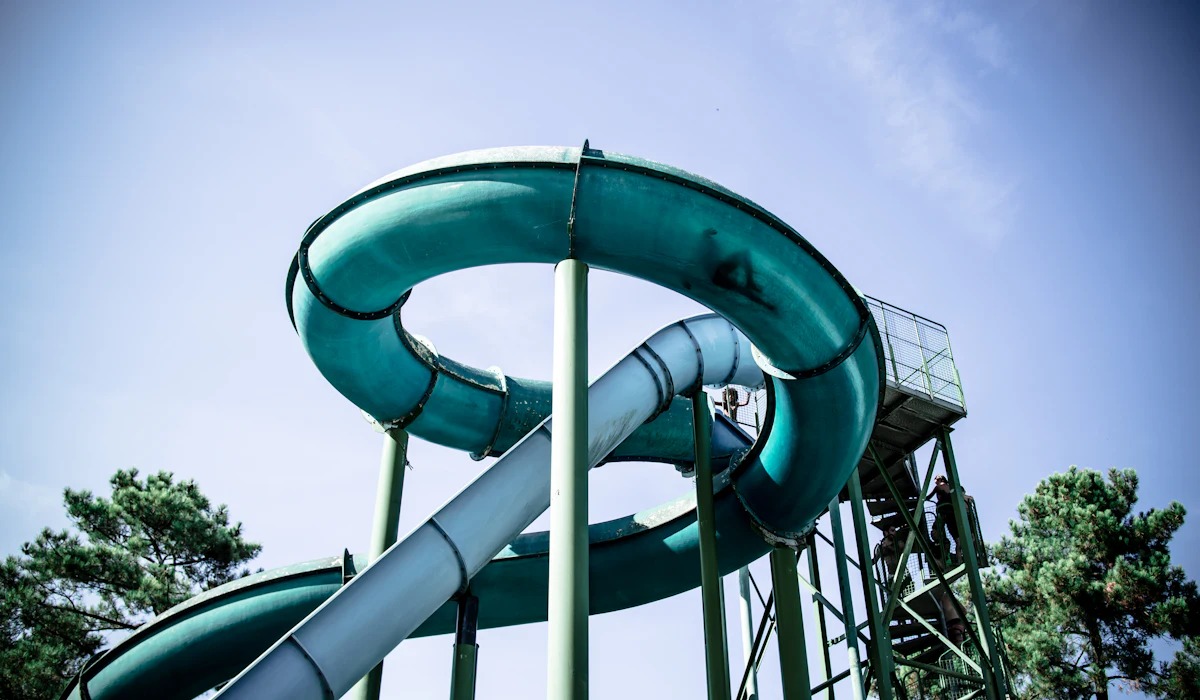
Waterslides are among the most visible attractions on a ship and among the least predictable. They typically close in high winds, rough seas, or lightning, and they usually shut down at night.
Many lines also pause them for crew inspections or maintenance, which can take a slide out of service for days. Anyone planning a cruise around a headline slide should treat it as a bonus, not a guarantee.
Main Pool Deck at Night
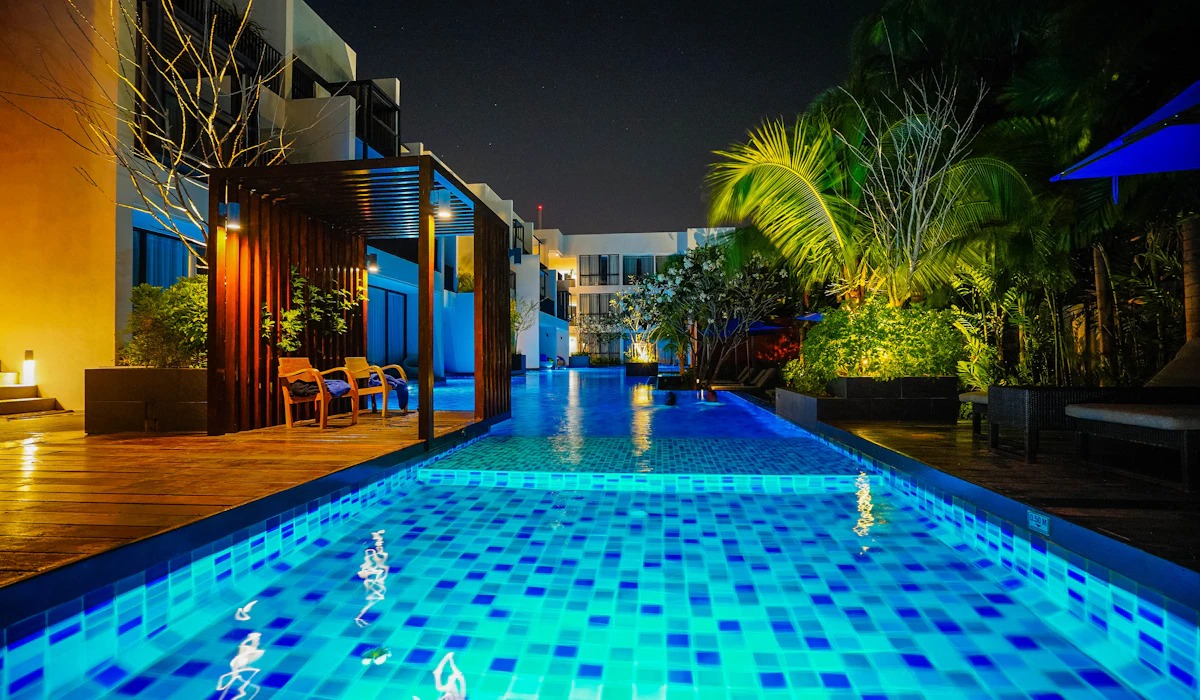
The big central pool often looks like a party until evening, when the lights dim and the water can be covered or closed. Pool hours vary by ship, and swimming may be restricted when lifeguards or other safety staff are unavailable.
Rough seas can also shut the pool at any time, since water sloshing out of the basin creates slippery decks and real hazards.
Rock Climbing Walls
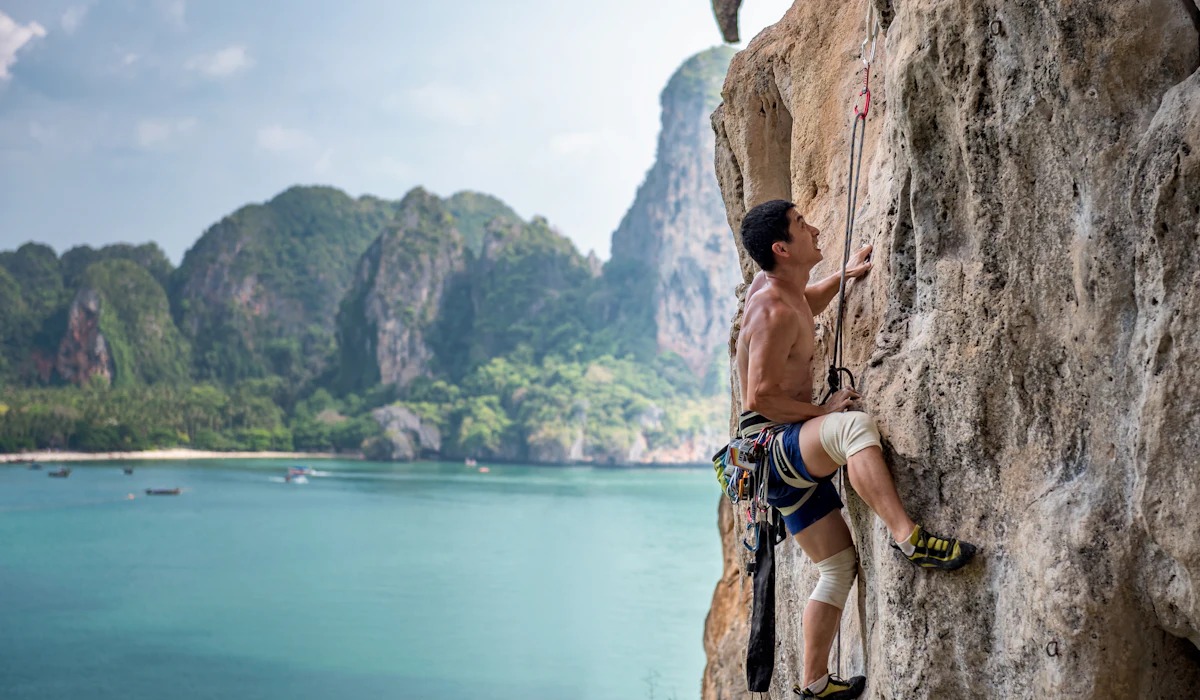
Climbing walls are staffed by crew members who strap guests into harnesses and handle the ropes. Sessions are typically scheduled in blocks, often limited to sea days, with the wall closed in port on some ships and whenever wind makes the upper decks uncomfortable.
Sturdy shoes and a signed waiver are usually required, and children are generally sorted by age or height according to the attraction’s safety rules.
Ropes Courses and Zip Lines
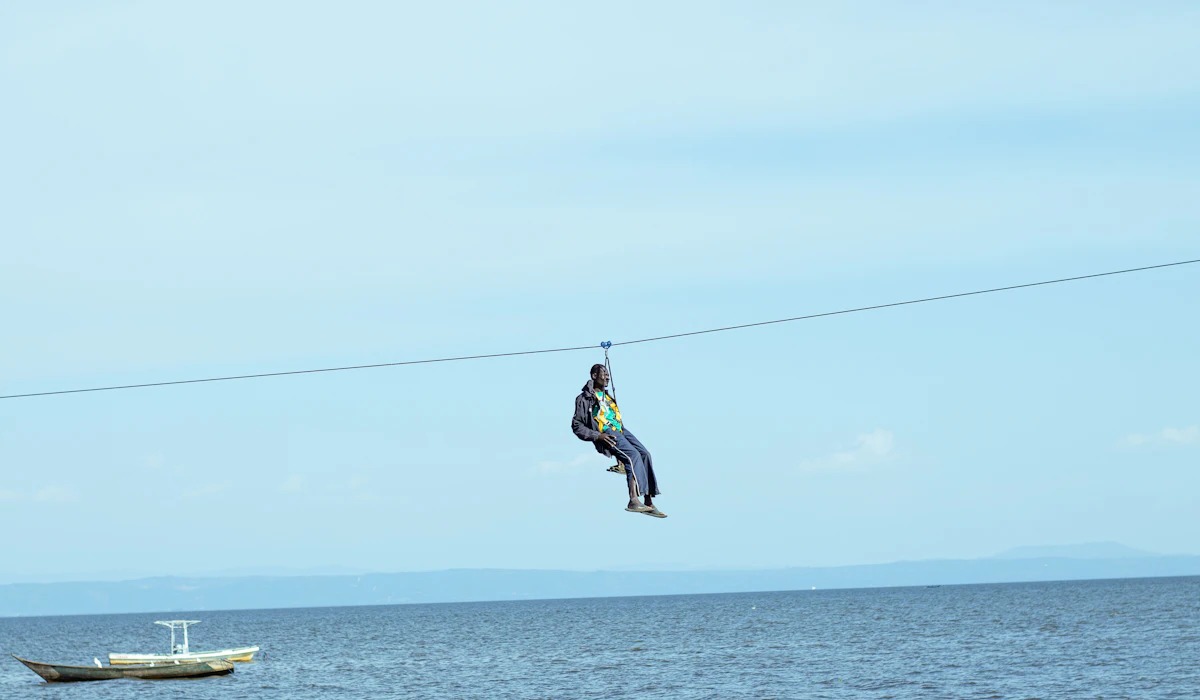
Elevated ropes courses sit on the highest, windiest decks, which makes them some of the first attractions to close when weather turns. Guests are clipped into safety lines and must meet height and weight requirements.
Like the climbing wall, these attractions usually operate in supervised sessions instead of on a drop-in basis, and sea conditions can cancel the day without much notice.
Thermal Suites
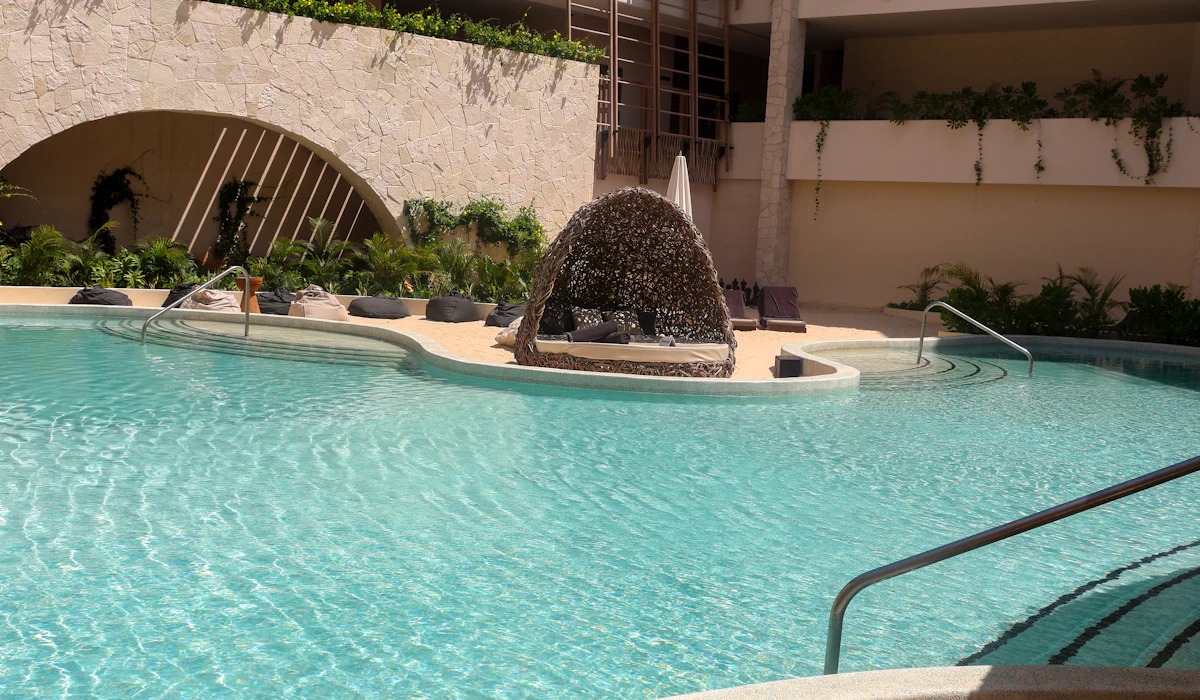
Thermal suites bundle heated stone loungers, steam rooms, and saunas into a quiet corner of the spa. Access usually requires a separate pass, and the area typically closes outside set daytime windows.
Because these suites are small and meant to feel calm, some lines limit access or sell a set number of passes, so waiting until the last day can mean finding the door shut.
Spa Treatment Rooms

Massages, facials, and body wraps are booked by appointment, and therapists work set shifts instead of around-the-clock schedules. Sea days fill up fast, while port days may offer more appointment choices or promotional rates.
Treatment rooms are often closed to walk-ins entirely, so the reception desk becomes the real gatekeeper of any spa visit.
Adults-Only Solariums
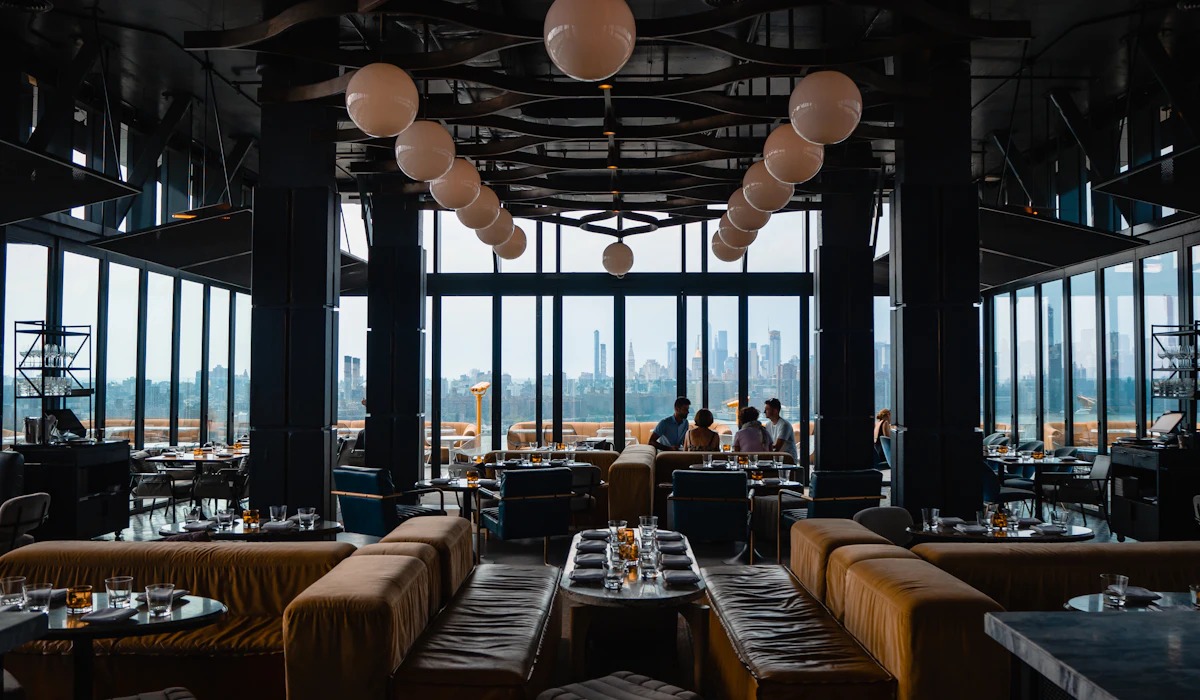
Many ships dedicate a glass-covered retreat to guests over a minimum age, usually 18. The space tends to run on a tighter schedule than the main pool, although some solariums remain open for much of the day.
Some lines charge a daily or weekly fee for entry, while others include access in the fare. Weather, maintenance, and ship-specific policies can affect availability.
Hot Tubs and Whirlpools
Whirlpools are drained, cleaned, and refilled on a regular rotation, and each cycle takes the tub out of service for a stretch of the day. Crews also close them in heavy seas because water can surge out when the ship rolls.
Tubs on adults-only decks may follow separate rules, which is why a steaming tub at noon can be empty and dark by evening.
Specialty Restaurants
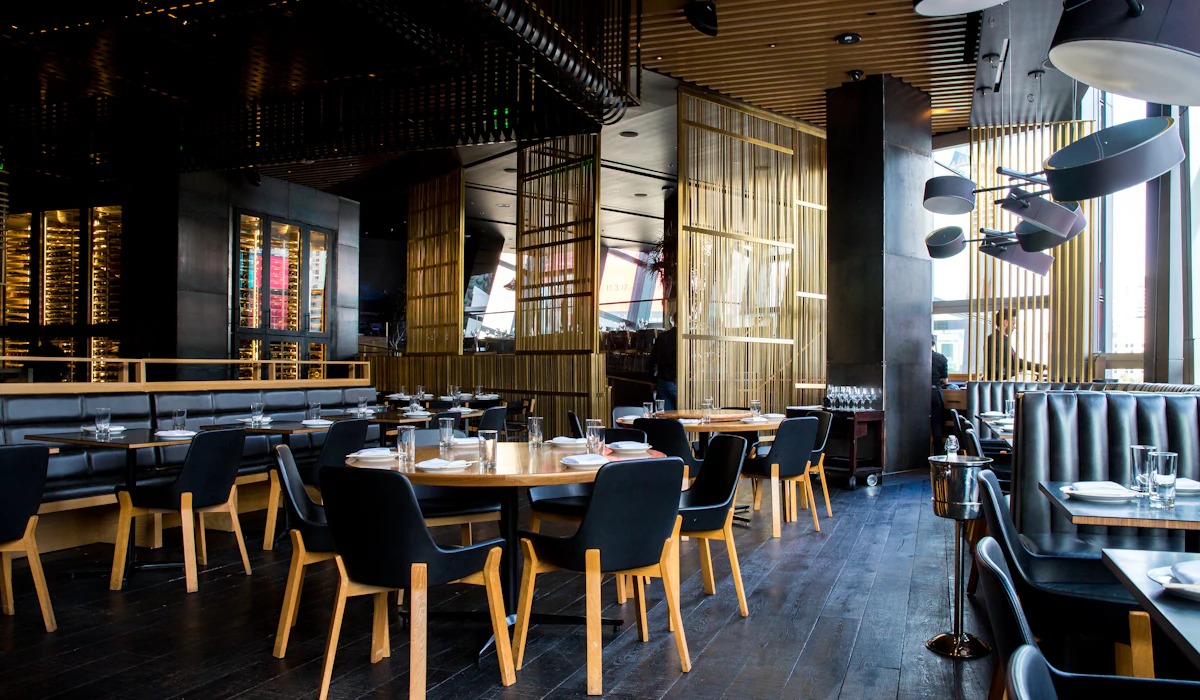
Specialty restaurants are usually open during specific meal periods, and many serve just a few hours each evening. Tables are booked in advance, often by reservation through an app or a desk, and popular nights sell out early in the cruise.
Some venues may operate on limited schedules or close on certain days, while others limit seatings so the kitchen can run at its own measured pace.
The Casino
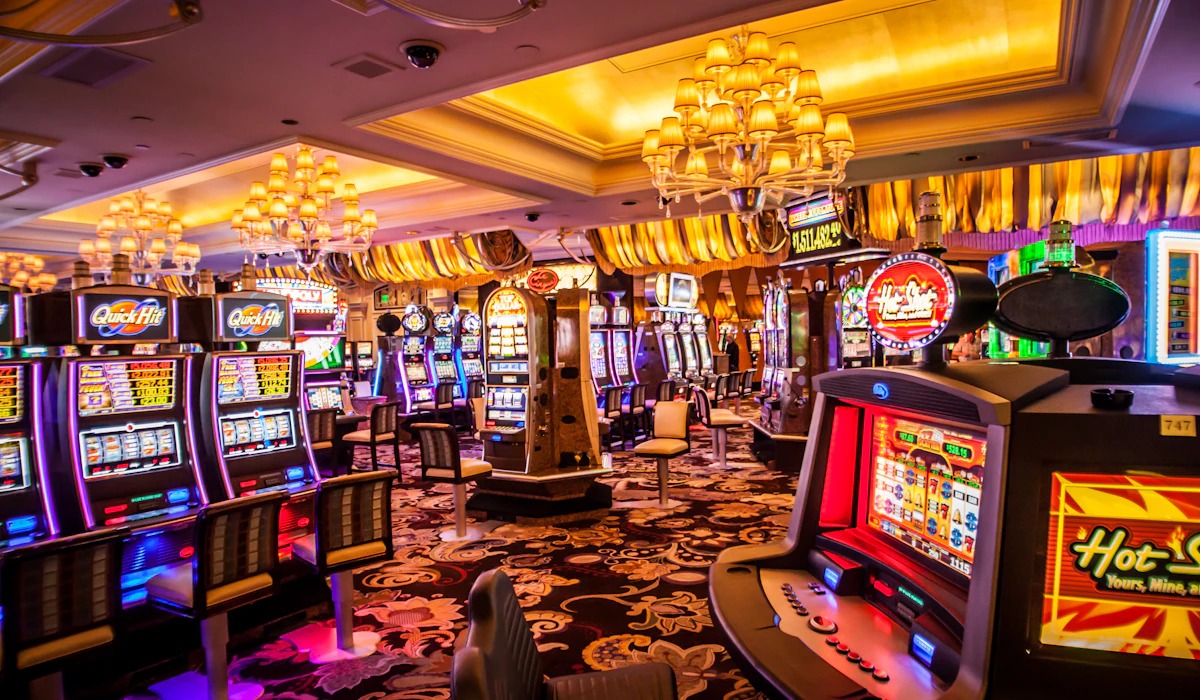
Casinos generally open only once a ship is out in international waters, or has reached waters where gambling is permitted under applicable laws. Many lines close the doors while docked, and in some ports regulations keep them shut for the entire stay.
When the doors do open, hours vary by itinerary, and table games often wind down earlier than the slot machines.
Duty-Free and Onboard Shops
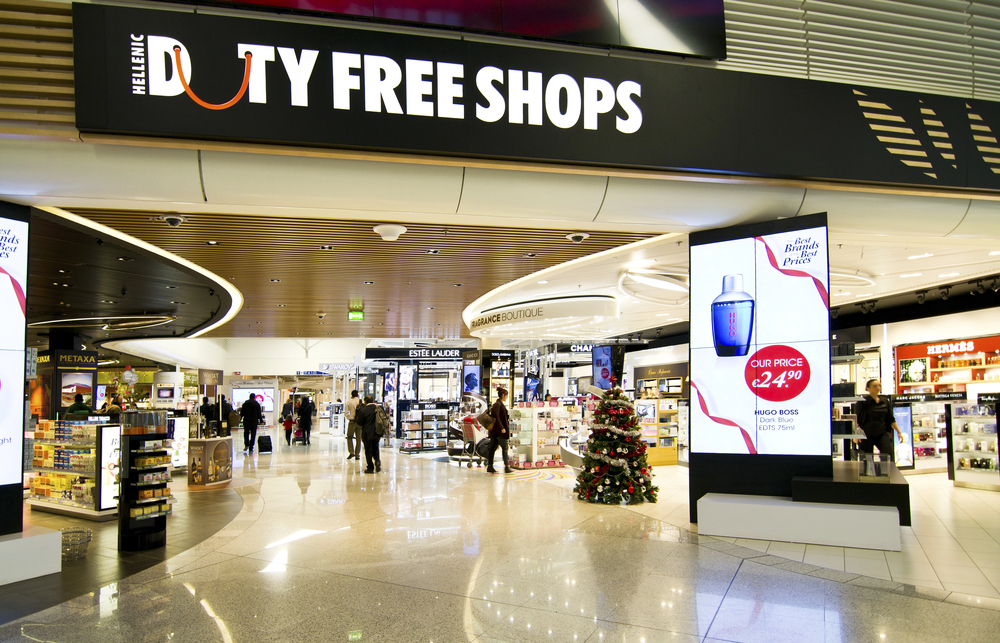
Onboard shops rely on tax-free pricing, and customs rules generally require them to close in port. Many shops close while the ship is docked and reopen after departure, although rules vary by location and type of merchandise.
Shoppers who wait until the final night may find limited stock, particularly of popular fragrances, watches, and liquor.
Art Auctions
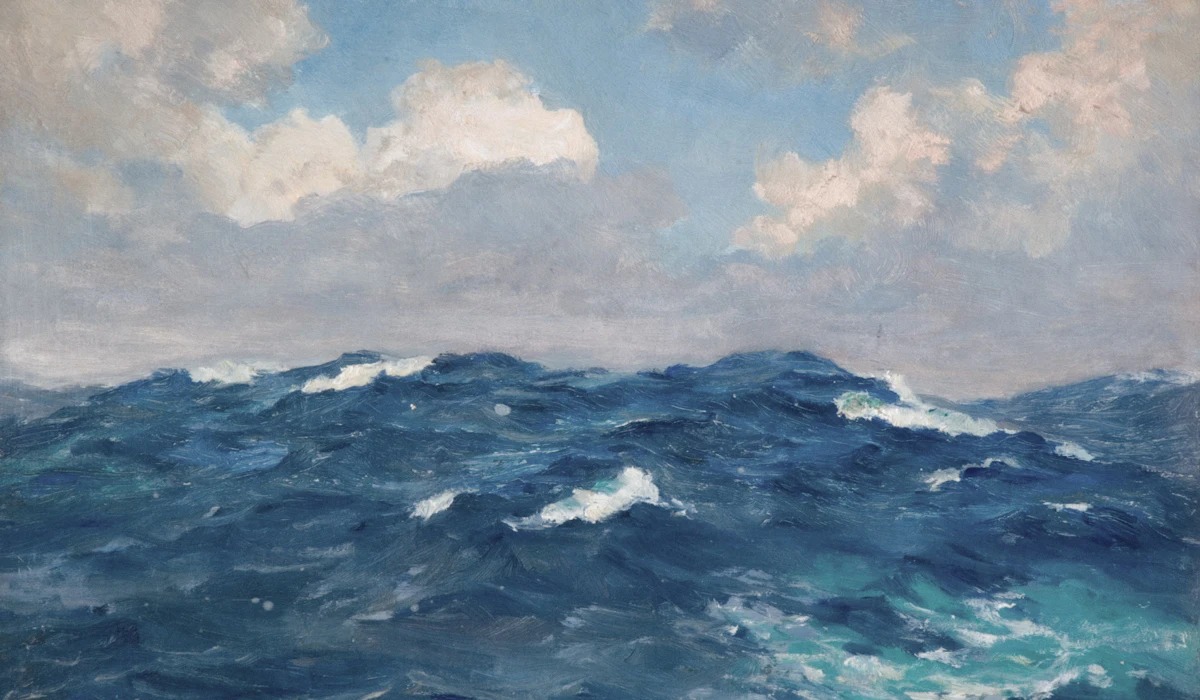
Art auctions are one of the best-known shipboard traditions and one of the most schedule-bound. They typically run on sea days, in the afternoon or early evening, with a preview gallery open beforehand and complimentary champagne often poured.
Because auctions need a captive audience and a staff of specialists, they are more commonly scheduled on sea days than during port calls.
Kids Clubs
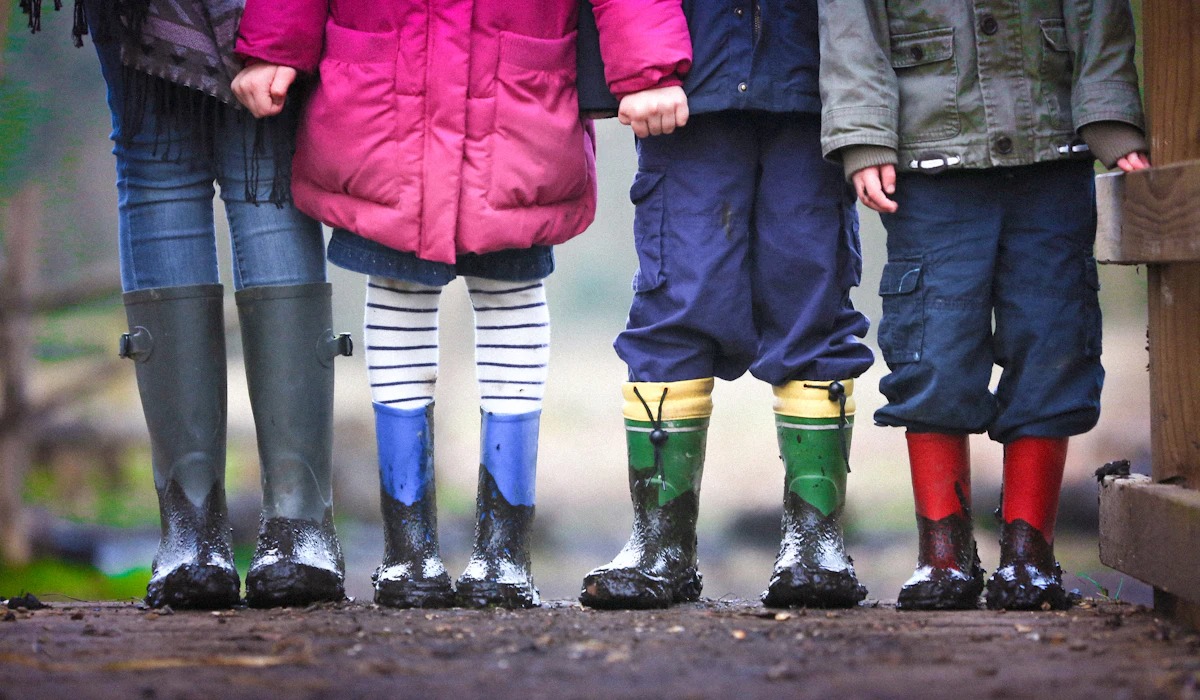
Children’s programs are divided by age group and run in set blocks through the day. They generally close for meals, for cleaning, and for a few hours late in the evening.
Some lines operate extended evening sessions for an extra fee, and certain clubs stop accepting new arrivals once a session is underway, so late drop-offs can be turned away.
Teen Hangouts
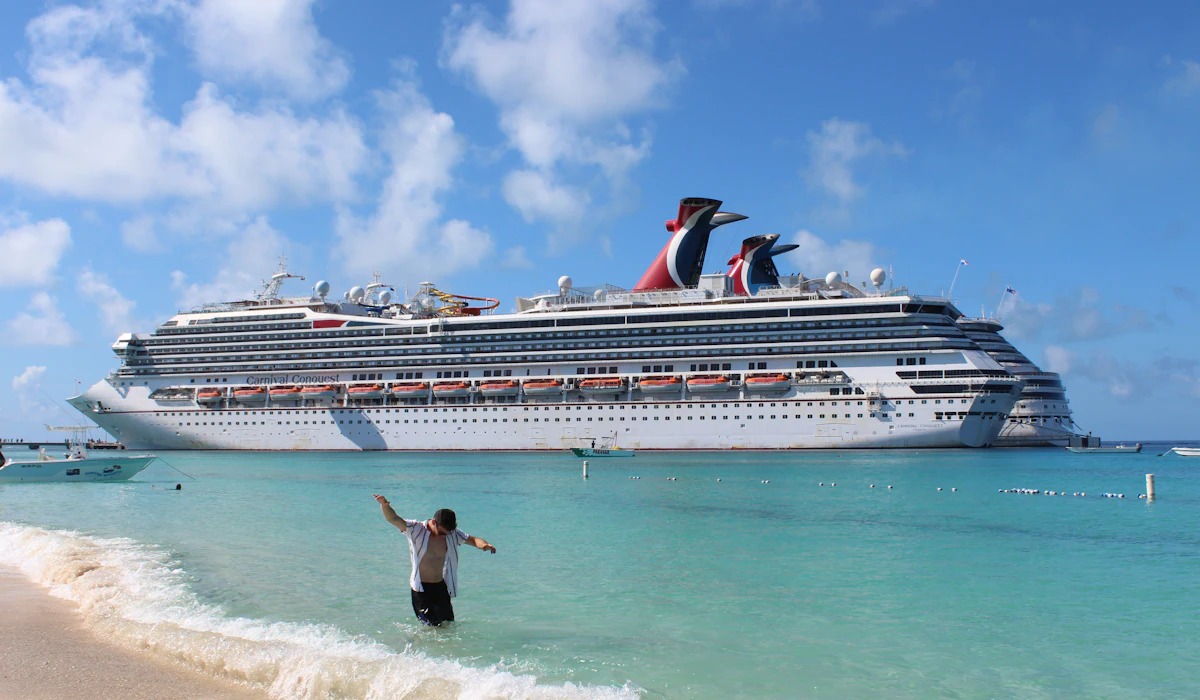
Teen spaces tend to wake up late. Programs for older children often begin in the afternoon, build toward the evening, and wind down well before midnight.
Staff rotate through activities such as game tournaments and dance parties, but the venue may be closed between scheduled events. Rules about age verification mean that access is restricted to the designated age group.
Observation Lounges
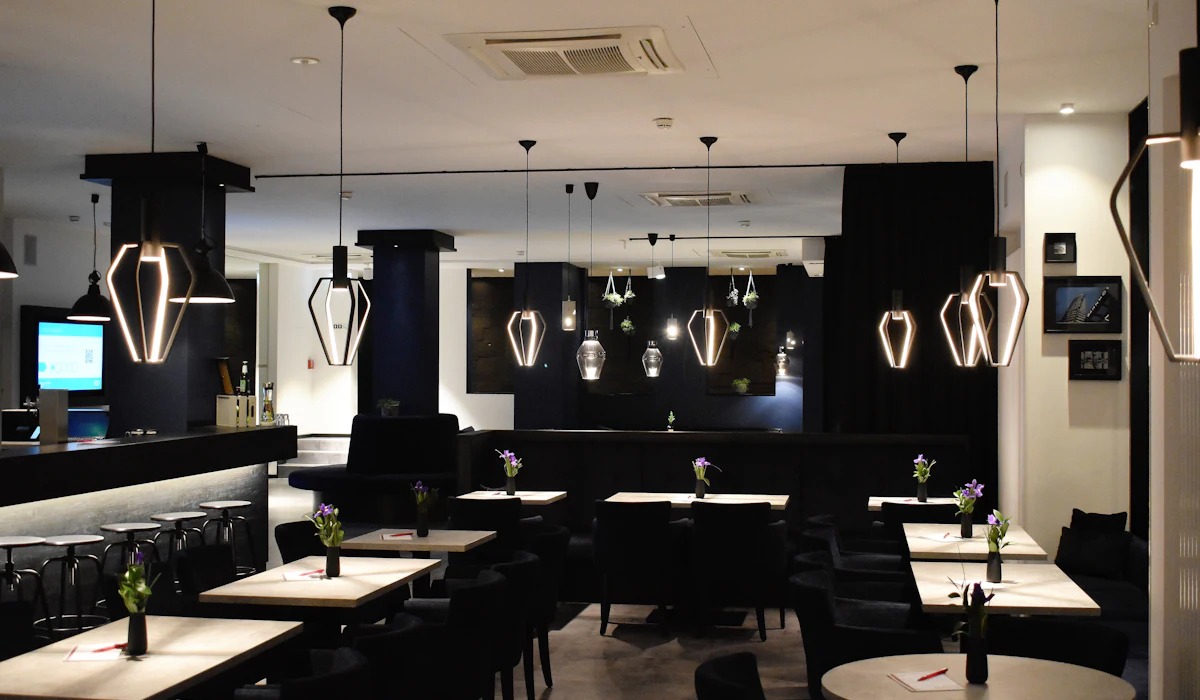
A panoramic lounge at the front of the ship can be a quiet haven by day and a club by night. Many switch roles on a schedule, so a sunny morning reading room turns into a dance floor after dark.
Lounges close for cleaning and for private events, and in rough weather the forward windows can feel less like a view than a warning.
Sports Courts
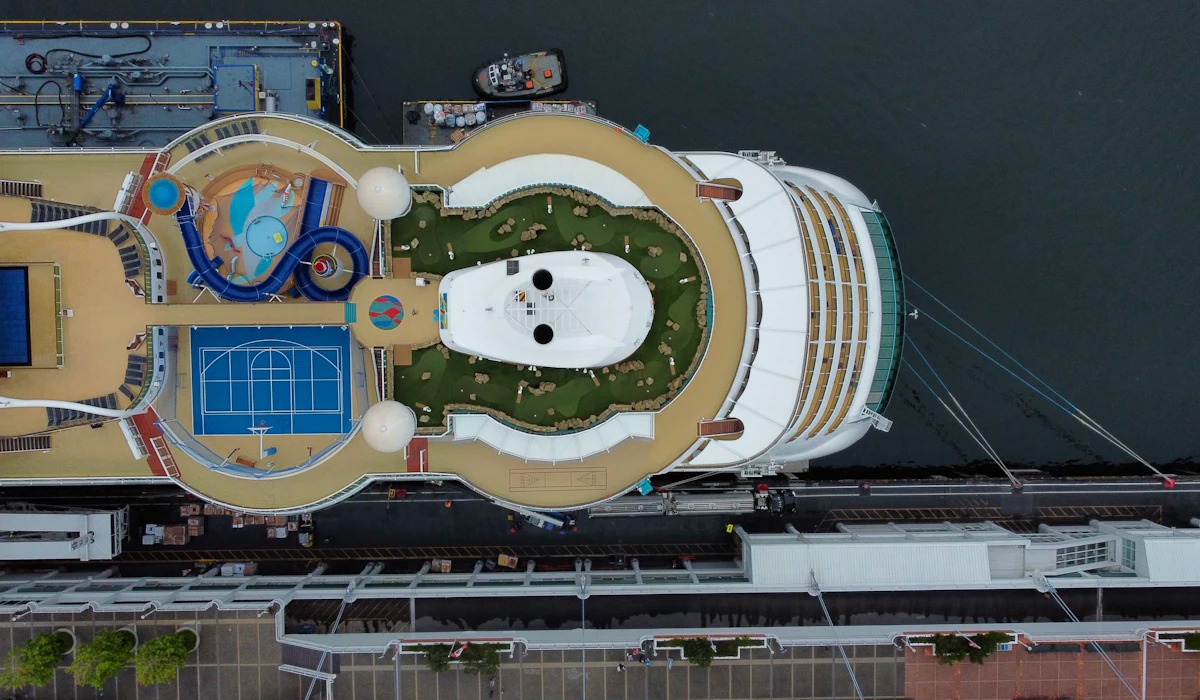
Outdoor courts for shuffleboard, tennis, and similar games are exposed to wind, spray, and ship motion. Crews close them in poor weather and often restrict them to sea days or specific time slots.
Nets and fences are sometimes taken down altogether when the forecast turns rough, and equipment is usually checked out at a nearby desk for a limited window.
Mini Golf Courses
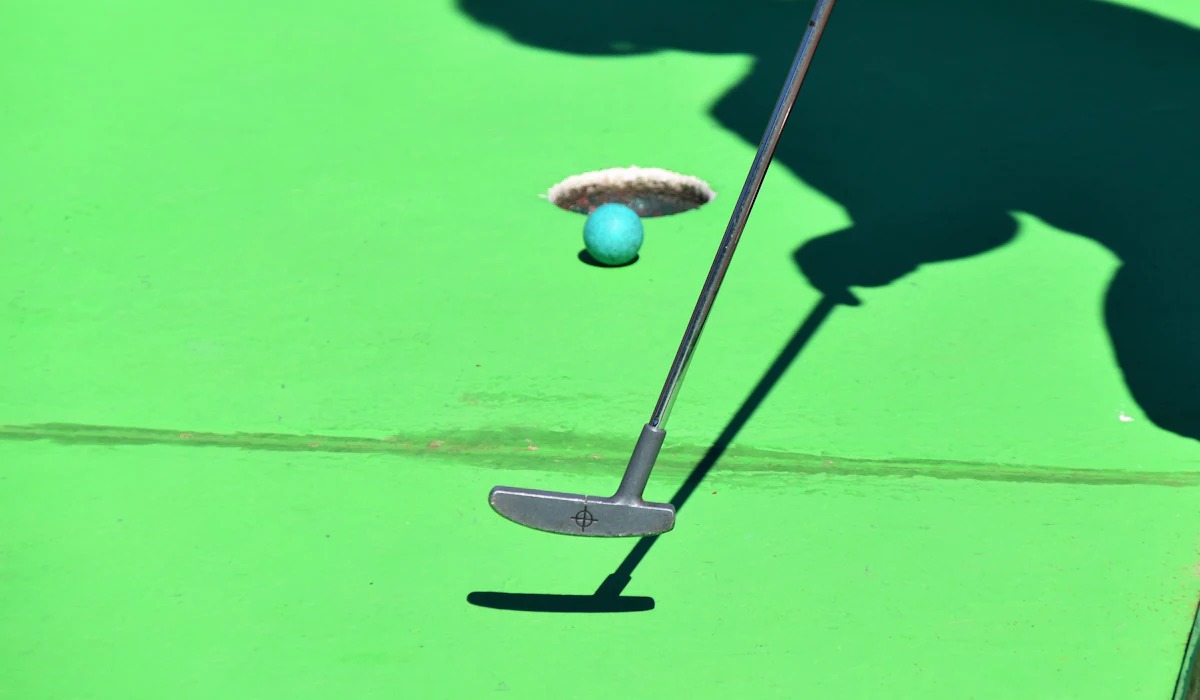
Miniature golf courses perch on upper decks, where gusts can snatch scorecards and knock over obstacles. The courses typically close when winds pick up and may have limited hours after dark.
Clubs are loaned out only during staffed hours on some ships. Some of the most elaborate layouts are themed to the ship itself, which does nothing to help when a squall rolls in.
Jogging Tracks
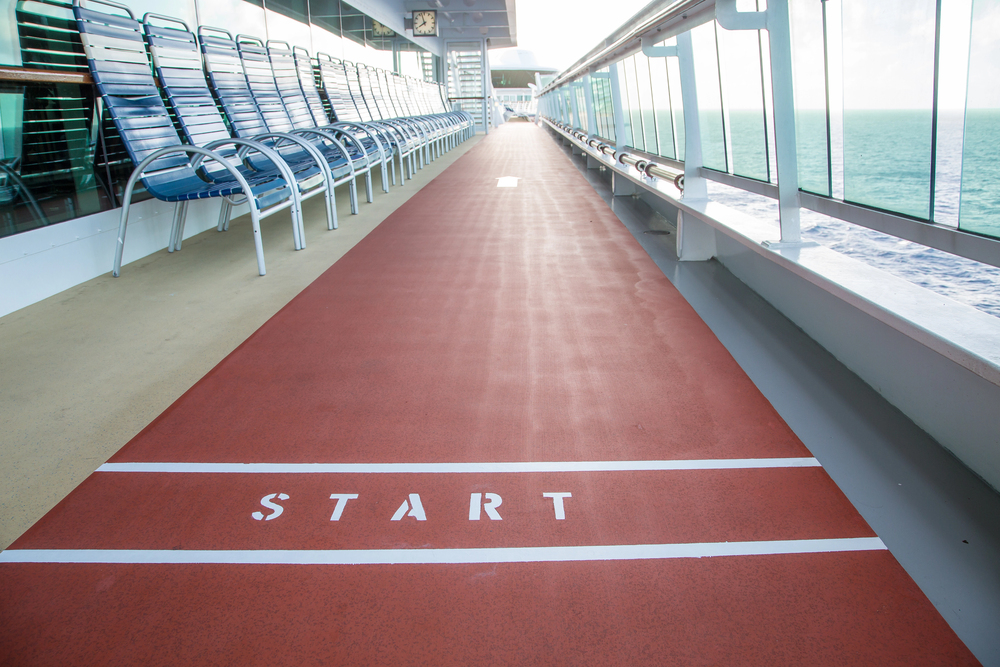
A track circling an upper deck is a pleasure at sunrise and a hazard in a heavy swell. Cruise lines may close upper-deck tracks in rough weather or during deck cleaning, and some restrict them to certain hours so that sleeping cabins below are not disturbed by early footsteps.
Guests who want a long run may find the lap count far lower than expected.
Self-Service Laundry Rooms
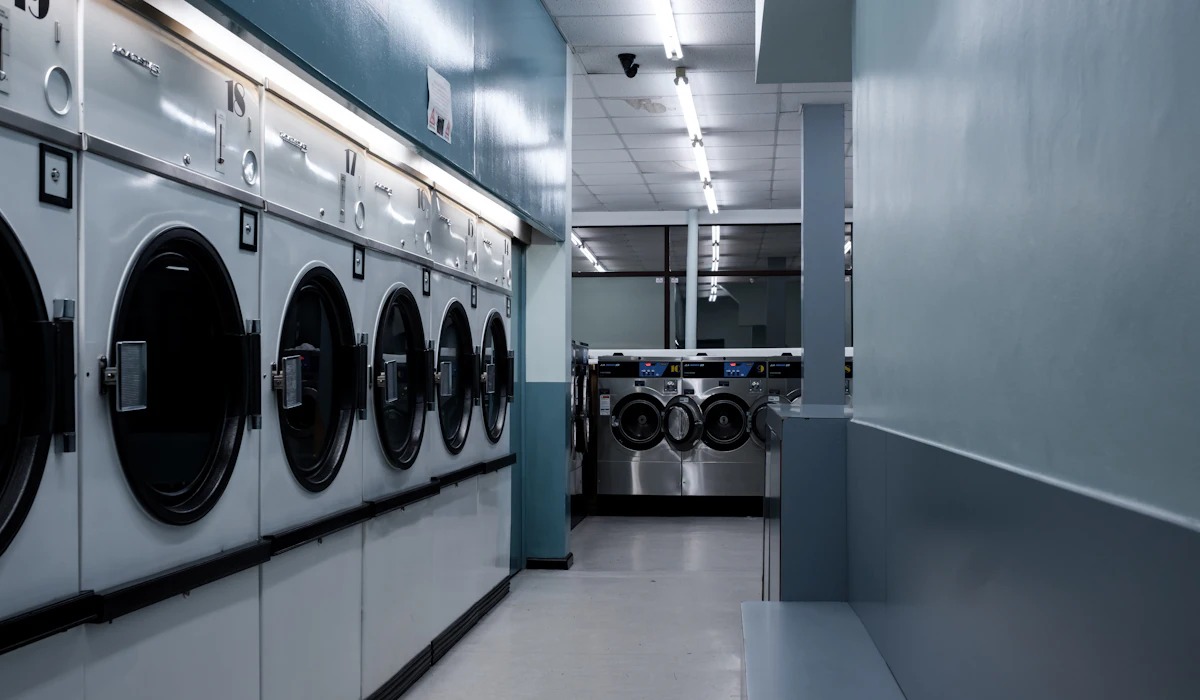
Self-service laundry rooms are a rarity at sea, found mostly on longer voyages and on certain lines. Where they exist, their hours and payment methods vary by ship; some are open around the clock, while others have set operating hours.
Demand peaks on sea days, and a single broken dryer can create a real queue.
Libraries

A ship’s library often looks like it belongs in a quiet country house, with leather chairs and a wall of paperbacks. It generally keeps staffed hours so that attendants can check out books and manage board games, and the room may be open but unattended outside those windows.
Some ships close the space entirely overnight or use it for private gatherings.
Card Rooms
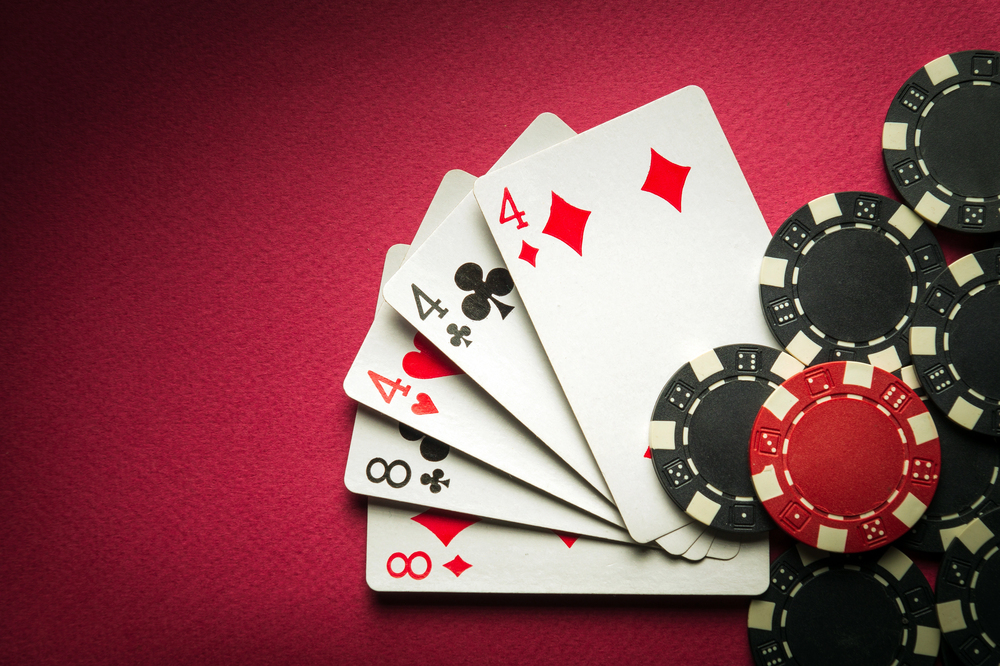
Card rooms host bridge, poker, and board game groups on a schedule. Hosted sessions usually appear in the daily program, and the room is generally reserved for those times.
Outside organized play, the door can be locked or the space turned over to other uses, so players who want a casual hand may have to check the schedule first.
The Medical Center
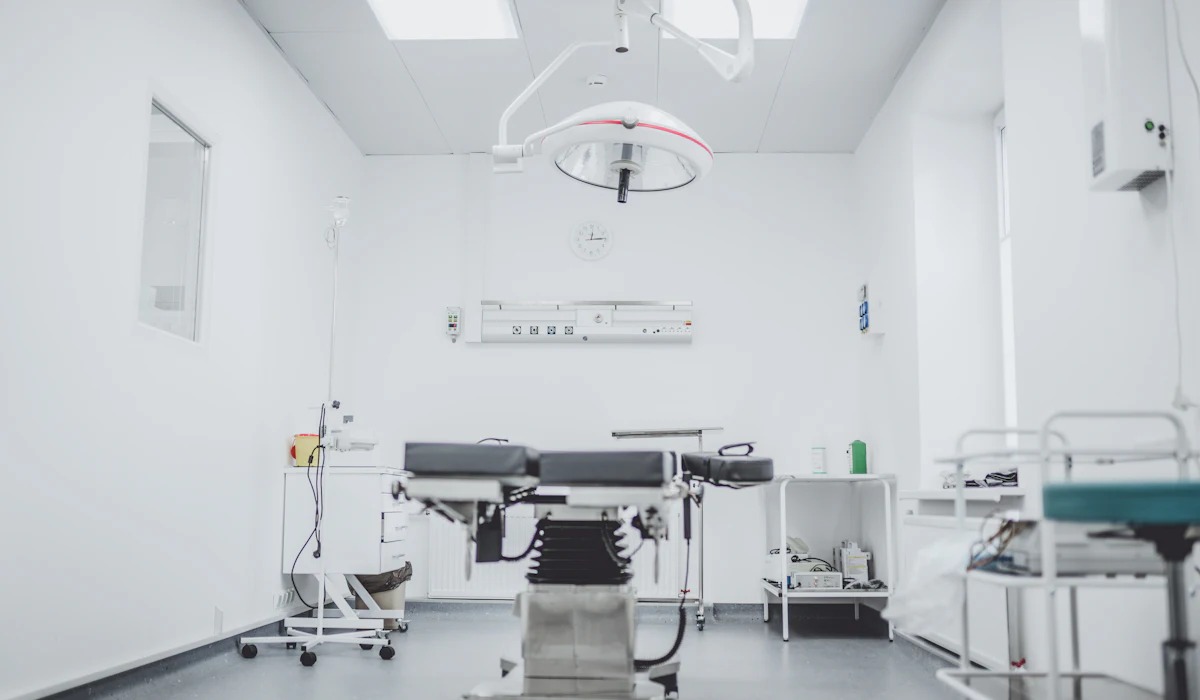
The ship’s medical center keeps regular clinic hours, often split between a morning and an evening session. Outside those hours, medical staff are generally available for emergencies, though response procedures vary by ship.
Fees are typically charged per visit, and the center may limit routine appointments during busy embarkation periods.
Guest Services Desk
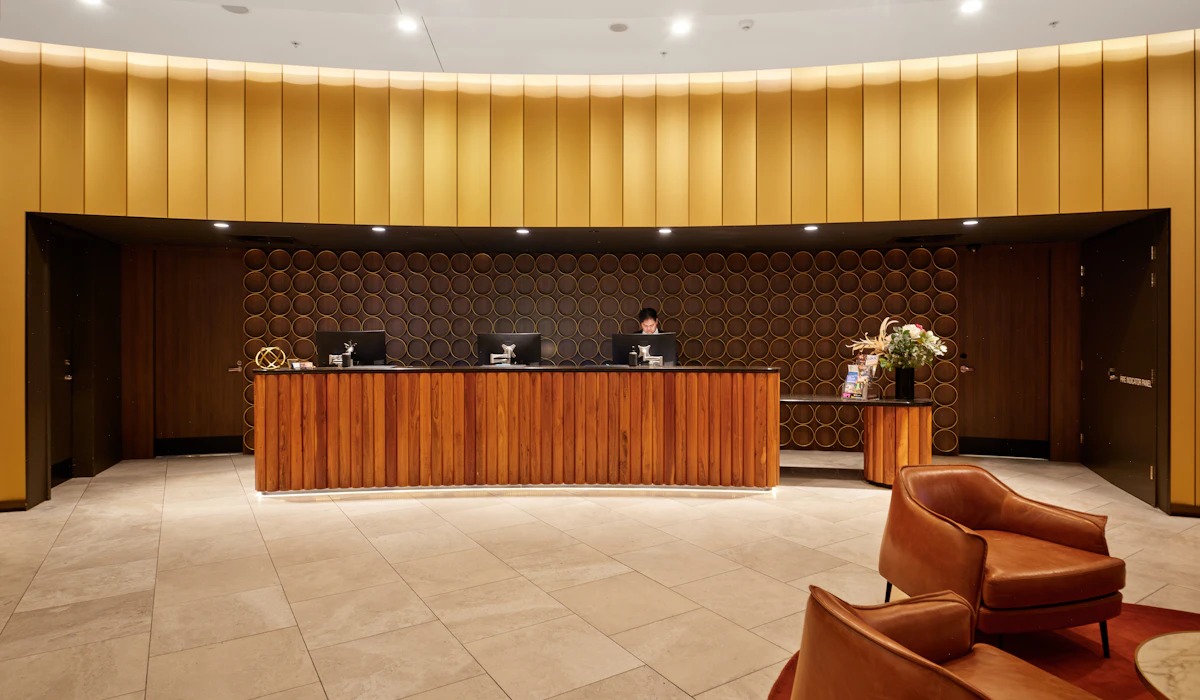
The guest services desk is the front door for billing questions, lost items, and excursion changes. On many ships it is staffed through most of the day and evening, but the lines swell near the end of a cruise.
Some lines reduce desk hours at night and direct guests to a phone or an app for basic requests.
Tender Embarkation Lounge
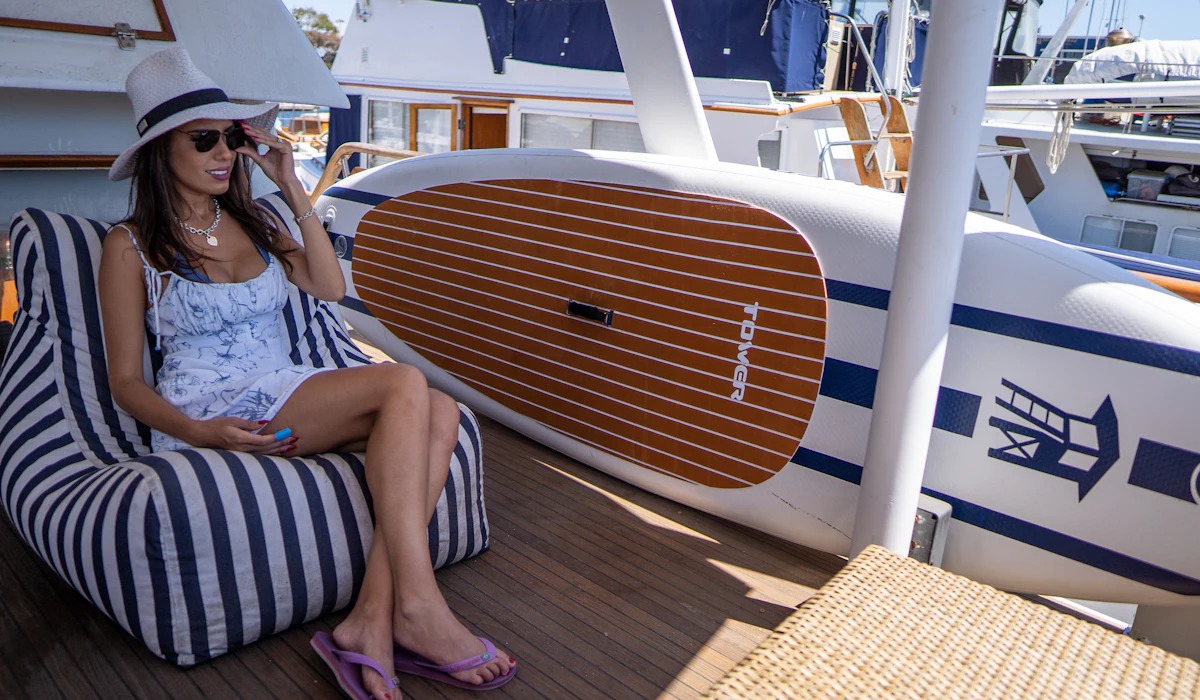
Ships that anchor offshore ferry guests to land in small boats called tenders. A lounge on board typically hands out numbered tickets and holds passengers until it is their turn.
The system runs only while the ship is anchored and tenders are in service, and weather can halt the process entirely, potentially forcing the ship to skip the port.
Photo Galleries
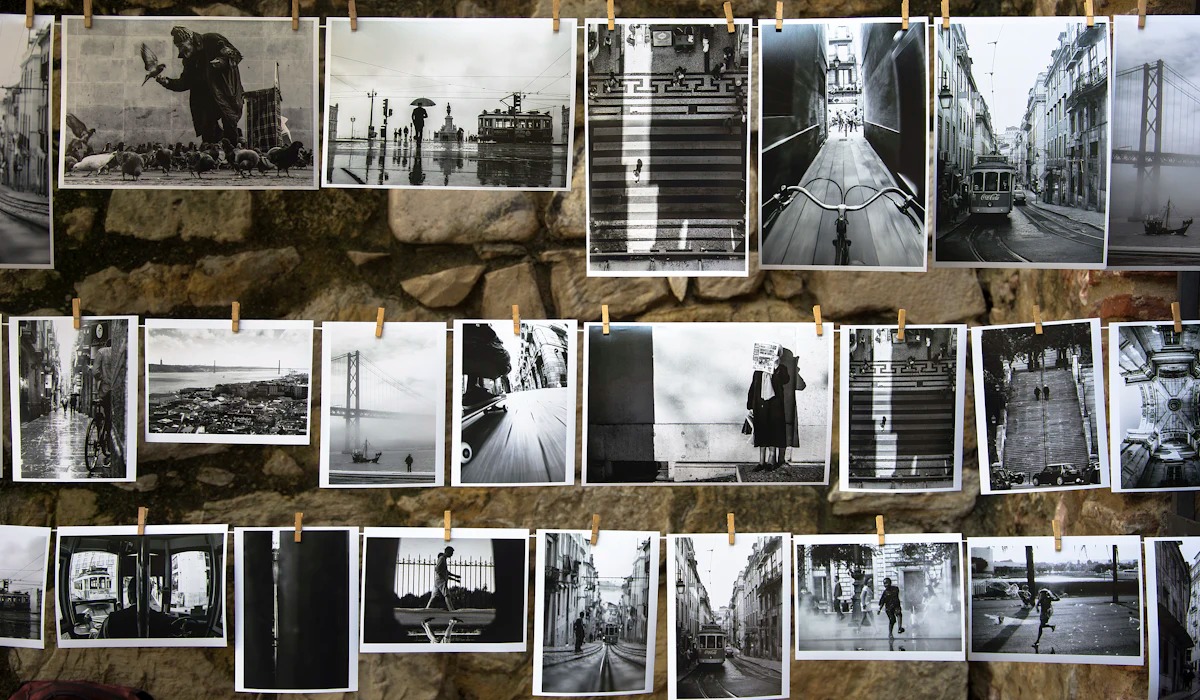
Onboard photographers snap portraits at gangways, formal nights, and dining rooms, then display the prints in a gallery. The gallery usually opens in the afternoon and evening, with the busiest hours coming after formal dinners.
Prints and digital photos may be available only for a limited period, depending on the ship’s photo service, and a shop open only a few hours can be crowded when a deadline approaches.
Bakeries and Coffee Counters

Bakery counters and coffee bars often stay open from early morning, yet many close for stretches in the afternoon or overnight. Specialty coffee and pastry stations may be a paid add-on, and the freshest items tend to disappear quickly.
A craving for a croissant at an odd hour can easily end at a locked glass case.
Ice Cream Stations
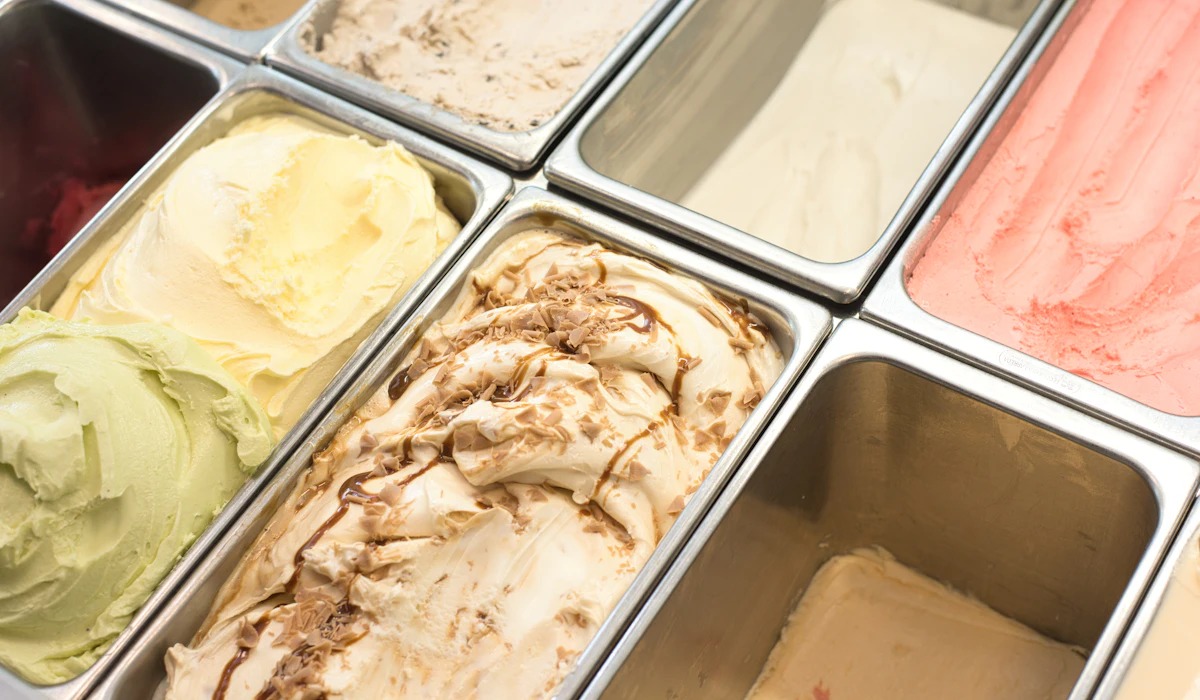
Soft-serve machines are among the most popular pieces of equipment on deck, and they rarely run all day. Many lines operate them during set windows, such as afternoons and after dinner, and close them for cleaning or when the deck is cleared.
Premium scoop shops with toppings and flavors usually charge extra and may keep shorter hours than the main buffet or other casual dining venues.
Late-Night Snack Spots

Late-night food outlets exist for guests who miss dinner or want a midnight bite. Pizza counters and snack bars often run well into the night on sea days, though the menu shrinks as the evening wears on.
In port, some close earlier, and the kitchen may shut when the ship is quiet.
Surf Simulators
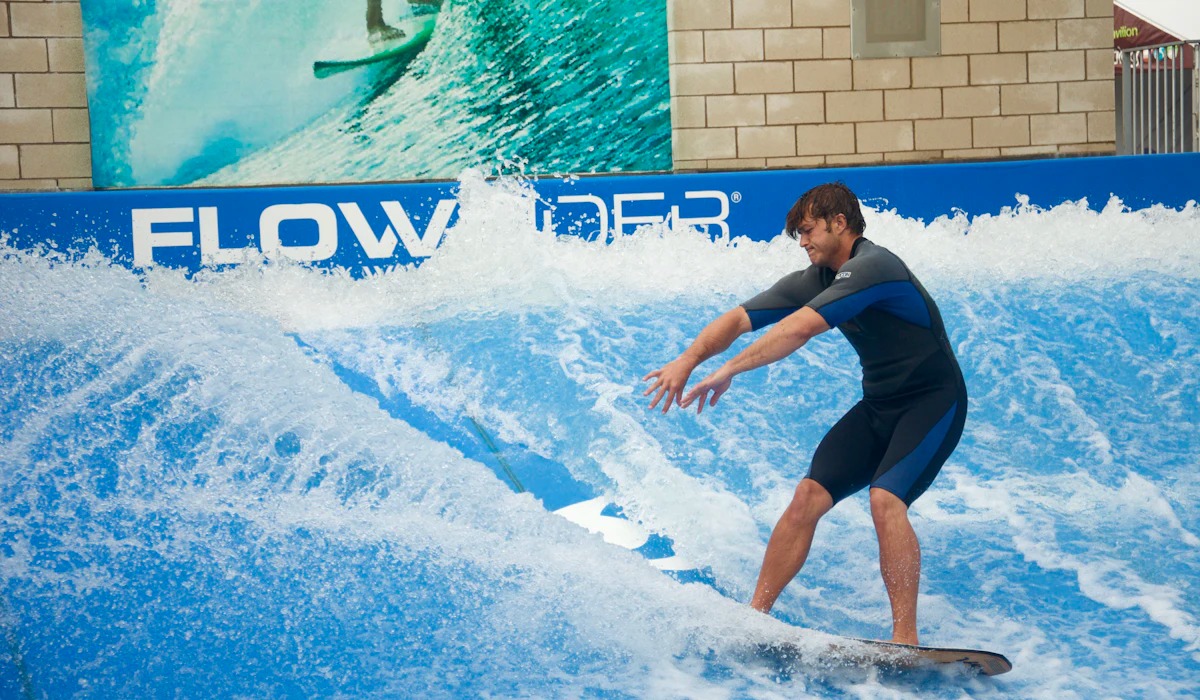
Surf simulators push a sheet of water over a sloped surface so riders can balance on boards in the middle of the ocean. They are staffed attractions that usually run in timed sessions with sign-ups, and they pause in rough seas or high winds.
Some are open to spectators who simply watch, and others are reserved for lessons.
The Pattern Behind the Schedule
Most of these closures trace back to a few unglamorous causes: weather, staffing, local law, and the simple fact that every hour of operation costs money. Port days open the shore and close the ship, while sea days do the reverse, so the daily program is the real map of what is available.
The smartest passengers read it the night before, book the popular venues early, and treat anything weather-dependent as a pleasant surprise. A cruise ship is a small town that never quite goes to sleep, but a surprising number of its doors are locked when least expected.
More from Travel Pug

- Underrated Italian Towns That Beat the Tourist Crowds
- Las Vegas Tourist Traps to Skip
- Prettiest Towns in Every US State
- 18 passport-free countries for Americans
- Signs Your Cruise Is Not Worth The Cost
Like Travel Pug’s content? Follow us on MSN.