

Preservation and restoration are supposed to protect a historic property from time, but the process occasionally overshoots, replacing worn original materials with modern reproductions so thorough that the building ends up feeling more like a careful replica of itself than the place where anything actually happened. Fresh paint, reconstructed wings, and replica furnishings all serve a purpose, but they change what a visitor is actually looking at.
None of these places are frauds. They’re just further from their original fabric than the polished tour experience tends to let on.
Catherine Palace, Russia
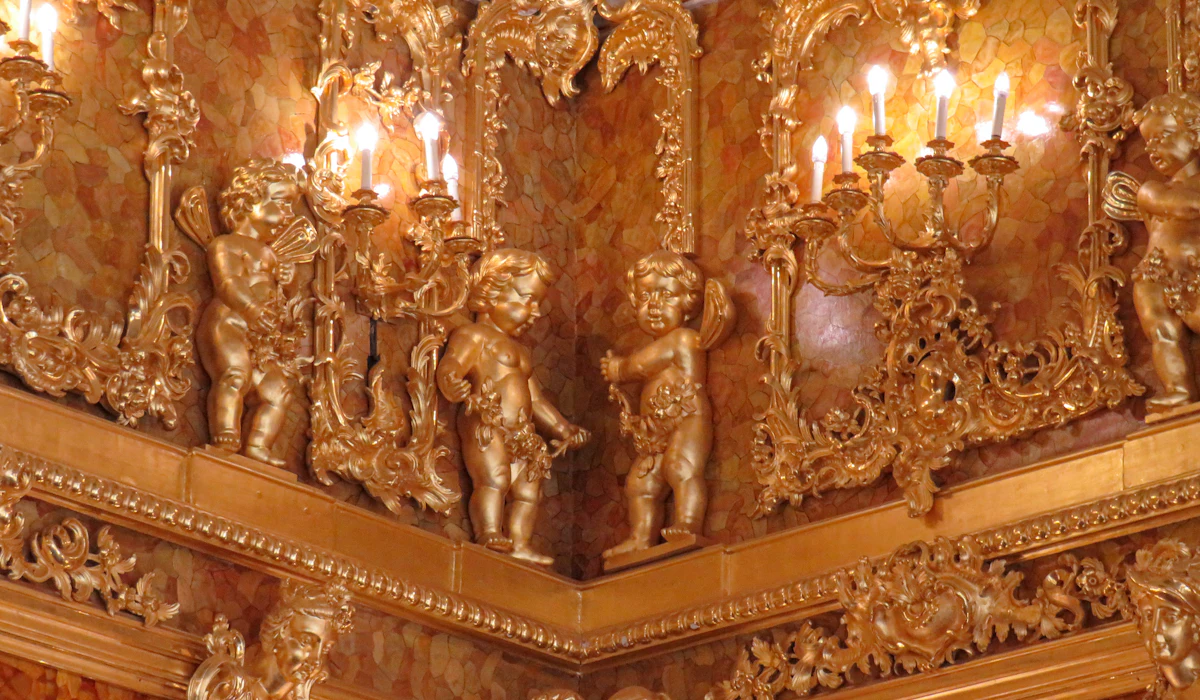
The palace’s famous Amber Room, looted during the Second World War and never recovered, was entirely reconstructed decades later using historical photographs and craftsmen trained specifically to recreate the original amber panels. What visitors see today is a meticulous replica rather than any surviving original material, a distinction the tour does mention but one that’s easy to miss amid the room’s dazzling appearance.
The rest of the palace also underwent extensive rebuilding after wartime damage left much of the structure in ruins.
Peterhof Palace, Russia

Heavily damaged during the Second World War, this palace and its famous fountain gardens were rebuilt almost entirely from historical documentation, photographs, and surviving fragments rather than restored from largely intact original structures. The Grand Cascade and gilded statues visitors see today are predominantly postwar reconstructions rather than centuries-old originals.
The palace’s opulent presentation makes it easy to forget how much of what’s on display was recreated rather than preserved.
Colonial Williamsburg Governor’s Palace, Virginia
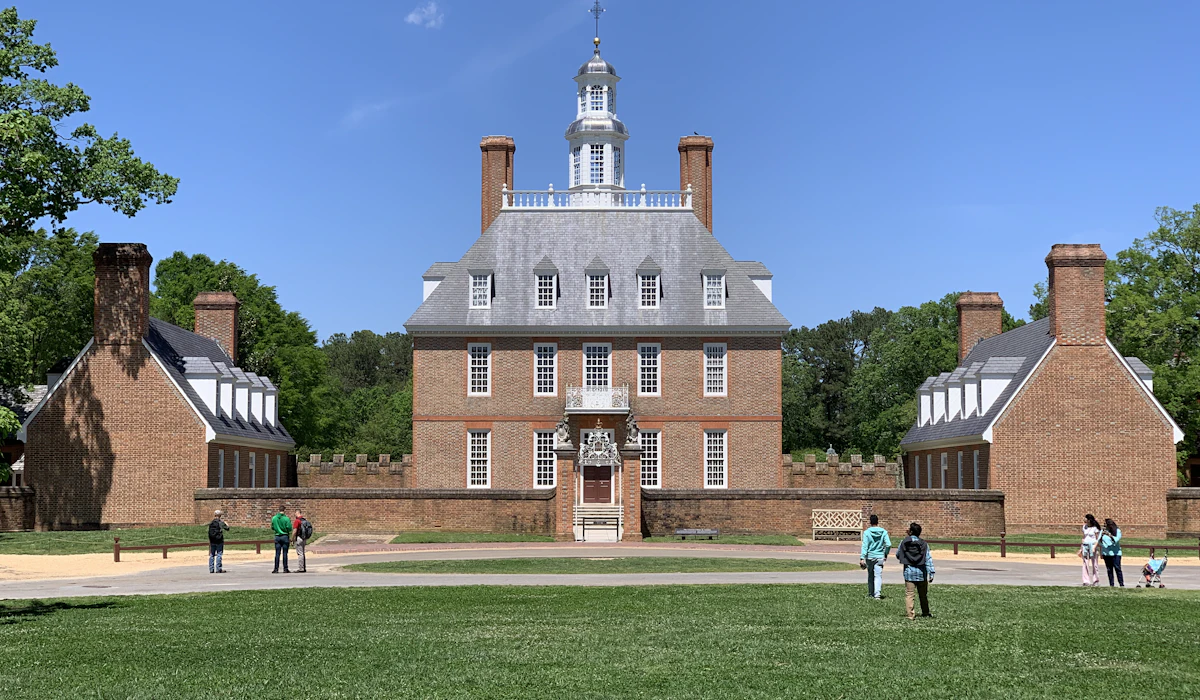
This building is a twentieth-century reconstruction built on the original foundation after the historic structure burned down in the eighteenth century, meaning nothing of the current building’s above-ground fabric is original. Interpreters in period costume add an immersive layer, but the structure itself is a careful guess at historical accuracy rather than a preserved original.
Visitors sometimes leave assuming they’ve toured an intact colonial-era building rather than a later recreation.
Betsy Ross House, Philadelphia
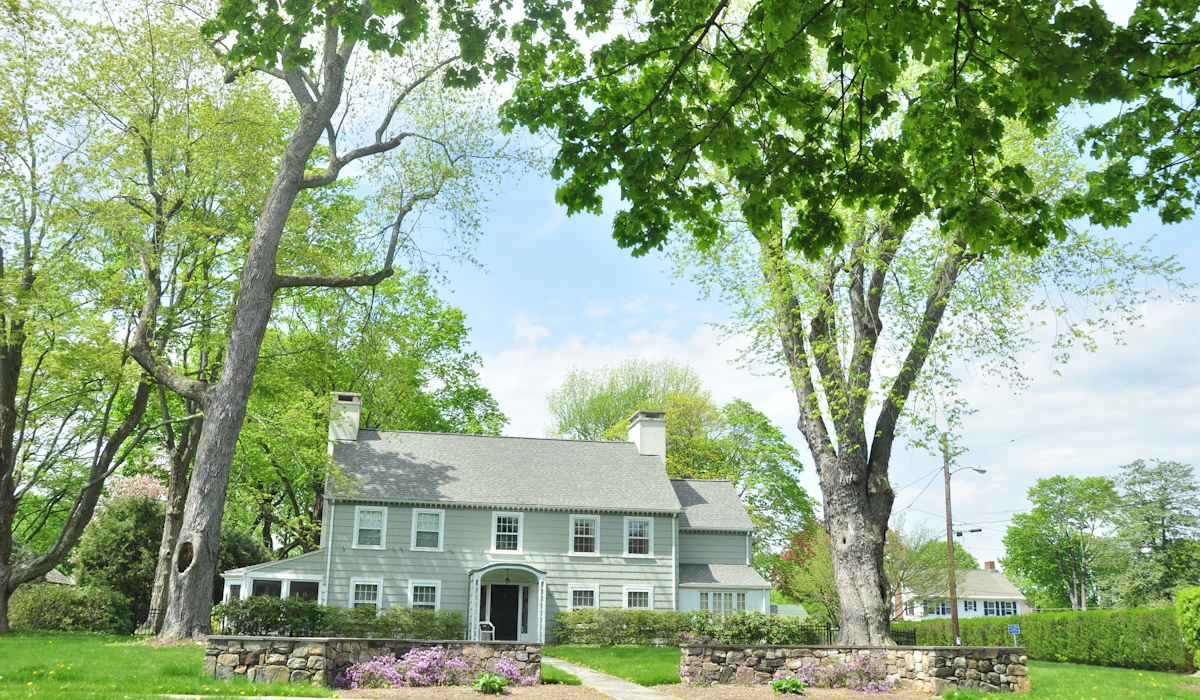
Historians have long debated whether this seamstress actually lived in the building now presented as her home, and restoration work over the decades has significantly altered the structure from whatever its original condition may have been. The house’s association with the American flag’s creation is itself a matter of historical dispute rather than settled fact.
The polished, tourist-ready presentation of the home doesn’t fully convey the uncertainty surrounding its central historical claim.
Paul Revere House, Boston
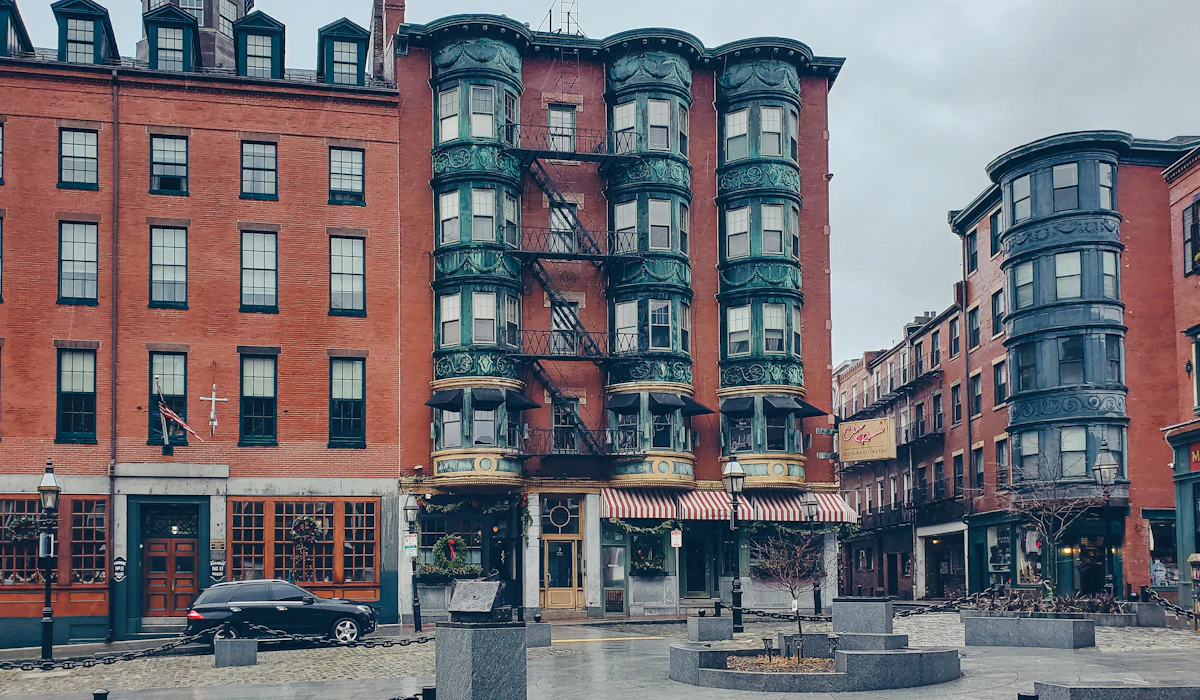
This building underwent extensive restoration in the early twentieth century that removed later additions and modifications made over the centuries since Revere actually lived there, effectively creating a version of the house meant to approximate its appearance during a specific historical period rather than preserving its full lived-in history. Some architectural elements were reconstructed based on educated guesses about the period rather than surviving evidence.
The restoration reflects early twentieth-century preservation philosophy as much as it reflects the house’s original colonial-era construction.
Mount Vernon, Virginia
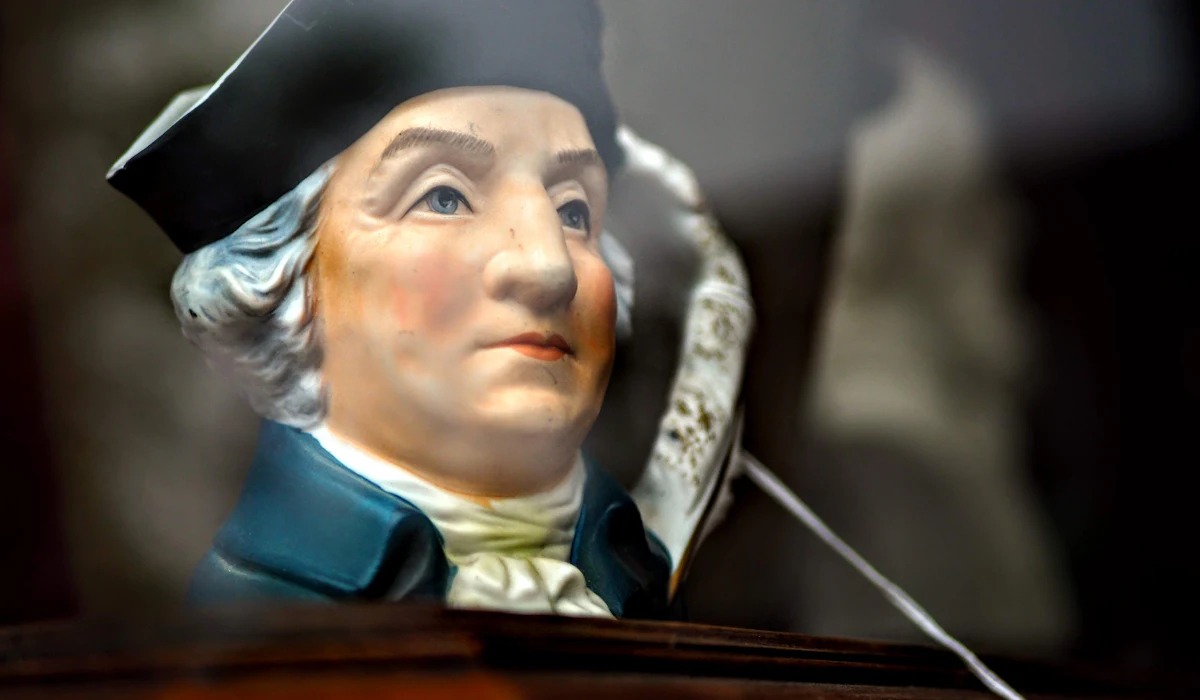
George Washington’s estate has undergone extensive restoration and reconstruction efforts since being acquired by a preservation association in the mid-nineteenth century, with numerous outbuildings rebuilt based on archaeological evidence and historical records rather than surviving original structures. The mansion itself retains more original fabric than many of the surrounding buildings, but ongoing restoration work continues to reshape the property considerably from its condition at the time of Washington’s death.
Visitors touring the grounds see a carefully curated version of plantation life shaped by decades of interpretive choices.
Monticello, Virginia
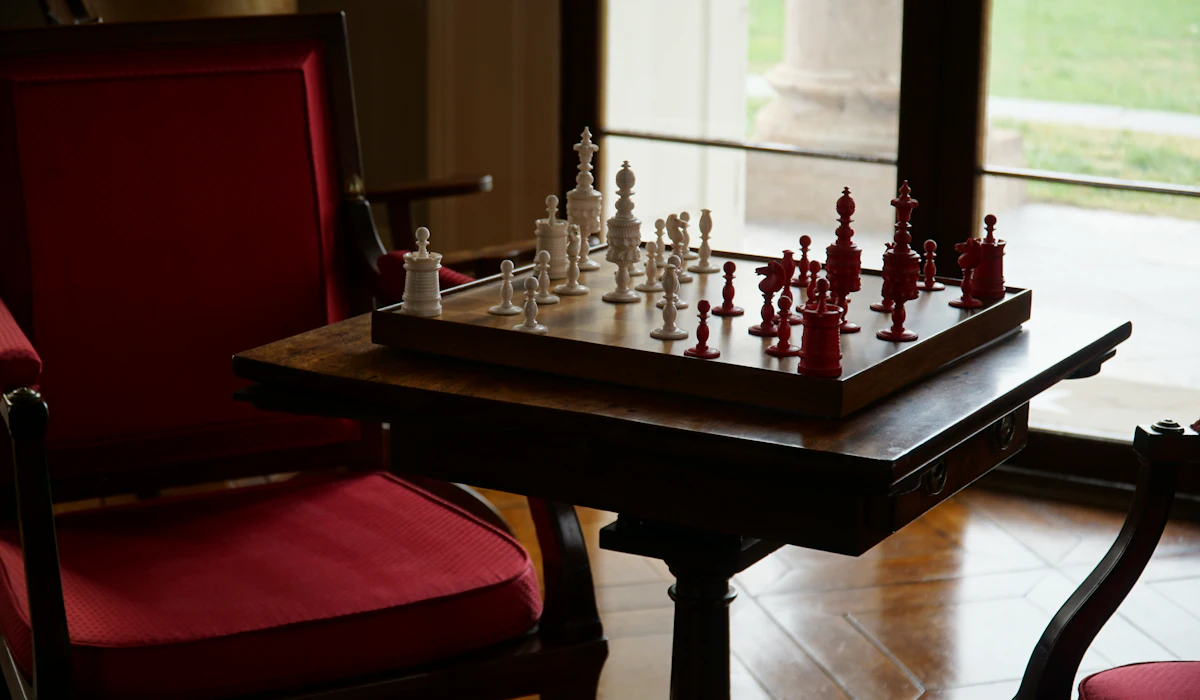
Thomas Jefferson’s home has undergone multiple waves of restoration since the mid-twentieth century, including significant work to reconstruct outbuildings and quarters that had disappeared entirely by the time preservation efforts began. Interior paint colors and furnishings reflect ongoing scholarly research rather than unchanged original conditions.
Recent restoration work has also focused on more accurately representing the enslaved community that lived and worked on the property, a shift that has meaningfully changed the site’s presentation over time.
The Hermitage, Tennessee

Andrew Jackson’s plantation home suffered a significant fire in the mid-nineteenth century that destroyed much of the original structure, and the building was substantially rebuilt afterward rather than simply repaired. Later restoration efforts in the twentieth century further altered the property to reflect a specific historical period rather than its full range of alterations over time.
The mansion’s current polished appearance reflects this layered rebuilding history more than a single, unbroken preservation timeline.
Graceland, Memphis

Elvis Presley’s home has been maintained largely as it appeared at the time of his death, but ongoing restoration and conservation work behind the scenes has replaced significant amounts of original material to keep the interior looking consistent for visitors. The famous Jungle Room and other distinctive spaces have required repeated refurbishment given the volume of visitor traffic the house receives annually.
The meticulously maintained appearance can obscure how much of the original 1970s material has been replaced or restored over the decades since.
Ernest Hemingway House, Key West

This property has undergone extensive restoration to preserve its structure against Florida’s humid climate and frequent storm damage, work that has replaced significant portions of the original building materials over the decades. The famous six-toed cats associated with the property are descendants rather than the author’s original pets, a detail sometimes lost on visitors assuming direct continuity.
Hurricane damage over the years has required repeated rebuilding of sections of the property.
Mark Twain House, Hartford

This elaborate Victorian home underwent a major restoration in the late twentieth century to return its interior to the elaborate decorative scheme designed during the author’s residence, a scheme that had been painted over and altered by subsequent owners. The restoration work involved extensive research and reconstruction of decorative stenciling and wallpaper patterns based on paint analysis and historical photographs rather than surviving original surfaces.
What visitors see today reflects this careful reconstruction more than continuous, unbroken preservation since Twain’s era.
Highclere Castle, England
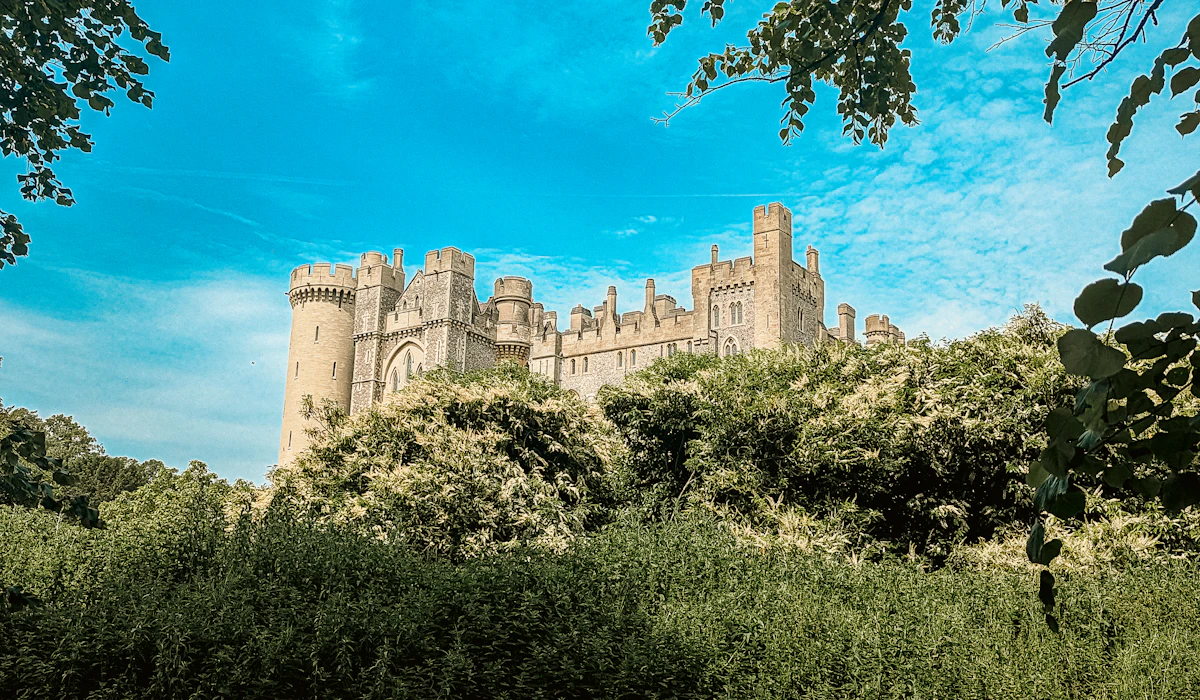
Made famous by a popular television drama, this castle has undergone modernization and restoration work over generations, including significant renovation following a major fire in the nineteenth century that predates its current appearance. Ongoing maintenance driven partly by its function as a filming location and tourist attraction has kept the interior polished in a way that can feel more like a well-maintained set than an unaltered aristocratic residence.
The estate’s presentation to visitors leans heavily into its television fame alongside its historical significance.
Warwick Castle, England
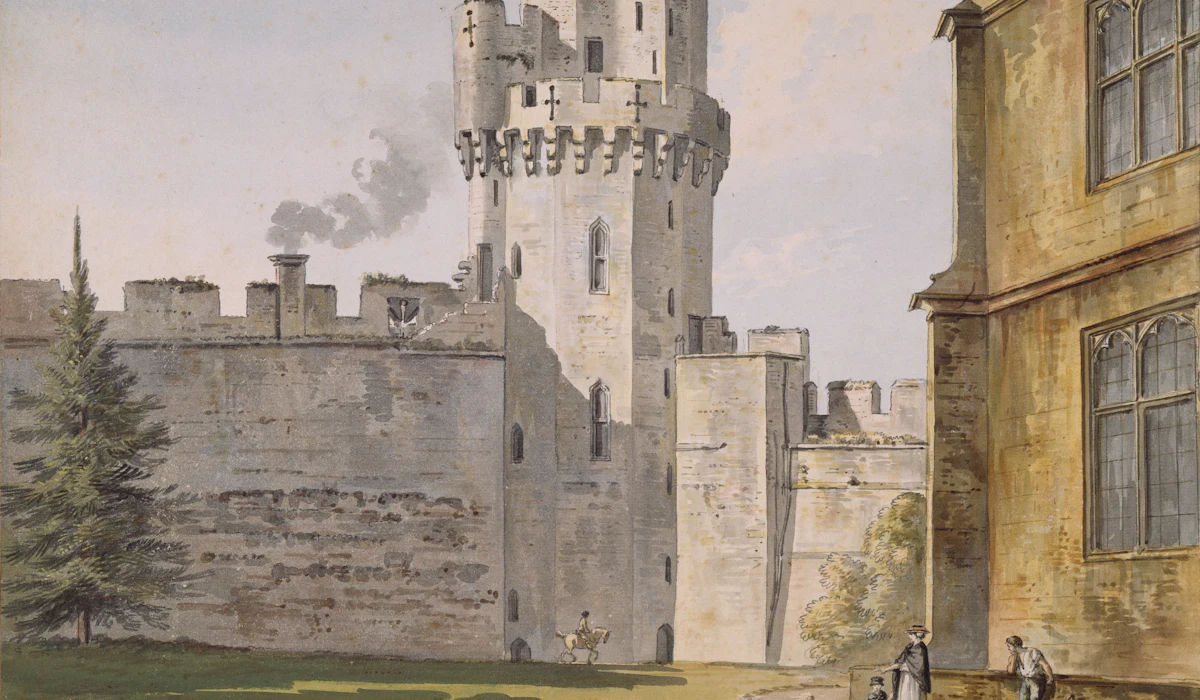
Now operated as a heavily commercialized attraction, this medieval castle has been extensively renovated with wax figure displays, themed events, and modern visitor amenities that significantly alter the experience of the original structure. Sections of the castle have been rebuilt or reinforced over the centuries following various periods of damage and neglect.
The current presentation prioritizes entertainment value in a way that can obscure how much of the visible structure reflects centuries of alteration rather than a single historical moment.
Anne Hathaway’s Cottage, Stratford-upon-Avon
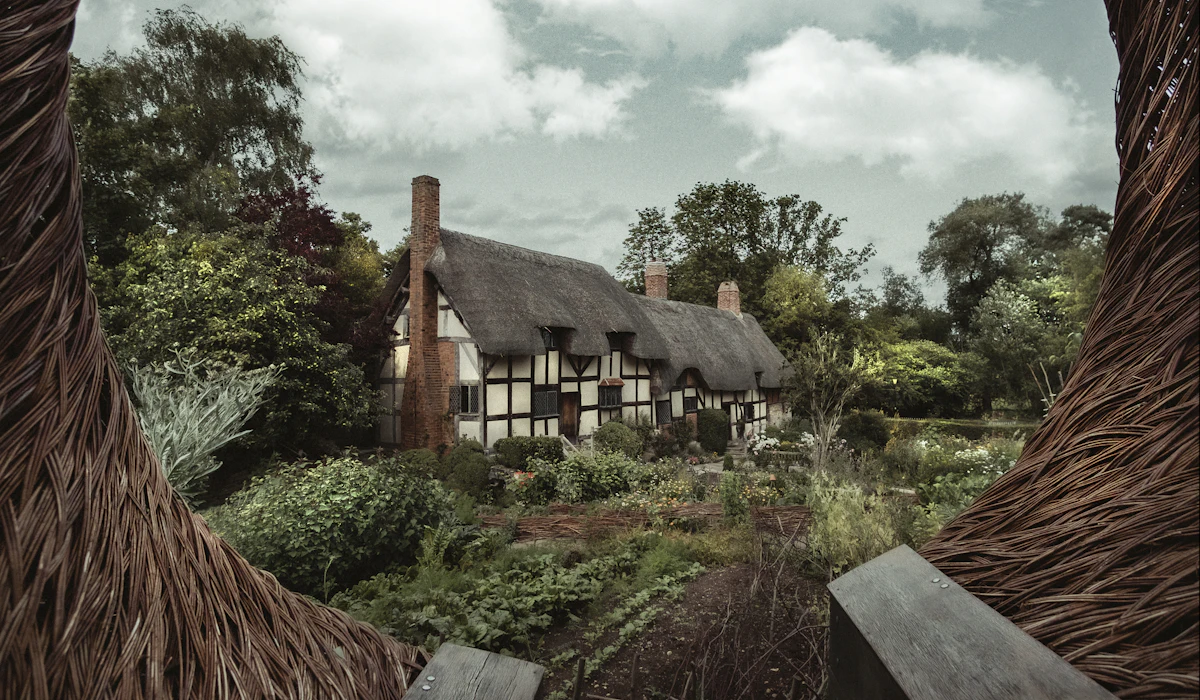
This thatched cottage associated with Shakespeare’s wife has undergone extensive restoration following a significant fire in the late nineteenth century that damaged much of the original structure. Ongoing thatch replacement, a routine maintenance requirement for buildings of this type, means the roof itself is replaced on a recurring cycle rather than preserved from any single historical period.
The garden surrounding the cottage has also been extensively redesigned in the twentieth century rather than preserved from the period of Shakespeare’s courtship.
Shakespeare’s Birthplace, Stratford-upon-Avon
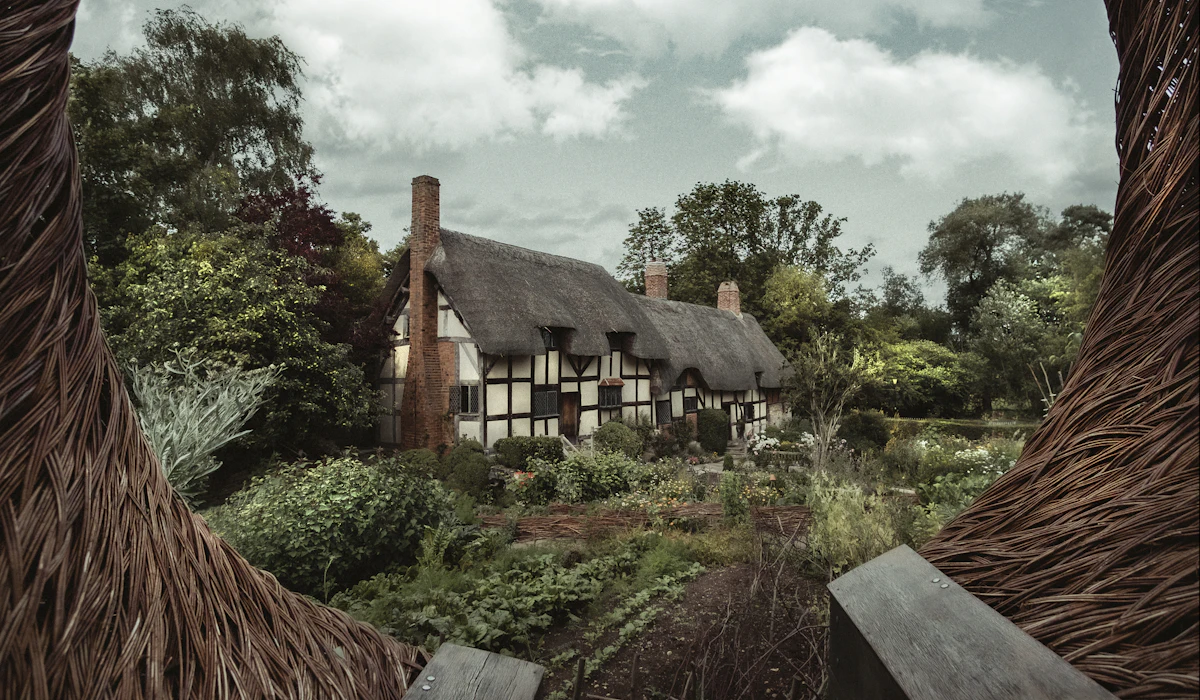
This building underwent significant restoration in the nineteenth century after falling into disrepair and housing a butcher’s shop and later an inn, alterations that were largely reversed to recreate an idealized version of the building’s Tudor-era appearance. Much of what visitors see reflects this Victorian-era restoration effort rather than unbroken preservation from Shakespeare’s actual childhood.
The building’s current tidy, tourist-ready presentation contrasts with historical accounts of its more utilitarian use in the centuries between Shakespeare’s life and its preservation.
Neuschwanstein Castle Interior, Germany
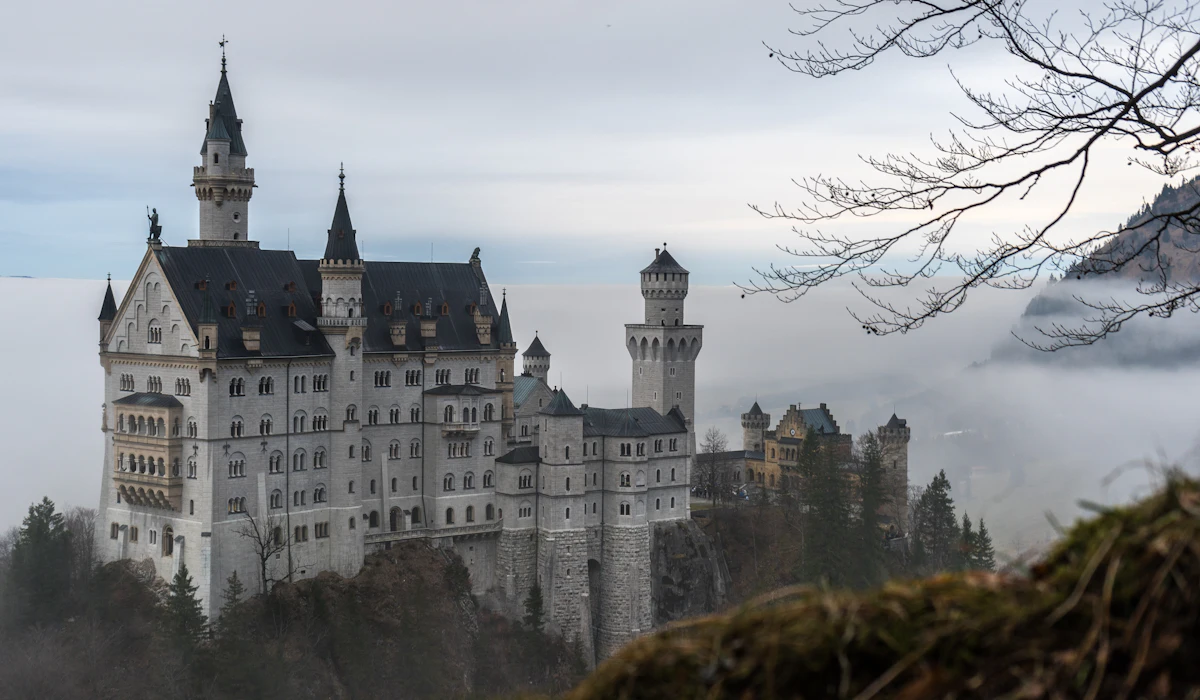
Built in the nineteenth century as a romanticized vision of a medieval castle rather than an actual historical residence, this building’s interior rooms were never fully completed at the time of the king’s death and have required ongoing restoration to maintain their elaborate decorative schemes for the millions of visitors who tour them annually. What appears to be an ancient castle is a relatively young structure built to evoke a much older architectural style.
The gap between the castle’s medieval appearance and its actual nineteenth-century construction is easy to miss amid the elaborate theming.
Château de Chambord, France
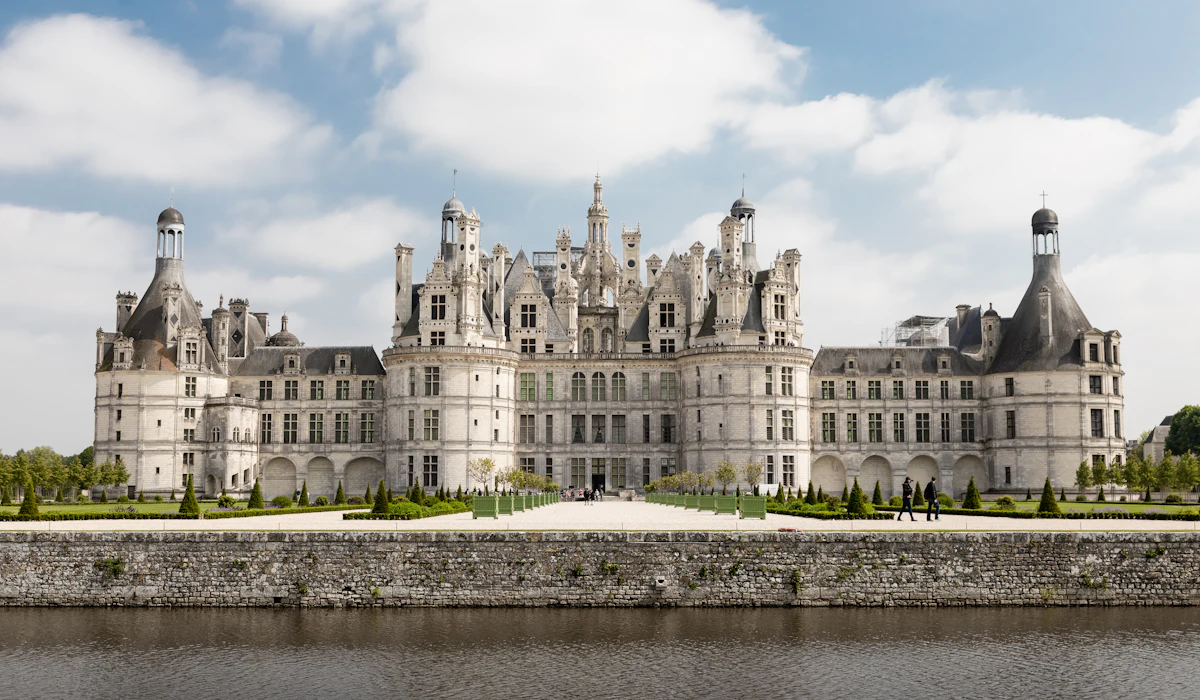
This Renaissance château has undergone extensive restoration work across multiple centuries, including significant efforts to preserve its famous double-helix staircase and elaborate roofline from structural decay. Long stretches of the château’s history saw it largely unfurnished and used only occasionally by royalty, meaning much of the furnished, lived-in appearance presented to visitors today reflects later curatorial choices rather than continuous historical use.
The château’s massive scale has also made comprehensive restoration a rolling, ongoing project rather than a single completed effort.
Palace of Versailles State Apartments, France
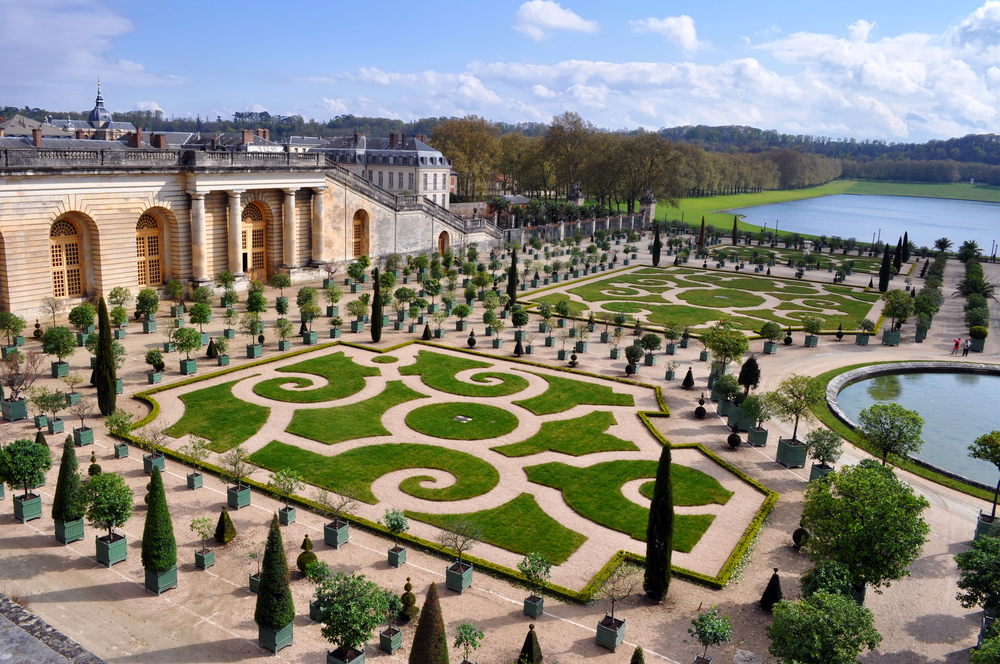
Significant portions of the palace’s furnishings were sold or destroyed during the French Revolution, meaning much of what visitors see in the state apartments today consists of reproductions or pieces gathered from other collections rather than the original furnishings used by the French monarchy. Restoration efforts across subsequent centuries have worked to recreate the palace’s appearance based on historical inventories and paintings.
The opulence on display today reflects a reconstructed vision of the palace’s grandeur as much as any continuously preserved original interior.
Thomas Edison’s Glenmont Estate, New Jersey
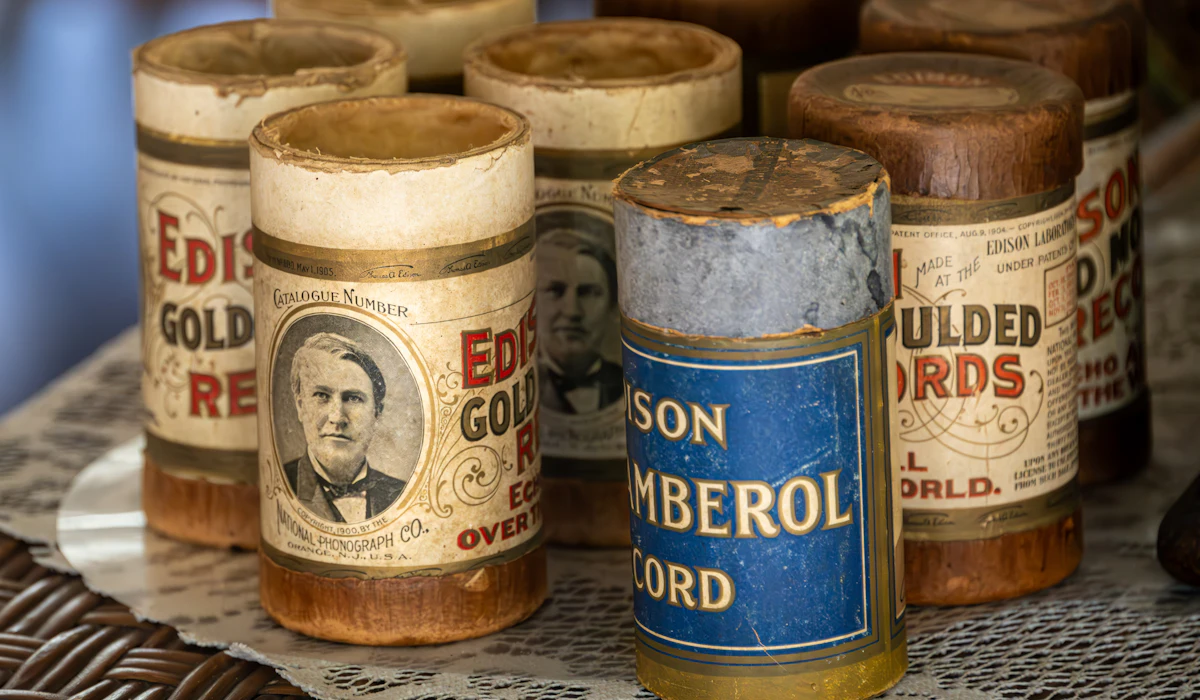
This Gilded Age mansion, once home to the inventor, has undergone restoration efforts to maintain its Victorian-era furnishings and decor for public tours, work that has necessarily replaced deteriorated original materials over time. The estate’s laboratory complex nearby has similarly required extensive conservation to keep aging equipment displays intact for visitors.
The house’s polished, preserved appearance reflects decades of conservation work rather than an untouched time capsule.
Old Sturbridge Village, Massachusetts
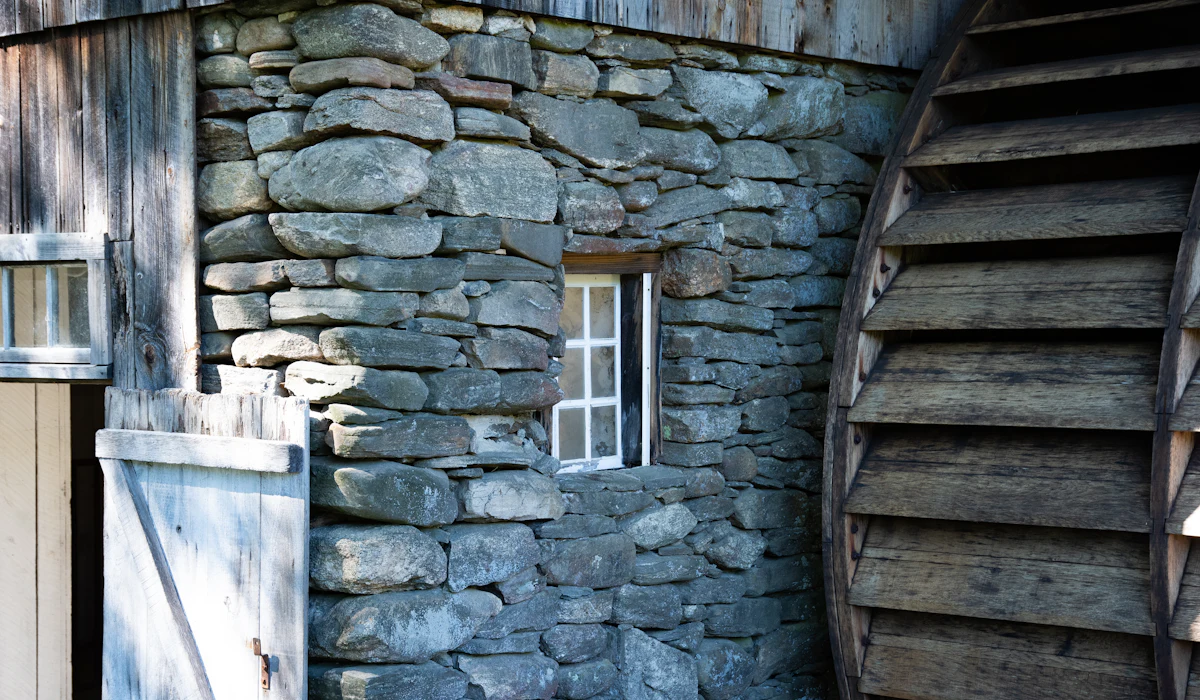
This living history museum consists largely of historic buildings relocated from other sites across New England and reassembled to create a composite village representing early nineteenth-century life, rather than a single preserved settlement. None of the structures originated on the property itself, meaning the entire “village” is a curated assembly rather than an intact historical community.
Costumed interpreters add an immersive layer that can make the constructed nature of the site easy to overlook.
Plimoth Patuxet, Massachusetts

This living history museum’s recreated colonial village consists entirely of reconstructed buildings built to approximate the appearance of the original seventeenth-century settlement, none of which survive from the actual period. Costumed staff performing historical roles add to the immersive experience, but the buildings themselves are modern constructions based on archaeological and historical research rather than preserved originals.
Visitors sometimes come away with the impression they’ve seen genuine seventeenth-century structures rather than careful modern recreations.
Casa Loma, Toronto
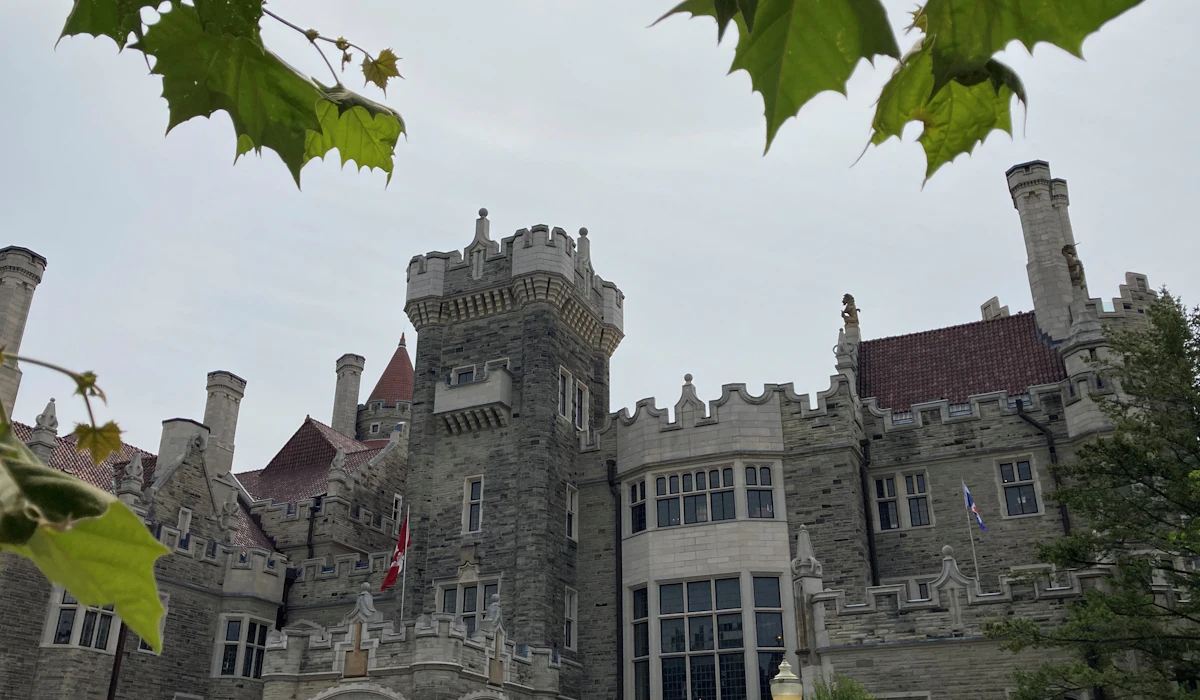
This early twentieth-century mansion, built to resemble a medieval castle, has undergone significant restoration and repurposing over the decades, including periods of neglect followed by renovation for use as a tourist attraction and event venue. Much of the interior decor reflects curatorial choices made well after the original owner’s financial troubles forced him to vacate the property.
The castle-like exterior can suggest a much older building than its actual early twentieth-century construction date.
Biltmore Estate, North Carolina
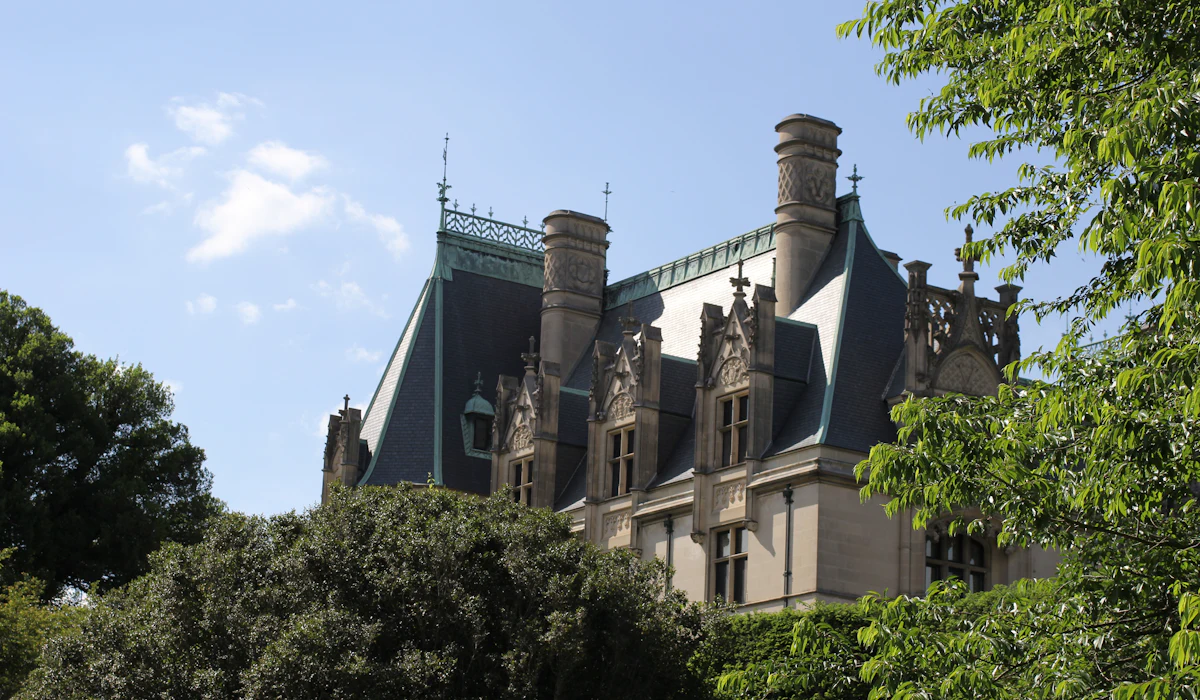
This enormous mansion has undergone continuous restoration and modernization since opening to the public, including significant work to maintain its elaborate interior finishes against the wear of heavy annual visitor traffic. Sections of the house not originally intended for public view have been adapted and restored specifically for tour access.
The meticulously maintained presentation reflects an ongoing conservation program more than a static, unchanged historical interior.
Hearst Castle, California
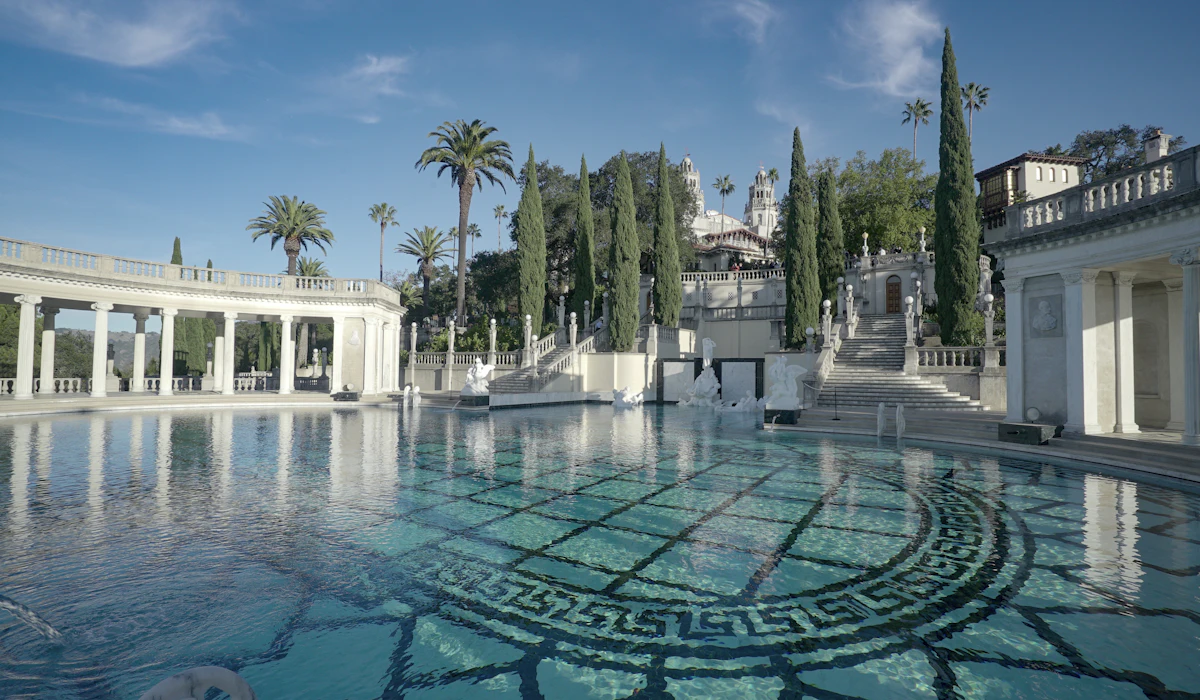
Never actually completed during its original owner’s lifetime, this estate has undergone extensive restoration to present a polished, finished appearance for the millions of visitors who have toured it since it became a state historic site. Several rooms and design elements were completed or altered after the original construction period ended, blurring the line between the estate’s historical construction and its later curated presentation.
Guided tours emphasize the property’s opulence in a way that can obscure its unfinished, evolving construction history.
Vizcaya Museum and Gardens, Miami
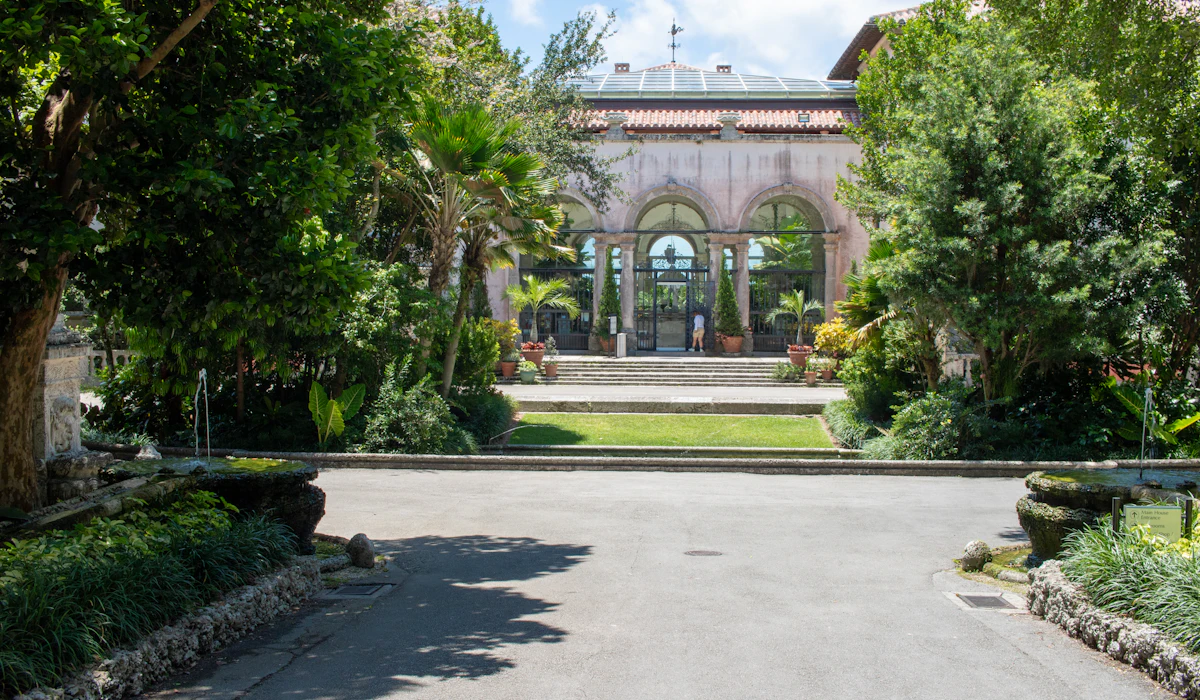
This early twentieth-century estate has required extensive hurricane damage restoration multiple times throughout its history, given its exposed coastal location. Significant portions of the gardens and waterfront structures have been rebuilt following storm damage rather than continuously preserved since the estate’s original construction.
The property’s polished, photogenic appearance today reflects this repeated cycle of damage and restoration as much as its original architectural design.
Winterthur Estate, Delaware
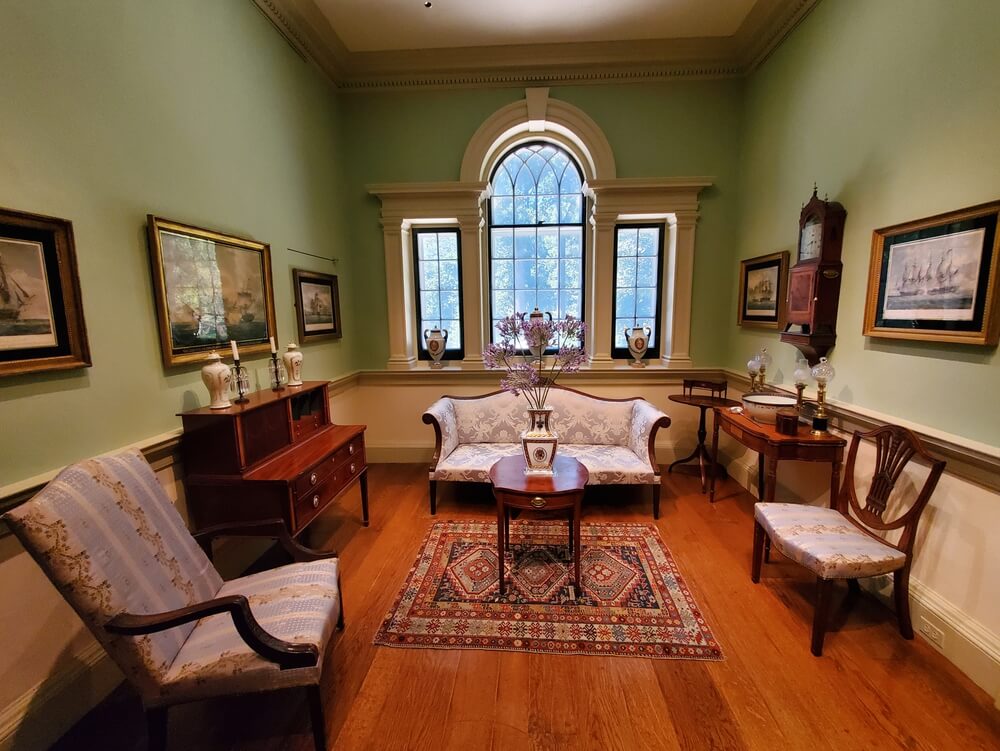
This former du Pont family estate has been substantially reconfigured since opening as a museum, with room arrangements and period displays curated to showcase the family’s extensive decorative arts collection rather than preserved as the family actually lived in the space. Significant renovation work restructured the interior specifically to accommodate museum-style display cases and controlled climate conditions.
The museum experience today reflects curatorial decisions made well after the family’s residency rather than an unaltered domestic interior.
The Breakers, Newport
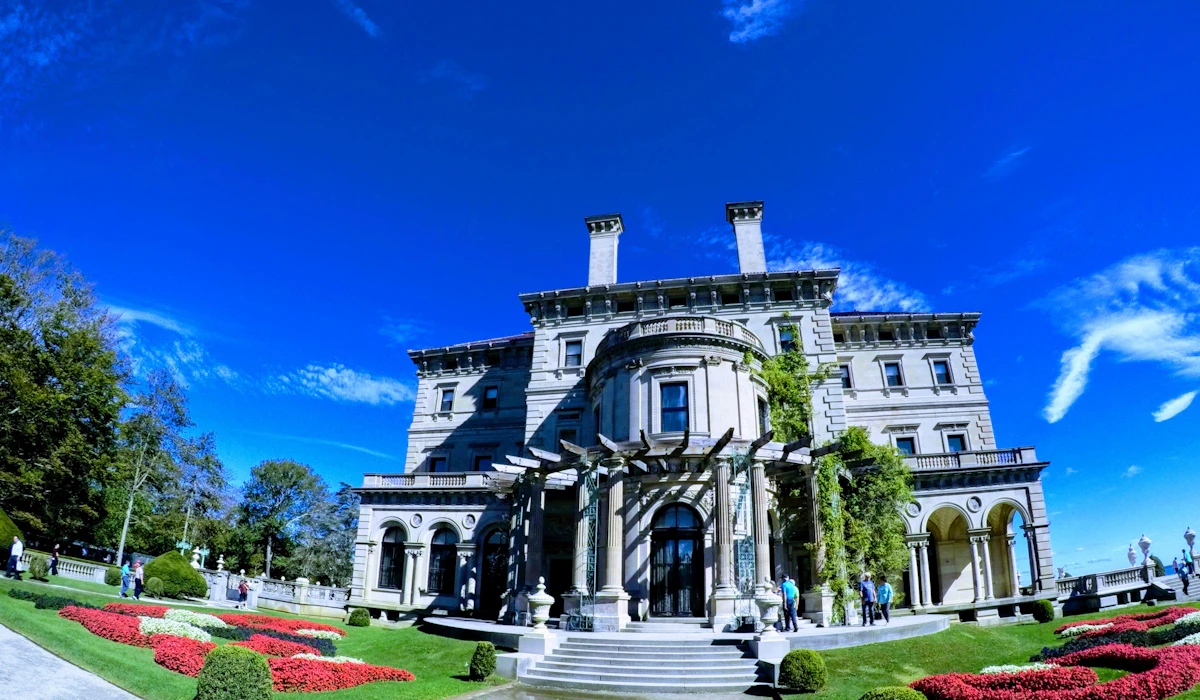
This Gilded Age mansion has undergone extensive conservation work to maintain its elaborate marble and gilded interiors against the wear of heavy tourist traffic since opening to the public. Climate control systems and structural reinforcements added for preservation purposes represent significant departures from the building’s original nineteenth-century construction.
The mansion’s presentation as a symbol of Gilded Age excess is accurate, though the building visitors see has been substantially reinforced and restored since its original construction.
Marble House, Newport
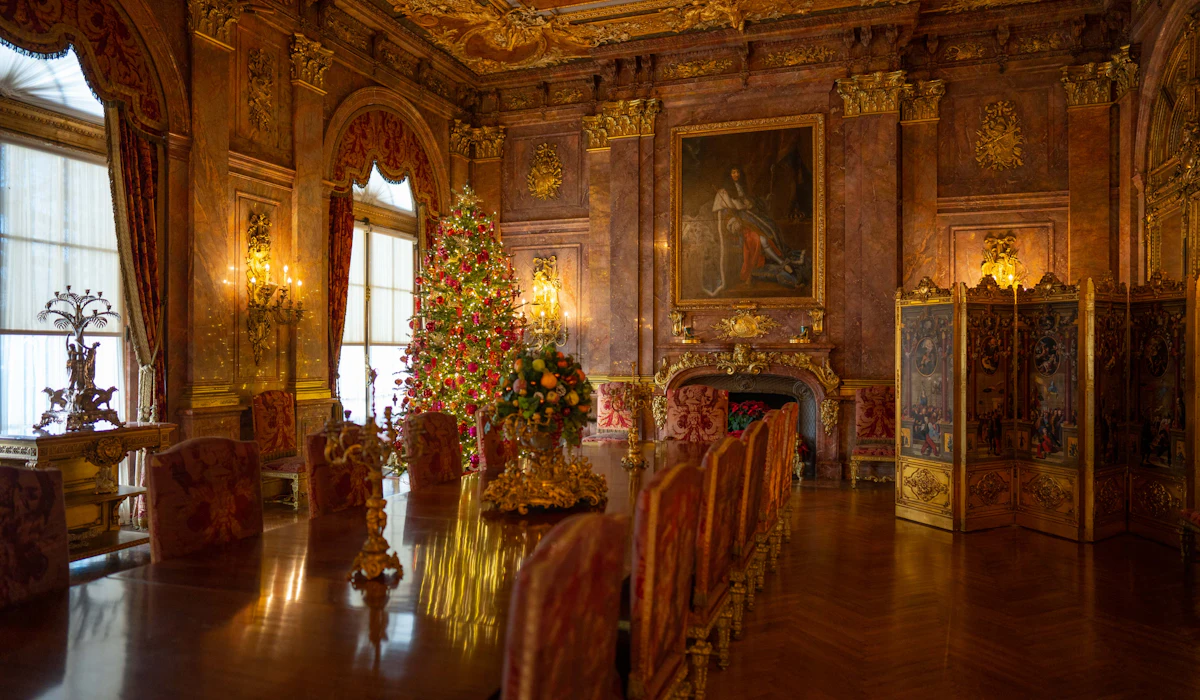
Also part of Newport’s cluster of Gilded Age mansions, this estate underwent significant restoration after decades of reduced use and maintenance following changes in the family’s fortunes and ownership. Portions of the interior required substantial conservation work to address deterioration that occurred during periods when the property received less attention.
The building’s current polished presentation for tours reflects a relatively recent restoration effort layered onto its original construction.
Dolmabahçe Palace, Istanbul

This nineteenth-century Ottoman palace has undergone extensive restoration work to address structural damage and material deterioration, including significant conservation of its elaborate ceiling paintings and gilded details. Some sections of the palace suffered fire damage over the decades and required substantial rebuilding rather than simple repair.
The palace’s current opulent presentation reflects this ongoing restoration effort as much as its original nineteenth-century construction.
Schönbrunn Palace, Vienna
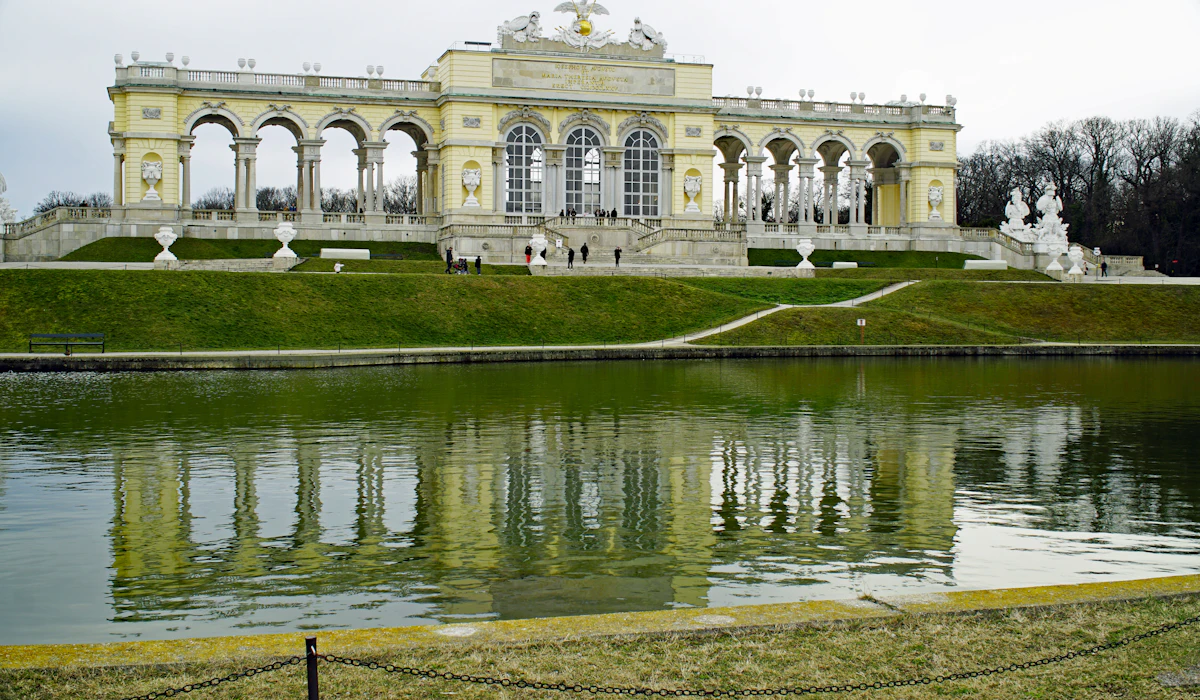
This former imperial summer residence has undergone continuous restoration since opening to the public, including significant work to maintain its elaborate rococo interiors against the wear of heavy annual visitor numbers. Portions of the palace’s furnishings are reproductions created to replace originals lost or damaged over the centuries since the Habsburg monarchy’s residency.
The palace’s manicured gardens have also been extensively redesigned multiple times since their original eighteenth-century layout.
Frederiksborg Castle, Denmark
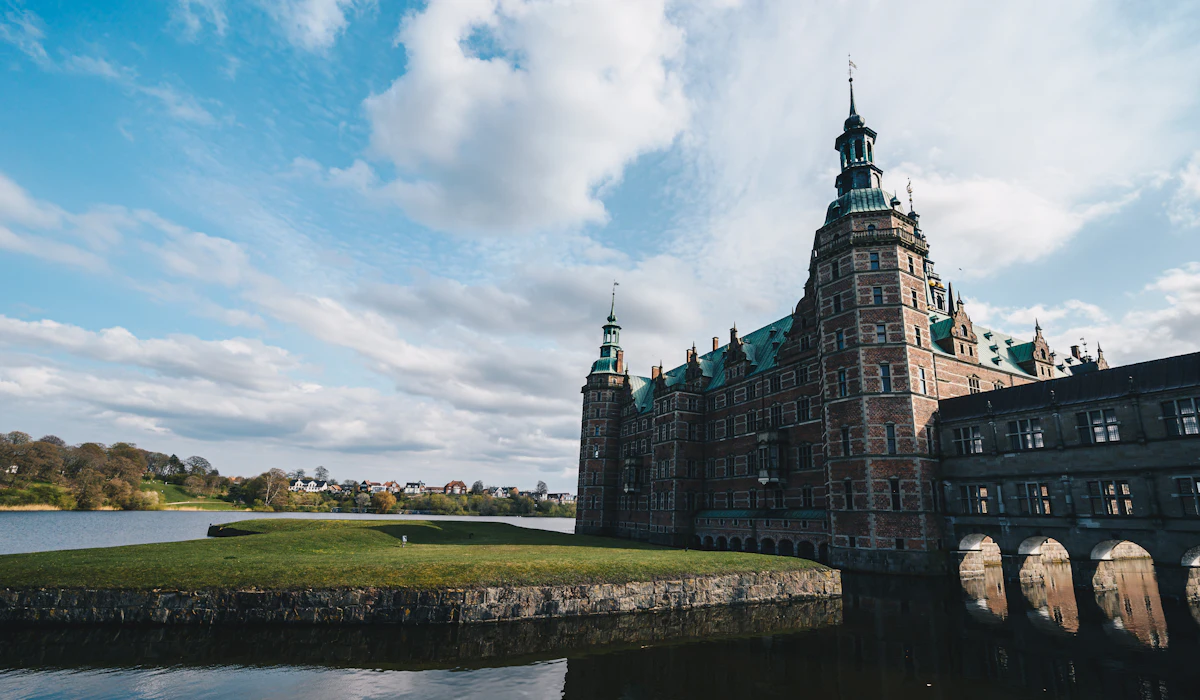
This Renaissance castle suffered a devastating fire in the mid-nineteenth century that destroyed much of the original interior, and the current structure represents a substantial rebuilding effort funded by private donations rather than a continuously preserved original. The castle’s current function as a national history museum reflects this rebuilding period as much as its original seventeenth-century construction.
Visitors touring the elaborate interior are largely viewing a nineteenth-century reconstruction rather than surviving original material.
The Building Underneath the Restoration
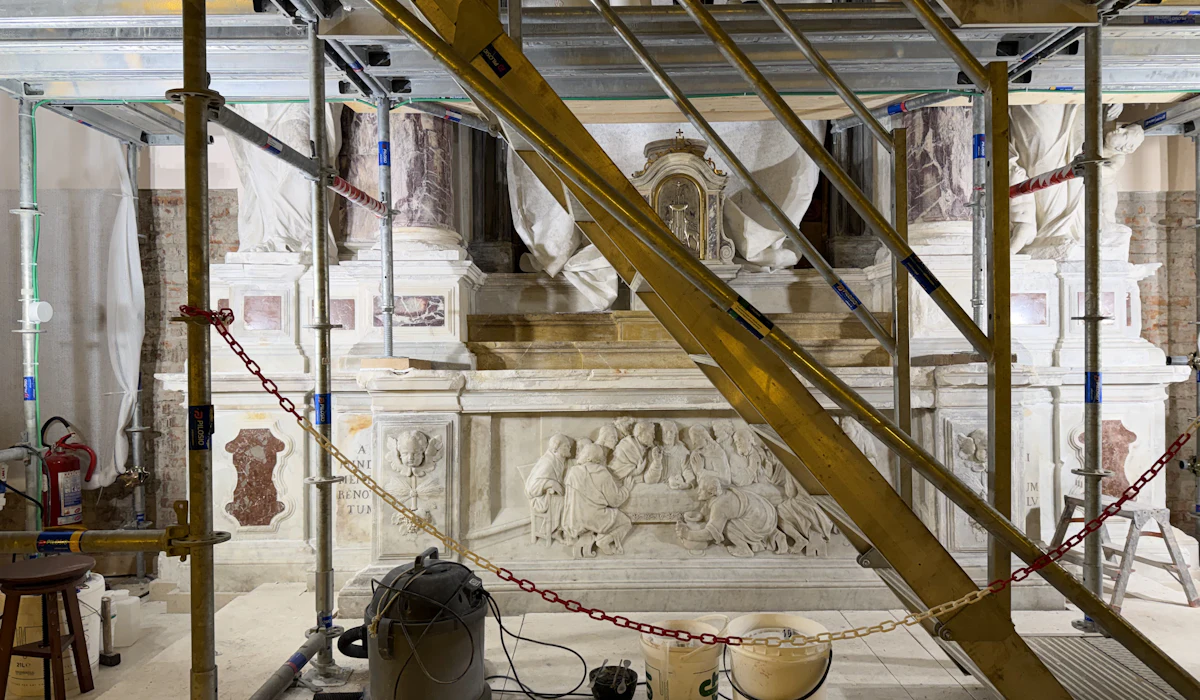
A historic place earns its reputation through what happened there, not through the specific planks and plaster that happened to be present at the time. Restoration exists to keep that story standing, and it’s a reasonable trade in almost every case, since the alternative is usually a ruin rather than a preserved original.
Still, there’s a real difference between visiting a place and visiting a careful, well-funded recreation of that place, even when the recreation is done thoughtfully and for good reason. Knowing which one is actually being toured doesn’t diminish the visit.
It just changes what a person is honestly looking at while they’re there.
More from Travel Pug

- Underrated Italian Towns That Beat the Tourist Crowds
- Las Vegas Tourist Traps to Skip
- Prettiest Towns in Every US State
- 18 passport-free countries for Americans
- Signs Your Cruise Is Not Worth The Cost
Like Travel Pug’s content? Follow us on MSN.