

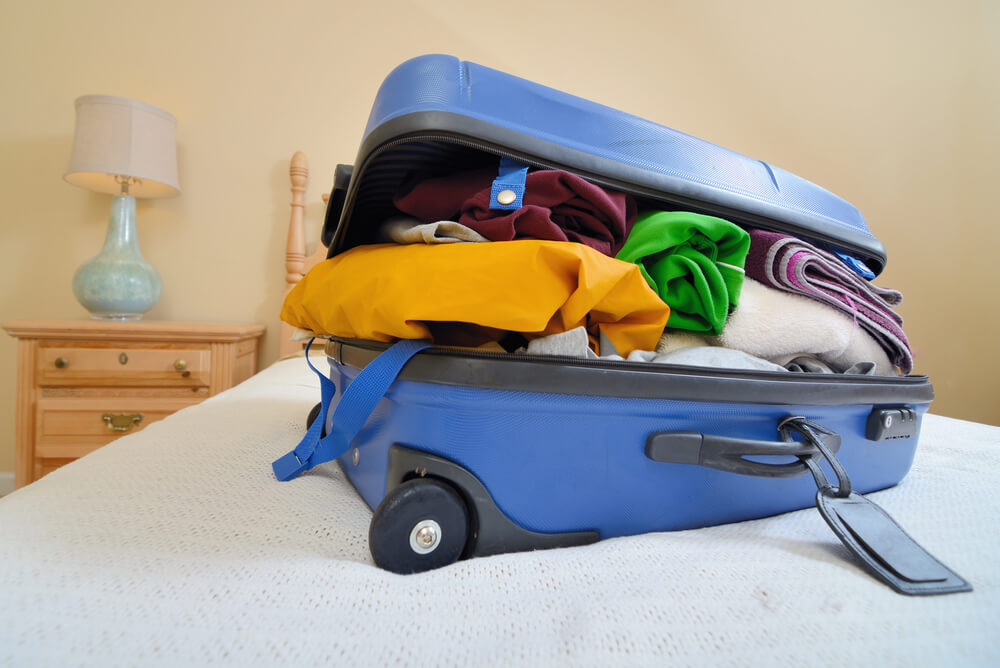
A week-long cruise covers formal nights, pool days, port excursions, and everything in between, which is exactly how a suitcase ends up overpacked before it’s even zipped. The instinct is to bring an outfit for every scenario; the better approach is to bring fewer pieces that cover more scenarios.
None of this is about packing light for its own sake. It’s about arriving at the cabin door with a bag that actually fits in the closet.
One Neutral Base Color
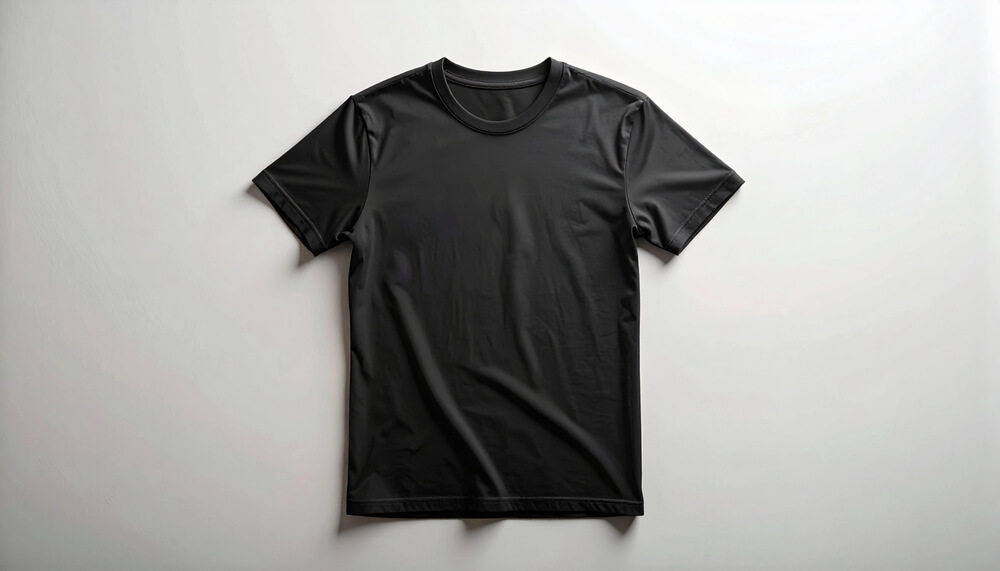
Building a cruise wardrobe around a single neutral, like navy, black, or khaki, means every top and bottom pairs with every other piece, cutting the total number of items needed without cutting the number of outfit combinations.
A Wrinkle-Resistant Fabric Rule
Choosing knits, jerseys, and treated travel fabrics over linen or heavily structured cotton means clothes come out of a packed suitcase ready to wear rather than needing an iron or the ship’s laundry service.
A Single Convertible Dress

A dress that can be dressed up with jewelry for a formal night and dressed down with sandals for a port day covers two very different occasions with one hanger’s worth of space.
Swimsuits That Double as Base Layers

A one-piece swimsuit worn under a sheer cover-up can function as both pool wear and a bodysuit-style top for a beach excursion, cutting down on the number of separate tops packed for daytime port activities.
Layering Pieces Over Bulky Ones
A lightweight cardigan or packable jacket handles the ship’s often heavily air-conditioned interior spaces without the bulk of a full sweater, and it folds down small enough to fit into a day bag for port stops with cooler weather.
Shoes Limited to Three Pairs

Capping footwear at one walking shoe, one sandal, and one dressier option for evening covers pool days, port excursions, and formal nights without dedicating a third of the suitcase to shoes.
A Reversible or Neutral Cover-Up
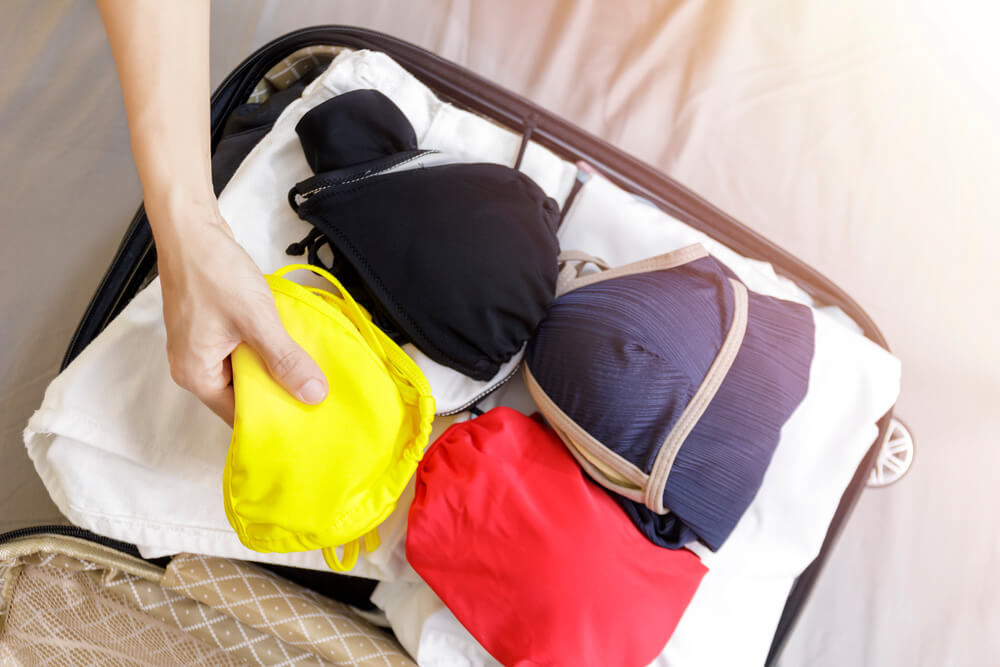
A single cover-up that works over multiple swimsuits, rather than matching sets bought for each suit, removes an entire category of near-duplicate items from the packing list.
Packing Cubes Organized by Occasion
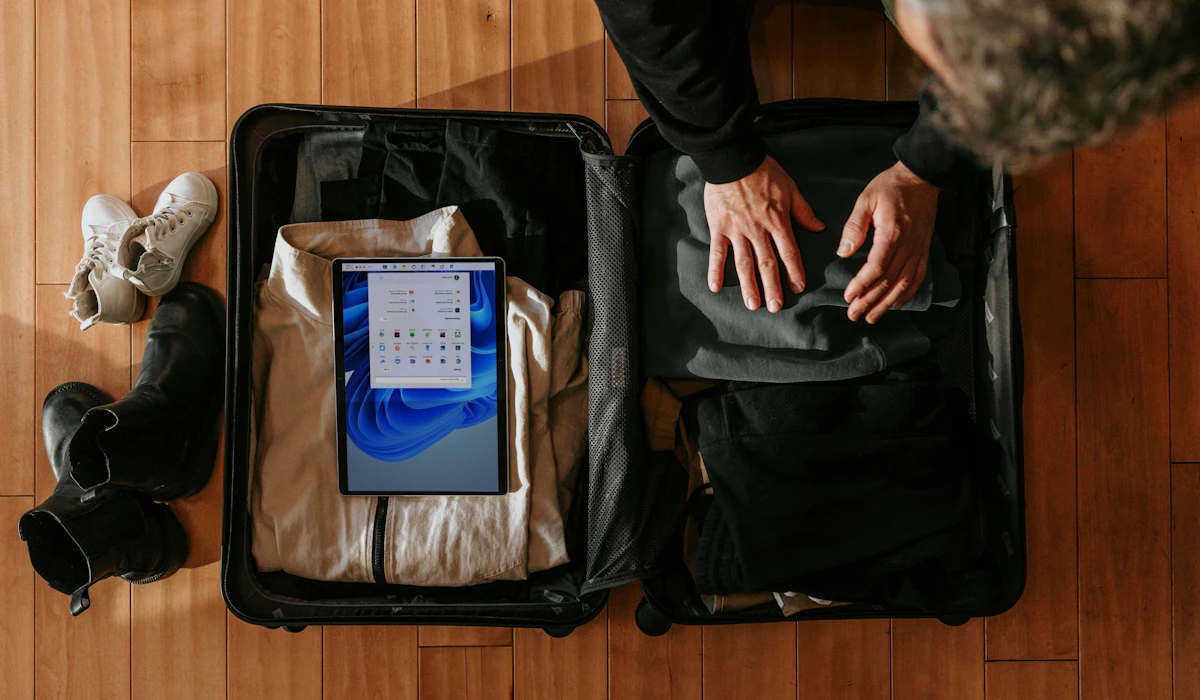
Sorting clothes into cubes labeled for daytime, evening, and excursion wear makes it easier to see exactly what’s been packed for each scenario, which tends to expose duplicate or unnecessary items before they take up suitcase space.
A Single Statement Accessory Instead of Several
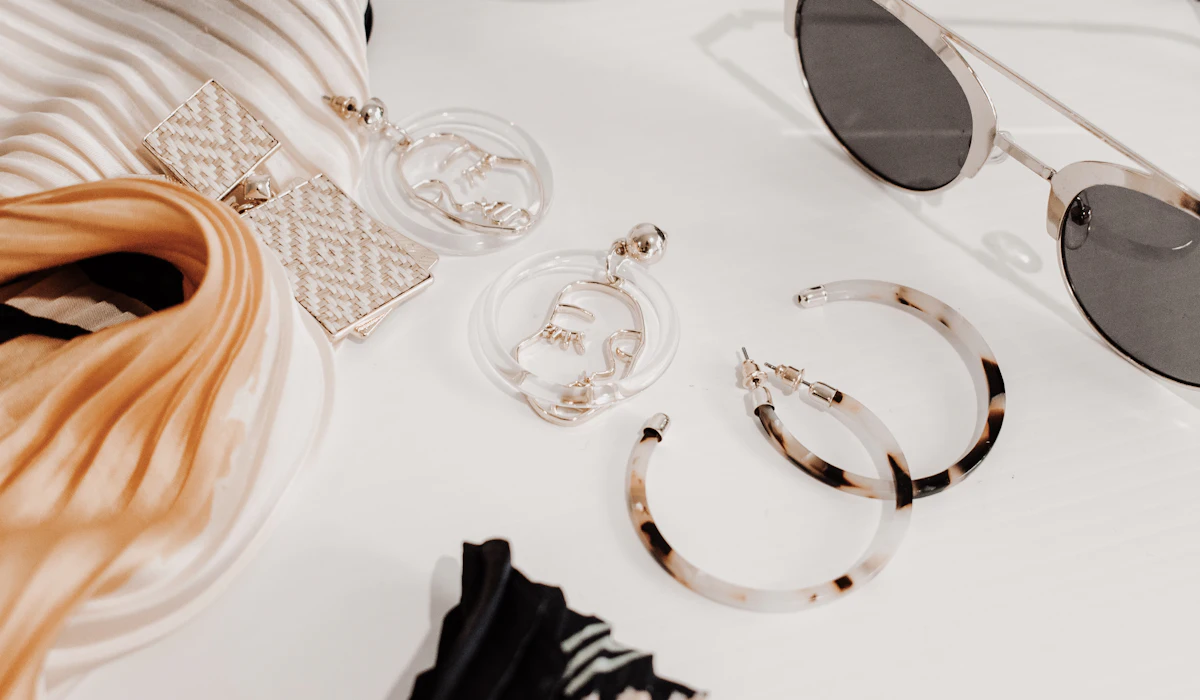
One versatile necklace or scarf that can be paired with multiple outfits does the visual work of several smaller accessories, without needing a dedicated pouch for jewelry variety.
Bottoms That Transition From Day to Evening

A pair of tailored shorts or linen-blend pants that works from a daytime port walk into a casual dinner removes the need for a separate change of bottoms for each part of the day.
A Denim Jacket as the Only Outerwear

One denim or lightweight utility jacket can cover cooler evenings on deck, air-conditioned dining rooms, and layering for a port day in a cooler climate, replacing the need for multiple jacket weights.
Repeat-Wearing Formal Pieces With Different Accessories

Wearing the same formal dress or suit on two formal nights, where the cruise line’s dress code allows it, and styling it differently with another accessory or shoe is a standard packing shortcut that removes an entire second formal outfit from the bag.
A Compression Packing Method for Casual Wear
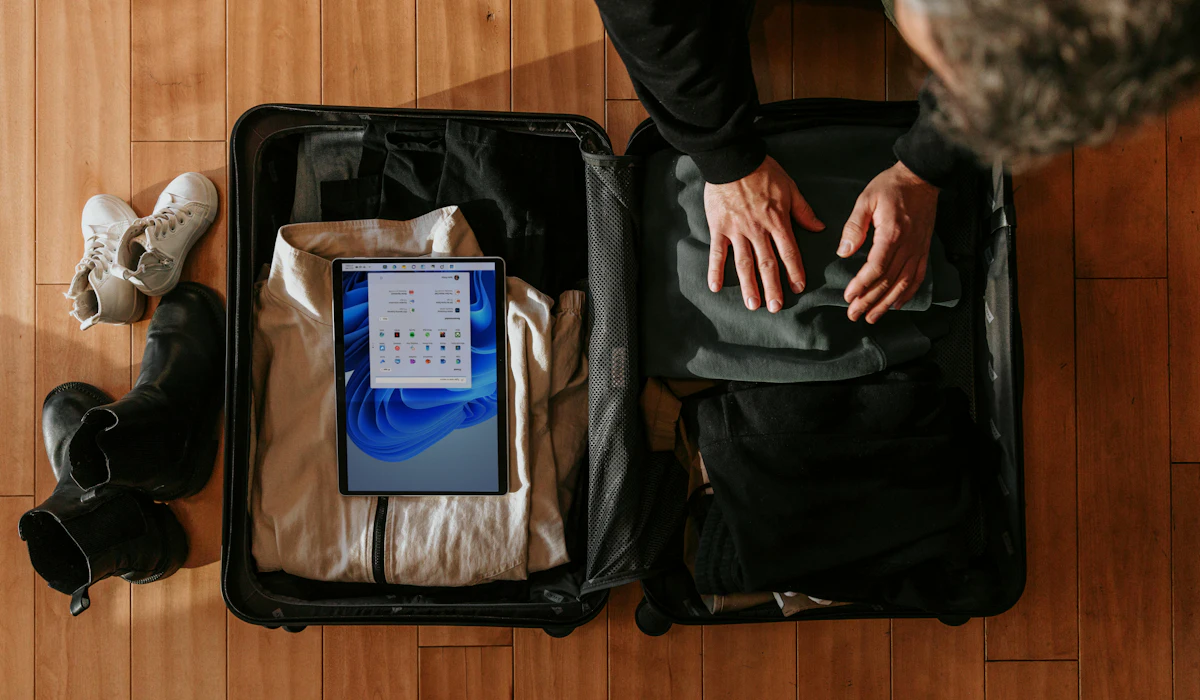
Rolling or compressing casual T-shirts and shorts rather than folding them flat frees up meaningful suitcase volume without reducing the number of items brought.
Sarongs as Multi-Use Textiles

A single sarong can work as a beach cover-up, a scarf for a cooler evening, or an impromptu bag liner, giving one lightweight item several unrelated uses across a trip.
Avoiding Trip-Specific Novelty Items
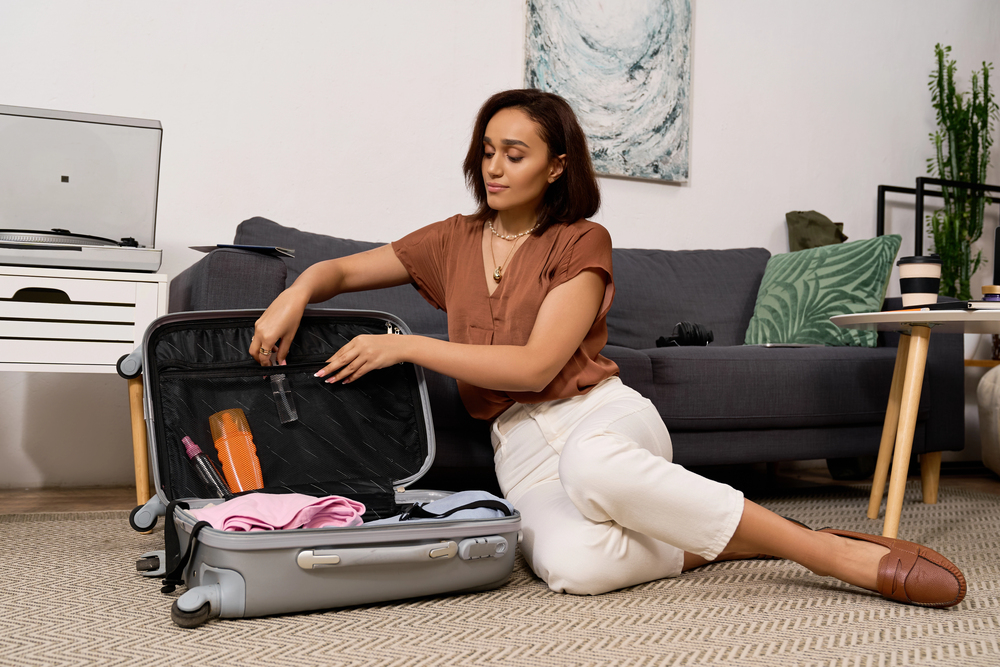
Skipping a single-use item bought or packed specifically for one anticipated moment, like a themed outfit for a one-night deck party, keeps the suitcase focused on pieces that get worn more than once.
A Single Pair of Versatile Sunglasses
One pair of sunglasses that suits both a beach day and a casual dinner look removes the temptation to pack a second, more “occasion-specific” pair that rarely gets worn.
Choosing Fabric Blends That Dry Quickly
Quick-dry synthetic or blended fabrics for swimwear and activewear mean fewer backup items are needed in case something doesn’t fully dry between wears in a humid cabin.
A Crossbody Bag Instead of Multiple Bags
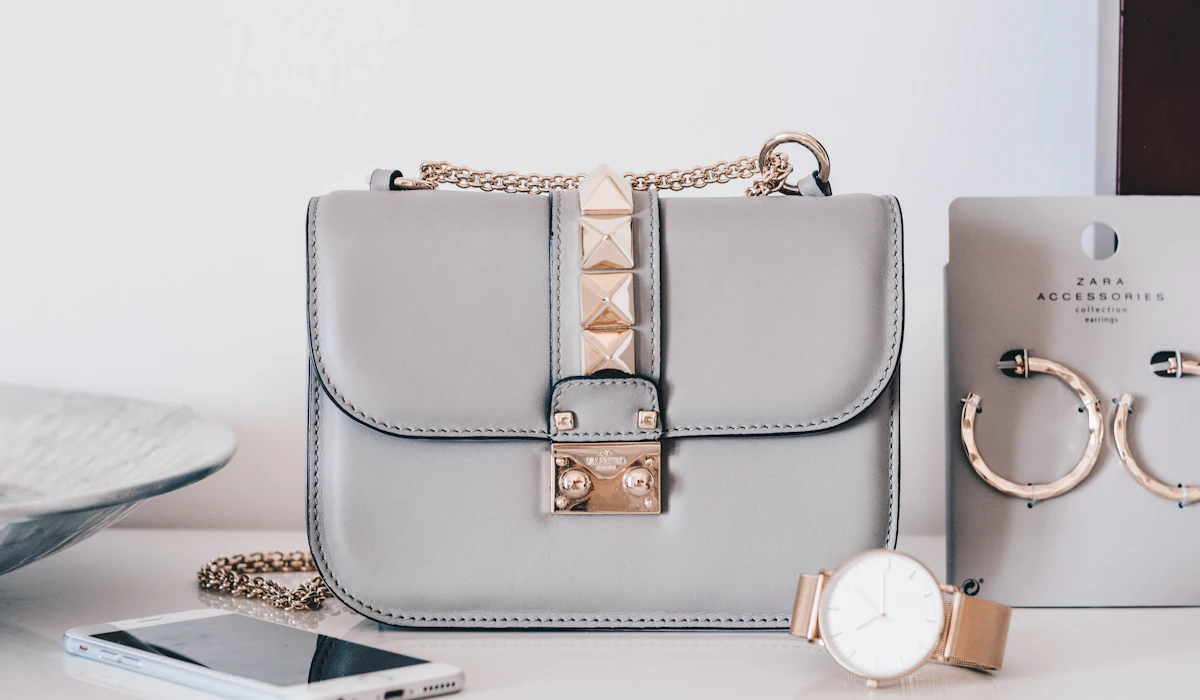
Bringing one crossbody or small daypack that works for both port excursions and evening use eliminates the need for a separate evening clutch and daytime bag.
Packing a Formal Outfit That Also Works as Business Casual
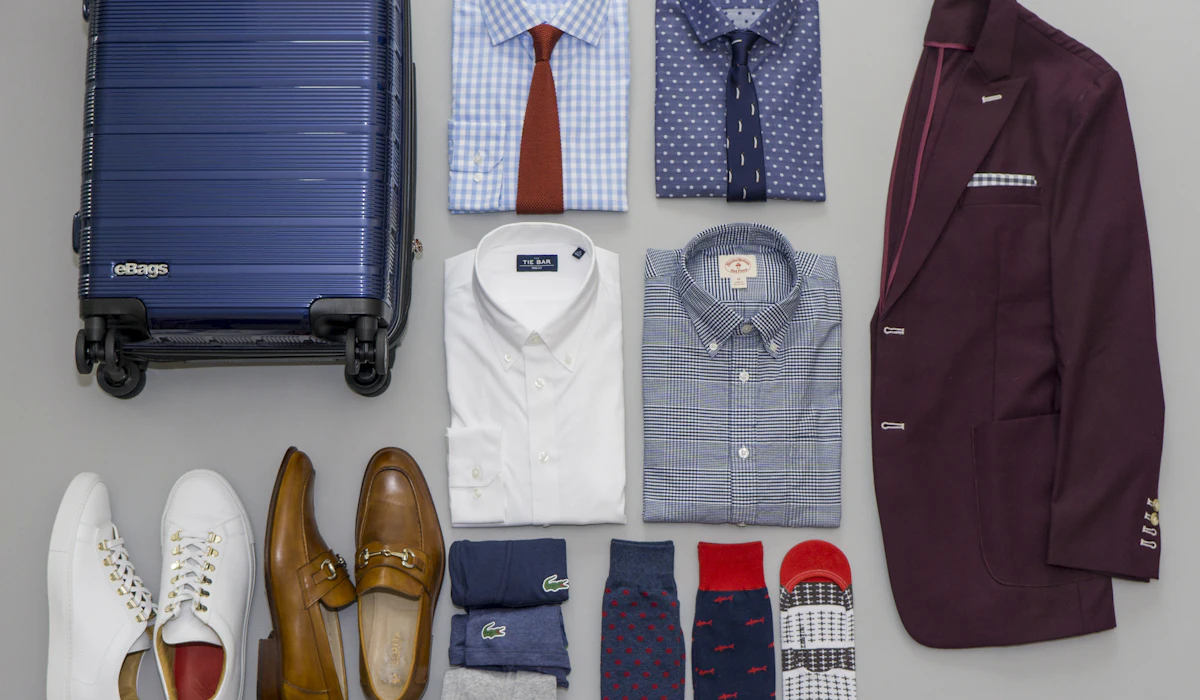
A formal-adjacent outfit that can be dressed down slightly for a business-casual dinner night covers two dress codes with a single set of pieces.
Choosing a Single Print Instead of Several

Committing to one bold print across a swimsuit or dress, rather than several different patterns, reduces the visual decision fatigue of mixing prints while still adding personality to the wardrobe.
A Lightweight Rain Shell Over a Heavy Raincoat
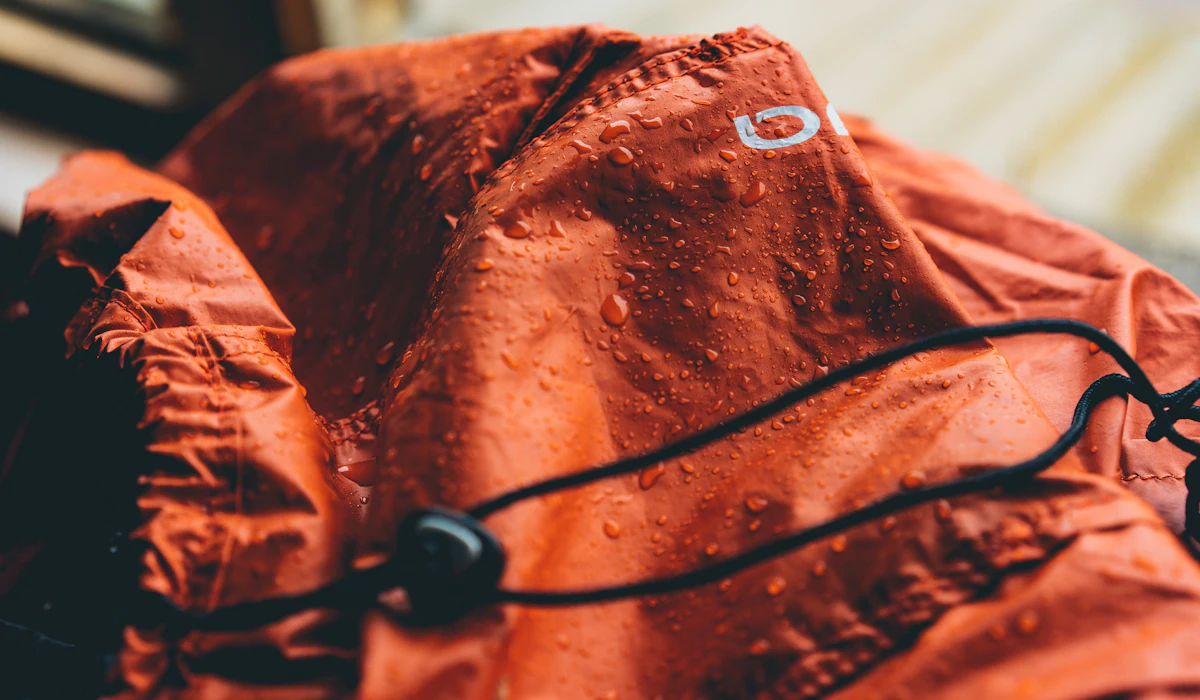
A packable rain shell that folds into its own pocket covers unexpected tropical downpours without the bulk of a full raincoat that’s unlikely to be needed for more than an hour at a time.
Skipping a Backup for Every Item
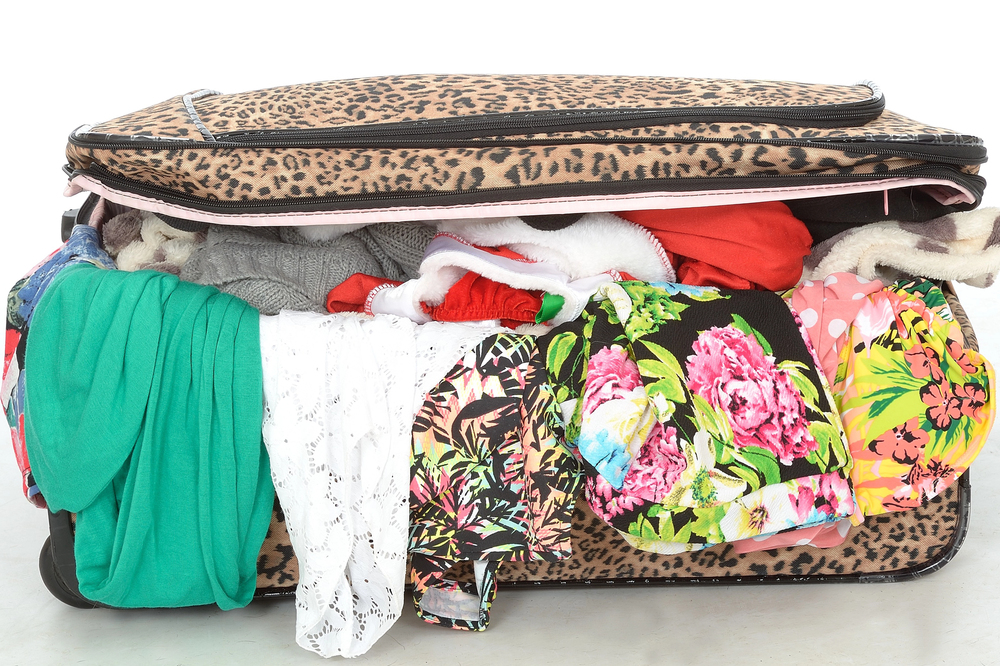
Resisting the instinct to pack a spare of every item “just in case” and instead relying on the ship’s laundry service, where available, for longer sailings keeps the suitcase closer to a one-week load regardless of trip length.
A Single Hat for Sun and Style

One packable sun hat that works for a beach day and photographs well for a port day out removes the temptation to pack a second, purely decorative hat.
Choosing Elastic-Waist Bottoms for Comfort and Packing Ease
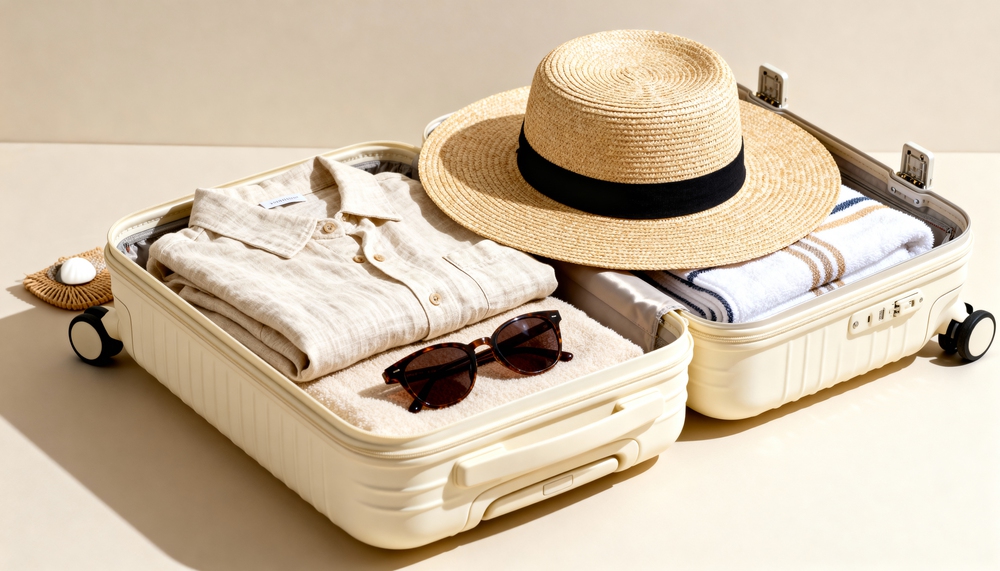
Elastic- or drawstring-waist shorts and pants tend to pack down smaller than structured, fully lined bottoms, while also handling the inevitable post-buffet comfort factor of a cruise.
A Single Set of Workout Clothes

One outfit dedicated to the ship’s gym or a fitness-focused port activity, rather than a full rotation of activewear, keeps that category from expanding unnecessarily.
Matching Metal Tones Across Jewelry
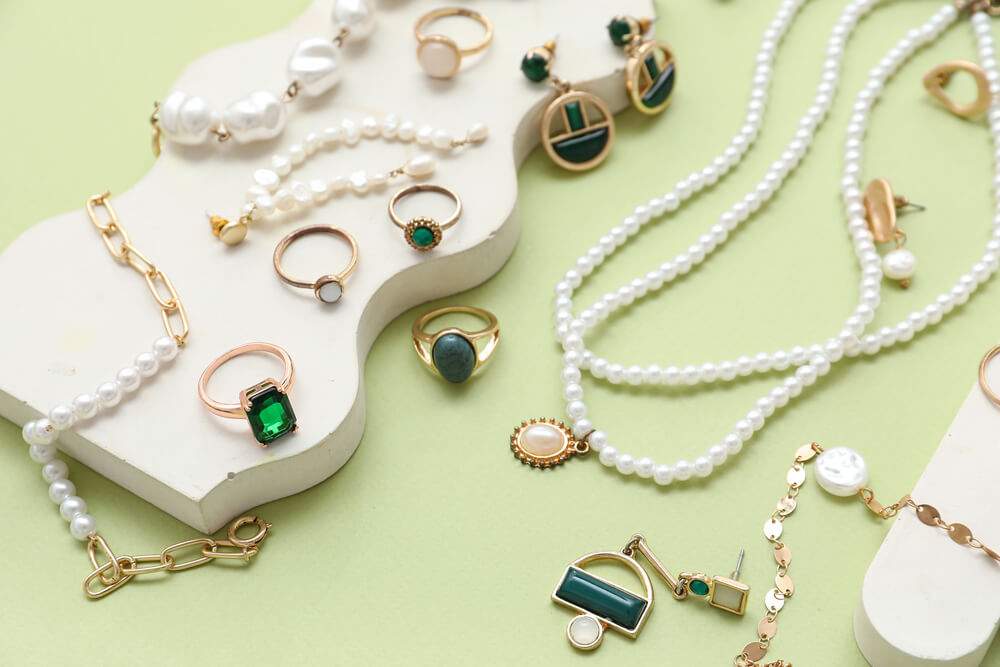
Sticking to a single metal tone, gold or silver, across all packed jewelry means every piece pairs with every outfit, cutting down on the number of pieces needed.
A Structured Tote as a Personal Item and Beach Bag
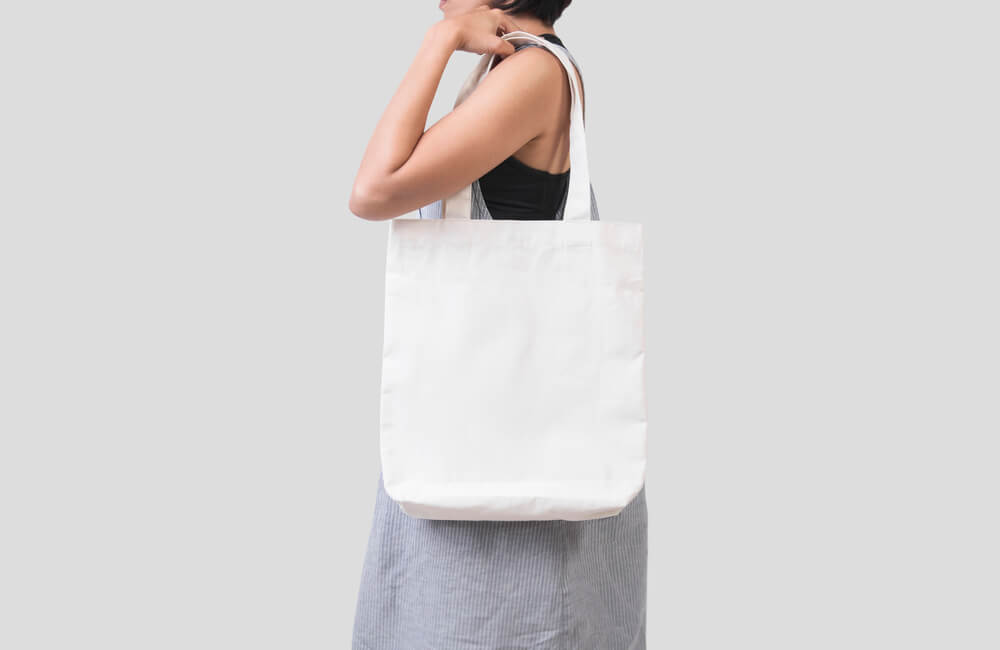
Choosing one structured tote that works both as a travel-day personal item and a beach or pool bag removes a redundant bag from the packing list.
Packing One Cardigan Instead of Multiple Sweaters

A single lightweight cardigan can serve as the main sweater layer for evenings and air-conditioned indoor spaces, avoiding the need to pack several sweaters for slightly different temperatures.
Choosing Versatile Colored Sandals Over Multiple Pairs

A single pair of neutral sandals that works for both a beach day and a casual dinner covers two shoe categories that might otherwise require separate pairs.
A Single Cross-Seasonal Scarf
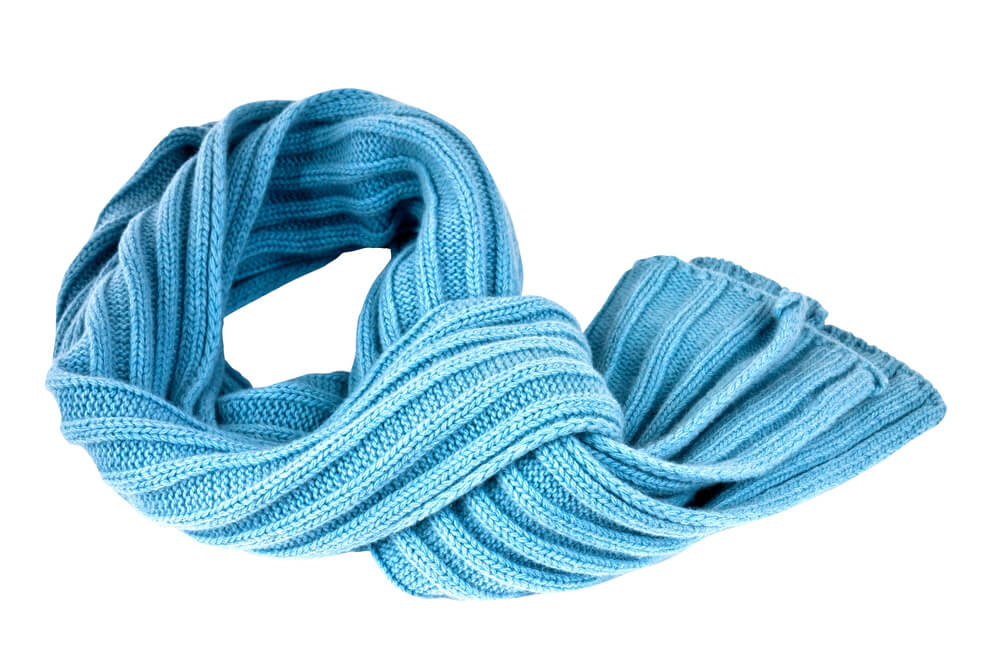
One lightweight scarf that adds warmth in a cold dining room and doubles as a hair covering or light head wrap on a windy deck day serves more than one purpose from a single small item.
Building Around a Five-Day Rotation Regardless of Trip Length
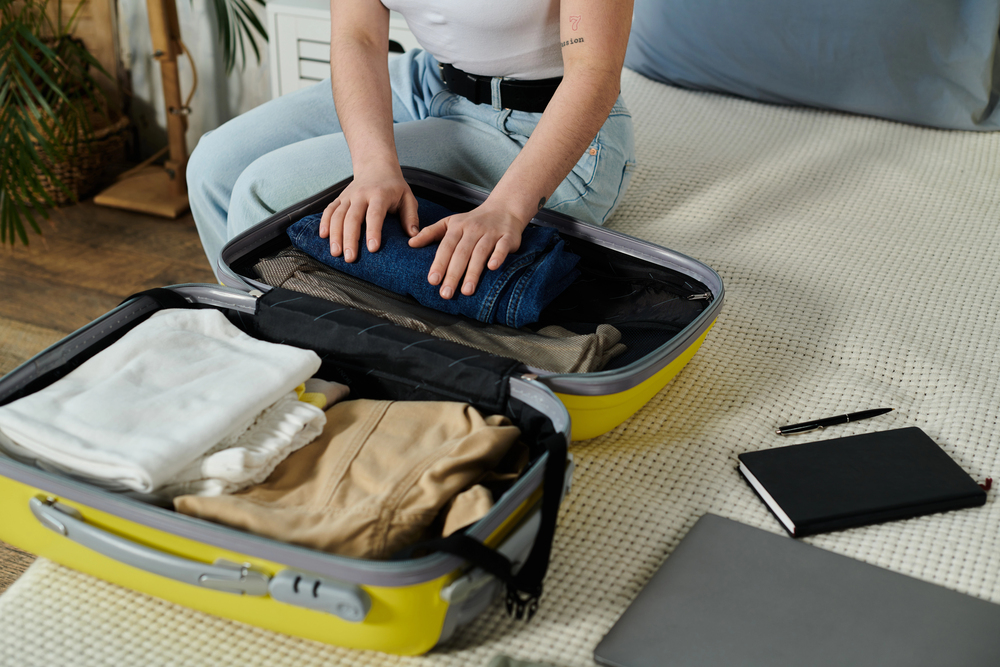
Packing a five-day rotation of mix-and-match basics and repeating it, rather than bringing a unique outfit for every single day, works even on longer sailings once laundry service is factored in.
A Single Pair of Structured Flats for Dinner

One pair of comfortable but polished flats that works across most dinner dress codes removes the need for multiple dressier shoe options.
Leaving Space for What Gets Bought Onboard or in Port

Deliberately packing slightly under capacity leaves room for a purchase made in port, without which many travelers end up checking a second bag home or wearing a full suitcase’s worth of clothes only once.
The Suitcase as a System, Not a Wardrobe
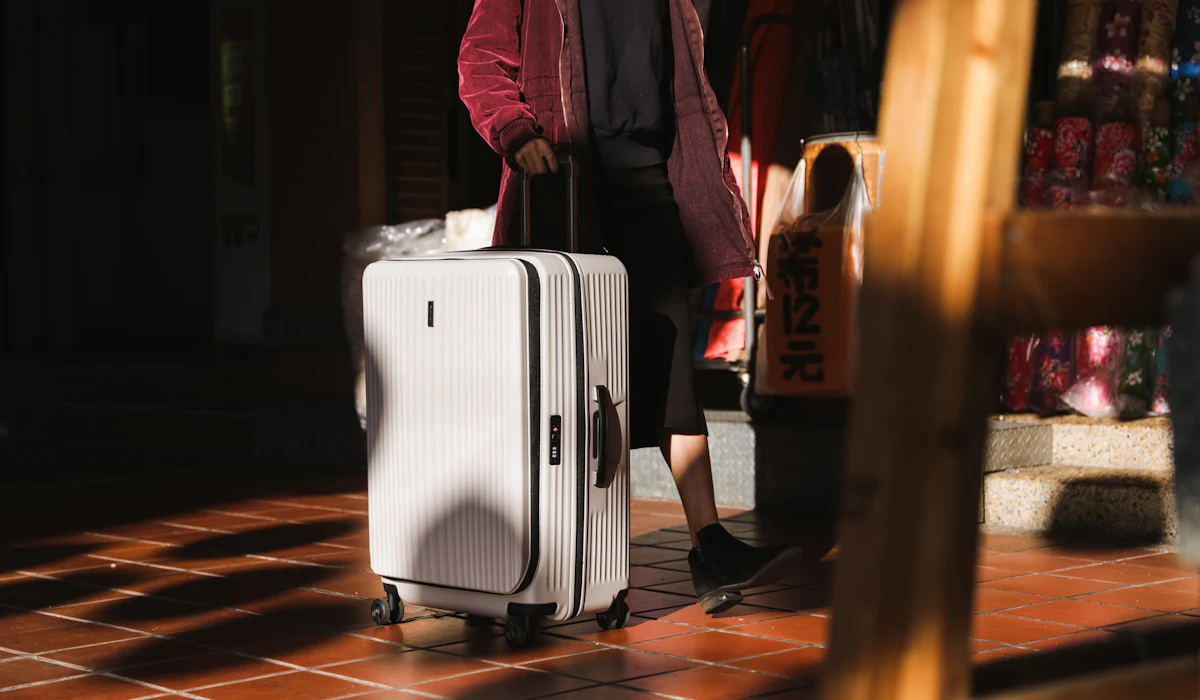
None of these choices are dramatic on their own. A neutral color palette, a few double-duty pieces, a hard limit on shoes: individually, each one saves a small amount of space.
Combined, they tend to be the difference between a bag that closes easily and one that needs to be sat on.
The bigger shift is in mindset rather than packing technique. A cruise suitcase isn’t a wardrobe meant to anticipate every possible outfit; it’s a small, deliberately limited system meant to get through a week of very predictable scenarios: pool, port, dinner, repeat, without carrying more than necessary to do it.
More from Travel Pug

- Underrated Italian Towns That Beat the Tourist Crowds
- Las Vegas Tourist Traps to Skip
- Prettiest Towns in Every US State
- 18 passport-free countries for Americans
- Signs Your Cruise Is Not Worth The Cost
Like Travel Pug’s content? Follow us on MSN.