

Most people have heard of the famous turtle beaches.
They have read about Tortuguero in Costa Rica or Florida’s busy Atlantic coastline, where thousands gather each summer to watch the spectacle.
Those places deserve their reputation.
Still, there is something different about the beaches that haven’t made it onto every travel blog and wildlife documentary, the ones that require a boat, a local guide, or just the willingness to hike past where the crowds thin out.
These are the beaches where conservation still happens quietly, where local communities protect nesting sites without Instagram posts tracking every moment — a look at shores where ancient rituals continue to this day, mostly undisturbed.
Velas, Maharashtra
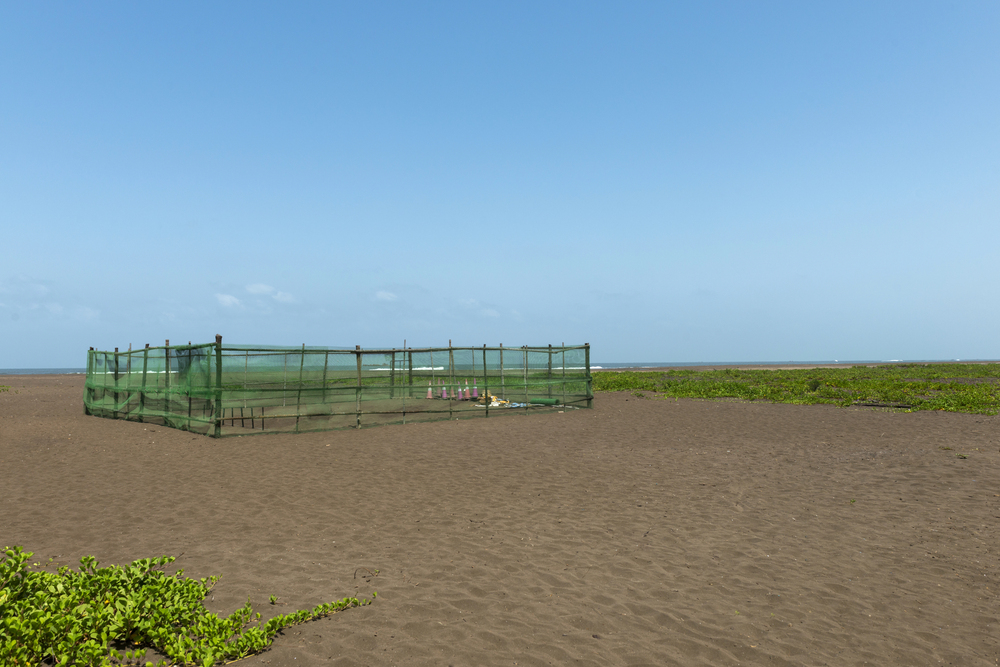
The Konkan coast doesn’t get the attention it deserves.
Tucked along Maharashtra’s shoreline, Velas is a small village where olive ridley turtles have been nesting for generations.
What makes this stretch special isn’t just the turtles themselves but the way the community has wrapped itself around their protection.
From February through May, when the females drag themselves onto the sand under the cover of darkness, local families act as unofficial sentries.
The village runs an annual turtle festival, though calling it a festival undersells what’s really happening.
It’s more like a coordinated conservation effort dressed up with homestays, beach patrols, and guided walks.
Visitors stay with local families, eat Konkani food, and join early morning beach patrols to watch hatchlings scramble toward the Arabian Sea.
The beach itself stretches about two miles, lined with casuarina trees that provide just enough cover without overwhelming the nesting zones.
Getting there requires a drive from Mumbai or Pune, followed by narrow village roads that discourage casual tourists.
Masirah Island, Oman
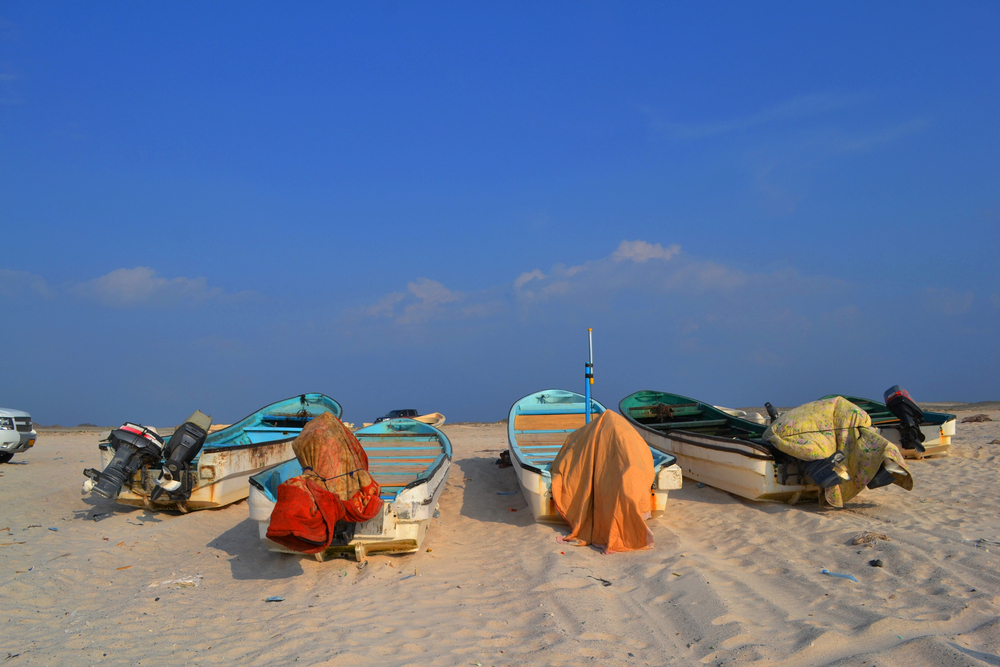
Off Oman’s southeastern coast lies an island that feels like it exists in a different era.
Masirah is desert and beach in equal measure, 40 miles long and barely three miles wide at its narrowest point.
All five of Oman’s turtle species visit here, but the loggerheads come in the greatest numbers.
The beaches on the eastern shore remain largely empty, protected by the sheer remoteness of the location.
Reaching Masirah means taking a car ferry from Shannah port, which is itself five to seven hours south of Muscat by road, depending on the route.
The island has one modest resort near the turtle nesting areas, but most of the coastline stays wild.
Loggerheads nest here from June through September, emerging at night onto beaches where the only witnesses are usually conservation volunteers and the occasional traveler who made the journey specifically for this.
The isolation works in the turtles’ favor.
There are no boardwalks, no regulated viewing times, just miles of sand where ancient patterns play out much as they have for millennia.
Galibi, Suriname
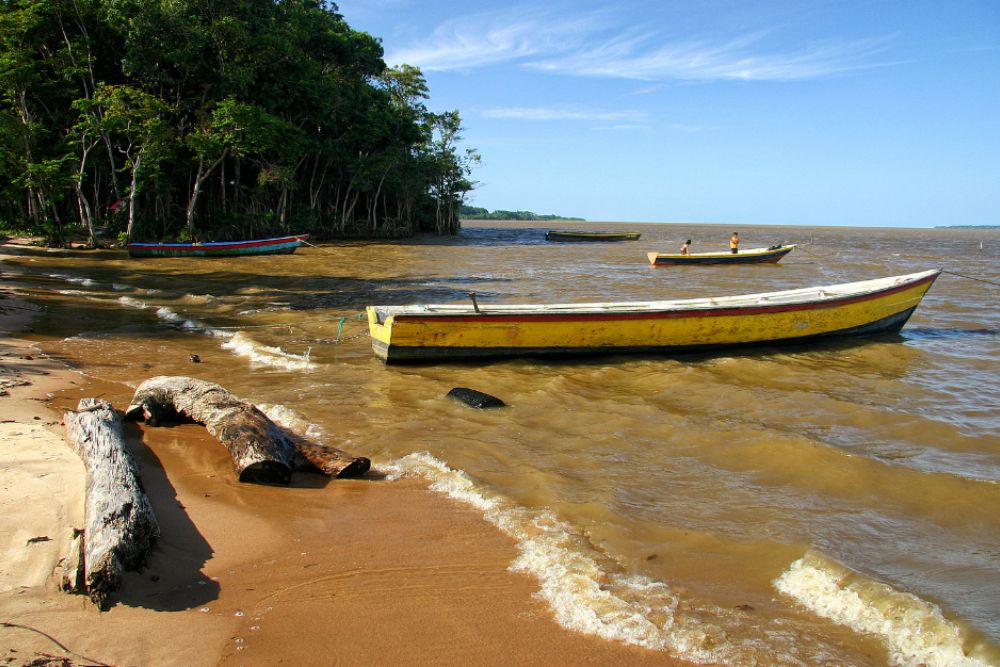
The northeastern coast of Suriname hosts one of the most important turtle beaches in the Atlantic, and getting there requires commitment.
Galibi sits at the border with French Guiana, where the Marowijne River meets the ocean.
The journey starts with a three-and-a-half-hour bus ride to Albina, then an hour-long boat trip upriver.
This is where leatherbacks nest in substantial numbers, along with green turtles, olive ridleys, and hawksbills.
The beaches themselves shift constantly.
Erosion on the eastern side and accretion on the western side cause the nesting grounds to migrate westward in a cycle that repeats roughly every 35 years.
Conservation stations have to be rebuilt or relocated regularly, which adds to the operational challenges.
The Galibi Nature Reserve, established in 1969, protects these ever-moving beaches.
Visitors stay in basic lodges run by the Foundation for Nature Preservation in Suriname, where researchers have been monitoring turtle populations since the 1960s.
The nesting season runs from February through August, with leatherbacks dominating the early months.
Alagadi, Northern Cyprus
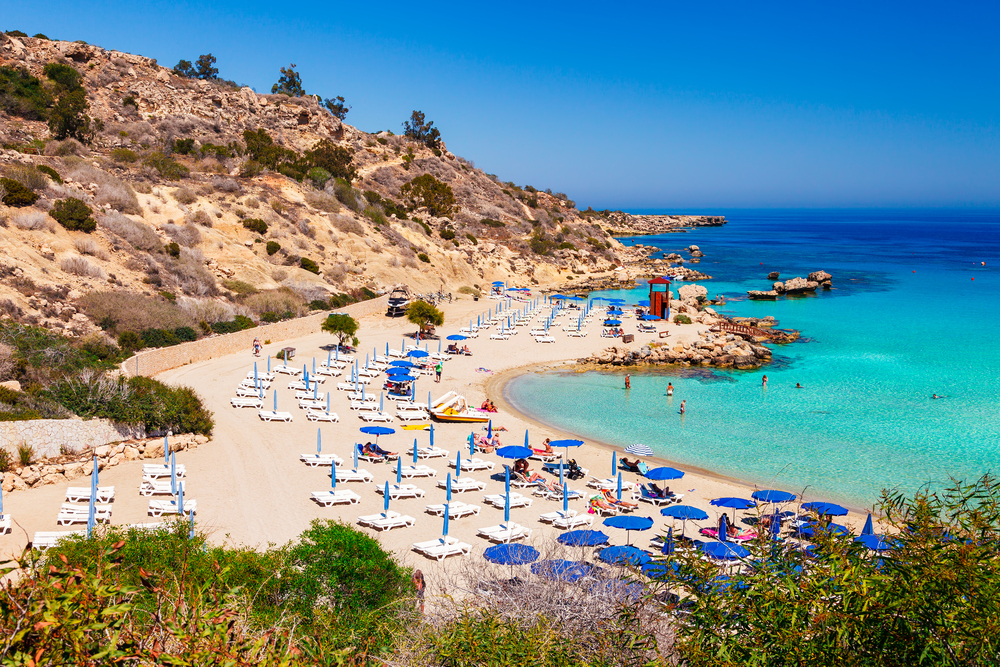
About ten miles from Kyrenia, a beach that sees a fraction of the tourist traffic becomes a crucial habitat every summer.
Alagadi hosts both loggerhead and green turtles from late May through September.
The beach is part of a special protection area spanning roughly five acres, carefully marked during nesting season to prevent disturbance.
What sets Alagadi apart is the hands-on research conducted by teams from Eastern Mediterranean University.
Visitors can book spots on nighttime walks led by conservationists who’ve been tracking individual turtles for years.
The viewing distance is limited to about half a mile from any nesting female, and the rules are strict: no flashlights, no sudden movements, no touching.
The beach itself has minimal facilities, which helps keep it quiet.
Those who come here usually do so specifically for the turtles, not as part of a larger beach vacation.
The conservation project has been running since the late 1990s, building a substantial dataset on nesting patterns and population health.
Turtle Islands, Philippines
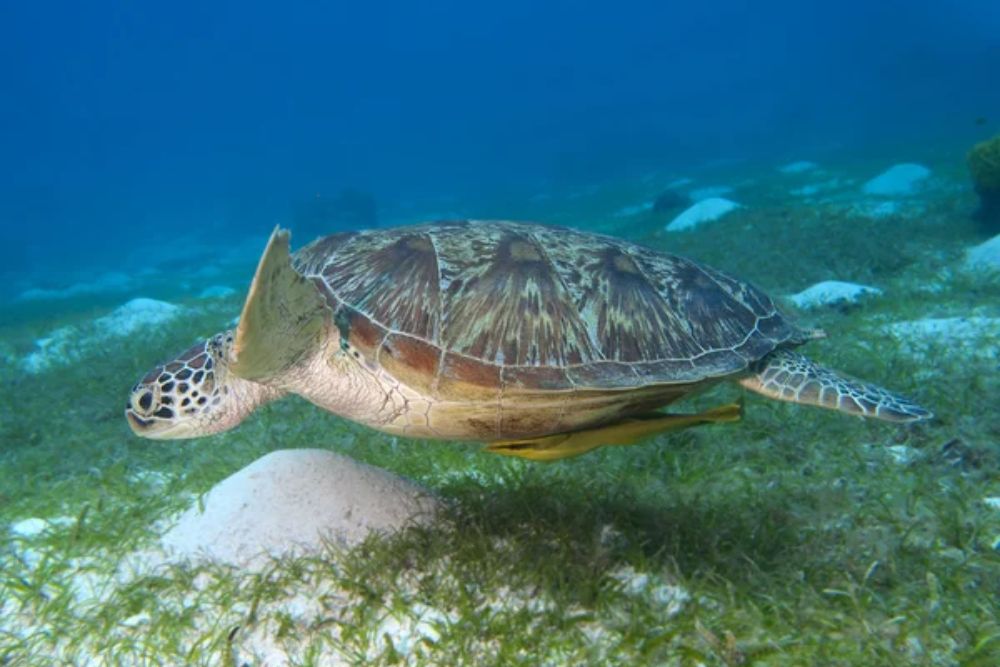
On the southwestern corner of the Sulu Archipelago, six small islands comprise the only major green turtle nesting habitat in the Philippines.
The Turtle Islands Wildlife Sanctuary lies about 620 miles southwest of Manila, and is accessible primarily by boat from Tawi-Tawi province.
A recent survey counted more than 19,500 complete nests in a single year, making this the eleventh-most-important nesting site in the world for green turtles.
The sanctuary operates under strict protocols.
Elevated wooden boardwalks allow researchers and the occasional visitor to observe without trampling nesting sites.
Several islands within the sanctuary remain completely off-limits during peak season to minimize disruption.
The Philippines shares management of the area with Malaysia through a heritage protection agreement that’s been in place since 1996.
Getting permission to visit requires advance coordination with authorities, and tourism infrastructure remains deliberately minimal.
The islands themselves are small, shaped like tadpoles, ringed by beaches where turtles have nested for as long as anyone can remember.
Mayumba, Gabon
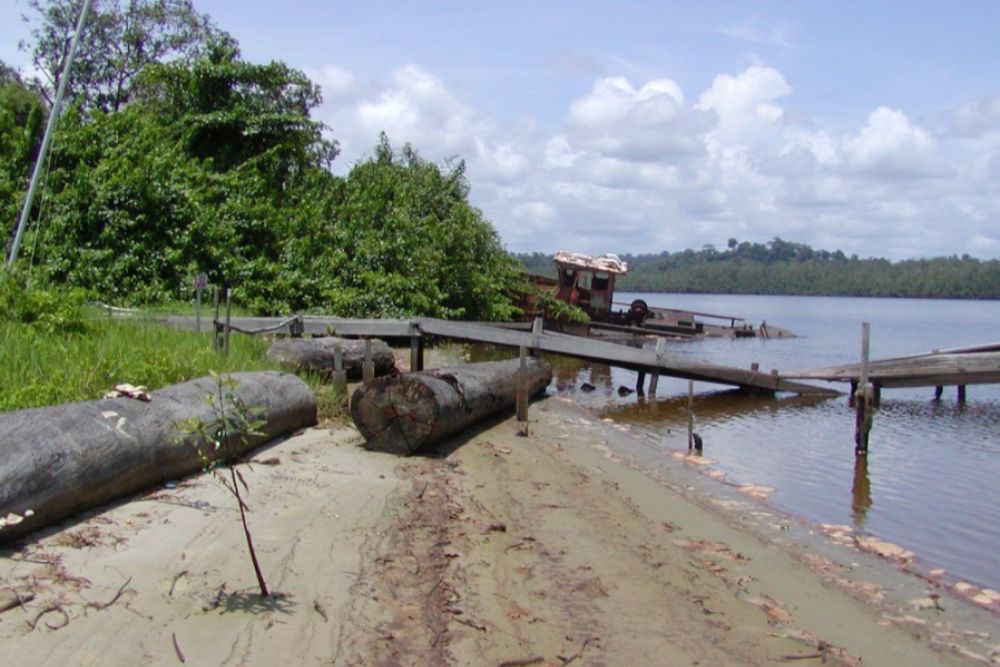
Gabon’s coastline is home to the world’s largest population of leatherbacks, and Mayumba National Marine Park on the southern coast is ground zero.
The park shares a border with Congo’s Conkouati-Douli National Park, creating a protected corridor along one of Central Africa’s wildest stretches.
Nesting density here is higher than anywhere else in Africa, peaking from December through January.
Mayumba feels truly remote.
Miles of beaches stretch without development, backed by a mostly intact coastal forest.
Most trips begin by flying into Libreville, then taking a small plane south or embarking on a very long, rough overland journey.
In 2002, the Gabonese government created 13 national parks, two of which specifically protect turtle nesting beaches.
Since 2011, all sea turtle species have been completely protected under national law.
Visitors can stay at eco-lodges near the park and join nighttime turtle walks with guides who use red-filtered flashlights that don’t disturb the nesting females.
It is like seeing something from another era: giant leatherbacks, some weighing upwards of 1,000 pounds, laboring up the beach in the darkness.
Nancite, Costa Rica
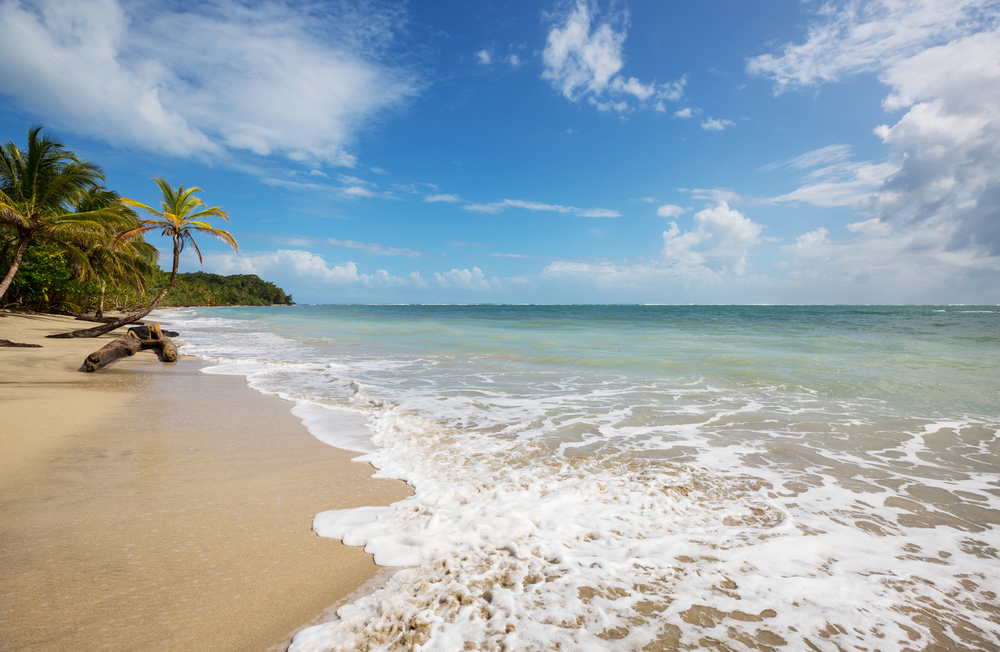
Costa Rica has famous turtle beaches, but Nancite isn’t one of them.
Located in Santa Rosa National Park in Guanacaste, this beach requires hiking to reach and permission from the ranger station to visit.
It’s one of only two places in Costa Rica where olive ridley arribadas occur — those spectacular mass nestings when thousands of turtles swarm ashore simultaneously.
The arribadas typically happen in September and October, compressed into just a few days around the new moon.
The rest of the year, Nancite sees sporadic nesting but remains relatively quiet.
The beach’s remoteness is part of its value.
Without easy access, it stays undisturbed between those explosive nesting events.
The hike takes several hours through dry tropical forest, and camping is the only option for those who want to witness an arribada.
Park rangers monitor the beach during peak season, but visitor numbers are strictly limited.
This is deliberate, careful conservation in action.
Where nature still writes the rules
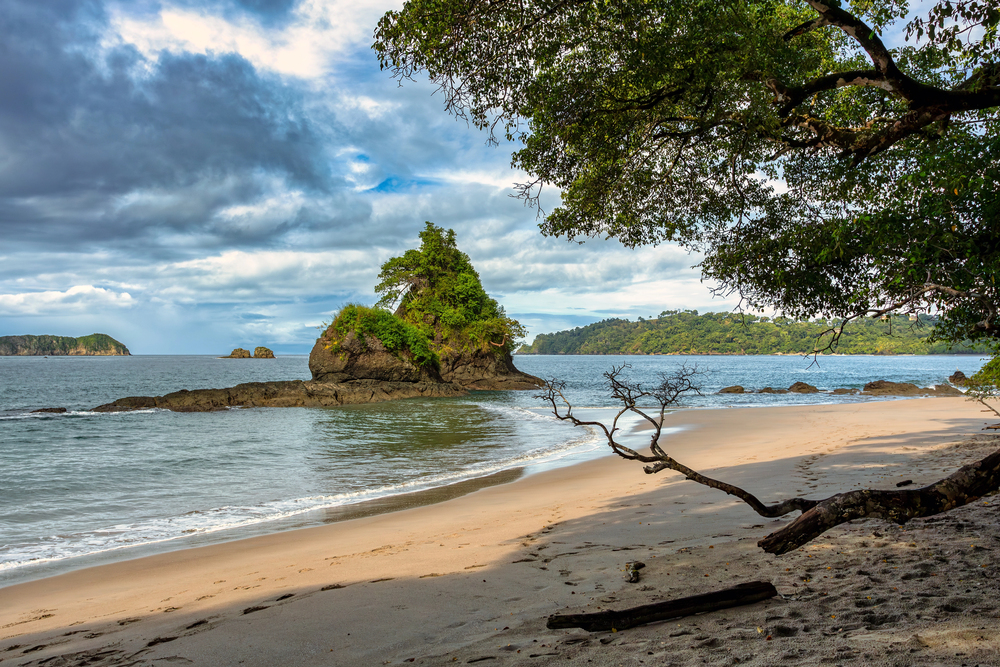
The beaches that make headlines have their place in turtle conservation.
They educate millions of people, fund research programs, and serve as proof that humans can exist alongside wildlife when it’s managed properly.
Even so, the hidden beaches serve a different purpose: they’re the places where turtles nest without spectators, where conservation happens because local communities decided it mattered, where access stays limited not by design but by geography.
These shores represent something increasingly rare: wildlife refuges that haven’t been optimized for tourism.
As coastal development accelerates globally, the value of these remote beaches grows.
They are not just backup sites or secondary habitats.
They’re strongholds, places where turtles can still follow patterns established millions of years before humans started building resorts.
The communities protecting them rarely make international news, but they’re holding the line where it counts most — on the sand itself, night after night, season after season.
More from Travel Pug

- Underrated Italian Towns That Beat the Tourist Crowds
- Las Vegas Tourist Traps to Skip
- Prettiest Towns in Every US State
- 18 passport-free countries for Americans
- Signs Your Cruise Is Not Worth The Cost
Like Travel Pug’s content? Follow us on MSN.