

Traveling alone opens up a world of freedom, but it also means you’re your own security team. Smart solo travelers know that a little preparation goes a long way in keeping things safe and stress-free.
Whether this is your first solo adventure or your fiftieth, these precautions help you stay secure without turning into a paranoid mess. Here is a list of 15 hotel safety hacks that’ll help you travel solo with confidence.
Request a room between the third and sixth floors

Ground-floor rooms make it too easy for intruders to access through windows, while anything above the sixth floor gets tricky for firefighters to reach with their ladders. The sweet spot sits right in the middle—high enough to deter casual break-ins but low enough that emergency crews can actually help you if something goes wrong.
Most hotel security experts agree this range offers the best balance of safety.
Check the peephole and door locks before unpacking

Before you even toss your bag on the bed, take thirty seconds to inspect your door’s security features. Make sure the peephole gives you a clear view and hasn’t been tampered with or blocked from the outside.
Test the deadbolt, chain lock, and regular lock to confirm they all work smoothly—if something feels loose or broken, call the front desk immediately and request a different room.
Use the door’s secondary locks every time you’re inside

The main lock keeps out people without keys, but those secondary locks—the deadbolt and chain—are what keep you safe from hotel staff entering unexpectedly or someone who’s managed to get a key card. Get in the habit of sliding them into place the moment you close the door behind you.
It takes two seconds and makes a huge difference in your actual security.
Prop the ironing board against the door at night
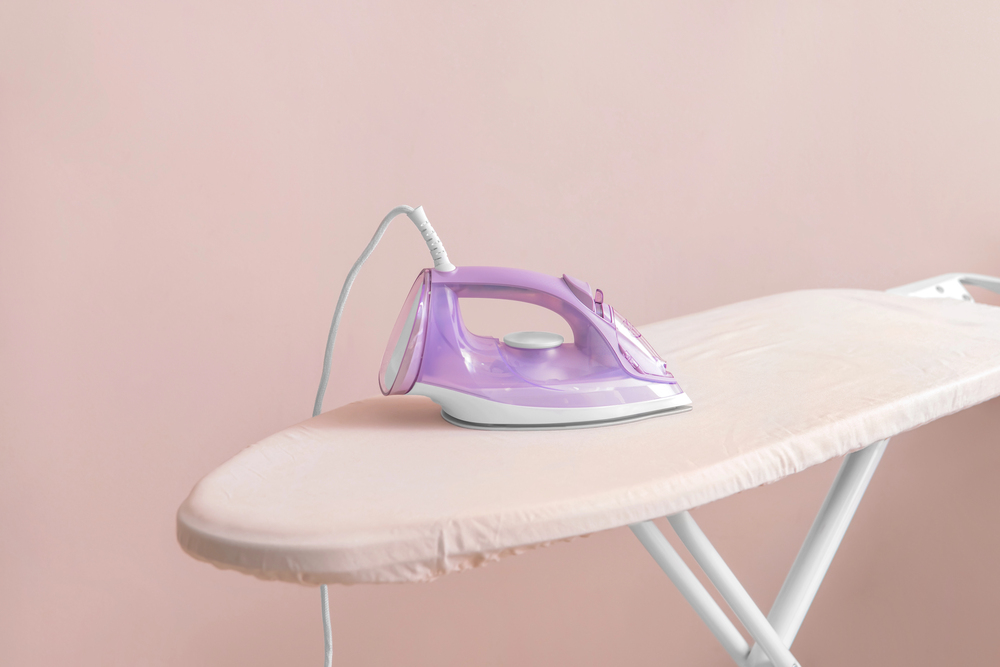
This old traveler’s trick works surprisingly well as a makeshift alarm system. Lean the ironing board at an angle between the door handle and the floor—if someone tries to open the door, the whole thing will crash down and make enough noise to wake you up.
It won’t stop a determined intruder, but it buys you precious seconds to react and call for help.
Keep your room number completely private

When you check in, the front desk might announce your room number out loud—politely ask them to write it down instead. Never discuss your room number in elevators, at the pool, or anywhere other guests can overhear.
Even posting hotel selfies on social media before you’ve checked out can tip off the wrong people about where you’re staying and when you’re away from your room.
Scan the room for hidden cameras

This sounds paranoid until you read the news stories about hidden cameras in hotel rooms. Check smoke detectors, wall outlets, alarm clocks, picture frames, and anything pointed toward the bed or bathroom.
Use your phone’s flashlight to look for tiny lens reflections, or download one of those camera-detector apps that scan for wireless signals—they’re not perfect, but they catch a lot of the obvious stuff.
Leave the TV or radio on when you go out

An occupied room sounds different from an empty one. Turn on the television or a talk radio station at a reasonable volume before heading out for the day—it suggests someone’s inside and makes your room a less appealing target.
The cost of running the TV for a few hours is negligible compared to the deterrent effect it provides.
Hang the ‘Do Not Disturb’ sign strategically

Leaving this sign on your door when you’re out creates the impression that you’re sleeping in or don’t want to be bothered—basically that someone’s inside. Just remember to remove it occasionally so housekeeping doesn’t get suspicious or management doesn’t do a wellness check.
Rotate between the ‘Do Not Disturb’ sign and letting housekeeping in at unpredictable times to maintain the illusion of presence without raising red flags.
Get familiar with emergency exits immediately

The first thing you should do after checking your door locks is locate the nearest emergency exits. Walk the route to both the closest exit and an alternative one while counting doors—if there’s a fire and the hallway fills with smoke, you’ll need to feel your way out in the dark.
This simple reconnaissance could save your life, yet most people never bother doing it.
Store valuables in creative hiding spots

Hotel safes are great, but they’re also the first place thieves look. For items you can’t fit in the safe or if the safe seems flimsy, get creative—hide valuables in rolled-up socks in your suitcase, inside zippered pillow covers, or even in that plastic bag lining the ice bucket.
Burglars work quickly and rarely have time to search every weird hiding spot in a room.
Avoid discussing your solo status with strangers

There’s no reason to advertise that you’re traveling alone to the person sitting next to you at the hotel bar or the chatty staff member. Keep conversations friendly but vague about your travel companions—saying ‘we’ instead of ‘I’ when discussing your plans doesn’t hurt anything.
Solo travel is wonderful, but strategic ambiguity about whether someone’s waiting for you upstairs adds a layer of protection.
Photograph and test all exits before settling in
Beyond just locating emergency exits, actually push on the exit doors to make sure they’re not locked or blocked. Take photos of the emergency evacuation map posted in your hallway and keep it on your phone.
Some travelers even photograph their room number on the door as a memory aid in case they’ve had a few drinks later—nothing worse than wandering a hotel floor at midnight trying to remember which room is yours.
Keep a doorstop or portable lock in your luggage

Rubber doorstops add extra security by making it physically harder to push open a door, even if someone has a key. Portable travel locks—the kind that slip into the door latch—provide additional protection beyond what the hotel offers.
These gadgets cost less than twenty dollars and weigh almost nothing, making them perfect travel insurance for solo travelers who take security seriously.
Trust your instincts about staff and other guests

If something feels off about a hotel employee who’s being too curious about your plans or a fellow guest who’s asking too many questions, listen to that discomfort. Your gut instinct evolved to keep you safe—it’s picking up on subtle cues your conscious mind hasn’t processed yet.
There’s nothing rude about politely ending a conversation that makes you uneasy or requesting a different staff member.
Download the hotel’s app and save emergency contacts

Most major hotel chains have apps that let you contact the front desk, request services, or alert security without making a phone call. Save the local emergency number (911 in the US, but different elsewhere) and the front desk number in your phone before you need them.
Having these numbers ready means you can reach help instantly instead of fumbling around in a stressful moment.
Building your personal security routine

It becomes second nature after a few journeys, and they’ll no longer be a hassle, they’ll become part of your checklist routine. Your aim should be not to be fearful of everything, but to establish smart routines, allowing you to travel with confidence.
Travel alone and reward yourself with careful planning, and a few key precautions ensure you enjoy your adventure and not worry about what could potentially go wrong.
More from Travel Pug

- Underrated Italian Towns That Beat the Tourist Crowds
- Las Vegas Tourist Traps to Skip
- Prettiest Towns in Every US State
- 18 passport-free countries for Americans
- Signs Your Cruise Is Not Worth The Cost
Like Travel Pug’s content? Follow us on MSN.